Table of Contents
- 10 Secrets to Successful Fruit Picker For Gardening
- The Importance of Proper Fruit Picking Equipment
- Secret #1: Choose the Right Type of Fruit Picker for Your Garden
- Telescopic Pole Fruit Pickers
- Basket-Style Fruit Pickers
- Claw and Grabber Models
- Secret #2: Master the Proper Technique for Different Fruits
- The Twist-and-Pull Method
- Soft Fruit Considerations
- Citrus and Tropical Fruits
- Secret #3: Invest in Quality Over Price
- Materials That Matter
- Design Features Worth Paying For
- Secret #4: Timing Is Everything—Know When to Pick
- Recognizing Ripeness Indicators
- Time of Day Matters
- Secret #5: Maintain and Care for Your Fruit Picker
- Post-Harvest Cleaning Routine
- Seasonal Maintenance Tasks
- Proper Storage Practices
- Secret #6: Optimize Your Reach with Adjustable Extensions
- Height Assessment and Planning
- Safe Handling of Extended Poles
- Weight Considerations
- Secret #7: Use Complementary Tools and Accessories
- Harvesting Bags and Containers
- Stable Platforms and Step Stools
- Protective Equipment
- Additional Useful Tools
- Secret #8: Understand Tree Structure and Fruit Location
- Reading Tree Architecture
- Canopy Navigation Strategies
- Protecting Branch Health
- Secret #9: Prioritize Safety During Harvesting
- Ergonomic Considerations
- Ladder Safety Fundamentals
- Environmental Awareness
- Secret #10: Practice Makes Perfect—Develop Your Picking Skills
- Building Fundamental Skills
- Common Mistakes to Avoid
- Tracking Your Progress
- Bonus Tips for Maximizing Your Harvest
- Post-Harvest Handling
- Preservation Methods
- Final Thoughts: Harvesting Success Awaits
10 Secrets to Successful Fruit Picker For Gardening
There’s something incredibly satisfying about walking through your garden and harvesting fresh, ripe fruit straight from the tree. The sweet aroma, the vibrant colors, and the knowledge that you’ve grown something delicious create an experience that store-bought produce simply cannot match. However, anyone who has attempted to harvest fruit from tall trees knows the frustration of watching perfectly ripe apples, pears, or peaches dangling just out of reach. Climbing ladders becomes risky, shaking branches damages fruit, and standing on tiptoes leads to sore muscles and limited success.
This is where the humble fruit picker becomes your garden’s secret weapon. A well-chosen and properly used fruit picker transforms the challenging task of harvesting into an efficient, enjoyable activity that maximizes your yield while protecting both you and your trees. Whether you’re a seasoned gardener with an established orchard or a beginner with a single apple tree in your backyard, understanding how to select, use, and maintain your fruit picking equipment makes the difference between a bountiful harvest and bruised, wasted produce rotting on the ground.
In this comprehensive guide, we’ll unveil ten essential secrets that professional orchardists and experienced gardeners use to achieve successful fruit picking results every season. These insider tips will help you work smarter, not harder, ensuring that every piece of fruit reaches your basket in perfect condition.
The Importance of Proper Fruit Picking Equipment
Before diving into specific secrets, understanding why proper fruit picking tools matter sets the foundation for success. The right equipment doesn’t just make harvesting easier—it fundamentally changes your relationship with your fruit trees and the quality of produce you bring to your table.
Traditional methods of fruit harvesting often result in significant losses. Fruit that falls to the ground becomes bruised and unsuitable for storage. Climbing trees or using unstable ladders creates safety hazards, particularly for older gardeners or those with mobility concerns. Furthermore, improper harvesting techniques can damage tree branches, affecting future fruit production and overall tree health.
Modern fruit pickers address these challenges through intelligent design. Quality fruit picking tools feature cushioned baskets that gently cradle harvested produce, preventing the bruising that occurs when fruit drops even short distances. Telescopic handles extend your reach safely from ground level, eliminating the need for dangerous climbing. Specialized picking heads incorporate features like angled tines, rotating mechanisms, and padded edges designed to detach fruit cleanly without damaging stems or surrounding branches.
The investment in proper equipment pays dividends through:
- Increased harvest yields with less waste
- Improved fruit quality through gentle handling
- Enhanced safety during harvesting activities
- Reduced tree damage and better long-term productivity
- Greater efficiency requiring less time and energy
Understanding this foundation helps you appreciate why each of the following secrets contributes to your overall harvesting success.
Secret #1: Choose the Right Type of Fruit Picker for Your Garden
Selecting the appropriate fruit picker isn’t a one-size-fits-all decision—different garden situations demand different tools. The variety of fruit pickers available today means you can find equipment perfectly suited to your specific trees, fruits, and physical capabilities.
Telescopic Pole Fruit Pickers
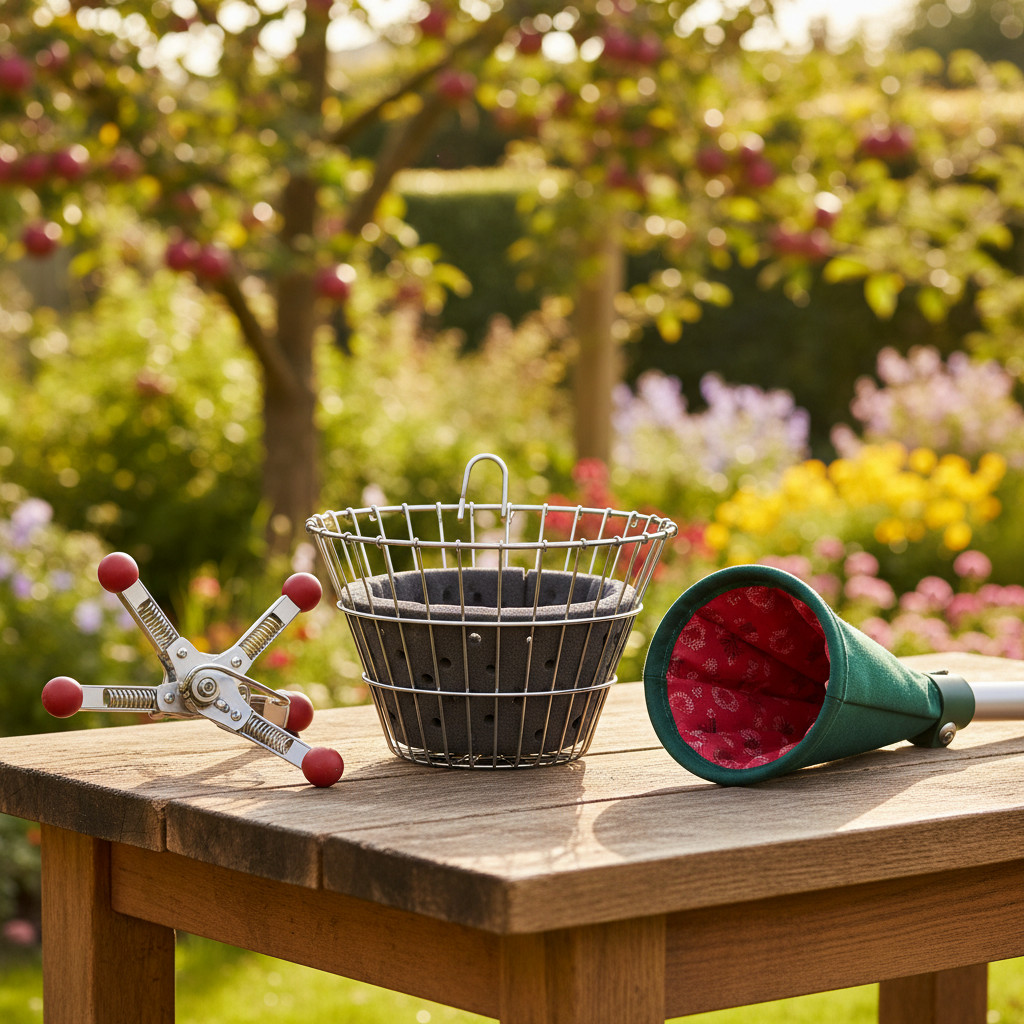
Telescopic pole fruit pickers represent the most popular choice for home gardeners dealing with standard fruit trees. These tools feature extendable aluminum or fiberglass poles that can reach heights of 8 to 15 feet or more, depending on the model. The picking head attaches to the pole’s end and typically includes a basket or catching mechanism surrounded by metal tines or fingers that help separate individual fruits from their stems.
The primary advantage of telescopic pickers lies in their versatility. You can adjust the length based on which part of the tree you’re harvesting, from lower branches requiring minimal extension to the uppermost reaches of tall trees. Many models feature twist-lock or cam-lock mechanisms that allow quick, secure length adjustments without tools. This adaptability makes them suitable for gardens with multiple tree varieties at different heights.
Basket-Style Fruit Pickers
Basket-style fruit pickers prioritize fruit protection above all else. These designs incorporate deep, cushioned baskets—often lined with fabric or foam padding—that cradle fruit as it’s harvested. The picking mechanism typically uses curved metal tines that guide fruit into the basket’s center, where padding prevents bruising.
These pickers excel for delicate fruits like peaches, plums, and ripe pears that damage easily upon contact with hard surfaces. The trade-off comes in capacity; basket-style pickers generally hold fewer fruits before requiring emptying, making them better suited for careful, selective harvesting rather than bulk collection.
Claw and Grabber Models
Claw-style fruit pickers work through mechanical action, using squeeze-activated mechanisms that close around individual fruits. These tools offer precise control, allowing you to target specific fruits without disturbing surrounding produce. They’re particularly useful for harvesting from dense clusters where traditional basket pickers might collect multiple fruits simultaneously.
Key considerations when choosing your fruit picker include:
- Tree height in your garden
- Fruit types you’ll be harvesting
- Your physical strength and handling capabilities
- Storage space available for equipment
- Budget for initial purchase and maintenance
Secret #2: Master the Proper Technique for Different Fruits
Even the best fruit picker becomes ineffective without proper harvesting technique. Different fruits require different approaches, and understanding these nuances dramatically improves your success rate while reducing fruit damage.
The Twist-and-Pull Method
The twist-and-pull method works exceptionally well for apples, pears, and other firm fruits with sturdy stems. Position your fruit picker so the tines surround the fruit completely, ensuring it sits centered in the basket. Rather than pulling straight down—which can damage both fruit and branch—apply gentle upward pressure while simultaneously twisting the picker approximately 90 degrees. This motion mimics the natural action of hand-picking and cleanly separates the fruit from its stem without tearing.
The key to this technique lies in patience. Resist the urge to yank or force the fruit free. Properly ripe fruit releases easily with minimal pressure. If you find yourself struggling, the fruit may not be ready for harvest, or you may need to reposition your picker for a better angle.
Soft Fruit Considerations
Soft fruits like peaches, plums, and ripe apricots demand gentler handling than firm varieties. These fruits bruise easily and their delicate skins tear with minimal pressure. When harvesting soft fruits, ensure your picker basket has adequate padding and avoid overfilling, as fruit weight pressing against other pieces causes damage.
For soft fruit success, follow these guidelines:
- Position the picker directly beneath the fruit so it drops with minimal movement
- Avoid twisting motions that could tear delicate skin
- Harvest smaller quantities per picking session
- Empty the basket frequently to prevent fruit-on-fruit pressure
- Work during cooler morning hours when fruit is firmer
Citrus and Tropical Fruits
Citrus fruits present unique challenges due to their tough stems and the presence of thorns on many citrus trees. Successful citrus harvesting often requires fruit pickers with sharper, more robust tines capable of cutting or snapping stems cleanly. Some specialized citrus pickers include integrated cutting blades activated by pulling motions.
Secret #3: Invest in Quality Over Price
The temptation to purchase inexpensive fruit picking equipment often leads to frustration, poor results, and ultimately greater expense when cheap tools require replacement. Understanding what separates quality fruit pickers from inferior products helps you make wise purchasing decisions.
Materials That Matter
Premium fruit pickers utilize materials selected for specific performance characteristics. Handles constructed from lightweight aluminum alloys provide strength without excessive weight, crucial when reaching overhead for extended periods. Aircraft-grade aluminum offers the best combination of durability and lightness, though fiberglass alternatives provide excellent options for those prioritizing minimal weight.
The picking head’s construction proves equally important. Stainless steel tines resist corrosion from fruit acids and outdoor moisture exposure while maintaining their shape through repeated use. Plastic tines, while lighter, can become brittle over time and may snap during demanding harvesting sessions. The basket material should be food-safe and resistant to staining from fruit juices.
Design Features Worth Paying For
Quality fruit pickers incorporate thoughtful design elements that cheaper alternatives lack:
- Ergonomic grip handles with cushioned, non-slip surfaces reduce hand fatigue during extended use
- Secure locking mechanisms that maintain pole length without slipping under load
- Replaceable basket linings that can be cleaned or swapped when worn
- Balanced weight distribution that prevents the picker from becoming front-heavy when extended
- Reinforced connection points between pole sections that won’t loosen over time
Consider your fruit picker a long-term investment. A quality picker costing $50-80 that lasts fifteen years proves far more economical than replacing $20 tools every two or three seasons. Additionally, better tools produce better results—higher quality harvests, less wasted fruit, and a more enjoyable picking experience.
Secret #4: Timing Is Everything—Know When to Pick
Understanding optimal harvest timing transforms average yields into exceptional ones. Your fruit picker serves you best when deployed at precisely the right moment, capturing fruit at peak ripeness for maximum flavor, nutrition, and storage life.
Recognizing Ripeness Indicators
Each fruit variety displays specific signs indicating harvest readiness. Learning to read these signals ensures you pick at optimal moments rather than too early or too late.
Apples signal ripeness through several indicators: skin color develops fully (though this varies by variety), seeds darken from white to brown, and the fruit separates easily from the branch with a gentle twist. Ripe apples also emit a characteristic sweet fragrance near the stem end.
Pears present unique timing challenges because they ripen from the inside out. Unlike most fruits, pears should be harvested slightly before full ripeness and allowed to ripen off the tree. Check by applying gentle pressure near the stem—a slight give indicates readiness for picking.
Stone fruits like peaches, plums, and cherries should be fully colored and slightly soft to gentle pressure. These fruits don’t continue ripening significantly after harvest, making timing critical.
Time of Day Matters
Experienced orchardists know that harvest timing extends beyond seasonal considerations to specific times of day. Early morning harvesting, after dew has evaporated but before afternoon heat builds, produces the best results for most fruits.
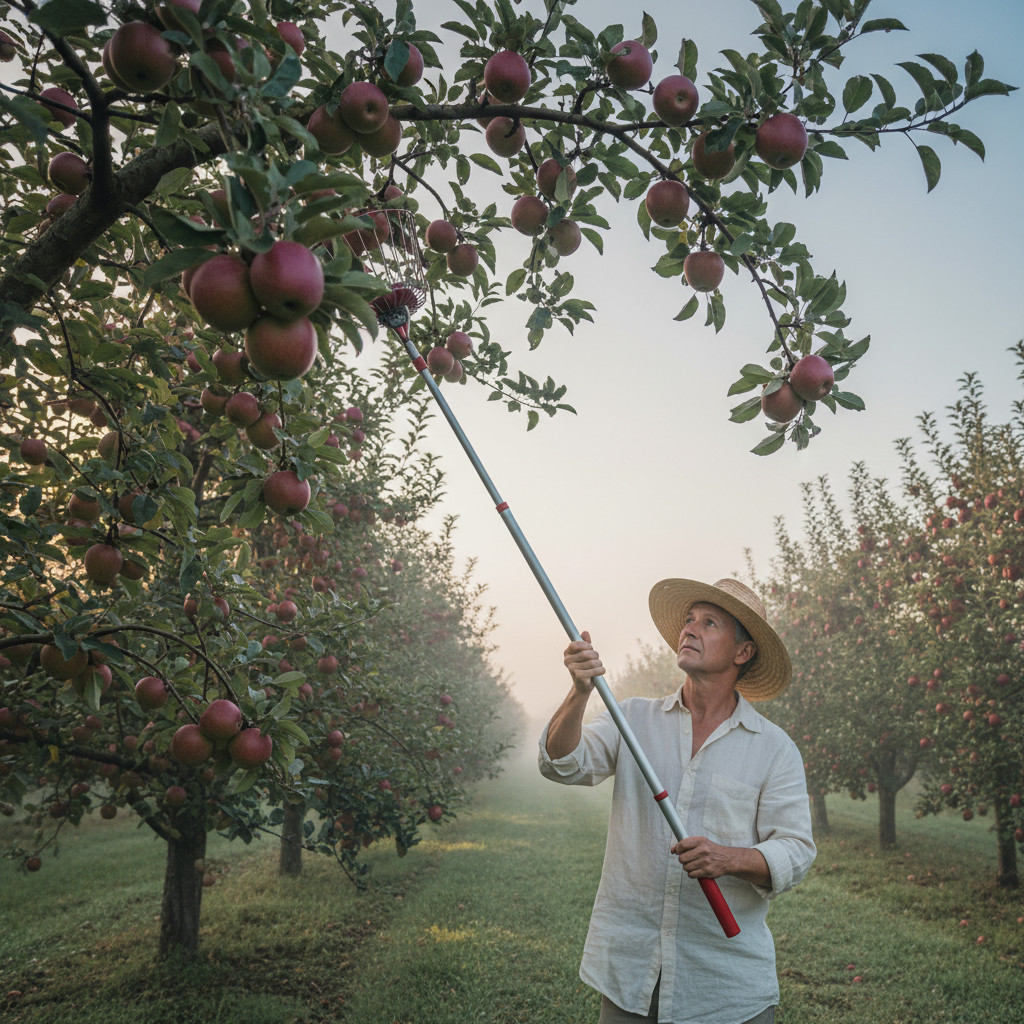
Morning-picked fruit contains higher sugar concentrations, as cooler overnight temperatures allow sugars to accumulate. The fruit’s flesh remains firmer in cool conditions, reducing bruising during handling. Morning harvesting also means working in comfortable temperatures, improving your efficiency and enjoyment.
Avoid harvesting during or immediately after rainfall. Wet fruit damages more easily, and moisture promotes rapid spoilage during storage. If rain occurs, wait at least 24 hours for fruit to dry completely before resuming harvest activities.
Secret #5: Maintain and Care for Your Fruit Picker
A well-maintained fruit picker performs better and lasts dramatically longer than neglected equipment. Establishing simple maintenance routines protects your investment and ensures reliable performance season after season.
Post-Harvest Cleaning Routine
After each harvesting session, take a few minutes to clean your fruit picker thoroughly. Fruit residue left on metal components causes corrosion and attracts insects. Acidic fruit juices particularly damage metal surfaces when allowed to dry and remain in contact.
Follow this cleaning protocol:
- Wipe all surfaces with a damp cloth to remove visible residue
- Wash the basket with mild soap and warm water, reaching all crevices
- Rinse thoroughly to remove soap residue
- Dry completely before storage to prevent rust formation
- Inspect for damage including bent tines, loose connections, or worn padding
Seasonal Maintenance Tasks
Before each harvest season begins, perform comprehensive maintenance to ensure your picker is ready for demanding use:
- Lubricate telescoping mechanisms with light machine oil or silicone spray
- Tighten all fasteners and check locking mechanisms
- Replace worn padding or basket linings
- Inspect pole sections for cracks, dents, or corrosion
- Test extension and retraction through full range of motion
Proper Storage Practices
How you store your fruit picker during the off-season significantly impacts its longevity. Always store equipment in dry locations protected from temperature extremes. Moisture promotes rust on metal components, while extreme cold can crack plastic parts. Hanging storage, rather than leaning against walls, prevents warping of telescopic poles.
Secret #6: Optimize Your Reach with Adjustable Extensions
Maximizing your fruit picker’s reach potential requires understanding how to safely and effectively use extension capabilities. The ability to harvest from significant heights without ladders represents one of the primary advantages of quality fruit picking equipment.
Height Assessment and Planning
Before beginning any harvest session, assess your trees and plan your approach. Walk around each tree, identifying fruit locations and determining the reach required for different sections. This planning prevents constant length adjustments during picking and helps you work systematically through each tree.
Measure or estimate the following:
- Maximum fruit height on each tree
- Your comfortable reaching height with arms extended
- Required pole extension (maximum height minus your reach minus pole length)
- Obstacles that might interfere with pole movement
Safe Handling of Extended Poles
Extended fruit picking poles create leverage challenges that require proper handling technique. A 12-foot pole with a fruit-laden basket at its end generates significant torque that can strain your back, shoulders, and wrists if handled improperly.
Maintain these safety practices when working with extended poles:
- Keep the pole close to your body to minimize leverage forces
- Use both hands when controlling extended lengths
- Lower fruit slowly rather than allowing momentum to build
- Take breaks every 15-20 minutes to prevent repetitive strain
- Never overreach beyond comfortable balance
Weight Considerations
Every foot of extension adds weight that you must support throughout harvesting. Quality pickers balance weight distribution to minimize fatigue, but physics ultimately limits how comfortably you can work at maximum extension. Consider your physical capabilities honestly when selecting equipment and planning harvest sessions.
Secret #7: Use Complementary Tools and Accessories
Your fruit picker works best as part of a complete harvesting system rather than a standalone tool. Assembling appropriate complementary equipment enhances efficiency, improves fruit quality, and makes the entire harvest experience more enjoyable.
Harvesting Bags and Containers
A dedicated harvesting bag worn across your body allows you to empty your fruit picker’s basket without constantly returning to a central collection point. Look for bags with:
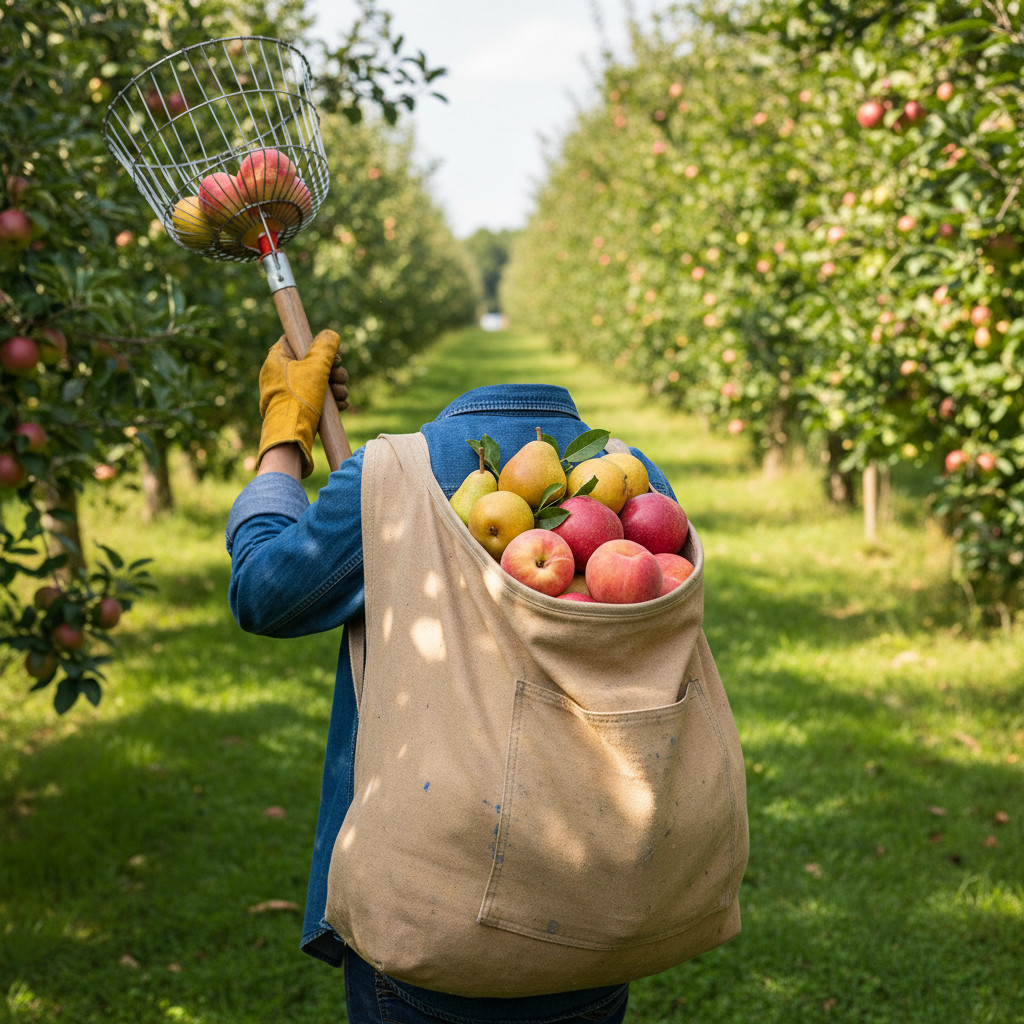
- Padded interiors to protect harvested fruit
- Adjustable straps for comfortable wearing
- Quick-release bottoms for easy emptying into larger containers
- Capacity appropriate for your expected harvest volume
Stable Platforms and Step Stools
While fruit pickers reduce the need for climbing, low step stools or stable platforms can extend your effective reach for shorter trees without the risks associated with tall ladders. A sturdy two-step platform adds 12-18 inches to your reach while maintaining stability. Use these only on level ground and never overreach beyond your balance point.
Protective Equipment
Protect yourself during harvest activities with appropriate gear:
- Wide-brimmed hats shield from sun exposure during extended sessions
- Safety glasses prevent eye injury from falling debris
- Gloves improve grip and protect hands from blisters
- Supportive footwear provides stability on uneven ground
- Knee pads offer comfort when harvesting lower branches
Additional Useful Tools
Round out your harvesting toolkit with:
- Pruning shears for removing fruit that won’t release cleanly
- Collection buckets positioned strategically around each tree
- Cushioned sorting trays for inspecting and grading harvested fruit
- Spray bottles filled with water for rinsing fruit before storage
Secret #8: Understand Tree Structure and Fruit Location
Working with your trees rather than against them dramatically improves harvesting efficiency. Understanding how trees grow and where they produce fruit helps you position your picker optimally and avoid damaging valuable wood.
Reading Tree Architecture
Fruit trees develop predictable branch patterns that experienced harvesters learn to read. Most fruit production occurs on one to three-year-old wood, with specific locations varying by species. Apple trees produce fruit on short, thick spurs along older branches. Peach trees fruit primarily on one-year-old wood. Understanding these patterns tells you where to focus attention.
Map your trees mentally before harvesting:
- Identify main scaffold branches that support fruit-bearing wood
- Locate this year’s fruit spurs or fruiting branches
- Note branch angles and likely fruit positions
- Plan your approach to work systematically through each tree
Dense tree canopies present navigation challenges for fruit pickers. Pushing blindly through foliage damages leaves and small branches while potentially dislodging unripe fruit. Instead, work methodically from the canopy’s exterior inward, clearing accessible fruit before attempting deeper reaches.
Rotate around each tree, harvesting from all angles before extending reach into central areas. This approach ensures you don’t miss hidden fruit while minimizing canopy disturbance. Natural openings in the foliage often provide access to interior fruit that seems inaccessible from other angles.
Protecting Branch Health
Every time your fruit picker contacts a branch, you risk causing damage that affects future productivity. Stripped bark, broken spurs, and snapped twigs reduce the tree’s ability to produce fruit in subsequent seasons. Work carefully around fruiting wood, and never use your picker as a lever against branches.
Secret #9: Prioritize Safety During Harvesting
No harvest is worth risking your health or safety. Implementing proper safety protocols protects you from common harvesting injuries and ensures you can enjoy your garden for years to come.
Ergonomic Considerations
Repetitive motions during extended harvesting sessions stress muscles and joints, potentially causing injuries that require weeks or months to heal. Proper technique and regular breaks prevent most ergonomic injuries.
Follow these ergonomic guidelines:
- Warm up before harvesting with gentle stretching, especially for shoulders, arms, and back
- Alternate tasks between reaching high and low to vary muscle use
- Take five-minute breaks every 20-30 minutes of continuous work
- Listen to your body—pain signals indicate the need to rest or adjust technique
- Stay hydrated throughout harvesting sessions
Ladder Safety Fundamentals
When fruit picker reach proves insufficient, ladders become necessary. However, orchard ladder accidents cause thousands of injuries annually, many serious or fatal. If you must use ladders, invest in proper orchard ladders designed for uneven terrain and tree work.
Essential ladder safety practices include:
- Never climb higher than the third rung from the top
- Maintain three points of contact at all times
- Set ladders on stable, level ground or use leg levelers
- Have a spotter present during ladder work
- Never reach beyond arm’s length from the ladder’s center
Environmental Awareness
Pay attention to environmental conditions that affect safety:
- Avoid harvesting in high winds that could topple ladders or drop branches
- Stop immediately if lightning threatens
- Recognize signs of heat exhaustion during warm weather harvesting
- Watch for wildlife including stinging insects, snakes, and territorial birds
Secret #10: Practice Makes Perfect—Develop Your Picking Skills
Like any physical skill, fruit picking improves dramatically with deliberate practice. Beginning gardeners often feel clumsy and inefficient, but consistent effort develops the muscle memory and judgment that experienced harvesters demonstrate.
Building Fundamental Skills
Start your skill development with fundamental techniques before attempting challenging harvests. Practice extending and retracting your picker smoothly until the motions feel natural. Work on positioning accuracy by targeting specific fruits before attempting to harvest them. Develop a feel for the gentle pressure required to release ripe fruit without damaging stems.
Skill-building exercises include:
- Practice positioning on tennis balls tied to branches (simulates fruit without waste)
- Time yourself harvesting set quantities to track efficiency improvements
- Work both sides of trees to develop ambidextrous capability
- Practice basket emptying to minimize time between picking sessions
Common Mistakes to Avoid
New fruit pickers consistently make predictable errors. Recognizing these patterns helps you avoid them:
- Overfilling baskets causes fruit damage and makes control difficult
- Rushing the process leads to missed fruit and damaged branches
- Ignoring fruit location before positioning results in repositioning waste
- Working against gravity rather than with it increases effort and reduces quality
- Neglecting equipment causes preventable failures at critical moments
Tracking Your Progress
Keep simple records of your harvesting performance to track improvement:
- Quantity harvested per hour of work
- Percentage of usable fruit (versus damaged)
- Time required per tree
- Techniques that worked particularly well
- Equipment modifications or accessories that helped
Reviewing these records reveals patterns and identifies areas for continued improvement.
Bonus Tips for Maximizing Your Harvest
Beyond the ten core secrets, these additional insights help you extract maximum value from your fruit picking efforts.
Post-Harvest Handling
How you handle fruit immediately after harvesting significantly affects storage life and quality. Keep harvested fruit shaded and cool—direct sunlight rapidly degrades quality. Sort fruit immediately, separating damaged pieces that should be used quickly from pristine specimens suitable for storage.
Different fruits require different storage conditions:
- Apples store best at 30-35°F with high humidity
- Pears ripen at room temperature after cold storage
- Stone fruits should be consumed within days or preserved
- Citrus tolerates room temperature for weeks
Preservation Methods
When harvests exceed immediate consumption capacity, preservation extends enjoyment throughout the year:
- Freezing works well for most fruits when properly prepared
- Canning creates shelf-stable products for long-term storage
- Drying concentrates flavors and reduces storage requirements
- Jamming and jellying transform surplus into versatile preserves
Final Thoughts: Harvesting Success Awaits
Mastering the art of fruit picking transforms your garden experience from frustrating to fulfilling. The ten secrets revealed in this guide—from selecting appropriate equipment to developing practiced technique—provide a roadmap for harvesting success that applies whether you’re tending a single backyard tree or managing a substantial home orchard.
Remember that successful fruit picking combines proper tools, correct timing, safe practices, and developed skills. No single factor guarantees success alone; rather, the integration of all these elements produces the bountiful, high-quality harvests that make home fruit growing so rewarding.
Start implementing these secrets during your next harvest season. Begin with equipment assessment—evaluate whether your current fruit picker suits your needs, or whether an upgrade would improve results. Establish maintenance routines that protect your investment. Practice techniques on early-season fruit when stakes are lower. Most importantly, approach each harvest with patience and attention, allowing your skills to develop naturally over time.
The rewards of successful fruit picking extend far beyond the immediate satisfaction of a full basket. You’ll enjoy superior fruit quality impossible to find in stores, reduced waste that honors your gardening efforts, and the deep connection to nature that comes from harvesting what you’ve nurtured from blossom to fruit.
Your trees are ready. Your picker awaits. The secrets are now yours. It’s time to harvest success.