Table of Contents
- 10 Secrets to Successful Fruit Tree Garden Design
- The Foundation of Exceptional Fruit Tree Garden Design
- Why Thoughtful Planning Matters
- Secret #1: Selecting the Right Fruit Trees for Your Growing Zone
- Understanding USDA Hardiness Zones
- Regional Variety Recommendations
- Secret #2: Mastering Site Selection and Sun Exposure
- The Critical Importance of Full Sun
- Wind Protection and Microclimate Creation
- Secret #3: Understanding Soil Requirements and Proper Preparation
- Testing and Interpreting Your Soil
- Preparing Planting Sites for Success
- Secret #4: Strategic Spacing and Layout Design
- Understanding Rootstock and Mature Size
- Layout Patterns for Different Garden Styles
- Secret #5: Pollination Planning for Maximum Fruit Production
- Self-Pollinating Versus Cross-Pollinating Varieties
- Attracting and Supporting Pollinators
- Secret #6: Implementing Effective Irrigation Systems
- Water Requirements Throughout the Growing Season
- Drip Irrigation: The Superior Choice for Fruit Trees
- Secret #7: Mulching and Ground Cover Strategies
- The Transformative Power of Proper Mulching
- Selecting and Applying Mulch Materials
- Secret #8: Companion Planting for a Thriving Ecosystem
- Beneficial Plant Combinations
- Plants to Avoid Near Fruit Trees
- Secret #9: Pruning and Training for Optimal Structure
- Establishing Structure in Young Trees
- Specialized Training Techniques for Small Spaces
- Secret #10: Long-Term Maintenance and Integrated Pest Management
- Seasonal Maintenance Calendar
- Organic Pest and Disease Management
- Key Takeaways: Creating Your Dream Fruit Garden
10 Secrets to Successful Fruit Tree Garden Design
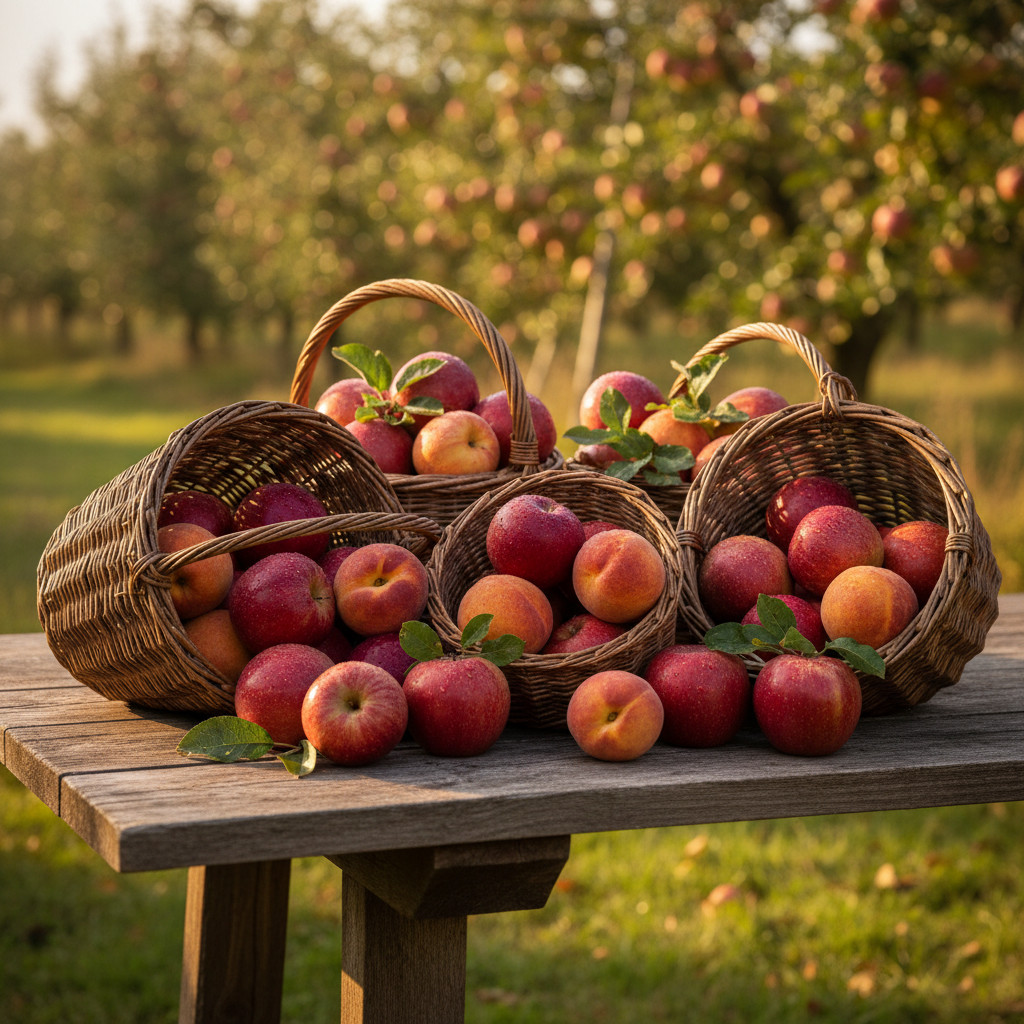
Imagine stepping into your backyard and plucking a perfectly ripe peach from your own tree, its sweet juice running down your chin as the morning sun warms your face. This dream is entirely achievable, but it requires more than simply digging a hole and dropping in a sapling. Creating a thriving fruit tree garden demands careful planning, strategic design, and knowledge that separates amateur gardeners from those who harvest baskets of delicious homegrown fruit year after year.
The difference between a struggling fruit garden and a flourishing orchard often comes down to decisions made long before the first tree is planted. From understanding your microclimate to selecting the perfect varieties, from mastering pollination strategies to implementing proper spacing, every choice impacts your garden’s ultimate success. Whether you’re working with a sprawling country property or a modest suburban lot, these proven secrets will transform your fruit tree garden from an aspiration into a productive reality that provides fresh, organic fruit for your family for decades to come.
The Foundation of Exceptional Fruit Tree Garden Design
Before diving into specific secrets, understanding the foundational principles of fruit tree garden design sets the stage for long-term success. A well-designed fruit garden considers not just immediate needs but anticipates how trees will mature and interact with their environment over time.
Why Thoughtful Planning Matters
Fruit trees represent a significant investment in both time and resources. Unlike annual vegetables that can be replanted if mistakes occur, fruit trees require years to establish and reach productive maturity. Apple trees, for instance, typically need three to five years before producing meaningful harvests, while some varieties like persimmons may take even longer. This timeline makes early planning decisions critically important.
Thoughtful design delivers multiple benefits:
- Maximized productivity through optimal placement and variety selection
- Reduced maintenance by working with natural conditions rather than against them
- Extended harvest seasons through strategic variety combinations
- Enhanced aesthetic appeal that complements your overall landscape
- Improved tree health leading to longer-lived, more disease-resistant specimens
The initial planning phase should include comprehensive site analysis, climate research, and honest assessment of the time and resources you can dedicate to maintenance. Gardens designed with these factors in mind consistently outperform those created on impulse or without adequate research.
Secret #1: Selecting the Right Fruit Trees for Your Growing Zone
This section reveals how choosing climate-appropriate varieties forms the cornerstone of fruit garden success, preventing years of frustration from trees that struggle to survive or produce in unsuitable conditions.
Understanding USDA Hardiness Zones
The United States Department of Agriculture divides North America into plant hardiness zones based on average annual minimum winter temperatures. These zones, ranging from 1 (coldest) to 13 (warmest), provide crucial guidance for selecting fruit trees capable of surviving your winters while receiving adequate summer heat for fruit development.
When selecting trees based on your zone, consider these essential factors:
-
Minimum temperature tolerance – Every fruit tree variety has specific cold hardiness limits. A tree rated for Zone 6 may survive temperatures down to -10°F, but planting it in Zone 4 (where temperatures can plunge to -30°F) will likely result in winter kill. Always select varieties rated at least one zone colder than your area for added insurance against unusually harsh winters. Additionally, consider that microclimates within your property may differ from the regional zone designation, with low-lying areas experiencing colder temperatures due to cold air settling in valleys and depressions.
-
Heat requirements for fruit development – Many fruit trees require specific accumulated heat units, measured in growing degree days, to properly ripen fruit. Northern gardeners may find that late-ripening peach varieties never fully mature before fall arrives, resulting in hard, flavorless fruit. Selecting early-maturing varieties ensures adequate time for proper fruit development regardless of your growing season length. Research indicates that matching variety maturation times to your specific growing season length significantly improves both fruit quality and overall yield.
-
Chill hour requirements – Perhaps the most overlooked factor in variety selection, chill hours represent the cumulative time trees spend between 32°F and 45°F during winter dormancy. Insufficient chill hours result in poor flowering, reduced fruit set, and weak spring growth. Southern gardeners must specifically seek low-chill varieties (requiring 400 hours or less), while northern gardeners should ensure they don’t select varieties requiring more chill hours than their region provides. This requirement varies dramatically among species and varieties, making careful research essential before purchasing.
Regional Variety Recommendations
Different regions favor different fruit trees based on climate conditions, disease pressure, and historical growing success. Research local extension service recommendations and connect with nearby orchardists to identify varieties with proven track records in your area.
Secret #2: Mastering Site Selection and Sun Exposure
Proper site selection determines more about your fruit garden’s success than almost any other factor, making this secret absolutely essential for every aspiring fruit tree gardener to understand thoroughly.
The Critical Importance of Full Sun
Fruit trees are sun-hungry plants that require maximum light exposure for optimal photosynthesis, flower production, and fruit development. The general rule requires a minimum of six to eight hours of direct sunlight daily, though more is always better. Trees receiving insufficient light become leggy, produce fewer flowers, and yield smaller, less flavorful fruit.
Key considerations for sun exposure include:
- Morning sun priority – East-facing exposures that capture morning light dry dew quickly, reducing fungal disease pressure significantly
- Southern exposure advantages – In northern hemisphere locations, south-facing slopes and walls provide additional warmth and light intensity
- Shadow mapping – Track shadows throughout the growing season, noting that buildings, mature trees, and fences cast longer shadows in spring and fall when the sun sits lower
- Future shade concerns – Consider how neighboring trees and structures may grow over time, potentially shading your fruit trees as they mature
Wind Protection and Microclimate Creation
Wind presents multiple challenges for fruit trees, from physical damage to increased water stress and disrupted pollination. Strategic site selection considers prevailing wind patterns and incorporates natural or created windbreaks.
Windbreaks positioned perpendicular to prevailing winds protect fruit trees from physical damage during storms while creating beneficial microclimates. A properly designed windbreak reduces wind speed for a distance roughly ten times its height, meaning a 20-foot tall hedge protects approximately 200 feet of garden space. This protection extends beyond physical damage prevention, as reduced wind exposure decreases water loss through transpiration, allowing trees to maintain better hydration during dry periods. Additionally, calmer conditions improve pollinator activity and reduce fruit drop from wind-related stem damage.
Secret #3: Understanding Soil Requirements and Proper Preparation
Healthy soil forms the foundation for healthy trees, making this secret about soil preparation absolutely vital for establishing productive fruit gardens that thrive for generations.
Testing and Interpreting Your Soil
Before planting any fruit trees, comprehensive soil testing reveals crucial information about pH levels, nutrient content, drainage capability, and organic matter percentage. County extension offices typically offer affordable soil testing services, providing detailed reports with specific amendment recommendations.
Essential soil parameters for fruit trees:
-
pH levels – Most fruit trees prefer slightly acidic to neutral soil, with optimal ranges between 6.0 and 7.0. Blueberries require significantly more acidic conditions (4.5-5.5), while figs tolerate slightly alkaline soil. Testing reveals whether amendments like sulfur (to lower pH) or lime (to raise pH) are necessary. Adjusting pH levels before planting proves far easier than attempting corrections after trees establish, as root systems extend well beyond easily amendable zones. Professional soil tests typically include specific application rates for pH adjustment based on your soil type and current conditions.
-
Drainage assessment – Fruit trees universally despise “wet feet,” with waterlogged roots leading to root rot and eventual tree death. Test drainage by digging a one-foot deep hole, filling it with water, and timing how quickly it drains. Ideal drainage sees water disappear within one to four hours. If water remains after 24 hours, consider raised beds, strategic site selection, or installing drainage improvements. Heavy clay soils often benefit from incorporation of organic matter and coarse sand, though severe drainage problems may require more intensive intervention including French drains or complete soil replacement in planting areas.
-
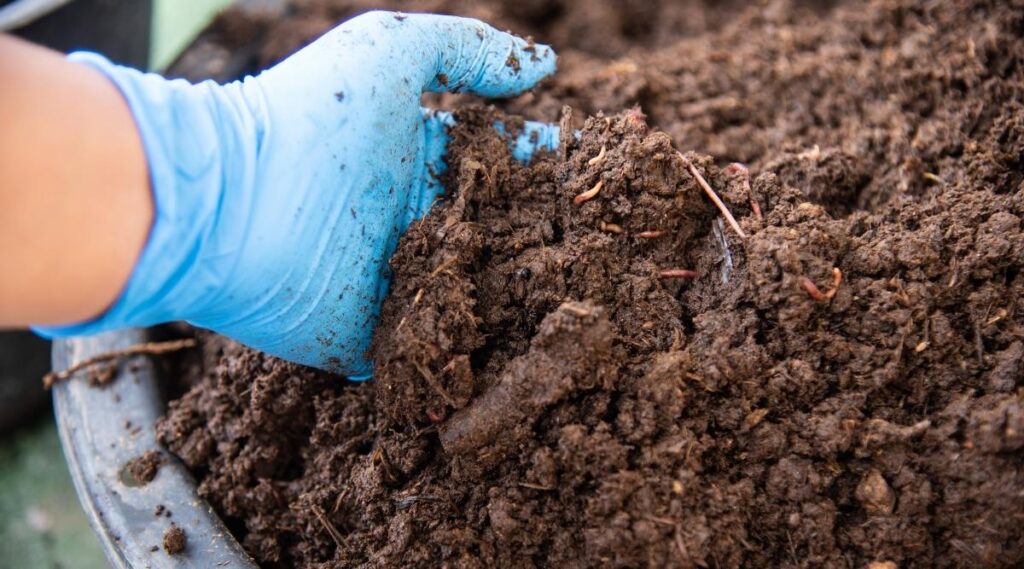
Organic matter content – Healthy orchard soils contain 3-5% organic matter, providing slow-release nutrients, improved water retention, and beneficial microbial activity. Low organic matter soils benefit from incorporation of aged compost, well-rotted manure, or other organic amendments before planting. Building organic matter requires ongoing effort through mulching, cover cropping, and regular compost additions throughout the orchard’s life. This investment pays dividends through improved tree vigor, enhanced disease resistance, and reduced irrigation requirements as soil structure improves over time.
Preparing Planting Sites for Success
Proper site preparation occurs months before actual planting, allowing amendments time to integrate with native soil and microbial populations to establish.
Begin by removing existing vegetation from planting areas, either through sheet mulching, solarization, or careful cultivation. Incorporate recommended amendments based on soil test results, mixing thoroughly throughout the root zone depth. For individual tree planting, prepare an area three times the width of the expected root ball, though loosening soil in a broader area encourages faster root establishment and better long-term anchorage.
Secret #4: Strategic Spacing and Layout Design
This secret addresses the critical balance between maximizing tree numbers and providing adequate space for healthy growth, air circulation, and productive harvests throughout your garden.
Understanding Rootstock and Mature Size
Modern fruit tree varieties come grafted onto various rootstocks that dramatically affect mature tree size. Understanding these categories prevents the common mistake of overcrowding that plagues many home orchards.
Rootstock categories and their implications:
- Standard rootstocks produce full-size trees reaching 25-30 feet tall and wide, requiring 25-35 feet between trees
- Semi-dwarf rootstocks create trees 12-18 feet tall, needing 12-18 feet spacing
- Dwarf rootstocks limit trees to 8-12 feet, allowing 8-12 feet spacing
- Ultra-dwarf rootstocks produce tiny trees suitable for containers, requiring only 4-6 feet spacing
Selecting appropriate rootstocks for your space proves essential for long-term success. Small urban lots benefit from dwarf varieties that provide substantial harvests without overwhelming limited space. Larger properties may accommodate standard trees with their greater yields and longer lifespans, though extended harvest times and more challenging maintenance must be considered.
Layout Patterns for Different Garden Styles
Various layout patterns suit different garden sizes, aesthetic preferences, and management approaches. Each pattern offers distinct advantages depending on your specific situation and goals.
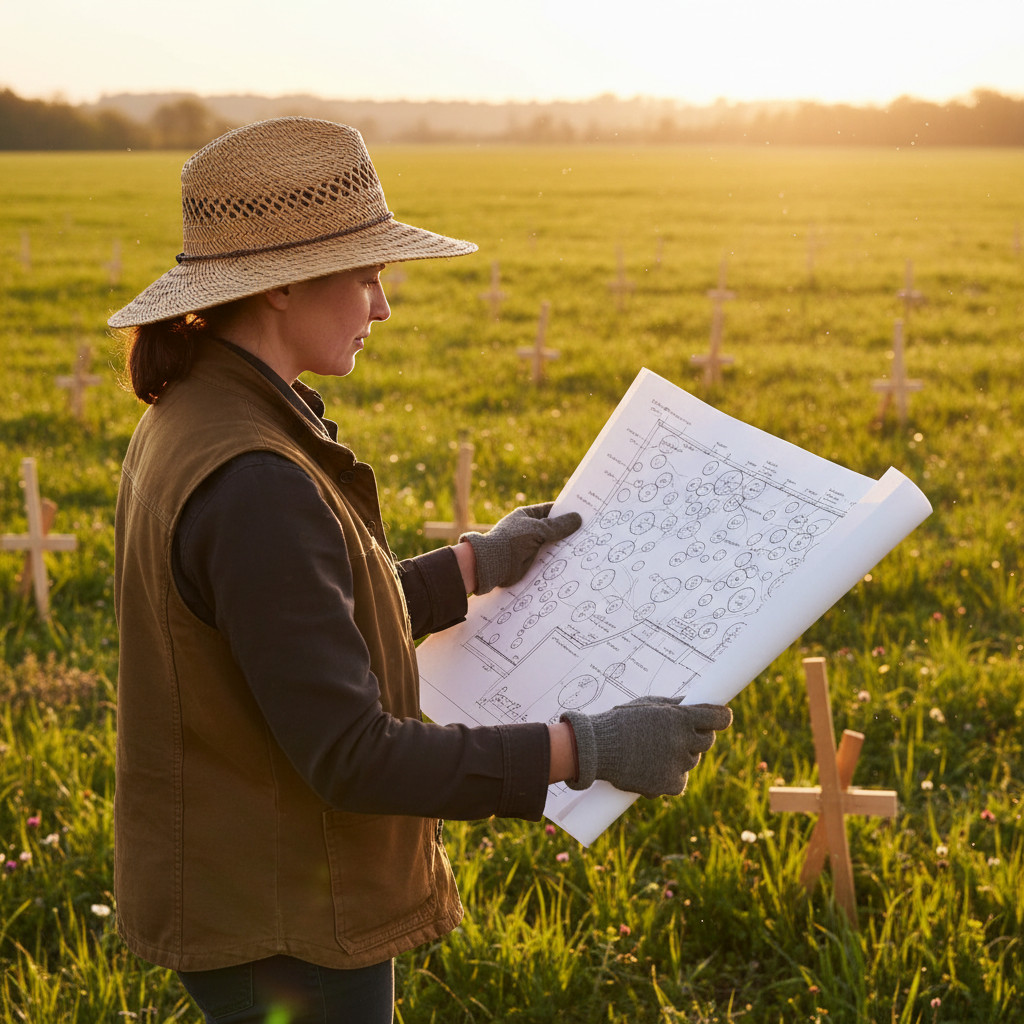
The grid pattern places trees in straight rows with equal spacing in both directions, creating organized orchards that facilitate mowing, spraying, and harvest operations. This traditional layout maximizes efficiency for larger plantings while providing excellent air circulation between trees.
The quincunx pattern offsets alternating rows, placing trees in the spaces between trees in adjacent rows. This arrangement increases tree density by approximately 15% compared to grid patterns while maintaining adequate spacing for tree health. The pattern works particularly well when combining different tree sizes, placing smaller dwarf varieties in offset positions between larger semi-dwarf specimens.
Contour planting follows the natural topography of sloped sites, positioning trees along elevation lines. This approach reduces erosion, captures rainfall more effectively, and creates visual interest through irregular spacing. Contour-planted orchards require more planning but integrate beautifully with naturalistic landscape designs.
Secret #5: Pollination Planning for Maximum Fruit Production
Understanding pollination requirements separates gardeners who enjoy abundant harvests from those perpetually wondering why their beautiful trees produce few or no fruits despite healthy growth.
Self-Pollinating Versus Cross-Pollinating Varieties
Fruit trees fall into two broad pollination categories, each requiring different planning approaches for successful fruit set.
Self-pollinating (self-fertile) trees produce fruit with their own pollen, requiring only one tree for successful harvest. These varieties include most peach and nectarine varieties, sour cherries, most apricots, and European-type plums. Self-pollinating trees simplify garden planning and suit small spaces where only one tree fits comfortably. However, even self-pollinating varieties often produce larger harvests when cross-pollination occurs, making the addition of compatible varieties beneficial when space permits.
Cross-pollinating trees require pollen from different compatible varieties to set fruit. Most apple varieties, sweet cherries, most pears, and Japanese plums fall into this category. Successful cross-pollination requires planting at least two different compatible varieties that bloom simultaneously within reasonable pollinator flying distance (generally within 50-100 feet). Some varieties within cross-pollinating species are sterile triploids that cannot pollinate others, requiring a minimum of three trees for successful fruit production—the sterile variety plus two compatible pollinators.
Attracting and Supporting Pollinators
Even with proper variety selection, pollination requires actual pollen transfer, predominantly accomplished by bees and other flying insects. Creating pollinator-friendly environments dramatically improves fruit set and yield consistency.
Strategies for supporting pollinators include:
-
Planting flowering companions that provide nectar and pollen throughout the season, not just during fruit tree bloom. Succession plantings of pollinator-attractive flowers ensure beneficial insects remain in your garden year-round rather than arriving only during the brief fruit tree flowering window. Early bloomers like crocus and willow feed emerging bees before fruit trees flower, while late-season options like asters and goldenrod support populations heading into winter dormancy. This diverse planting approach builds robust local pollinator populations that remain available when fruit trees flower.
-
Providing nesting habitat for native bees through designated wild areas, bee hotels, and undisturbed soil patches. Unlike honeybees living in hives, native bees include many solitary species nesting in hollow stems, beetle holes in wood, or underground burrows. Mason bees, particularly effective fruit tree pollinators, readily occupy simple wooden blocks drilled with appropriately sized holes. Creating diverse habitats throughout your property supports the variety of pollinators needed for complete pollination services across different fruit tree species and blooming periods.

-
Avoiding pesticide applications during bloom when pollinators actively visit flowers. Even organic-approved pesticides can harm beneficial insects when applied during flowering periods. Schedule necessary pest control applications for pre-bloom or post-petal-fall timing, and select products with minimal residual toxicity to protect pollinators visiting after application. This careful timing protects the very insects your fruit production depends upon while still managing genuine pest threats effectively.
Secret #6: Implementing Effective Irrigation Systems
Proper watering makes the difference between surviving trees and thriving ones, making irrigation system design a crucial component of successful fruit garden planning.
Water Requirements Throughout the Growing Season
Fruit trees require consistent moisture, particularly during fruit development, but specific needs vary throughout the growing season and among different species.
Seasonal watering considerations:
- Spring establishment – Newly planted trees require frequent watering to establish root systems, typically needing 1-2 inches weekly
- Fruit development period – Adequate moisture during fruit sizing prevents small, dry fruit; most trees need consistent watering from flowering through harvest
- Late season reduction – Reducing irrigation in late summer encourages proper hardening-off and winter preparation
- Dormant period – Occasional deep watering during dry winters prevents desiccation, particularly for evergreen citrus in appropriate zones
Drip Irrigation: The Superior Choice for Fruit Trees
Among irrigation methods, drip systems offer overwhelming advantages for fruit tree gardens, delivering water directly to root zones while minimizing waste and disease pressure.
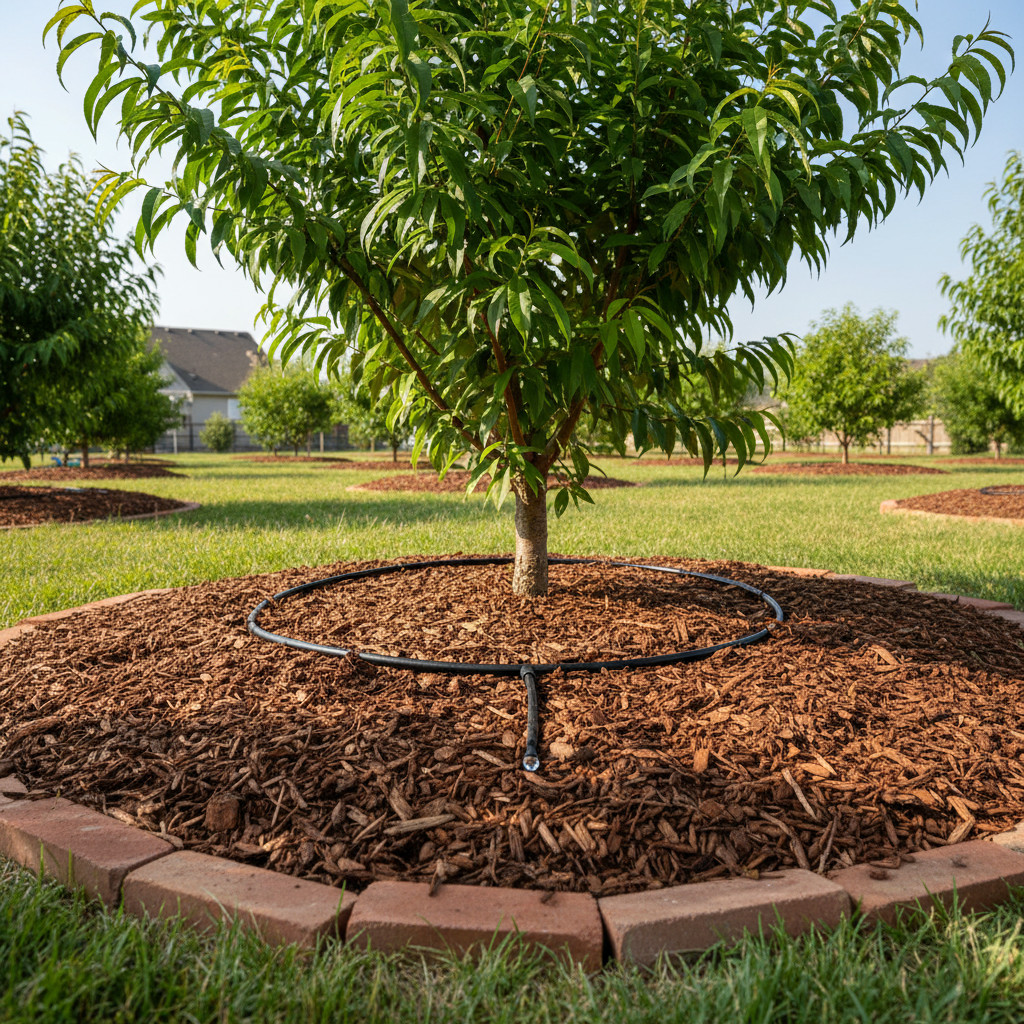
Drip irrigation systems place emitters near tree bases, slowly releasing water directly into soil where roots can absorb it. This targeted delivery eliminates water waste from evaporation and runoff while keeping foliage dry—a significant advantage for disease prevention. Wet leaves create ideal conditions for fungal diseases like apple scab and brown rot, making overhead irrigation problematic despite its convenience.
Installation considerations for drip systems include:
- Emitter placement expanding as trees grow, moving from two emitters near young tree trunks to multiple emitters throughout mature root zones
- Flow rate selection matching soil absorption capacity to prevent runoff and ensure deep penetration
- Timer automation providing consistent watering regardless of your schedule or memory
- Filtration systems preventing emitter clogging from sediment and organic matter
- Winter drainage protecting lines from freeze damage in cold climates
Mulch rings covering drip emitters further reduce evaporation, maximizing irrigation efficiency while protecting equipment from sun damage and accidental disturbance during garden activities.
Secret #7: Mulching and Ground Cover Strategies
This secret explores how proper ground management beneath fruit trees dramatically impacts tree health, water conservation, and overall garden productivity.
The Transformative Power of Proper Mulching
Mulch serves multiple functions in fruit tree gardens, making it one of the most valuable and cost-effective management practices available.
Benefits of proper mulching include:
-
Moisture conservation – Mulch reduces evaporation from soil surfaces, sometimes decreasing irrigation needs by 25-50%. This moisture retention proves particularly valuable during establishment and dry periods, maintaining consistent root zone moisture without constant watering. A four-inch layer of organic mulch can reduce soil moisture loss by up to 70% compared to bare soil, representing significant water savings over the growing season. This conservation benefit becomes increasingly important as water resources face pressure from drought and competing uses, making mulched orchards both environmentally responsible and economically advantageous.
-
Temperature moderation – Mulch insulates soil from temperature extremes, keeping roots cooler during summer heat waves and warmer during winter cold snaps. This moderation reduces stress on root systems and encourages consistent growth throughout the season. Summer soil temperatures under mulch can measure 10-20°F cooler than bare soil, protecting sensitive feeder roots from heat damage during extreme conditions. Winter protection proves equally valuable, preventing the freeze-thaw cycles that heave roots and damage bark at the soil line.
-
Weed suppression – Thick mulch layers prevent most weed seeds from germinating and establishing, reducing competition for water, nutrients, and space. This weed control eliminates the need for cultivation near trees, protecting shallow roots from disturbance while reducing labor requirements significantly. Effective weed suppression requires maintaining mulch depth of three to four inches, with annual topping as decomposition occurs. The reduction in competition from aggressive weeds improves tree vigor and growth rates, particularly during critical establishment years.
Selecting and Applying Mulch Materials
Various organic mulch materials suit fruit tree gardens, each offering specific advantages depending on availability and desired outcomes.
Popular mulch options include:
- Wood chips – Long-lasting and attractive, excellent for pathways and permanent tree rings
- Shredded bark – Attractive appearance, readily available, moderate decomposition rate
- Straw – Affordable and effective, though less attractive and requiring frequent replenishment
- Compost – Provides nutrients as it decomposes, improving soil fertility over time
- Living mulches – Low-growing plants that cover soil while adding biodiversity
Apply mulch in a ring around trees, extending to the drip line while keeping material several inches away from trunk bases. Mulch piled against trunks creates moisture accumulation and habitat for bark-damaging rodents and insects, leading to serious trunk damage and potential tree death. The ideal mulch ring resembles a donut rather than a volcano, with the trunk sitting in the cleared center hole.
Secret #8: Companion Planting for a Thriving Ecosystem
Companion planting transforms simple fruit tree gardens into diverse, resilient ecosystems that naturally resist pests while improving productivity.
Beneficial Plant Combinations
Thoughtfully selected companion plants provide multiple benefits to fruit trees, from pest deterrence to pollinator attraction and soil improvement.
Effective companion categories and examples:
-
Nitrogen-fixing plants such as clover, crimson clover, and other legumes capture atmospheric nitrogen through symbiotic bacteria in root nodules, eventually releasing this nitrogen into soil as plants decompose. Interplanting nitrogen fixers throughout fruit gardens reduces or eliminates the need for synthetic nitrogen fertilizers while improving soil organic matter content. White clover makes an excellent living mulch beneath fruit trees, tolerating partial shade while attracting beneficial insects and fixing substantial nitrogen throughout the growing season. This natural fertility source feeds trees sustainably while building long-term soil health.
-
Pest-deterrent herbs including chives, garlic, tansy, and marigolds produce aromatic compounds that confuse or repel common fruit tree pests. Strategic placement of these plants throughout the garden creates a naturally less hospitable environment for pest insects while avoiding chemical interventions. Chives and garlic planted beneath apple trees reportedly deter apple scab and borers, while marigolds’ pungent scent masks fruit tree odors that attract destructive insects. These companions also provide culinary herbs for kitchen use, maximizing garden productivity per square foot.
-
Beneficial insect habitat plants attract and support predatory insects and parasitic wasps that naturally control pest populations. Plants from the carrot family (umbellifers) including dill, fennel, and Queen Anne’s lace produce umbrella-shaped flower clusters that attract tiny parasitic wasps, while yarrow and coreopsis support populations of predatory hoverflies and lacewings. Creating habitat for these beneficial insects establishes natural pest control that operates continuously without intervention, reducing pest damage while eliminating pesticide costs and application labor.
Plants to Avoid Near Fruit Trees
Just as some plants benefit fruit trees, others compete harmfully or harbor shared pests and diseases.
Keep these plants away from fruit tree gardens:
- Black walnut trees produce juglone, a compound toxic to many fruit trees, particularly apples
- Grass directly beneath trees competes aggressively for water and nutrients; maintain mulched tree rings
- Nightshade family members (tomatoes, peppers, potatoes) share disease vectors with some fruit trees
- Allelopathic plants that release growth-inhibiting compounds into soil
Understanding these negative interactions prevents inadvertent competition or disease issues from poorly planned plantings.
Secret #9: Pruning and Training for Optimal Structure
Proper pruning shapes trees for maximum production, improved health, and easier management throughout their productive lives.
Establishing Structure in Young Trees
Training begins immediately after planting and continues for several years until the desired framework develops. This early investment determines tree shape for decades, making proper technique essential.
Key young tree training principles:
- Central leader training creates a single dominant trunk with tiered scaffold branches, ideal for apples and pears
- Open center (vase) training removes the central leader to create bowl-shaped canopies, preferred for stone fruits
- Modified central leader combines elements of both systems, providing flexibility for various species
Training cuts during the first three to five years establish branch angles, spacing, and overall structure. Branches emerging at wide angles (45-60 degrees from vertical) develop stronger attachments and bear fruit better than narrow-angled branches prone to splitting under heavy loads. Using spreaders or weights to adjust branch angles during establishment creates ideal structure without permanent damage.
Specialized Training Techniques for Small Spaces
Limited space need not prevent fruit tree growing thanks to specialized training techniques that maximize production in minimal footprints.
Espalier training grows trees flat against walls or wire supports, creating productive fruit walls in narrow spaces. This ancient technique originated in European monastery gardens where space was limited but sunlight plentiful against south-facing walls. Espalier trees require more frequent attention during establishment but ultimately produce impressive harvests from spaces unsuitable for conventional trees. The technique also brings fruit within easy reach for harvest while creating stunning garden features that serve both productive and aesthetic purposes.
Fan training spreads branches in a flat, semicircular pattern ideal for stone fruits against warm walls. The increased heat near walls advances ripening and allows successful cultivation of varieties marginally hardy in your zone.
Step-over cordons train trees horizontally at knee height, creating productive living borders along pathway edges. This technique works well with apples on dwarfing rootstocks, producing substantial harvests from plants occupying minimal ground space.
Secret #10: Long-Term Maintenance and Integrated Pest Management
This final secret addresses the ongoing care that transforms initial planning success into sustained productivity across decades of fruit production.
Seasonal Maintenance Calendar
Successful fruit gardens require consistent attention throughout the year, with specific tasks timed to maximize effectiveness.
Spring tasks:
- Apply dormant oil sprays before bud break to control overwintering pests
- Complete major pruning before active growth begins
- Inspect for winter damage and prune accordingly
- Begin irrigation as growth resumes
- Thin fruit after natural drop to improve size and quality
Summer responsibilities:
- Monitor pest and disease pressure regularly
- Maintain consistent irrigation during fruit development
- Apply summer pruning to control vigor and improve light penetration
- Harvest ripe fruit promptly to prevent pest attraction
- Continue thinning if needed for optimal fruit size
Fall preparations:
- Clean fallen fruit and debris to reduce disease carryover
- Apply fall fertilizers based on soil test recommendations
- Protect young trees from rodent damage with guards
- Reduce irrigation to encourage dormancy preparation
- Plant new trees during dormant season
Winter activities:
- Continue dormant pruning on mild days
- Plan next season’s additions and modifications
- Order new trees for spring delivery
- Maintain dormant spray programs as needed
Organic Pest and Disease Management
Integrated pest management combines cultural practices, biological controls, and targeted treatments to maintain tree health with minimal environmental impact.
Core IPM principles for fruit gardens:
-
Prevention through variety selection – Choosing disease-resistant varieties eliminates many pest and disease problems before they begin. Modern apple varieties like Liberty, Freedom, and Enterprise resist common diseases that devastate traditional varieties, dramatically reducing spray requirements while maintaining excellent fruit quality. Investing in resistant varieties during initial planning proves far more effective than attempting to manage susceptible varieties through repeated chemical interventions. This preventive approach aligns with organic principles while reducing long-term labor and input costs.
-
Cultural practice optimization – Proper pruning improves air circulation, speeding foliage drying and reducing fungal disease pressure. Removing diseased material and fallen fruit eliminates inoculum sources for following seasons. Appropriate spacing prevents the crowded conditions that promote disease spread. These fundamental practices form the foundation of organic disease management, often reducing problems to manageable levels without additional intervention.
-
Biological control support – Creating habitat for beneficial insects, birds, and other predators establishes natural pest control that operates continuously. Bird houses attract species that consume thousands of pest insects annually. Allowing beneficial populations to establish before problems arise ensures natural controls are present when needed most.
-
Targeted treatments when necessary – When cultural and biological controls prove insufficient, targeted applications of organic-approved products address specific problems. Kaolin clay sprays create physical barriers against many pests. Spinosad controls caterpillars while sparing beneficial insects. Sulfur and copper fungicides address fungal diseases when conditions warrant. Timing applications based on pest life cycles and weather conditions maximizes effectiveness while minimizing product use.
Key Takeaways: Creating Your Dream Fruit Garden
Designing a successful fruit tree garden combines art and science, demanding patience, knowledge, and thoughtful planning. These ten secrets provide the foundation for creating productive home orchards that yield abundant harvests for generations.
Remember these essential principles:
- Start with proper planning – Site selection, variety choice, and layout design determine long-term success more than any other factors
- Work with your conditions – Select climate-appropriate varieties and design around your specific site’s characteristics
- Build healthy soil – Invest in soil preparation and ongoing amendment to support vigorous tree growth
- Plan for pollination – Ensure adequate compatible varieties and pollinator support for reliable fruit set
- Manage water wisely – Install efficient irrigation and practice appropriate mulching for consistent moisture
- Embrace ecosystem thinking – Companion planting and beneficial habitat creation reduce pest pressure naturally
- Maintain consistently – Regular pruning, seasonal tasks, and attentive observation keep gardens thriving
Your fruit tree garden journey begins with a single well-placed tree but can expand into a productive paradise providing fresh, organic fruit for your family, friends, and community. The time invested in proper design pays dividends for decades, transforming your property into a living legacy of abundance. Take these secrets, adapt them to your unique situation, and begin creating the fruit garden you’ve always envisioned. The best time to plant a fruit tree was twenty years ago—the second-best time is today.