Table of Contents
- How to Master Fruit Tree Garden Layout at Home
- Why Proper Fruit Tree Garden Layout Matters
- The Impact of Strategic Planning on Yield
- Long-Term Benefits of Thoughtful Design
- Assessing Your Space and Climate Conditions
- Understanding Your Hardiness Zone
- Evaluating Sunlight and Soil Quality
- Measuring Available Space Accurately
- Selecting the Right Fruit Trees for Your Layout
- Dwarf, Semi-Dwarf, and Standard Tree Options
- Pollination Requirements and Companion Planting
- Choosing Varieties Based on Climate Compatibility
- Understanding Fruit Tree Spacing Requirements
- Standard Spacing Guidelines by Tree Type
- High-Density Planting Methods
- Vertical Space Considerations
- Popular Fruit Tree Garden Layout Designs
- Traditional Orchard Grid Layout
- Espalier and Wall-Training Techniques
- Circular and Spiral Garden Designs
- Multi-Tier and Permaculture Layouts
- Step-by-Step Guide to Planning Your Layout
- Creating a Site Map
- Positioning Trees for Optimal Growth
- Incorporating Pathways and Access Points
- Maximizing Small Spaces with Container and Dwarf Trees
- Best Fruit Trees for Containers
- Balcony and Patio Garden Solutions
- Incorporating Support Structures and Features
- Trellises and Stakes
- Irrigation System Planning
- Companion Plants and Ground Cover
- Common Mistakes to Avoid in Fruit Tree Garden Layout
- Overcrowding and Poor Spacing
- Ignoring Sunlight Patterns
- Neglecting Future Growth
- Maintenance Tips for a Thriving Fruit Tree Garden
- Seasonal Pruning Strategies
- Soil Health and Fertilization
- Pest and Disease Prevention
- Final Words
How to Master Fruit Tree Garden Layout at Home
Imagine stepping into your backyard and plucking fresh, sun-ripened peaches, crisp apples, or juicy plums right from your own trees. This dream becomes reality when you understand the art and science behind fruit tree garden layout. Creating a productive home orchard isn’t just about randomly planting a few trees and hoping for the best—it requires thoughtful planning, strategic positioning, and a deep understanding of how different elements work together to create a thriving ecosystem.
Whether you’re working with a sprawling acre of land or a modest urban backyard, mastering fruit tree garden layout transforms ordinary outdoor spaces into abundant food-producing paradises. The difference between a mediocre harvest and a bountiful one often comes down to how well you’ve designed your garden from the very beginning. Poor planning leads to overcrowded trees competing for sunlight, root systems fighting for nutrients, and ultimately, disappointing yields that leave you wondering where you went wrong.
This comprehensive guide walks you through everything you need to know about creating the perfect fruit tree garden layout at home. From understanding your unique growing conditions to selecting the right varieties, from spacing requirements to innovative design approaches, you’ll discover expert strategies that professional orchardists use to maximize their harvests. By the end of this article, you’ll possess the knowledge and confidence to design a fruit tree garden that not only produces abundant harvests but also adds stunning visual appeal to your property.
Why Proper Fruit Tree Garden Layout Matters
Understanding the importance of garden layout sets the foundation for everything that follows. A well-designed fruit tree garden impacts not only your harvest quantity but also the overall health of your trees and the ease of maintenance for years to come.
The Impact of Strategic Planning on Yield
Strategic planning directly influences how much fruit your trees will produce over their lifetime. When trees are positioned correctly, they receive optimal sunlight exposure, which is crucial for photosynthesis and fruit development. Trees that compete for light produce fewer fruits, and those fruits often lack the sweetness and size of properly sun-exposed specimens.
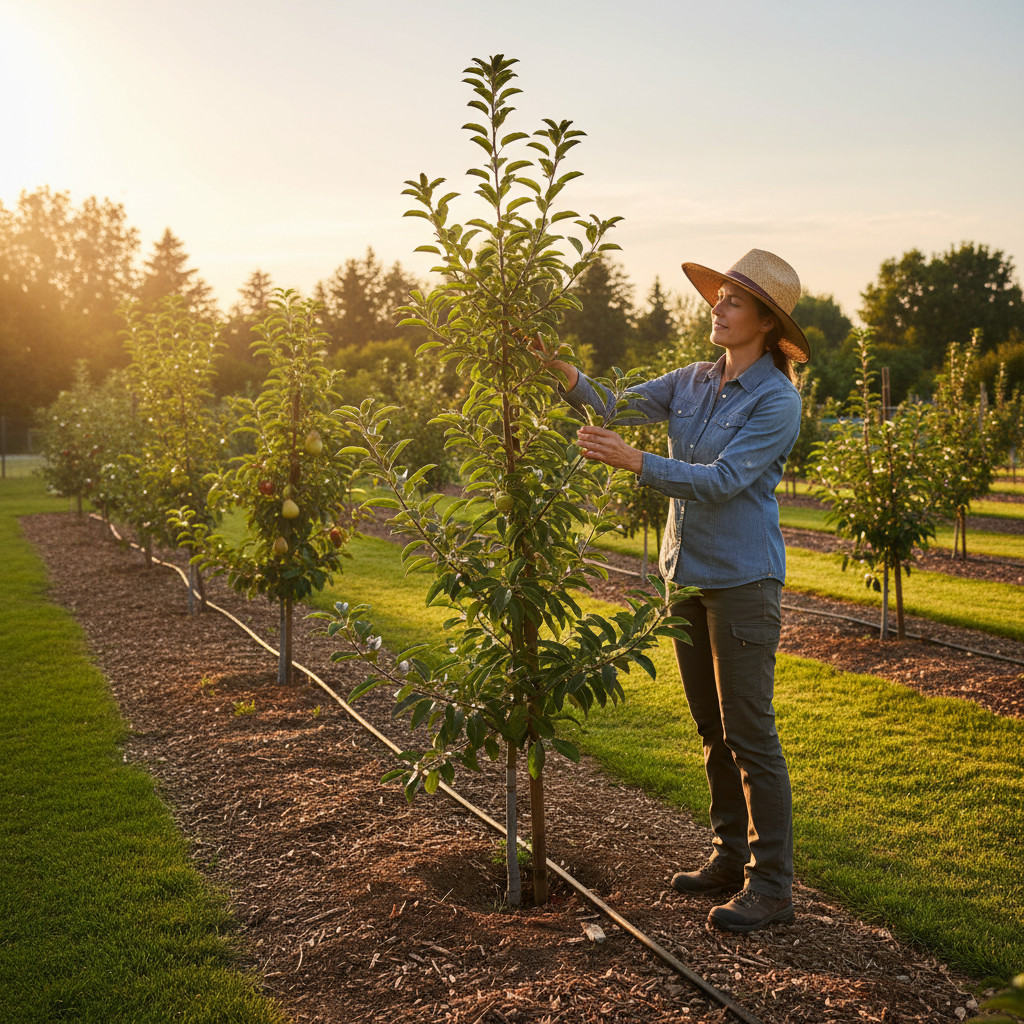
Proper air circulation is another critical factor that strategic planning addresses. Good airflow between trees reduces humidity levels around foliage, which significantly decreases the risk of fungal diseases like powdery mildew and apple scab. When trees are spaced appropriately, air moves freely through the canopy, keeping leaves dry and healthy.
Root competition represents yet another consideration that impacts yield. Fruit trees planted too closely together develop intertwined root systems that compete for water and nutrients. This competition stresses trees, reducing their ability to produce abundant, high-quality fruit. Strategic spacing ensures each tree has adequate soil resources to thrive.
Key benefits of strategic planning include:
- Increased fruit production by up to 40% compared to poorly planned gardens
- Reduced disease pressure through improved air circulation
- Easier harvesting with proper access paths between trees
- Better pollination rates when compatible varieties are positioned near each other
- Extended productive lifespan of trees due to reduced stress
Long-Term Benefits of Thoughtful Design
A thoughtfully designed fruit tree garden pays dividends for decades. Fruit trees are long-term investments—apple trees can produce for 50 years or more, while cherry trees may remain productive for 25-30 years. The layout decisions you make today will affect your garden’s productivity for generations.
Property value increases significantly when well-planned orchards become established features. A mature, professionally designed fruit tree garden adds aesthetic appeal and functional value that prospective buyers recognize. Beyond financial considerations, a properly planned garden requires less maintenance over time, saving you countless hours of corrective pruning, disease management, and replanting.
Assessing Your Space and Climate Conditions
Before purchasing a single tree, conducting a thorough assessment of your growing environment is essential. This section covers the critical evaluation steps that inform all subsequent layout decisions.
Understanding Your Hardiness Zone
Your USDA hardiness zone determines which fruit tree varieties will survive and thrive in your location. These zones are based on average annual minimum winter temperatures and range from Zone 1 (coldest) to Zone 13 (warmest). Selecting trees appropriate for your zone prevents devastating losses from winter kill.
To determine your hardiness zone:
-
Visit the USDA Plant Hardiness Zone Map and enter your zip code to find your specific zone designation. This information reveals the average extreme minimum temperatures your area experiences, which directly affects tree survival rates and fruit production capabilities.
-
Consider microclimates within your property that may create warmer or cooler conditions than your general zone suggests. South-facing slopes, areas near buildings, or spots protected by windbreaks often support trees rated for one zone warmer than your official designation.
-
Factor in chill hours required by different fruit tree varieties. Many temperate fruit trees need a specific number of hours below 45°F (7°C) during dormancy to produce fruit properly. Low-chill varieties suit warmer climates, while high-chill varieties require colder winters.
Evaluating Sunlight and Soil Quality
Fruit trees demand full sun—at least six to eight hours of direct sunlight daily—for optimal fruit production. Observe your potential planting area throughout the day, noting shadows cast by buildings, fences, and existing trees. Morning sun is particularly valuable as it dries dew quickly, reducing disease pressure.
Soil evaluation involves several important assessments:
- Test soil pH using a home testing kit or professional lab analysis; most fruit trees prefer slightly acidic to neutral soil (pH 6.0-7.0)
- Assess drainage by digging a hole 12 inches deep, filling it with water, and timing how quickly it drains; well-draining soil empties within 24 hours
- Evaluate soil texture by squeezing moist soil in your hand—ideal loamy soil holds its shape briefly then crumbles when poked
- Check for hardpan or compacted layers that may impede root growth by digging test holes in various locations
- Identify any contamination from previous land use, especially in urban environments
Amending poor soil before planting is far easier than correcting problems after trees are established. Add organic matter to improve drainage in clay soils or increase water retention in sandy soils. Address pH issues with lime (to raise pH) or sulfur (to lower pH) based on test results.
Measuring Available Space Accurately
Accurate measurements prevent the common mistake of overplanting, which leads to overcrowded, underperforming trees. Create a detailed site map showing exact dimensions of your planting area, including any permanent structures, existing plants, utilities, and property lines.
When measuring your space, account for:
- Setback requirements from property lines, typically 15-20 feet for standard trees
- Underground utilities that restrict digging depth
- Overhead power lines that limit tree height
- Access requirements for lawn equipment and harvest activities
- Future expansion plans for patios, buildings, or other landscape features
Selecting the Right Fruit Trees for Your Layout
Choosing appropriate trees for your specific situation dramatically impacts layout success. This section explores the various tree types and their implications for garden design.
Dwarf, Semi-Dwarf, and Standard Tree Options
Tree size classification fundamentally affects spacing requirements and overall garden layout. Understanding these categories helps you select trees that fit your available space while meeting your production goals.
Dwarf fruit trees grow 8-10 feet tall and wide, making them ideal for small gardens and container growing. These trees reach maturity faster, often producing fruit within 2-3 years of planting. They require spacing of 8-10 feet between trees, allowing you to plant more varieties in limited space. However, dwarf trees typically have shorter lifespans and may require staking throughout their lives due to weaker root systems.
Semi-dwarf trees represent an excellent middle ground, growing 12-18 feet tall. They offer better root anchorage than dwarf varieties while remaining manageable for home gardeners. Space semi-dwarf trees 12-15 feet apart. These trees begin producing fruit within 3-4 years and offer good yields relative to their size.
Standard trees reach 20-30 feet or more, requiring 20-25 feet between trees. While they demand significant space and take 5-8 years to bear fruit, standard trees live longest and produce the highest total yields over their lifetime. They’re best suited for larger properties where space isn’t a limiting factor.
Pollination Requirements and Companion Planting
Many fruit trees require cross-pollination from compatible varieties to produce fruit, making pollination planning essential to successful garden layout. Self-fertile trees simplify design, but even self-fertile varieties often produce better when cross-pollinated.
Understanding pollination groups:
Apples, pears, sweet cherries, and most plums need pollen from a different variety that blooms simultaneously. When designing your layout, position compatible pollinators within 50-100 feet of each other, though closer is better. Research specific variety compatibility, as not all varieties within a species cross-pollinate successfully.
Consider these pollination-friendly layout strategies:
- Plant at least two different varieties of cross-pollinating species
- Position pollinators upwind of each other to assist wind-carried pollen
- Include flowering plants that attract pollinating insects
- Avoid creating barriers between compatible trees with structures or dense plantings
Choosing Varieties Based on Climate Compatibility
Selecting climate-appropriate varieties prevents frustration and ensures productive trees. Beyond hardiness zones, consider disease resistance, especially for varieties prone to problems in your region.
Research local extension service recommendations for varieties proven successful in your area. Local nurseries specializing in fruit trees offer invaluable knowledge about which varieties perform best regionally. Consider trying heritage varieties adapted over generations to local conditions alongside modern disease-resistant cultivars.
Understanding Fruit Tree Spacing Requirements
Proper spacing ranks among the most critical layout decisions you’ll make. This section provides detailed guidance on spacing for various tree types and planting methods.
Standard Spacing Guidelines by Tree Type
Different fruit species require different spacing based on their mature size and growth habits. Following these guidelines prevents overcrowding while maximizing your available space.
| Tree Type | Dwarf | Semi-Dwarf | Standard |
|---|---|---|---|
| Apple | 8-10 ft | 12-15 ft | 20-25 ft |
| Pear | 8-10 ft | 12-15 ft | 18-22 ft |
| Peach/Nectarine | 8-10 ft | 12-15 ft | 18-20 ft |
| Cherry (Sweet) | 8-10 ft | 12-15 ft | 20-25 ft |
| Cherry (Sour) | 8-10 ft | 12-15 ft | 18-20 ft |
| Plum | 8-10 ft | 12-15 ft | 18-22 ft |
| Fig | 8-10 ft | 15-20 ft | 20-25 ft |
Spacing measurements should be taken from trunk to trunk, not canopy edge to canopy edge. This accounts for mature size while allowing adequate root space underground. When planting near fences or buildings, use half the recommended spacing as a minimum setback distance.
High-Density Planting Methods
High-density planting maximizes production in limited spaces using specialized techniques. This approach requires more intensive management but rewards gardeners with impressive yields from small areas.
The “Backyard Orchard Culture” method developed by fruit tree expert Dave Wilson allows planting multiple trees in single holes or very close spacing (18 inches to 4 feet apart). This technique requires summer pruning to control size and maintain productivity. Benefits include:
- Extended harvest seasons by planting early, mid, and late-ripening varieties
- Improved pollination with close proximity of compatible trees
- Greater variety in limited space
- Reduced need for ladder access due to size control through pruning
Hedgerow planting involves spacing trees 3-5 feet apart in rows and managing them as a continuous hedge through regular pruning. This commercial technique adapts well to home gardens, creating productive fruit hedges along property lines or garden borders.
Vertical Space Considerations
Vertical space often goes underutilized in home fruit gardens. Consider mature tree height when positioning near structures, power lines, or other obstacles.
Account for root spread which typically extends at least as far as branch spread. Avoid planting where roots might damage foundations, sidewalks, or underground utilities. Consider future shading impacts on vegetable gardens, solar panels, or neighboring properties.
Popular Fruit Tree Garden Layout Designs
Numerous proven layout designs suit different spaces and gardening goals. This section explores popular options with their advantages and implementation considerations.
Traditional Orchard Grid Layout
The classic grid pattern arranges trees in evenly spaced rows, creating a formal, organized appearance while maximizing planting efficiency. This layout works well for medium to large properties with regular boundaries.
Advantages of grid layouts include:
- Efficient use of space with predictable spacing throughout
- Easy navigation for maintenance and harvesting
- Simple irrigation planning with straight row access
- Professional appearance that enhances property aesthetics
- Optimal sunlight exposure when rows run north-south
Position rows running north to south to ensure all trees receive equal sunlight throughout the day. East-west rows create shading issues where northern trees shade southern neighbors. Within rows, consider alternating varieties for improved pollination and visual interest.
Espalier and Wall-Training Techniques
Espalier—the art of training trees to grow flat against walls or along wires—transforms vertical surfaces into productive growing spaces. This ancient technique suits small gardens, urban spaces, and those seeking unique decorative elements.
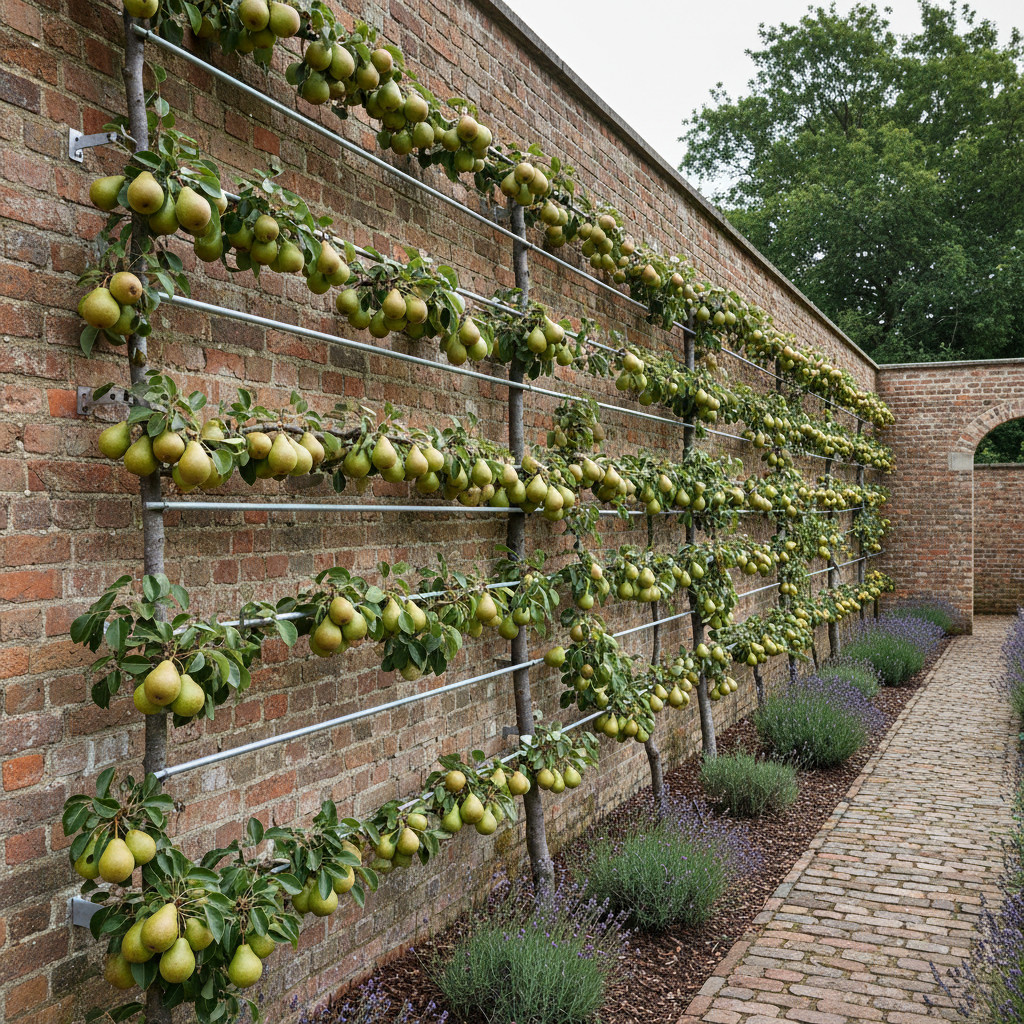
Espalier requires:
-
Strong support structures such as sturdy wires attached to posts or walls, capable of supporting mature fruit-laden branches for decades. Install wire supports at 18-24 inch intervals, secured with heavy-duty hardware that won’t loosen over time.
-
Regular training and pruning throughout the growing season to maintain the desired form. Young branches are tied to supports and trained along horizontal, fan, or other patterns. This labor-intensive process rewards dedicated gardeners with beautiful, productive living walls.
-
Appropriate variety selection choosing trees grafted onto dwarfing rootstocks that respond well to intensive pruning. Apples and pears make excellent espalier subjects, while stone fruits like apricots and peaches require more skill to train successfully.
Circular and Spiral Garden Designs
Circular designs create eye-catching focal points while accommodating various tree sizes within a unified layout. These organic shapes work particularly well in cottage-style gardens or properties with irregular boundaries.
The mandala garden concept places a central focal point—perhaps a seating area or water feature—surrounded by concentric rings of increasingly taller plants with fruit trees in outer rings. This design creates visual depth while ensuring smaller plants aren’t shaded by larger specimens.
Spiral layouts follow a curving path that naturally guides visitors through the garden while providing planting pockets for trees at calculated intervals. The spiral shape works well on sloped properties, with the pathway facilitating access and drainage management.
Multi-Tier and Permaculture Layouts
Permaculture principles inspire layered food forests that mimic natural ecosystems. These designs integrate fruit trees with complementary plants at multiple levels, creating productive, resilient systems.
The seven layers of a food forest include:
- Canopy layer: Full-sized fruit and nut trees
- Understory layer: Smaller fruit trees, dwarf varieties
- Shrub layer: Berry bushes, currants, blueberries
- Herbaceous layer: Herbs, vegetables, flowers
- Ground cover layer: Spreading plants that suppress weeds
- Vine layer: Grapes, kiwis, climbing plants
- Root layer: Root vegetables, tubers
This approach maximizes vertical space and creates mutually beneficial plant relationships. Nitrogen-fixing plants like clover or beans feed neighboring trees, while aromatic herbs may deter pests. The resulting system requires less external input once established.
Step-by-Step Guide to Planning Your Layout
Transforming concepts into concrete plans requires systematic approach. Follow these detailed steps to create your personalized fruit tree garden layout.
Creating a Site Map
Developing an accurate site map serves as the foundation for all design decisions. This visual reference helps you experiment with different layouts before committing to permanent plantings.
Step 1: Measure and document your space accurately.
Using a measuring tape or wheel, record the exact dimensions of your planting area. Note any irregular boundaries and create a scaled drawing on graph paper or using landscape design software. A scale of 1 inch = 4 feet works well for most home gardens, allowing you to visualize spacing clearly.
Step 2: Mark existing features and constraints.
Identify and mark all permanent elements including buildings, fences, existing trees, utility lines (both overhead and underground), septic systems, and hardscaping. These features define your available planting space and influence tree positioning.
Step 3: Document sun and shade patterns.
Over several days, observe and note how sunlight moves across your space. Mark areas receiving full sun (6+ hours), partial shade (4-6 hours), and full shade (less than 4 hours). This information guides tree placement for optimal light exposure.
Step 4: Identify microclimates and drainage patterns.
Note areas that stay wet longer after rain, spots protected from wind, areas prone to frost pockets, and surfaces that radiate heat. These microclimates affect tree survival and productivity.
Positioning Trees for Optimal Growth
With your site map complete, begin experimenting with tree placement. Consider multiple arrangements before finalizing your design.
Priority considerations for positioning:
- Place most cold-sensitive trees in protected microclimates near south-facing walls or in areas shielded from prevailing winter winds
- Position cross-pollinating varieties within close proximity to ensure successful pollination
- Arrange trees by mature height with tallest varieties on the north side to prevent shading shorter trees
- Consider harvest timing grouping early, mid, and late varieties logically for convenient harvesting
- Plan for equipment access leaving pathways wide enough for wheelbarrows, mowers, or sprayers
Incorporating Pathways and Access Points
Pathways serve functional and aesthetic purposes in fruit tree gardens. Well-designed paths facilitate maintenance, harvesting, and enjoyment while preventing soil compaction around tree roots.
Effective pathway design includes:
- Primary paths at least 4 feet wide to accommodate wheelbarrows and two-person traffic
- Secondary paths of 2-3 feet between individual trees for pruning and picking access
- Durable surfaces such as mulch, gravel, or stepping stones that handle regular traffic
- Clear sightlines that allow you to observe trees from central locations
- Connection to storage areas for tools, harvested fruit, and supplies
Maximizing Small Spaces with Container and Dwarf Trees
Limited space doesn’t preclude abundant fruit production. This section reveals strategies for creating productive orchards in compact areas.
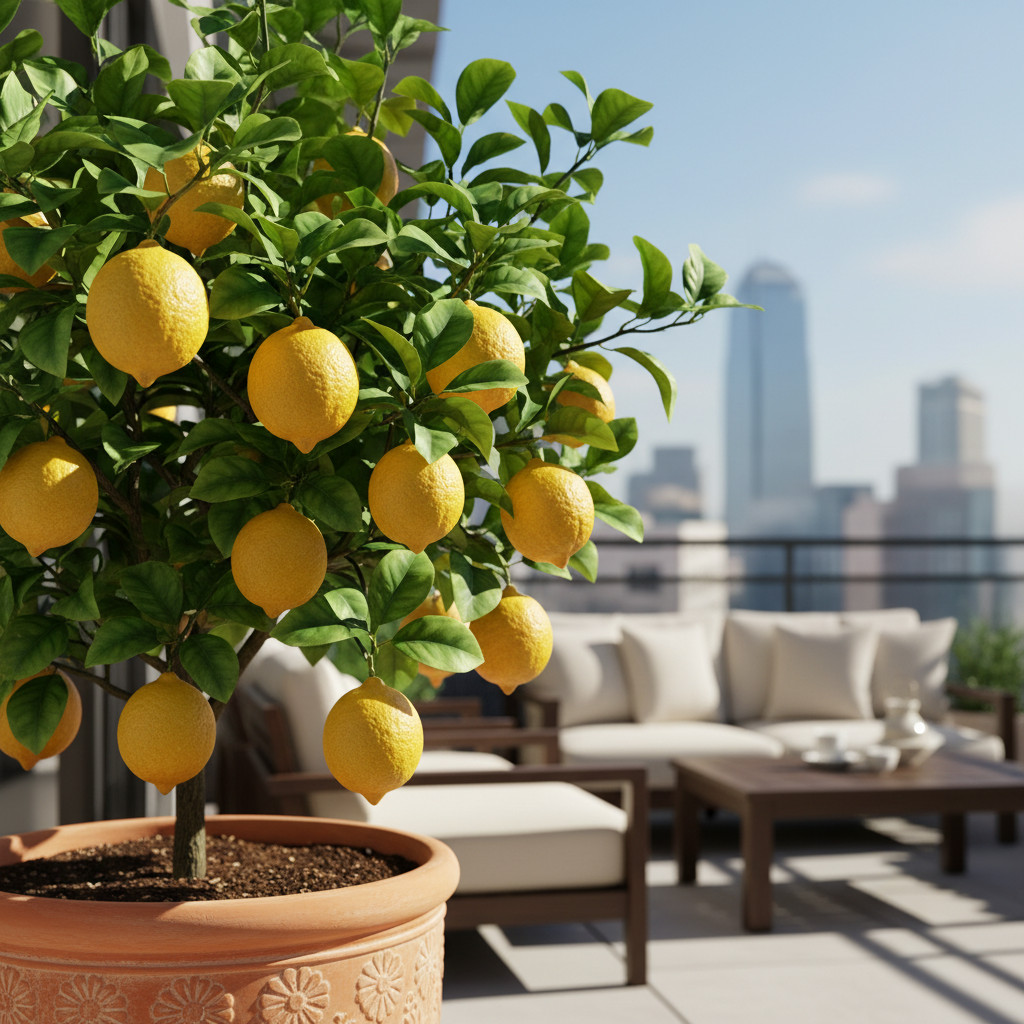
Best Fruit Trees for Containers
Container growing opens fruit tree possibilities for patios, balconies, and small yards. Success depends on selecting appropriate varieties and providing adequate care.
Top performers for container culture include:
- Dwarf citrus varieties like ‘Improved Meyer’ lemon and ‘Calamondin’ orange thrive in containers and provide year-round beauty
- Columnar apples grow naturally narrow, reaching only 2-3 feet wide while producing full-sized fruit
- Genetic dwarf peaches and nectarines stay naturally small without dwarfing rootstocks
- Fig trees adapt remarkably well to containers and benefit from root restriction
- Dwarf pomegranates offer ornamental beauty alongside edible fruit
Container success requires:
- Large containers (minimum 15-20 gallons for dwarf trees)
- Quality potting mix with excellent drainage
- Regular watering and fertilization due to limited soil volume
- Protection from extreme temperatures
- Eventual repotting or root pruning to maintain health
Balcony and Patio Garden Solutions
Urban gardeners can create surprisingly productive fruit gardens in non-traditional spaces. Balconies, rooftops, and patios offer opportunities for creative layout solutions.
Maximize small spaces by:
- Utilizing vertical surfaces with espalier or fan-trained trees against walls
- Grouping containers strategically to create the appearance of a cohesive orchard
- Choosing multi-graft trees with several varieties on single rootstocks for diversity in minimal space
- Installing railing planters for strawberries or smaller fruiting plants that complement tree plantings
- Creating tiered displays using shelving or stepped arrangements to maximize light exposure
Weight considerations become critical for balcony gardening. Calculate total weight including containers, soil, water, and mature plants before committing to extensive plantings. Consult building management about weight limits and ensure adequate drainage to prevent water damage.
Incorporating Support Structures and Features
Beyond the trees themselves, supplementary structures and features enhance garden functionality and productivity.
Trellises and Stakes
Support structures protect trees from wind damage, maintain desired forms, and enable specialized training techniques.
Staking guidelines include:
- Stake dwarf trees permanently due to weak root systems
- Use temporary stakes for semi-dwarf and standard trees during establishment (2-3 years)
- Secure trees loosely to allow some movement, which strengthens trunks
- Check stakes annually and remove when no longer needed
Trellis systems support:
- Espalier training along walls or freestanding structures
- High-density planting arrangements
- Fruit protection netting attachment
- Climbing companion plants like grapes or kiwis
Irrigation System Planning
Efficient watering ensures tree health while conserving water. Plan irrigation infrastructure during layout development, before trees go in the ground.
Effective irrigation options include:
- Drip irrigation delivers water directly to root zones, reducing waste and disease pressure from wet foliage
- Soaker hoses provide economical watering for small gardens
- Micro-sprinklers cover larger areas and provide supplemental frost protection
- Automated timers ensure consistent watering regardless of schedule
Position main supply lines along pathways for easy access and maintenance. Run lateral lines to individual trees with adjustable emitters that accommodate changing needs as trees mature.
Companion Plants and Ground Cover
Strategic underplantings benefit fruit trees while utilizing space efficiently. Living mulches and companion plants create healthier garden ecosystems.
Beneficial companion plants include:
- Comfrey as a dynamic accumulator that mines nutrients from deep soil
- Clover and vetch for nitrogen fixation
- Yarrow and fennel to attract beneficial predatory insects
- Daffodils planted in rings around trees to deter rodents
- Chives and garlic for pest deterrence and culinary use
Maintain grass-free zones of 3-4 feet diameter around young trees to reduce root competition. Gradually introduce ground covers as trees establish, avoiding plants that require extensive digging near tree roots.
Common Mistakes to Avoid in Fruit Tree Garden Layout
Learning from others’ errors saves years of frustration. Avoid these frequent pitfalls to ensure layout success.
Overcrowding and Poor Spacing
The most common layout mistake involves planting trees too closely, leading to numerous problems as trees mature.
Overcrowding causes:
- Reduced sunlight penetration throughout canopy
- Poor air circulation promoting disease
- Root competition limiting nutrient uptake
- Difficulty accessing trees for maintenance
- Reduced fruit production and quality
- Eventual need for removal of valuable trees
Resist the temptation to crowd trees for immediate visual impact. Trust the spacing guidelines and envision mature sizes when planting. Empty space between young trees fills surprisingly quickly as trees grow.
Ignoring Sunlight Patterns
Insufficient attention to light conditions results in unproductive trees despite otherwise good care.
Sunlight-related errors include:
- Planting in partial shade hoping for adequate fruit production
- Failing to account for shadows from buildings or existing trees
- Positioning tall varieties where they’ll shade shorter ones
- Ignoring seasonal sun angle changes
- Underestimating growth of neighboring plants that create shade
Observe your space throughout an entire year if possible before finalizing layout decisions. Summer sun angles differ dramatically from winter patterns, affecting light availability in ways that aren’t immediately obvious.
Neglecting Future Growth
Young trees deceive gardeners about eventual space requirements. Planning for mature sizes prevents problems decades later.
Future-oriented planning considers:
- Mature canopy spread requiring eventual air space
- Root zone expansion potentially damaging infrastructure
- Height growth reaching power lines or blocking views
- Shading impacts on gardens, solar installations, and neighbors
- Access requirements for aging gardeners who may not climb ladders
Maintenance Tips for a Thriving Fruit Tree Garden
Proper maintenance keeps well-designed gardens productive for generations. These essential practices support ongoing success.
Seasonal Pruning Strategies
Regular pruning maintains tree health, encourages production, and preserves intended layout forms.
Key pruning principles include:
- Dormant pruning (late winter) for major structural cuts and shape maintenance
- Summer pruning to control vigorous growth, especially in high-density plantings
- Remove dead, damaged, and diseased wood immediately regardless of season
- Maintain open centers in vase-trained trees for light penetration
- Thin fruit to improve size and quality while preventing branch breakage
Soil Health and Fertilization
Healthy soil supports productive trees for decades. Invest in ongoing soil management for sustained yields.
Best practices for soil maintenance:
- Test soil every 2-3 years and amend based on results
- Apply organic mulch annually, keeping it away from trunks
- Fertilize appropriately based on tree age and soil conditions
- Avoid over-fertilization which promotes excessive vegetative growth at fruit expense
- Encourage soil biology through organic matter additions and minimal chemical inputs
Pest and Disease Prevention
Preventing problems is far easier than treating them. Integrated management approaches protect trees while minimizing environmental impact.
Prevention strategies include:
- Choose disease-resistant varieties suited to your region
- Practice good sanitation removing fallen fruit and leaves
- Monitor regularly catching problems before they spread
- Encourage beneficial insects through diverse plantings
- Apply dormant sprays when appropriate for your specific pest pressures
Final Words
Mastering fruit tree garden layout at home represents one of the most rewarding investments you can make in your property and quality of life. The careful planning you invest today yields decades of delicious harvests, beautiful landscapes, and the satisfaction of growing your own food.
Remember these essential principles:
- Assessment comes first—understand your space, climate, and conditions before purchasing trees
- Select appropriate varieties for your zone, space, and pollination requirements
- Respect spacing guidelines even when young trees seem far apart
- Plan for mature sizes to prevent problems decades later
- Incorporate pathways and access for maintenance and harvesting ease
- Support structures and irrigation simplify ongoing care
- Regular maintenance keeps your garden productive for generations
Start with a clear plan, begin small if necessary, and expand as you gain experience and confidence. Even a single well-placed fruit tree adds value to your life, but a thoughtfully designed home orchard becomes a legacy—a gift to yourself, your family, and future generations who will enjoy the fruits of your planning.
Take action today. Sketch your site map, research varieties suited to your climate, and begin imagining your dream fruit tree garden. The best time to plant a fruit tree was twenty years ago; the second-best time is now. Your future self, picking sun-warmed fruit from trees you planted and positioned with care, will thank you for the effort you invest in mastering fruit tree garden layout at home.
![How Long Does An Apple Tree Take To Bear Fruit? [ANSWERED]](https://fruitonix.com/wp-content/uploads/2023/06/Screenshot-2023-06-02-12.52.12-AM.png)