Table of Contents
- How to Master Gardening With Fruit Trees at Home
- Why Growing Fruit Trees at Home is Worth Your Time and Effort
- Financial Benefits and Long-Term Savings
- Health and Environmental Impact
- Choosing the Right Fruit Trees for Your Climate and Space
- Understanding Your USDA Hardiness Zone
- Matching Tree Sizes to Your Available Space
- Essential Factors to Consider Before Planting
- Sunlight Requirements for Fruit Production
- Soil Quality and Drainage Assessment
- Understanding Pollination Requirements
- Step-by-Step Guide to Planting Your Fruit Trees
- 1. Select and Prepare Your Planting Site
- 2. Dig the Proper Planting Hole
- 3. Position and Plant the Tree Correctly
- 4. Water, Mulch, and Stake Properly
- Proper Watering Techniques for Healthy Fruit Trees
- Establishing a Watering Schedule
- Deep Watering Methods That Work
- Recognizing Watering Problems
- Fertilizing Your Fruit Trees for Maximum Yield
- Understanding Fruit Tree Nutrient Needs
- Timing and Application Methods
- Organic vs. Synthetic Fertilizer Options
- Pruning and Training Techniques for Optimal Growth
- When to Prune Your Fruit Trees
- Essential Pruning Cuts Every Gardener Should Master
- Training Young Trees for Future Success
- Pest and Disease Management Strategies
- Common Pests and Their Control
- Preventing and Managing Diseases
- Harvesting and Enjoying Your Homegrown Fruit
- Recognizing When Fruit Is Ready
- Proper Harvesting Techniques
- Common Mistakes to Avoid When Growing Fruit Trees
- Critical Errors That Sabotage Success
- Final Thoughts: Your Journey to Fruit Tree Mastery
How to Master Gardening With Fruit Trees at Home
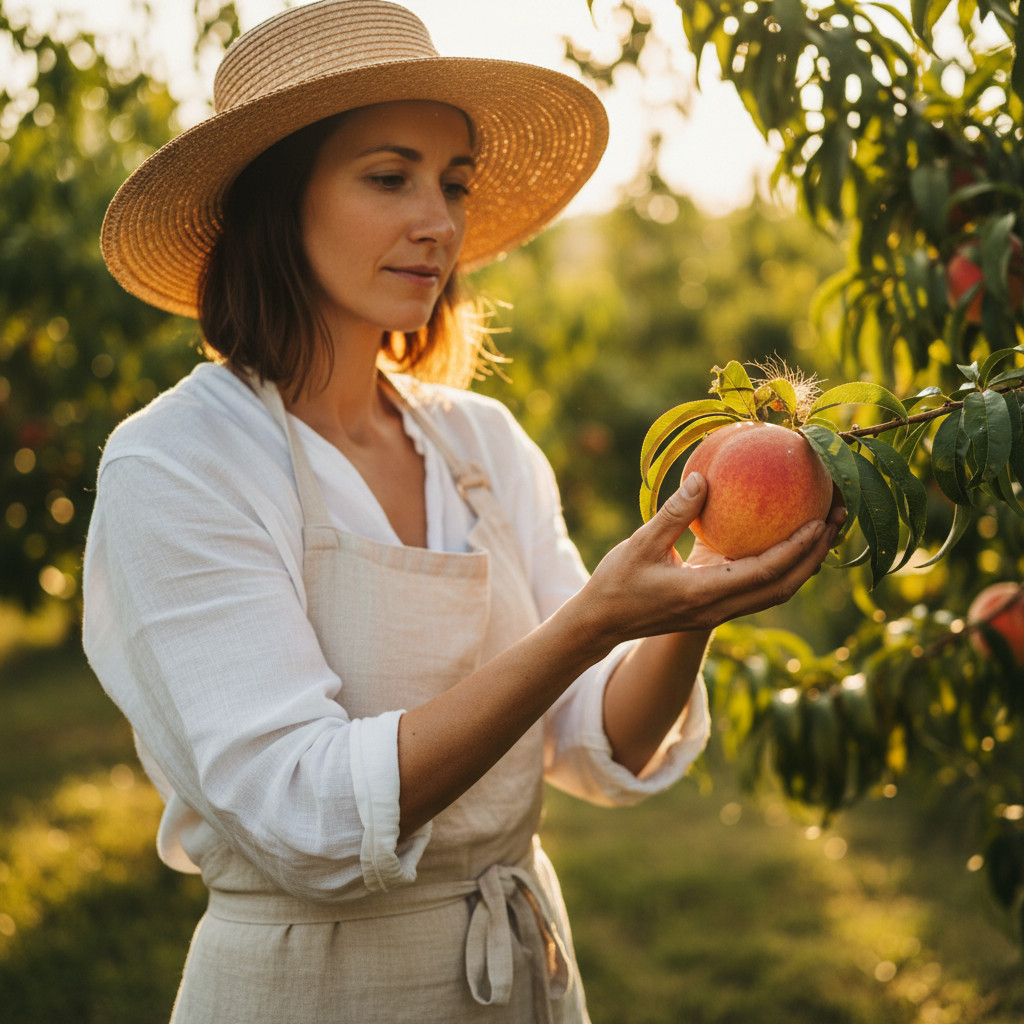
Imagine stepping into your backyard on a warm summer morning, reaching up to pluck a perfectly ripe peach from your very own tree, and biting into fruit so fresh and flavorful that it makes every store-bought alternative pale in comparison. This dream is entirely achievable, regardless of whether you have acres of land or just a small patio. Growing fruit trees at home has become one of the most rewarding gardening endeavors you can undertake, combining the satisfaction of nurturing living things with the tangible reward of delicious, homegrown produce.
The journey to becoming a successful home fruit tree gardener might seem daunting at first, but with the right knowledge and approach, anyone can transform their outdoor space into a productive mini-orchard. Whether you’re a complete beginner who has never planted anything before or an experienced gardener looking to expand your skills, mastering fruit tree cultivation opens up a world of possibilities. From crisp apples and juicy pears to exotic citrus and stone fruits, the variety of options available to home gardeners today is truly remarkable.
This comprehensive guide will walk you through everything you need to know about selecting, planting, caring for, and harvesting fruit trees in your home garden. You’ll discover expert techniques that professional orchardists use, learn how to avoid common pitfalls that discourage many beginners, and gain the confidence to create a thriving fruit tree garden that will provide abundance for years to come.
Why Growing Fruit Trees at Home is Worth Your Time and Effort
Discover the compelling reasons that make home fruit tree gardening one of the most rewarding investments you can make in your property and personal well-being.
Growing fruit trees at home offers a remarkable combination of benefits that extend far beyond simply having fresh fruit available. The decision to plant fruit trees represents an investment in your health, your wallet, your environment, and your overall quality of life. Understanding these advantages helps reinforce your commitment during the learning curve that every new gardener experiences.
Financial Benefits and Long-Term Savings
One of the most compelling reasons to grow fruit trees is the significant cost savings over time. A single mature apple tree can produce between 200 to 500 pounds of fruit annually, potentially saving hundreds of dollars each year on grocery bills. While the initial investment in quality fruit trees ranges from $25 to $100 per tree, this cost is typically recovered within the first few years of productive harvesting.
Consider these financial advantages:
- Elimination of ongoing produce costs for your favorite fruits
- Increased property value as mature fruit trees are highly desirable to homebuyers
- Reduced transportation costs since your fruit travels only steps from tree to table
- Opportunity for additional income through selling excess produce at farmers’ markets
Health and Environmental Impact
Growing your own fruit gives you complete control over how your food is produced. You can choose to grow organically, avoiding pesticides and chemicals that are commonly used in commercial fruit production. This control ensures that you and your family consume the freshest, most nutritious fruit possible, picked at peak ripeness rather than harvested early for shipping.
Fruit trees also contribute significantly to environmental health. They absorb carbon dioxide, produce oxygen, provide habitat for beneficial insects and birds, and help cool your property through shade. A single fruit tree can absorb up to 48 pounds of carbon dioxide per year while releasing enough oxygen to support two human beings.
Choosing the Right Fruit Trees for Your Climate and Space
Selecting appropriate fruit tree varieties is the foundation of successful home orcharding, requiring careful consideration of your local climate conditions and available growing space.
The success of your fruit tree garden begins long before you dig the first hole. Choosing trees that are well-suited to your specific growing conditions dramatically increases your chances of success and reduces the frustration that comes from trying to grow inappropriate varieties.
Understanding Your USDA Hardiness Zone
Your hardiness zone determines which fruit trees will survive and thrive in your local climate. The USDA Plant Hardiness Zone Map divides North America into 13 zones based on average annual minimum winter temperatures. Each zone represents a 10-degree Fahrenheit difference, with Zone 1 being the coldest and Zone 13 the warmest.
To find your zone, visit the USDA’s interactive map or consult your local agricultural extension office. Once you know your zone, you can make informed decisions:
-
Zones 3-5 (Cold Climates): Focus on cold-hardy varieties such as apple, pear, plum, and cherry trees specifically bred for harsh winters. Varieties like Honeycrisp apples and Montmorency cherries excel in these conditions, tolerating temperatures as low as -40°F when properly established.
-
Zones 6-8 (Temperate Climates): These zones offer the widest variety of options, including most apple, pear, peach, plum, and cherry varieties. This climate range also supports some citrus trees with winter protection and many berry-producing trees.
-
Zones 9-11 (Warm Climates): Citrus trees, figs, avocados, and tropical fruits thrive in these warmer regions. However, some traditional temperate fruits require specific “chill hours” that may not accumulate in these zones.
Matching Tree Sizes to Your Available Space
Fruit trees come in three main sizes: standard, semi-dwarf, and dwarf, each suited to different garden situations. Understanding these categories helps you maximize productivity regardless of your space constraints.
-
Standard trees grow 20-30 feet tall and require 25-35 feet of spacing. They produce the most fruit but take 6-8 years to begin bearing and require ladders for harvesting and maintenance.
-
Semi-dwarf trees reach 12-18 feet and need 12-18 feet of spacing. They offer an excellent balance of manageable size and substantial fruit production, beginning to bear fruit in 4-5 years.
-
Dwarf trees stay under 10 feet tall, requiring only 8-10 feet of spacing. These are perfect for small yards and containers, often producing fruit within 2-3 years of planting.
Essential Factors to Consider Before Planting
Before purchasing your first fruit tree, evaluate these critical environmental factors that will determine whether your trees merely survive or truly flourish.
Successful fruit tree gardening requires more than enthusiasm—it demands a thorough assessment of your growing conditions. Taking time to evaluate these factors before planting prevents costly mistakes and disappointment.
Sunlight Requirements for Fruit Production
Most fruit trees require full sun exposure, defined as at least 6-8 hours of direct sunlight daily, to produce abundant crops. Without adequate sunlight, trees may grow but will produce significantly reduced yields and lower-quality fruit. The sugars that make fruit sweet are produced through photosynthesis, which requires ample sunlight.
Observe your intended planting location throughout the day, noting when shadows from buildings, fences, or other trees fall across the area. Morning sun is particularly valuable as it dries dew quickly, reducing disease pressure. If your space receives less than ideal sunlight, consider these strategies:
- Choose varieties known for shade tolerance such as certain plum or pear varieties
- Use reflective mulches to increase light reaching the tree
- Consider espalier training against a sunny wall to maximize light exposure
Soil Quality and Drainage Assessment
Well-draining soil with a slightly acidic to neutral pH (6.0-7.0) provides the ideal foundation for most fruit trees. Poor drainage is the single most common cause of fruit tree failure, as waterlogged roots quickly develop fatal root rot. Before planting, conduct a simple drainage test by digging a hole 12 inches deep, filling it with water, and observing how long it takes to drain.
Key soil considerations include:
- Drainage speed: Water should drain within 24 hours; if it takes longer, amend soil or choose a different location
- Soil composition: Loamy soil with a mix of sand, silt, and clay is ideal
- pH testing: Use a home test kit or send samples to your local extension service
- Organic matter content: Compost and aged manure improve both drainage and nutrient availability
Understanding Pollination Requirements
Some fruit trees are self-pollinating while others require cross-pollination from a compatible variety to produce fruit. This crucial consideration affects how many trees you need to plant and which varieties to select.
Self-pollinating trees include most peaches, nectarines, apricots, and certain apple and pear varieties labeled as “self-fertile.” These can produce fruit with their own pollen, making them excellent choices for gardeners with limited space.
Cross-pollinating trees, including most apples, pears, sweet cherries, and plums, require pollen from a different variety of the same species that blooms at the same time. When planning your garden:
- Plant at least two compatible varieties within 50 feet of each other
- Verify bloom time compatibility as both trees must flower simultaneously
- Consider neighbors’ trees which may provide pollination
- Attract pollinators by planting flowers and avoiding pesticides during bloom
Step-by-Step Guide to Planting Your Fruit Trees
Proper planting technique sets the stage for decades of healthy growth and abundant fruit production, making this process one of the most important aspects of fruit tree gardening.
The way you plant your fruit tree has lasting implications for its health and productivity. Following these detailed steps ensures your tree establishes a strong root system and begins its life in your garden under optimal conditions.
1. Select and Prepare Your Planting Site
Choose a location that meets all the environmental requirements discussed earlier, then prepare the area several weeks before planting if possible. Clear the site of grass, weeds, and debris in a circle at least 3-4 feet in diameter around where the tree will be planted. This eliminates competition for water and nutrients during the critical establishment period.
Test your soil and add amendments as needed. If your soil is heavy clay, incorporate organic matter to improve drainage. For sandy soil, add compost to increase water and nutrient retention. Avoid adding fertilizer to the planting hole, as this can burn tender new roots and encourage growth in the wrong direction.
2. Dig the Proper Planting Hole
The planting hole should be twice as wide as the root ball but only as deep as the root ball height—never deeper. This common mistake causes the tree to settle, potentially burying the graft union and leading to serious problems. Use a measuring tool to ensure accuracy.
Create a slight mound at the bottom of the hole for bare-root trees, spreading roots evenly over it. For container trees, the top of the root ball should sit slightly above ground level to account for settling. Roughen the sides of the hole with a garden fork to help roots penetrate into surrounding soil.
3. Position and Plant the Tree Correctly
When planting, locate the graft union (the bulge where the fruiting variety meets the rootstock) and ensure it remains 2-4 inches above the soil line. If the graft union is buried, the fruiting variety may develop its own roots, negating the benefits of the dwarfing rootstock and potentially causing other issues.
Carefully remove the tree from its container or unwrap bare roots. Place the tree in the hole, checking depth and adjusting as needed. Fill the hole halfway with native soil, gently tamping to eliminate air pockets. Water thoroughly to settle the soil, then continue filling until the hole is complete.
4. Water, Mulch, and Stake Properly
Immediately after planting, water deeply with 2-3 gallons of water and apply 3-4 inches of organic mulch in a donut shape around the tree, keeping mulch 4-6 inches away from the trunk. This mulch ring conserves moisture, suppresses weeds, and moderates soil temperature—all critical factors during establishment.
Staking is necessary only for trees in windy locations or those with weak root systems. If staking is needed:
- Use two stakes placed outside the root ball
- Attach tree loosely with flexible ties that allow some movement
- Remove stakes after one growing season
- Never tie so tightly that the tree cannot sway
Proper Watering Techniques for Healthy Fruit Trees
Water management is perhaps the single most important ongoing care requirement for fruit trees, directly affecting growth, fruit production, and long-term tree health.
Understanding how, when, and how much to water your fruit trees prevents both drought stress and the equally damaging effects of overwatering. Developing proper watering habits early establishes strong, deep root systems that support trees through challenging conditions.
Establishing a Watering Schedule
Newly planted fruit trees require consistent moisture to establish their root systems, typically needing 1-2 inches of water per week for the first two years. Rather than frequent shallow watering, focus on deep, infrequent irrigation that encourages roots to grow downward seeking moisture.
Consider these seasonal watering guidelines:
- Spring: As growth begins, provide consistent moisture but avoid waterlogging as trees break dormancy
- Summer: Increase watering during hot, dry periods; fruit development demands significant water resources
- Fall: Gradually reduce watering to encourage dormancy preparation
- Winter: Established trees rarely need supplemental water during dormancy in most climates
Deep Watering Methods That Work
Effective fruit tree watering focuses on the root zone, which extends roughly to the drip line (the outer edge of the tree’s canopy) and beyond. Surface watering encourages shallow root development, making trees vulnerable to drought and wind damage.
Implement these proven watering techniques:
- Soaker hoses: Circle the tree at the drip line, allowing slow, deep penetration
- Drip irrigation: Efficient and consistent, delivering water directly to root zones
- Basin irrigation: Create a low berm around the tree and fill with water
- Deep watering stakes: Insert near roots for direct subsurface delivery
Recognizing Watering Problems
Learning to read your trees’ signals helps you adjust watering before serious damage occurs. Both overwatering and underwatering produce visible symptoms that alert observant gardeners to problems.
Signs of underwatering include wilting leaves, premature leaf drop, stunted growth, and small or shriveled fruit. Signs of overwatering include yellowing leaves, soft or mushy roots, fungal growth at the base, and consistently waterlogged soil. When in doubt, check soil moisture 6 inches below the surface—if it’s dry at that depth, water is needed.
Fertilizing Your Fruit Trees for Maximum Yield
Proper nutrition supports vigorous growth and abundant fruit production, but fertilizing fruit trees requires understanding their unique needs throughout the growing season.
While fruit trees are generally less demanding than vegetables, they benefit significantly from appropriate fertilization. The key lies in providing nutrients at the right time, in the right amounts, and in forms that trees can readily use.
Understanding Fruit Tree Nutrient Needs
Fruit trees primarily need nitrogen for leaf and shoot growth, phosphorus for root development and flowering, and potassium for fruit quality and disease resistance. The balance of these nutrients, along with secondary and micronutrients, determines overall tree health and productivity.
Young, non-bearing trees need more nitrogen to establish structure, while mature, fruiting trees require balanced nutrition that supports both vegetative growth and fruit production. Excessive nitrogen on bearing trees promotes leafy growth at the expense of fruit, so adjust fertilizer applications as trees mature.
Timing and Application Methods
Apply fertilizer in early spring, just as buds begin to swell, and consider a second light application in early summer for bearing trees. Never fertilize in late summer or fall, as this stimulates tender new growth that won’t harden before winter.
Follow these best practices:
- Calculate the correct amount based on tree age, size, and soil test results
- Spread fertilizer evenly beneath the canopy, from trunk to drip line
- Avoid piling fertilizer against the trunk which can cause bark damage
- Water thoroughly after application to move nutrients into the root zone
- Consider split applications for sandy soils that don’t retain nutrients well
Organic vs. Synthetic Fertilizer Options
Both organic and synthetic fertilizers can effectively nourish fruit trees, each offering distinct advantages. Organic options like compost, aged manure, bone meal, and blood meal release nutrients slowly, improve soil structure, and support beneficial soil organisms. Synthetic fertilizers provide precise nutrient ratios and faster availability but don’t contribute to long-term soil health.
Many successful home orchardists use a combination approach: building soil health with annual compost applications while supplementing with balanced fertilizers as needed based on soil tests and tree performance.
Pruning and Training Techniques for Optimal Growth
Proper pruning shapes your fruit trees for maximum productivity, improved fruit quality, and easier maintenance while preventing many common problems.
Pruning intimidates many beginning fruit tree gardeners, but understanding the basic principles empowers you to make confident cuts that benefit your trees. Regular pruning isn’t just cosmetic—it’s essential for tree health and fruit production.
When to Prune Your Fruit Trees
The optimal pruning time for most fruit trees is late winter to early spring, while trees are still dormant but before buds begin to swell. Pruning during dormancy allows you to see the tree’s structure clearly, reduces disease transmission, and prepares trees for vigorous spring growth.
Different types of pruning serve different purposes:
- Dormant pruning: Major structural work done in late winter
- Summer pruning: Light thinning to improve air circulation and light penetration
- Maintenance pruning: Removal of damaged, diseased, or crossing branches as discovered
Essential Pruning Cuts Every Gardener Should Master
Three basic cuts—thinning cuts, heading cuts, and reduction cuts—address virtually every pruning need you’ll encounter. Mastering these techniques gives you the tools to shape trees appropriately.
Thinning cuts remove entire branches at their point of origin, opening the canopy without stimulating excessive regrowth. Use these to eliminate crossing branches, improve air circulation, and allow light to reach interior fruiting wood.
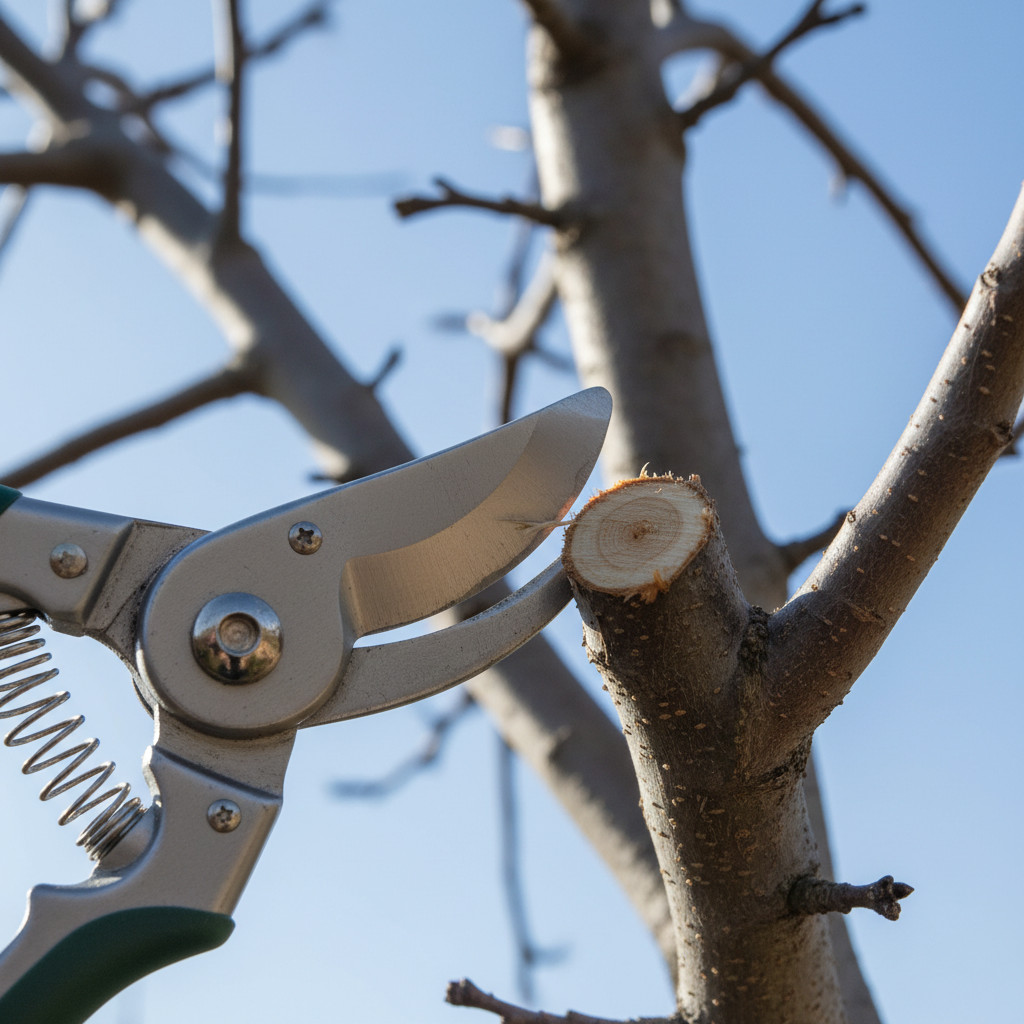
Heading cuts remove a portion of a branch, stimulating growth below the cut. Use these strategically to encourage branching in desired areas, but avoid overusing them as they can create dense, congested growth.
Reduction cuts remove a branch back to a smaller lateral branch, reducing overall tree size while maintaining natural form. This technique is preferable to topping, which damages trees and creates weak, problematic regrowth.
Training Young Trees for Future Success
The first three to four years of a fruit tree’s life are critical for establishing its permanent structure through training. Investing time in proper training during this period pays dividends for the tree’s entire productive life.
Key training objectives include:
- Establishing a strong central leader or open center, depending on tree type
- Selecting well-spaced scaffold branches with wide crotch angles
- Removing competing leaders and poorly positioned branches early
- Spreading branches to widen crotch angles and encourage fruiting
Pest and Disease Management Strategies
Protecting your fruit trees from pests and diseases requires a proactive, integrated approach that combines prevention, monitoring, and targeted intervention.
Every fruit tree gardener will eventually face pest or disease challenges. Developing a comprehensive management strategy minimizes damage while reducing reliance on chemical interventions.
Common Pests and Their Control
Aphids, codling moths, Japanese beetles, and various borers represent some of the most common insect pests affecting home fruit trees. Early identification and intervention prevent minor problems from becoming major infestations.
Effective pest management strategies include:
- Regular monitoring: Inspect trees weekly during growing season for pest signs
- Physical barriers: Use tree wraps, sticky bands, and netting to exclude pests
- Beneficial insects: Attract or release ladybugs, lacewings, and parasitic wasps
- Organic sprays: Neem oil, insecticidal soaps, and kaolin clay provide safe control options
- Pheromone traps: Monitor and reduce populations of specific moth species
Preventing and Managing Diseases
Fungal diseases like apple scab, powdery mildew, and brown rot cause significant damage to fruit trees, but many can be prevented through good cultural practices. Disease organisms thrive in moist, crowded conditions, making pruning and sanitation your first lines of defense.
Prevention strategies that reduce disease pressure:
- Improve air circulation through proper pruning
- Water at soil level rather than overhead to keep foliage dry
- Remove fallen fruit and leaves which harbor disease organisms
- Choose disease-resistant varieties when available
- Apply dormant oil sprays to eliminate overwintering pests and diseases
Harvesting and Enjoying Your Homegrown Fruit
The moment of harvest represents the culmination of your efforts, but knowing when and how to pick ensures you enjoy fruit at its peak quality.
After months or years of anticipation, harvesting your first fruit from trees you’ve planted and nurtured brings unmatched satisfaction. Proper harvesting technique preserves fruit quality and encourages continued production.
Recognizing When Fruit Is Ready
Each fruit type has specific indicators of ripeness, and learning to read these signals ensures optimal flavor and storage life. Picking too early results in fruit that never develops full sweetness, while waiting too long leads to soft, mealy texture.
General ripeness indicators include:
- Color change: Background color shifts from green toward yellow or the variety’s characteristic hue
- Ease of separation: Ripe fruit releases easily with a gentle twist and lift
- Aroma: Fragrant smell at the stem end indicates ripeness
- Texture: Slight give when gently pressed for soft fruits like peaches
- Taste test: The ultimate indicator—if it tastes ready, it probably is
Proper Harvesting Techniques
Handle fruit gently during harvest to prevent bruising that accelerates spoilage. Treat each piece as if it were a precious commodity—because after all your work, it truly is.
For best results:
- Harvest in morning when fruit is cool
- Use both hands—one to support the fruit, one to separate it from the branch
- Place fruit carefully in containers rather than dropping
- Avoid stacking fruit deeply, which causes crushing
- Refrigerate promptly or process immediately for best quality
Common Mistakes to Avoid When Growing Fruit Trees
Learning from others’ mistakes accelerates your path to success and helps you avoid setbacks that discourage many beginning fruit tree gardeners.
Even experienced gardeners make mistakes, but awareness of common pitfalls helps you avoid the most damaging errors that can set your fruit tree garden back years.
Critical Errors That Sabotage Success
Overwatering kills more fruit trees than drought, improper planting depth stunts growth permanently, and neglecting pollination requirements leads to frustrating fruitlessness. Understanding why these mistakes are so damaging helps you avoid them.
Mistakes to avoid include:
- Planting too deep: Buried graft unions lead to scion rooting and size control loss
- Volcano mulching: Piling mulch against trunks causes bark rot and pest problems
- Improper pruning: Topping trees or making flush cuts damages tree health
- Ignoring pest signs: Small problems become devastating infestations quickly
- Fertilizing at wrong times: Late-season fertilization prevents proper winter preparation
Final Thoughts: Your Journey to Fruit Tree Mastery
Mastering fruit tree gardening at home is a journey that rewards patience, observation, and continuous learning. The skills you develop caring for fruit trees transfer to all aspects of gardening and connect you to a tradition of cultivation stretching back thousands of years.
Remember that every expert gardener started exactly where you are now. The trees you plant today may produce fruit for generations, creating a living legacy that provides nourishment, beauty, and joy far into the future. Start with one or two trees appropriate to your climate and space, master their care, then expand your orchard as your confidence grows.
The investment you make in learning proper fruit tree care pays dividends that compound over time. Each season brings new lessons, new challenges, and new opportunities to refine your skills. Embrace the process, celebrate your successes, learn from setbacks, and enjoy the remarkable satisfaction of harvesting fruit from trees you’ve nurtured with your own hands.
Your fruit tree journey begins with a single tree and a commitment to learning. The rewards—fresh, delicious fruit, increased property value, environmental benefits, and deep personal satisfaction—await those who take that first step and persist through the learning curve. Plant your first tree this season, and join the growing community of home fruit tree gardeners who have discovered this rewarding practice.