Table of Contents
- Why You Should Start Growing Fruit In Containers Today
- The Container Gardening Revolution: Why More People Are Growing Fruit at Home
- Top Benefits of Growing Fruit in Containers
- Space Efficiency and Flexibility
- Complete Control Over Growing Conditions
- Year-Round Harvesting Possibilities
- Best Fruits to Grow in Containers for Beginners
- Citrus Trees: Perfect Container Candidates
- Berries: Compact and Prolific Producers
- Stone Fruits and Fig Trees
- Essential Steps to Start Your Container Fruit Garden
- Choosing the Right Containers
- Selecting the Ideal Potting Mix
- Understanding Sunlight and Placement
- Watering and Feeding Your Container Fruit Plants
- Proper Watering Techniques
- Fertilization Strategies for Maximum Yield
- Common Challenges and How to Overcome Them
- Dealing with Pests and Diseases
- Managing Temperature Extremes
- Maximizing Your Harvest: Expert Tips and Best Practices
- The Environmental and Health Benefits of Home-Grown Fruit
- Final Thoughts: Your Container Fruit Garden Awaits
Why You Should Start Growing Fruit In Containers Today
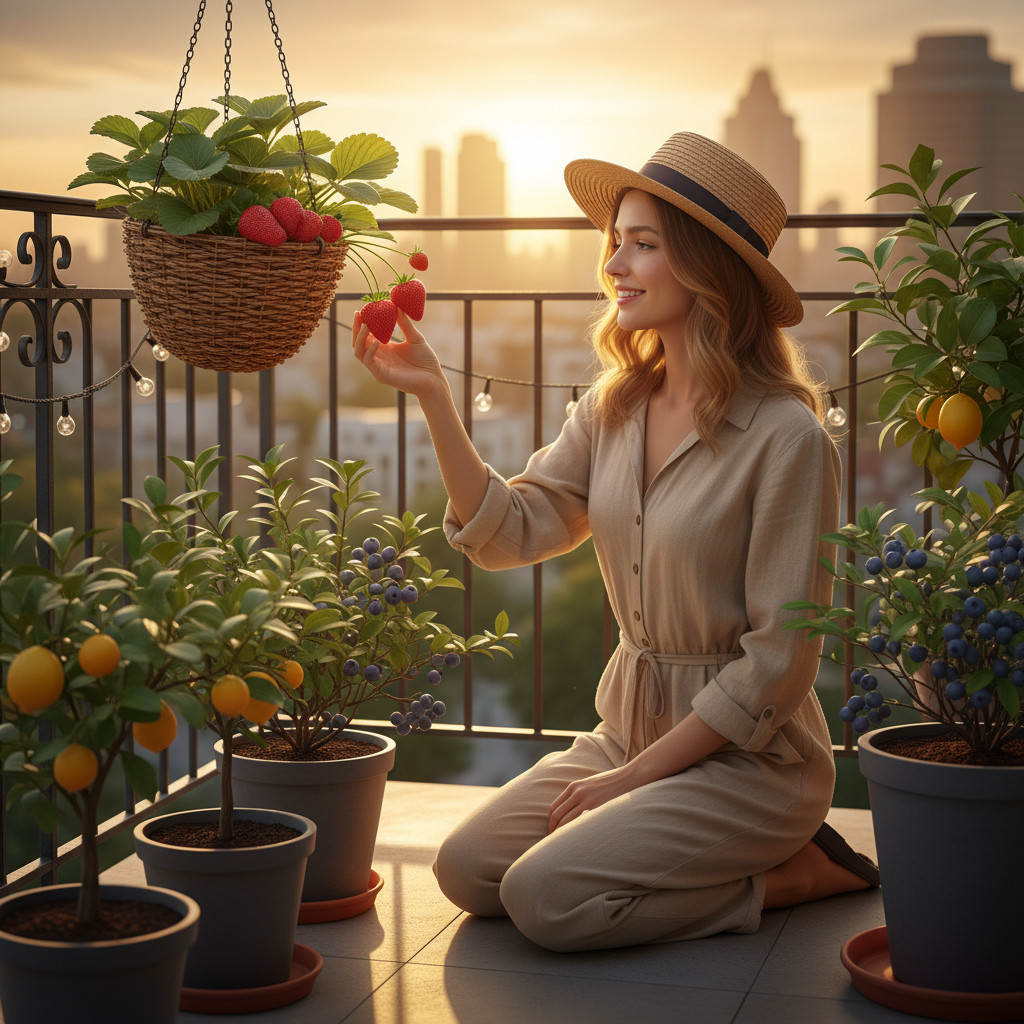
Imagine stepping onto your balcony on a sunny morning, reaching out, and plucking a perfectly ripe strawberry or a sun-warmed lemon from a plant you nurtured yourself. This isn’t a fantasy reserved for those with sprawling backyards or country estates—it’s an achievable reality for anyone willing to embrace container fruit gardening. Whether you live in a compact city apartment, a suburban townhouse, or simply want to maximize your outdoor space, growing fruit in containers has emerged as one of the most rewarding and accessible gardening trends of the decade.
The beauty of container gardening lies in its democratization of fresh produce. You no longer need acres of land or years of horticultural experience to enjoy the satisfaction of homegrown fruit. From dwarf citrus trees that thrive on sunny patios to berry bushes that flourish in hanging baskets, the possibilities are as diverse as they are exciting. This comprehensive guide will walk you through everything you need to know about starting your own container fruit garden, from selecting the right plants and containers to mastering the art of care and maintenance.
The Container Gardening Revolution: Why More People Are Growing Fruit at Home
Container fruit gardening has transformed from a niche hobby into a mainstream movement, driven by urbanization, health consciousness, and environmental awareness.
The landscape of home gardening has undergone a remarkable transformation over the past decade. According to recent surveys, over 35% of American households now engage in some form of food gardening, with container gardening representing the fastest-growing segment. This shift reflects broader societal changes, including increasing urbanization, rising food costs, and a growing desire for sustainable living practices.
Urban spaces are becoming greener as city dwellers discover that limited square footage doesn’t mean limited growing potential. Balconies, rooftops, fire escapes, and even windowsills have become productive growing spaces. The COVID-19 pandemic accelerated this trend dramatically, with seed sales increasing by over 300% during 2020 as people sought meaningful outdoor activities and greater food security.
The movement toward container fruit gardening also reflects a fundamental change in how people perceive their relationship with food. There’s a growing recognition that the journey from seed to table offers benefits far beyond the harvest itself—it provides connection to natural cycles, opportunities for stress relief, and the incomparable satisfaction of self-sufficiency. Container gardening makes this accessible to virtually everyone, regardless of their living situation or previous gardening experience.
Top Benefits of Growing Fruit in Containers
Understanding the advantages of container fruit gardening helps you appreciate why this method has become the go-to choice for modern gardeners seeking flexibility, control, and abundant harvests.
Space Efficiency and Flexibility
One of the most compelling reasons to grow fruit in containers is the remarkable space efficiency this method offers. Traditional fruit trees require significant ground space, root room, and careful planning around existing landscaping. Container gardening eliminates these constraints entirely, opening up fruit cultivation to anyone with even minimal outdoor space.
Portability stands as a game-changing advantage that traditional in-ground planting simply cannot match. When you grow fruit in containers, you gain the ability to reposition your plants based on changing sunlight patterns throughout the seasons, protect them from harsh weather by moving them to sheltered locations, or even bring them indoors during winter months. This mobility proves especially valuable for renters who may need to relocate, as their entire fruit garden can move with them.
The vertical dimension also comes into play with container gardening. By utilizing plant stands, hanging baskets, and tiered shelving systems, you can effectively multiply your growing space several times over. A single 4×6 foot balcony can accommodate a surprising variety of fruit-producing plants when arranged thoughtfully, including:
- Dwarf citrus trees in large pots on the floor
- Strawberry towers or hanging baskets
- Blueberry bushes on elevated stands
- Trailing grape vines along railings
Complete Control Over Growing Conditions
Growing fruit in containers provides an unprecedented level of control over every aspect of your plants’ environment. This control translates directly into healthier plants, better yields, and fewer problems with pests and diseases.
Soil quality represents perhaps the most significant controllable factor in container gardening. When planting in the ground, you’re largely at the mercy of your existing soil conditions—whether that means dealing with heavy clay, sandy soil that drains too quickly, or pH levels that don’t suit your chosen plants. With containers, you select and customize your growing medium to provide exactly what each specific fruit variety needs. Blueberries require acidic soil? Simply mix a specialized acidic potting blend. Citrus trees need excellent drainage? Add perlite and sand to your mix.
Pest and disease management becomes significantly more manageable when plants are isolated in individual containers rather than sharing soil with an entire garden ecosystem. If one plant develops a problem, you can quarantine it immediately, preventing spread to your other crops. You can also easily inspect plants from all angles, catching potential issues early before they become serious infestations.
Year-Round Harvesting Possibilities
Container fruit gardening extends your growing season far beyond what traditional methods allow, potentially enabling year-round fruit production depending on your climate and setup.
The ability to move plants indoors during cold months fundamentally changes what’s possible for gardeners in northern climates. Citrus trees, fig trees, and certain berry varieties can continue producing fruit throughout winter when brought into a sunny room or sunroom. This mobility essentially allows you to create a microclimate for each plant, matching conditions to their specific needs regardless of outdoor weather.
Strategic placement and timing can also extend outdoor growing seasons. By positioning containers against south-facing walls that absorb and radiate heat, using protective covers during cold snaps, or moving plants to follow the sun as its angle changes throughout the year, container gardeners consistently outperform their in-ground counterparts in terms of harvest duration and total yield per square foot.
Best Fruits to Grow in Containers for Beginners
Selecting the right fruits for container growing sets you up for success; certain varieties are naturally suited to restricted root spaces and produce abundant harvests even in compact conditions.
Citrus Trees: Perfect Container Candidates
Citrus trees have been grown in containers for centuries—the famous orangeries of European estates were essentially elaborate greenhouses designed for this purpose. Today, dwarf citrus varieties make this practice accessible to anyone with a sunny spot and appropriate winter protection.
Meyer lemons stand out as the quintessential container citrus, prized for their compact growth habit, nearly continuous blooming, and delicious, slightly sweet fruit. A single dwarf Meyer lemon tree in a 15-gallon container can produce 20-30 lemons annually once established, providing fresh citrus throughout the year. These trees rarely exceed 6-8 feet in height when container-grown, making them manageable for most spaces.
Other excellent citrus options for containers include:
-
Calamondin oranges: These ornamental citrus produce small, tart fruits perfect for marmalades and Asian cooking. They’re exceptionally cold-tolerant for citrus and make beautiful decorative plants.
-
Key limes: Compact growth and prolific fruiting make key limes ideal for container culture. They’re more cold-sensitive than other citrus but thrive indoors during winter.
-
Kumquats: Uniquely among citrus, kumquats are eaten whole—peel and all. Their naturally small size makes them perfect container specimens, and they’re among the most cold-hardy citrus available.
Berries: Compact and Prolific Producers
Berry plants offer some of the best return on investment for container gardeners, producing abundant harvests from relatively small plants while requiring minimal space and care.
Strawberries represent the ultimate beginner-friendly container fruit. These versatile plants thrive in hanging baskets, window boxes, strawberry towers, and traditional pots. A single healthy strawberry plant can produce up to a pint of berries per season, meaning even a modest collection of plants yields meaningful harvests. Day-neutral and everbearing varieties provide fruit throughout the growing season rather than in a single flush.
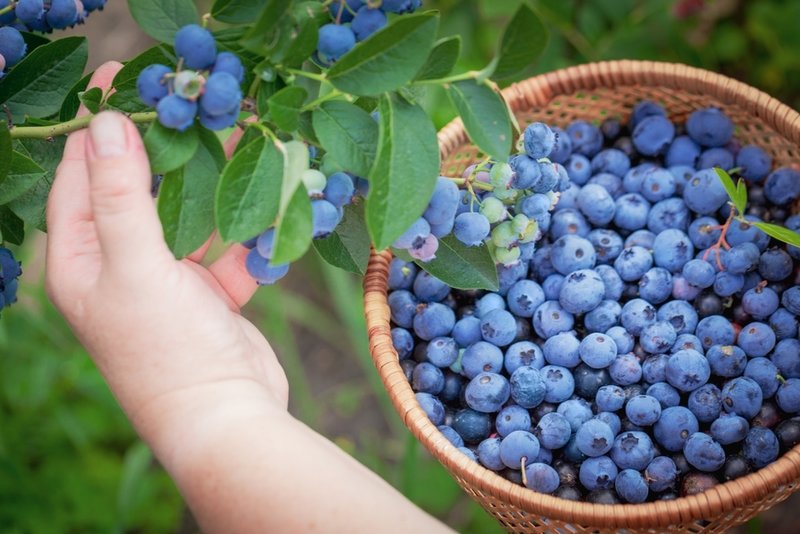
Blueberries deserve special mention as exceptional container candidates. Their shallow root systems and compact growth habits make them naturally suited to pot culture. Container growing actually offers advantages over in-ground planting for blueberries, as you can easily provide the acidic soil conditions (pH 4.5-5.5) that these plants require—conditions that can be difficult to maintain in garden beds.
Consider these berry options for your container garden:
- Compact blueberry varieties like ‘Top Hat’ or ‘Bushel and Berry’ series
- Everbearing strawberries such as ‘Albion’ or ‘Seascape’
- Dwarf raspberry varieties including ‘Raspberry Shortcake’
- Thornless blackberries bred for container culture
Stone Fruits and Fig Trees
Don’t assume that larger fruits are off-limits for container gardeners—dwarf varieties of stone fruits and the incredibly adaptable fig tree prove otherwise.
Genetic dwarf peach and nectarine trees remain compact enough for large containers while producing full-sized, delicious fruit. Varieties like ‘Bonanza’ and ‘Pix Zee’ stay under 6 feet tall and wide, making them manageable for deck or patio culture. These trees require winter chill to fruit properly, so they work best in climates with distinct seasons.
Fig trees deserve particular attention from container gardeners. Figs are perhaps the most rewarding fruit tree for container culture, tolerating restricted root space exceptionally well and often producing more fruit in containers than when planted in the ground. Their deciduous nature makes winter care simple—move them to an unheated garage or basement and allow them to go dormant. Varieties like ‘Brown Turkey,’ ‘Chicago Hardy,’ and ‘Celeste’ perform excellently in containers and can begin producing fruit within one to two years of planting.
Essential Steps to Start Your Container Fruit Garden
Success in container fruit gardening begins with proper setup; choosing appropriate containers, soil, and placement creates the foundation for healthy plants and bountiful harvests.
Choosing the Right Containers
Container selection significantly impacts your plants’ health and productivity. While the aesthetic appeal of containers matters, practical considerations should drive your choices.
Size requirements vary by fruit type, but a general rule is to always err on the side of larger containers. Strawberries can thrive in containers as small as 8-12 inches in diameter, while dwarf fruit trees require minimum 15-25 gallon containers for optimal health. Undersized containers restrict root growth, limit water and nutrient availability, and require more frequent watering—all of which stress plants and reduce yields.
Drainage stands as the single most critical container feature. Fruit plants absolutely cannot tolerate waterlogged roots, which lead to root rot and plant death. Every container must have adequate drainage holes in the bottom. Consider these drainage enhancement strategies:
- Elevate containers on pot feet or bricks to ensure drainage holes remain unobstructed
- Add a layer of coarse gravel or broken pottery pieces at the bottom for additional drainage
- Choose containers with multiple drainage holes rather than a single center hole
- Consider self-watering containers with built-in reservoirs for consistent moisture without waterlogging
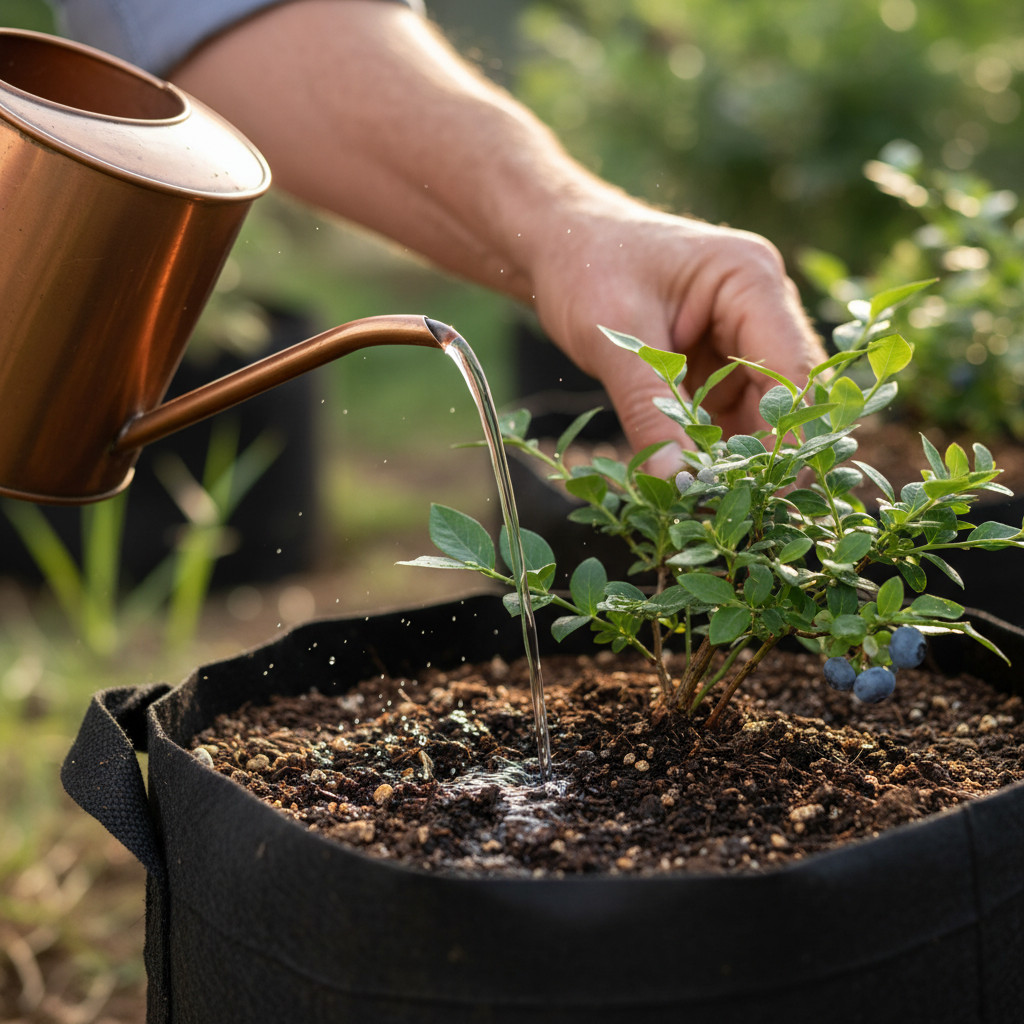
Material options each offer distinct advantages. Terracotta provides excellent breathability but dries out quickly and can crack in freezing temperatures. Plastic containers are lightweight and retain moisture well but may deteriorate in intense sunlight. Fabric grow bags have gained popularity for their excellent drainage and air pruning of roots but require more frequent watering. Consider your specific climate, plants’ needs, and practical factors like weight when selecting materials.
Selecting the Ideal Potting Mix
Never use garden soil in containers—this point cannot be overemphasized. Garden soil compacts in containers, draining poorly and suffocating roots. Instead, use high-quality potting mixes formulated specifically for container growing.
The ideal potting mix balances water retention with drainage, holds nutrients effectively, and provides good aeration for root health. Most commercial potting mixes contain some combination of peat moss or coir, perlite or vermiculite, and composted bark or other organic matter. These components work together to create the light, well-draining yet moisture-retentive medium that container plants need.
Different fruits benefit from slightly different soil compositions:
- Citrus trees prefer well-draining mixes with added sand or extra perlite
- Blueberries require acidic mixes, often sold as “azalea mix” or “acid-loving plant mix”
- Strawberries thrive in rich, compost-heavy mixes with excellent drainage
- Fig trees adapt to most quality potting mixes but benefit from added organic matter
Consider adding slow-release fertilizer to your potting mix at planting time. Many commercial mixes come with starter fertilizer included, but this typically lasts only a few weeks. Incorporating a quality slow-release organic fertilizer provides consistent nutrition for months.
Understanding Sunlight and Placement
Fruit production requires energy, and plants derive that energy from sunlight. Most fruiting plants need significant sun exposure to produce meaningful harvests.
As a general rule, fruit plants require minimum 6-8 hours of direct sunlight daily. Some, like citrus trees, prefer even more—8-10 hours for optimal fruit production. Before committing to container fruit gardening, honestly assess your available light. Track sunlight patterns throughout the day, accounting for shadows from buildings, trees, and other obstacles. Remember that sun angles change seasonally, so a spot that receives full sun in summer might be shaded in spring or fall.
Strategic placement maximizes available light. Position containers to take advantage of reflected light from white walls or other surfaces. Consider placing rolling platforms under heavy containers to easily reposition them as light conditions change. For balcony gardeners, upper floors typically receive better light due to fewer obstructions—this is one case where a high-rise apartment offers advantages for gardeners.
If your space receives less than ideal sunlight, focus on fruits that tolerate partial shade:
- Some berry varieties, particularly raspberries and blackberries
- Alpine strawberries, which produce smaller but flavorful fruit in shade
- Currants and gooseberries, traditional shade-tolerant fruit bushes
- Some fig varieties, though production may be reduced
Watering and Feeding Your Container Fruit Plants
Proper watering and fertilization separate thriving container gardens from struggling ones; understanding your plants’ needs and establishing consistent routines ensures healthy growth and maximum fruit production.
Proper Watering Techniques
Container plants depend entirely on you for water—there’s no deep soil reservoir or groundwater for roots to access. This responsibility requires attention and consistency, but the principles are straightforward.
The goal is consistent, even moisture—neither too wet nor too dry. Check soil moisture daily, especially during hot weather when containers can dry out rapidly. Insert your finger 1-2 inches into the soil; if it feels dry at that depth, water thoroughly until water drains from the bottom holes. If still moist, wait another day and check again.
Common watering mistakes include:
-
Surface watering only: Light, frequent watering encourages shallow root growth and leaves the root zone dry. Always water deeply and thoroughly.
-
Inconsistent schedules: Alternating between drought and flood stresses plants and can cause fruit splitting, blossom drop, and other problems.
-
Ignoring environmental factors: Hot, windy days dramatically increase water needs. Container plants may need watering twice daily during heat waves.
-
Overwatering: Despite the emphasis on consistent moisture, waterlogged soil is equally problematic. Ensure excellent drainage and let soil approach (but not reach) dryness between waterings.
Self-watering containers and drip irrigation systems help maintain consistency, particularly valuable during vacations or busy periods. Mulching the soil surface with bark chips, straw, or other organic material reduces evaporation and helps maintain even moisture levels.
Fertilization Strategies for Maximum Yield
Container plants exhaust soil nutrients relatively quickly since roots cannot spread to find new nutrient sources. Regular fertilization maintains plant health and supports fruit production.
Balanced nutrition includes three primary nutrients: nitrogen for leafy growth, phosphorus for root development and flowering, and potassium for fruit production and overall plant health. Most fruit plants benefit from fertilizers with relatively equal ratios of these nutrients, though specific needs vary by plant type and growth stage.
Develop a consistent fertilization schedule following these guidelines:
- During active growth (spring through summer), fertilize every 2-4 weeks with liquid fertilizer or follow label instructions for granular fertilizers
- Reduce or eliminate fertilization in late fall and winter when most fruit plants are dormant or semi-dormant
- Watch for signs of nutrient deficiency: yellowing leaves, poor growth, reduced flowering, or small fruit indicate nutritional problems
- Avoid over-fertilization, which can burn roots and promote excessive leafy growth at the expense of fruit production
Organic fertilizers like fish emulsion, kelp extract, and compost tea release nutrients slowly and improve soil biology. Synthetic fertilizers provide nutrients more immediately but require careful application to avoid burning plants. Many successful container gardeners use a combination approach—organic fertilizers for ongoing nutrition supplemented by occasional synthetic feeding when plants show increased need.
Common Challenges and How to Overcome Them
Every gardener faces obstacles; understanding common container gardening challenges and their solutions prepares you to address problems quickly and effectively.
Dealing with Pests and Diseases
Container plants aren’t immune to pest and disease problems, but their isolation makes management significantly easier than in traditional gardens.
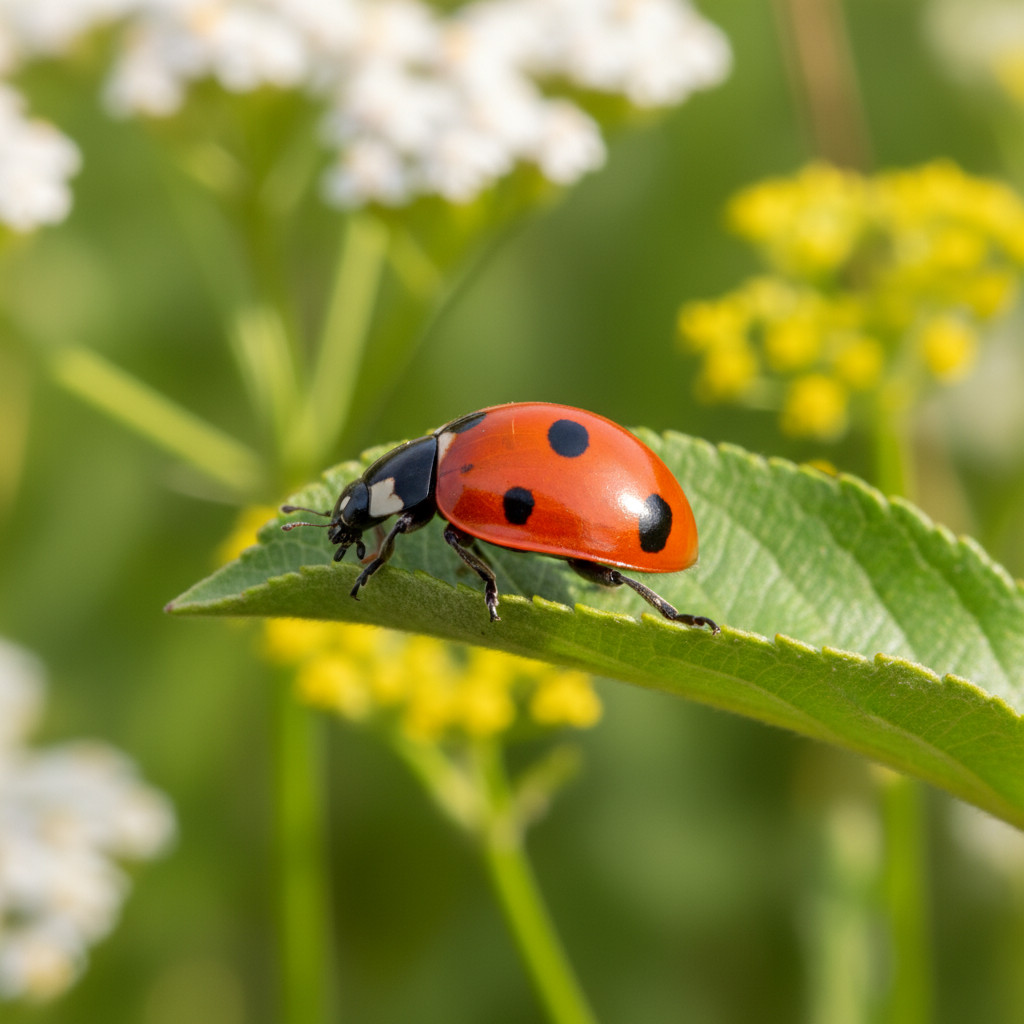
Regular inspection forms your first line of defense. Make examining your plants part of your daily routine—check leaf undersides, stem joints, and new growth where pests often congregate. Early detection allows intervention before problems become severe. Common container fruit plant pests include:
- Aphids: Small, soft-bodied insects clustering on new growth; treat with strong water spray or insecticidal soap
- Spider mites: Tiny pests causing stippled, yellowing leaves with fine webbing; increase humidity and spray with water
- Scale insects: Brown or white bumps on stems and leaves; remove manually or treat with horticultural oil
- Fruit flies: Attracted to ripening fruit; use traps and harvest promptly
Disease prevention focuses on cultural practices. Ensure good air circulation by spacing containers adequately and pruning for open plant structure. Water at soil level rather than wetting foliage, and water early in the day so any wet leaves dry before evening. Remove fallen leaves and debris promptly. If disease appears, remove affected plant parts immediately and consider moving the plant away from others to prevent spread.
Managing Temperature Extremes
Container plants experience temperature fluctuations more intensely than in-ground plants, as soil volume in containers heats and cools more rapidly than garden beds.
Winter protection is essential for many fruit plants, particularly citrus and other frost-sensitive varieties. Options include:
- Moving containers indoors to sunny windows, sunrooms, or greenhouses before frost threatens
- Insulating containers with bubble wrap, burlap, or commercial plant wraps
- Grouping containers together and covering with frost cloth during cold snaps
- Placing containers against south-facing walls that radiate stored heat overnight
Summer heat presents opposite challenges. Container roots can literally cook when dark containers absorb intense sunlight. Protect against heat damage by using light-colored containers, grouping pots so they shade each other, moving containers to afternoon shade during heat waves, and ensuring consistent watering to prevent heat stress.
Maximizing Your Harvest: Expert Tips and Best Practices
Moving beyond basics, these advanced strategies help experienced container gardeners optimize production and enjoy the most abundant, highest-quality harvests possible.
Pruning plays a crucial role in container fruit production. Regular pruning keeps plants manageable in size, promotes air circulation, removes dead or diseased wood, and directs energy toward fruit production rather than excessive vegetation. Most fruit trees benefit from annual dormant-season pruning, while berry plants often require both dormant pruning and summer maintenance.
Pollination deserves attention, particularly for gardeners growing single specimens. Many fruit trees require cross-pollination from compatible varieties, while others are self-fertile but produce better with pollination assistance. Hand pollination using a small paintbrush can dramatically improve fruit set, especially for indoor plants without insect pollinator access. Simply transfer pollen between flowers by brushing the brush across each bloom’s center.
Container fruit production benefits from these additional expert practices:
- Thin fruit when heavy fruit set threatens branch breakage or reduces fruit size; remove excess small fruits to allow remaining ones to grow larger
- Rotate containers periodically to ensure even growth and prevent plants from leaning toward light sources
- Upgrade container sizes gradually as plants grow—typically moving to a pot 2-4 inches larger in diameter every 2-3 years
- Refresh potting soil by removing and replacing the top few inches annually, even when not repotting
- Consider companion planting in large containers—herbs like basil and marigolds can deter pests while utilizing unused soil surface
The Environmental and Health Benefits of Home-Grown Fruit
Beyond the practical advantages, container fruit gardening contributes to environmental sustainability and personal wellness in meaningful ways.
Growing your own fruit reduces environmental impact through multiple mechanisms. You eliminate transportation-related carbon emissions for your harvest—commercial fruit often travels thousands of miles from farm to table. You avoid pesticide exposure and can garden organically without additional cost. Even the containers themselves can be sourced sustainably through recycled materials, upcycled items, or biodegradable options.
Health benefits extend beyond nutrition. While home-grown fruit certainly provides superior freshness and flavor compared to store-bought options that were picked unripe for shipping durability, the mental health benefits of gardening deserve equal recognition. Research consistently demonstrates that gardening reduces stress, improves mood, and provides valuable physical activity. Container gardening brings these benefits to people who might otherwise lack gardening opportunities.
The act of growing food reconnects us with natural cycles and seasonal rhythms increasingly absent from modern life. Watching a plant flower, set fruit, and ripen creates appreciation for the time and resources required to produce food—awareness that often leads to broader sustainable behavior changes. Children who participate in fruit gardening develop healthier eating habits and greater environmental consciousness that persist into adulthood.
Final Thoughts: Your Container Fruit Garden Awaits
Growing fruit in containers represents one of the most accessible, rewarding gardening endeavors available to modern gardeners. Whether you have a sprawling deck, a modest balcony, or just a sunny windowsill, there’s a fruit-growing opportunity waiting for you. The barriers are low, the rewards are high, and the learning curve, while present, leads to genuine expertise remarkably quickly.
Starting today means harvesting sooner. Many container fruits produce within their first or second year, and some—like strawberries—can yield fruit within months of planting. Every day you delay is a day further from that first homegrown bite of sun-ripened sweetness.
Begin simply. Choose one or two plants that match your space and light conditions. Invest in quality containers and potting mix. Commit to consistent watering and observation. The skills you develop with these first plants will serve you for a lifetime of productive container gardening.
The journey from bare container to abundant harvest transforms not just your space but your relationship with food, nature, and the rhythms of the seasons. It connects you to centuries of gardening tradition while embracing modern innovations that make success more achievable than ever. Your container fruit garden isn’t just a hobby—it’s an investment in your health, your environment, and your future.
The time to start is now. Choose your first container, select your first fruit plant, and take the first step toward a more sustainable, delicious, and fulfilling way of living. Your future self—enjoying that first perfect, homegrown strawberry or freshly picked fig—will thank you.