Table of Contents
- Protecting Your Fruit Garden: Expert Strategies for Thriving Harvests
- The Growing Challenge of Modern Fruit Garden Protection
- Secret #1: Understanding Your Local Pest Population
- Conducting a Thorough Pest Assessment
- Secret #2: Implementing Physical Barriers Strategically
- Netting and Mesh Solutions
- Fencing and Ground-Level Protection
- Secret #3: Mastering Organic Pest Control Methods
- Natural Sprays and Treatments
- The Power of Companion Planting
- Secret #4: Creating an Effective Bird Deterrent System
- Visual Deterrent Strategies
- Audio and Multi-Sensory Approaches
- Secret #5: Establishing Proper Soil Health
- Building Living Soil
- Secret #6: Timing Your Interventions Perfectly
- Critical Timing Windows
- Weather-Based Decision Making
- Secret #7: Integrating Beneficial Wildlife
- Attracting Beneficial Insects
- Creating Wildlife Habitat
- Secret #8: Developing a Disease Prevention Protocol
- Sanitation Practices
- Environmental Disease Management
- Secret #9: Utilizing Technology for Garden Monitoring
- Smart Monitoring Solutions
- Digital Record-Keeping and Planning
- Secret #10: Building a Sustainable Long-Term Protection Plan
- Implementing Integrated Pest Management
- Continuous Improvement Through Record-Keeping
- Common Mistakes to Avoid in Fruit Garden Protection
- Your Seasonal Protection Calendar
- Final Thoughts: Your Path to Protected Harvests
Protecting Your Fruit Garden: Expert Strategies for Thriving Harvests
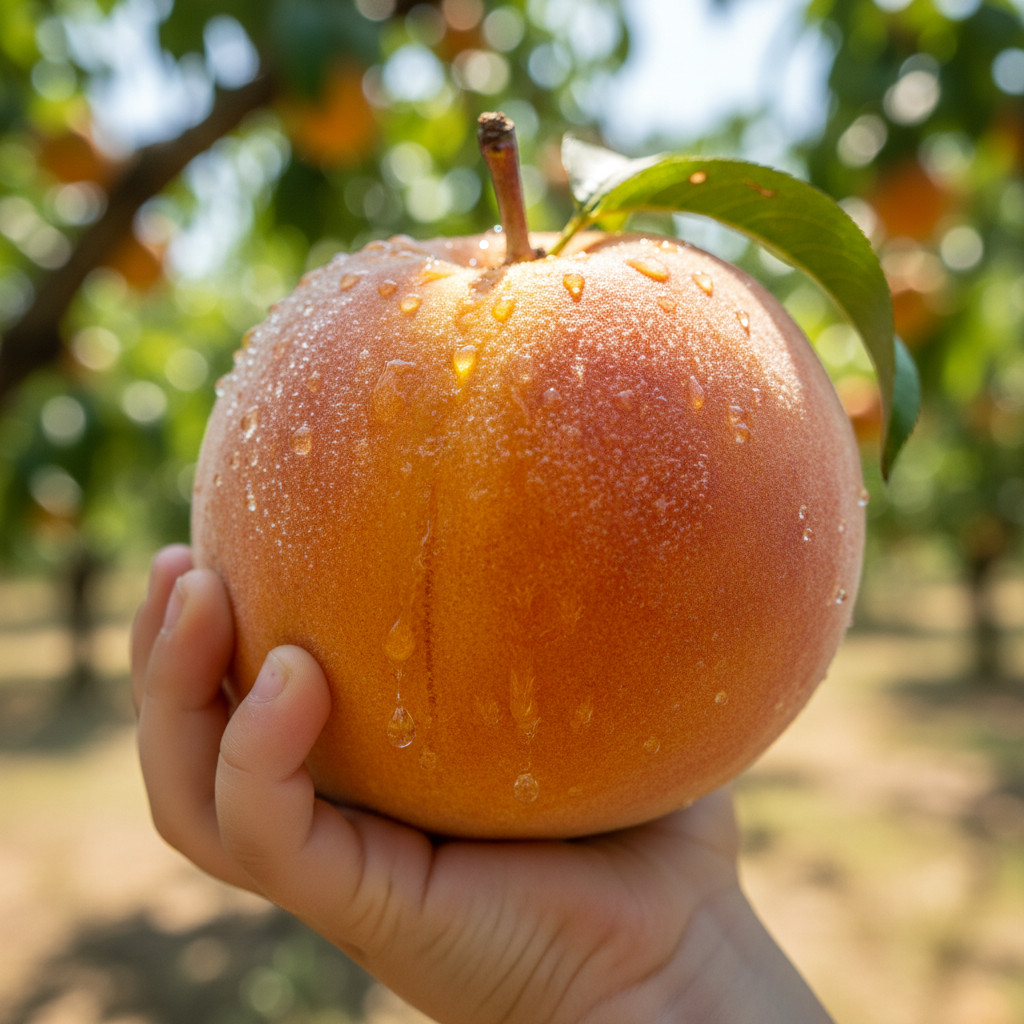
There’s nothing quite like biting into a perfectly ripe peach, apple, or berry that you’ve grown in your own backyard. The satisfaction of nurturing fruit trees and bushes from delicate blossoms to bountiful harvests represents one of gardening’s greatest rewards. However, between that first spring bloom and the moment you pick your prized produce, countless threats lurk in the shadows—hungry pests, devastating diseases, unpredictable weather, and wildlife with appetites as eager as your own.
Every year, home gardeners lose an estimated 30-40% of their potential fruit harvest to preventable problems. Whether you’re battling persistent aphids on your apple trees, watching birds devour your berry crop, or struggling with fungal diseases that leave your stone fruits rotting on the branch, understanding how to protect your fruit garden effectively can mean the difference between a disappointing season and an abundant one.
The good news? Successful fruit garden protection doesn’t require expensive commercial equipment or toxic chemical cocktails. By implementing proven strategies that work with nature rather than against it, you can safeguard your investment and enjoy the literal fruits of your labor. In this comprehensive guide, we’ll reveal ten powerful secrets that experienced orchardists and professional horticulturists use to protect their fruit gardens successfully.
The Growing Challenge of Modern Fruit Garden Protection
Understanding the landscape of threats facing today’s fruit gardeners sets the foundation for effective protection strategies.
Climate change has fundamentally altered the pest and disease dynamics that fruit gardeners face. Warmer winters mean pest populations survive in greater numbers, while shifting weather patterns create stress that makes plants more vulnerable to disease. Additionally, the decline in natural predator populations and the introduction of invasive species have created unprecedented challenges for home gardeners.
Modern fruit gardens face multiple simultaneous threats, including insect pests that damage fruit and foliage, fungal and bacterial diseases that can devastate entire crops, wildlife ranging from birds to deer that view your garden as a buffet, and environmental stressors like drought, frost, and extreme heat. Successfully protecting your garden requires an integrated approach that addresses all these challenges while maintaining the ecological balance that supports healthy plant growth.
The most successful fruit gardeners understand that protection isn’t a reactive process but a proactive system of prevention, monitoring, and timely intervention. Let’s explore the ten secrets that will transform your approach to fruit garden protection.
Secret #1: Understanding Your Local Pest Population
Before you can protect your garden effectively, you must know exactly what you’re protecting it against.
The foundation of any successful fruit garden protection strategy begins with comprehensive knowledge of your local pest population. Different regions harbor distinct pest communities, and the specific varieties of fruit you grow attract particular insects and diseases. What devastates orchards in the Pacific Northwest may be entirely different from the primary threats facing gardeners in the Southeast or Midwest.
Conducting a Thorough Pest Assessment
Start by identifying the most common pests in your specific growing zone. Contact your local agricultural extension office, which maintains detailed records of regional pest populations and their seasonal patterns. These experts can provide invaluable information about emerging threats and proven control methods tailored to your area. Additionally, connect with local gardening communities and orchardist associations who share real-time observations about pest activity.
Create a pest identification journal where you document every insect, sign of disease, or wildlife damage you observe. Include photographs, dates, weather conditions, and the specific plants affected. Over time, this journal becomes an invaluable resource for predicting problems and timing interventions. Key elements to record include:
- Species identification – Learn to distinguish beneficial insects from harmful ones
- Population trends – Note whether numbers are increasing or decreasing
- Damage patterns – Document how pests affect different fruit varieties
- Seasonal timing – Track when specific pests typically appear
Understanding pest lifecycles proves equally crucial. Many garden pests have vulnerable stages where intervention proves most effective. For example, controlling codling moths—the notorious apple worms—requires precise timing based on their emergence patterns, which vary by location and weather conditions.
Secret #2: Implementing Physical Barriers Strategically
Physical barriers represent your first line of defense, creating impenetrable shields between pests and your precious fruit.
Physical barriers remain one of the oldest and most reliable fruit protection methods, and modern materials have made them more effective than ever. Unlike chemical treatments that may harm beneficial organisms, physical barriers provide protection without disrupting your garden’s ecosystem. The key lies in selecting appropriate barriers for specific threats and installing them correctly.
Netting and Mesh Solutions
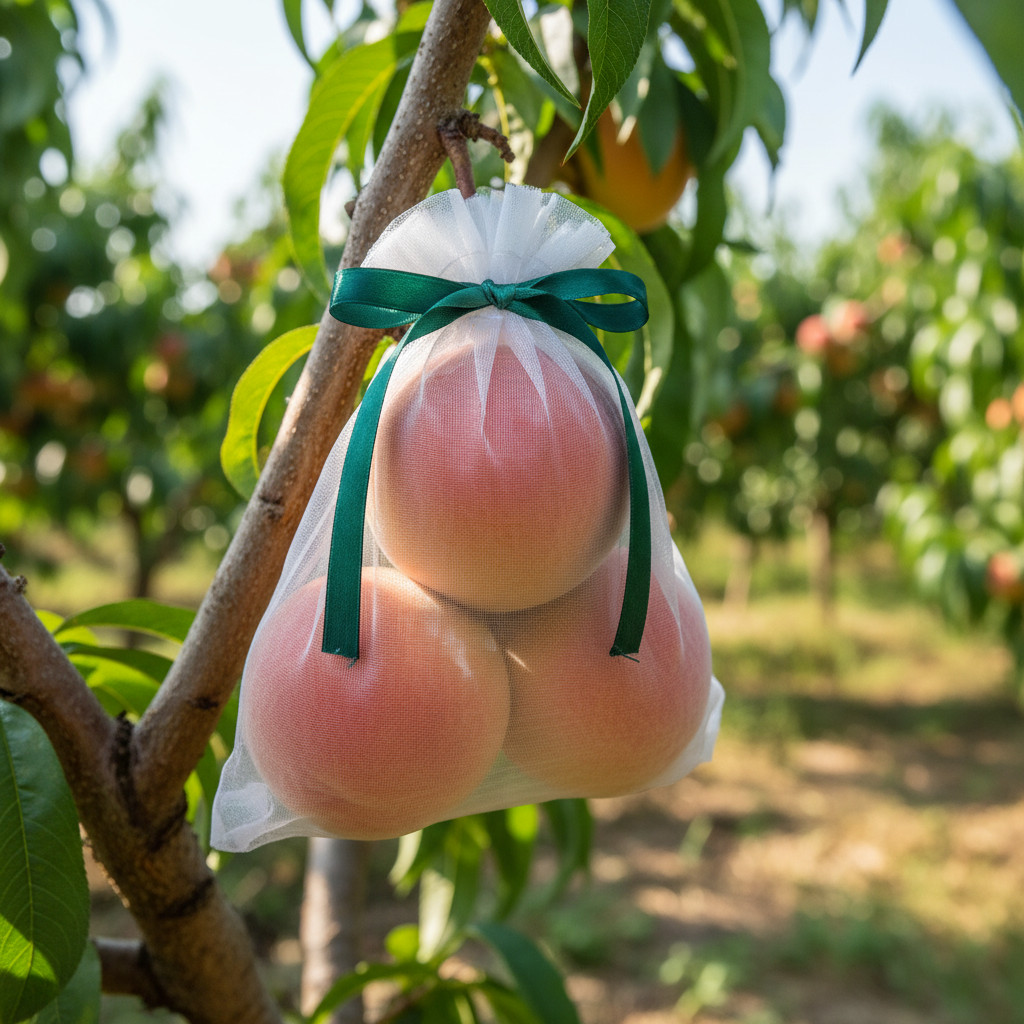
High-quality bird netting protects berry bushes, cherry trees, and other bird-attractive fruits from avian raiders. Choose netting with appropriate mesh sizes—small enough to exclude birds but large enough to allow pollinators access during flowering. Professional-grade polyethylene netting with UV stabilization lasts multiple seasons and resists tearing.
Insect exclusion netting, featuring finer mesh typically measuring 0.8mm or less, prevents pest insects from reaching your fruit while still allowing air circulation, light penetration, and rainfall. This technique, known as “exclusion netting” or “insect screening,” has shown remarkable effectiveness against:
- Spotted wing drosophila – A devastating pest affecting soft fruits
- Codling moths – The primary apple pest in most regions
- Japanese beetles – Known for skeletonizing leaves and damaging fruit
- Fruit flies – Common attackers of stone fruits and figs
Fencing and Ground-Level Protection
Construct appropriate fencing to exclude larger wildlife like deer and rabbits. For deer, fencing must reach at least eight feet high, while rabbit exclusion requires buried mesh extending six inches below ground level. Electric fencing provides an effective alternative in areas with heavy deer pressure, delivering a harmless but memorable deterrent.
Tree guards and trunk wraps protect young fruit trees from rodent damage, mechanical injury, and sunscald. These simple investments prevent devastating bark damage that can kill or severely weaken trees during their most vulnerable establishment years.
Secret #3: Mastering Organic Pest Control Methods
Organic approaches protect your fruit while preserving the beneficial organisms your garden needs to thrive.
Organic pest control has evolved far beyond simple home remedies into a sophisticated science with proven effectiveness. These methods work by either directly eliminating pests, repelling them from your garden, or creating conditions that favor beneficial predators. Successfully implementing organic pest control requires understanding how different treatments work and when to apply them.
Natural Sprays and Treatments
Neem oil stands as perhaps the most versatile organic pest control treatment available. Derived from the neem tree, this natural insecticide disrupts pest feeding, reproduction, and development while remaining safe for beneficial insects when applied correctly. Apply neem oil during early morning or evening hours to avoid harming pollinators actively working your garden.
Kaolin clay sprays create a physical barrier on fruit surfaces that confuses and deters many pest insects. This white, powite mineral leaves a powdery coating that washes off easily before consumption but provides excellent protection during the growing season. Kaolin clay proves particularly effective against:
- Plum curculio – A major stone fruit pest
- Apple maggot flies – Attracted to fruit but deterred by clay coating
- Pear psylla – Common pear pest controlled through confusion
- Japanese beetles – Discouraged from treated foliage
Bacillus thuringiensis (Bt) offers targeted control of caterpillar pests without affecting other organisms. This naturally occurring bacterium produces proteins toxic only to specific insect larvae, making it ideal for protecting fruit from codling moth larvae, leaf rollers, and other caterpillar pests.
The Power of Companion Planting
Strategic companion planting transforms your garden into a pest-resistant ecosystem. Certain plants naturally repel specific pests, attract beneficial insects, or serve as trap crops that draw pests away from your fruit. Effective companion plants for fruit gardens include:
- Marigolds – Repel aphids and other soft-bodied pests
- Nasturtiums – Serve as trap crops for aphids
- Garlic and chives – Deter many pest insects through strong scent
- Tansy – Repels flying insects including fruit flies
- Basil – Deters thrips and flies while attracting pollinators
Secret #4: Creating an Effective Bird Deterrent System
Birds present unique challenges requiring multi-layered deterrent strategies that outsmart their remarkable intelligence.
Birds possess exceptional intelligence and quickly adapt to single deterrent methods. Successful bird protection requires implementing multiple complementary strategies that create an unwelcoming environment without harming these often-beneficial creatures. Remember that many birds also consume pest insects, so complete exclusion may prove counterproductive.
Visual Deterrent Strategies
Reflective tape and holographic ribbons create visual disturbances that startle and confuse birds. Install these materials so they move freely in the wind, producing unpredictable flashing patterns. Replace or reposition visual deterrents every few weeks to prevent birds from becoming accustomed to them.
Predator decoys including owl statues, hawk silhouettes, and snake replicas trigger instinctive fear responses in pest birds. However, static decoys lose effectiveness quickly as birds realize they pose no real threat. Maximize effectiveness by:
- Moving decoys regularly – Change positions every two to three days
- Using motorized models – Motion-activated decoys maintain effectiveness longer
- Combining multiple predator types – Vary the threats birds perceive
- Placing decoys strategically – Position them where birds naturally approach
Audio and Multi-Sensory Approaches
Ultrasonic deterrent devices emit sounds outside human hearing range that disturb birds without creating noise pollution. Modern units often combine ultrasonic frequencies with occasional audible predator calls for enhanced effectiveness. Motion-activated sprinklers provide startling but harmless deterrence, conditioning birds to avoid your garden through negative reinforcement.
Secret #5: Establishing Proper Soil Health
Healthy soil creates healthy plants, and healthy plants naturally resist pests and diseases far more effectively than stressed ones.
The connection between soil health and pest resistance often surprises gardeners, but research consistently demonstrates that plants growing in nutrient-rich, biologically active soil suffer fewer pest and disease problems. Strong, vigorous plants produce natural defensive compounds more effectively and recover from damage more quickly.
Building Living Soil
Regular soil testing provides the foundation for targeted soil improvement. Test your soil at least annually, checking pH levels, nutrient content, and organic matter percentage. Most fruit trees thrive in slightly acidic to neutral soil (pH 6.0-7.0) with robust organic matter content exceeding 5%.
Implement consistent composting practices to build soil organic matter and support beneficial soil organisms. Quality compost introduces beneficial bacteria and fungi that outcompete plant pathogens while improving soil structure and water retention. Apply two to four inches of compost around fruit trees and bushes annually, keeping material away from direct trunk contact.
Mulching delivers multiple protective benefits including:
- Moisture retention – Reduces plant stress during dry periods
- Temperature moderation – Protects roots from extreme heat and cold
- Weed suppression – Eliminates competition for nutrients and water
- Soil biology support – Provides habitat for beneficial organisms
- Disease prevention – Prevents soil-borne pathogen splash onto foliage
Secret #6: Timing Your Interventions Perfectly
In fruit garden protection, timing often matters more than the specific method you choose.
Many gardeners apply the right treatments at the wrong times, wasting effort and resources while failing to achieve adequate protection. Successful fruit garden protection requires understanding plant growth stages, pest lifecycles, and environmental conditions that influence both.
Critical Timing Windows
Dormant season treatments applied during late winter provide exceptional protection opportunities. Dormant oil sprays smother overwintering pest eggs and disease spores before they can cause problems. This single well-timed application can prevent thousands of pest insects from ever hatching.
Petal fall timing represents another crucial intervention window. Many pest insects target fruit immediately after flowers fade, making this period ideal for applying protective treatments. Miss this window by even a week, and pest populations may establish themselves beyond easy control.
Monitor growing degree days rather than calendar dates for optimal timing. Growing degree days calculate accumulated heat units that drive pest development, providing far more accurate timing than fixed calendar schedules. Many agricultural extension services provide growing degree day calculators and pest development models for common fruit pests.
Weather-Based Decision Making
Temperature and humidity directly influence both pest activity and treatment effectiveness. Many fungal diseases require specific moisture and temperature conditions to spread, making weather monitoring essential for disease prevention. Apply fungicide treatments before predicted rainfall when conditions favor disease development, not after symptoms appear.
Secret #7: Integrating Beneficial Wildlife
Transform your garden into a living pest control system by attracting and supporting beneficial organisms.
Nature provides remarkably effective pest control when given the opportunity. Beneficial insects, birds, bats, and other wildlife consume enormous quantities of garden pests, often providing better control than human interventions. Creating habitat for these allies represents one of the most sustainable protection strategies available.
Attracting Beneficial Insects
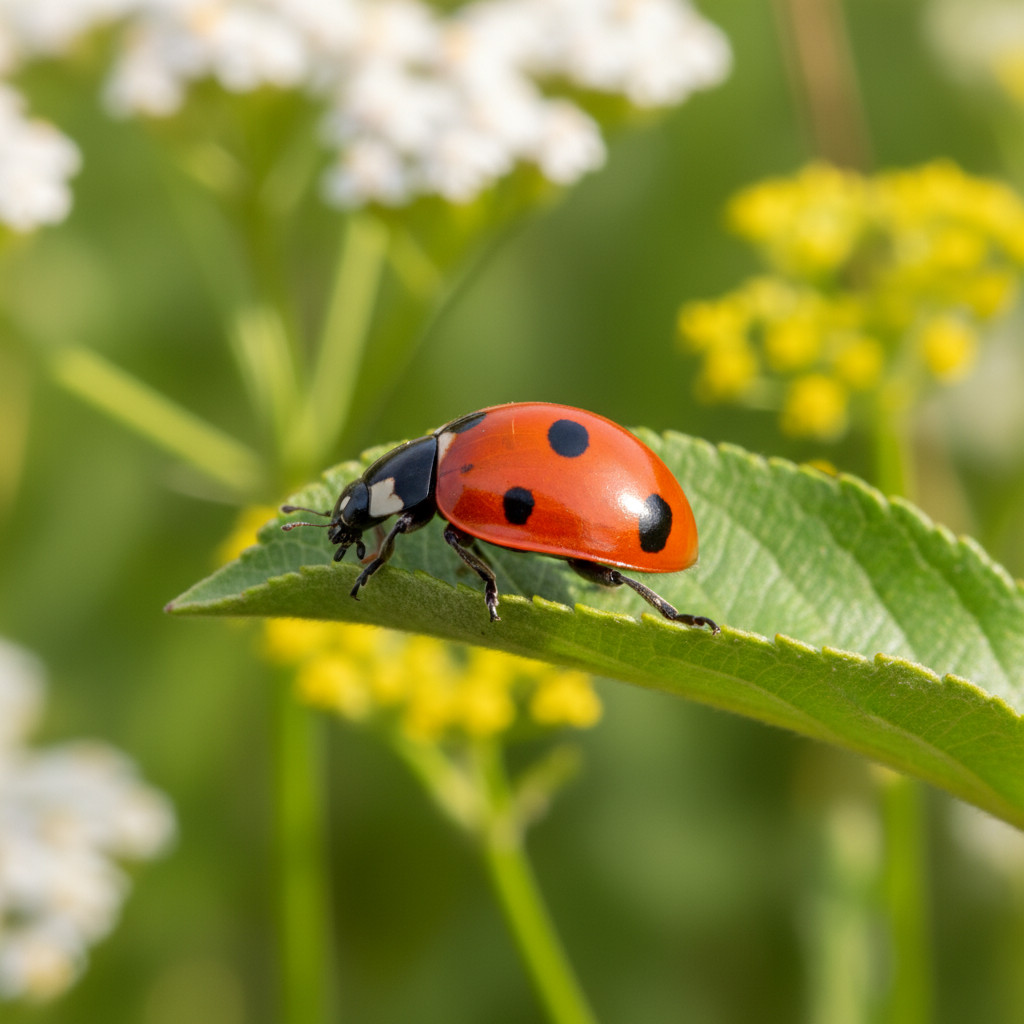
Plant diverse flowering species that bloom throughout the growing season, providing nectar and pollen resources for beneficial insects. Particularly valuable plants include yarrow, fennel, dill, sweet alyssum, and members of the aster family. These plants attract and sustain:
- Ladybugs – Voracious aphid predators consuming hundreds daily
- Lacewings – Both adults and larvae prey on soft-bodied pests
- Parasitic wasps – Lay eggs in pest insects, eliminating them from within
- Hoverflies – Larvae consume aphids while adults pollinate flowers
- Ground beetles – Nocturnal hunters targeting slugs and caterpillars
Reduce or eliminate broad-spectrum pesticide use that kills beneficial insects along with pests. Even organic treatments like pyrethrin kill indiscriminately and should be used sparingly and strategically.
Creating Wildlife Habitat
Install insect hotels and nesting sites throughout your garden. Simple structures made from bundled hollow stems, drilled wood blocks, and stacked natural materials provide overwintering and nesting habitat for beneficial insects. Position these structures in protected locations near your fruit plantings.
Maintain wild areas adjacent to your fruit garden where beneficial wildlife can shelter and reproduce. Even a small unmowed strip or brush pile provides valuable habitat supporting the organisms that protect your garden naturally.
Secret #8: Developing a Disease Prevention Protocol
Disease prevention requires consistent attention to sanitation, environmental management, and timely intervention.
Fungal, bacterial, and viral diseases devastate more fruit gardens than pest insects, yet many gardeners focus protection efforts primarily on insects. Effective disease prevention requires understanding how pathogens spread and creating conditions that inhibit their development.
Sanitation Practices
Remove and destroy infected plant material promptly. Diseased leaves, fruit, and branches harbor pathogens that spread to healthy tissue. Never compost diseased material—instead, dispose of it in sealed bags or burn it where permitted. Key sanitation practices include:
- Raking and removing fallen leaves – Eliminates overwintering disease spores
- Pruning out infected branches – Prevents disease spread within plants
- Cleaning tools between cuts – Avoids transferring pathogens between plants
- Removing mummified fruit – Eliminates brown rot and other disease reservoirs
Environmental Disease Management
Improve air circulation through proper pruning and plant spacing. Many fungal diseases require extended leaf wetness to infect, and good airflow helps foliage dry quickly after rain or dew. Open canopy structures also improve sunlight penetration, which inhibits many fungal pathogens.
Water at the base of plants rather than overhead to minimize leaf wetness. Drip irrigation or soaker hoses deliver water directly to roots while keeping foliage dry. When overhead irrigation proves necessary, water early in the day so foliage dries before evening.
Secret #9: Utilizing Technology for Garden Monitoring
Modern technology provides powerful tools for early detection and precise intervention timing.
Technology has transformed fruit garden protection, providing monitoring capabilities and decision support tools previously available only to commercial operations. Embracing appropriate technology helps you detect problems earlier, time interventions more precisely, and track protection effectiveness over time.
Smart Monitoring Solutions
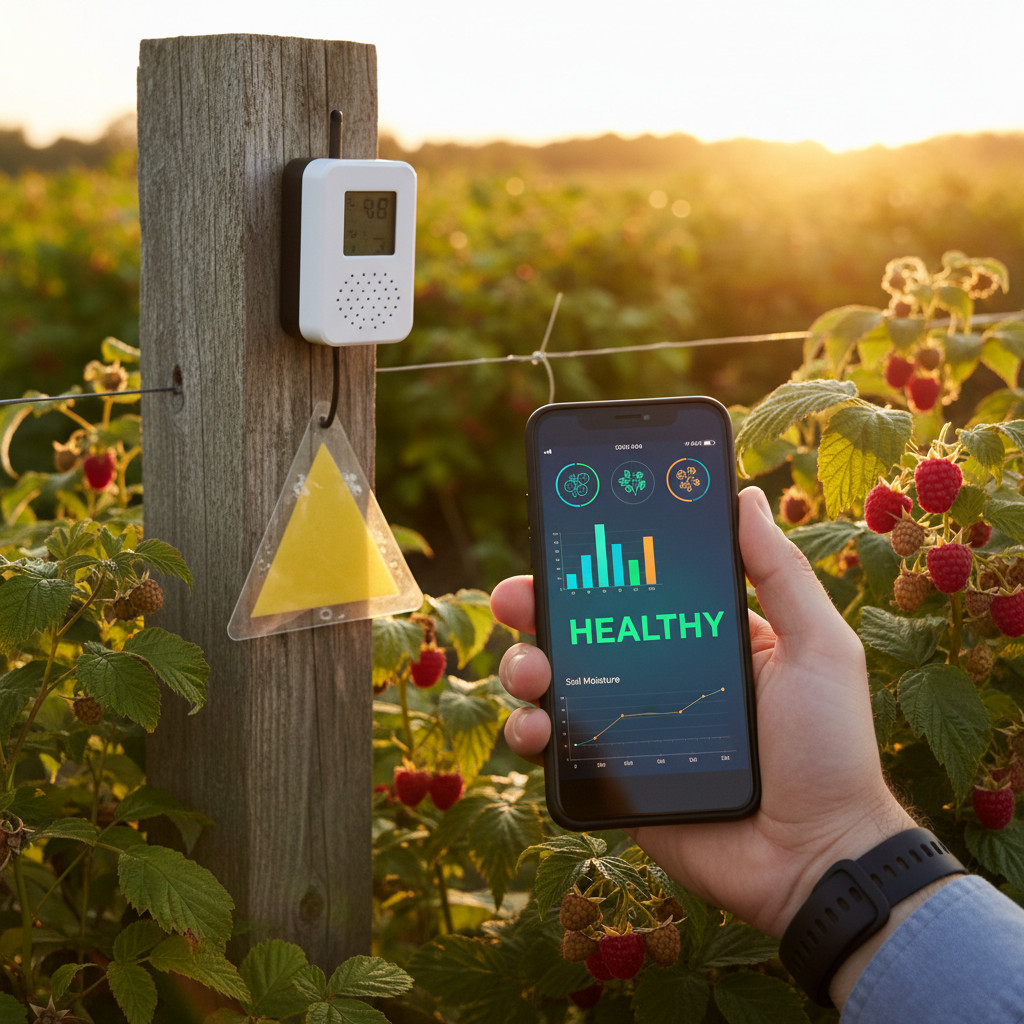
Weather stations and sensors provide real-time data essential for disease prediction and treatment timing. Basic models monitor temperature and humidity, while advanced units track rainfall, leaf wetness, soil moisture, and other parameters relevant to pest and disease development. Many units connect to smartphone apps for remote monitoring and alerts.
Pest monitoring traps with pheromone lures capture specific pest insects, providing early warning of population buildups. Check traps regularly and record catches to identify treatment timing windows. Traps exist for most major fruit pests including codling moths, oriental fruit moths, and various fruit flies.
Digital Record-Keeping and Planning
Garden management apps help track treatments, observations, and outcomes across seasons. Digital records prove invaluable for identifying patterns, evaluating treatment effectiveness, and planning future protection strategies. Look for apps that allow photo documentation, weather correlation, and harvest tracking alongside protection records.
Online pest identification resources provide instant access to expert knowledge when you encounter unfamiliar problems. University extension websites, dedicated gardening platforms, and expert forums offer identification assistance and treatment recommendations for virtually any pest or disease you might encounter.
Secret #10: Building a Sustainable Long-Term Protection Plan
Successful fruit garden protection isn’t a one-time effort but an ongoing system that improves each season.
The most successful fruit gardeners approach protection as an evolving system rather than a series of isolated interventions. Integrated Pest Management (IPM) principles guide this approach, emphasizing prevention, monitoring, and the least-toxic effective interventions applied at optimal times.
Implementing Integrated Pest Management
Establish action thresholds rather than pursuing zero-tolerance approaches. Not every pest requires treatment—many populations remain below levels that cause significant damage. IPM principles teach us to tolerate minor pest presence while monitoring for populations that threaten economically or aesthetically significant damage.
Prioritize prevention over treatment in your protection planning. Every prevention measure you implement reduces the likelihood of needing reactive treatments. Prevention strategies include selecting disease-resistant varieties, maintaining plant health through proper nutrition and watering, and creating habitat for beneficial organisms.
Choose the least-toxic effective intervention when treatment becomes necessary. Start with cultural and physical controls before progressing to biological controls and finally to chemical treatments if required. This hierarchy preserves beneficial organisms and reduces environmental impact while effectively protecting your fruit.
Continuous Improvement Through Record-Keeping
Maintain detailed seasonal records documenting problems encountered, treatments applied, and results achieved. Review these records annually during the dormant season, identifying patterns and planning improvements for the coming year. Successful protection strategies emerge from this continuous learning process.
Common Mistakes to Avoid in Fruit Garden Protection
Even experienced gardeners sometimes undermine their protection efforts through well-intentioned but counterproductive practices.
Understanding common mistakes helps you avoid them and maximize your protection success. Many gardeners sabotage their efforts through over-reliance on single methods, poor timing, or neglecting fundamental principles.
Waiting until problems become severe before taking action represents perhaps the most common mistake. By the time pest damage becomes obvious or disease symptoms appear widespread, control becomes far more difficult and damage is already done. Regular monitoring and early intervention prevent minor issues from becoming major problems.
Over-applying pesticides or treatments often creates more problems than it solves. Excessive applications kill beneficial insects, create resistant pest populations, and may harm your plants directly. Follow label directions precisely, and remember that more is rarely better when it comes to pest control products.
Neglecting garden hygiene allows problems to persist from season to season. Fallen fruit, dead branches, and plant debris harbor overwintering pests and disease spores that emerge to attack your garden the following year. Consistent cleanup throughout the growing season and especially before winter dramatically reduces future pest and disease pressure.
Your Seasonal Protection Calendar
Organizing protection tasks by season ensures nothing falls through the cracks during your busiest gardening periods.
Spring brings renewed pest activity and critical protection windows. Apply dormant oil treatments before bud break, install physical barriers before pests emerge, and monitor for early pest activity as temperatures warm.
Summer requires vigilant monitoring and timely intervention. Check traps regularly, inspect plants weekly for pest and disease symptoms, and apply treatments during optimal timing windows. Maintain irrigation schedules that support plant health while minimizing disease-favorable conditions.
Fall preparation sets the stage for successful protection the following season. Clean up fallen fruit and debris, apply final treatments where appropriate, and install winter protection for vulnerable plants.
Winter provides opportunity for planning and preparation. Review the past season’s records, order supplies for the coming year, and perform dormant-season pruning that improves plant health and reduces disease pressure.
Final Thoughts: Your Path to Protected Harvests
Protecting your fruit garden successfully requires knowledge, preparation, and consistent attention—but the rewards make every effort worthwhile. By implementing these ten secrets, you transform your approach from reactive crisis management to proactive protection that preserves your harvest while supporting a healthy garden ecosystem.
Remember that perfect protection remains an ideal rather than a realistic goal. Some pest damage and disease occurrence proves inevitable despite your best efforts. The objective isn’t elimination but rather maintaining problems at levels that don’t significantly impact your harvest or plant health.
Start implementing these strategies today, beginning with those most relevant to your specific challenges. Assess your local pest population, install appropriate physical barriers, and create conditions that support beneficial organisms. Monitor your garden regularly, time your interventions precisely, and learn from each season’s experiences.
Your fruit garden represents a significant investment of time, money, and emotional energy. Protecting that investment through these proven strategies ensures you’ll enjoy abundant, delicious harvests for years to come. The sweet taste of success—quite literally—awaits those who commit to comprehensive, consistent fruit garden protection.