Picture this: the first cold snap of the season arrives, and you’re standing in your garden, staring at your beloved citrus tree laden with developing fruit, wondering if you’ve done enough to protect it. Or perhaps you’re inside, watching your potted Meyer lemon by the window, noticing its leaves starting to yellow as the heating kicks on. Winter can be a nerve-wracking time for citrus enthusiasts, but it doesn’t have to be. Whether your citrus trees are planted in the ground, growing in containers on your patio, or spending the cold months as indoor houseplants, understanding their unique winter needs is the key to keeping them healthy, productive, and ready to burst back into vigorous growth come spring. The good news? With the right knowledge and a few strategic interventions, you can guide your citrus trees through winter successfully, regardless of your climate zone. This comprehensive guide will walk you through everything from understanding cold hardiness to mastering indoor care, ensuring your citrus trees not only survive but thrive through the coldest months of the year.
Table of Contents
- Understanding Citrus Cold Hardiness
- Cold Tolerance by Variety
- What Zone You’re In Matters
- Essential Fall Preparation for Winter Success
- Adjusting Your Watering Schedule
- Final Fertilizer Applications
- Pre-Winter Health Check
- Winter Care for In-Ground Citrus Trees
- Strategic Watering in Cold Months
- Freeze Protection Methods
- Trunk and Root Protection
- Bringing Container Citrus Indoors
- When to Make the Move
- Acclimation Process
- Choosing the Right Indoor Location
- Indoor Winter Care Essentials
- Managing Light Requirements
- Temperature and Humidity Control
- Watering Container Citrus Indoors
- Winter Fertilizing Strategy
- Protecting Against Pests and Diseases
- Common Winter Pests
- Prevention and Treatment
- Pruning and Maintenance Timing
- Preparing for Spring Transition
- Final Words
Understanding Citrus Cold Hardiness
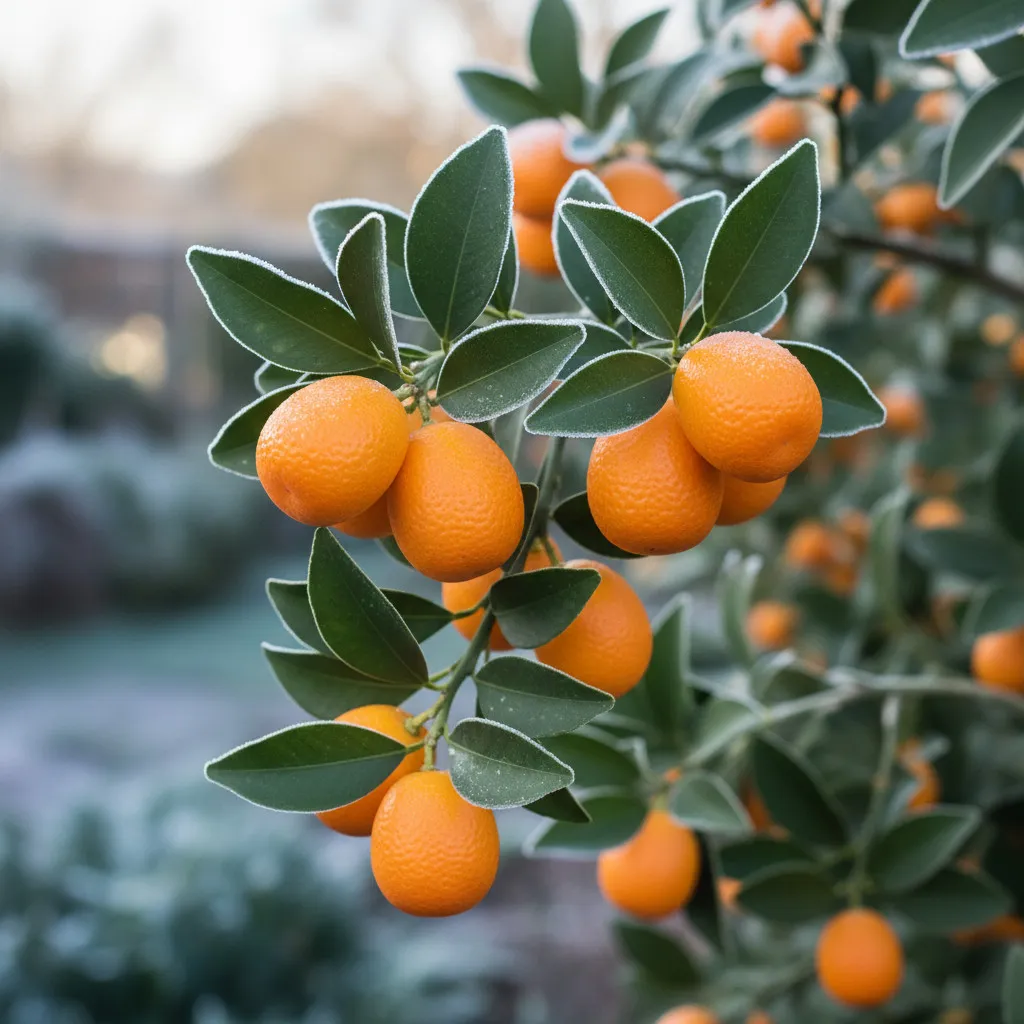
Before diving into winter care specifics, it’s essential to understand that not all citrus trees are created equal when it comes to cold tolerance. Recognizing the hardiness levels of different citrus varieties will fundamentally shape your winter care strategy and help you make informed decisions about protection methods.
Cold Tolerance by Variety
Citrus trees vary dramatically in their ability to withstand cold temperatures, and knowing your tree’s tolerance level is the foundation of successful winter care. Most citrus trees will begin to suffer damage when temperatures drop below 28°F for more than a few hours, but the severity and type of damage depend heavily on the variety. Kumquats stand as the champions of cold hardiness, tolerating brief freezes down to 25-28°F and sometimes even lower when fully dormant. These compact trees are excellent choices for gardeners in borderline zones who want to push the limits of outdoor citrus cultivation.
Satsuma mandarins come in as a close second, particularly varieties like Owari Satsuma, which can withstand temperatures down to the low 20s when grafted onto appropriate rootstocks like trifoliate orange. These early-ripening mandarins have been bred specifically for cooler climates and have proven themselves reliable performers in Zone 8 and sometimes even Zone 7b with protection. The cold-hardy citrus category also includes some specially bred varieties like Arctic Frost and Orange Frost, which push the boundaries of where citrus can grow.
Moving into the moderately hardy category, Meyer lemons have earned their reputation as one of the most forgiving citrus varieties for home gardeners. This naturally occurring hybrid between a lemon and a mandarin or sweet orange can tolerate brief dips into the upper 20s, making it suitable for Zone 9 and warmer, or Zone 8 with diligent protection. Standard lemons like Eureka and Lisbon, along with most mandarins and tangelos, fall into a similar range, handling temperatures down to around 28-30°F before sustaining significant damage.
At the tender end of the spectrum, you’ll find limes (both Key limes and Persian limes), grapefruits, and most sweet oranges. These tropical lovers struggle when temperatures approach freezing and are best suited for Zone 10 and warmer climates. If you’re growing these varieties outside their comfort zones, plan on providing substantial protection or keeping them in containers that can be moved indoors when cold weather threatens.
What Zone You’re In Matters
Your USDA hardiness zone serves as your starting point for understanding what’s possible with outdoor citrus cultivation. Zones 9 through 11 represent the sweet spot for citrus, where most varieties can be grown outdoors year-round with minimal to moderate winter protection. In these zones, cold snaps are typically brief, and with proper preparation, even tender varieties like limes can survive occasional temperature dips.
Zone 8 presents more of a challenge but remains workable, especially for cold-hardy varieties. Gardeners in this zone should focus on kumquats, satsumas, and perhaps Meyer lemons, understanding that even these tougher varieties will require active winter protection during the coldest periods. The benefit of Zone 8 is that cold weather naturally helps trees develop dormancy and cold-hardiness, potentially making them more resilient than the same varieties grown in warmer zones.
For zones 7 and colder, container growing with indoor overwintering becomes the only reliable option for keeping citrus trees alive year after year. However, this doesn’t mean citrus growing is off-limits—quite the contrary. Container cultivation allows gardeners anywhere in the country to enjoy fresh citrus, though it does require more active management and attention to the specific needs of indoor overwintering.
Essential Fall Preparation for Winter Success

Think of fall as the training season that prepares your citrus trees for the winter marathon ahead. The care you provide during autumn months directly impacts how well your trees will handle whatever winter throws at them, making this transitional period absolutely critical for success.
Adjusting Your Watering Schedule
As temperatures cool and days shorten in fall, your citrus tree’s water needs decrease dramatically, and adjusting your irrigation schedule accordingly is one of the most important seasonal transitions you’ll make. During the active growing season of spring and summer, mature citrus trees typically need deep watering once or twice per week, but beginning in September or October (depending on your climate), you should start scaling back to once every ten days.
This reduction in watering serves multiple purposes beyond simply matching the tree’s decreased water consumption. Slightly drier conditions help signal the tree to slow its growth and begin the hardening-off process that increases cold tolerance. Trees that continue receiving summer-level irrigation often keep pushing tender new growth well into fall, and this soft, immature growth is highly susceptible to cold damage. By reducing water, you’re essentially telling your tree that it’s time to prepare for dormancy rather than continue growing.
However, there’s an important exception to this water reduction strategy: deep watering before anticipated freezes. When a hard freeze is predicted, thoroughly irrigating your citrus tree and the surrounding soil several days beforehand can provide significant protection. Moist soil absorbs, stores, and releases more heat than dry soil, helping to moderate temperature fluctuations around the root zone and lower trunk. This practice is particularly important for in-ground trees where root protection is paramount.
When you do water in fall and winter, focus on deep, infrequent applications rather than frequent, shallow watering. Use a soaker hose or allow water to run slowly at the base of the tree for 30 minutes or more, ensuring moisture penetrates deep into the root zone. This encourages roots to grow deeper where they’re better insulated from temperature swings, rather than staying near the surface where they’re more vulnerable.
Final Fertilizer Applications
September marks the last time you should apply fertilizer to citrus trees in most climates, and making this final application correctly sets your tree up for success through winter and into the following spring. Citrus trees are notoriously heavy feeders, requiring regular applications of nutrients during their active growing season, but continuing to fertilize as winter approaches can do more harm than good by encouraging tender new growth that won’t have time to harden off before cold weather arrives.
Your final fall fertilizer application should use a formula specifically designed for citrus trees, fortified with essential micronutrients including iron, zinc, manganese, and copper. These micronutrients are particularly important as they help strengthen cell walls and improve the tree’s overall vigor heading into winter. Look for a citrus-specific fertilizer that doesn’t have an excessively high nitrogen content, as nitrogen is the primary driver of soft, vegetative growth. A more balanced formulation or one slightly higher in phosphorus and potassium will support root development and cold hardiness without pushing excessive top growth.
After this September application, resist the temptation to fertilize again until late winter or early spring. For most regions, February is the appropriate time to resume fertilization, coinciding with lengthening days and the tree’s emergence from semi-dormancy. Some sources suggest waiting until about 30 days before you plan to move container trees back outdoors in spring, which helps time the flush of new growth for when the tree can best support it.
The one exception to the no-fertilizer rule applies to trees spending winter indoors under grow lights where they continue active growth. These trees may benefit from very light fertilization—perhaps at quarter-strength—once during the winter months, but even then, less is definitely more. When in doubt, skip winter fertilization entirely and focus on resuming a normal feeding schedule in spring.
Pre-Winter Health Check
Before winter fully sets in, conduct a thorough inspection of your citrus trees to identify and address any issues while you still have time to take corrective action. This pre-winter health check is your opportunity to catch problems early and ensure your trees enter dormancy in the strongest possible condition.
Start by examining the foliage carefully, looking on both the tops and undersides of leaves for signs of pest activity. Common citrus pests include aphids, scale insects, spider mites, and whiteflies, all of which can severely weaken a tree if left unchecked through winter. Scale insects appear as small, brown or gray bumps on stems and leaves, while aphids cluster on new growth and leaf undersides. Spider mites create fine webbing and cause stippling on leaves, and whiteflies flutter up in clouds when you disturb infested branches.
If you discover pest infestations during your inspection, treat them immediately before bringing container trees indoors or before cold weather arrives for in-ground trees. A thorough spray with insecticidal soap or neem oil can knock back most pest populations. For trees that will be moving indoors, spray the foliage and trunk thoroughly with water first, allow the plant to drip dry, then treat with insecticidal soap, and finally hand-pick any remaining visible pests. This multi-step approach significantly reduces the chance of bringing unwanted guests into your home.
Beyond pests, look for signs of disease such as yellowing leaves with dark spots, sooty mold on foliage, or unusual growths on branches. Remove any dead, diseased, or damaged wood you discover, making clean cuts with sanitized pruning tools. However, save any significant pruning for late winter or early spring—light cleanup now is fine, but heavy pruning in fall can stimulate new growth that won’t have time to harden before winter.
Winter Care for In-Ground Citrus Trees
For gardeners fortunate enough to live in zones where citrus can survive outdoors year-round, winter care focuses on helping your trees weather occasional cold snaps and maintaining just enough attention to keep them healthy without encouraging untimely growth.
Strategic Watering in Cold Months
Winter watering for in-ground citrus trees requires a completely different approach than summer irrigation, with frequency dropping dramatically even as the importance of timing increases. During December through February, mature citrus trees need deep watering only once every three to four weeks in the absence of significant rainfall. This sparse schedule might seem inadequate compared to summer’s twice-weekly watering, but it’s actually ideal for trees in their dormant or semi-dormant state.
The key to winter watering is allowing the soil to dry out substantially between waterings, which serves several important purposes. First, it helps prevent root rot, a fungal disease that thrives in cold, wet soil and represents one of the most serious threats to citrus health. Citrus roots don’t absorb water efficiently from cold, waterlogged soil, so keeping conditions on the drier side protects the root system without depriving the tree. Second, drier conditions help maintain dormancy, allowing the tree to conserve energy for the growth explosion that will come in spring.
However, the amount of water applied during each winter irrigation should still be substantial. When you do water, do it deeply, applying enough water to penetrate 12 to 18 inches into the soil. This encourages the root system to stay deep where it’s better protected from temperature fluctuations. Young trees (those in their first two to three years) need about one to two gallons of water weekly during winter, while more mature trees can take up to five gallons during their monthly winter watering.
One critical exception to the reduced winter watering schedule involves freeze preparation. When temperatures are forecast to drop into the danger zone for your citrus variety, water thoroughly a day or two before the freeze arrives. This pre-freeze irrigation is one of the most effective protection strategies available, as moist soil holds and releases heat far more effectively than dry soil. The water in the soil acts as a thermal battery, absorbing heat during the day and slowly releasing it at night, potentially keeping the root zone several degrees warmer than the surrounding air temperature.
Freeze Protection Methods
When a hard freeze threatens your in-ground citrus trees, having a solid protection strategy can mean the difference between minor leaf damage and complete tree loss. The most effective freeze protection combines multiple methods, creating layers of defense that work together to moderate temperature drops around the tree.
Covering your tree provides the first line of defense and can be remarkably effective when done correctly. Use frost blankets, old bedsheets, quilts, or even cardboard boxes for smaller trees. The key is to drape the covering material over the entire tree canopy, extending it all the way to the ground and anchoring it securely so wind can’t blow it off. Contrary to popular belief, you don’t need to completely encase the tree—the goal is to trap heat radiating up from the soil around the tree. Put covers in place in the late afternoon before the freeze, as this is when they’ll do the most good. Remove plastic covers during sunny days to prevent the greenhouse effect from cooking your tree, but permeable materials like sheets and frost blankets can often be left in place for several days if a prolonged cold spell occurs.
Adding supplemental heat under covers dramatically increases protection effectiveness, potentially keeping your tree safe through temperatures that would otherwise cause severe damage. Traditional incandescent holiday lights (not LEDs, which produce virtually no heat) strung throughout the branches create pockets of warmth. A single string of old-fashioned lights can raise the temperature under a cover by several critical degrees. For smaller trees, placing a trouble light with an incandescent bulb in the canopy works similarly. Gas lanterns or camp stoves positioned on the ground beneath the tree provide excellent heat, running for 10 to 12 hours on a tank of fuel, though they do require pumping during the night. Even a small portable gas grill on low heat with the lid closed can work in a pinch.
Water sprinkling represents a more advanced technique that can work when other methods aren’t practical, but it requires careful execution. The principle is that water releases heat as it freezes, and keeping a continuous film of water (which becomes ice) on the tree can prevent temperatures from dropping below 32°F even when air temperatures go lower. However, this method demands that you start the sprinkler before temperatures reach the critical damage threshold—around 30°F on windy nights or 28°F on calm nights—and keep it running continuously until the temperature rises above freezing and ice begins to melt in shaded areas. Stop too soon, and rapid refreezing can cause more damage than if you’d never sprinkled at all. Additionally, the ice load can break branches, and days-long freezes can waterlog the soil severely. Use this method only when you can monitor and maintain it properly.
Trunk and Root Protection
The trunk and root system of citrus trees deserve special attention during winter, as damage to these areas can be fatal even if the canopy survives. The trunk is particularly vulnerable on young trees where the bark is thin and hasn’t developed the protective cork layer that forms with age. Sunscald can occur on cold, clear days when intense sun warms the bark, followed by rapid cooling at night—the expansion and contraction can split the bark open, creating entry points for disease.
Protect young tree trunks by painting them with white interior latex paint diluted 1:1 with water or by wrapping them with tree wrap, burlap, or foam pipe insulation. White paint reflects sunlight, moderating temperature swings, while wraps provide insulation. When using wraps for freeze protection specifically, extend the coverage from just below the main branches down to ground level, securing it with duct tape or twine. Remember to remove wraps in spring after freeze danger passes, as leaving them in place can harbor insects and create disease problems.
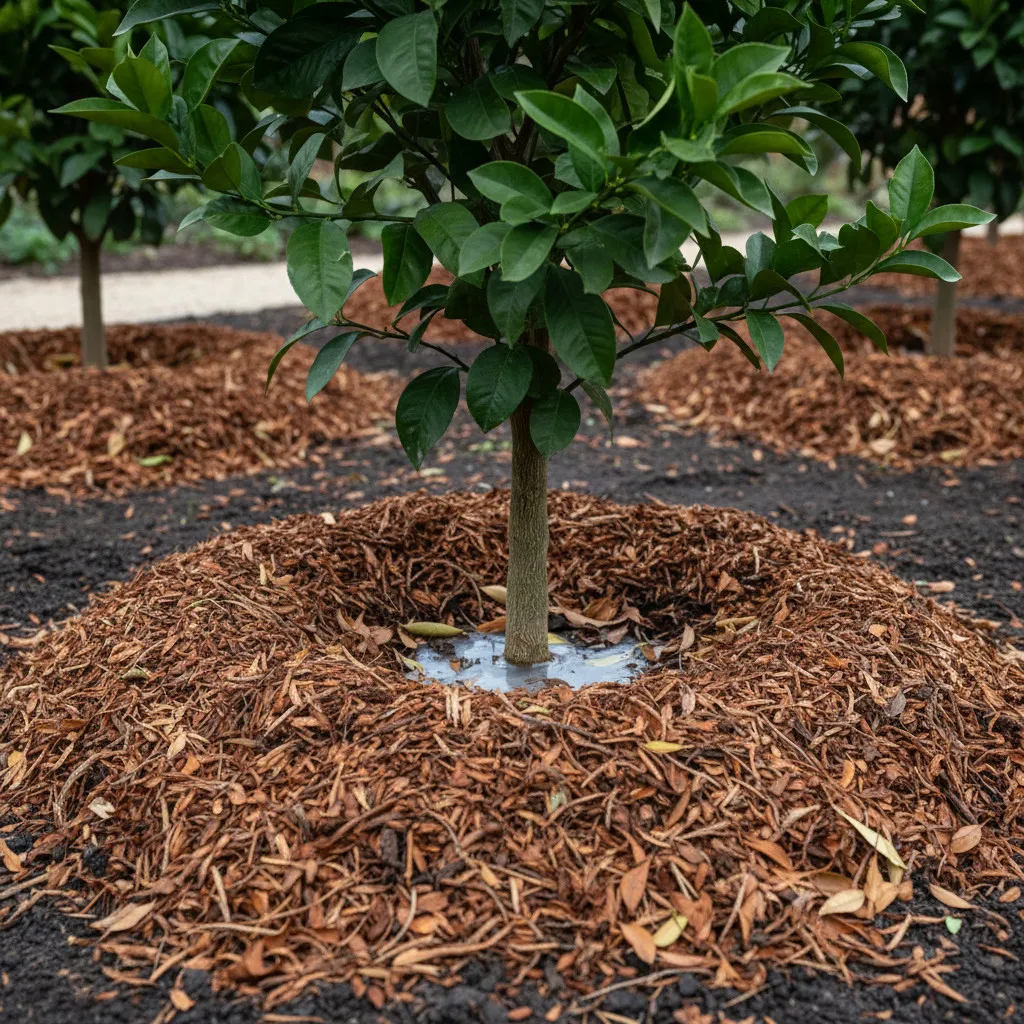
Root protection through mulching becomes increasingly important as winter progresses. Apply a three- to four-inch layer of organic mulch like straw, shredded bark, or leaves around the tree’s root zone, but keep the mulch pulled back at least six to twelve inches from the trunk itself. This creates an insulating blanket over the roots while avoiding direct contact with the trunk, which could promote foot rot disease. The mulch moderates soil temperature swings, helps retain moisture, and provides a reservoir of heat during freeze events.
For young citrus trees in freeze-prone areas, creating a soil bank offers the ultimate protection for the lower trunk and graft union. Build the bank around Thanksgiving by mounding soil as high as feasible around the trunk and lower scaffold branches, treating the bark first with an insecticide and copper-based fungicide to prevent problems while buried. This technique ensures that even if a severe freeze kills everything above the bank, the protected portion will regrow without reverting to rootstock. Remove banks carefully around the first of March, using a garden hose to wash away the last soil to avoid damaging the tender bark underneath.
Bringing Container Citrus Indoors
For gardeners in colder zones, container culture offers the perfect solution for growing citrus, allowing you to enjoy tropical plants even where winter temperatures would normally kill them. The key to success lies in properly timing and executing the transition from outdoor to indoor growing conditions.
When to Make the Move
Timing the move indoors requires balancing several factors: protecting your tree from cold damage, maximizing outdoor growing time, and minimizing the stress of transition. As a general rule, plan to bring container citrus indoors once nighttime temperatures consistently drop to 40-45°F or when temperatures below 35-37°F are forecast. Different citrus types have different temperature tolerances, so adjust this timing based on what you’re growing.
Cold-hardy varieties like kumquats and satsumas can stay outside longer, potentially until temperatures approach the freezing point, though you’ll want to move them before a hard freeze occurs. Meyer lemons and other moderately hardy citrus should come in when nighttime lows reach the low 40s consistently. Tender varieties including limes, grapefruit, and most sweet oranges need to move indoors as soon as overnight temperatures start dipping into the mid-40s regularly.
Consider your local climate patterns when planning the move. In areas with relatively stable fall weather, you might bring trees in once and leave them in for the duration of winter. However, in regions with variable fall and winter temperatures—perhaps with occasional warm spells between cold snaps—you might move trees in and out several times. While this shuffling adds work, it allows your citrus to benefit from natural sunlight and outdoor conditions whenever weather permits, generally resulting in healthier, more vigorous trees.
Watch weather forecasts closely starting in early fall so you’re never caught off-guard by an unexpected early freeze. Having a plan in place—knowing where each tree will go and having a hand truck or dolly ready for heavy containers—makes executing the move much less stressful when cold weather arrives suddenly.
Acclimation Process
Citrus trees experience significant shock when moved abruptly between vastly different environments, often responding by dropping leaves, aborting fruit, or going into a stress-induced decline. Proper acclimation over a period of one to four weeks dramatically reduces this shock and helps your tree adapt successfully to its new home.
Begin the acclimation process about two weeks before you plan to move trees fully indoors by gradually reducing their light exposure. Move trees from their sunny outdoor location to a shadier spot—perhaps under a porch roof, against a north-facing wall, or beneath a shade cloth. This intermediate location should still be outdoors where temperature and humidity remain similar to what the tree has been experiencing, but with notably less light intensity. After several days in this shadier location, move the tree even closer to its eventual indoor spot, perhaps onto a covered porch or into an unheated garage (if temperatures remain mild).
This step-down approach gives your citrus tree time to adjust its leaves to lower light conditions. Leaves that develop in full sun are anatomically different from leaves that develop in shade—sun leaves are thicker with more layers of photosynthetic tissue, while shade leaves are thinner and more efficient at capturing limited light. When you move a tree with sun leaves directly into low indoor light, those leaves often can’t function efficiently and drop off. The acclimation period allows the tree to begin shifting its leaf structure and metabolism to prepare for the reduced light it will experience indoors.
During the acclimation period, this is also your opportunity to thoroughly clean the tree to prevent bringing pests indoors. Spray the entire tree—foliage, branches, and trunk—with a strong stream of water to physically remove insects, dust, and debris. Allow the tree to dry, then inspect carefully for any remaining pests, treating with insecticidal soap if needed. Check the soil surface and drainage holes for insects like ants, earwigs, or pill bugs that might be hiding in the container. This pre-screening is much easier than dealing with pest infestations once trees are inside among your houseplants.
Choosing the Right Indoor Location
Where you place your citrus tree indoors has an enormous impact on how well it survives winter and how vigorously it rebounds in spring. The ideal indoor location balances several factors: light intensity, temperature, humidity, and convenience for care and monitoring.
Light requirements top the list of considerations, as insufficient light causes more problems for indoor citrus than any other factor. Your container citrus needs a minimum of four to six hours of direct bright light daily, though six to eight hours is even better. South-facing windows provide the strongest, most consistent winter light in the Northern Hemisphere, making them the premier choice for citrus placement. Southwest or west-facing windows work as a second option, providing good afternoon light, while east-facing windows offer only morning light and may need supplementation. Avoid north-facing windows entirely for citrus, as they simply don’t provide enough light intensity.
Position trees as close to the window as possible—within three feet—since light intensity drops dramatically with distance from the glass. Even a few feet back from a window can reduce available light by 50% or more. Clean the windows before bringing trees in, as dirty glass blocks a surprising amount of light. Remove window screens if possible for the same reason.
Temperature considerations matter significantly for winter citrus care. The ideal temperature range for indoor citrus is between 55-68°F, which is cooler than most people keep their homes. This moderate temperature range helps slow growth, reduces water needs, and keeps the tree in a semi-dormant state appropriate for winter. Avoid placing trees near heating vents, radiators, wood stoves, or fireplaces, as the direct heat and extremely dry air these sources create will stress your tree severely. Similarly, keep trees away from frequently-opened exterior doors where cold drafts can cause sudden temperature shocks.
Humidity levels present one of the biggest challenges for indoor citrus success, as winter heating systems dramatically dry the air. Citrus trees evolved in humid subtropical and tropical climates and struggle when humidity drops below 40-50%. Low humidity causes leaf tip browning, increases pest susceptibility (spider mites particularly love dry air), and stresses trees overall. Combat dry air by running a humidifier in the room with your citrus trees, grouping multiple plants together to create a humidity microclimate, or placing containers on pebble-filled trays with water (ensuring the pot bottom sits above the water line, not in it). Misting foliage two to three times weekly provides temporary humidity relief and also helps keep leaves clean.
Indoor Winter Care Essentials
Once your citrus trees are settled in their indoor locations, maintaining proper care through winter requires adjusting your approach to match the tree’s reduced activity level and the challenges of the indoor environment.
Managing Light Requirements
Even with the best window placement, natural winter light is often insufficient for citrus trees, with short days and low sun angles reducing both the intensity and duration of light. Supplemental lighting bridges this gap, transforming struggling trees into thriving ones.
Grow lights have improved dramatically in recent years, with LED technology offering full-spectrum light that closely mimics natural sunlight while remaining energy-efficient and cool-operating. Quality LED grow lights like those from Soltech provide both the red and blue wavelengths citrus trees need for photosynthesis and healthy growth. Position grow lights 12 to 18 inches above the top of the canopy for optimal light intensity without burning foliage.
Run grow lights on a timer for 10 to 12 hours daily to supplement whatever natural light the tree receives from windows. This extended “day length” compensates for winter’s short days and helps maintain some level of growth and metabolism. Even if your window provides decent light for part of the day, extending the light period with grow lights ensures the tree receives adequate total light energy.
Grow lights aren’t optional luxuries if your citrus tree shows stress signs like excessive leaf drop, yellowing leaves despite proper watering and fertilization, or weak, spindly new growth. These symptoms indicate insufficient light, and no amount of adjusting water or fertilizer will fix a light deficit. Consider supplemental lighting a necessity rather than an option for winter citrus success in most indoor situations.
Rotating your container weekly ensures all sides of the tree receive equal light exposure, preventing lopsided growth toward the light source. Citrus trees are notorious for growing heavily toward windows, developing an unbalanced shape that can become permanent. A simple quarter-turn each week when you check the soil moisture keeps growth even and the canopy symmetrical.
Temperature and Humidity Control
Maintaining the right temperature and humidity balance creates an indoor environment where your citrus can rest comfortably rather than struggling to survive until spring.
Keep indoor temperatures between 55-70°F if possible, with 60-65°F being ideal. This moderate range is cool enough to slow growth and reduce the tree’s resource needs, yet warm enough to prevent damage. Many modern homes stay warmer than this ideal range, which is acceptable though not optimal. The important point is avoiding temperature extremes and sudden fluctuations. If your home tends toward the warmer side, compensate by being more diligent about watering and humidity, as warmth increases the tree’s metabolic rate and water consumption.
Create physical barriers between your citrus and heat sources if your home layout makes complete avoidance impossible. A simple room divider or furniture placement can deflect direct heat flow from a vent or fireplace. Never place citrus where hot air blows directly on them, as this combination of heat and dryness can defoliate a tree in days.
Humidity management deserves focused attention throughout winter. Several strategies work well in combination:
-
Humidifiers offer the most effective solution, raising the ambient humidity in the entire room and benefiting not just your citrus but any other plants and even your own comfort. Place the humidifier near but not directly next to your citrus trees.
-
Pebble trays create localized humidity around individual trees. Fill a waterproof tray larger than the pot with pebbles or gravel, add water until it nearly covers the pebbles, then set the pot on top. As water evaporates, it humidifies the air immediately around the foliage. Refill the tray as needed to maintain water level.
-
Grouping plants together creates a microclimate with higher humidity than the surrounding room, as all the plants transpire moisture into their shared airspace. Arrange your citrus with houseplants or other containerized plants to take advantage of this effect.
-
Regular misting with a spray bottle provides temporary humidity relief and has the added benefit of cleaning dust from leaves and discouraging spider mites. Mist in the morning so foliage can dry before evening to prevent fungal issues.
Monitor humidity levels with an inexpensive hygrometer placed near your citrus trees. If readings consistently fall below 40%, increase your humidity efforts, as chronic low humidity will eventually weaken even the toughest citrus tree.
Watering Container Citrus Indoors
Overwatering kills more indoor citrus trees than any other single factor, making proper watering technique absolutely critical to winter success. The challenge is that indoor citrus needs far less water than outdoor citrus in active growth, yet the specific amount varies based on temperature, humidity, container size, and individual tree metabolism.
Check before you water using the finger test: insert your finger into the soil up to the second knuckle (about two inches deep). If the soil feels moist at your fingertip, wait to water. If it feels dry, it’s time to water thoroughly. This simple test prevents the most common watering mistakes—watering on a schedule regardless of actual soil moisture, or watering too frequently with small amounts that never fully wet the root ball.
Most container citrus indoors needs watering approximately every seven to ten days during winter, though this can vary from every five days in warm, dry homes to every two weeks in cool, humid spaces. Let the soil guide you rather than the calendar. The top two to three inches of soil should dry out between waterings, but the soil deeper in the pot should remain slightly moist. Complete drying of the entire root ball stresses the tree, while constantly soggy soil leads to root rot.
When you water, water thoroughly, applying water slowly until it runs freely from the drainage holes. This ensures the entire root ball gets moistened, not just the top few inches. If water runs immediately through and out the bottom without soaking in, the soil ball has shrunk away from the container sides—a common occurrence with peat-based potting mixes. In this case, water more slowly, allowing time for the soil to rehydrate and expand, or set the container in a tub of water for 15-20 minutes to soak from the bottom up.
Water temperature matters more than many people realize. Ice-cold water straight from the tap in winter can shock roots and stress the tree. Fill your watering can and let it sit at room temperature for several hours before using it, or mix hot and cold water to achieve lukewarm water for watering citrus.
Empty saucers after watering so containers never sit in standing water. Even an hour sitting in water can begin suffocating roots and promoting root rot, particularly in the cool conditions of winter when plant metabolism is slow.
Winter Fertilizing Strategy
The question of whether to fertilize citrus trees during winter doesn’t have a one-size-fits-all answer—the right approach depends on your specific situation and how your tree is responding to indoor conditions.
For most indoor citrus, the safest strategy is to stop fertilizing completely from the time you move them indoors in fall until about one month before you plan to move them back outdoors in spring. This fertilizer holiday corresponds with the tree’s natural period of slow or dormant growth when it simply can’t use additional nutrients effectively. Applying fertilizer during dormancy often does more harm than good, causing fertilizer salt buildup in the soil that can burn roots and lead to leaf yellowing and drop.
The exception applies to citrus trees kept under grow lights where they receive sufficient light to continue active growth throughout winter. These trees aren’t truly dormant and can benefit from very light fertilization—perhaps once during midwinter—using a diluted citrus fertilizer at half or even quarter strength. Watch the tree’s behavior: if it’s producing new growth, it can use some nutrients, but if growth has stopped completely, skip fertilization regardless of lighting.
Resume normal fertilizing in late winter, typically in February or March depending on your climate, as days begin lengthening noticeably and the tree shows signs of emerging from dormancy. Look for subtle cues like slight swelling of buds, a general “perking up” of foliage color, or the first hints of new growth. The first spring application can be at full strength if you’re using a standard citrus fertilizer, or begin at half strength for a couple of applications if the tree still appears sluggish.
When spring arrives and you’re preparing to transition your tree back outdoors, a good fertilizer application about 30 days before the move helps fuel the flush of new growth that will occur once the tree returns to bright outdoor light and warm temperatures. This timing ensures nutrients are available right when the tree needs them most.
Protecting Against Pests and Diseases
Winter might seem like an unlikely time for pest problems, but indoor citrus trees are actually quite vulnerable to certain pests that thrive in the warm, dry conditions of heated homes. Staying vigilant and catching problems early makes all the difference.
Common Winter Pests
Several pest species cause recurring problems for indoor citrus, and learning to identify them quickly allows for prompt treatment before populations explode.
Spider mites top the list of indoor citrus pests, thriving in the warm, dry air of winter homes. These tiny arachnids—barely visible to the naked eye—feed on leaf undersides, causing a stippled, dusty appearance and eventually yellowing and leaf drop. The telltale sign of spider mites is fine webbing between leaves and on branch tips, though by the time webbing is visible, the infestation is already significant. Check for mites by holding a sheet of white paper under a branch and sharply tapping the branch—mites will fall onto the paper and appear as tiny moving specks.
Scale insects appear as small brown, tan, or gray bumps on stems, branches, and leaf undersides. They insert their piercing mouthparts into plant tissue and suck sap, weakening the tree over time. Scale insects excrete honeydew, a sticky substance that coats leaves below the infestation and often develops black sooty mold. Both soft scale and armored scale attack citrus, with soft scale being more common indoors. Individual scales don’t move once they settle and begin feeding, making them look like natural bumps on the bark rather than insects.
Aphids cluster on new growth, buds, and leaf undersides, appearing as tiny green, brown, or black soft-bodied insects. They reproduce rapidly, with populations exploding seemingly overnight under favorable conditions. Like scale, aphids excrete honeydew, leading to sticky leaves and sooty mold. Aphid feeding causes leaves to curl, yellow, and distort, and heavy infestations can severely weaken young trees.
Mealybugs look like small white cotton balls tucked into leaf axils, along stems, and on leaf undersides. These soft-bodied insects are covered in a white, waxy coating that protects them from contact sprays. They also produce honeydew and can severely damage trees if left unchecked.
Fungus gnats, while not directly harmful to the tree, indicate overly wet soil conditions and can be annoying in the home. The tiny black flies hover around the soil surface, and their larvae feed in moist potting media. Their presence almost always means you’re watering too frequently.
Prevention and Treatment
An ounce of prevention truly is worth a pound of cure when it comes to indoor citrus pests, and a multi-pronged approach offers the best protection.
Inspect regularly—at least weekly—checking both the tops and undersides of leaves, new growth, and stems. Early detection when only a few pests are present makes treatment simple and prevents the need for repeated applications or stronger pesticides. Use a magnifying glass if needed to spot tiny mites or young scale insects.
Maintain proper humidity as your first line of defense against spider mites, which struggle to reproduce in humid conditions. Keeping humidity above 50% through the methods described earlier significantly reduces mite problems. Regular misting not only provides humidity but also physically disrupts mite populations.
Isolate new plants before placing them near your citrus, quarantining them for two to three weeks to ensure they’re not harboring pests. This simple precaution prevents introducing problems from nursery plants or outdoor plants being brought in for winter.
When treatment becomes necessary, start with the gentlest effective option and escalate only if needed:
-
Spray with water using a strong stream from a spray bottle or sink sprayer to physically remove pests. This works surprisingly well for aphids and can knock back spider mite populations. Do this outdoors or in a bathtub where the mess won’t matter.
-
Insecticidal soap works through suffocation, coating soft-bodied insects and blocking their breathing pores. Apply thoroughly to all plant surfaces, particularly leaf undersides and stem crevices where pests hide. Repeat every 5-7 days for three applications to catch newly hatched pests.
-
Neem oil serves as both a pesticide and fungicide, disrupting insect life cycles and coating leaves with a protective barrier. Mix according to label directions and spray in the evening to avoid any possibility of sun damage. Neem has a distinctive odor some people find unpleasant indoors.
-
Rubbing alcohol applied directly with a cotton swab kills scale and mealybugs on contact. This targeted approach works well for light infestations where you can treat individual insects without spraying the entire tree.
-
Horticultural oil at summer-weight rates smothers insects and their eggs. Be sure to use only summer oil or light horticultural oil indoors, never dormant oil, which is too strong.
Whatever treatment you choose, follow label directions exactly regarding application rates, frequency, and safety precautions. Most treatments require multiple applications to be fully effective, as they work primarily on active insects and don’t always kill eggs.
Pruning and Maintenance Timing
The question of when to prune citrus trees in winter has a straightforward answer: don’t. Winter is the wrong time for any significant pruning of citrus, whether trees are outdoors or indoors, in warm climates or cold.
Delay pruning until late winter or early spring, typically February or March in most regions. This timing allows you to prune after the worst winter weather has passed but before the major spring growth flush begins. Pruning in late winter means wounds have warm weather ahead for healing, and new growth quickly covers pruning cuts, restoring the tree’s canopy.
The primary reason to avoid fall and early winter pruning is that pruning stimulates new growth. Citrus trees respond to the removal of branches by pushing new shoots, and this tender growth is extremely vulnerable to cold damage. Any pruning done in fall essentially wastes the tree’s stored energy on producing growth that will likely be killed by winter cold. Additionally, pruning creates fresh wounds—open cuts in the bark—that are susceptible to freeze damage and can serve as entry points for disease when conditions are cold and wet.
Light maintenance during winter is acceptable and sometimes necessary. Remove any dead, diseased, or clearly damaged wood whenever you notice it, making clean cuts with sanitized tools. Pick off damaged leaves or those showing disease spots to prevent problems from spreading. Remove any branches rubbing against windows or causing other practical problems indoors. However, avoid any significant shaping, thinning, or size control pruning until late winter.
For freeze-damaged trees, resist the overwhelming urge to prune away damaged wood immediately after a freeze. It often takes weeks or even months to determine the full extent of damage, as wood that looks dead immediately after a freeze may actually recover, while wood that looks fine may die back later. Wait until May in freeze-prone areas before assessing damage and pruning. You’ll see a distinct ridge between live bark (which continues growing and expanding) and dead bark (which shrinks tightly against the wood). Prune just below this ridge to remove dead wood while preserving all living tissue.
Preparing for Spring Transition
As winter wanes and spring approaches, your attention turns to preparing citrus trees for their return to active growth and, for container trees, their eventual move back outdoors.
Late winter fertilization kicks off the transition, typically beginning in February for most regions. Apply a citrus-specific fertilizer or a balanced, slow-release fertilizer at this time to provide nutrients that will fuel the spring growth flush. Trees under grow lights or in very warm climates may already be showing new growth, making this fertilizer application especially important.
Repotting, if needed, should happen in late winter or early spring as trees are emerging from dormancy but haven’t yet begun major growth. Look for signs that a tree has outgrown its container: roots circling densely at the soil surface, roots growing from drainage holes, water running straight through without soaking in, or simply a lack of vigor despite good care. Move the tree up to a container only one to two inches larger in diameter, using fresh, well-draining potting mix specifically formulated for citrus or creating your own mix. Avoid the temptation to pot into a much larger container, as excess soil stays too wet and can lead to root rot.
Gradual outdoor transition for container trees requires the same careful acclimation you used when moving them indoors, just in reverse. Start the process once nighttime temperatures reliably stay above 50°F and all danger of frost has passed for your area—typically March or April in warm regions, May or even June in colder zones. Begin by moving trees to a shaded outdoor spot for just a few hours daily, gradually increasing exposure over 10 to 14 days. Move from shade to partial sun to full sun incrementally, and increase the hours spent outdoors from a few hours to all day, and finally to overnight when nighttime lows are consistently warm enough. This gradual transition prevents sunburn on foliage that has adapted to lower indoor light levels and reduces transplant shock.
Resume normal care practices as trees move outdoors and temperatures warm. Increase watering frequency as needed to match warmer temperatures and brighter light—you’ll likely return to watering every few days once trees are outdoors in full sun. Resume regular fertilization on a monthly or bi-monthly schedule through summer and early fall. Monitor for pests, though outdoor beneficial insects will help keep populations in check naturally.
Final Words
Caring for citrus trees through winter doesn’t have to be complicated or stressful. Whether your trees are braving cold snaps outdoors or spending the season as houseplants, success comes down to understanding their seasonal needs and adjusting your care accordingly. Remember that winter is a time of rest for citrus—growth slows or stops completely, water needs drop dramatically, and the tree conserves energy for the vigorous growth that will return with spring. Your role is simply to support this natural rhythm rather than fight against it.
The investment of time and attention you make in winter care pays off handsomely when warm weather returns and your citrus trees burst into fragrant bloom, set heavy crops of fruit, and resume their vigorous growth. Those golden lemons, tangy limes, or sweet mandarins you’ll harvest months later are the direct result of the protection and care you provided during the quiet winter months.
Start implementing these winter care strategies now, whether that means preparing outdoor trees for cold protection, acclimating container trees for their move indoors, or fine-tuning the indoor environment for trees already spending winter in your home. With proper winter care, your citrus trees will not only survive the cold season but emerge stronger, healthier, and ready to produce abundantly in the year ahead. Here’s to a winter of healthy citrus and a spring filled with fragrant blossoms and developing fruit!