Table of Contents
- Ants Control in Garden: Complete Guide
- Understanding Ants in Your Garden
- Common Ant Species Found in Gardens
- The Ant Life Cycle and Colony Structure
- What Attracts Ants to Your Garden
- Are Ants Beneficial or Harmful to Your Garden?
- Benefits of Ants in the Garden
- Problems Caused by Ants in Gardens
- When Ant Control Becomes Necessary
- Identifying Signs of Ant Infestation in Your Garden
- Visual Indicators of Ant Problems
- Monitoring and Inspection Techniques
- Prevention Strategies to Keep Ants at Bay
- Sanitation and Garden Maintenance
- Physical Barriers and Exclusion Methods
- Managing Honeydew-Producing Insects
- Natural and Organic Methods for Ant Control
- Homemade Ant Repellents and Baits
- Diatomaceous Earth and Natural Substances
- Essential Oils and Plant-Based Deterrents
- Plants That Naturally Repel Ants
- Chemical Ant Control Options
- Ant Baits: How They Work and Best Practices
- Granular and Gel Treatments
- When to Consider Professional Extermination
- Specialized Ant Control for Vegetable Gardens
- Safe Products for Edible Plants
- Fire Ant Management in Vegetable Gardens
- Protecting Trees and Shrubs from Ants
- Sticky Barriers and Trunk Protection
- Managing Ant-Aphid Relationships
- Key Takeaways
Ants Control in Garden: Complete Guide
If you’ve ever stepped outside to admire your carefully cultivated garden only to discover trails of ants marching across your plants, you know the frustration that comes with an ant invasion. These industrious insects are among the most common pests encountered by gardeners worldwide, with over 12,000 species existing globally and approximately 270 species found in California alone. While ants play important ecological roles and can even benefit your garden in certain ways, their presence can quickly escalate from a minor nuisance to a significant problem when colonies establish themselves among your prized plants, vegetables, and lawn areas.
Understanding how to effectively control ants in your garden requires a comprehensive approach that balances pest management with environmental responsibility. Whether you’re dealing with the common Argentine ant trailing across your flower beds, fire ants building painful-to-encounter mounds in your vegetable patch, or carpenter ants threatening your wooden garden structures, this complete guide will equip you with the knowledge and strategies needed to reclaim your outdoor space. From natural remedies that won’t harm your plants to targeted chemical treatments for severe infestations, you’ll discover proven methods that generations of gardeners have used successfully to manage these persistent pests.
Understanding Ants in Your Garden
Before you can effectively control ants, you need to understand their behavior, biology, and what draws them to your garden in the first place. Ants belong to the insect order Hymenoptera, making them close relatives of bees and wasps. Their complex social structures and remarkable adaptability have made them one of the most successful insect groups on the planet, which also explains why they can be so challenging to eliminate once established.
Common Ant Species Found in Gardens
Different ant species present varying levels of concern for gardeners, and identifying the specific type you’re dealing with can significantly improve your control efforts. The most prevalent garden ant in many regions is the Argentine ant (Linepithema humile), which forms massive “supercolonies” with multiple queens and can quickly dominate an area. These small, dull brown ants are particularly attracted to sweet substances and honeydew produced by aphids.
Black garden ants (Lasius niger) are another extremely common species that nest under pavements, in soil, and around lawn edges. While generally harmless and possessing no sting, they can become problematic when populations explode. Fire ants (Solenopsis species), including the red imported fire ant and southern fire ant, pose more serious concerns due to their aggressive behavior and painful stings that can cause allergic reactions in some individuals.
Carpenter ants (Camponotus species) deserve special attention because they tunnel into wood, potentially damaging garden structures, fence posts, and trees. Unlike termites, carpenter ants don’t eat wood but hollow it out to create nesting galleries. Other notable species include:
- Pavement ants (Tetramorium caespitum) – Build mounds along sidewalks and foundations
- Pharaoh ants (Monomorium pharaonis) – Prefer protein and fats, nest in warm locations
- Odorous house ants (Tapinoma sessile) – Emit a rotten coconut smell when crushed
- Leafcutter ants – Can devastate plants by cutting and removing large pieces of foliage
The Ant Life Cycle and Colony Structure
Understanding ant colony dynamics helps explain why simply killing visible ants rarely solves the problem. Ants undergo complete metamorphosis, passing through egg, larval, pupal, and adult stages. Most individuals you see are wingless workers—sterile females that forage for food, defend the colony, and care for the young. The colony’s survival depends on one or more queens that spend most of their time underground laying eggs.
A critical behavior that affects control strategies is trophallaxis, or food sharing. When workers returning with food meet those departing the nest, they exchange tiny droplets containing communication chemicals and nutrients. This behavior is precisely what makes slow-acting insecticide baits so effective—foraging ants collect the bait and spread it throughout the entire colony during food sharing, eventually poisoning ants underground and queens in the nest.
New colonies typically establish when a fertilized queen lays her first eggs and raises the initial workers herself. After several years, mature colonies produce winged male and female ants that leave the nest to mate during warm, humid weather—often called “flying ant day.” Argentine ants differ from most species in that their colonies aren’t separate but linked to form one large supercolony, and new queens are accompanied by workers rather than going out alone.
What Attracts Ants to Your Garden
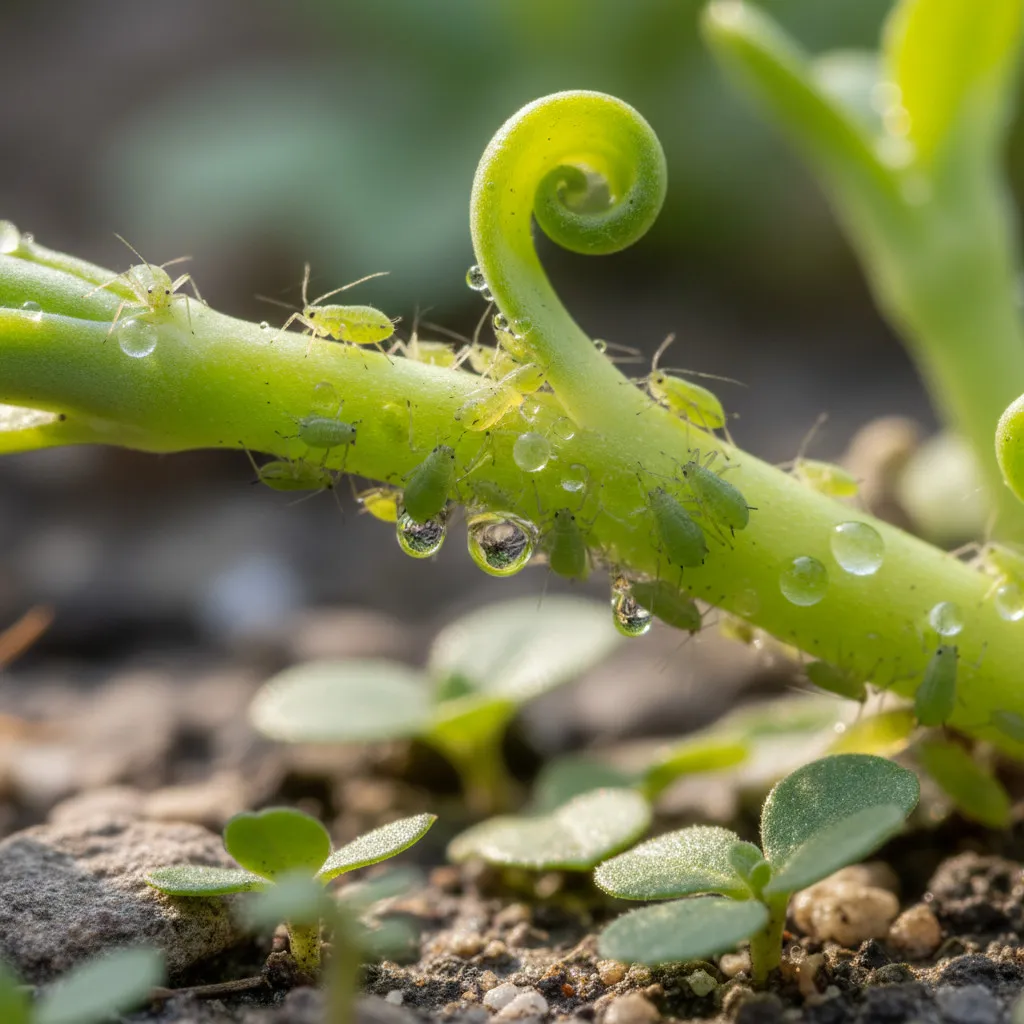
Gardens offer an irresistible combination of food, water, and shelter for ants. The primary attraction is often honeydew, a sweet liquid excreted by aphids, mealybugs, soft scales, whiteflies, and other sap-feeding insects. Ants actively “farm” these pests, protecting them from predators in exchange for their honeydew—a relationship that can dramatically increase plant damage.
Other factors that draw ants to gardens include:
- Food sources: Ripening fruit, spilled seeds, plant nectar, dead insects, and organic debris all attract various ant species
- Moisture: Leaky faucets, overwatered areas, and pet water bowls provide essential hydration
- Shelter: Mulch, leaf litter, rotting wood, and spaces under stones create ideal nesting sites
- Warmth: Sunny areas and heat-retaining materials like paving stones attract heat-loving species
Are Ants Beneficial or Harmful to Your Garden?
The relationship between ants and gardens is complex, and determining whether control is necessary requires weighing their benefits against potential problems. Before launching an all-out war against these insects, consider that many experts recommend tolerating ants wherever possible since they contribute positively to garden ecosystems.
Benefits of Ants in the Garden
Ants provide several valuable ecological services that can actually improve your garden’s health. As natural predators, they consume the eggs and larvae of many damaging pests, including flea eggs, caterpillars, termites, and various harmful insects. This predatory behavior can reduce populations of pests that would otherwise damage your plants.
Their tunneling activities serve as natural soil aerators, improving soil structure by creating channels that allow air, water, and nutrients to reach plant roots more effectively. This is particularly beneficial in dense, compacted soils where root systems struggle to expand. Research has shown that ant activity can significantly improve drainage and soil health over time.
Additionally, ants contribute to pollination as they move from plant to plant foraging for food. While not as effective as bees, their constant movement among flowers helps transfer pollen and supports plant reproduction. They also play important roles in:
- Seed dispersal: Some ants carry seeds to new locations, helping plants spread
- Nutrient cycling: Breaking down organic matter and moving nutrients through the soil
- Decomposition: Processing dead insects and animal tissue
Problems Caused by Ants in Gardens
Despite their benefits, ants can become serious pests when populations grow unchecked or when certain aggressive species establish themselves. The most significant problem is their protection of honeydew-producing insects. By defending aphids, mealybugs, and scales from ladybugs and other predators, ants indirectly cause substantial plant damage and can disrupt biological pest control programs.

When ants nest among plant roots—especially in containers and raised beds—they can cause extensive damage. Their tunneling disturbs the balance between air, soil, and water that plants need, potentially dehydrating roots and stressing plants. This damage is particularly severe for seedlings and transplants, which may not survive significant root zone disruption.
Fire ants and some other species bite and sting, creating safety hazards for gardeners, children, and pets. Their large mounds can smother lawn grass and make outdoor areas unusable. Carpenter ants pose structural threats by tunneling through wooden garden features, while leafcutter ants can devastate vegetable crops by systematically removing foliage.
When Ant Control Becomes Necessary
Focus your management efforts where ants are causing direct problems rather than attempting to eliminate them entirely from outdoor areas. Control becomes necessary when:
- Ants are tending large populations of honeydew-producing insects on valued plants
- Nests are located where they interfere with plant health or garden activities
- Aggressive species like fire ants pose safety risks
- Ant populations are migrating into your home
- Carpenter ants threaten wooden structures
- Ant hills are damaging lawn areas or killing grass
Identifying Signs of Ant Infestation in Your Garden
Successful ant control begins with thorough inspection and accurate identification of the species involved. Different ants respond differently to various control methods, and knowing what you’re dealing with will help you choose the most effective approach.
Visual Indicators of Ant Problems
The most obvious sign of an ant problem is the presence of anthills or mounds scattered throughout your garden. These visible nest entrances appear as small piles of fine soil, sometimes with multiple openings. Fire ant mounds can grow quite large—up to 24 inches wide—and contain thousands of aggressive ants ready to defend their colony.
Look for trails of ants moving purposefully between their nest and food sources. Unlike random wandering, these organized lines indicate an established colony actively exploiting resources in your garden. Scout ants lay down chemical pheromone trails that guide other workers to and from food, creating these characteristic highways of activity.
Other signs that indicate an ant problem include:
- Wilting plants with no obvious cause—check around the base for small soil mounds and ant activity
- Aphid infestations with ants actively moving among and protecting them
- Sawdust-like frass near wooden structures (indicates carpenter ants)
- Damaged seedlings with disturbed soil around stems
- Stripped or damaged flowers with ants present in large numbers
Monitoring and Inspection Techniques
Effective inspection requires observing ants at various times since different species are active at different hours. During cool weather, monitor during warm times of day; during hot weather, check during cooler periods. Late winter and spring are ideal for inspection because ant populations are smaller and easier to manage.
To identify ant species accurately, collect specimens in a non-crushing manner—knock them from plant parts onto paper or scoop them from surfaces with stiff paper. Seal the paper in an ant-proof container and freeze briefly. Examine the dead ants under magnification to identify key features like the number of nodes on the petiole (the narrow waist section) and other distinguishing characteristics.
A simple monitoring technique involves scattering a few greasy potato chips around your garden. If ants find the chips within 20-30 minutes, they’re actively foraging and will similarly find any bait you deploy. This test helps determine the best timing for treatment applications.
Prevention Strategies to Keep Ants at Bay
The most effective long-term ant control combines prevention with targeted treatments when necessary. By making your garden less attractive to ants and eliminating entry points into structures, you can significantly reduce problems before they start.
Sanitation and Garden Maintenance
Good garden hygiene removes the food sources and shelter that attract ants in the first place. Store food and organic wastes in sealed containers, clean up spills immediately, and remove garbage from outdoor areas daily. If you compost, maintain a hot pile using proper ratios of green and brown materials—ants are attracted to the sweet aromas of decomposing fruit and vegetable matter in poorly managed compost.
Keep your garden free of debris that provides nesting sites. Remove fallen leaves, dead plant material, and rotting wood promptly. Store firewood off the ground and away from your home and garden structures. Trim plants that touch buildings to eliminate bridges that ants use to enter homes.
Essential maintenance practices include:
- Fix moisture problems: Repair leaky faucets and eliminate standing water
- Maintain lawn health: Mow regularly and keep grass thick—ants prefer bare or patchy lawns
- Proper watering: Regular irrigation discourages ants, who prefer dry nesting sites
- Remove ripe fruit: Pick ripening fruit promptly and dispose of fallen fruit
- Clean pet areas: Keep pet bowls clean and wipe up spilled food and water
Physical Barriers and Exclusion Methods
Creating physical barriers prevents ants from accessing plants and structures without using chemicals. Sticky barriers like Tanglefoot applied in a band around tree trunks prevent ants and other flightless insects from climbing to leaves and twigs. Apply the sticky material several inches wide, completely encircling the trunk.
Important considerations for sticky barriers:
- Apply above the reach of irrigation spray
- Avoid horizontal surfaces where birds may roost
- Check and stir the material every 1-2 weeks to prevent debris buildup
- Never apply directly to thin bark, green stems, or sun-exposed surfaces on young trees
- Wrap sensitive trunks with duct tape or fabric first, then apply sticky material to the wrap
Caulk cracks and seal crevices around building foundations to prevent indoor invasion. Keep plants, grass, and mulch at least several inches away from foundations and walls. Where pipes and electrical wires enter structures, apply pest barriers to stop crawling insects.
Managing Honeydew-Producing Insects
Since honeydew is a primary ant attractant, controlling aphids, mealybugs, scales, and whiteflies removes a major food source and reduces ant activity. Treat infested plants with insecticidal soap, neem oil, or targeted insecticides appropriate for the specific pest.
Inspect plants regularly for early signs of sap-feeding insect infestations. When you notice ants concentrated on specific plants, examine closely for aphids or scales—the ants may be farming these pests. Addressing the honeydew producers often causes ants to seek food elsewhere, reducing their presence in your garden naturally.
Natural and Organic Methods for Ant Control
Many gardeners prefer non-toxic approaches that control ants without introducing harsh chemicals into their growing spaces. These methods are particularly important for vegetable gardens and areas where children and pets play.
Homemade Ant Repellents and Baits
Several effective ant control solutions can be made from common household ingredients. Borax mixed with sugar creates an effective bait that ants carry back to their colony. Mix equal parts borax and sugar, or use three parts sugar to one part borax, adding water to create a paste. Place small amounts near ant trails and nest openings.
For liquid bait stations, dissolve ½ teaspoon of powdered boric acid and 9 teaspoons of granulated sugar in 1 cup of hot water. This creates a solution of approximately 1% boric acid and 19% sucrose—concentrations research has shown to be most effective. Higher boric acid concentrations actually reduce effectiveness because they become repellent to ants.
White vinegar solution (equal parts vinegar and water) destroys pheromone trails and repels ants when sprayed along their paths and entry points. However, overuse can alter soil pH, so apply judiciously. Other homemade remedies include:
- Lemon juice: Dilute 50/50 with water and spray to destroy scent trails
- Dish soap and oil mixture: ½ teaspoon dish soap, 1½ teaspoons cooking oil, one quart water—suffocates ants on contact
- Boiling water: Pour directly into nest entrances to kill ants by drowning
Diatomaceous Earth and Natural Substances
Food-grade diatomaceous earth (DE) is a highly effective natural ant killer made from fossilized remains of tiny aquatic organisms called diatoms. The sharp microscopic edges penetrate ant exoskeletons, causing dehydration and death. Spread DE around ant trails, nest openings, and as a barrier around plants.
Key points for using diatomaceous earth:
- Use only food-grade DE, not pool-grade
- Apply to dry surfaces—wet DE loses effectiveness
- Reapply after rain or watering
- Creates a physical barrier ants won’t cross
- Also provides beneficial nutrients to soil
Other natural substances that control or repel ants include cinnamon, which interferes with ant communication when sprinkled around plants and nests. Coffee grounds act as both a repellent and physical barrier while adding nitrogen, phosphorus, and potassium to soil. Cayenne or black pepper can be applied directly to soil or mixed with water (2 tablespoons per cup) for spraying.
Essential Oils and Plant-Based Deterrents
Ants navigate using their highly developed sense of smell, and certain strong scents disrupt their communication and repel them from treated areas. Peppermint, citrus, eucalyptus, tea tree, thyme, and cinnamon essential oils all demonstrate ant-repelling properties when properly applied.
To create an essential oil spray, combine a few drops of your chosen oil with water in a spray bottle and apply to baseboards, entry points, and outdoor trouble spots. For stronger protection, mix 30 drops of peppermint or other essential oil per gallon of water and spray directly on plants—though always test a small area first to check for plant sensitivity.
Commercial products based on plant-derived ingredients like d-limonene (from citrus peels) and pyrethrum (from chrysanthemums) provide contact kill of ants while breaking down quickly in the environment. These botanical insecticides offer an intermediate option between homemade remedies and synthetic chemicals.
Plants That Naturally Repel Ants
Companion planting with ant-repelling herbs creates ongoing protection while adding beauty and functionality to your garden. Many of these plants contain essential oils that ants find offensive, and their presence can help deter ant activity in surrounding areas.
Effective ant-repelling plants include:
| Plant | Benefits | Growing Conditions |
|---|---|---|
| Peppermint | Strong repellent, culinary use | Partial shade, moist soil |
| Lavender | Repels ants, attracts pollinators | Full sun, well-drained soil |
| Rosemary | Culinary herb, strong scent | Full sun, dry conditions |
| Thyme | Ground cover, repellent oils | Full sun, dry soil |
| Tansy | Powerful deterrent | Full sun, various soils |
| Garlic | Repels ants and other pests | Full sun, rich soil |
| Wormwood | Very effective repellent | Full sun, dry soil |
Interplant these herbs among vegetables and flowers to create a naturally ant-resistant garden. Their scents mask the pheromone trails ants use for navigation, making it harder for colonies to establish foraging routes through planted areas.
Chemical Ant Control Options
When natural methods prove insufficient against severe infestations, chemical controls offer more potent solutions. Understanding how different products work helps you choose the most effective and environmentally responsible option for your situation.
Ant Baits: How They Work and Best Practices
Insecticide baits are the preferred chemical method for ant control because they can eliminate entire colonies rather than just killing visible foragers. Baits combine an attractant (typically sugar, protein, or oil-based) with a slow-acting insecticide that workers carry back to the nest and share with other colony members, including queens.
The key to bait effectiveness is patience—the toxicant must act slowly enough that foragers can return to the nest and distribute it before dying. Control may take more than a week, but results are typically more complete and longer-lasting than spray treatments. Active ingredients commonly used in ant baits include:
- Hydramethylnon – Effective protein-based bait
- Fipronil – Works on contact and through ingestion
- Boric acid/borates – Slow-acting stomach poison
- Avermectin B (abamectin) – Disrupts nervous system function
For best results, place bait stations near ant nests and trails, at the base of infested plants, and along foundations where ants have been observed. Apply bait in late winter or early spring when populations are lowest for the most economical and effective control. Don’t use insecticide sprays near baits, as they can repel ants from the bait stations.
Granular and Gel Treatments
Granular baits work well for broadcasting across lawns and gardens where multiple nests or extensive ant activity exists. Products like those containing spinosad are approved for organic use and very effective against fire ants and other species. Apply using a handheld seed spreader for even distribution—standard fertilizer spreaders dispense too much product.
Important guidelines for granular bait application:
- Apply when ants are actively foraging (test with potato chips first)
- Don’t apply when rain is expected within 24-48 hours
- Wait for ground to dry if applying after rain or morning dew
- Don’t mix with fertilizers, which absorb bait oils and reduce attractiveness
- Spring applications are most effective; follow up in fall if needed
Gel formulations packaged in tubes allow precise application in cracks, crevices, and along ant trails. These products work well for targeted treatments around specific plants or entry points. Both consumers and professionals can access gel baits, making them a useful tool in integrated pest management programs.
When to Consider Professional Extermination
If home remedies and over-the-counter products fail to control your ant problem, professional pest management may be necessary. Licensed exterminators have access to more effective materials, specialized application equipment, and the expertise to identify species and customize treatment approaches.
Consider professional help when:
- You’re dealing with potentially harmful species like fire ants
- Large colonies persist despite repeated treatments
- Carpenter ants threaten structural elements
- Ants have invaded your home extensively
- You’re uncertain about species identification
- The infestation covers a very large area
When hiring a pest control company, ask about their experience with ant management and request that they use baits and spot treatments rather than broad perimeter sprays. Look for companies trained in Integrated Pest Management (IPM) approaches that combine multiple methods for the most effective and environmentally responsible results.
Specialized Ant Control for Vegetable Gardens
Vegetable gardens require extra care when selecting ant control methods to ensure food safety and avoid contaminating edible crops with inappropriate chemicals.
Safe Products for Edible Plants
Always verify that any product you use in vegetable gardens is specifically labeled for that purpose. Spinosad-based baits are among the safest and most economical options for home vegetable gardens—they’re very effective and many are OMRI-listed for organic use. However, remember that all baits work slowly, typically requiring two to three weeks to show results.
When using any treatment in vegetable gardens, pay attention to:
- Pre-harvest intervals (PHI): The required waiting time between application and harvest
- Restricted entry intervals (REI): How long to wait before entering treated areas
- Label restrictions: Some products are approved for certain vegetables but not others
For example, granular treatments may require waiting just one day before harvesting tomatoes but three days for zucchini and seven days for bell peppers. Always read and follow label directions completely.
Fire Ant Management in Vegetable Gardens
Fire ants pose particular challenges in vegetable gardens because they can damage crops like okra and potatoes, feed on tender seedlings, and deliver painful stings to gardeners. The two main strategies for managing fire ants are broadcasting baits and treating individual mounds.
Broadcasting spinosad-based bait can reduce fire ant populations by around 80% with a single application. Apply in spring when ants are active and foraging, or make fall applications followed by spring treatments for heavy infestations. For individual mound treatments:
- Granular baits: Sprinkle in a 4-foot circle over and around the mound; don’t wet
- Liquid drenches: Mix 1-2 gallons of solution, pour 10% around the perimeter 12 inches away, then pour the rest directly on the mound
- Never use acephate products in vegetable gardens—they’re not labeled for food crops
Most fire ants invading vegetable gardens come from mounds in adjacent lawns, so treating surrounding areas helps reduce garden populations significantly.
Protecting Trees and Shrubs from Ants
Trees and ornamental shrubs often attract ants due to honeydew-producing insects or ripening fruit. Protecting these larger plants requires strategies appropriate to their size and structure.
Sticky Barriers and Trunk Protection
Applying sticky barriers around tree trunks creates an effective physical block that prevents ants from reaching foliage. The key is ensuring complete coverage with no gaps and eliminating any “bridges” that allow ants to bypass the barrier.
Proper sticky barrier application:
- Inspect the tree’s entire canopy for branches touching other plants or structures
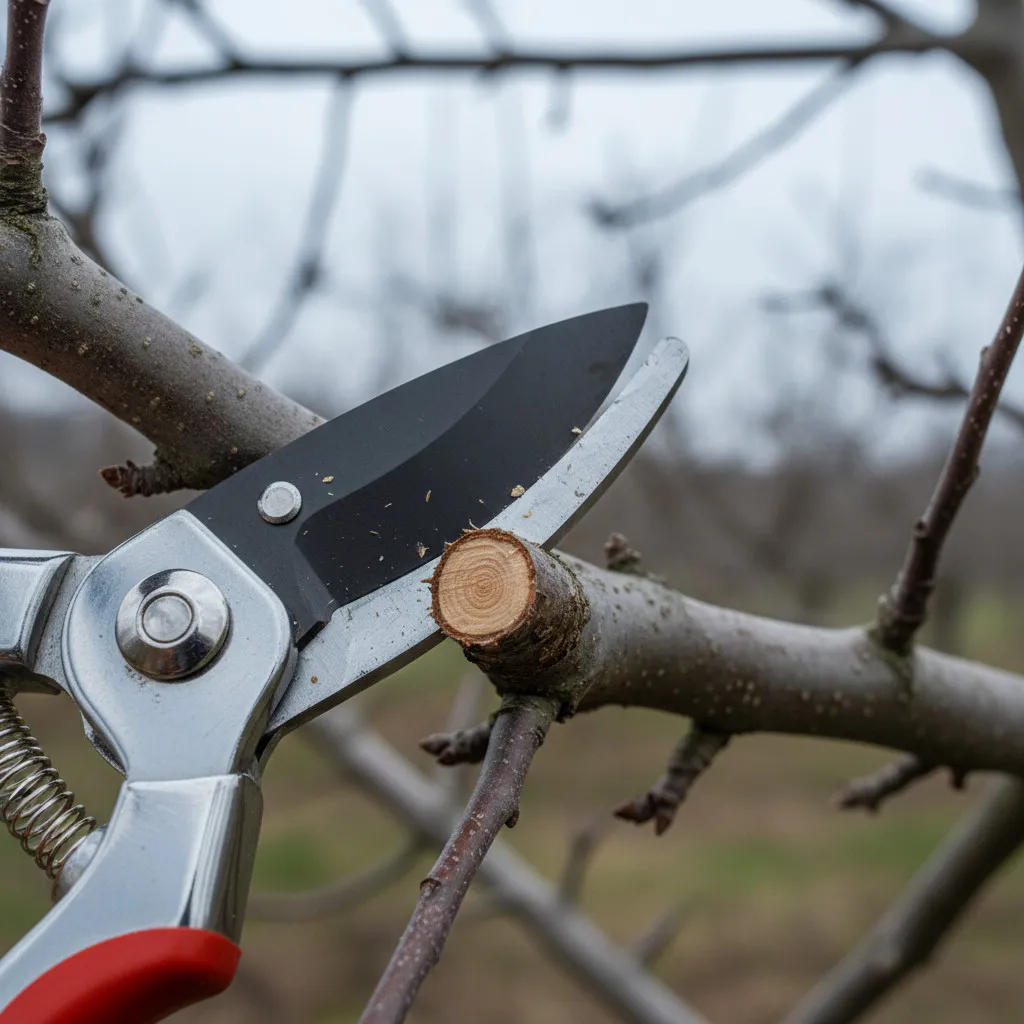
- Prune any bridges to force ants to climb the trunk
- Apply a several-inch-wide band of sticky material completely encircling the trunk
- For young or thin-barked trees, wrap the trunk with fabric or duct tape first
- Apply sticky material to the wrap rather than directly to bark
- Check every 1-2 weeks and stir to prevent debris from creating crossing points
- Replace wraps periodically to prevent girdling injury
Ant stakes containing bait can supplement sticky barriers by killing ants before they attempt to climb. Place stakes around the base of affected trees for ongoing colony control.
Managing Ant-Aphid Relationships
Breaking the ant-aphid connection is often the key to reducing ant problems on trees and shrubs. When ants protect aphids from predators like ladybugs, aphid populations explode and cause increasing plant damage while providing ever more honeydew to attract additional ants.
Treat aphid infestations with insecticidal soap, horticultural oils, or targeted insecticides appropriate for the plant and pest. Once the honeydew source disappears, ants typically move elsewhere to find food. Maintaining healthy populations of beneficial insects like ladybugs, lacewings, and parasitic wasps provides ongoing biological control of aphids when ants aren’t protecting them.
For trees consistently troubled by ants and honeydew producers, consider whether the plant is appropriate for its location. Plants that repeatedly host these problems near structures increase the likelihood of indoor ant invasions.
Key Takeaways
Successfully managing ants in your garden requires understanding their biology, identifying when control is truly necessary, and selecting appropriate methods that balance effectiveness with environmental responsibility. Remember that complete elimination of ants from outdoor areas is neither feasible nor desirable—these insects provide valuable ecological services including pest predation, pollination, and soil improvement.
Focus your control efforts where ants cause direct problems: protecting honeydew-producing insects on valued plants, nesting in root zones of important specimens, creating safety hazards through biting and stinging, or invading indoor spaces. Begin with prevention strategies including good sanitation, eliminating moisture sources, maintaining physical barriers, and managing aphid populations.
When treatment becomes necessary, start with the least toxic approaches—natural repellents, diatomaceous earth, and borate-based baits can effectively control many ant problems without introducing harsh chemicals into your garden ecosystem. Reserve chemical treatments for severe infestations or dangerous species like fire ants, and consider professional help for persistent problems that don’t respond to home treatments.
By combining multiple strategies—monitoring, prevention, natural controls, and targeted treatments when needed—you can maintain a healthy, productive garden where ants remain a manageable presence rather than an overwhelming pest. The goal isn’t perfection but rather a sustainable balance that protects your plants, your family, and the beneficial insects that contribute to your garden’s success. Start your ant management program early in the season when populations are lowest, stay consistent with prevention practices, and you’ll enjoy the fruits of your gardening labor without sharing them with unwanted six-legged guests.