Fall gardening might just be the best-kept secret among experienced vegetable growers. While most gardeners pack up their tools after the summer tomatoes are harvested, savvy cultivators know that some of the year’s most delicious and rewarding crops are planted when the air starts to cool. The truth is, autumn offers ideal growing conditions that many spring and summer gardens simply cannot match—warmer soil for quick germination, fewer pest pressures, reduced weed competition, and cooler temperatures that make garden work genuinely enjoyable. Whether you’re looking to extend your harvest season, recover from summer gardening setbacks, or simply discover the magic of frost-sweetened vegetables, planting a fall garden opens up a world of culinary possibilities. From crisp lettuce and tender spinach to sweet carrots and hearty Brussels sprouts, the vegetables you can grow in fall are not only delicious but often taste even better than their spring counterparts. This comprehensive guide explores more than twenty exceptional fall vegetables you can grow, complete with variety recommendations, planting timelines, and expert tips to ensure your autumn garden thrives right through the first frost and beyond.
Table of Contents
- Why Fall Gardening Deserves Your Attention
- Understanding When to Plant Your Fall Garden
- Calculating Your Planting Dates
- Quick Reference Planting Timeline
- Leafy Greens: The Superstars of Fall Gardens
- Lettuce
- Spinach
- Kale
- Swiss Chard and Asian Greens
- Root Vegetables: Sweet Rewards from Cool Soil
- Carrots
- Beets
- Radishes and Turnips
- Brassicas: Cold-Hardy Champions
- Broccoli and Cauliflower
- Cabbage and Brussels Sprouts
- Alliums: Planting for Future Harvests
- Garlic
- Onions and Leeks
- Additional Fall Favorites Worth Growing
- Peas
- Kohlrabi
- Collard Greens
- Bush Beans
- Essential Tips for Fall Garden Success
- Soil Preparation and Fertility
- Watering Strategies
- Frost Protection Methods
- Succession Planting
- Final Thoughts: Embrace the Fall Garden Advantage
Why Fall Gardening Deserves Your Attention
Many gardeners overlook the tremendous advantages that come with growing vegetables in the cooler months, missing out on what could be their most productive season.
Fall gardening offers a unique set of benefits that can make it significantly easier and more rewarding than spring or summer cultivation. Understanding these advantages helps you appreciate why experienced gardeners often consider autumn their favorite growing season.
Reduced pest and disease pressure stands out as one of the most compelling reasons to plant a fall garden. By late summer and early fall, most insect populations have completed their life cycles, meaning you’ll encounter far fewer aphids, cucumber beetles, and other destructive pests. The University of New Hampshire Extension confirms this, noting that “many pest insects have already completed their lifecycles” by the time fall crops are getting established. This translates to healthier plants with less effort and fewer organic interventions required.
Improved vegetable flavor is another remarkable benefit of fall gardening. Many cool-season crops actually taste sweeter after experiencing light frosts. This phenomenon, known as “winter sweetening,” occurs when vegetables convert stored starches into sugars as a natural antifreeze mechanism. Root vegetables like carrots, parsnips, and beets become noticeably sweeter, while Brussels sprouts and kale develop complex, delicious flavors that warm-weather growing simply cannot replicate.
Easier growing conditions make fall gardening less labor-intensive than summer cultivation. The soil remains warm from summer heat, allowing seeds to germinate quickly and reliably. Meanwhile, cooler air temperatures reduce water evaporation and plant stress. Weeds grow more slowly, giving your vegetables less competition for nutrients and water. Many gardeners find that they can spend more enjoyable time in the garden during fall’s pleasant temperatures rather than battling summer’s oppressive heat.
Understanding When to Plant Your Fall Garden
Timing is everything in fall gardening—knowing your frost dates and calculating backward from them ensures your crops mature before winter arrives.
Successfully planning a fall vegetable garden requires working backward from your first expected frost date. Unlike spring planting, where you have warming weather ahead, fall gardening means racing against cooling temperatures and shortening days. Getting your timing right ensures bountiful harvests rather than premature freezes that damage immature crops.
Calculating Your Planting Dates
The fundamental formula for fall planting involves several key calculations that every gardener should master:
-
Find your average first frost date by using the Almanac’s Frost Date Calculator or checking with your local extension office. This date serves as your primary planning anchor for all fall planting decisions. For example, if your first frost typically arrives around October 15th, you’ll count backward from this date to determine ideal planting times for each vegetable.
-
Check the “days to maturity” on seed packets for each vegetable you plan to grow. This number tells you approximately how long the crop needs from planting (or transplanting) to harvest. Keep in mind that days to maturity on transplants typically count from the transplant date, while seed packets may count from germination.
-
Add the “fall factor” of 7 to 14 extra days to account for slower growth as daylight hours decrease and temperatures drop. Plants simply don’t grow as quickly in cooling conditions as they do in warming spring weather, so this buffer helps ensure crops reach maturity before hard freezes arrive.
-
Include harvest window time of 7 to 10 additional days if you want to harvest gradually rather than all at once. This extended timeline gives you flexibility and prevents waste from simultaneous ripening.
Quick Reference Planting Timeline
Here’s a helpful guide for timing your fall plantings based on weeks before your first expected frost:
- 10-12 weeks before frost: Broccoli, Brussels sprouts, cabbage, cauliflower, carrots
- 8-10 weeks before frost: Kale, lettuce, Swiss chard, spinach, mustard greens, Chinese cabbage, arugula, turnips
- 6-8 weeks before frost: Beets, radishes
- 4-6 weeks before frost: Quick-maturing radish varieties, succession plantings of lettuce
Leafy Greens: The Superstars of Fall Gardens
Cool weather brings out the best in leafy greens, making them sweeter, more tender, and less prone to bolting than their spring-planted counterparts.
Leafy greens represent the most reliable and rewarding category of fall vegetables. They mature quickly, tolerate frost well, and often taste significantly better when grown in cooler conditions. Many leafy greens that struggle with bitterness or premature bolting in spring become perfectly behaved in autumn’s gentle temperatures.
Lettuce
Lettuce thrives in fall’s cooler conditions, producing crisp, sweet leaves without the bitterness that summer heat often induces. Loose-leaf varieties mature fastest, typically in 30 to 45 days, making them excellent choices for late-season planting. Look for varieties specifically bred for heat tolerance during establishment and cold tolerance during maturation, such as Jericho romaine, Nevada, Freckles, and Winter Density.

Growing tips for fall lettuce:
- Start seeds indoors in shade during hot weather to improve germination
- Transplant seedlings in the evening to reduce transplant shock
- Succession plant every 10 to 14 days for continuous harvest
- Provide protection from hard freezes using row covers or cold frames
- Harvest outer leaves first to encourage continued production
Spinach
Fall is truly spinach’s season. While spring-planted spinach often bolts to seed before producing a meaningful harvest, fall spinach settles in and produces abundantly. Spinach is among the most cold-tolerant salad greens, easily surviving light frosts and continuing to produce tender leaves well into winter in many regions.
Recommended spinach varieties include Space spinach and Renegade spinach for bolt resistance, Giant Winter spinach for exceptional cold hardiness, and Winter Bloomsdale for its deeply crinkled leaves that handle freezing temperatures beautifully. Fresh seeds germinate best, so check the date on your seed packet before planting.
Kale
Kale represents the ultimate fall and winter vegetable, actually improving in flavor after frost exposure. Many kale varieties can survive snow and temperatures down to zero degrees Fahrenheit, making them reliable producers long after other vegetables have succumbed to winter. The conversion of starches to sugars after frost creates the sweet, complex flavor that makes fall kale so prized.
Top kale varieties for fall include:
- Winterbor and Redbor: Exceptionally hardy curly types
- Lacinato (Dinosaur kale): Italian heirloom with blue-green leaves
- Red Russian: Beautiful purple-red stems and tender leaves
- Dwarf Green Curled: Compact plants perfect for small spaces
Swiss Chard and Asian Greens
Swiss chard serves as a reliable cut-and-come-again crop, producing colorful stems and nutritious leaves until hard freezes arrive. Varieties like Peppermint, Sunset, and Fordhook Giant combine beauty with productivity, adding visual interest to fall gardens while providing continuous harvests.
Asian greens deserve special attention for fall gardening. Bok choy, tatsoi, mizuna, and Chinese cabbage all perform exceptionally in cool weather, growing quickly and developing superior flavor compared to warm-season plantings. Joi Choi and Prize Choy bok choy varieties offer large, thick stems perfect for stir-fries and salads, while tatsoi forms beautiful rosettes of dark green, spoon-shaped leaves.
Root Vegetables: Sweet Rewards from Cool Soil
Root vegetables develop remarkable sweetness when matured in cold soil, with many varieties storing beautifully in the ground well into winter.
Root vegetables shine in fall gardens, benefiting from cool soil temperatures that concentrate sugars and create exceptional flavor. Unlike leafy greens, most root vegetables prefer direct sowing rather than transplanting, as they dislike root disturbance. Plan accordingly and get seeds in the ground early enough to allow full development before hard freezes.
Carrots
Carrots grown in fall develop remarkable sweetness that summer carrots simply cannot match. The cool soil temperatures encourage sugar accumulation, and you can leave mature carrots in the ground well into winter, harvesting as needed by simply brushing aside mulch and pulling them fresh. With heavy mulch protection, carrots can often be harvested through January or even later in many regions.
Best practices for fall carrots:
- Direct sow seeds 10 to 12 weeks before first frost
- Keep soil consistently moist during germination
- Apply 2 to 4 inches of mulch before hard freezes to protect roots
- Harvest after frost for sweetest flavor
- Try colorful varieties like Cosmic Purple, Naval, and Dolciva for visual appeal

Beets
Beets adapt well to fall planting, becoming sweeter after light frost exposure. Both the roots and greens are edible, providing two harvests from one planting. Unlike most root vegetables, beets can be successfully transplanted if started in deep containers and moved before becoming rootbound.
Popular beet varieties include classic red types like Boro and Detroit Dark Red, golden varieties for milder flavor, and the stunning Chioggia with its bull’s-eye pattern when sliced. Expect harvest in 50 to 70 days from seeding, with baby greens available much sooner for salads.
Radishes and Turnips
Radishes offer nearly instant gratification, with some varieties ready to harvest in just 25 days. This speed makes them perfect for filling gaps in the garden and for succession planting throughout fall. Try varieties ranging from quick-maturing Cherry Belle to long storage types like Black Spanish radish and winter daikons.
Turnips develop sweeter flavor after frost, making them ideal fall crops. The roots store well, and the greens provide an early harvest while roots develop. Purple Top White Globe remains a classic variety, while Tokyo Market produces tender, mild white salad turnips perfect for raw eating.
Brassicas: Cold-Hardy Champions
The cabbage family delivers some of the most cold-tolerant and nutritionally dense vegetables for fall and winter harvests.
Brassicas, including broccoli, cauliflower, cabbage, and Brussels sprouts, thrive in fall’s cooling temperatures. These cold-hardy vegetables often produce superior crops in autumn compared to spring, when unpredictable weather and pest pressure can compromise harvests. Most brassicas benefit from transplanting rather than direct seeding for fall gardens, giving them a head start on the shorter growing window.
Broccoli and Cauliflower
Fall-grown broccoli develops tighter heads and more tender texture than spring crops, while cauliflower produces beautiful, compact curds without the stress-induced discoloration that warm weather can cause. Both vegetables require 60 to 90 days from transplant to harvest, so mid-summer planting ensures fall maturity.
Key growing recommendations:
- Start transplants indoors 6 to 8 weeks before your outdoor planting date
- Transplant in late July to early August for most fall harvest timing
- Watch for cabbage worms and use row covers or Bt spray if needed
- Harvest broccoli side shoots after cutting the main head for extended production
- Try colorful cauliflower varieties like purple Violetta or orange Cheddar for visual interest
Romanesco, with its stunning fractal-patterned chartreuse heads, deserves special mention as both a beautiful and delicious fall brassica that combines characteristics of broccoli and cauliflower.
Cabbage and Brussels Sprouts
Cabbage and Brussels sprouts both require longer growing seasons than other brassicas but reward patient gardeners with excellent storage qualities and remarkable cold tolerance. Both vegetables can handle temperatures down to 20°F or lower once established, making them reliable late-fall and early-winter crops.
Brussels sprouts are often the last vegetables standing as fall transitions to winter. Harvest from the bottom of the stalk upward, as lower sprouts mature first while upper sprouts continue developing. Many gardeners insist that Brussels sprouts taste best after several hard frosts, when their flavor mellows and sweetens dramatically.

Cabbage varieties range from quick-maturing early types to long-storing winter varieties. Red cabbages like Integro store exceptionally well, remaining fresh in the refrigerator for months after harvest. Savoy types with crinkled leaves offer superior cold tolerance and make excellent additions to fall gardens.
Alliums: Planting for Future Harvests
Fall is the ideal time to plant garlic and certain onion varieties for harvests the following year.
While most fall vegetables provide harvests during the current season, alliums like garlic benefit from fall planting for next year’s harvest. The cool fall weather allows root establishment before winter dormancy, resulting in larger bulbs than spring-planted alternatives.
Garlic
Garlic planted in fall and overwintered produces significantly larger bulbs than spring plantings. The plants establish roots in autumn, go dormant through winter, then resume growth in early spring for summer harvest. Hardneck varieties offer superior cold tolerance for northern climates, while softneck types perform better in mild-winter regions.
Fall garlic planting essentials:
- Plant 4 to 6 weeks before ground freezes to allow root establishment
- Choose certified disease-free seed garlic rather than grocery store bulbs
- Plant cloves 2 inches deep with pointed end facing upward
- Mulch heavily after planting to protect from winter temperature fluctuations
- Expect harvest the following June or July when lower leaves begin browning
Onions and Leeks
In regions with mild winters (zones 7 and above), fall-planted onions and leeks can produce earlier harvests than spring plantings. Choose short-day or day-neutral varieties for fall planting, as they’ll develop bulbs during winter’s shorter daylight hours. Leeks offer particular value for fall planting in temperate climates, growing through winter and providing harvests from late fall through early spring.
Additional Fall Favorites Worth Growing
Several other vegetables perform exceptionally in fall gardens, rounding out your harvest with diverse flavors and textures.
Beyond the major categories of leafy greens, roots, and brassicas, several additional vegetables deserve consideration for fall gardens. These crops add variety to your harvest and often fill niches that more common vegetables cannot.
Peas
While typically considered spring vegetables, peas produce beautifully in fall’s cooling temperatures. The key is planting early enough that plants mature before hard freezes arrive. Sugar snap and snow pea varieties offer quick maturation (50 to 60 days) and delicious, sweet pods that benefit from cooler growing conditions.
Kohlrabi
This unique brassica produces crisp, sweet, turnip-like bulbs above ground that taste like a mild, juicy broccoli stem. Kohlrabi matures quickly (55 to 70 days) and tolerates both heat during establishment and cold during maturation, making it well-suited to fall gardens. Harvest when bulbs reach 2 to 3 inches in diameter for best texture.
Collard Greens
Collards represent some of the most cold-tolerant leafy greens available, surviving temperatures that would damage or destroy other vegetables. Like kale, collards taste sweeter after frost exposure and can provide harvests well into winter. Blue Max is noted for exceptional cold hardiness down to 0°F.
Bush Beans
While frost will kill bean plants, fast-maturing bush varieties (45 to 60 days) can still produce fall harvests if planted by mid to late July. Have row covers ready to protect plants from early frosts, and you may enjoy fresh beans well into October in many regions.
Essential Tips for Fall Garden Success
Implementing these proven strategies ensures your fall vegetables thrive from planting through harvest.
Success with fall vegetables requires adapting your gardening practices to the unique conditions of late-season growing. These essential tips address common challenges and help maximize your autumn harvest.
Soil Preparation and Fertility
Replenish garden beds before fall planting, as summer crops often deplete soil nutrients. Add 1 to 2 inches of compost and a balanced organic fertilizer to restore fertility. Fall is also an excellent time to test soil pH and make amendments, as changes will have time to stabilize before heavy production begins.
Watering Strategies
Fall gardens typically require less frequent watering than summer plantings, but consistent moisture remains important, especially during seed germination and seedling establishment. Water deeply but less often, encouraging roots to grow deeply into the soil where moisture remains more stable.
Frost Protection Methods
Protect tender crops and extend your harvest season using various covering techniques:
- Row covers trap heat while allowing light and water penetration
- Cold frames create protected microclimates for continuous growing
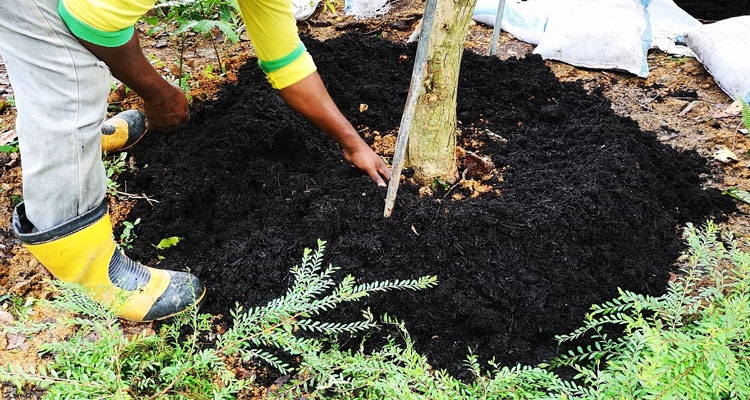
- Heavy mulch insulates root vegetables for in-ground winter storage
- Cloches protect individual plants from cold snaps
Succession Planting
Maximize harvests by succession planting fast-maturing crops like lettuce, radishes, and spinach every 10 to 14 days. This approach provides continuous fresh produce rather than overwhelming single harvests, extending your eating season while reducing waste.
Final Thoughts: Embrace the Fall Garden Advantage
The fall garden represents one of gardening’s greatest opportunities—a chance to grow exceptional vegetables under ideal conditions while most gardeners have already put away their tools. The cooler temperatures, reduced pest pressure, and improved vegetable flavors make autumn cultivation remarkably rewarding for those willing to extend their growing season.
Start by choosing vegetables that match your climate and timeline. Quick-maturing greens like lettuce, spinach, and arugula offer nearly guaranteed success, while longer-season crops like Brussels sprouts and carrots reward patient gardeners with exceptional flavor. Don’t be afraid to experiment with unfamiliar vegetables like kohlrabi or Asian greens—fall’s forgiving conditions make it an excellent time to try new crops.
Remember that fall gardening is as much about timing as technique. Use your frost date as your planning anchor, count backward to determine planting dates, and add extra days for the “fall factor.” With proper planning, you’ll harvest delicious vegetables right through the first frosts and beyond, enjoying fresh produce when grocery store offerings become increasingly uninspiring.
Whether you plant a full fall garden or simply tuck a few lettuce plants into containers near your back door, the rewards of cool-season vegetable gardening are worth pursuing. There’s something deeply satisfying about harvesting frost-sweetened carrots on a crisp autumn morning or cutting fresh kale for Thanksgiving dinner. The garden doesn’t have to end with summer—and once you discover fall gardening’s advantages, you may never want it to.