Imagine stepping into your backyard on a warm summer morning and plucking handfuls of sun-ripened blueberries, juicy raspberries, or perfectly sweet strawberries right from your own garden. This dream is more achievable than you might think, and it all starts with understanding where to plant your berry bushes for maximum success. Whether you’re working with a sprawling country estate or a compact urban balcony, there’s a berry variety perfectly suited to your space. The key to bountiful harvests lies not just in choosing the right plants, but in selecting the optimal location where these delicious fruits can truly thrive. In this comprehensive guide, you’ll discover the best places to plant berry bushes, learn about 20+ exceptional varieties for your garden, and gain the expert knowledge needed to transform your outdoor space into a productive berry paradise that will reward you with fresh fruit for decades to come.

Table of Contents
- Why Location Matters When Planting Berry Bushes
- Understanding Your Garden’s Microclimates
- Best Locations for Different Types of Berries
- Blueberries: Acidic Soil Champions
- Raspberries and Blackberries: Bramble Considerations
- Strawberries: Versatile Ground-Level Growers
- Currants and Gooseberries: Shade-Tolerant Options
- 20+ Top Berry Bush Picks for Your Garden
- Outstanding Blueberry Varieties
- Exceptional Raspberry Varieties
- Superior Blackberry Varieties
- Productive Strawberry Varieties
- Specialty Berry Varieties
- Creative Planting Solutions for Small Spaces
- Soil Preparation and Essential Requirements
- Spacing and Layout Considerations
- Common Mistakes to Avoid When Planting Berry Bushes
- Final Thoughts: Creating Your Perfect Berry Garden
Why Location Matters When Planting Berry Bushes
Selecting the right spot for your berry bushes is arguably the most critical decision you’ll make in your berry-growing journey. The location you choose directly impacts plant health, fruit production, and the long-term success of your berry patch.
Understanding the fundamental requirements for berry bushes helps you make informed decisions about placement. Most berries require full sun, which means at least six to eight hours of direct sunlight daily. While some varieties tolerate partial shade, insufficient light results in fewer blossoms, reduced fruit production, and plants that are more susceptible to disease. Additionally, proper air circulation around your plants helps prevent fungal problems that can devastate berry crops.
Here are the key factors to consider when choosing your planting location:
- Sunlight exposure directly correlates with fruit production—more sun generally means more berries with better flavor and sweetness
- Soil drainage is essential because berry roots rot quickly in waterlogged conditions, making raised beds or slopes ideal choices
- Protection from harsh winds prevents cane damage on brambles and reduces berry loss during storms
- Proximity to your home encourages regular harvesting and makes maintenance more convenient
- Distance from wild brambles of at least 500 yards helps prevent disease transmission to your cultivated plants
The soil composition in your chosen location plays an equally important role. Blueberries demand acidic soil with a pH between 4.0 and 5.5, while blackberries prefer mildly acidic to neutral conditions around pH 5.0 to 6.0. Testing your soil before planting allows you to make necessary amendments and ensures your berries have the foundation they need to flourish.
Understanding Your Garden’s Microclimates
Every garden contains unique microclimates—small areas where temperature, moisture, and light conditions differ from the surrounding space. Learning to identify and utilize these microclimates gives your berry bushes significant advantages.
South-facing slopes and walls create warmer conditions that benefit heat-loving varieties and extend growing seasons. These locations collect more solar energy, warm up faster in spring, and retain heat longer into autumn. Conversely, north-facing areas stay cooler and may suit berries that require more chill hours or struggle in extreme heat.
Consider these microclimate factors when planning your berry placement:
- Frost pockets form in low-lying areas where cold air settles, potentially damaging early spring blossoms and reducing yields
- Reflected heat from buildings, fences, or light-colored surfaces can raise temperatures several degrees, benefiting or harming plants depending on your climate
- Wind corridors between structures may subject plants to drying winds that stress foliage and damage developing fruit
- Moisture retention varies throughout your property based on soil composition, drainage patterns, and surrounding vegetation
- Shade patterns change seasonally as the sun’s angle shifts, so observe your space throughout the year before committing to a location
Urban gardeners face additional microclimate considerations. Buildings create shade but also radiate stored heat. Pavement increases ambient temperatures. Rooftops and balconies experience more wind exposure but often receive excellent sunlight. Understanding these unique conditions helps you select berry varieties that thrive in your specific environment.
Best Locations for Different Types of Berries
Different berry varieties have distinct preferences for growing conditions. Matching each type to its ideal location in your garden maximizes production and minimizes maintenance challenges.
Blueberries: Acidic Soil Champions
Blueberries represent one of the most rewarding berry crops for home gardeners, offering decades of productive harvests when properly situated. These attractive deciduous shrubs feature stunning autumn foliage and can live for 40 to 50 years with proper care.
The ideal blueberry location combines full sun with acidic, well-drained soil rich in organic matter. According to University of Minnesota Extension research, blueberries require a pH between 4.0 and 5.5—significantly more acidic than most garden soils. If your native soil doesn’t meet these requirements, consider raised beds where you can control soil composition more easily.
Key placement considerations for blueberries include:
- Full sun exposure produces the heaviest fruiting, though plants grow acceptably in semi-shade
- Consistent moisture without waterlogging, making drip irrigation systems particularly beneficial
- Protection from late spring frosts that can damage blossoms and reduce yields
- Adequate spacing of 4-6 feet between highbush varieties to ensure proper air circulation
- Proximity to other blueberry varieties for cross-pollination, which increases berry size and yield
Container growing offers an excellent alternative for gardeners with alkaline soil. Using potting mix formulated for acid-loving plants eliminates the challenge of amending native soil and allows you to position plants optimally for sunlight and accessibility.
Raspberries and Blackberries: Bramble Considerations
Brambles require thoughtful placement due to their spreading nature and specific support needs. These vigorous growers can take over poorly planned spaces but become manageable with appropriate site selection.
Choose a location with full sun and excellent air circulation for your brambles. Poor air movement promotes fungal diseases that weaken plants and reduce fruit quality. Avoid planting near areas where tomatoes, peppers, potatoes, or eggplant have grown recently, as these nightshade family plants can harbor diseases that affect brambles.
Essential factors for bramble placement include:
- Room to spread since mature plants may reach 6-8 feet wide depending on variety
- Support structures such as trellises, fences, or wire systems for canes that can grow quite tall
- Well-drained soil with mildly acidic to neutral pH around 5.0 to 6.0
- Separation from wild raspberries or blackberries by at least 500 yards to prevent disease transmission
- Accessibility from multiple sides for easier harvesting and annual pruning
Modern thornless varieties have made bramble cultivation much more pleasant, eliminating the scratches associated with traditional types while maintaining excellent fruit quality. These newer cultivars also tend to stay more compact, making them suitable for smaller gardens.
Strawberries: Versatile Ground-Level Growers
Strawberries offer remarkable flexibility in placement options, thriving in traditional garden beds, raised planters, hanging baskets, and specialized strawberry containers. Their compact size makes them perfect for gardeners with limited space.

Select a sunny location with fertile, well-drained soil for your strawberry patch. These plants produce best with at least eight hours of direct sunlight daily and consistent moisture throughout the growing season. Unlike other berries, strawberries have relatively short productive lives, typically peaking between one and three years before requiring replacement.
Optimal strawberry placement involves:
- Elevated positions like raised beds or containers that improve drainage and make harvesting easier
- Distance from walnut trees which produce compounds toxic to strawberries
- Protection from foot traffic since the shallow-rooted plants damage easily
- Rotation potential because strawberries benefit from moving to fresh soil every few years
- Southern exposure in cooler climates to maximize warmth and extend the growing season
The versatility of strawberries makes them excellent candidates for creative gardening solutions. Vertical planters, window boxes, and even gutters mounted on sunny walls can produce impressive strawberry harvests in remarkably small spaces.
Currants and Gooseberries: Shade-Tolerant Options
For gardeners with shadier spaces, currants and gooseberries provide excellent alternatives to sun-demanding berries. These members of the Ribes genus tolerate partial shade conditions that would limit other berry production.
These resilient shrubs prefer cooler conditions and actually benefit from afternoon shade in hot climates. They’re self-fruitful, meaning a single plant can produce fruit without cross-pollination, though yields improve with multiple varieties present.
Placement guidelines for currants and gooseberries:
- Partial shade tolerance makes them ideal for understory planting or north-facing locations
- Cool, moist conditions that mimic their native forest edge habitats
- Protection from intense afternoon sun in warmer regions prevents leaf scorch
- Less demanding soil requirements than blueberries, adapting to various conditions
- Compact growth habits suitable for smaller gardens or mixed borders
20+ Top Berry Bush Picks for Your Garden
Choosing the right varieties ensures success regardless of your climate, space constraints, or taste preferences. The following selections represent some of the best-performing berry bushes available to home gardeners.
Outstanding Blueberry Varieties
-
‘Duke’ Blueberry – This early-ripening northern highbush variety excels in cooler climates and produces large, mild-sweet berries with excellent flavor. The compact 5-6 foot shrubs require 800 chill hours and perform exceptionally in zones 4-7. ‘Duke’ offers disease resistance and consistent yields, making it ideal for beginners seeking reliable production.
-
‘Patriot’ Blueberry – Hardy and vigorous, ‘Patriot’ produces very large, tart berries that ripen early in the season. This variety tolerates wetter soils better than most blueberries and shows excellent cold hardiness through zone 3. The attractive shrubs also provide stunning fall color.
-
‘Sunshine Blue’ Blueberry – Perfect for warmer climates and container growing, this semi-evergreen variety requires fewer chill hours than northern types. The compact 3-4 foot plants stay manageable in pots and produce sweet, flavorful berries throughout an extended harvest window. This self-pollinating variety works well as a single specimen.
-
‘Pink Lemonade’ Blueberry – Unique bright pink berries distinguish this unusual variety that tastes as delightful as it looks. The sweet, mild flavor surprises those expecting tartness, and the ornamental appeal makes it a conversation starter in any garden setting.
-
‘Northblue’ Blueberry – Developed by the University of Minnesota, this half-high variety combines excellent cold hardiness (zone 3) with large, dark blue fruit. The compact 3-4 foot plants fit easily into smaller landscapes while producing impressive yields of firm, flavorful berries.
Exceptional Raspberry Varieties
-
‘Heritage’ Raspberry – This bulletproof everbearing variety produces two crops annually, fruiting on both first and second-year canes. Deep red berries with mild flavor store well and suit both fresh eating and preserving. Exceptional disease resistance makes ‘Heritage’ a smart choice for organic gardeners.
-
‘Fall Gold’ Raspberry – Golden yellow berries offer a welcome change from red varieties while providing equally delicious sweetness. This two-crop variety produces first in fall, then again the following spring on the same canes, extending your harvest considerably.
-
‘Canby’ Raspberry – Nearly thornless canes make harvesting this dependable variety a pleasure rather than a prickly chore. The sweet, full-flavored red berries ripen mid-season with consistent yields year after year in zones 4-8.
-
‘Raspberry Shortcake®’ – This revolutionary thornless, compact variety grows just 2-3 feet tall without requiring staking or trellising. Perfect for containers or small spaces, it produces a bountiful crop of full-sized, sweet berries despite its diminutive stature.
Superior Blackberry Varieties
-
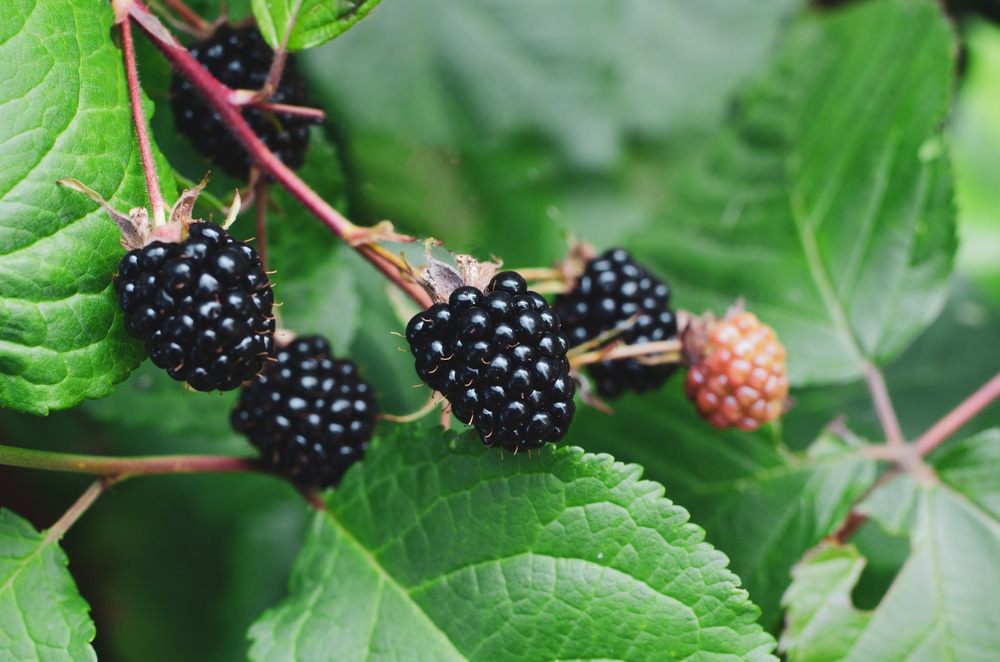
‘Triple Crown’ Blackberry – Thornless canes produce enormous, sweet berries with excellent flavor that ripen mid-season. The vigorous semi-erect plants yield abundantly while remaining more manageable than spreading varieties. Heat tolerance makes this selection suitable for southern gardens.
-
‘Navajo’ Blackberry – Large, sweet berries on completely thornless, upright canes make ‘Navajo’ a favorite among home gardeners. The self-supporting plants require minimal staking while producing heavy crops of firm fruit perfect for fresh eating or baking.
-
‘Prime-Ark® Freedom’ Blackberry – This primocane-fruiting variety produces berries on first-year canes, meaning harvests begin sooner after planting. Thornless canes and cold hardiness to zone 4 expand blackberry growing possibilities for northern gardeners.
-
‘Baby Cakes®’ Blackberry – Compact enough for containers at just 3-4 feet tall, this thornless variety produces two crops per season on dwarf plants. The naturally compact habit eliminates pruning requirements while delivering full-sized, delicious berries.
Productive Strawberry Varieties
-
‘Tristar’ Strawberry – This everbearing variety produces exceptionally sweet berries throughout the growing season rather than just in June. Disease resistance and adaptability to hanging baskets make ‘Tristar’ versatile for various growing situations. The aromatic fruit freezes beautifully for year-round enjoyment.
-
‘Seascape’ Strawberry – Large, perfect berries with excellent flavor and high yields characterize this everbearing selection. Developed for coastal conditions, ‘Seascape’ performs reliably across diverse climates while producing over an extended season.
-
‘Ozark Beauty’ Strawberry – This reliable everbearing variety produces large, firm berries ideal for fresh eating and preserving. Strong runner production makes it easy to expand your patch naturally, while cold hardiness extends its range into zone 4.
Specialty Berry Varieties
-
‘Phoenix Tears’ Goji Berry – Bright red superfruits packed with antioxidants grow on attractive 6-10 foot shrubs. These nutritional powerhouses contain significant protein and amino acids while thriving in diverse conditions from zones 5-9.
-
‘Regent’ Serviceberry – This compact native shrub produces sweet berries reminiscent of blueberries with hints of almond. Gorgeous white spring blossoms and brilliant fall foliage provide ornamental interest beyond the delicious fruit. Adaptability to various soils makes ‘Regent’ low-maintenance.
-
‘Consort’ Black Currant – Disease-resistant and productive, this variety yields abundant glossy black fruit perfect for jams, syrups, and wines. The compact shrubs thrive in partial shade and tolerate cold conditions through zone 3.
-
‘Koralle’ Lingonberry – Low-growing evergreen plants produce tart, tangy red berries essential for Nordic-inspired cuisine. This groundcover-type shrub reaches just one foot tall while spreading to form attractive mats in zones 3-7.
-
‘American Elderberry’ – Graceful shrubs produce lacy white flower clusters followed by deep purple fruit excellent for syrups, wine, and immune-boosting preparations. The 5-12 foot plants attract abundant wildlife while providing beautiful garden structure.
-
‘Newberry’ Boysenberry – This raspberry-blackberry hybrid produces enormous purple berries with complex sweet-tart flavor. Vigorous, disease-resistant vines yield impressively, with single plants capable of producing 12 pounds of fruit annually.

Creative Planting Solutions for Small Spaces
Limited space shouldn’t prevent you from enjoying homegrown berries. Innovative approaches maximize production in compact areas while adding beauty to patios, balconies, and tiny yards.
Container gardening opens berry growing to anyone with a sunny spot. Blueberries adapt particularly well to pot culture, allowing gardeners with alkaline soil to provide the acidic conditions these plants require. Choose containers at least 18 inches in diameter with excellent drainage, and use potting mix formulated for acid-loving plants.
Effective small-space berry strategies include:
- Vertical growing systems that train brambles up trellises, walls, or fences to maximize ground space
- Hanging baskets perfect for trailing strawberry varieties like ‘Tristar’ or cascading blueberries
- Edible landscaping that integrates berry bushes into ornamental borders where they contribute color and texture
- Raised bed intensives that allow closer planting in improved soil conditions
- Succession planting of multiple varieties that ripen at different times for extended harvests
Dwarf and compact varieties specifically bred for container culture have revolutionized small-space berry growing. Plants like ‘Baby Cakes®’ blackberry and ‘Raspberry Shortcake®’ produce full-sized fruit on diminutive plants that fit comfortably on apartment balconies.
Soil Preparation and Essential Requirements
Proper soil preparation establishes the foundation for productive berry bushes. Investing time in this crucial step pays dividends through healthier plants and larger harvests.
Test your soil before planting to understand its pH, nutrient content, and drainage characteristics. Blueberries require acidic conditions between pH 4.0-5.5, while brambles prefer mildly acidic to neutral soil around pH 5.0-6.0. Amending soil to meet these requirements takes time—ideally, begin preparation the fall before spring planting.
Key soil preparation steps include:
- Adding organic matter such as compost, aged leaves, or well-rotted manure to improve structure and fertility
- Adjusting pH with elemental sulfur for acid-loving plants or lime if soil tests too acidic for brambles
- Improving drainage by incorporating sand or planting in raised beds if native soil holds too much moisture
- Eliminating perennial weeds that compete with berry roots for water and nutrients
- Testing drainage by digging a hole, filling with water, and observing how quickly it drains
Mulching around berry bushes conserves moisture, moderates soil temperature, and suppresses weeds. Use acidic materials like pine needles or pine straw for blueberries, while brambles and strawberries benefit from straw, shredded leaves, or aged wood chips. Maintain mulch depth of 2-4 inches, keeping material away from plant stems to prevent rot.
Spacing and Layout Considerations
Proper spacing ensures adequate air circulation, simplifies maintenance, and allows plants to reach their productive potential without competition. Overcrowding leads to disease problems, reduced yields, and management headaches.
Plan your berry patch layout before purchasing plants, considering mature sizes and your maintenance needs. Rows oriented north-south receive the most uniform sunlight exposure. Allow sufficient space between rows for comfortable harvesting and equipment access.
Recommended spacing guidelines:
- Highbush blueberries: 4-6 feet between plants, 6-8 feet between rows
- Half-high blueberries: 3 feet between plants
- Raspberries and blackberries: 3-4 feet between plants, 6-12 feet between rows
- Strawberries: 12-15 inches between plants in matted rows or 6-8 inches in raised beds
- Currants and gooseberries: 4-5 feet between plants
Creating a berry hedge by planting bushes closer together (about 2-2.5 feet apart) produces an attractive living fence while maximizing production in linear space. This approach works particularly well along driveways, property boundaries, or garden borders where the dense planting creates visual screening alongside fruit production.
Common Mistakes to Avoid When Planting Berry Bushes
Learning from others’ errors helps you sidestep problems that derail berry-growing success. These frequent mistakes are easily preventable with awareness and planning.
Planting too deep damages many berry bushes, particularly blueberries and strawberries. The crown—where roots meet stems—should sit at or slightly above soil level. Buried crowns often develop rot that kills plants within a season or two.
Other critical mistakes to avoid:
- Neglecting soil pH requirements especially for blueberries, which fail dramatically in alkaline conditions
- Underwatering newly planted bushes during establishment when roots cannot yet access deeper moisture
- Skipping pollinator varieties for blueberries and some other berries that require cross-pollination
- Planting near black walnut trees that produce juglone, toxic to many berry plants
- Ignoring winter protection for strawberries and marginally hardy varieties in cold climates
Patience proves essential with berry bushes. Removing flowers during the first year or two allows plants to establish strong root systems before demanding energy for fruit production. This sacrifice of early harvests results in healthier plants and larger long-term yields.
Final Thoughts: Creating Your Perfect Berry Garden
Growing your own berries transforms everyday meals into celebrations of homegrown abundance while providing unmatched freshness and flavor. The varieties and placement strategies outlined in this guide give you the foundation for success, whether you’re establishing an extensive berry patch or tucking a few containers onto a sunny balcony.
Start with varieties suited to your climate and space, prepare soil appropriately, and give plants the sunlight and moisture they need. Remember that berry bushes represent long-term investments—blueberries can produce for 40-50 years, and even strawberries reward careful planning with multiple seasons of harvests.
The best time to plant berry bushes is now. Spring planting allows roots to establish before summer heat arrives, setting the stage for productive years ahead. Choose your varieties, identify the perfect spots in your garden, and begin your journey toward the incomparable pleasure of sun-warmed berries picked fresh from your own plants.
Whether you envision morning smoothies bursting with homegrown blueberries, fresh raspberry jam on weekend toast, or simply the satisfaction of watching your children discover strawberries ripening in the backyard, your berry garden awaits. With the knowledge from this guide and the exceptional varieties available today, you have everything needed to succeed. Happy planting!