Table of Contents
- Browning Leaves on Maple Tree: Complete Growing and Care Guide
- Understanding Leaf Scorch: The Primary Culprit Behind Brown Maple Leaves
- Environmental Factors That Trigger Leaf Browning
- Excessive Sun Exposure and Heat Stress
- Insufficient Water Supply and Drought Conditions
- Wind Damage and Leaf Desiccation
- Winter Injury and Salt Damage
- Soil-Related Problems Causing Maple Leaf Browning
- Iron Deficiency and Chlorosis Leading to Browning
- Fertilizer Burn and Chemical Damage
- Poor Drainage and Root Rot Issues
- Fungal Diseases That Cause Brown Maple Leaves
- Anthracnose: A Common Fungal Leaf Disease
- Verticillium Wilt: A Serious Vascular Disease
- Tar Spot: An Aesthetic But Usually Harmless Disease
- Physical Damage and Structural Problems
- Root Damage and Girdling Roots
- Trunk Girdling and Bark Damage
- Prevention Strategies for Maintaining Healthy Brown-Free Maples
- Treatment and Recovery Solutions for Brown Maple Leaves
- Special Considerations for Japanese Maple Trees
- Final Words: Cultivating Resilient, Beautiful Maples
Browning Leaves on Maple Tree: Complete Growing and Care Guide
Picture this: you step outside on a beautiful summer morning, coffee in hand, ready to admire your majestic maple tree, only to discover its once-vibrant leaves have turned an unsightly shade of brown. Your heart sinks. Is your beloved tree dying? What went wrong? If you’re experiencing this frustrating scenario, you’re not alone. Browning leaves on maple trees is one of the most common concerns among homeowners and garden enthusiasts, affecting everything from towering sugar maples to delicate Japanese varieties.
The good news is that brown leaves don’t necessarily mean your tree is doomed. In most cases, this condition is your tree’s way of communicating stress, and with the right knowledge and intervention, you can restore your maple to its former glory. Whether you’re dealing with crispy leaf edges, premature leaf drop, or entire branches turning brown, understanding the underlying causes is the first step toward effective treatment. This comprehensive guide will walk you through everything you need to know about identifying, preventing, and treating brown leaves on maple trees, drawing on expert insights and proven horticultural practices to help you become a more confident and capable tree caretaker.
Understanding Leaf Scorch: The Primary Culprit Behind Brown Maple Leaves
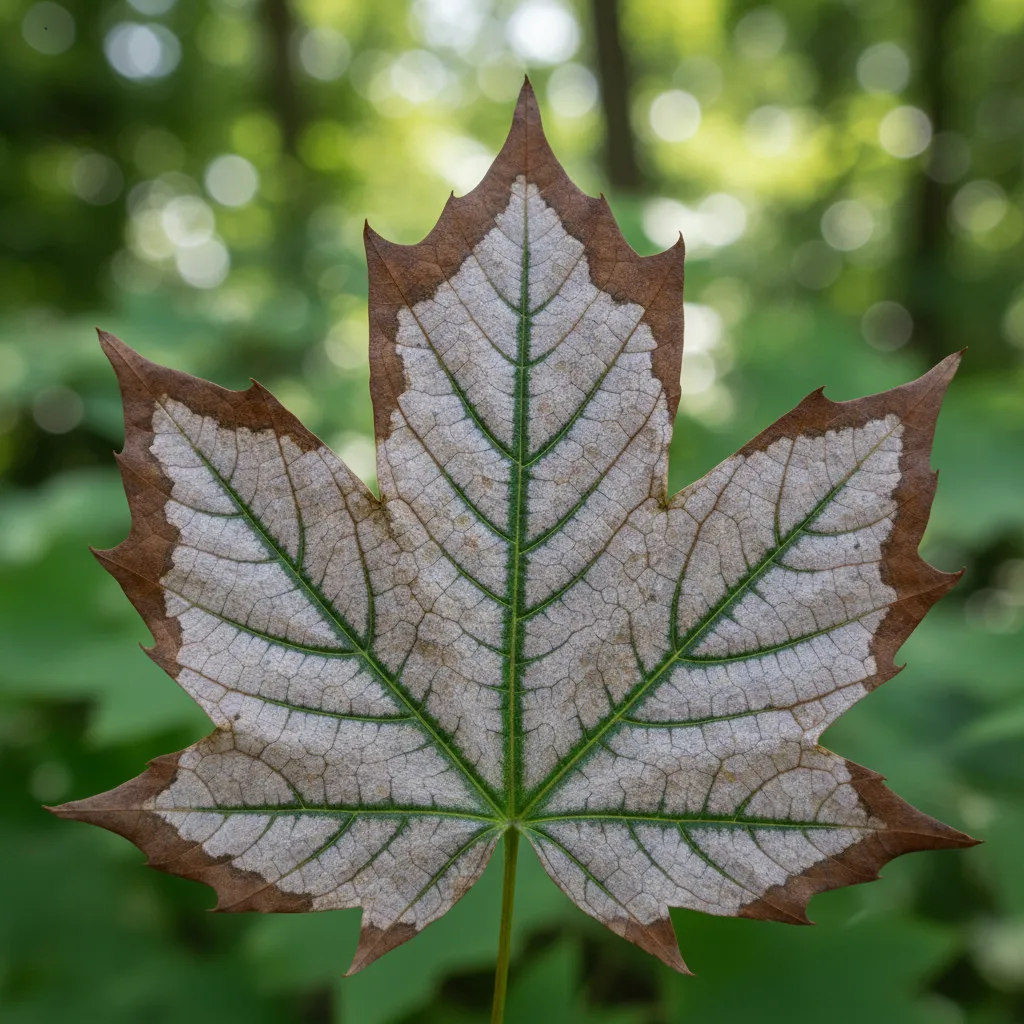
Leaf scorch represents the most common non-infectious condition affecting maple trees, manifesting when your tree loses water through its leaves faster than its roots can replace it. This physiological disorder typically appears as browning or greying along leaf margins, eventually extending inward between the main veins as the condition worsens. Unlike diseases caused by pathogens, leaf scorch results from environmental stressors that disrupt the delicate balance between water uptake and transpiration, the process by which trees release moisture through their foliage.
The development of leaf scorch follows a predictable pattern that savvy tree owners can learn to recognize early. Initially, you’ll notice slight discoloration along the outermost edges of leaves, often appearing yellow or light brown. As the condition progresses without intervention, these margins become increasingly crispy and brittle, with the browning creeping further into the leaf tissue. In severe cases, affected leaves may curl, wither completely, and drop prematurely during late summer or early fall, leaving your tree looking sparse and unhealthy well before autumn’s natural leaf drop should occur.
What makes leaf scorch particularly concerning is that it varies dramatically in severity depending on environmental conditions and the tree’s overall health. In mild cases, only a few upper branches may show symptoms, with leaves remaining attached despite their raggedy appearance. The tree can typically recover from this level of stress without significant long-term damage. However, severe leaf scorch can affect large portions of the canopy, causing extensive leaf loss that weakens the tree’s ability to photosynthesize and produce the carbohydrates needed for healthy growth. When leaf drop occurs early enough in the season, some resilient trees can actually produce a second flush of leaves, though this process drains valuable energy reserves.
Understanding that leaf scorch is fundamentally a water-stress response helps clarify why multiple factors can trigger the same symptoms. Whether caused by drought, excessive heat, root damage, or environmental exposure, the end result remains the same: your maple cannot maintain adequate hydration in its foliage. Recognizing this underlying mechanism empowers you to address the root cause rather than just treating the visible symptoms, setting the stage for more effective long-term solutions.
Environmental Factors That Trigger Leaf Browning
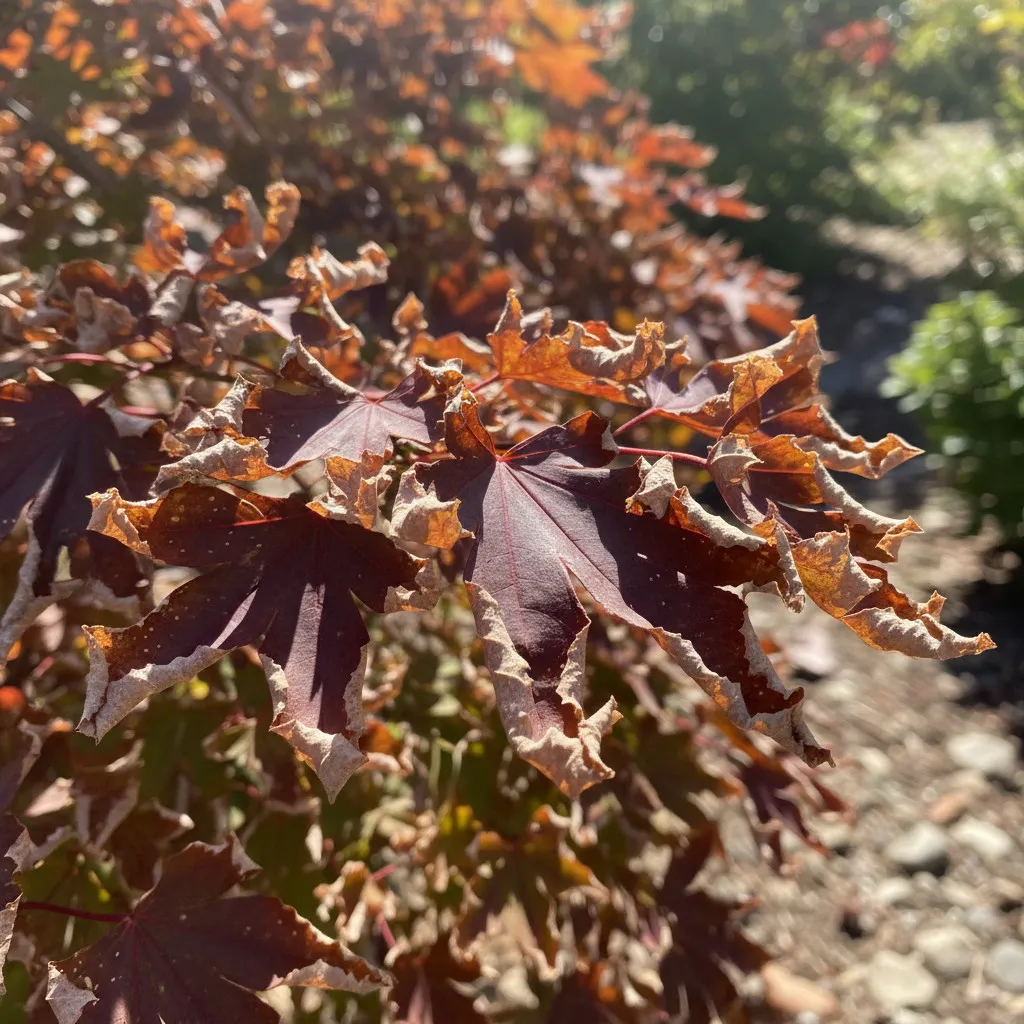
Environmental conditions play the starring role in most cases of maple leaf browning, with several key factors working independently or in combination to stress your tree beyond its tolerance threshold.
Excessive Sun Exposure and Heat Stress
Maple trees, particularly Japanese varieties and sugar maples, evolved as understory species in their native habitats, thriving beneath the protective canopy of taller trees that filter intense sunlight and moderate temperature extremes. When planted in full sun locations without adequate protection, these trees experience chronic stress that manifests as scorched, brown leaves. Direct afternoon sunlight proves especially damaging, as it combines peak heat intensity with the lowest relative humidity levels of the day, creating a perfect storm for rapid moisture loss from delicate leaf tissues.
The symptoms of sun-related leaf scorch typically appear most prominently on the south and west sides of the tree, where exposure to intense afternoon rays is greatest. You’ll notice that leaves in these areas brown first and most severely, while foliage on the shaded north and east sides may remain relatively healthy. If your maple consistently develops brown leaves every summer despite adequate watering, and the damage concentrates on sun-exposed branches, relocating the tree to a shadier location or planting a taller companion tree to provide afternoon shade may be necessary for long-term health. Some sun-tolerant cultivars like ‘Bloodgood’ and ‘Crimson Queen’ Japanese maples show better resistance to bright conditions, making them smarter choices for sunnier locations.
Heat stress compounds the damage caused by excessive sun exposure, especially during prolonged heat waves when temperatures soar above 85-90°F for extended periods. During these conditions, transpiration rates skyrocket while soil moisture depletes rapidly, creating an impossible situation where your tree’s water demands far exceed what its root system can deliver. Even well-watered trees can develop brown leaves during extreme heat because the atmospheric demand for moisture simply overwhelms the tree’s hydraulic capacity. This explains why brown leaves often appear suddenly during the hottest weeks of summer, even when you’ve maintained a consistent watering schedule throughout the season.
Insufficient Water Supply and Drought Conditions
Water deficiency stands as perhaps the single most common cause of browning maple leaves, affecting trees across all varieties and age groups. Maple trees feature relatively shallow, fibrous root systems that spread widely but don’t penetrate deeply into the soil profile, making them particularly vulnerable during dry spells when surface soil layers become parched. Young trees and recently transplanted specimens face even greater risk because their limited root systems haven’t yet established the extensive network needed to access moisture from a larger soil volume.
The progression from healthy green leaves to brown, crispy foliage during drought follows a predictable timeline that offers intervention opportunities if you catch it early. Initially, leaves may appear slightly wilted or droopy during the hottest part of the day, recovering somewhat during cooler evening hours. As soil moisture continues to decline, leaves develop a dull appearance and may begin to yellow, particularly between the veins. If drought persists without supplemental watering, the yellowing transitions to browning, starting at leaf tips and margins before spreading inward. Eventually, severely drought-stressed trees will drop leaves prematurely in a desperate attempt to reduce water loss and survive the harsh conditions.
Proper watering technique matters just as much as watering frequency when combating drought stress. Shallow, frequent watering actually encourages roots to remain near the soil surface where they’re most vulnerable to drying out, perpetuating a cycle of dependence on constant irrigation. Deep, infrequent watering proves far more effective, encouraging roots to grow deeper into the soil where moisture remains more consistent. Aim to deliver water slowly over an extended period, allowing it to penetrate 12-24 inches into the soil profile. A general guideline recommends approximately 10 gallons of water per week for every inch of trunk diameter, applied slowly to ensure thorough soil saturation rather than wasteful runoff.
Key watering best practices for preventing drought-related browning:
- Water established trees deeply once every 7-10 days during dry periods, rather than frequent shallow watering
- Check soil moisture with your finger or a moisture meter before watering to avoid overwatering
- Apply water over the entire root zone, which extends well beyond the canopy drip line
- Water early in the morning to minimize evaporation losses and allow foliage to dry before nightfall
- Increase watering frequency during extreme heat or windy conditions when transpiration rates soar
Wind Damage and Leaf Desiccation
Strong, persistent winds create conditions that accelerate moisture loss from maple leaves through a process called desiccation, literally drying out leaf tissues faster than the tree can replenish them. This wind-induced stress proves particularly problematic in exposed locations such as hilltops, open fields, or along windswept corridors where maples receive little protection from prevailing breezes. The combination of wind and heat creates especially damaging conditions, as moving air continuously removes the humid boundary layer that naturally surrounds leaves, replacing it with dry air that draws moisture out relentlessly.
Wind damage manifests differently than other forms of leaf scorch, often producing a more generalized browning pattern across the entire tree rather than concentrating on specific sides or branches. The leaves may appear tattered, with brown, papery edges that feel brittle to the touch. In severe cases, strong winds can actually cause physical damage by tearing delicate leaf tissues, creating entry points for opportunistic diseases and compounding the stress your tree experiences. Japanese maples, with their particularly delicate foliage and often fragile branch structure, suffer disproportionately from wind exposure compared to hardier species like red or sugar maples.
Protecting vulnerable maples from wind damage requires strategic planning at the planting stage or thoughtful modifications to existing landscapes. When selecting a planting site, choose locations sheltered by buildings, fences, or established trees that can buffer prevailing winds without creating excessive shade. If your maple already occupies an exposed position, consider installing temporary windbreaks during the most vulnerable periods or gradually establishing a living windbreak using hardy shrubs or evergreens positioned to intercept damaging gusts. These protective measures prove especially critical for newly planted trees that haven’t yet developed the root mass and structural strength to withstand environmental extremes.
Winter Injury and Salt Damage
Winter presents unique challenges that can result in brown leaves appearing when spring growth emerges or causing dieback that becomes apparent during the growing season. Harsh winter conditions including extreme cold snaps, freeze-thaw cycles, and dessicating winter winds can damage or kill roots, particularly those growing near the soil surface or in exposed locations. When damaged roots cannot supply adequate water and nutrients come spring, the result is often scorched, brown leaves that appear soon after leaf-out, leaving gardeners puzzled about what went wrong during the growing season.
Road salt and de-icing chemicals represent another insidious winter threat to maple trees, especially those planted near streets, driveways, or sidewalks where these products are routinely applied. Salt spray from passing vehicles or runoff carrying dissolved salts can accumulate in the soil around tree roots, creating toxic conditions that damage fine root hairs responsible for water and nutrient uptake. The symptoms of salt damage often mimic drought stress, with leaves developing brown margins and tips, yellowing between veins, and premature leaf drop. Affected trees may also exhibit stunted growth, reduced vigor, and increased susceptibility to other stresses and diseases.
Preventing winter damage requires proactive measures implemented before harsh conditions arrive. Apply a 3-4 inch layer of organic mulch around the tree’s base in late fall to insulate roots from temperature extremes, maintaining this mulch year-round for continued protection. For trees in salt-prone areas, consider installing physical barriers like burlap screens to intercept salt spray, or request that municipal crews use alternative de-icing products on nearby roads and walkways. If salt damage has already occurred, thorough spring irrigation can help leach accumulated salts deeper into the soil profile, moving them away from the active root zone where they cause the most harm.
Soil-Related Problems Causing Maple Leaf Browning
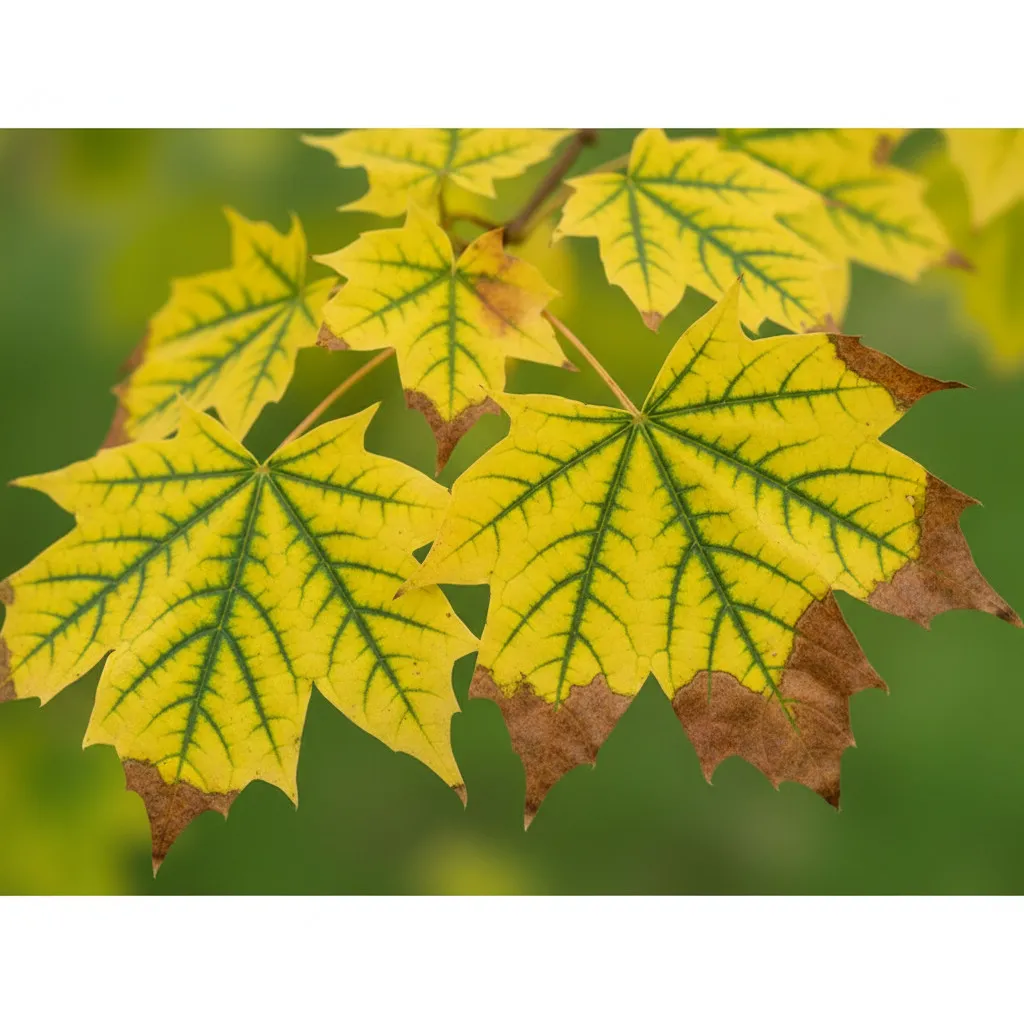
The soil environment surrounding your maple’s roots exerts tremendous influence over the tree’s health, with various soil-related issues capable of triggering the brown leaf symptoms that signal distress.
Iron Deficiency and Chlorosis Leading to Browning
Iron deficiency, technically called iron chlorosis, represents one of the most common nutrient disorders affecting maple trees, particularly in regions with alkaline soils where high pH levels prevent roots from absorbing available iron. While chlorosis initially causes leaves to turn yellow while veins remain green, severe iron deficiency eventually progresses to browning as affected leaves literally starve and die from their inability to produce chlorophyll. Japanese maples, silver maples, and pin oaks prove especially susceptible to this condition, often struggling in soils with pH levels above 7.0 where iron becomes chemically bound in forms the tree cannot access.
The visual progression of iron chlorosis provides important diagnostic clues that help distinguish it from other causes of brown leaves. Early symptoms appear as interveinal yellowing on new growth, with the youngest leaves at branch tips showing the most pronounced discoloration. As the deficiency worsens, affected yellow leaves develop brown patches and margins, eventually turning entirely brown before dropping prematurely. Unlike drought-related scorch that typically starts with older, lower leaves, iron chlorosis-related browning begins with the newest growth and works backward, reflecting the tree’s inability to mobilize iron to support new tissue development.
Correcting iron deficiency requires addressing the underlying soil pH issue rather than simply adding iron supplements, which provide only temporary relief if soil conditions prevent absorption. Conduct a professional soil test to determine your soil’s pH level and iron content before pursuing treatment options. If high pH is confirmed as the problem, you can apply sulfur-based soil amendments to gradually lower pH over time, or use chelated iron products that remain available to plants even in alkaline conditions. For severe cases affecting large, established trees, consulting with a professional arborist about trunk injection treatments may provide more immediate and effective results than soil-applied remedies.
Fertilizer Burn and Chemical Damage
Well-intentioned gardeners sometimes cause more harm than good by overapplying fertilizers in an attempt to boost their maple’s health, inadvertently creating chemical burn conditions that manifest as brown leaf margins and tips. Fertilizers are essentially concentrated salts that, in excessive quantities, draw moisture out of root tissues through osmosis, creating drought-like conditions even when soil moisture appears adequate. This chemical burn typically produces very distinctive symptoms: sharply defined brown edges on leaves that appear almost painted on, often accompanied by leaf cupping or curling as tissues dry out.
The timing and application method of fertilization significantly impact the risk of chemical burn. Applying fertilizers during the hottest summer months when trees are already stressed by heat and drought dramatically increases the likelihood of damage, as does using quick-release formulations that dump high concentrations of nutrients into the soil all at once. Maple trees, being naturally slow-growing species that evolved in nutrient-rich forest soils, simply don’t require the heavy feeding schedules appropriate for more vigorous plants. In fact, many established maples thrive for decades without any supplemental fertilization, obtaining all necessary nutrients from decomposing organic matter and the natural mineral content of surrounding soil.
Guidelines for safe fertilizer use around maple trees:
- Fertilize only in late winter or early spring when trees are beginning active growth
- Use slow-release formulations that provide nutrients gradually over an extended period
- Apply at half the rate recommended on product labels, as maples require less feeding than many landscape plants
- Never fertilize drought-stressed trees with brown or wilted leaves, as this compounds existing stress
- Consider using organic alternatives like compost or well-aged manure that release nutrients slowly and improve soil structure
- Avoid high-nitrogen fertilizers that promote excessive soft growth vulnerable to pests, diseases, and environmental damage
Poor Drainage and Root Rot Issues
While drought stress causes the majority of leaf browning cases, the opposite extreme—waterlogged soil conditions—can produce remarkably similar symptoms through an entirely different mechanism. When soil remains constantly saturated due to poor drainage, heavy clay content, or excessive irrigation, oxygen becomes depleted from the root zone, literally suffocating roots and creating conditions favorable for root rot pathogens. As roots die and rot, they lose their ability to absorb and transport water to the canopy, resulting in drought-stressed leaves that turn brown despite growing in wet soil.
Distinguishing between drought-related browning and overwatering-related browning requires careful soil investigation rather than relying solely on leaf symptoms. Before adding more water to a tree with brown leaves, dig down 4-6 inches into the soil near the root zone and assess moisture levels directly. If the soil feels soggy, stays balled up when squeezed, or has a sour smell indicating anaerobic conditions, overwatering or poor drainage is the likely culprit. Trees suffering from root rot may also exhibit blackened or mushy roots visible near the soil surface, along with a general decline in vigor that worsens despite continued watering.
Correcting drainage problems requires more involved interventions than simple watering adjustments. For trees planted in poorly draining locations, you may need to improve soil structure by incorporating organic matter like compost to increase pore space and drainage capacity. In severe cases, installing subsurface drainage systems or creating raised planting beds may be necessary to provide the well-drained conditions maples require for healthy root development. For newly planted trees showing drainage-related stress, carefully digging up and replanting in a raised mound or relocating to a better-draining site during the dormant season offers the best chance of long-term success. Remember to avoid planting maples in low-lying areas where water naturally accumulates, as even brief periods of standing water can trigger root problems that manifest as brown leaves.
Fungal Diseases That Cause Brown Maple Leaves
While environmental factors cause most cases of leaf browning, several fungal diseases can produce similar symptoms, sometimes complicating diagnosis and requiring different treatment approaches.
Anthracnose: A Common Fungal Leaf Disease
Anthracnose encompasses several related fungal pathogens that infect maple leaves during cool, wet spring conditions, causing irregular brown patches, leaf distortion, and premature defoliation. Unlike environmental leaf scorch that concentrates damage along leaf margins, anthracnose typically produces brown spots that cross over veins in random patterns, often accompanied by curling or cupping of affected leaves. This disease proves particularly prevalent during springs characterized by extended periods of moisture and moderate temperatures that favor fungal spore germination and spread through splashing rain or overhead irrigation.
The good news about anthracnose is that while it looks alarming and can cause significant aesthetic damage, it rarely threatens the long-term health of mature, established maple trees. Affected trees typically recover fully and produce healthy new growth the following season, especially if cultural conditions improve. Young trees or those already weakened by other stresses may experience more severe impacts, potentially including twig dieback and reduced growth rates that compound over multiple years of repeated infection. The disease cycle perpetuates through fungal spores that overwinter in fallen leaves and infected twigs, releasing new spores during favorable spring conditions to infect emerging foliage.
Managing anthracnose relies primarily on cultural practices rather than chemical fungicides, which prove expensive, environmentally questionable, and generally unnecessary for otherwise healthy trees. The most important control measure involves thorough sanitation: rake up and destroy all fallen leaves in autumn, removing the primary source of overwintering spores that would infect next season’s growth. Pruning out dead twigs and branches during dormancy further reduces the fungal reservoir while improving air circulation through the canopy. Avoid overhead watering that splashes spores onto healthy foliage, instead using drip irrigation or soaker hoses that keep water at ground level. For trees suffering from repeated severe infections year after year, improving growing conditions through proper fertilization, adequate watering, and stress reduction provides more sustainable long-term benefits than reactive fungicide applications.
Verticillium Wilt: A Serious Vascular Disease
Verticillium wilt represents one of the most serious diseases affecting maple trees, caused by soil-borne fungi that invade through roots and colonize the tree’s vascular system, essentially clogging the water-conducting tissues. This results in brown, wilted leaves that may appear on individual branches, entire sides of the tree, or scattered throughout the canopy in seemingly random patterns. What makes verticillium particularly insidious is that it can mimic other conditions like drought stress or root damage, and once established in the tree, no cure exists to eliminate the pathogen completely.
Diagnosing verticillium wilt definitively requires looking beyond leaf symptoms to examine the tree’s vascular tissue. If you peel back bark from an affected branch or make a cross-cut through recently dead wood, verticillium infection typically reveals dark brown to black streaking or discoloration in the sapwood—the living wood just beneath the bark. These characteristic streaks distinguish the disease from environmental problems that don’t affect internal tissues. Symptoms may develop rapidly over a single growing season, causing sudden branch death and extensive defoliation, or progress slowly over several years as the fungus gradually spreads through the vascular system.
Managing verticillium wilt focuses on supporting the tree’s natural defense mechanisms since no effective fungicides can reach pathogens residing deep within vascular tissues. Provide optimal growing conditions including proper watering during dry periods, avoiding both drought stress and waterlogging that could weaken the tree further. Remove and destroy dead or dying branches promptly to reduce fungal spread and maintain tree aesthetics. For small, young trees showing extensive symptoms, removal and replacement with resistant species may be the most practical long-term solution. If you choose to replant in the same location, consider soil solarization treatments to reduce fungal populations, or select tree species known for verticillium resistance rather than susceptible maples.
Tar Spot: An Aesthetic But Usually Harmless Disease
Tar spot fungus creates distinctive, raised black spots on maple leaves that may be surrounded by brown or yellow halos, giving an appearance reminiscent of tar droplets splattered across the foliage. While certainly unsightly and potentially concerning to tree owners unfamiliar with the disease, tar spot rarely causes significant harm to healthy, established trees beyond the cosmetic damage. The fungus primarily affects leaf tissue without invading the tree’s vascular system or causing systemic problems, and infected trees typically maintain normal growth and vigor despite the spotty appearance of their foliage.
Tar spot development follows a predictable seasonal pattern, with small yellow spots first appearing in early to mid-summer that gradually enlarge and darken to the characteristic black tar-like lesions by late summer and fall. Heavy infections can cause premature leaf drop, reducing the tree’s photosynthetic capacity somewhat, but most trees compensate by producing a full complement of healthy foliage the following spring. The disease spreads through spores released from overwintering fungal structures in fallen leaves, with spring rains splashing spores onto newly emerging foliage to begin the cycle anew.
Controlling tar spot requires virtually no intervention for most landscape trees, as the disease doesn’t threaten tree health or longevity. However, if the aesthetic impact bothers you or infections recur severely year after year, thorough fall cleanup provides effective control by removing the primary source of overwintering spores. Rake and dispose of all infected leaves rather than composting them unless your compost pile reaches temperatures above 140°F sufficient to kill fungal spores. For trees in highly visible locations where appearance matters greatly, preventive fungicide applications in spring as leaves emerge may be warranted, though this represents overkill for most situations where simple leaf removal suffices.
Physical Damage and Structural Problems
Physical injuries and structural issues affecting maple trees often manifest as browning leaves, though the visible symptoms may appear far removed from the actual site of damage.
Root Damage and Girdling Roots
Roots represent the foundation of tree health, and any significant damage to the root system inevitably affects foliage quality, often causing the brown, scorched leaves that signal water stress. Construction activities, trenching for utilities, soil compaction from heavy equipment or foot traffic, and even aggressive rototilling near trees can sever or damage critical roots, reducing the tree’s capacity to absorb water and nutrients. While mature trees can tolerate losing a portion of their root system, extensive damage—particularly if it removes a majority of roots on one side—can cause permanent decline or death.
Girdling roots represent a particularly insidious form of root damage that develops when roots circle around the trunk rather than growing outward into the surrounding soil, gradually constricting the tree’s vascular system like a tourniquet. This condition often results from trees spending too long in nursery containers where roots have nowhere to go but around in circles, and if not corrected at planting time, these circling roots continue their destructive pattern underground. Trees with girdling roots may show declining health over several years, with symptoms including brown, scorched leaves, stunted growth, poor fall color, excessive winter damage, and an abnormal absence of trunk flare at the soil line where the trunk should naturally widen as it meets the roots.
Preventing root damage requires thoughtful planning and careful execution of any activities near trees. Maintain a protective zone extending at least to the canopy drip line where no digging, trenching, or soil compaction is permitted. If construction or excavation must occur near valuable trees, consult with a certified arborist about root protection measures and acceptable work practices that minimize damage. For trees already suffering from girdling roots, correction may require carefully excavating around the trunk to expose and remove constricting roots—a delicate operation best performed by professionals to avoid causing additional harm. In cases where girdling is severe and the tree shows significant decline, replacement may ultimately prove more practical than attempting to save a structurally compromised specimen.
Trunk Girdling and Bark Damage
Damage to the trunk that removes or destroys bark all the way around the circumference—a condition called girdling—proves almost universally fatal to trees by severing the phloem tissue responsible for transporting sugars and nutrients from leaves to roots. Complete girdling causes foliage to turn brown and wither as the tree essentially starves, though death may occur over an extended period. Partial girdling that damages a significant portion but not the entire circumference still causes severe stress, often manifesting as brown leaves on branches above the damaged area while portions of the canopy fed by intact vascular tissue remain healthy.
Girdling can result from various causes including damage from lawn mowers and string trimmers that repeatedly bash or slice bark, wildlife feeding by deer, rabbits, or rodents that chew away bark during winter food shortages, or even wire, rope, or tree stakes left in place so long they become embedded in growing tissue. Japanese maples prove particularly vulnerable to trunk damage due to their thin bark and delicate structure compared to hardier species. Once significant girdling has occurred, saving the tree becomes difficult or impossible, though small areas of damage may heal if addressed quickly and the tree receives optimal care to support recovery.
Preventing trunk damage requires vigilance and proper tree care practices. Maintain a mulched area around the tree’s base to create a buffer zone where lawn mowers and trimmers cannot reach delicate bark. Remove all stakes, ties, and support materials within one to two years of planting before they have a chance to constrict the growing trunk. Protect young trees in areas with wildlife pressure using physical barriers like wire mesh cylinders or tree guards that prevent animals from accessing tender bark. If damage does occur, carefully clean ragged edges with a sharp knife to promote healing, but avoid the outdated practice of covering wounds with tree paint or tar, which can trap moisture and encourage decay.
Prevention Strategies for Maintaining Healthy Brown-Free Maples
An ounce of prevention truly is worth a pound of cure when it comes to maple tree health, and implementing proper cultural practices from the beginning dramatically reduces the likelihood of developing brown leaf problems.
Selecting the optimal planting location represents perhaps the single most important decision affecting your maple’s long-term health and resistance to stress-related browning. For most maple varieties, especially Japanese maples and sugar maples, choose sites offering partial shade or filtered sunlight rather than full, all-day sun exposure. Eastern exposures that receive gentle morning light but escape intense afternoon rays work particularly well. Ensure the location provides adequate space for the mature tree’s canopy and root system without crowding from buildings, other trees, or underground utilities. Assess wind exposure and avoid placing maples in wind tunnels or on exposed hilltops where they’ll face constant desiccating breezes. Examine soil drainage by digging a test hole and filling it with water—if it doesn’t drain within 12 hours, either improve drainage or select a different location to prevent future root problems.
Proper planting technique sets the stage for successful establishment and reduces stress that might otherwise manifest as brown leaves. Dig the planting hole two to three times wider than the root ball but no deeper, as planting too deeply ranks among the most common fatal errors in tree planting. Position the tree so the root flare—where the trunk naturally widens as it meets the roots—sits at or slightly above the surrounding soil grade. Backfill with the native soil removed from the hole rather than amended potting mix, which can create a “bathtub effect” where water collects in the planting hole. Water thoroughly after planting to settle soil and eliminate air pockets, then maintain consistent moisture during the first growing season while roots establish.
Implementing a comprehensive care program protects your investment and maintains tree health year after year:
-
Deep, infrequent watering during the growing season encourages deep root development while preventing both drought stress and overwatering problems. Established trees benefit from slow, thorough soaking every 7-14 days during dry periods, delivering approximately one inch of water over the entire root zone. Adjust frequency based on weather conditions, soil type, and tree response rather than adhering to a rigid schedule. Young trees and recent transplants require more frequent attention—checking soil moisture every few days and watering whenever the top 2-3 inches become dry.
-
Mulching provides multiple benefits that protect against many causes of leaf browning. Apply a 2-4 inch layer of organic mulch such as shredded bark, wood chips, or leaf compost in a wide circle extending at least to the canopy drip line. Keep mulch pulled back 3-6 inches from the trunk to prevent moisture accumulation and potential rot. This mulch layer moderates soil temperature, reducing both summer heat stress and winter cold damage to roots. It conserves moisture by reducing evaporation from the soil surface and suppressing competing vegetation. As it gradually decomposes, organic mulch improves soil structure and provides a slow-release nutrient source.
-
Minimal, appropriate fertilization avoids the chemical burn and excessive soft growth that can predispose trees to browning and other problems. Most established maples growing in reasonably fertile soil require no supplemental feeding, obtaining adequate nutrition from decomposing organic matter and natural soil minerals. If soil testing reveals deficiencies or trees show clear nutrient deficiency symptoms, apply slow-release organic fertilizers in late winter or early spring when the tree can utilize nutrients for spring growth. Avoid high-nitrogen formulations and never fertilize heat-stressed or drought-stressed trees showing brown leaves, as this compounds existing stress rather than alleviating it.
-
Protective measures shield vulnerable maples from environmental extremes that trigger leaf browning. For Japanese maples and other sensitive species, consider installing temporary shade cloth during extreme heat waves or while trees establish in their first few years. In wind-prone locations, strategically place windbreaks or establish companion plantings that buffer prevailing winds. Apply winter protection including trunk wraps on young trees and extra mulch over the root zone to prevent cold damage that can compromise spring health. In areas where road salt is used, install physical barriers or request alternative de-icing products for nearby roads and walkways.
Treatment and Recovery Solutions for Brown Maple Leaves
When your maple develops brown leaves despite your best preventive efforts, prompt diagnosis and appropriate intervention can often reverse the problem and restore health before permanent damage occurs.
Immediate assessment and response begins with determining the underlying cause through careful observation and investigation. Examine the pattern of browning—does it concentrate on certain branches, sides of the tree, or throughout the canopy uniformly? Check soil moisture by digging down several inches into the root zone rather than relying on surface conditions that can be misleading. Look for additional symptoms including unusual bark discoloration, oozing sap, insect activity, or fungal growth that might point toward specific diseases or pest problems. Consider recent changes in the tree’s environment such as construction activity, weather extremes, or changes in watering or fertilization practices that coincide with symptom development.
Corrective actions depend on the identified cause but generally follow these principles:
For drought-related browning, implement a deep watering program immediately, soaking the entire root zone slowly to ensure water penetrates to a depth of 12-24 inches. Continue watering weekly during dry conditions, adjusting frequency based on weather and soil moisture monitoring. For overwatered trees showing root rot symptoms, immediately reduce or eliminate supplemental watering and improve drainage if possible through soil amendment or installation of drainage systems. If the tree is planted in a chronically wet location, transplanting to better-draining soil during dormancy may be necessary for long-term survival.
For sun and heat-related scorch, provide temporary shade during the worst heat of summer using shade cloth or natural screening from companion plants. Ensure consistent moisture availability through proper watering without overdoing it. For the long term, consider whether the tree is appropriately sited or if relocation to a shadier location makes sense. Alternatively, select more heat and sun-tolerant cultivars for replacement if the current tree continues to struggle despite interventions.
For nutrient deficiency-related browning, conduct soil testing to confirm specific deficiencies before applying amendments. Address iron chlorosis through soil acidification with sulfur or application of chelated iron products according to package directions and soil test recommendations. Correct other nutrient imbalances based on test results using appropriate organic or slow-release fertilizer products.
For disease-related browning, implement proper sanitation by removing and destroying affected leaves and dead branches. Improve air circulation through judicious pruning during dormancy. Avoid overhead watering that spreads fungal spores. For serious diseases like verticillium wilt where no cure exists, focus on supporting tree health through optimal care while recognizing that removal may eventually become necessary.
Long-term recovery requires patience, as trees cannot repair brown leaves that have already been damaged—these leaves will remain brown or drop off. However, providing proper care moving forward allows the tree to produce healthy new growth that gradually replaces damaged foliage. Trees that suffer severe defoliation from brown leaves dropping may enter a survival mode, potentially producing a second flush of leaves later in the season if conditions improve. This emergency response drains energy reserves, so avoid stimulating growth with fertilizers and instead focus on maintaining consistent moisture and protecting the tree from additional stresses.
When to call a professional arborist includes situations where self-diagnosis proves difficult, where structural problems like girdling roots or significant trunk damage require expert assessment, where valuable specimen trees warrant professional treatment and monitoring, or where symptoms continue to worsen despite your intervention efforts. Certified arborists possess diagnostic expertise, specialized equipment, and treatment options unavailable to homeowners, potentially saving trees that would otherwise decline or die. For particularly valuable or beloved trees, professional consultation represents a worthwhile investment in their long-term health and beauty.
Special Considerations for Japanese Maple Trees
Japanese maples deserve special mention in any discussion of maple leaf browning due to their particular sensitivity to environmental stresses and unique care requirements that distinguish them from hardier native species.
These elegant ornamental trees evolved as understory species in Japan’s temperate forests, where they enjoyed protection from larger canopy trees, consistent moisture from reliable rainfall, and moderate temperatures without extreme heat or cold. When transplanted to gardens across diverse climate zones, Japanese maples often struggle with conditions far different from their native habitat. Their delicate leaves, thin bark, and shallow root systems make them especially vulnerable to leaf scorch from sun exposure, heat stress, drought, and wind—the very conditions that commonly occur in many landscape settings. Understanding and accommodating these vulnerabilities makes the difference between a struggling Japanese maple with chronic brown leaves and a thriving specimen that delivers year-round beauty.
Optimal growing conditions for Japanese maples include dappled shade or filtered sunlight, especially protection from intense afternoon sun that causes the most damage. Morning sun with afternoon shade represents an ideal light exposure pattern. Soil should be consistently moist but never waterlogged, slightly acidic (pH 5.5-6.5), and rich in organic matter with excellent drainage. Japanese maples particularly benefit from generous mulching that keeps roots cool and moist while protecting them from temperature extremes. Wind protection is essential, as the delicate leaves and sometimes brittle branches of certain cultivars cannot tolerate constant buffeting by strong breezes.
Cultivar selection significantly impacts susceptibility to leaf browning, with some varieties demonstrating considerably more tolerance to adverse conditions than others. ‘Bloodgood’ and ‘Crimson Queen’ rank among the most sun and heat-tolerant Japanese maples, capable of handling brighter exposures that would scorch more delicate varieties. Green-leafed cultivars generally tolerate more sun than red or variegated varieties, which tend to scorch more readily. Upright forms often prove more adaptable to various conditions than weeping types. When selecting a Japanese maple, research the specific cultivar’s tolerances and match them carefully to your site conditions rather than hoping any Japanese maple will thrive in any location.
Container culture considerations apply to many Japanese maple owners who grow these trees in pots for patio displays or to accommodate small spaces. Containerized Japanese maples face even greater risk of drought stress and heat-related browning because the limited soil volume in pots heats up quickly, dries out rapidly, and provides minimal insulation for roots. Check soil moisture in containers daily during hot weather and water whenever the top inch of soil feels dry. Use high-quality, well-draining potting mix and containers large enough to accommodate root growth—generally at least two to three times the volume of the original root ball. Move containers to shadier locations during heat waves and provide winter protection to prevent root damage from freezing temperatures.
Final Words: Cultivating Resilient, Beautiful Maples
Browning leaves on your maple tree need not signal disaster or defeat. Armed with the knowledge you’ve gained from this comprehensive guide, you now possess the insight to accurately diagnose the underlying causes of leaf discoloration, from environmental stresses like drought and sun exposure to soil problems, diseases, and physical damage. More importantly, you understand the preventive measures and treatment strategies that can restore your tree to health and maintain its vitality for decades to come.
Remember that successful tree care is fundamentally about creating and maintaining optimal growing conditions rather than reacting to problems after they develop. By selecting appropriate planting locations, providing consistent but not excessive water, protecting sensitive trees from environmental extremes, and avoiding common mistakes like over-fertilization and improper planting depth, you eliminate most causes of leaf browning before they ever manifest. When problems do arise despite your best efforts, early detection and prompt, appropriate intervention often reverse the damage and prevent long-term consequences.
Perhaps most importantly, recognize that trees are remarkably resilient organisms with an incredible capacity to recover from stress when given proper support. Those brown, crispy leaves that seemed so alarming when you first noticed them may simply represent your tree’s temporary response to challenging conditions—a message asking for help rather than a death sentence. Respond with patience, appropriate care, and realistic expectations, understanding that recovery takes time and that replacement of damaged foliage occurs gradually as the tree produces new growth.
Whether you’re nurturing a century-old sugar maple that shades your backyard or coaxing a delicate Japanese maple through its establishment years, the investment of time and attention you provide pays dividends in the form of stunning fall color, cooling summer shade, and year-round beauty that enriches your landscape and your life. Your maple trees deserve your best efforts, and with the knowledge and strategies outlined in this guide, you’re well-equipped to provide the expert care that keeps them thriving for generations to come.