Table of Contents
- Container Gardening Fruit Trees: Growing Fruit in Small Spaces
- Why Container Fruit Tree Gardening Is Transforming Urban Spaces
- Best Fruit Trees for Container Growing
- Citrus Trees: The Container Gardening Champions
- Fig Trees: Ancient Fruits for Modern Containers
- Dwarf Apple and Pear Trees
- Stone Fruits and Berry-Producing Options
- Choosing the Right Container for Your Fruit Trees
- Size Requirements and Considerations
- Material Options: Pros and Cons
- Drainage: The Non-Negotiable Requirement
- Soil and Potting Mix Requirements
- Ideal Soil Composition
- pH Considerations for Different Fruit Trees
- Creating Your Own Quality Mix
- Planting Your Container Fruit Tree: A Step-by-Step Guide
- Watering and Feeding Your Container Fruit Trees
- Watering Best Practices
- Fertilization Schedule and Techniques
- Sunlight, Temperature, and Climate Considerations
- Light Requirements for Optimal Fruit Production
- Temperature Management Across Seasons
- Overwintering Container Fruit Trees
- Pruning and Training Container Fruit Trees
- Why Pruning Matters for Container Trees
- Basic Pruning Techniques
- Training Methods for Limited Space
- Common Pests and Diseases in Container Fruit Trees
- Common Pest Issues and Solutions
- Disease Prevention and Management
- Maximizing Fruit Production in Limited Space
- Pollination Considerations
- Yield-Boosting Practices
- Final Thoughts: Your Container Orchard Awaits
Container Gardening Fruit Trees: Growing Fruit in Small Spaces
Imagine stepping onto your balcony or patio and plucking a ripe, sun-warmed peach straight from the branch. Picture yourself harvesting lemons from a glossy green tree positioned perfectly beside your kitchen door. This isn’t a fantasy reserved for those with sprawling orchards—it’s the delicious reality of container gardening for fruit trees.
Urban dwellers, apartment residents, and homeowners with limited outdoor space are discovering that growing fruit trees doesn’t require acres of land or a traditional garden plot. Container gardening has revolutionized how we approach fruit cultivation, making homegrown produce accessible to virtually anyone with a sunny spot and a willingness to nurture their own mini orchard. Whether you’re working with a small balcony, a compact patio, or even a rooftop terrace, you can successfully grow an impressive variety of fruit trees that will reward you with fresh, organic harvests year after year.

The beauty of container fruit gardening extends far beyond its space-saving advantages. It offers unprecedented control over growing conditions, the flexibility to move trees as needed, and the joy of watching nature’s bounty flourish in even the most unexpected urban environments. This comprehensive guide will walk you through everything you need to know to transform your small space into a thriving fruit-producing paradise.
Why Container Fruit Tree Gardening Is Transforming Urban Spaces
Container gardening for fruit trees has emerged as a practical solution for modern gardeners facing space constraints while desiring fresh, homegrown produce.
The rise of container fruit gardening reflects a broader movement toward sustainable living and food independence. More people than ever are recognizing the value of growing their own food, even when traditional gardening methods seem impossible. Container gardening bridges this gap beautifully, offering a viable path to fruit cultivation regardless of your living situation.
Space efficiency stands as the most obvious advantage of container gardening. A dwarf fruit tree in a well-sized container requires only a few square feet of space, making it ideal for balconies, patios, rooftops, and even sunny indoor locations. This efficiency doesn’t compromise productivity—many container fruit trees produce surprisingly abundant harvests when properly cared for.
Climate control and mobility offer container gardeners significant advantages over traditional orchard growers. When unexpected frost threatens, you can simply wheel your trees indoors or to a protected area. During extreme heat, repositioning becomes easy. This flexibility extends the growing range for many fruit varieties that might otherwise be unsuitable for your climate zone.
Soil management becomes remarkably straightforward with containers. You control exactly what goes into your growing medium, eliminating concerns about contaminated garden soil, poor drainage, or inappropriate pH levels. This precision allows you to create optimal growing conditions tailored to each specific fruit tree’s requirements.
Key benefits include:
- Accessibility: Growing fruit becomes possible for renters and those without yards
- Pest management: Isolated containers reduce exposure to soil-borne diseases
- Aesthetic appeal: Fruit trees add beauty and greenery to urban environments
- Cost savings: Homegrown fruit reduces grocery expenses over time
- Educational value: Perfect for teaching children about food production
Best Fruit Trees for Container Growing
Selecting the right fruit tree varieties is crucial for container success, with dwarf and semi-dwarf cultivars offering the best results in limited spaces.
Not all fruit trees adapt equally well to container life. Understanding which varieties thrive in pots will set you up for success from the start. The best container fruit trees share common characteristics: compact growth habits, manageable root systems, and proven productivity in restricted environments.
Citrus Trees: The Container Gardening Champions
Citrus trees have earned their reputation as ideal container plants. Their naturally compact growth, glossy evergreen foliage, fragrant blossoms, and colorful fruits make them both productive and ornamental. Meyer lemons remain the most popular choice, producing abundant sweet-tart fruits on trees that rarely exceed six feet in containers. Calamondin oranges, kumquats, and key limes also excel in pots, offering different flavor profiles and uses.
Citrus trees appreciate consistent warmth and can be brought indoors during cold months in northern climates, making them versatile options for gardeners in zones where outdoor citrus cultivation would otherwise be impossible. Most citrus varieties are self-fertile, meaning you’ll only need one tree to produce fruit—a significant advantage when space is limited.
Fig Trees: Ancient Fruits for Modern Containers
Figs rank among the most rewarding container fruit trees, combining drought tolerance, attractive foliage, and exceptional productivity. Varieties like ‘Brown Turkey,’ ‘Celeste,’ and ‘Chicago Hardy’ adapt remarkably well to container culture, often producing two harvests annually in favorable conditions.
Fig trees respond well to pruning and can be maintained at manageable heights through regular trimming. Their deciduous nature means they require less attention during winter dormancy, and their relatively pest-resistant character makes them excellent choices for organic growers seeking low-maintenance options.
Dwarf Apple and Pear Trees
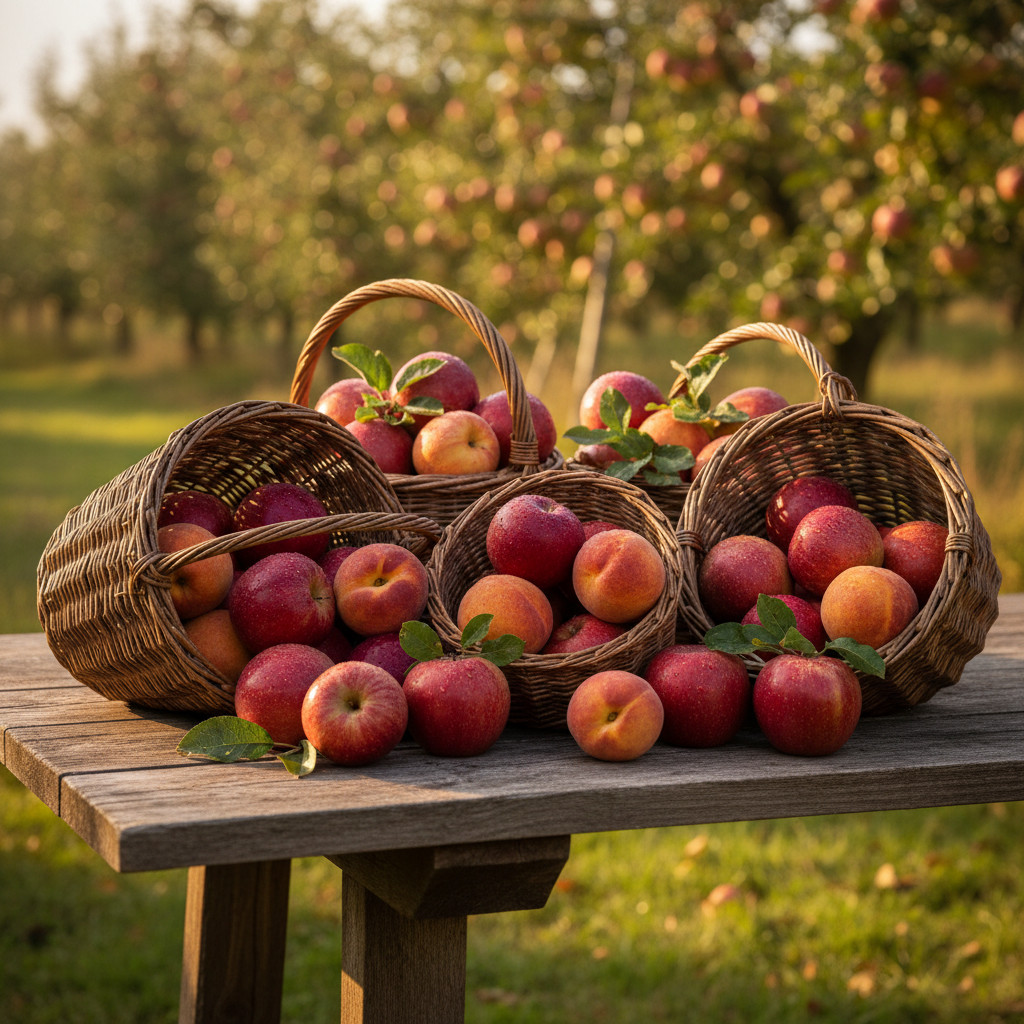
Dwarf apple and pear varieties grafted onto size-controlling rootstocks bring the classic orchard experience to container gardens. Varieties like ‘Gala,’ ‘Fuji,’ and ‘Honeycrisp’ apples, along with ‘Bartlett’ and ‘Anjou’ pears, have been successfully cultivated in containers by countless gardeners.
Important consideration: Many apple and pear varieties require cross-pollination, meaning you’ll need at least two compatible varieties or a self-fertile cultivar. ‘Golden Delicious’ apples and ‘Conference’ pears are excellent self-fertile options for single-tree container gardens.
Stone Fruits and Berry-Producing Options
Genetic dwarf peaches like ‘Bonanza’ and ‘Pix Zee’ were specifically bred for container growing, producing full-sized fruits on trees that naturally stay under five feet tall. Similarly, dwarf cherry varieties such as ‘Compact Stella’ offer sweet harvests without requiring extensive space.
Berry-producing plants complement fruit tree container gardens beautifully:
- Blueberries: Acid-loving and perfectly suited to containers
- Dwarf mulberries: Compact varieties produce abundant sweet berries
- Strawberry trees (Arbutus): Unusual but productive container specimens
Choosing the Right Container for Your Fruit Trees
The container you select directly impacts your tree’s health, growth potential, and ultimately its fruit production capacity.
Container selection deserves careful consideration, as the pot serves as your tree’s permanent home and growing environment. The right container provides adequate space for root development, proper drainage, and stability for your maturing tree.
Size Requirements and Considerations
Starting size matters less than final size. While young trees can begin in smaller containers (10-15 gallons), plan for eventual repotting into larger vessels. Most mature dwarf fruit trees perform best in containers holding 20-25 gallons or more, with some larger specimens requiring 30-50 gallon pots for optimal production.
Undersized containers restrict root growth, limiting the tree’s ability to absorb water and nutrients. This stress manifests as reduced fruit production, smaller fruits, and increased susceptibility to drought damage. However, excessively large containers can hold too much moisture around small root systems, potentially causing root rot in young trees.
Recommended container sizes by tree type:
- Citrus trees (dwarf): 15-25 gallons for mature trees
- Fig trees: 20-30 gallons for established specimens
- Dwarf apple/pear trees: 25-30 gallons minimum
- Genetic dwarf stone fruits: 15-20 gallons
Material Options: Pros and Cons
Different container materials offer distinct advantages and drawbacks that affect everything from water retention to root temperature.

Plastic containers remain popular for their affordability, light weight, and excellent moisture retention. High-quality plastic pots with UV stabilization can last many years, though they may become brittle over time. Their lightweight nature makes them ideal for balconies where weight restrictions apply, but this same characteristic can make top-heavy fruit trees prone to tipping in wind.
Ceramic and glazed pots offer superior aesthetics and excellent weight stability. Their thickness provides insulation for roots against temperature extremes. However, they’re heavy, expensive, and can crack in freezing temperatures if moisture trapped in the clay expands.
Fabric grow bags have gained popularity for their excellent drainage and air pruning properties. When roots reach the fabric edge, they’re naturally pruned by air exposure, encouraging a dense, fibrous root system rather than circling roots that can strangle trees over time. They’re lightweight, affordable, and collapsible for storage, though they dry out more quickly than solid containers.
Wooden containers offer natural aesthetics and good insulation. Cedar and redwood naturally resist rot, while other woods require treatment or liners. Wooden containers work well in hot climates where their insulating properties protect roots from overheating.
Drainage: The Non-Negotiable Requirement
Every container must have adequate drainage holes. Fruit trees cannot tolerate waterlogged conditions—root rot will inevitably develop in containers that don’t drain freely. Ensure your chosen container has multiple drainage holes of sufficient size, and never place containers in saucers that trap standing water during winter months.
Elevating containers slightly using pot feet or small blocks improves drainage and air circulation around the container bottom, reducing disease pressure and preventing water pooling.
Soil and Potting Mix Requirements
The growing medium you choose creates the foundation for your container fruit tree’s health, providing essential nutrients, proper drainage, and optimal root conditions.
Container fruit trees require specialized growing media quite different from garden soil. Standard garden soil compacts severely in containers, eliminating the air spaces roots need to breathe and function properly. Investing in appropriate potting mix pays dividends in tree health and productivity.
Ideal Soil Composition
A quality container fruit tree mix should be lightweight, well-draining, and moisture-retentive without becoming waterlogged. Commercial potting mixes designed for containers typically include:
- Peat moss or coir: Provides moisture retention and slight acidity
- Perlite or pumice: Creates air spaces and improves drainage
- Composted bark: Adds structure and slow-release nutrients
- Vermiculite: Enhances moisture and nutrient retention
Avoid mixes containing excessive amounts of water-retaining polymers or moisture crystals, as these can keep soil too wet for fruit tree roots. Similarly, avoid cheap “garden soil” products that contain actual field soil—these compact badly and introduce potential pathogens.
pH Considerations for Different Fruit Trees
Different fruit trees have varying pH preferences that affect nutrient availability:
- Citrus trees: Prefer slightly acidic soil (pH 5.5-6.5)
- Blueberries: Require acidic conditions (pH 4.5-5.5)
- Figs: Tolerant of wider range (pH 6.0-8.0)
- Apple/pear trees: Prefer slightly acidic to neutral (pH 6.0-7.0)
Testing your potting mix’s pH and adjusting as needed ensures your trees can access the nutrients you provide. Sulfur lowers pH for acid-loving plants, while lime raises pH for species requiring more alkaline conditions.
Creating Your Own Quality Mix
Many experienced container gardeners prefer creating custom mixes tailored to their specific trees and climate conditions. A reliable basic recipe includes:
- 3 parts quality potting mix as the base component
- 1 part perlite for improved drainage and aeration
- 1 part compost for nutrient content and beneficial microorganisms
- 1/2 part composted bark for structure and drainage
This combination provides excellent drainage while maintaining adequate moisture retention. Adjust ratios based on your climate—gardeners in hot, dry regions may increase moisture-retentive components, while those in humid areas should emphasize drainage.
Planting Your Container Fruit Tree: A Step-by-Step Guide
Proper planting technique establishes the foundation for your tree’s long-term health and productivity, making this initial process critically important.
Taking time to plant your container fruit tree correctly prevents problems that can persist for the tree’s entire life. Follow these detailed steps to give your tree the best possible start.
1. Prepare Your Container Properly
Begin by ensuring your container is clean, especially if previously used for other plants. Wash used containers with a dilute bleach solution (one part bleach to nine parts water) to eliminate any lingering pathogens. Rinse thoroughly and allow to dry completely before proceeding.
Cover drainage holes with fine mesh screening or broken pottery pieces to prevent soil loss while maintaining drainage. This barrier keeps growing medium from washing out during watering without impeding water flow. Some gardeners add a shallow layer of coarse gravel or perlite at the container bottom, though this isn’t strictly necessary with well-draining soil mixes.
Fill the container partially with your prepared potting mix, creating a base layer deep enough that when your tree’s root ball sits on top, the soil surface will rest about two inches below the container rim. This space accommodates watering and mulching without overflow.
2. Prepare the Tree for Planting
Remove your tree from its nursery container carefully, supporting the trunk base while inverting and sliding the root ball out. If roots have circled the container’s interior, gently tease them loose with your fingers or make several vertical cuts through the outer root layer with a clean knife.
Circling roots, if left unaddressed, will continue growing in circles rather than spreading outward into new soil. This condition eventually strangles the tree as these roots expand and constrict around the trunk base—addressing it now prevents serious problems later.
Inspect roots for any dark, mushy, or obviously damaged sections and trim these away with clean pruning shears. Healthy roots should appear light-colored (white, tan, or light brown) and firm to the touch.
3. Position and Backfill
Center the tree in the container and add potting mix around the root ball, firming gently as you go to eliminate air pockets. The final soil level should match the tree’s original planting depth—covering the trunk with soil or exposing roots above the surface both cause problems.
Critical point: The graft union on grafted fruit trees (the swollen area near the trunk base where the fruiting variety joins the rootstock) must remain above soil level. Burying this union can cause the grafted variety to produce its own roots, potentially overriding the dwarfing rootstock’s size-controlling effects.
4. Water and Settle
Water thoroughly after planting, allowing water to drain completely, then water again. This deep initial watering settles soil around roots, eliminates remaining air pockets, and ensures roots begin their new environment fully hydrated.
Add a two-inch layer of mulch over the soil surface, keeping it several inches away from the trunk to prevent moisture accumulation against the bark. Organic mulches like wood chips, bark mulch, or compost help retain soil moisture, moderate root temperature, and suppress weed growth.
Watering and Feeding Your Container Fruit Trees
Container fruit trees depend entirely on you for water and nutrients, making proper irrigation and fertilization among the most critical ongoing care tasks.
Unlike ground-planted trees that can extend roots to find water and nutrients, container trees have limited resources available only within their pots. Mastering watering and feeding schedules directly determines your success.
Watering Best Practices
Container soil dries faster than garden soil due to increased air exposure and limited soil volume. During hot summer weather, containers may require daily watering—sometimes twice daily for smaller pots in extreme heat.
The finger test remains the most reliable watering guide: insert your finger two inches into the soil. If it feels dry at that depth, water thoroughly. If it still feels moist, wait another day and test again. Moisture meters provide another option for those who prefer technological assistance.
Key watering principles:
-
Water deeply, not frequently: Each watering should saturate the entire root zone, with water flowing freely from drainage holes. Shallow, frequent watering encourages surface roots while leaving deeper roots parched.
-
Morning watering is ideal: Watering in morning gives foliage time to dry before nightfall, reducing disease pressure. It also ensures trees have adequate moisture before the day’s heat peaks.
-
Adjust seasonally: Actively growing trees in summer need far more water than dormant trees in winter. Reduce watering frequency significantly during dormancy, allowing soil to dry more between waterings without letting it become completely desiccated.
-
Watch for signs: Wilting leaves indicate underwatering, while yellowing leaves or constantly wet soil suggest overwatering. Learn to read your specific trees’ signals.
Fertilization Schedule and Techniques
Container trees deplete their limited soil nutrients quickly and require regular fertilization during the growing season. However, over-fertilization can be equally harmful, causing salt buildup, root burn, and excessive vegetative growth at the expense of fruit production.
Balanced approach: Use a fertilizer formulated for fruit trees or a balanced slow-release granular fertilizer applied according to package directions. Most fruit trees benefit from monthly feeding during active growth (typically April through September) with reduced or eliminated feeding during dormancy.
Fertilizer types and applications:
-
Slow-release granular fertilizers provide steady nutrition over several months, reducing application frequency and minimizing the risk of nutrient burn from concentrated doses.
-
Liquid fertilizers offer quick nutrient availability and easy application but require more frequent reapplication. They’re excellent for addressing specific deficiencies quickly.
-
Organic options including compost tea, fish emulsion, and kelp extracts feed both plants and beneficial soil microorganisms, building long-term soil health.
Watch for deficiency symptoms:
- Yellowing leaves with green veins suggest iron deficiency (common in alkaline soils)
- Overall yellowing indicates nitrogen deficiency
- Purple-tinged leaves may signal phosphorus deficiency
- Brown leaf margins often indicate potassium deficiency
Sunlight, Temperature, and Climate Considerations
Fruit production requires adequate sunlight and appropriate temperatures, making placement and seasonal management crucial for container gardening success.
Fruit trees have non-negotiable light requirements that must be met for healthy growth and fruit production. Understanding your specific light conditions and managing temperature extremes separates thriving container orchards from struggling specimens.
Light Requirements for Optimal Fruit Production
Most fruit trees require a minimum of six to eight hours of direct sunlight daily for adequate fruit production. Less light may support tree survival but will dramatically reduce or eliminate fruiting.
Positioning strategies:
- Track sun patterns in your space throughout the day and seasonally. The sunny corner in June may be shaded in September as the sun angle changes.
- South-facing locations (in the Northern Hemisphere) typically receive the most consistent sun exposure throughout the year.
- West-facing positions receive intense afternoon sun that benefits warmth-loving fruits like figs and citrus but may stress heat-sensitive species.
- Utilize reflective surfaces like light-colored walls to increase available light in partially shaded areas.
Temperature Management Across Seasons
Different fruit trees have different temperature tolerances and requirements. Understanding these needs helps you position trees appropriately and protect them from damaging conditions.
Cold protection strategies:
-
Move containers to protected locations (against south-facing walls, under overhangs, or indoors) when frost threatens.
-
Insulate containers using bubble wrap, burlap, or specialized container insulation to protect roots, which are more vulnerable than those of ground-planted trees to freeze damage.
-
Apply extra mulch in late fall to insulate soil and moderate temperature fluctuations.
-
Water before freezes: Moist soil holds and releases heat more effectively than dry soil, providing some root protection.
Heat protection strategies:
- Move containers to locations with afternoon shade during extreme heat
- Group containers together to create a more humid microclimate
- Apply light-colored mulch to reflect heat away from soil
- Water more frequently to compensate for increased evaporation
Overwintering Container Fruit Trees
Deciduous fruit trees require winter dormancy triggered by cold temperatures and shortened day length. This dormancy period is essential for the next season’s fruit production—trees denied adequate chill hours may fail to flower properly.
However, container roots lack the insulation that ground-planted roots enjoy. When temperatures plunge below 20°F (-6°C), container roots may freeze and die even if above-ground portions would survive similar temperatures in-ground.
Overwintering options:
- Unheated garages or sheds provide protection from extreme cold while allowing natural dormancy
- Insulated outdoor enclosures created using straw bales, cold frames, or temporary structures
- Burying containers in garden soil for the winter, mulching heavily over the surface
- Bringing indoors to cool (40-50°F), bright locations for citrus and other cold-sensitive species
Pruning and Training Container Fruit Trees
Regular pruning maintains tree size, promotes healthy growth, and maximizes fruit production in the limited space container culture provides.
Pruning intimidates many novice gardeners, but understanding basic principles makes this essential practice straightforward. Proper pruning keeps container trees compact, productive, and attractive.
Why Pruning Matters for Container Trees
Container fruit trees require more frequent and assertive pruning than their ground-planted counterparts. Without pruning, trees become top-heavy, root-bound relative to their canopy size, and less productive as energy goes into excessive growth rather than fruit development.
Benefits of regular pruning:
- Size control: Maintains trees at manageable heights for container growing
- Improved light penetration: Opens canopy for better fruit development and ripening
- Enhanced air circulation: Reduces disease pressure by allowing foliage to dry quickly
- Stimulated fruiting wood: Encourages development of productive branches
- Aesthetic appeal: Creates attractive, well-shaped specimens
Basic Pruning Techniques
Heading cuts remove portion of a branch, stimulating multiple new branches below the cut. Use heading cuts to encourage bushier growth and control height.
Thinning cuts remove entire branches at their point of origin, directing growth into remaining branches without stimulating extensive new growth. Use thinning cuts to open the canopy and remove crossing, damaged, or unproductive branches.
Timing matters: Most deciduous fruit trees should be pruned during late winter dormancy, before spring growth begins. Citrus and other evergreens can be pruned after harvest or in early spring. Avoid pruning during active growth periods when trees are most vulnerable to stress.
Training Methods for Limited Space
Several training techniques help maximize productivity in minimal space:
-
Central leader training: Maintains a single main trunk with regularly spaced lateral branches, creating a compact, Christmas-tree shape ideal for small spaces.
-
Open center/vase training: Removes the central leader to create an open bowl shape that maximizes light penetration and air circulation.
-
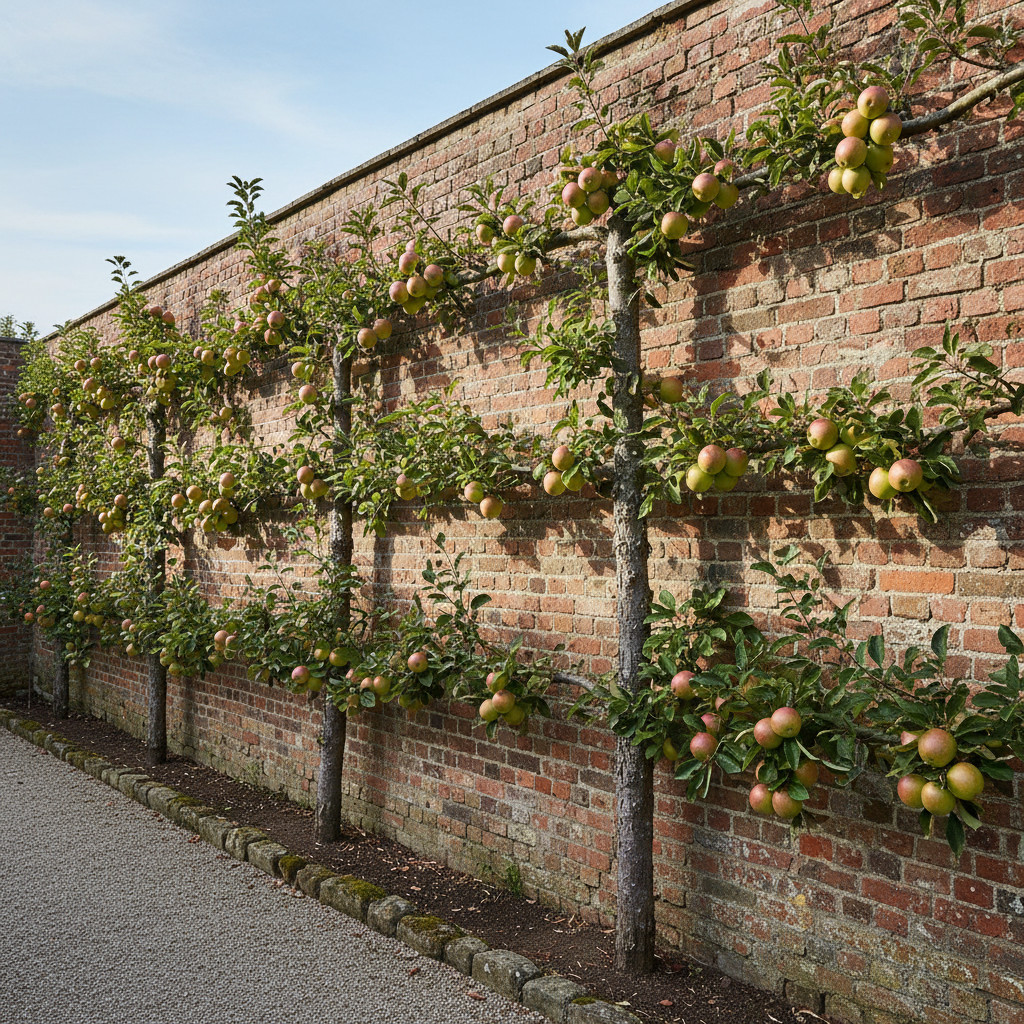
Espalier training: Trains branches along a flat plane against walls or trellises, creating a two-dimensional tree perfect for balcony railings or narrow spaces.
Common Pests and Diseases in Container Fruit Trees
Container isolation provides some protection from pests and diseases, but vigilant monitoring and prompt treatment remain essential for healthy, productive trees.
Container fruit trees face many of the same pest and disease challenges as ground-planted specimens, though their isolation may reduce some exposure. Early detection and integrated pest management keep problems manageable without resorting to harsh chemicals.
Common Pest Issues and Solutions
Aphids appear as tiny soft-bodied insects clustering on new growth, causing curled, distorted leaves and sticky honeydew residue. Strong water sprays dislodge most infestations; persistent problems respond to insecticidal soap or neem oil applications.
Scale insects appear as small bumps on stems and leaves, extracting sap and weakening trees. Horticultural oil smothers these pests effectively when applied during dormancy or when crawlers (mobile young scale) are active.
Spider mites create fine webbing on leaves and cause stippled, bronzed foliage, particularly in hot, dry conditions. Regular misting increases humidity and discourages infestations; miticides address severe problems.
Prevention strategies:
- Inspect new plants carefully before introducing them to your collection
- Quarantine new acquisitions for several weeks before placing near existing trees
- Maintain tree health through proper watering and fertilization—stressed trees attract pests
- Encourage beneficial insects by avoiding broad-spectrum pesticides
Disease Prevention and Management
Fungal diseases including powdery mildew, various leaf spots, and root rots affect container fruit trees. Good air circulation, proper watering practices (avoiding overhead irrigation), and appropriate container drainage prevent most fungal problems.
Bacterial and viral diseases spread through contaminated tools, infected plant material, or insect vectors. Maintaining sanitation, purchasing certified disease-free stock, and controlling insect populations minimize these risks.
Maximizing Fruit Production in Limited Space
Strategic approaches to variety selection, pollination management, and cultural practices dramatically increase yields from container fruit trees.
Getting the most fruit from your container trees requires attention to factors beyond basic care. Understanding pollination requirements, optimizing growing conditions, and implementing proven yield-boosting techniques transforms modest harvests into abundant bounty.
Pollination Considerations
Many fruit trees require cross-pollination from a different variety to set fruit. Understanding your trees’ pollination needs prevents the disappointment of beautiful blooms that never develop into fruit.
Self-fertile varieties recommended for single-tree container gardens:
- Most citrus varieties
- Fig trees (common types)
- Genetic dwarf peaches and nectarines
- Some apple varieties (‘Golden Delicious,’ ‘Granny Smith’)
- Some cherry varieties (‘Stella,’ ‘Lapins’)
For varieties requiring cross-pollination, ensure you have compatible pollinators blooming simultaneously. Hand pollination using a small brush to transfer pollen between flowers offers another solution for limited collections.
Yield-Boosting Practices
- Thin excess fruit early in the season to direct tree energy into fewer, larger fruits
- Provide consistent moisture during fruit development—water stress causes fruit drop
- Apply potassium-rich fertilizer as fruits develop to enhance size and flavor
- Position containers to maximize sun exposure during the fruiting season
- Protect developing fruit from birds using netting when necessary
Final Thoughts: Your Container Orchard Awaits
Growing fruit trees in containers opens possibilities that seemed unimaginable just a generation ago. Whether you’re cultivating citrus on a city balcony, nurturing figs on a suburban patio, or creating a rooftop orchard above the urban bustle, container fruit gardening connects you to an ancient human tradition of cultivating nourishing, delicious food.
The journey requires patience—most container fruit trees need several years to reach productive maturity. But each season brings new growth, new blooms, and eventually, the incomparable satisfaction of harvesting fruit you’ve raised yourself from your own small-space orchard.
Key takeaways to remember:
- Select appropriate varieties suited to container culture and your climate
- Choose containers with adequate size and excellent drainage
- Use quality potting mix designed for container growing
- Water consistently and fertilize regularly during growing seasons
- Prune annually to maintain size and productivity
- Monitor for pests and diseases and address problems promptly
- Protect trees from temperature extremes when necessary
Start small—perhaps with a single dwarf citrus or fig tree—and expand your collection as you gain experience and confidence. Before long, you’ll discover that limited space need not limit your gardening dreams. Your container fruit tree journey begins with a single well-planted tree. The harvests that follow will make every bit of effort worthwhile.