Every autumn, nature puts on one of its most spectacular shows as trees transform into brilliant shades of gold, orange, and crimson before their leaves flutter to the ground. This annual display represents far more than simple aesthetic beauty—it’s a sophisticated survival mechanism that has evolved over millions of years. If you’ve ever wondered whether deciduous trees really lose their leaves, why this happens, or how to care for these magnificent specimens in your landscape, you’ve come to the right place. Understanding the lifecycle of deciduous trees not only deepens your appreciation for these natural wonders but also equips you with the knowledge to maintain healthier trees on your property. Whether you’re a homeowner looking to enhance your landscape, a gardening enthusiast eager to expand your horticultural knowledge, or simply someone curious about the natural world, this comprehensive guide will walk you through everything you need to know about deciduous trees and their fascinating seasonal transformations.
What Are Deciduous Trees?
Understanding the fundamental nature of deciduous trees provides essential context for appreciating their seasonal behavior and care requirements. These trees represent one of nature’s most elegant adaptations to changing environmental conditions.
The term “deciduous” originates from the Latin word “decidere,” which translates to “falling off” or “tending to fall off.” In the botanical and horticultural fields, deciduous refers specifically to trees and shrubs that seasonally shed their leaves, typically during autumn. This characteristic distinguishes them fundamentally from evergreen trees, which retain their foliage throughout the year. Deciduous plants undergo a complete cycle of growth, maturation, dormancy, and renewal that aligns with seasonal changes in temperature and daylight.
Deciduous trees are characterized by their broad, flat leaves rather than the needle-like foliage typical of most evergreens. These leaves serve as the primary organs for photosynthesis, the process by which trees convert sunlight into energy. The broader surface area of deciduous leaves allows for maximum light absorption during the growing season, enabling these trees to produce substantial energy reserves. However, this same characteristic makes the leaves vulnerable to damage from winter conditions, which is why the seasonal shedding mechanism evolved.
The distinction between deciduous and evergreen trees extends beyond just leaf retention patterns. Deciduous trees typically display more dramatic seasonal changes, offering homeowners and gardeners multiple points of visual interest throughout the year. In spring, they produce fresh green buds and often spectacular flowers. Summer brings lush, full canopies that provide excellent shade. Autumn delivers the famous color show as leaves change from green to warm hues. Winter reveals the architectural beauty of bare branches and distinctive bark patterns. This seasonal variability makes deciduous trees exceptionally valuable in landscape design, as they provide year-round interest while adapting to environmental conditions.
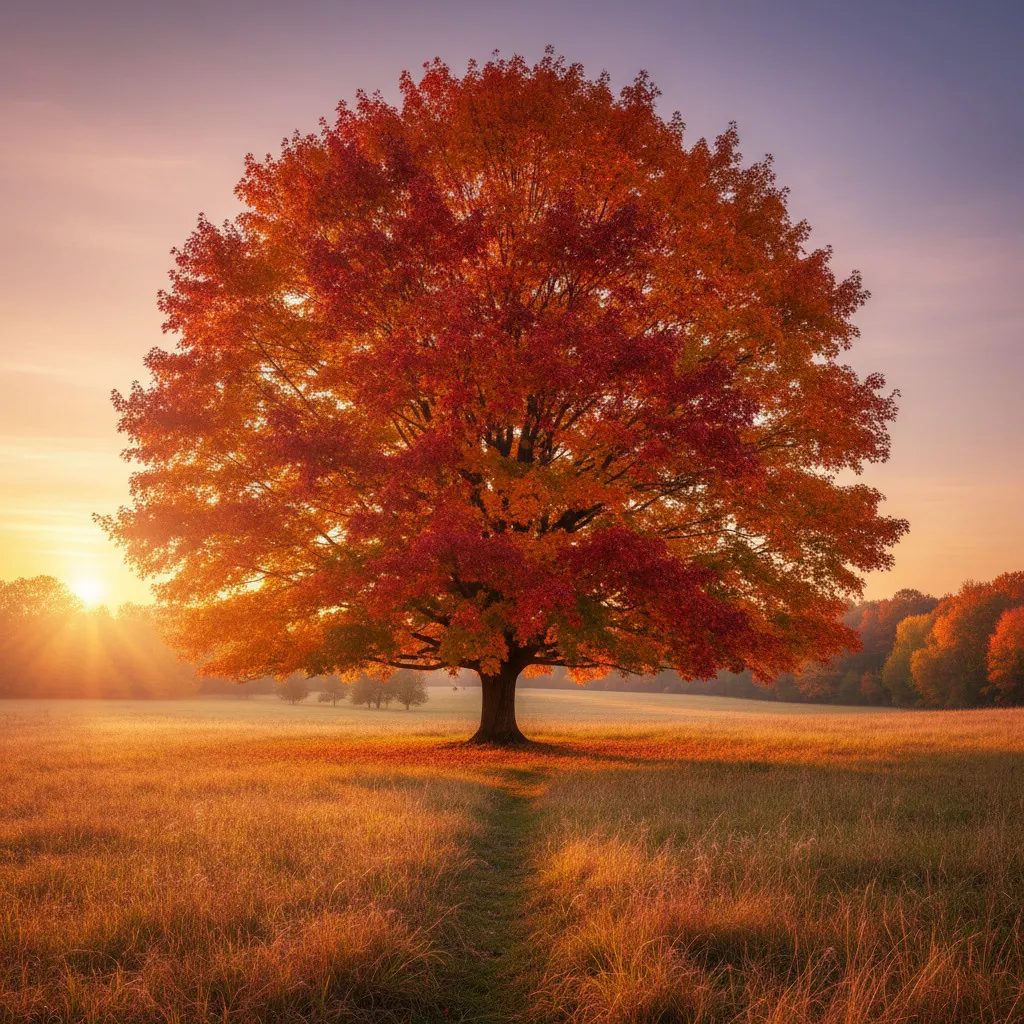
Most deciduous trees are also classified as hardwoods, meaning their wood is denser and more durable than the softwood of coniferous trees. This characteristic has made them valuable for timber, furniture making, and construction throughout human history. Common examples of deciduous trees include maples, oaks, birches, ashes, elms, and willows—species that have become synonymous with temperate forests across North America, Europe, and Asia.
Do Deciduous Trees Lose Their Leaves?
This section addresses the fundamental question directly and explores the natural process that defines deciduous trees. Understanding this basic concept establishes the foundation for more detailed discussions about tree care and maintenance.
Absolutely—deciduous trees naturally and predictably lose their leaves as an integral part of their annual lifecycle. This process is not a sign of poor health or distress but rather a sophisticated biological adaptation that has evolved to ensure the tree’s survival through challenging environmental conditions. The leaf-shedding process, known scientifically as abscission, represents one of nature’s most elegant solutions to the problem of seasonal resource scarcity. Every deciduous tree, from the towering oak to the modest dogwood, participates in this annual ritual of letting go.
The leaf drop occurs as a carefully orchestrated series of physiological changes within the tree. Unlike evergreen trees that maintain their foliage year-round by continuously producing new needles while gradually shedding old ones, deciduous trees shed virtually all their leaves within a relatively concentrated period. This synchronized leaf drop creates the carpet of fallen leaves we associate with autumn and the bare silhouettes that define winter landscapes. The process is so reliable that it has become one of the most recognizable markers of seasonal change in temperate climates around the world.
It’s important to understand that the term “deciduous” specifically means “the dropping of a part that is no longer needed or useful” and “the falling away after its purpose is finished.” In the plant world, this represents a natural process driven by survival instincts rather than damage or disease. The leaves have served their purpose during the growing season by producing food through photosynthesis, and as conditions become less favorable for this energy production, the tree reclaims valuable nutrients from the leaves before discarding them. This nutrient recycling is a critical aspect of the tree’s resource management strategy.
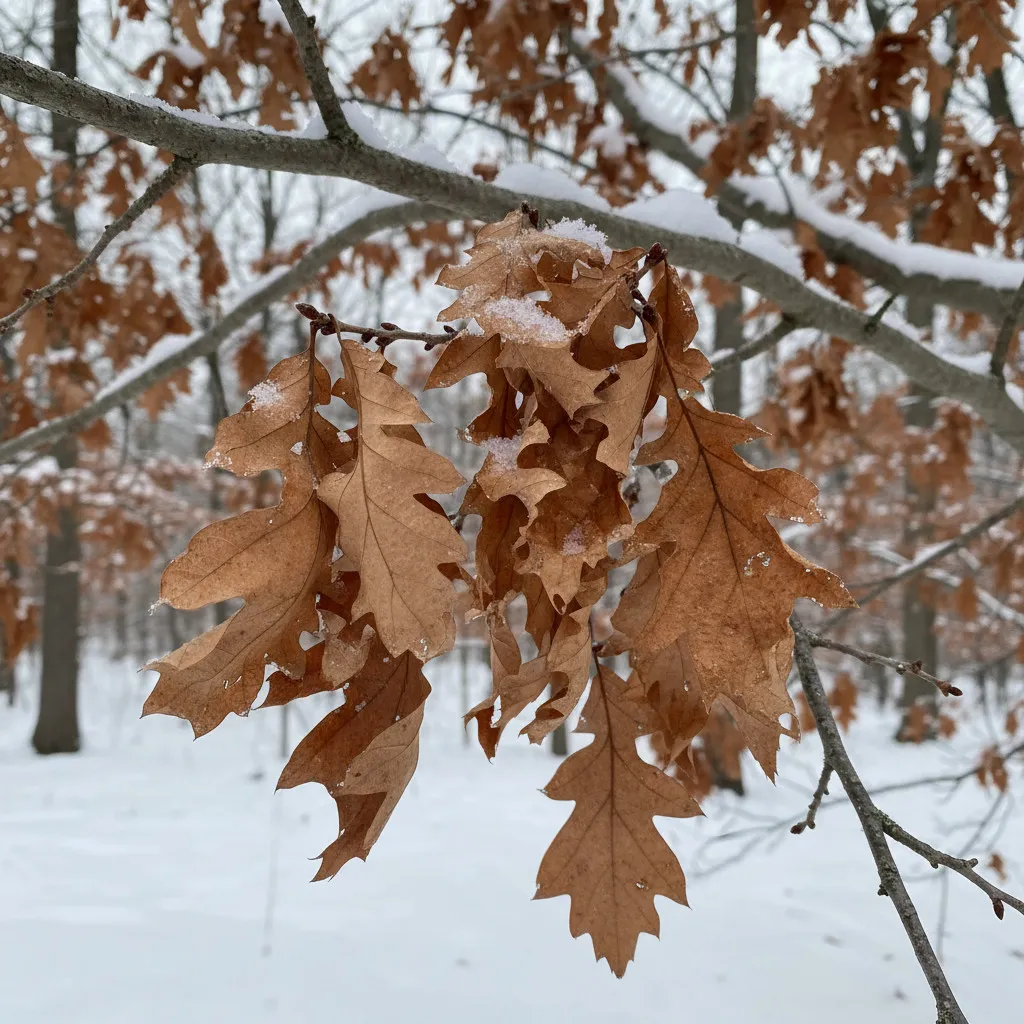
However, there are interesting exceptions and variations to the standard pattern of leaf loss. Some deciduous trees, particularly certain oak and beech species, exhibit a behavior called “marcescence,” where dead leaves remain attached to the branches well into winter or even until spring growth pushes them off. This is especially common in younger trees and on lower branches. The leaves turn brown and dry but don’t fall immediately because the abscission layer doesn’t fully form. While these trees are still classified as deciduous—since the leaves eventually do fall and new ones grow—their retention of dead foliage represents an interesting variation on the typical deciduous pattern.
Why Do Deciduous Trees Lose Their Leaves?
The reasons behind leaf drop extend far beyond simple aesthetics and reveal the remarkable adaptive strategies that have allowed deciduous trees to thrive in temperate climates for millions of years. Understanding these mechanisms helps homeowners and gardeners appreciate the sophisticated biology at work in their landscapes.
Water Conservation and Winter Survival
The primary driving force behind seasonal leaf drop is water conservation during periods when water becomes unavailable or scarce. During winter months in temperate and cold climates, water in the soil freezes and becomes inaccessible to tree roots. If a tree maintained its broad leaves throughout winter, these leaves would continue attempting to transpire—releasing water vapor into the atmosphere—but the tree would be unable to replace this lost moisture by absorbing water from frozen soil. This imbalance would quickly lead to severe dehydration and death.
By shedding their leaves before winter arrives, deciduous trees effectively shut down the transpiration process that would otherwise drain their limited water reserves. The broad, flat leaves of deciduous trees have a large surface area relative to their volume, which makes them highly efficient at photosynthesis during warm months but also makes them prone to substantial water loss. A single mature oak tree can transpire hundreds of gallons of water per day during summer. Maintaining this level of water movement would be impossible when the ground is frozen, so the tree preemptively eliminates this liability by dropping its leaves.
In tropical and subtropical regions, some deciduous species lose their leaves during prolonged dry seasons rather than in response to cold. This demonstrates that the fundamental principle—shedding leaves when water is scarce—applies across different climate types. Whether the water scarcity results from freezing temperatures or seasonal drought, deciduous trees respond with the same survival strategy: temporary leaf loss to reduce water demand.
Energy Conservation and Resource Management
Beyond water conservation, leaf drop also represents a strategic energy-saving measure. Maintaining living leaves requires a constant investment of energy and resources. Leaves need nutrients, structural support, and ongoing maintenance against pest damage and disease. As daylight hours shorten and temperatures drop in autumn, the efficiency of photosynthesis declines dramatically. Eventually, the energy cost of maintaining leaves exceeds the energy they can produce through photosynthesis, making them a net drain on the tree’s resources.
Before discarding their leaves, deciduous trees wisely withdraw valuable nutrients—particularly nitrogen and carbon—from the foliage and store these nutrients in the roots and inner bark in the form of proteins. This nutrient recycling allows the tree to conserve resources that would otherwise be lost when the leaves fall. In spring, when new growth begins, these stored proteins serve as a readily available nitrogen source for producing new leaves and flowers. This internal recycling system is remarkably efficient and demonstrates the sophisticated resource management strategies that trees employ.
The energy saved by entering dormancy—a state of suspended growth and minimal metabolic activity—allows deciduous trees to survive winter on stored reserves. Rather than continuing to produce and maintain leaves that would provide little benefit during short, cold winter days, the tree essentially “sleeps” through the unfavorable season. This dormancy period is crucial for the tree’s long-term health and enables it to invest maximum energy into rapid growth when favorable conditions return in spring.
Protection from Physical Damage
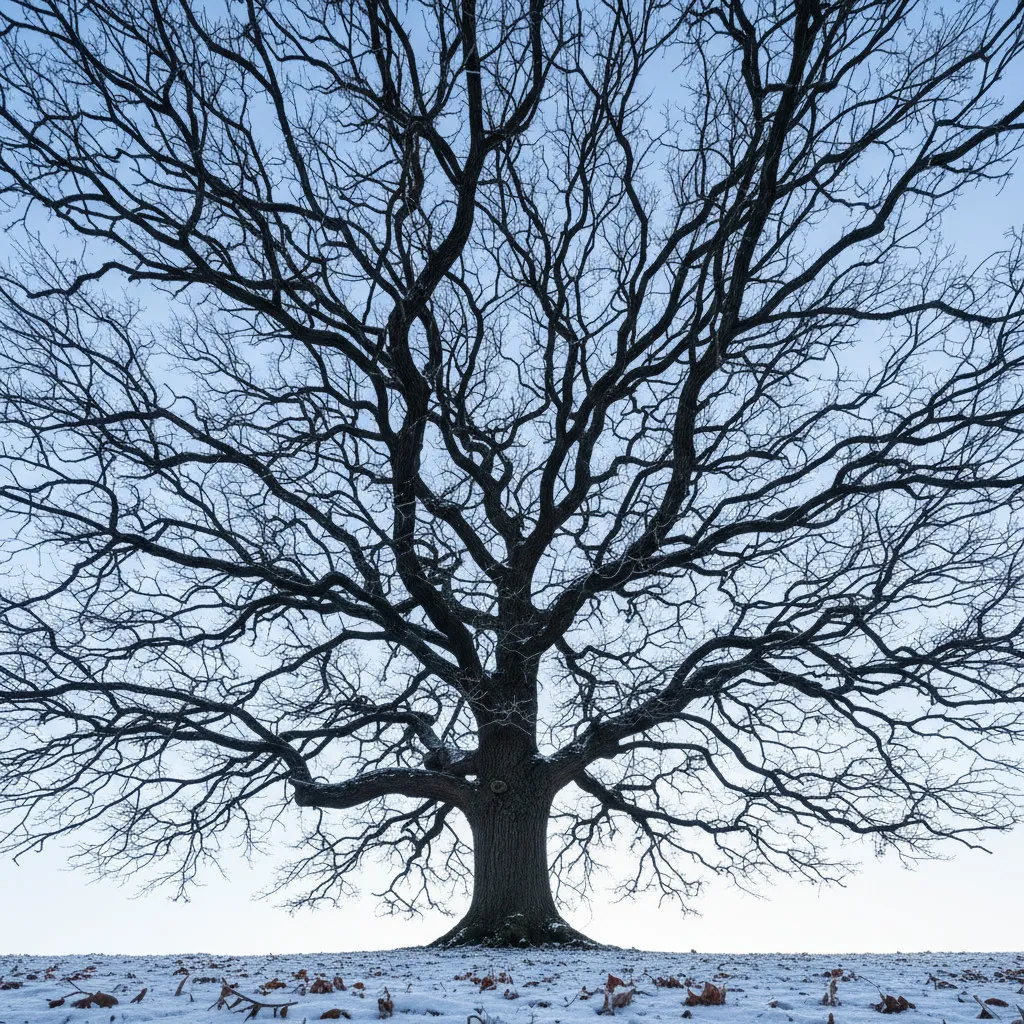
Leaf drop also provides significant protection against physical damage during winter storms. Broad leaves catch snow and ice, adding considerable weight to branches. The accumulated weight of ice and snow on a fully leafed tree could easily cause major branch breakage or even topple the entire tree. Research has shown that deciduous trees, when leafless, experience much less branch and trunk breakage from glaze ice storms compared to their evergreen counterparts. By shedding their leaves, deciduous trees present a streamlined profile to winter winds, allowing air to pass through the bare branches with minimal resistance.
Additionally, removing leaves may reduce damage from insects and other pests. Many insects that feed on leaves cannot survive winter and rely on leaf tissue for food and shelter. By shedding leaves in autumn, trees eliminate habitat and food sources for these pests, potentially reducing pest populations in the following growing season. Some research suggests that repairing damaged leaves and keeping them functional through winter would be more costly in terms of energy than simply losing and regrowing them in spring.
Improved Vascular Function
Perhaps less obviously, losing leaves allows deciduous trees to avoid cavitation—the formation of air bubbles in the water-conducting vessels (xylem) of the plant. Freezing temperatures can cause water in these vessels to freeze and expand, creating damaging air pockets that block water transport. By entering dormancy and shedding leaves, deciduous trees can safely allow their xylem vessels to develop larger diameters, which permits a greater rate of water and nutrient transport (and consequently faster photosynthesis and growth) during the summer growing period without the risk of winter freeze damage.
When Do Deciduous Trees Lose Their Leaves?
The timing of leaf drop varies considerably based on geographic location, local climate conditions, and the specific tree species involved. Understanding these patterns helps homeowners anticipate and prepare for the annual leaf cleanup while also recognizing when leaf drop might signal potential problems.
Seasonal Timing by Region
In temperate regions of North America, Europe, and Asia, deciduous trees typically begin losing their leaves in autumn, with the exact timing depending on latitude and local climate conditions. In sub-Arctic climates such as Alaska, leaves may begin turning colors and dropping as early as August due to rapidly shortening days and early cold snaps. For most temperate regions, leaf color change and subsequent drop occur in late September through early November. In subtropical climates, such as the southern United States, leaf drop may not occur until November or even December, as warmer temperatures persist well into what would traditionally be considered winter in more northern areas.
The progression of fall colors and leaf drop typically moves geographically from north to south and from higher elevations to lower elevations. This creates the phenomenon of “fall foliage tours” where enthusiasts can follow the advancing autumn colors across hundreds of miles over the course of several weeks. The New England region of the United States and southeastern Canada are particularly famous for producing spectacular autumn colors due to the combination of appropriate tree species diversity, favorable soil conditions, and the right mix of cool nights and sunny days.
Environmental Triggers
The exact timing of leaf drop is triggered by a combination of environmental factors, primarily changes in daylight length and air temperature. As days grow shorter in autumn, trees detect the reduction in photoperiod (hours of daylight) through specialized photoreceptor proteins. This detection system acts as a reliable seasonal calendar that cannot be fooled by temporary weather anomalies. The decreasing daylight signals the tree to begin preparing for winter by initiating the physiological changes that lead to leaf drop.
Temperature also plays a crucial role, particularly in determining when colored leaves actually fall from the branches. The brightest leaf colors are produced when days are sunny and warm, but nights are cool and remain above freezing. These conditions allow sugars to accumulate in the leaves while simultaneously triggering the breakdown of chlorophyll. Once temperatures consistently drop or a hard frost occurs, the abscission process accelerates, and leaves drop more rapidly. A sudden cold snap, particularly an early freeze, can cause leaves to die instantly, going from green directly to brown without the colorful intermediate stage that makes autumn so visually appealing.
Species-Specific Variations
Different deciduous tree species follow distinct schedules for leaf drop, even within the same geographic area. Generally, cold-tolerant genera such as willows (Salix) and birches (Betula) leaf out earlier in spring and hold their leaves later into fall. In contrast, more cold-sensitive genera like ash (Fraxinus) and walnut (Juglans) require warmer conditions—at least 13 hours of daylight and temperatures around 70°F—to produce leaves in spring, and they are typically among the earliest trees to drop their leaves in fall.
Ash trees are often the first deciduous trees to lose their leaves in autumn, sometimes dropping foliage while still green if conditions trigger early dormancy. Maples, particularly sugar maples and red maples, typically drop their leaves in mid-autumn after displaying brilliant colors. Oak trees, especially white oaks and certain red oak species, are known for retaining their leaves longest, with some varieties maintaining dried, brown leaves on their branches throughout winter in a process called marcescence. Sycamores also tend to wait until midwinter to drop their leaves, making them one of the latest deciduous trees to complete the process.
The Science Behind Leaf Drop: Understanding Abscission
The process by which leaves separate from trees is a marvel of plant biology that involves precise cellular changes, hormonal signaling, and protective mechanisms. Understanding abscission provides insight into the sophisticated strategies trees employ to survive changing seasons.
The abscission process begins well before leaves actually fall from the tree—in fact, it starts during the spring when leaves are first growing. At that time, the tree forms a special layer of cells at the point where the leaf stem (petiole) meets the branch. This abscission layer consists of cells that have the potential to separate from each other when the proper signals are received. Throughout spring and summer, these cells remain connected and functional, allowing water, nutrients, and hormones to flow freely between the leaf and the tree.
The key regulator of this connection is a plant hormone called auxin. Auxin is produced by the leaf and travels down through the leaf stem into the branch. As long as auxin production continues at levels consistent with the tree’s growth signals, the cells of the abscission layer remain connected and the leaf stays firmly attached. However, as autumn approaches and environmental conditions change—particularly the shortening of daylight hours and cooling temperatures—auxin production in the leaf decreases or stops. This reduction in auxin flow acts as a trigger for the abscission process to begin.
When auxin levels drop, another hormone called ethene (ethylene) increases in concentration. The combination of decreased auxin and increased ethene triggers cellular changes within the abscission layer. Specialized enzymes begin breaking down the cell walls that connect the abscission layer cells to each other. Simultaneously, cells on the branch side of the abscission layer begin to elongate and expand, creating physical pressure that helps break the connections. The result is similar to tearing along a perforated line—the leaf becomes progressively easier to detach until eventually even a light breeze or the leaf’s own weight causes it to fall.
Importantly, the abscission process doesn’t simply create an open wound on the tree. As the leaf separates, the tree simultaneously forms a protective layer of cells that seals the area where the leaf was attached. This protective layer prevents water loss from the tree and, critically, protects the sensitive tissue from invasion by pests, pathogens, and disease organisms. This sealed area will remain protected throughout winter, and in spring, new leaf buds will emerge near (but not exactly at) the site of the previous year’s leaves.
Before the leaf detaches, the tree also withdraws valuable nutrients from it. Nitrogen, phosphorus, and other essential elements are transported out of the leaves and into the woody parts of the tree, where they are stored in the roots and inner bark. This nutrient recycling is extremely efficient—trees can recover up to 50% of the nitrogen in their leaves before those leaves fall. These recovered nutrients will be used the following spring to support new growth without requiring the tree to absorb all these resources from the soil.
The entire abscission process demonstrates the remarkable precision of plant biology. The tree doesn’t simply kill and drop its leaves; instead, it carefully orchestrates a sequence of hormonal signals, cellular changes, nutrient recovery, and protective sealing that maximizes resource conservation while minimizing vulnerability to damage or disease.
Benefits of Leaf Drop for Deciduous Trees
While the brilliant colors and falling leaves of autumn are visually striking, the underlying benefits that leaf drop provides to deciduous trees are even more impressive. These advantages have been refined through millions of years of evolution and represent key reasons why deciduous strategies have been so successful in temperate climates worldwide.
Resource Conservation
The most fundamental benefit of seasonal leaf drop is comprehensive resource conservation. Leaves are metabolically expensive organs to maintain—they require constant supplies of water, nutrients, and energy to remain functional. During winter, when water is frozen and unavailable, continuing to support leaves would quickly exhaust a tree’s reserves. By shedding leaves, deciduous trees eliminate this ongoing expense and can survive winter on stored resources accumulated during the previous growing season. This strategy is particularly effective in regions with distinct seasons where winter conditions make active growth impossible.
Reduced Physical Stress
Leafless branches are far less vulnerable to damage from winter weather. Snow and ice accumulation on bare branches is minimal compared to what would accumulate on fully leafed canopies. This reduction in weight significantly decreases the risk of branch breakage during winter storms. Wind resistance is also dramatically reduced when trees are leafless, making it much less likely that strong winter winds will topple trees. The combination of reduced weight and wind resistance means deciduous trees can maintain more delicate branch structures than would be possible if they needed to support leaves year-round.
Enhanced Vascular Efficiency
Without the risk of winter freeze damage to water-filled leaves, deciduous trees can develop xylem vessels (the tubes that transport water from roots to leaves) with larger diameters than evergreen trees. Larger vessels allow for higher rates of water transport, which in turn supports faster rates of photosynthesis and growth during the favorable growing season. This means that while deciduous trees “shut down” for winter, they can actually grow more vigorously than evergreens during the active growing season, potentially achieving greater overall annual growth despite having a shorter period of photosynthetic activity.
Pest and Disease Management
Shedding leaves annually helps break pest and disease cycles. Many insects and pathogens that affect leaves are eliminated when those leaves fall and decompose. Rather than providing ongoing habitat for pests throughout the year, deciduous trees essentially start fresh each spring with new, uninfected foliage. This annual reset can significantly reduce the severity of pest and disease problems compared to evergreen trees, which must continuously defend the same leaves against accumulated pest populations.
Soil Enrichment
The fallen leaves themselves provide substantial benefits beyond the tree that shed them. As leaves decompose, they create rich humus that improves soil structure, increases water retention, and provides habitat for beneficial soil organisms. The nutrients in fallen leaves are gradually released back into the soil, where they become available not only to the tree that produced them but to the entire ecosystem. This natural mulching effect insulates tree roots from temperature extremes, reduces soil erosion, and suppresses weed growth. In forest ecosystems, the annual leaf drop creates distinct soil layers that support diverse communities of fungi, bacteria, insects, and other organisms that form the foundation of the forest food web.
Common Deciduous Trees That Lose Their Leaves
Deciduous trees encompass a remarkable diversity of species, sizes, and forms. Understanding which trees are deciduous and their specific characteristics helps homeowners make informed decisions about landscape plantings and tree care requirements.
Popular Shade and Ornamental Trees
Maple trees (Acer species) rank among the most beloved deciduous trees, prized for their spectacular fall colors. Sugar maples produce brilliant orange and red foliage, while red maples can turn scarlet. These trees provide excellent shade and are commonly used in landscaping. Oak trees (Quercus species) include hundreds of species, many deciduous, that produce distinctive lobed leaves and acorns. Red oaks and white oaks are particularly popular, with some varieties displaying beautiful red fall color while others turn golden brown. Oak trees are known for their strength, longevity, and importance to wildlife.
Birch trees (Betula species) are recognized by their attractive bark, which can be white, cream, pink, or orange depending on the variety. Paper birch and river birch are popular choices that provide graceful form and beautiful golden fall foliage. Ash trees (Fraxinus species) were once extremely common street and landscape trees, valued for their rapid growth and attractive form, though populations have been severely impacted by the invasive emerald ash borer in recent years. Elm trees (Ulmus species) include the iconic American elm, which once dominated streetscapes before Dutch elm disease reduced their numbers. Modern disease-resistant varieties are making elms popular again.
Flowering Deciduous Trees
Many deciduous trees are grown primarily for their spectacular spring flowers. Flowering cherries (Prunus species), especially Japanese varieties, create stunning displays of pink or white blossoms in spring, though their fall color is generally unremarkable. Dogwoods (Cornus species) produce large, showy bracts that resemble flowers and often develop beautiful red or purple fall foliage. Magnolias offer large, dramatic flowers in pink, white, or yellow, typically blooming in early spring before leaves emerge. Crabapples (Malus species) provide two seasons of interest with spring blossoms followed by colorful autumn fruits that often persist into winter.
Redbuds (Cercis species) produce distinctive pink flowers directly on their branches before leaves emerge, followed by heart-shaped leaves that turn yellow in fall. Hawthorns (Crataegus species) offer spring flowers, good fall color, and decorative fruits, plus they provide excellent habitat for wildlife. Catalpa trees produce large, heart-shaped leaves and showy white flower clusters, though their fall color is unremarkable.
Trees with Exceptional Fall Color
Some deciduous trees are specifically cultivated for their outstanding autumn displays. Sweet gum (Liquidambar styraciflua) produces star-shaped leaves that turn brilliant combinations of yellow, orange, red, and purple. Ginkgo (Ginkgo biloba) features distinctive fan-shaped leaves that turn a uniform golden yellow before all dropping within a day or two. Katsura (Cercidiphyllum japonicum) produces rounded leaves that turn yellow in fall while emitting a distinctive burnt-sugar or cotton-candy fragrance. Serviceberries (Amelanchier species) combine spring flowers, edible summer berries, and excellent red-orange fall color in a compact form perfect for smaller landscapes.
Aspen trees (Populus species), particularly quaking aspen, create vast forests in mountainous regions and produce synchronized fall displays of brilliant gold. Their leaves tremble in even slight breezes, creating a distinctive shimmering effect. Persian ironwood (Parrotia persica) rivals any North American native for fall color intensity, displaying combinations of deep red, orange, and purple, along with attractive peeling bark for winter interest.
Premature Leaf Drop: When to Be Concerned
While seasonal leaf drop in autumn is perfectly natural and healthy, deciduous trees that lose leaves at unexpected times or in unusual patterns may be signaling distress. Understanding the difference between normal and problematic leaf drop helps homeowners identify and address tree health issues before they become severe.
Environmental Stress Factors
Sudden environmental changes can trigger premature leaf drop even in otherwise healthy trees. Transplant shock occurs when trees are moved from one location to another or from containers into the ground, causing stress that often results in leaf loss. Trees moved from indoor to outdoor environments (or vice versa) frequently drop leaves as they struggle to adapt to dramatically different light, temperature, and humidity conditions. Even mature trees can experience shock from sudden changes in their immediate environment, such as nearby construction that compacts soil over their root zone or changes in drainage patterns that alter water availability.
Temperature fluctuations, particularly unexpected cold snaps in early fall or late spring, can kill leaves instantly, causing them to turn brown and drop without the normal color change process. Excessive heat combined with low humidity also stresses trees, potentially triggering premature leaf drop as a survival mechanism. Poor placement near heating vents, air conditioning units, or drafty windows causes similar stress for landscaping trees and can result in localized or complete leaf loss.
Watering Issues
Improper watering represents one of the most common causes of premature leaf drop in deciduous trees. Underwatered trees first show drooping throughout the entire canopy, followed by yellowing and dropping of lower leaves as the tree attempts to reduce its water needs. In severe cases, trees may completely defoliate to survive drought stress. The key indicator of underwatering is dry soil combined with leaf drop, and the condition typically worsens during hot, dry weather unless corrected.
Overwatering is equally problematic and produces distinctive symptoms: yellow leaves with browning edges but without the drooping associated with underwatering. The soil around overwatered trees often stays consistently wet and may develop an unpleasant odor as anaerobic conditions in the root zone lead to root rot. Overwatered trees struggle to absorb nutrients even when those nutrients are present in the soil, resulting in pale green or yellow foliage that eventually drops. Unlike drought stress, overwatering damage can be harder to reverse, as root rot may continue even after watering is reduced.
Pest Infestations
Various pests can cause significant leaf drop by directly damaging leaves or interfering with the tree’s ability to transport water and nutrients. Scale insects attach themselves to branches and leaves, feeding on sap and weakening the tree. They excrete honeydew, a sticky substance that promotes sooty mold growth, which blocks light from reaching leaves and reduces photosynthesis. Heavy scale infestations can cause substantial leaf drop and overall tree decline.
Spider mites are tiny pests that feed on leaf undersides, causing stippling, bronzing, and eventually leaf drop. Infestations often go unnoticed until damage becomes severe because the mites themselves are barely visible to the naked eye. However, their fine silk webbing on leaves and branches can help with identification. Boring insects, including various beetle species, tunnel into tree trunks and branches, disrupting water and nutrient transport. Trees respond to boring insect damage by dropping leaves in affected sections or, in severe cases, over the entire canopy.
Diseases and Fungal Infections
Several diseases specifically cause premature leaf drop in deciduous trees. Fig rust (for fig trees) appears as yellowish spots on upper leaf surfaces that gradually enlarge and turn reddish-brown, with raised pustules on leaf undersides. While rarely fatal, severe infections can cause complete defoliation within a few weeks. Anthracnose diseases affect many deciduous species, causing dark tan or brown spots on leaves, leaf curling, and distortion. Infected leaves often drop prematurely in spring, though trees typically produce new foliage by midsummer.
Leaf spot diseases, caused by various fungal pathogens, create circular dead areas on leaves that eventually cause extensive leaf drop if infections are severe. Powdery mildew appears as white or gray powdery growth on leaf surfaces, reducing photosynthesis and causing affected leaves to drop early. Leaf blister diseases produce circular, raised blisters on leaves that weaken the foliage and trigger early abscission.
Verticillium wilt and other vascular diseases interfere with water transport, causing leaves to wilt, yellow, and drop, often in specific sections of the tree. These diseases can be particularly serious as they affect the tree’s internal vascular system rather than just the leaves themselves.
When to Seek Professional Help
If your deciduous tree is dropping leaves outside the normal autumn season, evaluate the possible causes systematically. Check soil moisture levels, examine leaves closely for signs of pests or disease, and consider recent environmental changes. Minor leaf drop due to temporary stress may not require intervention beyond correcting the underlying problem. However, if leaf drop is extensive, occurs repeatedly, is accompanied by branch dieback, or follows patterns suggesting disease (such as affecting only one side of the tree), consulting a certified arborist is strongly recommended. Professional assessment can identify problems that aren’t obvious to homeowners and provide targeted treatment options that can save valuable trees.
Caring for Deciduous Trees Throughout the Year
Proper care throughout all seasons keeps deciduous trees healthy, vigorous, and resilient against stresses and threats. Following seasonal care guidelines ensures your trees provide maximum benefits and beauty for decades to come.
Spring Care Practices
Spring represents the most critical period for deciduous tree care, as trees emerge from dormancy and begin their most vigorous growth phase. As buds swell and new leaves emerge, trees benefit from several key interventions. Early spring fertilization, ideally before leaf-out begins, provides nutrients that support rapid new growth. Use a balanced, slow-release fertilizer appropriate for your specific tree species and follow application rates carefully to avoid over-fertilization, which can actually harm trees. Apply fertilizer over the entire root zone (which typically extends well beyond the visible canopy) rather than concentrating it near the trunk.
Spring is also the optimal time for pruning most deciduous trees, as the tree’s structure is clearly visible without leaves and pruning wounds heal quickly as growth begins. Remove dead, diseased, or damaged branches first, then address structural issues such as crossing branches or awkward angles. Make pruning cuts properly just outside the branch collar (the swollen area where a branch meets the trunk) to promote rapid healing. Avoid topping trees or making flush cuts that remove the branch collar, as both practices create large wounds that are slow to heal and vulnerable to decay.
Monitor newly emerged leaves for signs of pest activity or disease. Early detection of problems allows for intervention before damage becomes severe. Many pest and disease treatments are most effective when applied preventatively or at the first sign of problems rather than after extensive damage has occurred.
Summer Maintenance
During summer, proper watering becomes the primary focus for deciduous tree care. Established trees generally need deep watering every two weeks during dry periods, though newly planted trees require more frequent watering—typically once or twice weekly—until their root systems become established. When watering, soak the entire root zone rather than just wetting the surface. A good rule is to provide 10 gallons of water per inch of trunk diameter, applied slowly to allow penetration rather than runoff. Drip irrigation or soaker hoses work excellently for deep tree watering.
Apply or refresh organic mulch around trees in early summer if needed, maintaining a 3-4 inch layer that extends from about 6 inches away from the trunk out to the drip line. Proper mulching conserves soil moisture, moderates soil temperature, suppresses weeds, and gradually adds organic matter to the soil as the mulch decomposes. Never pile mulch against the trunk (“volcano mulching”), as this promotes rot and provides habitat for pests.
Continue monitoring for pest and disease issues throughout summer. Spider mites, scale insects, and various caterpillars are active during warm months and can cause significant damage if left unchecked. Many problems can be managed with targeted treatments such as horticultural oil sprays or insecticidal soaps if caught early.
Autumn Preparations
Autumn is an excellent time for planting new deciduous trees, as soil is still warm enough to encourage root growth but air temperatures are cooling, reducing stress on the newly planted tree. Fall planting allows trees to establish root systems before winter, giving them a head start for the following growing season. When planting, dig holes the same depth as the root ball but two to three times wider, and avoid amending the backfill soil, which can discourage roots from expanding beyond the planting hole.
As leaves begin to change color and fall, resist the urge to remove them immediately from around your trees. Fallen leaves provide natural mulch, insulation, and habitat for beneficial organisms. They also return nutrients to the soil as they decompose. If aesthetic concerns require leaf removal from lawn areas, consider composting the leaves and returning the finished compost to tree planting beds.
Late fall, after leaves have dropped but before the ground freezes hard, is the last opportunity to provide supplemental watering if autumn has been dry. Well-hydrated trees enter winter dormancy in better condition and are less susceptible to winter damage.
Winter Care and Dormancy
Proper winter care ensures deciduous trees survive cold months and emerge healthy in spring. Understanding dormancy requirements and providing appropriate winter conditions are essential aspects of tree stewardship during this season.
Deciduous trees enter dormancy as temperatures consistently fall below 50°F and daylight hours shorten significantly. During this dormant period, trees undergo remarkable physiological changes including tissue dehydration and concentration of natural antifreeze compounds that protect cells from freezing damage. The tree essentially shuts down all growth processes and survives on energy reserves stored during the previous growing season. This dormancy is not only normal but necessary for the long-term health of deciduous trees in temperate climates.
For trees remaining outdoors, minimal intervention is needed during winter. The primary concerns are protecting young or recently planted trees from extreme cold, preventing animal damage, and avoiding unnecessary disturbance. Wrapping young tree trunks with tree wrap or guards protects against sunscald (damage from extreme temperature fluctuations on sunny winter days) and prevents bark damage from rodents. Apply wraps in late fall and remove them in early spring to prevent moisture accumulation underneath.
Avoid fertilizing or pruning deciduous trees during the coldest parts of winter, as this can stimulate premature growth that will be damaged by subsequent cold. However, late winter (typically February or early March) is an excellent time for structural pruning, as the tree’s dormancy means pruning wounds will heal quickly once growth resumes, and the lack of leaves allows for clear views of the tree’s branch structure.
For deciduous trees brought indoors or placed in protected locations for winter (common practice in some climates for fig trees and other sensitive species), maintaining appropriate dormancy conditions is critical. Store dormant trees in cool, dark locations such as unheated garages, basements, or sheds where temperatures remain between 27°F and 45°F. Darkness helps maintain dormancy by preventing the weak, spindly growth that occurs when dormant trees receive insufficient light. Water dormant trees sparingly—typically once monthly—providing just enough moisture to prevent root desiccation. The soil should remain “on the dry side of moist” rather than consistently wet, as overwatering dormant trees commonly leads to root rot and tree death.
Trees overwintered indoors face unique challenges. If brought inside before experiencing natural dormancy triggers, they may not drop leaves at all, then struggle with inadequate indoor light, low humidity, and poor air circulation. If you must overwinter deciduous trees indoors in actively growing conditions (rather than dormant), place them in the brightest available location, maintain humidity with pebble trays or humidifiers, and ensure good air circulation to prevent fungal problems. However, allowing these trees to go fully dormant in a cool, dark location generally produces healthier specimens.
Protection for outdoor trees in extremely cold climates may include wrapping entire small trees with burlap filled with dry leaves for insulation, creating insulative frames around trees, or even laying trees over horizontally and covering them with soil or mulch. These techniques are particularly important for borderline-hardy varieties planted in zones colder than their typical range.
Key Takeaways
Understanding deciduous trees and their natural cycles empowers homeowners and gardeners to provide appropriate care while appreciating these remarkable plants. Yes, deciduous trees do naturally and necessarily lose their leaves each autumn as a survival adaptation to winter conditions. This leaf drop represents sophisticated resource conservation, not a problem requiring intervention. The process, called abscission, involves complex hormonal signaling and cellular changes that allow trees to safely shed leaves while protecting sensitive branch tissues.
The timing of leaf drop varies by species, climate, and weather conditions, typically occurring in autumn in temperate regions but sometimes delayed until early winter or accelerated by sudden cold. Environmental factors including shortened daylight and cooling temperatures trigger the changes that lead to leaf drop. The beautiful fall colors we admire are actually byproducts of chlorophyll breakdown and the unmasking of other pigments as trees prepare to shed their leaves.
Deciduous trees gain multiple advantages from seasonal leaf drop, including water conservation, energy savings, reduced physical stress from winter weather, and enhanced growing-season vigor. The diversity of deciduous trees offers options for virtually any landscape, from towering shade trees to compact ornamental varieties. While autumn leaf drop is normal and healthy, premature leaf loss at other times may indicate problems requiring attention—particularly issues related to watering, pests, diseases, or environmental stress.
Proper care throughout all seasons maintains tree health and longevity. Spring fertilization and pruning, summer watering and mulching, autumn planting opportunities, and appropriate winter protection all contribute to tree vigor. For dormant trees, maintaining proper cool temperatures and minimal light preserves dormancy until spring growth resumes naturally. By understanding the biology behind leaf drop and following best practices for seasonal care, you can ensure your deciduous trees remain healthy, beautiful, and valuable components of your landscape for generations to come. The annual cycle of these magnificent trees—from spring’s fresh green growth through summer’s lush shade, autumn’s spectacular color show, and winter’s elegant bare architecture—provides year-round interest and connection to natural seasonal rhythms that enrich our lives and properties.