Table of Contents
- How to Master Fruit Garden Planner at Home
- Understanding the Fundamentals of Home Fruit Garden Planning
- Why Strategic Planning Matters for Fruit Gardens
- Assessing Your Available Growing Space
- Evaluating Climate and Hardiness Zones
- Selecting the Perfect Fruits for Your Home Garden
- Best Fruits for Beginning Gardeners
- Understanding Pollination Requirements
- Balancing Variety with Practicality
- Essential Tools and Resources for Fruit Garden Planning
- Digital Planning Tools and Applications
- Traditional Planning Methods That Still Work
- Must-Have Physical Tools for Implementation
- Designing Your Fruit Garden Layout
- Understanding Spacing Requirements and Sun Exposure
- Companion Planting Strategies for Fruit Gardens
- Creating Functional Zones Within Your Garden
- Step-by-Step Guide to Creating Your Fruit Garden Plan
- Step 1: Map Your Garden Area Accurately
- Step 2: Analyze Sunlight Patterns Thoroughly
- Step 3: Test and Prepare Your Soil
- Step 4: Select Your Fruit Varieties Strategically
- Step 5: Create a Detailed Planting Schedule
- Step 6: Plan for Ongoing Maintenance and Future Harvests
- Common Mistakes to Avoid in Fruit Garden Planning
- Overcrowding Plants and Underestimating Growth
- Ignoring Pollination Requirements
- Neglecting Long-Term Planning Perspectives
- Seasonal Considerations and Year-Round Planning
- Spring: Planting, Feeding, and Protecting
- Summer: Maintenance, Monitoring, and Harvesting
- Fall and Winter: Preparation and Protection
- Key Takeaways: Your Path to Fruit Garden Mastery
How to Master Fruit Garden Planner at Home
There’s something incredibly satisfying about walking into your backyard and picking fresh, sun-ripened fruit straight from your own trees and bushes. The burst of flavor from a homegrown strawberry or the crisp sweetness of an apple you’ve nurtured from blossom to harvest creates a connection to food that simply can’t be replicated by anything you’ll find in a grocery store. Yet, many aspiring gardeners find themselves overwhelmed by the prospect of creating a productive fruit garden, unsure where to begin or how to maximize their space effectively.
The secret to a thriving home fruit garden isn’t luck or a naturally green thumb—it’s strategic planning. A well-designed fruit garden plan serves as your roadmap to success, helping you avoid costly mistakes, maximize yields, and create a sustainable system that produces abundantly year after year. Whether you’re working with a sprawling backyard or a modest patio space, mastering the art of fruit garden planning transforms your outdoor area into a productive oasis that provides fresh, nutritious fruit for your family while adding beauty and value to your property.
This comprehensive guide will walk you through everything you need to know about creating, implementing, and maintaining an effective fruit garden plan at home. From understanding your growing conditions to selecting the perfect varieties and designing an efficient layout, you’ll gain the knowledge and confidence to cultivate your own fruit-bearing paradise.
Understanding the Fundamentals of Home Fruit Garden Planning
Before diving into plant selection and design, establishing a solid foundation of knowledge ensures your fruit garden thrives from the very beginning.
Why Strategic Planning Matters for Fruit Gardens
Unlike annual vegetable gardens that can be easily modified each season, fruit gardens represent a long-term investment that requires careful forethought. Many fruit trees and perennial berry bushes will occupy their space for decades, making initial planning decisions critically important. A hasty or uninformed approach can result in overcrowded plants competing for resources, poor harvests due to inadequate pollination, or fruit trees that never reach their productive potential because they were planted in unsuitable locations.
Strategic planning also helps you manage your budget effectively. Fruit trees and berry bushes represent significant upfront investments, and understanding your space constraints, soil conditions, and climate limitations before purchasing prevents expensive mistakes. Additionally, a well-conceived plan accounts for the time investment required, helping you create a manageable garden that fits your lifestyle rather than becoming an overwhelming burden.
The most successful home fruit gardeners approach their gardens with both short-term and long-term perspectives. They understand that while some plants like strawberries can produce fruit within the first year, tree fruits may require three to seven years before yielding significant harvests. This understanding shapes realistic expectations and encourages patience while maintaining enthusiasm throughout the garden’s development phases.
Assessing Your Available Growing Space
Every successful fruit garden plan begins with an honest assessment of available space. This evaluation goes beyond simply measuring square footage—it requires understanding how that space functions throughout the day and across seasons. Start by creating a rough sketch of your property, noting existing structures, trees, and permanent features that cannot be moved.
Key factors to evaluate include:
-
Total usable area: Measure the dimensions of spaces where fruit plants could potentially grow, including traditional garden beds, fence lines, and areas suitable for container gardening.
-
Vertical opportunities: Consider walls, fences, and structures that could support espaliered fruit trees or climbing berry varieties, effectively expanding your growing capacity without requiring additional ground space.
-
Microclimates: Identify areas that might be warmer (south-facing walls), cooler (shaded zones), or more protected from wind, as these variations influence which fruits will thrive in specific locations.
-
Existing infrastructure: Note water access points, electrical outlets for potential heating elements, and pathways that need to remain clear for practical garden management.

Understanding your space constraints early allows you to select appropriate fruit varieties and plan realistic quantities. A small suburban lot might accommodate a few dwarf fruit trees, several berry bushes, and a strawberry patch, while larger properties can support standard-sized orchards with greater variety.
Evaluating Climate and Hardiness Zones
Your local climate fundamentally determines which fruits can successfully grow in your garden. The USDA Plant Hardiness Zone Map divides North America into zones based on average annual minimum winter temperatures, providing essential guidance for plant selection. However, successful fruit garden planning requires looking beyond this single metric to understand your complete climate picture.
Chill hours—the cumulative time temperatures remain between 32°F and 45°F during dormancy—prove crucial for many fruit trees. Apples, peaches, cherries, and other temperate fruits require specific chill hour accumulations to break dormancy and produce fruit. Gardeners in warm climates must select low-chill varieties specifically bred for their conditions, while those in extremely cold regions need varieties with exceptional cold hardiness.
Consider these climate factors in your planning:
-
Last spring frost date and first fall frost date: These determine your effective growing season length and influence planting schedules.
-
Summer heat intensity: Some fruits struggle with extreme heat, while others require warm summers to properly ripen.
-
Humidity levels: High humidity promotes fungal diseases in susceptible fruits, requiring either resistant varieties or enhanced management strategies.
-
Rainfall patterns: Understanding typical precipitation helps plan irrigation needs and select drought-tolerant varieties where appropriate.
Local extension services provide invaluable climate-specific information for your exact location, often including recommended fruit varieties proven successful in your area.
Selecting the Perfect Fruits for Your Home Garden
Choosing appropriate fruit varieties represents one of the most impactful decisions in your garden planning process, directly affecting productivity and long-term satisfaction.
Best Fruits for Beginning Gardeners
Not all fruits present equal challenges, and starting with forgiving varieties builds confidence while developing your skills. Certain fruits practically grow themselves once established, while others demand constant attention and expertise. Strategic selection of beginner-friendly options ensures early success that motivates continued gardening efforts.
Highly recommended fruits for beginners include:
-
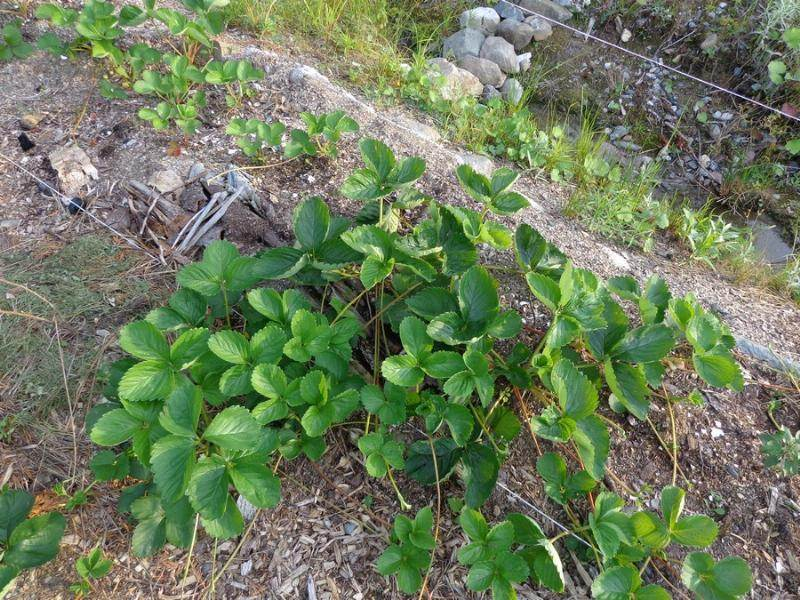
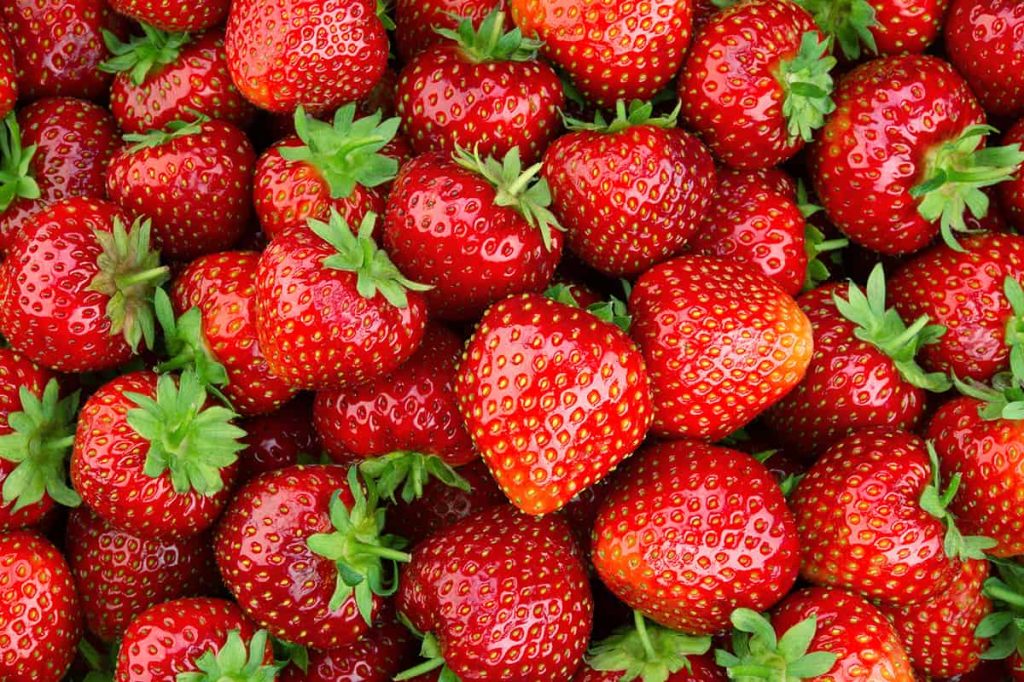
Strawberries stand out as perhaps the most beginner-friendly fruit, producing harvests within the first growing season while tolerating various soil conditions and growing methods. They’re adaptable to containers, raised beds, or traditional garden rows, and their relatively low cost allows experimentation without significant financial risk. Modern everbearing varieties extend harvests throughout the growing season, providing ongoing rewards for minimal effort.
-
Blueberries offer exceptional returns for gardeners willing to provide acidic soil conditions. These long-lived shrubs require minimal pruning during early years, resist most pests and diseases, and produce increasingly larger harvests as plants mature. Their attractive foliage provides ornamental value beyond fruit production, making them excellent landscape plants that serve dual purposes.
-
Blackberries and raspberries grow vigorously with minimal intervention, often spreading enthusiastically once established. Thornless cultivars make maintenance and harvesting pleasant, while their prolific production can yield surplus fruit for preserving. These brambles establish quickly and typically produce meaningful harvests by their second season.
-
Fig trees thrive in warm climates with remarkable tolerance for poor soil, drought, and neglect. They require minimal pruning, resist most pests, and produce two harvests annually in favorable conditions. Container-grown figs allow gardeners in cooler regions to enjoy these Mediterranean fruits by providing winter protection.

Understanding Pollination Requirements
Pollination needs significantly impact fruit garden planning and must be understood before purchasing plants. Many fruit trees require cross-pollination from compatible varieties to set fruit, meaning you’ll need multiple trees of different cultivars—not just different individual plants of the same variety. Failing to account for pollination requirements represents one of the most common and frustrating mistakes new fruit gardeners make.
Self-fertile fruits produce fruit with pollen from their own flowers, simplifying planning for small spaces:
- Most citrus varieties
- Many peach and apricot cultivars
- Fig trees
- Certain apple and pear varieties (though production often improves with cross-pollination)
- Strawberries, blueberries, and brambles
Cross-pollination requirements demand multiple compatible varieties planted within proximity:
- Most apple varieties require a different apple variety blooming simultaneously
- Sweet cherries typically need another compatible sweet cherry variety
- Many pear varieties benefit significantly from cross-pollination
- Some blueberry varieties produce better with compatible partners nearby
When space limits you to single specimens, seek self-fertile varieties or consider multi-grafted trees that include several compatible varieties on one rootstock. These clever solutions allow successful fruit production even in constrained spaces while providing varied harvests from a single planting location.
Balancing Variety with Practicality
The temptation to plant extensive variety often overwhelms practical considerations, leading to gardens that demand more time and attention than available. Successful fruit garden planners balance their desire for diversity against realistic assessments of maintenance capacity, space limitations, and actual consumption habits.
Consider how your family actually uses fruit when selecting varieties. If you primarily eat fresh fruit, prioritize varieties with staggered ripening times to extend harvest seasons rather than creating overwhelming gluts followed by bare periods. If preserving appeals to you, selecting varieties that ripen simultaneously allows efficient batch processing for canning, freezing, or dehydrating.
Questions to guide variety selection:
- How much time can you realistically dedicate to garden maintenance weekly?
- What fruits does your family actually enjoy eating?
- Do you have equipment and interest in food preservation?
- Are there fruits you currently purchase frequently that could grow well in your climate?
- What storage facilities exist for harvested fruit?
Starting with fewer varieties and expanding as skills develop prevents overwhelm while ensuring each plant receives adequate attention. A small, well-maintained fruit garden consistently outproduces a larger, neglected one.
Essential Tools and Resources for Fruit Garden Planning
Equipping yourself with appropriate planning tools and reliable information sources streamlines the design process and improves outcomes.
Digital Planning Tools and Applications
Modern technology offers fruit gardeners powerful planning tools that simplify design while improving accuracy. These digital resources range from simple garden planning apps to sophisticated software that accounts for complex variables like sun angles, spacing requirements, and companion planting relationships.
Popular digital planning options include:
-
Garden planning software like GrowVeg, Garden Planner, and SmartGardener allows you to create scaled garden layouts, track planting dates, and receive customized recommendations based on your location. Many include fruit-specific features that account for mature plant sizes and spacing requirements.
-
Climate and zone lookup tools provided by agricultural extensions and gardening organizations help identify your specific growing conditions. The USDA’s interactive hardiness zone map and various chill hour calculators prove particularly valuable for fruit gardeners.
-
Sun tracking applications use your device’s camera and location to map sun patterns across your garden throughout the year, identifying optimal locations for sun-loving fruits and appropriate spots for shade-tolerant varieties.
These digital tools excel at handling complex calculations and providing visual representations of your planned garden. They allow easy experimentation with different layouts before committing to actual planting, potentially saving significant time and money by identifying problems during the planning phase rather than after plants are established.
Traditional Planning Methods That Still Work
Despite technological advances, traditional planning methods retain significant value and often complement digital tools effectively. Paper-based planning encourages thoughtful consideration and creates tangible records you can reference without electronic devices while working in the garden.
Graph paper layouts allow precise scaled drawings of your garden space, with each square representing a specific measurement. This method helps visualize spacing requirements and prevents the common mistake of underestimating mature plant sizes. Many experienced gardeners prefer the tactile nature of pencil-and-paper planning, finding it encourages more creative problem-solving than digital alternatives.
Garden journals documenting observations, successes, and failures create invaluable planning resources over time. Recording bloom dates, harvest quantities, pest problems, and weather events builds location-specific knowledge that improves planning accuracy each successive season. These journals become personalized references far more valuable than generic gardening guides.
Physical samples and visual references also enhance planning effectiveness. Collecting photographs of gardens you admire, saving plant tags with growing information, and creating inspiration boards help clarify your vision and inform design decisions.
Must-Have Physical Tools for Implementation
Effective garden planning extends beyond paper or screen layouts to include the physical tools necessary for implementing your design. Gathering appropriate equipment before beginning ensures smooth transitions from planning to planting phases.
Essential measurement and marking tools include:
-
Measuring tape (100 feet minimum) for accurate space assessment and plant spacing during installation
-
Garden stakes and string for marking planned bed locations, tree placement, and row layouts
-
Landscape marking paint for temporary indicators that survive weather while planning evolves
-
Soil testing kit or pH meter for understanding soil conditions before amending and planting
Soil preparation tools vary based on garden scale:
- Broadforks and digging forks for bed preparation without excessive soil disturbance
- Wheelbarrows or garden carts for moving amendments, mulch, and plants
- Quality pruning shears and loppers for managing fruit plants once established
- Irrigation components appropriate for your planned watering system
Investing in quality tools initially saves money over time through durability and improved effectiveness. Cheap tools that break during critical tasks or perform poorly create frustration and compromise results.
Designing Your Fruit Garden Layout
Thoughtful spatial arrangement maximizes productivity while creating manageable, aesthetically pleasing gardens that integrate seamlessly with your landscape.
Understanding Spacing Requirements and Sun Exposure
Proper spacing represents one of the most critical yet commonly misunderstood aspects of fruit garden design. Young plants appear deceptively small at planting time, tempting gardeners to crowd them together. However, mature fruit plants require significant space for root development, air circulation, light penetration, and harvest access.
Standard spacing guidelines for common fruits:
| Fruit Type | Spacing Between Plants | Row Spacing |
|---|---|---|
| Standard apple trees | 25-35 feet | 25-35 feet |
| Dwarf apple trees | 8-10 feet | 12-15 feet |
| Peach/Nectarine | 15-20 feet | 20-25 feet |
| Blueberry bushes | 4-6 feet | 8-10 feet |
| Raspberry/Blackberry | 2-3 feet | 8-10 feet |
| Strawberries | 12-18 inches | 3-4 feet |
Sun exposure requirements prove equally important, with most fruits demanding full sun—defined as at least six to eight hours of direct sunlight daily during the growing season. South-facing locations typically provide maximum sun exposure in northern hemisphere gardens, while east-facing positions receive gentler morning light that dries dew quickly, reducing disease pressure.
When mapping your garden layout, observe sun patterns throughout the day, noting shadows cast by buildings, trees, and other structures. Remember that sun angles change seasonally, with winter shadows extending much longer than summer shadows. Fruit trees require adequate sunlight not just for current growth but throughout their productive lifespan.
Companion Planting Strategies for Fruit Gardens
Strategic plant combinations enhance fruit garden productivity through various mechanisms including pest confusion, beneficial insect attraction, and improved pollination. Thoughtful companion planting transforms your fruit garden into an integrated ecosystem rather than a collection of isolated plants.
Beneficial companion planting relationships:
-
Flowering herbs like lavender, oregano, and thyme planted near fruit trees attract pollinators while their strong scents may confuse pest insects searching for host plants.
-
Nitrogen-fixing plants such as clover, vetch, and leguminous groundcovers planted beneath fruit trees improve soil fertility naturally, reducing fertilizer requirements while suppressing weeds.
-
Native flowering plants provide habitat and food sources for beneficial insects that prey on common fruit pests, establishing natural pest control systems that reduce chemical intervention needs.
Plants to avoid near fruit gardens:
- Black walnut trees release juglone, a compound toxic to many fruit plants including apples, blueberries, and blackberries.
- Grass competing directly beneath fruit trees significantly reduces growth and productivity—maintain mulched areas around tree bases.
- Nightshade family plants may host diseases that transfer to certain fruits.
Companion planting success depends on understanding the specific needs and sensitivities of your chosen fruits, making research essential before implementing combinations in your garden.
Creating Functional Zones Within Your Garden
Organizing your fruit garden into logical zones improves management efficiency while creating visually coherent designs. Grouping plants with similar needs simplifies irrigation, fertilization, and pest management while preventing conflicting requirements from complicating care routines.
Consider organizing zones based on:
-
Water requirements: Group drought-tolerant Mediterranean fruits like figs and pomegranates separately from water-demanding blueberries and strawberries, allowing targeted irrigation that meets each zone’s needs without waste.
-
Maintenance intensity: Position high-maintenance fruits requiring frequent attention in easily accessible locations near pathways, reserving distant areas for low-maintenance varieties that need only occasional visits.
-
Harvest timing: Grouping fruits by approximate harvest season facilitates efficient picking and processing while ensuring ripe fruits remain accessible without disturbing unripe neighbors.
-
Growth habit: Separate tall fruit trees from low-growing berries to prevent shading issues, positioning shorter plants on the southern side of taller specimens to maximize light access for all.
Pathways between zones require careful planning, providing comfortable access for maintenance tasks and harvest activities. Design paths wide enough to accommodate wheelbarrows or carts loaded with amendments, mulch, or harvested fruit.
Step-by-Step Guide to Creating Your Fruit Garden Plan
Follow this systematic process to develop a comprehensive, personalized fruit garden plan tailored to your specific conditions and goals.
Step 1: Map Your Garden Area Accurately
Begin by creating an accurate scaled drawing of your potential garden space, including all permanent features that will influence your design. This foundational document serves as the canvas upon which your entire plan develops, making accuracy essential.
Walk your property with measuring tape and notebook, recording dimensions of the available area, locations of existing structures, and positions of features like utility lines, septic systems, and property boundaries. Note any slopes or drainage patterns that might affect plant placement or irrigation planning. Transfer these measurements to graph paper or digital planning software, maintaining consistent scale throughout.
Include on your map any existing vegetation you plan to retain, such as shade trees that will influence sun patterns or ornamental plants that establish design parameters. Mark north orientation on your plan to facilitate accurate sun exposure analysis. This comprehensive base map becomes the foundation for all subsequent planning decisions.
Step 2: Analyze Sunlight Patterns Thoroughly
Understanding how sunlight moves across your garden space throughout the day and year proves essential for optimal plant placement. This analysis goes beyond simply identifying “sunny” and “shady” areas to mapping specific light conditions that different fruits require.
Spend time observing your garden at different times of day, noting which areas receive morning sun, afternoon sun, or full-day exposure. Consider visiting your garden during different seasons if possible, as sun patterns shift dramatically throughout the year. Alternatively, use sun tracking applications or online tools that calculate sun angles based on your latitude and the date.
Mark sun exposure zones on your base map using different colors or patterns to indicate full sun (6+ hours), partial sun (4-6 hours), and shade (less than 4 hours) areas. These designations guide fruit placement decisions, ensuring sun-loving varieties occupy optimal positions while shade-tolerant options fill less favorable spaces productively.
Step 3: Test and Prepare Your Soil
Soil testing provides critical information that shapes both plant selection and site preparation strategies. Most fruits have specific soil preferences, and understanding your baseline conditions allows targeted amendments rather than guesswork.
Collect soil samples from multiple locations throughout your planned garden area, following testing laboratory instructions for proper sampling technique. Submit samples for comprehensive analysis including pH, nutrient levels, organic matter content, and texture classification. Many university extension services provide affordable testing with detailed interpretation and recommendations.
Based on test results, develop a soil preparation plan addressing any deficiencies or imbalances. Blueberries require acidic soil (pH 4.5-5.5), while most tree fruits prefer slightly acidic to neutral conditions (pH 6.0-7.0). Heavy clay soils benefit from organic matter additions that improve drainage, while sandy soils need amendments that increase water and nutrient retention. Begin soil preparation well before planting time, allowing amendments to integrate and stabilize.
Step 4: Select Your Fruit Varieties Strategically
With your site analysis complete, select specific fruit varieties suited to your conditions, space, and preferences. This selection process balances ideal characteristics against practical constraints, requiring research and sometimes compromise.
Create a prioritized list of fruits you’d like to grow, then systematically evaluate each against your site conditions. Eliminate options unsuitable for your climate zone or soil type, and reconsider varieties requiring more space than available. For remaining candidates, research specific cultivar options, seeking varieties recommended for your region by extension services or local nurseries.
Consider pollination requirements carefully during selection, ensuring you include compatible partners for fruits requiring cross-pollination. Note mature sizes of selected varieties, verifying adequate space exists in your plan. Document your selections with specific cultivar names, expected mature sizes, spacing requirements, and any special needs, creating a reference guide for purchasing and planting.
Step 5: Create a Detailed Planting Schedule
Timing significantly impacts fruit plant establishment success, making a detailed planting schedule essential. Different fruits have optimal planting windows that vary by climate region and plant type.
Research ideal planting times for each selected fruit in your climate. Generally, dormant bare-root trees and berries establish best when planted in late winter or early spring before growth resumes. Container-grown plants offer more flexibility but still perform best when planted during moderate weather. Strawberries may be planted in spring or fall depending on variety type and your climate.
Create a month-by-month schedule indicating when each fruit should be planted, when site preparation tasks need completion, and when to order or purchase plants. Many desirable varieties sell out quickly from reputable nurseries, making advance ordering essential. Build buffer time into your schedule for weather delays and unexpected obstacles, maintaining flexibility while ensuring timely completion of critical tasks.
Step 6: Plan for Ongoing Maintenance and Future Harvests
Your plan should extend beyond initial planting to address ongoing maintenance requirements and harvest management. Anticipating these needs during the planning phase prevents future problems and ensures sustainable garden management.
Develop maintenance calendars for each fruit type indicating pruning timing, fertilization schedules, pest monitoring periods, and anticipated harvest windows. Consider how maintenance requirements aggregate throughout the year, ensuring no single period becomes overwhelmingly demanding. If certain months require excessive attention, reconsider variety selection to distribute workload more evenly.
Plan harvest processing and storage in advance. Identify which fruits you’ll consume fresh, which you’ll preserve, and what preservation methods you’ll employ. Ensure you have necessary equipment and supplies before harvests arrive. Consider surplus sharing plans—whether through food banks, neighbors, or farmers markets—preventing waste while building community connections.
Common Mistakes to Avoid in Fruit Garden Planning
Learning from others’ errors saves time, money, and frustration while accelerating your journey toward productive fruit gardening.
Overcrowding Plants and Underestimating Growth
Perhaps the single most common fruit garden mistake involves planting too closely, failing to account for mature plant sizes. Young fruit trees appear insignificant in expansive spaces, tempting gardeners to add more plants for immediate visual impact. However, within a few years, these crowded plantings create management nightmares and significantly reduced productivity.
Overcrowded fruit plants compete for sunlight, water, and nutrients, with all plants suffering reduced vigor and fruit production. Dense plantings restrict air circulation, creating humid microclimates that promote fungal diseases. Pruning, spraying, and harvesting become difficult or impossible in cramped spaces, discouraging proper maintenance.
Prevent overcrowding by:
- Trusting recommended spacing guidelines even when young plants appear lost in space
- Using temporary plantings of vegetables, flowers, or short-lived shrubs to fill gaps productively while permanent plants mature
- Selecting appropriately sized varieties (dwarf or semi-dwarf trees) for limited spaces rather than attempting to squeeze standard trees into inadequate areas
- Removing plants that grow beyond their allotted space rather than allowing continued crowding
Ignoring Pollination Requirements
Planting fruit trees that require cross-pollination without compatible partners results in beautiful spring blossoms that never set fruit—a deeply disappointing outcome after years of anticipation. This mistake occurs frequently with apples, pears, and sweet cherries, where gardeners assume any tree of the same species provides adequate pollination.
Effective cross-pollination requires not just another variety of the same fruit, but a compatible variety that blooms simultaneously. Pollination compatibility groups exist for most cross-pollinating fruits, and variety descriptions typically indicate which compatibility group each cultivar belongs to. Bloom timing must also overlap sufficiently for pollinators to transfer pollen between varieties.
Research pollination requirements thoroughly before purchasing, and verify compatibility between intended variety combinations. When space permits only single trees, seek self-fertile varieties or multi-grafted trees providing their own pollination partners. If relying on neighborhood trees for pollination, confirm specific varieties and proximity before depending on their contribution.
Neglecting Long-Term Planning Perspectives
Short-term thinking undermines fruit garden success, as many fruits require years to reach productive maturity. Gardeners focused solely on immediate results often abandon fruit gardens before they reach their potential, wasting initial investments of time and money.
Fruit trees typically require three to seven years before producing meaningful harvests, depending on species and rootstock. This timeline demands patience and sustained commitment through non-productive years. Understanding and accepting this reality before planting prevents discouragement and premature garden abandonment.
Long-term planning also considers factors like property changes, family needs, and physical capabilities over time. Will you still be able to climb ladders for pruning and harvesting in fifteen years? Might you relocate before trees reach maturity? Do selected varieties remain appropriate as children grow and family composition changes? Addressing these questions during planning ensures your fruit garden serves you well throughout its productive lifespan.
Seasonal Considerations and Year-Round Planning
Successful fruit gardens require attention throughout the year, with each season presenting distinct opportunities and challenges.
Spring: Planting, Feeding, and Protecting
Spring marks the primary planting season for most fruit gardens, requiring prepared sites and available plants. Complete soil preparation before ground thaws if possible, allowing immediate planting when conditions permit. Monitor bare-root plant arrivals carefully, planting promptly before root desiccation occurs.
Early spring also brings fertilization timing for established plants. Apply balanced organic fertilizers as plants break dormancy, supporting vigorous new growth. Conduct pre-bloom pest and disease monitoring, applying preventive treatments where historically necessary. Protect early blooms from late frosts using row covers, sheets, or overhead sprinklers when freezing temperatures threaten open flowers.
Summer: Maintenance, Monitoring, and Harvesting
Summer brings intensive harvest activity for many fruits while demanding consistent maintenance attention. Watering needs peak during hot, dry periods, requiring careful monitoring and supplemental irrigation for establishing plants and actively fruiting specimens. Mulch maintenance prevents weed competition while conserving soil moisture.
Continue pest and disease monitoring throughout summer, addressing problems promptly before they escalate. Thin excessive fruit on heavily loaded trees to improve fruit size and prevent branch breakage. Begin summer pruning on vigorous trees to control growth and improve light penetration. Process harvests promptly, preserving surplus before quality deteriorates.
Fall and Winter: Preparation and Protection
Fall activities focus on preparing plants and gardens for winter dormancy while completing final harvests. Apply fall fertilizers to support root development and energy storage. Plant fall-bearing strawberry varieties and garlic companions for following season. Clean up fallen fruit and diseased foliage to reduce overwintering pest and disease pressure.
Winter pruning season arrives once plants achieve full dormancy, typically after hard freezes. Structural pruning establishes form in young trees while maintenance pruning keeps mature plants productive. Protect tender plants with mulch, wrapping, or temporary structures in cold climates. Use dormant season for planning refinement, ordering next season’s plants, and maintaining tools.
Key Takeaways: Your Path to Fruit Garden Mastery
Mastering fruit garden planning at home requires patience, preparation, and persistent attention to detail, but the rewards far exceed the effort invested. By approaching your fruit garden systematically—understanding your site conditions, selecting appropriate varieties, designing thoughtful layouts, and maintaining consistent care—you create a productive resource that provides fresh, delicious fruit for years or even decades.
Remember these essential principles as you develop your fruit garden:
-
Start with thorough site analysis including sun mapping, soil testing, and climate research before selecting plants or beginning design work.
-
Choose varieties appropriate for your conditions rather than attempting to force unsuitable fruits to grow in incompatible environments.
-
Respect spacing requirements even when young plants appear lost in space, trusting that proper spacing prevents problems as plants mature.
-
Account for pollination needs ensuring compatible partners exist for fruits requiring cross-pollination.
-
Plan for the long term recognizing that fruit gardens represent multi-year investments requiring sustained commitment.
-
Maintain flexibility adjusting plans as you learn from experience and as conditions change over time.
Your fruit garden journey begins with a single well-considered plan and grows through seasons of learning, adaptation, and harvest. The knowledge you’ve gained here provides a solid foundation, but your own observations and experiences will ultimately prove most valuable. Start where you are, with what you have, and grow from there. The fresh fruit waiting in your future makes every planning effort worthwhile.



![How To Grow A Pear Tree From Seed [Step-By-Step Guide]](https://fruitonix.com/wp-content/uploads/2023/06/Screenshot-2023-06-07-1.36.07-AM.png)