Table of Contents
- The Complete Guide to Fruit Tree Gardening For Beginners
- Why Fruit Tree Gardening is Perfect for Beginners
- Choosing the Right Fruit Trees for Your Garden
- Climate Considerations and Hardiness Zones
- Space Requirements and Tree Sizes
- Popular Beginner-Friendly Fruit Trees
- Understanding Soil Requirements for Fruit Trees
- Testing and Preparing Your Soil
- Amending Soil for Optimal Growth
- Step-by-Step Guide to Planting Fruit Trees
- Essential Care and Maintenance Practices
- Watering Requirements
- Fertilizing Your Fruit Trees
- Pruning Basics for Healthy Growth
- Protecting Your Fruit Trees from Pests and Diseases
- Common Pests and Prevention Strategies
- Disease Management Fundamentals
- Integrated Pest Management Approach
- Pollination and Maximizing Fruit Production
- Harvesting and Enjoying Your Fruit
- Common Mistakes to Avoid as a Beginner
- Final Words: Your Fruit Tree Journey Begins Now
The Complete Guide to Fruit Tree Gardening For Beginners
Imagine stepping into your backyard and plucking a perfectly ripe apple, peach, or citrus fruit straight from your own tree. The sweet, sun-warmed flavor bursting on your tongue—nothing from a grocery store can compare. This dream is more achievable than you might think, even if you’ve never planted anything more ambitious than a houseplant. Fruit tree gardening has experienced a remarkable resurgence in recent years, with homeowners discovering the profound satisfaction of growing their own produce while creating beautiful, productive landscapes.

Growing fruit trees isn’t just about the harvest; it’s about connecting with nature, teaching children where food actually comes from, and contributing to a more sustainable lifestyle. Whether you have acres of land or just a small patio, there’s a fruit tree perfectly suited to your space and climate. The key lies in understanding the fundamentals—selecting the right varieties, preparing your soil properly, and providing consistent care throughout the growing seasons.
This comprehensive guide will walk you through every aspect of fruit tree gardening, from choosing your first tree to harvesting bushels of delicious fruit. By the end, you’ll have the knowledge and confidence to start your own home orchard, no matter your experience level.
Why Fruit Tree Gardening is Perfect for Beginners
Starting your fruit tree journey offers numerous benefits that make it an ideal gardening pursuit for newcomers.
Many people assume that fruit tree cultivation requires expert knowledge and constant attention, but the reality is far more encouraging. Fruit trees are remarkably forgiving plants that, once established, require less maintenance than many annual vegetable gardens. Unlike tomatoes or peppers that need replanting each year, fruit trees become permanent fixtures in your landscape, growing stronger and more productive with each passing season.
The benefits of growing your own fruit extend far beyond mere convenience:
- Superior Flavor: Homegrown fruit ripens fully on the tree, developing complex sugars and flavors that commercial fruit—picked early for shipping—simply cannot match
- Nutritional Value: Fresh-picked fruit retains maximum vitamins, minerals, and antioxidants that diminish during storage and transportation
- Cost Savings: A single mature apple tree can produce 300-500 pounds of fruit annually, representing significant grocery savings over its 50+ year lifespan
- Environmental Impact: Home fruit trees reduce your carbon footprint by eliminating transportation, packaging, and commercial agricultural practices
- Mental Health Benefits: Gardening has been scientifically proven to reduce stress, anxiety, and depression while promoting mindfulness and physical activity
The initial investment in fruit trees pays dividends for decades. While you might wait two to five years for your first significant harvest, patience rewards you with ever-increasing yields. Many fruit trees remain productive for 25 to 50 years or longer, meaning the tree you plant today could feed your grandchildren.
Additionally, fruit trees increase property values and create wildlife habitats, attracting beneficial pollinators like bees, butterflies, and birds to your garden ecosystem. This biodiversity strengthens your entire landscape’s health and resilience.
Choosing the Right Fruit Trees for Your Garden
Selecting appropriate varieties based on your specific conditions is the foundation of successful fruit tree gardening.
The excitement of browsing nursery catalogs can quickly lead to impulse purchases that end in disappointment. Before falling in love with any particular fruit, you must honestly assess your growing conditions. The right tree in the right place will thrive with minimal intervention, while the wrong choice will struggle regardless of your efforts.
Climate Considerations and Hardiness Zones
Understanding your local climate is the single most important factor in fruit tree selection. The USDA Plant Hardiness Zone Map divides North America into zones based on average minimum winter temperatures, ranging from Zone 1 (coldest) to Zone 13 (warmest). Most fruit tree labels indicate which zones they’ll survive and thrive in, making this an essential starting point for your research.
Beyond simple hardiness, many temperate fruit trees require “chill hours”—periods of cold temperatures between 32°F and 45°F during winter dormancy. This chilling requirement triggers proper spring bud development and fruit production. Apple varieties might need anywhere from 200 to 1,800 chill hours, while peaches typically require 400 to 1,050 hours. Gardeners in mild climates must select low-chill varieties specifically bred for warmer winters.
Key climate factors to evaluate include:
- Minimum winter temperatures: Determines which species can survive your coldest nights without damage
- Last spring frost date: Affects whether late-blooming varieties are safer choices for your area
- Summer heat and humidity: Influences disease pressure and fruit quality
- Annual rainfall patterns: Impacts irrigation needs and fungal disease management
Space Requirements and Tree Sizes
Modern fruit tree breeding has revolutionized home orchard possibilities through the development of dwarfing rootstocks. Understanding tree sizes helps you maximize production in any space while ensuring adequate room for healthy growth and easy maintenance.
Standard trees grow 20-30 feet tall with equally wide canopies, requiring 25-35 feet between plantings. While they produce the most fruit per tree and live longest, their size makes harvesting and care challenging without ladders and specialized equipment. These are best suited for large properties where space isn’t limited.
Semi-dwarf trees reach 12-20 feet in height and width, offering a compromise between production volume and manageability. They require 15-20 feet of spacing and begin bearing fruit one to two years earlier than standards. Most home gardeners find semi-dwarf varieties ideal for backyard orchards.
Dwarf trees stay under 10 feet tall, perfect for small yards, intensive planting, or even large containers. They begin producing fruit within two to three years and can be spaced just 8-10 feet apart. However, their smaller root systems make them less drought-tolerant and may require staking throughout their lives.
Popular Beginner-Friendly Fruit Trees
Certain fruit trees have earned their reputation as excellent choices for novice growers due to their adaptability, pest resistance, and reliable production.
Apple trees rank among the most versatile options, with varieties suited to nearly every climate zone. Modern disease-resistant cultivars like ‘Liberty,’ ‘Enterprise,’ and ‘Freedom’ minimize pest management challenges while producing excellent fruit. Remember that most apples require cross-pollination from a different variety blooming at the same time.
Fig trees offer exceptional ease for beginners, requiring minimal pruning, tolerating various soil conditions, and producing abundantly with virtually no pest problems in most regions. They’re self-pollinating and can be grown in containers where winters are too harsh for outdoor survival.
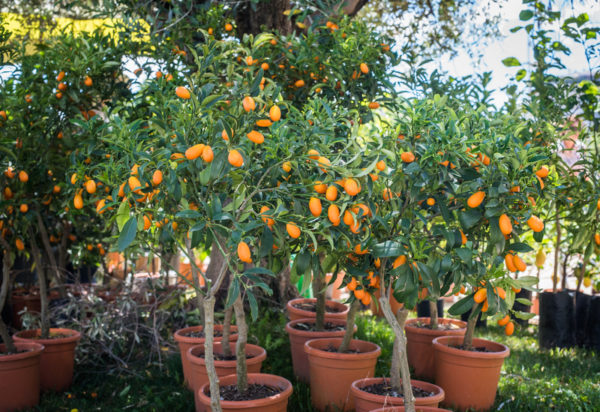
Citrus trees provide year-round evergreen beauty along with fragrant blossoms and delicious fruit. While limited to Zones 9-11 outdoors, dwarf varieties thrive in containers that can be moved indoors during cold months, extending citrus growing to any climate.
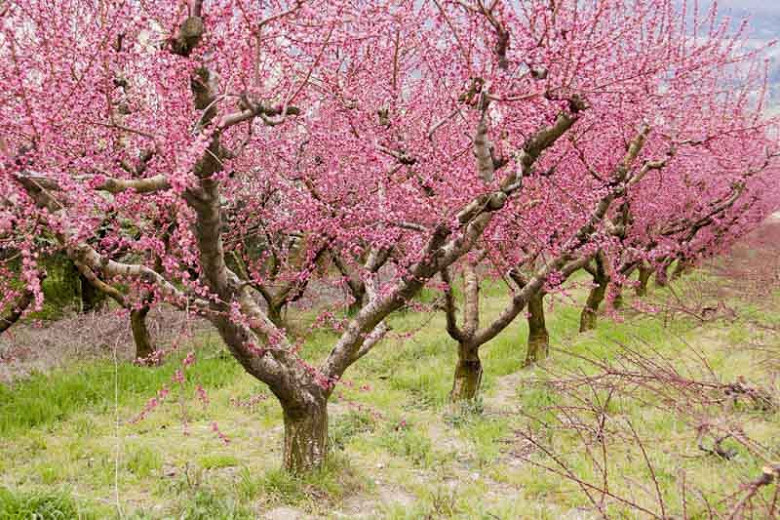
Peach and nectarine trees deliver sweet rewards relatively quickly, often producing within two to three years. Choose varieties matched to your chill hour availability, and be prepared for slightly more intensive pest management than some other options.
Understanding Soil Requirements for Fruit Trees
Healthy soil creates the foundation for vigorous trees, strong root development, and abundant fruit production.
Your fruit trees will live in the same soil for decades, making proper preparation and ongoing soil management crucial investments in their long-term success. Unlike annual plants that can tolerate suboptimal conditions for a single season, fruit trees either flourish or slowly decline based on their soil environment.
Testing and Preparing Your Soil
Before planting any fruit tree, conduct a comprehensive soil test through your local agricultural extension office or a reputable testing laboratory. This inexpensive analysis reveals crucial information about your soil’s pH level, nutrient content, and organic matter percentage—data that guides all subsequent preparation decisions.
Most fruit trees thrive in soil with these characteristics:
- pH between 6.0 and 7.0: This slightly acidic to neutral range allows optimal nutrient uptake; blueberries are notable exceptions, requiring pH 4.5-5.5
- Good drainage: Roots need oxygen; waterlogged soil causes root rot, the leading killer of young fruit trees
- Adequate organic matter: 3-5% organic content improves water retention, drainage, and beneficial microbial activity
- Balanced nutrients: Nitrogen, phosphorus, potassium, and micronutrients all play essential roles in tree health and fruit development
Drainage testing is straightforward: dig a hole 12 inches deep and wide, fill it with water, and let it drain completely. Refill and time how long the second draining takes. Water should disappear within 1-4 hours; faster indicates sandy soil that may need organic amendments for water retention, while slower suggests clay soil requiring drainage improvements.
Amending Soil for Optimal Growth
Armed with your soil test results, you can address deficiencies before planting. This proactive approach prevents years of struggling trees and disappointing harvests.
For raising pH in acidic soils, incorporate agricultural lime according to package directions several months before planting, allowing time for chemical reactions. Lowering pH in alkaline soils requires eleite sulfur applications, also best done well in advance. These adjustments take time, so plan accordingly rather than expecting immediate results.
Improving soil structure benefits virtually all planting sites:
-
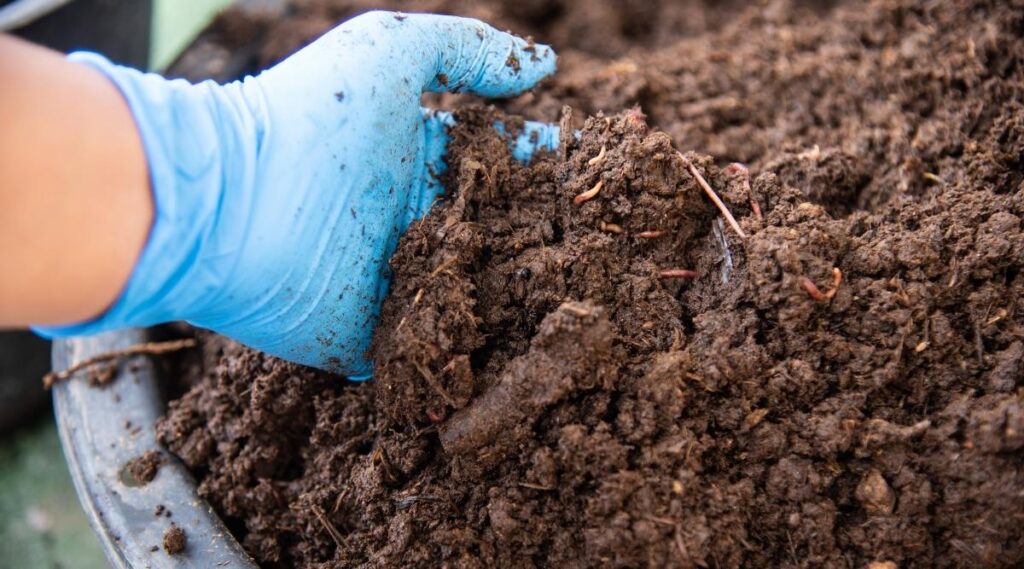
Add compost generously: Work 2-4 inches of finished compost into the top 12-18 inches of soil across your entire planting area, not just the hole. This improves drainage in clay soils while increasing water retention in sandy soils, creating the ideal balance fruit trees prefer.
-
Incorporate organic matter: Beyond compost, aged manure, leaf mold, or other organic materials feed beneficial soil organisms that make nutrients available to your trees. Avoid fresh manure, which can burn roots and introduce weed seeds.
-
Address compaction: If your soil is heavily compacted from construction or foot traffic, consider double-digging or using a broadfork to loosen soil 18-24 inches deep without destroying soil structure.
-
Create raised beds for poor drainage: In areas with heavy clay or high water tables, building raised planting mounds 18-24 inches high provides the drainage fruit tree roots desperately need.
Step-by-Step Guide to Planting Fruit Trees
Proper planting technique gives your fruit trees the strongest possible start, setting the stage for decades of healthy growth and production.
The way you plant your fruit tree significantly impacts its establishment, growth rate, and long-term health. Taking extra time and care during planting pays enormous dividends throughout your tree’s life, while shortcuts often lead to struggling trees that never reach their potential.
Follow these essential planting steps for success:
-
Choose the optimal planting time: In most regions, late winter to early spring (before bud break) offers ideal conditions—cool temperatures reduce transplant stress while giving roots time to establish before summer heat arrives. Fall planting works well in mild climates where winter temperatures stay above 20°F. Avoid planting during extreme heat, drought, or frozen ground conditions.
-
Select the perfect site: Full sun (minimum 6-8 hours daily) is non-negotiable for fruit production; shaded trees produce little fruit and suffer increased disease pressure. Choose locations with good air circulation to reduce fungal problems, away from low-lying frost pockets where cold air settles on spring nights. Consider proximity to buildings, power lines, and other trees, allowing for mature spread.
-
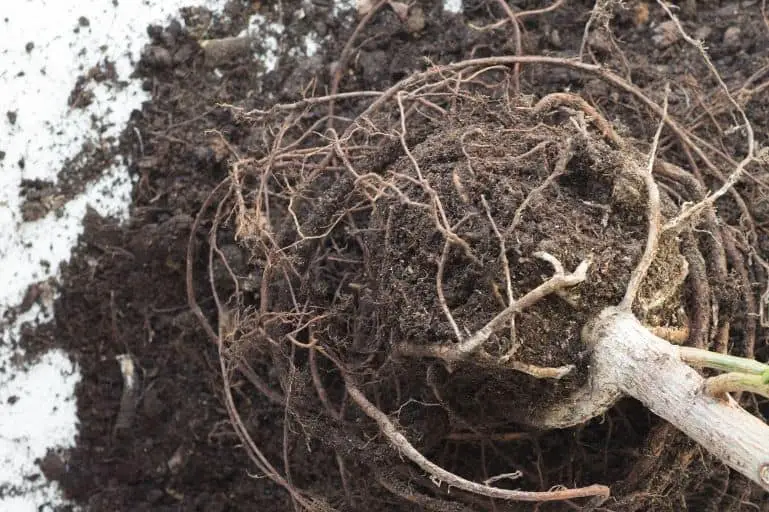
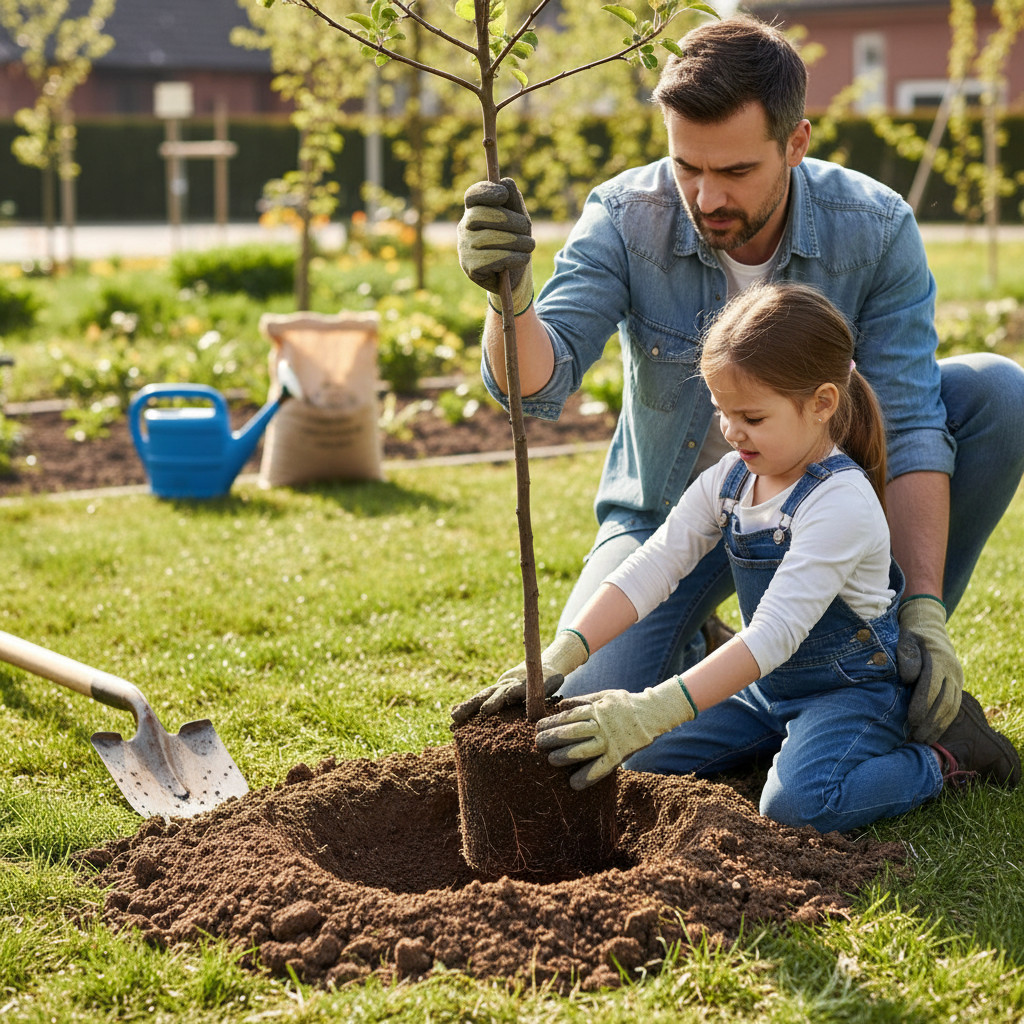
Prepare the planting hole: Dig a hole two to three times wider than the root ball but no deeper than the root mass. Creating a wide, shallow hole encourages roots to spread horizontally into surrounding soil rather than circling within a deep pit. Roughen the sides of the hole with your shovel to prevent glazing that can impede root penetration.
-
Inspect and prepare the tree: If bare-root, soak roots in water for 1-2 hours before planting; prune any damaged, broken, or circling roots. For container trees, gently loosen the root ball and straighten any circling roots. Identify the graft union—a visible bulge near the base where the fruiting variety meets the rootstock.
-
Position the tree correctly: Place the tree so the graft union sits 2-3 inches above the final soil level; burying the graft allows the fruiting variety to root, negating the dwarfing rootstock’s size control. Create a small mound at the hole’s bottom for bare-root trees, spreading roots naturally over it. Ensure the trunk stands perfectly vertical.
-
Backfill properly: Use only the original soil removed from the hole—mixing in amendments creates a “container effect” that discourages roots from exploring surrounding native soil. Gently firm soil as you fill, eliminating air pockets without compacting heavily. Build a slight basin around the tree to capture water.
-
Water deeply and mulch: Immediately after planting, water slowly and thoroughly to settle soil around roots and eliminate air pockets. Apply 3-4 inches of organic mulch (wood chips, shredded bark, or straw) in a 3-4 foot diameter circle, keeping mulch 4-6 inches away from the trunk to prevent rot and rodent damage.
Essential Care and Maintenance Practices
Consistent, appropriate care ensures your fruit trees develop strong structures, resist pests and diseases, and produce abundant harvests.
Once planted, your fruit trees require ongoing attention to reach their full potential. However, “care” doesn’t mean constant fussing—it means understanding your trees’ needs and providing the right support at the right times. Establishing good habits during your trees’ first few years creates a foundation for decades of low-maintenance productivity.
Watering Requirements
Water management ranks among the most critical—and frequently misunderstood—aspects of fruit tree care. Both overwatering and underwatering stress trees, reducing fruit quality and increasing disease susceptibility.
Young trees (first three years) need consistent moisture to establish extensive root systems. Water deeply once or twice weekly during the growing season, providing 1-2 inches of water that soaks 12-18 inches into the soil. Shallow, frequent watering encourages shallow roots that suffer during drought and heat stress.
Established trees require less frequent irrigation but benefit from deep watering during dry periods, especially during fruit development. Most mature trees need approximately 1 inch of water weekly, whether from rainfall or irrigation. Sandy soils require more frequent watering than clay soils, which retain moisture longer.
Pro Tip: Check soil moisture by inserting a wooden dowel or screwdriver 6-8 inches into the ground. If it comes out moist, hold off watering. If dry, it’s time to irrigate. Mulch significantly reduces watering needs by preventing evaporation.
Fertilizing Your Fruit Trees
Fruit trees require adequate nutrition to produce healthy foliage, strong growth, and abundant fruit. However, excessive fertilization—particularly nitrogen—promotes leafy growth at the expense of fruit and increases pest and disease susceptibility.
Timing matters more than quantity:
- Early spring (as buds begin swelling): Apply balanced fertilizer to support new growth and flowering
- Late spring (after fruit set): A lighter feeding supports developing fruit
- Avoid late-season fertilization: Nitrogen applied after midsummer promotes tender growth susceptible to winter damage
Young trees benefit from 1/10 pound of actual nitrogen per year of age, up to one pound maximum. Measure your fertilizer carefully—a 10-10-10 formula contains 10% nitrogen, so one pound provides 0.1 pounds actual nitrogen. Spread fertilizer evenly beneath the canopy, keeping it away from the trunk, then water thoroughly.
Organic options like compost, aged manure, and bone meal release nutrients slowly while improving soil biology. Many experienced orchardists rely primarily on annual compost applications supplemented by occasional balanced organic fertilizers.
Pruning Basics for Healthy Growth
Pruning intimidates many beginners, but understanding the basic principles demystifies this essential practice. Proper pruning improves air circulation (reducing disease), allows sunlight penetration (improving fruit color and sugar content), manages tree size, and directs energy toward fruit production rather than excessive vegetative growth.

The best time to prune most fruit trees is late winter, while trees remain dormant but the worst cold has passed. This timing allows wounds to begin healing before spring growth while making branch structure visible without leaves.
Essential pruning cuts for beginners:
- Remove dead, damaged, or diseased wood at any time—this material offers entry points for pests and pathogens
- Eliminate crossing or rubbing branches that wound each other and create infection sites
- Cut out water sprouts (vigorous vertical shoots) and suckers (growth from below the graft union) that waste the tree’s energy
- Thin crowded interior branches to improve light and air penetration throughout the canopy
- Head back overly long branches to encourage branching and keep fruit within easy reach
Start conservatively—removing 10-20% of wood annually is safer than aggressive pruning that shocks trees and triggers excessive regrowth.
Protecting Your Fruit Trees from Pests and Diseases
Proactive management prevents most serious pest and disease problems, keeping your trees healthy and productive.
Every fruit tree faces pressure from insects, animals, fungi, and bacteria seeking to exploit the same resources you’re cultivating. However, a healthy tree growing in appropriate conditions resists most challenges naturally. Your goal isn’t eliminating all pests but maintaining balance where your trees thrive despite modest pressure.
Common Pests and Prevention Strategies
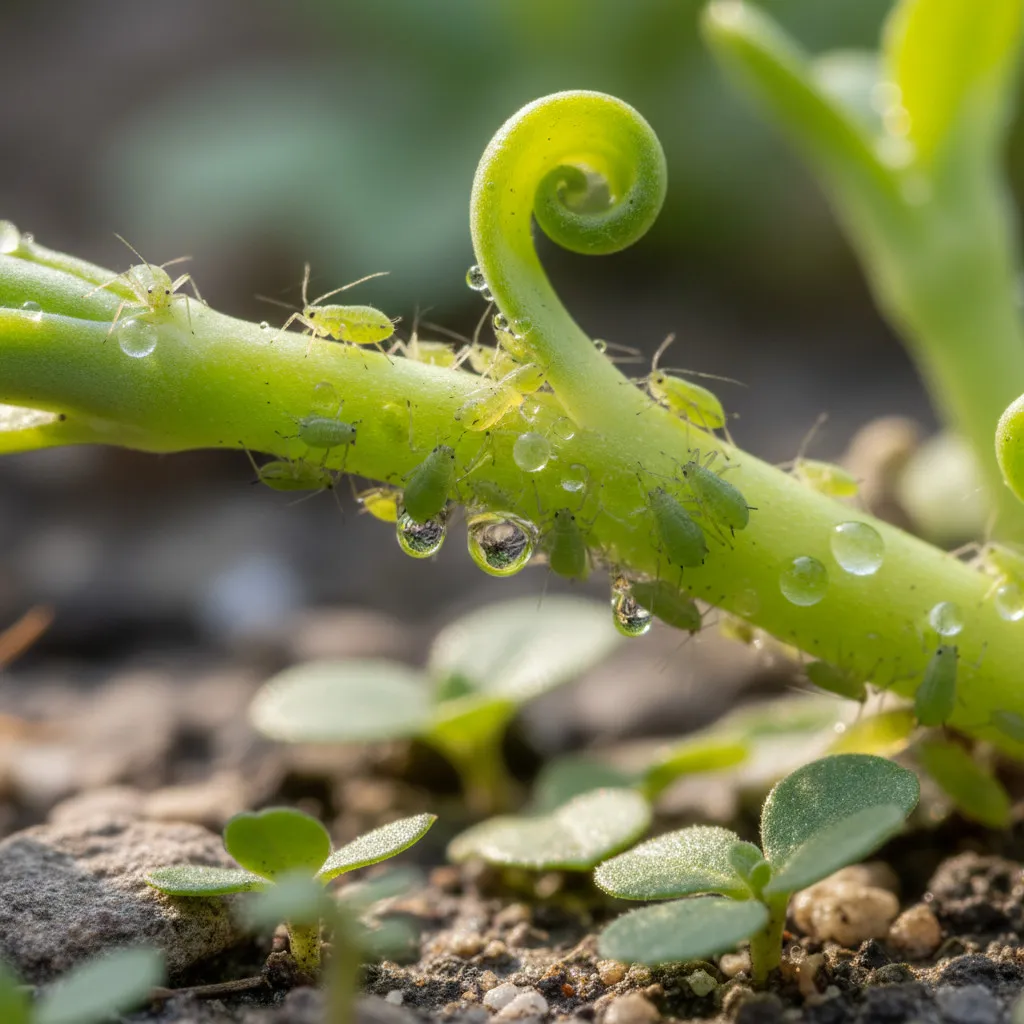
Aphids cluster on new growth, sucking sap and excreting sticky honeydew that promotes sooty mold. Strong water sprays dislodge them; encourage natural predators like ladybugs and lacewings by avoiding broad-spectrum pesticides.
Codling moths produce the infamous “wormy apples.” Pheromone traps monitor populations; timing sprays (organic or conventional) to target emerging larvae prevents damage. Sanitation—removing fallen fruit promptly—breaks the lifecycle.
Borers attack stressed trees, tunneling into wood and potentially girdling trunks. Prevention through proper watering, mulching, and avoiding trunk damage provides the best defense; protective trunk wraps shield young bark.
Scale insects appear as bumps on branches, sucking sap and weakening trees. Dormant oil sprays applied in late winter suffocate overwintering scales before they become problematic.
Disease Management Fundamentals
Fungal diseases cause most fruit tree problems, thriving in warm, humid conditions with poor air circulation. Cultural practices—proper spacing, pruning, and sanitation—prevent many issues before they start.
Fire blight devastates apples and pears, causing blackened, burnt-appearing branches. Prune infected wood 12 inches below visible damage during dry weather, sterilizing tools between cuts. Choose resistant varieties where fire blight is prevalent.
Brown rot affects stone fruits (peaches, plums, cherries), causing fruit to rot on the tree. Remove mummified fruit, improve air circulation, and apply fungicides during bloom if history warrants.
Apple scab creates dark lesions on leaves and fruit. Rake and destroy fallen leaves to reduce overwintering spores; resistant varieties largely eliminate this problem.
Integrated Pest Management Approach
Successful fruit growers embrace Integrated Pest Management (IPM), combining multiple strategies rather than relying solely on chemical interventions. This approach minimizes environmental impact while effectively protecting trees.
IPM strategies include:
- Cultural controls: Proper variety selection, site preparation, watering, and sanitation
- Mechanical controls: Hand-picking pests, trunk guards, sticky traps
- Biological controls: Encouraging beneficial insects and natural predators
- Chemical controls: Targeted, least-toxic options used only when necessary
Monitor your trees regularly, identifying problems early when intervention is easier and less intensive. Many pest and disease issues resolve with minimal action if caught promptly.
Pollination and Maximizing Fruit Production
Understanding pollination requirements ensures your trees set full crops of delicious fruit.
Without proper pollination, even the healthiest fruit trees produce disappointing harvests. Many beginners plant beautiful trees only to wonder years later why they’re not getting fruit. The answer usually lies in pollination—or the lack thereof.
Self-pollinating versus cross-pollinating varieties:
Some fruit trees set fruit with their own pollen (self-fertile), while others require pollen from a different variety of the same species (cross-pollinating). Understanding your trees’ requirements before purchasing prevents frustration.
Generally self-fertile species:
- Most citrus varieties
- Figs (common types)
- Peaches and nectarines (most varieties)
- Sour cherries
- European plums (many varieties)
- Persimmons
Generally requiring cross-pollination:
- Apples (need different variety for good fruit set)
- Pears (need different variety)
- Sweet cherries (most varieties)
- Japanese plums
- Blueberries (yield significantly better with multiple varieties)
When cross-pollination is needed, both varieties must bloom simultaneously. Early-blooming apples won’t pollinate late-blooming varieties even if planted side by side. Check bloom timing when selecting pollination partners.
Attracting and supporting pollinators:
Bees perform most fruit tree pollination, making their presence essential for good harvests. Support pollinator populations by:
- Planting flowering herbs and native plants that bloom before, during, and after your fruit trees
- Avoiding pesticide applications during bloom periods
- Providing water sources and undisturbed nesting habitat
- Tolerating some “weeds” like dandelions and clover that feed bees early in the season
Harvesting and Enjoying Your Fruit
Knowing when and how to harvest ensures you enjoy your fruit at peak flavor and quality.
After seasons of careful tending, harvest time brings the ultimate reward. Timing your harvest correctly determines whether you taste exceptional fruit or disappointing produce. Commercial growers pick early for shipping durability—you have the luxury of waiting for perfect ripeness.
Signs of ripeness vary by fruit:
- Apples: Background color changes from green to yellow/cream; stem separates easily with gentle upward twist; seeds turn dark brown
- Peaches/Nectarines: Background color shifts from green to yellow/cream; fruit yields slightly to gentle pressure; characteristic aroma develops
- Pears: Harvest while still firm and ripen off tree; stem separates easily when fruit is lifted horizontally; check seed color
- Citrus: Color change indicates maturity but isn’t reliable alone; taste testing is most accurate
- Figs: Fruit droops, skin wrinkles slightly, fruit gives to gentle pressure; ripe figs don’t keep well
Proper harvesting technique:
Handle fruit gently to avoid bruising—damaged fruit deteriorates rapidly. Cup fruit in your palm and twist gently upward; if it doesn’t release easily, it’s not ready. Use both hands for larger fruit to prevent branch damage. Harvest in cool morning hours when fruit is firmest.
Store harvested fruit appropriately: apples and pears keep months in cool (32-40°F), humid conditions; stone fruits and citrus have shorter storage lives and often keep best refrigerated.
Common Mistakes to Avoid as a Beginner
Learning from others’ errors accelerates your success and prevents discouraging setbacks.
Every experienced fruit grower has made mistakes—the key is learning quickly and not repeating them. Awareness of common pitfalls helps you avoid the frustrations that cause many beginners to abandon their orchard dreams.
Critical mistakes and how to avoid them:
-
Planting too deep: Burying the graft union eliminates dwarfing control and can cause root rot. Always keep grafts visible above soil level.
-
Overwatering: More trees die from drowning than drought. Check soil moisture before watering; ensure excellent drainage.
-
Neglecting mulch: Bare soil around trees leads to moisture fluctuations, weed competition, and temperature stress. Maintain 3-4 inches of organic mulch year-round.
-
Improper pruning timing: Pruning during active growth or late fall stimulates tender growth vulnerable to winter damage. Stick to late winter dormant pruning for most tasks.
-
Ignoring pollination requirements: Research cross-pollination needs before purchasing. A lone apple tree may never produce fruit without a compatible partner.
-
Expecting immediate production: Patience is essential—most fruit trees need 3-5 years before significant harvests. Removing early fruit actually strengthens young trees.
-
Choosing inappropriate varieties: Climate mismatches doom trees regardless of care. Select varieties proven in your hardiness zone with appropriate chill hour requirements.
Final Words: Your Fruit Tree Journey Begins Now
Growing fruit trees transforms your relationship with food, connecting you to ancient agricultural traditions while providing unmatched freshness and flavor. The journey requires patience—you’re planting for years and decades, not just the coming season—but the rewards compound annually as your trees mature and production increases.
Start small if you’re uncertain. A single dwarf apple or fig tree in a container teaches fundamental principles without overwhelming commitment. As confidence grows, expand your plantings, experimenting with new varieties and species suited to your conditions.
Remember that every expert orchardist started exactly where you are now—excited, perhaps slightly intimidated, but eager to learn. Fruit trees are remarkably resilient; they want to grow and produce. Your role is simply supporting their natural tendencies through appropriate variety selection, proper planting, and consistent basic care.
Take these first steps today:
- Research your USDA hardiness zone and local chill hours
- Test your soil and begin any needed amendments
- Visit local nurseries and talk with staff about proven varieties for your area
- Connect with local fruit growing clubs or extension services for region-specific guidance
The tree you plant this season becomes a legacy—shade for summer afternoons, blossoms perfuming spring breezes, and baskets of fruit for family tables for decades to come. Your journey into fruit tree gardening promises challenges, certainly, but infinitely more rewards. The best time to plant a fruit tree was twenty years ago; the second best time is right now.