Table of Contents
- The Complete Guide to Fruit Trees For Small Yards
- Why Small Yard Fruit Trees Are Perfect for Modern Homeowners
- Financial and Health Benefits
- Environmental Impact and Aesthetic Value
- Understanding Dwarf and Semi-Dwarf Fruit Trees
- What Makes Dwarf Trees Different
- Semi-Dwarf vs. Dwarf: Making the Right Choice
- Best Fruit Trees for Small Yards
- Apple Trees for Compact Spaces
- Citrus Trees for Small Gardens
- Stone Fruit Options
- Fig and Persimmon Trees
- Columnar and Espalier: Space-Saving Growing Techniques
- Columnar Fruit Trees
- Espalier Training Methods
- Container Growing: Fruit Trees for Patios and Balconies
- Selecting Appropriate Containers
- Soil, Watering, and Feeding Requirements
- Site Selection and Planting Guidelines
- Sunlight and Soil Requirements
- Proper Planting Techniques
- Essential Care and Maintenance
- Watering and Fertilizing Schedules
- Pruning for Size Control
- Pest and Disease Management
- Maximizing Yield in Minimal Space
- Common Mistakes to Avoid
- Final Thoughts: Starting Your Small-Space Orchard
The Complete Guide to Fruit Trees For Small Yards
Imagine stepping into your backyard and plucking a perfectly ripe apple, juicy peach, or fragrant lemon straight from your own tree. For many homeowners with limited outdoor space, this dream seems impossible—but it doesn’t have to be. The revolution in dwarf fruit tree cultivation, innovative growing techniques, and space-saving varieties has made homegrown fruit accessible to virtually anyone with even the smallest patch of earth or a sunny balcony.
Growing fruit trees in small yards isn’t just about fresh produce; it’s about reclaiming self-sufficiency, reducing your grocery bills, and creating a living landscape that rewards you year after year. Whether you’re working with a tiny urban courtyard, a modest suburban lot, or even just a sunny patio, there’s a fruit tree perfectly suited to your space. This comprehensive guide will walk you through everything you need to know—from selecting the right varieties and understanding rootstock technology to mastering space-saving techniques and ensuring bountiful harvests for years to come.
Why Small Yard Fruit Trees Are Perfect for Modern Homeowners
Growing fruit in limited spaces offers remarkable benefits that extend far beyond the obvious appeal of fresh, homegrown produce.
The movement toward compact fruit tree cultivation has gained tremendous momentum in recent years, driven by urbanization, rising food costs, and a growing desire for sustainable living. Modern homeowners are discovering that you don’t need acres of farmland to enjoy the satisfaction of harvesting your own fruit—you simply need the right knowledge and appropriate tree varieties.
Financial and Health Benefits
Investing in fruit trees for your small yard delivers substantial long-term returns. A single dwarf apple tree can produce between 40-80 pounds of fruit annually once mature, potentially saving hundreds of dollars over its 15-25 year lifespan. When you factor in the superior taste and nutritional value of tree-ripened fruit compared to store-bought alternatives that are often picked weeks before reaching your table, the benefits multiply significantly.

Homegrown fruit contains higher concentrations of vitamins, antioxidants, and beneficial compounds because it ripens naturally on the tree. You also gain complete control over growing practices, eliminating concerns about pesticide residues and allowing you to cultivate organic produce without premium supermarket prices. The physical activity involved in caring for fruit trees—pruning, watering, harvesting—provides excellent low-impact exercise that contributes to overall well-being.
Environmental Impact and Aesthetic Value
Fruit trees serve as powerful environmental assets, even in small numbers. They absorb carbon dioxide, produce oxygen, provide habitat for beneficial pollinators, and help cool urban environments through transpiration. A strategically placed fruit tree can reduce summer cooling costs by shading walls and windows, while its seasonal beauty—spring blossoms, summer foliage, autumn fruit, and winter branching patterns—adds year-round visual interest to your landscape.
Key benefits include:
- Reduced carbon footprint from eliminating transportation of commercial fruit
- Support for local pollinator populations including bees and butterflies
- Increased property value through enhanced landscaping
- Creation of family memories through annual harvesting traditions
- Educational opportunities for children learning about nature and food production
Understanding Dwarf and Semi-Dwarf Fruit Trees
The secret to successful small-space fruit growing lies in understanding how rootstock technology creates perfectly sized trees for limited areas.
Dwarf and semi-dwarf fruit trees represent one of horticulture’s greatest achievements for space-conscious gardeners. These aren’t genetically modified organisms or specially bred weak trees—they’re standard fruit varieties grafted onto specially selected rootstocks that control the tree’s ultimate size while maintaining full-sized, delicious fruit.
What Makes Dwarf Trees Different
Dwarf fruit trees typically reach heights of 6-10 feet at maturity, roughly 30-40% the size of standard trees that can grow 20-30 feet tall or more. This size reduction occurs because the rootstock—the root system and lower trunk portion—restricts the flow of growth hormones and nutrients to the fruiting portion of the tree. The result is a compact tree that produces normal-sized fruit in quantities appropriate for home consumption.
The rootstock determines far more than just size. Different rootstocks offer varying levels of disease resistance, cold hardiness, drought tolerance, and soil adaptability. For example, the M9 rootstock produces the smallest apple trees and performs well in well-drained soils, while M26 creates slightly larger trees with better anchorage and tolerance for less-than-ideal conditions. Understanding these distinctions helps you select trees that will thrive in your specific growing environment.
Advantages of dwarf trees for small yards:
- Easier maintenance – Pruning, spraying, and harvesting can be accomplished without ladders
- Earlier bearing – Most dwarf trees begin producing fruit within 2-3 years rather than the 5-7 years required for standard trees
- Space efficiency – Multiple varieties can be grown in the space required by a single standard tree
- Higher yields per square foot – Despite smaller overall harvests, dwarf trees produce more fruit relative to their canopy size
- Better fruit quality – Improved sunlight penetration and air circulation often result in superior fruit
Semi-Dwarf vs. Dwarf: Making the Right Choice
Semi-dwarf trees occupy the middle ground, typically reaching 12-18 feet in height—roughly 60-70% of standard tree size. These trees offer larger harvests than true dwarfs while remaining manageable for most homeowners. Your choice between dwarf and semi-dwarf depends primarily on available space, desired yield, and maintenance preferences.
For yards under 1,000 square feet, dwarf varieties generally make more sense. They require less aggressive pruning to maintain size, produce fruit more quickly, and allow greater variety in your planting scheme. Semi-dwarf trees suit slightly larger spaces where you want substantial harvests without the overwhelming production of standard trees. Many semi-dwarfs can also be maintained at smaller sizes through careful annual pruning, offering flexibility as your needs evolve.
Consider these factors when deciding:
- Available ground space – Dwarf trees need 8-10 feet spacing; semi-dwarfs require 12-15 feet
- Sunlight patterns – Smaller trees create less shade, important if growing other plants nearby
- Long-term commitment – Dwarf trees generally have shorter lifespans (15-25 years) compared to semi-dwarfs (25-35 years)
- Structural support – Many dwarf trees require permanent staking due to shallow root systems
Best Fruit Trees for Small Yards
Selecting the right fruit tree species and varieties is crucial for success in confined spaces, with options available for nearly every climate and preference.
Apple Trees for Compact Spaces
Apples represent perhaps the most versatile choice for small-yard fruit growing, with hundreds of varieties available on dwarfing rootstocks. Modern dwarf apple trees can produce impressive harvests in spaces as small as 64 square feet per tree, making them ideal candidates for urban and suburban gardens. The key to success lies in selecting varieties suited to your climate zone and understanding pollination requirements.
Most apple varieties require cross-pollination from a different apple variety that blooms simultaneously. For small yards, this challenge can be addressed through several strategies: planting two compatible dwarf trees, selecting self-fertile varieties like ‘Golden Delicious’ or ‘Granny Smith,’ choosing multi-grafted trees with several varieties on a single trunk, or relying on neighbor’s trees or nearby crabapples for pollination.
Top dwarf apple varieties for small spaces:
- Honeycrisp – Exceptional flavor, disease-resistant, zones 3-7
- Fuji – Sweet and crisp, long storage life, zones 6-9
- Gala – Early bearing, mild flavor, excellent fresh eating
- Liberty – Outstanding disease resistance, tart-sweet balance
- Columnar varieties (Scarlet Sentinel, Golden Sentinel) – Ultra-narrow growth habit perfect for tight spaces
Citrus Trees for Small Gardens
Citrus trees offer unique advantages for small-space growing, particularly in warm climates (zones 9-11) or for container culture in cooler regions. Many citrus varieties are naturally compact, and nearly all are self-fertile, eliminating pollination concerns. Their evergreen foliage, fragrant blossoms, and year-round fruit production make them outstanding ornamental choices that happen to produce delicious fruit.
Meyer lemon stands out as the ultimate small-yard citrus, rarely exceeding 6-10 feet even without dwarfing rootstock. This variety produces prolifically, tolerates container growing exceptionally well, and offers sweeter, less acidic fruit than standard lemons. Kumquats provide another excellent option—these naturally small trees produce bite-sized fruit eaten whole, skin and all, and demonstrate surprising cold tolerance for citrus (hardy to about 18°F).
For those in cooler climates, container-grown citrus allows you to enjoy these subtropical treasures by moving trees indoors during winter. Calamondin orange, Key lime, and Improved Dwarf Meyer lemon all adapt beautifully to container culture with proper care.
Stone Fruit Options
Peaches, plums, cherries, and apricots—collectively known as stone fruits—have traditionally required significant space, but breeding advances have produced genuinely compact varieties perfect for small yards. These trees offer spectacular spring blooms followed by some of summer’s most anticipated harvests.
Dwarf peach varieties like ‘Bonanza,’ ‘Pix Zee,’ and ‘Garden Gold’ grow only 4-6 feet tall while producing standard-sized fruit with excellent flavor. These genetic dwarfs (naturally small rather than rootstock-controlled) thrive in containers or in-ground plantings and begin bearing fruit within two years. Self-fertile varieties simplify pollination concerns, though planting multiple trees often improves yields.
Sweet cherry trees present greater challenges for small spaces due to their naturally vigorous growth, but rootstocks like Gisela 5 have revolutionized compact cherry growing. Trees on this rootstock mature at 8-12 feet and begin producing within three years. Select self-fertile varieties like ‘Stella,’ ‘Lapins,’ or ‘Sweetheart’ to eliminate the need for pollinator trees.
Fig and Persimmon Trees
Figs deserve special consideration for small-yard orchardists. These ancient fruits require minimal care, tolerate poor soil, and naturally remain compact (often 10-15 feet). Their ability to produce two crops annually—an early “breba” crop on last year’s wood and a main crop on current growth—maximizes production in limited space.
Excellent fig varieties for small yards include:
- ‘Little Miss Figgy’ – Truly dwarf at 4-6 feet, ideal for containers
- ‘Celeste’ – Cold-hardy, closed eye resists spoilage, sweet flavor
- ‘Chicago Hardy’ – Survives temperatures to -10°F with protection
- ‘Violette de Bordeaux’ – Compact growth, intensely flavored fruit
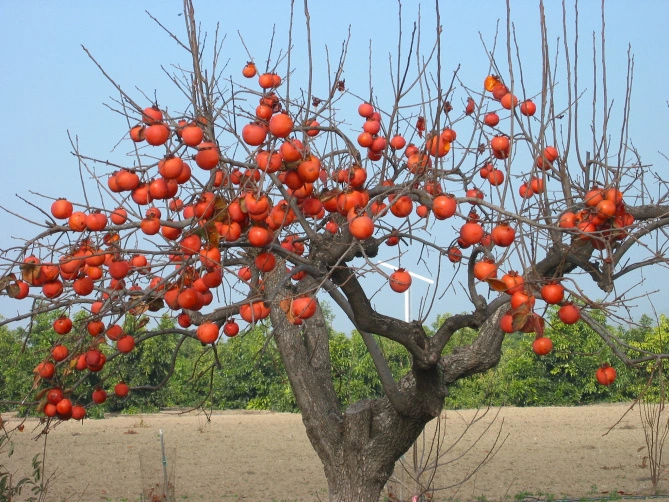
Persimmons offer another underutilized option. American persimmons tend toward larger growth, but Asian persimmons on dwarfing rootstock create manageable 10-12 foot trees. The variety ‘Fuyu’ produces non-astringent fruit that can be eaten firm, while ‘Hachiya’ requires full ripening but offers unparalleled sweetness when soft.
Columnar and Espalier: Space-Saving Growing Techniques
Advanced growing techniques allow fruit production in spaces too small for even dwarf trees, transforming walls, fences, and narrow strips into productive growing areas.
Columnar Fruit Trees
Columnar fruit trees represent the ultimate space-saving innovation, growing in a narrow, pillar-like form just 2-3 feet wide while reaching 8-10 feet tall. These trees produce fruit on short spurs growing directly from the central trunk, eliminating the spreading branches that consume horizontal space in traditional trees.
The original columnar apples—’Scarlet Sentinel,’ ‘Golden Sentinel,’ ‘Northpole,’ and ‘Crimson Spire’—remain the most widely available options, but breeding programs have expanded columnar options to include cherries, peaches, and pears. These varieties work exceptionally well planted in rows along property boundaries, beside driveways, or in large containers on patios and balconies.
Best practices for columnar tree success:
- Plant in groups – A row of three or four columnar trees creates visual impact while ensuring good pollination
- Provide excellent drainage – These trees’ concentrated root systems are particularly susceptible to waterlogging
- Maintain fertility – Annual fertilization supports the dense fruiting habit
- Protect from wind – The tall, narrow form can catch wind; stake young trees until established
- Allow adequate sunlight – Position where trees receive at least 6 hours of direct sun daily
Espalier Training Methods
Espalier—the art of training trees to grow flat against a wall, fence, or wire framework—transforms fruit growing into living sculpture while maximizing productivity in minimal space. A properly trained espalier tree may extend 10-15 feet horizontally while projecting only 12-18 inches from its support structure, making it perfect for narrow side yards, blank walls, or fence lines.
The technique dates back centuries to European monastery gardens where monks developed sophisticated patterns to grow fruit within walled enclosures. Today’s gardeners can employ traditional formal patterns—horizontal cordon, Belgian fence, palmette—or create informal fan shapes suited to individual spaces.

Steps to create an espaliered fruit tree:
- Select appropriate varieties – Apples and pears on dwarfing rootstock respond best to espalier training; stone fruits work well trained in fan shapes against south-facing walls
- Install support structure – Attach horizontal wires to a wall or fence at 12-18 inch intervals, or construct a freestanding framework
- Plant young trees – One or two-year-old whips (unbranched single stems) adapt most easily to training
- Establish the framework – Bend and tie branches to wires as they grow, removing unwanted growth and encouraging horizontal development
- Maintain annual pruning – Summer pruning controls vigor while winter pruning shapes overall structure
Container Growing: Fruit Trees for Patios and Balconies
Container cultivation extends fruit-growing possibilities to renters, apartment dwellers, and anyone with a sunny outdoor surface.
Growing fruit trees in containers opens possibilities for gardeners without traditional yard space. A sunny balcony, rooftop terrace, paved courtyard, or even a driveway can support productive container fruit trees with proper care. The mobility of containers also allows cold-climate gardeners to grow tender species by moving trees to protected areas during winter.

Selecting Appropriate Containers
Container size significantly impacts fruit tree success. While young trees can start in 10-15 gallon pots, mature dwarf fruit trees require containers holding at least 20-25 gallons—roughly equivalent to a half wine barrel. Larger containers provide greater soil volume for root development, better moisture retention, and improved stability for top-heavy fruiting trees.
Essential container characteristics:
- Adequate drainage holes – Multiple holes in the bottom prevent waterlogging
- Durable materials – Choose containers that won’t crack in freeze-thaw cycles if leaving outdoors year-round
- Light colors – Dark containers absorb heat that can damage roots; light colors reflect sunlight
- Wheeled bases – Heavy containers benefit from rolling platforms for easier repositioning
Soil, Watering, and Feeding Requirements
Container fruit trees require soil mixes significantly different from garden soil. Standard garden soil compacts in containers, eliminating air spaces roots need for oxygen. Instead, use premium potting mixes amended with perlite or pumice for drainage and compost for moisture retention and fertility. Specialty fruit tree container mixes available from horticultural suppliers provide optimal growing conditions.
Critical care guidelines for container fruit trees:
- Water deeply and regularly – Container trees may need daily watering during hot weather; check soil moisture by inserting your finger 2-3 inches deep
- Fertilize throughout growing season – Container trees exhaust available nutrients quickly; apply balanced slow-release fertilizer in spring and supplement with liquid feeds monthly during active growth
- Repot periodically – Every 2-3 years, remove trees from containers, trim roots by one-third, refresh soil mix, and replant
- Monitor for drought stress – Wilting, leaf scorch, and premature fruit drop indicate insufficient watering
- Provide winter protection – In cold climates, move containers to unheated garages or wrap with insulating materials
Site Selection and Planting Guidelines
Proper site selection and planting technique establish the foundation for decades of productive fruit harvests.
Sunlight and Soil Requirements
Fruit production demands abundant sunlight—most fruit trees require minimum six hours of direct sun daily, with eight or more hours producing optimal results. Before planting, observe your yard throughout the day across different seasons to identify areas receiving adequate sunlight. South-facing locations typically offer the best exposure in the Northern Hemisphere.
Soil quality significantly impacts tree health and productivity. Most fruit trees prefer well-drained loam with pH between 6.0-7.0. Conduct a soil test before planting to identify deficiencies and adjustment needs. Heavy clay soils benefit from organic matter amendments and raised planting beds; sandy soils require additional organic matter to improve moisture and nutrient retention.
Soil improvement strategies:
- Clay soils – Incorporate generous amounts of compost, avoid creating planting holes that act as “bathtubs” collecting water
- Sandy soils – Add compost and aged manure to improve water-holding capacity
- Compacted soils – Break up hardpan layers and improve structure with gypsum applications
- Poor drainage – Consider raised beds or mounded planting areas
Proper Planting Techniques
Correct planting depth and technique dramatically influence long-term tree success. The graft union—the slightly swollen area where fruiting variety joins rootstock—must remain 2-4 inches above soil level. Burying the graft union allows the fruiting variety to root independently, bypassing the dwarfing rootstock and producing a full-sized tree.
Step-by-step planting process:
- Dig appropriately sized holes – Make holes twice the width of the root ball but only as deep as the root mass; shallow, wide holes encourage outward root growth essential for stability and nutrient access
- Prepare the root system – For bare-root trees, soak roots in water for several hours before planting; gently spread roots in planting hole. For container trees, loosen circling roots to encourage outward growth
- Position the tree correctly – Place tree so graft union sits 2-4 inches above final soil level; in frost-prone areas, position graft union facing north to prevent sun scalding
- Backfill carefully – Use native soil without amendments in most cases; research shows amended planting holes can discourage roots from extending into surrounding soil
- Water thoroughly – Saturate the planting area to eliminate air pockets and settle soil around roots
- Apply mulch – Spread 2-4 inches of organic mulch in a wide circle around the tree, keeping mulch several inches away from the trunk to prevent moisture-related bark problems
Essential Care and Maintenance
Consistent, appropriate care ensures your small-yard fruit trees remain healthy, productive, and appropriately sized throughout their lives.
Watering and Fertilizing Schedules
Newly planted fruit trees require regular irrigation to establish robust root systems. During the first growing season, water deeply once or twice weekly depending on weather conditions—trees need roughly one inch of water weekly from rainfall or irrigation combined. As trees mature, they develop drought tolerance but still benefit from supplemental watering during dry periods, especially while fruit develops.
Fertilization best practices:
- First year – Avoid fertilizing newly planted trees; focus on root establishment
- Subsequent years – Apply balanced fertilizer (10-10-10 or similar) in early spring before bud break
- Avoid late-season feeding – Nitrogen applied after midsummer stimulates tender growth vulnerable to winter damage
- Watch for deficiency symptoms – Yellowing leaves may indicate nitrogen deficiency; purplish tints suggest phosphorus needs
- Consider organic alternatives – Compost, aged manure, and fish emulsion provide gentle, sustained nutrition
Pruning for Size Control
Pruning represents the most critical skill for maintaining fruit trees in small spaces. Without annual pruning, even dwarf trees can outgrow their allotted space while becoming less productive as interior branches shade out. Proper pruning maintains tree size, improves fruit quality, removes diseased wood, and shapes trees for maximum sunlight penetration.
Pruning fundamentals:
- Timing – Prune most fruit trees during late winter dormancy; summer pruning helps control vigor in overly vigorous trees
- Remove the four D’s – Dead, damaged, diseased, and duplicating (crossing) branches should be removed first
- Open the center – Thin interior branches to improve air circulation and light penetration
- Maintain leader dominance – In central-leader trees, keep the main trunk as the highest point
- Heading cuts vs. thinning cuts – Heading cuts (cutting branch tips) stimulate branching; thinning cuts (removing entire branches) reduce density
Pest and Disease Management
Small-yard fruit trees benefit from the same integrated pest management approaches used in commercial orchards, scaled appropriately for home gardens. Begin with prevention—select disease-resistant varieties, maintain tree health through proper care, and practice good sanitation by removing fallen fruit and diseased material promptly.
Common issues and organic solutions:
- Aphids – Strong water sprays dislodge populations; encourage beneficial insects like ladybugs and lacewings
- Codling moth (apple worm) – Pheromone traps monitor populations; cardboard trunk bands trap larvae seeking pupation sites
- Apple scab and fire blight – Select resistant varieties; remove infected material immediately; apply copper-based sprays during dormancy
- Brown rot (stone fruits) – Improve air circulation through pruning; remove mummified fruit that harbors disease spores
- Scale insects – Dormant oil sprays smother overwintering populations
Maximizing Yield in Minimal Space
Strategic approaches help small-yard orchardists achieve impressive harvests from limited growing areas.
Every square foot matters in small-space fruit growing. Fortunately, several techniques allow you to extract maximum productivity from minimal area while maintaining manageable workloads.
Multi-grafted trees offer perhaps the most elegant solution, featuring several compatible varieties grafted onto a single rootstock. A multi-graft apple tree might include Fuji, Gala, Honeycrisp, and Granny Smith varieties—all ripening at different times and providing cross-pollination without requiring multiple trees. These “fruit salad” or “cocktail” trees deliver variety and extended harvests from a single planting spot.
Intensive planting techniques borrowed from commercial high-density orchards can be adapted for home gardens. Rather than spacing dwarf trees at their maximum spread, planting closer together and maintaining smaller canopies through careful pruning can increase overall yield per square foot. Four dwarf apple trees planted in a 10×10 foot area, maintained at 5-foot canopies, may outproduce two trees given maximum space.
Succession planting ensures continuous harvests by selecting varieties with staggered ripening times. Within a single fruit type—apples, for example—choosing early, mid, and late-season varieties extends fresh eating from July through October. Combined with appropriate storage or preservation, a thoughtfully planned small orchard can provide homegrown fruit year-round.
Additional yield-maximizing strategies:
- Hand pollination – Use a small brush to transfer pollen between flowers when bee activity is low
- Thinning fruit – Removing excess developing fruit improves size and quality of remaining fruit while preventing branch breakage
- Reflection techniques – Light-colored mulch or reflective ground covers increase light reaching lower branches
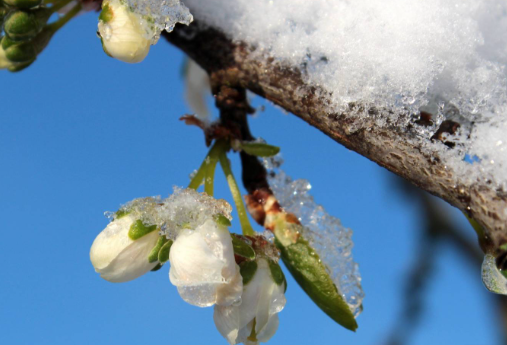
- Season extension – Frost blankets and strategic microclimate selection protect early blossoms from late frosts
Common Mistakes to Avoid
Learning from frequent errors helps new fruit tree growers bypass frustrating setbacks and achieve success more quickly.
Even enthusiastic gardeners sometimes undermine their fruit-growing success through avoidable mistakes. Understanding these common pitfalls before planting saves years of disappointment and wasted effort.
Mistake 1: Overplanting
Excitement about fruit growing frequently leads to planting more trees than available space can support. As trees mature and compete for light, water, and nutrients, all suffer from reduced productivity and increased disease pressure. Start conservatively—one or two trees often provide abundant fruit for average families while remaining manageable for novice growers.
Mistake 2: Neglecting pruning
Many homeowners plant fruit trees expecting them to require minimal attention, then watch helplessly as trees grow too large, stop producing, or become disease-ridden. Annual pruning isn’t optional for small-space fruit production—it’s essential. If pruning seems intimidating, take workshops, watch instructional videos, or hire professionals for the first few years while learning.
Mistake 3: Selecting inappropriate varieties
Planting trees unsuited to your climate zone, chill hour requirements, or disease pressures guarantees failure regardless of care quality. Research varieties proven successful in your area through local extension services, experienced neighbors, and regional nurseries rather than selecting based solely on catalog descriptions or childhood memories of fruit tasted elsewhere.
Mistake 4: Improper planting depth
Burying graft unions—the most common planting error—defeats the purpose of purchasing dwarf trees. Trees planted too deeply may survive initially but eventually grow to full size as roots develop above the dwarfing rootstock. Always ensure the graft union remains clearly visible above soil level after planting and settling.
Mistake 5: Inconsistent watering
Irregular watering—allowing trees to stress during drought then flooding them—causes more problems than simple under or overwatering. Develop consistent irrigation habits supported by mulching to moderate soil moisture fluctuations.
Final Thoughts: Starting Your Small-Space Orchard
Growing fruit trees in a small yard represents one of gardening’s most rewarding endeavors—combining beauty, productivity, sustainability, and the incomparable satisfaction of harvesting food you’ve nurtured from blossom to ripeness. While the learning curve may seem steep initially, the fundamentals outlined in this guide provide everything needed to begin your journey toward homegrown fruit success.
Start with just one or two trees suited to your climate, space, and preferences. Master their care before expanding your collection. Connect with local fruit-growing communities, extension services, and experienced neighbors who can provide region-specific guidance and encouragement.
Remember these essential takeaways:
- Choose appropriate varieties – Dwarf, semi-dwarf, columnar, or container-grown trees suited to your specific conditions
- Site trees correctly – Full sun, well-drained soil, protected from harsh winds
- Maintain consistently – Regular watering, annual pruning, and proactive pest management
- Start small – One successful tree teaches more than a dozen struggling ones
- Be patient – Most fruit trees require 2-4 years before significant harvests begin
The investment you make today—in knowledge, planning, and those first carefully selected trees—will reward you for decades to come. Every spring’s blossoms will promise summer’s harvest, every harvest will connect you more deeply to your land and food supply, and every bite of sun-ripened, backyard-grown fruit will remind you why this effort was worthwhile. Your small yard holds tremendous potential—it’s time to unlock it.