Table of Contents
- The Ultimate Guide to April Planting in California’s Diverse Gardens
- Understanding California’s April Climate Zones
- Essential Warm-Season Vegetables to Plant in April
- Must-Plant Herbs for California’s April Garden
- Colorful Annual and Perennial Flowers to Plant Now
- Fruit Trees, Berries, and Edible Perennials for April
- Essential April Garden Care Tasks
- Regional Considerations Across California
- Wrapping Up: April Planting Success in California
The Ultimate Guide to April Planting in California’s Diverse Gardens
April in California marks one of the most exciting transitions in the gardening calendar. As the last whispers of winter fade away and spring fully awakens, gardeners across the Golden State experience that unmistakable urge to get their hands dirty. Whether you’re cultivating a coastal plot in San Francisco, tending rows in the Central Valley, or nurturing a sun-drenched garden in Southern California, April presents a golden opportunity to establish the foundation for an abundant harvest season. The warming soil temperatures, lengthening days, and reduced frost risk create ideal conditions for planting everything from juicy tomatoes to vibrant zinnias. This comprehensive guide will walk you through exactly what to plant this April, along with essential tips to ensure your California garden thrives throughout the growing season.
Understanding California’s April Climate Zones
Before diving into specific planting recommendations, it’s crucial to recognize that California isn’t a monolithic growing region. The state spans USDA hardiness zones ranging from Zone 5 in the mountain regions to Zone 11 in parts of Southern California, with Sunset zones providing even more nuanced climate information. April weather conditions vary dramatically depending on your location, which directly impacts what you can successfully plant and when.
Coastal California experiences the famous “June gloom” phenomenon, where marine layer fog keeps temperatures moderate. Gardens near the coast benefit from mild conditions that extend the cool-season growing period while still allowing warm-season crops to thrive with proper timing. Inland valleys and Central California regions like the Sacramento and San Joaquin valleys enjoy warmer April temperatures with soil that heats up more quickly, making them ideal for getting summer crops established early. Southern California gardeners, particularly those in inland valleys, often experience what feels like early summer by mid-April, with daytime temperatures regularly climbing into the 70s and 80s Fahrenheit, creating perfect conditions for heat-loving vegetables and ornamentals.
The mountain and high desert regions of California present unique challenges, as frost danger may persist well into April or even early May. Gardeners in these areas should monitor local frost dates carefully and be prepared to protect tender transplants with row covers or cloches if unexpected cold snaps occur. Understanding your specific microclimate—considering factors like elevation, proximity to large bodies of water, and local topography—will help you make informed decisions about timing your April plantings for maximum success.
Essential Warm-Season Vegetables to Plant in April
April is prime time across most of California to get your warm-season vegetable garden established. These heat-loving crops have been patiently waiting for soil temperatures to reach the sweet spot of 60-70°F, and April finally delivers those conditions in most regions. The beauty of planting in April rather than waiting until May or June is that your plants establish strong root systems during the mild spring weather, positioning them to produce abundantly when summer heat arrives.
Tomatoes stand as the undisputed champion of the California vegetable garden, and April is arguably the best month to get them in the ground throughout most of the state. Whether you’re planting from nursery starts (the easier option for beginners) or transplanting seedlings you started indoors in February or March, tomatoes need full sun exposure—at least six to eight hours daily—and nutrient-rich, well-draining soil. Consider the wide variety of options available: early-maturing varieties like ‘Early Girl’ and ‘Celebrity’ for quicker harvests, classic slicers like ‘Brandywine’ and ‘Cherokee Purple’ for phenomenal flavor, or vigorous cherry tomatoes like ‘Sungold’ and ‘Sweet 100’ that produce prolifically throughout the season. When planting tomato transplants, bury them deeper than they grew in their containers—right up to the first set of true leaves—which encourages additional root development along the buried stem for a stronger, more drought-resistant plant. Install sturdy cages or stakes at planting time to avoid disturbing roots later, and water deeply but infrequently to encourage deep root growth.
Peppers of all varieties—from sweet bells to spicy jalapeños, from mild Anaheims to fiery habaneros—should go into California gardens this month. Peppers are somewhat more temperature-sensitive than tomatoes and truly prefer warm soil, so if you’re in a cooler coastal area or experiencing an unusually cool April, consider waiting until late in the month or protecting transplants with Wall O’ Water season extenders. Plant pepper starts in full sun with about 18-24 inches of spacing between plants, and work a balanced organic fertilizer into the soil at planting time. Peppers are actually quite productive when planted relatively close together, and some gardeners have excellent results with slightly tighter spacing of 12-15 inches, which can create a supportive microclimate among the plants.
Eggplants, another member of the nightshade family along with tomatoes and peppers, thrive in California’s warm-season conditions. Varieties like ‘Black Beauty,’ ‘Rosa Bianca,’ and Japanese eggplants like ‘Ichiban’ perform beautifully when planted in April. Eggplants appreciate even warmer soil than peppers—ideally 70°F or above—so Southern California and Central Valley gardeners can plant with confidence early in the month, while coastal gardeners might wait until mid-to-late April. These plants benefit from morning sun and can actually tolerate some afternoon shade in the hottest inland locations, making them versatile options for gardens with varied sun exposure.
Cucumbers, both slicing varieties for fresh eating and smaller pickling types, can be direct-seeded or transplanted in April throughout most of California. These vigorous vines grow quickly in warm weather and can overwhelm a garden if not properly managed, so plan for vertical growing on trellises or sturdy supports to save space and improve air circulation, which helps prevent powdery mildew. Varieties like ‘Marketmore,’ ‘Lemon,’ and ‘Boston Pickling’ are tried-and-true performers in California gardens. If you’re planting cucumbers from seed, consider starting a few seeds every two weeks through May to ensure a continuous harvest rather than an overwhelming glut all at once.
Summer and winter squash encompass a delicious diversity of options for the April garden. Summer squashes like zucchini and yellow crookneck grow quickly and produce abundantly—often too abundantly, leading to the famous phenomenon of gardeners desperately trying to give away excess zucchini by August. Just 2-4 plants will typically provide more than enough for a family of four. Winter squashes like butternut, acorn, and delicata take longer to mature but reward patient gardeners with crops that store well for months. Both types should be direct-seeded or transplanted in April, planted in hills (raised mounds) that warm quickly and drain well, with multiple plants per hill for better pollination.
Beans—both bush and pole varieties—are perfect for April planting throughout California. Unlike their cool-season cousins (peas), beans are frost-sensitive and need warm soil to germinate successfully. The advantage of waiting until April is that bean seeds sown now will germinate quickly and vigorously in just 7-10 days, whereas beans planted in cool March soil often rot before germinating. Bush beans like ‘Provider’ and ‘Blue Lake’ are compact and produce all at once, making them ideal for canning and preserving. Pole beans require support structures but produce over a longer period and make excellent use of vertical garden space. Consider succession planting beans every two weeks through early summer for a continuous harvest.
Corn is a space-intensive crop that rewards gardeners with unparalleled sweetness when picked at peak ripeness. April is an excellent time to direct-seed corn in California gardens, particularly in warmer inland regions. Remember that corn is wind-pollinated, so it must be planted in blocks of at least four rows rather than single long rows to ensure good pollination and full kernel development. Modern supersweet varieties like ‘Honey Select’ and ‘Bodacious’ deliver incredible flavor, though many gardeners swear by classic varieties like ‘Golden Bantam’ for reliable performance.
Must-Plant Herbs for California’s April Garden
Herbs add essential flavors to cooking, attract beneficial pollinators to your garden, and many varieties demonstrate remarkable drought tolerance once established—a valuable trait in water-conscious California. April’s warming temperatures make it the ideal month to establish both annual and perennial herbs that will enhance your garden and kitchen throughout the growing season.
Basil, the quintessential summer herb and tomato companion, absolutely must go into the April garden. This tender annual is extremely cold-sensitive, so April planting ensures you won’t lose plants to late frosts while still providing plenty of time for abundant harvests. Classic ‘Genovese’ basil is perfect for pesto and caprese salads, while ‘Thai’ basil adds authentic flavor to Asian cuisine, and ‘Purple Ruffles’ provides ornamental beauty along with culinary utility. Plant basil in full sun with rich, well-drained soil, and pinch growing tips regularly to encourage bushy growth and prevent premature flowering, which reduces leaf production and changes the flavor profile. Many California gardeners plant several rounds of basil through early summer to ensure continuous supply, as this vigorous grower can be harvested heavily.
Cilantro (also called coriander when referring to its seeds) presents an interesting challenge in April California gardens. This cool-season herb quickly bolts and goes to seed in hot weather, but heat-tolerant varieties like ‘Slow Bolt’ and ‘Long Standing’ extend the harvest period significantly when planted in April. Plant cilantro in a location that receives morning sun but some afternoon shade, especially in inland regions, and keep it consistently watered to delay bolting. Consider succession planting cilantro every 2-3 weeks through April and into early May, and allow some plants to flower and set seed—the seeds (coriander) are culinary treasures in their own right, and plants that self-seed often return in fall when temperatures cool.
Dill, with its feathery foliage and umbel-shaped flowers, serves double duty as a culinary herb and pollinator magnet. April plantings of dill establish quickly in California’s spring weather, and the plants are relatively bolt-resistant compared to cilantro. Dill’s delicate root system doesn’t transplant well, so direct-seeding is the preferred method. Scatter seeds in a sunny location with good drainage, and provide consistent moisture until seedlings establish.
Parsley—both flat-leaf Italian and curly varieties—is technically a biennial but is usually grown as an annual in California gardens. April is an excellent time to transplant parsley starts or direct-seed this nutritious herb. Parsley seed is notoriously slow to germinate, sometimes taking three to four weeks, so patience is essential if you’re starting from seed. Once established, parsley is remarkably productive and cold-tolerant, often continuing to produce through mild California winters. The classic culinary choice is flat-leaf parsley for its superior flavor, while curly varieties make attractive edging plants in ornamental herb gardens.
Mediterranean perennial herbs—including rosemary, sage, thyme, oregano, and marjoram—are perfectly adapted to California’s climate, particularly our dry summers. These herbs originate in regions with climate patterns similar to California: wet winters and dry summers. April planting allows these perennials to establish strong root systems before summer heat arrives. Once established (usually by their second year), most Mediterranean herbs require minimal supplemental irrigation and actually develop stronger flavors when grown in lean soil with moderate water stress. Plant these sun-lovers in well-draining soil—heavy clay soil amended with compost and sand works well—and resist the urge to overwater or over-fertilize, which produces lush but flavorless foliage.
Lavender, while technically an ornamental, deserves mention for its culinary applications and phenomenal performance in California gardens. April transplanting of lavender starts allows plants to establish before blooming in early summer. English lavenders (Lavandula angustifolia) are cold-hardiest and best for culinary use, while Spanish and French lavenders offer longer bloom periods and greater heat tolerance. Lavender demands excellent drainage and thrives in California’s alkaline soils with minimal amendment, making it an ideal choice for low-maintenance gardens throughout the state.
Colorful Annual and Perennial Flowers to Plant Now
April is the month when California garden centers overflow with flowering transplants, and gardeners can freely add pops of color that will carry through summer and into fall. Whether you’re filling containers, creating cutting gardens, or establishing pollinator-friendly borders, April offers ideal planting conditions for a spectacular array of annual and perennial flowers.
Zinnias are the workhorses of the California summer cutting garden. These heat-loving annuals are incredibly easy to grow from seed directly sown in April, or you can transplant nursery starts for earlier blooms. Zinnias come in a stunning range of forms—from giant dahlia-flowered types to compact zinnias perfect for containers—and an artist’s palette of colors. They thrive in full sun with regular water and actually benefit from having their flowers cut frequently, which stimulates even more bloom production. Zinnias are also powerful pollinator magnets, attracting butterflies, bees, and hummingbirds to your garden throughout the growing season.
Sunflowers bring bold, cheerful presence to any California garden, and April is the perfect month to get them started. Direct-seeded sunflowers germinate quickly in warm April soil and grow with astounding speed, often reaching several feet tall within weeks. Beyond the classic giant varieties like ‘Mammoth Russian,’ consider branching sunflowers like ‘Autumn Beauty’ that produce multiple blooms per plant, or compact varieties like ‘Teddy Bear’ suitable for containers. Sunflowers are remarkably drought-tolerant once established and provide valuable habitat and food for beneficial insects and birds.
Cosmos are the epitome of cottage-garden charm, producing masses of delicate blooms on airy foliage throughout summer and fall. These Mexican natives are perfectly suited to California’s climate and can be direct-seeded or transplanted in April. Cosmos require full sun and well-draining soil but are otherwise remarkably undemanding. Once established, they reseed enthusiastically (though not invasively), often returning year after year. The classic Cosmos bipinnatus varieties bloom in shades of pink, white, and magenta, while Cosmos sulphureus offers warm oranges and yellows.
Marigolds (Tagetes species) are one of the most versatile and foolproof annuals for April planting in California. These cheerful flowers range from compact French marigolds perfect for edging to tall African marigolds that make excellent cut flowers. Beyond their ornamental value, marigolds serve important garden functions: their roots release compounds that suppress certain soil nematodes, and their pungent foliage may help deter some garden pests. Plant marigolds throughout vegetable gardens as companion plants, particularly near tomatoes and peppers.
Alyssum (Lobularia maritima) is a low-growing, carpet-forming annual that produces masses of tiny, honey-scented flowers in white, pink, or purple. This cool-season annual continues to perform well into California’s early summer heat, especially in coastal areas, making April planting ideal. Alyssum makes an excellent groundcover beneath taller plants, helps disguise fading spring bulb foliage, and serves as a powerful beneficial insect attractor. The nectar-rich flowers draw parasitic wasps, lacewings, and other beneficial predators that help keep garden pests in check.
Perennial flowers planted in April have the entire growing season to establish strong root systems before facing their first winter. Consider adding California natives like penstemons, salvias, and California fuchsia (Zauschneria) that are beautifully adapted to our climate and provide essential habitat for native pollinators. April is also excellent for planting Mediterranean perennials like lavender, Russian sage, and yarrow that thrive in California’s summer-dry conditions. For shadier garden areas, April planting of impatiens, begonias, and fuchsias provides reliable color throughout the warm season.
Fruit Trees, Berries, and Edible Perennials for April
While bare-root fruit tree season is winding down by April, container-grown citrus, subtropical fruits, and berry plants are at their peak in nurseries and ready for planting. April’s warming weather provides ideal conditions for establishing these long-term edible investments that will provide harvests for years to come.
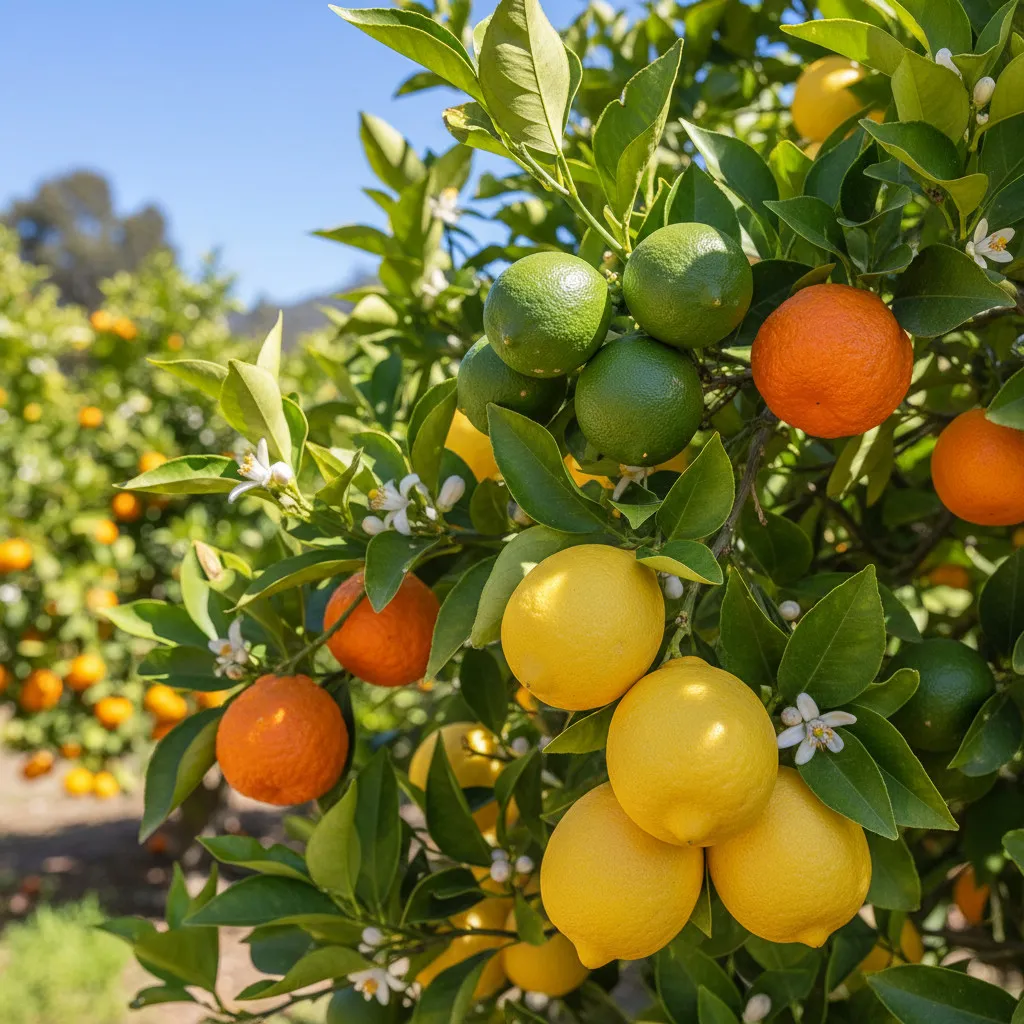
Citrus trees are among the most rewarding edible plants for California gardens, and April is considered one of the best months to plant them. Container-grown citrus from nurseries are often blooming in April, filling the air with intoxicating fragrance and allowing you to select trees already showing their fruiting potential. Meyer lemons, Improved Meyer lemons, Bearss limes, and various mandarins like ‘Gold Nugget’ and ‘Pixie’ are particularly well-suited to California home gardens. When planting citrus, choose a location with full sun (at least 6-8 hours daily), excellent drainage, and protection from strong winds. Plant citrus high—the crown of the root ball should sit slightly above the surrounding soil level—to prevent crown rot, which is the most common cause of citrus death in California gardens. Keep mulch several inches away from the trunk for the same reason.
Avocado trees thrive in Southern California’s Mediterranean climate, and April planting allows them to establish before summer heat arrives. Avocados are surprisingly adaptable but do require well-draining soil and protection from hard frosts. Popular varieties like ‘Hass,’ ‘Fuerte,’ ‘Bacon,’ and ‘Reed’ each have different fruiting seasons, and planting multiple varieties can extend your harvest window. Keep a thick layer of organic mulch under avocado trees to keep roots cool, but again, keep mulch away from the trunk itself.
Strawberries are perfect for April planting throughout most of California. Day-neutral (everbearing) varieties like ‘Albion,’ ‘Seascape,’ and ‘Tristar’ produce continuously from spring through fall in California’s mild climate, making them excellent choices for home gardens. June-bearing varieties produce one large crop in late spring to early summer. Plant strawberries in full sun in rich, well-amended soil with excellent drainage, spacing plants 12-18 inches apart. Many California gardeners achieve excellent results growing strawberries in raised beds or even in containers, which helps with drainage and makes harvest easier. Mulch strawberry beds with straw (hence the name!) or pine needles to keep developing fruit clean and reduce contact with soil that might harbor rot or pests.
Blueberries require acidic soil (pH 4.5-5.5), which can be challenging in many California regions with naturally alkaline soils, but they’re worth the effort for gardeners willing to amend soil appropriately or grow them in containers with acidic potting mix. Southern highbush varieties like ‘Misty,’ ‘O’Neal,’ and ‘Sharpblue’ are specifically bred for lower-chill regions and perform well in most of California. Plant at least two different varieties for cross-pollination and better berry production, and use fertilizers specifically formulated for acid-loving plants.
Blackberries and raspberries are vigorous growers in California gardens—sometimes too vigorous, so choose planting locations carefully and consider thornless varieties for easier harvest and maintenance. April is an excellent time to plant bare-root canes if you can still find them, or container-grown berry plants. Raspberries and blackberries produce best when grown on vertical supports, and many modern varieties are disease-resistant and bred for continuous production throughout the growing season rather than a single concentrated harvest.
Essential April Garden Care Tasks
Successful April planting is only part of the equation—proper garden care this month sets the foundation for a productive season ahead. Beyond getting new plants in the ground, several essential maintenance tasks deserve attention in California gardens during April.
Irrigation system inspection and adjustment should be a top priority this month. April is the perfect time to test your system before the heat of summer makes irrigation critical. Walk your garden while the system runs, checking each drip emitter for clogs or damage, inspecting sprinkler heads for proper coverage, looking for leaks in lines, and adjusting timers to account for increasing plant water needs as temperatures rise. Flush drip irrigation lines by removing the end caps and allowing water to run through, clearing out any sediment that accumulated during the winter. Clean filters in the system to ensure proper water flow. Consider upgrading to more water-efficient emitters or switching to drip irrigation in vegetable beds where overhead watering can promote fungal diseases.
Soil preparation and amendment is crucial before planting. Even if you’ve gardened in the same beds for years, annual replenishment of organic matter is essential for maintaining soil health, especially in vegetable gardens where crops rapidly deplete nutrients. Work 2-4 inches of high-quality compost into planting beds before setting out transplants or sowing seeds. For existing perennial beds, top-dress with compost around plants, keeping material a few inches away from plant stems and tree trunks. Consider incorporating additional amendments based on your soil type: add sand to heavy clay soils to improve drainage, or add coconut coir or compost to sandy soils to improve water retention.
Fertilization strategies vary depending on what you’re growing. Vegetables are heavy feeders that benefit from balanced organic fertilizers applied at planting time and supplemented throughout the growing season with regular applications of liquid fish emulsion or compost tea. Products like E.B. Stone Sure Start are specifically formulated for new transplants and help them establish quickly. Fruit trees should receive their second feeding of the year in April—citrus trees particularly benefit from monthly fertilization from April through July using citrus-specific formulas rich in trace minerals like iron, zinc, and manganese. Roses are also heavy feeders that appreciate regular fertilization beginning in April as they leaf out and prepare to bloom.
Mulching is perhaps the single most beneficial task California gardeners can perform in April. A 2-4 inch layer of organic mulch around plants, trees, and in vegetable beds provides numerous benefits: it moderates soil temperature, retains precious moisture (potentially reducing irrigation needs by up to 50%), suppresses weed germination and growth, and gradually breaks down to improve soil structure and fertility. Apply mulch generously this month, but always keep it several inches away from plant stems, tree trunks, and woody shrub bases to prevent rot and pest problems. Good mulch materials include wood chips, shredded bark, straw, grass clippings (from lawns not treated with herbicides), and finished compost.
Pest and disease monitoring becomes increasingly important as temperatures warm and gardens fill with lush new growth. Aphids often appear in April, clustering on tender new shoots and buds. A strong blast of water from the hose typically dislodges them, or you can use insecticidal soap for severe infestations. Slugs and snails emerge in earnest in April, especially after irrigation or rain, and can devastate young seedlings overnight. Hand-picking in early morning or evening is effective, or use organic baits like Sluggo that are safe around pets and wildlife. Watch for powdery mildew on susceptible plants like roses, squash, and some native plants—good air circulation, morning watering that allows foliage to dry quickly, and resistant varieties are your best prevention strategies.
Regional Considerations Across California
The beauty and challenge of California gardening lies in the state’s remarkable climatic diversity. What works perfectly in one region may fail miserably in another, so tailoring your April planting to your specific location ensures the best results.
San Francisco Bay Area gardeners work with moderate temperatures and the possibility of lingering cool, foggy weather, especially in coastal areas directly affected by marine layer conditions. While April is generally safe for planting warm-season crops, gardeners immediately along the coast may want to wait until late April or early May for the most heat-sensitive crops like basil, cucumbers, and melons. Take advantage of the extended cool season to keep growing lettuce, peas, and other cool-season crops that would quickly bolt in warmer regions. The moderate climate makes the Bay Area ideal for a wider range of crops year-round than almost anywhere else in the state.
Central Valley gardeners experience some of California’s warmest April temperatures, with soil heating quickly and spring arriving early. This region is perfect for getting warm-season crops established early in April, often allowing harvests to begin before intense summer heat arrives. The challenge in the valley is the brief window between spring cold and summer heat, so timing is everything. Get tomatoes, peppers, and other summer crops in by early April, and plan for summer shade strategies for heat-sensitive crops. Consider planting summer crops in locations that receive some afternoon shade during the hottest months, or plan to install shade cloth by June.
Southern California coastal areas from Santa Barbara to San Diego enjoy one of the world’s most perfect gardening climates, with mild temperatures year-round and minimal frost danger. April in coastal Southern California is absolutely prime for planting nearly everything—warm-season crops establish beautifully, and cool-season crops can continue producing. The main challenge is soil quality rather than temperature, as many coastal areas have heavy clay or sandy soils that require significant amendment. Inland Southern California valleys like Riverside, San Bernardino, and inland San Diego County experience dramatically hotter conditions, with April temperatures often reaching the 80s and 90s. These areas can plant even heat-loving crops like melons, eggplant, and okra early in April with excellent results.
Northern California mountain and foothill regions must pay careful attention to local frost dates, which can extend well into April or even early May at higher elevations. While valley floors may be safe for tender transplants, gardens just a few hundred feet higher in elevation may still face frost danger. Use season extenders like Wall O’ Water, cloches, or floating row covers to protect tender transplants if you plant early, and have frost blankets ready for unexpected cold snaps.
Wrapping Up: April Planting Success in California
April stands as the gateway month for California gardeners, when the promise of spring transforms into the reality of abundant gardens. Whether you’re planting your first tomato seedlings, establishing a cutting flower garden, or adding fruit trees to your edible landscape, success comes from understanding your specific climate, properly preparing your soil, and choosing varieties well-suited to California’s unique growing conditions. The efforts you invest this April—preparing beds, planting thoughtfully, establishing irrigation, and implementing proper care practices—will pay dividends throughout the growing season.
Remember that gardening is both science and art, requiring knowledge combined with observation and adaptation. Pay attention to how plants respond in your specific garden, keep notes about what works and what doesn’t, and don’t be afraid to experiment with new varieties or techniques. California’s extended growing season and generally forgiving climate make it one of the most rewarding places in the world to garden, where April plantings can produce harvests well into fall and sometimes even year-round.
As you work in your garden this April, take time to enjoy the process—the feel of warm soil in your hands, the sweet scent of citrus blossoms, the promise held in each tiny seed. The garden is not just about the harvest to come, but about connecting with the seasons, contributing to local ecosystems, and creating beauty and abundance. Whether your April garden is a few containers on a balcony or acres of carefully tended beds, you’re participating in the timeless practice of working with nature to nourish yourself, your family, and your community. Happy planting, and may your California garden thrive this season and for many seasons to come!
![What Fruits Can Gerbils Eat? [10 Nutritious Fruits]](https://fruitonix.com/wp-content/uploads/2023/05/Screenshot-2023-05-13-12.04.13-AM.png)