Table of Contents
- What to Plant in July in Southern California: Your Complete Summer Planting Guide
- Southern California’s Unique July Growing Environment
- Heat-Loving Vegetables That Thrive When Planted in July
- Quick-Maturing Crops for Late Summer Harvest
- Starting Your Fall Garden in July
- Herbs That Thrive in July’s Heat
- Essential Planting and Care Techniques for July Success
- What NOT to Plant in July
- Managing Heat Stress and Summer Challenges
- Regional Considerations Within Southern California
- Extending Your Success: From Planting to Harvest
- Final Thoughts: Embracing July’s Gardening Potential
What to Plant in July in Southern California: Your Complete Summer Planting Guide
July in Southern California is a fascinating paradox for gardeners. While the intense summer heat makes many assume it’s too late to plant anything new, experienced gardeners know this month presents unique opportunities. The warm soil temperatures, long daylight hours, and our region’s Mediterranean climate create ideal conditions for specific crops that thrive in heat. Whether you’re looking to extend your summer harvest, prepare for a productive fall garden, or simply keep your hands in the soil during these sun-drenched days, July offers more planting possibilities than you might imagine. The key is knowing exactly what to plant, when to plant it, and how to give your new crops the best chance of success despite the challenging conditions.
Southern California’s Unique July Growing Environment
Before diving into specific planting recommendations, it’s essential to understand what makes July gardening in Southern California distinctly different from other regions and other times of year. Our Mediterranean climate is characterized by hot, dry summers and mild, wet winters—a pattern that shapes every gardening decision we make during this pivotal month.
July represents the zenith of our summer season, with temperatures often soaring into the 90s and beyond in inland areas, while coastal regions enjoy more moderate conditions thanks to the marine layer. This temperature variation across just a few miles creates diverse microclimates that significantly impact what you can successfully grow. A garden in Pasadena experiences vastly different conditions than one in Santa Monica, even though they’re only about 20 miles apart. Understanding your specific microclimate is crucial for July planting success.
The soil temperatures in July are warm—sometimes too warm for certain crops—but perfect for heat-loving vegetables that struggle when planted earlier in spring. These elevated soil temperatures accelerate seed germination for warm-season crops while making it nearly impossible for cool-season varieties to sprout successfully. The extended daylight hours, typically 14-15 hours of light per day, provide ample energy for photosynthesis, allowing properly established plants to grow vigorously.
However, July also presents challenges that gardeners must address proactively. The combination of intense sun, low humidity, and occasional Santa Ana winds can quickly stress plants, especially newly transplanted seedlings. Irrigation becomes critical—not just frequent watering, but strategic, deep watering that encourages roots to grow downward where moisture is more consistently available. Many Southern California gardeners also contend with hard water and salt buildup in soil during summer months, requiring periodic leaching to maintain soil health.
Heat-Loving Vegetables That Thrive When Planted in July
Contrary to what many beginning gardeners believe, July isn’t too late for planting—it’s actually the perfect time for specific vegetables that demand warmth. These heat-loving crops not only tolerate the intense summer conditions but actually require them for optimal growth and production.
Beans: Both bush and pole beans are excellent choices for July planting in Southern California. These warm-season legumes germinate quickly in hot soil, often sprouting within just 7-10 days. Bush varieties like ‘Blue Lake,’ ‘Contender,’ and ‘Topcrop’ are particularly reliable and will produce a harvest within 50-60 days, giving you fresh beans by late August or September. Pole beans take slightly longer but produce over an extended period. The beauty of planting beans in July is that they’ll mature during the slightly cooler temperatures of early fall, often producing better quality pods than spring-planted beans that mature during peak summer heat. Beans also improve your soil by fixing nitrogen, making them valuable rotation crops for beds that previously hosted heavy feeders like tomatoes or squash.
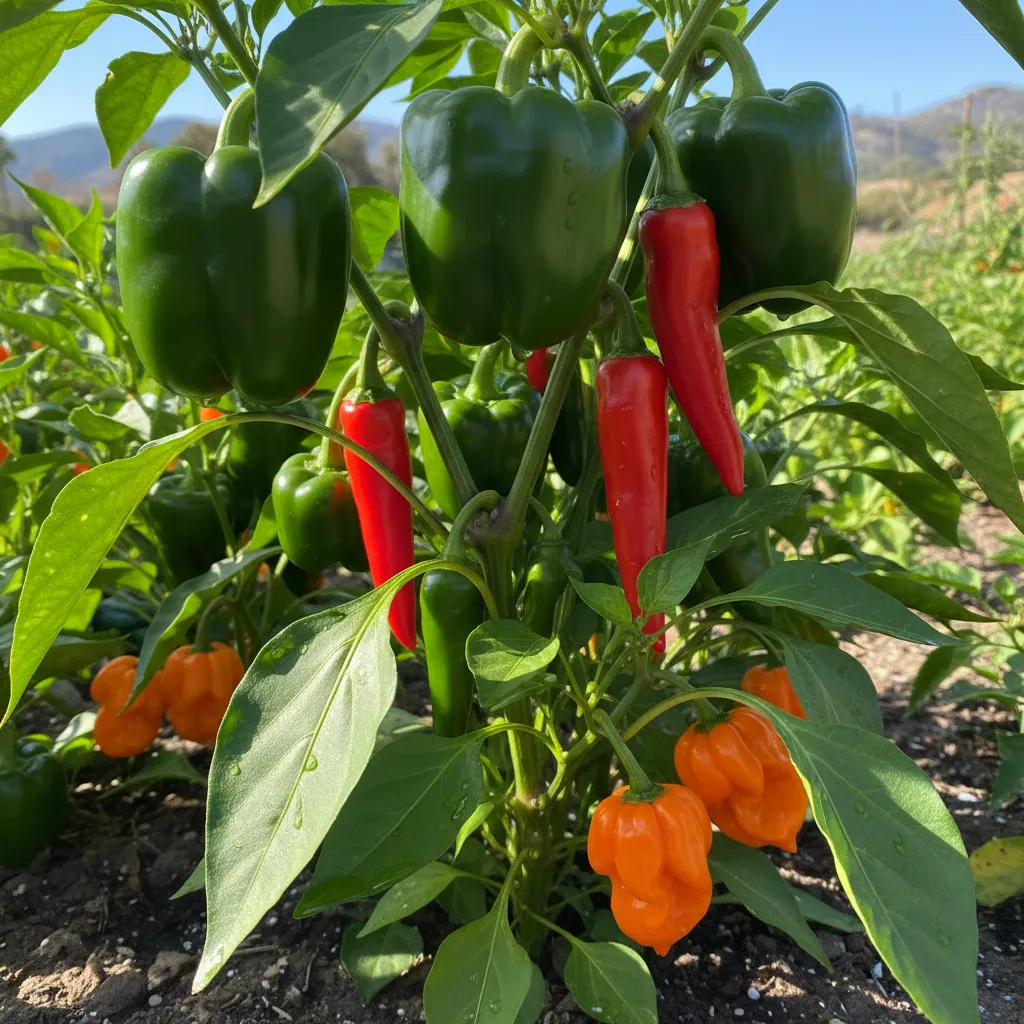
Peppers: If you didn’t get peppers in the ground during spring, July offers a second chance—and possibly even better results. Pepper transplants planted in July will establish quickly in the warm soil and continue producing well into fall and even early winter in frost-free areas. Both sweet bell peppers and hot varieties like jalapeños, serranos, and habaneros thrive when transplanted this month. Look for healthy transplants at nurseries, or start with larger 4-inch pots rather than small cell packs to give plants a head start. Popular varieties that perform well include ‘California Wonder’ for bells and ‘Jalapeño Early’ for hot peppers. The key with July pepper planting is providing some afternoon shade protection for the first week or two after transplanting, as the intense sun can stress young plants before their roots become established.
Tomatoes: While it might seem counterintuitive, July is actually an ideal time to plant a second crop of tomatoes, particularly certain varieties. Early-planted tomatoes (those put in during March or April) often become less productive by late summer as they exhaust themselves and face increased pest pressure. Planting fresh tomato transplants in July ensures a continuous harvest through fall. The best varieties for July planting are small-fruited types like cherry and grape tomatoes, which mature faster than large beefsteak varieties. ‘Sungold,’ ‘Sweet 100,’ and ‘Black Cherry’ are all excellent choices that will reward you with abundant harvests within 60-70 days. For larger tomatoes, try early-maturing varieties like ‘Early Girl,’ ‘First Lady Hybrid,’ or ‘Champion,’ which has proven particularly successful for fall production. Plant tomatoes deeply, burying the stem up to the first set of true leaves to encourage additional root development.
Eggplant: This heat-loving member of the nightshade family actually prefers being planted in the warmth of summer rather than the cooler spring temperatures that many gardeners default to. Eggplant transplants set out in July will establish quickly and produce beautiful fruits well into fall. Standard varieties like ‘Black Beauty’ work well, but also consider trying ‘Long Purple,’ ‘White Egg,’ or the stunning ‘Rosa Bianca.’ Eggplants are heavy feeders, so amend your planting holes with compost and plan to fertilize regularly throughout the growing season. These plants also appreciate consistent moisture, so establish a reliable watering schedule and maintain a thick layer of mulch around plants to keep roots cool.
Summer Squash and Zucchini: These prolific producers can be planted throughout summer, including July, for continuous harvests. Fast-growing varieties like ‘Black Beauty’ zucchini, ‘Yellow Crookneck,’ and ‘Golden Zucchini’ will germinate within days in July’s warm soil and begin producing within 45-50 days. Plant seeds directly in the garden rather than starting transplants, as squash plants dislike root disturbance. Consider succession planting—putting in just 2-3 plants every two weeks rather than a whole row at once—to avoid the common problem of being overwhelmed with too many squash at the same time. Along the coast, look for powdery mildew-resistant varieties, as this fungal disease is particularly common on squash family plants in Southern California’s climate.
Cucumbers: Like squash, cucumbers germinate rapidly in warm July soil and will provide abundant harvests within 55-65 days. Both slicing cucumbers for fresh eating and pickling varieties for preserving work well. ‘Marketmore,’ ‘Straight Eight,’ and ‘Lemon’ cucumber are all reliable performers. For something different, try Armenian cucumber, which is actually a type of melon but used like a cucumber and exceptionally heat-tolerant. Cucumbers are vining plants that benefit from vertical support—trellising not only saves space but also produces straighter fruits and reduces pest and disease problems by improving air circulation.
Quick-Maturing Crops for Late Summer Harvest
Beyond the classic heat-loving vegetables, July is an excellent time to plant fast-maturing crops that will provide harvests before you transition your garden to fall and winter vegetables. These quick crops take advantage of the warm growing conditions while still maturing before temperatures drop.
Radishes are the ultimate quick crop, maturing in as little as 25-30 days from seed. Direct sow seeds in July for late summer harvests. While many gardeners think of radishes as strictly a cool-season crop, certain varieties actually tolerate summer heat quite well, especially if given some afternoon shade in the hottest inland areas. Try ‘Cherry Belle,’ ‘French Breakfast,’ or ‘Icicle’ varieties. The key to tender, non-bitter radishes is consistent moisture—don’t let the soil dry out between waterings. Succession plant every two weeks to ensure a continuous supply rather than a single overwhelming harvest.
Carrots can be direct-sown in July, though you’ll need to pay extra attention to keeping the soil surface consistently moist until germination occurs. This can be challenging during our hot, dry July weather. One effective technique is to sow seeds in a shallow furrow on the north side where they’ll receive some shade, cover lightly with fine compost or potting soil rather than heavy garden soil, and shade the row with a piece of burlap or floating row cover. Sprinkle the area twice daily until seeds germinate, which typically takes 10-14 days. Once seedlings emerge, gradually remove the shade over several days. Carrots planted in July will mature in fall when cooler temperatures make them extra sweet.
Beets are another root vegetable that can be planted from seed in July for fall harvest. Both the roots and the nutritious greens are edible, giving you two crops from one planting. Beet seeds are actually seed clusters, so you’ll need to thin seedlings when they’re a few inches tall—don’t skip this step or you’ll end up with small, malformed roots. The thinnings make excellent additions to salads. Beets tolerate some shade, making them good candidates for intercropping beneath taller plants like tomatoes or peppers. Popular varieties include ‘Detroit Dark Red,’ ‘Golden,’ and the striped ‘Chioggia.’
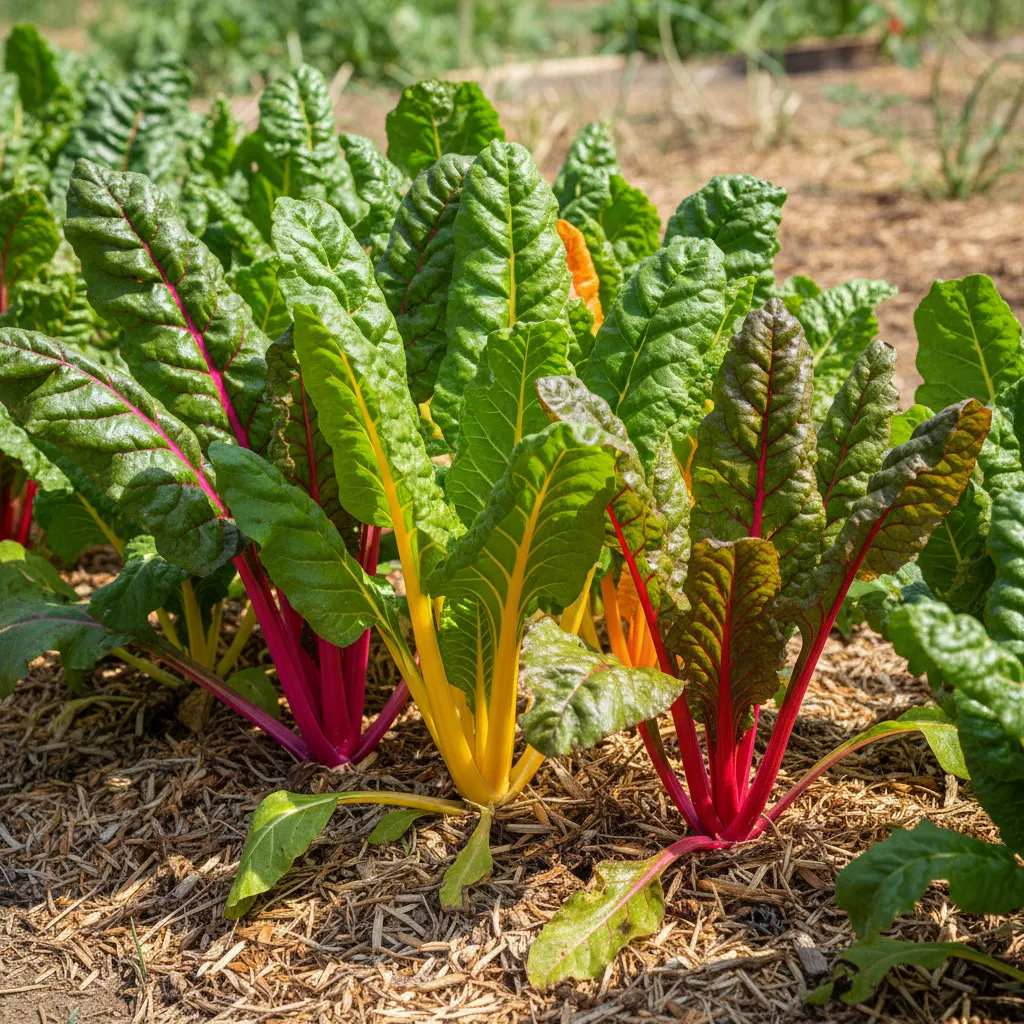
Swiss Chard is technically a type of beet grown for its leaves rather than roots. This attractive, heat-tolerant green can be planted from seed or transplants in July and will produce continuously if you harvest outer leaves while allowing the center to continue growing. Rainbow chard varieties like ‘Bright Lights’ offer stems in vibrant shades of red, yellow, orange, and pink, making them ornamental enough for flower beds. Chard is incredibly forgiving, tolerating both heat and cold while requiring minimal care beyond regular watering. It’s an ideal crop for beginning gardeners or anyone wanting reliable greens with minimal fuss.
Starting Your Fall Garden in July
One of the most important gardening tasks for July in Southern California is beginning preparations for your fall and winter garden. While this might seem premature when temperatures are at their peak, the reality is that many cool-season crops need to be started in July to be ready for transplanting in late August or September.
Cole Crops like broccoli, cabbage, cauliflower, Brussels sprouts, and kale should be started from seed indoors during late July. These vegetables take 6-8 weeks to reach transplant size, which means seeds started in late July will be ready for transplanting in late August or early September when temperatures begin moderating. Start seeds indoors or in a shaded area where temperatures are cooler than the outdoor garden. Many gardeners use a cool basement, air-conditioned garage, or shaded patio for summer seed starting. Keep the seed-starting medium consistently moist but not waterlogged, and provide bright light once seeds germinate—a sunny window or grow lights work well. Popular varieties that perform well in Southern California include ‘Green Magic’ broccoli, ‘Early Jersey Wakefield’ cabbage, ‘Snow Crown’ cauliflower, and ‘Lacinato’ kale.
Timing is Critical: Understanding the timeline from seed to harvest is essential when planning your fall garden in July. Most cole crops require 70-100 days from transplanting to harvest, which means plants transplanted in early September will be ready for harvesting in November or December—perfect timing for holiday meals. By starting seeds indoors in July, you ensure transplants are ready exactly when you need them. This approach is far more reliable and cost-effective than hoping to find the specific varieties you want at nurseries in late summer.
Leeks and Onions for fall and winter harvest can also be started from seed in July. These alliums have a long growing season, so getting them started now ensures sizeable harvests later. Leeks are particularly valuable for fall gardens as they’re extremely cold-hardy and can be harvested gradually throughout winter. They also add sophisticated flavor to soups, stews, and other cool-weather dishes.
Herbs That Thrive in July’s Heat
July is an excellent month for establishing herbs in your Southern California garden, particularly those species that originate from Mediterranean climates similar to ours. These herbs not only tolerate our summer conditions—they actually thrive in them.
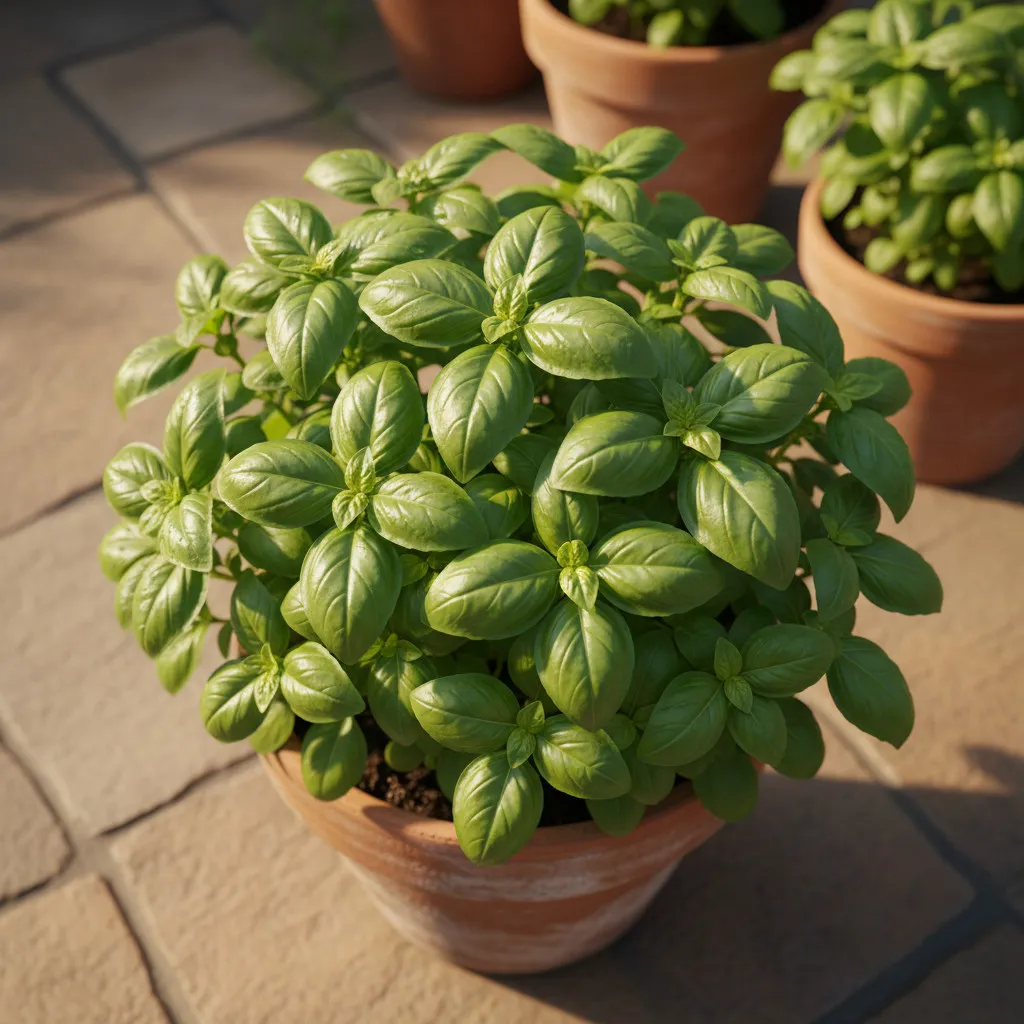
Basil is the quintessential summer herb and July is still an ideal time to plant it. This tender annual requires warm soil to thrive and will languish if planted too early in spring. In July’s heat, basil grows vigorously, producing abundant fragrant leaves perfect for pesto, caprese salad, and countless other dishes. There are numerous varieties beyond the standard sweet basil—try ‘Genovese’ for classic Italian flavor, ‘Thai’ basil for Asian cuisine, ‘Purple Ruffles’ for visual interest, or ‘Lemon’ basil for a citrus twist. Plant basil transplants rather than seeds for faster results, and pinch off flower buds as they appear to keep plants producing leaves rather than going to seed. With consistent harvesting and warm conditions, basil plants can continue producing well into fall.
Mediterranean Herbs like rosemary, oregano, thyme, sage, and lavender are perfectly suited to July planting. These perennial herbs originate from regions with climates remarkably similar to Southern California—hot, dry summers and mild, wetter winters. Once established, they require minimal water and virtually no fertilizer, making them ideal for sustainable, low-maintenance gardens. While these herbs can be started from seed, transplants establish much faster and you’ll be able to harvest sooner. Plant them in well-draining soil and avoid overwatering, as soggy conditions can lead to root rot. These herbs also make excellent companions for vegetables, attracting beneficial insects while deterring certain pests.
Summer Savory is an often-overlooked annual herb that excels when planted in July. This herb has a peppery flavor similar to thyme and pairs beautifully with beans (it’s sometimes called “the bean herb”). Summer savory grows quickly from seed or transplants and produces abundantly throughout summer and into fall. Unlike its perennial cousin winter savory, this annual herb is more tender and flavorful.
Cilantro Considerations: While cilantro is beloved in many cuisines, it’s worth noting that it’s challenging to grow during July’s heat in most of Southern California. This cool-season herb tends to bolt (go to seed) rapidly when temperatures soar. However, if you live in cooler coastal areas or can provide significant afternoon shade and consistent moisture, you might still succeed with heat-tolerant varieties like ‘Slow-Bolt’ cilantro planted late in the month. Alternatively, wait until September to plant cilantro for more reliable results.
Essential Planting and Care Techniques for July Success
Successfully establishing plants during July’s challenging conditions requires specific techniques that differ from spring planting. These strategies help young plants survive the heat stress and establish strong root systems despite the intense summer conditions.
Timing Your Planting: Never plant during the heat of the day in July. The best time for transplanting is in the late afternoon or early evening, which gives plants the entire night to begin recovering before facing another day of intense sun and heat. Some experienced gardeners even transplant on overcast days or just before expected cloud cover for optimal results. This simple timing consideration can dramatically improve transplant survival rates.
Soil Preparation: Before planting anything in July, ensure your soil is adequately prepared. Work in generous amounts of compost to improve soil structure, water retention, and nutrient content. The compost acts like a sponge, helping soil hold moisture longer between irrigations—a critical benefit during hot weather. Avoid adding fresh manure to beds where you’ll be planting immediately, as it can burn tender roots. Instead, use well-aged compost or composted manure. Consider adding a soil amendment specifically designed to improve water retention, such as aged humus or coconut coir.
Deep Watering is Crucial: The most important factor in establishing July plantings is irrigation management. Water deeply at planting time, making sure moisture penetrates at least 6-8 inches into the soil. Shallow watering encourages shallow root growth, making plants more susceptible to stress during heat waves. After the initial deep watering, maintain consistent soil moisture for at least the first 3-4 weeks until plants are well established. Check soil moisture daily by digging down a few inches with a trowel—if the soil is dry at that depth, it’s time to water. For transplants, water the surrounding soil as well as the planting hole, as the dry native soil can actually wick moisture away from the root ball.
Mulch is Your Best Friend: A 2-4 inch layer of organic mulch is essential for July plantings. Mulch moderates soil temperatures, dramatically reduces evaporation, suppresses weeds, and gradually improves soil quality as it decomposes. Apply mulch around plants after watering, keeping it a few inches away from plant stems to prevent rot and discourage pests. Good mulch options include straw, aged wood chips, shredded leaves, or compost. Avoid fresh grass clippings, which can heat up as they decompose and potentially harm plants.
Provide Temporary Shade: Newly transplanted seedlings benefit enormously from temporary shade protection during their first week or two in the garden. This is especially important for transplants that were growing in a shaded nursery environment before coming to your garden. Create simple shade structures using stakes and shade cloth, floating row covers, or even old bedsheets. Alternatively, plant new transplants on the north side of taller plants that will provide natural afternoon shade. Gradually reduce shade protection over 7-10 days as plants acclimate to full sun exposure.
Seed Starting Techniques: When direct-sowing seeds in July, special techniques help ensure successful germination despite the heat. Cover seeds with fine compost or seed-starting mix rather than heavy garden soil, which can crust over in heat and prevent emergence. Keep the seed bed consistently moist by watering lightly twice daily, or use a light covering of burlap or floating row cover to retain moisture and moderate temperature. Some gardeners even lay a board over the seeded area, checking daily and removing it as soon as seeds begin sprouting. For slow-germinating crops like carrots and parsley, pre-soaking seeds for a few hours before planting can speed germination.
What NOT to Plant in July
Understanding what you shouldn’t attempt to plant in July is just as important as knowing what thrives during this month. Trying to grow the wrong crops at the wrong time leads to frustration, wasted effort, and poor results.
Cool-Season Vegetables like lettuce, spinach, and peas are poor choices for July planting throughout most of Southern California. These crops evolved in cool climates and simply cannot tolerate our summer heat. Lettuce planted in July will either fail to germinate in hot soil or will bolt (go to seed) almost immediately after sprouting, producing bitter leaves and no harvestable crop. Spinach behaves similarly, while peas struggle with both the heat and the long day length, resulting in poor pod set and powdery mildew issues. Save these crops for fall planting in late August through October.
Large Fruiting Vegetables like winter squash, melons, and pumpkins are generally too late to plant in July if you’re hoping for a fall harvest. These crops require long growing seasons—typically 90-120 days—which means July plantings won’t mature until October or November at the earliest. By that time, shorter day lengths and cooler temperatures slow growth considerably, often resulting in undersized fruits that don’t fully ripen. The exception is pumpkins planted in very early July specifically for Thanksgiving rather than Halloween decorating.
Potatoes planted in July will struggle with the heat and are unlikely to produce a worthwhile harvest. The optimal times for planting potatoes in Southern California are February (for summer harvest) and August through early September (for winter harvest). July’s intense heat causes excessive vine growth at the expense of tuber development, and the plants are more susceptible to diseases in hot conditions.
Artichokes and Asparagus: While these perennial vegetables can technically survive if planted in July, the heat stress significantly reduces their establishment success rate. Both crops are better planted in fall or early spring when temperatures are more moderate and plants can develop strong root systems before facing extreme conditions. If you’re determined to plant these in summer, wait until late August or September.
Managing Heat Stress and Summer Challenges
Even with perfect planting techniques, July’s intense conditions can stress plants. Knowing how to recognize and respond to these challenges will help you keep your garden thriving.
Recognizing Heat Stress: Wilting is the most obvious sign of heat stress, but understand that some temporary wilting during the hottest part of the day is normal, especially for large-leaved plants like squash and cucumbers. This is the plant’s way of reducing water loss through transpiration. Concerning wilting is when plants remain wilted in the evening or early morning, indicating they’re not recovering overnight. Other signs of serious heat stress include leaf scorch (brown, crispy edges), blossom drop on fruiting vegetables, and stunted growth.
Pest Vigilance: July’s warm temperatures accelerate pest reproduction cycles, meaning small infestations can quickly explode into serious problems. Spider mites thrive in hot, dry conditions and can devastate tomatoes, cucumbers, and beans. These tiny pests cause stippled, yellowing leaves and fine webbing on stems and leaf undersides. Combat them with strong water sprays to the undersides of leaves, repeated every few days, or use insecticidal soap or neem oil for serious infestations. Whiteflies are another common July pest, particularly on tomatoes and peppers. These tiny white insects cluster on leaf undersides and fly up in clouds when disturbed. Use yellow sticky traps and horticultural oils to manage them. Tomato hornworms—large green caterpillars—can defoliate plants rapidly but are easily controlled by hand-picking or using BT (Bacillus thuringiensis), an organic bacterial pesticide.
Disease Prevention: Warm nights and warm days create ideal conditions for certain plant diseases. Powdery mildew appears as white, dusty growth on leaves and is particularly common on squash family plants in coastal areas. Improve air circulation around plants, avoid overhead watering late in the day, and apply organic fungicides like sulfur or neem oil at the first sign of infection. Blossom end rot on tomatoes and peppers—characterized by dark, sunken spots on fruit bottoms—is caused by inconsistent watering that interferes with calcium uptake. Prevent it by maintaining even soil moisture and mulching heavily.
Water Quality Issues: Many areas of Southern California have hard water with high salt content. Over time, these salts accumulate in soil and can damage plants, causing leaf tip burn and reduced vigor. Combat this by occasionally “leaching” your garden—applying extra water that drains deeply through the soil, carrying salts away from the root zone. This is particularly important in container gardens and areas watered with drip irrigation.
Regional Considerations Within Southern California
Southern California spans an enormous area with dramatically different microclimates, from coastal beaches to inland valleys to desert areas. Understanding your specific regional conditions will help you adapt these July planting recommendations to your garden.
Coastal Areas (San Diego coast, Orange County beaches, South Bay, Santa Monica, Malibu): These regions benefit from the marine layer—cool, moist air from the ocean that often persists through mid-morning and returns by evening. This natural air conditioning moderates temperatures significantly, with July highs typically in the 70s to low 80s. In these areas, you can successfully grow a wider range of crops in July, including some varieties that would struggle inland. However, the persistent moisture encourages powdery mildew and other fungal diseases, so choose resistant varieties when possible. Some coastal gardeners even succeed with cool-season crops like lettuce if they provide afternoon shade. The cooler conditions also mean slower growth rates, so adjust your harvest expectations accordingly.
Inland Valleys (San Fernando Valley, San Gabriel Valley, Inland Orange County, Inland San Diego County): These areas experience significantly hotter temperatures, often reaching the 90s or even exceeding 100°F during July. The heat stress on plants is much more severe, making shade protection, consistent irrigation, and mulching absolutely critical for success. However, the warmth also means faster growth rates for heat-loving crops—a pepper plant in Pasadena will grow significantly faster than one in Santa Monica. Focus on truly heat-tolerant varieties and be prepared to water more frequently than coastal gardeners. The bright side of inland heat is that many warm-season crops produce sweeter, more flavorful fruits when grown in these conditions.
Mountain and High Desert Areas (Big Bear, Wrightwood, Idyllwild, Julian, Mountain High, etc.): These higher elevation areas have very different growing conditions, with cooler temperatures and sometimes summer monsoon moisture. If you’re gardening above 4,000 feet elevation, your July might feel more like a coastal spring, allowing you to grow cool-season crops successfully. However, the shorter growing season means you need to choose fast-maturing varieties and be prepared for potential frosts as early as September. These areas often benefit from starting seeds indoors to give plants a head start before transplanting.
Low Desert Areas (Coachella Valley, Imperial Valley): July in the low desert is extremely challenging for gardening, with temperatures regularly exceeding 110°F. Most gardeners in these regions take a summer break from vegetable gardening, focusing instead on maintaining established fruit trees and landscaping. However, some extremely heat-tolerant crops like Armenian cucumber, desert-adapted melons, and certain pepper varieties can survive if given shade protection during the hottest parts of the day and ample irrigation.
Extending Your Success: From Planting to Harvest
Successful July planting doesn’t end once seeds are in the soil or transplants are in the ground. Ongoing care through the growth period ensures your plants reach their full productive potential.
Fertilizing Strategy: Plants growing in July’s warm soil temperatures are actively growing and require regular nutrition. For vegetables planted in July, begin fertilizing about two weeks after transplanting or once seedlings have their first true leaves. Use a balanced organic fertilizer or a formula appropriate to your crops—tomatoes and peppers benefit from formulations higher in phosphorus to support flowering and fruiting, while leafy crops like chard prefer higher nitrogen for leaf development. Fertilize every 2-3 weeks for most vegetables, always following package directions to avoid overfeeding, which can be as problematic as underfeeding. Organic fertilizers like fish emulsion, compost tea, or well-balanced granular products work exceptionally well in our climate.
Succession Planting: Rather than planting everything at once, consider succession planting—putting in small quantities every 2-3 weeks. This approach works particularly well for fast-maturing crops like beans, radishes, and lettuce (once temperatures cool in late summer). Succession planting ensures a continuous harvest rather than an overwhelming glut followed by nothing. It also spreads out your garden labor and reduces the likelihood of total crop failure from pests or weather events.
Training and Pruning: Tomatoes planted in July benefit from proper training and support. Install sturdy cages or stakes at planting time to avoid disturbing roots later. Many Southern California gardeners avoid pruning tomatoes along the coast, as the additional foliage helps prevent sunscald on fruits. However, inland gardeners often prune indeterminate varieties by removing suckers to improve air circulation and direct energy toward fruit production. Vining crops like cucumbers and pole beans should be trained onto their supports as they grow, gently weaving stems through trellises or up poles.
Monitoring and Adjusting: Walk through your garden daily during July, looking for signs of stress, pest activity, or irrigation problems. Drip emitters can clog, timers can malfunction, and individual plants may need more or less water than their neighbors depending on their root development and location. This daily observation allows you to catch and correct small problems before they become disasters. Keep a garden journal noting what you planted, when you planted it, and how it performed—this information becomes invaluable for planning future years.
Final Thoughts: Embracing July’s Gardening Potential
July in Southern California is far from a dead zone for planting—it’s actually a month of significant opportunity for gardeners who understand the season’s unique characteristics. While the intense heat and dry conditions require more attention and different techniques than the gentle spring planting season, the rewards are substantial. Plants established now will carry you through late summer, fill your fall table with fresh produce, and set the stage for a productive winter garden.
The key to July planting success lies in working with the season rather than against it. Choose crops that thrive in heat, provide adequate water and shade protection during establishment, and prepare now for the cool-season harvest to come. Remember that Southern California’s climate allows for almost year-round gardening—a luxury that gardeners in most other parts of the country can only dream about. By planting strategically in July, you’re taking advantage of this extended growing season and ensuring your garden remains productive and beautiful throughout the year.
Start small if you’re new to summer planting, perhaps trying just a few heat-tolerant herbs or a row of beans. As you gain experience and confidence, you’ll discover which crops perform best in your specific microclimate and develop your own techniques for beating the heat. Soon, July will become one of your favorite months for planting, full of possibility and promise for the harvests ahead.
Whether you’re filling gaps in existing beds, starting a new garden area, or planning ahead for fall, take advantage of July’s warmth and long days to keep your Southern California garden thriving. With proper planning, appropriate crop selection, and attentive care, your July plantings will reward you with abundance well into autumn and beyond.