California’s October garden is a gardener’s paradise where the oppressive summer heat finally breaks, giving way to mild temperatures that create ideal planting conditions. While gardeners in many parts of the country are putting their gardens to bed for winter, Californians are just getting started with one of the most productive planting seasons of the year. The magic of California’s Mediterranean climate means that October isn’t about endings—it’s about exciting new beginnings, fresh harvests, and establishing plants that will thrive through the cooler months ahead.
The beauty of October planting in California lies in the perfect storm of favorable conditions: warm soil that encourages root development, cooler air temperatures that reduce transplant shock, shorter days that minimize water stress, and the promise of upcoming winter rains to help establish new plants. Whether you’re in Southern California’s balmy coastal regions, the Central Valley, or Northern California’s more temperate zones, October offers unique opportunities to fill your garden with vegetables, flowers, natives, and ornamentals that will flourish in the months ahead.
Table of Contents
- Why October is Prime Planting Time in California
- Fall Vegetables to Plant in October
- Cruciferous Vegetables (Brassicas)
- Leafy Greens and Salad Crops
- Root Vegetables
- Peas and Alliums
- Cool-Season Flowers for October Planting
- California Native Plants for October
- Spring-Blooming Bulbs to Plant Now
- Fruit Trees and Perennial Edibles
- Essential October Garden Maintenance Tips
- Watering Adjustments
- Soil Preparation and Mulching
- Pest and Disease Management
- Regional Considerations Across California
- Key Takeaways: October Planting Success in California
Why October is Prime Planting Time in California
October represents a critical turning point in the California gardening calendar, offering conditions that are simply unmatched during other seasons. Understanding why this month is so advantageous will help you make the most of your planting efforts and set your garden up for months of success.
The science behind October’s planting perfection is compelling. During this month, soil temperatures remain warm from the summer sun—typically between 60 and 70 degrees Fahrenheit—which is ideal for root development. At the same time, air temperatures have moderated significantly, reducing the stress on transplants and newly germinated seeds. This combination allows plants to focus their energy on establishing strong root systems rather than fighting heat stress or struggling with cold soil. The shorter days also mean less intense sunlight and reduced evaporation rates, creating less demand on young plants while they’re getting established.
Seasonal rainfall patterns make October planting particularly strategic. Most regions of California begin experiencing their first significant rainfall between late October and November, which coincides perfectly with newly planted crops and ornamentals. By planting in October, you’re essentially scheduling your garden to take advantage of nature’s irrigation system. Plants that go into the ground now will have several weeks to begin root development before winter rains arrive to support continued growth. This natural watering reduces your irrigation needs and helps plants become more drought-tolerant by encouraging deeper root systems.
Pest and disease pressure decreases significantly in October. Many of the most troublesome summer pests—including spider mites, whiteflies, and certain caterpillars—become less active as temperatures cool. This gives your newly planted crops and flowers a better chance to establish without the constant pressure from hungry insects. Additionally, many fungal diseases that thrive in hot, humid conditions become less problematic as cooler, drier weather arrives. This reduction in pest and disease issues means less intervention is required from gardeners, allowing plants to grow more naturally and with fewer chemical inputs.
The extended growing season unique to California allows for remarkable productivity. Unlike gardeners in frost-prone regions who must cease planting by early fall, Californians can continue planting well into autumn and even winter in many areas. October plantings have plenty of time to mature before any risk of frost in most California zones, and many cool-season crops actually improve in flavor when touched by light frost. This extended season means you can enjoy fresh garden produce throughout fall, winter, and into spring—essentially year-round gardening that few other regions can match.
Energy efficiency is another compelling reason October planting succeeds. Plants naturally allocate their resources based on environmental conditions. When planted during the heat of summer, plants must dedicate enormous energy to transpiration and heat management, leaving less for growth and fruit production. October-planted crops, by contrast, can channel their energy into root development, leaf production, and eventually flowering and fruiting, resulting in healthier, more productive plants overall.
Fall Vegetables to Plant in October
October is the gateway to California’s cool-season vegetable garden, offering opportunities to grow an impressive variety of nutritious, delicious crops that will provide harvests throughout fall, winter, and into spring. The key to success is understanding which vegetables thrive in cooler temperatures and how to time your plantings for optimal results.
Cruciferous Vegetables (Brassicas)
The cabbage family represents some of the most rewarding crops for October planting. Broccoli, cauliflower, cabbage, Brussels sprouts, kale, and kohlrabi all belong to this group of cool-loving vegetables that actually taste better after exposure to cold weather. These plants thrive in the temperature range of 60 to 70 degrees Fahrenheit, making October’s conditions ideal for transplanting started seedlings. When planted now, these crops will mature during the cooler months of winter and early spring, producing tender, sweet vegetables that far surpass anything you’ll find in a grocery store.
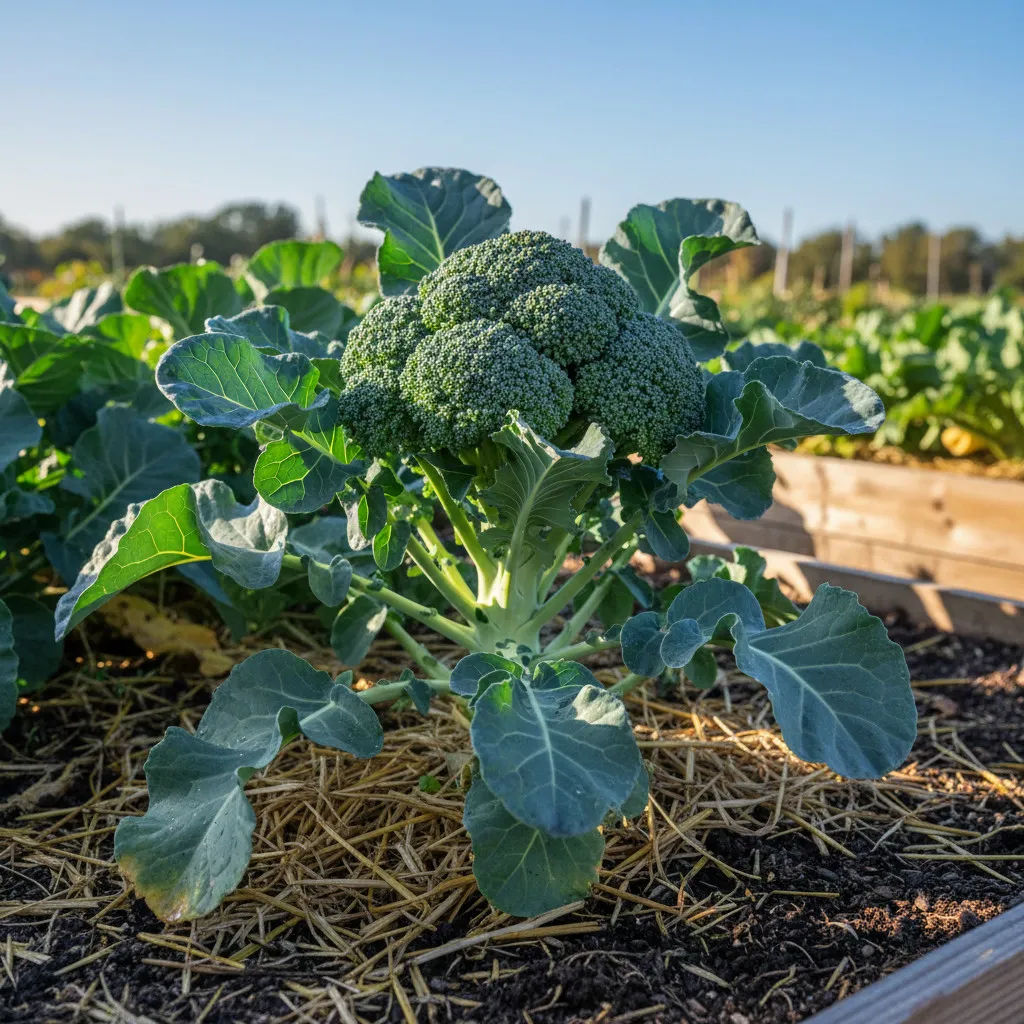
Broccoli is a star performer in the October garden and should be planted as transplants rather than seeds. Space your broccoli plants 18 to 24 inches apart in nutrient-rich soil that has been amended with compost and a balanced organic fertilizer. Broccoli requires consistent moisture and benefits from a 2-to-3-inch layer of mulch to regulate soil temperature and retain moisture. Most varieties take 60 to 90 days to produce their main head, which you’ll harvest by cutting just below the head before the flower buds begin to open. After harvesting the main head, the plant will continue producing smaller side shoots for several more weeks, extending your harvest considerably.
Cauliflower demands similar conditions to broccoli but requires one additional step for success. When the cauliflower head reaches about 2 to 3 inches in diameter, you’ll need to “blanch” it by tying the outer leaves over the developing head. This prevents sunlight from reaching the head, which would otherwise turn it yellow or purple and create a stronger, less desirable flavor. White cauliflower varieties particularly benefit from blanching, though some colored varieties like purple or green cauliflower don’t require this step. Cauliflower typically matures in 75 to 85 days and should be harvested when heads are firm and compact but before they begin to separate or “rice.”
Kale stands out as one of the hardiest and most productive fall crops. This nutritional powerhouse can be planted from seeds or transplants and will continue producing throughout the entire cool season. Space plants 12 to 18 inches apart and begin harvesting outer leaves when they reach about 8 inches long, leaving the central growing point intact so the plant continues producing. Kale actually becomes sweeter after frost, and you can harvest it all the way through winter and into spring. Consider planting several varieties with different leaf types—curly, lacinato (dinosaur), and Russian kale each offer unique flavors and textures.
Key growing tips for brassicas include:
- Plant in full sun (at least 6 hours daily) in well-draining, nutrient-rich soil
- Amend soil with compost and add organic fertilizer high in nitrogen
- Water consistently to keep soil evenly moist but not waterlogged
- Use floating row covers to protect from cabbage moths and their larvae
- Watch for aphids and cabbage worms; handpick or spray with organic solutions
- Rotate planting locations each year to prevent soil-borne diseases
Leafy Greens and Salad Crops
Lettuce and salad greens are among the fastest-growing and most satisfying crops for October planting. These vegetables can be sown directly from seed or planted as transplants, and many varieties mature in as little as 30 to 45 days. The beauty of growing your own lettuce is that you can harvest individual leaves as needed rather than cutting entire heads, providing a continuous supply of tender, fresh greens for salads throughout the cool season. October’s mild temperatures prevent lettuce from bolting (going to seed prematurely), a common problem with spring-planted lettuce that experiences rising temperatures.
Succession planting is the secret to never running out of fresh lettuce. Rather than planting your entire lettuce crop at once, sow small amounts every two to three weeks throughout October and into November. This staggered planting ensures you’ll have tender young lettuce ready to harvest continuously rather than being overwhelmed with more lettuce than you can use at once. Mix different lettuce types—romaine, butterhead, loose-leaf, and mesclun mixes—to create diverse, interesting salads with varying textures, colors, and flavors.
Spinach thrives in October’s cooler temperatures and can be remarkably productive. Sow spinach seeds directly in the garden about half an inch deep and 2 inches apart, then thin seedlings to 4 to 6 inches apart once they’ve germinated. Spinach grows quickly in cool weather and can be harvested in as little as 40 days, though you can begin harvesting outer leaves even sooner for baby spinach. Like lettuce, spinach benefits from succession planting every couple of weeks to maintain a steady supply. Spinach is cold-hardy and will continue growing through winter in most California regions, providing fresh greens when little else is available.
Arugula offers a peppery punch to salads and grows with remarkable speed. This spicy green can be ready to harvest in just 30 days and tolerates both cool and slightly warm temperatures, making it extremely versatile for fall planting. Sow arugula seeds directly in the garden, scattering them thinly and covering with about a quarter inch of soil. Arugula can be harvested as baby greens or allowed to mature to full size. The flavor becomes more intense as plants mature, so harvest according to your taste preference. Arugula will self-sow readily, potentially providing volunteers for future seasons.
Additional leafy greens to consider for October planting:
- Swiss chard: Heat-tolerant and cold-hardy, producing colorful stems and nutritious leaves
- Mustard greens: Spicy, fast-growing, and beautiful with purple or green ruffled leaves
- Collard greens: Southern favorite that becomes sweeter after frost exposure
- Asian greens: Bok choy, mizuna, and tatsoi offer unique flavors and textures
- Mesclun mixes: Pre-blended seed combinations for diverse, gourmet salads
Root Vegetables
Root vegetables excel when planted in October because cooler soil temperatures produce sweeter, more flavorful roots. Carrots, beets, radishes, turnips, and parsnips can all be direct-sown now, and the moderate temperatures help them develop slowly and evenly, resulting in tender, delicious vegetables. The key to success with root crops is soil preparation—these vegetables need loose, rock-free soil that allows their roots to penetrate deeply without obstruction. If your soil is heavy clay or rocky, consider planting root vegetables in raised beds filled with loose, sandy loam amended with compost.
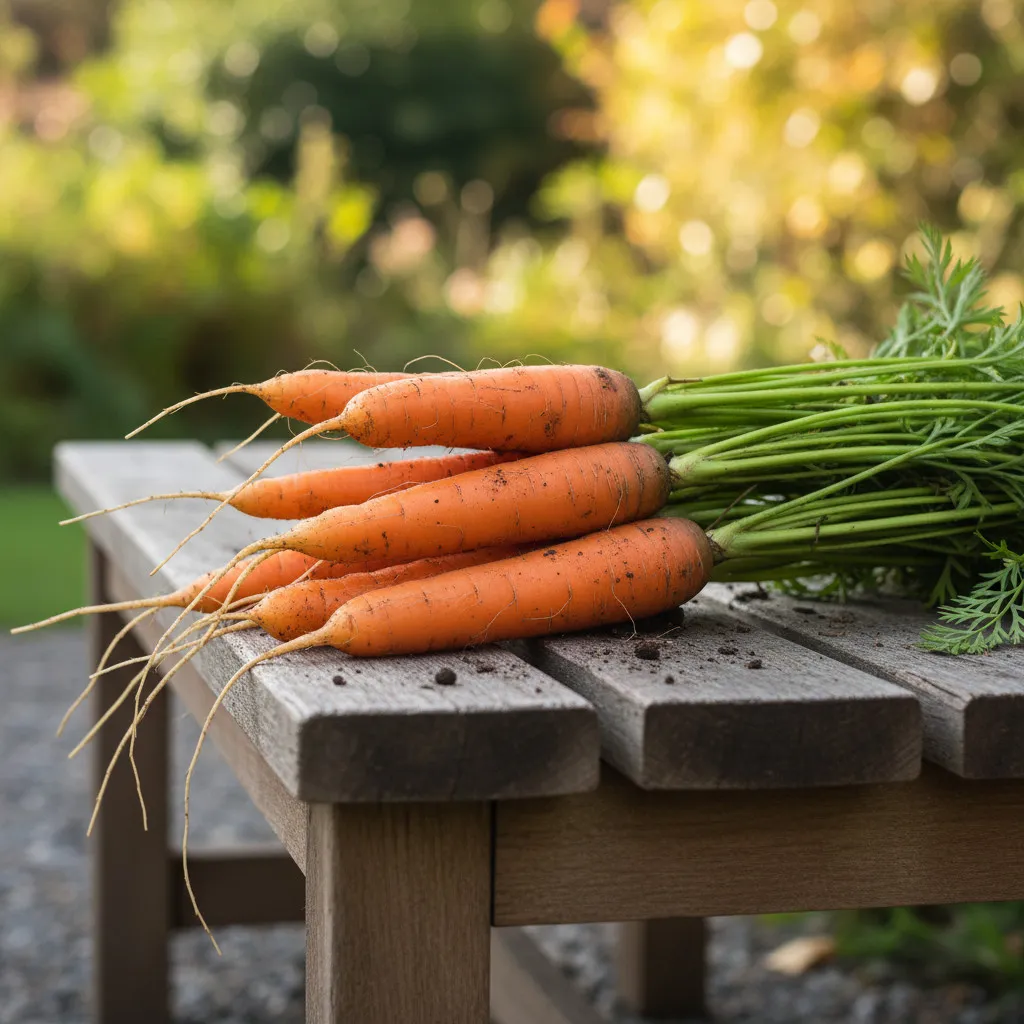
Carrots are a fall garden staple that taste remarkably better when homegrown. Carrot seeds are tiny and can be challenging to sow evenly, so consider mixing them with sand or purchasing seed tape for easier spacing. Sow seeds about a quarter inch deep and keep the soil consistently moist until germination occurs in 10 to 14 days. Thin seedlings to about 3 inches apart once they’re a couple of inches tall—this step is crucial because crowded carrots will be stunted and deformed. Most carrot varieties mature in 60 to 80 days, but you can begin harvesting “baby” carrots much sooner if desired. Fall-planted carrots are noticeably sweeter than summer carrots because cool temperatures cause the plants to convert starches to sugars.
Beets offer both nutritious roots and delicious greens in a single package. Each beet “seed” is actually a cluster of several seeds, so you’ll need to thin seedlings even if you’ve spaced seeds appropriately. Plant beet seeds about half an inch deep and 1 to 2 inches apart, then thin to 3 to 4 inches apart once seedlings emerge. You can eat the thinned seedlings as microgreens—nothing goes to waste. Beets mature quickly, typically in 50 to 70 days, and can be harvested at any size according to your preference. Both the roots and greens are edible and nutritious, making beets an especially valuable crop for the home garden.
Radishes are the speed demons of the vegetable garden and perfect for impatient gardeners or kids. These fast-growing roots can be ready to harvest in as little as 25 to 30 days, making them ideal for succession planting every week or two throughout October and November. Sow radish seeds half an inch deep and about an inch apart, thinning to 2 inches apart after germination. Radishes grown in fall and winter have a milder, sweeter flavor compared to spring radishes that experience warming temperatures. Try different varieties beyond the common red globe types—French breakfast, watermelon radishes, and daikon all offer unique flavors and appearances.
Important tips for growing root vegetables successfully:
- Loosen soil to at least 12 inches deep to allow for proper root development
- Avoid fresh manure or high-nitrogen fertilizers that promote leaf growth over root development
- Keep soil consistently moist, especially during germination and early growth
- Thin seedlings ruthlessly—overcrowding leads to small, misshapen roots
- Harvest promptly at maturity, as oversized roots become woody and tough
Peas and Alliums
Peas bring sweetness and productivity to the October garden and grow beautifully through California’s mild winters. Both shelling peas and edible-pod varieties (snap peas and snow peas) can be planted now for harvests beginning in late winter or early spring. Peas are legumes that fix nitrogen in the soil, actually improving soil fertility for crops that follow them. Plant pea seeds about 1 inch deep and 2 inches apart, providing support structures like trellises, stakes, or pea netting for vining varieties. Bush varieties don’t require support but take up more horizontal space. Peas prefer cool weather and will struggle if temperatures rise above 75 degrees, making fall planting ideal for California’s climate.
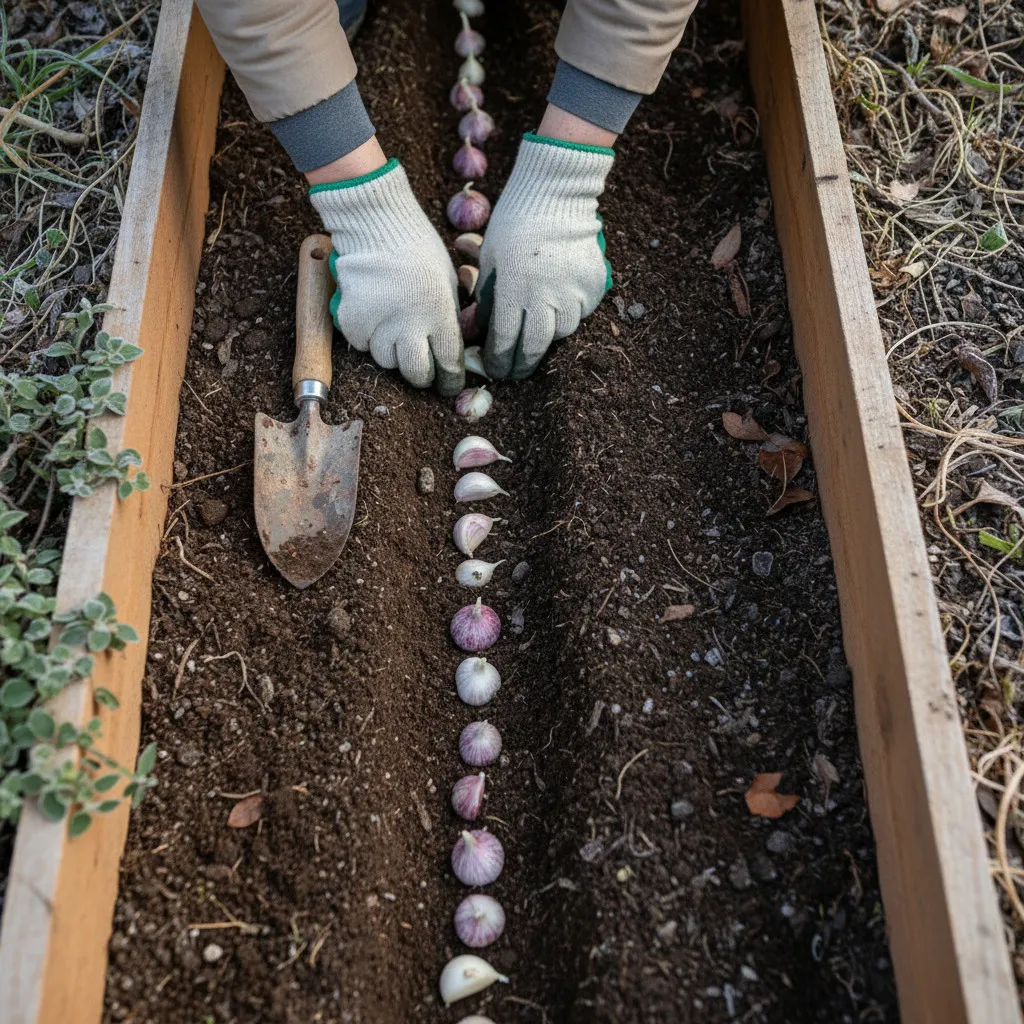
Garlic is the quintessential October planting and one of the most rewarding crops you can grow. October through November is prime garlic planting season in California, as these bulbs require a period of cold weather (though not as cold as northern climates) to develop properly divided bulbs. Purchase certified disease-free garlic bulbs from nurseries or seed companies rather than using grocery store garlic, which may be treated to prevent sprouting. Separate the bulb into individual cloves just before planting, keeping the papery skin intact. Plant cloves 2 to 4 inches deep with the pointed end up, spacing them 4 to 6 inches apart. Garlic requires very little care once planted and will be ready to harvest in late spring or early summer.
Onions can be planted from sets (small bulbs), transplants, or seeds in October. For the most reliable results in California, plant short-day or intermediate-day onion varieties rather than long-day types bred for northern climates. Plant onion sets or transplants about 1 inch deep and 4 to 6 inches apart in rows 12 inches apart. Onions have shallow root systems and benefit from regular watering and weed control. Mulching between plants helps retain moisture and suppress weeds. Onions planted in October will mature in late spring or early summer, when the tops naturally fall over—a signal that they’re ready to harvest.
Shallots and leeks are sophisticated members of the allium family worth growing. Shallots are planted similarly to garlic, using individual cloves from divided bulbs. They have a milder, sweeter flavor than onions and are prized in gourmet cooking. Leeks are grown from transplants and require deeper planting than onions—set transplants in trenches 4 to 6 inches deep and gradually fill in the trench as plants grow. This “blanching” process produces the long white stems that leeks are known for. Both shallots and leeks mature in spring and store well after harvest.
Cool-Season Flowers for October Planting
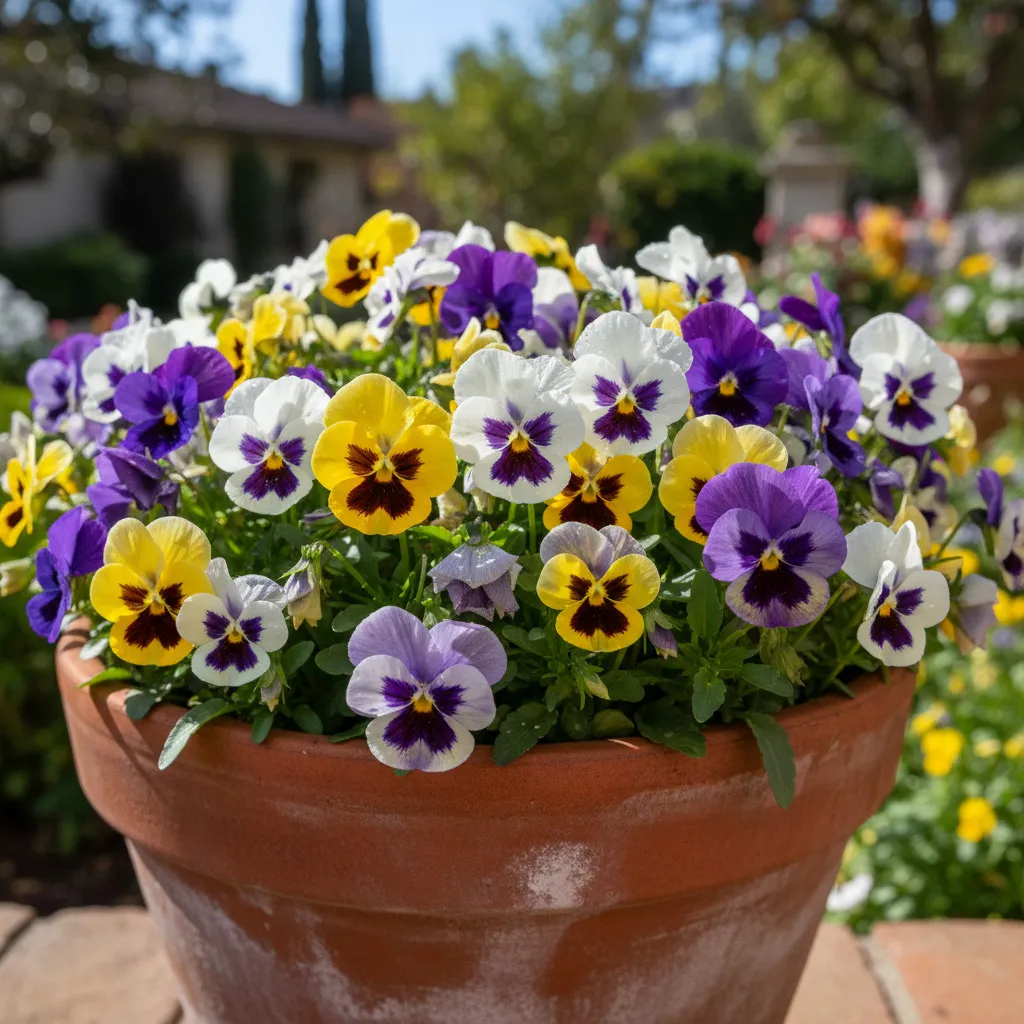
October is prime time for planting flowers that will brighten your garden throughout fall, winter, and into spring. While many gardeners focus exclusively on edibles during the cool season, incorporating flowering plants adds beauty, supports pollinators when few other food sources are available, and provides cut flowers for indoor arrangements during the dreary winter months.
Pansies and violas are the champions of cool-season color in California gardens. These cheerful flowers bloom prolifically throughout fall, winter, and spring, tolerating both cool temperatures and occasional frost. Available in an incredible array of colors and patterns, pansies and violas can be planted in beds, borders, or containers for reliable color that lasts for months. Plant them in well-draining soil in full sun to partial shade, spacing plants 6 to 8 inches apart. Deadhead spent blooms regularly to encourage continuous flowering, and feed monthly with a balanced fertilizer. Pansies prefer slightly cooler conditions than violas and may pause blooming during unusually warm spells, while violas tend to be more heat-tolerant and continue blooming more consistently.
Snapdragons add vertical interest and come in a stunning range of colors and sizes. These cottage garden favorites can be planted from transplants in October and will bloom from late winter through spring. Snapdragons prefer full sun and well-draining soil, and they benefit from pinching when young to encourage bushier growth and more flower spikes. Tall varieties make excellent cut flowers, while dwarf types work well in containers and border edges. Snapdragons can tolerate light frost and will often reseed themselves for future seasons if you allow some flowers to go to seed.
Iceland poppies create stunning displays of tissue-paper-like blooms in brilliant colors. These cool-season annuals should be planted from transplants or six-packs in October for flowers beginning in late winter. Iceland poppies prefer full sun and well-draining soil, and once established, they’re remarkably drought-tolerant. The flowers make excellent long-lasting cut flowers if you harvest them just as buds begin to open and immediately sear the cut stem ends with a flame. Iceland poppies will bloom continuously from late winter through spring, often reseeding themselves for future years.
Calendula brings cheerful orange and yellow blooms plus medicinal and culinary uses. Also known as pot marigold, calendula is easy to grow from seed sown directly in the garden or from transplants. These hardy plants bloom throughout the cool season and attract beneficial insects to the garden. Calendula flowers are edible and can be used fresh in salads or dried for teas and medicinal preparations. Deadhead spent blooms to encourage continued flowering, or allow some flowers to go to seed for future volunteers.
Additional cool-season flowers for October planting include:
- Stock: Fragrant spikes of flowers in pastel colors, excellent for cutting
- Cyclamen: Shade-tolerant with elegant reflexed petals and attractive foliage
- Dianthus: Spicy-scented flowers in pinks, reds, and whites with blue-green foliage
- Sweet peas: Climbing vines with intensely fragrant blooms, need trellis support
- Nemesia: Compact plants with masses of small, colorful flowers
- Ornamental kale and cabbage: Stunning foliage plants in purple, pink, and white
- Alyssum: Low-growing, honey-scented flowers perfect for edging and containers
California Native Plants for October
October is the absolute best time to plant California native plants, allowing them to establish during the rainy season when they naturally begin their growth cycle. Native plants are superbly adapted to California’s Mediterranean climate, requiring minimal water once established, supporting local wildlife and pollinators, and creating landscapes that are both beautiful and ecologically valuable. Fall planting gives natives several months to develop strong root systems before facing their first summer drought.
California lilac (Ceanothus) is a spectacular native shrub that produces masses of blue to purple flowers in spring. With numerous species and varieties ranging from low ground covers to large shrubs, there’s a ceanothus suitable for nearly every landscape situation. These plants prefer well-draining soil and full sun to partial shade. Once established, ceanothus is extremely drought-tolerant and requires no summer water in most regions. The flowers attract numerous pollinators, including native bees and butterflies, and the plants provide excellent cover for birds. Plant ceanothus in October to take advantage of winter rains that will help establish these plants before the dry season.
California fuchsia (Epilobium canum) is a hummingbird magnet that blooms from late summer through fall. This low-growing perennial spreads by underground runners to form attractive ground cover, producing masses of tubular red-orange flowers just when most other plants have finished blooming. California fuchsia is extremely drought-tolerant once established and thrives in poor soil with excellent drainage. It’s particularly valuable because it provides nectar for hummingbirds during fall migration when food sources are scarce. Cut plants back in late winter to encourage fresh, compact growth.
Bush monkey flower (Mimulus aurantiacus) offers year-round interest with glossy evergreen foliage and tubular flowers. These small shrubs bloom sporadically throughout the year, with peak flowering occurring in spring and summer. Flowers come in shades of orange, red, yellow, or cream, depending on the variety. Bush monkey flower adapts to a range of conditions from full sun to partial shade and is quite drought-tolerant once established. This native supports hummingbirds and is an excellent choice for slopes, rock gardens, or mixed native plantings.
Matilija poppy (Romneya coulteri) is a dramatic native that produces enormous white flowers resembling fried eggs. These perennial plants can reach 6 to 8 feet tall and wide, so they need plenty of space. The spectacular flowers can be 6 to 8 inches across with crinkled white petals surrounding a yellow center. Matilija poppy spreads by underground rhizomes and can be aggressive in ideal conditions, but its beauty and the way it attracts pollinators make it worth growing if you have the space. This native is extremely drought-tolerant and actually prefers poor soil and minimal care once established.
Sages (Salvia species) represent a huge group of California natives offering diverse forms and flower colors. White sage (Salvia apiana), black sage (Salvia mellifera), hummingbird sage (Salvia spathacea), and dozens of other native salvias provide options for every garden situation from hot, dry slopes to woodland gardens. These plants are valuable for pollinators, require minimal water, and many have aromatic foliage with culinary or medicinal uses. Plant sages in October and they’ll establish quickly with winter rains, then provide years of beauty and ecological value with minimal care.
Important considerations when planting California natives:
- Choose plants suited to your specific microclimate and soil conditions
- Avoid amending soil heavily—most natives prefer lean, unamended soil
- Water regularly (weekly) for the first growing season to help establish roots
- After establishment, water deeply but infrequently during summer (if at all)
- Avoid fertilizers, which can cause excessive growth and reduce plant health
- Mulch with bark or wood chips, keeping mulch away from plant stems
- Group plants with similar water needs together in hydrozone
Spring-Blooming Bulbs to Plant Now
October is prime bulb-planting season in California, when you’ll set the foundation for a spectacular spring flower display. Spring-blooming bulbs require a period of cool temperatures to develop properly, and planting them now allows them to establish roots throughout fall and winter before bursting into bloom when spring arrives. Most California regions don’t provide enough natural cold for some bulb types, requiring pre-chilling before planting.
Daffodils and narcissus are reliable spring bloomers that naturalize beautifully in California gardens. Unlike tulips, which often need pre-chilling and may not return reliably, daffodils thrive in California’s climate and will multiply year after year with minimal care. Plant daffodil bulbs with the pointed end up, at a depth of about three times the bulb’s height—typically 6 to 8 inches deep. Space bulbs 4 to 6 inches apart, or cluster them in natural-looking drifts for a more dramatic effect. Daffodils are essentially deer and gopher-proof due to their toxic alkaloids, making them excellent choices for areas with wildlife pressure. Choose a variety of cultivars with different bloom times to extend your daffodil season from late winter through mid-spring.
Ranunculus produces stunning, rose-like blooms in a rainbow of colors and performs beautifully in California. These corms (not true bulbs) should be soaked in water for 3 to 4 hours before planting to rehydrate them. Plant ranunculus corms with the “claw” side down about 2 inches deep and 4 to 6 inches apart in well-draining soil. In California’s mild climate, ranunculus often overwinters and returns for multiple years if left in the ground in well-draining soil. The flowers are exceptional for cutting and will bloom prolifically from late winter through spring if planted in October.
Anemones create delicate, poppy-like flowers in vibrant jewel tones and pair perfectly with ranunculus. Like ranunculus, anemone corms should be soaked before planting and set about 2 inches deep with the pointed end down. These flowers naturalize readily in California gardens and will spread over time to create increasingly impressive displays. Anemones prefer partial shade to full sun and well-draining soil. They bloom slightly earlier than ranunculus, often beginning in late winter, and the flowers are excellent for cutting.
Tulips present challenges in California’s mild climate but can succeed with proper preparation. Most tulip varieties require 12 to 16 weeks of cold temperatures (35 to 45 degrees Fahrenheit) to bloom properly. Since California’s winters rarely provide enough natural cold, gardeners must pre-chill tulip bulbs in the refrigerator for 6 to 8 weeks before planting. Purchase tulip bulbs in October, store them in a paper bag in the crisper drawer (away from apples and other ethylene-producing fruits), and plant them in late November or early December. Even with pre-chilling, tulips often don’t return reliably in California gardens, so many gardeners treat them as annuals, replanting each year.
Additional spring bulbs for California October planting:
- Hyacinths: Fragrant flowers requiring pre-chilling like tulips
- Crocus: Small early bloomers that naturalize well
- Dutch iris: Tall, elegant flowers excellent for cutting
- Freesia: Fragrant flowers in various colors, thrives in California
- Sparaxis: Colorful African native that naturalizes readily
- Ixia: Delicate starry flowers on wiry stems
- Grape hyacinth (Muscari): Petite blue or white flowers that spread readily
- Alliums: Dramatic spherical flower heads in purple, white, or pink
Fruit Trees and Perennial Edibles
October is an excellent time to plant fruit trees in California, giving them several months to establish before the stress of summer heat. Fall planting allows trees to focus energy on root development rather than leaf and fruit production, creating a stronger foundation for future growth. By the time spring arrives, fall-planted trees have well-established root systems and are ready to put on vigorous growth and begin producing fruit sooner than spring-planted trees.
Citrus trees are quintessentially Californian and October is ideal for planting them. Lemons, oranges, limes, grapefruits, tangerines, and kumquats all thrive in California’s Mediterranean climate, particularly in Southern California and other frost-free regions. Plant citrus trees in a location with full sun and protection from strong winds. Dig a planting hole as deep as the root ball and two to three times as wide, and plant at the same depth the tree was growing in its container—never bury the graft union. Citrus trees benefit from regular fertilization during the growing season and consistent watering, though established trees are moderately drought-tolerant.
Avocado trees can be planted in October in frost-free regions of California. These subtropical trees are sensitive to cold and should only be planted in areas that don’t experience freezing temperatures. Avocados require excellent drainage—if your soil is heavy clay, plant in a raised mound or large container. Plant the tree at the same depth it was growing in the container, taking care not to bury the trunk. Young avocado trees need regular watering until established, but mature trees are relatively drought-tolerant. Most avocado varieties require a second tree of a different variety for cross-pollination to produce abundant fruit.
Fig trees are remarkably well-adapted to California’s climate and October planting. These tough, drought-tolerant trees produce two crops per year in California—an early summer crop on last year’s wood and a larger fall crop on new growth. Figs are nearly pest-free, require minimal care, and can produce abundantly even in relatively poor soil. Plant fig trees in full sun, spacing them 15 to 20 feet apart. Young trees need regular water until established, but mature figs are extremely drought-tolerant. Figs fruit without cross-pollination, making them excellent choices for smaller gardens where space for multiple trees isn’t available.
Stone fruit trees (peaches, plums, nectarines, apricots) can be ordered for bare-root planting in January. While October isn’t bare-root season, it’s the perfect time to research varieties and place orders with nurseries. California gardeners should select low-chill varieties that don’t require extended cold periods to set fruit—standard varieties bred for northern climates often fail to produce in California’s mild winters. Use October to prepare planting sites, amend soil, and plan your orchard layout so you’re ready when bare-root season arrives in winter.
Perennial edibles beyond fruit trees also benefit from October planting:
- Strawberries: Plant bare-root or transplants for spring harvest
- Blueberries: Require acidic soil, plant in amended beds or containers
- Raspberries and blackberries: Plant canes now for next summer’s fruit
- Grapes: Plant bare-root vines or container plants, need strong support
- Artichokes: Perennial vegetables productive for multiple years
- Asparagus: Plant crowns now, harvest begins in second or third year
- Rhubarb: Cool-season perennial for pies and desserts (better in Northern California)
Essential October Garden Maintenance Tips
Successful October planting requires more than just putting plants in the ground—proper maintenance and care ensure your new plants thrive. These essential tasks will help your garden transition smoothly from summer to fall and set the stage for a productive cool season ahead.
Watering Adjustments
October requires a significant shift in watering practices as cooler temperatures and shorter days reduce evaporation. The generous irrigation that kept plants alive during summer’s heat becomes excessive and potentially harmful in fall. Overwatering during cool weather encourages fungal diseases, root rot, and shallow root development. As temperatures drop and days shorten, gradually reduce watering frequency while maintaining the duration of each watering session. Deep, infrequent watering encourages roots to penetrate deeply into the soil, creating more drought-tolerant, resilient plants. Most established landscapes need 30 to 50 percent less water in October compared to summer months.
Adjust your irrigation controller monthly as conditions change. If you use automatic irrigation, reduce the number of days per week you water rather than shortening the time each zone runs. For example, if you watered four times per week in August, reduce to three times per week in October, then two times per week in November. The length of time each zone runs should remain the same to ensure deep watering. New plantings require different treatment—they need consistent moisture until their roots establish, which typically takes several weeks. Water new plants by hand or with drip irrigation every few days initially, gradually spacing out watering as plants show signs of establishment.
Watch for the arrival of fall rains and adjust accordingly. Southern California typically receives its first measurable rainfall sometime between late October and November, though this varies considerably from year to year. When rain does arrive, monitor soil moisture carefully and reduce or eliminate supplemental irrigation. A simple soil moisture meter or even a wooden dowel inserted into the soil can help you determine when watering is actually needed. California natives and drought-tolerant Mediterranean plants, in particular, should receive minimal to no supplemental water once winter rains begin, as excessive moisture can damage or kill these adapted plants.
Soil Preparation and Mulching
October is the ideal time to improve your soil in preparation for planting. Summer crops have depleted nutrients from the soil, and rejuvenating it now ensures your fall and winter plantings have the resources they need to thrive. Add a 2-to-4-inch layer of high-quality compost to all planting areas, working it into the top 6 to 8 inches of soil with a garden fork or broadfork. Compost improves soil structure, increases water retention in sandy soils, improves drainage in clay soils, and provides a slow-release source of nutrients. If your budget doesn’t allow for generous compost applications, prioritize your vegetable beds and any areas where you’ll be planting new additions.
Mulching becomes even more important in October as it moderates soil temperature fluctuations. Apply a 2-to-3-inch layer of organic mulch such as wood chips, shredded bark, or straw around plants, taking care to keep mulch several inches away from plant stems and tree trunks. Mulch insulates soil, keeping it warmer on cold nights and cooler during warm days, which creates ideal conditions for root growth. It also suppresses weeds, reduces water loss through evaporation, and breaks down over time to add organic matter to the soil. For vegetable gardens, straw or leaves make excellent mulches that can be turned into the soil at the end of the season. For ornamental gardens and around trees and shrubs, longer-lasting wood chips or shredded bark are preferable.
Remove spent summer crops and add them to your compost pile—but only if they’re disease-free. Pull up tomatoes, peppers, squash, and other summer vegetables that have stopped producing, and add them to your compost pile where they’ll break down into valuable organic matter. However, if plants show signs of disease like powdery mildew, blight, or viral infections, dispose of them in the green waste bin rather than composting them. Many disease pathogens can survive the composting process and reinfect your garden when you apply the finished compost. This cleanup makes room for fall plantings and reduces hiding places for pests that might overwinter in your garden.
Pest and Disease Management
Pest pressure typically decreases in October, but some problems require attention. Cabbage moths become particularly troublesome as you plant brassicas—these white butterflies lay eggs on cabbage family plants, and their green caterpillar larvae can devastate crops. The most effective non-chemical control is floating row cover, a lightweight fabric that excludes pests while allowing light and water to penetrate. Drape row cover over newly planted brassicas and secure the edges with soil or landscape staples. This physical barrier prevents moths from accessing plants to lay eggs, eliminating the problem entirely without pesticides.
Scale insects and aphids may linger from summer, particularly on woody plants. Check the stems and branches of roses, fruit trees, and ornamental shrubs for signs of scale—small, immobile bumps that are often accompanied by ants. Scale insects excrete honeydew, a sweet substance that attracts ants and encourages sooty mold fungus. Control scale with horticultural oil sprays applied according to label directions, or simply scrub them off with a soft brush and soapy water. Aphids congregate on new growth and can be dislodged with a strong spray of water or controlled with insecticidal soap if populations are severe.
Fungal diseases become more problematic as cooler, potentially wetter weather arrives. Powdery mildew, rust, and other fungal issues thrive in the moderate temperatures and higher humidity of fall. Prevent fungal problems by ensuring good air circulation around plants, watering in the morning so foliage dries before nightfall, and avoiding overhead watering in favor of drip irrigation or soaker hoses. If fungal diseases do appear, remove and dispose of infected leaves, and consider applying organic fungicides like sulfur or copper-based products. Preventive applications are more effective than trying to cure established infections.
Slugs and snails become increasingly active as weather cools and moisture increases. These mollusks feed at night, leaving characteristic slime trails and irregular holes in leaves. They particularly target tender seedlings and young transplants, and can destroy an entire planting overnight. Control slugs and snails by handpicking in the evening or early morning, setting out beer traps, creating copper barriers around vulnerable plants, or applying iron phosphate bait (safer for pets and wildlife than older metaldehyde-based products). Remove potential hiding places like boards, pots, and dense vegetation where slugs and snails rest during the day.
Regional Considerations Across California
California’s diverse microclimates mean that October planting recommendations vary considerably depending on your specific location. Understanding your regional conditions helps you time plantings appropriately and select varieties that will thrive in your particular climate zone.
Southern California gardeners enjoy the longest and mildest growing season in the state. Coastal areas from San Diego through Los Angeles rarely experience frost and maintain moderate temperatures throughout winter, allowing for essentially year-round gardening. October planting in Southern California can begin earlier in the month, and warm-season crops like tomatoes and peppers can often continue producing into November or even December in protected locations. However, Southern California’s typically drier conditions mean irrigation must continue longer into fall compared to Northern California. Native plants and drought-tolerant Mediterranean species thrive in Southern California’s climate and should be the foundation of sustainable landscapes in this water-challenged region.
Central Valley gardeners experience greater temperature extremes than coastal regions. Summer heat lingers longer in the valley, often well into October, which can delay planting of cool-season crops until later in the month when temperatures moderate. However, the Central Valley also experiences earlier and harder frosts than coastal areas, typically beginning in November or December. This compressed cool season means Central Valley gardeners should focus on faster-maturing varieties of vegetables and should be prepared to protect tender plants from frost. The valley’s fertile soils support exceptional vegetable production, making it California’s agricultural heartland.
Northern California and Bay Area gardeners benefit from ample rainfall and moderate temperatures. October planting can begin as soon as temperatures cool from summer highs, typically by mid-month. Coastal fog and marine influence create ideal conditions for cool-season crops, and many vegetables can be grown year-round in these mild coastal microclimates. Northern California’s higher rainfall means supplemental irrigation can often be reduced or eliminated entirely by late October or November. However, gardeners in northern regions should be aware of earlier frost dates—inland areas of Northern California can experience frost as early as late October, while coastal areas typically remain frost-free through winter.
Mountain and high-desert regions face unique challenges for October planting. These areas experience cold temperatures much earlier than low-elevation regions, and frost can arrive in October or even earlier at higher elevations. Gardeners in these zones should focus on hardy vegetables that tolerate freezing temperatures, such as kale, chard, and spinach, and should use cold frames, row covers, or hoop houses to extend the season. Mountain areas receive more precipitation than lower elevations, often in the form of snow, which eliminates the need for winter irrigation. These challenging climates are ideal for growing crops that require chilling hours, like many stone fruits and apples, which struggle in California’s milder low-elevation regions.
Frost dates vary dramatically across California:
- Coastal Southern California: Frost-free or occasional light frost
- Inland Southern California: First frost November-December
- Central Valley: First frost November-December
- Bay Area Coast: Frost-free to light frost December-January
- Northern California Inland: First frost October-November
- Mountain/High Desert: First frost September-October
Key Takeaways: October Planting Success in California
October stands as one of the most productive and enjoyable months for California gardeners, offering mild temperatures, decreasing pest pressure, and the promise of upcoming winter rains. By understanding what to plant now and how to care for your October garden, you’ll enjoy harvests and blooms throughout the coming months that would be impossible in most other regions.
Remember these fundamental principles for October planting success. First, take full advantage of California’s unique climate by planting cool-season vegetables that will produce through fall, winter, and into spring. Second, establish California natives and Mediterranean plants now when natural rainfall patterns support their growth cycles. Third, plant spring-blooming bulbs to ensure spectacular color when the season changes. Fourth, adjust your garden maintenance practices to match October’s changing conditions—less water, more mulch, and vigilant pest management set the foundation for healthy plants.
Your October efforts will reward you with months of beauty and bounty. Whether you’re harvesting crisp lettuce and sweet carrots, admiring the vibrant blooms of California natives as they attract pollinators, or anticipating the spring bulb display you’re planting now, October gardening connects you to California’s natural rhythms. This is gardening at its finest—working with nature rather than against it, growing food and flowers ideally suited to your climate, and creating landscapes that are both productive and sustainable.
The time to act is now. Visit your local nursery to select transplants, order seeds from quality suppliers, research native plants suited to your specific conditions, and prepare your soil for planting. Each day you delay is a lost opportunity to take advantage of October’s perfect planting conditions. California’s Mediterranean climate is a gardener’s gift—use October wisely, and your garden will flourish through the months ahead, providing food, beauty, and connection to the natural world throughout the cool season and beyond.