Table of Contents
- What to Plant in September in Southern California: Your Complete Guide to Fall Garden Success
- Understanding Southern California’s September Climate
- Cool-Season Vegetables to Plant in September
- Leafy Greens: Nature’s Nutritional Powerhouses
- The Brassicas Family: Cool-Weather Champions
- Root Vegetables: Underground Treasures
- Legumes: Nitrogen-Fixing Favorites
- Herbs That Thrive When Planted in September
- Beautiful Fall Flowers for Your Garden
- Fruit Trees and Perennials for Long-Term Growth
- Essential Planting Tips for September Success
- What to Harvest While You Plant
- Common Mistakes to Avoid When Planting in September
- Final Thoughts
What to Plant in September in Southern California: Your Complete Guide to Fall Garden Success
September in Southern California brings a welcomed shift from the scorching summer heat to more pleasant, temperate days. While much of the country begins winding down their gardens for winter, Southern California gardeners are gearing up for one of the most productive planting seasons of the year. This is the time when your garden transforms from summer blooms and heat-loving vegetables to cool-season crops that will provide fresh harvests well into spring.
The magic of gardening in Southern California lies in our unique Mediterranean climate, which allows for nearly year-round growing. September marks a pivotal transition period—a bridge between the warm-season crops that are finishing their production cycle and the cool-season varieties that are just beginning to thrive. Understanding what to plant during this crucial month can make the difference between a garden that merely survives and one that flourishes with abundant harvests and vibrant colors throughout the fall and winter months.
Whether you’re a seasoned gardener looking to maximize your autumn yields or a newcomer wondering where to start, this comprehensive guide will walk you through everything you need to know about September planting in Southern California. From selecting the right vegetables and herbs to choosing stunning fall flowers and establishing fruit trees, you’ll discover how to make the most of this prime planting season. Let’s explore the wonderful world of September gardening and set your garden up for months of beauty and bounty.
Understanding Southern California’s September Climate
Southern California’s September weather creates ideal conditions for establishing cool-season crops while summer’s warmth still lingers in the soil.
September in Southern California presents a unique gardening opportunity that differs significantly from most other regions of the country. While the calendar says fall has arrived, the weather often tells a different story. This transitional month typically features warm, sometimes hot days with temperatures ranging from the mid-70s to low 90s Fahrenheit, combined with increasingly cooler evenings that dip into the 60s. This temperature differential creates an ideal environment for germinating seeds and establishing young plants before winter arrives.
One of the most important factors to consider when planning your September garden is the changing daylight hours. As days grow shorter, plants receive fewer hours of sunlight for photosynthesis, which affects their growth rate and development. This natural phenomenon means that plants started in September will grow more slowly than those planted in spring, but they’ll also be more resistant to common warm-weather problems like bolting and pest infestations. The reduced light intensity also benefits cool-season crops, which can struggle or bolt prematurely when exposed to the intense summer sun that Southern California is famous for.
Another characteristic weather pattern to prepare for is the possibility of Santa Ana winds. These hot, dry winds typically occur between September and May, with peak activity in the fall months. Santa Ana conditions can quickly dry out soil and stress newly planted seedlings, making consistent watering and soil preparation even more critical during September. Understanding this wind pattern helps you plan protective measures, such as windbreaks or temporary shade structures, to shield vulnerable young plants during these challenging weather events.
Rainfall patterns also shift in September, as this month marks the beginning of Southern California’s rainy season, though significant precipitation usually doesn’t arrive until November or December. This means you cannot yet rely on natural irrigation and must maintain a regular watering schedule for newly planted crops. However, the promise of future rain makes September an excellent time to establish plants, as their root systems will have time to develop before winter moisture arrives. Additionally, different microclimates throughout Southern California—from coastal areas to inland valleys—can vary significantly, so it’s essential to know your specific USDA hardiness zone and local frost date when planning your September plantings.
Cool-Season Vegetables to Plant in September
September is prime time for planting cool-season vegetables that will provide fresh, nutritious harvests throughout fall and winter.
September represents the ideal window for establishing your cool-season vegetable garden in Southern California. These vegetables are specifically adapted to grow and thrive in cooler temperatures, making them perfect candidates for fall planting. Unlike their warm-season counterparts that struggle once temperatures drop, cool-season crops actually improve in flavor and texture as the weather cools. Many gardeners consider fall-grown vegetables to be superior in taste compared to those grown in spring, as the gradual temperature decline allows sugars to concentrate in the plant tissues, resulting in sweeter, more flavorful produce.
The beauty of September vegetable planting lies in the fact that soil temperatures remain warm enough to encourage seed germination and root development, while air temperatures are cooling enough to prevent stress on young plants. This combination creates optimal growing conditions that allow seedlings to establish strong root systems before winter’s cooler temperatures slow growth. By planting now, you’re essentially giving your vegetables a head start, ensuring they’ll be robust enough to continue producing even when winter arrives. Additionally, many cool-season vegetables planted in September will provide harvests well into spring, offering months of fresh, homegrown produce when supermarket prices for organic vegetables are at their highest.
Leafy Greens: Nature’s Nutritional Powerhouses
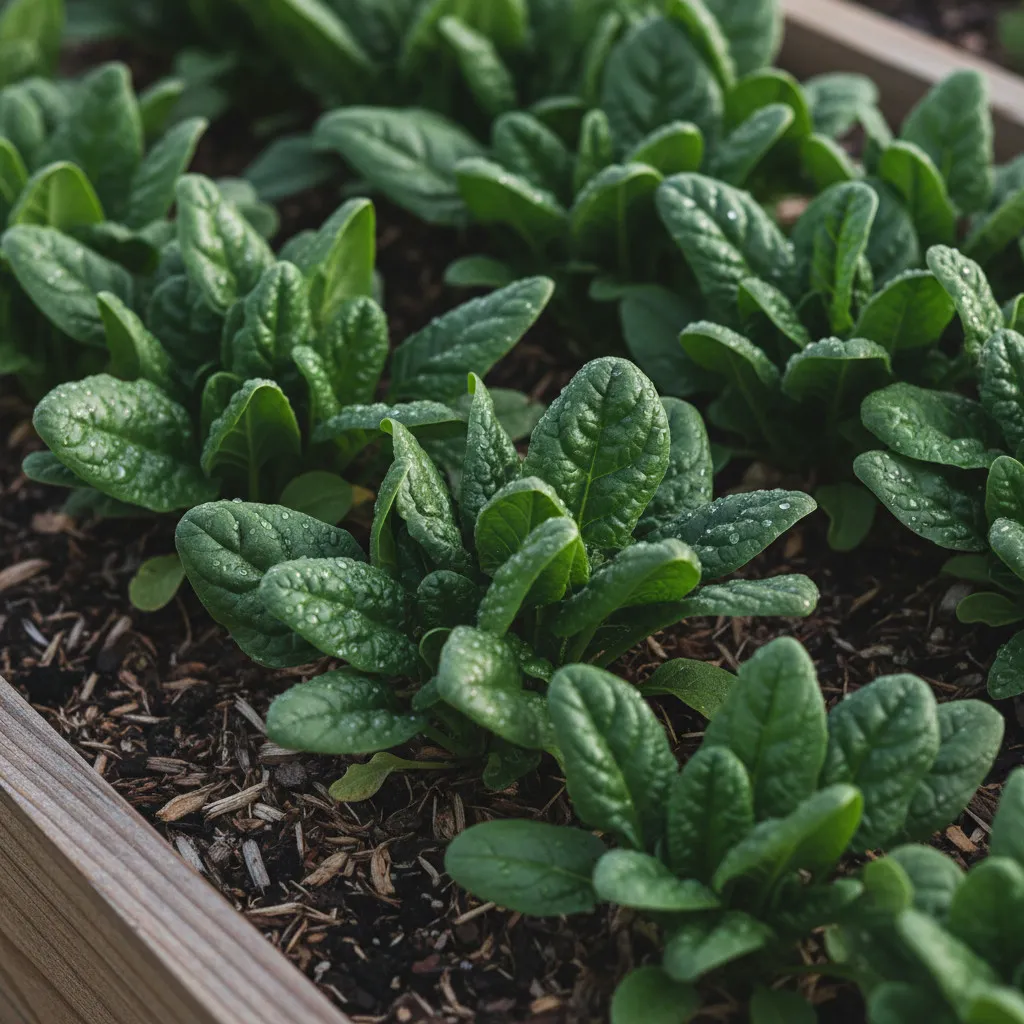
Leafy greens are among the easiest and most rewarding vegetables to grow in your September garden. These nutritional powerhouses thrive in the cooler temperatures that characterize Southern California’s fall and winter months, making them perfect choices for gardeners of all skill levels. Spinach stands out as an exceptional cool-season crop that can be directly seeded into your garden beds in September. This iron-rich green is remarkably cold-hardy and will continue producing tender leaves even after light frosts. For continuous harvests, plant spinach seeds every two to three weeks throughout September and into October, creating a succession that ensures you’ll have fresh spinach available for months.
Lettuce in its many varieties—including romaine, butterhead, leaf lettuce, and arugula—absolutely flourishes when planted in September. Unlike spring-planted lettuce that quickly bolts in warm weather, fall-planted lettuce enjoys the gradually cooling temperatures and produces crisp, sweet leaves over an extended period. You can start lettuce from seeds directly in the garden or purchase transplants from local nurseries for quicker results. Loose-leaf varieties are particularly well-suited for home gardens because you can harvest individual outer leaves as needed, allowing the plant to continue producing new growth from the center. This “cut-and-come-again” harvesting method provides fresh salad greens for your table throughout the entire fall and winter season.
Kale has earned its reputation as a superfood, and growing it in your own garden ensures you have access to the freshest, most nutritious leaves possible. September is the optimal time to establish kale plants in Southern California, as they benefit from the warm soil for root development while the cooling air temperatures prevent the bitterness that can develop in summer-grown kale. Kale comes in numerous varieties, including curly kale, Lacinato (also called dinosaur kale), and Red Russian kale, each offering unique textures and flavors. These hardy plants will produce abundantly throughout fall and winter, and their flavor actually improves after exposure to cold temperatures, becoming sweeter and less bitter.
Swiss chard deserves special mention as one of the most beautiful and productive leafy greens you can grow. Available in stunning varieties with brilliantly colored stems in shades of red, yellow, orange, and white, chard adds ornamental value to your garden while providing nutritious harvests. Plant chard seeds or transplants in September, and you’ll enjoy continuous harvests well into spring. Like kale, chard is a “cut-and-come-again” vegetable—simply harvest the outer leaves and allow the plant to continue producing from the center. Swiss chard tolerates both heat and cold better than many other greens, making it an excellent choice for Southern California’s variable fall weather.
The Brassicas Family: Cool-Weather Champions
The brassicas family, which includes some of the most beloved vegetables in the culinary world, absolutely thrives when planted in September in Southern California. These vegetables require cooler temperatures to develop properly and will struggle or fail entirely if planted during warm months. Broccoli tops the list of must-plant brassicas for September. This nutritious vegetable needs approximately seventy-five to ninety days to mature, making September planting perfect for a winter harvest. While you can start broccoli from seeds, most gardeners find greater success by purchasing transplants from nurseries, as seedlings are more reliably established and less vulnerable to pests during their critical early growth stages.
Cauliflower is another brassica that performs exceptionally well when planted in September. Like its close relative broccoli, cauliflower requires cool temperatures to form those beautiful, creamy white heads. The plant is somewhat more temperamental than broccoli, requiring consistent watering and nutrient-rich soil to develop properly. However, the reward of harvesting your own fresh cauliflower—whether you roast it, steam it, or transform it into cauliflower rice—makes the extra effort worthwhile. Plant cauliflower transplants in September, ensuring they have plenty of space to develop, as crowded plants produce smaller heads. Some varieties take longer to mature than others, so check the days-to-harvest information when selecting which varieties to grow.
Cabbage in its many forms—green, red, savoy, and Napa—is an excellent addition to your September garden. These hardy plants develop into substantial heads that store well and provide versatile ingredients for countless dishes, from coleslaw and sauerkraut to stir-fries and soups. Cabbage plants need room to grow, so space transplants about eighteen to twenty-four inches apart in rows that are two to three feet apart. The plants will appreciate rich, well-amended soil and consistent moisture throughout their growing period. Red cabbage varieties offer the added benefit of beautiful purple-red color in the garden, creating visual interest even before harvest time arrives.
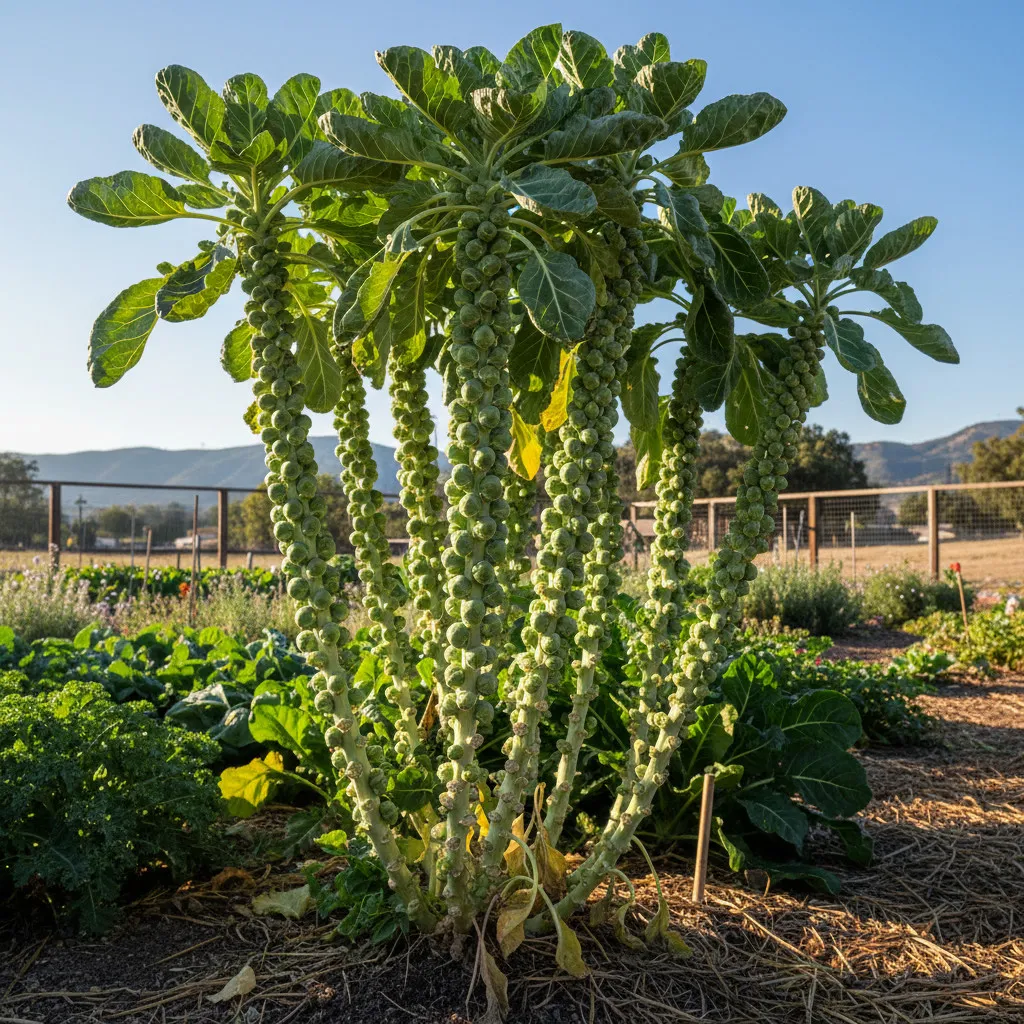
Brussels sprouts represent the patient gardener’s reward, as these miniature cabbage-like vegetables require a longer growing season than most other brassicas—typically ninety to one hundred twenty days from transplanting to harvest. Plant brussels sprouts transplants in early September to ensure they have sufficient time to mature before spring’s warming temperatures arrive. These tall, architectural plants produce dozens of sprouts along their main stem, providing abundant harvests from a relatively small garden footprint. The flavor of brussels sprouts improves dramatically after exposure to frost, becoming sweeter and less bitter, which makes them perfect for Southern California’s mild winters where light frosts occasionally occur in inland areas.
Root Vegetables: Underground Treasures
Root vegetables represent some of the most satisfying crops you can grow, as there’s something almost magical about pulling vegetables from the soil and discovering the colorful treasures hidden beneath the surface. September provides ideal conditions for planting root crops in Southern California, as they require cool soil temperatures for optimal development. Carrots are perhaps the most popular root vegetable for home gardens, and for good reason. These crunchy, sweet vegetables are remarkably easy to grow when planted in September, and they develop their best flavor in cool weather. Carrots prefer loose, sandy soil that allows their roots to grow straight and deep without encountering rocks or hard clay that can cause forking or deformity.
For successful carrot cultivation, prepare your soil thoroughly before planting by removing any rocks, breaking up clumps, and adding compost to improve soil structure. Carrot seeds are tiny and can be challenging to sow evenly, so some gardeners mix the seeds with sand before broadcasting them in shallow furrows. Cover the seeds lightly with fine soil or compost, as they need light to germinate. Keep the soil consistently moist during the germination period, which typically takes ten to fourteen days. Once seedlings emerge, thin them to about two inches apart to allow proper root development. Carrots planted in September can be harvested throughout winter and into early spring, with their sweetness intensifying as cold weather arrives.
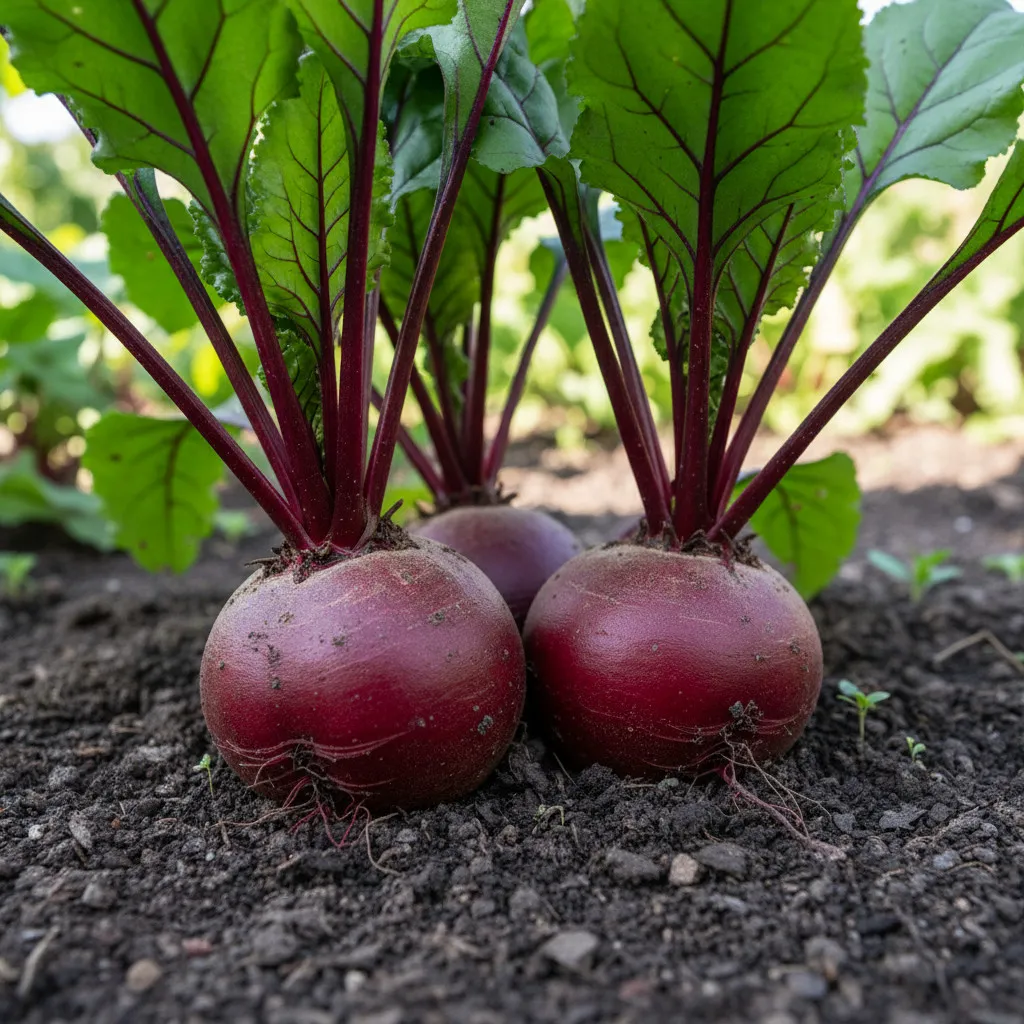
Beets offer the unique advantage of providing two crops in one—both the nutritious, colorful roots and the delicious, vitamin-rich greens. These versatile vegetables come in various colors beyond the traditional deep red, including golden yellow, striped Chioggia, and white varieties. Plant beet seeds directly in the garden in September, sowing them about one inch apart in rows spaced twelve to eighteen inches apart. Beet “seeds” are actually seed clusters containing multiple seeds, so you’ll need to thin seedlings once they emerge, spacing them about three to four inches apart. Don’t waste those thinnings—they make excellent additions to salads or can be cooked like spinach.
Radishes are the speedsters of the vegetable garden, maturing in as little as twenty-five to thirty days from seeding. This rapid growth makes them perfect for filling gaps in your garden or for succession planting throughout fall and winter. September-planted radishes avoid the spiciness and woody texture that often develops when they’re grown in warm weather, instead producing crisp, mild roots with just the right amount of peppery bite. Sow radish seeds directly in the garden every two weeks for continuous harvests. These fast-growing vegetables also serve another purpose—they make excellent companion plants for slower-growing crops like carrots, as the radishes will be harvested before the carrots need the space.
Turnips might not be as popular as carrots or beets, but these old-fashioned root vegetables deserve a place in your September garden. Both the roots and the greens are edible and nutritious, with turnip greens being particularly prized in Southern cooking. Modern turnip varieties have been bred for milder, sweeter flavor compared to the sometimes-bitter varieties of the past. Plant turnip seeds in September for harvests beginning in about fifty to sixty days. Young turnip roots are tender and mild, perfect for eating raw in salads or lightly steamed. As turnips mature and grow larger, they develop more intense flavor and are excellent roasted or added to soups and stews.
Legumes: Nitrogen-Fixing Favorites
Legumes bring multiple benefits to your September garden beyond their delicious harvests. These plants form symbiotic relationships with beneficial bacteria in the soil, fixing atmospheric nitrogen and making it available to other plants. Peas are among the most rewarding vegetables to grow in fall and winter, as they thrive in the cool temperatures that Southern California experiences from September through spring. You have several options when choosing pea varieties: snap peas, which are eaten whole with their pods; snow peas, which feature flat, tender pods; and English or shelling peas, which require removing the peas from their pods before eating.
Plant pea seeds directly in the garden in September, as peas don’t transplant well due to their delicate root systems. Sow seeds about one to two inches deep and two inches apart, in rows or blocks. Most pea varieties are climbing plants that require support, so install trellises, stakes, or other structures at planting time to avoid disturbing roots later. Pea plants grow quickly once established and will begin flowering within a few weeks, followed shortly by pod development. Keep plants consistently watered and harvest pods frequently to encourage continued production. Fresh garden peas offer incomparably sweet flavor compared to store-bought varieties, making them absolute favorites among gardeners who grow them.
Fava beans, also known as broad beans, are hardy legumes that excel in Southern California’s fall and winter gardens. These substantial plants grow two to four feet tall and produce large pods containing several large, meaty beans. Fava beans serve double duty in the garden—they provide delicious harvests while simultaneously improving soil fertility through nitrogen fixation. Plant fava bean seeds in September, spacing them about six inches apart in rows or blocks. The plants are remarkably cold-tolerant and will continue producing even through occasional frosts that would damage other crops. Young fava bean shoots and leaves are edible and delicious in salads, while mature beans can be shelled and cooked in numerous ways or dried for long-term storage.
Herbs That Thrive When Planted in September
September is the perfect time to establish both annual and perennial herbs that will enhance your cooking throughout the cooler months.
Fresh herbs elevate ordinary dishes into extraordinary culinary experiences, and growing your own ensures you always have aromatic, flavorful herbs available whenever cooking inspiration strikes. September provides excellent conditions for establishing herb gardens in Southern California, whether you’re planting perennial herbs that will provide harvests for years to come or annual herbs that will flourish throughout fall and winter. The moderate temperatures and gradually increasing moisture levels create ideal conditions for herbs to establish strong root systems, setting them up for vigorous growth and abundant harvests.
Cilantro is an essential herb in Mexican, Asian, and Mediterranean cuisines, yet it can be frustratingly difficult to grow during warm months when it quickly bolts and goes to seed. September changes everything for cilantro growers, as this annual herb absolutely thrives in cool weather. Plant cilantro seeds directly in your garden beds or containers in September, and you’ll enjoy abundant harvests of fresh, flavorful leaves throughout fall and winter. For continuous supplies of fresh cilantro, practice succession planting by sowing new seeds every two to three weeks. Harvest cilantro by cutting the outer leaves and stems, allowing the center of the plant to continue producing new growth.
Parsley, available in both curly and flat-leaf (Italian) varieties, is another cool-season herb that performs beautifully when planted in September. This biennial herb will provide harvests throughout its first year and into the second year before flowering and setting seed. Parsley is notoriously slow to germinate—sometimes taking three to four weeks for seeds to sprout—so many gardeners prefer to purchase transplants from nurseries for quicker results. Plant parsley in a location that receives partial shade to full sun, and keep the soil consistently moist for best growth. This versatile herb is rich in vitamins and minerals, making it far more than just a garnish.
Chives are hardy perennial herbs that produce mild, onion-flavored leaves and beautiful purple-pink flowers in spring. September is an excellent time to establish new chive plants, as they benefit from the warm soil for root development while the cooling air temperatures prevent stress. Chives are incredibly easy to grow and virtually maintenance-free once established. They can be grown from seeds or divisions, though purchasing small plants from nurseries provides the quickest path to harvest. These herbs die back during the hottest summer months but return with vigor as soon as cooler weather arrives in fall, providing fresh harvests throughout the cooler seasons.
Thyme is a woody perennial herb that thrives in Southern California’s Mediterranean climate. September planting allows thyme to establish before winter, resulting in vigorous growth and abundant harvests in the following spring and summer. Numerous varieties of thyme exist, including common thyme, lemon thyme, and orange thyme, each offering unique flavors and aromas. Plant thyme in well-draining soil in a location that receives full sun. Once established, thyme is remarkably drought-tolerant and requires minimal maintenance, making it perfect for busy gardeners or those looking to create water-wise gardens.
Rosemary is arguably one of the best perennial herbs for Southern California gardens. This evergreen, aromatic shrub thrives in our climate and requires minimal care once established. September provides ideal conditions for planting rosemary, whether you’re starting from small nursery plants or rooted cuttings. Rosemary prefers full sun and well-draining soil and is extremely drought-tolerant once its root system is established. The herb can be grown as a low hedge, trained into topiary forms, or allowed to cascade over walls and containers. Different varieties offer various growth habits, from upright and columnar to prostrate and spreading. Fresh rosemary enhances countless dishes, from roasted meats and vegetables to breads and infused oils.
Sage rounds out the roster of must-plant perennial herbs for September. Common garden sage (Salvia officinalis) and its colorful cultivars like ‘Berggarten’ produce soft, velvety leaves with distinctive flavor perfect for seasoning poultry, pork, and fall dishes. Plant sage in well-draining soil in full sun to partial shade. Like other Mediterranean herbs, sage is drought-tolerant once established but benefits from occasional deep watering during extended dry periods. The plant produces beautiful purple-blue flower spikes in late spring, attracting pollinators to your garden while providing aromatic leaves year-round for culinary use.
Beautiful Fall Flowers for Your Garden
Transform your garden with stunning fall-blooming flowers that provide color and attract beneficial pollinators.
While vegetables and herbs are practical additions to your September garden, flowers bring joy, beauty, and vital support for pollinators during a time when many summer blooms have faded. September is the ideal month to plant both annual and perennial flowers that will brighten your landscape throughout fall and into winter. These flowering plants not only provide aesthetic appeal but also support the ecosystem by offering nectar and pollen to bees, butterflies, and other beneficial insects that visit your garden.
Pansies and their smaller cousins, violas, are quintessential cool-season flowers that excel in Southern California’s fall and winter gardens. These cheerful flowers come in an incredible range of colors and color combinations, from deep purples and vibrant yellows to soft pastels and dramatic near-blacks. Pansies and violas are remarkably cold-hardy, continuing to bloom even when temperatures dip into the low 30s Fahrenheit. Plant them in September while the soil is still warm, and they’ll establish quickly, often showing their first blooms within a few weeks. These versatile flowers work beautifully in garden beds, borders, and containers, providing months of continuous color with minimal care. Deadheading spent blooms encourages more flower production and keeps plants looking tidy throughout their blooming season.
Snapdragons are beloved for their distinctive flower spikes that resemble tiny dragon faces opening and closing when squeezed. These cool-season annuals thrive when planted in September and will bloom continuously throughout fall, winter, and into spring. Snapdragons come in a wide range of sizes, from dwarf varieties perfect for borders and containers to tall varieties that reach three feet or more and make excellent cut flowers. They’re available in nearly every color except true blue, allowing you to create stunning color schemes in your landscape. Plant snapdragons in well-draining soil in locations that receive full sun to partial shade, and deadhead regularly to promote continuous blooming.
Calendula, sometimes called pot marigold, produces bright orange and yellow flowers that add cheerful warmth to fall gardens. This easy-to-grow annual blooms prolifically throughout fall and winter, and its flowers are edible, making beautiful additions to salads and teas. Calendula has naturalized in many parts of Southern California and will often self-sow, returning year after year without replanting. The flowers attract beneficial insects to your garden while also possessing natural medicinal properties. Plant calendula seeds directly in the garden in September, as they germinate quickly and grow rapidly in cool weather.
Chrysanthemums are the quintessential fall flower, offering gorgeous blooms in rich autumn colors of gold, bronze, deep red, and purple. While many gardeners treat “mums” as temporary color spots to be discarded after blooming, they are actually perennial plants that will return year after year if planted properly. September is ideal for planting chrysanthemums in the ground, giving them time to establish roots before their main bloom period. After flowering finishes, cut plants back and they’ll return the following fall with even more blooms. Chrysanthemums prefer full sun and well-draining soil, and they benefit from regular fertilizing during their active growth periods.
Sweet peas hold a special place in the hearts of many gardeners due to their intoxicating fragrance and delicate, ruffled flowers. In Southern California, sweet peas should be planted in September or early October for blooms beginning in late winter and continuing through spring. The variety ‘Winter Elegance’ is specifically bred for early blooming and is ideal for September planting, producing armloads of fragrant flowers perfect for cutting. Sweet peas are climbing vines that require support structures such as trellises, fences, or stakes. Plant seeds directly in the ground where you want them to grow, as sweet peas don’t transplant well. Provide them with rich, well-amended soil and regular watering for best results.
Alyssum is a low-growing annual that creates carpets of tiny white, pink, or purple flowers that release a honey-like fragrance, especially in the evening. This plant is perfect for edging beds, filling gaps between pavers, or cascading from containers. Alyssum thrives in cool weather and will bloom continuously from September planting through late spring. It readily self-sows, often returning in subsequent years without replanting. This tough little plant attracts beneficial insects, including parasitic wasps that help control garden pests, making it both beautiful and functional in the landscape.
Fruit Trees and Perennials for Long-Term Growth
September offers an excellent window for planting fruit trees and perennial plants that will provide harvests for years to come.
While annual vegetables and flowers provide relatively quick gratification, planting fruit trees and perennial plants in September is an investment in your garden’s long-term productivity and beauty. Fall planting offers significant advantages over spring planting in Southern California’s climate. The warm soil encourages rapid root development while cooler air temperatures reduce stress on newly planted specimens. This combination allows plants to establish strong root systems over the fall and winter months, preparing them to thrive when spring growth begins. Additionally, the approaching rainy season provides natural irrigation, reducing your watering responsibilities once winter rains arrive.
Citrus trees are iconic in Southern California landscapes and thrive in our Mediterranean climate. September through November is considered the optimal time for planting citrus, including lemons, limes, oranges, grapefruits, mandarins, and kumquats. When selecting citrus trees, consider your available space and choose appropriately sized varieties—standard trees can grow quite large, while semi-dwarf and dwarf varieties remain more compact and manageable. Plant citrus trees in locations that receive full sun and provide protection from strong winds. Citrus prefer well-draining soil, so if you have heavy clay, consider planting in raised beds or mounds. Newly planted citrus trees require regular watering to establish, but mature trees are relatively drought-tolerant, making them excellent choices for water-conscious landscapes.
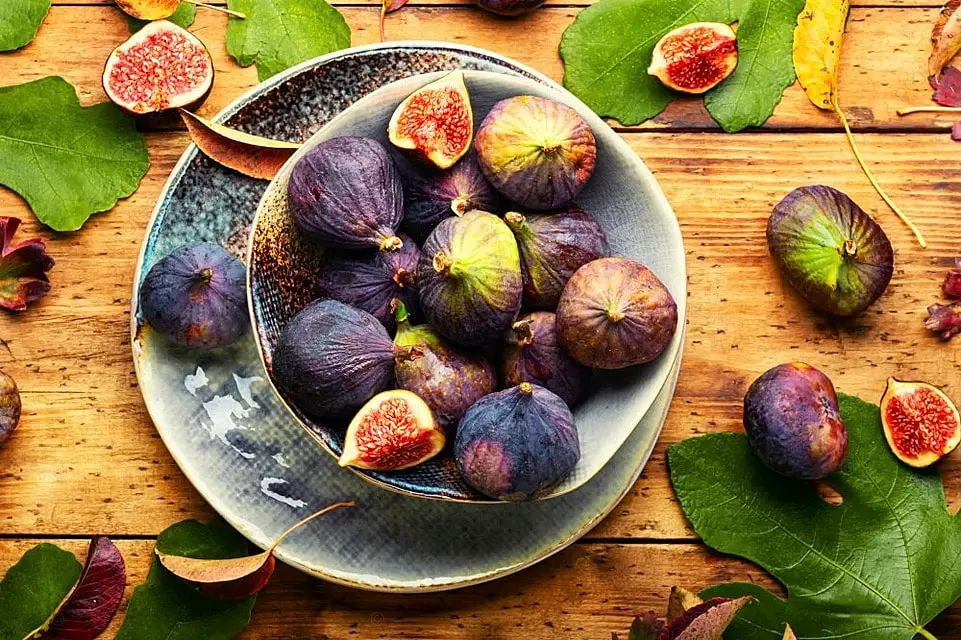
Fig trees are another excellent choice for September planting in Southern California. These deciduous trees adapt well to various soil types and are remarkably low-maintenance once established. Figs produce two crops annually in mild climates—an early crop on old wood in late spring and a main crop on new growth in late summer and fall. Popular varieties for home gardens include ‘Brown Turkey’, ‘Black Mission’, and ‘Desert King’. Fig trees can be grown in the ground or in large containers, making them suitable for gardens of all sizes. They prefer full sun and well-draining soil and benefit from regular watering during fruit development.
Pomegranates are ideal fruit trees for Southern California’s dry, warm climate. These deciduous trees or large shrubs produce spectacularly beautiful orange-red flowers in spring, followed by the distinctive fruit in late summer and fall. Pomegranates are extremely heat- and drought-tolerant once established, making them perfect for water-wise landscapes. Plant pomegranates in full sun in well-draining soil. The trees are relatively slow-growing but long-lived, and they require minimal pruning or care. Popular varieties include ‘Wonderful’, which is the commercial variety found in supermarkets, and ‘Granada’, which produces slightly sweeter fruit.
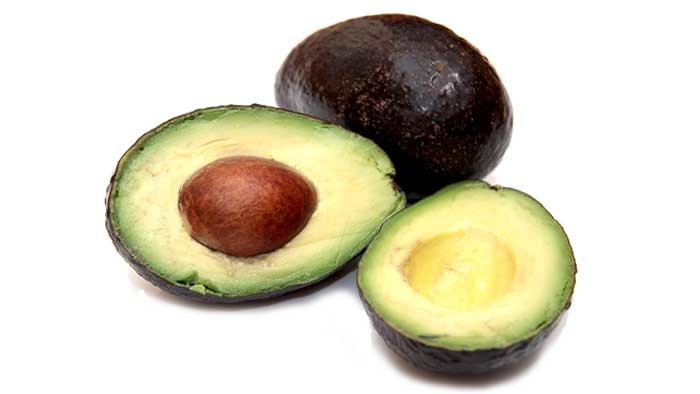
Avocado trees can be planted in September in frost-free areas of Southern California. While avocados are more cold-sensitive than citrus, they thrive in coastal and mild inland areas where temperatures rarely drop below freezing. Choose varieties appropriate for your climate zone—’Hass’ and ‘Fuerte’ are popular choices that perform well in many Southern California locations. Avocado trees prefer well-draining soil and are sensitive to overwatering, which can lead to root rot. They benefit from mulching to keep roots cool and should be planted in locations protected from strong winds.
Blueberries require special consideration in Southern California due to their specific soil requirements. These shrubs need acidic soil (pH 4.5-5.5) to thrive, which contrasts with our typically alkaline native soils. Success with blueberries often comes from growing them in containers filled with acidic potting mix specifically formulated for acid-loving plants. Choose low-chill varieties bred for Southern California’s mild winters, such as ‘Misty’, ‘Sunshine Blue’, or ‘O’Neal’. September planting allows blueberries to establish before winter, and they’ll produce fruit the following summer. Maintain soil acidity by watering every other month with a solution of white vinegar mixed with water (four tablespoons of vinegar per two gallons of water).
Lavender planted in September will establish beautifully and reward you with fragrant blooms and foliage for years to come. This Mediterranean perennial thrives in Southern California’s climate, requiring full sun, excellent drainage, and minimal water once established. Numerous lavender varieties exist, offering different flower colors, sizes, and fragrances. English lavender (Lavandula angustifolia) varieties are prized for their fragrance and culinary uses, while Spanish lavender (Lavandula stoechas) produces showy “rabbit ear” bracts atop flower spikes. French lavender (Lavandula dentata) blooms nearly year-round in mild climates. Plant lavender in locations with full sun and well-draining soil, spacing plants two to three feet apart to allow good air circulation.
Essential Planting Tips for September Success
Proper soil preparation, watering techniques, and timing are crucial for September planting success in Southern California.
Success in September gardening begins long before seeds or transplants go into the ground. The preparation work you do now will determine how well your plants perform throughout their growing season. Soil preparation is the single most important factor in creating a thriving garden. After removing spent summer crops and weeds, take time to thoroughly prepare your planting beds. Add three to four inches of quality compost or well-aged manure to the soil surface, along with a complete organic fertilizer that provides nitrogen, phosphorus, and potassium. If you have heavy clay soil common in many Southern California areas, incorporate gypsum to help break up the clay structure and improve drainage.
Rather than simply digging amendments into the top few inches of soil, use a broadfork or digging fork to loosen soil to a depth of twelve to eighteen inches. This deep soil preparation improves drainage, allows roots to penetrate deeply, and creates the loose, friable soil structure that vegetables prefer. Turn the amendments into the soil thoroughly, breaking up clumps and removing rocks, roots, and debris. After amending, water the bed thoroughly and allow it to settle for a few days before planting. This preparation period also allows any weed seeds present to germinate, which you can then remove before planting your desired crops.
Mulching is absolutely critical for September planting success in Southern California. Apply a two to three-inch layer of organic mulch around plants after transplanting or once seedlings have emerged and are several inches tall. Mulch serves multiple vital functions: it helps moderate soil temperature fluctuations, reduces water evaporation from the soil surface, suppresses weed growth, and gradually breaks down to add organic matter to your soil. Excellent mulching materials include shredded bark, straw, dried leaves, or arborist wood chips. Keep mulch a few inches away from plant stems to prevent moisture-related diseases and avoid creating hiding places for slugs and snails.
Watering newly planted vegetables and flowers requires careful attention in September, as Southern California’s dry weather continues despite shorter days and cooler temperatures. Seeds and transplants need consistent moisture to germinate and establish roots, but be careful not to overwater, which can lead to root rot and other problems. Water newly planted beds lightly but frequently—sometimes daily in the early stages—to keep the top inch or two of soil consistently moist. As plants establish and develop deeper root systems, transition to less frequent but deeper watering to encourage roots to grow downward in search of moisture. Install drip irrigation or soaker hoses to deliver water efficiently directly to root zones while keeping foliage dry, which helps prevent disease problems.
Shade protection may be necessary for tender seedlings and transplants during September’s still-warm days, particularly during heat waves or Santa Ana wind events. Use forty percent shade cloth suspended over planting areas to protect young plants from intense sun and reduce water loss through transpiration. Shade cloth can be installed on simple frames made from PVC pipe or attached to existing structures like garden beds or trellises. Remove or roll back shade cloth once plants are well-established and temperatures moderate, typically within two to three weeks of planting.
Pest management should be implemented from the start of your September planting efforts. Cool-season vegetables face different pest pressures than summer crops, with cabbage worms, aphids, and snails being among the most common problems. Practice preventive pest management by inspecting plants regularly, removing pests by hand when possible, and using row covers to physically exclude flying insects like cabbage moths and beetles. Encourage beneficial insects by planting flowers that provide nectar and pollen, and avoid using broad-spectrum pesticides that kill both pests and beneficial predators. If pest problems develop despite preventive measures, use targeted organic controls like Bt (Bacillus thuringiensis) for caterpillars or insecticidal soap for aphids.
Succession planting is the technique of planting small amounts of crops at regular intervals rather than planting large quantities all at once. This approach ensures continuous harvests throughout the season rather than gluts of produce that all mature simultaneously. For fast-growing crops like lettuce, radishes, and cilantro, plant new seeds or transplants every two to three weeks throughout September and into October. This succession planting strategy extends your harvest season and prevents waste from having more produce than you can use before it becomes overripe.
What to Harvest While You Plant
September offers unique opportunities to harvest late-summer crops while simultaneously planting for fall and winter.
One of the joys of September gardening in Southern California is the overlap between summer and fall crops. While you’re busy planting cool-season vegetables and flowers, many warm-season crops are still producing abundantly, providing fresh harvests to enjoy now or preserve for later use. Tomatoes often experience a second wind in September after struggling through the most intense heat of summer. Cooler nights and moderate daytime temperatures create ideal conditions for fruit ripening, and many tomato plants produce their heaviest yields during this month. Harvest tomatoes as they ripen, checking plants daily since fruit develops quickly in September’s pleasant weather. If you have more tomatoes than you can use fresh, consider roasting and freezing them, making sauces, or canning them for winter use.
Peppers, both sweet and hot varieties, continue producing prolifically in September. Bell peppers, jalapeños, serranos, and countless other pepper varieties thrive in the warm days and cool nights that characterize this month. Harvest peppers at any stage of ripeness—green peppers are simply unripe versions of red, yellow, or orange peppers, and they’ll ripen to their mature color if left on plants longer. Hot peppers can be harvested and dried for winter use, strung into decorative ristras, or frozen whole for adding to soups and stews throughout the cooler months.
Summer squash and zucchini plants often give one last productive push in September before finally succumbing to powdery mildew or age. Harvest squash when fruits are small to medium-sized—six to eight inches for zucchini—as oversized squash develop tough skin and large seeds. Regular harvesting encourages plants to produce more fruit, so check plants every day or two and harvest anything that’s reached appropriate size. If plants are still healthy and productive in September, continue caring for them, but be prepared to remove them once production slows to make room for cool-season crops.
Eggplant continues producing beautiful fruits well into fall in Southern California. These heat-loving plants often perform better in September than during the intense heat of midsummer. Harvest eggplants when fruits are glossy and firm, using pruning shears to cut the tough stem rather than pulling fruit from plants. Different eggplant varieties come in various shapes, sizes, and colors—from traditional large purple globe types to slender Asian varieties and white, striped, or lavender cultivars. All types continue producing until cooler weather and shorter days finally slow growth.
Herbs like basil, which bolt quickly in cool weather, should be harvested heavily in September before the plant declines. Make large batches of pesto to freeze, dry leaves for winter use, or preserve basil in oil or vinegar. Other warm-season herbs like oregano, thyme, and rosemary can be harvested lightly throughout September, though these perennial herbs will continue producing year-round in Southern California’s mild climate. Take this opportunity to harvest and preserve herbs at their peak of flavor before your attention shifts entirely to cool-season crops.
Common Mistakes to Avoid When Planting in September
Learning from common September planting mistakes helps ensure your fall garden thrives rather than struggles.
Even experienced gardeners sometimes make mistakes when transitioning from summer to fall gardening. Understanding these common pitfalls helps you avoid them in your own garden. One of the most frequent mistakes is planting warm-season crops in September, expecting them to perform like they did when planted in spring. Tomatoes, peppers, melons, and squash planted now won’t have sufficient warm weather remaining to mature and produce meaningful harvests. Instead, focus your September planting efforts exclusively on cool-season crops that are specifically adapted to grow in fall and winter conditions.
Insufficient soil preparation is another common problem that undermines September planting success. After a full summer of growing heat-loving crops, soil can become depleted of nutrients and compacted from watering and foot traffic. Skipping the important soil preparation steps—removing old plants, adding compost and amendments, turning and loosening the soil—sets your fall crops up for poor performance. Take time to properly prepare planting beds, even if you’re eager to get plants in the ground. The few extra days spent on thorough preparation will pay dividends in healthier plants and better harvests.
Overwatering or underwatering newly planted fall crops is remarkably common. September’s weather can be tricky—warm days suggest plants need lots of water, but shorter days and increasingly cool nights mean plants transpire less moisture than summer crops did. Finding the right watering balance requires attention and adjustment. Seeds and transplants need consistent moisture to establish, but once plants are growing well, reduce watering frequency and water more deeply but less often. Install your fingers into the soil to check moisture levels before watering rather than following a rigid schedule, and adjust based on weather conditions, with more frequent watering during hot spells and less during cool periods.
Planting too late is a mistake that becomes apparent when winter arrives and crops haven’t matured sufficiently to provide harvests. While Southern California’s fall planting season extends into October and even November for some crops, September offers the optimal window for most vegetables and flowers. Plants established in September have enough warm soil and long days remaining to develop strong root systems and significant growth before winter’s short days and cool temperatures slow development. Procrastinating until October or November often results in plants that remain small and unproductive throughout winter, finally growing and producing in spring—which is not the goal of fall planting.
Ignoring microclimates in your garden and throughout Southern California is another common oversight. Coastal areas remain milder longer than inland valleys, where temperatures drop more dramatically at night. North-facing garden areas stay cooler than south-facing areas, and locations near walls or hardscaping absorb and radiate heat, creating warmer microclimates. Understanding these differences helps you tailor planting times and plant selection to your specific garden conditions rather than following generic advice that may not suit your situation. Pay attention to how sun angles change as fall progresses, as areas that received full sun all summer may find themselves in shade when the sun moves lower on the southern horizon.
Final Thoughts
September represents a pivotal moment in the Southern California gardening calendar, offering exceptional opportunities to create abundant, beautiful gardens that will provide fresh harvests and stunning blooms for months to come. By understanding what to plant during this crucial transitional month, you set the stage for a productive and rewarding fall and winter growing season. The vegetables, herbs, flowers, and fruit trees you establish now will flourish in the increasingly cool weather, providing fresh, nutritious food and vibrant color when much of the country’s gardens lie dormant under snow and ice.
The key to September planting success lies in proper preparation, appropriate plant selection, and attentive care during the establishment period. Take time to prepare your soil thoroughly, enriching it with compost and amendments that will support robust plant growth. Choose cool-season varieties specifically adapted to thrive in fall and winter conditions rather than trying to extend summer crops past their optimal season. Provide consistent moisture to newly planted seeds and transplants while protecting them from intense sun, wind, and pests that might threaten their development.
Remember that gardening in Southern California offers nearly year-round opportunities that gardeners in most other regions can only dream about. Rather than viewing September as the end of the growing season, embrace it as a new beginning—a fresh start that allows you to fill your garden beds with crops perfectly suited to the cooler months ahead. The effort you invest now in planting and establishing your fall garden will reward you with armloads of fresh vegetables, fragrant herbs, and beautiful flowers throughout autumn, winter, and into spring.
As you plan and plant your September garden, don’t forget to maintain the sense of joy and wonder that makes gardening such a fulfilling hobby. Experiment with new varieties you’ve never grown before, try different planting techniques, and pay attention to what works best in your specific garden conditions. Keep notes about what you plant and when, along with observations about germination, growth, and harvest times. This information becomes invaluable in future years as you refine your September planting strategies and develop deeper understanding of your garden’s unique characteristics.
Whether you’re growing vegetables to feed your family, herbs to enhance your cooking, flowers to beautify your landscape, or fruit trees as an investment in future harvests, September planting in Southern California offers boundless possibilities. Take advantage of this prime growing season, get your hands in the soil, and enjoy the process of nurturing plants from seeds or transplants to mature, productive specimens. Your garden—and your table—will thank you for the time and care you invest during this critical planting month. Happy September gardening!