Table of Contents
- Why You Should Start Fruit In Garden Today
- The Growing Appeal of Home Fruit Gardens
- Health Benefits of Growing Your Own Fruit
- Nutritional Superiority of Homegrown Produce
- Mental and Physical Wellness Through Gardening
- Financial Advantages of a Backyard Fruit Garden
- Long-Term Cost Savings
- Reducing Grocery Bills Year After Year
- Environmental Impact of Home Fruit Growing
- Reducing Your Carbon Footprint
- Creating a Sustainable Ecosystem
- Best Fruits to Start Growing in Your Garden
- Easy-to-Grow Fruits for Beginners
- Fruits That Thrive in Various Climates
- Getting Started: Essential Steps for Your Fruit Garden
- Planning and Designing Your Fruit Garden Space
- Selecting the Right Varieties for Your Region
- Planting and Early Care Tips
- Common Challenges and How to Overcome Them
- Dealing with Pests and Diseases Organically
- Managing Limited Space Creatively
- The Joy of Harvesting Your Own Fruit
- Preserving and Enjoying Your Harvest Year-Round
- Final Words: Your Fruit Garden Journey Begins Now
Why You Should Start Fruit In Garden Today
Imagine stepping into your backyard on a warm summer morning, reaching up to pluck a perfectly ripe peach from your own tree, and biting into its sun-warmed sweetness. This isn’t just a dream reserved for rural homesteaders or those with acres of land—it’s an achievable reality for anyone willing to dedicate a small corner of their outdoor space to growing fruit. The movement toward home fruit gardening has exploded in recent years, with millions of homeowners discovering the profound satisfaction that comes from nurturing plants and harvesting their own produce. Whether you have a sprawling backyard, a modest suburban lot, or even just a sunny balcony, starting a fruit garden today could be one of the most rewarding decisions you ever make. The benefits extend far beyond the obvious appeal of fresh, delicious fruit—they touch every aspect of your life, from your physical health and financial wellbeing to your mental clarity and environmental impact.
The Growing Appeal of Home Fruit Gardens
Home fruit gardening has transformed from a nostalgic hobby into a mainstream movement embraced by millions worldwide.
The past decade has witnessed an extraordinary surge in home gardening, with fruit cultivation leading the charge. According to the National Gardening Association, over 18 million Americans started gardening for the first time during recent years, and a significant portion of these new gardeners expressed strong interest in growing edible plants, particularly fruits. This isn’t merely a passing trend—it represents a fundamental shift in how people think about food, sustainability, and their connection to the natural world.
Several factors have contributed to this remarkable growth:
- Increased awareness of food quality concerns has prompted many consumers to seek alternatives to commercially grown produce
- Rising grocery costs have made the economic argument for home growing more compelling than ever
- The desire for meaningful outdoor activities has driven families to explore gardening as a shared experience
- Environmental consciousness has encouraged people to reduce their carbon footprint through local food production
- Social media inspiration has showcased the beauty and productivity of home fruit gardens, motivating newcomers to try their hand
The beauty of fruit gardening lies in its accessibility. You don’t need extensive knowledge, expensive equipment, or vast amounts of land to get started. A single strawberry container on your patio or a dwarf apple tree in your front yard can mark the beginning of a lifelong journey into fruit cultivation. The key is simply to begin—and there has never been a better time than right now.
Health Benefits of Growing Your Own Fruit
Beyond the obvious nutritional advantages, growing your own fruit delivers remarkable benefits for both body and mind.
Nutritional Superiority of Homegrown Produce
When you grow fruit in your own garden, you gain access to produce at its peak nutritional value. Commercial fruits are typically harvested before they’re fully ripe to withstand transportation and extend shelf life, which significantly diminishes their vitamin and mineral content. Studies have shown that fruits can lose up to 45% of their nutritional value within just a few days of being picked. When you harvest from your own garden, you’re consuming fruit within minutes or hours of picking—not days or weeks.
The control you maintain over growing conditions represents another crucial health advantage. Commercial fruit production often relies heavily on synthetic pesticides, herbicides, and fungicides to maximize yields and minimize crop losses. While these chemicals may be applied within “safe” limits, many health-conscious consumers prefer to avoid them entirely. In your home garden, you decide exactly what goes into your soil and onto your plants.
Key nutritional benefits include:
-
Higher antioxidant levels – Vine-ripened fruits contain significantly more antioxidants than their commercially grown counterparts, providing enhanced protection against cellular damage and chronic diseases.
-
Increased vitamin content – Fresh-picked fruits retain substantially higher levels of vitamins C and A, which begin degrading immediately after harvest and continue declining during storage and transportation.
-
Better mineral absorption – Fruits grown in well-maintained home garden soil often contain higher concentrations of essential minerals like potassium, magnesium, and calcium compared to those grown in depleted commercial soils.
-
No chemical residues – By choosing organic growing methods, you eliminate exposure to potentially harmful synthetic chemicals that may accumulate in your body over time.
Mental and Physical Wellness Through Gardening
The health benefits of fruit gardening extend far beyond nutrition. The act of gardening itself constitutes a powerful form of therapy that addresses both mental and physical wellbeing. Researchers have documented the remarkable effects of regular garden work on stress levels, mood disorders, and cognitive function.
Gardening provides moderate physical exercise that engages multiple muscle groups while remaining gentle on joints. Activities like digging, planting, pruning, and harvesting burn calories, improve flexibility, and build strength without the intensity of traditional workouts. For many people, especially those who find gym environments intimidating or tedious, gardening offers an enjoyable alternative that doesn’t feel like exercise.
The mental health benefits are equally impressive:
- Reduced cortisol levels – Studies have demonstrated that just 30 minutes of gardening can significantly lower cortisol, the stress hormone that contributes to anxiety, weight gain, and immune suppression
- Improved mood and reduced depression symptoms – Contact with soil bacteria (Mycobacterium vaccae) has been shown to trigger serotonin release, producing natural antidepressant effects
- Enhanced cognitive function – The planning, problem-solving, and observation required in gardening help maintain mental sharpness and may reduce dementia risk
- Greater sense of purpose and accomplishment – Watching plants grow and produce fruit under your care provides profound satisfaction and boosts self-esteem
Financial Advantages of a Backyard Fruit Garden
A well-planned fruit garden represents one of the smartest long-term investments you can make for your household budget.
Long-Term Cost Savings
While starting a fruit garden requires some initial investment, the long-term financial returns are substantial. Unlike vegetable gardens that require replanting each season, many fruit plants are perennial—they come back year after year, producing increasingly abundant harvests as they mature. A single blueberry bush, for instance, can cost between $15-30 to purchase but will produce berries for 20 years or more, eventually yielding 10-15 pounds of fruit annually.
Consider this practical comparison: A pint of organic blueberries at the grocery store typically costs $4-6. A mature blueberry bush produces the equivalent of 15-20 pints per season. Over a 20-year lifespan, that single bush could provide fruit worth $1,200-2,400 at retail prices—all from an initial investment of less than $30 plus minimal ongoing maintenance costs.
Financial benefits compound over time through:
- Reduced weekly grocery expenses as your garden reaches productive maturity
- Eliminated “premium pricing” for organic produce that you can now grow yourself
- Decreased food waste since you harvest only what you need when you need it
- Potential income generation through selling or trading surplus produce
- Increased property value as attractive, well-maintained fruit gardens enhance curb appeal
Reducing Grocery Bills Year After Year
The true financial impact of a fruit garden becomes apparent when you calculate your annual savings. A family that spends $30-50 weekly on fresh fruit could reduce that expense by 50-75% once their garden reaches full production. Over a decade, these savings can amount to thousands of dollars—money that can be redirected toward other financial goals.
Preservation techniques multiply these savings even further. When your raspberry canes produce more than you can eat fresh, you can freeze, can, or dehydrate the excess for year-round enjoyment. This eliminates the need to purchase expensive frozen or canned fruits during off-seasons, extending your savings across all twelve months.
Environmental Impact of Home Fruit Growing
Growing fruit at home represents one of the most impactful personal actions you can take for environmental sustainability.
Reducing Your Carbon Footprint
The environmental case for home fruit gardening is compelling. Commercial fruit often travels hundreds or thousands of miles from farm to table, consuming fossil fuels and generating greenhouse gas emissions at every step. This “food miles” concept has gained significant attention as consumers become more aware of their environmental impact.
When you grow fruit in your backyard, you eliminate virtually all transportation-related emissions associated with that food. There’s no need for refrigerated trucks, warehouse storage, or retail refrigeration. The journey from plant to plate is measured in steps, not miles, making home-grown fruit among the most environmentally friendly food choices possible.
Environmental benefits of home fruit gardening include:
-
Zero transportation emissions – Your fruit travels from garden to kitchen without burning a single drop of fuel, dramatically reducing your food-related carbon footprint.
-
Eliminated packaging waste – Commercial fruit comes wrapped in plastic clamshells, bags, and containers that often end up in landfills; home-grown fruit requires no packaging whatsoever.
-
Reduced water consumption – Commercial fruit production often involves inefficient irrigation systems and significant water waste; home gardeners can implement targeted watering practices that conserve this precious resource.
-
No contribution to industrial agriculture – Large-scale fruit farming can deplete soils, contaminate waterways with chemical runoff, and destroy natural habitats; your home garden avoids these harmful practices entirely.
Creating a Sustainable Ecosystem
Your fruit garden does more than just reduce harm—it actively benefits the environment by creating habitat for beneficial creatures and contributing to local biodiversity. Fruit trees and bushes provide food and shelter for birds, beneficial insects, and pollinators that are increasingly threatened by habitat loss and pesticide use.
Bees, butterflies, and other pollinators play a crucial role in food production and ecosystem health. By planting fruit-bearing plants and avoiding harmful chemicals, you create a sanctuary for these essential creatures. Many gardeners report dramatic increases in pollinator activity within just one or two seasons of establishing fruit gardens, contributing to the broader effort to reverse pollinator decline.
Additional sustainability practices you can incorporate:
- Composting garden waste and kitchen scraps to create nutrient-rich soil amendments
- Rainwater harvesting to irrigate your garden without depleting municipal water supplies
- Companion planting to naturally manage pests and improve soil health
- Leaving some fruit for wildlife to support local bird and insect populations
Best Fruits to Start Growing in Your Garden
Selecting the right fruits for your skill level and climate sets the foundation for gardening success.
Easy-to-Grow Fruits for Beginners
Starting with beginner-friendly fruits dramatically increases your chances of success and builds the confidence needed to expand your garden over time. Some fruits are remarkably forgiving, tolerating less-than-perfect conditions while still producing satisfying harvests. These entry-level options are ideal for those just beginning their fruit gardening journey.
Top recommendations for beginning fruit gardeners:
-
Strawberries – Perhaps the most beginner-friendly fruit, strawberries can be grown in garden beds, containers, or hanging baskets. They produce fruit within their first year, providing quick gratification for new gardeners. June-bearing varieties offer one large harvest, while everbearing and day-neutral varieties produce fruit throughout the growing season.
-
Blueberries – These acid-loving shrubs are relatively low-maintenance once established and provide years of abundant harvests. They’re naturally resistant to many pests and diseases, making them ideal for organic growing. Plant at least two varieties for better cross-pollination and improved yields.
-
Raspberries – Known for their vigorous growth and generous production, raspberries can yield fruit within their first or second year. They spread readily, so plan for their expansion or contain them with barriers. Both summer-bearing and fall-bearing varieties are available.
-
Fig trees – In suitable climates (zones 7-10), figs are remarkably easy to grow and require minimal care. They’re self-pollinating, drought-tolerant once established, and resistant to most pests. Container growing extends their range to cooler climates.
-
Dwarf apple trees – Modern dwarf varieties make apple growing accessible even for small spaces. These compact trees reach only 8-10 feet tall but produce full-sized fruit. Choose disease-resistant varieties for the easiest care.
Fruits That Thrive in Various Climates
Understanding your climate zone is essential for selecting fruits that will thrive in your specific conditions. The USDA Plant Hardiness Zone Map divides North America into zones based on average minimum winter temperatures, helping gardeners choose appropriate plants.
Climate-appropriate fruit selections:
- Cold climates (Zones 3-5): Hardy varieties of apples, pears, plums, cherries, currants, gooseberries, and cold-hardy grape varieties
- Moderate climates (Zones 6-7): Peaches, nectarines, blackberries, blueberries, and a wider range of apple and pear varieties
- Warm climates (Zones 8-10): Figs, citrus (in warmer zones), pomegranates, muscadine grapes, and many tropical and subtropical fruits
- Any climate with container growing: Dwarf citrus, figs, and many berries can be grown in containers and moved indoors during winter
Getting Started: Essential Steps for Your Fruit Garden
Proper planning and preparation lay the groundwork for a productive fruit garden that will serve you for years to come.
Planning and Designing Your Fruit Garden Space
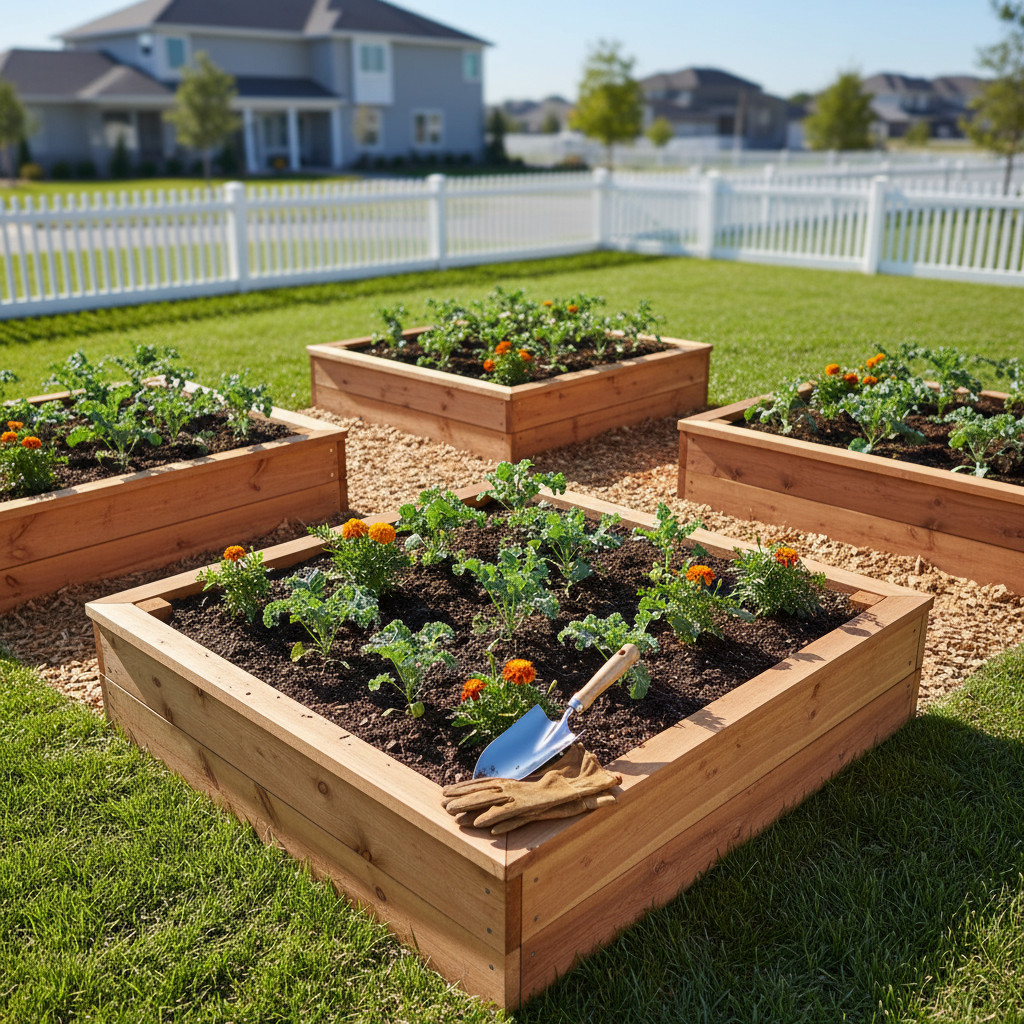
Before purchasing a single plant, invest time in thoughtful planning. Assess your available space, considering factors like sun exposure, drainage, and proximity to your home. Most fruit plants require at least 6-8 hours of direct sunlight daily, so observe your yard throughout the day to identify the sunniest spots.
Soil quality directly impacts your garden’s success. Conduct a soil test through your local extension service to understand your soil’s pH, nutrient levels, and composition. Most fruits prefer slightly acidic to neutral soil (pH 6.0-7.0), though blueberries require more acidic conditions (pH 4.5-5.5). Amending your soil before planting is far easier than correcting problems later.
Planning considerations to address:
- Mature plant size – Research how large each variety will grow to ensure adequate spacing
- Water access – Plan for convenient irrigation, whether through hose access or drip system installation
- Aesthetic integration – Consider how fruit plants will look alongside existing landscaping
- Accessibility – Position plants where you can easily reach them for maintenance and harvesting
- Pollination requirements – Some fruits need cross-pollination, requiring multiple varieties
Selecting the Right Varieties for Your Region
Choosing region-appropriate varieties is crucial for fruit gardening success. What thrives in California may struggle in Minnesota, and vice versa. Your local agricultural extension service offers invaluable guidance on varieties proven to perform well in your specific area.
When selecting varieties, consider disease resistance as a priority. Varieties bred for resistance to common local diseases require fewer interventions and are more likely to thrive organically. Ask local nurseries about their best-performing varieties and seek recommendations from experienced gardeners in your community.
Planting and Early Care Tips
Timing your planting correctly gives your fruit plants the best possible start. In most regions, early spring (after the last frost) or fall (at least 6 weeks before first frost) are optimal planting times. Container-grown plants offer more flexibility than bare-root specimens, which must be planted while dormant.
Essential planting steps:
-
Dig an appropriately sized hole – The hole should be twice as wide as the root ball but no deeper; planting too deep is a common mistake that can kill fruit plants.
-
Prepare the roots – For container plants, gently loosen circling roots; for bare-root plants, soak roots in water for several hours before planting.
-
Position the plant correctly – The graft union (if present) should remain above soil level; the crown should sit at or slightly above ground level.
-
Backfill with native soil – Avoid adding excessive amendments to the planting hole, which can discourage roots from spreading into surrounding soil.
-
Water thoroughly – Apply deep watering immediately after planting and maintain consistent moisture during the establishment period.
Common Challenges and How to Overcome Them
Every gardener faces obstacles, but with the right knowledge, these challenges become manageable stepping stones to success.
Dealing with Pests and Diseases Organically
Pest and disease management represents one of the most common concerns for fruit gardeners. However, organic approaches can effectively address most problems without resorting to synthetic chemicals. The key lies in prevention, early detection, and appropriate intervention.
Effective organic pest management strategies:
- Encourage beneficial insects by planting flowers that attract predatory insects like ladybugs, lacewings, and parasitic wasps
- Practice good sanitation by removing fallen fruit, pruning dead wood, and keeping the garden area clean
- Use physical barriers such as netting to protect ripening fruit from birds and insects
- Apply organic treatments like neem oil, insecticidal soap, or kaolin clay when needed
- Rotate and diversify plantings to prevent pest and disease buildup
Understanding common problems before they occur helps you respond quickly and effectively. Research the typical pests and diseases affecting your chosen fruits in your region, and learn to recognize early warning signs.
Managing Limited Space Creatively
Limited space doesn’t have to limit your fruit gardening ambitions. Creative techniques and modern plant varieties make productive fruit growing possible in even the smallest spaces, including patios, balconies, and tiny urban yards.
Space-maximizing strategies:
-
Container gardening – Many fruits thrive in containers, including strawberries, blueberries, dwarf citrus, and fig trees. Choose containers at least 15-20 gallons for trees and 3-5 gallons for berry bushes.
-
Vertical growing – Train vining fruits like grapes and kiwis on trellises, arbors, or fences to maximize vertical space while minimizing ground footprint.
-
Espalier techniques – Train fruit trees to grow flat against walls or fences, creating productive and beautiful living walls that require minimal horizontal space.
-
Columnar varieties – Some apple and cherry varieties grow in narrow, columnar forms perfect for tight spaces, reaching only 2-3 feet wide while producing full-sized fruit.
-
Hanging baskets – Strawberries grow beautifully in hanging containers, producing fruit at eye level while taking up zero ground space.
The Joy of Harvesting Your Own Fruit
The moment of harvest represents the culmination of your efforts and the beginning of countless pleasures.
There’s something profoundly satisfying about harvesting fruit you’ve grown yourself—a satisfaction that simply cannot be replicated by any store purchase. The first strawberry of the season, still warm from the sun, tastes incomparably sweeter knowing you nurtured it from flower to fruit. This connection to your food creates a deeper appreciation that transforms eating from mere consumption into a meaningful experience.
For families, fruit gardening offers exceptional teaching opportunities. Children who grow their own food develop healthier eating habits, greater environmental awareness, and valuable life skills. Watching a child’s face light up as they pick their first ripe berry is a joy that transcends the fruit itself.

The harvesting experience offers:
- Unmatched freshness and flavor impossible to achieve with store-bought fruit
- Family bonding through shared outdoor activity and accomplishment
- Educational opportunities for children to learn about nature, nutrition, and patience
- Community connection through sharing surplus produce with neighbors and friends
- Creative inspiration for cooking, baking, and preserving projects
Preserving and Enjoying Your Harvest Year-Round
Proper preservation techniques extend the benefits of your summer harvest throughout the entire year.
A productive fruit garden often produces more than you can eat fresh—a wonderful problem to have. Learning basic preservation techniques allows you to enjoy your harvest during winter months when fresh local fruit is unavailable.
Popular preservation methods include:
- Freezing – The simplest preservation method; most fruits freeze well and retain excellent quality for months
- Canning – Traditional technique for creating jams, jellies, and preserved whole fruits with extended shelf life
- Dehydrating – Creates concentrated, shelf-stable dried fruits perfect for snacking and baking
- Fermenting – Transform excess fruit into wines, ciders, vinegars, and other fermented products
Beyond preservation, your harvest opens doors to countless culinary adventures. Fresh fruit elevates everything from morning smoothies to elegant desserts. Homemade jams and preserves make thoughtful gifts that recipients truly appreciate. The possibilities are limited only by your imagination.
Final Words: Your Fruit Garden Journey Begins Now
The decision to start a fruit garden is a decision to invest in your health, your finances, your environment, and your quality of life. Every benefit we’ve explored—from superior nutrition and significant cost savings to environmental stewardship and pure enjoyment—begins with a single step: the choice to start today.
Don’t wait for perfect conditions or complete knowledge. Start small with a container of strawberries or a single blueberry bush. Learn as you grow. Make mistakes and celebrate successes. Join the millions of gardeners who have discovered that few things in life are as rewarding as nurturing plants and enjoying their fruit.
Remember these key takeaways:
- Health benefits extend beyond nutrition to include mental wellness and physical activity
- Financial returns compound over time as perennial plants mature and produce abundantly
- Environmental impact makes home fruit growing one of the most sustainable food choices possible
- Accessibility means anyone can start, regardless of space limitations or experience level
- Joy and satisfaction from growing your own food simply cannot be purchased
The perfect time to plant fruit was ten years ago. The second-best time is today. Your future self—enjoying fresh-picked peaches, sharing homemade jam with neighbors, and savoring the incomparable satisfaction of growing your own food—will thank you for taking action now.
Your fruit garden journey awaits. What will you plant first?