Table of Contents
- Why You Should Start Fruit Trees In Small Garden Today
- The Growing Appeal of Small-Space Fruit Gardening
- Understanding Why Small Gardens Are Perfect for Fruit Trees
- Space-Efficient Varieties Make It Possible
- Container Growing Opens New Possibilities
- Vertical Growing Maximizes Limited Space
- Top Benefits of Growing Fruit Trees in Your Small Garden
- Fresh, Organic Produce at Your Fingertips
- Significant Cost Savings Over Time
- Environmental and Ecological Benefits
- Mental Health and Wellness Advantages
- Best Fruit Trees for Small Gardens
- Dwarf Apple Trees
- Compact Citrus Varieties
- Columnar Fruit Trees
- Fig Trees and Stone Fruit Options
- How to Get Started: A Step-by-Step Guide
- Step 1: Assessing Your Space and Sunlight
- Step 2: Choosing the Right Varieties
- Step 3: Preparing Your Soil and Containers
- Step 4: Planting Techniques for Success
- Essential Care Tips for Small Garden Fruit Trees
- Watering and Feeding Requirements
- Pruning for Size Control and Productivity
- Pest and Disease Management
- Maximizing Your Harvest in Limited Space
- Espalier and Training Techniques
- Multi-Grafted Trees and Intensive Planting
- Final Thoughts: Transform Your Small Garden Today
Why You Should Start Fruit Trees In Small Garden Today
Imagine stepping outside your back door, reaching up, and plucking a perfectly ripe apple from your very own tree. The sun-warmed fruit bursts with flavor unlike anything you’ve ever purchased from a grocery store. This dream isn’t reserved for sprawling country estates or large suburban lots—it’s entirely achievable in the smallest of outdoor spaces. Whether you have a compact urban balcony, a tiny courtyard, or a modest backyard, growing fruit trees has never been more accessible or rewarding.
The revolution in dwarf fruit tree varieties, container gardening innovations, and space-saving cultivation techniques has transformed small-space fruit growing from a distant fantasy into an exciting reality for millions of gardeners worldwide. More people than ever are discovering that limited square footage doesn’t mean limited harvests. In fact, small gardens often produce more efficiently per square foot than their larger counterparts when managed thoughtfully.

This comprehensive guide will walk you through everything you need to know about starting fruit trees in your small garden today. From understanding why compact spaces are surprisingly ideal for fruit production to selecting the perfect varieties, implementing proper care techniques, and maximizing your harvest potential, you’ll gain the knowledge and confidence to transform your modest outdoor area into a flourishing fruit-producing paradise.
The Growing Appeal of Small-Space Fruit Gardening
Small-space fruit gardening has exploded in popularity as urbanization increases and people seek more sustainable, self-sufficient lifestyles.
The modern gardening landscape has shifted dramatically over the past decade. With urban populations continuing to grow and yard sizes shrinking, innovative gardeners are reimagining what’s possible in limited spaces. Fruit trees, once considered impractical for anything smaller than a traditional orchard setting, have emerged as surprising stars of the small garden movement.
Several factors are driving this remarkable trend toward compact fruit cultivation. Rising food costs have motivated budget-conscious households to explore home production options that deliver long-term savings. Environmental awareness has encouraged people to reduce their carbon footprint by growing food locally, eliminating transportation emissions and excessive packaging. Additionally, the farm-to-table movement has sparked renewed interest in knowing exactly where food comes from and how it’s grown.
The psychological benefits of fruit tree cultivation extend far beyond the practical advantages. Tending to living plants provides stress relief, encourages outdoor activity, and creates meaningful connections with natural cycles. Watching a tree progress through seasons—from dormant winter branches to spring blossoms, summer growth, and autumn harvest—offers a grounding rhythm in our increasingly fast-paced digital world.
Key drivers of the small-space fruit gardening trend include:
- Urbanization patterns pushing more people into smaller living spaces while maintaining desires for garden-fresh produce
- Technological advances in dwarf rootstock development making compact fruit trees more productive than ever before
- Social media inspiration showcasing stunning small garden transformations and achievable results
- Health consciousness driving demand for organic, pesticide-free fruits grown under personal control
- Climate concerns motivating individuals to take tangible action through sustainable food production
Understanding Why Small Gardens Are Perfect for Fruit Trees
Contrary to popular belief, small gardens offer unique advantages for fruit tree cultivation that larger spaces simply cannot match.
Space-Efficient Varieties Make It Possible
The development of dwarf and semi-dwarf fruit tree varieties has revolutionized small-space gardening. These compact trees produce full-sized fruit on plants that grow just six to ten feet tall, compared to standard varieties that can reach thirty feet or more. This breakthrough in horticultural science means you no longer need acres of land to enjoy homegrown apples, pears, cherries, or citrus fruits.
Dwarf fruit trees result from grafting desirable fruit-producing varieties onto specially developed rootstocks that naturally restrict growth. This process doesn’t compromise fruit quality—you receive the same delicious harvest in a significantly smaller package. Many dwarf varieties actually produce fruit earlier in their lifecycle than standard trees, meaning you’ll enjoy your first harvest within two to three years rather than waiting five to seven years.
The reduced size of these trees offers practical maintenance advantages that benefit gardeners of all experience levels. Pruning becomes manageable without requiring ladders or professional assistance. Harvesting occurs safely at ground level, making the entire process more accessible and enjoyable. Pest and disease inspection happens more easily when you can examine every branch without specialized equipment.
Container Growing Opens New Possibilities
Container cultivation has transformed fruit tree growing for those with no traditional garden space whatsoever. Balconies, patios, rooftops, and even sunny driveways can become productive fruit-growing areas when you embrace container gardening techniques. This approach offers unprecedented flexibility in managing your miniature orchard.
Growing fruit trees in containers provides several distinct advantages over ground planting. Mobility allows you to reposition trees to capture optimal sunlight throughout seasons or bring cold-sensitive varieties indoors during harsh winters. Soil control lets you customize growing conditions perfectly for each tree’s requirements, regardless of your native soil quality. Root restriction naturally limits growth while often encouraging earlier and more prolific fruiting.
Container-grown fruit trees thrive when provided with appropriate pot sizes, quality potting mixes, and consistent care routines. Most dwarf fruit trees perform excellently in containers ranging from fifteen to twenty-five gallons, providing sufficient root space while remaining portable enough for seasonal adjustments.
Vertical Growing Maximizes Limited Space
Vertical growing techniques unlock incredible potential in small gardens by utilizing often-neglected upward space. Walls, fences, trellises, and specialized structures become productive growing surfaces through techniques like espalier, fan training, and cordon methods that have been perfected over centuries of European gardening tradition.
Espalier training involves carefully pruning and tying branches to grow flat against a surface in decorative patterns. This technique transforms a fruit tree into living art while occupying mere inches of ground space. A single espaliered apple tree along a sunny wall can produce dozens of pounds of fruit annually while adding stunning visual interest to your garden design.

Fan training spreads branches outward from a central trunk in a radiating pattern, particularly effective for stone fruits like peaches, apricots, and cherries. Cordon growing creates single-stemmed trees planted at angles, allowing multiple varieties in minimal space while simplifying maintenance and harvesting tasks considerably.
Top Benefits of Growing Fruit Trees in Your Small Garden
Starting fruit trees delivers remarkable returns across financial, environmental, health, and lifestyle dimensions that compound over time.
Fresh, Organic Produce at Your Fingertips
The quality difference between homegrown and store-bought fruit is immediately apparent from your first harvest. Commercial fruit is typically picked weeks before reaching consumers, harvested while still unripe to survive transportation and extend shelf life. This premature picking prevents fruits from developing their full flavor potential, nutritional content, and natural sweetness.
When you grow your own fruit trees, you control the entire process from planting through harvest. You decide exactly when to pick each fruit at its peak ripeness, capturing maximum flavor compounds that develop only in the final maturation stages. The result is taste experiences that commercial production simply cannot replicate, regardless of price point.
Benefits of homegrown fruit quality include:
- Superior flavor profiles from vine-ripened fruits harvested at optimal maturity
- Higher nutritional content as vitamins and antioxidants peak when fruits fully mature on the tree
- Complete control over pesticides, fertilizers, and growing practices ensuring truly organic produce
- Zero food miles eliminating transportation degradation and environmental impact
- Access to heirloom varieties unavailable commercially due to shipping sensitivity
Significant Cost Savings Over Time
While fruit trees require initial investment, their long-term economic returns are substantial and compound annually. A well-maintained dwarf apple tree can produce fifty to one hundred pounds of fruit yearly for twenty to thirty years, representing thousands of dollars in grocery savings over its productive lifespan.
Consider the mathematics of fruit tree investment carefully. A quality dwarf fruit tree costs approximately thirty to sixty dollars, depending on variety and source. After establishment, annual care costs remain minimal—perhaps twenty to fifty dollars for fertilizer, amendments, and occasional pest control products. Against this modest investment, organic apples retail for three to five dollars per pound, organic peaches for four to six dollars per pound, and specialty citrus for even more.
The economic case strengthens further when considering secondary benefits. Homegrown fruit enables home preservation projects like jams, jellies, dried fruits, and ciders that would cost significantly more using purchased produce. Gift-giving opportunities emerge as you share harvests with neighbors, friends, and family. Reduced food waste occurs naturally when you harvest only what you’ll use immediately.
Environmental and Ecological Benefits
Growing fruit trees contributes meaningfully to environmental health through multiple interconnected pathways. Every tree you plant participates in carbon sequestration, oxygen production, and local ecosystem support regardless of its size or setting.
Fruit trees provide critical ecological services including:
- Carbon absorption and storage as trees capture atmospheric CO2 and convert it into wood, leaves, and fruit biomass, directly combating climate change at the household level
- Pollinator support through blossoms that provide essential nectar and pollen for bees, butterflies, and other beneficial insects during critical early-season periods
- Habitat creation as trees offer nesting sites, food sources, and shelter for birds and beneficial wildlife that contribute to balanced garden ecosystems
- Microclimate moderation through shade provision that reduces summer cooling needs and wind buffering that protects surrounding plants
- Soil improvement as fallen leaves and organic matter decompose, building soil health and supporting beneficial microorganism communities
Mental Health and Wellness Advantages
The therapeutic benefits of gardening have been extensively documented by researchers worldwide, and fruit tree cultivation offers particularly powerful wellness advantages. The extended relationship developed with trees over years creates meaningful connections that annual gardening cannot replicate.
Engaging with fruit trees provides mindful activity that draws attention away from digital distractions and daily stresses. The sensory experiences of gardening—soil textures, blossom fragrances, birdsong, and seasonal colors—activate relaxation responses and promote mental clarity. Regular outdoor time associated with tree care increases vitamin D exposure, improves sleep patterns, and encourages physical activity.
The anticipation and reward cycles associated with fruit production create natural mood enhancement throughout the year. Spring blossoms generate excitement for the coming season. Summer growth provides ongoing engagement and nurturing opportunities. Autumn harvests deliver tangible accomplishment and gratification. Even winter dormancy offers reflection time and planning opportunities for the year ahead.
Best Fruit Trees for Small Gardens
Selecting appropriate varieties is crucial for small garden success, with numerous excellent options available for virtually any climate and space constraint.
Dwarf Apple Trees
Dwarf apple trees represent perhaps the most popular choice for small garden fruit cultivation, combining familiarity, versatility, and proven performance in compact formats. These trees typically mature at eight to ten feet tall, easily managed through pruning to remain even smaller while maintaining excellent productivity.
Modern dwarf apple varieties offer incredible diversity in flavor profiles, harvest timing, and use applications. Early-season varieties like ‘Pristine’ and ‘Gala’ provide fresh eating fruit by late summer. Mid-season options including ‘Honeycrisp’ and ‘Fuji’ deliver exceptional flavor for both fresh consumption and storage. Late-season varieties such as ‘Granny Smith’ and ‘Enterprise’ extend harvests into autumn while storing beautifully for winter enjoyment.
Top dwarf apple recommendations for small gardens:
- Honeycrisp: Exceptional crunch and balanced sweet-tart flavor; requires pollination partner
- Fuji: Sweet, dense flesh ideal for fresh eating; stores exceptionally well
- Gala: Reliable producer with mild, sweet flavor; good disease resistance
- Braeburn: Complex spicy-sweet notes; excellent for cooking and fresh eating
- Anna and Dorsett Golden: Low-chill varieties perfect for warm climates
Compact Citrus Varieties
Citrus trees thrive in containers and small spaces, making them perfect candidates for patios, balconies, and courtyard gardens. Dwarf citrus varieties produce full-sized fruits on trees that naturally remain under eight feet tall, often significantly smaller when container-grown.
The evergreen nature of citrus trees provides year-round visual appeal that deciduous fruit trees cannot offer. Glossy green foliage, fragrant blossoms, and colorful fruit create continuous garden interest through all seasons. In warmer climates, citrus trees can remain outdoors permanently. Gardeners in cooler regions successfully grow citrus by moving containers indoors during winter months.
Outstanding compact citrus options include:
- Improved Meyer Lemon: Sweeter than commercial lemons; heavy producer; cold-hardy for citrus
- Calamondin Orange: Ornamental and productive; extremely hardy; produces abundantly
- Dwarf Bearss Lime: Seedless fruits; vigorous grower; excellent for beverages and cooking
- Satsuma Mandarin: Easy-peeling segments; cold-tolerant; early harvest timing
- Kumquat: Edible peel; unique flavor; naturally compact growth habit
Columnar Fruit Trees
Columnar fruit trees represent breakthrough breeding achievements specifically designed for small spaces. These remarkable trees grow in narrow, upright columns rather than spreading outward, occupying just two to three feet of ground space while producing surprising quantities of fruit.

Originally developed from a genetic mutation discovered in an orchard, columnar apple varieties have expanded to include multiple flavor profiles and harvest timings. The narrow growth habit eliminates traditional pruning requirements—trees naturally maintain their columnar shape without intervention. This characteristic makes them ideal for gardeners seeking minimal-maintenance options.
Columnar varieties shine in specific applications:
- Lining pathways or driveways where spreading branches would obstruct passage
- Creating productive privacy screens or garden dividers
- Growing in long, narrow beds along fences or walls
- Container cultivation on balconies or small patios
- Intensive planting arrangements maximizing variety diversity
Fig Trees and Stone Fruit Options
Fig trees deserve special consideration for small garden cultivation due to their exceptional container performance, minimal care requirements, and unique flavor contributions. These ancient fruits grow beautifully in containers, responding well to root restriction with increased productivity and manageable size.
Figs require no pollination partners for fruit production (most common varieties are self-fertile), eliminating concerns about having space for multiple trees. They tolerate pruning well, regenerating vigorously from hard cutbacks when size control becomes necessary. Many varieties produce two crops annually—an early “breba” crop on old wood and a main crop on new growth.
Stone fruits like peaches, nectarines, and apricots also perform admirably in small gardens when grown on appropriate dwarf rootstocks. ‘Bonanza’ peach, ‘Necta Zee’ nectarine, and compact apricot varieties mature at just four to six feet tall while producing full-sized, intensely flavored fruits. These varieties require careful attention to chill hour requirements when selecting for your specific climate.
How to Get Started: A Step-by-Step Guide
Beginning your small garden fruit tree journey requires thoughtful planning and preparation to ensure long-term success.
Step 1: Assessing Your Space and Sunlight
Before purchasing any trees, conduct thorough assessment of your available growing conditions. Fruit trees universally require substantial sunlight for productive fruit development—minimum six hours of direct sun daily, with eight or more hours preferred for optimal results. Observe your space throughout different times of day and seasons to understand light patterns accurately.
Consider both current conditions and future changes that might affect growing environments. Neighboring trees may grow larger, casting increasing shade over time. Building modifications or new construction could alter light availability. Seasonal sun angle changes affect which areas receive adequate exposure during growing seasons versus winter dormancy periods.
Essential assessment factors include:
- Sunlight duration and intensity mapped throughout your growing season
- Wind exposure levels that might stress or damage young trees
- Proximity to structures affecting reflected heat, rain shadows, or root space
- Drainage patterns identifying areas where water pools or drains quickly
- Microclimate variations within your space that might favor certain locations
Step 2: Choosing the Right Varieties
Variety selection significantly impacts your success probability and long-term satisfaction. Resist impulse purchases at garden centers; instead, research varieties specifically suited to your climate zone, space constraints, and personal flavor preferences.
Climate compatibility ranks as the most critical selection factor. Fruit trees have specific chill hour requirements—periods of cool temperatures necessary for proper fruit development. Planting varieties requiring more chill hours than your climate provides results in poor fruit set and disappointing harvests. Similarly, planting insufficient-chill varieties in cold climates wastes their low-chill genetics while exposing them to unnecessary cold damage.
Consider these selection criteria carefully:
- Chill hour alignment matching variety requirements to your local averages
- Pollination needs ensuring you can accommodate cross-pollination requirements or selecting self-fertile varieties
- Mature size expectations confirming varieties fit your space when fully grown
- Disease resistance prioritizing varieties with natural resistance to common local issues
- Harvest timing selecting varieties whose ripening aligns with your availability and preferences
Step 3: Preparing Your Soil and Containers
Proper soil preparation establishes the foundation for healthy, productive fruit trees throughout their lifespans. Whether planting in ground or containers, investing effort in soil quality pays dividends for years through improved growth, productivity, and disease resistance.
For in-ground planting, conduct soil testing to understand your native soil’s pH level, nutrient content, and organic matter percentage. Most fruit trees prefer slightly acidic to neutral soil (pH 6.0-7.0) with good drainage and moderate organic matter content. Amend soil based on test results rather than guessing—over-amendment causes problems equally serious as under-amendment.
For container growing, select high-quality potting mixes specifically formulated for long-term woody plant cultivation. Avoid standard garden soil in containers—it compacts poorly, drains inadequately, and lacks the structure container roots require. Premium potting mixes contain perlite, aged bark, and compost blends that maintain structure and drainage throughout years of use.
Step 4: Planting Techniques for Success
Proper planting technique significantly influences establishment success and long-term tree health. Take time to plant correctly rather than rushing this critical step—errors made during planting persist for the tree’s entire lifespan.
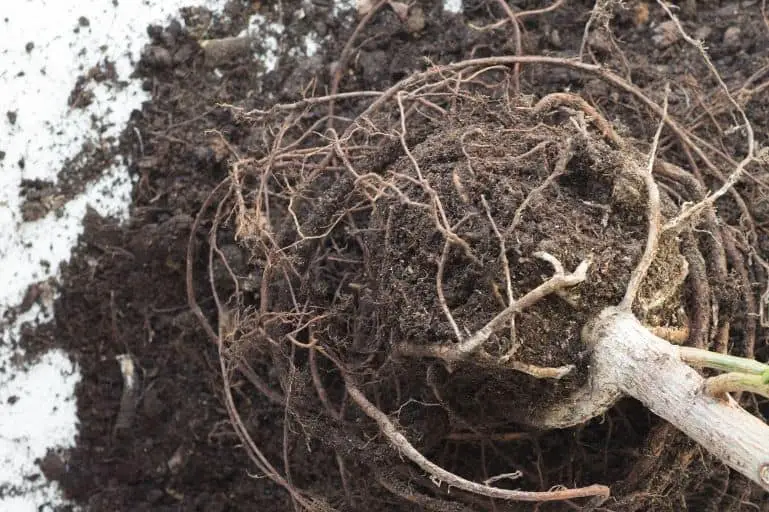
For bare-root trees, soak roots in water for several hours before planting to rehydrate them after shipping and storage. Dig planting holes twice as wide as the root spread but only as deep as the root system—planting too deeply causes serious problems. Position the graft union (visible bulge where variety meets rootstock) two to four inches above soil level for dwarf varieties.
For container-grown trees, gently remove trees from nursery pots and examine root systems. Roots circling pot edges should be loosened or trimmed to encourage outward growth rather than continued circling. Plant at the same depth trees grew in nursery containers, taking care not to bury stem tissue or leave roots exposed above soil level.
Essential Care Tips for Small Garden Fruit Trees
Consistent, appropriate care transforms small fruit trees into productive, beautiful garden assets that reward your attention for decades.
Watering and Feeding Requirements
Water management represents perhaps the most critical ongoing care requirement for fruit trees, particularly in container culture where root systems cannot access deep soil moisture reserves. Develop consistent watering routines that maintain moderate soil moisture without creating waterlogged conditions that damage roots.
Container-grown trees require more frequent watering than in-ground plantings due to limited soil volume and rapid moisture loss through pot walls. During summer heat, daily watering may become necessary for trees in smaller containers or windy locations. Install moisture meters or learn to judge soil moisture by weight and feel to avoid both under-watering and over-watering problems.
Feeding programs should follow seasonal patterns aligned with tree growth cycles:
- Early spring applications provide nitrogen-rich fertilizers as trees break dormancy and begin active growth
- Late spring through early summer feedings support fruit development and vegetative expansion
- Mid-summer applications should reduce nitrogen content to avoid stimulating late growth that won’t harden before winter
- Fall feeding focuses on potassium and phosphorus to strengthen roots and prepare trees for dormancy
Pruning for Size Control and Productivity
Pruning serves dual purposes in small garden fruit tree management: controlling size to fit available space and directing tree energy toward productive fruit development rather than excessive vegetative growth. Regular, thoughtful pruning maintains tree health while maximizing harvest potential.
Annual dormant pruning during late winter provides the primary opportunity for structural shaping and size control. Remove crossing branches, dead wood, and water sprouts growing vertically from horizontal branches. Maintain open centers in most tree forms to allow light penetration and air circulation that promotes fruit quality and reduces disease pressure.
Summer pruning helps manage vigorous growth that might exceed space limitations. Reducing current-season growth by one-third to one-half controls size while redirecting energy into fruit development and flower bud formation for the following year. Avoid heavy summer pruning that might stress trees or stimulate unwanted late-season growth.
Pest and Disease Management
Small garden settings often experience fewer pest and disease problems than large orchards due to isolation from agricultural disease reservoirs and the intensive observation that compact growing enables. However, issues still arise and require prompt attention to prevent serious damage.
Prevention strategies form the foundation of effective pest and disease management:
- Select resistant varieties when available for common regional problems
- Maintain tree vigor through proper watering, feeding, and pruning
- Practice good sanitation by removing fallen fruit and diseased material promptly
- Encourage beneficial insects through diverse plantings and avoiding broad-spectrum pesticides
- Monitor regularly to catch problems early when intervention is most effective
When intervention becomes necessary, prefer least-toxic options that address specific problems without disrupting beneficial organisms. Horticultural oils, insecticidal soaps, and targeted biological controls address most common issues effectively while preserving garden ecosystem balance.
Maximizing Your Harvest in Limited Space
Strategic techniques enable small gardens to produce remarkable quantities of fruit far exceeding what casual observers might expect possible.
Espalier and Training Techniques
Espalier training transforms fruit trees into productive living sculptures that occupy minimal ground space while creating stunning visual features. This centuries-old European technique involves carefully training branches along wires or frames to create flat, two-dimensional growing patterns against walls, fences, or freestanding supports.
Benefits of espalier training include:
- Dramatic space savings as trees occupy mere inches of garden width
- Improved fruit quality through better light exposure to all branches
- Earlier ripening when grown against warm, south-facing walls
- Extended growing seasons as thermal mass from walls protects against early and late frosts
- Aesthetic excellence creating garden focal points that combine beauty and productivity
Learning espalier requires patience and practice, but rewards dedicated gardeners with remarkable results. Begin with naturally amenable species like apples and pears, mastering basic cordon and horizontal patterns before advancing to complex designs like Belgian fences or candelabra forms.
Multi-Grafted Trees and Intensive Planting
Multi-grafted trees offer innovative solutions for gardeners wanting variety diversity in minimal space. These specialty trees feature multiple varieties grafted onto single rootstocks, allowing harvest of different apple varieties, stone fruit combinations, or citrus assortments from individual trees.
Multi-grafted trees provide unique advantages:
- Built-in cross-pollination when compatible varieties are grafted together
- Extended harvest seasons through combining early, mid, and late-maturing selections
- Flavor diversity enabling comparison and enjoyment of multiple varieties without space multiplication
- Risk distribution as variety loss from disease or damage doesn’t eliminate entire production
- Educational interest demonstrating grafting principles visibly and practically
Intensive planting arrangements position multiple trees closer together than traditional spacing recommendations suggest. When managed with appropriate pruning to control size, these dense plantings maximize productivity per square foot while creating visually abundant garden displays.
Final Thoughts: Transform Your Small Garden Today
The journey toward growing fruit trees in your small garden begins with a single decision—the decision to start. Every day you delay represents lost growing seasons, missed harvests, and unrealized potential in your available space. The barriers you might imagine—insufficient space, limited experience, challenging conditions—have been overcome by countless gardeners before you through the techniques and varieties discussed throughout this guide.
Starting today positions you perfectly for success. Your trees begin establishing root systems immediately, building the foundation for productive years ahead. Your learning curve begins while trees are young and forgiving, allowing you to develop skills alongside your trees. Your investment in soil improvement and infrastructure pays dividends compounding across every subsequent growing season.
The rewards awaiting you extend far beyond simple fruit production. You’ll experience the profound satisfaction of nurturing living things through seasonal cycles. You’ll taste flavors impossible to find in any store, picked at perfect ripeness from trees you’ve cared for personally. You’ll connect with ancient human traditions of cultivation while contributing to modern sustainability goals.
Take these first steps this week:
- Research varieties appropriate for your climate zone and space constraints
- Identify your best growing location through careful sunlight observation
- Visit local nurseries to examine available trees and gather expert regional advice
- Prepare your planting site or select appropriate containers and potting materials
- Order or purchase your first trees while selection remains optimal
Your small garden fruit tree adventure awaits. The perfect time to begin is now—not next season, not when conditions seem ideal, but today. Every towering orchard started with someone planting their first tree. Your modest beginning today creates the foundation for years of abundant harvests, meaningful engagement, and delicious rewards that only homegrown fruit can provide. Start your fruit trees in your small garden today, and discover the remarkable transformation that awaits both your outdoor space and your connection to the natural world.