



Canned black beans might be one of the most underrated ingredients hiding in your pantry right now. They’re already cooked, require zero draining of your time or energy, and they transform into everything from savory comfort food to surprising desserts with just a few other basic ingredients on hand. Whether you’ve got a can sitting there waiting to be used or you’re looking to stock up because you’ve finally realized their potential, these recipes prove that black beans are far more versatile than just burrito filling or side dish fodder.
The beauty of starting with canned black beans is that you’re already halfway to dinner before you even turn on the stove. No overnight soaking. No hour of simmering. No checking them repeatedly to see if they’re tender yet. You get straight to the good part—building bold flavors, experimenting with different cuisines, and creating meals that taste like you spent way more time in the kitchen than you actually did. Black beans bring a nutty, earthy depth to dishes, absorb seasonings beautifully, and provide serious plant-based protein and fiber that makes them satisfying in a way that feels substantial, not virtuous.
These ten recipes span the whole spectrum—from quick weeknight dinners to impressive dishes you’d genuinely serve guests, from traditional Latin-inspired fare to unexpected flavor combinations that might just become your new favorites. Most can be made in under 30 minutes, and nearly all of them store beautifully, which means you can batch-cook and have ready-to-eat meals ready for the rest of the week. Let’s dive into some seriously good ways to use those canned black beans.
1. Black Bean Tacos with Crispy Spiced Beans
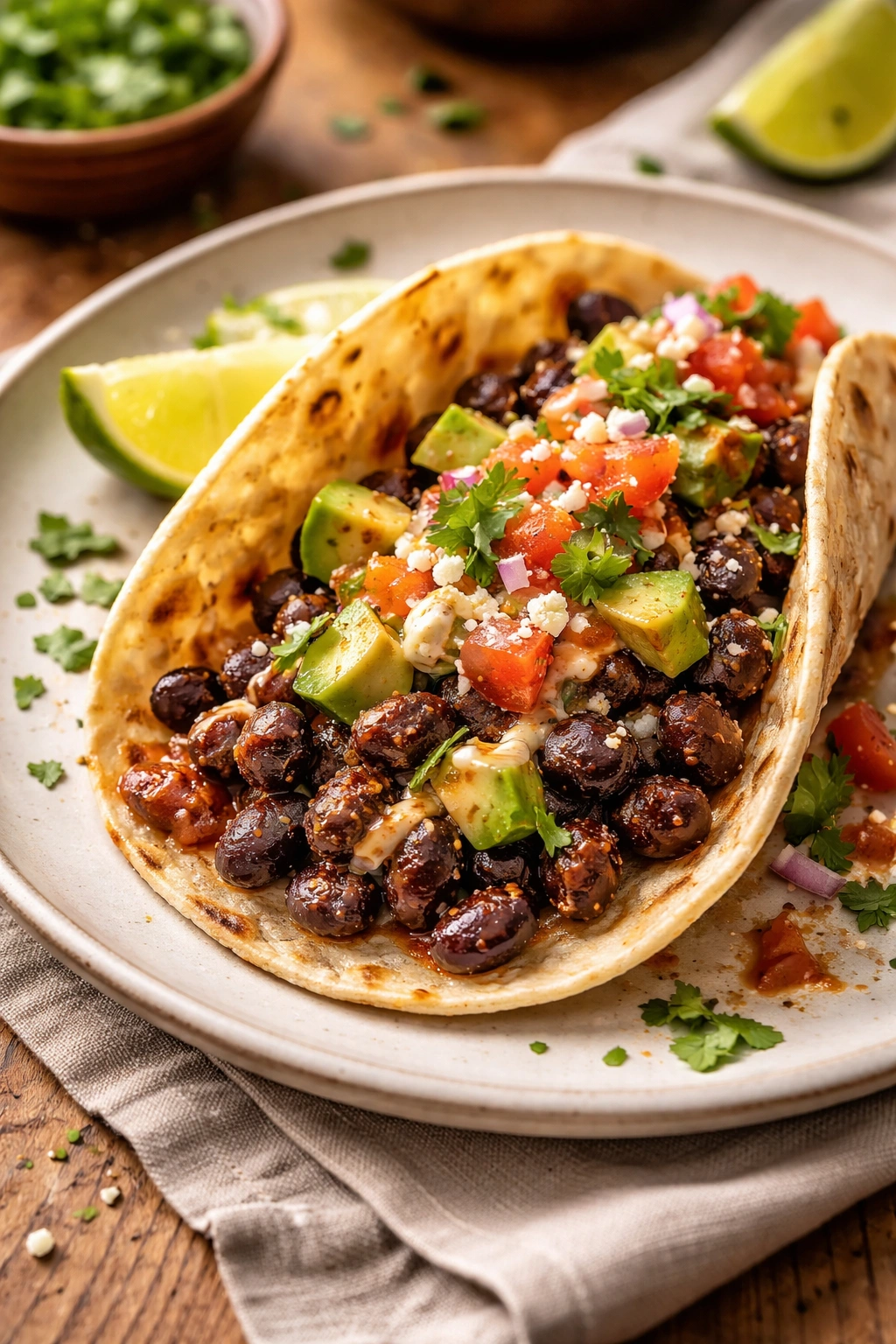
Black bean tacos are the fastest path from can to dinner, and yet they’re completely satisfying in a way that doesn’t feel like a compromise. The key isn’t just dumping beans straight into a tortilla—it’s sautéing them with aromatics and spices until they’re warm, fragrant, and just slightly crispy on the edges where they hit the pan.
Drain and rinse one or two cans of black beans, then sauté them in a large skillet over medium-high heat with diced onion, minced garlic, and a good pinch of cumin, smoked paprika, and chili powder. Let them cook for about 5 to 7 minutes, stirring occasionally so some of the beans break down and create a thicker, more cohesive filling while others stay whole. The beauty here is that you’re building texture and deepening flavor at the same time.
Building Your Taco Toppings
Keep your toppings fresh and bright to contrast the warm, spiced beans. Shredded cabbage adds crunch and a slight acidity that cuts through the richness. Fresh cilantro, sliced jalapeños, crumbled queso fresco, and lime juice all work beautifully. A dollop of sour cream or Mexican crema smooths everything out and adds richness.
Why This Works Better Than You’d Expect
When beans cook down slightly in the pan with their seasonings, they develop a deeper flavor than raw spices alone could provide. The heat coaxes the spices’ essential oils out of their shells and melds them into the beans’ natural nuttiness. Add a splash of lime juice or a splash of the reserved bean liquid if the mixture gets too dry, and you’ve got filling that tastes like it simmered for hours.
Pro tip: Cook the beans in a very hot pan without stirring for the first minute or two—this creates a lightly caramelized, crispy layer on the bottom that adds texture and concentrated flavor when you fold it into the rest.
2. Silky Black Bean Soup
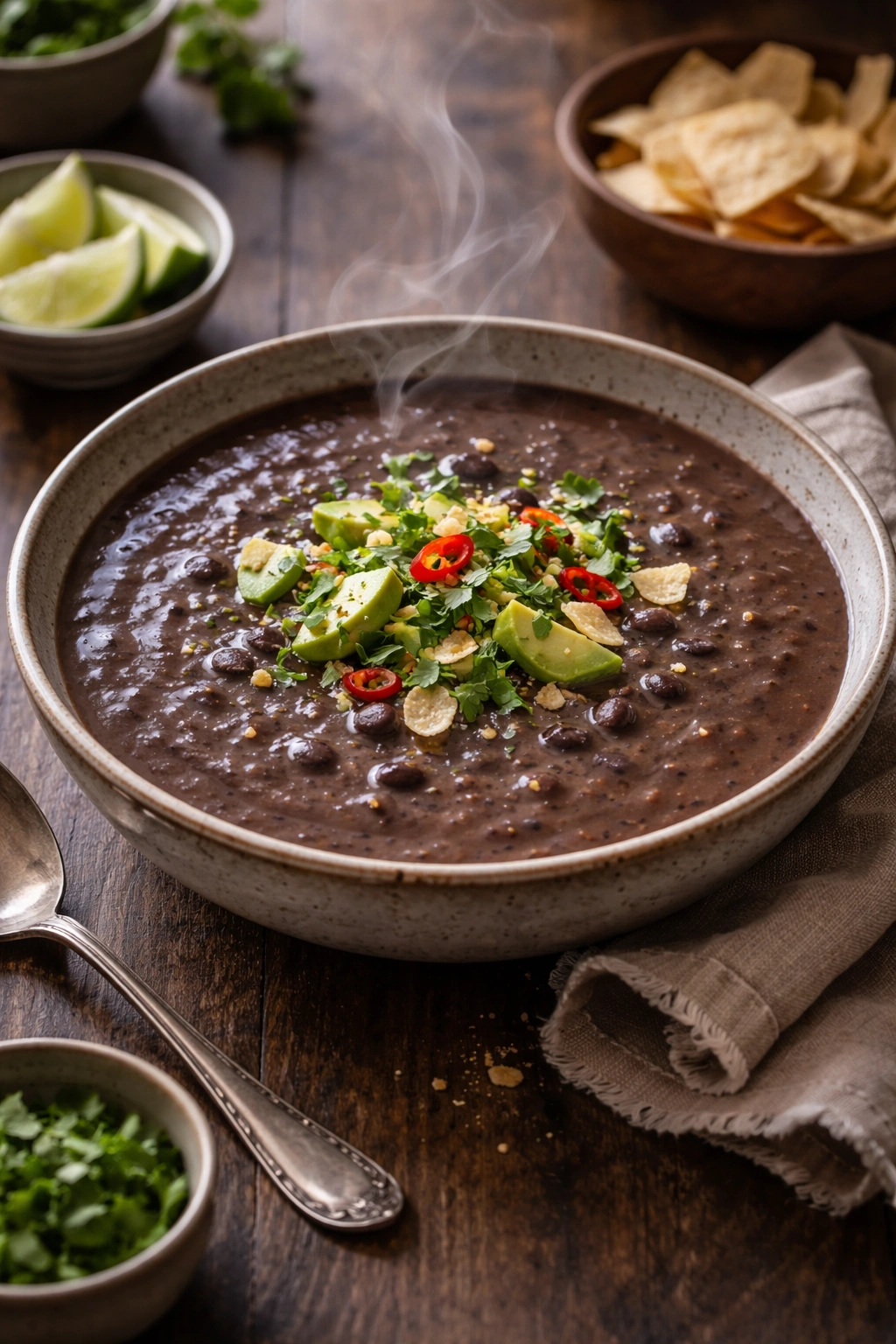
A proper black bean soup should be thick, creamy, and deeply savory without cream anywhere near it. The creaminess comes entirely from blended beans, which means you’re loading every spoonful with protein and fiber instead of cream calories.
Start by sautéing diced onion, celery, and carrot in a large pot over medium heat until soft and fragrant, about 5 minutes. Add minced garlic, ground cumin, and a pinch of smoked paprika, and cook for another minute to bloom the spices. Pour in two cans of black beans (don’t drain them—use the liquid), add vegetable or chicken broth, and bring everything to a gentle simmer for about 10 minutes so the flavors meld.
The Blending Technique That Changes Everything
Immersion blenders are your friend here. Blend roughly half the soup until creamy while leaving about half chunky and whole—this creates a silky base with actual texture, rather than a one-note purée. If you don’t have an immersion blender, carefully transfer half the soup to a regular blender, purée it, and stir it back into the pot.
Final Flavor Hits
Finish with a squeeze of lime juice, a pinch of red pepper flakes if you want heat, and a good amount of salt and black pepper. Some people swear by a splash of hot sauce—it works. Fresh cilantro stirred in at the end brightens everything. Serve with crispy tortilla strips, diced avocado, and a dollop of sour cream.
A bowl of good black bean soup is genuinely one of the most comforting meals you can make in 20 minutes. It reheats beautifully, freezes excellently, and tastes even better the next day after the flavors have deepened overnight.
3. Black Bean Burgers That Actually Hold Together
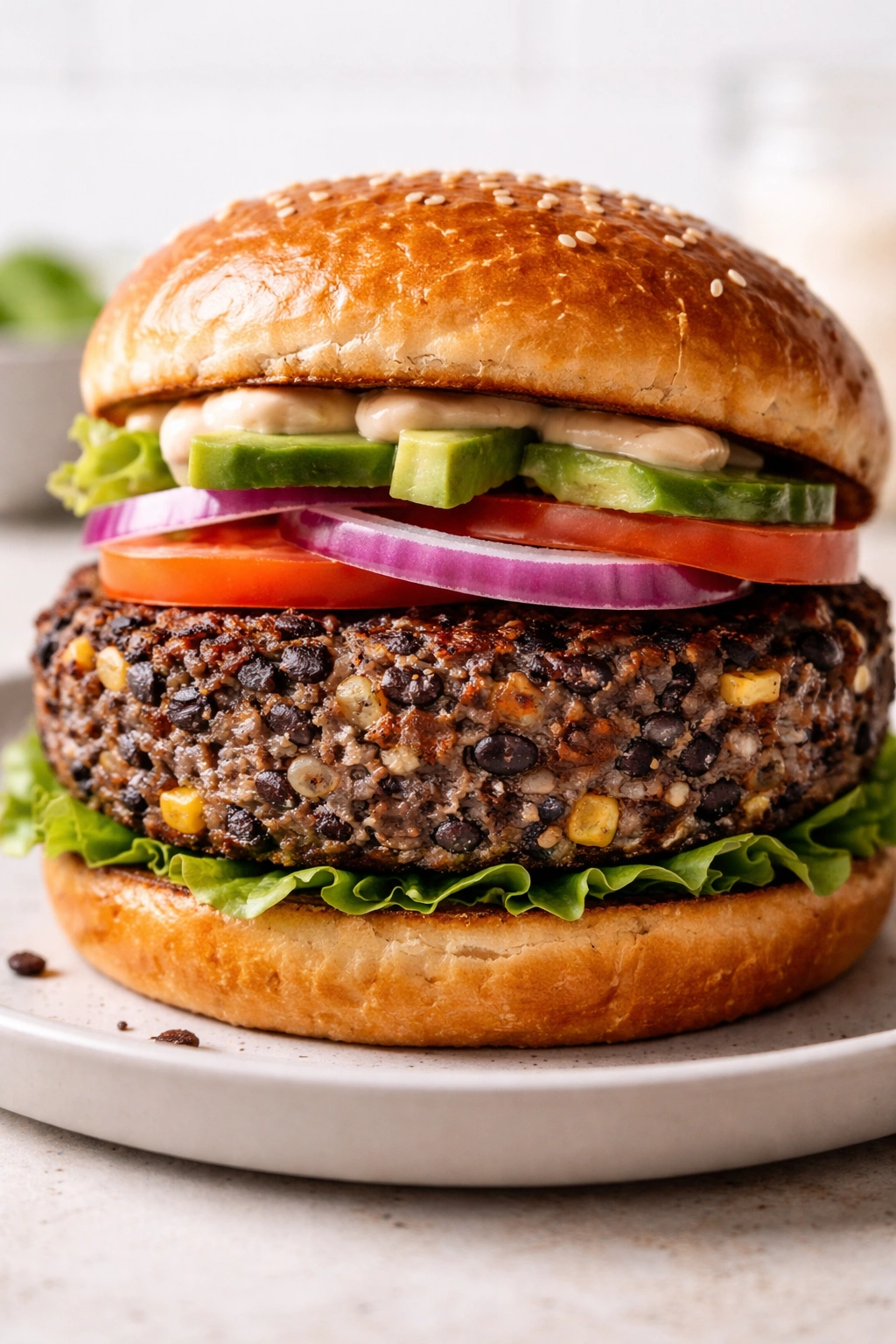
Black bean burgers have a reputation for falling apart, but that only happens when they’re made wrong. The solution is simple: you need enough binder to hold them together, enough texture to make them interesting, and bold enough flavoring so they taste like a destination rather than a substitute.
Drain and rinse two cans of black beans and mash them thoroughly in a bowl—you want some texture remaining, but not whole beans. Mix in one cup of cooked brown rice (or breadcrumbs if you don’t have rice), ⅓ cup finely diced red onion, ¼ cup chopped cilantro, two cloves minced garlic, one egg, one teaspoon cumin, one teaspoon smoked paprika, and a generous pinch of salt and pepper. The rice acts as a binder and adds structure, while the egg provides additional binding power without making the burger dense.
Cooking and Texture
Form the mixture into four thick patties and let them rest in the refrigerator for at least 30 minutes—this helps them hold together during cooking. Pan-fry them over medium-high heat in a little oil, 4 to 5 minutes per side, until they develop a golden crust. Don’t move them around in the pan; let them sit undisturbed so they get properly crispy on the outside.
Topping Strategy
Serve on toasted buns with all your favorite burger toppings, but consider that black bean burgers are earthy and slightly spicy already. Crispy lettuce, sliced red onion, sliced tomato, and a good spread of avocado mayo or chipotle mayo are all excellent choices. A slice of aged cheddar or sharp pepper jack melts beautifully over a warm patty.
These burgers freeze beautifully raw—form the patties, freeze them on a sheet pan until solid, then transfer to a freezer bag. Cook directly from frozen, just add a few extra minutes to the cooking time.
4. Black Bean Quesadillas with Three Variations
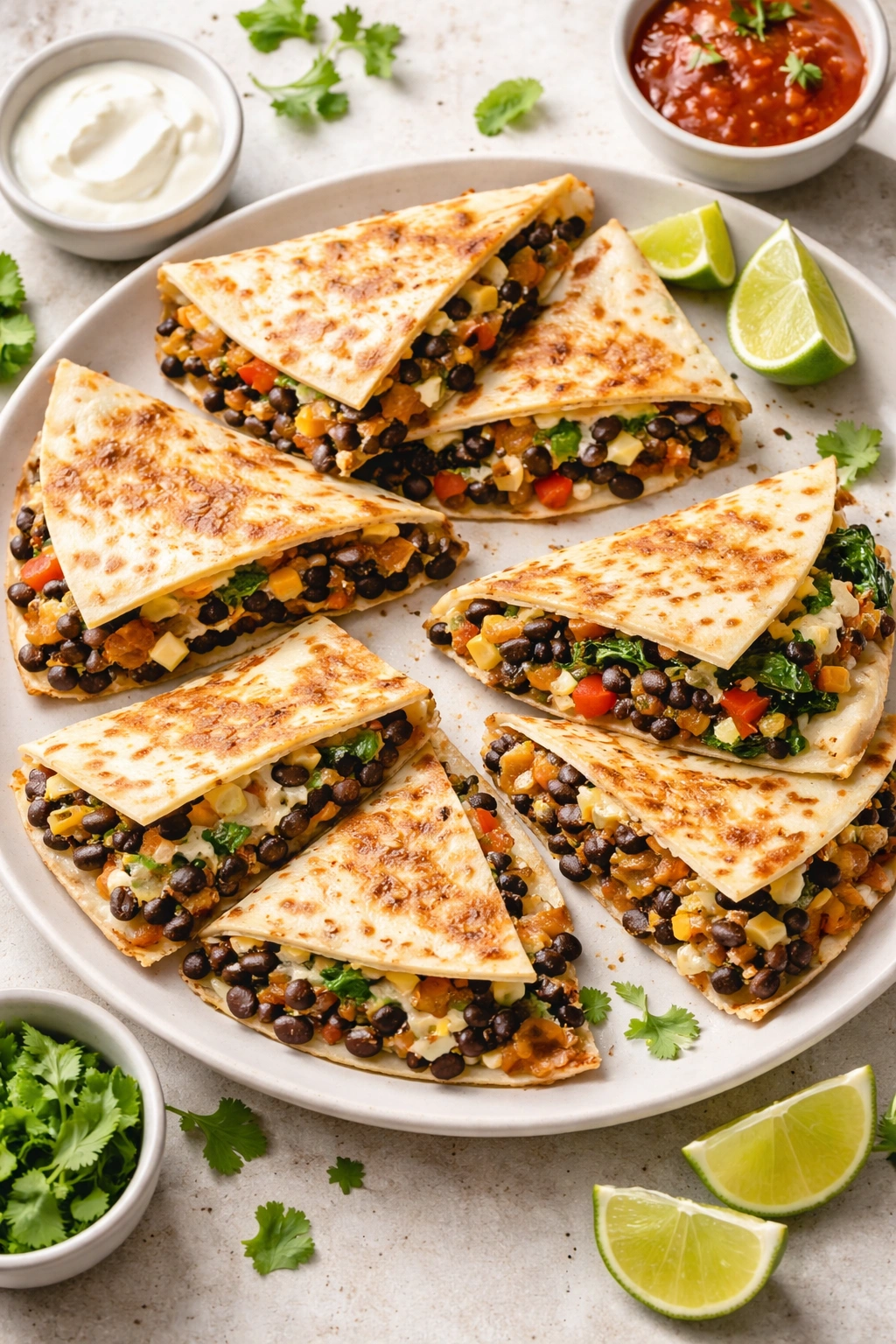
Quesadillas are one of those deceptively simple dishes that can be made in countless ways. The basic formula is dead simple: tortilla, filling, cheese, tortilla, then pan-fry until crispy and the cheese melts. But the variations are where things get interesting.
Start with the classic version: spread some mashed black beans mixed with a pinch of cumin on a flour tortilla, add shredded Oaxaca, Chihuahua, or mozzarella cheese, top with another tortilla, and pan-fry it in a skillet over medium heat until the bottom is golden and crispy, about 3 to 4 minutes. Flip carefully and cook the other side until equally golden and the cheese is fully melted, another 3 to 4 minutes.
Variation One: Black Bean and Corn Quesadillas
Add roasted corn to the black bean mixture along with crumbled cotija cheese and a pinch of lime zest. The sweetness of corn plays beautifully against the earthy beans, and cotija brings a salty bite that makes every bite interesting.
Variation Two: Spinach, Black Bean, and Jalapeño Quesadillas
Sauté fresh spinach briefly until wilted, then combine it with the black beans, diced jalapeño, and mozzarella. This version is lighter and more sophisticated—something you’d actually be happy to serve for lunch when you want something more than just a quick bite.
Variation Three: Black Bean, Sweet Potato, and Kale Quesadillas
Roast thin-sliced sweet potato until edges are crispy, massage raw kale with a bit of lime juice until slightly tender, then layer it with black beans and sharp cheddar. This is the version that converts people who think quesadillas are basic—the textures and flavors feel way more complex than the ingredient list suggests.
Serve all versions with sour cream, salsa, guacamole, and fresh cilantro for dipping. Quesadillas are best eaten immediately while they’re still warm and the cheese is stretchy.
5. Chopped Black Bean Salad
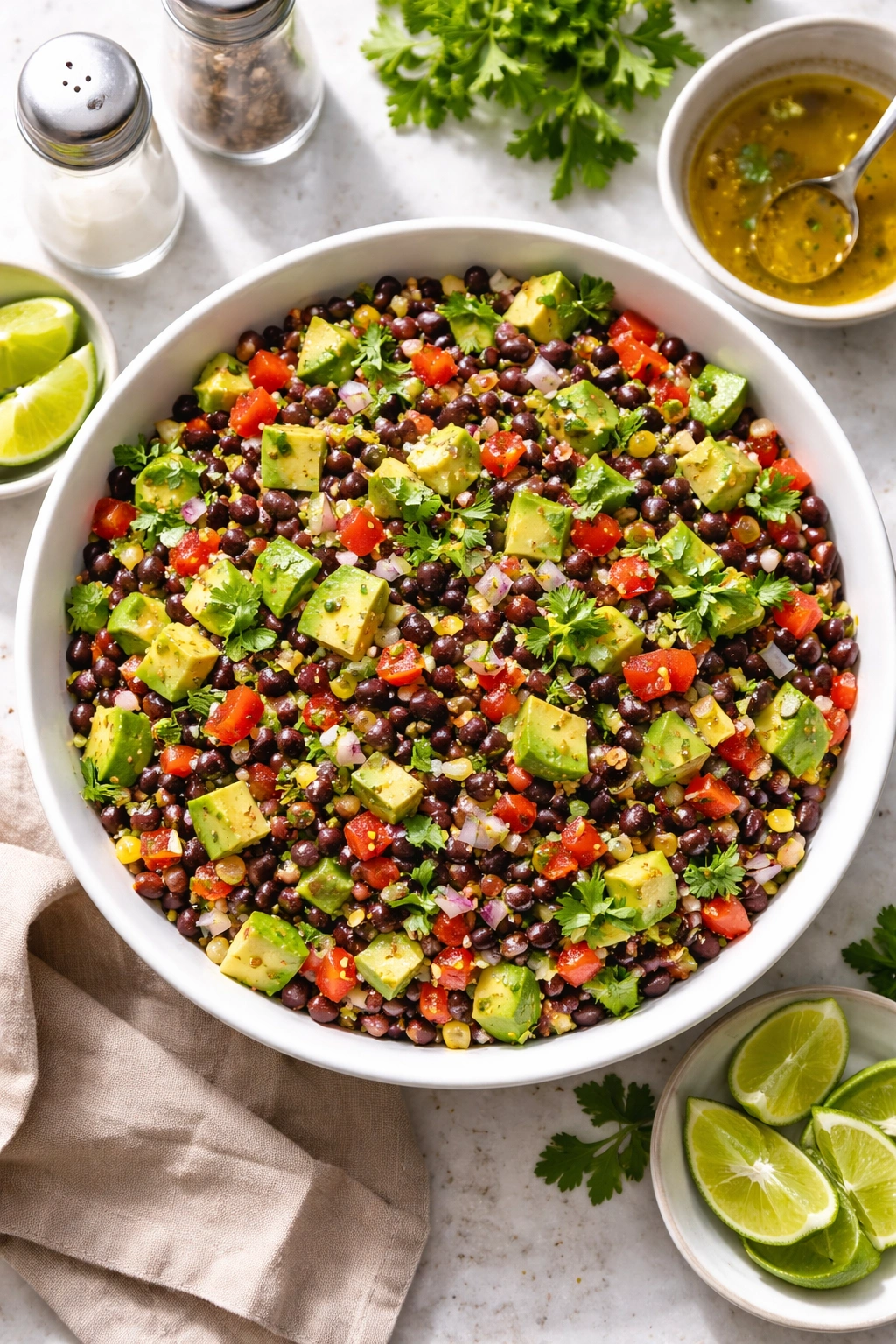
A good black bean salad is substantial enough for lunch on its own, yet light enough to serve as a side dish. It actually improves overnight as the flavors meld and the dressing soaks into the beans, which means it’s excellent meal prep.
Combine one can of drained and rinsed black beans with diced red bell pepper, diced red onion, diced avocado, fresh corn kernels (raw or roasted), and a good handful of chopped cilantro. Make a dressing by whisking together the juice of two limes, three tablespoons of good olive oil, one minced garlic clove, one teaspoon cumin, and salt and pepper to taste.
Building Better Balance
The salad works because you’ve got earthy beans, sweet corn, sharp red onion, creamy avocado, and bright lime. Each component adds something different. If you don’t have corn, diced mango works beautifully and brings unexpected sweetness. If you skip the avocado, crumbled cotija cheese provides richness instead.
Storage and Make-Ahead
Make the salad without the avocado, cover, and refrigerate up to two days. Add sliced or diced avocado just before serving so it doesn’t brown. The longer the salad sits, the more the flavors marry and the better it tastes, but the texture stays lively if you don’t add soft ingredients too far in advance.
This salad works at backyard cookouts, as a lunch to bring to work, on top of greens as a heartier salad, or wrapped in a tortilla as a burrito bowl component. It’s flexible, tasty, and honestly just better for you than mayonnaise-based salads while tasting far more interesting.
6. Black Bean and Chorizo Chili
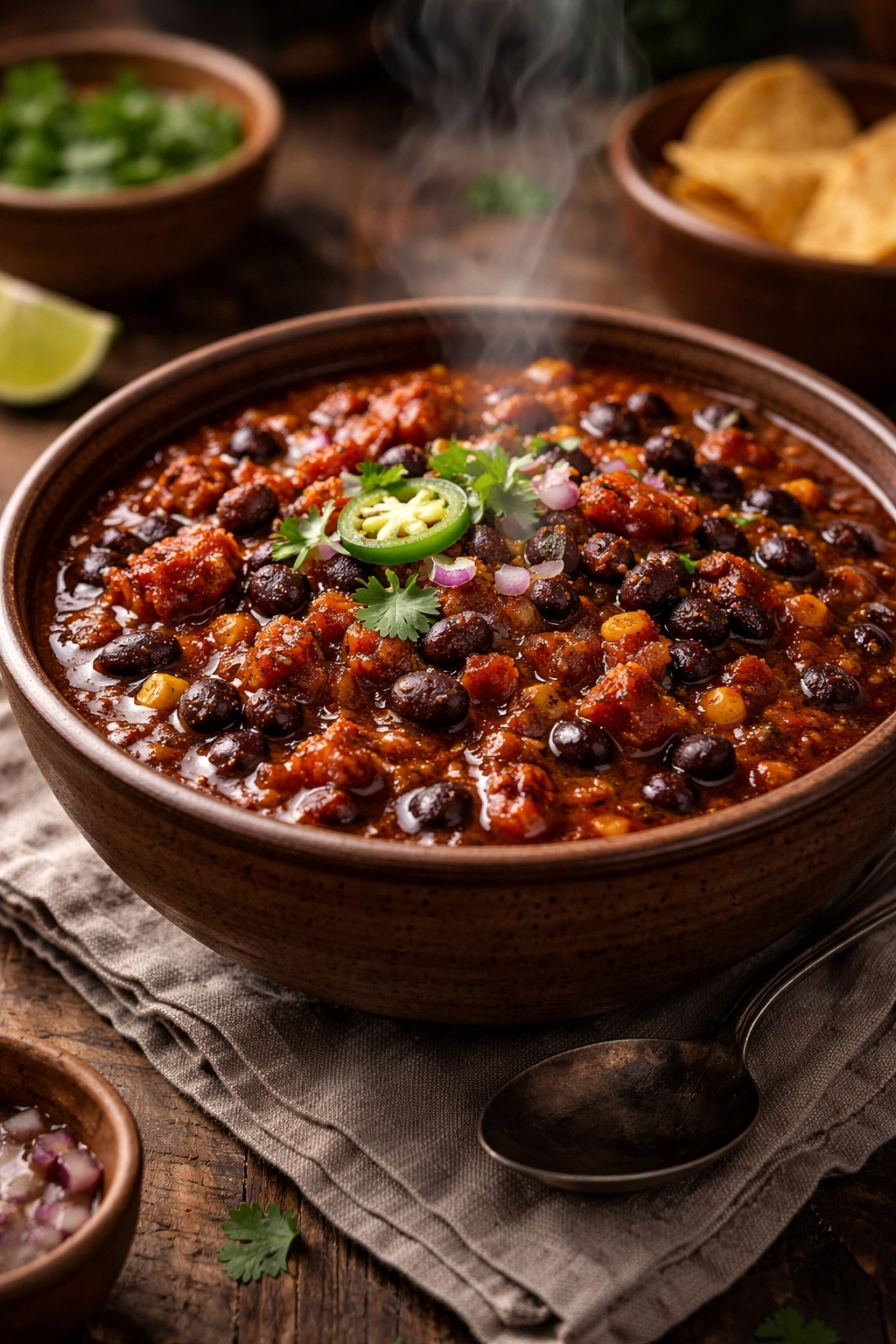
Chili made with black beans and chorizo hits a completely different note than the traditional beef versions. The chorizo brings spice and richness while the black beans provide substance and earthiness. It’s a dish that feels special and looks impressive despite being straightforward to make.
Brown eight ounces of chorizo (removed from its casing if it’s in links) in a large heavy-bottomed pot over medium-high heat, breaking it up as it cooks, about 5 to 7 minutes. Don’t drain all the fat—it carries flavor. Add diced onion and garlic, cook until softened, then add tomato paste and cook for another minute to deepen it. Pour in two cans of black beans (with their liquid), one 28-ounce can of crushed tomatoes, one cup of beef or vegetable broth, two teaspoons cumin, one teaspoon smoked paprika, and salt and pepper.
The Long Simmer
Bring everything to a gentle simmer and let it bubble quietly for at least 20 to 30 minutes, stirring occasionally. The longer it simmers, the more the spices integrate into the broth and the more cohesive the flavors become. Some people like to add a bit of brown sugar or a splash of apple cider vinegar to balance the acidity of the tomatoes—taste as you go and adjust.
Finishing Touches
Stir in some fresh cilantro just before serving and add a squeeze of lime juice. Top each bowl with diced onion, shredded cheese, sour cream, and crispy tortilla chips. This chili is exactly the kind of dish that tastes better each time you reheat it, so making extra and freezing half is a genuinely good idea.
The chorizo makes this chili feel more special than basic versions, and it’s substantial enough that it can stand alone as a meal without any accompaniments, though of course you’ll want to serve it with something.
7. Black Bean and Rice Buddha Bowls
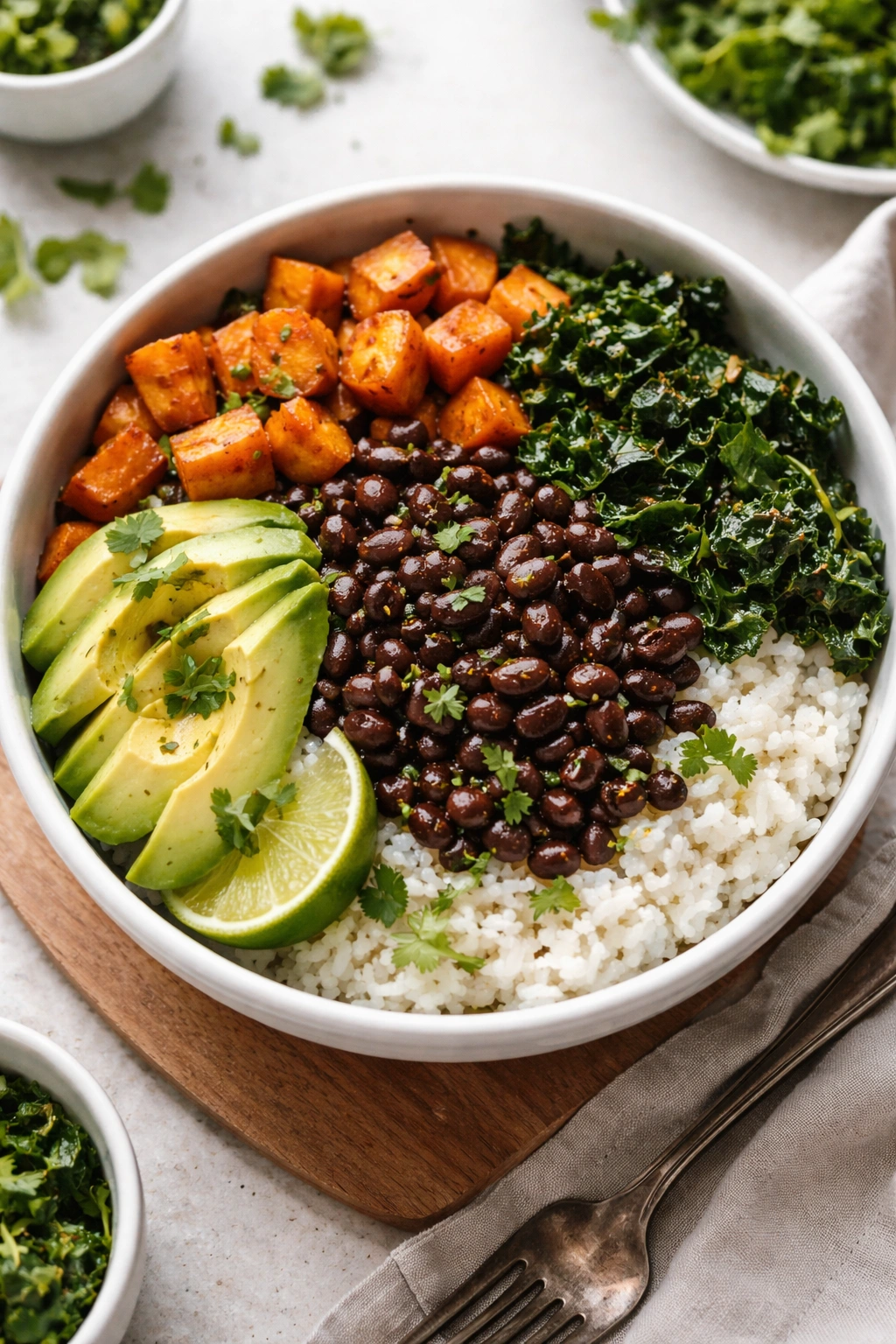
Buddha bowls have earned a reputation for being Instagram-pretty vegetarian food, but they’re also legitimately satisfying and endlessly customizable. Build them with a grain base, a legume component, vegetables, and a sauce, and you’ve got a complete meal that tastes good in every combination.
Start with a base of cooked rice—white, brown, or jasmine all work beautifully. Top it with black beans that have been quickly warmed with a pinch of cumin and lime juice. Add roasted vegetables: perhaps roasted sweet potato cubes, sautéed kale with garlic, raw grated carrot, sliced avocado, and chopped fresh cilantro.
The Sauce Makes It
The grain and legumes are good, but the sauce is what transforms a bowl into something you’ll actually crave eating. A simple lime-cumin vinaigrette works: whisk together three tablespoons lime juice, one tablespoon olive oil, one minced garlic clove, a pinch of cumin, and salt and pepper. Or make a creamy cilantro-lime dressing by blending fresh cilantro, lime juice, plain Greek yogurt, water, garlic, and salt until smooth and pourable.
Variations That Work
Drizzle with tahini sauce instead of lime vinaigrette, or use a spicy peanut sauce if you want something richer. Add a fried egg on top for more protein and richness. Sprinkle with pumpkin seeds, sunflower seeds, or crispy chickpeas for texture.
Buddha bowls are phenomenal meal prep because you can assemble the components separately and layer them into containers, then dress just before eating so everything stays fresh and separate rather than getting soggy overnight.
8. Black Bean Hummus
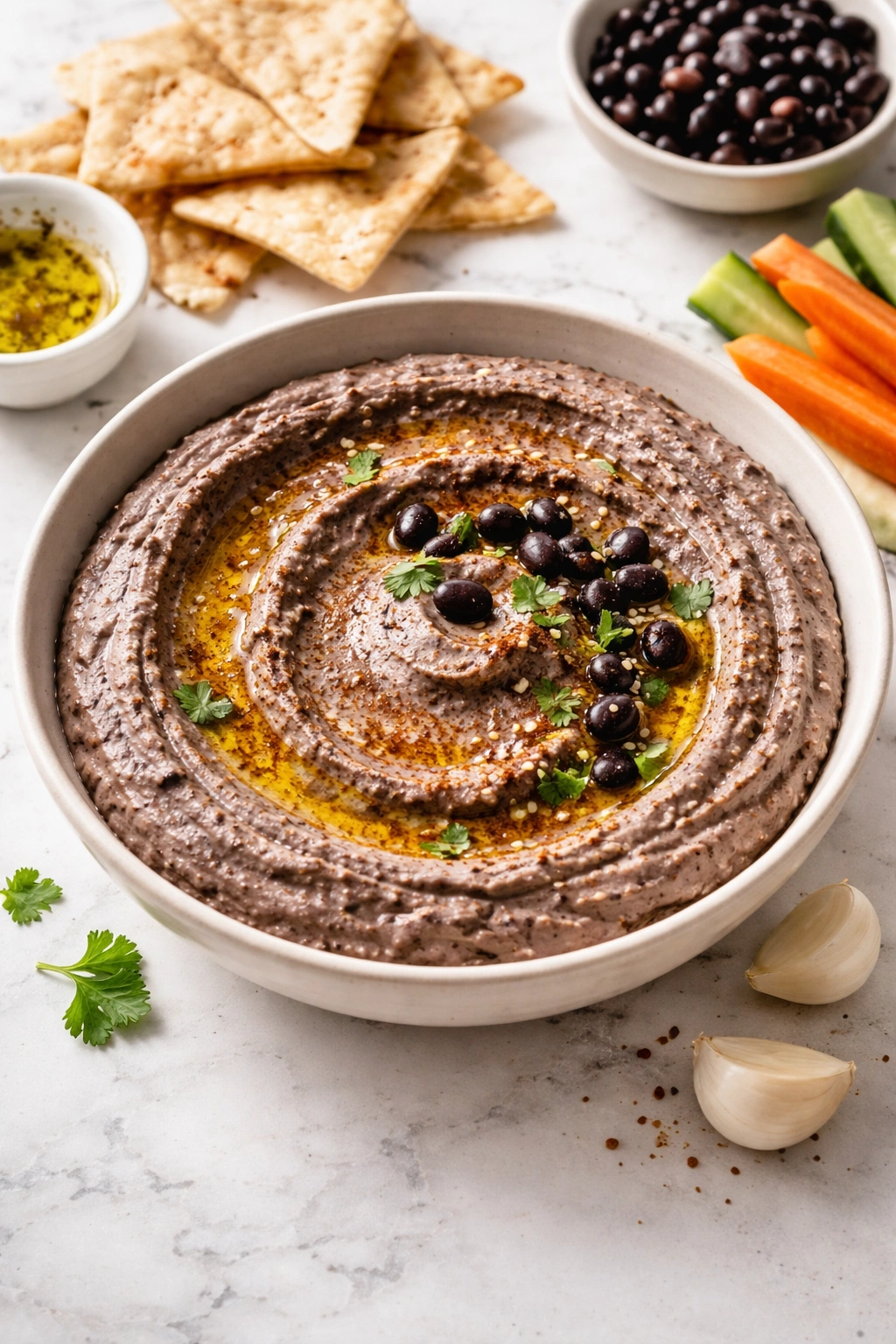
If you’ve ever thought about expanding beyond chickpea hummus, black bean hummus is where it’s at. It’s earthier, slightly nuttier, and you can flavor it in so many different ways depending on what’s in your pantry and what you’re in the mood for.
Drain two cans of black beans well and add them to a food processor with three tablespoons tahini, three tablespoons olive oil, juice of two limes, two cloves garlic, one teaspoon cumin, and a pinch of salt. Blend until completely smooth, about two to three minutes. If it seems too thick, add a tablespoon of water at a time until you reach the consistency you want—it should be creamy and spreadable but not soupy.
Flavor Variations
Add diced jalapeño and a pinch of smoked paprika for a southwestern version. Swap the lime for lemon and add roasted red pepper and a pinch of cayenne for something deeper and spicier. Mix in fresh cilantro, or top the finished hummus with toasted pumpkin seeds and a drizzle of hot oil for texture and visual interest.
This hummus works as a dip with vegetables and chips, as a spread on sandwiches and wraps, as a base for toast when topped with avocado and everything bagel seasoning, or stirred into grain bowls for added creaminess and nutrition.
Black bean hummus keeps covered in the refrigerator for about five days, though the flavors are brightest in the first day or two. It doesn’t freeze beautifully because the texture becomes grainy once thawed, but it’s so fast to make that you can always whip up a fresh batch whenever you need it.
9. Black Bean Brownies (Yes, Really)
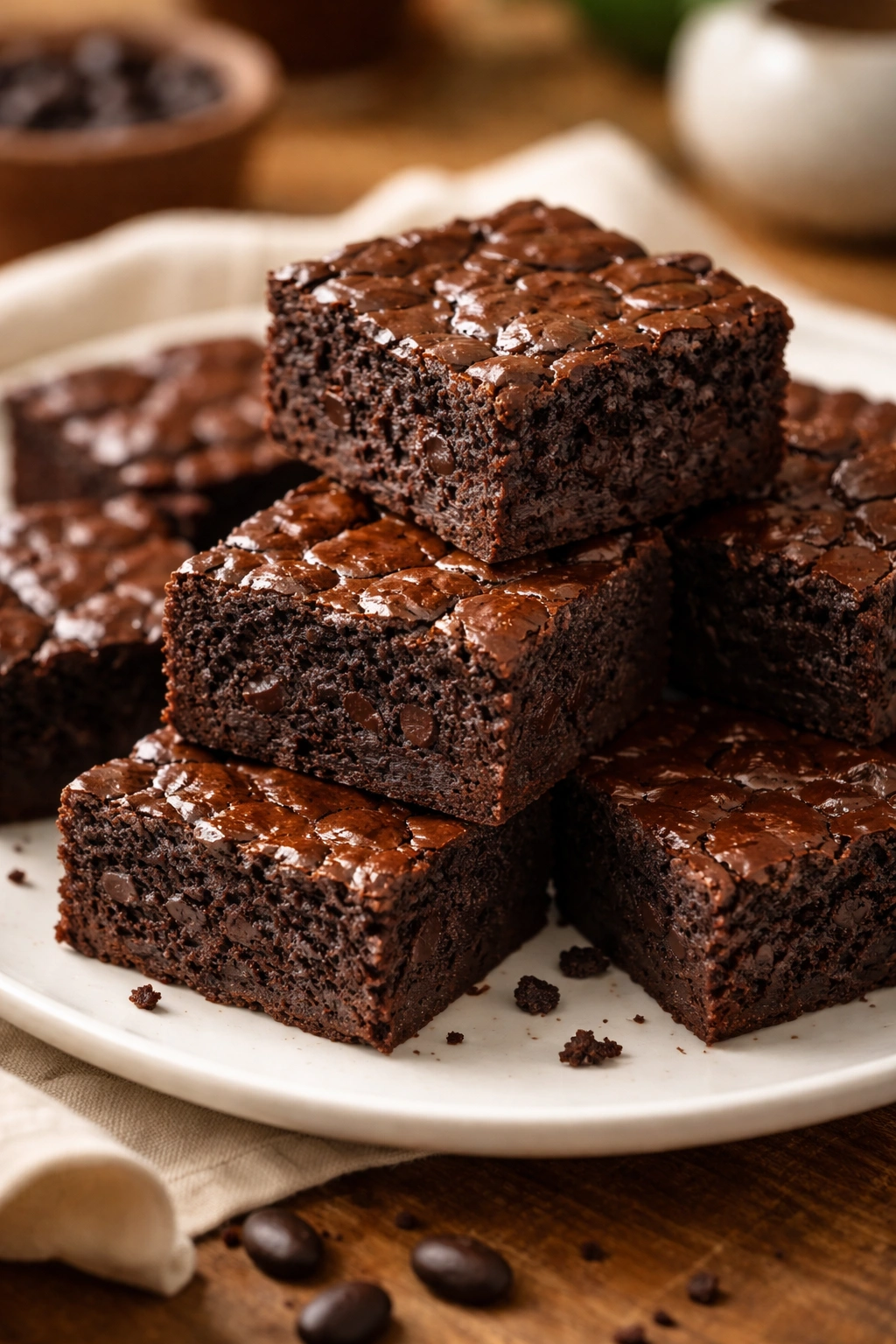
Black bean brownies sound like a trick recipe, but they’re actually genuinely good—rich, fudgy, and deeply chocolatey with no weird bean flavor at all. The beans replace some or all of the flour, adding moisture and tenderness while bumping up the nutrition profile in a way no one will ever notice.
Preheat your oven to 350°F (175°C) and grease an 8-inch square baking pan. In a food processor, blend one can of black beans (drained and rinsed) with two tablespoons olive oil, four tablespoons unsweetened cocoa powder, half a cup of sugar, two eggs, one teaspoon vanilla, one teaspoon baking powder, a pinch of salt, and one teaspoon instant espresso powder (which deepens the chocolate flavor without making them taste like coffee). Blend until completely smooth with no visible bean pieces.
The Baking Process
Pour the batter into your prepared pan and spread it into an even layer. Bake for 20 to 25 minutes until a toothpick inserted in the center comes out with just a few fudgy crumbs attached—don’t overbake or they’ll be dry. Let them cool in the pan for at least 15 minutes before slicing. If you want to be fancy, sprinkle a bit of fleur de sel on top while they’re still warm.
Why They Work
The black beans provide moisture, structure, and a subtle earthiness that actually complements chocolate beautifully. They make the brownies fudgy without needing excess fat or sugar. These brownies keep at room temperature for two days, in the refrigerator for five days, or frozen for up to three months. They’re the kind of dessert you can feel almost okay about because there’s actual legume nutrition hiding in there.
The secret, honestly, is the espresso powder and the salt. They don’t make the brownies taste like espresso or salt—they make the chocolate taste like the most intense, most chocolatey version of itself.
10. Black Bean Pasta with Garlic Oil and Greens
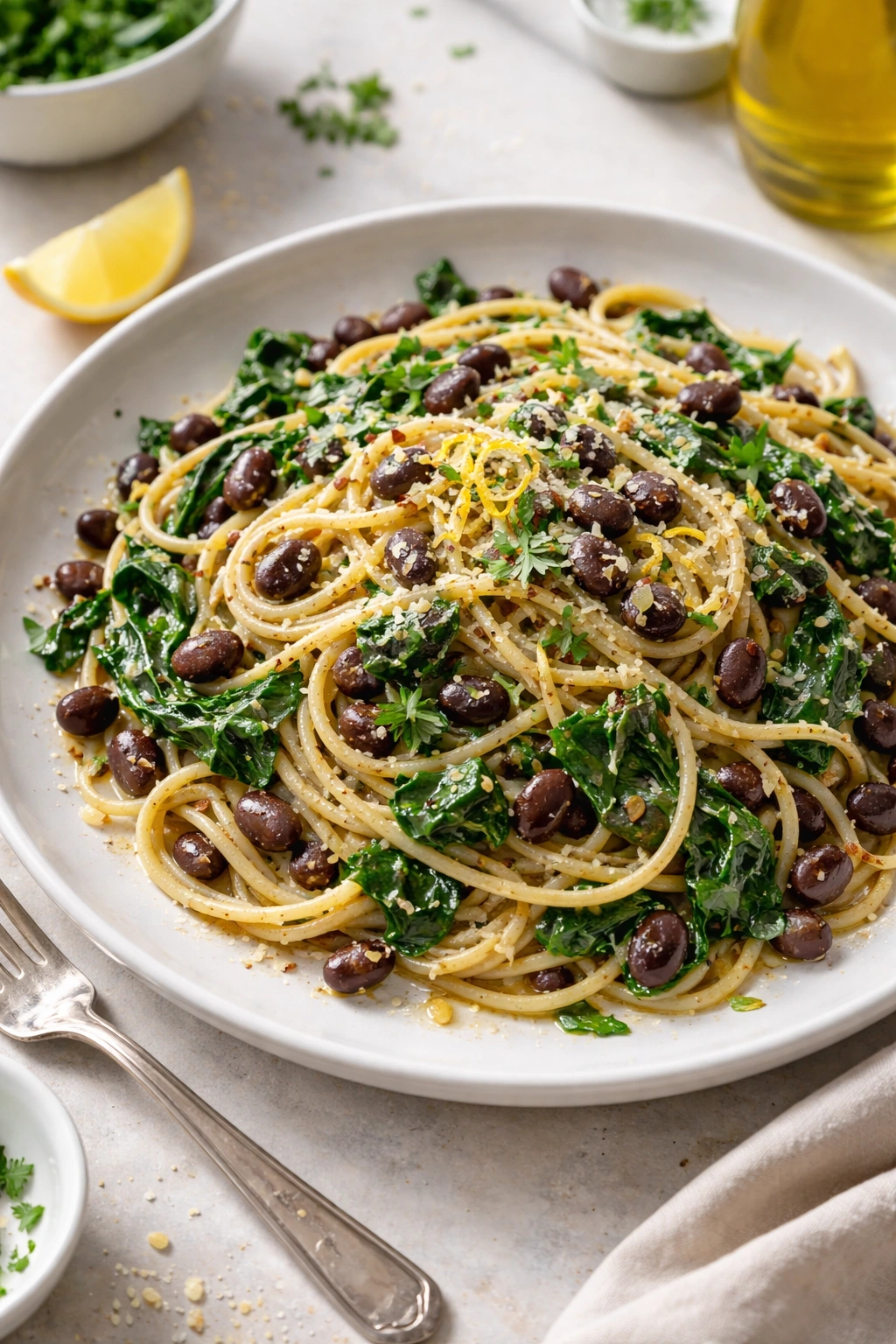
This simple pasta is the kind of dish that comes together in about 15 minutes but tastes like you spent way more time than you actually did. It’s the dark horse dinner that somehow ends up being everyone’s favorite.
Cook your pasta of choice in well-salted boiling water until just al dente. While the pasta cooks, warm a generous glug of good olive oil in a large skillet over medium-low heat with six to eight smashed garlic cloves and a pinch of red pepper flakes. Let it cook gently for about 3 minutes until fragrant but the garlic doesn’t brown—you want infused oil, not burnt garlic.
Building the Dish
Add a handful of fresh spinach or kale to the oil and stir until wilted, about a minute. Drain one can of black beans and stir them into the greens along with the hot pasta, a splash of the pasta water to create a light sauce, the zest of half a lemon, and salt and pepper to taste. The starch from the pasta water emulsifies with the oil to create a light, silky sauce that coats everything.
Finishing Strong
A squeeze of fresh lemon juice, a handful of grated Parmesan, and fresh parsley make this feel complete. If you like heat, add more red pepper flakes. If you like richness, top with a poached or fried egg.
This pasta teaches you something important: you don’t need heavy cream or complex sauces to make something delicious. Sometimes the best dishes are the simplest ones, where each ingredient shines and the cooking technique is what brings it all together. Black beans belong in pasta in exactly this way—earthy and substantial against the bright garlic, lemon, and greens.
Final Thoughts

Ten recipes, one pantry staple, infinite variations waiting to happen. The beauty of canned black beans is that they democratize cooking—you’ve got a complete protein, complex carbohydrates, and a neutral base that plays well with everything from cumin and cilantro to lime and garlic to chocolate and espresso. They’re there in your pantry at two in the morning when inspiration strikes, ready to become whatever dinner (or dessert) you need.
Start with whichever of these recipes speaks to you first, then let that build your confidence to try the others. Keep canned black beans on hand like you do pasta and olive oil—not as an ingredient for someday, but as a foundation for meals that come together with zero fuss and maximum satisfaction. Your future self on a busy weeknight will absolutely thank you.
