There’s something uniquely intimate about sharing a thoughtfully prepared meal with your partner. Yet, many couples find themselves struggling with the same challenge night after night: most recipes serve four to six people, leaving you with either mountains of leftovers or the daunting task of converting measurements. The frustration of watching fresh ingredients go to waste or eating the same reheated meal for days can drain the joy from cooking together. If you’ve ever found yourself standing in your kitchen, wondering how to create perfectly portioned meals that satisfy two people without the hassle, you’re not alone. The good news is that cooking delicious, restaurant-quality dinners for two doesn’t require complicated math or culinary school training. With the right recipes, techniques, and mindset, you can transform your nightly dinner routine into an opportunity for connection, creativity, and culinary satisfaction that’s scaled just right for you and your partner.
Table of Contents
- Why Cooking Dinner for Two Requires a Different Approach
- Essential Tips for Perfect Portion Control When Cooking for Two
- Quick and Easy Weeknight Dinner Ideas for Couples
- Romantic Date Night Dinner Recipes at Home
- Healthy and Nutritious Dinner Options for Two
- Budget-Friendly Dinner Ideas That Don’t Skimp on Flavor
- One-Pan and Sheet Pan Dinners Perfect for Couples
- International Cuisine Ideas Scaled for Two
- Meal Prep Strategies for Couples
- Final Words
Why Cooking Dinner for Two Requires a Different Approach
Cooking for two people presents unique challenges and opportunities that differ significantly from preparing meals for larger groups. Understanding these distinctions helps you make smarter choices in the kitchen and avoid common pitfalls that lead to food waste or disappointing results.
When you’re cooking for a couple, portion control becomes both an art and a science. Standard recipes typically serve four to six people because they’re designed with families in mind, but simply halving these recipes isn’t always straightforward. Certain ingredients don’t divide evenly, cooking times may need adjustment, and some dishes simply don’t scale down well. The challenge intensifies when you consider that many pre-packaged ingredients come in sizes designed for larger households—a bunch of fresh herbs, a can of tomatoes, or a package of meat often contains more than two people need for a single meal.
Beyond the mathematical challenges, cooking for two offers distinct advantages that savvy couples can leverage. Smaller portions mean you can afford to splurge on higher-quality ingredients without breaking the bank. That premium cut of steak or fresh seafood becomes much more accessible when you’re only buying two portions instead of four or six. Additionally, cooking smaller quantities typically means less time at the stove, easier cleanup, and the flexibility to experiment with new recipes more frequently without committing to multiple days of leftovers.
The psychological aspect of cooking for two shouldn’t be overlooked either. When you prepare meals designed specifically for two people, you’re creating an experience that feels intentional and special rather than just dividing up bulk-cooked food. This mindset shift can transform everyday dinners into meaningful moments of connection, turning the dinner table into a space where you and your partner can slow down, share your day, and strengthen your relationship over thoughtfully prepared food.

Essential Tips for Perfect Portion Control When Cooking for Two
Mastering portion control when cooking for couples requires both practical knowledge and strategic planning. These foundational tips will help you consistently create satisfying meals without excess waste or inadequate servings.
Understanding Standard Serving Sizes
Before you can successfully cook for two, you need to understand what constitutes an appropriate serving size for different food categories. For proteins, plan for approximately 4-6 ounces per person of cooked meat, fish, or poultry. This translates to roughly 6-8 ounces of raw meat per person, accounting for cooking shrinkage. When it comes to starches like pasta, rice, or potatoes, a good rule of thumb is ½ to ¾ cup of cooked grains per person, which typically means ¼ cup of dry rice or pasta. Vegetables should be the most abundant component of your plate, with 1-2 cups per person depending on the vegetable’s density and preparation method. These baseline measurements provide a starting point that you can adjust based on your and your partner’s appetites, activity levels, and dietary goals.
Investing in Proper Tools and Equipment
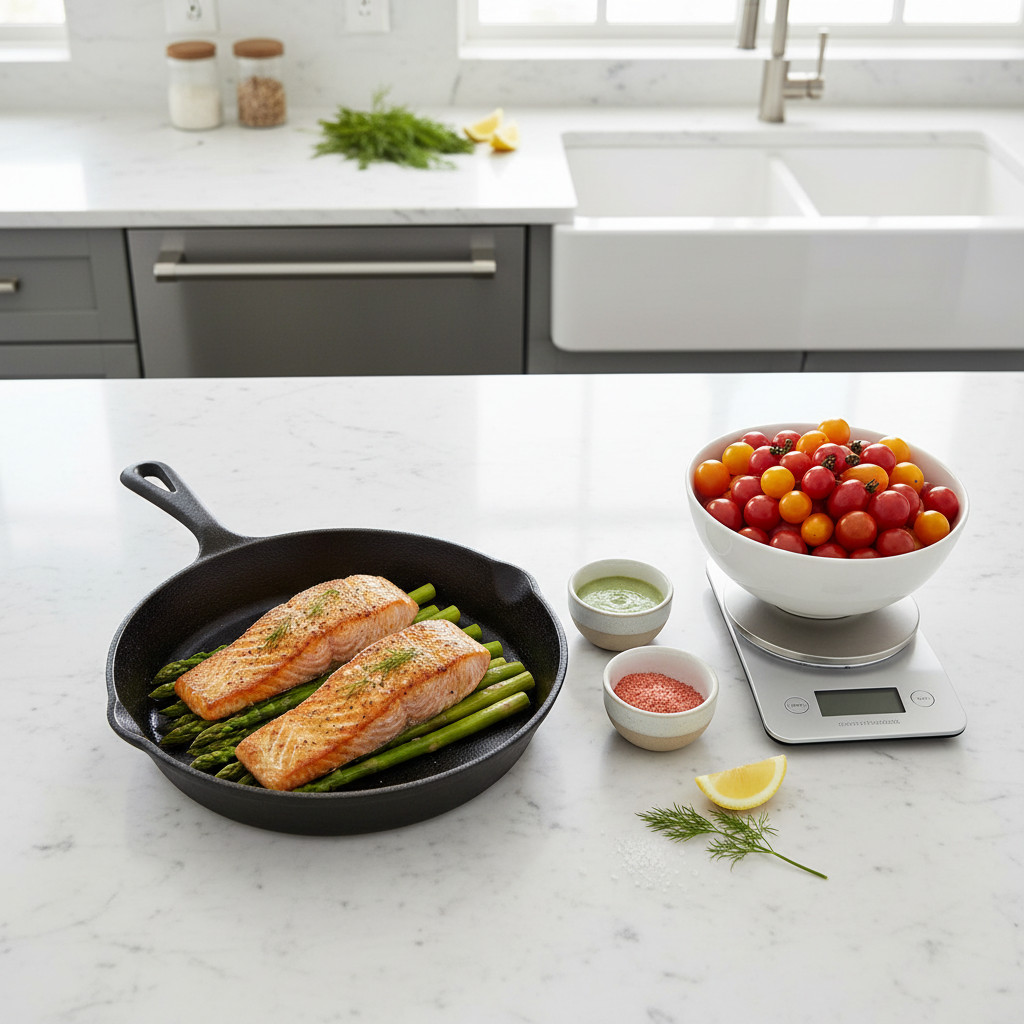
The right kitchen tools make cooking for two significantly easier and more efficient. Small-scale cookware designed for couples can dramatically improve your cooking experience. A quality 8-inch skillet becomes your best friend for sautéing vegetables, cooking proteins, or creating one-pan meals. A 2-3 quart saucepan handles most soup, sauce, and grain-cooking needs perfectly for two people. Consider investing in individual-sized baking dishes, ramekins, or mini cast-iron skillets that allow you to create personalized portions that look restaurant-worthy. A kitchen scale proves invaluable for accurately measuring ingredients when halving or quartering recipes, eliminating guesswork and ensuring consistent results. Additionally, proper storage containers in smaller sizes help you manage any intentional leftovers or prep ingredients ahead without committing to massive quantities.
Strategic Ingredient Shopping
Shopping differently is crucial when cooking for two people regularly. Instead of defaulting to bulk purchases that seem economical, evaluate whether you’ll actually use everything before it spoils. The bulk section of grocery stores becomes your ally, allowing you to purchase exactly the amount of grains, nuts, spices, or dried goods you need for specific recipes. Build relationships with butchers and fishmongers who can provide custom-cut portions rather than pre-packaged quantities. Embrace frozen vegetables and individually frozen proteins, which offer excellent quality while allowing you to use only what you need without waste. When buying fresh herbs, immediately plan multiple dishes that use the same herb throughout the week, or wash, chop, and freeze extras in olive oil using ice cube trays. This strategic approach to shopping reduces waste, saves money over time, and ensures you always have fresh ingredients available in appropriate quantities.
Recipe Conversion Strategies
When you find a recipe you love that serves more people than needed, knowing how to convert it accurately saves frustration and guarantees success. Start by identifying the stated servings and dividing by the number you need—for instance, converting a 6-serving recipe to 2 servings requires dividing all ingredients by 3. Use a calculator for precision, especially with unusual measurements. However, some elements require judgment rather than strict mathematical conversion. Cooking vessels may not need to be proportionally reduced—you might still need an 8-inch pan rather than a 5-inch pan for even cooking. Seasonings and spices often don’t scale down proportionally; you may need slightly more salt, pepper, or spices per portion in smaller batches to achieve proper flavoring. Cooking times frequently require adjustment when scaling recipes down, as smaller quantities often cook faster than larger ones. Make notes directly on your recipes about successful conversions so you can replicate them perfectly in the future.
Quick and Easy Weeknight Dinner Ideas for Couples
After a long day at work, the last thing most couples want is to spend hours in the kitchen. These weeknight dinner ideas deliver maximum flavor with minimal effort, perfect for those busy evenings when you still want to enjoy a homemade meal together.
1. Pan-Seared Salmon with Lemon Butter and Asparagus
This elegant yet simple dish comes together in under 20 minutes and delivers restaurant-quality results with minimal cleanup. Start by patting dry two 6-ounce salmon fillets and seasoning them generously with salt and pepper. Heat a tablespoon of olive oil in your 8-inch skillet over medium-high heat until shimmering. Place the salmon skin-side up in the pan and cook without moving for 4-5 minutes until a golden crust forms. Flip carefully and cook for another 3-4 minutes depending on thickness. Remove the salmon to plates and add a bundle of trimmed asparagus to the same pan with a splash of water. Cover and steam for 3-4 minutes until tender-crisp. Add a tablespoon of butter, juice from half a lemon, and a minced garlic clove to the pan, swirling until the butter melts and creates a simple sauce. Pour this lemon butter over both the salmon and asparagus. The beauty of this meal lies in its simplicity and the fact that it uses just one pan for the entire dinner, making cleanup quick and easy while delivering impressive nutritional benefits from the omega-3-rich salmon and fiber-packed asparagus.
2. Creamy Tuscan Chicken
This comforting dish transforms simple chicken breasts into something special with a luxurious sauce that tastes like you spent hours preparing it. Pound two chicken breasts to even thickness, season with salt, pepper, and Italian seasoning. Sear them in a hot skillet with olive oil for 5-6 minutes per side until golden and cooked through, then remove and set aside. In the same pan, sauté a couple of minced garlic cloves and a handful of chopped sun-dried tomatoes for one minute. Add a cup of baby spinach and cook until just wilted. Pour in ½ cup of heavy cream and ¼ cup of chicken broth, bringing the mixture to a simmer. Add 2-3 tablespoons of grated Parmesan cheese and stir until the sauce thickens slightly. Return the chicken to the pan, spooning the creamy sauce over the top, and let everything heat through for 2-3 minutes. Serve over pasta, rice, or with crusty bread to soak up the incredible sauce. This recipe proves that weeknight cooking for two doesn’t mean sacrificing flavor or presentation—the rich, creamy sauce studded with sun-dried tomatoes looks and tastes impressive while requiring less than 30 minutes from start to finish.
3. Shrimp Stir-Fry with Mixed Vegetables
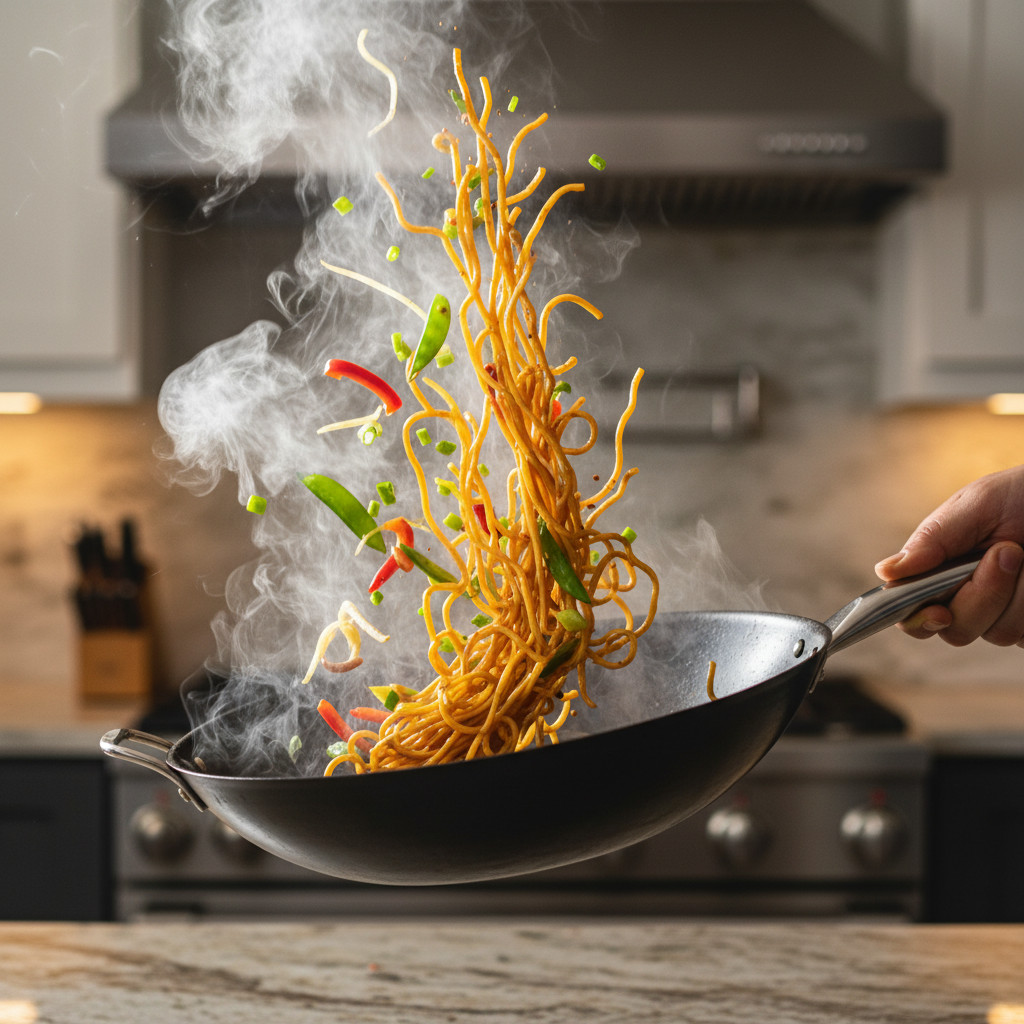
Stir-fries are perfectly suited for cooking for two because they’re naturally quick, easily customizable, and require minimal ingredients. For this versatile recipe, prepare your sauce first by whisking together 2 tablespoons of soy sauce, 1 tablespoon of honey, 1 teaspoon of sesame oil, a minced garlic clove, and a pinch of red pepper flakes. Set aside. Heat your skillet or wok over high heat with a tablespoon of vegetable oil. Add ½ pound of peeled and deveined shrimp, cooking for 2-3 minutes until pink and just cooked through. Remove the shrimp and add another splash of oil along with 2-3 cups of mixed vegetables—broccoli florets, bell pepper strips, snap peas, and carrots work wonderfully. Stir-fry for 4-5 minutes until vegetables are tender-crisp. Return the shrimp to the pan, pour in your prepared sauce, and toss everything together for one minute until glossy and heated through. Serve over rice or noodles for a complete meal. The beauty of stir-fries for couples is their flexibility—you can customize the vegetables based on what’s in your refrigerator, adjust the protein based on preference, and have a complete, nutritious dinner on the table in about 15 minutes.
4. Caprese Grilled Chicken with Balsamic Glaze
This Italian-inspired dish brings together fresh flavors in a surprisingly simple preparation that feels special enough for any night of the week. Season two chicken breasts with salt, pepper, and a sprinkle of dried basil. Grill or pan-sear them until cooked through, approximately 6-7 minutes per side. During the last few minutes of cooking, top each breast with a thick slice of fresh mozzarella cheese and cover the pan to allow the cheese to melt. While the chicken cooks, slice one large heirloom tomato or a handful of cherry tomatoes. Once the chicken is done and the cheese has melted, transfer to plates and top with the fresh tomato slices and a few fresh basil leaves. Drizzle everything generously with good-quality balsamic glaze—either store-bought or homemade by reducing balsamic vinegar with a touch of honey until thick and syrupy. The combination of juicy grilled chicken, creamy melted mozzarella, fresh tomatoes, and tangy-sweet balsamic creates a symphony of flavors that showcases how simple ingredients, when combined thoughtfully, can create an extraordinary meal.
5. Easy Beef Tacos for Two
Tacos offer the perfect canvas for a quick, customizable dinner that lets each person build their meal exactly how they like it. Brown ½ pound of ground beef in a skillet over medium-high heat, breaking it up with a wooden spoon as it cooks. Once no pink remains, drain excess fat and add 1 tablespoon of chili powder, 1 teaspoon of cumin, ½ teaspoon of garlic powder, a pinch of oregano, salt, and pepper. Stir in ¼ cup of water and simmer for 3-4 minutes until the mixture thickens slightly. While the meat cooks, prepare your taco bar with diced tomatoes, shredded lettuce, grated cheese, sour cream, sliced avocado, and any other toppings you enjoy. Warm 4-6 small tortillas in a dry pan or directly over a gas flame for that authentic char. Set everything on the table family-style and let each person build their perfect tacos. This approach to dinner not only makes portion control easy—each person can take exactly what they want—but also turns the meal into an interactive experience that encourages conversation and personalization. Tacos for two prove that weeknight dinners can be fun, fast, and satisfying without requiring elaborate preparation or cleanup.
Romantic Date Night Dinner Recipes at Home
Creating a special dining experience at home allows couples to enjoy the intimacy of a date night without the expense, crowds, or time commitment of going out. These recipes are designed to impress while remaining achievable for home cooks.
Filet Mignon with Red Wine Reduction
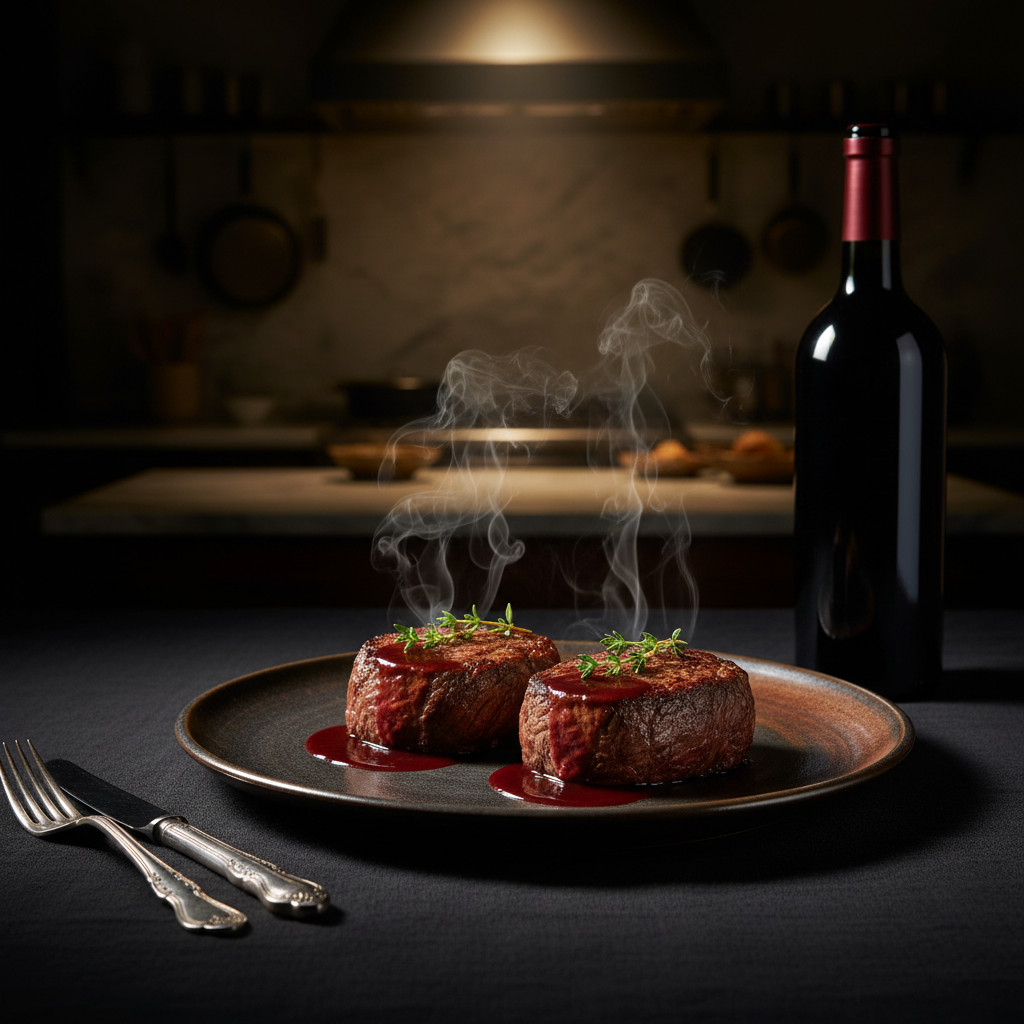
Nothing says romance quite like perfectly cooked filet mignon, and cooking this restaurant classic at home is more approachable than most people realize. Choose two 6-8 ounce filet mignon steaks of similar thickness and bring them to room temperature for 30 minutes before cooking—this ensures even cooking throughout. Pat the steaks completely dry with paper towels and season all sides generously with salt and freshly cracked black pepper. Heat a heavy skillet, preferably cast iron, over high heat until smoking hot. Add a tablespoon of butter and a splash of olive oil, then carefully place the steaks in the pan. Resist the urge to move them—let them develop a beautiful crust for 4-5 minutes. Flip once and cook for another 4-5 minutes for medium-rare, adjusting time based on thickness and desired doneness. During the last minute, add a smashed garlic clove and a sprig of fresh thyme to the pan, basting the steaks with the aromatic butter.
Remove the steaks to rest while you make the sauce. In the same pan, add ¼ cup of red wine, scraping up all the flavorful brown bits from the bottom. Add ½ cup of beef broth and let the mixture reduce by half, which should take about 3-4 minutes. Add another tablespoon of cold butter and swirl until incorporated, creating a glossy, rich sauce. Season with salt and pepper to taste. Plate your steaks and drizzle with the wine reduction. Pair with roasted asparagus or garlic mashed potatoes for an elegant complete meal that rivals anything you’d find at a high-end steakhouse, but with the added romance of being prepared and enjoyed in the comfort of your own home.
Lobster Tail Pasta with Garlic Butter Sauce
Lobster immediately elevates any meal to special occasion status, and this luxurious pasta dish creates an unforgettable date night experience. Purchase two 4-6 ounce lobster tails and butterfly them by cutting through the top of the shell lengthwise with kitchen shears, then carefully pulling the meat up and over the shell. Brush with olive oil, season with salt and pepper, and broil for 8-10 minutes until the meat is opaque and lightly golden. While the lobster cooks, boil 4-6 ounces of your favorite pasta—linguine or fettuccine work beautifully—according to package directions. In a large skillet, melt 3 tablespoons of butter with 3-4 minced garlic cloves, cooking gently until fragrant but not browned. Add a splash of white wine and the juice of half a lemon, letting it bubble for a minute. Toss in the drained pasta along with a handful of fresh spinach or arugula and a few tablespoons of reserved pasta water to create a silky sauce.
Divide the pasta between two plates or shallow bowls, twirling it into nests for presentation. Once the lobster is done, remove the meat from the shells and slice into medallions, arranging them artfully on top of the pasta. Garnish with fresh parsley, lemon wedges, and a final drizzle of the garlic butter sauce. The presentation is stunning, the flavors are refined and delicate, and the experience of sharing lobster pasta creates a memorable evening that celebrates your relationship without requiring you to leave home or spend hundreds of dollars at a restaurant.
Pan-Seared Duck Breast with Cherry Reduction
For couples who want to venture beyond typical dinner fare and create something truly special, duck breast offers an impressive yet surprisingly simple option. Duck breast has a reputation for being difficult, but with proper technique, it’s actually quite forgiving and incredibly flavorful. Score the skin of two duck breasts in a crosshatch pattern, being careful not to cut into the meat itself. Season both sides with salt and pepper. Place the breasts skin-side down in a cold skillet—this is important, as starting with a cold pan allows the fat to render slowly without burning. Turn the heat to medium and cook for 8-10 minutes, rendering the fat until the skin is golden and crispy. You’ll need to pour off the accumulated fat periodically during this process.
Flip the duck breasts and cook for another 3-4 minutes for medium-rare, which is the ideal doneness for duck. Remove to rest while you prepare the sauce. Pour off most of the fat from the pan, then add ½ cup of fresh or frozen cherries (pitted), 2 tablespoons of balsamic vinegar, 1 tablespoon of honey, and a sprig of thyme. Let this mixture bubble and reduce for 5-6 minutes until the cherries break down and the sauce thickens into a glossy, jewel-toned reduction. Slice the rested duck breast on the bias into beautiful pink medallions and arrange on plates. Spoon the cherry reduction over the top and garnish with fresh thyme leaves. The combination of the rich, slightly gamey duck with the sweet-tart cherry sauce creates a sophisticated flavor profile that’s perfect for anniversaries, Valentine’s Day, or any time you want to create a truly memorable meal together.
Herb-Crusted Rack of Lamb
A rack of lamb presents beautifully and cooks quickly, making it ideal for an impressive date night at home. Purchase a small rack with 4-6 bones, which is perfect for two people. Preheat your oven to 400°F. Pat the lamb dry and season with salt and pepper. In a small bowl, mix together 2 tablespoons of breadcrumbs, 1 tablespoon of minced fresh rosemary, 1 tablespoon of minced fresh parsley, 2 minced garlic cloves, and 2 tablespoons of olive oil to create a paste. Heat an oven-safe skillet over high heat and sear the lamb, fat-side down first, for 2-3 minutes until golden brown. Flip and sear the meat side briefly. Remove the pan from heat and carefully spread the herb mixture over the fat side of the lamb, pressing gently so it adheres.
Transfer the skillet to your preheated oven and roast for 12-15 minutes for medium-rare, depending on the size of your rack. Use a meat thermometer to check—you’re looking for an internal temperature of 125°F. Remove from the oven and let rest for 5-10 minutes before slicing between the bones into individual chops. The result is tender, perfectly pink lamb with a fragrant, golden herb crust that looks like something from a fine dining establishment. Serve with roasted fingerling potatoes and sautéed green beans for a complete, elegant meal. The act of sharing lamb chops, the impressive presentation, and the refined flavors create exactly the kind of special experience that makes date night at home feel like a genuine occasion worth celebrating.
Healthy and Nutritious Dinner Options for Two
Cooking for two provides an excellent opportunity to focus on nutritious meals that support health goals without feeling deprived. These recipes prove that healthy eating can be delicious, satisfying, and perfectly portioned for couples.
Mediterranean Grilled Chicken Bowl
This nutrient-dense bowl packs tremendous flavor while delivering a balanced combination of lean protein, complex carbohydrates, healthy fats, and plenty of vegetables. Marinate two chicken breasts in a mixture of olive oil, lemon juice, minced garlic, dried oregano, salt, and pepper for at least 30 minutes—or prepare this in the morning before work for maximum flavor. Grill or pan-sear the chicken until cooked through, about 6-7 minutes per side. While the chicken rests, prepare your bowls by dividing ¾ cup of cooked quinoa or brown rice between two serving bowls. Top with diced cucumber, halved cherry tomatoes, thinly sliced red onion, Kalamata olives, and crumbled feta cheese. Slice the grilled chicken and arrange on top. Drizzle everything with a simple dressing made from olive oil, red wine vinegar, lemon juice, and a touch of Dijon mustard.
The Mediterranean approach to eating emphasizes whole foods, healthy fats, and plenty of vegetables, and this bowl exemplifies those principles perfectly. Each component contributes important nutrients—the quinoa provides complete protein and fiber, the vegetables offer antioxidants and vitamins, the olives and olive oil contribute heart-healthy monounsaturated fats, and the chicken supplies lean protein to keep you satisfied. What makes this particularly suitable for couples is how easily you can customize each bowl to individual preferences—one person might load up on extra vegetables while the other adds more protein, both ending up completely satisfied with perfectly portioned servings that support health goals without feeling like diet food.
Baked Cod with Roasted Vegetables
This simple sheet pan dinner delivers maximum nutrition with minimal effort, making healthy eating sustainable for busy couples. Preheat your oven to 400°F and line a baking sheet with parchment paper. Arrange 2-3 cups of chopped vegetables in a single layer—Brussels sprouts, cherry tomatoes, zucchini, and bell peppers work wonderfully together. Toss with olive oil, salt, pepper, and any herbs you enjoy. Roast for 15 minutes to give the vegetables a head start. While they roast, pat dry two 6-ounce cod fillets and season with salt, pepper, paprika, and a squeeze of lemon juice. After the vegetables have roasted for 15 minutes, push them to the sides of the pan and place the cod fillets in the center. Return to the oven for another 12-15 minutes until the fish flakes easily with a fork and the vegetables are tender and caramelized.
Cod is an excellent choice for health-conscious couples because it’s extremely lean, mild-tasting, and cooks quickly. It’s an excellent source of high-quality protein while being low in calories and virtually fat-free. The variety of roasted vegetables provides fiber, vitamins, minerals, and antioxidants, while the roasting process brings out their natural sweetness and creates appealing caramelized edges. The beauty of this meal is its simplicity—everything cooks together on one pan, cleanup is minimal, and you can easily vary the vegetables based on what’s in season or on sale. This is the kind of healthy dinner that doesn’t feel like a sacrifice; instead, it’s deeply satisfying, full of flavor, and perfectly aligned with wellness goals that couples can pursue together.
Turkey and Vegetable Lettuce Wraps
For a light yet satisfying dinner that’s perfect for warm evenings or when you want something fresh and healthy, these lettuce wraps deliver impressive flavor with minimal calories. Heat a tablespoon of sesame oil in a skillet over medium-high heat. Add ½ pound of lean ground turkey, breaking it up as it cooks. Once the turkey is mostly cooked through, add a diced bell pepper, a cup of shredded carrots, a few sliced green onions, and 2-3 minced garlic cloves. Stir-fry for 3-4 minutes until the vegetables soften slightly but retain some crunch. Create a quick sauce by mixing together 2 tablespoons of low-sodium soy sauce, 1 tablespoon of hoisin sauce, 1 teaspoon of rice vinegar, and a sprinkle of red pepper flakes. Pour this over the turkey mixture and cook for another minute, stirring to coat everything evenly.
Separate the leaves from a head of butter lettuce or romaine, creating sturdy cups for filling. Spoon the turkey mixture into the lettuce leaves and top with additional sliced green onions, chopped peanuts or cashews for crunch, and fresh cilantro if desired. The hands-on nature of assembling and eating lettuce wraps turns dinner into an interactive experience that naturally encourages mindful eating and good conversation. Each wrap provides protein, plenty of vegetables, and satisfying Asian-inspired flavors while keeping the calorie count remarkably low since you’re eliminating bread or tortillas. This is particularly appealing for couples who are watching their weight or carbohydrate intake but don’t want to feel deprived—the variety of textures and bold flavors make these wraps feel indulgent despite being decidedly healthy.
Zucchini Noodle Pad Thai
This lighter version of the beloved Thai dish replaces traditional rice noodles with spiralized zucchini, dramatically reducing the carbohydrate content while increasing vegetable intake. Using a spiralizer or julienne peeler, create noodles from 2-3 medium zucchini—you’ll want about 3-4 cups of zucchini noodles total. Set them on paper towels to drain excess moisture while you prepare the other components. In a large skillet or wok, scramble two eggs, then remove and set aside. In the same pan, add a splash of oil and cook ½ pound of shrimp or chicken until done. Remove and set aside with the eggs. In a small bowl, whisk together 2 tablespoons of fish sauce or soy sauce, 1 tablespoon of lime juice, 1 tablespoon of a natural sweetener like honey or maple syrup, and a dash of chili paste or sriracha.
Add the zucchini noodles to your hot pan and toss for just 2-3 minutes until slightly softened but still crisp—overcooking will make them mushy and watery. Return the protein and eggs to the pan, pour in your sauce, and toss everything together for one minute. Serve immediately topped with chopped peanuts, bean sprouts, lime wedges, and fresh cilantro. This dish exemplifies how you can enjoy your favorite flavors while making choices that support health goals. The zucchini noodles provide fiber, vitamins, and minerals while cutting hundreds of calories compared to traditional pad thai. Despite the substitution, the bold, balanced flavors of sweet, salty, sour, and spicy remain intact, creating a dinner that satisfies both nutritionally and gastronomically. For couples committed to healthy eating, this recipe demonstrates that with creativity, you can transform traditionally indulgent dishes into nutrient-dense meals without sacrificing the flavors you love.
Budget-Friendly Dinner Ideas That Don’t Skimp on Flavor
Cooking for two can actually be more economical than dining out or buying pre-made meals, especially when you focus on affordable ingredients and smart shopping strategies. These recipes prove that eating well on a budget is entirely achievable.
Hearty Lentil Soup
Lentils are a nutritional powerhouse and one of the most budget-friendly proteins available, making them ideal for cost-conscious couples who don’t want to compromise on nutrition or flavor. In a medium saucepan, heat a tablespoon of olive oil over medium heat. Sauté a diced onion, two diced carrots, and two diced celery stalks for 5-6 minutes until softened. Add 3-4 minced garlic cloves and cook for another minute until fragrant. Stir in ¾ cup of dried lentils (green or brown work best for soup), 3 cups of vegetable or chicken broth, a can of diced tomatoes, and seasonings including cumin, paprika, thyme, salt, and pepper. Bring to a boil, then reduce heat and simmer for 25-30 minutes until the lentils are tender. Just before serving, stir in a handful of fresh spinach and a splash of lemon juice to brighten the flavors.
This soup costs just a few dollars to make, yet provides two generous, filling servings packed with protein, fiber, and nutrients. The beauty of lentils is that they’re so affordable—often under $2 per pound—while being incredibly nutritious and satisfying. They require no pre-soaking unlike other legumes, and they cook relatively quickly, making them perfect for weeknight dinners. The vegetables in this soup can be adapted based on what’s on sale or already in your refrigerator, making it an excellent template recipe that helps prevent food waste. Serve with a slice of crusty bread or over rice for an even more substantial meal. For couples trying to stretch their grocery budget, lentil soup demonstrates how simple, humble ingredients can create deeply satisfying meals that nourish both body and wallet.
Spaghetti Aglio e Olio
This classic Italian pasta dish uses pantry staples to create something far greater than the sum of its parts, proving that expensive ingredients aren’t necessary for delicious food. Boil 6 ounces of spaghetti in well-salted water according to package directions. While the pasta cooks, heat ¼ cup of good olive oil in a large skillet over medium-low heat. Add 4-6 thinly sliced garlic cloves and a generous pinch of red pepper flakes, cooking gently for 2-3 minutes until the garlic is golden and fragrant but not burned—watch carefully during this step as burned garlic turns bitter. When the pasta is al dente, reserve a cup of pasta cooking water, then drain the spaghetti and add it directly to the skillet with the garlic oil. Toss everything together, adding splashes of reserved pasta water to create a silky coating on the noodles. Finish with chopped fresh parsley if you have it and a generous amount of grated Parmesan cheese.
The ingredient list for this dish costs under $5 and takes less than 20 minutes to prepare, yet delivers sophisticated, restaurant-quality flavor through proper technique and quality ingredients used wisely. The key is using good olive oil—this is one dish where its flavor shines through—and not burning the garlic, which provides all the savory depth to the dish. This recipe exemplifies the Italian philosophy of cooking with few, high-quality ingredients and allowing each to shine. For budget-minded couples, keeping these simple pantry staples on hand means you always have the makings of a delicious dinner, even when the refrigerator is nearly empty and grocery shopping is days away. It’s proof that economical cooking doesn’t mean boring or flavorless food.
One-Pot Chicken and Rice
This comforting, complete meal cooks entirely in one pot, saving both money and cleanup time while delivering maximum flavor and satisfaction. Season two chicken thighs with salt, pepper, paprika, and garlic powder—using thighs instead of breasts saves money while providing more flavorful, juicier meat. Brown the chicken in a pot or deep skillet with a bit of oil, about 4-5 minutes per side, then remove and set aside. In the same pot, sauté a diced onion and a diced bell pepper for 3-4 minutes. Add a cup of rice (white or brown), stirring to coat with the oil and toast slightly. Pour in 2 cups of chicken broth, add a bay leaf, and season with salt and pepper. Nestle the browned chicken thighs on top of the rice, bring everything to a boil, then cover and reduce to low. Simmer for 20-25 minutes without lifting the lid, until the rice is tender and the chicken is cooked through.
This meal provides two generous servings with built-in leftovers for lunch the next day, all for approximately $5-6 depending on your market. The genius of one-pot meals is that the flavors build and intensify as everything cooks together—the chicken releases its juices into the rice, the rice absorbs the seasoned broth, and the vegetables add depth and nutrition. Chicken thighs are significantly cheaper than breasts (often half the price) and remain moist and tender even if slightly overcooked, making them more forgiving for home cooks. You can customize this basic template with different vegetables, various seasonings, or additions like frozen peas or corn stirred in at the end. For couples on a budget, mastering a few one-pot meals like this provides reliable, comforting dinners that are economical, nutritious, and simple enough for any night of the week.
Egg-Based Dinners: Shakshuka
Eggs aren’t just for breakfast—when prepared thoughtfully, they make excellent, protein-rich dinners at a fraction of the cost of meat. Shakshuka, a Middle Eastern dish of eggs poached in spiced tomato sauce, is both budget-friendly and deeply satisfying. Heat olive oil in a skillet and sauté half a diced onion and a diced bell pepper until softened, about 5 minutes. Add 3-4 minced garlic cloves, a teaspoon of cumin, a teaspoon of paprika, and a pinch of cayenne, stirring for a minute until fragrant. Pour in a can of diced tomatoes with their juices, season with salt and pepper, and let the sauce simmer for 8-10 minutes until slightly thickened. Make two wells in the sauce and carefully crack an egg into each well. Cover the pan and cook for 5-7 minutes until the egg whites are set but the yolks remain runny.
This entire meal costs less than $3 to prepare and provides substantial nutrition through the eggs, tomatoes, peppers, and spices. The runny yolks act as a rich sauce when you break them, mixing with the spiced tomato base to create something incredibly flavorful and satisfying. Serve with crusty bread or pita for dipping and scooping. Eggs are one of the most affordable complete proteins available, and dishes like shakshuka elevate them from simple to spectacular through the addition of vegetables and bold spices. For couples trying to reduce their food budget without eating boring meals, incorporating eggs for dinner once or twice a week can result in significant savings while providing variety and international flavors that keep meals interesting and enjoyable.
One-Pan and Sheet Pan Dinners Perfect for Couples
The appeal of one-pan dinners goes beyond simple cleanup—these meals are designed for efficiency, flavor concentration, and minimal stress, making them ideal for couples who want to spend less time cleaning and more time together.
Sheet Pan Sausage and Vegetables
This incredibly versatile dinner requires nothing more than a sheet pan, some good sausages, and whatever vegetables you have on hand, yet delivers deeply satisfying results. Preheat your oven to 425°F and line a sheet pan with parchment paper for easy cleanup. Choose two high-quality sausages—chicken apple, Italian, bratwurst, or any variety you prefer. Slice them into 1-inch pieces and place on one half of your sheet pan. On the other half, arrange 3-4 cups of vegetables cut into similar-sized pieces for even cooking—potatoes, bell peppers, onions, broccoli, cauliflower, and Brussels sprouts all work beautifully. Toss everything with olive oil, salt, pepper, and herbs like rosemary or Italian seasoning. Roast for 25-30 minutes, stirring halfway through, until the vegetables are tender and caramelized and the sausage is browned and cooked through.
The high heat of the oven creates caramelization on both the sausage and vegetables, concentrating flavors and creating appealing textures. The sausage releases its flavorful fats as it cooks, which coats the vegetables and adds even more taste to the finished dish. This meal is endlessly adaptable—change up the sausage variety, rotate vegetables seasonally, experiment with different herb and spice combinations—meaning you could make this weekly for months and never eat the exact same meal twice. For couples, the convenience factor cannot be overstated: you simply toss everything on a pan, slide it in the oven, set a timer, and have a complete dinner ready with virtually no hands-on cooking and only one pan to wash. This is the kind of practical, delicious solution that makes weeknight cooking sustainable for busy couples.
One-Pan Lemon Herb Chicken and Potatoes
This classic combination never gets old because it’s deeply comforting and endlessly satisfying. In your largest oven-safe skillet, heat olive oil over medium-high heat. Season two bone-in, skin-on chicken thighs (more flavorful and economical than breasts) with salt, pepper, dried oregano, and garlic powder. Place them skin-side down in the hot pan and cook without moving for 6-7 minutes until the skin is golden and crispy. While the chicken browns, halve 6-8 small potatoes—baby potatoes or fingerlings work perfectly. Flip the chicken skin-side up, then add the potatoes around the chicken in a single layer. Add a few smashed garlic cloves, lemon slices, and fresh herb sprigs (rosemary and thyme are classic choices). Drizzle everything with a bit more olive oil and season the potatoes with salt and pepper.
Transfer the entire skillet to a 425°F oven and roast for 30-35 minutes until the chicken reaches an internal temperature of 165°F and the potatoes are fork-tender and golden. The chicken renders fat as it roasts, which bastes the potatoes and creates incredible flavor. The lemon slices soften and caramelize slightly, adding brightness, while the herbs perfume everything beautifully. When you pull this skillet from the oven, it looks rustic and inviting, with crispy-skinned chicken, golden potatoes, and aromatic herbs creating a meal that’s as visually appealing as it is delicious. For a complete meal, add green beans or asparagus to the pan during the last 10 minutes of roasting. This is comfort food at its finest—simple, honest cooking that produces a complete dinner in one vessel that requires minimal effort but delivers maximum satisfaction.
Skillet Steak Fajitas
Fajitas transform simple ingredients into a sizzling, flavorful dinner that feels fun and interactive. Cut ¾ to 1 pound of flank steak or skirt steak into thin strips against the grain. Toss the steak with a marinade of lime juice, olive oil, minced garlic, cumin, chili powder, and salt, and let it sit while you prep your vegetables—even 15 minutes of marinating makes a difference. Slice one bell pepper and half an onion into strips. Heat a large skillet over high heat until very hot, then add the steak in a single layer (work in batches if necessary to avoid overcrowding). Cook without stirring for 2-3 minutes to get good browning, then stir and cook for another minute until just cooked through. Remove the steak and add the peppers and onions to the pan with a splash of oil. Cook, stirring occasionally, for 4-5 minutes until softened and slightly charred. Return the steak to the pan for a final toss together.
Serve the fajita mixture on warmed tortillas with all your favorite toppings—guacamole, sour cream, cheese, salsa, cilantro, and extra lime wedges. The beauty of fajitas for couples is that everything cooks in one pan in under 20 minutes, creating a complete dinner that feels celebratory rather than mundane. The high-heat cooking creates charred edges and concentrated flavors that mimic restaurant-style fajitas, while the customizable nature of toppings means each person can build their perfect fajita. The interactive aspect of assembling your own fajitas naturally slows down the meal and creates opportunities for conversation and connection. Using just one pan from start to finish means cleanup is minimal, leaving you more time to enjoy the evening together rather than being stuck in the kitchen washing dishes.
International Cuisine Ideas Scaled for Two
Exploring international flavors at home allows couples to experience culinary adventure without traveling, and cooking these dishes for two makes the experience feel intimate and special.
Authentic Thai Green Curry
Thai green curry delivers complex, layered flavors through its unique combination of spicy, sweet, savory, and aromatic elements. While the ingredient list might seem long, the actual preparation is straightforward. Heat a tablespoon of coconut oil in a pot over medium heat and add 2-3 tablespoons of Thai green curry paste, stirring for about a minute until fragrant—this blooming process activates the spices and herbs in the paste. Add one can of coconut milk (reserve a few tablespoons for finishing) and stir to combine with the curry paste. Add ½ pound of protein—chicken, shrimp, or tofu all work beautifully—along with vegetables like bell peppers, bamboo shoots, Thai eggplant, or green beans. Simmer for 10-15 minutes until the protein is cooked and the vegetables are tender.
Finish the curry with a tablespoon of fish sauce, a teaspoon of sugar or honey to balance the heat, a squeeze of lime juice, and fresh Thai basil leaves if you can find them. Serve over jasmine rice, which is essential for soaking up the flavorful sauce. Thai curry exemplifies how a few key ingredients—quality curry paste, coconut milk, and fresh additions—can transport your kitchen to a different part of the world. The richness of the coconut milk balances the heat of the curry paste, while the vegetables add texture and nutrition. For couples who love spicy food and bold flavors, making Thai curry at home is far superior to takeout, allowing you to control the heat level, customize the vegetables and protein, and enjoy a fresh, restaurant-quality meal scaled perfectly for two people.
Spanish Paella for Two
Paella, the iconic Spanish rice dish, traditionally serves a crowd, but with a few adjustments, it scales beautifully for couples and makes an impressive, colorful dinner. Heat olive oil in a large skillet or paella pan over medium-high heat. Sauté half a diced onion and a diced bell pepper for 3-4 minutes. Add 2-3 minced garlic cloves and cook for another minute. Stir in ¾ cup of short-grain rice like bomba or Arborio, toasting it for a minute. Add a large pinch of saffron threads crushed between your fingers (this is what gives paella its characteristic golden color and distinctive flavor), along with a teaspoon of smoked paprika. Pour in 1½ cups of seafood or chicken stock and a few tablespoons of diced tomatoes. Bring to a boil, then reduce to a simmer.
Arrange ¼ pound of shrimp, a few mussels or clams, and some sliced chorizo on top of the rice. Cover and cook without stirring for 20-25 minutes until the rice is tender and the seafood is cooked through. In the last few minutes, uncover to let the bottom develop socarrat—the prized crispy, caramelized layer of rice at the bottom of the pan. Garnish with lemon wedges and fresh parsley. Paella turns dinner into an event—the vibrant colors of saffron-yellow rice, pink shrimp, black mussels, and red peppers create a visually stunning dish that feels celebratory. Making paella together allows you to experience Spain’s culinary traditions and creates a meal worthy of a special occasion, all scaled perfectly for two people with minimal leftovers.
Indian Butter Chicken
This beloved Indian curry delivers restaurant-quality results at home with a rich, creamy tomato-based sauce that’s deeply comforting and aromatic. Cut 2/3 pound of boneless chicken into bite-sized pieces and marinate in yogurt with garam masala, turmeric, and salt for at least 30 minutes. Heat butter in a skillet and cook the marinated chicken until browned and cooked through, then remove and set aside. In the same pan, add another tablespoon of butter along with a diced onion, cooking until softened. Add plenty of minced garlic and ginger (about a tablespoon each), cooking until fragrant. Stir in tomato paste, garam masala, cumin, coriander, and a touch of cayenne for heat. Pour in a cup of crushed tomatoes and simmer for 10 minutes to develop the flavors.
Stir in ¼ to ½ cup of heavy cream, adjusting based on your preference for richness, along with a tablespoon of honey to balance the spices. Return the chicken to the sauce and simmer for 5 more minutes. Finish with fresh cilantro and serve over basmati rice with naan bread for scooping. The complex, warming spices of butter chicken create depth and sophistication that makes this dish special, while the creamy sauce provides comfort and richness that’s immensely satisfying. For couples who enjoy Indian food but find cooking it at home intimidating, butter chicken is an excellent starting point—it’s approachable, forgiving, and produces results that rival your favorite Indian restaurant. Making it at home also allows you to control the spice level and adjust the richness to your preferences, creating a customized version that’s perfectly suited to your tastes.
Japanese Teriyaki Salmon Bowls
Japanese cuisine emphasizes balance, presentation, and quality ingredients, principles that translate beautifully to cooking for two. Make a quick teriyaki sauce by combining ¼ cup of soy sauce, 2 tablespoons of mirin (or substitute with a tablespoon of sugar dissolved in a tablespoon of water), 2 tablespoons of sake or rice wine, and a teaspoon of freshly grated ginger in a small saucepan. Bring to a simmer and cook for 5 minutes until slightly thickened. Brush this glaze on two salmon fillets and broil or pan-sear them, basting with more sauce as they cook, until the salmon is cooked through and beautifully glazed, about 8-10 minutes depending on thickness. While the salmon cooks, prepare your bowls with a base of sushi rice or brown rice. Top with the teriyaki salmon, sliced cucumber, steamed edamame, shredded carrots, sliced avocado, and a sprinkle of sesame seeds.
Add a drizzle of sriracha mayo (mix sriracha with mayonnaise) or more teriyaki sauce. The result is a beautifully composed bowl that’s nutritionally balanced—protein from the salmon, carbohydrates from the rice, healthy fats from the avocado, and plenty of vegetables for vitamins and fiber. The teriyaki glaze adds sweetness and umami depth while the variety of textures keeps each bite interesting. Japanese-style bowls are ideal for couples because each person can customize their bowl with preferred ingredients and amounts while sharing the same basic components. The presentation is elegant and restaurant-worthy, turning a simple weeknight dinner into something that feels considered and special, reflecting the Japanese principle that food should please the eye as much as the palate.
Meal Prep Strategies for Couples
Strategic meal preparation helps couples avoid the daily stress of “what’s for dinner?” while ensuring you always have the ingredients for perfectly portioned meals ready to go.
Prep Proteins in Advance
One of the most effective time-saving strategies for couples is preparing proteins ahead of time so weeknight cooking becomes a matter of assembly rather than starting from scratch. Dedicate an hour on the weekend to portioning and preparing several different proteins that you’ll use throughout the week. Purchase a larger package of chicken breasts, trim them, pound them to even thickness, and divide into meal-sized portions in separate containers or bags. Marinate one batch in Italian dressing, another in teriyaki sauce, and leave the third plain for versatility. When dinner time arrives, you simply grab a pre-portioned, pre-marinated chicken breast and cook it—dinner is on the table in 15 minutes. Apply the same concept to other proteins: portion out fish fillets, make burger patties, cut steak into strips for stir-fries, or season ground meat and freeze in exact amounts.
This advance prep transforms your relationship with cooking because it eliminates the most time-consuming parts of dinner preparation. You’re no longer thawing, trimming, portioning, and then cooking—instead, you’re simply cooking pre-prepped ingredients that are ready to go. For couples where both partners work or have busy schedules, this strategy is revolutionary. It prevents the temptation to order takeout on exhausting evenings because you know you have quick, easy ingredients ready in your refrigerator. The key to success is proper storage—invest in quality containers or freezer bags, label everything with contents and dates, and organize your refrigerator and freezer so you can easily see what proteins you have available. This small investment of time on the weekend pays dividends all week long in the form of faster, less stressful dinners.
Build a Well-Stocked Pantry
A thoughtfully stocked pantry is the foundation of easy cooking for two because it ensures you always have the building blocks for complete meals without requiring daily shopping trips. Focus on shelf-stable items that you use regularly and that provide maximum versatility. Essential pantry staples for couples include various grains (rice, quinoa, pasta), canned goods (tomatoes, beans, tuna, coconut milk), oils and vinegars (olive oil, vegetable oil, balsamic vinegar, rice vinegar), condiments and sauces (soy sauce, hot sauce, Dijon mustard, mayonnaise), and a well-organized spice collection. When your pantry contains these foundations, you only need to shop for fresh proteins and vegetables, knowing you have everything else required to turn those fresh ingredients into complete meals.
Beyond convenience, a well-stocked pantry also enables creativity and flexibility. When you discover a new recipe you want to try, chances are you already have most of the ingredients if your pantry is comprehensive. When unexpected schedule changes mean you can’t shop as planned, you can still create satisfying meals from pantry staples combined with frozen proteins and vegetables. For budget-conscious couples, building your pantry gradually during sales and then cooking from it regularly helps reduce overall grocery costs while ensuring you’re never stuck without dinner options. Organize your pantry logically—group similar items together, use clear containers for dry goods so you can see what you have, and periodically take inventory to use items before they expire. This organization and planning transforms your pantry from a jumbled collection of random items into a strategic tool that makes cooking for two easier, faster, and more enjoyable.
Chop and Store Vegetables
Vegetables often create the biggest barrier to healthy cooking because they require washing, peeling, and chopping—tasks that feel overwhelming after a long day. Removing this barrier through advance prep dramatically increases the likelihood that you’ll cook nutritious meals rather than ordering in. When you return from grocery shopping, immediately wash and chop vegetables before storing them. Wash and chop bell peppers into strips, dice onions, cut broccoli and cauliflower into florets, peel and dice carrots, trim green beans, and store each in separate containers in your refrigerator. When dinner time arrives, you have a vegetable prep station ready to go—grab exactly what you need for tonight’s recipe without any additional work.
This strategy works particularly well for couples because you’re working with smaller quantities that will be used within a few days before any deterioration in quality occurs. Hardy vegetables like peppers, carrots, broccoli, and cauliflower hold up excellently when chopped in advance, typically staying fresh for 4-5 days when stored properly in airtight containers with a paper towel to absorb excess moisture. The time investment is minimal—perhaps 15-20 minutes to prep a week’s worth of vegetables—but the payoff is substantial in terms of weeknight cooking speed and the increased likelihood that you’ll actually use those vegetables before they spoil. This practice also reduces food waste, a common problem when cooking for two, because pre-chopped vegetables in your refrigerator create gentle pressure to use them, and you can clearly see what needs to be incorporated into meals before it goes bad.
Create a Weekly Meal Plan
Perhaps the single most effective strategy for successful cooking as a couple is planning your meals for the week ahead. Set aside 15 minutes on the weekend to discuss and decide what you’ll eat for the next seven days. Consider your schedule—which nights are busiest and require quick meals, which evenings have more time for elaborate cooking, and whether any special occasions are coming up. Write down a meal for each night, then create a shopping list based on those meals. This simple practice eliminates the daily stress of deciding what to make, ensures you have all necessary ingredients on hand, and helps you use ingredients across multiple meals to reduce waste.
The benefits of meal planning extend beyond logistics. When both partners participate in planning, you ensure that meals reflect both people’s preferences and dietary needs. It opens conversations about trying new recipes, balancing healthy meals with comfort food, and aligning your eating with your shared goals whether those involve health, budget, or culinary adventure. Meal planning also makes grocery shopping faster and more efficient because you’re shopping with a specific list rather than wandering and making impulse purchases. For couples new to cooking together, meal planning provides structure and removes much of the uncertainty that makes home cooking feel overwhelming. Over time, you’ll develop a rotation of favorite meals, build efficiency in your planning process, and find that this small investment of planning time dramatically improves your overall cooking experience and reduces both stress and food waste.
Final Words
Creating perfectly portioned dinners for two is about far more than just adjusting ingredient quantities—it’s about building sustainable cooking habits that support your relationship, your health, and your budget. When you embrace cooking as a couple, the dinner table transforms from simply a place to consume food into a space where you connect, communicate, and care for each other through thoughtfully prepared meals. The recipes and strategies shared here provide a foundation, but the real magic happens when you make them your own, adjusting flavors to match your preferences, experimenting with new ingredients, and discovering together what works best for your lifestyle and tastes.
The beauty of cooking for two lies in its inherent intimacy and flexibility. Unlike cooking for a crowd, where you must accommodate many preferences and dietary needs, cooking as a couple allows you to be selfish in the best possible way—creating exactly what both of you want, when you want it, in portions that leave you satisfied without waste. This freedom to experiment, to splurge occasionally on quality ingredients, and to adapt recipes on the fly makes cooking together an adventure rather than a chore. Each successful meal builds your confidence and expands your culinary repertoire, gradually transforming you from people who simply need to eat into a couple who genuinely enjoys the process of creating meals together.
Remember that perfection isn’t the goal—connection is. Some nights, dinner will be a beautifully plated masterpiece worthy of Instagram. Other nights, it might be scrambled eggs and toast consumed in your pajamas. Both are valuable, both are legitimate, and both serve the essential purpose of nourishing your bodies while creating space to be together. The couples who find lasting success with home cooking are those who approach it with flexibility, humor, and patience, understanding that learning to cook together is a journey with occasional burnt dinners, hilarious mistakes, and triumphant successes along the way.
Start small if cooking together feels overwhelming. Choose one or two recipes from this article that genuinely excite you and commit to making them this week. Pay attention to what works well in your kitchen, what flavors you both enjoy, and where you might need to adjust recipes to better suit your preferences or equipment. Build on these successes gradually, expanding your repertoire one recipe at a time rather than trying to overhaul your entire cooking routine overnight. The goal is sustainable change that enhances your daily life rather than adding stress or pressure.
Finally, remember that the dinner table is one of the last sacred spaces in our increasingly busy, distracted world—a place where you can put down devices, make eye contact, and truly see each other. When you commit to cooking and sharing dinner together regularly, you’re investing in your relationship in profound ways that extend far beyond nutrition. You’re creating rituals, building memories, and establishing patterns of communication and cooperation that strengthen your partnership. These perfectly portioned dinners for two aren’t just about the food—they’re about choosing each other, night after night, meal after meal, and recognizing that sometimes the most meaningful gesture of love is simply saying, “I made this for us.”