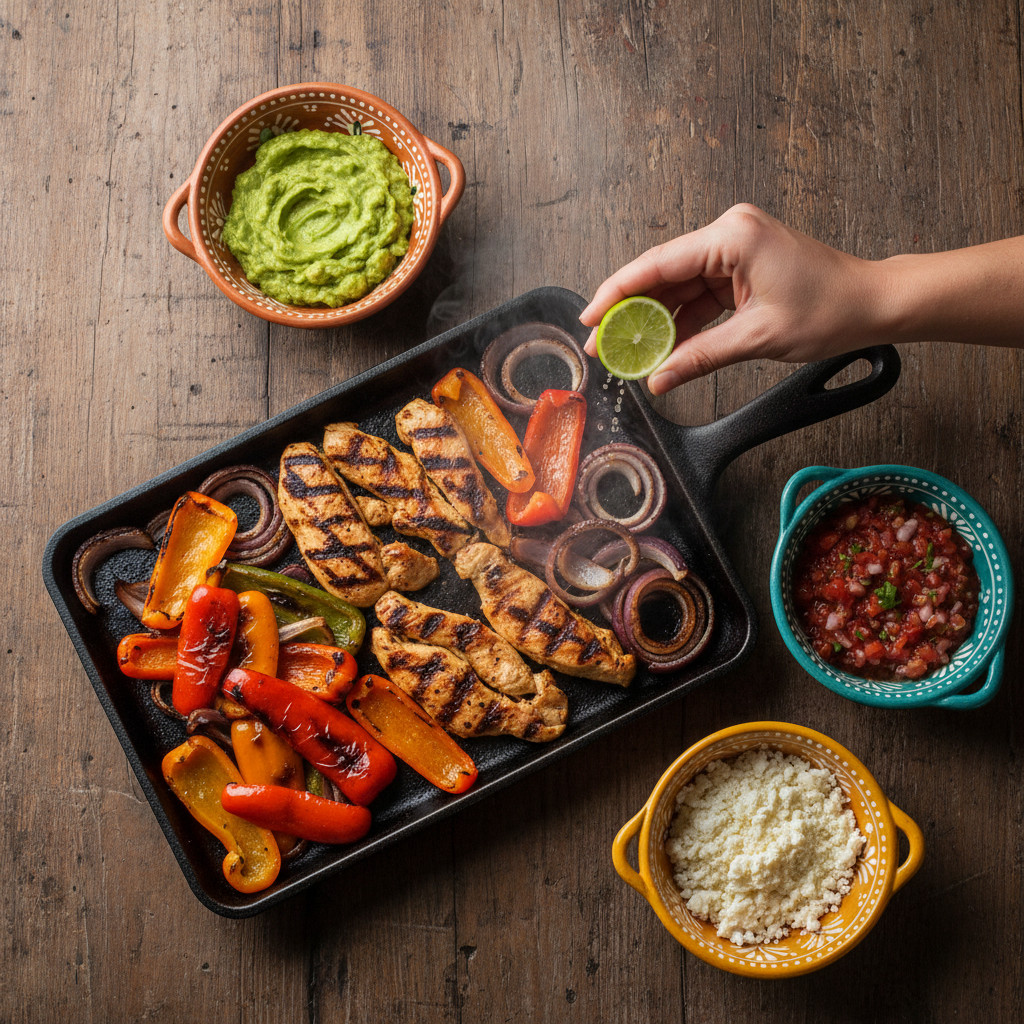
When you crave that perfect balance of creamy richness, aromatic spices, and tender chicken that melts in your mouth, nothing quite compares to a well-executed butter chicken. This iconic North Indian dish has captured hearts worldwide, and while countless recipes circulate the internet, the Serious Eats approach stands in a league of its own. Known for their meticulous testing, scientific methodology, and unwavering commitment to flavor, Serious Eats has refined butter chicken into something extraordinary—a recipe that bridges authenticity with modern technique, delivering restaurant-quality results in your home kitchen.
Whether you’re a seasoned home cook looking to elevate your Indian cuisine repertoire or a curious beginner ready to dive into bold flavors, mastering the Serious Eats butter chicken recipe will transform your weeknight dinners and impress even the most discerning guests. This isn’t just about following steps; it’s about understanding the why behind each ingredient, technique, and timing decision that makes this dish legendary. The journey to creating the ultimate butter chicken involves science, tradition, and a genuine appreciation for how flavors develop and harmonize on your palate.
Table of Contents
- What Makes Serious Eats Butter Chicken Stand Out
- The Science Behind the Perfect Sauce
- Traditional vs. Modern Approach
- Essential Ingredients for Authentic Butter Chicken
- The Protein Selection and Preparation
- The Spice Arsenal
- Dairy Components That Define the Dish
- Step-by-Step Guide to Perfecting the Recipe
- Marinating the Chicken
- Creating the Base Sauce
- The Finishing Touches
- Common Mistakes to Avoid When Making Butter Chicken
- Overcomplicating the Spice Mix
- Temperature and Timing Errors
- Tips and Tricks from Serious Eats Experts
- Achieving Restaurant-Quality Results at Home
- Make-Ahead and Storage Solutions
- Serving Suggestions and Pairings
- Traditional Accompaniments
- Beverage Pairings
- Variations and Customizations
- Dietary Modifications
- Heat Level Adjustments
- Final Words
What Makes Serious Eats Butter Chicken Stand Out
This section explores the unique methodology and approach that distinguishes the Serious Eats version from countless other butter chicken recipes available online and in cookbooks.
Serious Eats has built its reputation on rigorous recipe testing and food science principles. Their butter chicken isn’t just another version of murgh makhani—it’s a carefully engineered dish that maximizes flavor while maintaining accessibility for home cooks. The key differentiator lies in their systematic approach to developing layers of flavor through precise techniques rather than simply dumping ingredients together and hoping for the best.
The recipe emphasizes understanding the chemistry behind emulsification, how fats carry flavor compounds, and why certain cooking temperatures matter more than others. Unlike traditional recipes that might seem mysterious or rely on vague instructions like “cook until done,” the Serious Eats method provides clear, actionable steps backed by culinary science. This approach demystifies Indian cooking for Western audiences while respecting the dish’s cultural origins and traditional flavor profile.
Temperature control forms the foundation of their methodology. By specifying exact heat levels and cooking times, the recipe ensures consistent results. The sauce develops complexity through controlled caramelization of tomatoes and onions, creating depth that shortcuts simply cannot replicate. This attention to detail means every batch tastes as spectacular as the last.
The Science Behind the Perfect Sauce
The sauce is where butter chicken truly shines, and Serious Eats approaches it with scientific precision. The signature velvety texture comes from understanding how different ingredients interact at the molecular level. Tomatoes provide acidity and umami, cream adds richness and body, and butter contributes both flavor and helps create a smooth emulsion that coats every piece of chicken perfectly.
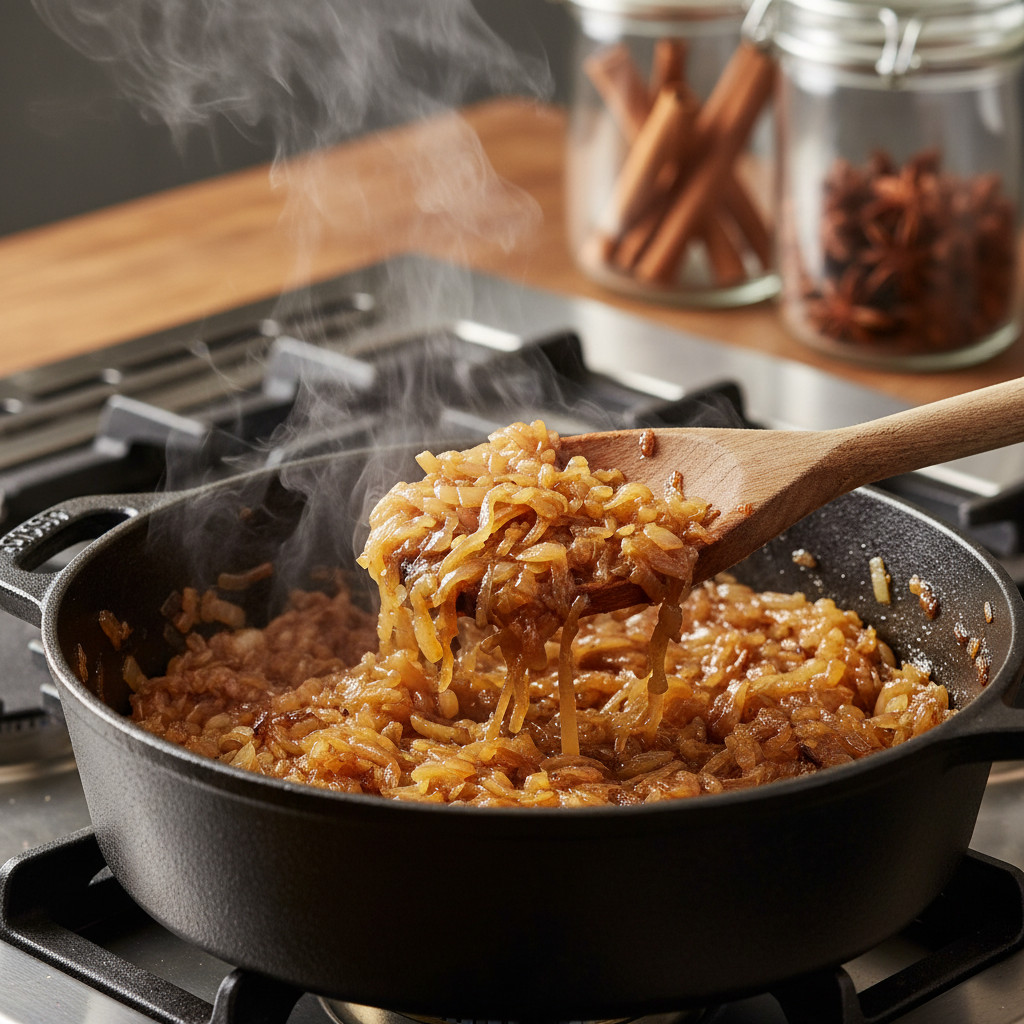
The Maillard reaction plays a crucial role in developing the sauce’s deep, complex flavors. By allowing onions and tomato paste to caramelize properly before adding liquids, you create hundreds of flavor compounds that give the dish its characteristic richness. This browning process cannot be rushed—adequate time at the right temperature transforms simple ingredients into something magical. The Serious Eats recipe specifies these critical moments, ensuring you don’t miss this essential step.
Acidity balance represents another scientific consideration. Tomatoes bring natural acidity, which must be balanced with cream and butter to achieve that harmonious, mellow flavor profile butter chicken is known for. Too much acid and the dish tastes sharp and unfinished; too little and it becomes flat and one-dimensional. The recipe’s proportions have been tested repeatedly to find the sweet spot where all elements sing together.
Traditional vs. Modern Approach
Serious Eats respects traditional Indian cooking methods while adapting them for modern kitchens and ingredients. Authentic butter chicken originated in Delhi during the 1950s, created by the founders of Moti Mahal restaurant. They developed the dish to use leftover tandoori chicken, finishing it in a rich tomato-cream sauce. The Serious Eats version honors this heritage while acknowledging that most home cooks don’t have tandoor ovens.
The modern adaptation includes using a standard oven broiler or stovetop methods to achieve similar results to tandoor cooking. While purists might argue nothing replaces a traditional clay oven, the Serious Eats technique creates beautifully charred, smoky chicken that captures the essence of the original. This accessibility makes the dish achievable for anyone with a standard kitchen setup.
Spice sourcing presents another area where tradition meets practicality. While ideally you’d grind whole spices fresh for every dish, the recipe acknowledges that quality pre-ground spices work excellently when stored properly. However, it does emphasize using whole spices for elements like garam masala or kashmiri chili where freshness dramatically impacts flavor. This balanced approach respects tradition without creating unnecessary barriers for home cooks.
Essential Ingredients for Authentic Butter Chicken
Understanding each ingredient’s role helps you make informed substitutions and truly master this dish rather than just following instructions blindly.
The beauty of butter chicken lies in its relatively short ingredient list, but each component plays a vital role in the final dish. Quality matters significantly here—using fresh, aromatic spices versus stale ones, real butter instead of margarine, and good tomatoes makes a noticeable difference. The Serious Eats philosophy emphasizes investing in key ingredients while being practical about where you can economize.
Building your butter chicken starts with organizing ingredients into three main categories: proteins, spices, and dairy. Each category contributes distinct characteristics to the finished dish. The proteins provide substance and texture, spices deliver complexity and warmth, while dairy creates the luxurious, creamy mouthfeel that defines this comfort food classic.
Freshness cannot be overstated when it comes to spices. Ground spices lose potency within months, while whole spices maintain flavor much longer. For this recipe, prioritize fresh garam masala, coriander, and cumin. Even better, consider making your own spice blends—it takes minutes and elevates the dish exponentially. The aromatic difference between fresh and stale spices resembles the difference between fresh herbs and dried ones; both work, but freshness brings vibrancy that dried versions simply cannot match.
The Protein Selection and Preparation
1. Chicken Cut Selection: Choosing the right chicken parts dramatically affects your final results. Boneless, skinless chicken thighs represent the optimal choice for butter chicken, surpassing breast meat in almost every regard for this application. Thighs contain more intramuscular fat and connective tissue, which means they remain juicy and tender even with longer cooking times. Breast meat, while leaner, tends to dry out and become stringy when cooked in sauce, creating an unpleasant texture that undermines the dish’s luxurious character. The dark meat also has a richer flavor that stands up beautifully to the bold spices and creamy sauce. When preparing thighs, trim excess fat but don’t remove all of it—some fat renders during cooking and contributes to the sauce’s body and flavor. Cut the chicken into uniform bite-sized pieces, roughly 1.5 to 2 inches, ensuring even cooking and making the dish easier to eat with rice or naan.
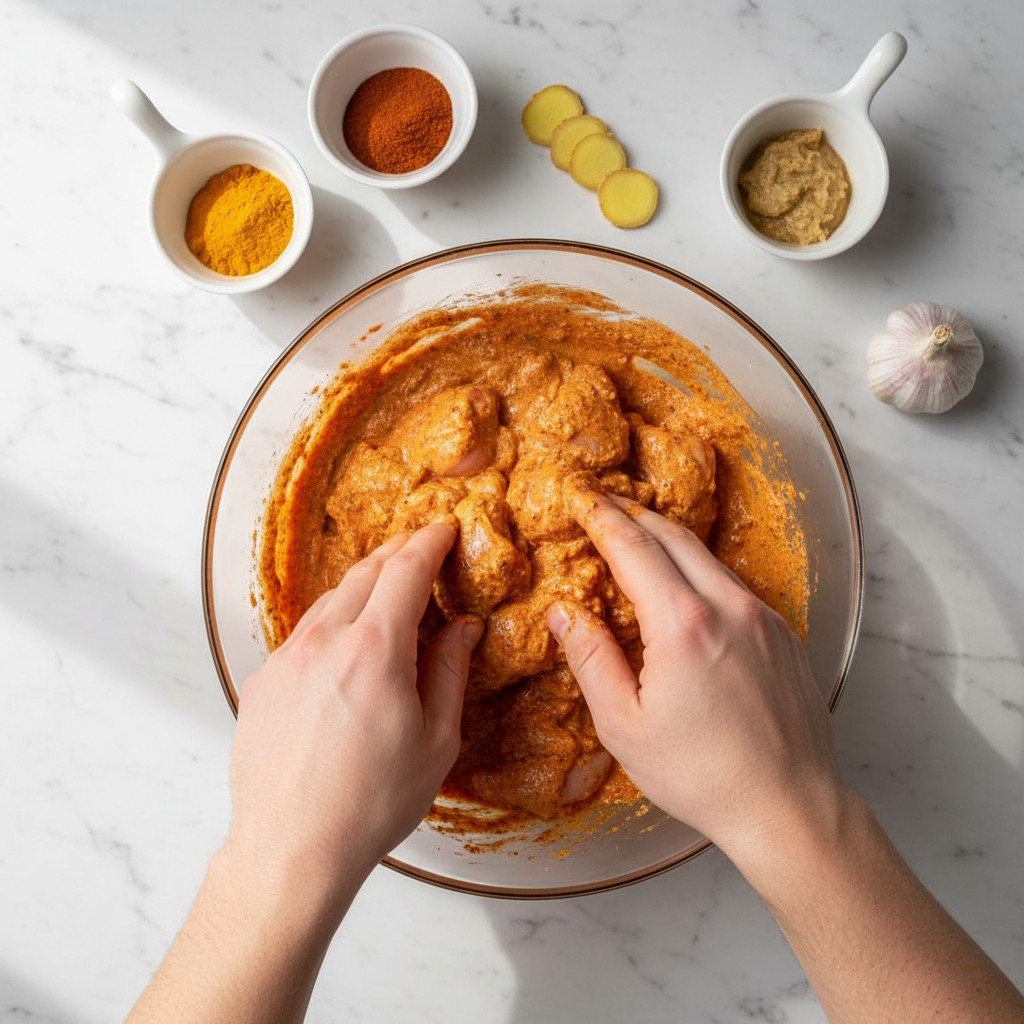
2. Proper Marination Technique: Marinating serves multiple purposes beyond simply flavoring the chicken—it actually changes the meat’s texture and moisture retention capacity. The Serious Eats method uses yogurt as the marinade base, which contains lactic acid and calcium. These compounds work together to tenderize the meat by breaking down proteins without turning them mushy. The yogurt also helps spices adhere to the chicken and creates a flavorful crust when the meat is cooked at high heat. For optimal results, marinate for at least two hours but preferably overnight. The extended time allows spices to penetrate deeply into the meat while the yogurt works its tenderizing magic. However, don’t exceed 24 hours as the acid can eventually make the texture too soft and almost mealy. The marinade should coat the chicken thoroughly but not be so thick it forms clumps. Massage it into the meat and ensure even distribution for consistent flavor in every bite.
3. Pre-Cooking Preparation: Before the chicken enters the sauce, it needs proper pre-cooking to develop flavor complexity. The Serious Eats approach often involves high-heat cooking methods like broiling or grilling to achieve char marks that replicate tandoor cooking. This step serves multiple purposes: it cooks the chicken partially or fully (depending on the recipe variation), creates appealing visual appeal with charred edges, and most importantly, develops complex flavors through the Maillard reaction. Those slightly burnt bits aren’t mistakes—they’re concentrated flavor bombs that add authenticity and depth. Pat the chicken dry before this high-heat cooking to ensure proper browning rather than steaming. The surface moisture must evaporate before browning begins, so dry chicken produces far better results. Position chicken pieces with space between them to allow heat circulation. Crowding causes steaming and prevents that coveted char from developing properly.
The Spice Arsenal
The spice blend defines butter chicken’s aromatic profile. While the ingredient list might seem extensive, each spice contributes specific notes that create the dish’s signature warmth and complexity. Garam masala stands as the cornerstone, providing warm, sweet, and peppery notes from a blend typically including cinnamon, cardamom, cloves, cumin, coriander, and black pepper. Quality garam masala makes or breaks this dish.
Kashmiri chili powder deserves special mention because it differs significantly from regular chili powder or cayenne pepper. This variety offers vibrant red color with mild heat, allowing you to achieve the characteristic red-orange hue without making the dish unbearably spicy. If you cannot source Kashmiri chili, substitute with a combination of paprika for color and a tiny amount of cayenne for heat. The ratio matters—start with three parts paprika to one part cayenne and adjust based on your heat tolerance.
Additional spices include:
- Cumin: Earthy, warm foundation note
- Coriander: Citrusy, slightly sweet complement
- Turmeric: Earthy bitterness and golden color
- Fenugreek leaves (kasuri methi): Slightly bitter, maple-like aroma that’s distinctly North Indian
- Ginger and garlic: Fresh, not powdered, for bright, pungent flavor
Dairy Components That Define the Dish
Heavy cream provides the luxurious texture and richness that makes butter chicken irresistible. Don’t substitute with milk or half-and-half unless you’re specifically looking for a lighter version—the high fat content of cream is essential for proper emulsification and mouthfeel. The cream also tempers the tomatoes’ acidity and spices’ heat, creating balance and mellowness. Add cream toward the end of cooking to prevent curdling from extended heat exposure.
Butter serves as both a cooking medium and finishing ingredient. Use unsalted butter so you can control the dish’s salt level precisely. Real butter contributes irreplaceable flavor—margarine or oil substitutions fundamentally alter the dish’s character. The recipe name literally includes butter for a reason; it’s not merely a cooking fat but a defining flavor component. High-quality European-style butter with higher fat content produces even richer results if you want to elevate the dish further.
Yogurt appears in the marinade and sometimes as a sauce ingredient. Full-fat yogurt works best, providing tang and body without the risk of curdling that low-fat versions present. Greek yogurt’s thicker consistency means you might need to thin it slightly with water or lemon juice to achieve proper marinade consistency. The yogurt’s acidity and enzymes tenderize the chicken while contributing a subtle tang that brightens the rich sauce.
Step-by-Step Guide to Perfecting the Recipe
Following these detailed steps ensures you understand not just what to do but why each step matters, empowering you to troubleshoot and adapt confidently.
Creating exceptional butter chicken requires patience and attention to detail, but the process isn’t complicated. Breaking it into distinct phases—marinating, sauce building, and finishing—helps organize your workflow and ensures nothing gets overlooked. Each phase builds on the previous one, developing layers of flavor that make this dish so compelling.
Time management plays a crucial role in successful execution. While active cooking time is relatively short, marinating requires advance planning. Start the marinade the night before or at least two hours ahead. The sauce can be made while the chicken finishes marinating, or even a day ahead and refrigerated. This flexibility makes butter chicken excellent for entertaining—do the heavy lifting in advance, then simply finish the dish before serving.
Understanding the recipe’s structure also allows you to adapt timing to your schedule. If unexpected delays arise, the marinating chicken keeps fine in the refrigerator for up to 24 hours. The cooked sauce actually improves overnight as flavors meld. Only the final assembly—combining chicken with sauce and adding finishing touches—requires precise timing and immediate serving.
Marinating the Chicken
Begin by preparing your marinade, which combines yogurt with spices to create a flavorful, tenderizing coating. In a large bowl, mix full-fat yogurt with ginger-garlic paste, garam masala, cumin, coriander, Kashmiri chili powder, and salt. The consistency should resemble thick pancake batter—coats the chicken thoroughly but isn’t so thick it clumps. If your yogurt is particularly thick, thin it with a tablespoon or two of lemon juice or water.
Add your chicken pieces to the marinade, ensuring each piece gets completely coated. Use your hands to massage the marinade into the meat—this physical action helps the flavors penetrate more effectively than simply stirring. Cover the bowl with plastic wrap or transfer everything to a sealed container or zip-top bag. Refrigerate for at least two hours, though overnight produces optimal results. The cold temperature slows bacterial growth while allowing the yogurt’s acids and the spices to work their magic.
Remove the chicken from refrigeration about 20-30 minutes before cooking to take the chill off. Room temperature chicken cooks more evenly than cold chicken straight from the fridge. While the chicken comes to temperature, prepare your cooking station—preheat the broiler or grill, set up your sauce ingredients, and get organized. This mise en place approach prevents scrambling once cooking begins and ensures smooth, stress-free execution.
Creating the Base Sauce
The sauce represents butter chicken’s soul, and building it properly requires several distinct steps. Start by heating butter and oil in a large, heavy-bottomed pan or Dutch oven over medium heat. The combination of butter for flavor and oil to prevent burning works better than butter alone. Add finely diced onions and cook slowly until they turn golden brown and jammy, approximately 15-20 minutes. Resist the urge to rush this step—properly caramelized onions contribute sweetness and depth that raw or undercooked onions cannot provide.
Once the onions achieve the right color and texture, add ginger-garlic paste and cook for another two minutes until the raw smell dissipates and the paste turns aromatic. This step cooks out harsh raw notes while blooming the aromatic compounds. Add tomato paste and cook it for several minutes until it darkens and becomes brick red. This caramelization concentrates flavors and adds complexity. Then add your dry spices—Kashmiri chili, garam masala, cumin, coriander, and turmeric—cooking for 30-60 seconds until incredibly fragrant.
Add canned crushed tomatoes or fresh pureed tomatoes to the pan, stirring to combine with the spice mixture. Bring to a simmer, then reduce heat and cook for 20-30 minutes, stirring occasionally, until the sauce thickens and the raw tomato flavor mellows into something rich and complex. The sauce should reduce by about one-third, concentrating flavors while the oil begins to separate slightly around the edges. This visual cue indicates proper reduction and flavor development.
For the silkiest texture, use an immersion blender to puree the sauce until completely smooth, or carefully transfer to a countertop blender and process until velvety. This step transforms the sauce from rustic to restaurant-quality, creating that luxurious texture butter chicken is famous for. If using a countertop blender, be careful with hot liquids—blend in batches if necessary and vent the lid to allow steam to escape safely.
The Finishing Touches
Return the pureed sauce to your pan over medium-low heat. Add the cooked, charred chicken pieces along with any accumulated juices. The residual marinade and chicken juices contribute flavor and help thin the sauce slightly. Simmer gently for 10-15 minutes, allowing the chicken to finish cooking through (if it wasn’t fully cooked during the charring step) and the flavors to meld together.
Stir in heavy cream gradually, starting with about half a cup and adding more until you achieve your desired consistency and richness. The sauce should be thick enough to coat the back of a spoon but still flow easily—not gravy-thick but not watery either. Taste and adjust seasoning with salt, adding more garam masala if you want extra warmth or a pinch of sugar if the tomatoes taste too acidic.
The final flourish involves adding crushed kasuri methi (dried fenugreek leaves) and a generous pat of butter. Crush the dried fenugreek between your palms as you add it to release its aromatic oils. This herb adds an authentically North Indian note that elevates the dish from good to exceptional. The final butter swirl enriches the sauce further and adds glossy sheen. Simmer for just two more minutes, then remove from heat.
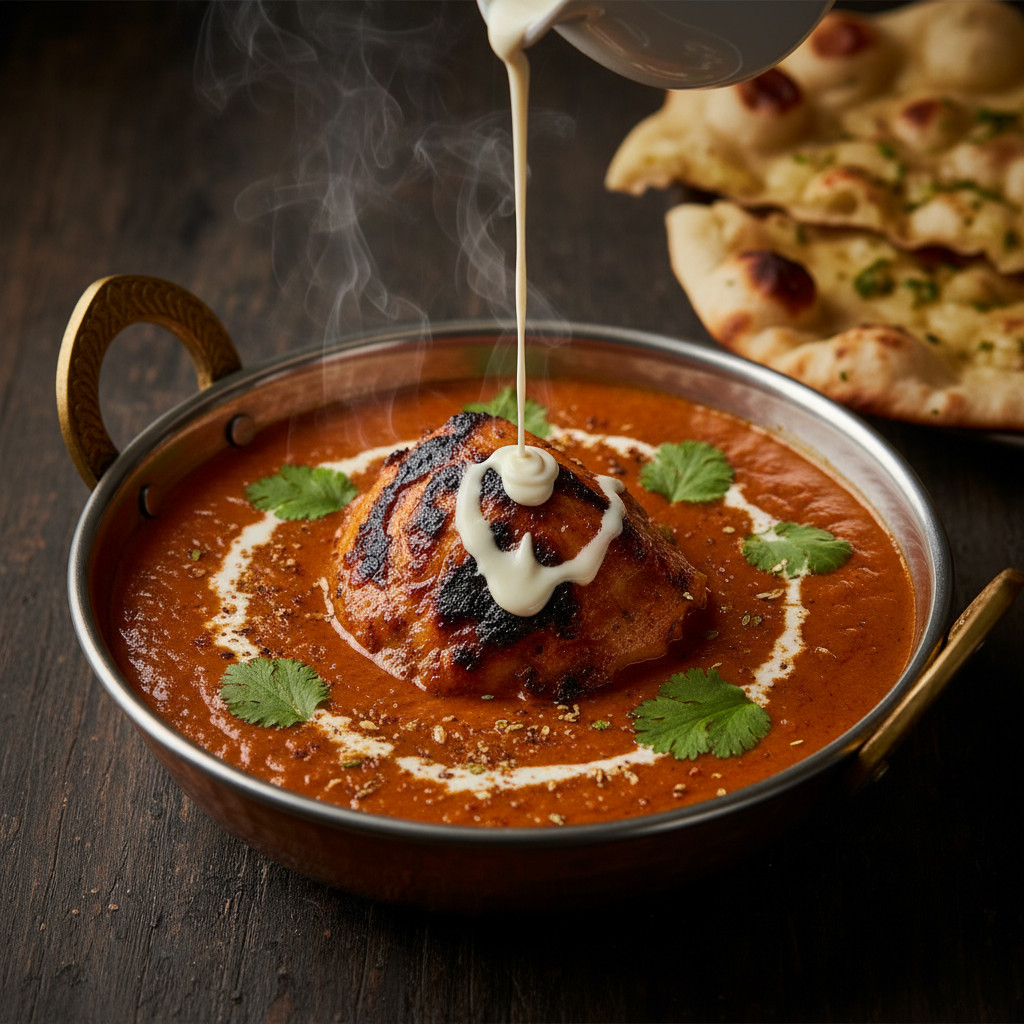
Garnish thoughtfully before serving—a drizzle of cream creating artistic swirls, fresh cilantro leaves, and perhaps a sprinkle of garam masala on top. These finishing touches aren’t merely decorative; they add fresh aromatic notes and visual appeal that make the dish restaurant-worthy. Serve immediately while piping hot, allowing the garnishes to perfume the dish as it reaches the table.
Common Mistakes to Avoid When Making Butter Chicken
Learning from common errors saves time, ingredients, and frustration while accelerating your path to mastery.
Even experienced cooks stumble when making butter chicken, often due to rushing steps or misunderstanding key techniques. Recognizing these pitfalls helps you avoid them, ensuring consistent success. The Serious Eats methodology specifically addresses common failure points, providing clear guidance to navigate potential problems.
Using chicken breast instead of thighs ranks among the most frequent mistakes. While breast meat seems like the healthier or more neutral choice, it simply doesn’t work as well in this application. The meat dries out easily and lacks the flavor richness that thighs provide. If you must use breast meat due to preference or dietary requirements, cut it into smaller pieces, watch cooking times vigilantly, and consider reducing overall cooking time to prevent dryness.
Underseasoning represents another common error. The sauce’s richness requires bold seasoning to avoid tasting flat. Always salt adequately at each stage—in the marinade, when building the sauce, and before finishing. Remember that cream and dairy mute flavors, so what tastes properly seasoned before adding cream might taste underseasoned after. Taste and adjust constantly, especially at the end.
Overcomplicating the Spice Mix
Some home cooks assume more spices automatically equal better flavor, leading them to add every Indian spice they own. This approach creates muddy, confused flavors rather than the harmonious blend butter chicken should exhibit. The Serious Eats recipe uses a focused selection of spices chosen specifically for how they work together. Trust the proportions and resist the urge to add cumin seeds, fennel, extra cardamom, or other spices not called for.
Spice freshness matters more than variety. Six fresh, aromatic spices produce far better results than fifteen stale ones. If you haven’t replaced your ground spices in over six months, the diminished potency means you’re essentially adding colored powder with minimal flavor impact. Smell your spices before using them—they should smell strong and vibrant, not dusty or barely detectable. When in doubt, replace them. The modest cost investment pays dividends in flavor.
Another spice-related mistake involves burning them. When you add ground spices to hot oil or butter, they should cook for only 30-60 seconds—just until aromatic. Cooking them longer causes burning, which creates bitter, acrid flavors that ruin the entire dish. Have your tomatoes ready to add immediately after the spices bloom, as the liquid stops the cooking process and prevents burning.
Temperature and Timing Errors
Cooking over excessively high heat causes numerous problems. While you want good caramelization during certain steps, sustained high heat curdles dairy, burns spices, and creates harsh flavors. Butter chicken benefits from patience—medium heat for most cooking, dropping to medium-low once you add cream. The gentle simmer allows flavors to develop harmoniously without the risk of scorching or separation.
Conversely, cooking over too-low heat means your onions never properly caramelize, your tomato paste never develops deeper flavors, and your sauce remains watery. Finding that middle ground—active bubbling without violent boiling—produces optimal results. Watch and listen to your pan. A gentle, steady sizzle indicates the right temperature zone for most steps.
Timing mistakes with cream addition frequently cause problems. Adding cream too early and then boiling it can cause curdling or separation, creating an unappetizing appearance and grainy texture. Always add cream during the final stages and keep the heat moderate. If you need to reheat butter chicken that contains cream, do so gently over low heat, stirring frequently. Microwaving cream-based sauces often causes separation—if you must microwave leftovers, do so at reduced power with frequent stirring.
Tips and Tricks from Serious Eats Experts
These professional insights elevate your butter chicken from homemade to restaurant-quality while streamlining your process.
The Serious Eats team has spent countless hours testing variations, techniques, and shortcuts to identify what truly matters versus what’s merely traditional without adding value. Their science-based approach reveals that some steps provide disproportionate flavor improvement, while others can be modified or streamlined without compromising results. Understanding these nuances empowers you to work smarter, not just harder.
Blooming spices represents one technique that delivers outsized impact. Before adding spices to the sauce, toast whole spices like cumin seeds, coriander seeds, and cloves in a dry pan until fragrant, then grind them. This extra step awakens dormant oils and intensifies flavors exponentially compared to using pre-ground spices straight from the jar. While not mandatory, this five-minute investment dramatically elevates the final dish.
Temperature contrasts enhance textural interest. While the sauce should be piping hot, consider finishing the chicken with a brief high-heat sear just before serving to revive any surface crispness lost during simmering. This quick sear adds appealing textural variety—tender chicken inside with slightly crispy edges, all coated in luxurious sauce. Use a hot skillet with a little butter for just 30-60 seconds per side before returning the chicken to the sauce.
Achieving Restaurant-Quality Results at Home
1. Invest in a tandoor alternative: While traditional tandoor ovens remain impractical for most home cooks, alternatives exist. A very hot grill creates excellent char marks and smoky flavor. Even better, use a cast-iron skillet heated until smoking hot—it produces beautiful searing comparable to professional equipment. Some dedicated home cooks even use blowtorches to char marinated chicken, though this requires caution and proper ventilation. The key is achieving temperatures significantly higher than standard oven roasting or pan-frying provides. That intense heat creates the Maillard reaction more aggressively, developing complex flavors and authentic appearance. Preheat your chosen cooking surface thoroughly—rushing this step yields inferior results. Whether using a broiler, grill, or skillet, give it adequate time to reach maximum temperature before adding chicken.
2. Control the cream incorporation: Professional kitchens know that how you add cream matters as much as what cream you use. Rather than dumping all the cream at once, add it gradually while stirring constantly. This technique creates a more stable emulsion less prone to breaking or curdling. Start with a small amount, incorporate it fully, then add more in stages. Some chefs temper the cream first by mixing it with a ladle of hot sauce before adding it to the main pot, similar to tempering eggs. This gradual temperature increase prevents thermal shock that can cause separation. Additionally, ensure your cream is at room temperature rather than cold from the refrigerator. Cold cream added to hot sauce creates dramatic temperature differences that stress the emulsion. Taking cream out fifteen minutes before using it prevents this issue entirely.
3. Master the kasuri methi technique: Dried fenugreek leaves provide that distinctive, hard-to-place flavor that makes restaurant butter chicken taste authentically different from home versions. The trick lies in how you use them. Don’t just sprinkle them in—crush them vigorously between your palms over the pot. This physical crushing breaks down the dried leaves and releases their essential oils, creating maximum flavor impact. Toast them briefly in a dry pan before crushing for even more intense aroma, though this optional step requires care to avoid burning. Add kasuri methi in the final five minutes of cooking so the flavor permeates the sauce without cooking away. If you cannot source kasuri methi, no perfect substitute exists, but a tiny amount of maple syrup plus some dried oregano mimics the flavor profile somewhat, though purists would disapprove of this workaround.
4. Pay attention to sauce consistency: Restaurant butter chicken achieves a specific consistency—thick enough to cling beautifully to chicken and coat rice without being gloppy or gravy-like, yet not so thin it runs like soup. Achieving this perfect viscosity requires attention during cooking. If your sauce becomes too thick, thin it with small amounts of chicken stock or water rather than more cream, which can make it overly rich and heavy. If it’s too thin, continue simmering uncovered to evaporate excess moisture and concentrate flavors. The spoon test works reliably—dip a spoon in the sauce and run your finger across the back. If the line holds without the sauce running together, you’ve achieved proper consistency. Another indicator is the “nape” stage—the sauce should coat the back of the spoon in a thin, even layer rather than sliding off immediately or coating it in thick globs.
Make-Ahead and Storage Solutions
Butter chicken excels as a make-ahead dish, with flavors actually improving after a day in the refrigerator as spices bloom and meld together. Prepare the sauce up to three days in advance, storing it in an airtight container in the refrigerator. You can even freeze the sauce for up to three months—portion it into meal-sized containers for easy thawing. Cook the chicken fresh or store it separately from the sauce to prevent it from becoming overly soft.
For freezing, slightly undercook the chicken so reheating finishes the cooking process without drying it out. Freeze the sauce and chicken in the same container with the chicken partially submerged in sauce to protect it from freezer burn. Thaw overnight in the refrigerator, never at room temperature. Reheat gently on the stovetop, adding a splash of cream or water if the sauce has thickened excessively during storage.
Meal prep strategies include marinating chicken and freezing it in portioned bags. When you need a quick dinner, thaw the marinated chicken and proceed with cooking—the marinade continues working during the thawing process. You can also batch-cook butter chicken in large quantities, portioning it for the week ahead. The dish reheats beautifully, making it perfect for lunch meal prep. Store in individual containers with rice or alongside separated naan to prevent sogginess.
Serving Suggestions and Pairings
Thoughtful accompaniments and pairings transform butter chicken from a simple dish into a memorable dining experience.
Butter chicken rarely stands alone—the rich, creamy sauce practically demands something to soak it up. Traditional Indian breads and rice provide the classic foundations, but understanding which specific types work best and why elevates your meal planning. The goal is creating textural contrasts and flavors that complement without overwhelming the star attraction.
Presentation matters even for casual weeknight meals. Serve butter chicken in a shallow bowl or rimmed plate that showcases the vibrant red-orange sauce. The cream swirl garnish, fresh cilantro, and dusting of garam masala transform the visual appeal significantly. For family-style serving, use a beautiful serving dish and garnish generously. The vibrant colors and aromatic garnishes signal to diners that something special awaits.
Temperature coordination ensures everything reaches the table at optimal conditions. Time your accompaniments so rice stays hot, naan emerges warm from its final heating, and the butter chicken itself is piping hot but not boiling. A warm serving dish prevents the butter chicken from cooling too quickly. These details seem minor but collectively create restaurant-quality presentation at home.
Traditional Accompaniments
Basmati rice represents the classic pairing, and for good reason. Its long grains remain separate and fluffy when cooked properly, providing a neutral canvas that absorbs the flavorful sauce without competing with it. Prepare basmati rice properly by rinsing thoroughly until the water runs clear, which removes excess starch that causes stickiness. Cook it with a small amount of butter and perhaps a cinnamon stick, cardamom pod, and bay leaf for subtle aromatic enhancement that complements the butter chicken.
Naan bread offers another traditional option with distinct advantages. The pillowy, slightly charred flatbread is perfect for scooping up sauce and chicken. Garlic naan adds an extra flavor dimension that pairs beautifully, while plain naan provides a neutral base. For homemade naan, use high heat and watch carefully—they cook quickly and require attention to achieve those characteristic char spots without burning. Store-bought naan works excellently when warmed properly—brush with melted butter and heat in a hot skillet or directly over a gas burner for authentic results.
Additional traditional sides include:
- Raita: Cooling yogurt-cucumber salad that balances the butter chicken’s richness
- Pickled onions: Sharp acidity that cuts through cream
- Mango chutney: Sweet-tart contrast to spicy richness
- Dal: Lentils provide protein and textural variety
- Tandoori vegetables: Charred cauliflower or peppers add smokiness
Beverage Pairings
Wine pairing with butter chicken requires consideration of the dish’s sweetness, creaminess, and moderate spice level. Off-dry Riesling works beautifully, with its slight sweetness complementing the cream while its acidity cuts through richness. Gewürztraminer offers aromatic complexity that harmonizes with Indian spices. For red wine lovers, fruity, low-tannin options like Beaujolais or lighter Pinot Noir avoid clashing with the creamy sauce while providing enough structure to stand up to the dish.
Beer provides excellent pairing options, particularly wheat beers and lagers. The carbonation cleanses the palate between bites, while malt sweetness complements the sauce’s richness. Avoid overly hoppy IPAs, which can clash with the spices. Malty amber ales or even slightly sweet brown ales work wonderfully. For authenticity, consider Indian pale lager or wheat beer, which are specifically designed to pair with Indian cuisine.
Non-alcoholic options include lassi (yogurt-based drinks), either sweet mango lassi or savory salted lassi. Both provide cooling contrast to the warm spices. Chai tea offers aromatic compatibility, with its own spice profile complementing the butter chicken’s flavors. For simple refreshment, sparkling water with lime provides palate-cleansing acidity without competing flavors.
Variations and Customizations
Adapting the recipe to dietary needs or personal preferences makes butter chicken accessible to everyone while maintaining its essential character.
The Serious Eats butter chicken recipe provides an excellent foundation for customization. Understanding which elements are essential versus which offer flexibility empowers you to adapt the dish while preserving what makes it special. Some modifications require careful consideration to avoid compromising the dish’s fundamental appeal, while others offer freedom for creativity and personalization.
The core elements that define butter chicken include the tomato-cream sauce, warm spices (particularly garam masala), and butter’s richness. Changing these fundamentally transforms the dish into something else. However, heat levels, protein choices, and even some dairy substitutions work successfully when executed thoughtfully.
Balancing authenticity with personal preference remains a judgment call. If you’re cooking for yourself or family, customize freely to suit your tastes. When cooking to share Indian cuisine with others, staying closer to traditional preparations preserves the dish’s cultural identity. Neither approach is wrong—they simply serve different purposes.
Dietary Modifications
Vegetarian and vegan adaptations successfully capture butter chicken’s essence while eliminating animal products. Replace chicken with paneer (Indian cheese), extra-firm tofu, or cauliflower florets. Paneer provides authentic texture and absorbs flavors beautifully—cube it and pan-fry until golden before adding to the sauce. Tofu requires pressing to remove excess moisture, then marinate exactly as you would chicken. Cauliflower needs roasting until caramelized for best results—the charred edges mimic the tandoori chicken’s smokiness.
For the sauce, substitute coconut cream or cashew cream for dairy cream. Soak raw cashews in hot water for 30 minutes, then blend until silky smooth—this creates remarkable richness without dairy. Use plant-based butter or increase oil content. Coconut cream works well though it adds slight sweetness; full-fat coconut milk reduced by half approximates cream’s consistency. Nutritional yeast adds savory depth that helps compensate for missing dairy flavors.
Dairy-free versions using traditional chicken require the same cream substitutes mentioned above. The challenge lies in achieving proper emulsification without dairy fat’s stabilizing properties. Adding a small amount of cornstarch or cashew cream helps bind the sauce and prevent separation. Cook over gentler heat since plant-based creams sometimes behave differently than dairy under high temperatures.
Gluten-free preparation requires minimal adjustment since butter chicken is naturally gluten-free in most preparations. Ensure your garam masala and other spice blends don’t contain anti-caking agents derived from wheat. Serve with rice instead of naan, or use gluten-free flatbreads. Most commercial curry pastes and spice blends are gluten-free, but always verify labels if cooking for someone with celiac disease.
Heat Level Adjustments
Reducing spiciness makes butter chicken accessible to heat-sensitive palates without sacrificing flavor. Start by reducing or eliminating Kashmiri chili powder, replacing it entirely with paprika for color. Remove seeds from any fresh chilies added to the sauce. Increase cream slightly to further mellow the heat. Since butter chicken isn’t typically very spicy to begin with, these modifications create an extremely mild version suitable even for young children.
Remember that much of butter chicken’s “heat” perception comes from warm spices like black pepper in garam masala rather than chili heat. If even these warm spices seem too intense, reduce the garam masala quantity or create a custom blend emphasizing sweeter spices like cinnamon and cardamom while minimizing pepper and cloves.
Increasing heat appeals to spice enthusiasts who find traditional butter chicken too mild. Add cayenne pepper or increase Kashmiri chili powder quantities. Fresh green chilies sliced into the sauce provide bright, fresh heat. Some variations include adding chili oil or hot sauce at the end for customizable individual heat levels. Be cautious with additions—it’s easy to add heat but impossible to remove it. Start conservative and taste frequently.
Another approach involves serving accompaniments that add heat without modifying the main dish. Spicy pickled vegetables, hot chutneys, or sliced fresh chilies on the side let diners customize their heat level. This strategy works particularly well when serving groups with varying spice tolerances.
Final Words
Mastering the Serious Eats butter chicken recipe opens up a world of possibilities in your home cooking repertoire. This isn’t merely about following instructions to create one specific dish—it’s about understanding the principles, techniques, and ingredient interactions that make this iconic North Indian classic so beloved worldwide. Through methodical testing and food science applications, Serious Eats has demystified butter chicken, making restaurant-quality results accessible to any dedicated home cook.
The journey from raw ingredients to that final, aromatic bowl of tender chicken swimming in rich, creamy sauce represents more than just dinner—it’s a celebration of flavor, technique, and the joy of sharing delicious food. Every element matters: the patient caramelization of onions, the precise balance of spices, the careful emulsification of cream and tomatoes, and the finishing touches that elevate the dish from good to exceptional.
Remember that perfecting butter chicken is an iterative process. Your first attempt might not achieve perfection, but each time you make it, your understanding deepens and your technique improves. Pay attention to how ingredients behave, notice how flavors develop throughout cooking, and adjust based on your preferences and observations. The recipe provides a framework, but your experience and personal touch transform it into something truly yours.
Don’t be intimidated by the detailed process or seemingly exotic ingredients. Break the recipe into manageable steps, prepare mise en place thoroughly, and approach each stage with patience. The techniques you master while making butter chicken—building layered flavors, proper spice blooming, emulsification, heat control—transfer to countless other dishes, expanding your overall cooking capabilities.
Whether you’re cooking for family weeknight dinner, preparing an impressive meal for guests, or simply indulging your craving for complex, comforting flavors, the Serious Eats butter chicken delivers consistently excellent results. Serve it with confidence, knowing you’ve created something special that bridges culinary traditions with modern technique, bringing restaurant-quality Indian cuisine into your home kitchen. The satisfaction of creating this dish from scratch, understanding every component, and watching others enjoy your efforts makes every minute of preparation worthwhile. Now it’s time to gather your ingredients, heat up that pan, and begin your butter chicken journey—your taste buds will thank you.