Table of Contents
- The Complete Guide to Fruit Garden Plants
- Why Growing Your Own Fruit Garden Is Worth the Effort
- Understanding Your Climate and Growing Zone
- Essential Fruit Garden Plants for Beginners
- Berry Bushes: Easy and Rewarding
- Citrus Trees for Warm Climates
- Apple and Pear Trees: Classic Choices
- Planning Your Fruit Garden Layout
- Soil Preparation and Nutrition Requirements
- Planting Techniques for Maximum Success
- Watering and Irrigation Best Practices
- Pest Control and Disease Prevention
- Pruning and Maintenance Throughout the Seasons
- Harvesting and Storing Your Fruit
- Common Mistakes to Avoid in Fruit Gardening
- Final Thoughts: Growing Your Dream Fruit Garden
The Complete Guide to Fruit Garden Plants
There’s something deeply satisfying about walking into your backyard, reaching up to a tree branch, and plucking a perfectly ripe apple or handful of sun-warmed berries. Growing your own fruit garden transforms ordinary outdoor spaces into productive, beautiful sanctuaries that reward you with fresh, organic produce year after year. Whether you’re a seasoned gardener looking to expand your horticultural horizons or a complete beginner dreaming of homegrown strawberries, establishing a thriving fruit garden is more achievable than you might imagine.
The journey to creating a successful fruit garden begins with understanding the fundamental principles that govern fruit plant growth, selection, and care. From selecting the right varieties for your climate to mastering pruning techniques that maximize yield, every decision you make impacts your garden’s productivity. This comprehensive guide will walk you through everything you need to know about fruit garden plants, providing expert insights, actionable advice, and proven strategies to help you cultivate an abundant harvest for years to come.
Why Growing Your Own Fruit Garden Is Worth the Effort
Starting a fruit garden offers numerous benefits that extend far beyond simply having fresh produce at your fingertips.
Growing your own fruit represents one of the most rewarding investments you can make in your property and personal well-being. Unlike vegetable gardens that require annual replanting, many fruit plants are perennial investments that continue producing for decades with proper care. A single apple tree can yield hundreds of pounds of fruit annually for 50 years or more, making fruit gardening an exceptionally cost-effective approach to food production.
The benefits of cultivating your own fruit garden include:
-
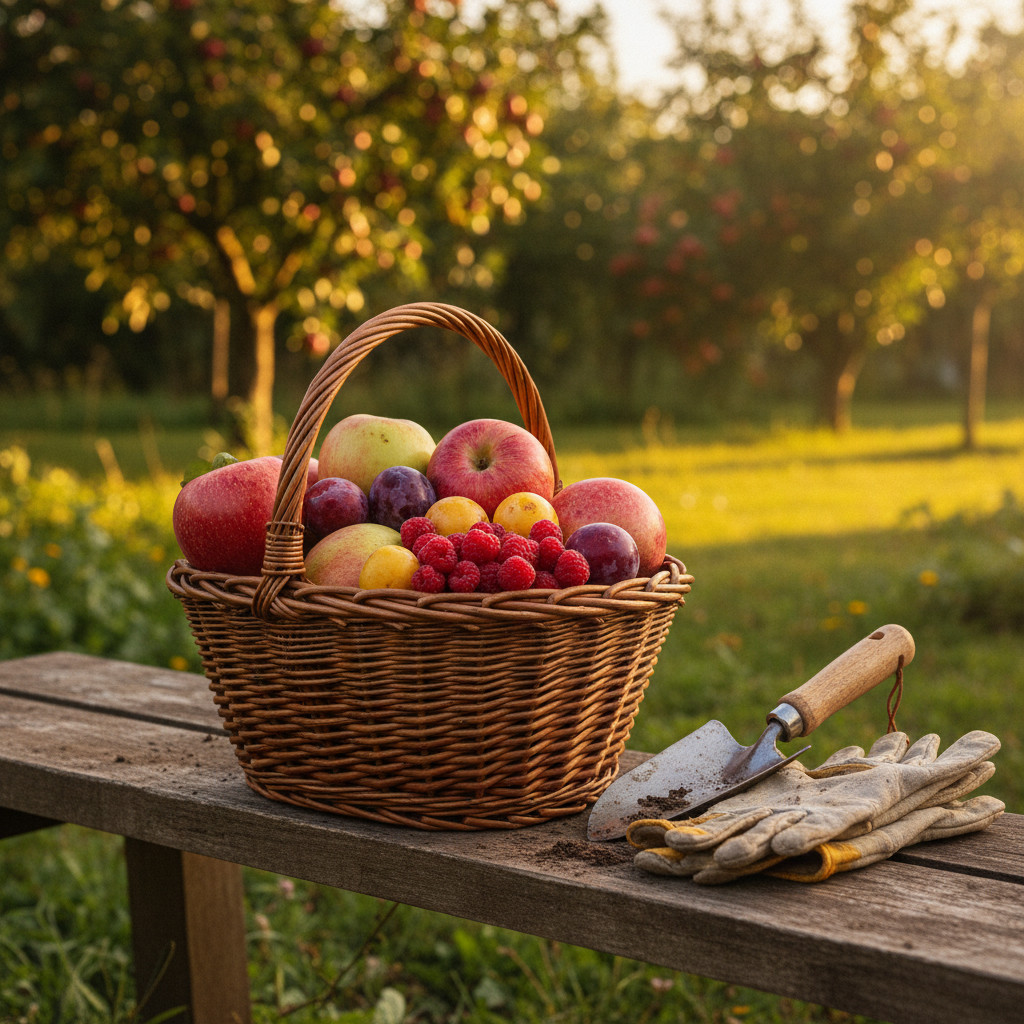
Superior Flavor and Freshness: Store-bought fruit is often harvested before peak ripeness to survive shipping. Homegrown fruit picked at perfect maturity offers unmatched flavor intensity and nutritional value that commercial produce simply cannot replicate.
-
Chemical-Free Growing: You control exactly what goes on your plants, eliminating concerns about pesticide residues, wax coatings, and other treatments common in commercial fruit production.
-
Significant Cost Savings: After initial establishment costs, fruit plants provide years of free produce. Organic berries alone can cost $6-8 per pint at grocery stores, while a single blueberry bush can produce 10-20 pints annually.
-
Environmental Benefits: Home fruit gardens reduce carbon footprints by eliminating transportation and packaging requirements while providing essential habitat for pollinators and beneficial insects.
-
Therapeutic Value: Gardening activities reduce stress, provide gentle exercise, and create meaningful connections with natural cycles and seasons.
The initial effort required to establish fruit plants pays dividends exponentially over time. While vegetables must be replanted each season, a well-maintained raspberry patch or fruit tree continues producing with minimal ongoing input, making fruit gardening the ultimate sustainable food source.
Understanding Your Climate and Growing Zone
Selecting fruit plants appropriate for your specific climate zone is the single most important factor determining gardening success.
Before purchasing a single plant, you must understand your growing environment thoroughly. The USDA Plant Hardiness Zone Map divides North America into 13 zones based on average annual minimum winter temperatures, providing the foundation for plant selection decisions. Each zone represents a 10°F temperature range, with Zone 1 being the coldest (minimum temperatures below -50°F) and Zone 13 the warmest (minimum temperatures above 60°F).
Key considerations for climate assessment include:
-
Identify Your Hardiness Zone: Visit the USDA Plant Hardiness Zone Map online and enter your zip code to determine your specific zone. This information appears on virtually every plant label and in catalog descriptions, allowing you to quickly identify suitable varieties. Understanding that you’re in Zone 7a, for example, immediately tells you that cold-hardy apple varieties will thrive while tropical mangoes won’t survive winter outdoors. This simple step prevents the frustration and expense of purchasing inappropriate plants destined to fail.
-
Calculate Chill Hours: Many fruit trees and berry bushes require specific amounts of winter cold to produce fruit properly. Chill hours represent the cumulative time temperatures remain between 32-45°F during dormancy. Low-chill varieties developed for mild climates need only 100-400 hours, while traditional varieties may require 800-1,200 hours. Selecting varieties matched to your area’s chill hour accumulation ensures reliable fruit production rather than beautiful trees that never bear fruit.
-
Evaluate Microclimates: Your specific property contains multiple microclimates created by buildings, slopes, water features, and existing vegetation. South-facing walls absorb and radiate heat, creating warmer zones where marginally hardy plants might survive. Low-lying areas collect cold air, creating frost pockets where temperatures drop several degrees below surrounding areas. Observing your property throughout seasons reveals these variations, allowing strategic plant placement that maximizes success.
-
Consider Heat Tolerance: While winter hardiness receives most attention, summer heat tolerance matters equally. Many berry plants struggle when temperatures consistently exceed 90°F, requiring afternoon shade or cooling mulch in hot climates. Research both minimum and maximum temperature tolerances when selecting varieties for challenging climates.
Essential Fruit Garden Plants for Beginners
Starting with beginner-friendly varieties builds confidence and ensures early success that motivates continued gardening efforts.
Not all fruit plants demand equal expertise. Some varieties practically grow themselves with minimal intervention, while others require precise care and years of experience. Beginning gardeners should focus on forgiving, productive plants that deliver satisfying harvests while teaching fundamental skills applicable to more challenging varieties later.
Berry Bushes: Easy and Rewarding
Berry bushes represent the ideal starting point for fruit garden beginners, offering quick establishment, high productivity, and relatively simple care requirements.
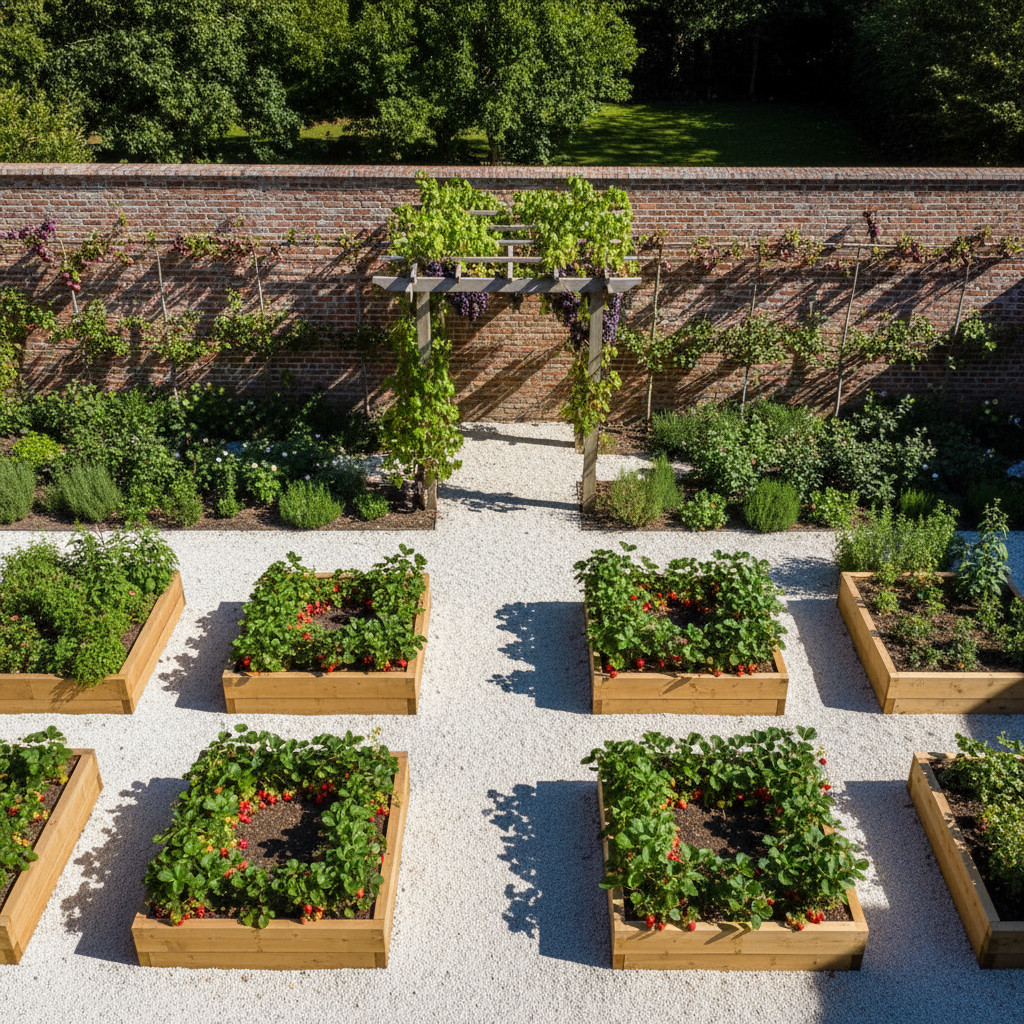
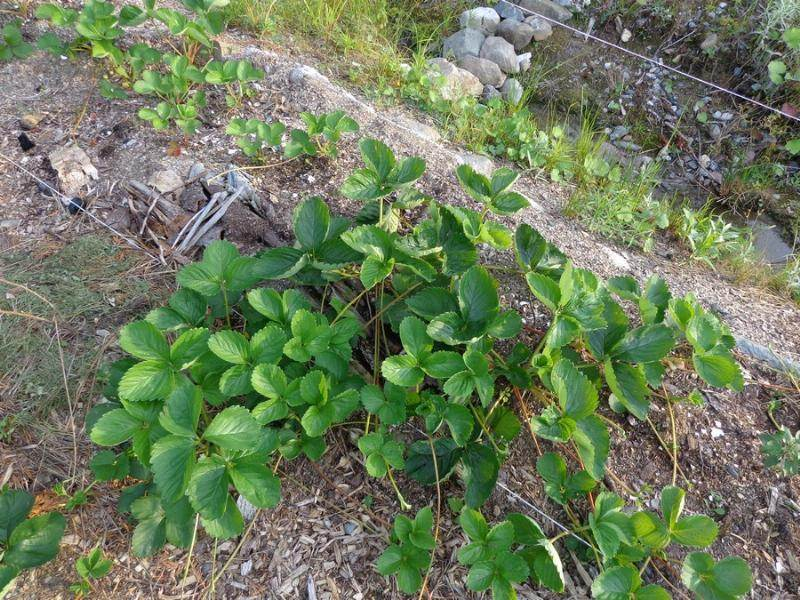
Strawberries stand out as the easiest fruit for beginners, producing fruit within months of planting rather than years. June-bearing varieties deliver one large harvest annually, while everbearing and day-neutral types produce smaller amounts continuously throughout the growing season. Plant in raised beds or containers with rich, well-draining soil, provide consistent moisture, and remove runners to direct energy toward fruit production. Even small plantings of 25-50 plants can yield enough berries for fresh eating, freezing, and jam-making.
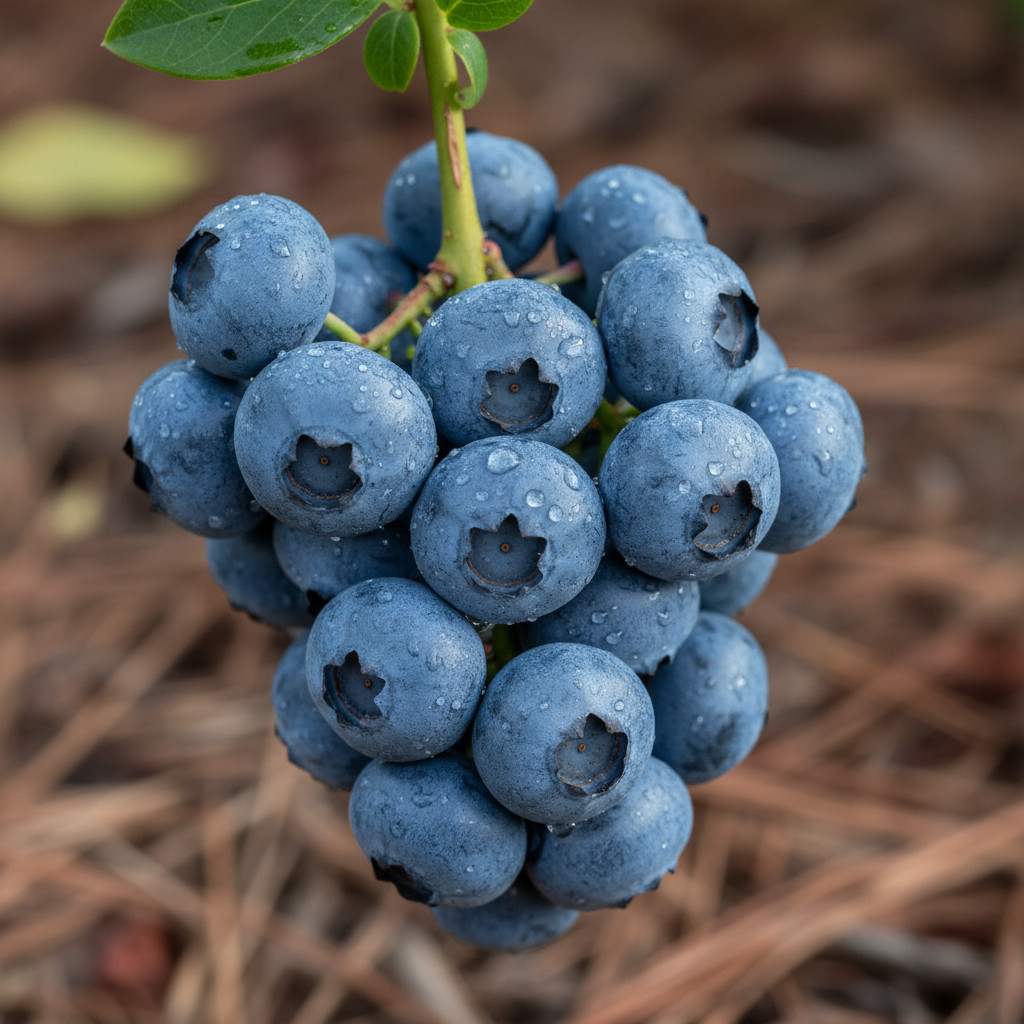
Blueberries require acidic soil (pH 4.5-5.5) but otherwise demand minimal care once established. These attractive shrubs provide ornamental value alongside culinary benefits, featuring white spring flowers, summer fruit, and brilliant red fall foliage. Plant at least two different varieties for cross-pollination, mulch heavily with acidic materials like pine needles or oak leaves, and protect ripening fruit from birds with netting. Established bushes produce 5-15 pounds of antioxidant-rich berries annually for 50+ years.
Raspberries and Blackberries spread vigorously once established, quickly filling designated areas with productive canes. Summer-bearing varieties fruit on second-year canes, while everbearing types produce on first-year growth, allowing different pruning approaches. These brambles tolerate various soil conditions, require minimal fertilization, and produce abundantly even with imperfect care, making them excellent confidence-builders for new gardeners.
Citrus Trees for Warm Climates
Gardeners in USDA Zones 9-11 enjoy the privilege of growing citrus outdoors year-round, while those in cooler regions can succeed with container-grown specimens brought indoors during winter.
Dwarf citrus varieties particularly suit home gardens and container culture, reaching only 6-10 feet tall while producing full-sized fruit. Meyer lemons, key limes, and kumquats adapt especially well to container life, thriving in large pots with excellent drainage and consistent moisture. These self-fertile trees don’t require cross-pollination, meaning a single specimen produces abundant fruit. Provide full sun (at least 8 hours daily), protect from temperatures below 28°F, and watch for common pests like scale insects and spider mites.
Apple and Pear Trees: Classic Choices
No fruit garden feels complete without traditional tree fruits that have sustained humanity for millennia.
Dwarf and semi-dwarf apple trees make home orchards practical, reaching only 8-15 feet tall compared to standard trees’ 25-30 feet. These compact trees begin bearing fruit 2-4 years after planting, require simpler pruning, and allow easy harvesting without ladders. Most apple varieties require cross-pollination with a different variety that blooms simultaneously, so plan to plant at least two compatible trees or choose self-fertile varieties like ‘Golden Delicious’ for limited spaces.
Pear trees offer similar benefits with generally fewer pest problems than apples. Asian pears provide crisp, apple-like texture and begin bearing quickly, while European varieties offer classic “pear-shaped” fruit with buttery texture when properly ripened. Both types require cross-pollination and benefit from annual pruning to maintain productive, manageable shapes.
Planning Your Fruit Garden Layout
Thoughtful garden design maximizes productivity, simplifies maintenance, and creates aesthetically pleasing landscapes.
Successful fruit gardens result from careful planning that considers mature plant sizes, sunlight patterns, soil conditions, and maintenance access. Rushing to plant without adequate planning leads to overcrowding, shading problems, and frustrated renovation efforts later.
Essential layout considerations include:
-
Sunlight Mapping: Most fruit plants require minimum 6-8 hours of direct sunlight daily for optimal production. Observe your property throughout the day, noting shadow patterns cast by buildings, trees, and structures. Reserve the sunniest locations for sun-demanding plants like grapes and stone fruits, while positioning shade-tolerant berries like currants in areas receiving filtered light.
-
Mature Size Spacing: Plant spacing must accommodate full-grown dimensions, not nursery sizes. Standard apple trees need 25-30 feet between specimens, while dwarf varieties require 8-10 feet. Cramped plantings create disease-promoting poor air circulation, complicate maintenance access, and force removal of otherwise healthy plants.
-
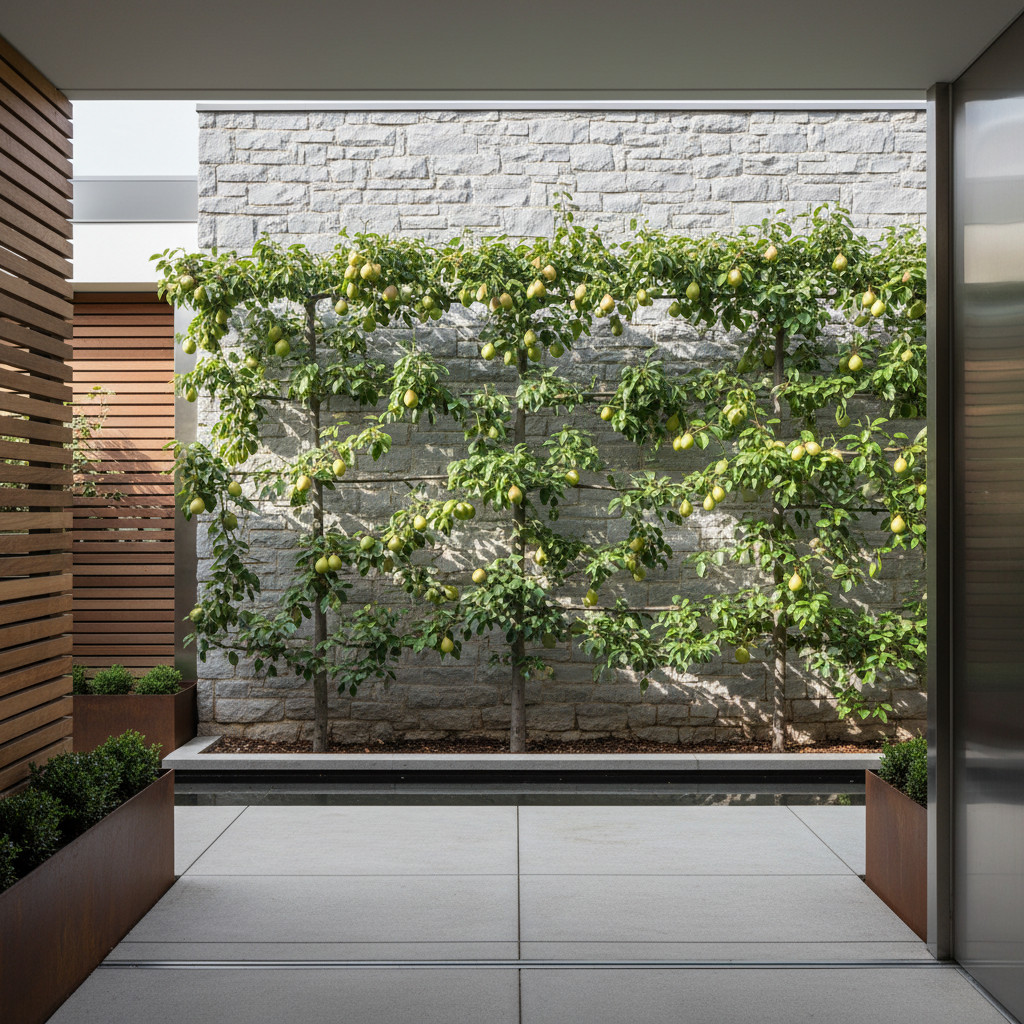
Wind Protection: Cold winter winds and hot summer gusts both stress fruit plants. Position sensitive specimens on the protected side of buildings, fences, or windbreak plantings. Espaliered trees against walls benefit from both wind protection and reflected heat.
-
Water Access: Locate fruit plantings within reasonable distance of water sources. Dragging hoses excessive distances discourages consistent watering that fruit plants require, especially during establishment and fruit development periods.
Pro Tip: Create a scale drawing of your property showing existing features, then use paper cutouts representing mature plant sizes to experiment with arrangements before committing to permanent plantings.
Soil Preparation and Nutrition Requirements
Healthy soil forms the foundation of productive fruit gardens, directly influencing plant vigor, disease resistance, and fruit quality.
Fruit plants occupy their growing locations for years or decades, making thorough soil preparation before planting critically important. Unlike annual vegetables where soil can be amended between seasons, fruit plants require getting it right from the start.
Follow these soil preparation steps:
-
Conduct Comprehensive Soil Testing: Before adding any amendments, submit soil samples to your local cooperative extension service or commercial laboratory for analysis. Testing reveals pH levels, nutrient concentrations, organic matter content, and potential contamination issues. The modest testing fee ($15-50) prevents wasted money on unnecessary amendments while identifying deficiencies requiring correction. Test results include specific recommendations for your soil type and intended plantings, removing guesswork from amendment decisions.
-
Adjust pH Appropriately: Different fruit plants thrive at different pH levels. Most prefer slightly acidic to neutral conditions (pH 6.0-7.0), but blueberries require strongly acidic soil (pH 4.5-5.5), while grapes tolerate slight alkalinity. Elemental sulfur lowers pH gradually, while agricultural lime raises it. Make adjustments months before planting, allowing time for chemical reactions to stabilize. Attempting to grow acid-loving plants in alkaline soil or vice versa leads to nutrient lockout, chlorosis, and plant decline regardless of other care quality.
-
Incorporate Organic Matter Generously: Organic matter improves virtually every soil type, enhancing drainage in clay soils while increasing water retention in sandy soils. Work 3-4 inches of quality compost, aged manure, or leaf mold into the top 12 inches of soil before planting. Organic matter feeds beneficial soil organisms, improves structure, releases nutrients slowly, and buffers pH fluctuations. This single amendment provides more benefit than any fertilizer application.
-
Establish Ongoing Fertilization Programs: After planting, maintain nutrition through annual applications of balanced organic fertilizers or carefully measured synthetic products. Fruit trees generally need nitrogen most, applied in early spring before growth resumes. Avoid late-season nitrogen applications that stimulate tender growth vulnerable to winter damage. Berry plants benefit from side-dressing with compost annually and occasional applications of balanced fertilizer during active growth periods.
Planting Techniques for Maximum Success
Proper planting technique establishes strong root systems that support healthy, productive plants for decades.
The hours spent planting represent your best opportunity to give fruit plants optimal starting conditions. Shortcuts taken during planting haunt gardens for years through stunted growth, establishment failures, and chronic vigor problems.
Master these planting fundamentals:
-
Timing Matters: Plant bare-root trees and shrubs during dormancy (late fall through early spring) when root disturbance causes minimal stress. Container-grown plants tolerate planting throughout the growing season but establish best when planted in spring or fall, avoiding summer heat stress during root development. In cold climates, spring planting allows full growing seasons before winter challenges newly established plants.
-
Dig Properly Sized Holes: Excavate holes 2-3 times wider than root balls but no deeper. Wide holes allow roots to spread easily through loosened soil, while proper depth prevents settling that buries trunk flare, promoting rot and decline. Set bare-root plants so the graft union sits 2-3 inches above soil level. Position root flare (where trunk meets roots) at or slightly above grade for container-grown specimens.
-
Backfill Thoughtfully: Resist adding amendments to backfill soil, which creates textural boundaries that impede root growth and water movement. Use only native soil to fill holes, firming gently to eliminate air pockets without compacting. Water thoroughly after backfilling to settle soil naturally around roots.
-
Mulch Immediately: Apply 3-4 inches of organic mulch (wood chips, shredded bark, straw) in a wide circle around new plantings, keeping mulch several inches away from trunks to prevent moisture retention against bark. Mulch suppresses weeds, moderates soil temperature, conserves moisture, and gradually adds organic matter as it decomposes.
Watering and Irrigation Best Practices
Consistent, appropriate watering directly impacts fruit development, plant health, and long-term productivity.
Water management represents perhaps the most commonly misunderstood aspect of fruit gardening. Both overwatering and underwatering cause significant problems, with symptoms sometimes appearing similar despite opposite causes.
Effective watering strategies include:
Newly planted fruit trees require approximately 1-2 inches of water weekly during their first two growing seasons, delivered slowly to penetrate deeply rather than run off. Established trees develop extensive root systems capable of accessing soil moisture unavailable to younger plants but still benefit from supplemental irrigation during dry periods, particularly while fruit develops. Water stress during fruit sizing causes small, poorly flavored fruit regardless of nutrition or other care factors.
Berry plants generally need 1-2 inches weekly throughout the growing season, with increased needs during fruit development. Shallow-rooted strawberries require frequent light watering, while deeper-rooted blueberries prefer less frequent deep soaking. Container-grown citrus may need daily watering during hot weather, as limited soil volumes dry quickly.
Install drip irrigation systems for efficient, consistent water delivery directly to root zones. Drip systems reduce water waste from evaporation and overspray, keep foliage dry to discourage disease, and allow automated scheduling that maintains consistency even during busy periods. Simple timer-controlled systems cost modestly and save considerable time while improving results.
Monitor soil moisture rather than watering on fixed schedules regardless of conditions. Insert a finger 2-3 inches into soil to check moisture; if dry at that depth, water is needed. Soil moisture meters provide more accurate assessments for those preferring technology-assisted approaches.
Pest Control and Disease Prevention
Integrated pest management approaches protect harvests while minimizing environmental impact and chemical exposure.
Every fruit garden eventually encounters pest and disease challenges. Preparing with knowledge and preventive strategies minimizes damage while avoiding reactive chemical applications that often prove unnecessary.
Common fruit garden pests and management approaches:
-
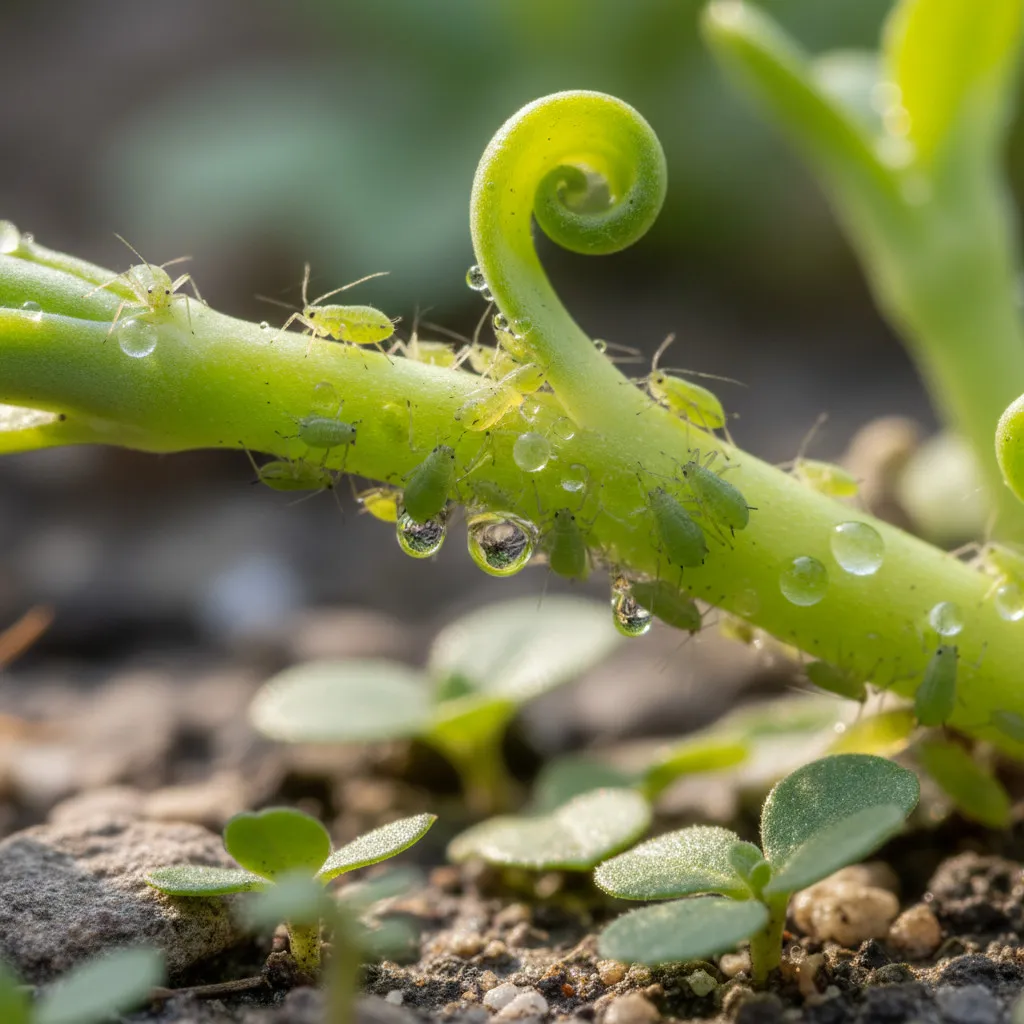
Aphids cluster on new growth, sucking sap and distorting leaves. Strong water sprays dislodge minor infestations; insecticidal soaps control heavier populations. Encourage beneficial predators like ladybugs and lacewings that consume aphids voraciously.
-
Japanese Beetles skeletonize leaves and damage fruit on many plants. Handpick into soapy water during early morning when beetles are sluggish. Avoid pheromone traps that attract more beetles than they capture. Milky spore or beneficial nematode applications reduce grub populations in lawns, interrupting life cycles.
-
Codling Moths represent the primary apple pest, with larvae tunneling into fruit. Pheromone traps monitor populations; kaolin clay sprays create barriers preventing egg-laying; properly timed organic spinosad applications control larvae.
-
Birds consume significant berry harvests without protection. Cover plantings with bird netting secured at ground level as fruit begins ripening. Remove netting after harvest to allow beneficial bird activity during non-fruiting periods.
Disease prevention strategies:
- Choose disease-resistant varieties whenever available, particularly for fire blight-prone pears and mildew-susceptible grapes.
- Maintain excellent air circulation through proper spacing and pruning.
- Clean up fallen fruit and leaves that harbor disease organisms overwinter.
- Apply dormant oil sprays during late winter to smother overwintering insects and disease spores.
- Water at soil level rather than overhead to keep foliage dry.
Pruning and Maintenance Throughout the Seasons
Regular pruning maintains plant health, controls size, improves fruit quality, and extends productive lifespans.
Pruning intimidates many gardeners, but understanding basic principles makes this essential task approachable. Proper pruning improves air circulation (reducing disease), directs energy toward fruit production, maintains manageable sizes, and shapes plants for both productivity and aesthetics.
Seasonal maintenance calendar:
Late Winter (Dormant Season): Perform major structural pruning on deciduous trees and shrubs while plants rest and branch architecture is clearly visible. Remove dead, damaged, and diseased wood first. Eliminate crossing branches that rub together, creating wound sites. Thin crowded interior growth to improve light penetration and air movement. Shape remaining growth to maintain desired form.
Spring: Apply preventive fungicide sprays (organic copper or sulfur products) as buds swell if diseases were problematic previously. Begin fertilization programs as growth resumes. Monitor for early pest activity and intervene before populations explode.
Summer: Maintain consistent watering, particularly during fruit development. Remove water sprouts (vigorous vertical shoots) from tree trunks and major limbs. Thin excessive fruit on heavily laden trees, improving remaining fruit size and preventing branch breakage.
Fall: Clean up fallen fruit and leaves to reduce disease inoculum. Apply final water before ground freezes in cold climates. Protect tender plants with mulch or wrapping as temperatures drop.
Harvesting and Storing Your Fruit
Proper harvest timing and storage techniques maximize enjoyment of your garden’s bounty.
After months of care, harvesting represents the reward for your efforts. Knowing precisely when fruit reaches peak ripeness ensures optimal flavor, texture, and storage quality.
Harvest timing indicators:
-
Berries: Harvest when fully colored and fruits separate easily from plants with gentle pulling. Raspberries and blackberries slip off their cores when ripe; strawberries develop full color to their tips.
-
Tree Fruits: Apples and pears change from green to their mature color, seeds darken from white to brown, and fruit separates from branches with gentle upward twisting. Pears ripen best when harvested slightly underripe and allowed to soften at room temperature.
-
Citrus: Color change alone doesn’t indicate ripeness. Sample fruit for sweetness; citrus continues improving on trees for weeks after reaching full color.
Storage best practices:
Store undamaged fruit in cool, humid conditions for longest life. Apples keep for months at 32-35°F with high humidity. Berries require refrigeration immediately after harvest and last only days. Freeze excess berries in single layers on baking sheets before transferring to containers, preventing clumping. Process abundant harvests into jams, jellies, dried fruit, or canned goods to enjoy homegrown fruit year-round.
Common Mistakes to Avoid in Fruit Gardening
Learning from others’ errors accelerates your gardening success while preventing costly mistakes.
Even experienced gardeners make errors when venturing into fruit production. Awareness of common pitfalls helps you avoid frustrating setbacks.
Critical mistakes to avoid:
-
Ignoring Pollination Requirements: Many fruit trees require cross-pollination with compatible varieties to produce fruit. Planting single specimens of apple, pear, or sweet cherry trees often results in beautiful trees that never yield fruit despite excellent care.
-
Planting Too Deeply: Burying trunk flare promotes fatal crown rot and girdling roots. This common planting error slowly kills otherwise healthy trees over several years.
-
Overwatering Established Plants: More fruit plants die from overwatering than underwatering. Established trees rarely need supplemental irrigation except during extended drought.
-
Neglecting Pruning: Unpruned fruit plants become unmanageable tangles with declining productivity and increased disease problems. Annual pruning maintains health and productivity.
-
Expecting Immediate Results: Fruit trees require years to reach productive maturity. Patience with young plants yields decades of abundant harvests.
Final Thoughts: Growing Your Dream Fruit Garden
Creating a productive fruit garden represents one of gardening’s most satisfying achievements. The journey from bare ground to bountiful harvests requires patience, learning, and consistent effort, but rewards multiply with each passing season. Trees planted today will nourish your family for generations, creating living legacies that connect past, present, and future.
Start small with beginner-friendly plants appropriate for your climate, master fundamental techniques, and expand gradually as confidence grows. Accept that some failures are inevitable learning experiences rather than reasons for discouragement. Every successful fruit gardener has killed plants, lost harvests to pests, and made planning mistakes—these experiences build the knowledge that eventually produces abundant gardens.
Take action today: Research your hardiness zone, assess your available space and sunlight, and select two or three appropriate plants to begin your fruit gardening journey. Visit local nurseries, consult extension services, and connect with experienced fruit gardeners in your community. The perfect time to plant a fruit tree was twenty years ago; the second-best time is now. Your future self, enjoying homegrown fruit from a mature, productive garden, will thank you for beginning today.