Table of Contents
- How to Master Fruit Picking Garden at Home
- Why Growing a Fruit Picking Garden at Home is Worth Your Time
- Planning Your Home Fruit Garden
- Assessing Your Space and Climate
- Choosing the Right Fruits for Your Region
- Essential Tools and Equipment for Fruit Gardening
- Soil Preparation and Garden Setup
- Understanding Soil Requirements for Fruit Trees and Plants
- Creating Optimal Growing Conditions
- Selecting and Planting Your Fruit Varieties
- Best Fruits for Beginners
- Planting Techniques for Maximum Yield
- Watering, Fertilizing, and Ongoing Care
- Establishing a Watering Schedule
- Fertilization Best Practices
- Pest Control and Disease Prevention
- Pruning and Training Fruit Plants
- Harvesting Your Fruits at Peak Ripeness
- Signs of Ripeness for Different Fruits
- Proper Picking Techniques
- Storing and Preserving Your Harvest
- Common Mistakes to Avoid
- Final Thoughts: Your Journey to Fruit Gardening Success
How to Master Fruit Picking Garden at Home
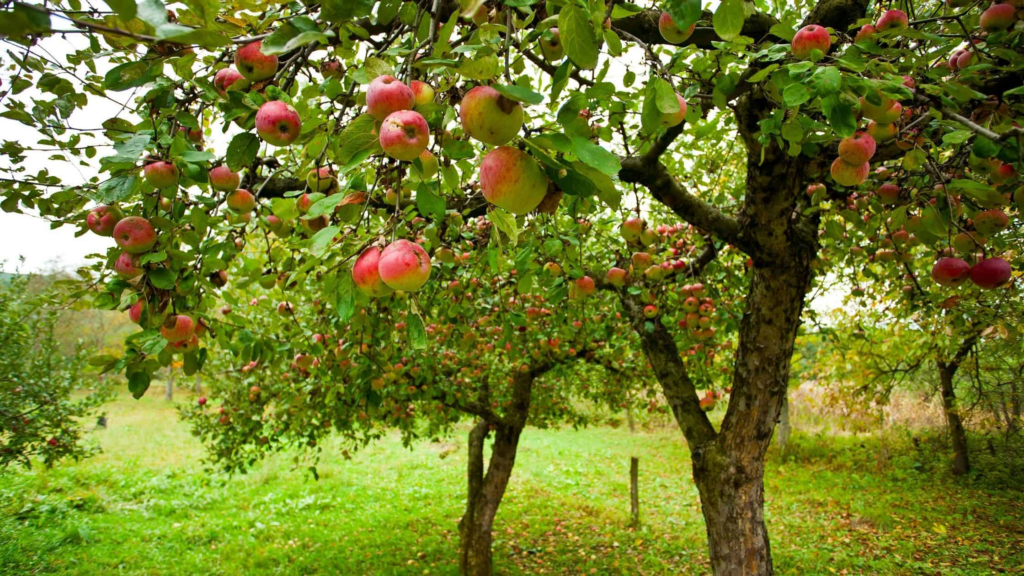
There’s something incredibly satisfying about walking into your backyard, reaching up to a sun-warmed branch, and plucking a perfectly ripe piece of fruit that you grew yourself. The burst of flavor from a homegrown strawberry or the sweet crunch of an apple picked at peak ripeness simply cannot compare to anything you’ll find at your local grocery store. Creating your own fruit picking garden at home isn’t just a hobby—it’s a rewarding journey that connects you with nature, saves money, and provides your family with the freshest, most nutritious produce possible.
Whether you have acres of land or just a small balcony, cultivating a thriving fruit garden is within your reach. The secret lies in understanding the fundamentals, making smart choices about what to grow, and dedicating consistent care to your plants. This comprehensive guide will walk you through every step of the process, from initial planning and soil preparation to harvesting techniques and storage solutions. By the time you finish reading, you’ll have the knowledge and confidence to transform any outdoor space into a productive fruit-bearing paradise that provides bountiful harvests for years to come.
Why Growing a Fruit Picking Garden at Home is Worth Your Time
Starting a home fruit garden offers numerous benefits that extend far beyond the simple pleasure of fresh produce, making it one of the most rewarding investments of your time and energy.
The decision to grow your own fruits represents a commitment to healthier living, financial savings, and environmental responsibility. When you cultivate fruits at home, you gain complete control over what goes into your food—no pesticides, no unknown chemicals, and no genetic modifications unless you choose them. This level of control is increasingly valuable in a world where food safety concerns continue to grow.
Financial Benefits You’ll Notice Immediately
The average American family spends approximately $6,000 to $8,000 annually on groceries, with fresh produce accounting for a significant portion of that expense. By growing even a modest selection of fruits at home, you can dramatically reduce this cost over time. While there’s an initial investment in plants, tools, and soil amendments, most fruit-bearing plants continue producing for years or even decades. A single mature apple tree, for example, can yield 400-600 pounds of fruit annually, representing hundreds of dollars in savings.

Health and Wellness Advantages
Homegrown fruits contain higher nutritional value than store-bought alternatives because they’re harvested at peak ripeness rather than picked early for shipping. The physical activity involved in maintaining a garden also provides excellent exercise, combining cardiovascular benefits with strength training. Studies have shown that gardening reduces stress hormones, lowers blood pressure, and improves mental health through its meditative, focused nature.
Environmental Impact
Growing food at home eliminates transportation emissions, reduces packaging waste, and supports local biodiversity by providing habitat and food sources for pollinators. Your garden becomes a small but meaningful contribution to environmental sustainability.
Planning Your Home Fruit Garden
Successful fruit gardening begins long before you put a single plant in the ground—it starts with careful assessment of your available resources and strategic planning.
Assessing Your Space and Climate
Understanding your growing environment is the foundation of a productive fruit garden. Every successful gardener begins by honestly evaluating what they have to work with and identifying both opportunities and limitations.
Sunlight Evaluation
Most fruit-bearing plants require a minimum of six to eight hours of direct sunlight daily to produce abundant harvests. Spend several days observing your potential garden space, noting how sunlight moves across the area throughout the day. Consider seasonal changes—an area that receives full sun in summer may be shaded by neighboring structures or trees during spring and fall. South-facing locations typically offer the most consistent sun exposure in the Northern Hemisphere, making them ideal for fruit cultivation.
Soil Assessment
Before planting anything, test your soil’s pH level and composition. Most fruits prefer slightly acidic to neutral soil with a pH between 6.0 and 7.0. Clay-heavy soils retain too much moisture and can cause root rot, while sandy soils drain too quickly and may leave plants thirsty. Conduct a simple drainage test by digging a hole, filling it with water, and observing how long it takes to drain. Well-draining soil should empty within 24 hours.
Climate Zone Considerations
Identify your USDA Plant Hardiness Zone to understand which fruits will thrive in your region. This information determines everything from variety selection to planting timing and winter protection requirements.
Choosing the Right Fruits for Your Region
Selecting appropriate fruit varieties for your climate zone is perhaps the most critical decision you’ll make in establishing your garden.
Cold Climate Fruit Options (Zones 3-5)
Gardeners in northern regions can successfully grow a surprising variety of fruits despite harsh winters. Consider these resilient options:
- Apples and Crabapples: Many varieties are hardy to Zone 3 and produce abundantly with minimal care
- Pears: European and Asian varieties offer cold tolerance and delicious harvests
- Sour Cherries: More cold-hardy than sweet varieties and excellent for cooking
- Currants and Gooseberries: These underappreciated fruits thrive in cool climates
- Hardy Grapes: Select varieties bred specifically for northern growing conditions
Warm Climate Fruit Selections (Zones 8-11)
Southern gardeners enjoy extended growing seasons and access to tropical and subtropical fruits unavailable to northern growers:
- Citrus Fruits: Oranges, lemons, limes, and grapefruits flourish in warm regions
- Figs: These Mediterranean natives love heat and produce two harvests annually
- Pomegranates: Drought-tolerant and perfectly suited to hot, dry conditions
- Tropical Options: Mangoes, avocados, and bananas thrive in frost-free zones
Container-Friendly Choices
Limited space doesn’t mean limited options. Dwarf fruit trees, columnar varieties, and compact berry bushes perform excellently in containers, allowing apartment dwellers and those with small yards to enjoy homegrown fruit.
Essential Tools and Equipment for Fruit Gardening
Having the right tools on hand makes every aspect of fruit gardening more efficient, safer, and more enjoyable.
Investing in quality gardening equipment pays dividends through easier work, better results, and tools that last for decades. While you don’t need everything at once, building a comprehensive toolkit over time will serve you well.
Basic Gardening Tools
-
High-Quality Pruning Shears: These are your most frequently used tool in fruit gardening. Invest in bypass pruners with sharp, replaceable blades for clean cuts that promote plant health. Quality shears should feel comfortable in your hand and feature a safety lock mechanism. Expect to use these for everything from deadheading strawberries to shaping young fruit trees. Replace or sharpen blades annually to maintain cutting efficiency and prevent disease transmission between plants.
-
Loppers and Pruning Saws: For branches too thick for hand pruners, loppers provide the leverage needed for clean cuts up to two inches in diameter. Pruning saws handle even larger branches and are essential for maintaining mature fruit trees. Choose loppers with telescoping handles for extended reach and reduced strain on your back and shoulders. Keep blades clean and disinfected between uses to prevent spreading pathogens from diseased wood to healthy plants.
-
Sturdy Garden Fork and Spade: These fundamental tools are necessary for soil preparation, planting, and ongoing maintenance. A garden fork loosens compacted soil without destroying its structure, while a sharp spade cuts through roots and edges beds cleanly. Invest in forged steel tools with fiberglass or hardwood handles—they’ll outlast cheaper alternatives by many years and perform better under heavy use.
Specialized Fruit Picking Equipment
- Fruit Picking Baskets: Wide, shallow baskets prevent crushing delicate fruits during harvest
- Fruit Pickers with Extension Poles: Essential for reaching high branches safely without ladders
- Harvest Aprons: Keep both hands free while collecting fruit
- Orchard Ladders: Tripod-style ladders provide stability on uneven ground

Storage and Preservation Tools
Proper post-harvest handling requires equipment like canning jars, dehydrators, freezer containers, and root cellar storage solutions. Planning for preservation ensures none of your hard-earned harvest goes to waste.
Soil Preparation and Garden Setup
The quality of your soil directly determines the health and productivity of your fruit plants—investing time in proper preparation yields exponentially better results.
Understanding Soil Requirements for Fruit Trees and Plants
Different fruits have varying soil preferences, but certain fundamentals apply across the board. Understanding these requirements helps you create optimal growing conditions.
pH Levels and Their Importance
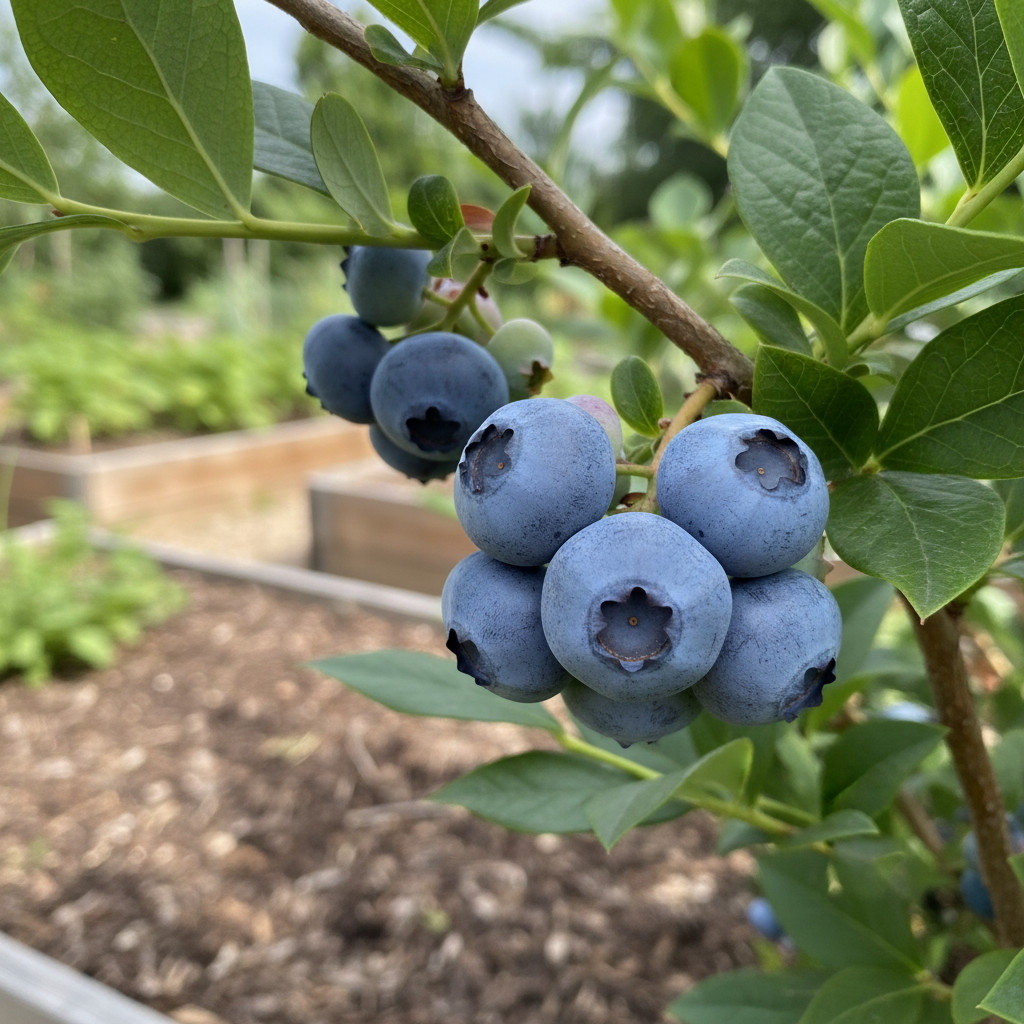
Soil pH affects nutrient availability to plants. Most fruits prefer slightly acidic conditions between 6.0 and 6.8, though some exceptions exist. Blueberries, for instance, require highly acidic soil with a pH between 4.5 and 5.5—attempting to grow them in neutral soil results in yellowed leaves and poor production regardless of other care. Test your soil before planting and amend accordingly using sulfur to lower pH or lime to raise it. These adjustments take time, so plan amendments several months before planting when possible.
Drainage and Soil Structure
Fruit roots require oxygen as well as water—waterlogged soil suffocates roots and promotes fatal root rot diseases. Ideal fruit-growing soil contains a balance of sand, silt, clay, and organic matter that holds moisture while allowing excess water to drain. Heavy clay soils benefit from generous additions of compost and coarse organic matter to improve structure over time.
Nutrient Requirements
Fruit plants are generally heavy feeders requiring consistent access to nitrogen, phosphorus, potassium, and various micronutrients. Building soil fertility through regular organic matter additions creates a self-sustaining system where soil biology breaks down materials and releases nutrients in forms plants can absorb.
Creating Optimal Growing Conditions
Setting up your garden correctly from the start prevents problems and maximizes your chances of success.
Raised Bed Construction
Raised beds offer numerous advantages for fruit gardening, including improved drainage, warmer soil temperatures, easier access for maintenance, and the ability to fill them with ideal soil blends regardless of native ground conditions. Construct beds from untreated cedar, composite lumber, or stone, ensuring heights of at least 12-18 inches for adequate root space. Fill with a mixture of topsoil, compost, and perlite or coarse sand for optimal growing conditions.
Container Gardening Strategies
For those limited to patios, balconies, or rooftops, container gardening opens possibilities that seem impossible at first glance. Dwarf fruit trees thrive in large containers of 15-25 gallons, while strawberries and compact berry bushes perform well in smaller pots. Use high-quality potting mix rather than garden soil, which compacts in containers and impedes drainage. Plan for consistent watering since containers dry out faster than in-ground plantings, and be prepared to repot or root-prune every few years as plants grow.
In-Ground Planting Preparation
Traditional in-ground planting requires thorough site preparation. Remove all weeds and grass from the planting area, then incorporate several inches of compost into the native soil. For fruit trees, dig planting holes two to three times wider than the root ball but no deeper—planting too deeply is a common mistake that leads to trunk rot and tree death.
Selecting and Planting Your Fruit Varieties
Making smart choices about which fruits to grow and how to plant them sets the stage for years of abundant harvests.
Best Fruits for Beginners
Starting with forgiving, productive varieties builds confidence and provides quick rewards while you develop your skills.
Strawberries: The Perfect Starting Point
Strawberries represent the ideal beginner fruit for several compelling reasons. They produce fruit in their first year, require minimal space, adapt well to containers and raised beds, and provide abundant harvests with basic care. Choose from June-bearing varieties for one large harvest, everbearing types for two smaller harvests, or day-neutral cultivars that produce continuously through the growing season. Plant strawberries in early spring, setting crowns at soil level—too deep causes rot, too shallow exposes roots to drying. Space plants 12-18 inches apart in rows or clusters, and remove flowers during the first month to encourage strong root development before allowing fruiting.
Blueberries: Low-Maintenance Abundance
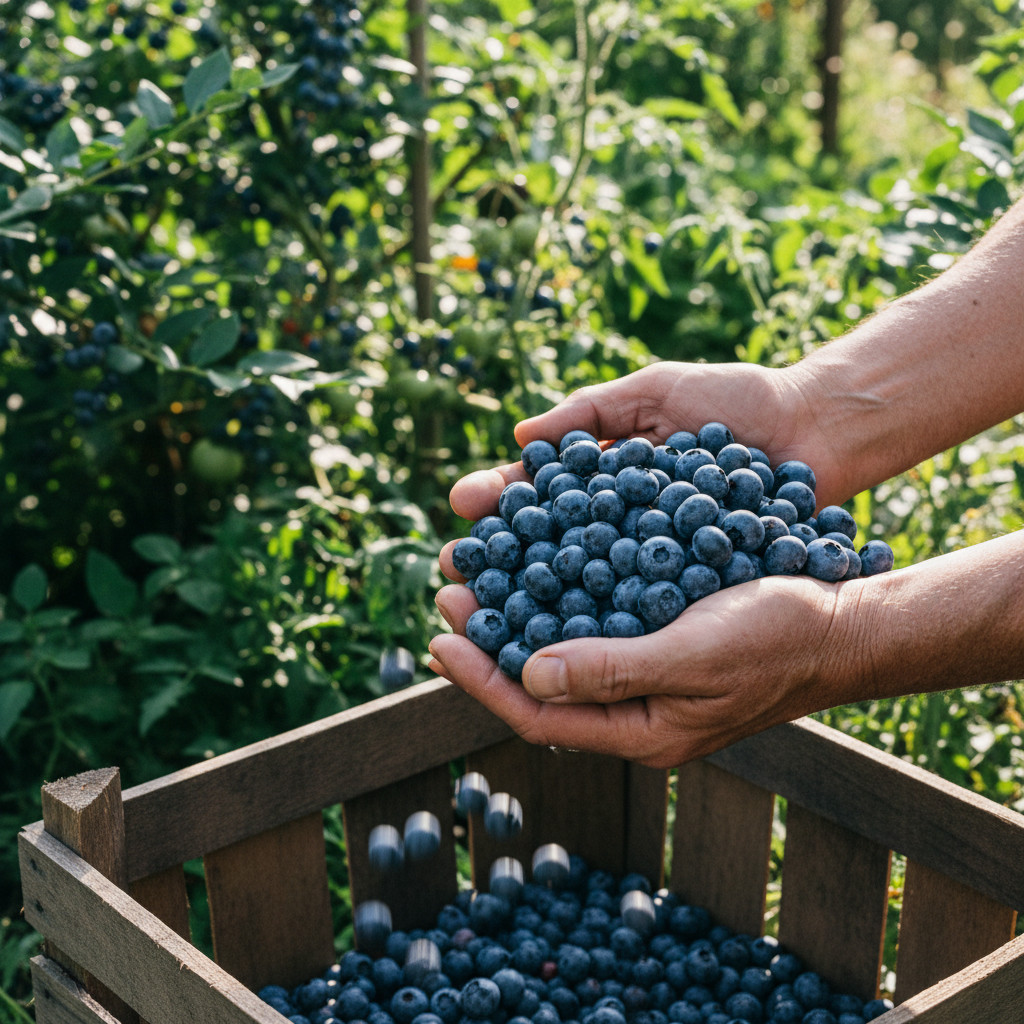
Once established in appropriate acidic soil, blueberry bushes require remarkably little care while producing generous harvests for decades. Select at least two different varieties for cross-pollination and extended harvest seasons—early, mid, and late-season types can provide fresh blueberries for two months or longer. Northern highbush varieties suit cooler climates, while rabbiteye and southern highbush types excel in warm regions. Mulch heavily with pine needles or acidic materials to maintain soil conditions and retain moisture.
Apple Trees: Long-Term Investment
Dwarf and semi-dwarf apple trees fit even small gardens while producing impressive quantities of fruit within three to five years of planting. Research disease-resistant varieties to minimize maintenance requirements, and always plant at least two compatible varieties for pollination unless selecting self-fertile cultivars. Consider columnar apple varieties for extremely tight spaces—these narrow trees grow almost entirely upright and can even be grown in large containers on sunny patios.

Planting Techniques for Maximum Yield
Proper planting technique significantly impacts your plants’ health and productivity throughout their lifetimes.
Optimal Spacing Guidelines
Adequate spacing prevents competition for resources and allows air circulation that reduces disease pressure. Standard fruit trees require 25-35 feet between plants, while semi-dwarf varieties need 15-20 feet and true dwarfs can be planted 8-12 feet apart. Berry bushes typically need 4-6 feet between plants within rows and 8-10 feet between rows. Resist the temptation to plant too closely—crowded fruit plants produce smaller, lower-quality harvests and suffer more pest and disease problems.
Planting Depth Considerations
Most fruit plants have a graft union—a visible bump near the base where the fruiting variety joins the rootstock. This union must remain above soil level after planting to prevent the top variety from rooting independently and losing the benefits of its specialized rootstock. Bare-root plants should be planted at the same depth they grew in the nursery, visible as a color change on the trunk or stems.
Timing Your Plantings
Dormant-season planting (late fall through early spring) gives roots time to establish before the stress of summer heat and fruit production. Container-grown plants can be planted throughout the growing season if given extra water and attention, but early spring remains optimal for most situations.
Watering, Fertilizing, and Ongoing Care
Consistent, appropriate care transforms young plants into productive fruit-bearing powerhouses.
Establishing a Watering Schedule
Water management ranks among the most critical aspects of successful fruit growing. Both under-watering and over-watering cause serious problems, so developing good habits early prevents many common issues.
Understanding Water Requirements
Most fruit plants need approximately one to two inches of water weekly during the growing season, delivered through rainfall, irrigation, or a combination. Deep, infrequent watering encourages roots to grow downward seeking moisture, creating more drought-tolerant, stable plants than frequent shallow watering that keeps roots near the surface. Young plants require more attention since their limited root systems can’t reach moisture reserves in deeper soil layers.
Effective Watering Methods
- Drip Irrigation: Delivers water directly to root zones while keeping foliage dry, reducing disease risk
- Soaker Hoses: Similar benefits to drip at lower cost, excellent for berry rows
- Hand Watering: Allows close observation of plant health but requires more time
- Overhead Sprinklers: Convenient but increase foliar disease pressure; use in morning so leaves dry quickly
Seasonal Adjustments
Reduce watering in fall to help plants harden off for winter dormancy. Increase frequency during hot, dry spells and when plants are setting or ripening fruit—water stress during these critical periods directly reduces harvest quality and quantity.
Fertilization Best Practices
Proper nutrition supports vigorous growth, disease resistance, and maximum fruit production.
Organic Versus Synthetic Fertilizers
Organic fertilizers release nutrients slowly as soil organisms break them down, providing steady nutrition without risk of burning plants. Compost, aged manure, fish emulsion, and bone meal all contribute to long-term soil health while feeding plants. Synthetic fertilizers offer convenience and precise nutrient ratios but can build salt levels in soil over time and don’t improve soil structure. Many gardeners use a combination approach—organic matter for soil building and targeted synthetic applications for specific deficiencies.
Timing Applications Correctly
Fertilize most fruit plants in early spring as growth begins, with a possible second light application in early summer. Avoid late-season fertilization, which stimulates tender new growth vulnerable to winter damage. Follow package directions carefully—more is definitely not better when it comes to fertilizer application.
Signs of Nutrient Deficiencies
Learn to recognize common deficiency symptoms: yellowing between leaf veins often indicates iron deficiency; overall pale color suggests nitrogen shortage; purple-tinged leaves may indicate phosphorus problems. Addressing deficiencies promptly prevents yield losses and long-term plant health issues.
Pest Control and Disease Prevention
Proactive pest and disease management protects your investment and ensures bountiful, beautiful harvests.
A healthy garden maintains natural balance, with beneficial insects controlling pest populations and strong plants resisting disease pressure. Your goal should be prevention rather than cure, though even well-managed gardens occasionally require intervention.
Common Fruit Garden Pests
-
Aphids: These tiny sap-sucking insects cluster on new growth and can transmit viral diseases. Control them by encouraging natural predators like ladybugs and lacewings, or knock them off with strong water sprays. Severe infestations may require insecticidal soap applications, but always treat underlying causes like excessive nitrogen fertilization that produces the soft, lush growth aphids prefer.
-
Japanese Beetles: These metallic green pests devour foliage and can defoliate plants rapidly during their peak season in mid-summer. Hand-picking into soapy water provides immediate control for small infestations. Avoid pheromone traps, which often attract more beetles than they capture. Treating lawns with milky spore or beneficial nematodes reduces future generations by killing soil-dwelling grubs.
-
Codling Moths: The primary pest of apples and pears, codling moth larvae tunnel into fruit, leaving telltale frass-filled holes. Prevention through pheromone traps, trunk banding, and carefully timed organic sprays offers the best control. Remove and destroy all fallen fruit to break the pest’s life cycle.
Organic Pest Control Strategies
- Companion Planting: Certain plants repel pests or attract beneficial insects when grown near fruit crops
- Physical Barriers: Netting, row covers, and trunk guards prevent many pest problems entirely
- Biological Controls: Introducing or encouraging natural predators creates long-term balance
- Organic Sprays: Neem oil, pyrethrin, and spinosad provide effective control with minimal environmental impact
Disease Prevention Fundamentals
Most fruit diseases thrive in wet conditions, making good air circulation and proper watering technique your first line of defense. Remove infected plant material promptly, clean up fallen leaves in autumn, and sterilize pruning tools between cuts on diseased plants. Choose disease-resistant varieties whenever possible—modern breeding has produced excellent options that require far less intervention than older susceptible cultivars.
Pruning and Training Fruit Plants
Proper pruning shapes plants for maximum productivity, improved fruit quality, and easier harvesting.
Pruning intimidates many new gardeners, but understanding basic principles transforms this essential task from mysterious art to straightforward maintenance. Well-pruned fruit plants produce larger, better-quality fruit that’s easier to pick while remaining healthier and more manageable over time.
Why Pruning Matters
Unpruned fruit trees quickly become overgrown tangles that shade out their own interior, reducing fruit production and quality while creating ideal conditions for pest and disease problems. Pruning opens the canopy to sunlight and air circulation, removes dead and diseased wood, and directs the plant’s energy toward fruit production rather than excessive vegetative growth. Annual pruning also maintains trees at manageable sizes, keeping fruit within easy reach.
Essential Pruning Techniques
- Thinning Cuts: Remove entire branches back to their point of origin, opening up dense growth without stimulating excessive regrowth
- Heading Cuts: Shorten branches to encourage branching and bushier growth—use sparingly as they stimulate vigorous response
- Deadwood Removal: Cut out any dead, damaged, or diseased wood regardless of season
- Water Sprout Control: Remove vertical shoots that grow from horizontal branches; they rarely produce quality fruit
Training Methods for Maximum Production
Advanced techniques like espalier (training trees flat against walls or wires) maximize fruit production in minimal space while creating beautiful garden features. Cordons, fans, and step-overs offer additional space-saving options. These methods require more initial work but reward gardeners with remarkable productivity from very small footprints.
Harvesting Your Fruits at Peak Ripeness
Knowing exactly when and how to harvest ensures you enjoy the highest quality fruit possible from your garden.
Signs of Ripeness for Different Fruits
Each fruit type signals ripeness through specific indicators that become easy to recognize with experience.
Visual Ripeness Cues
Color change provides the most obvious ripeness indicator for many fruits. Apples develop their characteristic blush or golden tones; berries deepen from pink to red to deep crimson or blue-black; stone fruits shift from green undertones to warm yellows and oranges. However, don’t rely solely on color—some varieties maintain green tones even when fully ripe, while others develop color long before reaching peak flavor.
Touch and Smell Indicators
Gentle pressure reveals ripeness in many fruits. Ripe peaches and pears yield slightly to gentle thumb pressure while remaining firm overall—hard fruits need more time, while soft fruits should be harvested immediately. Many ripe fruits develop characteristic fragrances detectable near the stem end; the classic “ripe melon” smell that indicates perfect readiness applies to many other fruits as well.
Timing Considerations
Track days from bloom to expected ripeness for planning purposes, but let the fruit itself be your ultimate guide. Weather conditions, tree health, and crop load all influence ripening timing from year to year.
Proper Picking Techniques
Gentle handling during harvest prevents damage that shortens storage life and mars appearance.
Hand Picking Methods
Most fruits should be twisted and lifted rather than pulled—proper technique removes the fruit with its stem intact without tearing bark or damaging the spur that will produce next year’s bloom. Support the fruit with your palm while twisting to prevent bruising. For delicate fruits like raspberries, let fully ripe berries drop into your palm with minimal pressure.
Using Harvesting Tools Safely
Fruit picking poles with basket attachments allow safe harvest of high-hanging fruit without dangerous ladder work. Operate these tools gently—fruit dropped from height bruises easily even when landing in padded baskets. Sharp picking snips make clean cuts for grapes and fruits that don’t separate easily from stems.
Storing and Preserving Your Harvest
Proper post-harvest handling extends your enjoyment of homegrown fruit far beyond the picking season.
When your garden produces more fruit than you can eat fresh—a wonderful problem to have—knowing how to store and preserve your harvest prevents waste and provides fruit enjoyment year-round.
Fresh Storage Guidelines
Different fruits have vastly different storage requirements. Apples and pears store for months in cool, humid conditions around 32-35°F with high humidity. Stone fruits and berries deteriorate quickly even under refrigeration and should be eaten within days or preserved for longer storage. Never store ethylene-producing fruits like apples near ethylene-sensitive items like lettuce or broccoli.
Freezing for Long-Term Storage
Freezing preserves most fruits excellently with minimal effort. Arrange washed berries in single layers on baking sheets, freeze solid, then transfer to freezer bags—this prevents clumping and allows using small quantities as needed. Stone fruits freeze best pitted and sliced, while apples require blanching or sugar treatment to prevent browning.
Canning and Preserving Methods
Transform excess harvest into jams, jellies, preserves, and whole canned fruits for shelf-stable storage lasting years. Water bath canning works safely for high-acid fruits, while pressure canning handles lower-acid items. Drying or dehydrating fruit creates lightweight, portable snacks with concentrated flavors. Fermentation offers additional possibilities, from hard cider to fruit wines and vinegars.
Common Mistakes to Avoid
Learning from others’ errors helps you sidestep problems that derail many beginning fruit gardeners.
Even experienced gardeners make mistakes, but awareness of common pitfalls helps you avoid the most damaging errors.
Overwatering Problems
More fruit plants die from overwatering than underwatering. Soggy soil suffocates roots and encourages fatal fungal diseases. Check soil moisture before watering—stick your finger several inches into the soil and water only when dry at that depth.
Improper Spacing Issues
Crowded plants compete for resources and develop disease problems from poor air circulation. Always research mature plant sizes and resist the temptation to fill empty-looking gardens with too many plants.
Neglecting Pruning
Unpruned fruit plants become unmanageable within just a few years. Establish annual pruning habits early before problems become overwhelming.
Choosing Wrong Varieties
Selecting fruits unsuited to your climate zone guarantees frustration and failure. Research thoroughly before purchasing, consulting local extension services and successful neighborhood gardeners.
Final Thoughts: Your Journey to Fruit Gardening Success
Creating a productive fruit picking garden at home represents one of the most rewarding investments you can make in your health, happiness, and self-sufficiency. The path from bare ground to bountiful harvest requires patience, learning, and consistent effort—but the rewards far exceed the work involved.
Start small with proven varieties suited to your climate. Master the basics of soil preparation, watering, and pruning before expanding your garden. Learn from inevitable mistakes without becoming discouraged. Most importantly, remember that gardening is a journey of continuous discovery, not a destination to reach.
Every fruit you pick from your own garden carries satisfaction that store-bought produce can never match. That first sun-warmed strawberry, the initial basket of blueberries, the moment you realize your apple tree has produced more fruit than your family can eat—these experiences make every challenge worthwhile.
Take action today. Assess your space, research appropriate varieties for your climate, and begin planning your home fruit garden. Next season, you could be stepping into your backyard to harvest the freshest, most delicious fruit you’ve ever tasted—fruit you grew yourself.