Table of Contents
- How to Master Growing Fruit In Pots at Home
- Why Growing Fruit in Pots is the Perfect Solution for Modern Gardeners
- Unmatched Flexibility and Space Efficiency
- Superior Control Over Growing Conditions
- Selecting the Right Containers for Your Fruit Plants
- Size Matters: Matching Pot Dimensions to Plant Requirements
- Material Considerations: Weighing Your Options
- Essential Drainage Requirements
- Best Fruits to Grow in Pots for Outstanding Results
- Citrus Fruits: The Container Gardening Champions
- Berry Varieties: Maximum Yield in Minimum Space
- Dwarf Fruit Trees: Orchard Dreams in Compact Packages
- Soil and Growing Medium Essentials for Container Success
- Creating the Perfect Potting Mix
- Understanding pH Requirements
- Watering Strategies for Healthy Potted Fruit Plants
- Determining Watering Frequency and Volume
- Signs of Watering Problems
- Fertilizing Your Potted Fruit for Maximum Yield
- Understanding Nutritional Requirements
- Organic vs. Synthetic Fertilizer Options
- Pruning and Training Techniques for Container Fruit
- Essential Pruning Principles
- Training Methods for Different Fruit Types
- Common Pests and Diseases: Prevention and Treatment
- Identifying Common Problems
- Natural and Organic Solutions
- Seasonal Care and Overwintering Strategies
- Preparing Plants for Winter
- Protecting Plants from Cold
- Final Thoughts: Your Path to Container Fruit Mastery
How to Master Growing Fruit In Pots at Home
Imagine stepping onto your balcony, patio, or even into your living room and plucking a ripe, sun-warmed strawberry or a fragrant lemon directly from your own plant. This isn’t a fantasy reserved for those with sprawling orchards or acres of farmland—it’s an achievable reality for anyone willing to embrace the art of container fruit gardening. Growing fruit in pots has revolutionized home gardening, breaking down barriers of space, climate, and experience level to make fresh, homegrown produce accessible to apartment dwellers, suburban homeowners, and everyone in between.
The beauty of potted fruit cultivation lies in its remarkable versatility and the unprecedented control it offers over growing conditions. Whether you’re dealing with challenging soil conditions, limited outdoor space, or simply want to bring a touch of edible greenery indoors, container gardening opens up a world of possibilities. From compact citrus trees that fill your home with intoxicating fragrance to trailing strawberry plants that cascade beautifully from hanging baskets, the options are virtually limitless.
This comprehensive guide will walk you through everything you need to know to transform from a curious beginner into a confident container fruit gardener. You’ll discover the secrets to selecting the perfect pots, choosing fruits that thrive in confined spaces, and mastering the essential techniques that ensure bountiful harvests year after year.

Why Growing Fruit in Pots is the Perfect Solution for Modern Gardeners
Container fruit gardening has emerged as one of the most popular trends in home horticulture, offering solutions to challenges that traditional gardening simply cannot address. This approach combines practicality with productivity, making it ideal for today’s diverse living situations.
Unmatched Flexibility and Space Efficiency
One of the most compelling reasons to grow fruit in containers is the extraordinary flexibility this method provides. Unlike traditional in-ground planting, potted fruit can be moved to optimize sun exposure, protect from harsh weather, or simply rearrange your outdoor aesthetic. This mobility proves invaluable for renters who may need to relocate or homeowners looking to maximize their available space.
Key advantages of container flexibility include:
- Seasonal repositioning to capture optimal sunlight throughout the year
- Easy protection from unexpected frosts, storms, or extreme heat
- Space optimization on balconies, patios, rooftops, and even indoor areas
- Portability when moving to a new home or rearranging outdoor spaces
- Accessibility for gardeners with mobility challenges
The space efficiency of container gardening cannot be overstated. A single square meter of patio space can accommodate multiple fruit-producing plants when properly arranged, creating a productive mini-orchard in spaces that would otherwise remain barren. Vertical gardening techniques, including tiered shelving and hanging baskets, further multiply your growing potential without requiring additional floor space.
Superior Control Over Growing Conditions
Container gardening grants you unprecedented control over every aspect of your plants’ environment. This control extends to soil composition, drainage, nutrition, and even microclimate management—factors that can be difficult or impossible to modify in traditional garden beds.
When you grow fruit in pots, you’re essentially creating a customized ecosystem for each plant. You can tailor the soil pH precisely to match the requirements of acid-loving blueberries or adjust drainage characteristics for moisture-sensitive fig trees. This level of customization often results in healthier plants and more abundant harvests than those grown in suboptimal ground conditions.
Environmental control benefits encompass:
- Soil customization for each plant’s specific requirements
- Precise pH management without affecting surrounding areas
- Optimized drainage to prevent root rot and water stress
- Targeted fertilization without nutrient runoff concerns
- Microclimate creation through strategic positioning
Selecting the Right Containers for Your Fruit Plants
The foundation of successful container fruit gardening begins with choosing appropriate pots. This decision impacts everything from plant health to your long-term maintenance workload, making it one of the most crucial choices you’ll make.
Size Matters: Matching Pot Dimensions to Plant Requirements
Selecting the correct pot size directly influences your plant’s growth potential, water retention capacity, and overall health. While it might seem logical to start small and upgrade as needed, understanding mature plant requirements from the beginning prevents transplant stress and promotes vigorous development.
Recommended pot sizes for common fruit plants:
-
Strawberries and small berries: 12-16 inch diameter pots work exceptionally well for these compact plants. This size provides adequate root space while maintaining the soil moisture levels that berry plants require. Window boxes and hanging baskets in this size range can accommodate 3-5 strawberry plants, creating an attractive and productive display. The relatively shallow root systems of strawberries make them forgiving of container constraints, though larger pots reduce watering frequency.
-
Blueberries and raspberries: These medium-sized berry bushes thrive in 18-24 inch containers that offer sufficient depth for their more extensive root systems. Blueberries, in particular, benefit from larger containers because they allow for better soil acidification management and moisture regulation. When selecting containers for cane berries like raspberries, consider the suckering habit of these plants and choose wider pots that can accommodate spreading growth.
-
Dwarf citrus trees: Plan for containers of 20-28 inches in diameter to support these popular fruit trees adequately. Citrus trees develop substantial root systems even in dwarf varieties, and cramped conditions lead to stunted growth and reduced fruit production. Starting with an appropriately sized container eliminates the stress of frequent repotting and allows your tree to establish itself properly.
-
Dwarf apple, peach, and fig trees: These larger container fruits require substantial pots of 24-30 inches or more. Half-barrel planters work excellently for these specimens, providing the root space necessary for productive fruiting while maintaining stability against wind and the weight of mature fruit-laden branches.
Material Considerations: Weighing Your Options
Container material significantly affects plant health, maintenance requirements, and aesthetic appeal. Each material offers distinct advantages and challenges that merit careful consideration based on your specific circumstances.
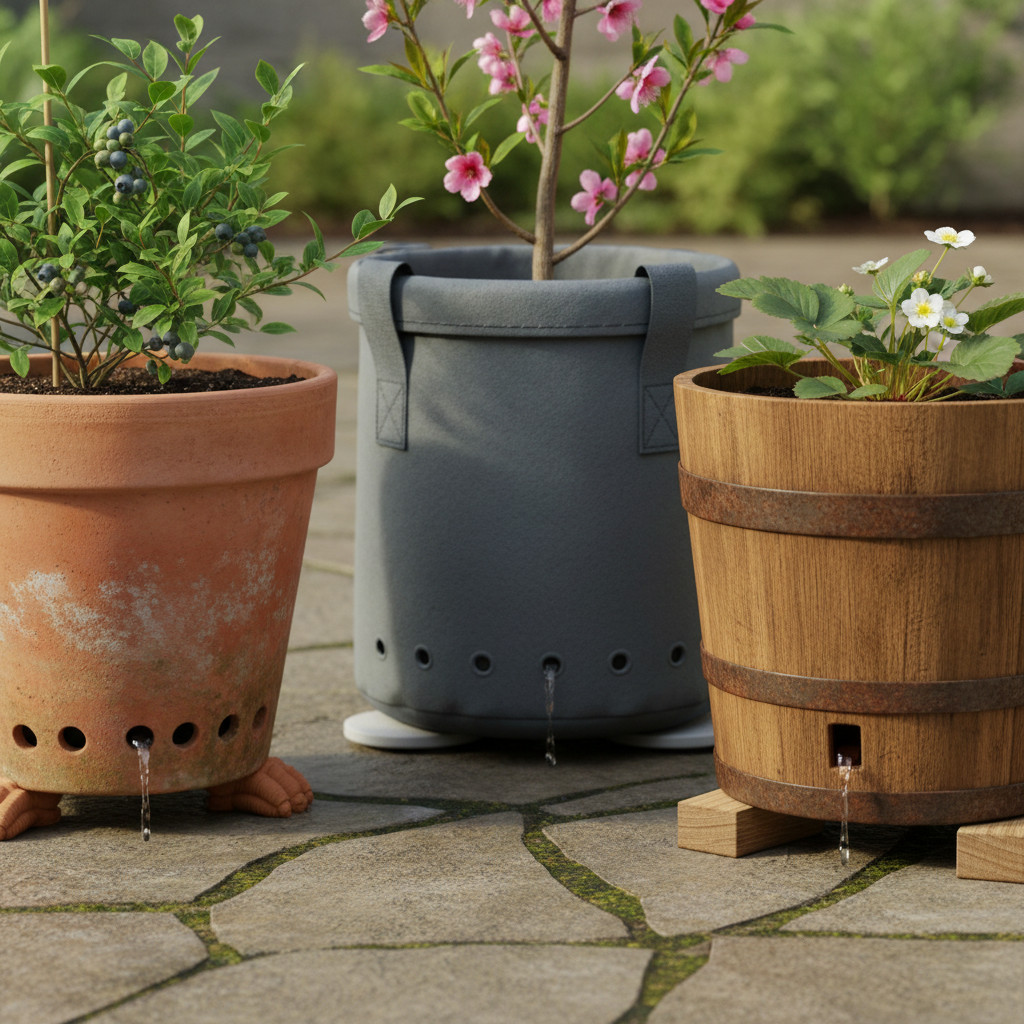
Terracotta and ceramic pots provide excellent breathability and classic beauty but require more frequent watering due to their porous nature. These materials work well for plants susceptible to overwatering, as excess moisture evaporates through the pot walls. However, their weight makes them less portable, and they can crack in freezing temperatures.
Plastic containers offer affordability, lightweight handling, and excellent moisture retention. Modern designs effectively mimic the appearance of more expensive materials while providing superior durability. The reduced evaporation through plastic walls means less frequent watering, though this same characteristic can contribute to overwatering if drainage is inadequate.
Fabric grow bags have gained tremendous popularity for their exceptional drainage and air-pruning capabilities. These containers promote healthy root development by naturally pruning roots that reach the fabric boundary, encouraging denser, more fibrous root systems. Their collapsibility makes storage convenient, though they may require more frequent watering in hot weather.
Wooden containers and half-barrels provide excellent insulation and natural aesthetics but require proper treatment to resist rot. Cedar and redwood naturally resist decay, while other woods benefit from food-safe sealants or plastic liners. The weight of wooden containers provides stability for larger plants but limits portability.
Essential Drainage Requirements
Proper drainage stands as perhaps the single most critical factor in container fruit success. Without adequate drainage, even the most carefully selected soil and diligent watering practices cannot prevent root rot and plant decline.
Every container must feature:
- Multiple drainage holes in the bottom, ideally 3-5 holes for medium containers and more for larger pots
- Elevated positioning using pot feet, bricks, or stands to ensure water flows freely from drainage holes
- Appropriate drainage layers using materials like gravel or broken pottery shards in very large containers
- Regular inspection to ensure drainage holes remain clear of debris and root growth
The importance of drainage cannot be overstated. Waterlogged soil creates anaerobic conditions that promote harmful bacterial and fungal growth while depriving roots of essential oxygen. Even drought-tolerant fruit varieties cannot survive sustained waterlogging, making drainage the foundation upon which all other care practices build.
Best Fruits to Grow in Pots for Outstanding Results
Not all fruits adapt equally well to container life. Understanding which varieties thrive in confined spaces ensures you select plants that will reward your efforts with abundant harvests and manageable maintenance requirements.
Citrus Fruits: The Container Gardening Champions
Citrus trees have long been favorites among container gardeners, and for good reason. Their glossy evergreen foliage, fragrant blossoms, and colorful fruit provide year-round visual interest while delivering delicious harvests.
Dwarf Meyer lemons represent the quintessential container citrus, reaching manageable heights of 4-6 feet while producing abundant, sweet-tart fruit. These trees tolerate indoor conditions remarkably well, making them perfect for year-round cultivation in any climate. Their nearly continuous blooming cycle fills homes with intoxicating fragrance while ensuring steady fruit production throughout the year.
Key tips for container citrus success:
- Position in the brightest location available, ideally 8-12 hours of direct sunlight daily
- Maintain consistent soil moisture without waterlogging
- Feed with citrus-specific fertilizer during active growing seasons
- Monitor for common pests including scale, mealybugs, and spider mites
- Protect from temperatures below 50°F (10°C) for extended periods
Kumquats and calamondin oranges offer additional citrus options perfectly suited to container culture. Their naturally compact growth habits require minimal pruning, and their abundant small fruits provide both ornamental beauty and culinary versatility.
Berry Varieties: Maximum Yield in Minimum Space
Berries deliver exceptional productivity relative to their space requirements, making them ideal choices for container gardeners seeking maximum return on their investment of time and resources.
Strawberries rank among the easiest and most rewarding container fruits for beginners. Everbearing varieties like ‘Albion’ and ‘Seascape’ produce fruit continuously from late spring through fall, while June-bearing varieties concentrate their harvest for preservation purposes. Strawberries thrive in hanging baskets, window boxes, and specialized strawberry pots that showcase their trailing runners while maximizing planting density.
Blueberries require acidic soil conditions but adapt beautifully to container culture where soil pH can be precisely controlled. Choose varieties specifically bred for container growing, such as ‘Top Hat’ or ‘Blueberry Glaze,’ which maintain compact dimensions while producing full-sized, flavorful berries. Growing two different varieties ensures optimal cross-pollination and maximum fruit set.
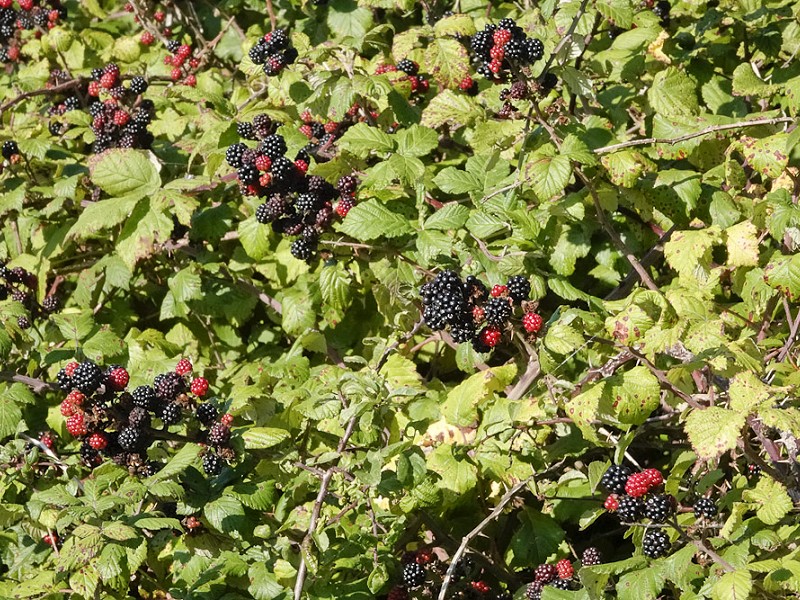
Raspberries and blackberries present more challenges but reward dedicated gardeners with generous harvests. Primocane-bearing varieties that fruit on first-year canes simplify pruning management and extend the productive season. These cane fruits require sturdy support systems and regular attention to suckering growth but provide unmatched flavor that far surpasses store-bought alternatives.
Dwarf Fruit Trees: Orchard Dreams in Compact Packages
Modern dwarf fruit tree varieties bring traditional orchard fruits within reach of container gardeners, offering full-sized flavor in manageable packages.
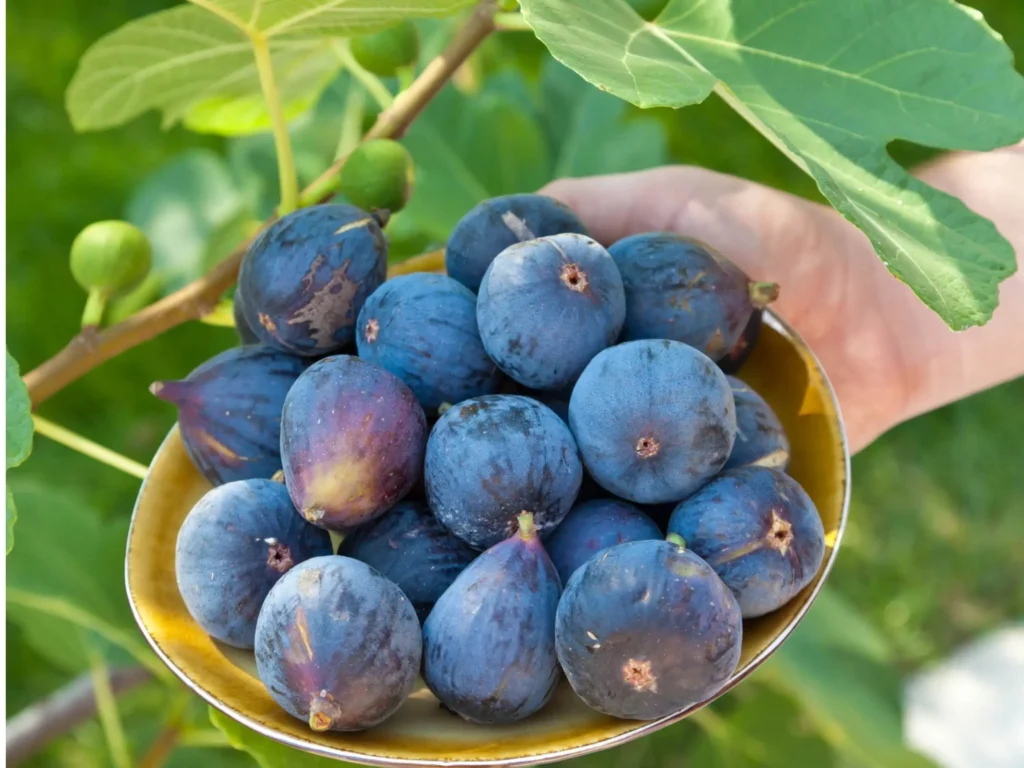
Dwarf fig trees represent perhaps the most forgiving fruit tree option for containers. Varieties like ‘Petite Negra’ and ‘Little Miss Figgy’ remain compact while producing abundant sweet fruit. Figs tolerate pruning excellently, allowing you to maintain any desired size, and their large, tropical-looking leaves create striking visual impact.
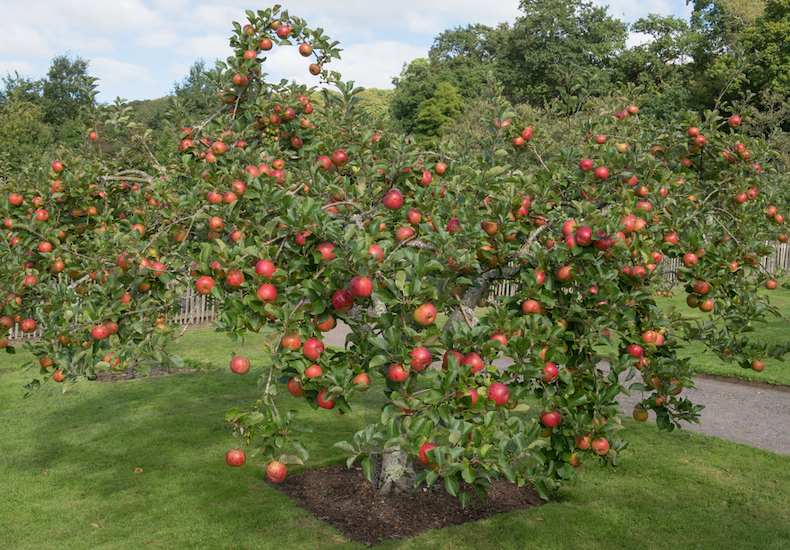
Columnar apple trees offer a space-saving solution for apple enthusiasts. These naturally narrow trees require minimal horizontal space while producing full-sized fruit along their central trunk. ‘Northpole’ and ‘Scarlet Sentinel’ represent popular columnar choices that deliver excellent eating quality in highly compact forms.
Dwarf peach and nectarine trees bring the incomparable flavor of tree-ripened stone fruit to container gardens. ‘Bonanza’ and ‘Pix Zee’ dwarf varieties produce standard-sized fruit on trees that rarely exceed 5-6 feet in height, making them manageable for most balcony or patio situations.
Soil and Growing Medium Essentials for Container Success
The growing medium in your containers serves as the foundation for plant health, providing physical support, nutrient availability, and proper moisture management. Getting this element right significantly impacts every other aspect of your container gardening success.
Creating the Perfect Potting Mix
Never use garden soil in containers—this cannot be emphasized strongly enough. Garden soil compacts severely in pots, destroying the air spaces roots require and creating conditions that promote disease and root rot. Instead, invest in or create high-quality potting mixes specifically designed for container use.
An ideal container fruit potting mix includes:
- Peat moss or coconut coir (40-50%) for moisture retention and soil structure
- Perlite or pumice (25-30%) for drainage and aeration
- Compost or aged bark (20-25%) for organic matter and slow-release nutrition
- Additional amendments as needed for specific fruit requirements
Creating your own mix allows customization for different fruit types while potentially saving money for larger plantings. Blend components thoroughly before filling containers, moistening the mix slightly to reduce dust and ensure even distribution. Pre-made premium potting mixes offer convenience and consistent quality, making them excellent choices for smaller collections or when starting out.
Understanding pH Requirements
Different fruits thrive within specific soil pH ranges, and container gardening allows precise management of this crucial factor. Testing your potting mix pH and adjusting as necessary ensures your plants can access all essential nutrients.
pH requirements for common container fruits:
| Fruit Type | Optimal pH Range |
|---|---|
| Blueberries | 4.5-5.5 |
| Citrus | 6.0-7.0 |
| Strawberries | 5.5-6.8 |
| Figs | 6.0-6.5 |
| Apples | 6.0-7.0 |
| Peaches | 6.0-7.0 |
Adjusting soil pH in containers proves far simpler than in garden beds. Sulfur or aluminum sulfate effectively lowers pH for acid-loving plants like blueberries, while lime raises pH for fruits preferring more neutral conditions. Regular testing ensures pH remains within optimal ranges as amendments naturally leach with watering over time.
Watering Strategies for Healthy Potted Fruit Plants
Mastering watering represents one of the most challenging yet essential skills for container fruit gardeners. The confined environment of pots creates dramatically different moisture dynamics than garden beds, requiring adjusted techniques and increased attention.
Determining Watering Frequency and Volume
Container plants require more frequent watering than their in-ground counterparts because limited soil volume provides minimal moisture reserves. However, the correct frequency varies significantly based on numerous factors that merit careful consideration.
Factors influencing watering needs include:
-
Container size and material: Smaller pots and porous materials like terracotta dry faster than larger plastic containers. A strawberry plant in a 12-inch terracotta pot may require daily watering during summer, while the same plant in a 16-inch plastic pot might need water every 2-3 days.
-
Weather conditions: Heat, wind, and low humidity accelerate moisture loss dramatically. During heat waves, container plants may require multiple daily waterings to prevent wilting and stress. Conversely, cool, humid, or overcast conditions significantly reduce water requirements.
-
Plant size and growth stage: Larger plants with extensive foliage transpire more water than young or recently pruned specimens. Fruit-bearing plants also demonstrate increased water demands as they support developing fruit.
-
Soil composition: Mixes higher in peat moss or coconut coir retain moisture longer than those heavy in perlite or bark. Adjusting your mix composition allows some control over watering frequency.
The finger test remains the most reliable method for determining when to water. Insert your finger 2-3 inches into the soil—if it feels dry at that depth, water thoroughly. If moisture remains, wait another day and check again. This simple technique accounts for all the variables affecting moisture levels far better than any rigid schedule.
Signs of Watering Problems
Learning to read your plants’ signals helps you identify and correct watering issues before serious damage occurs. Both overwatering and underwatering produce distinctive symptoms that attentive gardeners can recognize.
Signs of underwatering:
- Wilting leaves that recover after watering
- Crispy or brown leaf edges
- Premature flower or fruit drop
- Soil pulling away from container edges
- Lightweight containers when lifted
Signs of overwatering:
- Persistently wilted leaves despite moist soil
- Yellowing leaves, particularly lower foliage
- Soft, mushy stems near soil level
- Foul odor from soil indicating root rot
- Fungus gnats hovering around soil surface
Correcting watering problems requires immediate action once identified. For underwatered plants, soak the container thoroughly, allowing water to fully saturate compacted soil. Severely dry soil may require submerging the entire pot in water until bubbling stops. Overwatered plants need immediate drainage improvement—remove saucers, elevate containers, and reduce watering frequency until soil conditions normalize.
Fertilizing Your Potted Fruit for Maximum Yield
Container plants depend entirely on you for nutrition since they cannot send roots exploring for nutrients as ground-planted specimens can. Developing a consistent fertilization program ensures your plants receive everything needed for vigorous growth and abundant fruit production.
Understanding Nutritional Requirements
Fruit-bearing plants have substantial nutritional demands, particularly for nitrogen, phosphorus, and potassium—the three macronutrients represented by N-P-K ratios on fertilizer labels. Additionally, micronutrients including iron, manganese, and zinc play crucial roles in plant health and fruit development.
Essential fertilization principles for container fruit:
- Nitrogen (N) promotes leafy growth and overall plant vigor but excessive amounts reduce flowering and fruit set
- Phosphorus (P) supports root development, flowering, and fruit formation
- Potassium (K) enhances fruit quality, disease resistance, and stress tolerance
- Micronutrients prevent deficiencies that cause yellowing, poor growth, and reduced productivity
Timing your fertilization aligns with plant growth cycles for maximum effectiveness. Begin feeding as new growth emerges in spring, continue through the active growing season, and reduce or eliminate fertilization as plants prepare for dormancy. Feeding during dormancy wastes resources and may stimulate inappropriate growth susceptible to cold damage.
Organic vs. Synthetic Fertilizer Options
Both organic and synthetic fertilizers can produce excellent results in container fruit cultivation. Understanding the characteristics of each helps you choose approaches that align with your gardening philosophy and practical circumstances.
Organic fertilizers release nutrients slowly as soil microorganisms break down organic matter. This gradual release reduces the risk of fertilizer burn and provides sustained nutrition between applications. Compost, worm castings, fish emulsion, and bone meal represent popular organic options for container fruit. However, organic fertilizers require active soil biology for effectiveness—cold soil or recently mixed potting media may not process organic materials efficiently.
Synthetic fertilizers provide immediately available nutrients in precise formulations. Water-soluble options allow rapid correction of deficiencies, while slow-release granules provide consistent feeding over extended periods. The precision of synthetic fertilizers makes them valuable for addressing specific nutritional imbalances, though they require careful application to prevent salt buildup and root damage.
A balanced approach combining both types often yields optimal results. Use slow-release granular fertilizers incorporated into potting mix at planting time, supplement with liquid feeds during peak growth periods, and top-dress with compost annually to maintain soil biology and organic matter content.
Pruning and Training Techniques for Container Fruit
Regular pruning maintains the size, shape, and productivity of your container fruit plants. Without pruning, even dwarf varieties can quickly outgrow their containers and available space while directing energy toward vegetative growth rather than fruit production.
Essential Pruning Principles
Understanding basic pruning principles enables you to approach this task with confidence rather than apprehension. Pruning intimidates many gardeners unnecessarily—most fruit plants respond vigorously to pruning and quickly recover from even significant cuts.
Fundamental pruning guidelines:
-
Remove dead, damaged, and diseased growth first. This basic sanitation pruning should occur whenever problems become apparent, regardless of season. Removing compromised tissue prevents disease spread and redirects plant resources toward healthy growth.
-
Thin crossing or rubbing branches. Branches that contact each other create wounds susceptible to disease entry and pest damage. Remove the weaker or less favorably positioned branch where branches cross or rub.
-
Maintain open centers when appropriate. Many fruit trees benefit from vase-shaped structures that allow light penetration and air circulation throughout the canopy. This open form reduces disease pressure and improves fruit quality through better sun exposure.
-
Shape for container aesthetics and space constraints. Container fruit often requires more aggressive shaping than ground-planted specimens to maintain appropriate dimensions. Don’t hesitate to prune for size control—most fruit plants respond well to heading cuts that reduce height and spread.
-
Time major pruning appropriately. Most deciduous fruit benefits from late winter pruning while dormant, though summer pruning controls size on vigorously growing specimens. Citrus and other evergreen fruits tolerate pruning year-round but respond best to spring shaping after harvest completion.
Training Methods for Different Fruit Types
Training shapes young plants into productive frameworks that maximize fruit production within available space. Different fruits respond to various training approaches based on their growth habits and fruiting characteristics.
Citrus training focuses on developing balanced, rounded forms that showcase ornamental qualities while promoting even fruit distribution. Remove vertical water sprouts that disrupt the canopy shape, and thin overcrowded interior growth to improve light penetration. Citrus requires minimal structural training beyond basic shaping.
Stone fruit training often employs open-center or vase shapes that expose maximum fruiting wood to sunlight. Select 3-4 well-spaced scaffold branches during the first few years, removing competing growth to establish the permanent framework. Annual pruning maintains this structure while renewing fruiting wood.
Cane fruit training requires managing the biennial growth cycle of primocanes (first-year growth) and floricanes (second-year fruiting canes). Remove spent floricanes after harvest, tip primocanes to encourage branching, and provide support for canes that might otherwise sprawl.
Common Pests and Diseases: Prevention and Treatment
Even well-cared-for container plants occasionally face pest and disease challenges. Developing skills in problem identification and treatment protects your investment and ensures continued productivity.
Identifying Common Problems
Regular inspection catches problems early when intervention proves most effective. Make close examination of leaves, stems, and fruits part of your routine care schedule, checking both upper and lower leaf surfaces where many pests hide.
Frequent container fruit pests include:
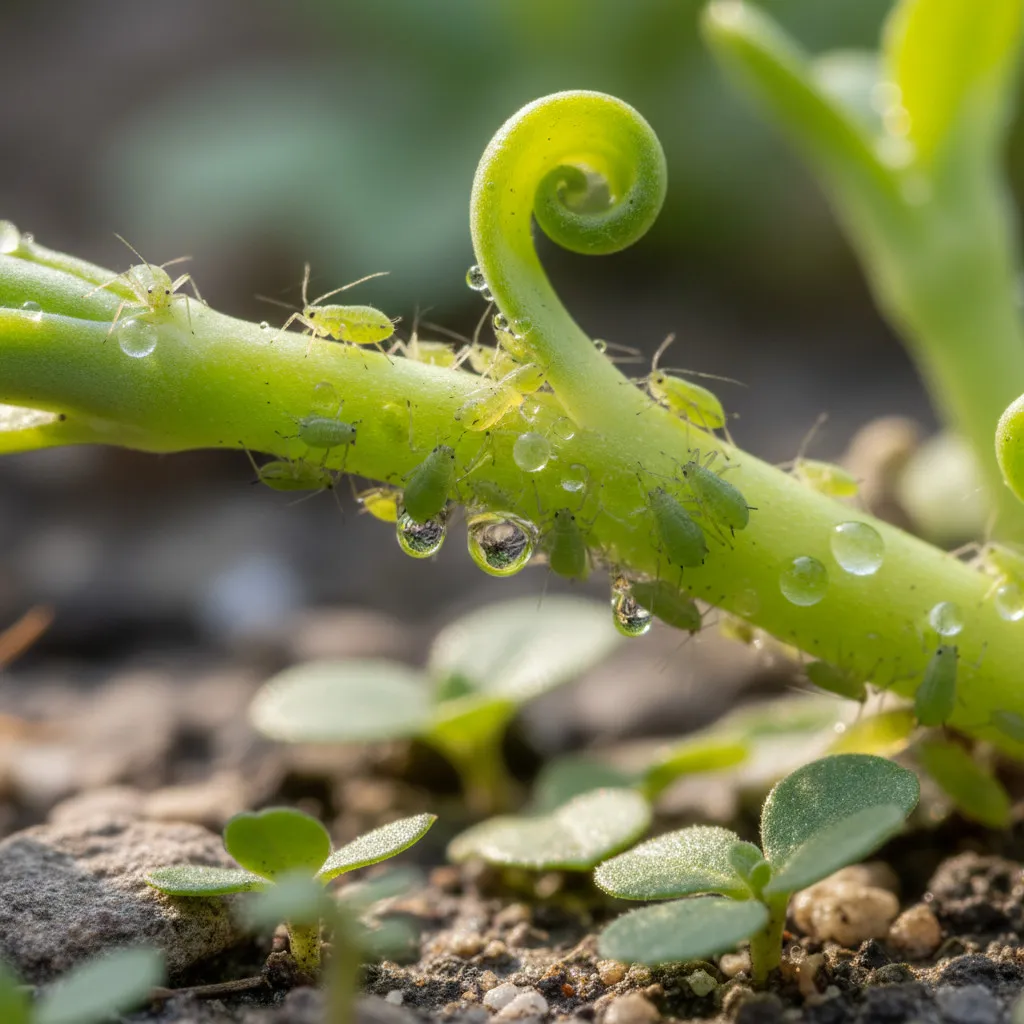
- Aphids: Small, soft-bodied insects clustered on new growth and leaf undersides
- Spider mites: Tiny arachnids causing stippled leaves and fine webbing
- Scale insects: Immobile, shell-covered insects attached to stems and leaves
- Mealybugs: White, cottony masses in leaf axils and on stems
- Fungus gnats: Small flying insects around soil surface indicating overly moist conditions
Common disease issues encompass:
- Powdery mildew: White, powdery coating on leaves in humid conditions with poor air circulation
- Root rot: Wilting despite moist soil, caused by overwatering and poor drainage
- Leaf spot diseases: Various fungal and bacterial infections causing spotted, damaged foliage
- Sooty mold: Black coating growing on honeydew excreted by sap-sucking insects
Natural and Organic Solutions
Many pest and disease problems respond effectively to organic treatments that minimize chemical exposure while protecting beneficial organisms and environmental health.
Effective organic interventions:
- Horticultural oil sprays smother soft-bodied insects and scale at all life stages
- Insecticidal soap controls aphids, mealybugs, and spider mites on contact
- Neem oil provides both insecticidal and fungicidal properties for broad-spectrum control
- Beneficial insects including ladybugs and lacewings prey on many common pests
- Copper fungicides prevent and control many fungal and bacterial diseases organically
Prevention remains the best strategy for managing pests and diseases. Maintain plant health through proper watering and fertilization, ensure adequate air circulation around plants, quarantine new additions before introducing them to established collections, and practice good sanitation by removing fallen leaves and debris promptly.
Seasonal Care and Overwintering Strategies
Container plants require adjusted care as seasons change, with particular attention to winter protection for fruits that cannot tolerate freezing temperatures while confined in pots.
Preparing Plants for Winter
Winter preparation begins well before the first frost, as gradual adjustment produces better results than last-minute interventions. Planning ahead ensures your plants enter dormancy in optimal condition and survive until spring’s return.
Winter preparation timeline:
-
Late summer/early fall: Reduce nitrogen fertilization to discourage tender new growth susceptible to cold damage. Continue watering as needed but allow plants to begin natural hardening processes.
-
Mid-fall: Complete any final pruning needed, move containers to protected locations, and begin monitoring weather forecasts for frost warnings.
-
Late fall: Apply mulch to container surfaces, wrap containers with insulating materials if leaving outdoors, and ensure adequate moisture before ground freezes.
-
Winter: Monitor moisture levels in protected plants, check for pest activity during warm spells, and protect from temperature extremes through appropriate sheltering.
Protecting Plants from Cold
Container plants suffer cold damage more readily than ground-planted specimens because their roots lack the insulation provided by surrounding soil mass. Protecting roots from freezing ensures plant survival in cold climates.
Cold protection strategies include:
- Moving containers indoors to unheated garages, basements, or protected areas where temperatures remain above critical thresholds
- Grouping containers together to create thermal mass that moderates temperature fluctuations
- Wrapping containers with bubble wrap, burlap, or specialized horticultural fleece
- Burying containers in garden soil or mulch piles for natural insulation
- Using heating cables around container exteriors for precise temperature management
Final Thoughts: Your Path to Container Fruit Mastery
Growing fruit in pots represents one of gardening’s most rewarding pursuits, combining the satisfaction of producing your own food with the creative expression of container design and plant care. The journey from novice to accomplished container fruit gardener unfolds through experience, observation, and continuous learning.
Remember these essential principles as you develop your container fruit garden:
- Start with appropriate containers featuring excellent drainage and adequate size for your chosen plants
- Select varieties suited to container culture rather than attempting to force standard-sized plants into constrained conditions
- Master watering fundamentals since moisture management stands as the most critical skill for container success
- Feed consistently to compensate for the limited nutrient reserves available in contained growing media
- Prune regularly to maintain size, shape, and productive vigor
- Monitor vigilantly for pests and diseases, addressing problems promptly before they escalate
- Adjust care seasonally to meet your plants’ changing needs throughout the year
The first bite of a strawberry still warm from the sun, the satisfaction of sharing homegrown citrus with friends, the pride of nurturing plants from young specimens to productive maturity—these experiences await everyone willing to embrace container fruit gardening. Your balcony, patio, or sunny windowsill holds the potential for abundance beyond what you might imagine.
Begin with a single pot and a plant that excites you. Learn from that first experience—both the successes and the challenges. Gradually expand your collection as confidence grows. Before long, you’ll find yourself offering advice to curious neighbors and friends, sharing the knowledge you’ve gained and the joy that growing your own fruit brings. The journey of a thousand harvests begins with that first container and the courage to start growing.