
It is a scenario that has caused a moment of sheer panic for countless individuals: you glance into the toilet bowl after a bowel movement and see bright red fragments or what appears to be bloody skins floating in the water. Your mind immediately races to the worst-case scenarios, conjuring images of internal bleeding or severe gastrointestinal disease. However, before you rush to the emergency room, pause and rewind your mental tape of what you have eaten over the last 24 to 48 hours. Did you enjoy a fresh Caprese salad, a slice of pizza with rich sauce, or perhaps a heavy helping of salsa? If the answer is yes, what you are likely seeing is not a medical emergency, but rather the stubborn, indigestible outer layer of the humble tomato.
Finding tomato skins in your stool is an incredibly common phenomenon that gastroenterologists encounter frequently in patient consultations. It is a direct result of how the human body interacts with specific plant fibers. While the sight of red matter in your excrement is startling—and indeed, distinguishing it from blood is crucial—understanding the mechanics of your digestive system can save you a great deal of anxiety. This occurrence is a testament to the durability of plant cellular structures and the specific limitations of human enzymatic activity. In this comprehensive guide, we will explore the biological reasons why tomato skins resist digestion, how to distinguish dietary pigments from medical red flags, and the specific steps you can take to manage your digestive health if this becomes a frequent observation.
The Science Behind Undigested Tomato Skins: Why It Happens
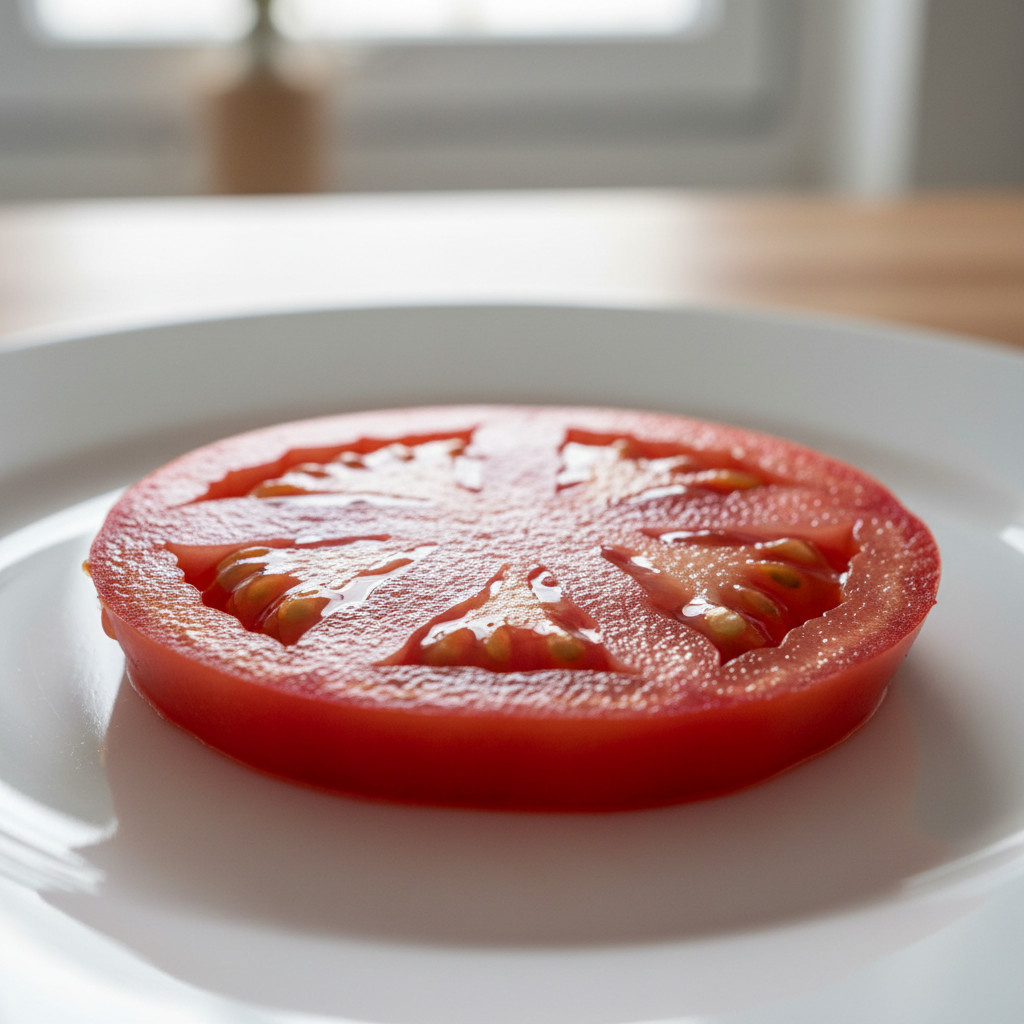
To understand why tomato skins appear in the toilet bowl seemingly untouched by the digestive process, we must first look at the complex journey food takes through the gastrointestinal tract and the chemical composition of vegetables. The human digestive system is a marvel of biological engineering, capable of breaking down proteins, fats, and carbohydrates into microscopic nutrients. However, it is not omnipotent. When you consume a tomato, your body easily processes the soft, fleshy interior, which is rich in water and soluble nutrients. The skin, however, is a different story entirely. It is engineered by nature to protect the fruit from pests and environmental damage, making it tough, resilient, and difficult for human enzymes to dismantle.
The primary culprit responsible for the appearance of tomato skins in stool is a substance called cellulose. Cellulose is a complex carbohydrate and a primary component of the cell walls in green plants, vegetables, and fruits. It is classified as insoluble fiber, meaning it does not dissolve in water and remains largely intact as it moves through the intestines. Unlike ruminant animals such as cows or sheep, humans lack the specific enzyme known as cellulase, which is required to break the chemical bonds of cellulose. Consequently, while your stomach acid and other digestive enzymes work to extract vitamins and lycopene from the tomato, the structural integrity of the skin remains largely unaffected. This is why you might see what looks like a “rolled-up” red skin or a flat red flake in your stool; it is simply the fiber doing its job of adding bulk to your waste, exiting the body in almost the exact same state it entered.
Key Biological Factors at Play:
- Insoluble Fiber Content: Tomatoes are significant sources of insoluble fiber, particularly in their skins and seeds. This type of fiber adds bulk to the stool and helps food pass more quickly through the stomach and intestines. Because it absorbs water and swells, it helps prevent constipation, but its resistance to breakdown means it often emerges visible to the naked eye.
- Lack of Cellulase: The human genome does not code for the production of cellulase, the enzyme necessary to hydrolyze the beta-glycosidic bonds in cellulose. Without this enzyme, the fibrous network of the tomato skin cannot be liquefied or absorbed, rendering it an “undigested” remnant that must be expelled as waste.
- Pigment Resilience: Tomatoes derive their vibrant red color from a carotenoid pigment called lycopene. This pigment is incredibly stable and can survive the harsh acidic environment of the stomach and the alkaline environment of the small intestine. When this pigment remains trapped within the indigestible cellulose matrix of the skin, it ensures the fragment retains its alarming red color even after passing through the entire digestive tract.
Distinguishing Between Tomato Skins and Medical Emergencies
The most pressing concern for anyone noticing red matter in their stool is differentiating between benign dietary residue and blood, a distinction that is vital for both peace of mind and medical safety. The shock of seeing red in the toilet is a primal response, as we are hardwired to associate blood with danger. However, blood in the stool (hematochezia) typically presents differently than undigested food particles. Blood from the lower gastrointestinal tract, such as from hemorrhoids or an anal fissure, is usually bright red and liquid, often coating the stool or coloring the toilet water pink. Blood from higher up in the tract usually turns the stool black and tarry (melena) due to oxidation. Tomato skins, by contrast, look like distinct, solid objects.
It is essential to perform a visual inspection—as unpleasant as that may sound—to determine the nature of the red substance. Tomato skins will typically appear as flat, rolled, or irregular fragments that are distinct from the fecal matter itself. They often look like thin, red plastic or fruit leather. If the red areas are distinct patches that look like peels, it is almost certainly food. Furthermore, the context of your recent diet is the ultimate clue. As noted by experts from the Cleveland Clinic and Mayo Clinic, red pigments from foods like beets, cranberries, red peppers, and tomatoes can all mimic the appearance of blood. If you have eaten these foods within the last 24 to 48 hours, the probability of the red substance being food is overwhelmingly high.
Visual and Textural Clues:
- Shape and Consistency: Tomato skins usually appear as small, flat, or rolled-up pieces of red “skin” that are separate from the stool or embedded in it. They resemble scraps of red paper or plastic. Blood, conversely, is usually liquid, streaky, or mixed thoroughly into the stool, altering the overall color of the water or the waste itself.
- Color Vibrancy: Dietary pigments often retain a specific hue. Tomato skins look like… well, tomato skins. They are often a vibrant, orangey-red. Fresh blood is usually a stark, bright crimson, while older blood is dark maroon or black. If the red bits look exactly like the skin of a vegetable, they almost certainly are.
- The “Flush” Test: Generally, undigested food particles like tomato skins might float or be clearly visible as solid matter when the toilet is flushed. Blood tends to diffuse into the water, turning it pink or red, whereas tomato skins will remain as distinct solid particles swirling in the water without dissolving or changing the water’s color significantly.
Factors That Influence Digestion and Visibility
You may be wondering why you see tomato skins in your stool on some occasions but not others, even if your diet hasn’t changed drastically. The visibility of undigested food is not solely dependent on what you eat, but also on how you eat it and the current speed of your digestive transit. Digestion is a variable process influenced by hydration, stress, physical activity, and the mechanical processing of food before it even reaches the stomach. If you bolt down a salad in five minutes without chewing thoroughly, you are sending large, intact sheets of cellulose into your stomach. Your stomach acid can work on the surface area, but it cannot break down a large piece of skin as effectively as it can a microscopic particle.
Furthermore, the method of preparation plays a massive role. Raw tomatoes have the toughest skins. When tomatoes are cooked—roasted, stewed, or boiled—the heat helps to break down some of the cellular structures, softening the cellulose and making it more susceptible to mechanical breakdown in the stomach. Research indicates that cooking tomatoes can reduce the appearance of visible skins in stool significantly. Additionally, individual “transit time”—the time it takes for food to travel from mouth to anus—varies. If you have a rapid transit time due to high fiber intake or stress, food passes through you faster, giving your body less time to mechanically degrade the skins, resulting in more visible fragments in the bowl.
1. The Impact of Chewing (Mastication)
The digestive process begins in the mouth, not the stomach. Mastication, or chewing, is the only phase of digestion where you have conscious control over the mechanical breakdown of food fibers. When you eat tomatoes, especially raw ones like cherry or grape tomatoes, the skin is smooth and tough. If you swallow these skins whole or only partially chewed, your stomach enzymes cannot penetrate the outer layer effectively to reach the nutrients inside, nor can they break down the skin itself. The stomach acts like a churn, but it relies on the teeth to increase the surface area of the food. By not chewing thoroughly, you are essentially swallowing “indigestible packets” that travel the length of your intestines unchanged. Thorough chewing ruptures the cell walls and tears the cellulose fibers, making them less likely to appear as recognizable “skins” in your stool.
2. Raw vs. Cooked Preparation
The structural integrity of tomato skin is significantly altered by heat. In its raw state, the cross-links between the cellulose and other polysaccharides in the skin are tight and resistant. Cooking, especially methods involving moisture like stewing or boiling, causes these structures to soften and loosen. This process is similar to how a raw carrot is hard and crunchy, but a boiled carrot is soft and mushy. When you consume cooked tomato products—like pasta sauce, soup, or stewed tomatoes—the skins have arguably already undergone a form of “pre-digestion” via heat. Consequently, they are more likely to break apart into microscopic pieces during digestion, becoming invisible in the stool. Conversely, a raw salad containing unpeeled tomatoes presents the digestive tract with the maximum challenge, leading to a higher frequency of visible skins in the output.
3. Transit Time and Gut Motility
Transit time refers to the duration it takes for food to travel from the mouth to excretion. A “normal” transit time can range anywhere from 24 to 72 hours. However, this speed can be accelerated by various factors, including high caffeine intake, stress, or a diet excessively high in insoluble fiber. When transit time is accelerated, the intestines have less opportunity to mechanically churn the food and extract water. This rapid movement means that fibrous materials like tomato skins are rushed through the system with minimal alteration. If you have a naturally fast metabolism or are experiencing a bout of mild diarrhea, you are far more likely to see recognizable food particles, including tomato skins, simply because they were ejected from the body before they could be fully macerated by the muscular contractions of the gut.
Is It Normal for Babies and Toddlers?
For parents, the sight of red specks or skins in a baby’s diaper can be terrifying. It is a frequent reason for frantic calls to pediatricians. However, red stool or visible tomato skins are arguably more common in infants and toddlers than in adults, and the reasons are largely physiological. A child’s digestive system is still maturing. Their intestines are shorter, and their transit time is often much faster than that of an adult. This means food passes through their system with less time for breakdown. When you combine this with the fact that many toddlers are still learning how to chew effectively—often gumming food or swallowing chunks whole—it creates the perfect storm for undigested food to appear in the diaper.
According to Seattle Children’s Hospital, nearly 90% of red stools in children are not caused by blood but by dietary factors. During the weaning process, parents often introduce soft vegetables and fruits. If a child eats mashed vegetables that still contain skins, or finger foods like small pieces of tomato, those skins will almost certainly come out looking much like they did when they went in. This is often referred to as “toddler diarrhea” or functional diarrhea, where high fruit juice intake or high fiber intake speeds up digestion, leading to loose stools filled with undigested vegetable matter. Unless the child is seemingly in pain, feverish, or the stool is black and tarry, tomato skins in a diaper are generally considered a normal variation of pediatric digestion.
Pediatric Insights:
- Immature Chewing Skills: Toddlers lack molars and the patience to grind food down to a paste. They are prone to “wolfing” down favorite foods, leading to larger pieces of skin entering the digestive tract.
- The “Weaning” Effect: As babies transition from breast milk or formula to solids, their gut microbiome is shifting. This transition period often results in variable stool consistency and the appearance of undigested food as the gut learns to process complex fibers.
- Rapid Transit: Children naturally process food faster than adults. This rapid transit is healthy but leaves little time for the mechanical breakdown of tough fibers like tomato skin, making them highly visible in the diaper.
When Tomato Skins Signal a Digestive Issue
While finding tomato skins in your stool is generally harmless, persistent undigested food—especially when accompanied by other symptoms—can sometimes point to an underlying digestive disorder. If you notice that you are seeing tomato skins every single time you eat them, along with other undigested foods, it may indicate a condition known as malabsorption or accelerated gastric emptying. Conditions such as Irritable Bowel Syndrome (IBS) are characterized by irregular muscle contractions in the colon. In cases of diarrhea-predominant IBS (IBS-D), the colon moves waste through so quickly that water is not absorbed, and food is not broken down, leading to loose, watery stools filled with recognizable food particles.
Furthermore, conditions that affect enzyme production or the intestinal lining can contribute to this phenomenon. Celiac disease, an autoimmune reaction to gluten, damages the villi in the small intestine, impairing nutrient absorption and digestion. Similarly, exocrine pancreatic insufficiency (EPI) occurs when the pancreas does not produce enough digestive enzymes to break down food properly. While the pancreas is mostly responsible for enzymes that digest fats and proteins (not the cellulase needed for skins), general maldigestion often leads to a “messier” stool where vegetable fibers are more prominent. If the appearance of tomato skins coincides with chronic bloating, gas, floating greasy stools, or weight loss, it moves from a “normal occurrence” to a potential symptom of gut dysfunction.
Potential Conditions to Monitor:
- Irritable Bowel Syndrome (IBS): High-fiber foods like tomatoes can trigger IBS symptoms in sensitive individuals. The resulting rapid motility means food is expelled before it is fully processed, resulting in visible skins.
- Malabsorption Syndromes: Conditions like Crohn’s disease or Celiac disease damage the intestinal wall, reducing the body’s ability to absorb nutrients. This often results in bulky, loose stools where undigested food is common.
- Food Intolerance: Even without a full-blown disease, some individuals have a specific intolerance to the nightshade family (which includes tomatoes). This can cause inflammation and rapid digestion, leading to the expulsion of undigested tomato parts.
Rare Risks: Can Tomato Skins Cause Blockages?
In the vast majority of cases, tomato skins are harmless passengers in the digestive tract. However, there are extremely rare instances where high-fiber foods can cause complications, specifically a condition known as a phytobezoar. A phytobezoar is a trapped mass of indigestible plant fiber—such as cellulose, hemicellulose, and lignin—that accumulates in the stomach or small intestine. While this is exceptionally uncommon in healthy adults with normal digestive anatomy, it is a risk factor for individuals who have had gastric surgery (like gastric bypass), have reduced stomach acid, or suffer from gastroparesis (delayed stomach emptying).
A case study published in medical literature highlighted a rare occurrence where an undigested cherry tomato caused a small bowel obstruction. In this specific instance, the patient had a completely intact cherry tomato skin that acted as a plug. However, it is crucial to emphasize that this is an outlier event. For the average person, the digestive tract is more than capable of moving tomato skins through the system. The risk of blockage is generally associated with consuming massive quantities of persimmons (which contain tannins that polymerize in the stomach) rather than tomatoes. Nevertheless, if you have a history of bowel obstructions or gastric surgery, you should be mindful of chewing thoroughly or peeling thick-skinned fruits and vegetables to mitigate even this minute risk.
Understanding the Risk Profile:
- Who is at Risk? Individuals with previous abdominal surgeries, those with diabetic gastroparesis, or elderly individuals with poor dentition (inability to chew) are at a slightly higher risk for phytobezoars.
- The Cherry Tomato Factor: Small, round foods with tough skins (like unchewed cherry tomatoes or grapes) pose a slightly higher risk of remaining intact compared to sliced tomatoes, which have already been mechanically breached.
- Symptoms of Blockage: Unlike the harmless passing of skins, a blockage presents with severe symptoms: intense cramping, projectile vomiting, inability to pass gas, and abdominal distension. This is a medical emergency.
Actionable Steps to Improve Digestion and Reduce Anxiety
If seeing tomato skins in your stool bothers you, or if you want to ensure you are getting the maximum nutritional benefit from your food, there are practical steps you can take to alter how your body processes these vegetables. You do not need to eliminate tomatoes from your diet—they are a rich source of Vitamin C, potassium, and the antioxidant lycopene. Instead, you can modify your preparation methods and eating habits to assist your digestive system in breaking down the tough cellulose fibers.
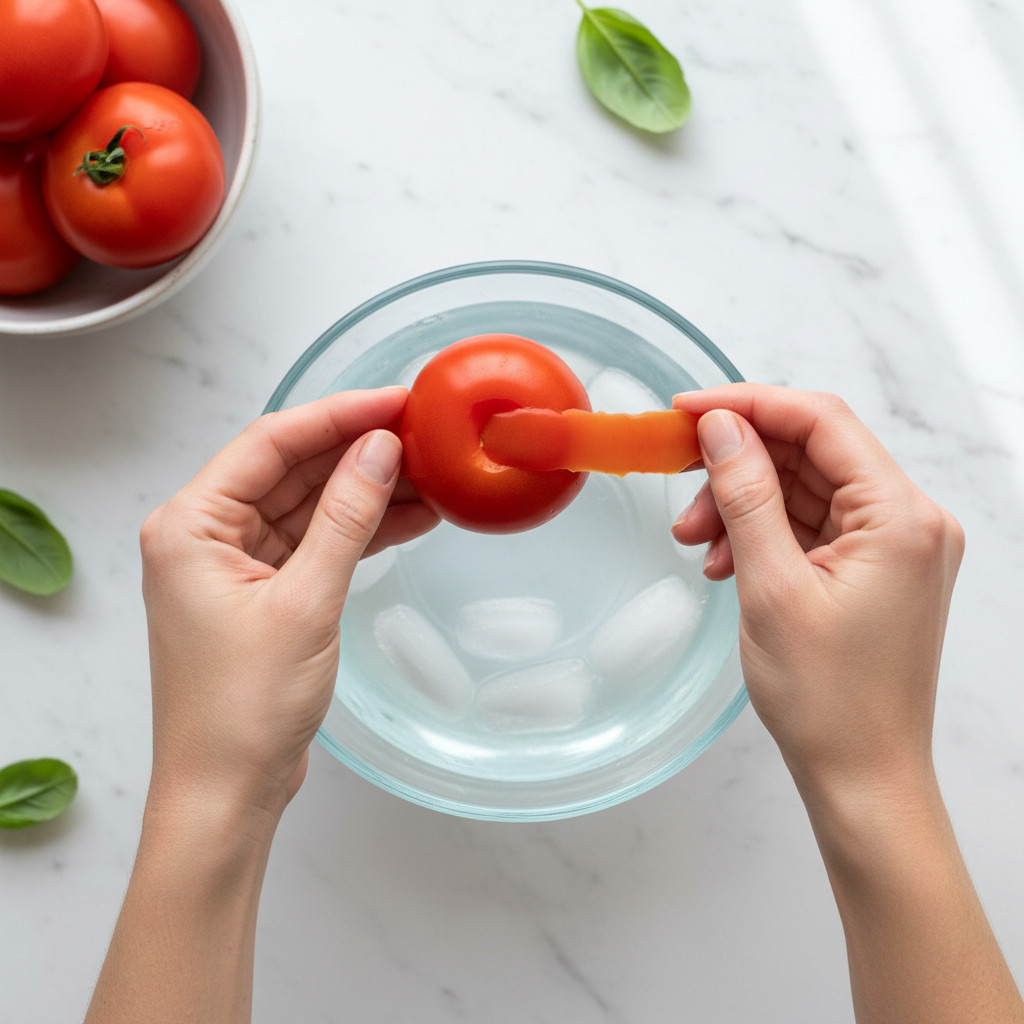
1. Master the Art of “Blanch and Peel”
The most effective way to stop seeing tomato skins in your stool is to remove them before eating. While peeling a raw tomato with a knife is difficult and wasteful, the blanching method is a culinary standard that makes it effortless.
- Step 1: Bring a pot of water to a rolling boil.
- Step 2: Score a small “X” on the bottom of each tomato with a sharp knife.
- Step 3: Drop the tomatoes into the boiling water for exactly 30 to 60 seconds.
- Step 4: Immediately transfer them to a bowl of ice water to stop the cooking process. The skins will wrinkle and slip right off. This leaves you with the nutrient-dense flesh and none of the indigestible fiber.
2. Embrace Thermal Decomposition (Cooking)
Shift your consumption from raw tomatoes to cooked ones. Cooking tomatoes breaks down the cell walls and releases more lycopene for absorption.
- Stewing/Roasting: Slow-roasting tomatoes breaks down the cellulose matrix.
- Pureeing: If you are making sauces, use a blender or food processor. Mechanical pulverization combined with heat ensures that the skins are ground into microscopic particles that will not be visible in the stool.
3. Practice Mindful Eating and Hydration
Your stomach has no teeth. The simple act of chewing your food until it is a liquid consistency (approx. 20-30 chews per bite) can drastically reduce the appearance of undigested food.
- Hydration: Fiber needs water to move smoothly. If you eat high-fiber foods like tomato skins but are dehydrated, the stool becomes hard, and the skins remain distinct. Drinking the recommended 2-3 liters of water daily helps fiber integrate into the stool rather than sitting on top of it.
4. The “Two-Week Test”
If you aren’t sure if the red stuff is tomato or something else, try an elimination diet.
- The Protocol: Completely remove tomatoes, red peppers, beets, and red food dye from your diet for two weeks.
- The Observation: If the red skins disappear from your stool, you have your answer—it was dietary. If red matter persists despite a “white diet” (rice, chicken, bananas), this is a strong indicator that you need medical attention.
Medical Red Flags: When to Call a Doctor
While we have established that tomato skins in stool are usually benign, there is a distinct line between dietary residue and symptoms of disease. You should not ignore your body’s signals if the situation evolves beyond simple visual oddities. The presence of undigested food can be a marker for malabsorption, and the presence of red color can mask actual gastrointestinal bleeding. It is vital to know when to seek professional help.
If you observe that your bowel movements remain red for several days after you have stopped eating red foods, this is an immediate cause for concern. Furthermore, the texture and smell of the stool are telling. Healthy stool should not be overwhelmingly foul-smelling. A scent that clears the room, combined with greasy or floating stools, suggests that fat is not being digested (steatorrhea), which could involve the pancreas. Pain is another major differentiator; passing tomato skins should be painless. If you experience sharp cramps, rectal pain, or a burning sensation, it suggests inflammation or fissures.
Seek Immediate Medical Attention If:
- Black or Tarry Stool: This indicates bleeding from the upper GI tract (stomach or esophagus). The blood turns black as it is digested.
- Bright Red Blood with Clots: If the red matter is liquid or clotted, it is not tomato skin.
- Unexplained Weight Loss: Losing weight without trying, while seeing undigested food, suggests your body is not absorbing nutrients.
- Persistent Diarrhea: If you have watery stools for more than 48 hours, you risk dehydration and electrolyte imbalance.
- Fever and Vomiting: These are signs of infection or obstruction, not simple indigestion.
Conclusion
In summary, spotting tomato skin in your stool is almost always a normal physiological event, a byproduct of the human body’s inability to digest cellulose found in plant cell walls. It is a phenomenon shared by millions of people and is generally not a sign of poor health. Whether it appears due to a rushed lunch where chewing was an afterthought, or a heavy dinner of raw salsa, the presence of these red fragments is simply fiber doing its job: adding bulk and passing through.
However, your digestive health is a window into your overall well-being. Use these observations as a prompt to evaluate your eating habits. Are you chewing enough? Are you hydrated? Are you eating too fast? While you rarely need to worry about the occasional red skin, staying vigilant for accompanying symptoms like pain, blood, or persistent diarrhea ensures that you remain in control of your health. If the red skins vanish when you skip the salad, you can rest easy knowing your digestive system is functioning exactly as nature intended.