



There’s something about a really well-made salad that feels like a small act of self-care—and a lemon kale salad done right is the gold standard. This isn’t the sad, wilted-in-the-corner kind of kale situation you might have experienced. When you massage the kale properly, dress it with a bright, properly balanced lemon vinaigrette, and layer in texture with the right supporting ingredients, something almost magical happens. The flavors meld together over time, the leaves become tender and almost creamy, and you actually want to eat it again the next day—which is rare for salads.
The real magic of this version is in the simplicity paired with technique. The best lemon kale salads aren’t weighed down with unnecessary ingredients. Instead, they focus on getting a few core elements absolutely right: tender-but-still-crisp kale, a perfectly emulsified lemon dressing that clings to every leaf, and complementary textures and flavors that feel like they belong together rather than thrown together on a plate. This is the kind of salad that works as a side dish, a light lunch on its own, or the foundation for endless creative variations depending on what you’re craving.
What makes this particular approach different is that it’s designed to be meal-prep friendly without tasting like something you’re forcing yourself to eat. You can make a big batch on Sunday and have it for multiple meals throughout the week—it actually tastes better as it sits because the kale continues to soften and the flavors continue to marry together. That’s not true for most salads. This one gets better with a little time, making it genuinely practical for anyone with a busy schedule.
Why This Lemon Kale Salad Beats Store-Bought Versions
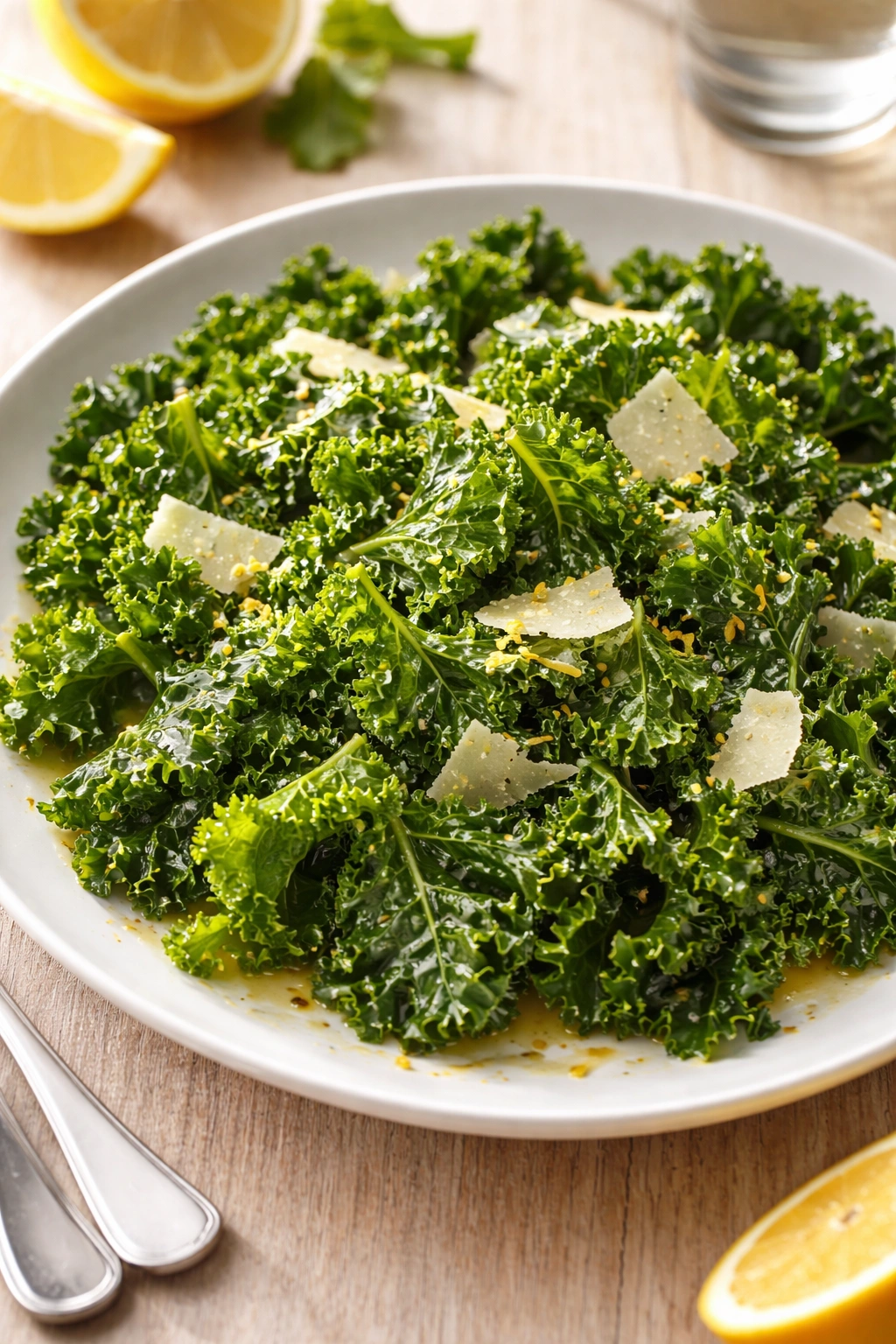
The pre-made salad kits and bottled dressings have their place, but they can’t compete with a homemade lemon kale salad when you understand what you’re doing. Store-bought kale is often already shredded or chopped, which damages the leaves and causes them to oxidize and turn bitter within hours. Pre-packaged dressings sit in bottles for months and develop a flat, one-dimensional flavor that tastes nothing like fresh lemon and good olive oil mixed together right before you eat.
When you make this at home, you’re working with whole kale leaves that you massage and cut to order, which means they stay bright green and tender without any bitterness. The dressing goes from your lemon, garlic, and oil to your bowl in minutes—not months of sitting in a plastic bottle. The flavor difference is genuinely noticeable, and it’s not because you’re spending more money. It’s because fresh ingredients mixed with proper technique taste exponentially better than convenient approximations.
There’s also the cost factor, which people often overlook. A bunch of kale costs a few dollars and makes enough salad for multiple meals. A bottle of specialty salad dressing costs five or six dollars for maybe three or four servings, and you’re paying mostly for water and stabilizers. Making your own dressing from three pantry ingredients (lemon, olive oil, garlic) costs pennies. Once you’ve made this salad a few times, you’ll realize you can batch it affordably and have restaurant-quality lunches all week without spending much at all.
Beyond flavor and cost, there’s the satisfaction factor. A salad you’ve made yourself, where you chose every ingredient and handled it with intention, tastes different—not just objectively but also because you know exactly what’s in it and how fresh everything is. You can taste that care. It’s worth the fifteen minutes of actual hands-on time.
The Essential Ingredients That Make This Salad Sing
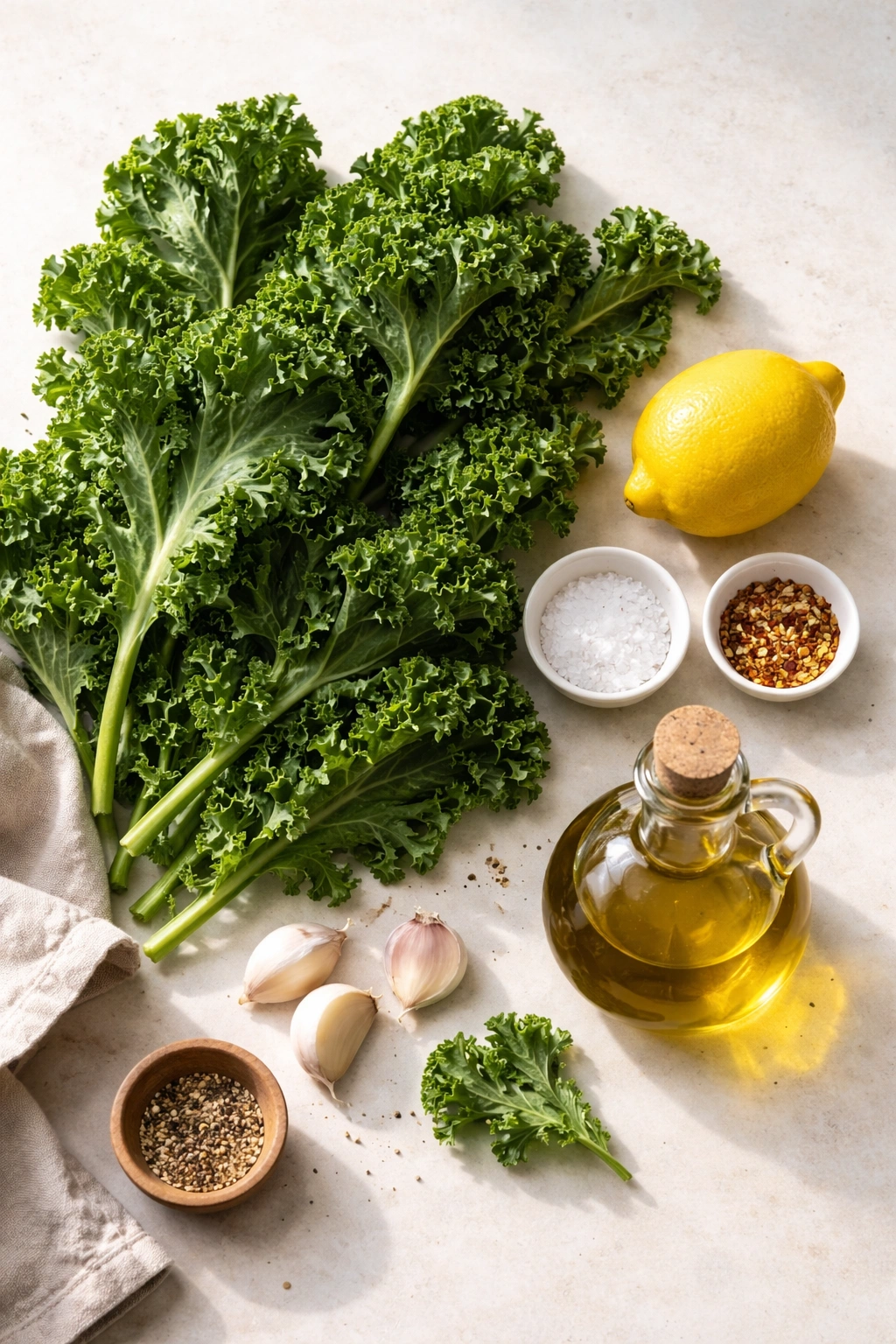
This salad works because of ingredient quality and balance, not because of a long list of complicated items. You need good kale—curly kale, lacinato kale, or a mix of both work well. Curly kale has more texture variation; lacinato is slightly sweeter and becomes almost silky when massaged. Either way, look for bright green, unblemished leaves without any yellowing or damage at the edges.
For the dressing, you need fresh lemon (not bottled lemon juice), good extra-virgin olive oil, and garlic. The lemon should yield to gentle pressure and feel heavy—that indicates it’s juicy. One medium lemon gives you about three tablespoons of juice, which is the perfect amount for a salad serving four to six people. The olive oil matters more here than in dishes where it cooks; since it’s raw, choose one you’d actually enjoy eating on its own. Neutral olive oils work fine; peppery ones add complexity if you prefer that.
Everything else in this recipe serves to build texture and flavor contrast. You might add shaved Parmesan, toasted nuts, seeds, tart dried fruit, or something crunchy to provide variation against the tender kale. The point isn’t to load it up—it’s to add intentional elements that make you want another bite. Each ingredient should have a reason for being there beyond just filling space on the plate.
Yield: Serves 4 to 6 as a side dish, or 2 to 3 as a hearty main course with protein added
Prep Time: 15 minutes
Cook Time: 0 minutes (no cooking required)
Total Time: 15 minutes
Difficulty: Beginner — The technique of massaging kale is simple enough that anyone can do it successfully the first time, and there’s no cooking involved.
Ingredients
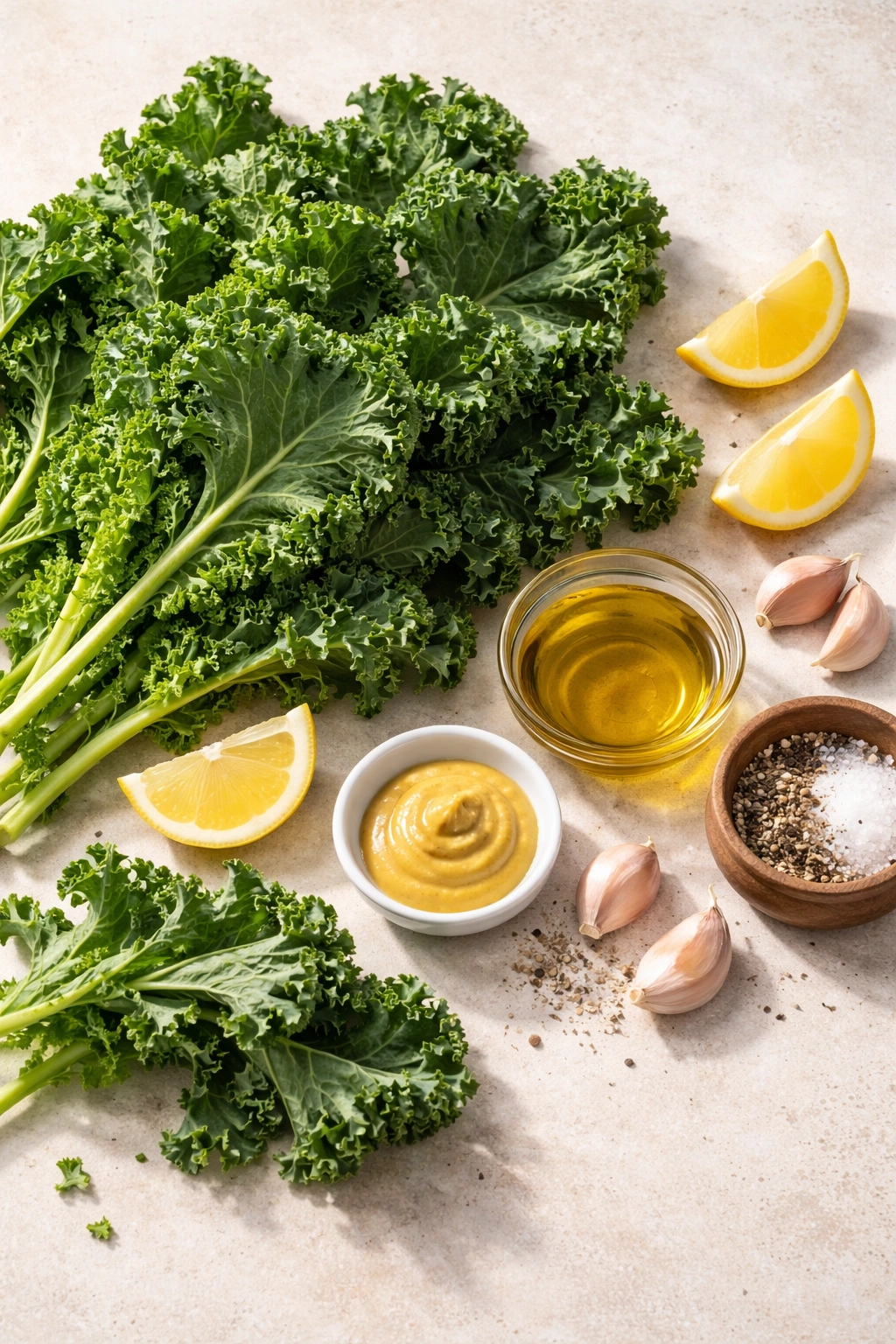
For the Salad:
- 1 large bunch lacinato kale (about 10 to 12 ounces) or a mix of curly and lacinato kale
- ¼ teaspoon fine sea salt
- 2 tablespoons extra-virgin olive oil (divided)
For the Lemon Dressing:
- 1 medium lemon, juiced (about 3 tablespoons fresh lemon juice)
- ⅓ cup extra-virgin olive oil
- 2 cloves garlic, minced very finely or pressed through a garlic press
- ½ teaspoon Dijon mustard
- ¼ teaspoon fine sea salt
- Pinch of freshly ground black pepper
Optional Add-Ins (choose one or combine):
- ½ cup shaved or shredded Parmesan cheese
- ⅓ cup toasted pine nuts, sliced almonds, or walnuts, chopped
- ⅓ cup sunflower seeds or pumpkin seeds, lightly toasted
- ¼ cup dried cranberries, raisins, or chopped dried apricots
- ½ avocado, sliced
- ¼ cup crumbled goat cheese or feta cheese
- 2 tablespoons raw pumpkin seeds (pepitas)
How Massaging Kale Transforms the Texture
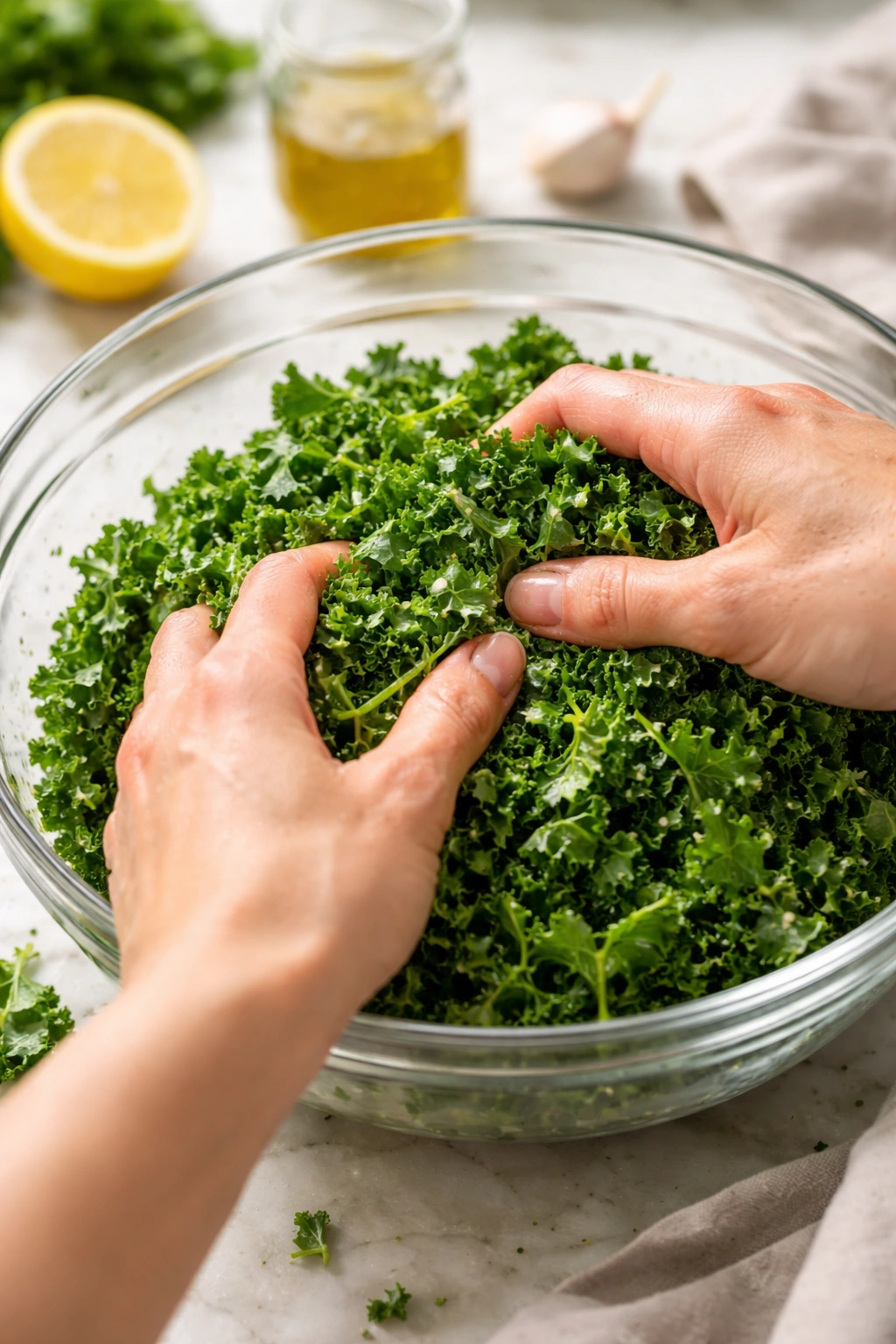
The step that separates a genuinely good kale salad from a disappointingly chewy one is massaging. This isn’t metaphorical—you’re actually going to use your hands to work the kale. What you’re doing is breaking down the plant’s cell walls without destroying the leaf structure, which makes the kale become tender and easier to digest while still maintaining its structure and bright color.
Start by removing the leaves from the tough center stem. Hold the stem end in one hand and run your other hand down the length of the leaf, stripping the tender green part away from the woody stem. Discard the stems or save them for vegetable stock if you like. Stack the leaves in a pile and cut them into bite-sized pieces—roughly one-inch squares work well. You want pieces large enough that they feel intentional, not so small that they become mushy.
Put the cut kale into a large bowl and sprinkle it with the salt. This salt helps break down the cell walls while you work. Using both hands, grab handfuls of kale and squeeze and massage them firmly for one to two minutes. You’ll feel the texture change under your hands—the kale will darken slightly and become more pliable and less rigid. That’s exactly what you want. Stop when the kale is noticeably softer but still bright green. This process takes less time than most people expect, and it’s genuinely satisfying to feel the transformation happen.
Making the Lemon Dressing That Brings Everything Together
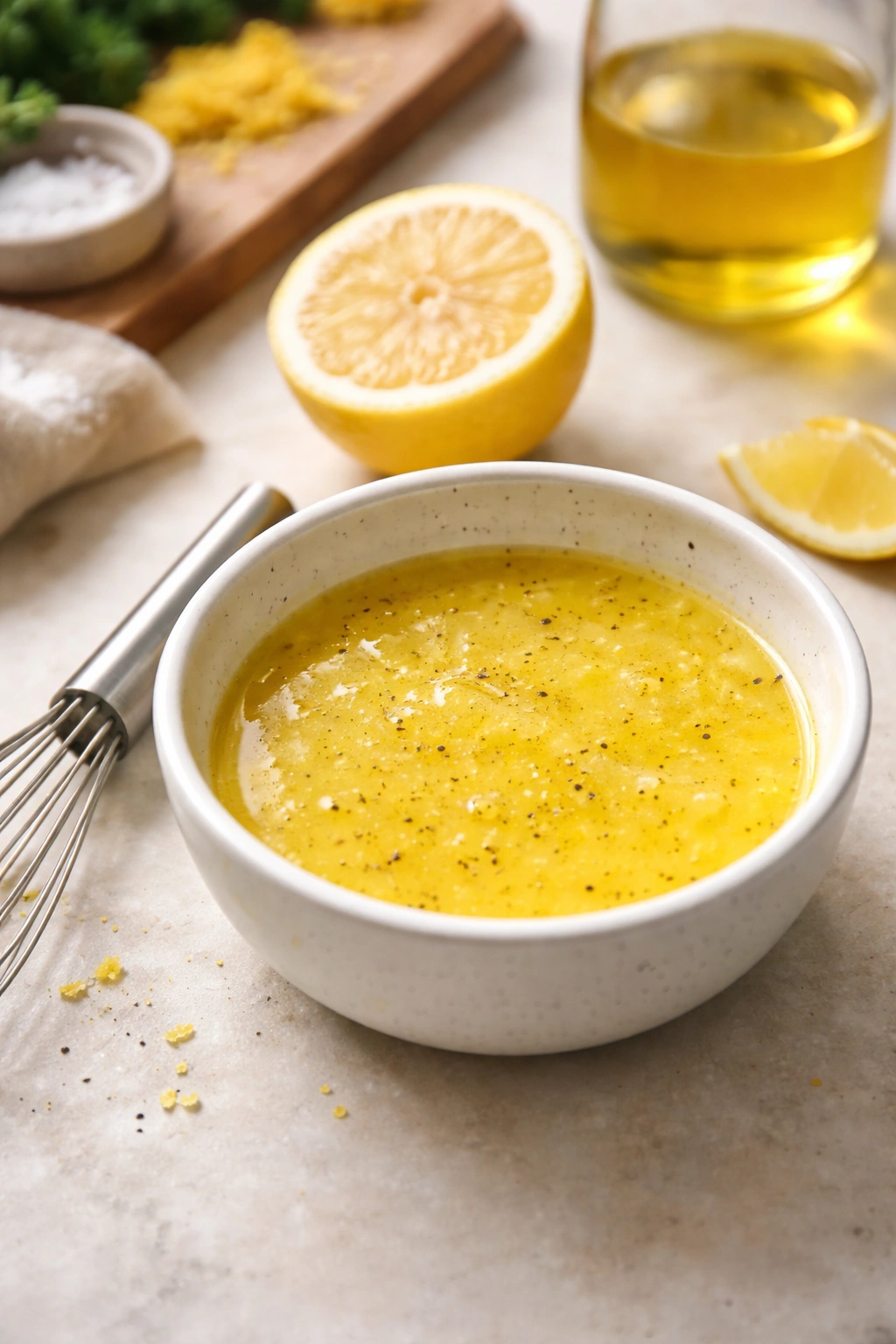
The dressing is where this salad gets its personality. A good lemon vinaigrette should taste bright and sharp but not harsh, with enough body that it clings to the leaves instead of pooling at the bottom of the bowl. The secret is the emulsion—which sounds fancy but just means getting the oil and lemon juice to combine into a cohesive sauce rather than staying separate.
In a small bowl or a mason jar, combine the minced garlic, Dijon mustard, salt, and pepper. Let the garlic sit in these ingredients for a minute—the acid and salt help mellow the raw garlic harshness slightly. Add the lemon juice next and stir everything together. The mustard acts as an emulsifier, which helps the oil incorporate smoothly. Now comes the important part: slowly drizzle in the olive oil while whisking continuously. If you’re using a jar, put the lid on and shake vigorously instead of whisking. As the oil incorporates, the dressing will transform from thin and separating to creamy and cohesive. This should take about a minute.
If your dressing seems too thick, thin it with a teaspoon or two of water. If it tastes too sharp, add another quarter teaspoon of salt or a pinch of sugar. Taste it before adding it to the salad—dressings taste less intense when they coat the vegetables, so it should taste slightly brighter and more assertive than you might expect on its own. This is the right calibration.
The dressing will keep in the refrigerator for up to five days, though it’s genuinely best within the first 24 hours while the lemon is still vibrant. If you’re making it ahead, store it separate from the kale and add it just before serving or eating.
Building Layers of Flavor and Texture
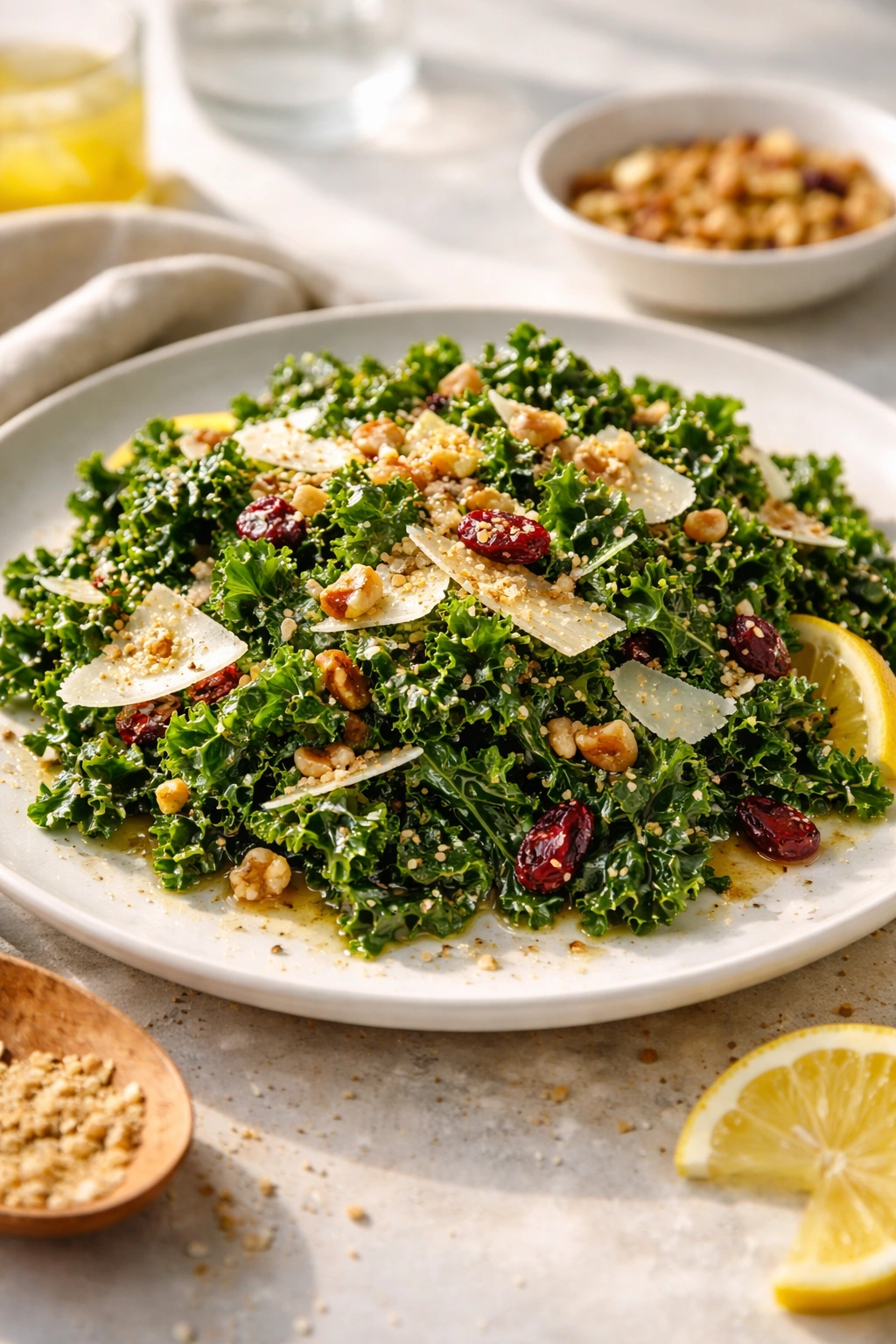
Once your kale is massaged and your dressing is ready, the actual assembly is straightforward but intentional. Add the dressing to the massaged kale, using two-thirds of it initially and reserving the rest. Toss everything together gently but thoroughly, making sure every piece of kale gets coated. The kale should glisten with dressing and smell bright and garlicky.
Now add your supporting ingredients. If you’re using cheese, add most of it and toss it in—reserve a small handful to scatter on top at the end for visual appeal. If you’re using nuts, add them now as well; they’ll soften slightly in the dressing and meld with the other flavors. If you’re using dried fruit, consider plumping it in a tablespoon of warm water for a minute before adding it; this makes it more tender and easier to eat. Fresh elements like avocado or additional fresh herbs go in just before serving so they stay vibrant and don’t oxidize.
Taste the salad and add the remaining dressing if it needs more richness and flavor. Add a small squeeze of fresh lemon juice if it needs more brightness. Season with an additional pinch of salt and pepper if needed. The salad should taste fully flavored, with the bright lemon and garlic as the base note but with the supporting ingredients adding complexity and making you want another bite.
Pro Tips for a Restaurant-Quality Salad Every Time
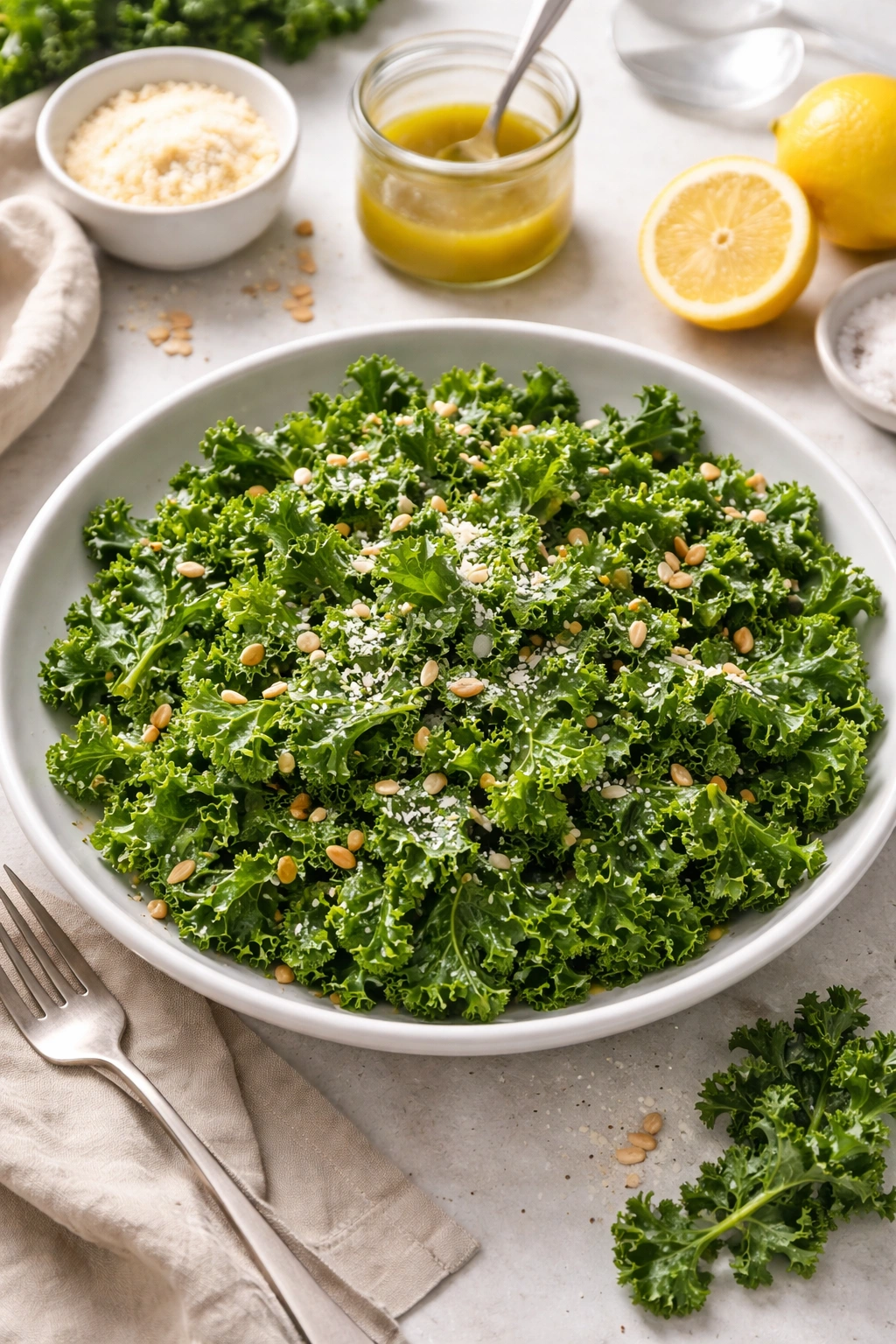
Let the massaged kale rest. You don’t have to eat the salad immediately after making it. Massaged kale actually tastes better after sitting for fifteen to thirty minutes, during which it continues to soften and the flavors continue to meld. This is genuinely helpful if you’re making salads for multiple people or prepping ahead. Make it a few hours before you plan to eat it, cover it, and refrigerate it. When you’re ready to serve, add fresh lemon juice and any garnishes that don’t benefit from sitting (like nuts or fresh herbs).
Use the right size kale leaf. The size of your kale pieces matters more than you’d think. Too large and they feel unwieldy to eat; too small and they become mushy and lose their appeal. Aim for roughly one-inch pieces. This size still feels like salad—distinct leaves you’re actually eating—but it’s also easy to manage on a fork.
Don’t be shy with the salt in the massage step. That initial salt that goes on the raw kale is essential. It’s not the same as the salt in the dressing. It helps break down the kale’s structure and actually extracts some of its moisture, which means the dressing will stick better. The kale won’t taste oversalted because most of this salt remains mixed in the leaves rather than sitting on top.
Taste your dressing before it touches the kale. Dressings taste different once they coat leaves, so what tastes properly bright and lemony in a spoon might taste muted mixed throughout the salad. Adjust the seasoning while it’s still in the bowl. You can’t easily adjust it once the kale is dressed.
Use a mix of kale types if you can. Curly kale has a more delicate texture and becomes silkier when massaged. Lacinato kale is slightly sweeter and holds its structure better. Using half of each gives you the best of both worlds—the tender, luxurious texture from curly kale combined with the sweet, robust flavor of lacinato.
Common Mistakes That Ruin Kale Salads (and How to Avoid Them)
Not massaging long enough. If your kale still feels tough and chewy after you’ve tossed it with dressing, you didn’t massage it long enough. Go back and massage it for another minute or two. You should feel a clear difference in texture—like going from a paper towel to a soft cloth. It’s not optional; it’s the foundation of the entire salad.
Using bottled lemon juice. Bottled lemon juice tastes flat and chemical compared to fresh juice squeezed from a real lemon. The difference is not subtle. If you’re making this salad, take the thirty seconds to cut and squeeze a lemon. It’s the most important ingredient in the dressing.
Adding the dressing too early if you’re meal-prepping. Here’s the tricky balance: massaged kale with dressing gets better over time, which is why this salad is great for meal prep. But if you’re adding nuts, seeds, or crispy components early on, they’ll get soggy. If you’re adding cheese that will oxidize, it’ll turn brown. The solution is to dress the kale and let it sit, but keep your garnishes and optional add-ins separate and add them on serving day. Or dress the kale without the add-ins, portion it out, and add fresh garnishes to each portion before eating.
Making the dressing too thick or too thin. The dressing should cling to the kale without being so thick that it sits in globs. If it’s too thin, add another quarter teaspoon of mustard (this thickens it by improving the emulsion). If it’s too thick, add water by the half-teaspoon. The consistency should be like a thin Greek yogurt or a pourable salad dressing—it should flow but have body.
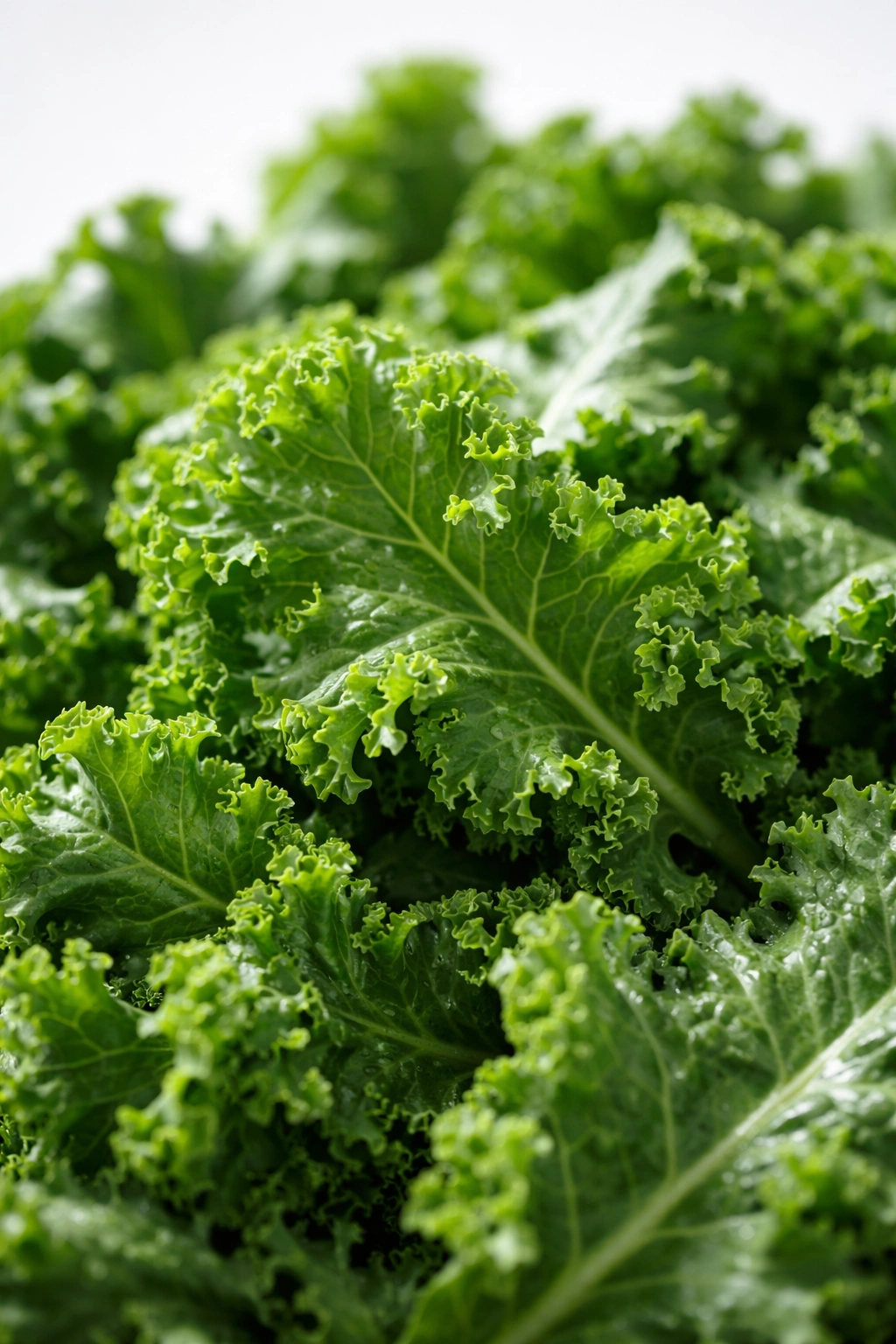
Using wilted or damaged kale. Kale gets bitter when it’s past its prime. Look for bright green, crisp leaves. If your kale feels limp or looks yellowed at the edges, it’s too old. The freshness of your starting ingredient matters more than the technique. Start with good kale and you’re halfway to a great salad.
Over-complicating the ingredient list. This salad is best when it’s simple and intentional. You don’t need croutons, three kinds of nuts, dried fruit, cheese, and avocado all on top of each other. Choose two or three supporting ingredients maximum. Let the massaged kale and bright lemon dressing be the stars.
Smart Variations to Keep Things Fresh
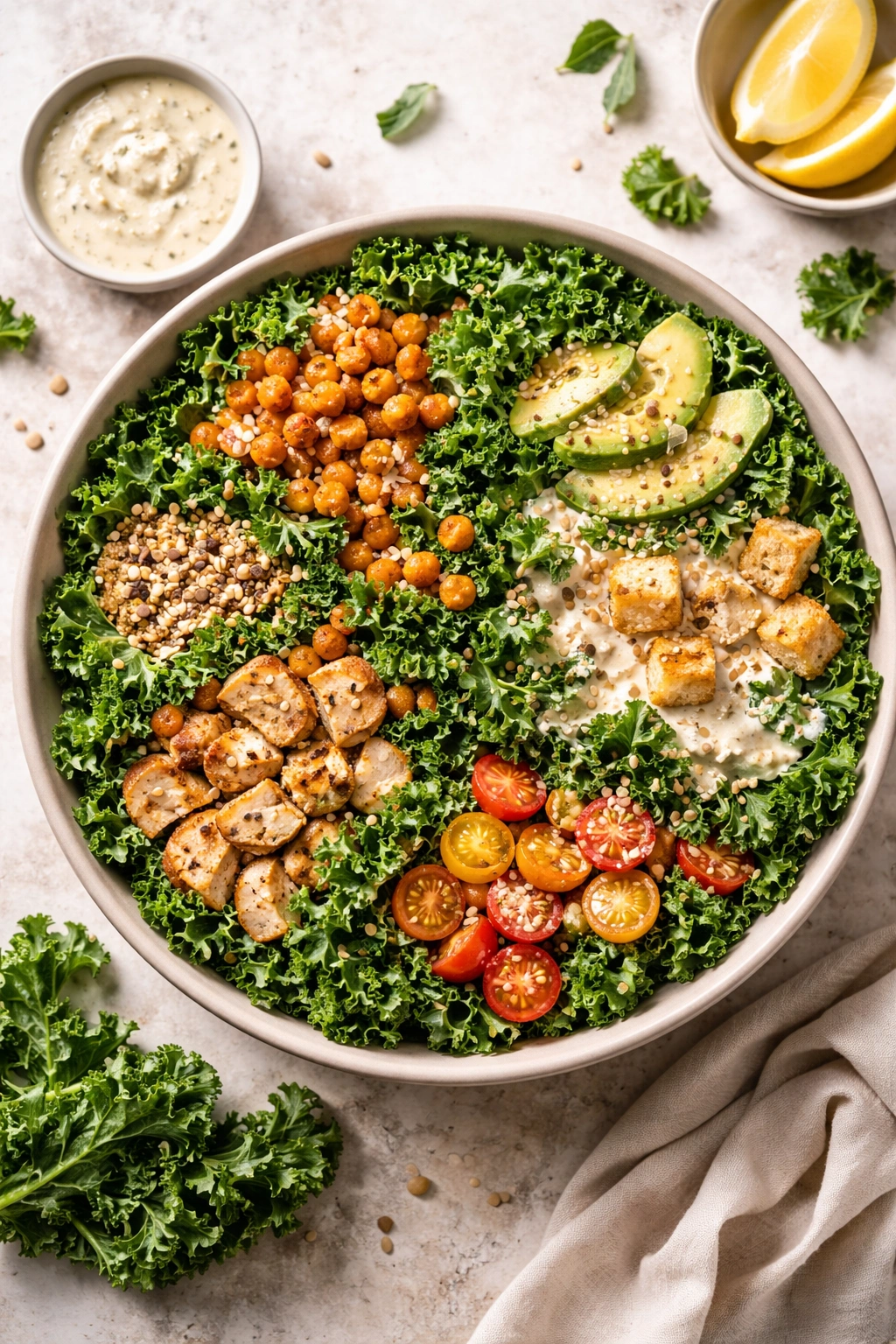
The Warm Salad Version. If you want something more substantial, especially during colder months, make this salad warm. Massage the kale as usual, but then sauté it in a large skillet with a tablespoon of olive oil over medium heat for two to three minutes, just until it begins to soften slightly. Meanwhile, warm the dressing by gently heating it in a small pot (don’t let it simmer). Toss the warm kale with the warm dressing, add your supporting ingredients, and serve immediately. The warmth brings out different flavor notes and makes the kale taste almost rich.
The Protein-Packed Version. Add grilled or roasted chicken, cooked lentils, crispy chickpeas, hard-boiled eggs, or crumbled tofu to turn this into a complete meal. About one cup of protein works well for a batch that serves two to three. Toss everything together with the kale and dressing. This version is especially good for meal prep—it’s actually more satisfying and filling the next day after the flavors have had time to meld.
The Creamy Caesar Variation. Make the same dressing but add two tablespoons of Greek yogurt or tahini to make it creamier. Add a teaspoon of anchovy paste if you want authentic Caesar flavor, or skip it if you prefer. Toss with the kale and add shaved Parmesan and croutons. You get the benefits of a kale salad—the nutrients, the texture when properly massaged—with the richness of a Caesar, which makes it feel more indulgent.
The Mediterranean Twist. Instead of a purely lemon dressing, make the basic dressing but add a tablespoon of red wine vinegar along with the lemon juice. Add crumbled feta, sun-dried tomatoes, Kalamata olives, and fresh dill. This feels like a completely different salad but uses the exact same technique—massaged kale, bright dressing, intentional garnishes.
The Sweet and Savory Version. Add roasted beets, sliced pear, toasted walnut pieces, and crumbled goat cheese. The earthiness of beets and the sweetness of pear play beautifully against the bright lemon dressing and tender kale. This version is especially good with a slight tweak to the dressing—add a quarter teaspoon of Dijon mustard and a tiny pinch of honey to complement the sweet elements.
The Fall and Winter Version. Roast diced butternut squash or sweet potato at 425°F until tender and caramelized (about twenty minutes). Toss it with the warm kale and dressing while it’s still warm. Add toasted pecans, dried cranberries, and crumbled sage-infused goat cheese or sharp cheddar. The warm, sweet vegetables make this feel like an autumn salad that happens to be incredibly nutritious.
The Raw Vegetable Version. Keep everything raw and bright. Thinly slice or julienne raw vegetables like carrots, radishes, fennel, or bell peppers. Toss them with the massaged kale and dressing. Add raw sunflower seeds or pumpkin seeds for crunch. This version is especially refreshing during warmer months.
The Nutty Grain Version. Cook farro, barley, or wild rice separately and let it cool. Toss it with the massaged kale and dressing. Add toasted nuts, dried fruit, and Parmesan. The grains add substance and make this a complete meal that’s genuinely satisfying.
Storage and Make-Ahead Strategies
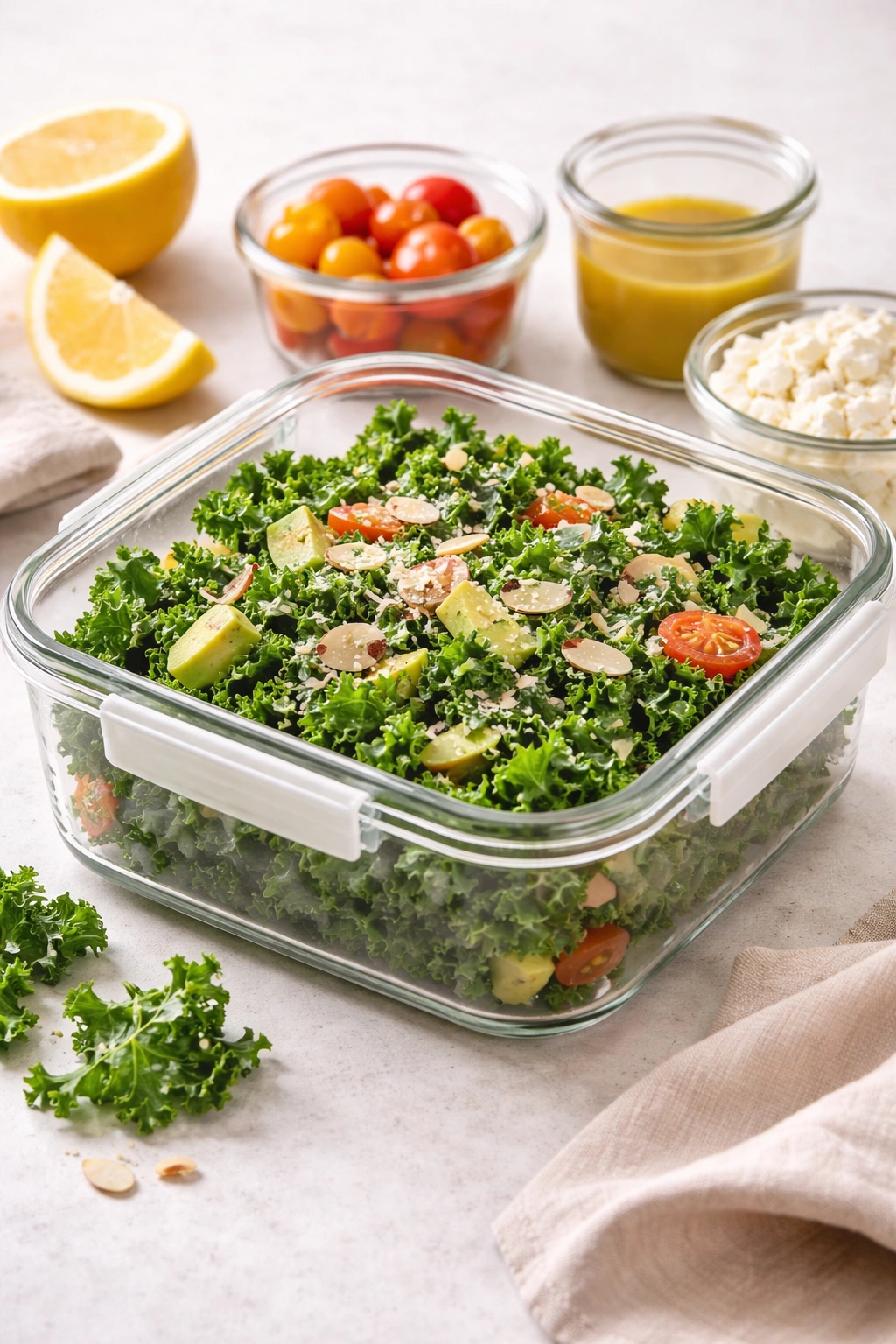
This salad is genuinely one of the best candidates for meal prep. The massaged kale actually improves over time as the leaves continue to soften and the flavors continue to marry. You can make a big batch at the beginning of the week and eat it for multiple meals with fresh garnishes added each time.
Storage in the refrigerator: Dress the kale, cover it with a lid or plastic wrap, and refrigerate. It will keep for up to five days this way. The longer it sits, the more tender the kale becomes and the more the flavors meld together. On day three or four, it will taste noticeably better than on day one, which is the opposite of most salads. By day five, the kale will start to lose its bright color and will taste slightly less vibrant, though it’s still perfectly good to eat.
Keeping components separate: If you want longer storage and the ability to customize portions, keep the dressed kale separate from garnishes. Store the massaged kale mixed with dressing in an airtight container for up to five days. Keep nuts, seeds, cheese, and dried fruit in separate containers. When you want to eat it, portion the kale into a bowl, add fresh garnishes, and serve. This method gives you the most flexibility and ensures your crunchy elements stay crunchy.
Freezing isn’t recommended: Unlike some salads, this one doesn’t freeze well. The kale becomes mushy when frozen, and the texture you worked to achieve is lost. Make fresh salad or store it in the refrigerator instead.
Travel and storage containers: If you’re taking this salad to work, use a container with a tight-fitting lid. Dress it the night before. In the morning, give it a quick toss before eating. It will have lost some of its cold crispness but will have gained flavor, so it’s a fair trade-off. If you’re packing it in a lunch box for a few hours, the temperature change won’t hurt it.
Refreshing older salad: If your salad has been in the refrigerator for three or four days and tastes like it could use a boost, add a squeeze of fresh lemon juice and a tiny splash of fresh olive oil. Toss it well. It will taste noticeably brighter. You can also add fresh garnishes—fresh herbs, a handful of fresh radishes thinly sliced, or fresh lemon zest. These elements remind you why you loved the salad in the first place.
Serving Ideas and Flavor Pairings
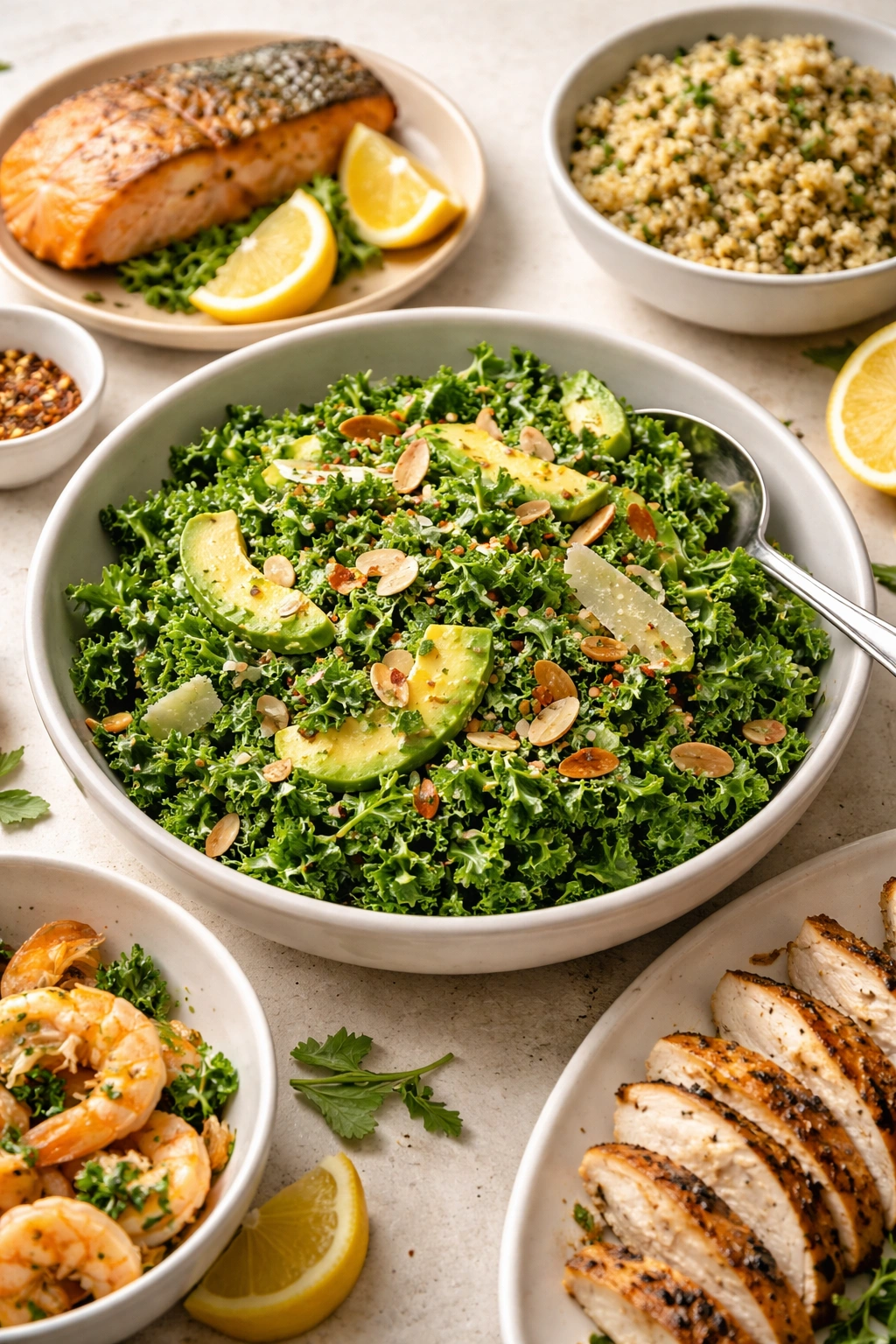
As a side dish: This salad pairs beautifully with grilled fish, roasted chicken, or even simply prepared steak. The bright lemon dressing cuts through richness and feels fresh next to heavier proteins. Serve it at room temperature or slightly cold. The coldness shouldn’t be extreme—take it out of the refrigerator ten minutes before serving so it warms up slightly and the flavors come forward.
As a light lunch: Pair it with good bread, a piece of cheese, and a glass of white wine. You’ve got a complete, satisfying meal that feels elegant even though it’s simple. Add a hard-boiled egg or a small portion of good tuna if you want additional protein.
Before a heavier meal: Serve it as a starter at a dinner party. The bright flavors prepare your palate and make you feel like the meal is going to be something special. A small portion is all you need—about one cup per person.
With grains: Serve it alongside roasted grains like farro, quinoa, or barley, or mix the salad with cooled grains for a heartier dish. The bright dressing brings out different flavors in grain-based dishes.
With seafood: This salad is exceptional with shrimp, scallops, or canned tuna. The bright lemon flavor enhances the natural sweetness of seafood. Toss the warm shrimp or scallops with the salad while they’re still warm, or serve chilled shrimp on top of the cold salad.
Wine pairing: A crisp white wine like Pinot Grigio, Sauvignon Blanc, or Vermentino pairs beautifully with the bright lemon flavors. If you’re adding warm grains or warm protein, a light rosé also works well. Avoid heavy, oaked wines—they’ll clash with the delicate lemon flavor.
Flavor pairings that work: Fresh herbs like dill, parsley, or mint complement the lemon beautifully. A tiny pinch of red pepper flakes adds complexity without heat. Shaved Parmesan adds umami richness. Olives add briny saltiness. Avocado adds creamy richness. Any combination of these feels intentional rather than thrown together.
Plating for visual appeal: Even though this is a simple salad, it looks impressive when you take a moment with presentation. Use a large shallow bowl rather than a small deep one. Arrange the kale loosely rather than piling it. Scatter your supporting ingredients across the top so they’re visible. Add a small sprinkle of fleur de sel and a grind of black pepper just before serving. Finish with a tiny extra drizzle of good olive oil.
Final Thoughts
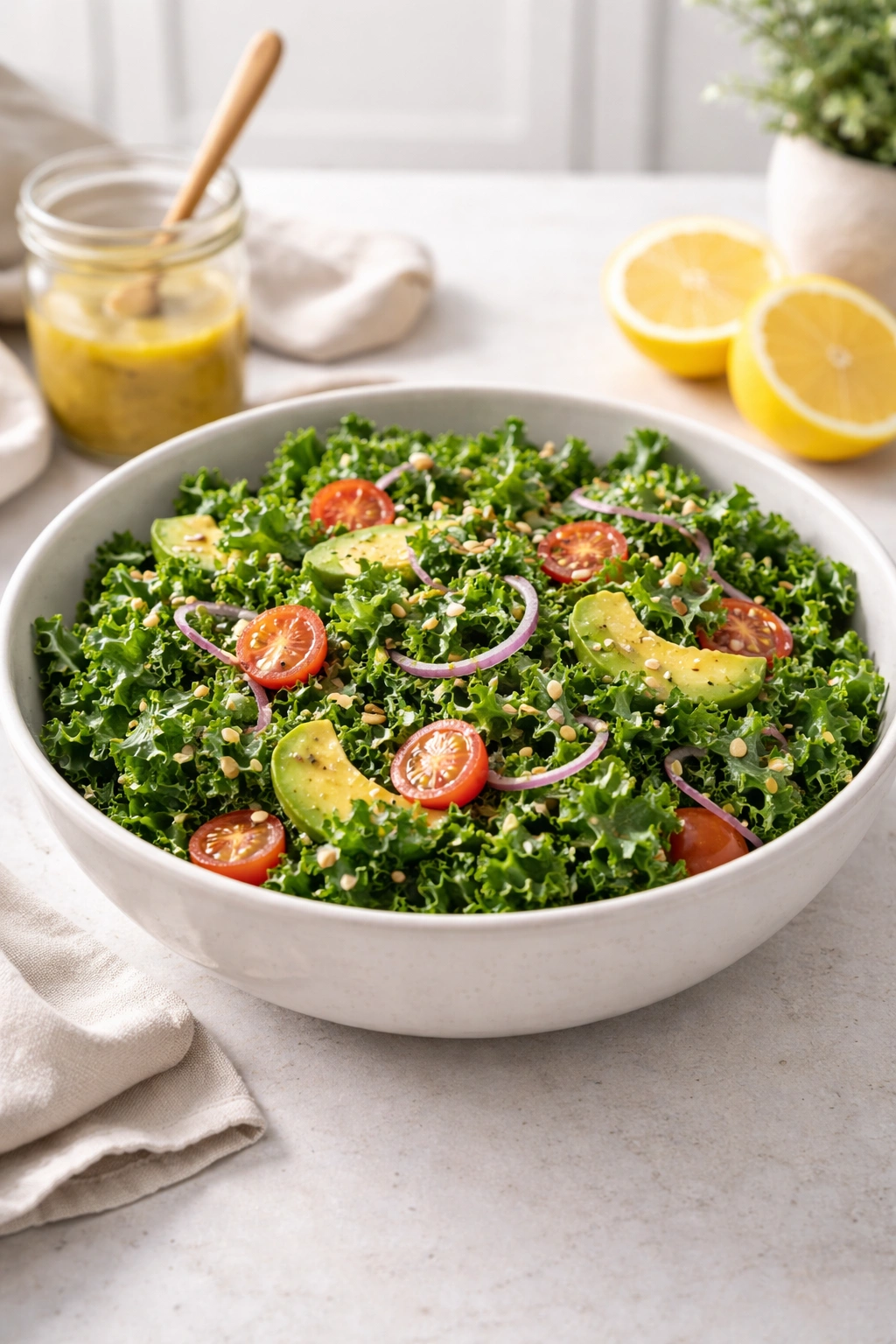
A lemon kale salad done right isn’t a compromise—it’s not something you’re forcing yourself to eat because you should. It’s genuinely delicious, and once you’ve made it a few times and understand the technique, it becomes something you’ll want to make on repeat. The massage step that seemed odd the first time will become meditative. The bright lemon dressing will become your go-to for any salad, not just kale. The way the flavors improve over a day or two will convince you to batch cook it.
The reason this salad ends up being something you make again and again is because it’s flexible enough to keep interesting. You can change the supporting ingredients weekly depending on what looks good at the market or what sounds good. You can make it warm or cold. You can keep it simple with just a few elements or build it up into something more substantial. The foundation is always the same—massaged kale and bright lemon dressing—but everything else can shift.
Start with the basic version exactly as written, just once, so you understand how the technique works and what it should taste like. Then make it your own. Add what you love. Skip what you don’t. Make it hearty or keep it light. Make it for yourself or feed a crowd. The beauty of this salad is that it works no matter what you do with it, as long as you massage that kale and make your dressing with fresh lemon juice.
