Table of Contents
- The Complete Guide to Fruits For Garden
- Why Growing Fruits in Your Garden Offers Exceptional Benefits
- Understanding Your Climate and Hardiness Zone
- What Are Plant Hardiness Zones and Why They Matter
- Matching Fruit Varieties to Your Local Climate
- Best Fruits to Grow in Your Home Garden
- Tree Fruits Perfect for Beginning Gardeners
- Berry Varieties That Thrive in Gardens
- Vine and Climbing Fruits Worth Considering
- Planning Your Fruit Garden Layout
- Space Considerations and Strategic Garden Design
- Companion Planting Strategies for Fruit Gardens
- Soil Preparation and Requirements for Fruit Success
- Testing and Amending Your Garden Soil
- Drainage Considerations and Site Preparation
- Essential Care and Maintenance Techniques
- Watering and Irrigation Best Practices
- Fertilization Schedules and Nutrient Management
- Pruning and Training for Optimal Production
- Pest and Disease Management Strategies
- Common Fruit Garden Pests and Identification
- Organic and Integrated Control Methods
- Harvesting and Storing Your Homegrown Fruits
- Recognizing Perfect Harvest Timing
- Storage and Preservation Techniques
- Container Gardening for Small Spaces
- Best Fruit Varieties for Container Growing
- Container Selection and Specialized Care Requirements
- Final Thoughts: Starting Your Fruit Garden Journey
The Complete Guide to Fruits For Garden
There’s something deeply satisfying about walking into your backyard, reaching up to a sun-warmed branch, and plucking a perfectly ripe piece of fruit that you’ve nurtured from blossom to harvest. Growing your own fruits transforms ordinary gardens into abundant sources of fresh, delicious produce while connecting you with the natural rhythms of the seasons. Whether you dream of juicy strawberries in summer, crisp apples in fall, or year-round citrus in warmer climates, cultivating a fruit garden brings rewards that extend far beyond the dinner table.
The journey to creating a thriving fruit garden might seem overwhelming at first, especially when faced with countless varieties, planting methods, and care requirements. However, with the right knowledge and planning, anyone can successfully grow fruits at home, regardless of garden size or experience level. This comprehensive guide will walk you through every essential aspect of fruit gardening, from selecting the perfect varieties for your climate to mastering the art of harvesting at peak ripeness.
Why Growing Fruits in Your Garden Offers Exceptional Benefits
Understanding the advantages of homegrown fruits helps motivate and guide your gardening journey toward success.
Growing fruits in your home garden delivers benefits that simply cannot be matched by store-bought alternatives. When you cultivate your own fruit trees, bushes, and vines, you gain complete control over what goes into your food, from avoiding harmful pesticides to choosing organic growing methods. The economic advantages become apparent quickly, as established fruit plants produce harvests worth hundreds of dollars annually for minimal ongoing investment.
Beyond the financial savings, homegrown fruits offer superior taste and nutrition. Commercial fruits are often harvested before reaching full ripeness to survive transportation and extend shelf life, resulting in diminished flavor and reduced nutritional content. When you grow your own, you can wait until the perfect moment of ripeness, ensuring maximum sweetness, texture, and vitamin content. Studies consistently show that freshly picked produce contains significantly higher levels of antioxidants and essential nutrients compared to fruits that have traveled long distances.
The environmental impact of home fruit gardening shouldn’t be underestimated either. By growing locally, you eliminate the carbon footprint associated with transportation, refrigeration, and packaging. Fruit trees and plants also contribute positively to your local ecosystem by:
- Providing habitat and food sources for beneficial pollinators like bees and butterflies
- Improving air quality through oxygen production and carbon dioxide absorption
- Enhancing soil health through root systems and organic matter contribution
- Supporting biodiversity in your immediate environment
- Reducing urban heat island effects through natural shade and cooling
Understanding Your Climate and Hardiness Zone
Selecting fruits appropriate for your specific climate zone is the foundation of successful fruit gardening.
What Are Plant Hardiness Zones and Why They Matter
Plant hardiness zones, developed by the USDA, divide geographic regions based on average annual minimum winter temperatures. These zones range from 1 (coldest) to 13 (warmest) and serve as essential guides for determining which fruits can survive and thrive in your specific location. Understanding your zone prevents the heartbreak of investing time and resources into plants that cannot withstand your local winter conditions.
To find your hardiness zone, you can consult the USDA Plant Hardiness Zone Map or enter your zip code on various gardening websites. However, remember that microclimates within your property—such as south-facing walls that absorb heat or low-lying areas prone to frost pockets—can create conditions that differ from your general zone rating. Experienced gardeners learn to identify and utilize these microclimates to expand their growing possibilities.
Matching Fruit Varieties to Your Local Climate
Once you’ve identified your hardiness zone, you can begin selecting fruits that will perform well in your conditions. Cold-climate gardeners (zones 3-5) should focus on hardy options like apples, pears, plums, cherries, and cold-tolerant berry varieties. These fruits actually require a certain number of “chill hours” (time spent below 45°F) to produce fruit properly.
Moderate climate gardeners (zones 6-8) enjoy the widest selection, including most temperate fruits plus some subtropical options with protection. Warm climate gardeners (zones 9-13) can grow tropical and subtropical fruits like citrus, figs, avocados, and mangoes, though they may struggle with fruits requiring significant winter chill.
Consider these climate-matching principles:
- Research chill hour requirements for each fruit variety before purchasing
- Select disease-resistant cultivars adapted to your region’s humidity and rainfall patterns
- Consult local extension services for variety recommendations specific to your area
- Visit local orchards and nurseries to observe what grows successfully nearby
Best Fruits to Grow in Your Home Garden
Choosing the right fruits based on your space, experience level, and preferences sets the stage for gardening success.
Tree Fruits Perfect for Beginning Gardeners
Tree fruits represent some of the most rewarding additions to home gardens, providing decades of harvests once established. Apple trees remain among the most popular choices for good reason—they’re relatively easy to grow, produce abundantly, and countless varieties suit different climates and taste preferences. Dwarf and semi-dwarf rootstocks make apple growing accessible even for smaller gardens, with mature heights ranging from 8 to 15 feet.
Pear trees offer excellent options for beginners, as they tend to have fewer pest problems than apples and tolerate a wider range of soil conditions. European pears like Bartlett and Anjou thrive in zones 4-8, while Asian pears extend the growing range and offer unique crisp-textured fruits. Most pears require cross-pollination, so plan to plant at least two compatible varieties.
Peach and nectarine trees suit gardeners in zones 5-9, delivering sweet summer harvests within just 2-3 years of planting. These stone fruits require more attention to pest management and pruning but reward diligent care with exceptional flavor far superior to commercial offerings. Look for disease-resistant varieties adapted to your specific region.
Berry Varieties That Thrive in Gardens
Berries represent perhaps the best starting point for new fruit gardeners, offering quick harvests, compact growing habits, and relatively simple care requirements. Strawberries begin producing fruit within their first year and can be grown in traditional beds, raised planters, hanging baskets, or even vertical towers. With proper variety selection, you can enjoy harvests from spring through fall.
Blueberries have gained enormous popularity as knowledge of their exceptional health benefits has spread. These attractive shrubs provide ornamental value throughout the seasons while producing abundant crops of antioxidant-rich berries. Key success factors include:
- Acidic soil with pH between 4.5 and 5.5
- Consistent moisture without waterlogging
- Full sun exposure for maximum fruit production
- Multiple varieties for cross-pollination and extended harvest
- Proper netting to protect ripening fruit from birds
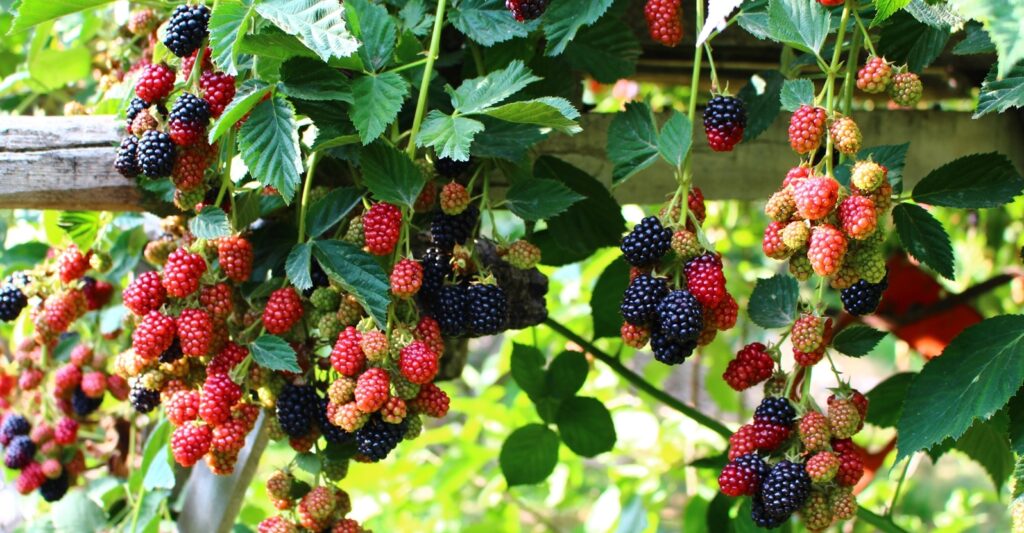
Raspberries and blackberries offer exceptional returns for minimal effort once established. These bramble fruits spread readily, providing increasing harvests each year. Summer-bearing varieties produce one large crop, while everbearing types offer smaller harvests in both summer and fall.
Vine and Climbing Fruits Worth Considering
Climbing and vine fruits utilize vertical space efficiently while adding architectural interest to gardens. Grapes grow successfully across most of North America, with varieties suited to virtually every climate zone. Table grapes provide fresh eating pleasure, while wine and juice varieties offer preservation possibilities. Established grapevines can produce for 30+ years with proper care.
Kiwi vines, including the cold-hardy varieties suitable for northern gardens, create beautiful living screens while producing delicious fruits. Standard fuzzy kiwis require mild winters, but hardy kiwis (Actinidia arguta) survive temperatures to -25°F and produce grape-sized smooth-skinned fruits without requiring peeling.
Planning Your Fruit Garden Layout
Thoughtful garden planning maximizes production while creating an aesthetically pleasing and functional space.
Space Considerations and Strategic Garden Design
Effective fruit garden planning begins with honest assessment of available space and sunlight exposure. Most fruiting plants require minimum six hours of direct sunlight daily, with eight or more hours being optimal for maximum production. Map your garden’s sun patterns throughout the day and across seasons before committing to permanent plantings.
Consider the mature size of each plant when planning spacing. Standard fruit trees can spread 25-35 feet wide, while dwarf varieties might only need 8-10 feet. Berry bushes typically require 3-6 feet between plants, and strawberries can be spaced as closely as 12-18 inches. Adequate spacing ensures:
- Proper air circulation reducing disease pressure
- Sufficient light penetration for fruit development
- Easy access for maintenance and harvesting
- Room for root expansion preventing competition
- Space for necessary equipment like ladders or wheelbarrows
Companion Planting Strategies for Fruit Gardens
Companion planting involves strategically positioning plants that benefit each other through pest deterrence, pollinator attraction, nutrient sharing, or physical support. In fruit gardens, companion planting can significantly reduce pest problems while enhancing overall garden health and biodiversity.
Effective companion plants for fruit gardens include nitrogen-fixing clover planted beneath trees, aromatic herbs like basil and lavender that deter pests, and flowering plants that attract beneficial insects. Avoid planting walnut trees near fruit trees, as they release juglone, a compound toxic to many plants. Similarly, keep grass away from the base of fruit trees, as it competes aggressively for water and nutrients.
Soil Preparation and Requirements for Fruit Success
Investing in proper soil preparation creates the foundation for healthy, productive fruit plants for years to come.
Testing and Amending Your Garden Soil
Before planting any fruit trees, bushes, or vines, conducting a comprehensive soil test provides invaluable information about your starting conditions. Testing reveals pH levels, nutrient content, organic matter percentage, and potential contamination issues. Your local cooperative extension service typically offers affordable testing, or you can purchase home testing kits for basic assessment.
Most fruits prefer slightly acidic to neutral soil with pH levels between 6.0 and 7.0, though blueberries notably require more acidic conditions around 4.5-5.5. Based on your test results, you may need to amend soil with lime to raise pH or sulfur to lower it. These amendments work gradually, so incorporate them several months before planting when possible.
Organic matter improvement benefits virtually all fruit plantings. Work generous amounts of compost, aged manure, or leaf mold into your soil to:
- Improve drainage in heavy clay soils while increasing moisture retention in sandy soils
- Enhance nutrient availability by supporting beneficial soil microorganisms
- Create better root penetration through improved soil structure
- Increase biological activity essential for healthy plant growth
- Buffer pH fluctuations maintaining more stable growing conditions
Drainage Considerations and Site Preparation
Poor drainage ranks among the most common causes of fruit tree failure, as waterlogged roots quickly succumb to rot and disease. Before planting, assess drainage by digging a test hole about 12 inches deep, filling it with water, and observing how quickly it drains. If water remains after 24 hours, you’ll need to address drainage issues through raised beds, drainage tiles, or selecting a different planting location.
Raised beds and berms offer excellent solutions for gardens with heavy clay or high water tables. Building planting areas 12-18 inches above grade dramatically improves root zone drainage while allowing better control over soil composition. For individual fruit trees, creating a raised mound with well-amended soil provides similar benefits without extensive bed construction.
Essential Care and Maintenance Techniques
Consistent, appropriate care throughout the growing season ensures healthy plants and abundant harvests.
Watering and Irrigation Best Practices
Proper watering represents one of the most critical aspects of fruit garden maintenance, yet many gardeners struggle to find the right balance. Most fruit plants prefer deep, infrequent watering that encourages roots to grow downward seeking moisture rather than remaining near the surface. Shallow, frequent watering creates weak root systems vulnerable to drought stress and disease.
Newly planted fruit trees require approximately 1-2 inches of water weekly during their first two growing seasons. As trees establish, deep watering every 7-14 days during dry periods typically suffices. Berry plants generally need more consistent moisture, especially during fruit development, requiring 1-2 inches weekly throughout the growing season.
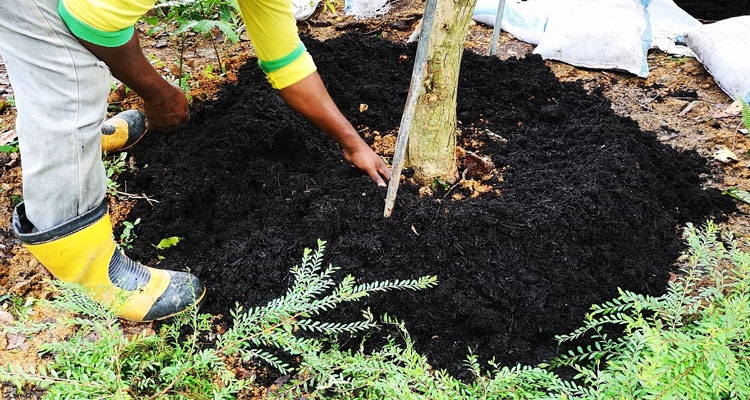
Drip irrigation systems offer superior efficiency for fruit gardens, delivering water directly to root zones while keeping foliage dry. Wet leaves invite fungal diseases, making overhead sprinklers problematic for many fruits. Mulching around plants with 3-4 inches of organic material like wood chips or straw dramatically reduces water needs by decreasing evaporation and moderating soil temperature.
Fertilization Schedules and Nutrient Management
Fruit plants have specific nutritional needs that change throughout the growing season. In general, nitrogen promotes leafy growth, phosphorus supports root development and flowering, and potassium enhances fruit quality and disease resistance. Understanding these relationships helps you provide appropriate nutrition at the right times.
Most fruit trees benefit from fertilization in early spring as growth begins, with additional applications for heavy-bearing trees in early summer. Avoid late-season nitrogen applications, which stimulate tender growth vulnerable to winter damage. Berry plants typically need lighter, more frequent feeding, with slow-release organic fertilizers offering excellent results.
Signs of nutrient deficiencies include:
- Nitrogen deficiency: Yellowing older leaves, stunted growth, reduced fruit size
- Phosphorus deficiency: Purplish leaf coloration, poor flowering, weak root systems
- Potassium deficiency: Brown leaf edges, poor fruit quality, increased disease susceptibility
- Iron deficiency: Yellowing between leaf veins while veins remain green
- Magnesium deficiency: Interveinal yellowing on older leaves first
Pruning and Training for Optimal Production
Proper pruning directly impacts fruit quantity, quality, and overall plant health. While specific techniques vary by fruit type, general principles apply across most fruit plants. Dormant season pruning (late winter before spring growth) removes dead, damaged, and diseased wood while shaping plants and encouraging productive growth.
Training young fruit trees establishes the structural framework supporting decades of production. Open-center (vase) shapes work well for stone fruits like peaches and cherries, allowing sunlight penetration and air circulation. Central leader forms suit apples and pears, creating strong structures capable of supporting heavy fruit loads.
Berry bushes require different approaches—summer-bearing raspberries need removal of fruited canes after harvest, while blueberries benefit from selective removal of older unproductive stems. Grape vines demand relatively aggressive annual pruning to control vigor and maximize fruit quality.
Pest and Disease Management Strategies
Proactive, integrated pest management protects your fruit harvest while minimizing environmental impact.
Common Fruit Garden Pests and Identification
Successful pest management begins with accurate identification and understanding of pest life cycles. Codling moths plague apple and pear growers, with larvae tunneling into fruit centers. Japanese beetles devastate grape leaves and many other plants during summer months. Aphids attack virtually all fruit plants, clustering on new growth and spreading viral diseases.
Spider mites thrive in hot, dry conditions, creating stippled leaves and fine webbing on infested plants. Scale insects appear as immobile bumps on bark and leaves, sucking plant sap and weakening affected trees. Birds pose significant threats to ripening berries and cherries, capable of decimating crops within days.
Regular garden monitoring catches problems early when intervention proves most effective. Walk through your fruit garden weekly during growing season, examining leaves (both surfaces), stems, developing fruits, and soil surface for signs of pest activity or damage.
Organic and Integrated Control Methods
Integrated Pest Management (IPM) combines multiple strategies to control pests while minimizing pesticide use. This approach emphasizes prevention first, followed by biological controls, physical barriers, and targeted chemical intervention only when necessary.
Effective organic pest control methods include:
- Encouraging beneficial insects like ladybugs, lacewings, and parasitic wasps through diverse plantings
- Installing physical barriers such as netting, row covers, and trunk guards
- Using pheromone traps to monitor and disrupt pest breeding cycles
- Applying dormant oil sprays to smother overwintering insects and eggs
- Removing fallen fruit and debris that harbor pest populations
- Practicing crop rotation with annual fruits like strawberries
When chemical intervention becomes necessary, choose targeted, least-toxic options and apply according to label directions. Organic-approved pesticides like neem oil, spinosad, and pyrethrin offer effective control with reduced environmental impact compared to broad-spectrum synthetic chemicals.
Harvesting and Storing Your Homegrown Fruits
Knowing exactly when and how to harvest ensures you enjoy fruits at peak quality and extend their availability.
Recognizing Perfect Harvest Timing
Each fruit type signals ripeness through specific indicators that experienced gardeners learn to recognize. Color changes often indicate approaching ripeness, though some fruits require additional assessment. Apples should separate easily from branches with a gentle upward twist when ready. Peaches and nectarines develop full color and yield slightly to gentle pressure at the stem end.
Berries require harvest at peak ripeness for best flavor, as they don’t continue ripening after picking. Strawberries should display full red coloration to their shoulders. Blueberries develop dusty bloom coating and separate easily from clusters. Raspberries and blackberries slide effortlessly off their cores when perfectly ripe.
Harvest timing significantly impacts storage potential. Fruits picked slightly before full ripeness store longer but may sacrifice flavor. Those picked at peak ripeness offer superior taste but require immediate consumption or preservation. Planning harvest timing around your preservation and consumption needs optimizes your fruit garden’s value.
Storage and Preservation Techniques
Different fruits require varying storage conditions to maintain quality. Apples and pears store for months in cool (32-40°F), humid conditions—ideally in root cellars or refrigerator crisper drawers. Stone fruits have limited fresh storage life of 1-2 weeks refrigerated and should be used or preserved promptly.
Preservation methods extend your harvest’s availability throughout the year:
- Freezing works excellently for berries and sliced tree fruits, maintaining flavor and nutrition for 8-12 months when properly packaged
- Canning preserves fruits as jams, jellies, pie fillings, and whole fruits through heat processing
- Drying concentrates flavors while creating shelf-stable products requiring no refrigeration
- Fermenting transforms fruits into wines, ciders, and vinegars
- Cold storage extends fresh availability for appropriate varieties under controlled conditions
Container Gardening for Small Spaces
Limited outdoor space doesn’t prevent successful fruit growing when you embrace container cultivation techniques.
Best Fruit Varieties for Container Growing
Container gardening opens fruit growing possibilities for apartment dwellers, patio gardeners, and anyone lacking traditional garden space. Many fruits adapt remarkably well to container culture when provided with appropriate variety selection, adequate container size, and diligent care.
Dwarf citrus trees rank among the best container fruits, producing full-sized fruits on compact plants. Meyer lemons, calamondin oranges, and kumquats thrive in containers, moving outdoors during summer and inside during winter in cold climates. Fig trees adapt exceptionally well to containers, with some gardeners preferring container culture for easier winter protection.
Strawberries excel in containers of all types, from traditional pots to hanging baskets and specialized strawberry towers. Dwarf apple and peach trees on appropriate rootstocks produce surprising quantities in large containers. Blueberries make excellent container plants, with their attractive foliage providing ornamental value alongside productive harvests.
Container Selection and Specialized Care Requirements
Container fruit growing demands attention to specific requirements that differ from in-ground cultivation. Container size directly impacts plant health and productivity—larger containers provide more root space, moisture buffering, and nutrient availability. Minimum container sizes include 15-20 gallons for dwarf fruit trees, 5-10 gallons for blueberries, and 3-5 gallons for strawberry plants.
Drainage proves critical for container success, as waterlogged roots quickly develop fatal rot. Ensure containers have adequate drainage holes, and consider elevating pots on feet or blocks to prevent holes from becoming blocked. Use quality potting mixes formulated for container growing—never fill containers with garden soil, which compacts and drains poorly.
Container plants require more frequent watering and fertilization than their in-ground counterparts due to limited root zones. During hot weather, daily watering may be necessary for larger specimens. Regular feeding with balanced, slow-release fertilizers maintains nutritional needs that depleted container soils cannot provide naturally.
Final Thoughts: Starting Your Fruit Garden Journey
Creating a productive fruit garden represents one of the most rewarding investments a gardener can make. The combination of beautiful plants, environmental benefits, economic savings, and incomparable fresh-picked flavor creates value that compounds over years and decades. While the initial learning curve may seem steep, the principles outlined in this guide provide a solid foundation for success.
Start small and expand gradually as your skills and confidence grow. A few strawberry plants, a couple of blueberry bushes, or a single dwarf apple tree can launch your fruit gardening journey without overwhelming commitment. As you gain experience with these manageable projects, you’ll naturally want to expand your fruit garden, trying new varieties and techniques.
Remember that patience pays dividends in fruit gardening. Tree fruits may take several years to begin significant production, but those years of establishment create the foundation for decades of harvests. Berry plants produce more quickly, offering encouraging results while longer-term plantings mature.
The knowledge you’ve gained from this guide positions you to make informed decisions about variety selection, site preparation, planting techniques, ongoing care, and harvest management. Take that first step—visit your local nursery, order plants from reputable suppliers, or start seeds for strawberries this season. Your future self, enjoying fresh-picked fruits from your own garden, will thank you for beginning this journey today.
Key takeaways to remember:
- Match fruits to your climate zone for best success
- Prepare soil thoroughly before planting
- Plan for pollination requirements when selecting varieties
- Establish consistent watering and feeding routines
- Learn proper pruning techniques for each fruit type
- Monitor regularly for pest and disease issues
- Harvest at peak ripeness for superior flavor
- Start small and expand as experience grows
Your fruit garden adventure awaits—embrace it with enthusiasm, patience, and the knowledge that countless gardeners before you have succeeded in growing delicious, homegrown fruits. Happy gardening!