Table of Contents
- What to Plant in March in California: Your Complete Guide to Spring Gardening Success
- Understanding California’s March Climate Zones
- What Vegetables to Plant in March
- Cool-Season Crops Still Available
- Warm-Season Vegetables to Start
- Succession Planting Strategies
- Planting Herbs in March
- Perennial Herbs
- Annual Herbs
- Ornamental Plants and Flowers for March
- Annuals for Instant Color
- Perennials for Long-Term Beauty
- Native Plants and Wildflowers
- Fruit Trees and Berries
- Citrus and Subtropical Fruits
- Bare-Root Planting Opportunities
- March Garden Maintenance Tasks
- Soil Preparation and Composting
- Irrigation System Checks
- Pest and Disease Prevention
- Regional Considerations Across California
- Northern California Tips
- Southern California Tips
- Central Valley Considerations
- Wrapping Up: Make March Count in Your California Garden
What to Plant in March in California: Your Complete Guide to Spring Gardening Success
March marks a pivotal moment in California gardens. As winter’s chill gives way to spring warmth, gardeners across the Golden State experience an exhilarating transition period where cool-season crops reach their peak while warm-season favorites can finally take root. The lengthening days and milder temperatures create perfect conditions for one of the busiest—and most rewarding—planting months of the year. Whether you’re tending a coastal plot in San Francisco, cultivating vegetables in the Central Valley, or maintaining a Southern California landscape, March offers tremendous opportunities to establish a thriving garden that will produce abundantly through summer and beyond.
Understanding exactly what to plant during this transitional month requires knowledge of your specific microclimate, frost dates, and the unique growing conditions that make California gardening both challenging and extraordinarily productive. From the last chance to plant certain cool-season vegetables to the first opportunities for heat-loving crops, March gardening demands strategic planning and timely action. This comprehensive guide will walk you through everything you need to know about March planting in California, providing expert insights, actionable advice, and region-specific recommendations to help you make the most of this critical growing period.
Understanding California’s March Climate Zones
California’s remarkable diversity of climates means that March planting recommendations vary significantly depending on your location. The state encompasses USDA hardiness zones ranging from 5a in mountainous regions to 11a along the warmest coastal areas, with most populated gardening areas falling between zones 8-10. This variation creates different opportunities and challenges for March gardeners across the state.
In Northern California and coastal valleys, March typically represents the final month of potential frost, with average last frost dates falling around March 15 in many areas. However, gardeners should remain vigilant, as unseasonable cold snaps can occur even in late March. The cooler temperatures in these regions allow for extended planting of cool-season crops while requiring patience before transplanting tender warm-season vegetables. Coastal fog influences moisture levels and temperatures, creating microclimates where certain plants thrive while others struggle. The San Francisco Bay Area, for instance, experiences significantly different conditions than inland valleys just miles away.
Southern California gardeners enjoy warmer conditions in March, with many areas already past their last frost date by early in the month. Inland valleys heat up quickly, allowing earlier planting of summer vegetables, while coastal areas maintain more moderate temperatures that extend the cool-season growing window. The Central Valley experiences its own unique climate pattern, with warm days and still-cool nights creating ideal conditions for hardening off seedlings and transitioning between seasons. Understanding your specific location within California’s complex climate mosaic is essential for timing your March plantings correctly and selecting varieties that will perform best in your garden.
What Vegetables to Plant in March
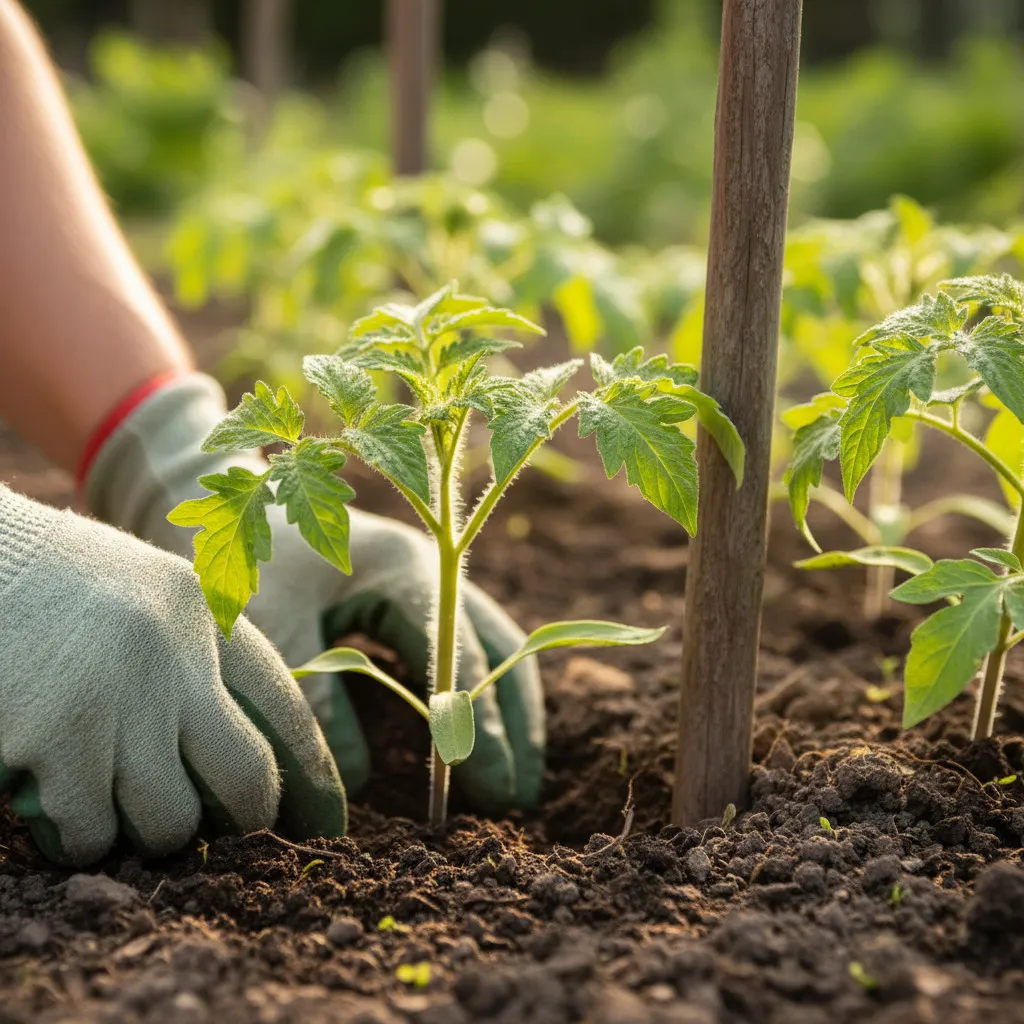
March represents the peak planting season for vegetables in California, offering opportunities to plant both the last of the cool-season crops and the first wave of warm-season favorites. Strategic planting this month sets the foundation for continuous harvests extending well into autumn.
Cool-Season Crops Still Available
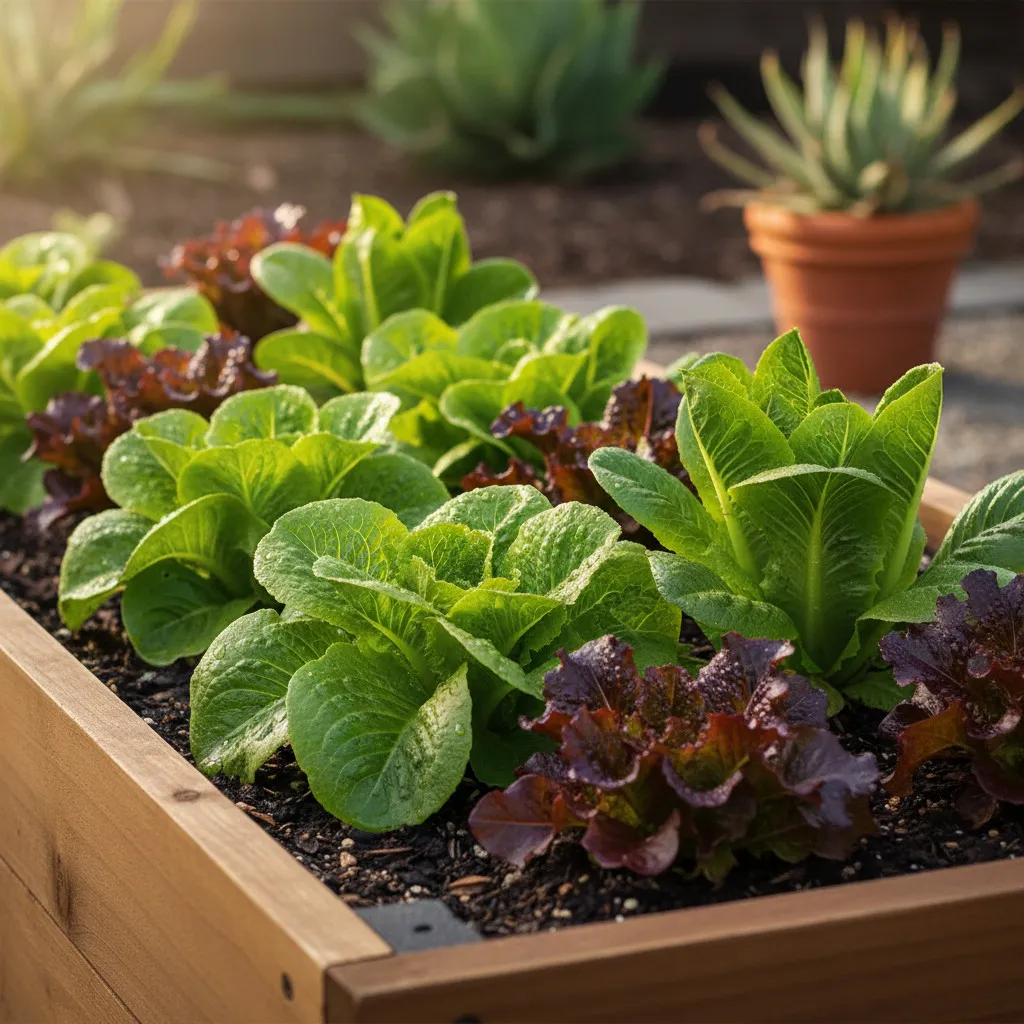
While March marks the tail end of the cool-season planting window, gardeners still have excellent opportunities to establish quick-maturing varieties that will produce before hot weather arrives. Lettuce remains one of the best choices for March planting, particularly heat-tolerant and bolt-resistant varieties that can withstand the gradually warming temperatures. Choose varieties with maturation times of 30-40 days to ensure harvests before heat causes bolting. Succession plant lettuce every two weeks through early April for continuous fresh salads. Mix leaf lettuces, romaines, and butterheads to create diverse flavors, textures, and colors in your garden. Keep seeds consistently moist during germination, which can take longer in warmer soil temperatures than winter plantings.
Brassicas including broccoli, cabbage, cauliflower, and kale can still be planted in early March, especially in coastal and northern regions where cool weather persists longer. In warmer inland areas, focus on fast-maturing varieties and heat-tolerant selections like ‘Green Magic’ broccoli or ‘Snow Crown’ cauliflower. These crops transplant better than direct seeding at this time of year, giving them a head start before temperatures rise. Provide adequate water during establishment and consider using shade cloth if an unexpected heat wave strikes before plants mature. Brussels sprouts and slower-growing cabbages may struggle if planted too late in March in hot areas, so assess your specific microclimate before committing garden space to these longer-season crops.
Root vegetables offer excellent March planting opportunities throughout California. Carrots, beets, radishes, and turnips can all be direct-seeded now, with radishes providing quick satisfaction with harvests possible in as little as 25-30 days. Carrots require loose, rock-free soil and consistent moisture during germination, which can take up to three weeks. Mix carrot seeds with sand to help distribute the tiny seeds more evenly and avoid overseeding. Beets tolerate warmer conditions reasonably well and produce both delicious roots and nutritious greens. Plant succession crops every 2-3 weeks to extend your harvest period. Root vegetables generally prefer full sun but can tolerate some afternoon shade, which may actually benefit them as temperatures increase later in spring.
Warm-Season Vegetables to Start
March signals the beginning of warm-season vegetable planting in much of California, though timing varies significantly by region. Southern California and warm inland valleys can often transplant tomatoes, peppers, and eggplants by mid-to-late March, while coastal and northern gardeners should wait until late March or even early April. Soil temperature matters more than air temperature for these heat lovers—wait until soil consistently reaches at least 60°F before transplanting tomatoes and 65-70°F for peppers and eggplants. Use a soil thermometer to make informed decisions rather than relying solely on calendar dates.
Tomatoes represent the crown jewel of California summer gardens, and March is prime time for planting in most regions. If you started seeds indoors in February, your seedlings should be ready for transplanting by late March, depending on variety and growing conditions. Choose from the hundreds of varieties available, considering factors like determinate versus indeterminate growth habits, disease resistance (look for VF designation indicating resistance to Verticillium and Fusarium wilts), and intended use. Plant tomatoes deeply, burying the stem up to the first true leaves to encourage additional root development along the buried stem. This creates a stronger root system capable of supporting heavy fruit production. Stake or cage plants at planting time to avoid disturbing roots later. If starting a second succession of tomatoes, choose heat-tolerant varieties like ‘Phoenix,’ ‘Heatwave II,’ or cherry types that perform better in summer’s intense heat.
Peppers require warmer conditions than tomatoes and benefit from waiting until late March or even early April in many California locations. Both sweet bell peppers and hot chili varieties need warm soil and nighttime temperatures consistently above 55°F to thrive. Transplant shock affects peppers more severely than tomatoes, so handle rootballs gently and consider hardening off seedlings gradually over 7-10 days before permanent transplanting. Space peppers 18-24 inches apart in well-draining soil amended with compost. Avoid high-nitrogen fertilizers that promote leafy growth at the expense of fruit production. Hot pepper varieties like jalapeños, serranos, and habaneros typically require longer growing seasons than sweet peppers, making March planting essential for harvesting ripe pods before fall.
Cucumbers, squash, and melons can be started in March, though approaches vary by region. In warm Southern California locations and interior valleys, direct seeding or transplanting can begin by late March. Cooler coastal and northern areas should start seeds indoors in March for transplanting in April or May, or wait to direct seed until April. These cucurbits resent root disturbance, so if starting indoors, use large containers or biodegradable pots that can be planted directly in the ground. Plant 2-3 seeds per pot and thin to the strongest seedling. Cucumbers and summer squash like zucchini mature quickly, providing harvests within 50-60 days. Winter squash and pumpkins require longer growing seasons, making March the ideal starting time for October harvests. Melons need consistently warm conditions and benefit from waiting until soil temperatures reach 70°F or above.
Succession Planting Strategies
March is the perfect month to implement succession planting strategies that ensure continuous harvests rather than overwhelming gluts followed by barren periods. This technique involves planting small amounts of quick-maturing crops every 2-3 weeks, staggering harvests throughout the season. Vegetables particularly well-suited to succession planting include lettuce, arugula, radishes, green onions, carrots, beets, beans, and cucumbers. Rather than planting an entire packet of lettuce seeds at once, plant just one row or a few squares of a raised bed every two weeks from March through early May, then resume again in late summer for fall harvests.
Succession planting maximizes garden productivity by keeping beds continuously productive rather than leaving empty spaces after harvesting. As early spring lettuce bolts in the heat, replace it immediately with heat-loving basil, cucumbers, or beans. When cool-season peas finish producing in late May, replant that space with a summer crop like squash or melons. This intensive approach requires planning but rewards you with diverse, continuous harvests and prevents the common problem of too much produce ripening simultaneously.
Consider planting different varieties of the same vegetable with staggered maturation dates. For tomatoes, plant early-season varieties (55-65 days to maturity), mid-season types (70-80 days), and late-season cultivars (80+ days) all in March. This provides tomatoes from early summer through fall rather than a single concentrated harvest period. Similarly, mix fast-maturing and slower-growing varieties of broccoli, cauliflower, and other crops to extend harvest windows without requiring multiple planting dates.
Planting Herbs in March
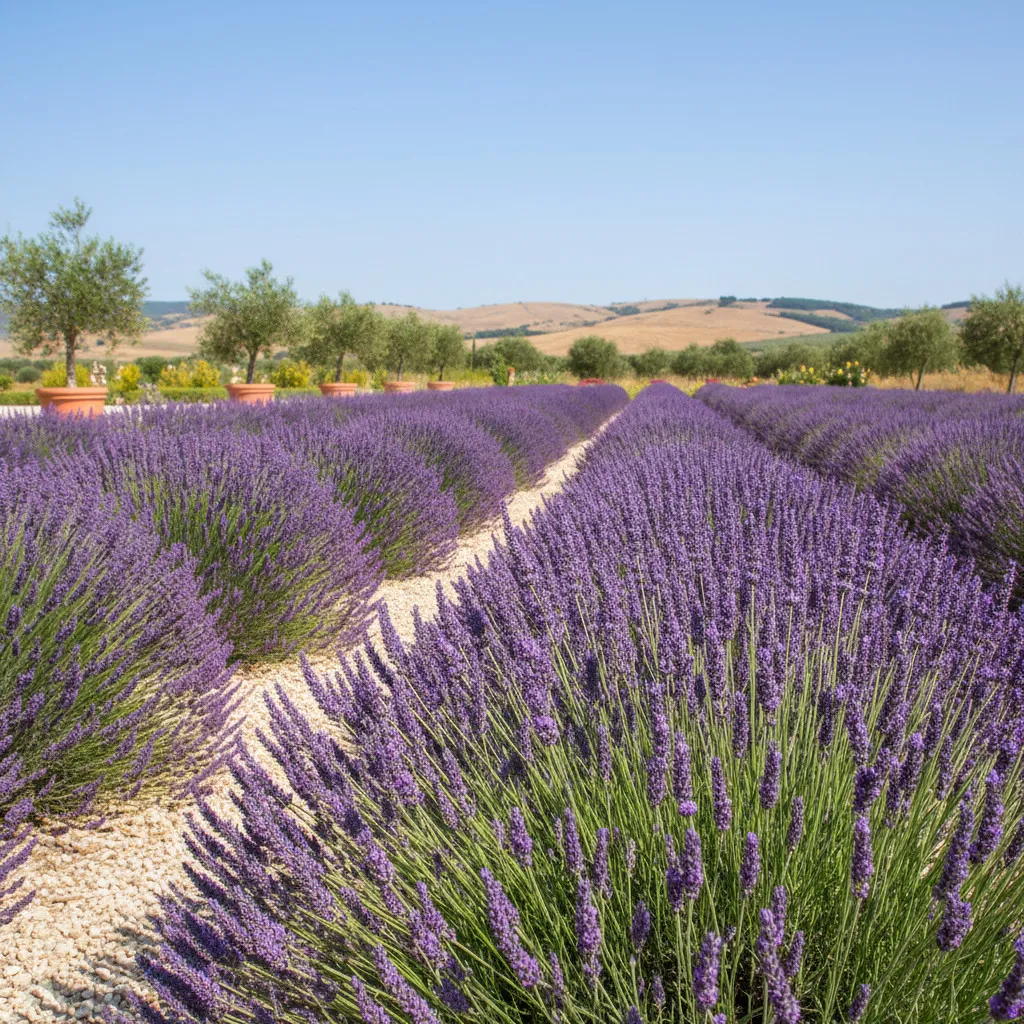
Herbs add flavor to cooking, attract beneficial insects and pollinators, and many thrive in California’s Mediterranean climate with minimal care once established. March offers ideal conditions for planting both perennial and annual herbs that will provide fresh flavors throughout the growing season.
Perennial Herbs
Perennial herbs represent excellent investments for California gardens, returning year after year with minimal maintenance. March is one of the best months to establish these long-lived plants, giving them time to develop strong root systems before summer heat. Rosemary thrives throughout California, tolerating drought, poor soil, and neglect once established. Choose from upright varieties for hedging or culinary use, or prostrate types for groundcovers and erosion control. Plant rosemary in full sun with excellent drainage—it cannot tolerate soggy soil. This Mediterranean native requires little water once established, making it perfect for water-wise gardens.
Thyme offers numerous varieties from common thyme for cooking to creeping thymes for groundcovers and planting between stepping stones. All thyme varieties prefer well-drained soil and full sun, thriving in California’s dry summers once established. Lemon thyme provides citrus-scented leaves perfect for fish and chicken dishes, while common thyme delivers classic flavor for soups, stews, and roasted vegetables. Thyme attracts bees and butterflies, making it valuable for pollinator gardens. Plant thyme in March and it will be ready for harvesting by May, with production continuing for years.
Oregano and marjoram closely related herbs that flourish in California gardens with minimal care. Both prefer sunny locations with good drainage and moderate water. Greek oregano provides the most intense flavor for Mediterranean and Mexican cuisines, while sweet marjoram offers more delicate flavoring. These spreading herbs can become vigorous, so provide adequate space or contain them in pots. March planting allows these perennials to establish before summer, and they’ll provide harvests within weeks and for years to come.
Sage encompasses both culinary common sage and beautiful ornamental varieties like Mexican bush sage and pineapple sage. Common sage grows into a small woody shrub with soft gray-green leaves perfect for poultry, pasta, and autumn dishes. Plant in full sun with good drainage and minimal water once established. Ornamental sages attract hummingbirds and beneficial insects while providing drought-tolerant color from spring through fall. All sage varieties thrive when planted in March throughout California.
Annual Herbs
Annual herbs require replanting each season but reward gardeners with intense flavors and, in many cases, abundant harvests from small spaces. Basil reigns as the king of summer herbs, but it’s extremely frost-sensitive and requires warm soil and air temperatures. In warm Southern California locations, basil can be planted outdoors in late March. Most California gardeners should start basil seeds indoors in March for transplanting in April or May, or wait to direct seed until late April when soil temperatures consistently exceed 60°F. Choose from dozens of basil varieties including classic Genovese for pesto, Thai basil for Asian cuisine, lemon basil for fish, and purple varieties for ornamental appeal. Basil grows quickly and benefits from regular harvesting, which promotes bushier growth and prevents flowering.
Cilantro (also called coriander) and dill are cool-season annual herbs that perform best when planted in March in California. Both bolt quickly in hot weather, so early spring planting provides the longest harvest window. These herbs dislike transplanting, so direct seed where you want them to grow. Cilantro requires consistent moisture and benefits from partial afternoon shade in warmer areas. Succession plant both cilantro and dill every 2-3 weeks through April for continuous harvests. Allow some plants to flower and set seed—cilantro produces coriander seeds for cooking, while dill seeds add flavor to pickles and many dishes.
Parsley, both flat-leaf Italian and curly varieties, can be planted throughout March in California. While technically biennial, parsley is usually grown as an annual since it bolts and declines in its second year. Parsley seeds germinate slowly, sometimes taking 3-4 weeks, so soaking seeds overnight before planting can speed germination. Plant in rich soil with consistent moisture and partial shade in hot areas. Parsley tolerates light frost and continues producing into winter in mild California climates. The flat-leaf Italian type offers better flavor for cooking, while curly parsley makes attractive garnishes and garden edging.
Ornamental Plants and Flowers for March
March presents excellent opportunities to add color, texture, and pollinator support to California gardens through strategic ornamental plantings. Whether filling containers, establishing perennial beds, or creating cutting gardens, this month offers ideal conditions for getting flowers off to a strong start.
Annuals for Instant Color
Annual flowers provide quick gratification and season-long color when planted in March. Marigolds rank among the easiest and most rewarding annuals, tolerating heat, some drought, and poor soil while repelling certain garden pests. French marigolds stay compact at 6-12 inches, perfect for edging, while African marigolds grow 2-3 feet tall for bold statements. Plant marigolds throughout vegetable gardens to attract beneficial insects and add cheerful color. They thrive in full sun with moderate water and deadheading to promote continuous blooming.
Zinnias deserve space in every California cutting garden for their vibrant colors, long vase life, and pollinator appeal. While zinnia seeds can be started indoors in March, many California gardeners achieve better results with direct seeding in April when soil warms. If starting indoors, use individual pots as zinnias dislike transplanting. Choose from dwarf varieties for containers and borders, or tall cutting types growing 3-4 feet for dramatic back-of-border statements. Zinnias tolerate heat, require minimal care once established, and bloom prolifically from summer through fall.
Cosmos provide airy, delicate beauty to gardens with minimal effort. Direct seed cosmos in late March or early April in prepared beds—they germinate quickly and grow rapidly. These tall annuals (3-4 feet for most varieties) create cottage garden charm and attract butterflies, bees, and beneficial insects. Cosmos tolerate poor soil and moderate drought, making them excellent choices for low-maintenance gardens. Dwarf varieties work well in containers and smaller spaces. Both annual cosmos and perennial chocolate cosmos can be planted now throughout California.
Sunflowers bring bold color and architectural interest to March-planted gardens. Direct seed sunflowers where you want them to grow, as they develop taproots that resent disturbance. Choose from giant varieties reaching 10+ feet, mid-sized types for cutting, or dwarf varieties for containers and small gardens. Sunflowers provide food for birds later in the season and make excellent additions to children’s gardens for their quick growth and dramatic presence. Plant succession crops every 2-3 weeks for continuous blooms through summer.
Perennials for Long-Term Beauty
March ranks as one of the best months for establishing perennials in California gardens, giving plants time to develop strong root systems before summer stress. Salvias encompass hundreds of species and cultivars perfectly suited to California’s Mediterranean climate. Mexican bush sage produces purple flowers from summer through fall with virtually no care once established. Black-and-blue salvia attracts hummingbirds with striking bicolor flowers. Cleveland sage and other California native salvias thrive in dry conditions after establishment. Plant salvias in full sun with excellent drainage and minimal supplemental water once established.
Lavender epitomizes California’s Mediterranean character, thriving in sunny, well-drained locations with minimal water. English lavenders produce the most intensely fragrant flowers for sachets and cooking, while Spanish and French lavenders offer longer bloom periods and ornamental appeal. All lavenders demand excellent drainage—they cannot tolerate wet feet. Plant on slopes, in raised beds, or amend heavy clay soil with gravel and compost. March planting allows lavender to establish before summer, and plants will bloom the first year with proper care.
Echinacea (coneflowers) have become California garden staples for their drought tolerance, long bloom period, and pollinator appeal. Modern breeding has expanded the color palette beyond traditional purple to include pink, orange, yellow, white, and bicolor selections. Coneflowers tolerate heat, some drought (once established), and poor soil while attracting butterflies and providing winter food for birds. Plant in full sun with moderate water until established, then reduce irrigation. Deadhead spent flowers to promote additional blooms or leave seedheads for bird food and winter interest.
Yarrow (Achillea) offers ferny foliage and flat-topped flower clusters in shades of yellow, pink, red, and white. This tough perennial tolerates heat, drought, poor soil, and neglect once established, making it ideal for low-water California gardens. Yarrow attracts beneficial insects including parasitic wasps and lady beetles that prey on garden pests. Plant in full sun with good drainage and minimal water. Divide established clumps every 3-4 years to maintain vigor.
Native Plants and Wildflowers
March represents the final opportunity to plant many California native species before hot weather arrives. Natives evolved to thrive in California’s summer-dry climate, requiring little supplemental irrigation once established. Ceanothus (California lilac) provides stunning blue, purple, or white flower displays in spring. ‘Ray Hartman’ grows quickly into a large shrub or small tree with deep blue flowers. Groundcover varieties like ‘Yankee Point’ control erosion on slopes. Plant ceanothus in full sun with excellent drainage and no summer water once established.
California poppies symbolize the Golden State with brilliant orange flowers (plus yellow, cream, pink, and red varieties). Direct seed poppies in March for late spring and summer color. These drought-tolerant annuals reseed readily, returning year after year with no effort. Poppies require full sun, well-drained soil, and no supplemental water once established. They thrive in poor soil and actually perform worse with fertilization.
Manzanita (Arctostaphylos) species range from groundcovers to large shrubs with beautiful reddish bark, small urn-shaped flowers, and berries that feed wildlife. Most manzanitas require excellent drainage and absolutely no summer water once established. March planting is the last good opportunity until fall. These evergreen natives provide year-round structure and interest while supporting native pollinators and wildlife.
Wildflower seed mixes formulated for California can still be scattered in March, though earlier planting generally yields better results. Keep seeded areas consistently moist until germination occurs, then gradually reduce watering frequency as plants establish. Wildflower meadows attract pollinators, provide habitat, and reduce lawn areas requiring water and maintenance.
Fruit Trees and Berries
March marks critical planting and care periods for fruit trees and berries in California gardens, offering both final opportunities for bare-root planting and optimal timing for container specimens.
Citrus and Subtropical Fruits
Citrus trees thrive throughout most of California, and March through May represents the ideal planting window. Warming soil temperatures encourage rapid root establishment before summer heat. Orange trees including Washington navels, Cara Caras, and Valencia varieties all perform well in California gardens. Navels ripen in winter and spring, while Valencias mature in summer, providing nearly year-round fresh oranges. Lemon trees are among the easiest citrus for home gardens, with Meyer lemons particularly adapted to containers and cooler coastal areas. Eureka and Lisbon lemons produce year-round in mild climates.
Mandarins and tangerines offer easy-peeling convenience and generally cold-hardier trees than other citrus. ‘Gold Nugget,’ ‘Pixie,’ and ‘Kishu’ varieties perform exceptionally well in California. ‘Kishu’ produces tiny, seedless fruit perfect for children, while ‘Gold Nugget’ delivers incredibly sweet, late-season fruit. Plant all citrus in full sun with well-draining soil. Heavy clay soil requires amending or planting on raised mounds to prevent fatal root rot. Water newly planted citrus regularly until established, then reduce frequency but water deeply.
Avocados can be planted from March through summer in most California locations. These subtropical trees require excellent drainage and protection from strong winds. ‘Hass’ remains the standard for home gardens, producing creamy, nutty fruit. ‘Fuerte’ offers a smooth, buttery alternative. Avocados need minimal nitrogen but benefit from zinc supplementation. Mulch heavily around avocados but keep mulch away from trunks. Some varieties require pollinizers for fruit set, so research your specific choice or plant multiple varieties.
Subtropical fruits including guava, cherimoya, loquat, and passion fruit can be planted in March in frost-free California locations. These heat-lovers benefit from warm spring planting that allows establishment before winter. Protect from any late cold snaps and provide consistent water during establishment. Many subtropical fruits thrive with minimal care once established in appropriate climates.
Bare-Root Planting Opportunities
While March represents the tail end of bare-root planting season in California, early in the month still offers opportunities to plant dormant deciduous fruit trees, berries, and grapes. Bare-root specimens cost less than container plants, establish quickly, and allow you to inspect root quality before planting. Stone fruits including peaches, nectarines, plums, apricots, and cherries should be planted as early in March as possible, ideally in February. Choose varieties with appropriate chill hours for your climate—low-chill varieties (under 400 hours) for Southern California and warm valleys, higher-chill types for cooler regions.
Apples and pears also perform best when planted bare-root in late winter. Select varieties suited to California’s mild winters and long growing seasons. Low-chill apples like ‘Anna,’ ‘Dorsett Golden,’ and ‘Beverly Hills’ thrive in Southern California, while higher-chill varieties succeed in northern regions. Pears including ‘Bartlett,’ ‘Comice,’ and Asian varieties adapt well to California conditions.
Grapes transplant beautifully bare-root in March throughout California. Table grapes, wine grapes, and juice varieties all establish quickly when planted dormant. Grapes require full sun, good drainage, and sturdy support structures. Plant bare-root grapevines with roots spread outward and the graft union above soil level. Water consistently during establishment, then reduce frequency—grapes actually benefit from some water stress for quality fruit production.
Berries including raspberries, blackberries, blueberries, and strawberries can be planted bare-root or from containers in March. Strawberries are particularly popular in California home gardens, with June-bearing, everbearing, and day-neutral varieties available. Remove flowers for the first few months after planting to direct energy toward root and plant establishment. Blueberries require acidic soil (pH 4.5-5.5) rarely found naturally in California. Amend soil with sulfur and acidic compost or grow in containers with acidic potting mix. Plant multiple varieties for cross-pollination and extended harvests.
March Garden Maintenance Tasks
Beyond planting, March demands attention to various garden maintenance tasks that set the stage for a productive, healthy growing season. Addressing these projects now prevents problems and reduces work later in the year.
Soil Preparation and Composting
Preparing garden beds for spring and summer planting ranks among the most important March tasks. Rather than tilling or turning soil, which destroys beneficial soil structure and organisms, top beds with 2-4 inches of quality compost and allow it to integrate naturally. This “no-till” approach maintains soil health while adding nutrients and improving structure. Work compost lightly into the top few inches if you prefer, but avoid deep tilling that damages soil ecology.
Test soil pH and nutrient levels before adding amendments. California soils often tend toward alkaline, challenging acid-loving plants like blueberries, azaleas, and camellias. Sulfur applications can gradually lower pH, while lime raises it if needed. Nitrogen, phosphorus, and potassium levels help determine fertilizer requirements. Avoid over-fertilizing, which wastes money and can pollute waterways. Many California soils lack adequate organic matter—the single most important component for healthy soil. Continue adding compost annually to build soil health over time.
Mulching provides numerous benefits including moisture retention, weed suppression, soil temperature moderation, and erosion prevention. Apply 2-4 inches of organic mulch like wood chips, shredded bark, or compost around plants, keeping mulch several inches away from plant stems and tree trunks. Mulch breaks down over time, improving soil structure and fertility. March is ideal for refreshing mulch that has decomposed over winter. Remember that all mulch is combustible—use caution in fire-prone areas and maintain adequate defensible space around structures.
Build or refresh compost piles in March as yard waste accumulates from spring pruning and cleanup. Proper composting requires balancing carbon-rich “brown” materials (dry leaves, straw, shredded paper) with nitrogen-rich “green” materials (grass clippings, food scraps, fresh plant trimmings). Maintain moisture like a wrung-out sponge and turn piles regularly for faster decomposition. Finished compost provides the best possible soil amendment, returning nutrients to your garden while reducing waste.
Irrigation System Checks
March is critical for inspecting and repairing irrigation systems before the busy growing season begins. Walk through each irrigation zone while it’s running, checking for leaks, broken emitters, clogged drip lines, and misdirected sprinkler heads. Clean or replace clogged emitters and adjust spray patterns to target plants rather than sidewalks or structures. Many California water districts offer free irrigation audits and rebates for efficient irrigation equipment—take advantage of these programs to reduce water waste.
Adjust irrigation timers monthly as weather changes, or invest in smart controllers that automatically adjust based on weather data, soil moisture, and plant needs. Avoid watering during rain or when rain is forecast. California’s clay soils absorb water slowly, so cycle-and-soak irrigation prevents runoff. Run irrigation for short periods (5-10 minutes), shut off to allow absorption, then repeat until adequate water has penetrated to root depth. Deep, infrequent watering encourages deep root growth and healthier, more drought-tolerant plants.
Consider converting high-water-use areas to drip irrigation, which delivers water directly to root zones with minimal evaporation or overspray. Drip systems work excellently for vegetables, perennials, shrubs, and trees. Retrofit existing spray zones or install new drip systems in March before planting. Mulch over drip lines to protect from sun damage and conceal them aesthetically. Group plants with similar water needs together to avoid overwatering drought-tolerant species or underwatering thirsty ones.
Pest and Disease Prevention
March pest and disease prevention proves far more effective than dealing with infestations later. Inspect plants regularly for early signs of problems. Aphids often appear in March on tender new growth. Blast them off with water, encourage beneficial insects like lady beetles and lacewings that prey on aphids, or use insecticidal soap for severe infestations. Avoid broad-spectrum pesticides that kill beneficial insects along with pests.
Snails and slugs emerge with spring moisture. Hand-pick them in early morning or evening when they’re active. Create traps from overturned flowerpots or boards—snails hide underneath where you can easily collect and dispose of them. Iron phosphate-based baits (like Sluggo) control snails and slugs without harming pets, wildlife, or beneficial organisms. Copper barriers deter these pests from climbing into raised beds or containers.
Powdery mildew appears as white, dusty coating on leaves of susceptible plants. Prevent with adequate air circulation, appropriate spacing, and avoiding overhead watering late in the day. Morning watering allows foliage to dry before nighttime when fungal diseases spread. Prune plants to improve air circulation and remove infected leaves. Organic fungicides including sulfur, neem oil, or baking soda solutions can help control established infections.
Monitor for diseases like camellia petal blight (brown, mushy flowers), peach leaf curl (distorted, reddish leaves), and citrus diseases. Remove and dispose of infected plant material in green waste rather than composting. Preventive sprays applied at correct times (like copper for peach leaf curl applied before buds swell) prevent many diseases more effectively than treatments after infection appears. Practice good garden sanitation by removing fallen fruit, diseased leaves, and debris that harbor pests and diseases.
Regional Considerations Across California
California’s diverse climates require tailoring March planting schedules and varieties to local conditions. Understanding regional differences maximizes success and minimizes frustration.
Northern California Tips
Northern California gardeners including those in the San Francisco Bay Area, Sacramento Valley, and coastal regions experience cooler, moister conditions than southern areas. March typically marks the transition from winter to spring, with last frost dates ranging from early to mid-March in most populated areas, though microclimates vary significantly. Coastal fog moderates temperatures, extending the cool-season growing window while delaying warm-season planting compared to inland valleys.
Focus March planting on cool-season crops that tolerate occasional light frost: lettuce, kale, broccoli, peas, and root vegetables. Wait until late March or early April to transplant tomatoes, peppers, and other frost-sensitive plants. Hardening off seedlings is critical—gradually acclimate indoor-started plants to outdoor conditions over 7-10 days before permanent transplanting. Northern California’s moderate summer temperatures allow growing cool-season crops longer than hot interior regions and permit replanting in late summer for fall harvests.
California native plants and Mediterranean species thrive in Northern California’s climate. Plant ceanothus, manzanita, salvias, and lavender in March for strong establishment before summer. These drought-adapted plants require excellent drainage and no summer water once established. Improve heavy clay soils common throughout the region with compost, avoid overwatering, and plant on slopes or mounds for better drainage.
Southern California Tips
Southern California’s warmer, drier climate permits earlier planting of warm-season crops than northern regions. Many coastal Southern California areas experience little to no frost, while inland valleys and mountain communities have more variable winter weather. Tailor planting to your specific microclimate—coastal gardeners enjoy extended cool-season growing but must wait longer for soil to warm for summer crops, while inland valleys heat up quickly in March, allowing earlier warm-season planting.
Maximize the March planting window in Southern California by transplanting tomatoes, peppers, eggplants, and cucurbits by mid-to-late month in most areas. This early start provides long growing seasons for heat-loving crops and allows harvests before extreme summer heat affects fruit set. Choose heat-tolerant varieties for inland areas where summer temperatures regularly exceed 95-100°F. Provide shade cloth for sensitive plants during extreme heat waves.
Water conservation deserves special attention in water-scarce Southern California. Replace thirsty lawns with drought-tolerant natives, succulents, and Mediterranean species. Mulch heavily to conserve moisture. Group plants by water needs (hydrozoning) to avoid wasting water on drought-tolerant plants. Take advantage of local water district rebate programs for efficient irrigation equipment and lawn replacement. Southern California’s mild winters allow planting cool-season vegetables in fall for winter harvests, maximizing year-round production.
Central Valley Considerations
California’s Central Valley experiences hot, dry summers and cooler winters with valley fog (tule fog) creating unique microclimates. March brings rapidly warming temperatures, with last frost dates typically around mid-March but variable by location and year. Central Valley gardeners should prepare for temperature extremes, with summer highs regularly exceeding 100°F requiring heat-tolerant varieties and adequate irrigation.
Plant cool-season crops early in March before heat arrives—these vegetables will bolt quickly once temperatures rise. Focus on fast-maturing varieties and succession planting. Warm-season crops can be transplanted late in March in most Central Valley areas, getting them established before summer heat. Choose heat-tolerant varieties of tomatoes, peppers, melons, and squash bred for extreme heat performance.
Soil quality varies throughout the Central Valley from heavy clay to sandy loam. Most benefit from heavy compost additions to improve structure, drainage, and fertility. Saline soils challenge some areas—test soil salinity and choose tolerant species if levels are high. Mulch heavily to moderate soil temperature extremes and conserve water. Central Valley gardeners often achieve exceptional production from summer crops due to intense sun and heat, but adequate irrigation is absolutely essential for success. Plan irrigation carefully and consider drought-tolerant species for ornamental areas.
Wrapping Up: Make March Count in Your California Garden
March stands as one of the most exciting and productive months in California gardens, offering unparalleled opportunities to establish plants that will provide beauty, food, and satisfaction for months to come. Whether you’re succession planting lettuce for continuous salads, setting out tomato seedlings for summer’s bounty, adding pollinator-friendly flowers, or establishing drought-tolerant natives, the work you do this month creates the foundation for a thriving, productive garden.
Success in March gardening comes from understanding your specific microclimate, choosing appropriate varieties, timing plantings correctly, and providing proper care as plants establish. Don’t be intimidated by California’s climate diversity—embrace your region’s unique conditions and select plants that thrive in your specific location. Take advantage of local resources including Master Gardener programs, botanic gardens, native plant societies, and water district rebate programs to expand your knowledge and maximize success.
As you plan and plant this March, remember that gardening is a journey of continuous learning. Each season teaches new lessons about timing, varieties, techniques, and the particular quirks of your specific garden. Keep records of what you plant, when you plant it, and how it performs. These notes become invaluable references for future seasons. Don’t fear experimentation—try new varieties, test different techniques, and discover what works best in your unique garden situation.
California’s generous climate allows year-round gardening, but March holds special importance as a transition month where thoughtful planning and timely action yield disproportionate rewards. The seeds and transplants you establish now will feed you, beautify your surroundings, support pollinators and wildlife, and connect you with the rhythms of nature. So get out there, get your hands dirty, and make this March the beginning of your most successful California garden yet. The lengthening days, warming soil, and explosion of spring growth await your participation in one of life’s most rewarding activities—growing things.
![What Is the National Fruit of Germany And Why? [ANSWERED]](https://fruitonix.com/wp-content/uploads/2023/04/What-Is-the-National-Fruit-of-Germany-And-Why.jpg)