Table of Contents
- Why You Should Start Container Gardening Fruit Today
- The Compelling Benefits of Growing Fruit in Containers
- Why the Time to Start Is Right Now
- Best Fruits for Container Gardening Success
- Berries: The Perfect Starting Point
- Citrus Trees: Mediterranean Flavor Anywhere
- Stone Fruits and Tree Fruits
- Essential Equipment and Setup Requirements
- Choosing the Right Containers
- Soil and Growing Media Selection
- Step-by-Step Guide to Starting Your Container Fruit Garden
- Overcoming Common Container Fruit Gardening Challenges
- Managing Water Requirements
- Addressing Nutritional Needs
- Temperature Stress Management
- Maximizing Your Harvest: Expert Tips and Strategies
- The Economic and Environmental Case for Container Fruit
- Health and Wellness Rewards
- Final Words: Your Container Fruit Garden Awaits
Why You Should Start Container Gardening Fruit Today
Imagine stepping onto your balcony, patio, or even your kitchen windowsill and plucking a perfectly ripe strawberry, a juicy lemon, or a sweet fig grown entirely by your own hands. This isn’t a distant dream reserved for those with sprawling backyards or rural properties—it’s an increasingly accessible reality for millions of people worldwide through the transformative practice of container gardening fruit.

The modern landscape of home gardening has undergone a remarkable revolution, breaking free from traditional constraints of space, location, and expertise. Whether you’re living in a compact urban apartment, renting a home without permanent garden beds, or simply seeking greater control over your food sources, container fruit gardening offers an empowering solution that aligns perfectly with contemporary lifestyles. The movement has gained tremendous momentum, with gardening enthusiasts and health-conscious individuals discovering that growing fresh, organic fruit doesn’t require acres of land—just the right knowledge, a few containers, and genuine enthusiasm.
This comprehensive guide will walk you through everything you need to know about starting your container fruit garden today. From understanding the compelling reasons behind this growing trend to selecting the perfect fruits for your specific situation, you’ll discover actionable strategies, expert insights, and practical tips that will transform you from a curious beginner into a confident container fruit gardener.
The Compelling Benefits of Growing Fruit in Containers
Container fruit gardening offers a unique combination of convenience, control, and productivity that traditional gardening methods simply cannot match, making it an ideal choice for gardeners of all experience levels.
Growing fruit in containers presents an extraordinary opportunity to enjoy fresh, homegrown produce regardless of your living situation or gardening background. This approach eliminates many barriers that have historically prevented people from experiencing the satisfaction of harvesting their own fruit, opening doors for apartment dwellers, renters, seniors, and anyone seeking a more manageable gardening experience.
Unmatched Flexibility and Portability
One of the most significant advantages of container gardening is the ability to move your plants according to seasonal changes, sunlight patterns, or personal preferences. Unlike traditional in-ground gardens, container plants can be relocated to capture optimal sunlight during different times of year, brought indoors during extreme weather, or repositioned to enhance your outdoor living space aesthetically. This mobility proves particularly valuable for renters who may need to take their garden with them when moving to a new residence.
Superior Growing Condition Control
Container gardening empowers you with unprecedented control over every aspect of your plant’s environment. You select the exact soil composition, ensuring perfect drainage and nutrient balance. You determine watering schedules based on each plant’s specific needs rather than relying on unpredictable rainfall. This level of control significantly reduces common gardening problems like soil-borne diseases, poor drainage, and nutrient deficiencies that plague traditional gardens.
Key Benefits at a Glance:
- Space efficiency – Grow fruit on balconies, patios, rooftops, or even indoors
- Reduced pest pressure – Elevated containers minimize exposure to ground-dwelling pests
- Extended growing seasons – Move plants indoors to continue growing year-round
- Accessibility – Raised containers reduce bending and kneeling for easier maintenance
- Aesthetic appeal – Create beautiful, productive container arrangements that enhance your space
Why the Time to Start Is Right Now
Understanding the urgency and timeliness of beginning your container fruit garden today helps you capitalize on current trends, available resources, and optimal growing conditions.
The convergence of several factors makes this moment particularly opportune for launching your container fruit gardening journey. Economic considerations, health awareness, environmental consciousness, and technological advancements in gardening supplies have created an ideal environment for new fruit gardeners to thrive and succeed.
Rising Food Costs and Quality Concerns
Grocery store fruit prices continue climbing while questions about pesticide residues, long-distance shipping impacts, and produce freshness remain prevalent concerns for health-conscious consumers. Growing your own fruit provides a direct solution to these challenges, delivering superior freshness and complete transparency about growing methods. The fruit you harvest from your container garden travels mere feet from plant to plate, preserving maximum nutritional content and flavor intensity that store-bought alternatives simply cannot match.
Growing Availability of Dwarf Varieties
Plant breeders have developed an impressive array of dwarf and compact fruit varieties specifically designed for container cultivation. These plants maintain full-sized fruit production while remaining manageable heights and root systems suitable for container life. From dwarf citrus trees that reach only four feet tall to compact berry bushes bred for container success, the options available today far exceed what was possible even a decade ago.

Seasonal Timing Advantages:
Starting your container fruit garden today positions you perfectly for the upcoming growing season. Many fruit plants benefit from establishment periods before their primary fruiting season, meaning plants purchased and potted now will be stronger and more productive when harvest time arrives. Early planning also allows you to:
- Research and select the best varieties for your specific climate and preferences
- Gather necessary supplies without rushing during peak gardening season
- Establish proper care routines before plants require intensive attention
- Take advantage of early-season sales and better plant selection at nurseries
Best Fruits for Container Gardening Success
Selecting appropriate fruit varieties forms the foundation of container gardening success, with certain plants adapting remarkably well to container life while delivering abundant harvests.
Not all fruits perform equally well in containers, and understanding which varieties thrive in this environment dramatically increases your chances of success. The best container fruits combine compact growth habits, reasonable root space requirements, and proven adaptability to the unique conditions container life presents.
Berries: The Perfect Starting Point
Berries represent perhaps the ideal entry point for container fruit gardening, offering quick returns on your investment and relatively forgiving cultivation requirements. Their compact nature and prolific production make them favorites among both novice and experienced container gardeners.
Strawberries deserve special attention as perhaps the most accessible container fruit available. They produce fruit within the first year, require minimal space, and adapt beautifully to various container types including traditional pots, hanging baskets, and vertical growing systems. Ever-bearing varieties provide multiple harvests throughout the growing season, while June-bearing types deliver larger single harvests perfect for preserving.
Blueberries excel in containers partly because their specific soil requirements (acidic, well-draining) are easier to achieve in isolated containers than in ground soil. Dwarf varieties like ‘Top Hat’ and ‘Northsky’ reach only one to two feet tall while producing impressive berry yields. These plants also offer stunning ornamental value with spring flowers, summer fruit, and brilliant fall foliage colors.
Raspberries and blackberries adapted for containers bring the irresistible flavor of fresh-picked bramble fruits to small spaces. Compact varieties like ‘Raspberry Shortcake’ grow without aggressive spreading behavior, making them manageable container citizens that produce abundantly without overwhelming your space.
Citrus Trees: Mediterranean Flavor Anywhere
Container-grown citrus trees have enchanted gardeners for centuries, bringing Mediterranean ambiance and incredible flavor to climates far beyond their natural range. The ability to move these frost-sensitive plants indoors during winter makes successful citrus cultivation possible almost anywhere.
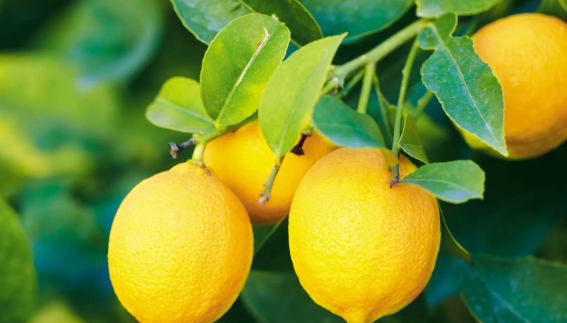
Dwarf Meyer lemons stand as the most popular container citrus choice, and for excellent reasons. They produce sweet, thin-skinned lemons with exceptional flavor while remaining compact enough for indoor-outdoor container life. A single healthy Meyer lemon tree can produce dozens of lemons annually, providing year-round fruit with proper care.
Kumquats present unique advantages for container growing, including cold tolerance exceeding other citrus types and small fruits that ripen reliably even in reduced light conditions. Their naturally compact growth habit requires minimal pruning to maintain container-appropriate size.
Dwarf lime trees, particularly ‘Bearss’ and ‘Kaffir’ varieties, bring essential culinary ingredients within easy reach while thriving in container environments.
Stone Fruits and Tree Fruits
Modern dwarf varieties have brought previously impractical fruits into the container gardening realm, expanding possibilities beyond what earlier generations could have imagined.
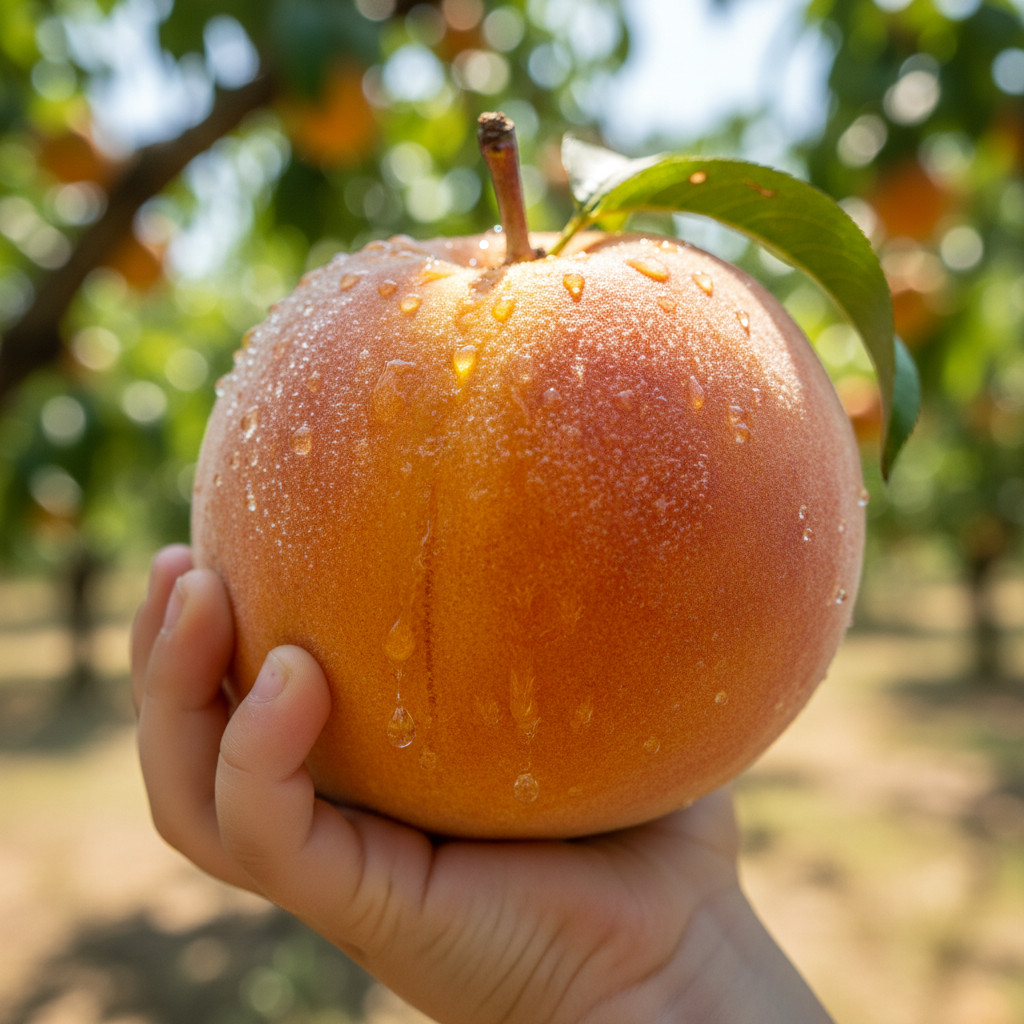
Dwarf peach and nectarine trees now reach mature heights of only four to six feet while producing full-sized, incredibly flavorful fruit. Varieties like ‘Bonanza’ and ‘Pix Zee’ were specifically developed for container cultivation and perform remarkably in this environment.
Fig trees adapt exceptionally well to containers, with many gardeners arguing they actually perform better in containers than in ground plantings. The root restriction encourages fruiting while the portability allows protection from winter cold in marginal climates.
Essential Equipment and Setup Requirements
Proper equipment selection and setup procedures establish the foundation for healthy, productive container fruit plants, with each component playing a critical role in long-term success.
Successful container fruit gardening depends on assembling appropriate equipment that meets your plants’ fundamental needs. Understanding what each element contributes helps you make informed decisions that support plant health and abundant harvests.
Choosing the Right Containers
Container selection significantly impacts plant health, watering requirements, and ultimate productivity. The ideal container provides adequate root space, proper drainage, temperature moderation, and practical durability for long-term use.
Size matters considerably when selecting containers for fruit plants. Most berry plants thrive in containers holding at least five gallons of soil, while dwarf fruit trees typically require containers ranging from fifteen to twenty-five gallons. Undersized containers restrict root development, increase watering frequency to unsustainable levels, and ultimately limit plant productivity and health.
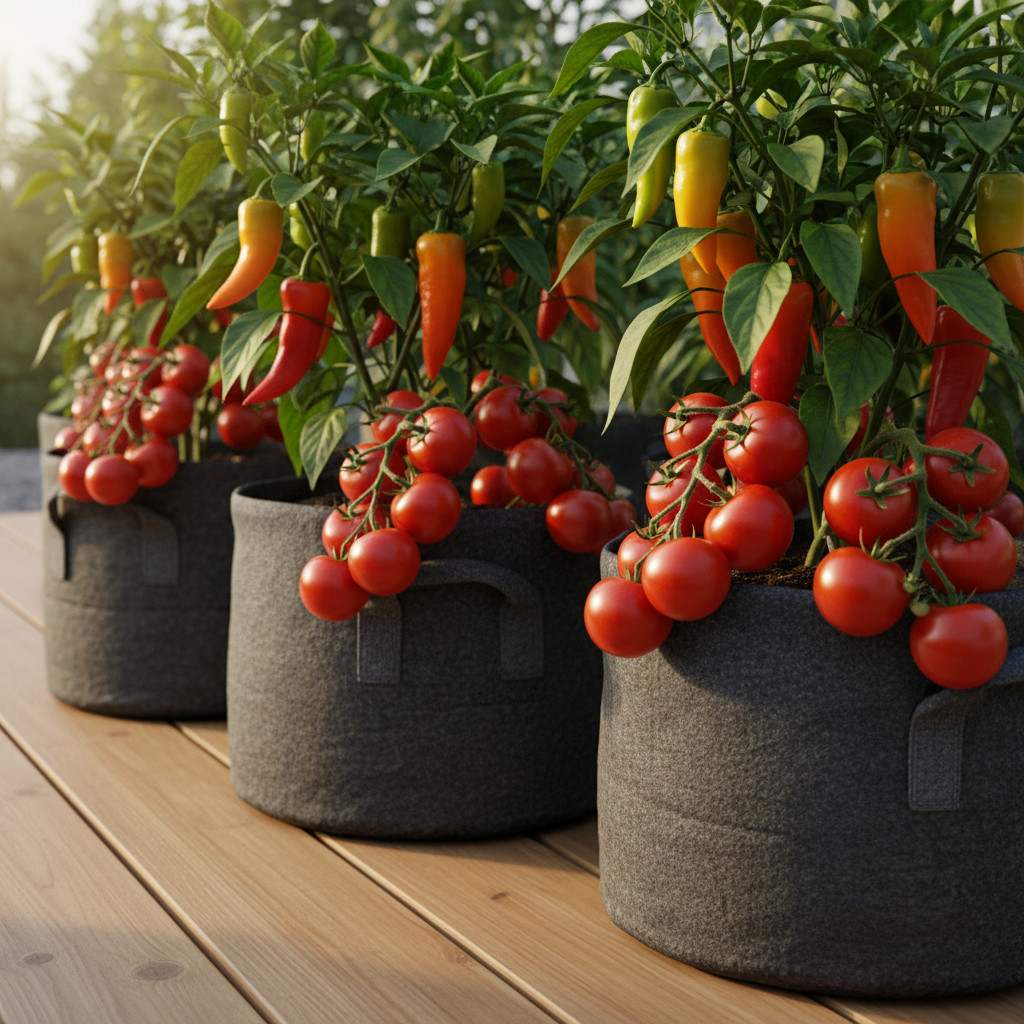
Material considerations include weight, insulation properties, durability, and aesthetics. Fabric grow bags have gained tremendous popularity for fruit growing, offering excellent drainage and air pruning benefits that promote healthy root systems. Traditional terracotta provides attractive appearance and breathability but adds significant weight and dries quickly. Plastic containers offer affordability and moisture retention but may overheat in intense sun. Wooden half-barrels deliver classic aesthetics and good insulation but require eventual replacement as they deteriorate.

Drainage requirements cannot be overstated—containers must have adequate drainage holes to prevent waterlogging that quickly damages fruit plant roots. Adding drainage hole covers or gravel layers at container bottoms improves water flow and prevents soil loss.
Soil and Growing Media Selection
Container soil differs substantially from garden soil, requiring specific characteristics that support healthy fruit plant growth in the unique container environment.
Commercial potting mixes designed for containers provide appropriate drainage, moisture retention, and nutrient-holding capacity that garden soil cannot offer in containers. These mixes typically combine peat moss or coir, perlite or vermiculite, and composted materials in proportions optimized for container growing. Avoid using garden soil alone in containers—it compacts excessively, drains poorly, and may harbor diseases.
Customizing soil for specific fruits improves results considerably. Blueberries require acidic soil (pH 4.5-5.5), achieved through amendments like sulfur or specialized acidic potting mixes. Citrus trees prefer slightly acidic to neutral soil with exceptional drainage. Most other fruits thrive in standard high-quality potting mix with added compost for nutrition.
Step-by-Step Guide to Starting Your Container Fruit Garden
Following a systematic approach to establishing your container fruit garden ensures you address each critical factor and set your plants up for thriving success.
Transforming your container fruit gardening vision into reality requires methodical execution of several key steps. This guide walks you through the process from initial planning through successful establishment.
1. Assess Your Growing Environment
Before purchasing plants or supplies, thoroughly evaluate your available space and growing conditions. Identify how many hours of direct sunlight your intended growing area receives daily—most fruit plants require minimum six to eight hours for productive fruiting. Note any environmental factors like wind exposure, reflected heat from buildings, or frost pocket locations that might affect plant success. Understanding your USDA hardiness zone and local microclimate helps you select appropriate varieties and plan for seasonal protection needs.
2. Select Appropriate Fruit Varieties
Based on your environmental assessment, choose fruit varieties suited to your specific conditions and preferences. Consider factors including chill hour requirements (hours below 45°F needed for fruiting), heat tolerance, disease resistance, pollination needs, and mature plant size. Beginning gardeners often find greatest success starting with proven easy varieties like strawberries, dwarf citrus, or figs before attempting more challenging fruits.
3. Gather Quality Supplies
Assemble all necessary equipment before bringing plants home. This includes appropriately sized containers, quality potting mix, slow-release fertilizer formulated for fruit plants, mulch materials, and any support structures needed. Having everything ready prevents delays that stress newly purchased plants waiting in inadequate temporary situations.
4. Execute Proper Planting Technique
Planting technique significantly impacts establishment success and long-term plant health. Fill containers with moistened potting mix to appropriate depth, position plants at the same soil level they grew in nursery containers, and firm soil gently around roots to eliminate air pockets. Water thoroughly after planting to settle soil and hydrate root systems. Apply mulch surface layer to conserve moisture and moderate soil temperature.
5. Establish Consistent Care Routines
Container plants depend entirely on you for water, nutrients, and protection—establishing reliable care routines from the beginning prevents problems before they develop. Create watering schedules based on plant needs, weather conditions, and container characteristics. Implement feeding programs using appropriate fertilizers at recommended frequencies. Monitor plants regularly for pest or disease symptoms, addressing any issues promptly before they escalate.
Overcoming Common Container Fruit Gardening Challenges
Understanding potential challenges and their solutions prepares you to address problems effectively while preventing many issues through proactive management strategies.
Every gardening method presents unique challenges, and container fruit gardening is no exception. However, armed with knowledge about common problems and their solutions, you can navigate these challenges successfully.
Managing Water Requirements
Container plants typically require more frequent watering than ground-planted counterparts because containers expose more surface area to evaporation and provide limited soil volume for moisture storage. During hot summer weather, daily watering—sometimes twice daily—may be necessary.
Solutions for watering challenges include:
- Installing drip irrigation systems with timers for consistent automated watering
- Choosing larger containers that hold more moisture between waterings
- Grouping containers together to create humidity-sharing microclimates
- Using self-watering containers with water reservoirs
- Applying thick mulch layers to reduce evaporation
Addressing Nutritional Needs
Container soil nutrients deplete rapidly compared to ground soil because frequent watering leaches nutrients and plants cannot access nutrition beyond their container boundaries.
Implement comprehensive fertilization programs using slow-release granular fertilizers supplemented with liquid feeding during active growth periods. Watch for nutrient deficiency symptoms including yellowing leaves, poor fruit development, or stunted growth, and adjust feeding accordingly.
Temperature Stress Management
Container soil temperatures fluctuate more dramatically than ground soil, potentially stressing roots during temperature extremes. Hot summer sun can overheat dark-colored containers, while winter cold penetrates container walls more readily than frozen ground.
Protective strategies include:
- Using light-colored containers that reflect heat
- Grouping containers together for mutual insulation
- Moving containers to protected locations during extreme weather
- Wrapping containers with insulating materials during winter
- Positioning containers where buildings or structures provide wind protection
Maximizing Your Harvest: Expert Tips and Strategies
Implementing advanced techniques and best practices elevates your container fruit garden from merely surviving to truly thriving with abundant, high-quality harvests.
Moving beyond basic care to implement expert strategies dramatically improves your container fruit garden’s productivity and the quality of fruit you harvest.
Pruning for Productivity
Regular, informed pruning shapes plants for container success while encouraging fruit production. Remove dead, damaged, or crossing branches promptly. Train plants to maintain balanced, open structures that allow air circulation and light penetration. Understand your specific fruits’ pruning requirements—some produce on new growth while others fruit on older wood, requiring different approaches.
Pollination Assistance
Container plants, especially those grown indoors or on high-rise balconies, may receive fewer pollinator visits than ground-level gardens. Hand pollination using small brushes ensures fruit set on self-fertile varieties, while providing multiple plants enables cross-pollination for varieties requiring it.
Seasonal Care Adjustments
Adapt your care routines to seasonal changes in plant needs and environmental conditions. Spring calls for increased feeding as growth resumes. Summer demands vigilant watering and pest monitoring. Fall preparation for dormancy includes reduced feeding and protection planning. Winter care focuses on protecting tender plants and maintaining minimal moisture for dormant specimens.
Best Practice Checklist:
- ✓ Monitor soil moisture daily during growing season
- ✓ Fertilize regularly with appropriate products
- ✓ Inspect plants weekly for pest and disease symptoms
- ✓ Prune annually according to species requirements
- ✓ Repot or refresh soil every two to three years
- ✓ Rotate containers periodically for even light exposure
The Economic and Environmental Case for Container Fruit
Beyond personal satisfaction, container fruit gardening delivers meaningful economic savings and environmental benefits that extend well beyond your immediate household.
Container fruit gardening represents a wise investment that pays dividends in multiple currencies—financial savings, environmental stewardship, and personal wellbeing.
Financial Benefits Analysis
While initial setup costs exist, container fruit plants typically repay their investment within one to three growing seasons through reduced grocery expenditures. A single productive strawberry plant costing a few dollars can yield several pounds of berries annually—berries that would cost significantly more at retail prices, especially for organic produce.
Perennial fruit plants like citrus trees, blueberry bushes, and fig trees continue producing for decades with proper care, compounding savings year after year. The high cost of organic produce makes home growing particularly economical for those prioritizing chemical-free fruit.
Environmental Impact
Home-grown fruit eliminates transportation emissions associated with commercial produce often shipped thousands of miles from production regions. Container gardening avoids synthetic pesticides and fertilizers common in commercial agriculture, reducing chemical inputs that impact broader ecosystems.
Composting kitchen waste to feed container plants creates closed-loop systems that reduce landfill contributions while building soil fertility. The presence of flowering fruit plants supports pollinator populations facing widespread habitat loss.
Health and Wellness Rewards
Container fruit gardening delivers comprehensive health benefits spanning physical nutrition, mental wellbeing, and the deep satisfaction of producing your own wholesome food.
The health benefits of container fruit gardening extend far beyond the obvious nutritional advantages of eating fresh fruit, encompassing mental health improvements and physical activity benefits that contribute to overall wellbeing.
Nutritional Superiority
Home-grown fruit harvested at peak ripeness delivers substantially higher nutrient content than commercial produce picked prematurely for shipping durability. Vitamins, antioxidants, and other beneficial compounds reach maximum concentration when fruit ripens naturally on the plant—something only possible with home growing.
The ability to grow organically without synthetic pesticides provides cleaner produce while eliminating concerns about chemical residues. You control exactly what goes into your plants and, consequently, into your body.
Mental Health Benefits
Gardening activities provide documented mental health benefits including stress reduction, improved mood, and decreased anxiety symptoms. The nurturing process of caring for living plants offers meaningful connection to natural cycles that modern life often lacks. Watching seeds or young plants develop into fruit-bearing specimens delivers profound satisfaction and accomplishment feelings.
Physical Activity Integration
Container gardening provides gentle physical activity involving bending, lifting, reaching, and fine motor coordination. While not strenuous exercise, these regular movements contribute to overall physical fitness and can be particularly valuable for individuals seeking manageable activity levels.
Final Words: Your Container Fruit Garden Awaits
The journey toward harvesting your own fresh, delicious fruit begins with a single decision—the decision to start today. Container fruit gardening stands ready to welcome you regardless of your living situation, experience level, or available space. The barriers that once separated urban dwellers, apartment residents, and novice gardeners from the satisfaction of growing their own fruit have largely dissolved, replaced by accessible techniques, suitable plant varieties, and abundant resources for learning.
Remember these essential takeaways as you begin:
- Start with beginner-friendly fruits like strawberries, dwarf citrus, or figs
- Invest in quality containers and soil to establish strong foundations
- Commit to consistent watering and feeding routines
- Begin small and expand as your confidence and skills develop
- Embrace the learning process—even experienced gardeners continue discovering
The freshest, most flavorful fruit you’ll ever taste is waiting to grow in containers on your balcony, patio, or sunny windowsill. The knowledge in this guide has equipped you with everything necessary to succeed. Now, the only remaining step is taking action.
Your container fruit garden won’t plant itself, but it’s ready to reward your efforts with harvests that will transform your relationship with fresh food forever. The time to start is not next month, next spring, or next year—the time to start container gardening fruit is today.