Table of Contents
- Why You Should Start Fruit Gardens Today
- The Growing Appeal of Home Fruit Gardens
- Understanding the Fruit Garden Movement
- Benefits Beyond Fresh Produce
- Health Benefits of Growing Your Own Fruit
- Nutritional Advantages of Freshly Picked Fruit
- Mental and Physical Wellness Through Gardening
- Financial Savings and Long-Term Investment
- Calculating the Cost Savings
- Fruit Trees as Property Value Boosters
- Environmental Impact and Sustainability
- Reducing Your Carbon Footprint
- Supporting Local Ecosystems and Pollinators
- Getting Started: Choosing the Right Fruits for Your Climate
- Best Fruits for Beginners
- Understanding Your Growing Zone
- Planning and Designing Your Fruit Garden
- Space Considerations and Layout Tips
- Companion Planting Strategies
- Essential Care and Maintenance Tips
- Watering, Fertilizing, and Pruning Basics
- Pest Management and Disease Prevention
- Overcoming Common Challenges
- Dealing with Limited Space
- Managing Time Constraints
- Teaching Future Generations Through Fruit Gardening
- Educational Benefits for Children
- Building Family Traditions
- Final Words: Taking the First Step Today
Why You Should Start Fruit Gardens Today
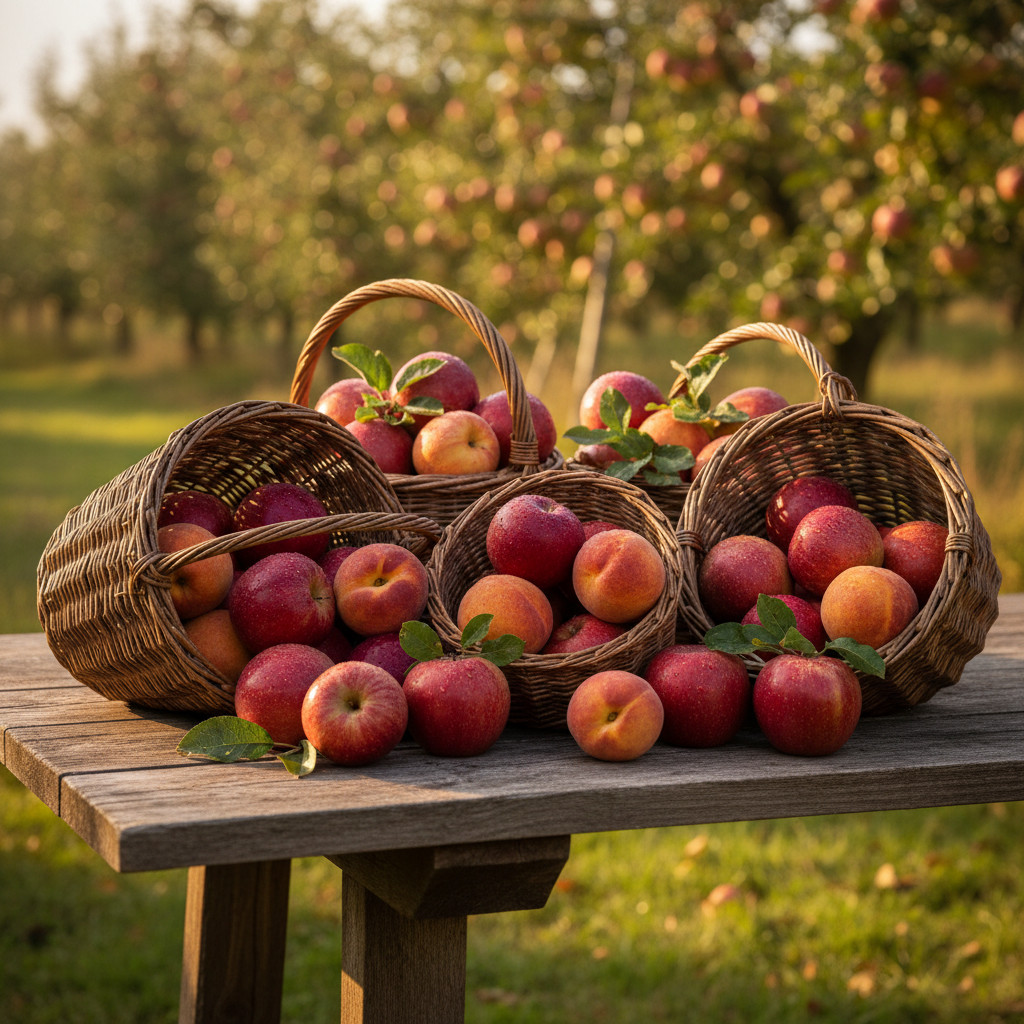
Imagine stepping into your backyard on a warm summer morning, reaching up to pluck a perfectly ripe peach from a tree you planted yourself, and biting into fruit so fresh and flavorful that it makes every store-bought variety pale in comparison. This isn’t just a dream reserved for those with sprawling estates or agricultural expertise—it’s an achievable reality for anyone willing to invest a little time, space, and patience into cultivating their own fruit garden.
The movement toward home fruit gardening has experienced unprecedented growth in recent years, driven by increasing concerns about food security, rising grocery prices, and a collective desire to reconnect with nature. Whether you have acres of land or just a small balcony, growing your own fruit offers rewards that extend far beyond the harvest. From significant health benefits and substantial cost savings to environmental stewardship and the pure joy of nurturing living things, starting a fruit garden represents one of the most rewarding decisions you can make for yourself, your family, and the planet.
This comprehensive guide explores every compelling reason to begin your fruit gardening journey today, providing you with the knowledge, inspiration, and practical advice needed to transform your outdoor space into a thriving, productive oasis of homegrown goodness.
The Growing Appeal of Home Fruit Gardens
Home fruit gardening has transformed from a niche hobby into a mainstream movement, attracting millions of enthusiasts seeking fresher produce and greater self-sufficiency.
Understanding the Fruit Garden Movement
The past decade has witnessed a remarkable surge in home gardening interest, with fruit cultivation leading the charge. According to the National Gardening Association, food gardening participation has increased by over 200% since 2008, with fruit trees and berry bushes becoming increasingly popular additions to residential landscapes. This shift reflects broader societal changes in how people view their relationship with food, health, and the environment.
Several factors have converged to make fruit gardening more accessible and appealing than ever before. Dwarf and semi-dwarf fruit tree varieties now allow homeowners with limited space to enjoy abundant harvests from compact trees that fit perfectly in suburban yards or even large containers. Improved disease-resistant cultivars have reduced the expertise required to successfully grow fruit, making the hobby welcoming to beginners. Additionally, the wealth of information available through online resources, community gardening groups, and local extension services has democratized knowledge that was once accessible only to experienced horticulturists.
The COVID-19 pandemic accelerated this trend dramatically, as people confined to their homes sought productive outdoor activities and became acutely aware of potential vulnerabilities in food supply chains. Many discovered that growing fruit wasn’t just a practical pursuit but also a deeply satisfying one that provided stress relief, physical exercise, and tangible accomplishments during uncertain times.
Benefits Beyond Fresh Produce
While the promise of fresh fruit certainly attracts most gardeners, the benefits of maintaining a fruit garden extend into nearly every aspect of life. Physical health improvements come not only from consuming nutrient-rich produce but also from the regular exercise involved in garden maintenance. Mental health benefits include reduced stress, improved mood, and a sense of accomplishment that comes from nurturing plants through their growth cycles.
The social connections formed through gardening communities—whether in-person or online—provide valuable support networks and opportunities for knowledge sharing. Many fruit gardeners report that their hobby has introduced them to neighbors, created teaching opportunities with children and grandchildren, and fostered a greater sense of community connection.
Health Benefits of Growing Your Own Fruit
Cultivating your own fruit garden delivers profound health advantages that store-bought produce simply cannot match, impacting both your physical wellness and mental well-being.
Nutritional Advantages of Freshly Picked Fruit
The nutritional superiority of homegrown fruit compared to commercially produced alternatives represents one of the most compelling reasons to start your own garden. Nutrient degradation begins immediately after harvest, and commercial fruit often travels thousands of miles over days or weeks before reaching your table. Studies from the University of California-Davis have demonstrated that fresh-picked produce can contain up to 45% more vitamins and antioxidants than their commercially transported counterparts.

When you grow your own fruit, you control the entire process from planting to harvest. This means you can:
- Pick fruit at peak ripeness when nutrient levels are highest, rather than harvesting early to survive transportation
- Eliminate exposure to harmful pesticides by choosing organic growing methods
- Preserve more nutrients by minimizing the time between harvest and consumption
- Select heritage varieties bred for flavor and nutrition rather than shelf stability and appearance
- Ensure freshness that maximizes both taste and health benefits
Commercial fruit production often prioritizes characteristics that have nothing to do with nutrition—uniform appearance, durability during shipping, and extended shelf life. These priorities frequently come at the expense of flavor and nutritional content. By growing your own fruit, you can choose varieties specifically developed for exceptional taste and nutritional profiles, varieties that commercial growers simply cannot transport profitably.
Mental and Physical Wellness Through Gardening
The therapeutic benefits of gardening have been extensively documented by researchers worldwide, with fruit gardening offering particularly powerful advantages. Horticultural therapy has become an established field in healthcare, with medical professionals recognizing that regular garden activity can significantly improve mental health outcomes.
Engaging in fruit garden activities provides excellent low-impact exercise that improves cardiovascular health, strengthens muscles, and increases flexibility. Activities like digging, planting, pruning, and harvesting engage multiple muscle groups while being gentle enough for people of all ages and fitness levels. Research published in the Journal of Health Psychology found that gardening reduces cortisol levels more effectively than many other leisure activities, directly combating the harmful effects of chronic stress.
The mindfulness aspects of gardening offer additional psychological benefits. Caring for fruit plants requires present-moment attention—observing growth patterns, checking for pests, and responding to changing conditions. This focused engagement provides a natural form of meditation that many find more accessible than traditional mindfulness practices.
Key mental health benefits include:
- Reduced anxiety and depression symptoms through regular outdoor activity and accomplishment
- Improved cognitive function from learning new skills and solving gardening challenges
- Enhanced self-esteem from successfully nurturing plants and producing food
- Better sleep quality resulting from physical activity and sun exposure
- Increased sense of purpose especially for retirees or those seeking meaningful hobbies
Financial Savings and Long-Term Investment
Starting a fruit garden represents a smart financial decision that yields increasing returns over time, transforming a modest initial investment into decades of free, high-quality produce.
Calculating the Cost Savings
The economics of home fruit production become increasingly favorable with each passing year. While the initial investment in trees, plants, and supplies requires upfront capital, the long-term savings potential is substantial. A single mature apple tree can produce 300-500 pounds of fruit annually, worth hundreds of dollars at current organic produce prices. Berry bushes and vines often pay for themselves within two to three years and continue producing for decades.
Consider this practical example: A mature blueberry bush produces approximately 10-20 pounds of berries per year. With organic blueberries retailing at $4-8 per pound, a single bush generates $40-160 worth of fruit annually. Since blueberry bushes can remain productive for 40-50 years, the lifetime value from one $15-25 plant can exceed $5,000.
Typical savings breakdown for common fruit plants:
| Fruit Type | Initial Cost | Annual Yield Value | Years to Pay Off |
|---|---|---|---|
| Apple Tree | $25-50 | $200-400 | 1-2 years |
| Blueberry Bush | $15-25 | $60-120 | 1-2 years |
| Raspberry Canes | $10-15 | $40-80 | 1 year |
| Strawberry Plants | $3-5 each | $15-30 each | 1 year |
| Fig Tree | $30-60 | $100-200 | 1-2 years |
Beyond direct savings on fruit purchases, home gardeners often preserve excess harvests through freezing, canning, and drying, further extending value and reducing reliance on store-bought preserved products. The skills developed through fruit gardening frequently transfer to other cost-saving activities like vegetable gardening and food preservation.
Fruit Trees as Property Value Boosters
Real estate professionals consistently recognize the value that established fruit trees and well-designed edible landscapes add to properties. Studies indicate that mature fruit trees can increase property values by 5-15%, depending on the variety, condition, and overall landscape integration. This appreciation represents a significant return on investment for homeowners considering eventual sale.
Beyond pure financial valuation, fruit-bearing landscapes make properties more attractive to environmentally conscious buyers—a growing demographic in today’s market. Homes featuring productive fruit gardens stand out in listings and attract more interest than comparable properties without edible landscaping.
The aesthetic value of fruit trees also contributes to neighborhood appeal, potentially influencing surrounding property values positively. Well-maintained fruit gardens demonstrate homeowner care and investment, signaling to prospective buyers that the property has been thoughtfully maintained.
Environmental Impact and Sustainability
Growing fruit at home significantly reduces your environmental footprint while actively contributing to local ecosystem health and biodiversity.
Reducing Your Carbon Footprint
The environmental benefits of home fruit production extend far beyond your property boundaries. Commercial fruit often travels 1,500 miles or more from farm to table, requiring significant fossil fuel consumption for transportation, refrigeration, and storage. By growing fruit at home, you eliminate this transportation footprint entirely for every piece of produce you harvest.
The environmental advantages compound when you consider:
- Elimination of plastic packaging that accompanies store-bought fruit
- Reduction of refrigeration requirements since homegrown fruit can be picked as needed
- Decreased water usage compared to commercial agriculture when using efficient home irrigation
- Avoidance of chemical fertilizers and pesticides that contaminate waterways
- Carbon sequestration by fruit trees that absorb CO2 throughout their lives
A single mature fruit tree can absorb approximately 48 pounds of carbon dioxide annually while producing oxygen sufficient for two people. Over a tree’s productive lifetime of 25-50 years, this represents significant carbon offsetting that directly combats climate change.
Home fruit gardens also reduce demand pressure on commercial agricultural land, indirectly supporting the preservation of wild spaces and natural habitats. Every pound of fruit produced at home is one less pound that requires commercial cultivation, irrigation, and transportation infrastructure.
Supporting Local Ecosystems and Pollinators
Fruit gardens serve as vital refuges for pollinators and beneficial insects whose populations have declined dramatically due to habitat loss and pesticide use. Flowering fruit trees and berry bushes provide essential food sources for bees, butterflies, and other pollinators during critical periods of their life cycles.
Creating a fruit garden transforms your property into a functioning ecosystem that supports biodiversity. The flowers attract pollinators, which in turn attract beneficial predatory insects that control pest populations naturally. Fallen fruit provides food for birds and small mammals, while the trees themselves offer nesting sites and shelter.
Best practices for pollinator-friendly fruit gardening include:
- Avoiding pesticide use during bloom periods when pollinators are most active, allowing natural pest control methods to maintain garden health
- Planting multiple fruit varieties that bloom at different times to provide continuous food sources throughout the growing season
- Incorporating native flowering plants alongside fruit trees to create habitat corridors and additional food sources
- Leaving some areas of the garden undisturbed to provide nesting sites for ground-dwelling bees and beneficial insects
- Providing water sources through shallow dishes or birdbaths to support pollinator hydration needs
Getting Started: Choosing the Right Fruits for Your Climate
Successful fruit gardening begins with selecting varieties well-suited to your specific climate conditions, ensuring healthy plants and abundant harvests.
Best Fruits for Beginners
New fruit gardeners benefit from starting with forgiving, productive varieties that deliver satisfying results without requiring advanced horticultural knowledge. Certain fruits have earned reputations as “beginner-friendly” due to their adaptability, disease resistance, and relatively low maintenance requirements.
Top recommendations for first-time fruit gardeners include:
Strawberries represent the ideal starting point for many gardeners. They establish quickly, produce fruit within the first year, and require minimal space. Container growing makes them accessible even for apartment dwellers with only balcony space. June-bearing varieties deliver concentrated harvests perfect for preserving, while day-neutral varieties produce fruit continuously throughout the growing season.
Blueberries offer exceptional value for beginners willing to provide the acidic soil conditions they require. Once established, they need minimal care beyond annual pruning and mulching. Their beautiful spring flowers and brilliant fall foliage provide year-round ornamental value beyond their delicious fruit.
Apple trees have been cultivated for thousands of years, and modern disease-resistant varieties make them more accessible than ever. Dwarf rootstocks keep trees manageable while maintaining full fruit production. Most regions have well-adapted apple varieties, making them among the most widely suitable fruit trees.
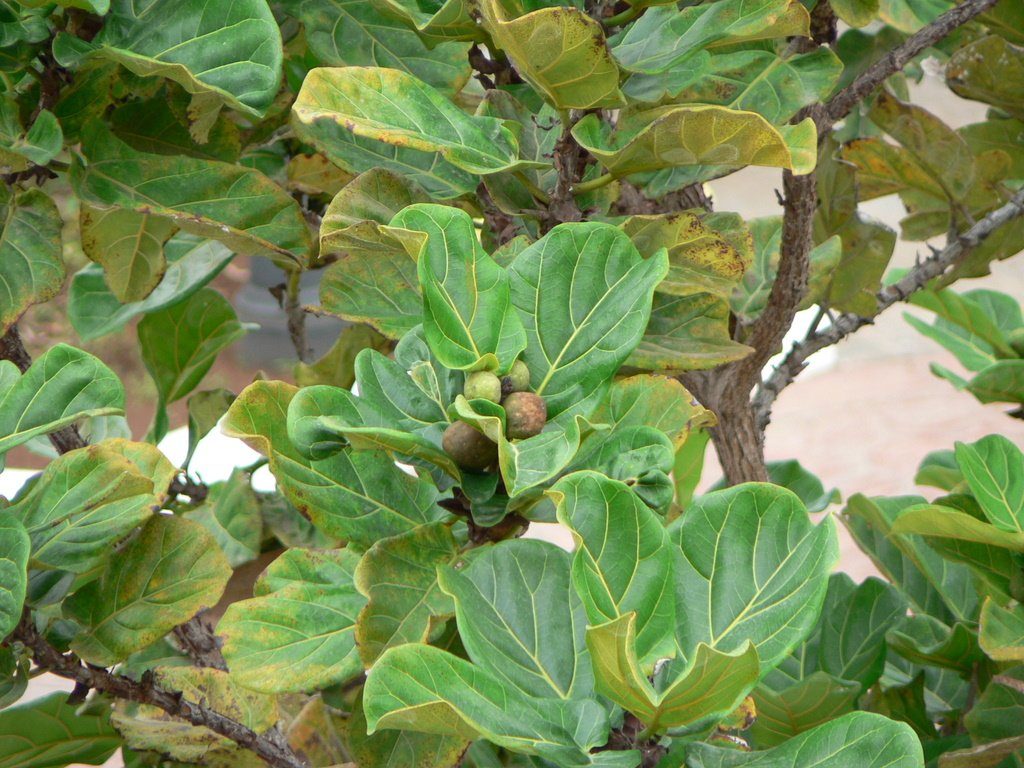
Fig trees thrive in warmer climates with remarkable ease, tolerating poor soil, drought, and neglect while still producing abundant sweet fruit. Their tropical appearance adds landscape interest, and many varieties can be grown in containers and overwintered indoors in colder regions.
Understanding Your Growing Zone
The USDA Plant Hardiness Zone system provides essential guidance for selecting fruit varieties appropriate for your climate. Your zone determines which fruits can survive your winters and thrive in your summer conditions. Understanding this system prevents the frustration of investing in plants that cannot succeed in your region.
To maximize success:
- Research your specific zone using the USDA’s interactive map or local extension service resources
- Consider microclimates on your property that may allow growing zone-pushing varieties
- Select multiple varieties to ensure cross-pollination where required and extend harvest seasons
- Consult local nurseries for region-specific recommendations based on actual growing experience
- Join local gardening groups to learn from others growing fruit in similar conditions
Planning and Designing Your Fruit Garden
Thoughtful planning maximizes productivity while creating an attractive, functional space that integrates seamlessly with your existing landscape.
Space Considerations and Layout Tips
Effective fruit garden design balances aesthetic appeal with practical considerations like sunlight exposure, accessibility, and growth patterns. Most fruit plants require at least 6-8 hours of direct sunlight daily to produce abundant, flavorful harvests. Mapping sun patterns across your property throughout the day helps identify optimal planting locations.
Key design principles include:
- Vertical growing strategies expand production in limited spaces by utilizing trellises, espalier techniques, and columnar tree varieties that fit narrow areas
- Succession planning ensures continuous harvests by incorporating early, mid-season, and late-producing varieties that ripen at different times
- Accessibility considerations place frequently harvested plants like berries within easy reach while positioning trees requiring less frequent attention in background areas
- Water management groups plants with similar irrigation needs together and positions containers near water sources for convenient care
- Future growth accommodation allows adequate spacing for mature plant dimensions, preventing overcrowding that reduces productivity and increases disease pressure
Small space solutions have revolutionized fruit gardening possibilities. Espaliered fruit trees grown flat against walls or fences produce substantial yields in narrow beds. Multi-grafted trees combine several varieties on single rootstocks, providing diversity without multiplying space requirements. Container gardening enables fruit production on patios, balconies, and rooftops where traditional planting is impossible.
Companion Planting Strategies
Strategic companion planting enhances fruit garden productivity while reducing pest pressure and improving soil health naturally. Certain plant combinations create synergistic relationships that benefit all participants through pest deterrence, pollinator attraction, or nutrient cycling.
Effective companion planting combinations include:
- Nasturtiums near fruit trees to attract aphids away from valuable crops
- Comfrey planted around fruit trees to accumulate nutrients and provide mulch material
- Herbs like basil and oregano to repel various pests while attracting beneficial insects
- Nitrogen-fixing legumes to improve soil fertility without synthetic fertilizers
- Native wildflowers to support pollinator populations essential for fruit set
Essential Care and Maintenance Tips
Proper care ensures healthy plants, abundant harvests, and long-term garden success through attention to watering, feeding, and pruning fundamentals.
Watering, Fertilizing, and Pruning Basics
Consistent, appropriate care forms the foundation of productive fruit gardening. Most fruit plants prefer deep, infrequent watering that encourages robust root development over shallow, frequent irrigation that promotes weak surface roots vulnerable to drought stress.
Essential care practices include:
Watering guidelines:
- Water deeply to encourage roots to grow downward toward more consistent moisture
- Mulch heavily to retain soil moisture and reduce watering frequency
- Monitor soil moisture at root depth rather than relying on surface appearance
- Adjust watering based on weather conditions, increasing during heat waves and reducing during cool, humid periods
- Use drip irrigation where possible to minimize foliar wetting that encourages disease
Fertilization approaches:
- Test soil before applying fertilizers to identify actual deficiencies
- Apply organic fertilizers that release nutrients slowly and improve soil structure
- Avoid over-fertilization, which promotes vegetative growth at the expense of fruit production
- Time applications appropriately, typically in early spring as growth begins
- Consider foliar feeding for quick correction of specific nutrient deficiencies
Pruning fundamentals:
- Prune during dormancy for major structural work on deciduous fruit trees
- Remove dead, diseased, and crossing branches to improve air circulation
- Open tree centers to sunlight penetration, which improves fruit quality
- Thin excess fruit to improve size and prevent branch breakage
- Learn specific pruning requirements for each fruit type, as techniques vary significantly
Pest Management and Disease Prevention
Integrated pest management approaches protect fruit harvests while minimizing environmental impact. Prevention strategies prove more effective than treatment in most situations, making proactive management essential.
Successful pest and disease management involves:
- Regular monitoring through weekly garden walks to identify problems early when intervention is easiest and least invasive
- Cultural controls including proper spacing, sanitation, and variety selection that reduce disease pressure naturally
- Biological controls utilizing beneficial insects, birds, and microorganisms that prey on pest species
- Physical barriers such as netting for bird protection and row covers for insect exclusion
- Organic treatments as last resorts when other methods prove insufficient, applied according to label directions
Overcoming Common Challenges
Every fruit gardener faces obstacles, but proven strategies and creative solutions ensure success regardless of constraints.
Dealing with Limited Space
Space limitations need not prevent productive fruit gardening. Modern varieties and growing techniques enable significant harvests from surprisingly small areas, making fruit cultivation accessible to urban gardeners with only balconies or tiny yards.
Creative space solutions include:
- Container growing for dwarf fruit trees, berries, and strawberries on patios and balconies
- Vertical gardening using trellises and wall-mounted planters to maximize dimensional use
- Espalier training of trees against fences and walls in narrow side yards
- Community garden participation providing larger growing spaces for those without adequate home gardens
- Rooftop gardening utilizing previously unused spaces for productive growing
Managing Time Constraints
Busy lifestyles need not preclude fruit gardening success. Low-maintenance fruit varieties and efficient garden designs minimize time requirements while still producing satisfying harvests.
Time-saving strategies include selecting disease-resistant varieties requiring minimal intervention, installing drip irrigation systems with timers for automated watering, mulching heavily to reduce weeding and watering needs, choosing plants suited to your climate that don’t require protection or special care, and focusing on perennial fruits that don’t require annual replanting.
Teaching Future Generations Through Fruit Gardening
Fruit gardens provide unparalleled educational opportunities for children while establishing meaningful family traditions that span generations.
Educational Benefits for Children
Children who participate in fruit gardening develop valuable knowledge and skills extending far beyond horticulture. Research demonstrates that children involved in gardening show improved academic performance, healthier eating habits, and greater environmental awareness.
Educational advantages include:
- Science learning through observing plant life cycles, pollination, and ecosystem interactions
- Math applications when calculating yields, measuring growth, and planning spacing
- Patience development as children learn that worthwhile results require time and consistent effort
- Responsibility cultivation through regular plant care duties appropriate for different ages
- Healthy eating promotion as children eagerly consume fruit they’ve grown themselves
Building Family Traditions
Fruit gardens create opportunities for meaningful intergenerational connections. Planting trees together, sharing harvest traditions, and preserving fruit as families create lasting memories while passing valuable knowledge from one generation to the next.
Many families establish annual rituals around their fruit gardens—spring planting days, summer harvest celebrations, and autumn preservation activities that bring family members together in purposeful, enjoyable activities. These traditions strengthen family bonds while teaching practical skills increasingly rare in modern society.
Final Words: Taking the First Step Today
The reasons to start a fruit garden extend from deeply personal health benefits to global environmental impact, from immediate financial savings to generational legacy building. Every compelling argument ultimately leads to the same conclusion: there has never been a better time to begin your fruit gardening journey.
The knowledge, varieties, and resources available today make fruit gardening more accessible than ever before. Whether you have acres of land or a small apartment balcony, whether you’re an experienced gardener or complete beginner, there are fruit plants suited to your situation waiting to transform your space into a productive paradise.
Start small if necessary—a single strawberry container, a dwarf apple tree, a few blueberry bushes. The important thing is simply to begin. Each plant represents an investment in your health, your finances, your environment, and your future. The best time to plant a fruit tree was twenty years ago; the second best time is today.
Your future self, harvesting sun-ripened fruit from plants you nurtured through their growth, will thank you for the decision you make now. The journey of a thousand delicious harvests begins with a single planted seed. Start your fruit garden today and discover the countless rewards that await those who choose to grow their own.