


There’s nothing quite like opening your lunch container at noon and discovering something genuinely delicious waiting for you—something that tastes even better than it did last night, something that makes you genuinely grateful you took 20 minutes to prepare it. Cold lunches aren’t a compromise. They’re not sad desk food or a punishment for not having time to cook something fresh. When you know what you’re doing, a cold lunch can rival anything you’d order from a restaurant, costs a fraction of the price, and gives you complete control over exactly what goes into your body.
The magic of a really good cold lunch lies in understanding which flavors actually improve overnight, which textures hold up beautifully in a container, and which combinations feel substantial enough to power you through an entire afternoon. A cold lunch that separates itself from bland, boring meal prep relies on bold flavors, interesting textures, and components that genuinely complement each other—not random vegetables thrown into a box because they happen to be healthy.
What makes these 10 lunches worth packing isn’t just that they’re delicious. Each one is built around real flavor combinations that have worked across cultures and decades. You’re getting proven recipes that travel well, taste better the next day as flavors meld, and keep your energy stable without that 2 p.m. crash. Let’s walk through each one with exactly what you need to know to make them, store them, and absolutely look forward to lunchtime.
1. Mediterranean Chickpea Salad
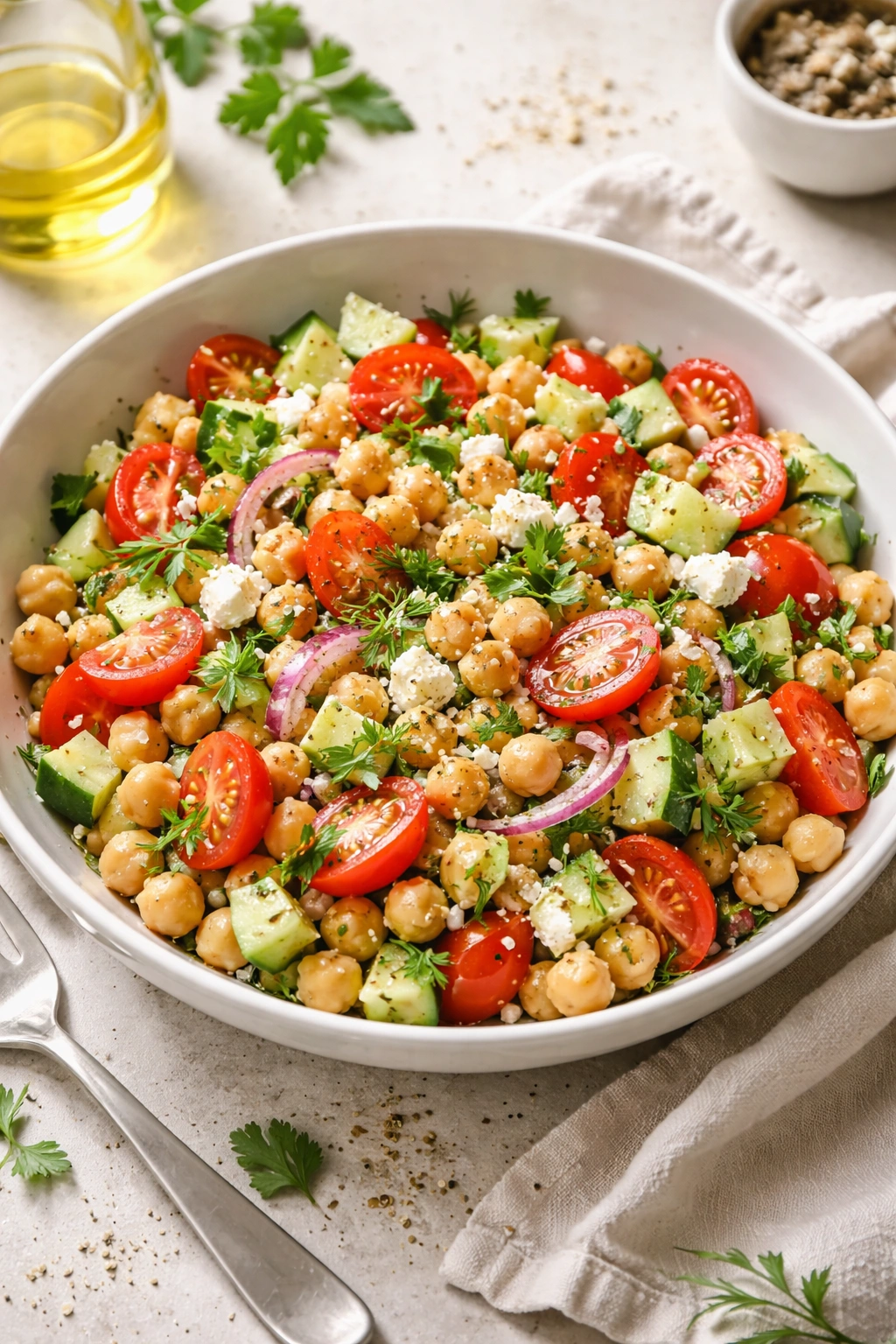
This is the lunch that proves cold food doesn’t need to feel boring or require constant refrigeration fussing. A Mediterranean chickpea salad is built on chickpeas, which are naturally sturdy and absorb dressing beautifully overnight. The flavors are bright without being heavy, and the salad tastes better the next day as everything melts together.
Start with two cans of chickpeas, drained and rinsed thoroughly. Add diced cucumber (seeds scooped out so it doesn’t get watery), halved cherry tomatoes, diced red bell pepper, crumbled feta cheese, and sliced red onion—about a quarter cup, sliced thin. Toss everything together with fresh dill and parsley, then dress with a simple vinaigrette made from three parts extra virgin olive oil to one part red wine vinegar, one minced garlic clove, a teaspoon of Dijon mustard, salt, and pepper.
Why It Works Perfectly for Work
The chickpeas provide real protein and fiber, keeping you satisfied through the afternoon. All the vegetables hold up beautifully in the fridge because you’re not using delicate greens that wilt and become slimy. The feta adds a salty, tangy element that doesn’t fade. Most importantly, this salad actually tastes better after sitting overnight—the flavors knit together and the chickpeas absorb the dressing.
Storage and Make-Ahead Tips
- Pack in a glass container with the dressing already mixed in—no need for a separate dressing bottle
- Keeps in the refrigerator for up to 4 days without any texture degradation
- Can be assembled completely 2 days ahead; keeps taste and texture exactly the same
- Bring it straight from the fridge; it’s actually better cold than at room temperature
Pro tip: Add a handful of Kalamata olives for an extra briny pop that elevates the entire lunch without adding much weight.
2. Asian Noodle Bowl with Peanut Sauce
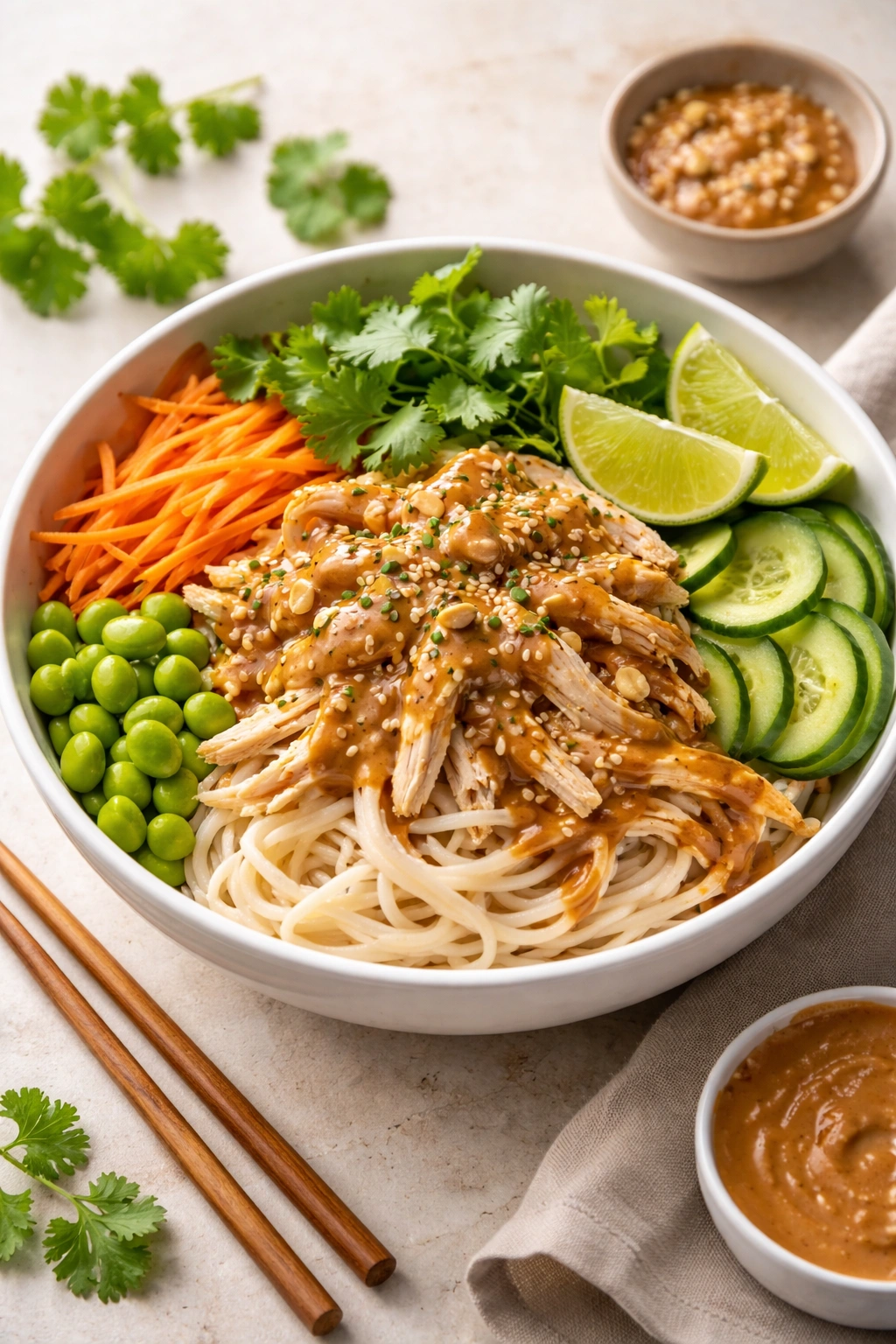
Cold noodle bowls are the lunch world’s secret weapon—they’re filling, they’re exciting, they’re never boring, and a proper peanut sauce transforms what could be boring noodles into something genuinely crave-worthy. The key is building a sauce that’s balanced: rich from peanut butter, bright from lime and soy sauce, warm from ginger, and just slightly spicy from chili paste or sriracha.
Make your peanut sauce by blending together three-quarter cup natural peanut butter, three tablespoons soy sauce, two tablespoons rice vinegar, one tablespoon sesame oil, juice of one lime, one tablespoon grated fresh ginger, one minced garlic clove, and a teaspoon of sriracha or chili paste. Thin it out with a few tablespoons of water until it reaches a pourable consistency—it should coat the back of a spoon but still run freely.
Cook eight ounces of rice noodles or ramen according to package directions, then drain and rinse with cold water until completely cool. Toss with the peanut sauce, then add shredded rotisserie chicken or crispy tofu cubes, shredded carrots, sliced cucumber, edamame, and fresh cilantro. A handful of crushed peanuts or cashews on top adds crucial texture.
Why This Lunch Dominates
The peanut sauce is the star here—it’s the kind of flavor that makes people ask “where did you get this, and can I have some?” It’s complex enough to be genuinely interesting, but the components are basic pantry staples. The noodles absorb the sauce as they sit, becoming more flavorful by the next day rather than drying out. You get protein, vegetables, and enough satiety to skip the afternoon snack run.
Storage and Make-Ahead Tips
- Mix the noodles with the sauce the night before—they won’t get soggy because noodles actually benefit from absorbing sauce
- Keep vegetables in a separate container if you’re packing more than 24 hours ahead; add them the morning of or the night before if eating the next day
- Lasts beautifully in the fridge for 3-4 days; flavors actually deepen
- Pack the crushed peanuts separately and sprinkle right before eating to maintain crunch
- If sauce thickens in the fridge, add a tablespoon of water and stir to return to pourable consistency
Worth knowing: Using natural peanut butter (the kind with just peanuts and salt) makes a much better sauce than heavily sweetened brands. The sauce shouldn’t have added sugar competing with the other flavors.
3. Caprese Pasta Salad
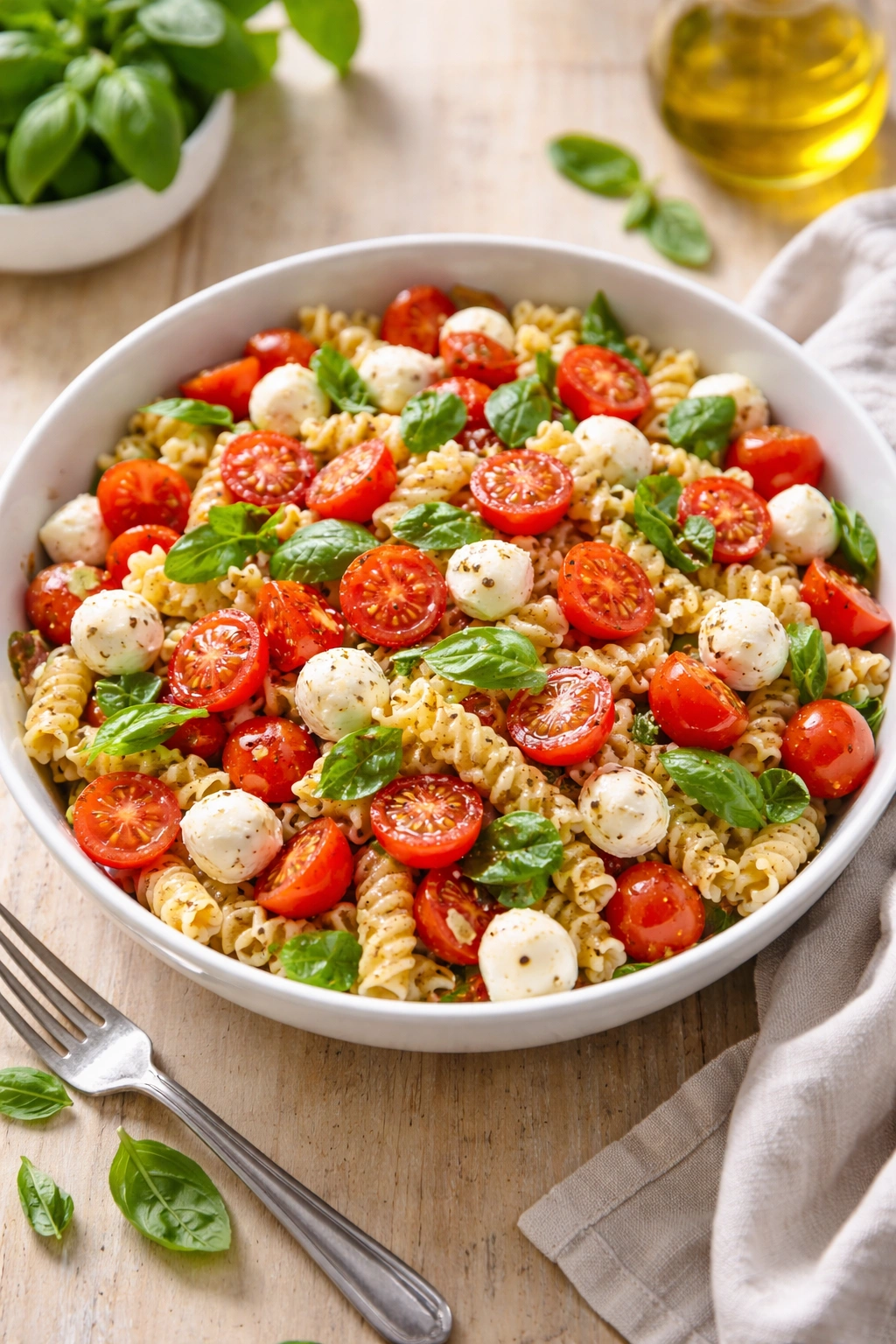
There’s a reason caprese—tomato, mozzarella, and basil—has been a classic combination for generations: it’s nearly impossible to mess up and nothing needs to be cooked beyond the pasta itself. A caprese pasta salad is summer on a plate, even in the middle of winter, and it proves that simple doesn’t mean boring.
Cook one pound of small pasta shapes (farfalle, fusilli, or orecchiette work beautifully) according to package directions, then drain and toss immediately with olive oil to prevent sticking. Once cooled completely, add halved cherry tomatoes, fresh mozzarella balls (or cubed fresh mozzarella), diced red onion, fresh basil leaves torn by hand, and a handful of pine nuts or sliced almonds for texture.
Dress the whole thing with extra virgin olive oil, red wine vinegar, minced garlic, salt, and pepper. The ratio should be about three parts olive oil to one part vinegar—the tomatoes will release liquid as they sit, so you’re not making a heavily dressed salad. Some people add a diced red bell pepper or sun-dried tomatoes for extra flavor complexity, and that works beautifully too.
Why It Excels as a Packable Lunch
Caprese pasta salad is light without being unsatisfying. You get whole grain carbs from the pasta, protein from the mozzarella, and actual taste that doesn’t rely on heavy sauces or lots of mayonnaise. The flavors are Mediterranean and naturally healthy-feeling. Most importantly, it tastes fresh and summery no matter what season it actually is.
Storage and Make-Ahead Tips
- The pasta and dressing mix beautifully overnight, becoming more flavorful as they sit
- Add the fresh mozzarella and basil the night you’re packing it (or the morning of) if making more than 24 hours ahead—the mozzarella is better eaten relatively fresh, and basil can bruise if packed too early
- Keep in a glass container and bring straight from the fridge
- Lasts 3-4 days maximum; after that, the tomatoes break down and get watery
- If you want to pack it 2 days ahead, keep the mozzarella and basil separate and add them the morning of your lunch
Insider note: Tear basil by hand rather than cutting it with a knife. A knife bruises the leaves and they turn dark and bitter; torn leaves stay brighter and more fresh-tasting.
4. Southwestern Black Bean and Quinoa Bowl
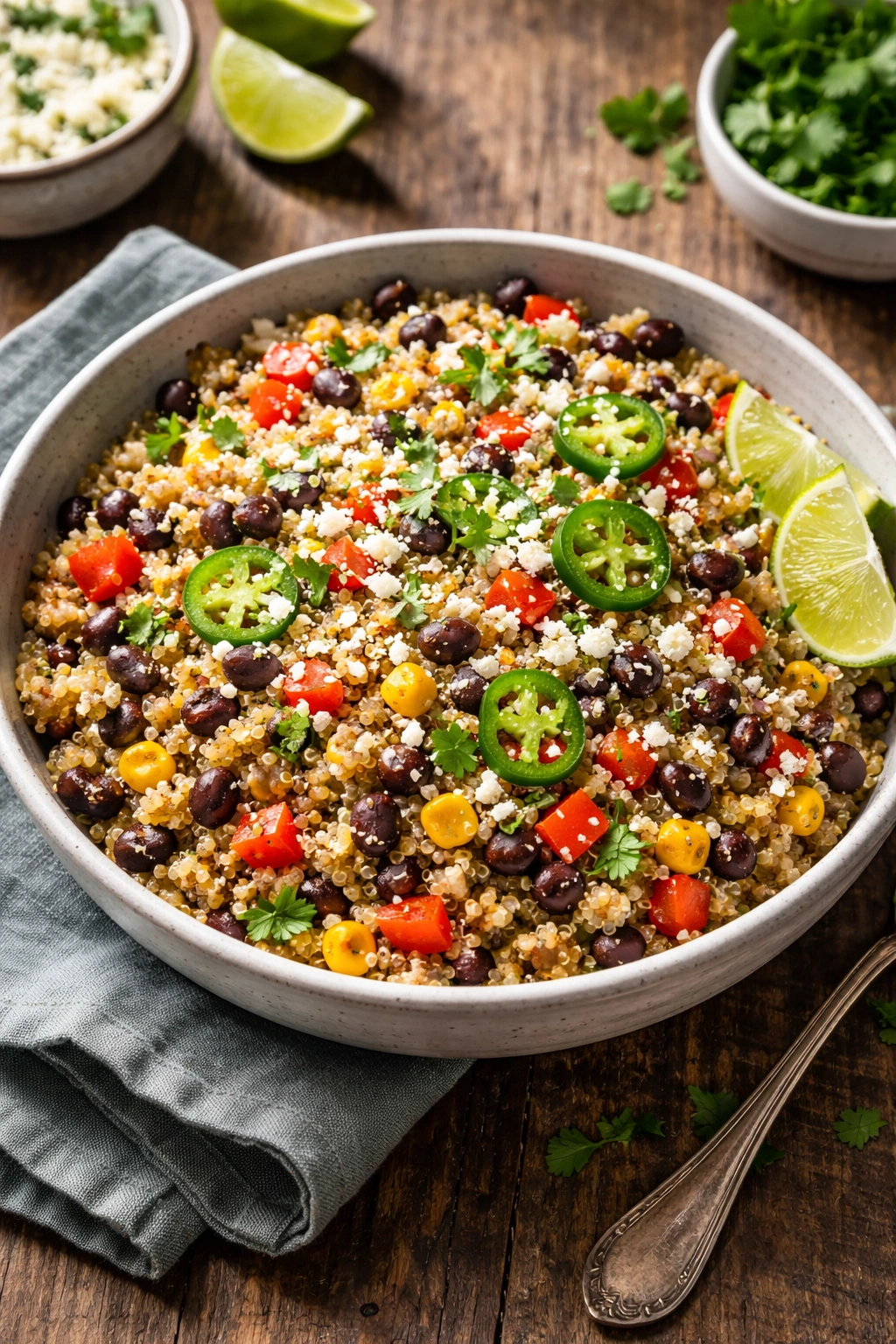
This is the lunch that actually fills you up and keeps you satisfied for hours—not because it’s heavy, but because it combines lean protein, fiber, whole grains, and enough spice to keep things interesting. A Southwestern bowl is hearty enough to feel substantial, but it won’t leave you feeling sluggish by 3 p.m.
Cook one cup of quinoa according to package directions (it should be fluffy and slightly separated, not mushy—about 15 minutes), then fluff with a fork and let cool. In a large bowl, combine the cooled quinoa with one can of black beans (drained and rinsed), one cup of corn kernels (fresh or frozen and thawed), diced red bell pepper, diced red onion, and sliced jalapeño if you want heat.
Make a lime-cilantro dressing by whisking together three tablespoons lime juice, three tablespoons extra virgin olive oil, one minced garlic clove, one teaspoon ground cumin, one teaspoon smoked paprika, and a pinch of cayenne. Pour over the quinoa mixture and toss thoroughly. Add fresh cilantro, a handful of diced avocado (pack separately if making ahead, or add the morning of), crumbled cotija cheese or queso fresco, and a few crushed tortilla chips for texture right before eating.
Why This Lunch Delivers
The combination of quinoa and black beans creates a complete protein—a vegetarian lunch that gives your body everything it needs. The spices are bold enough to be genuinely exciting, but not so intense that they overwhelm. You get real flavor and real nutrition in the same container. The bowl is substantial enough for a full meal but light enough that you don’t feel weighted down afterward.
Storage and Make-Ahead Tips
- Mix everything except avocado, cotija cheese, and tortilla chips the night before; flavors meld beautifully overnight
- Add avocado the morning you’re eating it if possible (it oxidizes and browns when exposed to air for too long)
- Keeps for 4-5 days in the fridge without any deterioration
- Pack tortilla chips separately in a small container and add them right before eating to keep them crispy
- Can be eaten cold straight from the fridge or brought to room temperature for a slightly different mouthfeel
Pro tip: Make a big batch of the quinoa on Sunday, then assemble different bowls throughout the week by varying the vegetables and proteins. The base stays fresh for nearly a week.
5. Thai Green Curry Chicken
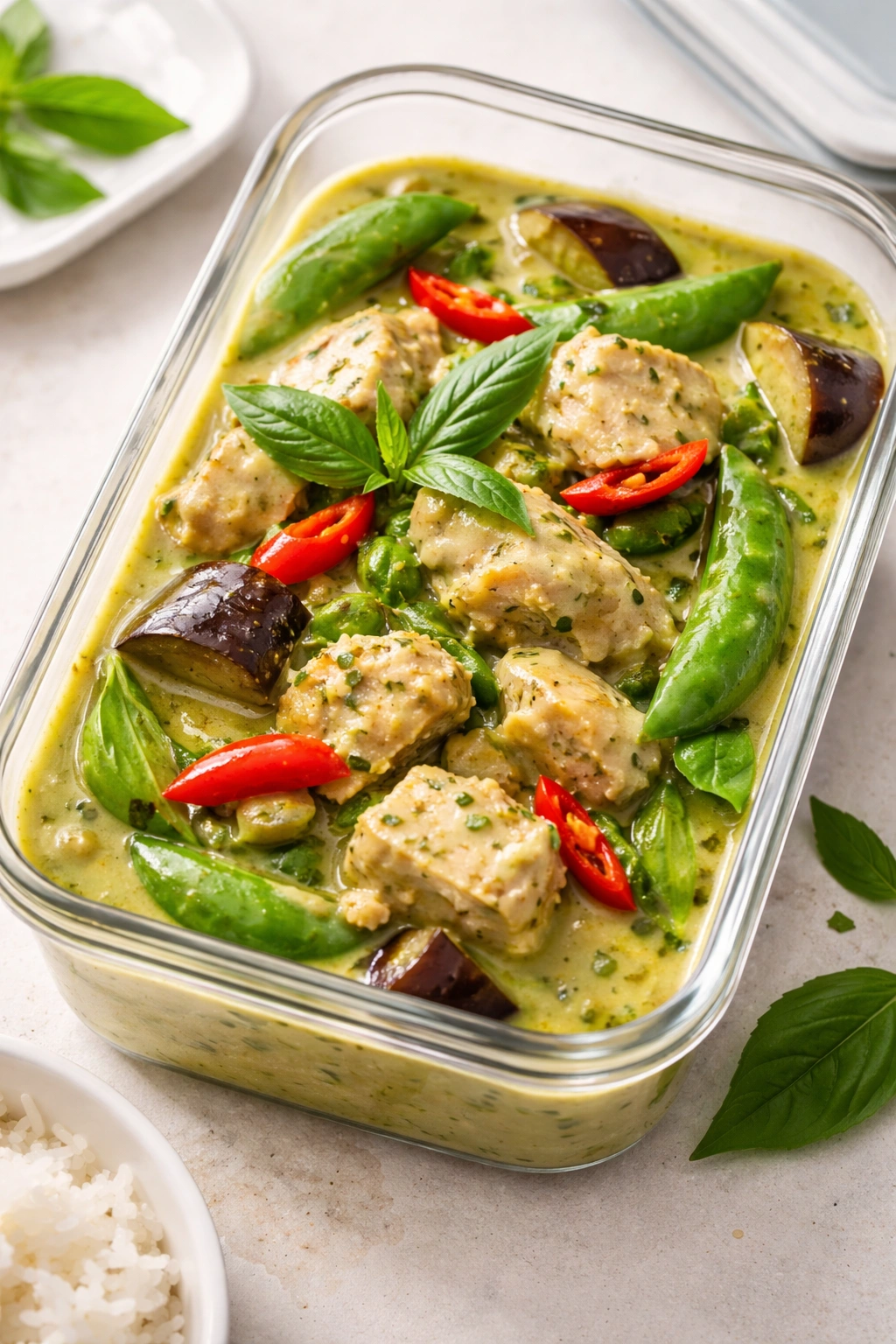
Cold Thai curry might sound unusual, but it’s absolutely one of the most impressive cold lunches you can pack—the kind that makes colleagues genuinely curious about what you’re eating. Thai green curry develops deeper, more complex flavors as it sits in the fridge overnight, and the coconut milk coats your mouth with richness that keeps you satisfied.
Make or buy Thai green curry paste (most grocery stores carry it in the Asian section). In a large skillet, heat two tablespoons coconut oil and add two tablespoons of the curry paste, stirring to bloom the spices for about a minute. Pour in one can of coconut milk and one cup chicken broth, then add cubed rotisserie chicken or poached chicken breast (about one pound total), sliced bell peppers, sliced Thai eggplant or regular eggplant cubes, snap peas, and thin-sliced green beans.
Simmer everything for about 12 minutes until the vegetables are tender-crisp but not mushy. Finish with fresh lime juice, fish sauce (just a teaspoon—it adds depth without making things fishy), fresh Thai basil or regular basil, and a pinch of brown sugar to balance the heat. Cool completely before packing.
Why Cold Curry Absolutely Works
Thai curry has bold, layered flavors that don’t fade when cold. The coconut milk creates a creamy sauce that coats everything, so you’re never eating dry vegetables. The spice actually becomes smoother and rounder after sitting overnight. This is impressive enough to feel like a splurge lunch, but it’s built on real, simple ingredients.
Storage and Make-Ahead Tips
- This actually tastes better the next day as spices continue to develop and blend
- Keeps in the fridge for 4-5 days without any issue
- Pack in a container you don’t mind slightly staining (the curry can discolor plastic, but it washes out)
- Bring straight from the fridge; you can eat it cold or microwave it if you prefer hot
- The chicken and vegetables will soften slightly as they sit, so cut them into larger pieces than you normally would; they’ll reach perfect tenderness by the next day
- Make a big batch on Sunday and pack four individual containers—it reheats beautifully
Worth knowing: Don’t skip the fish sauce. It sounds weird, but a small amount creates serious depth without making anything taste fishy. It’s the secret ingredient in all great Thai cooking.
6. Italian Tuna and White Bean Salad
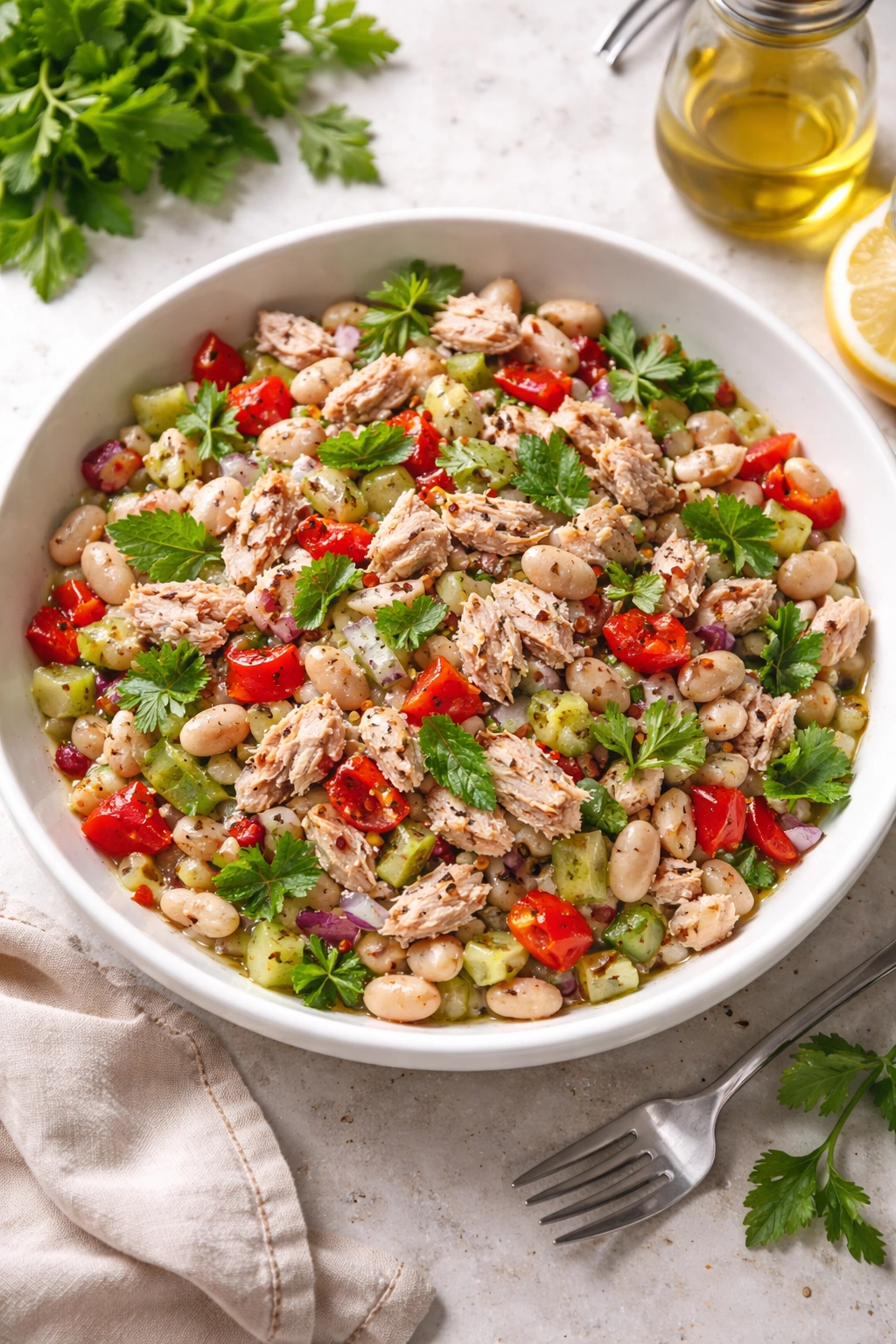
This is old-school, dignified lunch food—the kind your grandmother probably made, built on canned tuna and beans but elevated by technique and genuine flavor. A properly made tuna and white bean salad is protein-packed, endlessly customizable, and tastes infinitely better than sad, mayo-heavy versions.
Drain and rinse two cans of white beans (cannellini or great northern) thoroughly. Open two good-quality cans of tuna packed in olive oil (don’t drain it—that oil is precious) and flake it gently into the beans. Add diced red onion, diced celery, sliced roasted red peppers, fresh parsley, fresh mint if you have it, and a handful of halved cherry tomatoes.
Make a simple dressing from four tablespoons extra virgin olive oil, two tablespoons red wine vinegar, one minced garlic clove, one teaspoon Dijon mustard, salt, and pepper. Toss everything together gently—you want the tuna to stay in flakes, not turn into paste. Let it sit at least 30 minutes (or overnight) before eating so the flavors meld.
Why This Lunch Actually Satisfies
Canned tuna gets unfairly dismissed, but quality tuna packed in oil is genuinely delicious and incredibly convenient. Combined with white beans, you get complete protein that keeps you full. The vegetables and fresh herbs prevent this from tasting old-fashioned or boring. It’s elegant enough to feel special but humble enough to be approachable.
Storage and Make-Ahead Tips
- Mix everything together the night before; flavors improve as they sit
- Keeps for 4 days in an airtight container in the fridge
- Bring straight from the fridge; the cold actually enhances the flavors
- If you’re packing this more than 24 hours ahead, omit the cherry tomatoes and add them the morning of eating
- The salad actually improves with a day or two of sitting; don’t hesitate to make it several days ahead
- If it dries out slightly in the fridge, add a splash more olive oil and red wine vinegar before eating
Pro tip: Use high-quality tuna if your budget allows. The difference between cheap canned tuna and mid-range tuna is genuinely noticeable, and it elevates the entire lunch. Look for tuna packed in olive oil, not water.
7. Greek Lentil and Feta Salad
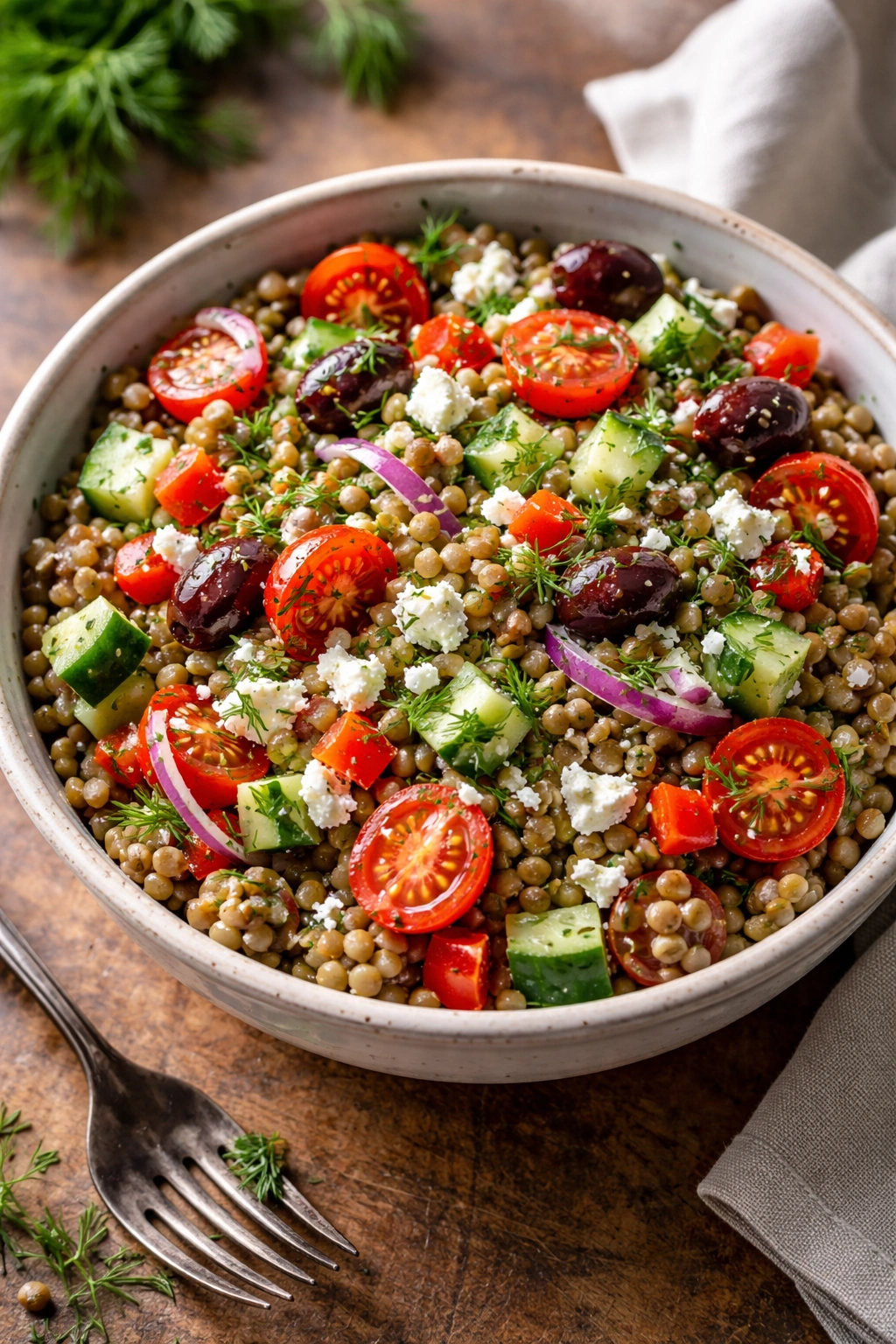
Lentils are the unsung hero of cold lunches—they’re protein-packed, they hold their shape beautifully, and they absorb dressing like nothing else. A Greek lentil salad is filling, flavorful, and the kind of lunch that makes people wonder what your secret is.
Cook one and a half cups of dry lentils (brown or green work best; avoid red lentils, which fall apart) in salted water for about 20 minutes until tender but not mushy. Drain and rinse with cold water until completely cool. Toss the cooled lentils with diced cucumber (seeds removed), halved cherry tomatoes, diced red bell pepper, diced red onion, crumbled feta cheese, sliced Kalamata olives, and fresh dill.
Dress with a vinaigrette made from four tablespoons extra virgin olive oil, two tablespoons red wine vinegar, one minced garlic clove, one teaspoon Dijon mustard, one teaspoon dried oregano, salt, and pepper. Toss everything together well and let it sit at least an hour—or overnight, which is even better.
Why Lentils Dominate the Cold Lunch Game
Lentils have earthy flavor that actually pairs beautifully with the bright Mediterranean ingredients. They’re protein-rich enough that you don’t need meat to feel satisfied. Unlike grains, which can feel a bit insubstantial, lentils are legitimately filling. The texture stays perfect overnight and into the next few days—they never get mushy or watery.
Storage and Make-Ahead Tips
- This is the ultimate make-ahead salad; it tastes the same or better several days later
- Can be assembled completely 3-4 days ahead without any texture issues
- Keeps in the fridge for up to a week
- No need for a separate dressing container; the lentils have already absorbed all the flavors
- Bring straight from the fridge; the cold temperature actually enhances the fresh herb flavors
- Can be served at room temperature if you prefer it warmer
Insider note: Cook lentils with a pinch of salt in the water. Salt during cooking actually helps them keep their shape rather than encouraging them to fall apart, contrary to what some old cooking rules suggested.
8. Vietnamese Banh Mi–Style Sandwich
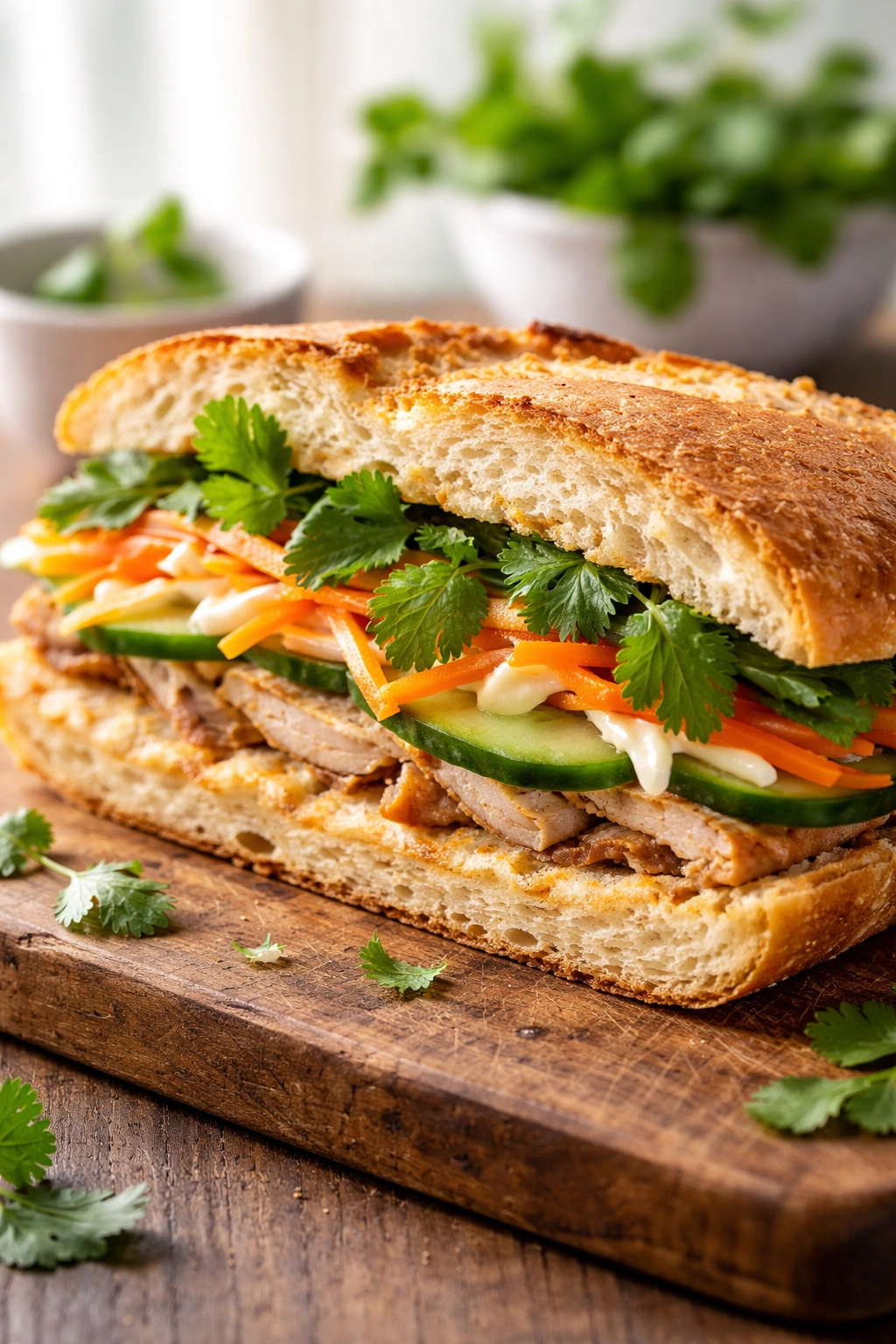
This is the cold lunch that feels like you’re eating at a Vietnamese deli, but you made it yourself for a fraction of the price. A proper banh mi-style sandwich combines French technique (a quality baguette) with Vietnamese flavors (pickled vegetables, fresh herbs, bold sauces), and it’s absolutely portable.
Make quick-pickled vegetables by thinly slicing one carrot and one daikon radish (or substitute jicama), then tossing with a mixture of three parts rice vinegar to one part water, one tablespoon sugar, and one teaspoon salt. Let this sit at least 30 minutes—or overnight for best flavor. This is your foundation.
Slice a fresh baguette lengthwise and spread the cut sides with a mixture of mayo (about three tablespoons) mixed with sriracha (two teaspoons), minced garlic, and lime juice. Fill with layers of thinly sliced rotisserie chicken or pâté, the pickled vegetables, cucumber slices, fresh cilantro, and fresh mint. Some people add a slice of cheese (American or cheddar is traditional in Vietnam), and that works beautifully too.
Why This Sandwich Punches Above Its Weight
Every single component serves a purpose. The pickled vegetables provide sharp, bright flavors. The herbs add freshness. The mayo-sriracha mixture ties everything together. The baguette provides structure that actually holds the sandwich together, unlike regular bread. This is the kind of lunch that makes you excited to eat, not just fuel to get through the afternoon.
Storage and Make-Ahead Tips
- Make the pickled vegetables up to a week ahead; they actually improve over time
- The sriracha mayo can be made the day before and stored in a small container
- Assemble the sandwich the morning of eating or the night before if you’re eating it within 24 hours (the bread will start to soften if it sits longer)
- Pack the sandwich in a paper wrapper or parchment, not plastic—it helps the bread stay fresher
- If you’re traveling a distance or eating many hours after packing, wrap the pickled vegetables separately and assemble the sandwich right before eating
Worth knowing: Buy your baguette from an actual bakery, not the pre-packaged grocery store version. A fresh, crusty baguette makes the entire sandwich infinitely better and actually holds together properly.
9. Korean Bibimbap Bowl
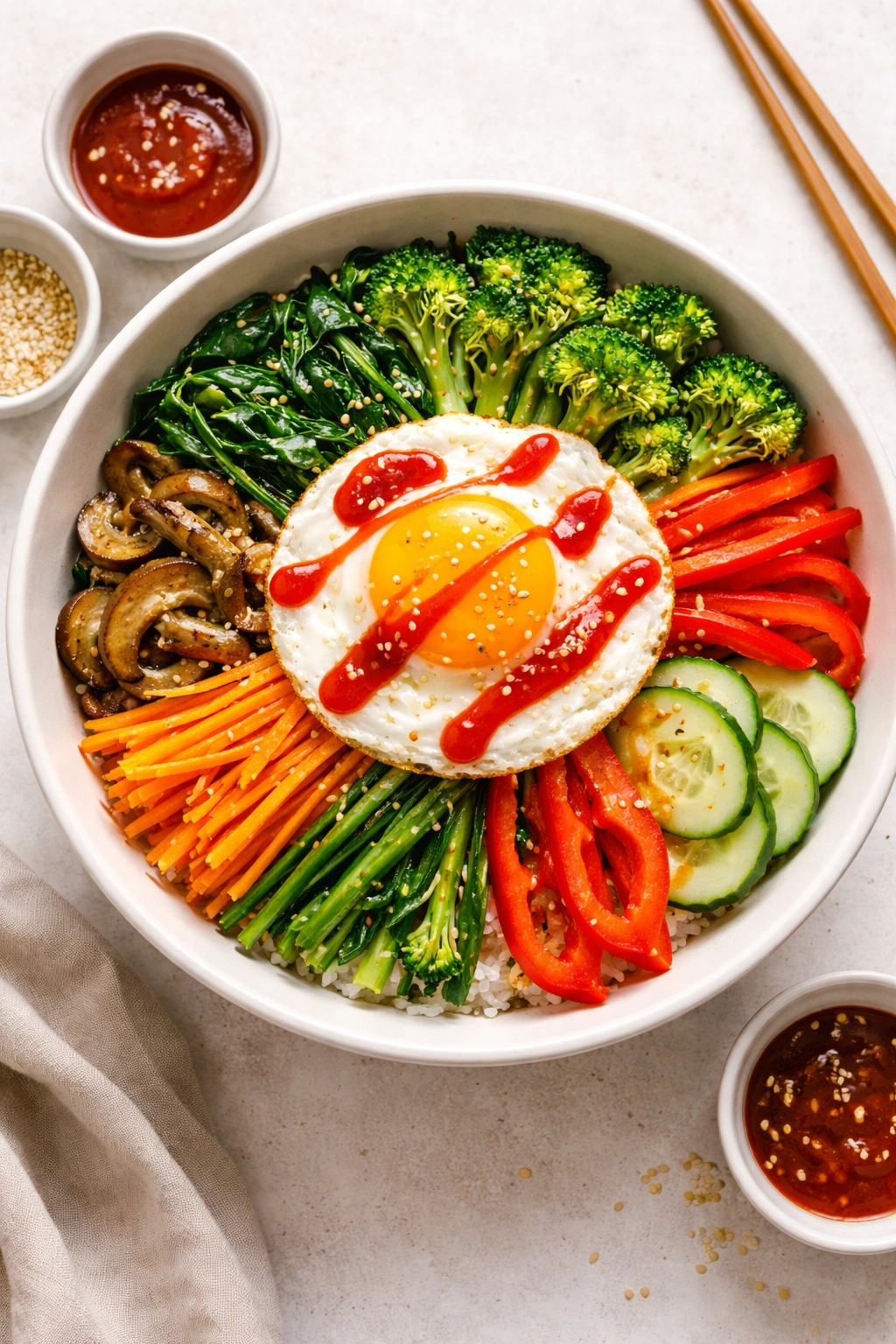
Bibimbap—literally “mixed rice”—is built on the concept of a bowl with rice on the bottom and colorful, seasoned vegetables on top, all brought together with a fried egg and spicy gochujang sauce. A cold bibimbap bowl is visually stunning, endlessly customizable, and deeply satisfying.
Cook short-grain rice (sushi or white rice works best) and spread it on the bottom of your container. Top with a rainbow of prepared vegetables: sautéed spinach seasoned with sesame oil and garlic, sautéed mushrooms with soy sauce, cooked shredded carrots, lightly blanched and cooled broccoli florets, paper-thin sliced cucumber, and thinly sliced red pepper. You can add a fried or soft-boiled egg on top, though it’s optional for cold packing.
Make a quick gochujang sauce by mixing three tablespoons gochujang (Korean chili paste, available in most grocery stores now), two tablespoons sesame oil, one tablespoon rice vinegar, one tablespoon sugar, one minced garlic clove, and a tablespoon of water. Drizzle this over the vegetables, or pack it in a separate small container and add it right before eating.
Why Bibimbap Works as a Cold Lunch
The vegetables are pre-seasoned, so they taste intentional and flavorful, not like random vegetables thrown together. The rice provides substance. The gochujang sauce ties everything together with bold, spicy-sweet-savory flavors that make every bite exciting. You get a complete meal with real nutrition and real flavor.
Storage and Make-Ahead Tips
- Cook and season all the vegetables the day before, then assemble the bowl in the morning of eating
- Alternatively, pack the rice and vegetables in separate layers (rice on bottom, vegetables on top, sauce separate) up to 24 hours ahead; mix together right before eating
- The vegetables stay fresh and crispy in the fridge for 3-4 days
- Gochujang sauce keeps in a sealed container for up to a week
- If including a hard-boiled egg, pack it separately to prevent the yolk from staining everything
- Bring everything from the fridge and mix just before eating, or eat it cold right from the container
Pro tip: Toast sesame seeds and sprinkle them over the bowl right before eating. The sesame adds nutty flavor and crucial texture that elevates the whole experience.
10. Harvest Grain Salad with Roasted Vegetables
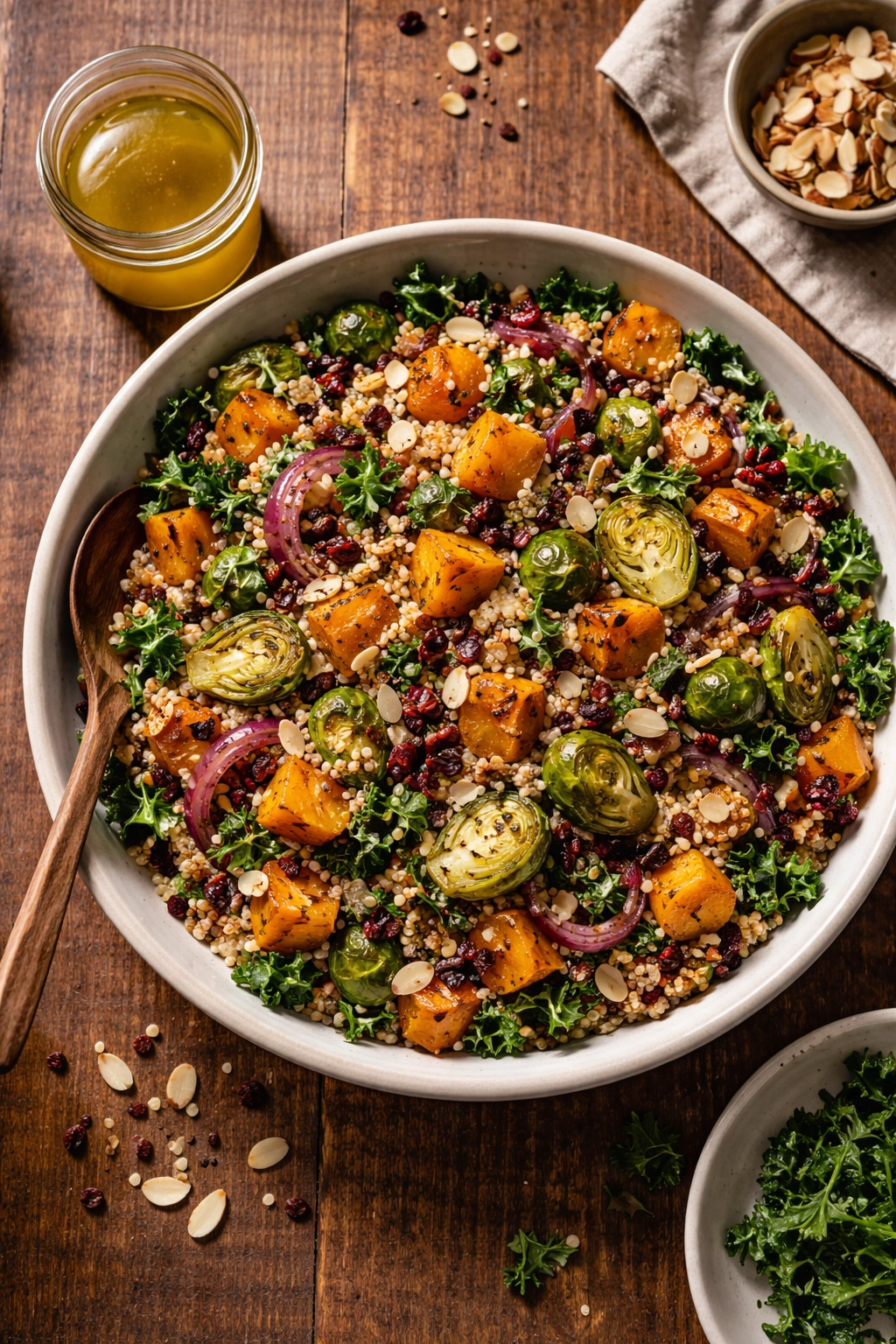
This is fall on a plate—a warm grain salad that tastes equally good cold, built on roasted vegetables that actually develop deeper flavor in the oven. A harvest grain salad is hearty enough to be a complete lunch, vegetarian enough to work for anyone, and beautiful enough that you’ll look forward to eating it.
Roast cubed butternut squash, cubed sweet potato, Brussels sprout halves, and red onion wedges tossed with olive oil, salt, and pepper at 425°F for about 25 minutes until caramelized and tender. While vegetables roast, cook one cup of farro, quinoa, or wild rice according to package directions, then toss with the warm roasted vegetables.
Add dried cranberries, sliced almonds or toasted pumpkin seeds, fresh kale (massage it gently with olive oil to tenderize, then tear into bite-sized pieces), and fresh sage or thyme. Make a cider vinaigrette by whisking together four tablespoons apple cider vinegar, three tablespoons extra virgin olive oil, one tablespoon whole-grain mustard, one tablespoon maple syrup, and one minced shallot. Toss everything together and let cool completely.
Why This Lunch Hits Differently
Roasted vegetables have caramelized edges and concentrated flavor—they’re not just a side dish, they’re the star. The grain provides staying power. The dried fruit adds sweetness without being cloying. The nuts and seeds add crucial texture. This is the kind of lunch that actually tastes like food, not obligatory nutrition.
Storage and Make-Ahead Tips
- This improves with time as flavors meld; make it up to 4 days ahead
- Roasted vegetables keep beautifully in the fridge and don’t get soggy
- Add the fresh kale and nuts the night before or morning of if making more than 24 hours ahead (kale wilts slightly over time, though the massage helps)
- Pack in a glass container and bring straight from the fridge
- Can be eaten cold or brought to room temperature—the flavor profile works either way
- The salad reheats beautifully in the microwave if you prefer it warm
Worth knowing: Massage the raw kale gently with a small amount of olive oil for a couple of minutes. This breaks down the cell walls, making it tender and less bitter, and it prevents the salad from tasting raw or tough.
Final Thoughts

A truly good cold lunch isn’t an afterthought or a compromise. It’s proof that planning ahead and understanding flavor actually matter more than cooking something fresh in the moment. These ten lunches represent real flavor combinations that have worked across cultures and throughout decades—they’re tried and tested, not trendy.
The beautiful part about spending 20 minutes the night before putting together one of these lunches is that you’re not actually buying into the hype of meal prep culture. You’re just being smart about your own time and energy. You’re ensuring that when you’re hungry at noon, you have something genuinely delicious waiting instead of settling for whatever’s convenient. You’re controlling what goes into your body. You’re saving money. And most importantly, you’re proving to yourself that lunch doesn’t have to be boring.
Start with whichever one sounds most appealing—the one that makes you genuinely excited to eat. Make it, pack it, and taste the difference that intentionality makes. Once you’ve found your favorites, rotate between them throughout the week. Soon you won’t be someone who dreads lunch; you’ll be someone who actually looks forward to it.
