



A great dinner doesn’t depend on elaborate side dishes — it depends on sides that actually complement your main course without stealing the show or keeping you in the kitchen for hours. The challenge most home cooks face isn’t finding fancy accompaniments; it’s discovering reliable, adaptable sides that work equally well alongside grilled chicken, baked fish, roasted meat, or vegetarian mains without requiring advanced technique or obscure ingredients.
The best side dishes do three things at once: they’re genuinely easy to execute, they pair beautifully with nearly any protein or main course you’re serving, and they taste so good that people actually ask for seconds. Most of what separates a forgettable dinner from a memorable one isn’t the main event—it’s the supporting players that balance flavors, add textural contrast, and make the plate feel complete and satisfying.
What makes a side dish truly versatile isn’t complicated. It’s the restraint to let the main course shine while adding something valuable to the plate. Whether you’re cooking a weeknight family dinner or hosting guests, these ten side dishes prove that the most reliable kitchen solutions are often the simplest ones. Each one comes together in 20 minutes or less, relies on ingredients you likely already have on hand, and tastes infinitely better than anything from a box.
1. Roasted Garlic Mashed Potatoes
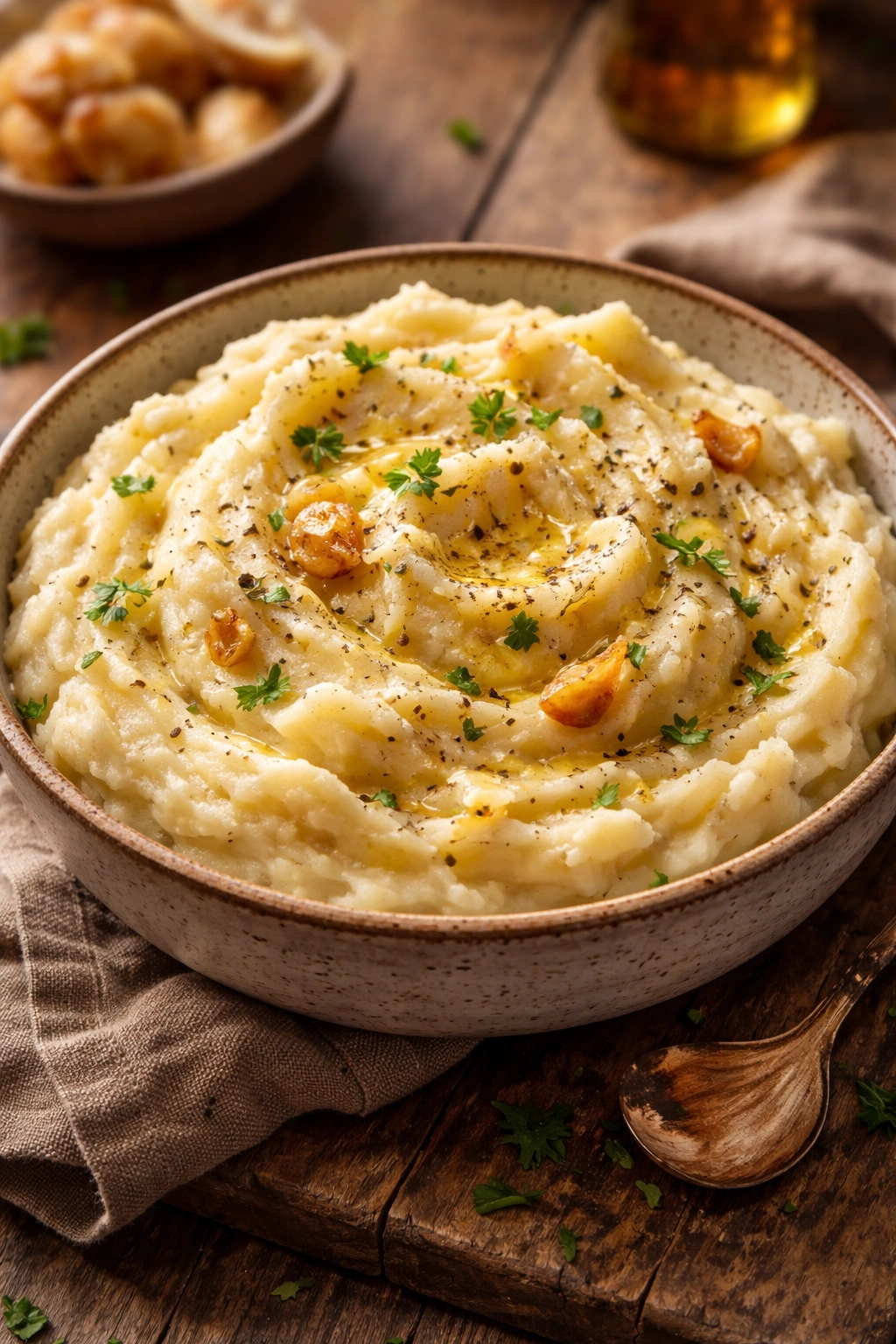
There’s a reason mashed potatoes show up on dinner tables across every culture and season—they’re forgiving, comforting, and genuinely hard to mess up once you understand the basic principles. The secret to mashed potatoes that taste restaurant-quality isn’t adding cream by the cupful; it’s using the right potato variety, treating the cooked potatoes gently, and building flavor with butter and roasted garlic rather than relying solely on salt.
The Technique That Matters Most
Yukon Gold potatoes are your best friend here because they have a naturally buttery flavor and waxy texture that creates silky, cohesive mashed potatoes without becoming gluey. Red potatoes work too, though they’ll be slightly less creamy. Russet potatoes are fine but tend toward fluffy rather than creamy unless you’re very careful with your mixing. The difference between great mashed potatoes and gluey ones comes down to how much you work the potatoes after they’re cooked—you want to mash them until smooth but stop before overworking develops the starch and turns everything into paste.
Quick Steps to Success
- Cut potatoes into 2-inch chunks before boiling so they cook evenly and quickly (about 12-15 minutes)
- Drain thoroughly and return to the hot pot for a minute to evaporate excess moisture—dry potatoes absorb butter better
- Mash with a hand masher, never a food processor (which over-mixes them)
- Fold in warm butter and warm milk or cream rather than cold dairy, which cools the whole pot and makes them gluey
- Roast 3-4 garlic cloves at 400°F for 20 minutes until completely soft, then squeeze the sweet paste directly into the potatoes
- Season with salt, white pepper, and fresh thyme if you have it
Pro tip: Make these up to 2 hours ahead, transfer to a buttered baking dish, cover with foil, and warm gently in a 350°F oven just before serving. They actually improve as they sit, and you eliminate last-minute stress.
2. Buttered Corn with Fresh Herbs
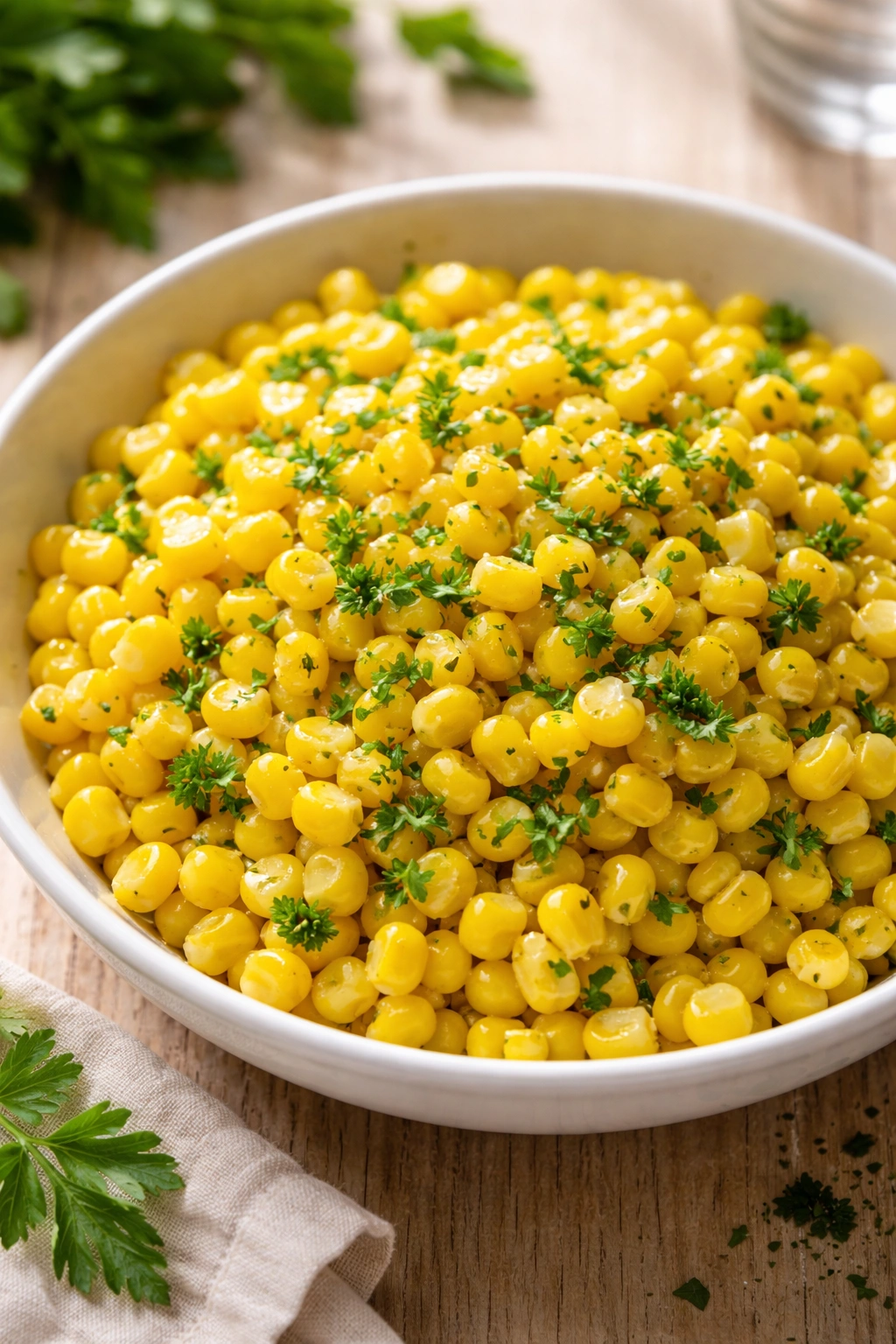
Fresh corn is a side dish that feels almost effortless yet tastes like you spent real time on it. The beauty of corn lies in its natural sweetness—you’re not competing with it or masking it, you’re simply highlighting it with good butter and fresh herbs that add brightness and complexity without overwhelming the delicate corn flavor.
Choosing and Cooking Corn
Fresh corn in season is always preferable, but frozen corn (not canned) works beautifully and often tastes better than out-of-season fresh corn that’s been shipped long distances. A single pot of boiling salted water is all you need—add corn kernels (fresh or frozen) and simmer for 3-4 minutes if fresh, just 2-3 minutes if frozen, until the kernels are tender and bright. The salt in the cooking water seasons the corn gently throughout, rather than just on the surface.
Building Flavor with Butter and Herbs
Drain the corn and immediately toss with butter while the kernels are still hot—the heat helps the butter melt and coat everything evenly. Fresh lime juice, fresh cilantro or dill, and a tiny pinch of cayenne pepper transform buttered corn into something sophisticated without any fussiness. If cilantro doesn’t appeal to you, try fresh basil, tarragon, or just keep it simple with parsley and a crack of black pepper.
Variations That Work
- Add crispy bacon bits and crumbled cotija cheese for a Mexican street corn vibe
- Mix in roasted red pepper and fresh thyme for a Mediterranean angle
- Combine with corn kernels from fresh tomatoes for a summer salad version
- Top with a sprinkling of toasted breadcrumbs and grated Parmesan for texture
Worth knowing: Corn is best served immediately while the butter is still glossy and the herbs are at their brightest. If you need to make it ahead, reheat it gently—overcooking makes the kernels tough and the herbs taste dull.
3. Simple Green Salad with Vinaigrette
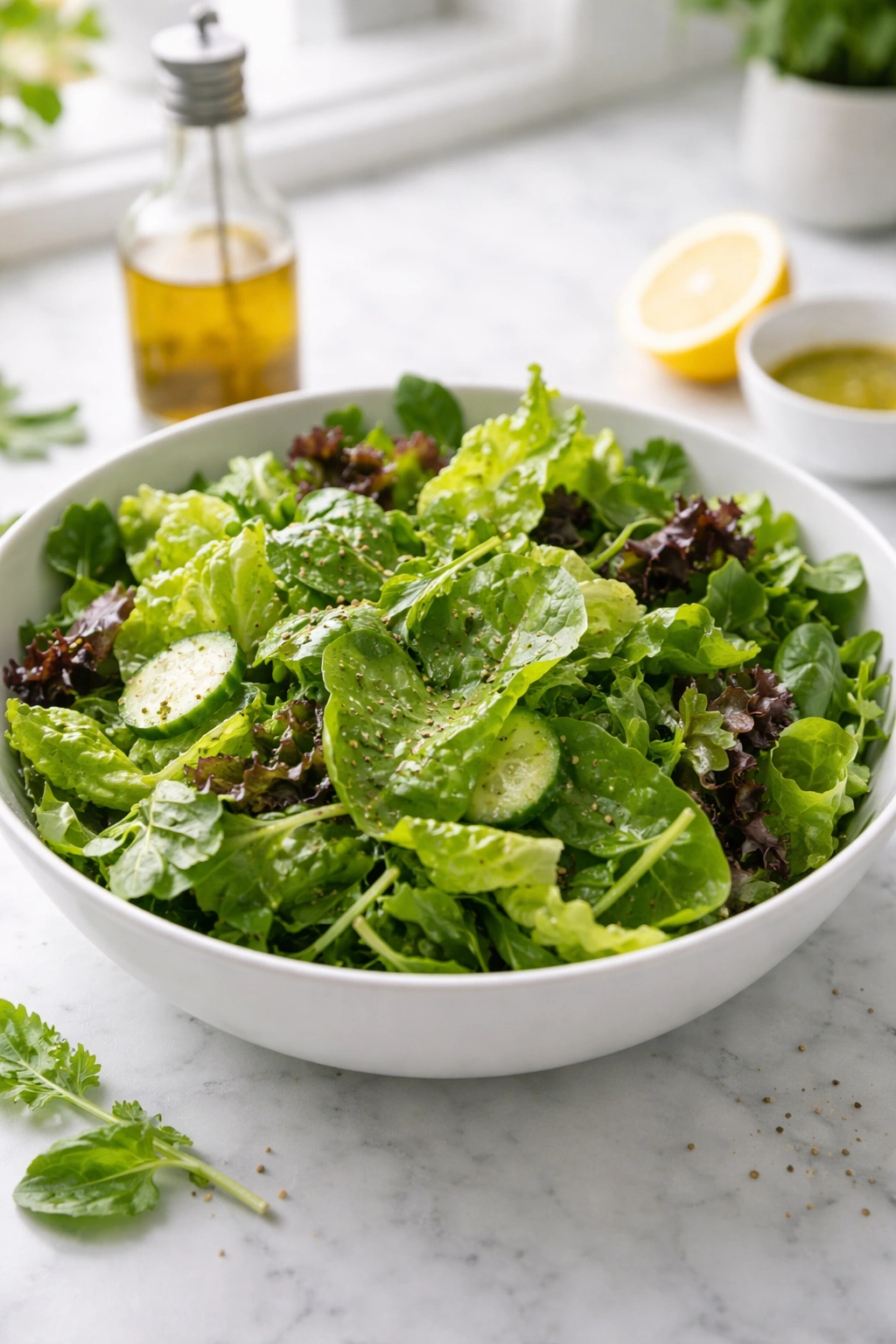
A truly great green salad is deceptively simple and absolutely essential at dinner—it cleanses the palate, adds freshness and crunch that balances heavier mains, and feels like you put thought into the meal without any actual effort. Most people either overcomplicate salad with excessive ingredients or undersell it with bottled dressing and sad lettuce. The middle ground is where magic lives.
The Foundation: Choosing Greens Wisely
Quality lettuce makes or breaks a salad. Soft, delicate lettuces like butter lettuce or Boston lettuce pair beautifully with creamy vinaigrettes and are forgiving for beginners. Crisp lettuces like romaine or iceberg work perfectly with vinegar-forward dressings. Mixed greens and mesclun blends give you texture variety without any real effort. Arugula or spring greens add a subtle peppery note that’s sophisticated without being aggressive.
The Vinaigrette: Three Components, Perfect Balance
A basic vinaigrette needs acid (vinegar or lemon juice), fat (good olive oil), and something to carry the other flavors (a tiny amount of honey, Dijon mustard, or minced shallot). The ratio is roughly 1 part acid to 3 parts oil, though you can adjust toward more acid if you love brightness. Mix the acid with the flavor carrier first (this helps emulsify the dressing), then whisk in the oil slowly. A pinch of salt and cracked black pepper finishes it. The entire process takes 2 minutes.
Tossing and Timing Matter
Wash and dry lettuce thoroughly—water on the leaves prevents the dressing from coating properly. Toss the salad with dressing just before serving, not far ahead—the acid will slowly wilt the leaves and make everything soggy if you dress it too early. Use just enough dressing to coat the leaves lightly; you should taste the greens, not the dressing.
Pro tip: Keep ingredients separate—salad greens in a bowl, dressing in a small jar—and dress the salad at the table or right before plating. This works especially well if you’re serving guests and want everything fresh and crisp.
4. Roasted Seasonal Vegetables
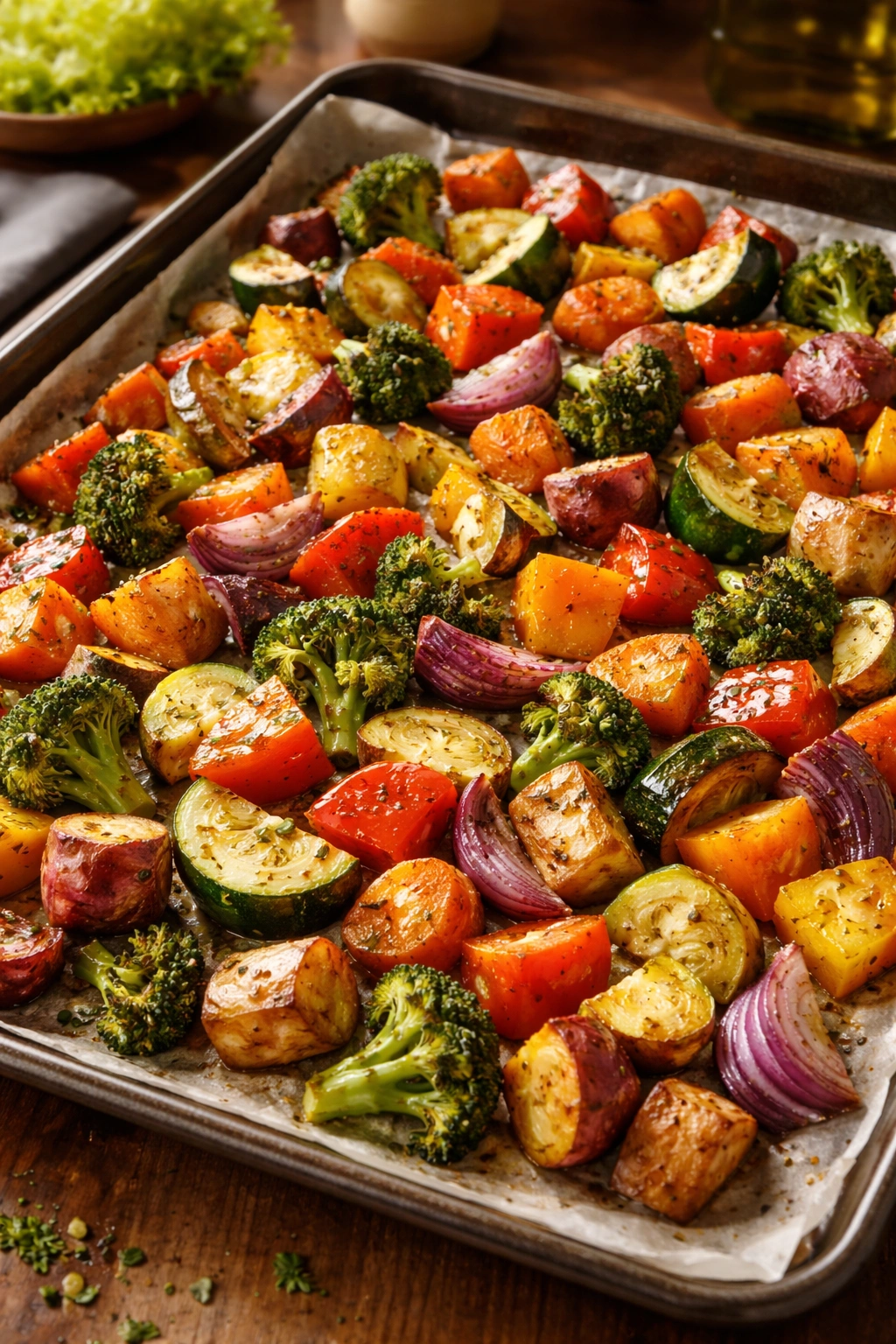
Roasted vegetables are the most forgiving, adaptable side dish that exists—nearly any vegetable tastes better roasted than raw, and the method is so simple that it almost seems like cheating. High heat caramelizes the outside while keeping the inside tender, which creates flavor depth and sweetness that you can’t achieve any other way.
The Universal Roasting Method
Cut vegetables into roughly equal-sized pieces (about 1-inch chunks for most things) and toss them with olive oil, salt, and pepper. Spread in a single layer on a baking sheet without crowding—crowding creates steam instead of caramelization. Roast at 425°F for 20-25 minutes, stirring once halfway through, until the edges are deep golden brown and the vegetables are tender when pierced with a fork.
Seasonal Vegetable Choices
Spring: asparagus, baby potatoes, young carrots, spring onions — roast with lemon zest and fresh tarragon. Summer: zucchini, yellow squash, cherry tomatoes, bell peppers — roast with garlic and fresh basil. Fall: Brussels sprouts, carrots, parsnips, beets — roast with balsamic vinegar and thyme. Winter: root vegetables like sweet potatoes, regular potatoes, turnips, parsnips — roast with rosemary and smoked paprika.
Flavor Building Beyond Oil and Salt
A splash of balsamic vinegar or apple cider vinegar added just before serving brings brightness. Fresh herbs like thyme, rosemary, or parsley scattered over the warm vegetables add life. Grated Parmesan, toasted nuts, or seeds like pumpkin or sunflower add texture and richness. A squeeze of fresh lemon or lime juice at the last moment prevents the vegetables from tasting heavy.
Quick fact: Don’t flip vegetables constantly—the goal is to create contact with the hot baking sheet. Stir only once, halfway through cooking, so the bottom side has time to develop color and caramelization.
5. Creamy Coleslaw
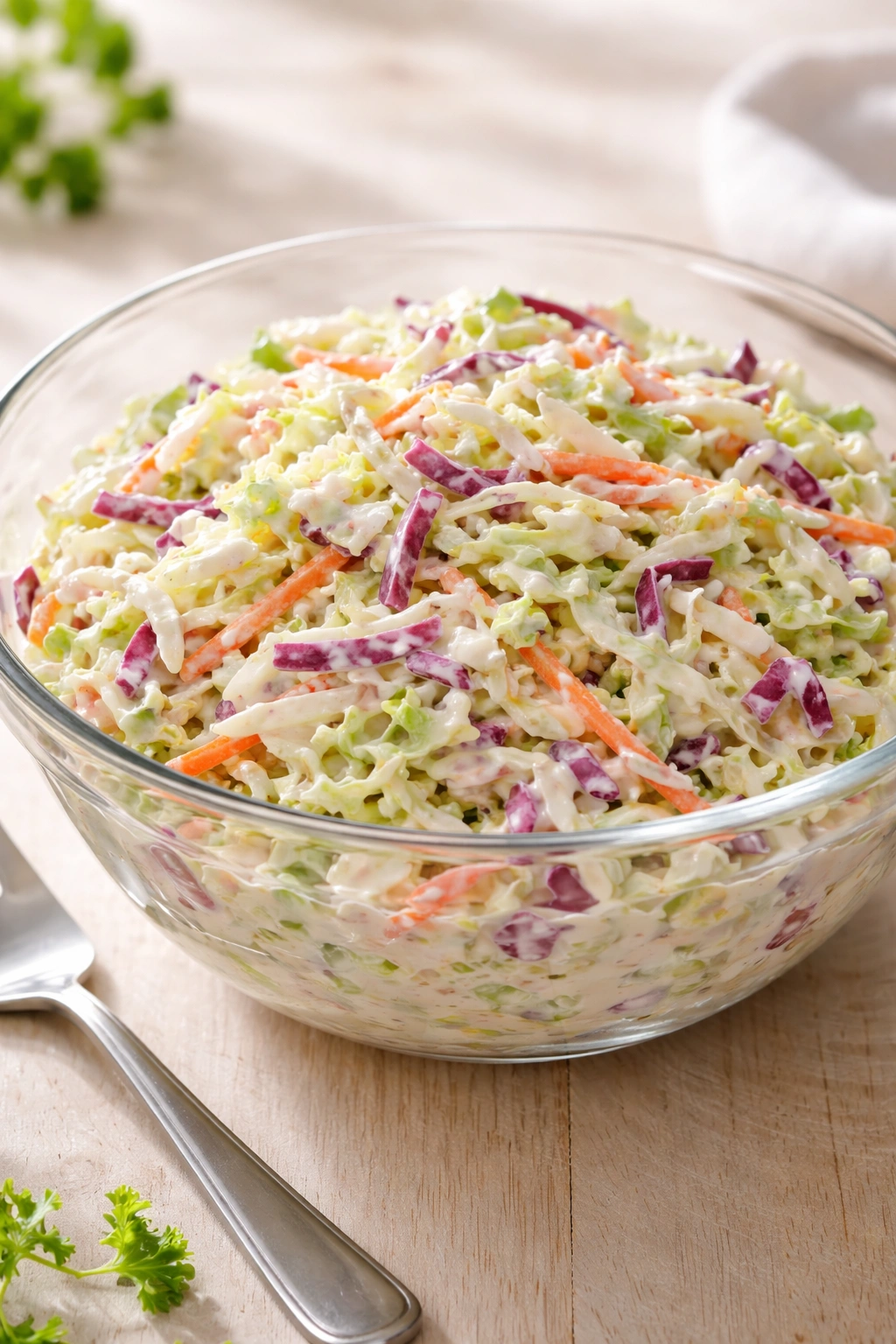
Coleslaw has gotten a reputation for being heavy, sweet, and one-dimensional, but a properly made coleslaw is crisp, refreshing, and genuinely addictive. The key is using a light hand with dressing, balancing acid with creaminess, and actually tasting as you build the flavor rather than just dumping ingredients together.
The Slaw Base: Choosing and Cutting Cabbage
Green cabbage is the most common choice and offers a mild, slightly sweet flavor with good crunch. Red cabbage adds visual drama and a slightly more assertive, earthier flavor. A blend of both is perfect if you want to go the extra step. Slice cabbage as thin as possible—a sharp knife, a mandoline slicer, or the slicing blade on a box grater all work. The thinner the cabbage, the more tender the slaw and the better it absorbs the dressing.
The Dressing: Balancing Creaminess with Acid
A basic creamy slaw dressing combines mayonnaise, apple cider vinegar, a touch of honey, and Dijon mustard. The ratio is roughly equal parts mayo and vinegar (start with ¼ cup of each per half a small head of cabbage), with about a tablespoon of honey and a teaspoon of mustard. Taste and adjust toward more vinegar if you like brightness or more mayo if you prefer creaminess. Fresh dill or caraway seeds add complexity.
Why Salting the Cabbage Matters
Toss the sliced cabbage with a teaspoon of salt and let it sit for 5 minutes—this begins to soften the cabbage and makes it absorb the dressing more effectively. Drain any liquid that accumulates, then toss with the dressing. This step prevents soggy coleslaw while ensuring the cabbage stays tender rather than crisp and tough.
Worth knowing: Coleslaw improves if made 1-2 hours ahead, allowing the flavors to meld and the cabbage to soften slightly. It stays fresh in the refrigerator for up to 3 days, making it perfect for meal prep.
6. Fluffy Rice Pilaf
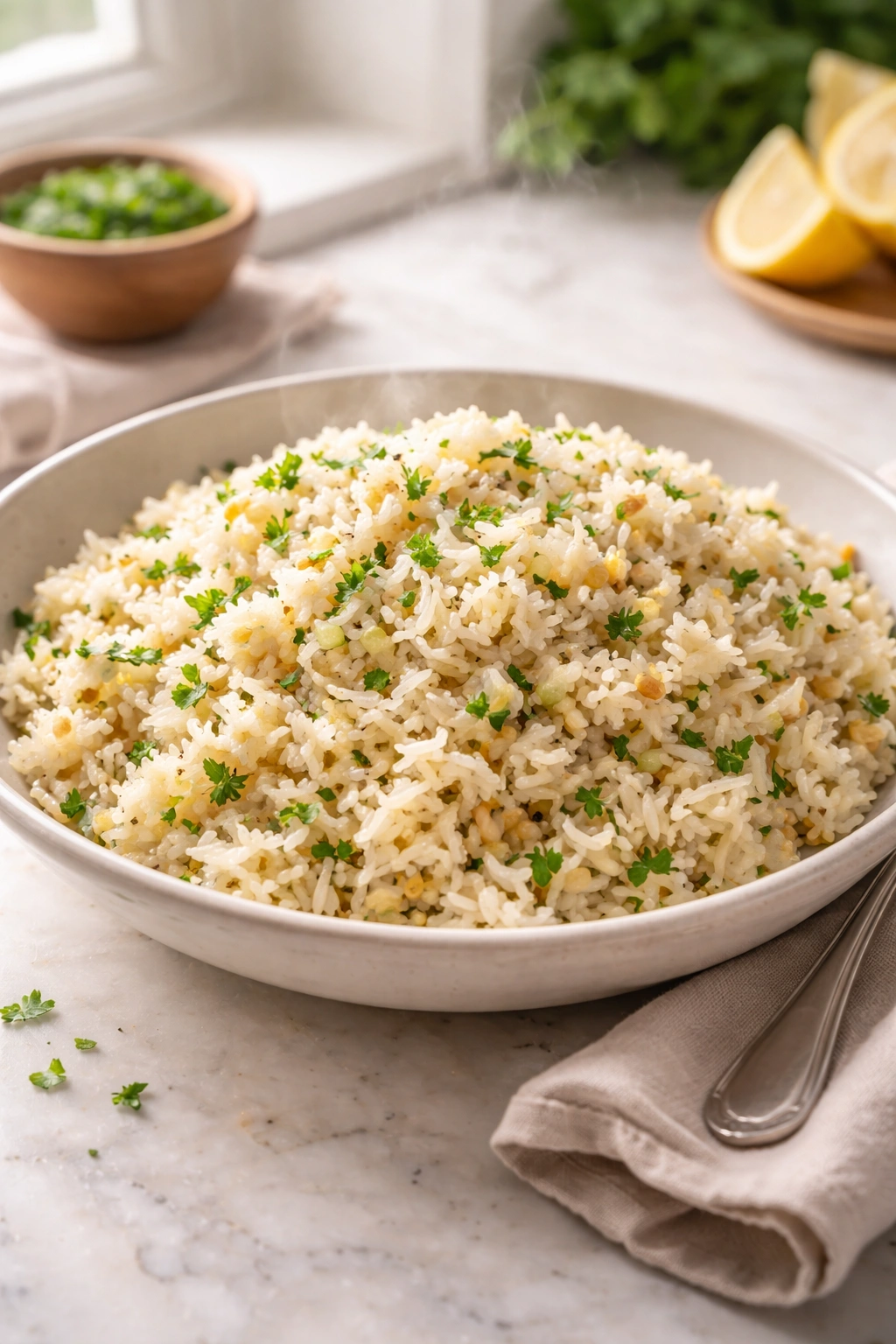
Rice pilaf transforms plain rice into something with actual texture, flavor, and visual interest—it’s elegant enough for company but simple enough for a weeknight dinner. The technique is straightforward, and once you understand the basic method, you can flavor it in countless ways without ever feeling like you’re winging it.
The Two-Stage Cooking Method
Toast rice briefly in butter or oil with minced onion and garlic before adding liquid—this prevents the rice from becoming mushy and adds subtle toasted flavor. Use a 2:1 liquid-to-rice ratio (2 cups broth to 1 cup rice), bring to a boil, then reduce heat to low, cover, and simmer for 18 minutes without peeking. The steam cooks the rice gently and evenly, and leaving it undisturbed prevents it from becoming gummy.
Flavor Variations That Work
- Add fresh herbs like parsley, cilantro, or dill scattered over the rice just before serving
- Stir in toasted nuts like pine nuts, almonds, or cashews for texture
- Mix in raisins or dried cranberries for sweetness and color
- Add roasted vegetables, caramelized onions, or crispy bacon for depth
- Use broth flavored with cumin, turmeric, or bay leaves for global flavors
Why Resting Is Important
Let the cooked rice rest off heat, covered, for 5 minutes. This allows the steam to finish cooking the centers of the rice grains and helps them firm up slightly so they don’t clump together. Fluff with a fork just before serving.
Pro tip: Cook the rice in chicken, vegetable, or beef broth instead of water. Broth adds flavor without extra effort—this single change elevates pilaf from side dish to memorable component of the meal.
7. Garlic Bread That’s Actually Good
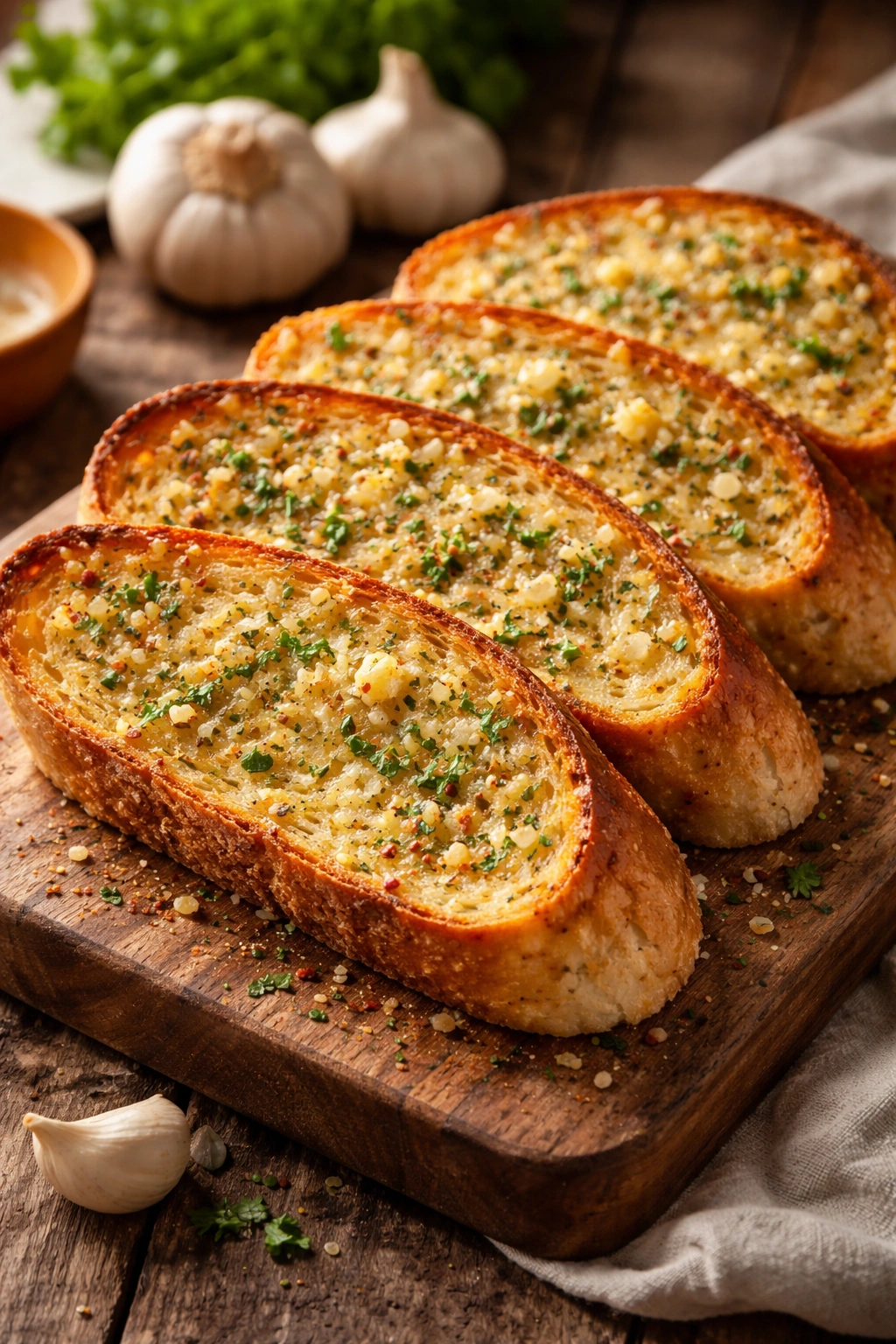
Garlic bread gets a bad reputation because most versions taste like greasy, stale bread with a hint of garlic powder. Real garlic bread—made with fresh garlic, good butter, and bread that’s actually worth eating—is addictive enough to justify its own spot on the dinner table.
The Base Matters More Than You Think
Day-old bread works better than fresh because it’s less tender and won’t turn to mush when it hits the heat. A crusty baguette, a thick-cut ciabatta, or even sliced sourdough all work beautifully. Fresh bread straight from the bakery is fine too, just slice it less thin so it holds together.
Making the Garlic Butter
Mince 4-5 garlic cloves very finely and combine with 4 tablespoons softened butter, a teaspoon of fresh lemon juice, a pinch of salt, and fresh parsley if you have it. Mix thoroughly so the garlic is evenly distributed throughout the butter. The lemon juice adds brightness and prevents the garlic from tasting flat and one-dimensional.
Assembly and Cooking
Slice bread lengthwise and spread the garlic butter generously over the cut side. Wrap in foil and bake at 375°F for about 10 minutes until the butter has melted and soaked into the bread, then unwrap and bake for another 2-3 minutes uncovered to crisp the top slightly. Sprinkle with fleur de sel or flaky sea salt and fresh parsley just before serving.
Quick fact: You can make the garlic butter up to a week ahead and keep it wrapped in plastic wrap in the refrigerator, so you literally just assemble and bake on the day you need it.
8. Steamed Broccoli with Lemon and Garlic
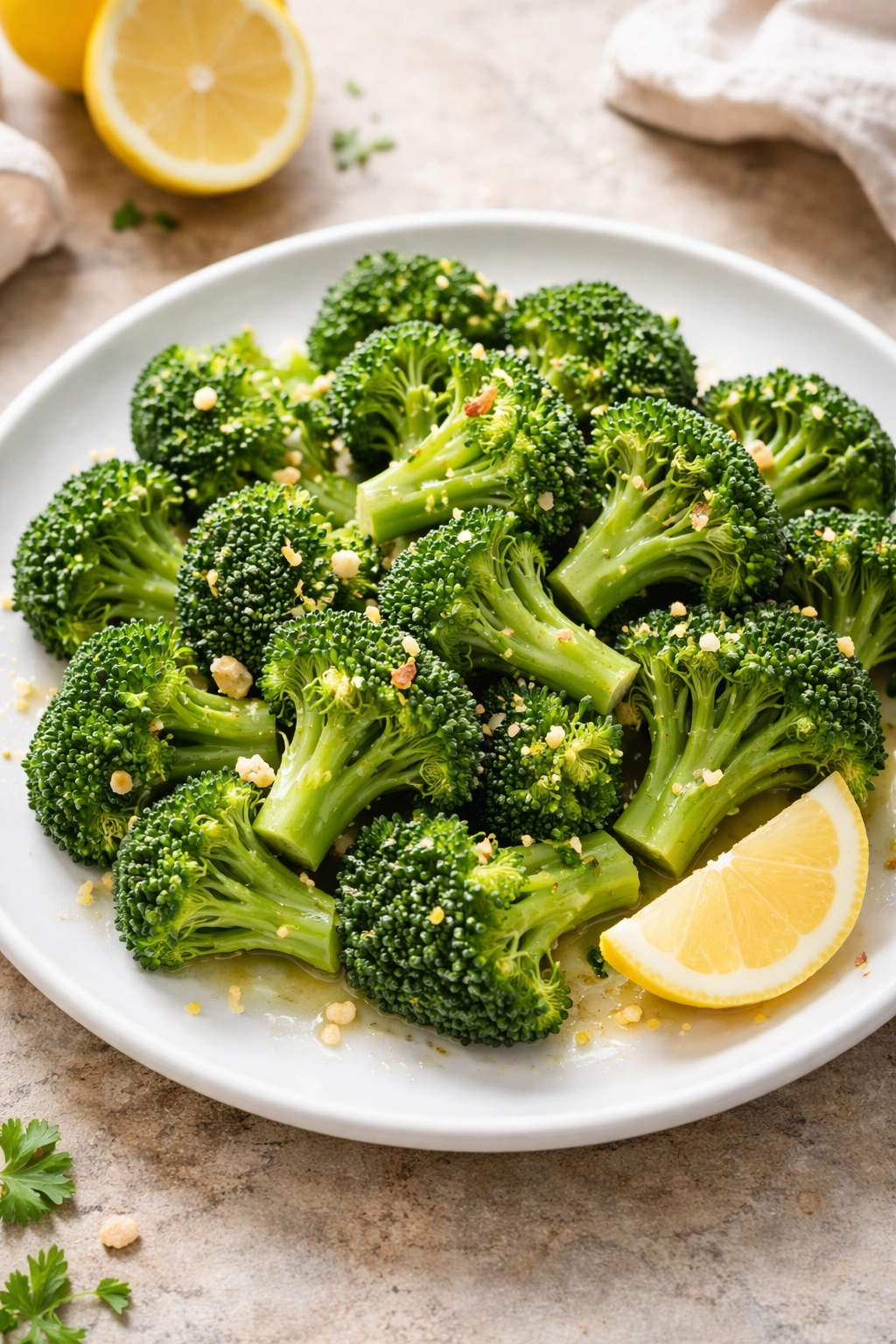
Broccoli gets dismissed as boring when it’s overcooked and under-seasoned, but properly steamed broccoli with a hit of fresh lemon and real garlic is crisp, bright, and genuinely craveable. The cooking method is crucial—broccoli shouldn’t be boiled into submission, it should be steamed until just tender with a slight crunch still present.
Steaming for Perfect Texture
Fill a pot with about 2 inches of water and bring to a boil. Place a steamer basket over the water and arrange broccoli florets in a single layer (cut them all to roughly the same size so they cook evenly). Cover and steam for 5-7 minutes until the broccoli is bright green and a fork easily pierces the thickest part of the stem, but the florets still have slight resistance when you bite one.
Building Flavor Without Heaviness
While the broccoli steams, warm 2 tablespoons of olive oil in a small pan over medium heat. Add 2-3 minced garlic cloves and cook for 1-2 minutes until fragrant but not brown—burnt garlic tastes bitter. Remove from heat, squeeze in fresh lemon juice (about a tablespoon), and add a pinch of red pepper flakes if you like heat. Drizzle this over the steamed broccoli and toss gently.
Why This Simple Version Works
The acid from the lemon prevents the broccoli from tasting sulfurous or heavy. The garlic oil adds richness without cream or butter. The red pepper flakes add complexity and keep everything from tasting bland. Together, these three elements transform steamed broccoli into something that makes you want to eat more vegetables.
Worth knowing: This same method works perfectly with asparagus, green beans, or Brussels sprouts—any vegetable that benefits from bright, garlicky flavoring without heaviness.
9. Sweet Potato Fries with Crispy Edges
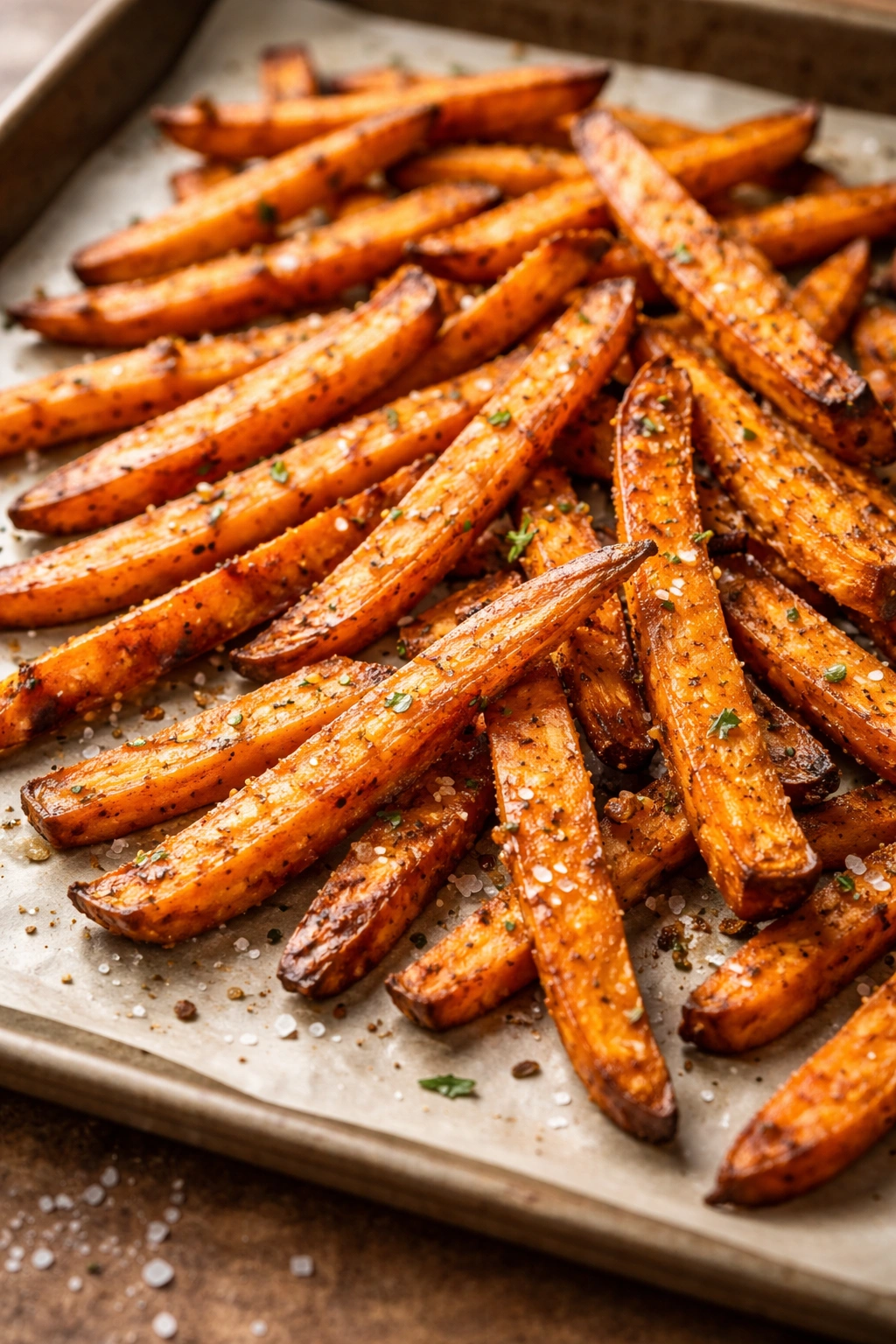
Sweet potato fries feel indulgent but are genuinely nutritious, and homemade versions beat frozen ones completely because you control the thickness, the cooking temperature, and the seasonings. The key to crispy exterior and creamy interior is cutting them the right thickness and using high enough heat.
Cutting and Prepping for Crispness
Cut sweet potatoes into ¼-inch thick fries (not too thin or they’ll dry out, not too thick or the insides won’t cook through). Toss with a light coating of olive oil, salt, and pepper—you want just enough oil to coat them, not soak them. Arrange in a single layer on a baking sheet without crowding, leaving space between each fry so hot air circulates and creates crispy edges.
The Temperature That Matters
Bake at 425°F for 20-25 minutes, stirring halfway through, until the edges are deep golden brown and crispy while the insides are tender. The high heat is essential for that crispy texture—lower temperatures create soft, limp fries.
Seasoning Options
- Classic: fleur de sel and cracked black pepper
- Smoky: smoked paprika, cumin, and a tiny pinch of cayenne
- Spicy: chili powder, garlic powder, and fresh lime juice squeezed over just before serving
- Sweet: a sprinkle of cinnamon and a tiny touch of brown sugar before baking
Pro tip: Cut and soak sweet potatoes in cold water for 30 minutes before cooking—this removes excess starch and helps them crisp up better. Pat completely dry before tossing with oil.
10. Cilantro Lime Rice
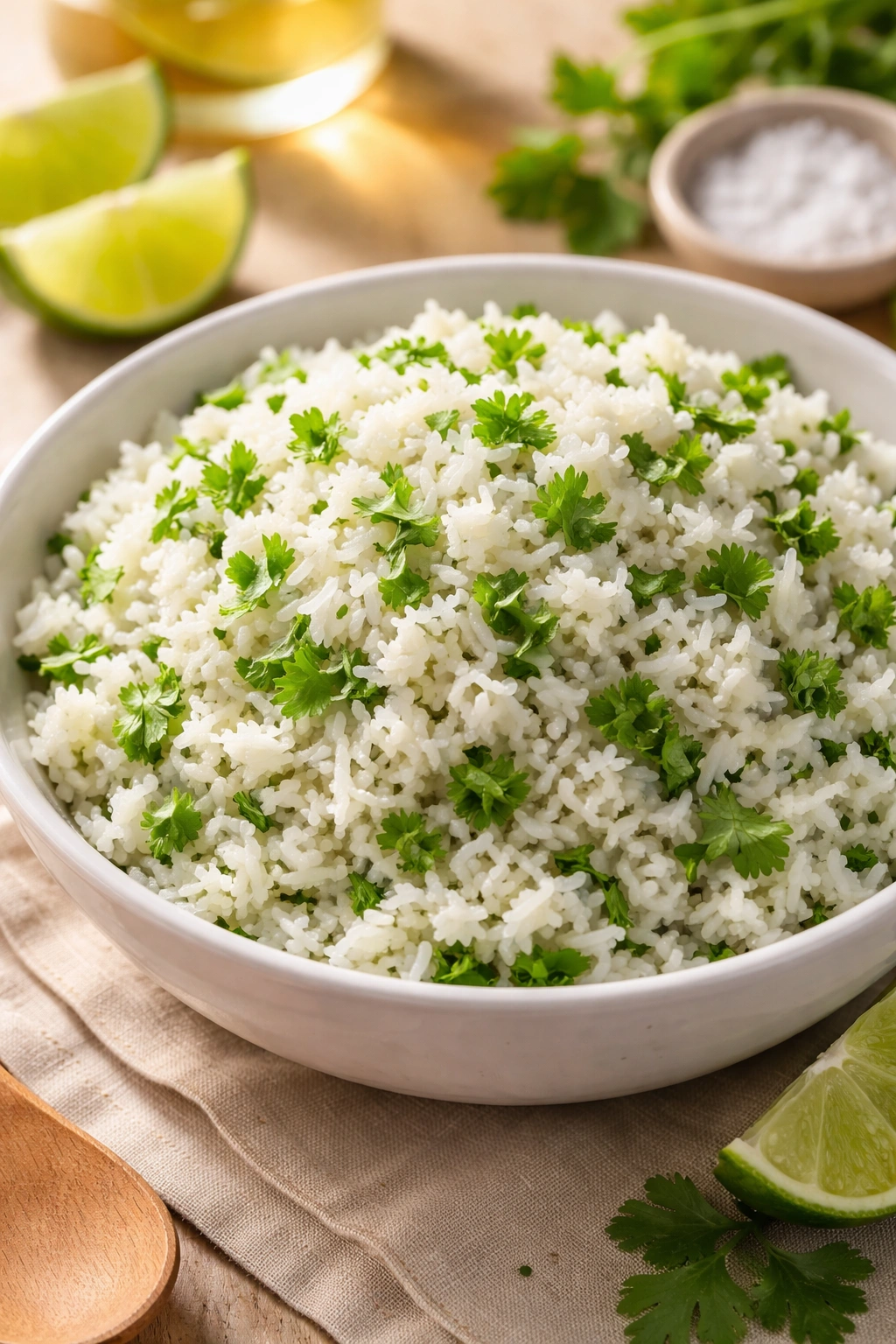
This bright, fragrant rice is the perfect partner for everything from pulled pork to grilled fish, and it comes together in the same time as plain rice with infinitely more flavor. The technique is identical to basic rice cooking; you’re just using broth and aromatics to build flavor instead of plain water.
Building Flavor from the Start
Toast 1 cup long-grain white rice (like jasmine or basmati) in 1 tablespoon of butter with ½ a minced onion and 2 minced garlic cloves for 1-2 minutes. The rice should smell nutty and toasted. Add 2 cups chicken or vegetable broth, bring to a boil, then cover, reduce heat to low, and simmer for 15 minutes without lifting the lid.
The Finish That Makes It Special
Remove from heat and let rest, covered, for 5 minutes. Fluff with a fork and immediately stir in the juice of one fresh lime and about ¼ cup loosely packed fresh cilantro, chopped. A pinch of salt adjusts the seasoning. The heat of the rice releases the aroma of the cilantro, and the lime juice brightens the entire dish without making it taste sour.
Why Fresh Cilantro Must Be Added Last
Adding cilantro and lime juice after cooking preserves their brightness and fresh flavor. If you cook them into the rice, they become muted and dull. The whole point of this rice is that fresh, alive taste that contrasts beautifully with rich or savory mains.
Quick fact: You can prepare the rice and refrigerate it for up to 2 days, then reheat gently with a splash of water. Add the cilantro and lime juice after reheating so the fresh herbs taste vibrant rather than reheated.
Final Thoughts
The most reliable dinners aren’t built on complicated techniques or rare ingredients—they’re built on a handful of side dishes that genuinely go with almost everything and that you can make without thinking too hard about it. Each of these ten sides solves a different need: some add creaminess, some add crunch, some add brightness, and some add comfort.
The real skill isn’t memorizing recipes, it’s understanding that a great dinner plate has balance. You need textural contrast, flavor balance between richness and brightness, something warm and something cool or crisp. Once you master these side dishes, you’ll find yourself mixing and matching them with whatever protein you’re cooking, confident that the plate will come together beautifully.
Start with whichever side sounds most appealing, make it once or twice to get comfortable with the method, then move on to the next one. After a few weeks, you’ll have a collection of sides so reliable that dinner planning becomes less about stress and more about choosing what sounds good tonight. That’s when cooking becomes genuinely enjoyable.
