



Cinnamon butter is one of those deceptively simple foods that transforms whatever it touches—toast becomes breakfast-worthy, warm bread turns into dessert, morning oatmeal gets a flavor upgrade, and the whole experience feels like you’ve done something special with your day. The best part? You’re about to discover that the homemade version is infinitely better than the store-bought alternative, costs a fraction of the price, and takes genuinely five minutes to make. No special equipment, no complicated techniques, just real butter, cinnamon, and a few pantry staples whisked into something you’ll want to spread on absolutely everything.
Most people have never actually tried making their own cinnamon butter because they assume it requires effort or precision. The truth is the opposite—this is perhaps the easiest spread you can make at home, and the results are so superior that you’ll wonder why you ever bought the pre-made stuff. Homemade cinnamon butter tastes fresher, feels more luxurious on your tongue, and carries the warm spice flavor of real cinnamon rather than that slightly bitter, one-note taste of commercial versions. Whether you’re spreading it on steaming biscuits, swirling it into morning coffee, dolloping it on roasted sweet potatoes, or layering it into cinnamon rolls, this cultured butter mixture elevates ordinary foods into something memorable.
What Makes Homemade Cinnamon Butter Worth Your Time
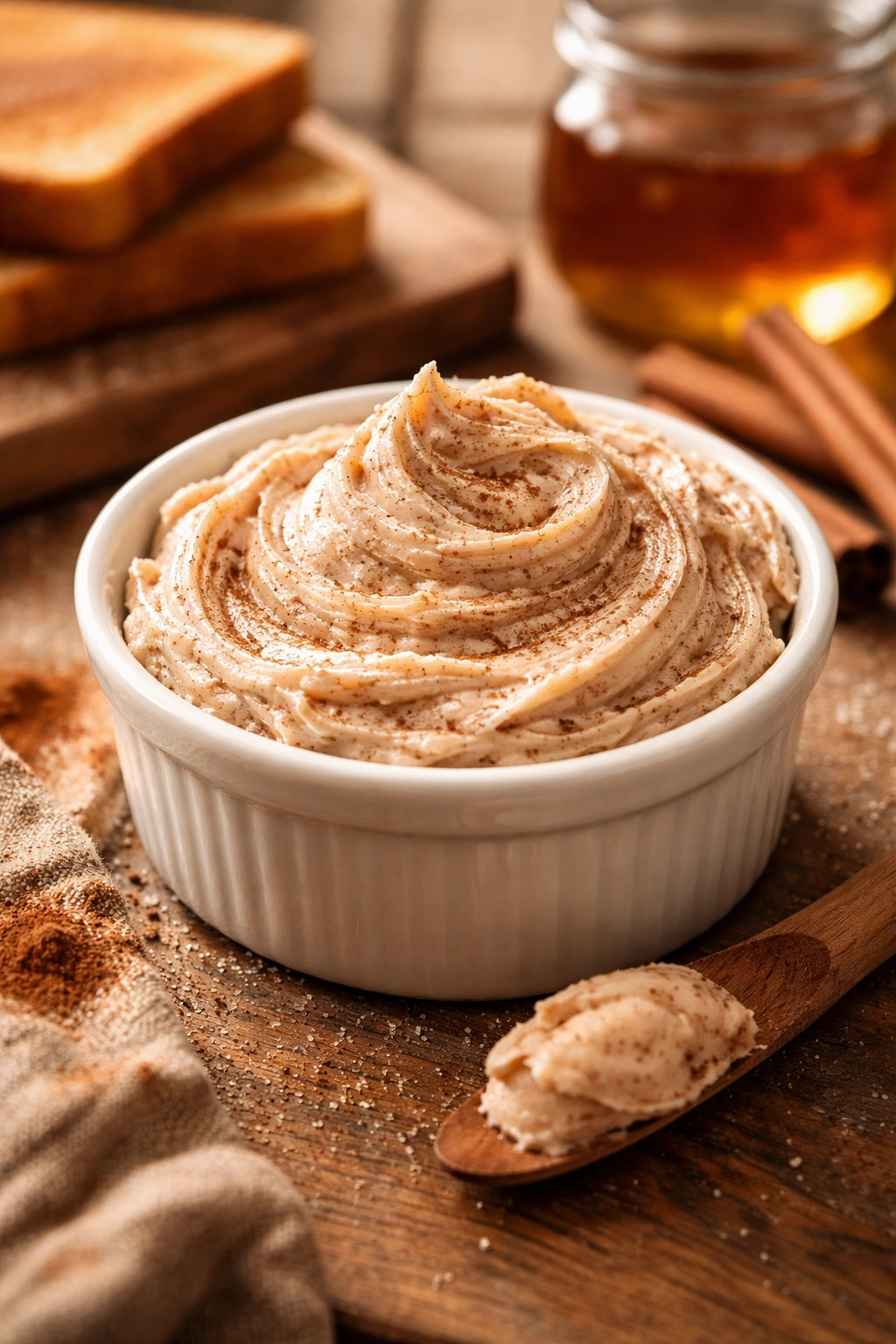
The magic of cinnamon butter lies in how it bridges sweet and savory territory. Unlike jam or jelly, which are decidedly sweet, cinnamon butter carries warm spice notes and the richness of real butter—so it feels equally at home on buttered toast at breakfast, stirred into baked goods, melting atop a hot potato, or whipped into whipped cream for dessert. This versatility is why a single batch in your refrigerator unlocks so many meal possibilities throughout your week.
Store-bought cinnamon butters often contain stabilizers, added sugars in higher quantities than necessary, or artificial vanilla flavoring that tastes slightly off-kilter. When you make it yourself, you control every single ingredient and can taste the difference immediately. Real cinnamon has a complex warmth that shines through, and the butter itself becomes the star rather than a vehicle for other flavors.
The texture matters too. Homemade cinnamon butter whipped until fluffy has an airier, more spreadable quality than dense commercial versions. It melts into warm foods rather than sitting on top, flavoring every bite as it dissolves. On cold toast, it softens to the perfect consistency without being greasy, and on baked goods straight from the oven, it creates pockets of cinnamon-spiced richness.
Why People Make This Instead of Using Cinnamon Sugar
Cinnamon sugar is fine, but it doesn’t melt smoothly or distribute as evenly. Cinnamon butter, by contrast, becomes one cohesive layer that clings to whatever you’re spreading it on. The butter carries the spice flavor deeper into the food rather than leaving it sitting on the surface.
The Psychology of Homemade Spreads
There’s something deeply satisfying about opening your refrigerator and seeing a jar of something you made with your own hands. It feels like a small luxury, and that psychological component actually affects how much you enjoy it. You’ll use homemade cinnamon butter more generously and more often than the store-bought version.
Understanding Your Ingredients and Getting Ready
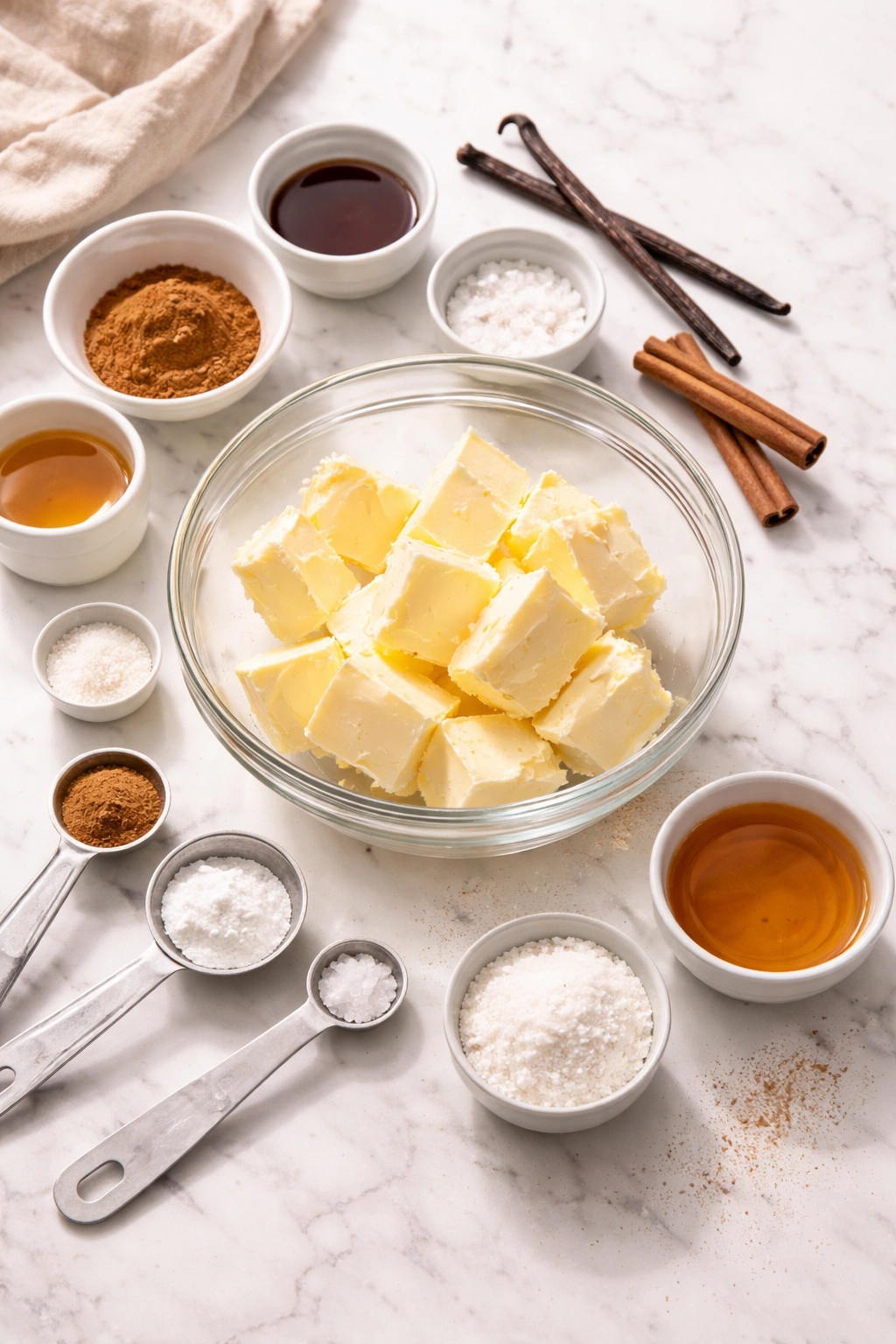
Before you even turn on the mixer, gather everything you need—this makes the actual process seamless. You’ll want unsalted butter that has been sitting at room temperature for 20-30 minutes until it’s soft enough to press your finger into easily. Cold butter won’t whip properly and will require more mixing, defeating the purpose of this quick recipe.
The type of butter you use makes a measurable difference. European-style butter with higher fat content (86-88% instead of the standard 80%) creates a richer, more luxurious spread. If you can find cultured butter—butter made from fermented cream—it adds a subtle tanginess that makes the cinnamon flavor pop. Unsalted butter gives you complete control over the salt level and prevents any competing flavors.
Ground cinnamon should be fresh and aromatic. If your cinnamon has been sitting in a cabinet for three years, it’s lost most of its potency and will taste dusty rather than warm. Buy cinnamon in smaller quantities if you don’t use it regularly, or check the date on the container before you start. Ceylon cinnamon (also called true cinnamon) tastes softer and more refined than cassia cinnamon, though either works beautifully in this recipe.
Finding Quality Ingredients Makes a Real Difference
Don’t skip past this step—using good-quality butter and fresh spices genuinely matters when the recipe contains so few ingredients. Each component has nowhere to hide.
Yield, Timing, and Difficulty
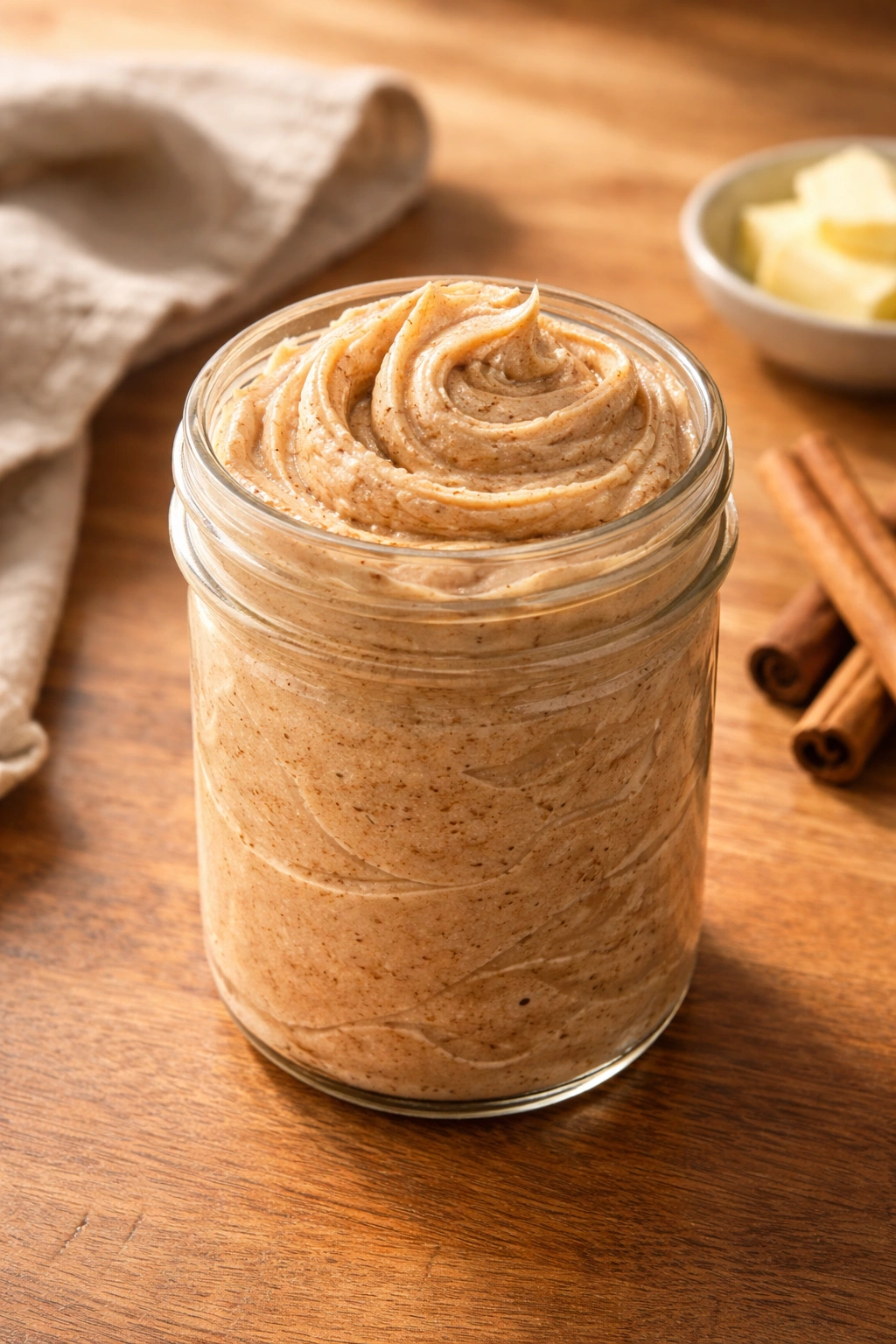
Yield: Makes approximately 1 cup (about 8 ounces), which fills one standard mason jar and serves roughly 8-10 people across multiple meals
Prep Time: 5 minutes of hands-on active mixing
Cook Time: None—this requires no cooking
Total Time: 5 minutes
Chill Time: Optional 15-30 minutes in the refrigerator if you prefer a thicker consistency (the butter will continue to firm up slightly as it cools)
Difficulty: Beginner—no special skills required, and the steps are straightforward even for someone who has never made a compound butter before
Best Served: At room temperature for maximum spreadability, though it’s delicious both cold from the refrigerator and melted on warm foods
The Complete Ingredient List
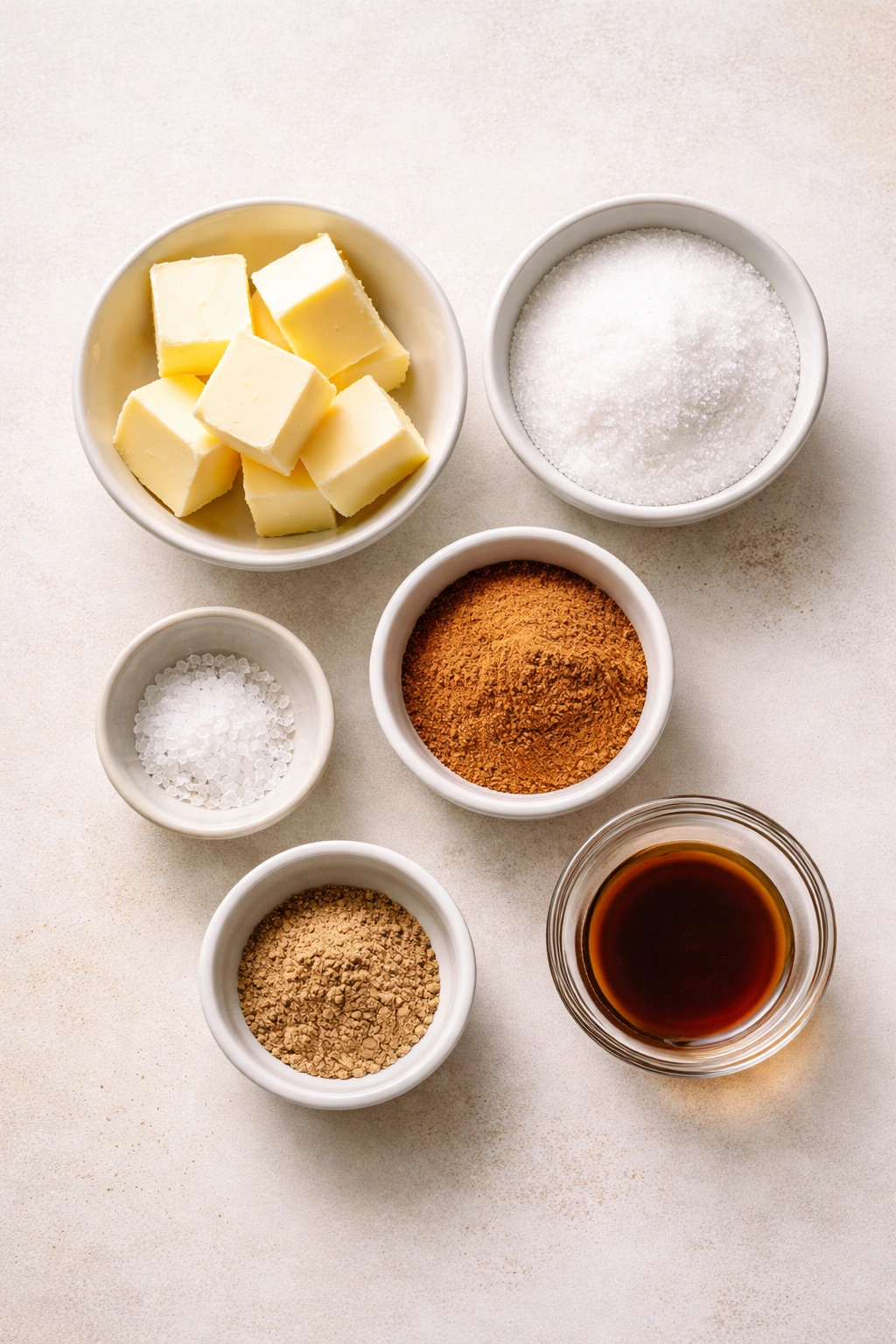
For the Cinnamon Butter Base:
- 1 cup (2 sticks or 227g) unsalted butter, softened to room temperature
- 3-4 tablespoons granulated sugar (see the variations section if you prefer honey or maple syrup instead)
- 2 teaspoons ground cinnamon, or more to taste
- ¼ teaspoon fine sea salt (adjust based on how salty you like your spreads)
- ½ teaspoon pure vanilla extract
- Pinch of nutmeg (optional, but it adds subtle warmth and prevents the cinnamon from tasting one-dimensional)
Optional Flavor Boosters:
- Tiny pinch of ground cardamom (transforms the cinnamon butter into something sophisticated)
- 2-3 tablespoons toasted pecans or walnuts, finely chopped (adds texture and deeper flavor)
- 1 tablespoon honey drizzled in after whisking (makes the butter slightly smoother and adds depth)
- 2-3 drops of pure maple extract (reinforces warmth without making it taste like pancake syrup)
All ingredients are pantry staples, meaning you can make this butter any time without a special trip to the store. Substitute regular sugar for brown sugar if you prefer a slightly deeper molasses note, or replace some of the sugar with honey (reduce sugar to 2 tablespoons and add 2 tablespoons raw honey).
Making Your Cinnamon Butter: Step-by-Step Instructions
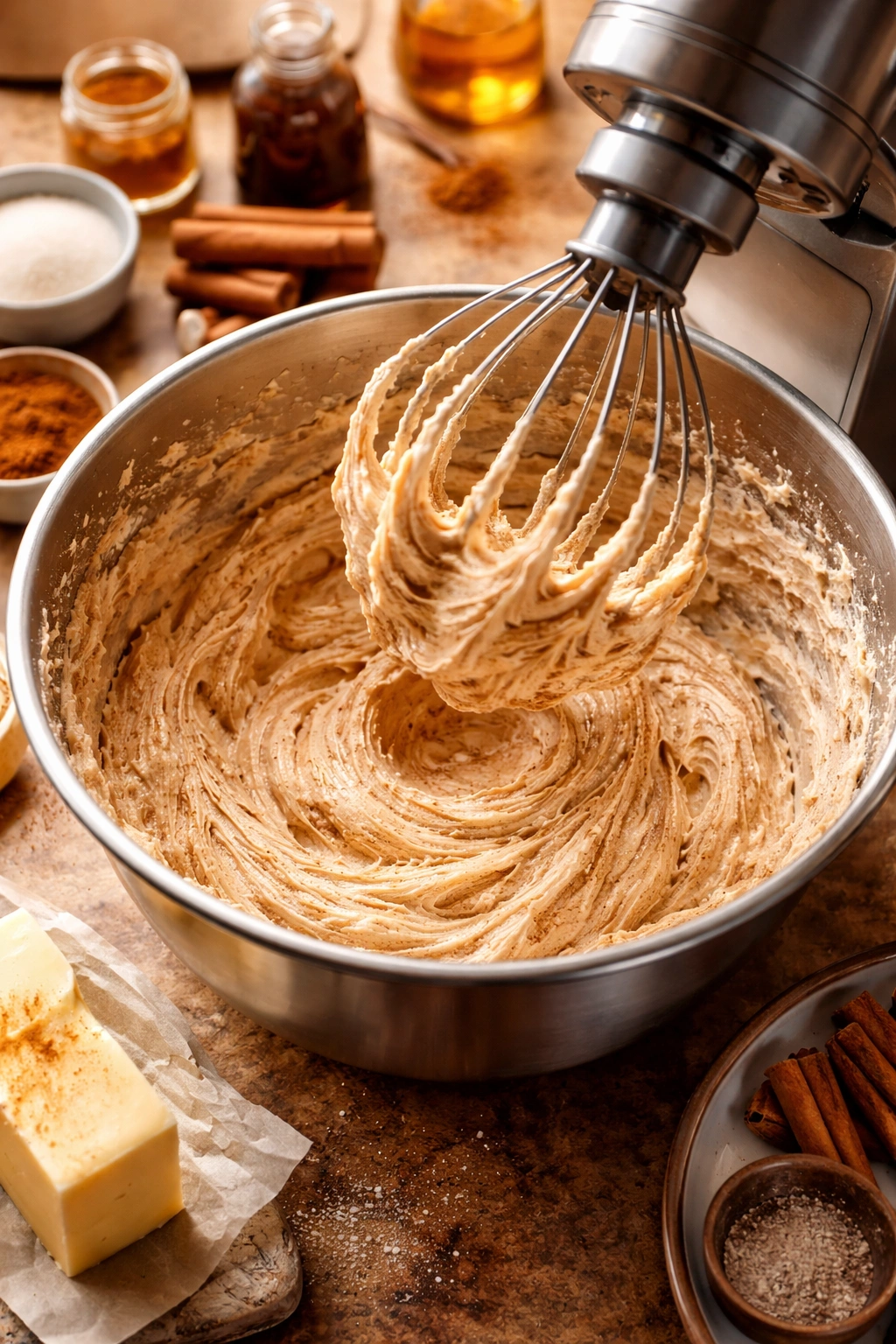
Prepare Your Equipment:
-
Add the softened butter to a medium bowl or the bowl of a stand mixer fitted with the paddle attachment. The butter should give easily when you press a finger into it but should not be melting or greasy—if it’s too warm, place it in the refrigerator for 5-10 minutes until it reaches the right consistency. Cold butter will make this take much longer; warm butter will become greasy instead of fluffy.
-
Gather your measuring spoons, vanilla extract, cinnamon, salt, sugar, and any optional add-ins within arm’s reach. Organization at this stage means you won’t be scrambling while the mixer runs.
Mix and Whip:
-
Begin mixing the butter on medium speed (or by hand with a wooden spoon if you prefer no equipment). Beat for 30-45 seconds until it starts to look lighter in color and slightly fluffier—you’re incorporating air into the butter.
-
Stop the mixer and add the sugar, cinnamon, salt, vanilla extract, and nutmeg if using. Scrape down the sides of the bowl with a spatula to ensure no unmixed ingredients hide along the edges.
-
Resume mixing on medium speed for 2-3 minutes, scraping the bowl halfway through. Watch the transformation—the butter will lighten from a dense pale yellow to an airy, almost mousse-like texture with visible cinnamon swirled throughout. The mixture should look fluffy enough that you could almost spread it with a knife right now, and the cinnamon should be completely distributed with no dark streaks remaining.
-
If you’re adding chopped nuts or any other texture element, fold them in gently by hand using a spatula during the final 15 seconds of mixing. Do not over-mix after adding nuts or they may bruise and turn the butter slightly darker.
Finish and Store:
-
Transfer the finished cinnamon butter to a clean jar, small bowl, or plastic container using a rubber spatula to scrape every bit into the vessel. Smooth the top with the spatula so it looks finished and presentable.
-
Use immediately at room temperature, or cover and refrigerate for later. The butter will continue to firm up slightly as it cools, reaching its thickest consistency after 1-2 hours in the refrigerator—perfect for spreading on toast or biscuits.
Perfecting Your Cinnamon Butter: Tips and Troubleshooting
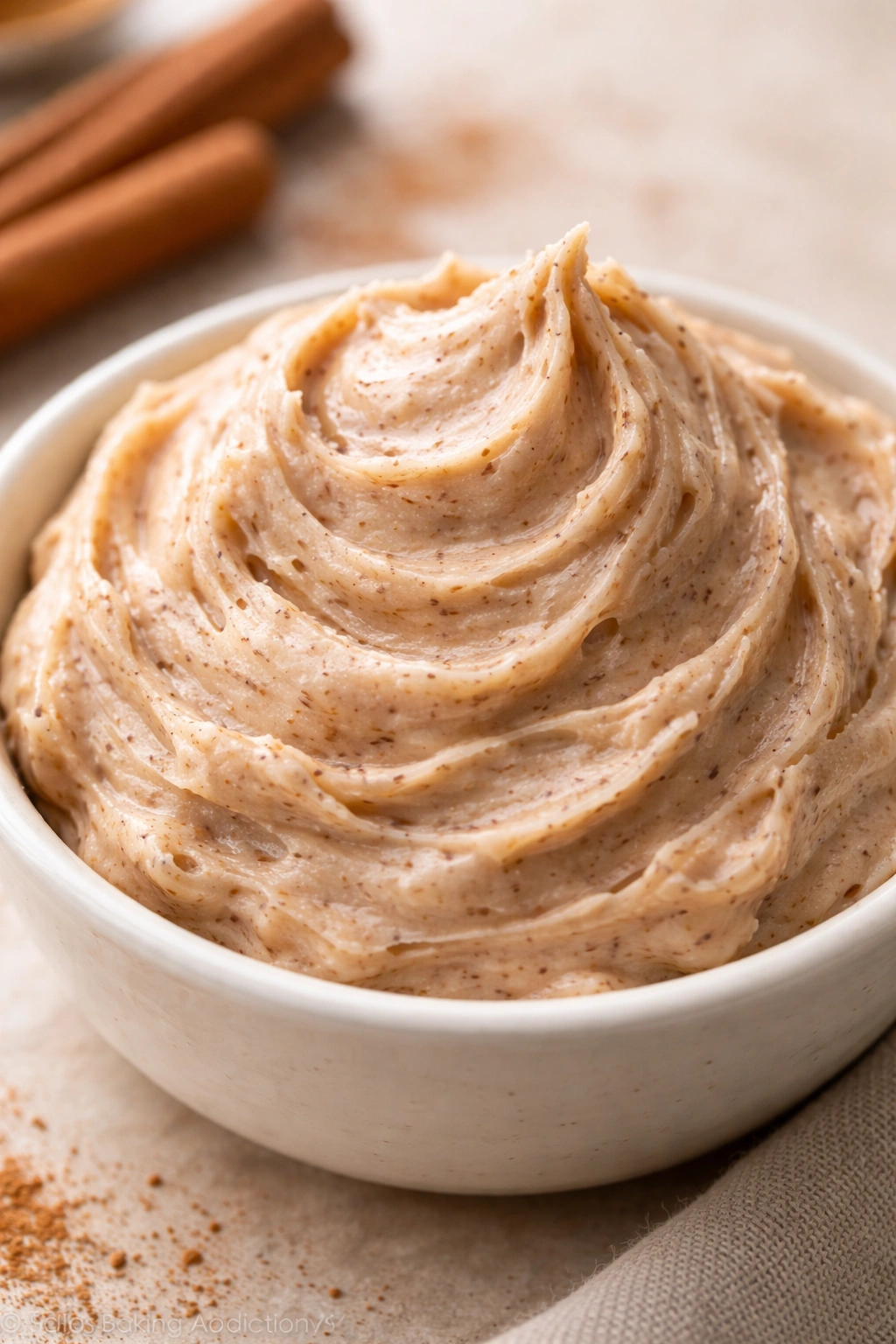
The margin for error here is genuinely tiny, but understanding a few principles makes the difference between good cinnamon butter and absolutely perfect cinnamon butter. Temperature is the biggest factor—warm butter becomes greasy, while cold butter refuses to fluff and creates a dense, heavy spread instead of something cloud-like.
Start with butter that’s genuinely softened, not melting. Press your finger into it—your finger should sink in easily without the butter feeling oily. If you’re unsure, it’s always better to err on the side of slightly too cold; you can always let it soften a bit more. If it’s too warm, pop it in the freezer for a few minutes.
The vanilla extract is essential even though you might not consciously taste it—it rounds out the cinnamon flavor and prevents it from tasting sharp or one-dimensional. Don’t skip it or substitute it with imitation vanilla, which tastes slightly bitter. Pure vanilla extract costs more but makes a noticeable difference in the final flavor.
The Mixing Time Question
Some recipes suggest you can make this in one minute with minimal stirring. That’s partially true—the butter and cinnamon will combine that quickly. But giving it a full 2-3 minutes of mixing creates that airy, spreadable texture that makes cinnamon butter so special. The time investment is negligible, and the texture payoff is real.
Getting the Cinnamon-to-Sugar Ratio Right
The proportions here assume you like a balanced sweet-and-spicy flavor. If you prefer more pronounced cinnamon, increase it to 2.5 teaspoons. If you like it sweeter and less spicy, stay closer to 1.5 teaspoons of cinnamon with 4 tablespoons of sugar. Taste a tiny amount on your finger before storing it—you can always add more of anything, but you can’t remove it once it’s mixed in.
Why It Might Look Separated
If your finished cinnamon butter looks grainy or slightly curdled, one of two things happened: either the butter was too warm and the fat began to break down, or you over-mixed it after adding the sugar. Both issues are cosmetic only—the butter still tastes wonderful and spreads normally—but texture-wise, it’s not ideal. For the next batch, ensure the butter is at the right temperature and stop mixing once the cinnamon is fully distributed.
Flavor Variations to Try
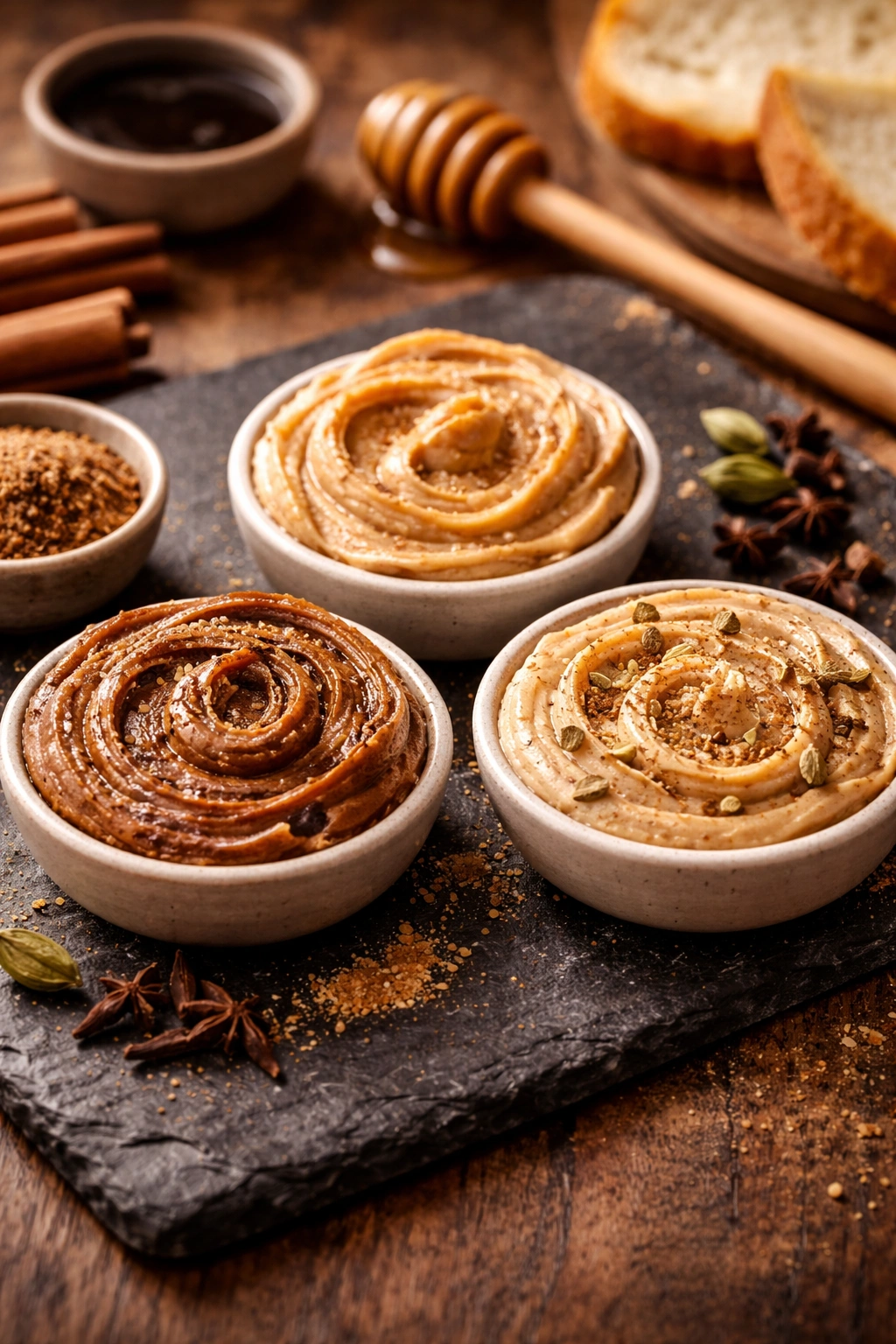
The base recipe is perfect as-is, but it’s also incredibly flexible. Once you understand how the core flavors interact, you can create endless variations that suit different meals and preferences.
Brown Sugar and Molasses Version
Replace the granulated sugar with packed brown sugar, and add ½ teaspoon unsulfured molasses or blackstrap molasses. This version tastes deeper and richer, almost like brown butter cinnamon spread. It’s extraordinary on waffles and wheat toast, where the molasses notes make the butter taste more complex than any shop-bought version.
Honey-Sweetened Cinnamon Butter
Reduce the granulated sugar to 1 tablespoon and replace it with 3 tablespoons of raw honey. The honey dissolves into the butter, creating a smoother texture and adding subtle floral notes. This version is particularly lovely on biscuits and warm bread, where the honey flavor becomes apparent.
Spiced Version with Cardamom and Clove
Keep all the base ingredients, but add ¼ teaspoon ground cardamom and a tiny pinch of ground clove alongside the cinnamon. This transforms cinnamon butter into something that tastes like chai spices. It’s phenomenal on morning oatmeal and pairs beautifully with Earl Grey tea.
Maple Cinnamon Butter
Replace 1 tablespoon of the sugar with 1 tablespoon pure maple syrup, and add ¼ teaspoon pure maple extract. This version makes people think you added actual maple—it’s that convincing. Use it on pancakes, waffles, and sweet potato anything.
Orange-Cinnamon Version
Add 1 teaspoon finely grated orange zest and ¼ teaspoon pure orange extract (or 2-3 drops of orange oil, which is much stronger). This bright variation works beautifully on breakfast pastries and morning toast.
Pecan Praline Variation
Add ¼ cup finely chopped toasted pecans and increase the brown sugar (if using) or regular sugar by 1 tablespoon. Toast the pecans lightly before chopping to deepen their flavor—this addition creates pockets of nutty richness throughout the butter.
Dairy-Free and Vegan Cinnamon Butter
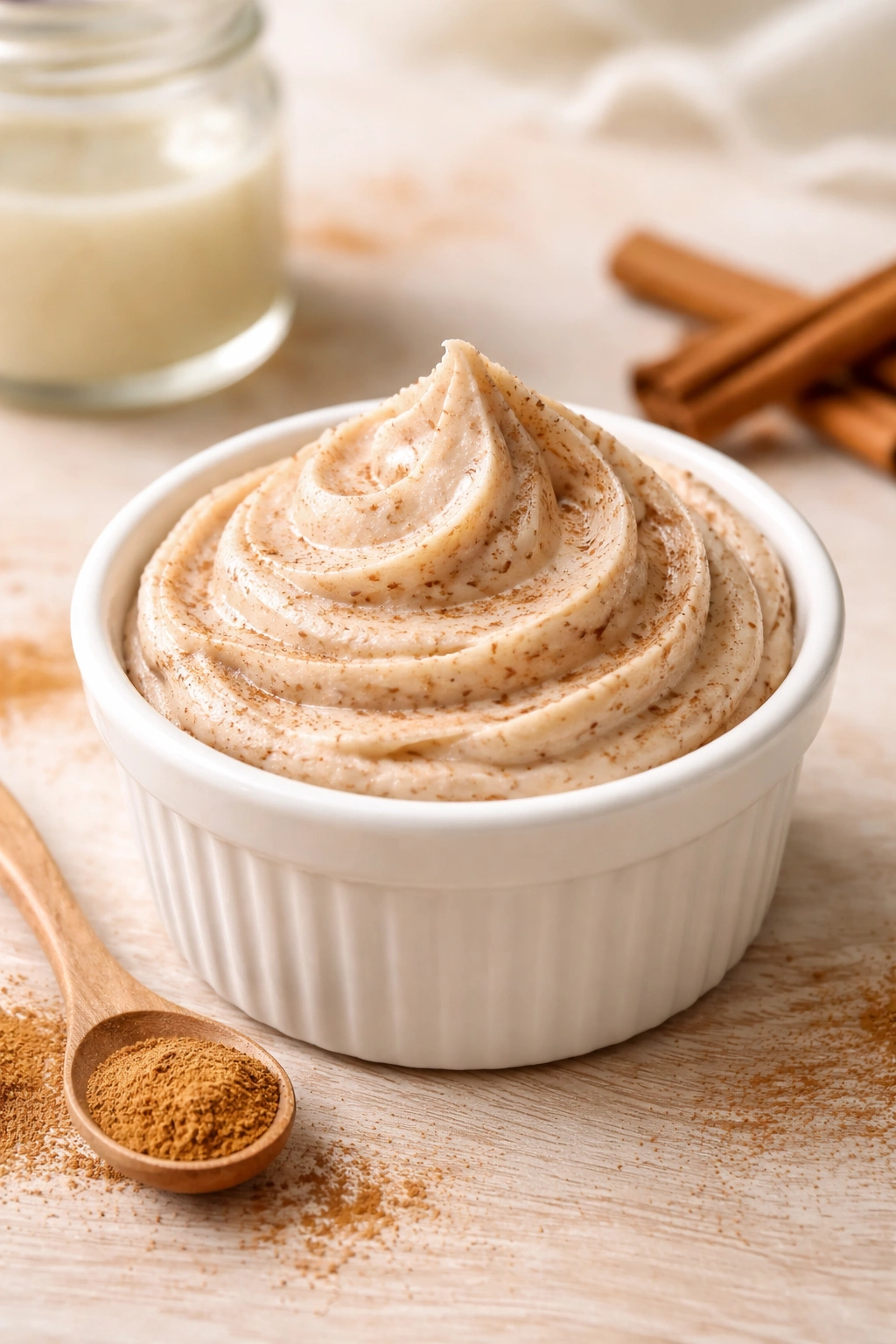
If you need a dairy-free version, replace the unsalted butter with an equal amount of refined coconut oil or vegan butter. Coconut oil creates a lighter texture that’s slightly less rich than dairy butter but equally delicious—it works particularly well if you’re spreading this on toast, pastries, or sweet breads. Refined (not virgin) coconut oil won’t add coconut flavor, so it won’t compete with the cinnamon.
Vegan butter brands vary in their behavior—some whip to fluffy heights while others remain dense. Test your specific brand in a small batch first. The mixing time might need adjustment depending on the product, but the general principle remains the same: soften it slightly and whip it until airy.
The sugar and all other ingredients in the base recipe are already vegan, so no substitution is needed beyond the butter. The finished product tastes virtually identical to the dairy version, and most people won’t detect the difference on their toast.
Storing and Keeping Your Cinnamon Butter Fresh
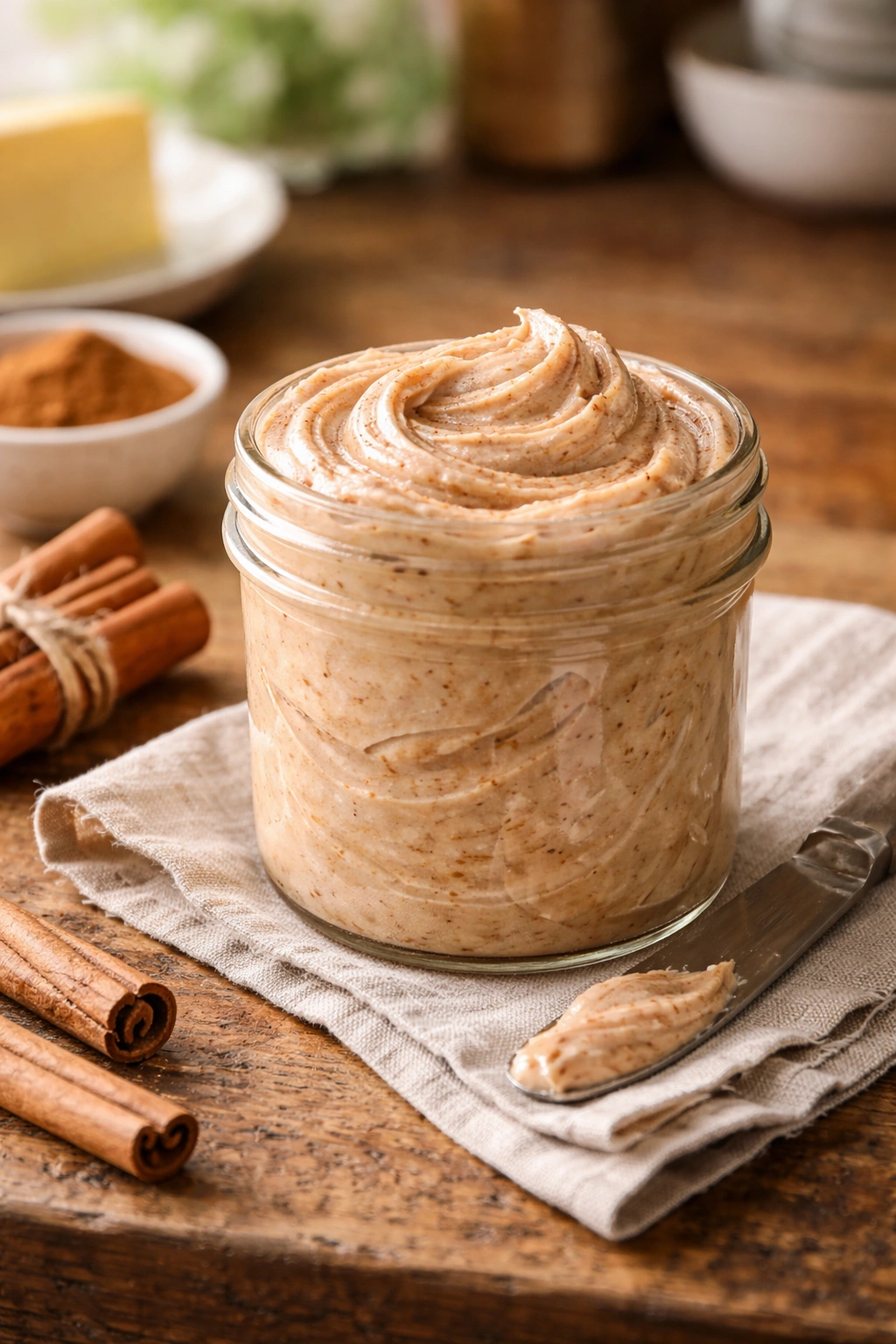
Homemade cinnamon butter stays fresh in the refrigerator for up to 4 weeks, stored in a tightly sealed glass jar or container. Room temperature storage in your pantry depends on your home’s temperature—in cooler homes, it lasts 1-2 weeks at room temperature, but in warmer climates, refrigeration is safer. When in doubt, keep it chilled.
The butter will firm up considerably when cold, so remove it from the refrigerator 10-15 minutes before you want to spread it for easier application. You can also microwave a small spoonful for 5-10 seconds to soften it just enough to spread smoothly without melting it entirely.
Freezing for Extended Storage
Cinnamon butter freezes beautifully for up to 3 months. Portion it into small quantities using an ice cube tray, then pop the frozen cubes into a freezer bag once they’re solid. This allows you to thaw exactly as much as you need without wasting the whole batch. A single cube melts perfectly onto warm toast or roasted vegetables.
Alternatively, freeze the entire batch in a sealed container or jar. Thaw it in the refrigerator overnight when you’re ready to use it, and give it a quick stir if any liquid has separated—this is normal and completely harmless.
Signs Your Cinnamon Butter Has Spoiled
Properly stored cinnamon butter lasts weeks without spoiling, but watch for off smells, visible mold, or a grainy, separated appearance that won’t recombine. Butter has a relatively high fat content, which provides natural preservation—spoilage is rare when stored correctly.
Best Ways to Use Cinnamon Butter
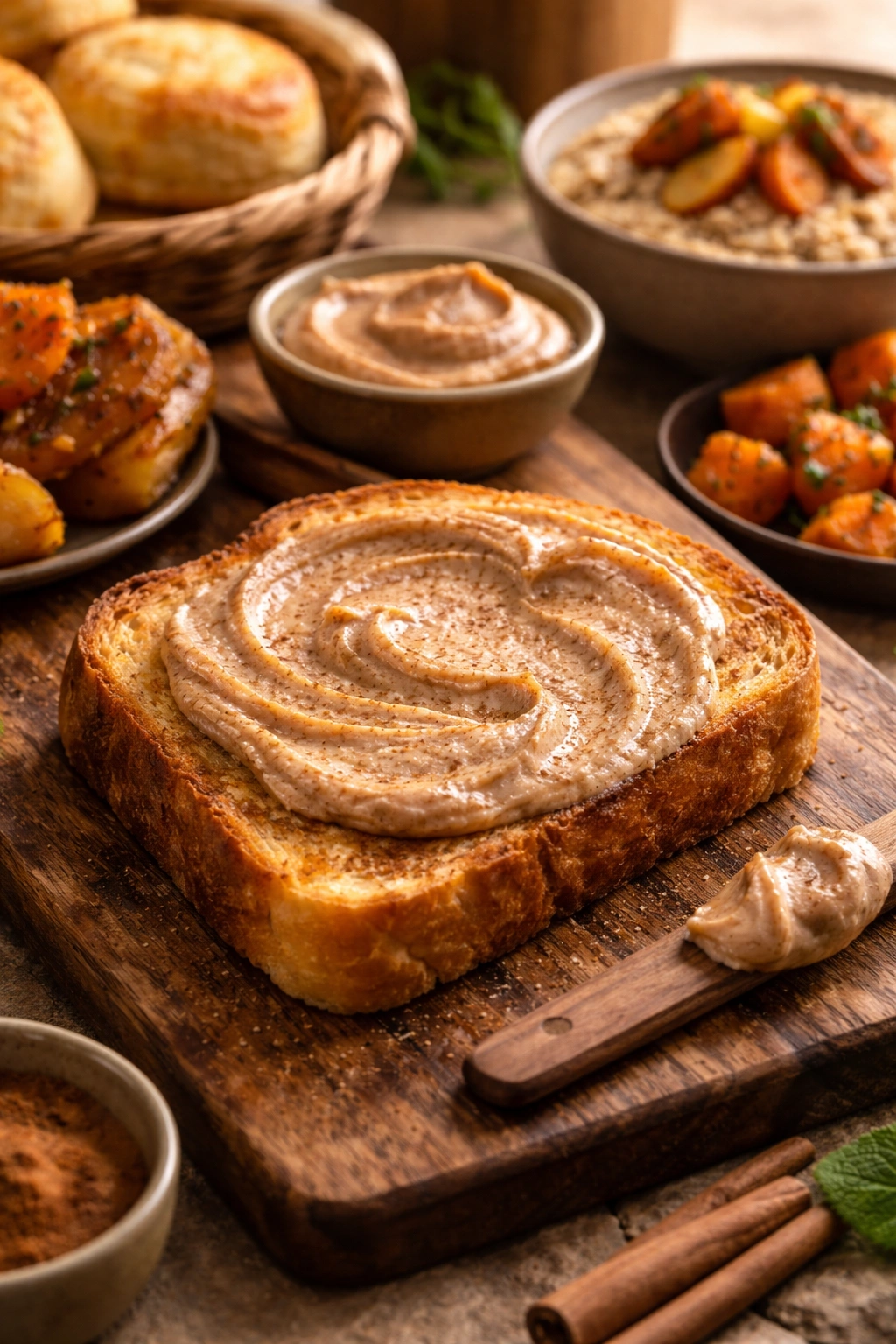
The reason this spread earns a place in your regular rotation is that it works across so many different meals and contexts. This isn’t a one-trick ingredient—it’s a genuine kitchen staple that unlocks flavor in dishes you might never have considered.
Toast is the obvious starting point. Spread it thick on warm bread, whether that’s a plain white slice, hearty whole grain, or artisan sourdough. The butter melts into every nook and cranny, flavoring the entire slice rather than sitting on top. This transforms ordinary breakfast toast into something that tastes intentional and special.
Biscuits and scones become significantly more interesting with a layer of cinnamon butter. If you’re baking, split a warm biscuit and layer cinnamon butter between the halves—it melts in, creating a luxurious breakfast biscuit that feels restaurant-quality. Add a drizzle of honey if you want sweetness, or leave it plain to let the butter speak.
Roasted sweet potatoes and other winter vegetables transform under a dollop of cinnamon butter. When the hot vegetable melts the butter, it creates a glossy, warm sauce that coats every bite. This works particularly well on halved sweet potatoes, roasted carrots, and roasted winter squash.
Cinnamon rolls benefit from an extra layer of cinnamon butter spread on top before baking—it creates an almost frosting-like topping that becomes crispy-edged and rich. You can also serve a pat on top of a baked roll for additional luxury.
Pairing Ideas for Every Meal
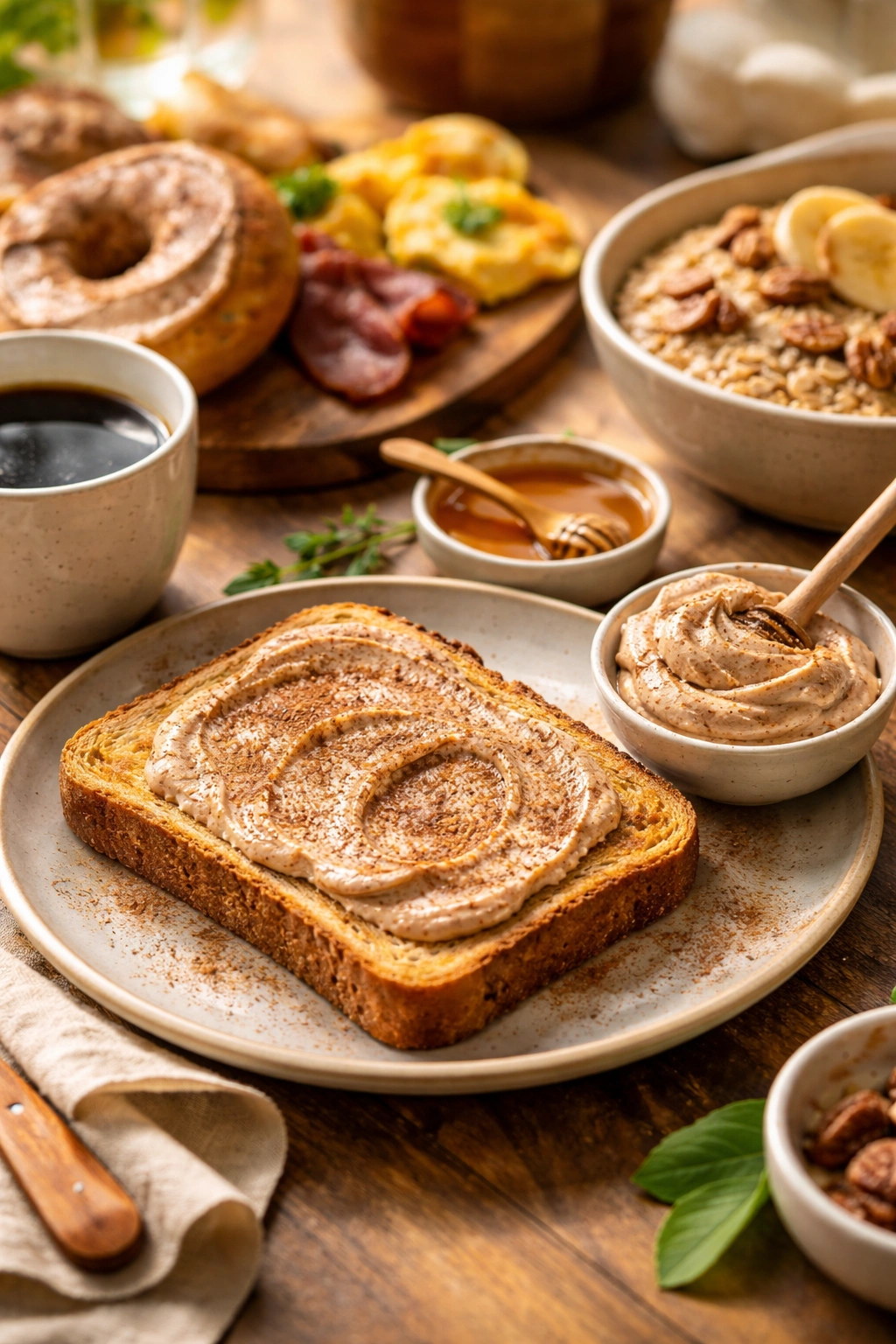
Breakfast is where cinnamon butter shines, but it extends beautifully into other dayparts if you think creatively about flavor combinations.
Spread it on warm bagels alongside cream cheese for a warm-spiced twist on this classic breakfast combo. On English muffins, it creates that same melty, flavorful effect. If you’re making French toast or pancakes, brush cinnamon butter on the cooked surface while everything is still hot—the butter soaks in, flavoring the bread or batter from the inside out.
Coffee and cinnamon are natural partners, so a pat of cinnamon butter melted into your morning coffee creates a luxurious, spiced café drink. Use a small spoon to break off about a teaspoon and stir it in while the coffee is still hot. It melts into the liquid, creating subtle warmth without the sweetness of flavored syrups.
Oatmeal gets an instant flavor upgrade with a spoonful of cinnamon butter stirred in before or after cooking. The butter melts into the warm grain, creating a richer mouthfeel and deeper spice flavor than if you’d just added cinnamon powder.
For lunch and dinner applications, try spreading it on warm corn bread or jalapeño cheddar biscuits alongside chili or soup. The cinnamon complements bold, warming dishes beautifully. A small pat on top of roasted Brussels sprouts or caramelized root vegetables adds richness and warmth.
Dessert applications include layering cinnamon butter into crepes, spread between waffle layers with whipped cream, or swirled into soft serve ice cream for an instant dessert. On apple pie or other fruit desserts, a small spoonful melts into the warm filling, enriching the fruit flavors.
Beverages Beyond Coffee
Hot apple cider gets a luxurious boost from a small pat of cinnamon butter that melts into the warm liquid. Chai tea and other spiced beverages benefit from the richness and warmth the butter adds. Even hot cocoa becomes more sophisticated when you melt a small spoonful into the finished drink.
Common Questions About Homemade Cinnamon Butter
Can I make this without a mixer? Absolutely. A wooden spoon and some elbow grease work perfectly—you’ll just need to beat it for 4-5 minutes by hand instead of 2-3 minutes with a mixer. It’s a bit more effort but the results are identical. A whisk also works if you’re comfortable using one for extended periods.
What if I don’t like cinnamon that much? Start with 1 teaspoon of cinnamon instead of 2, taste a tiny amount, and add more if you’d like. You can also experiment with other warm spices like cardamom, clove, or ginger in place of some of the cinnamon. The base recipe is flexible enough to accommodate your preferences.
Is there a way to make this less sweet? Yes—reduce the sugar to 2 tablespoons and add 1 tablespoon of honey instead, or use no added sweetener and rely entirely on the natural flavor of quality butter. Some people prefer cinnamon butter with minimal sweetness, especially when using it on savory applications.
Can I use salted butter? You can, but you’ll want to reduce or eliminate the added salt so it doesn’t become too salty. Unsalted butter gives you control over the salt level, which is why it’s recommended. If you only have salted butter available, just omit the salt from the recipe.
How long does it take to soften butter to room temperature? This depends on your kitchen’s temperature, but generally 20-30 minutes on the counter. If you’re in a rush, cut the butter into small cubes—they soften much faster. You can also place the bowl over warm (not hot) water for a few minutes to speed up the process, but watch carefully so it doesn’t overheat.
Can I make a larger batch and keep it for later? Yes, this recipe scales up easily. Simply multiply all the ingredients by however many batches you want to make. Mix the larger quantity in batches if your mixer has a small bowl, or use a large bowl and mix by hand. Store the extra in the freezer in ice cube portions for convenient future use.
Is there a substitute for vanilla extract? Almond extract creates a different but equally delicious flavor—use the same amount. You can also omit it entirely if you don’t have any on hand, though the vanilla does round out the flavor beautifully. Vanilla powder works as a substitute using slightly less than the liquid extract amount.
Final Thoughts
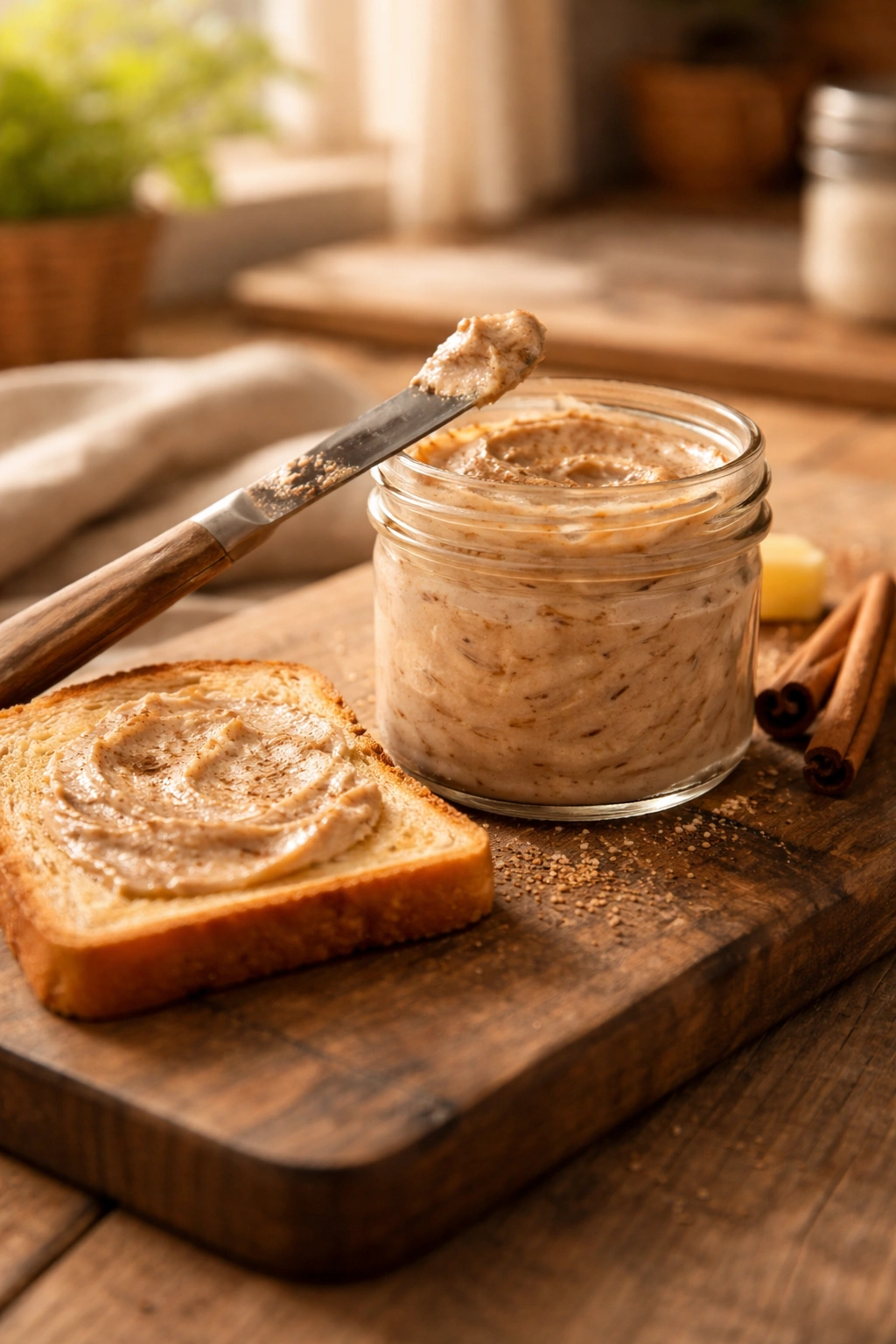
Making your own cinnamon butter genuinely changes your morning routine and your relationship with simple foods like toast, biscuits, and warm bread. What starts as a five-minute whisk becomes a staple that you find yourself reaching for multiple times each week, transforming ordinary breakfast into something that feels indulgent and intentional.
The real magic is in the quality upgrade you get for negligible effort. Store-bought cinnamon butter can’t compete with the fragrance, texture, and pure flavor of something you’ve just made in your own kitchen. Once you’ve tasted the homemade version, you’ll understand why this spread deserves a permanent place in your refrigerator.
Keep a jar chilled and ready, and you’ll find yourself spreading it on far more than just toast. Roasted vegetables become more interesting, coffee gets richer, oatmeal feels fancy, and warm baked goods become genuinely memorable. Five minutes of prep unlocks weeks of better breakfasts and better-tasting everything else. That’s an exceptional return on your effort, and a reminder that some of the best improvements to your daily eating come from tiny changes made with intention and quality ingredients.
