



College is a time of discovery, independence, and—let’s be honest—eating way too much ramen and takeout. But here’s the thing: learning to cook a handful of solid recipes can actually save you money, impress your friends, and give you something genuinely satisfying to eat when dining hall fatigue sets in. You don’t need fancy equipment or complicated techniques. You need recipes that work with limited kitchen resources, come together in under an hour, use affordable ingredients, and taste good enough that you’ll actually want to make them again.
The eight recipes below aren’t fancy. They’re the kinds of dishes that taste way better homemade than they do from a box or a drive-through, they cost a fraction of what you’d spend ordering in, and they build real cooking confidence without requiring a culinary degree. Some are one-pan wonders. Some come together in 20 minutes. All of them are game-changers for anyone trying to eat better on a budget.
1. Stir-Fried Noodles With Vegetables and Egg
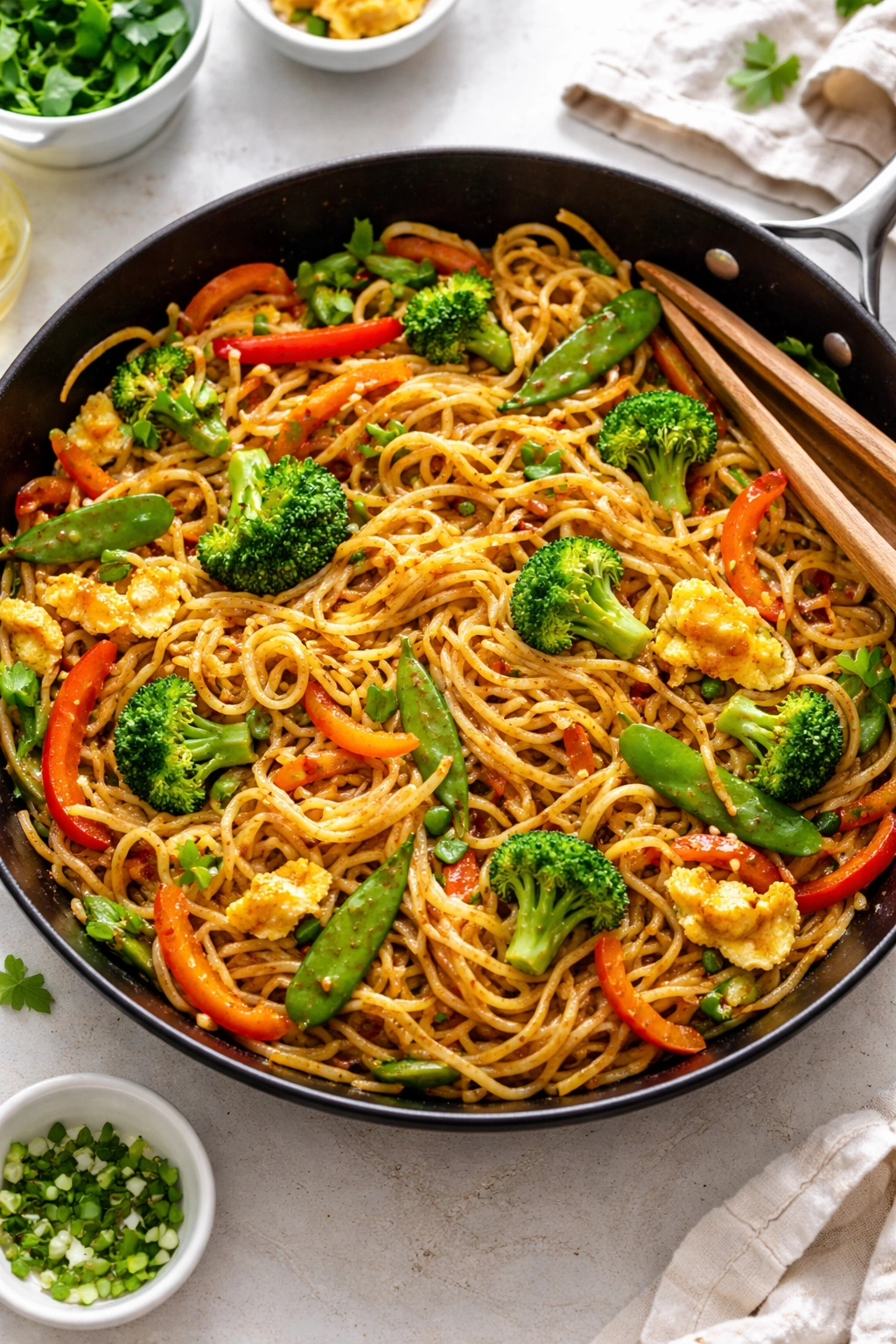
This is the recipe that will save your life during midterms. Stir-fried noodles—sometimes called chow mein when you order it out—come together in about 15 minutes, they’re stupidly cheap to make, and they taste dramatically better than anything you’ll find in a dorm vending machine. The beauty of this dish is that it’s completely flexible. Whatever vegetables you have on hand—bell peppers, broccoli, carrots, frozen peas, green beans—all work perfectly.
Why College Students Love This
Stir-fried noodles check every box. You can make a huge batch for less than five dollars, which means you’ve got lunch for the next two days. It’s fast enough for a weeknight when you’ve got an essay due, adaptable enough to use whatever’s in your fridge, and it tastes good hot or at room temperature the next day. Plus, once you understand the basic technique—cook noodles, push them aside, scramble an egg, toss everything together—you’ve got a framework you can use with pasta, rice, or any grain.
What You’ll Need
The core ingredients are simple: a package of ramen noodles or egg noodles (regular grocery store noodles, about $0.50), two eggs, whatever fresh or frozen vegetables you can find, soy sauce, and oil. The genius part is that you already have most of this stuff. Ramen packets aren’t just for eating plain—that seasoning packet actually works great as part of the sauce here. You’ll need a large pan or a wok if you have one, but a regular skillet works fine.
Quick Cooking Tips
The secret is heat and organization. Get your pan hot before you start cooking, and have everything prepped and ready to go—this is what chefs call mise en place, and it’ll change the way you cook. Cook the noodles separately first (or use leftover cooked noodles if you’ve got them), then set them aside. This keeps them from getting mushy. When you add vegetables to the hot pan with oil, they cook quickly and stay crisp, which is way better than soggy stir-fry. Don’t be shy with the soy sauce and garlic—that’s where all the flavor lives. If you have sesame oil, a little drizzle at the end adds a restaurant-quality finish.
The whole thing takes maybe 15 minutes from start to finish, and you’ll have a meal that tastes like you actually know what you’re doing in the kitchen.
2. Sheet Pan Roasted Chicken Thighs With Vegetables
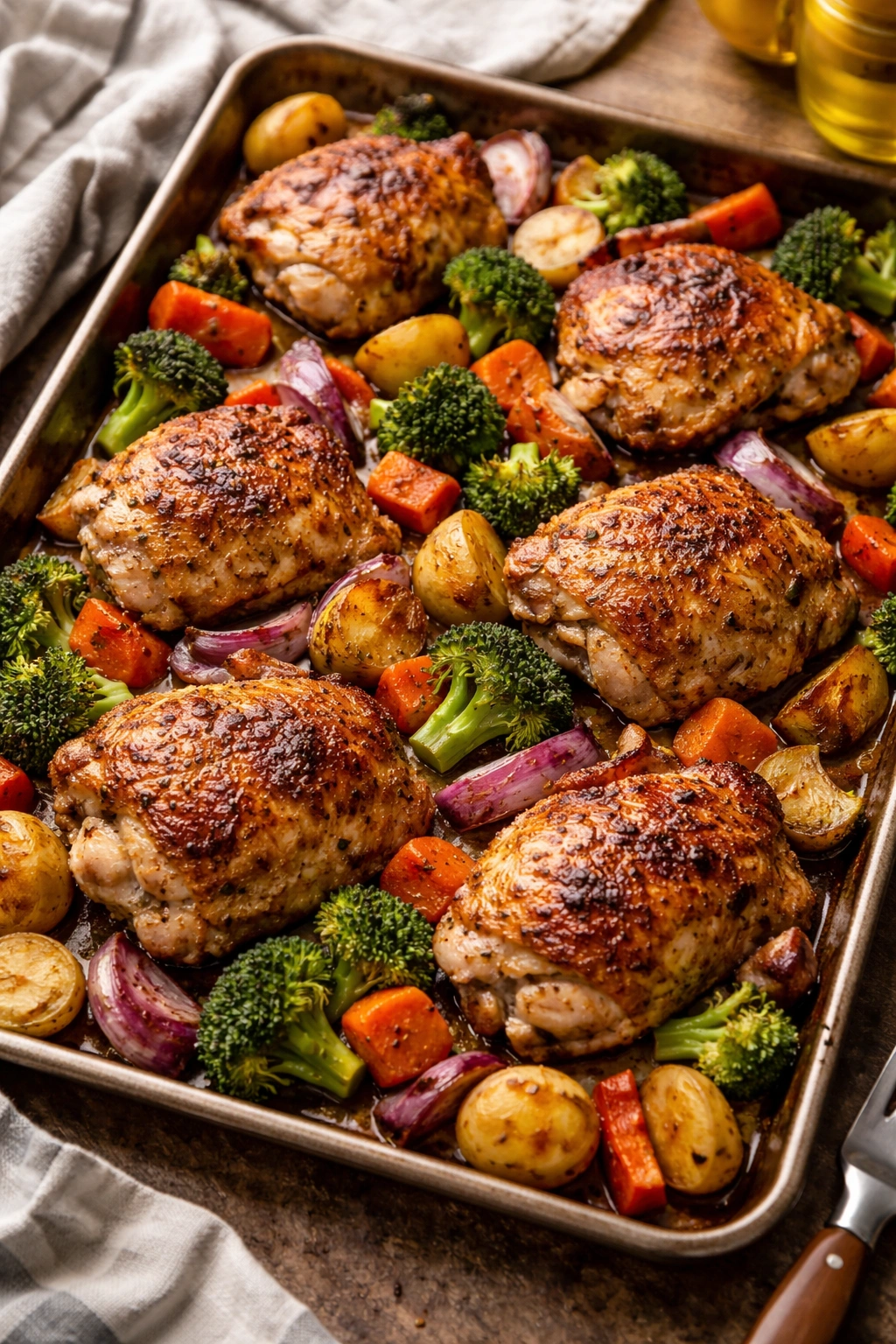
A sheet pan roasted chicken thighs and vegetables is the kind of meal that looks and tastes impressive but requires almost zero active cooking time. You throw everything on one pan, shove it in the oven, and 30 minutes later you’ve got protein and vegetables that you can eat that night and stretch into two more meals.
Why College Students Love This
Chicken thighs are cheaper than chicken breasts, they’re more forgiving when you’re still learning to cook (it’s harder to dry them out), and they actually taste better. A single sheet pan means one thing to clean, which matters when you’re sharing a kitchen or living in a dorm with limited dishware. The magic is that you can roast almost any vegetable alongside the chicken—potatoes, broccoli, Brussels sprouts, bell peppers, zucchini—and they all come out caramelized and delicious. Cook it once on Sunday and you’ve got components for Monday lunch, Tuesday dinner, and Wednesday breakfast (yes, roasted chicken for breakfast works).
What You’ll Need
Bone-in, skin-on chicken thighs (they’re usually cheaper than boneless), some vegetables cut into similar-sized chunks so they cook evenly, olive oil, salt, pepper, and whatever seasonings you like—garlic powder, paprika, Italian seasoning, lemon juice. That’s it. You need a sheet pan (the basic metal pan that comes in most dorms) and an oven. If you have fresh garlic or lemon, those elevate the whole thing, but even without them it’s delicious.
Quick Cooking Tips
Pat the chicken dry before you season it—moisture is the enemy of crispy skin. Toss the vegetables in a little oil and salt first so they caramelize properly. Arrange everything on the pan in a single layer and don’t crowd the pan, which sounds obvious but makes a huge difference. Roast at 425°F (220°C) and you’re done in about 30 minutes, depending on how many thighs you’re making. The chicken is done when the skin is golden and crispy and an instant-read thermometer (if you have one) reads 165°F (74°C) in the thickest part. If you don’t have a thermometer, cut into the thickest part and make sure there’s no pink inside.
3. One-Pot Pasta Carbonara
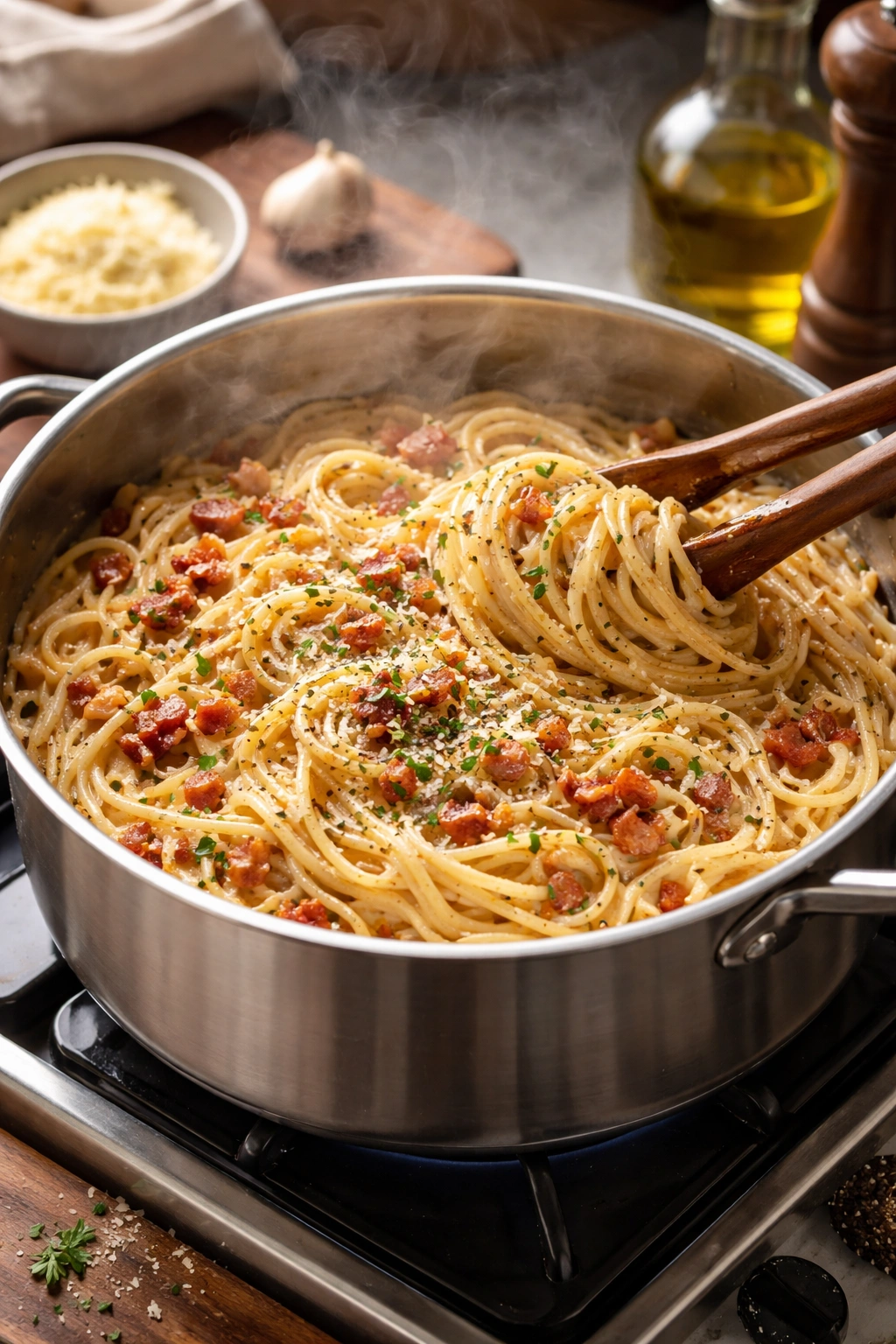
Carbonara is the kind of dish that feels fancy but is actually ridiculously simple once you understand the technique. The whole thing comes together in one pot in about 20 minutes, and it tastes like you spent way longer than you actually did. Your friends will be genuinely impressed.
Why College Students Love This
Carbonara uses ingredients that are cheap and shelf-stable: pasta, eggs, bacon, and cheese. No cream required, which is actually closer to the authentic Italian version anyway. It’s faster than ordering delivery, costs about two dollars per serving, and it’s the kind of comfort food that hits different when you’re stressed. The technique teaches you something important about cooking—how to use residual heat to create a creamy sauce without actually adding cream, just by understanding timing and temperature.
What You’ll Need
Pasta (whatever shape you like, though spaghetti or penne are traditional), eggs, bacon or pancetta if you can find it, Parmesan cheese (the real stuff from the wedge is better than the green can, but the can works fine), salt, and black pepper. That’s literally the entire ingredient list. You’ll need one large pot. Seriously, that’s all.
Quick Cooking Tips
Here’s where people get nervous: the sauce is technically egg, but it doesn’t scramble if you do it right. While your pasta cooks, fry the bacon until it’s crispy, then set it aside. In a bowl, whisk together eggs and grated Parmesan—about one egg per person and a handful of cheese. When the pasta is done, drain it (save some of the starchy cooking water), then add the hot pasta to the pan with the bacon fat still in it. Dump in the egg mixture and toss constantly, using the residual heat to cook the eggs into a silky sauce. This is the crucial part: keep moving it so the eggs cook evenly and don’t scramble into chunks. If it looks too thick, add some pasta water a tablespoon at a time until it reaches the right consistency. Top with more cheese and black pepper.
4. Baked Salmon With Lemon and Garlic
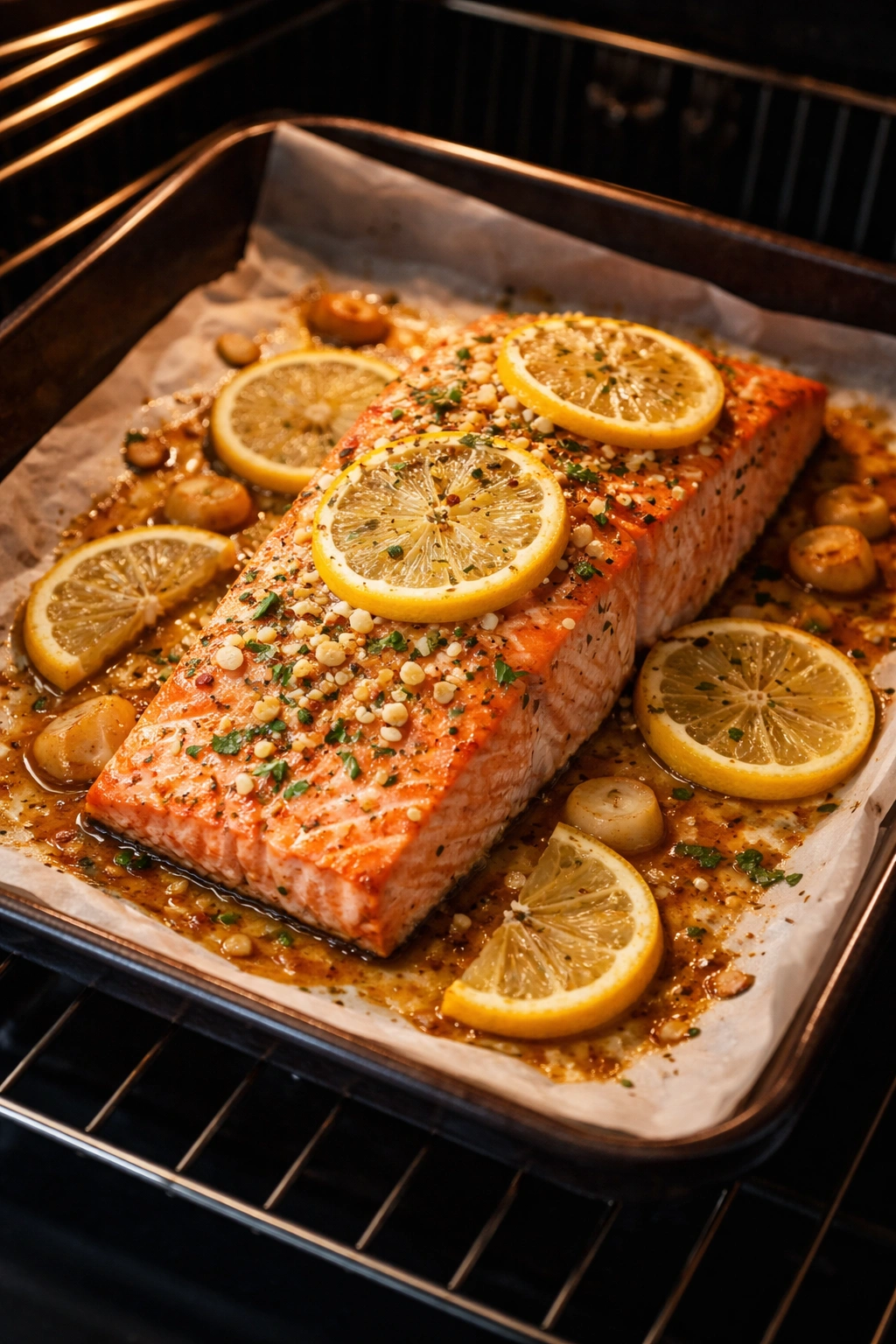
Baked salmon is the recipe that makes you feel like an adult. It takes 20 minutes, tastes restaurant-quality, and it’s actually healthy—which matters when you’re trying to break the cycle of processed food.
Why College Students Love This
Salmon is packed with omega-3 fatty acids, protein, and B vitamins, which your brain desperately needs when you’re studying. It’s also incredibly forgiving to cook: it’s hard to mess up a salmon fillet. The fish goes from raw to perfectly cooked in about 12 minutes, and you can tell it’s done because it flakes easily with a fork and doesn’t look translucent anymore. Salmon also keeps for three days in the fridge, which means one cooking session gives you lunch and dinner the next day.
What You’ll Need
A salmon fillet (skin-on, which helps it stay moist), olive oil, lemon, garlic, salt, and pepper. Fresh dill is amazing if you have it, but it’s optional. You need an oven and something to bake it on—a sheet pan, a baking dish, or even aluminum foil if you’re in a dorm without real cookware.
Quick Cooking Tips
Pat the salmon dry, place it skin-side down on your baking surface, drizzle with oil, and season generously with salt and pepper. Scatter minced garlic and lemon slices on top. Bake at 400°F (200°C) and you’re done in 12 to 15 minutes. The salmon is cooked when the thickest part flakes easily and the flesh is opaque all the way through. Don’t cook it longer or it’ll dry out—better to slightly undercook it and have it finish as it sits than to overcook it and end up with dry fish.
5. Slow Cooker Chili
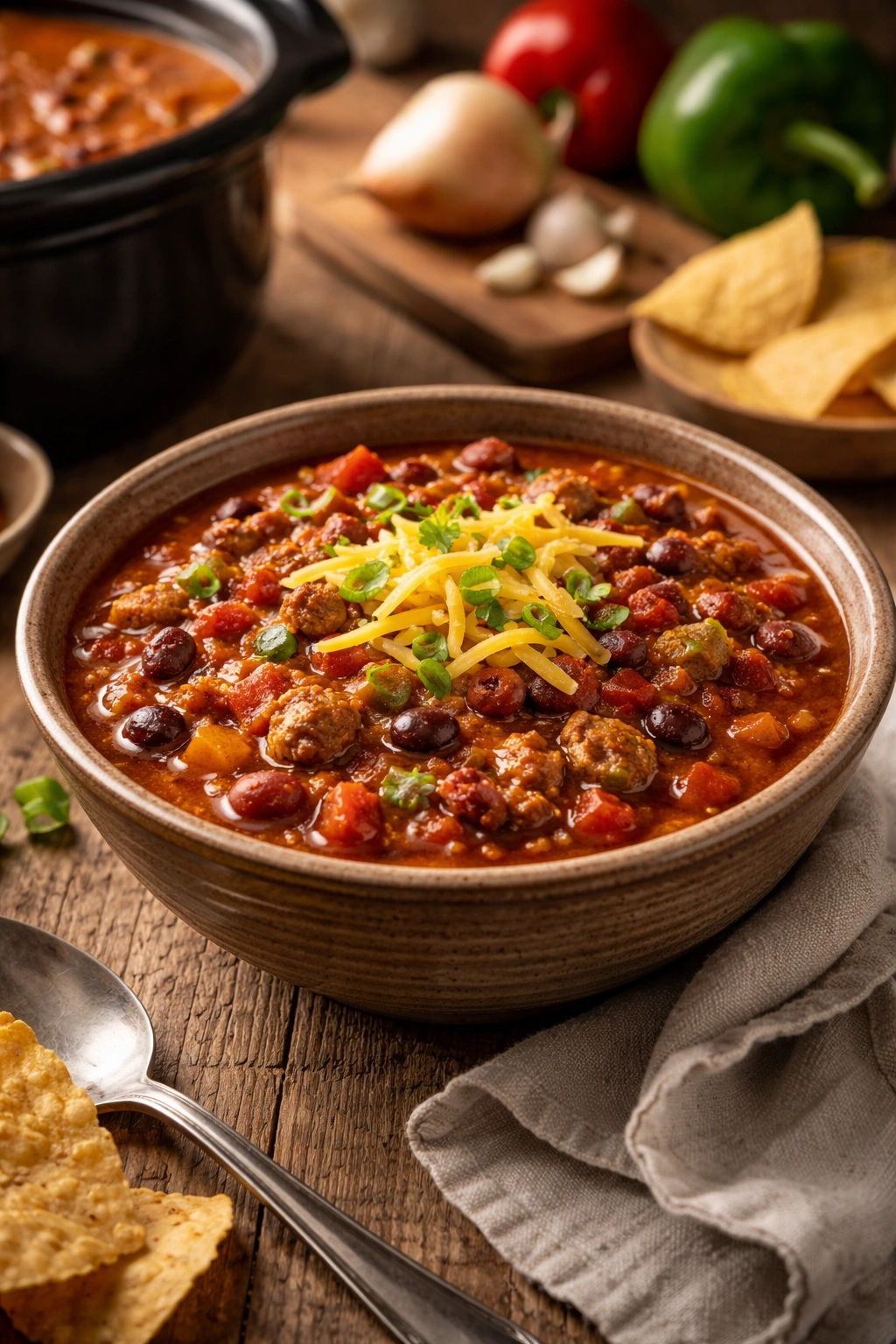
If your dorm or apartment has a slow cooker, this is a recipe that literally cooks itself. You throw ingredients in before class, come back to your room eight hours later, and dinner is ready. Chili also freezes beautifully, which means you can make a huge batch and have meals for weeks.
Why College Students Love This
Chili is incredibly cheap. A single batch feeds four to six people and costs maybe eight to ten dollars in ingredients. It’s also ridiculously forgiving—proportions don’t have to be exact, you can add whatever vegetables or beans you have, and it tastes better the longer it sits. There’s something deeply satisfying about coming back to a room that smells like warm, spiced chili when you’ve had a brutal day. Chili is also endlessly adaptable: one batch can be your dinner, next day it’s chili over rice, the day after that it’s chili in a tortilla with cheese, then you freeze the rest.
What You’ll Need
Ground beef or turkey (or beans only if you’re vegetarian—chili absolutely works without meat), canned tomatoes, canned beans (kidney beans, black beans, whatever you like), onions, garlic, chili powder, cumin, and broth. That’s the core. Some people add jalapeños, bell peppers, or hot sauce. Worcestershire sauce adds depth if you have it. You need a slow cooker and literally nothing else.
Quick Cooking Tips
Brown the ground meat first if you have time—it adds better flavor than putting raw meat directly in the slow cooker. Dump everything else in, give it a stir, set it to low for eight hours or high for four hours, and walk away. Don’t overcomplicate it. Near the end of cooking, taste it and adjust the spices. Chili should be thick but not dry—if it’s too thin, you can add tomato paste or let it simmer uncovered to reduce. If it’s too thick, add some broth. The beauty is that it’s really hard to ruin.
6. Steak Sandwich With Caramelized Onions

A really good steak sandwich is pure comfort food, and it’s the kind of meal that makes your dorm feel like a restaurant. The magic is the caramelized onions, which take time but almost no actual effort.
Why College Students Love This
You can make this entire sandwich for less than the price of a single takeout lunch, and it’ll be substantially better. Caramelized onions are the kind of technique that seems intimidating but is actually just “let onions cook slowly until they’re sweet and golden.” Once you understand this technique, you can use it on burgers, nachos, sandwiches, or just eat them on toast. The sandwich itself comes together in minutes once you’ve got your components ready.
What You’ll Need
A decent cut of steak (sirloin or ribeye), onions, butter or oil, bread (a crusty roll or a couple of slices of good bread), maybe some cheese, salt, and pepper. That’s the entire list. Fresh garlic and fresh herbs (thyme if you have it) make it even better, but it’s delicious without them.
Quick Cooking Tips
Start the onions first. Slice them thinly, dump them in a pan with a little butter, and cook them over medium heat, stirring occasionally. They’ll take 20 to 30 minutes to get really golden and sweet, and they’re worth every minute. While they cook, let your steak come to room temperature, which helps it cook more evenly. When the onions are almost done, get a pan very hot, season your steak generously with salt and pepper, and sear it for a few minutes on each side. Don’t mess with it while it’s cooking—let it sit so it develops a crust. A thin steak cooks in about three to four minutes total. Let it rest for a couple of minutes, slice it, pile it on bread with the caramelized onions, and eat it immediately.
7. Shakshuka (Eggs Poached in Spiced Tomato Sauce)

Shakshuka is a Middle Eastern dish that’s become increasingly popular everywhere, and there’s a reason: it’s delicious, it’s vegetarian, it comes together quickly, and it’s flexible enough to eat for breakfast, lunch, or dinner.
Why College Students Love This
This dish uses basic ingredients that most people already have or can grab cheaply: canned tomatoes, onions, garlic, spices, and eggs. It’s the kind of meal that feels way more special than it has any right to, and it impresses people who are expecting college-student cooking to be mediocre. It also uses one pot, which means minimal cleanup, and it’s genuinely healthy—tomatoes, spices, and eggs are all nutrient-dense. Shakshuka also reheats beautifully, so you can make it once and eat it multiple days.
What You’ll Need
A large can of crushed tomatoes, onions, garlic, paprika, cumin, hot sauce if you like heat, eggs, and salt and pepper. Fresh cilantro or parsley is beautiful if you have it, but the dish is delicious without it. You need one pan and maybe some crusty bread to scoop up the sauce.
Quick Cooking Tips
Dice an onion and mince some garlic, then cook them in a little oil until they’re soft. Add your tomatoes, paprika, cumin, and salt, and let it simmer for about ten minutes so the flavors combine. Make small wells in the sauce, crack eggs into those wells, cover the pan, and let them poach for five to eight minutes until the whites are set but the yolks are still jammy. The whole thing takes about 20 minutes total. Top with fresh herbs if you have them, drizzle with a little olive oil, and eat it straight from the pan with bread.
8. Vegetable Fried Rice
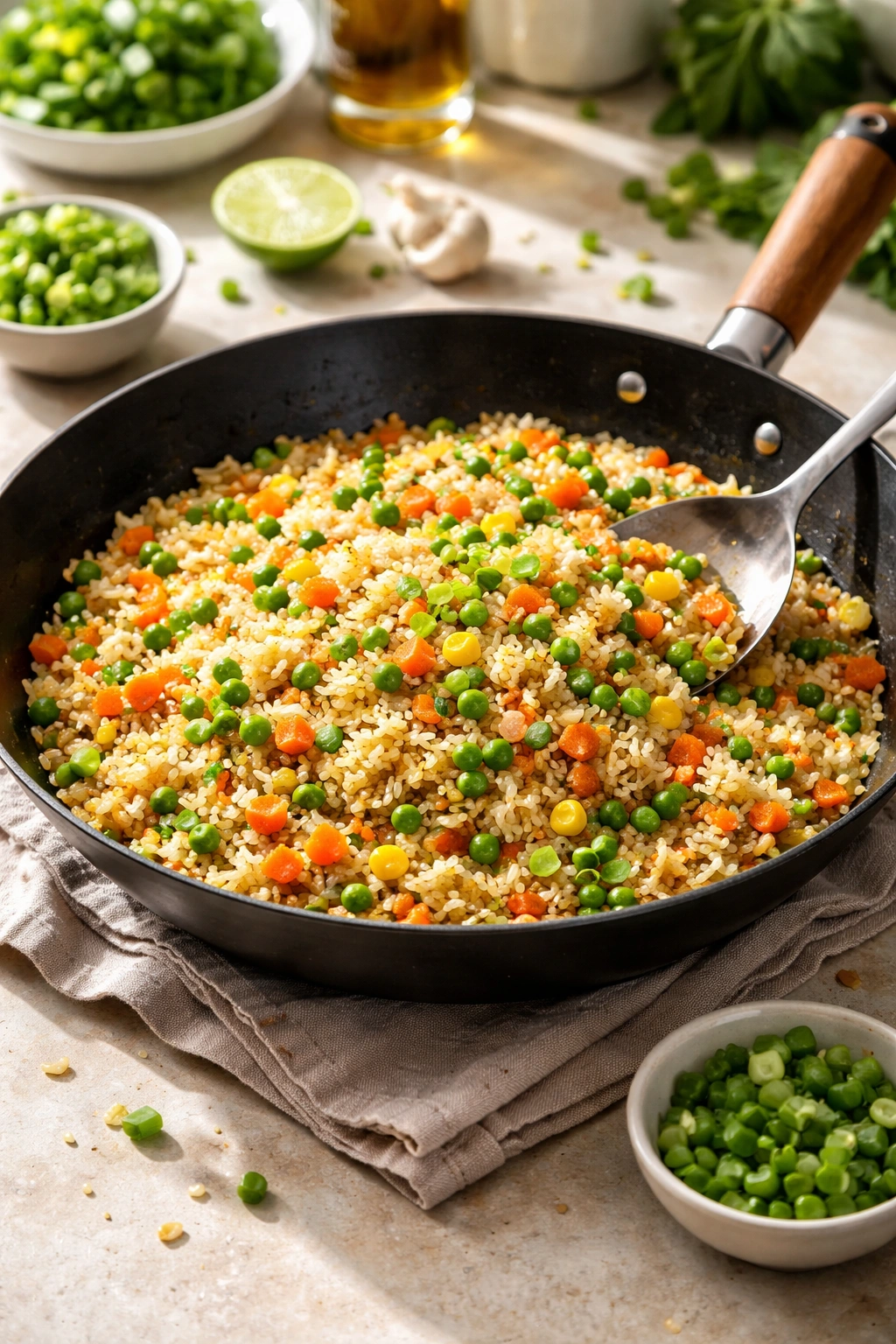
Fried rice is the ultimate leftover vehicle—if you’ve got leftover rice and whatever vegetables need using, you’ve got dinner. It teaches you an important skill (how to use up ingredients before they go bad) while producing something genuinely delicious.
Why College Students Love This
This is the recipe that turns sad, forgotten rice in your fridge into a complete meal. Fried rice is also incredibly fast—about 15 minutes from start to finish—and it’s the type of thing you can customize infinitely. Whatever vegetables you have, whatever protein is in your fridge (leftover chicken, tofu, shrimp, ham, or just eggs), all of it works. It’s also a great way to practice high-heat cooking and get comfortable with a pan and a spatula.
What You’ll Need
Cooked rice (day-old rice is actually better than fresh rice for fried rice because it’s drier and won’t get mushy), eggs, vegetables (frozen mixed vegetables work perfectly, or fresh ones cut small), soy sauce, oil, and garlic if you have it. That’s genuinely everything. If you have sesame oil or white pepper, those are bonuses.
Quick Cooking Tips
The secret to good fried rice is that you need high heat and you need to work fast. If you’re using fresh vegetables, you might want to cook them separately first so they don’t release moisture and make your rice steamy. Scramble your eggs first, set them aside, then crank the heat and get your rice separated (old clumpy rice is the enemy—break it up). Add your vegetables, then your rice, then the eggs, then your seasonings, and toss constantly so nothing sticks. The whole thing should take about five minutes once you start the actual cooking. Taste it, adjust the soy sauce, and you’re done.
Final Thoughts
These eight recipes are your foundation. None of them requires fancy equipment, culinary school, or a ton of money. What they do require is willingness to try, acceptance that your first attempt might not be perfect (and that’s completely fine), and understanding that learning to cook is one of the best investments you can make in yourself.
Start with whichever one sounds most appealing. Make it once, maybe twice. Once you feel comfortable, pick another. Before you know it, you’re not the person eating cereal for dinner; you’re the person who can actually feed themselves and occasionally impress people in the process. That confidence carries into everything else—if you can teach yourself to make shakshuka or carbonara, you can teach yourself basically anything.
The dorm food phase is temporary. But the ability to cook well? That’s something you get to keep for your entire life.
