

There’s something deeply satisfying about ladling a steaming bowl of soup into a mug on nights when the temperature drops and the world feels a little colder. Soup isn’t just food—it’s warmth distilled into a bowl, a hug from the inside out, and honestly, one of the most forgiving things you can make in your kitchen. Whether you’re recovering from a long day outside in harsh weather, settling in for a cozy evening at home, or just craving something that tastes like comfort, a great soup delivers everything you need.
The best part? Most of these soups improve as they sit, making them perfect for meal prep or letting flavors deepen while you tackle other things around the house. You can build them in a Dutch oven on the stove, keep them simmering in a slow cooker, or pressure-cook them in an Instant Pot if you’re short on time. They’re endlessly forgiving—swap proteins, adjust vegetables based on what you have, dial up or down the seasonings—and they stretch beautifully across multiple servings and days.
I’ve spent years collecting and refining soup recipes that actually deliver on the promise of warming you up and keeping you satisfied. These ten are the ones I return to repeatedly, the ones my family requests by name, and the ones that never disappoint even when you’re making them for the hundredth time. Each one tells you exactly what makes it special and how to avoid the common mistakes that can turn a good soup into a mediocre one.
1. Classic Chicken and Dumplings

This is the soup that bridges the gap between nursery food and genuinely sophisticated comfort eating. Real chicken and dumplings isn’t complicated—it’s just tender poached chicken, deeply flavored broth enriched with vegetables, and pillowy dumplings that absorb all that savory goodness. The magic happens when you actually poach a whole chicken or use bone-in parts, which gives the broth body and depth that no shortcut can replicate.
Why It Tastes Like Home
The reason this soup resonates so deeply is because it works on multiple levels simultaneously. You’ve got the protein of the chicken, the carbohydrates and starch from the dumplings, and the nutritious vegetables that round out the meal. The dumplings themselves—whether they’re old-fashioned drop dumplings made from a simple dough or more substantial biscuit-style dumplings—soak up the broth while staying tender and light. The aromatics (onion, carrot, celery, and bay leaf) create the foundation, and fresh herbs like thyme and parsley brighten everything just enough so it doesn’t feel one-note.
How to Get It Right
- Start by poaching chicken pieces (thighs, breasts, or a combination) in salted water with vegetables and herbs for 25-30 minutes until cooked through
- Remove the chicken, shred it, and strain the poaching liquid into a fresh pot—this is your golden broth
- Sauté your aromatic vegetables separately, then build the soup from there
- Make your dumpling dough while the broth simmers (a simple biscuit dough works perfectly: flour, baking powder, butter, salt, milk, and optional herbs)
- Drop spoonfuls of dough directly into the simmering broth 5-10 minutes before serving, and resist the urge to stir too much
Pro tip: Don’t skip the step of straining the initial poaching liquid. Any sediment or cloudiness in the broth will muddy the final dish, but clear, clean broth is restaurant-quality.
2. Creamy Potato and Leek Soup
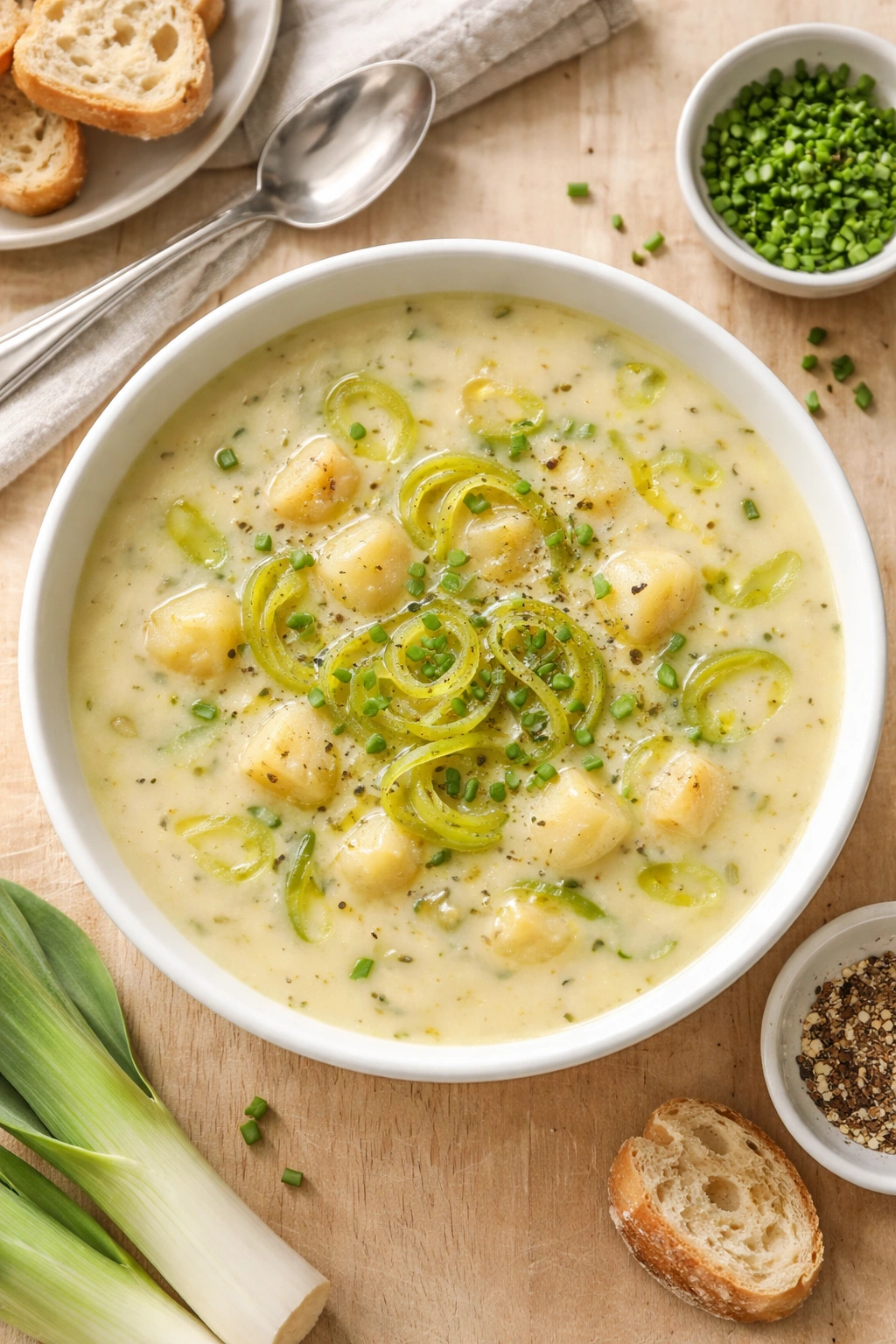
Potato and leek soup represents French bistro cooking at its most elegant and accessible. It’s the kind of soup that tastes refined but requires almost no technique—mostly just patience and good ingredients. The sweetness of leeks mellows into something almost buttery when they’re cooked slowly, and potatoes dissolve partially to thicken the broth while still maintaining some tender chunks.
The Secret to Silky Texture
This soup works because you’re using the starch from the potatoes themselves to create creaminess, which means you can make it rich and luxurious without heavy cream (though a splash at the end doesn’t hurt). The key is cutting your vegetables to roughly the same size so they cook evenly, and using waxy potatoes like Yukon golds instead of floury russets, which hold their shape better. Leeks need special attention—you want to clean them thoroughly because sand and dirt hide between the layers.
The Right Technique
- Clean leeks by splitting them lengthwise and rinsing between the layers under running water
- Slice them into thin half-moons and cook them gently in butter over medium heat for 8-10 minutes until they soften and lose their raw edge (don’t brown them)
- Dice your potatoes into roughly ½-inch pieces and add them to the leeks with good chicken or vegetable broth
- Simmer for 15-20 minutes until potatoes are completely tender
- Blend half the soup for creaminess while leaving some chunks for texture, or blend it entirely if you prefer smooth
- Season carefully with salt, white pepper, and nutmeg (seriously—a whisper of nutmeg changes everything)
Worth knowing: Make this soup a day ahead and you’ll notice the flavors become more pronounced and integrated. It also freezes beautifully, though you might want to add the cream after reheating rather than before freezing.
3. Beef Stew with Red Wine
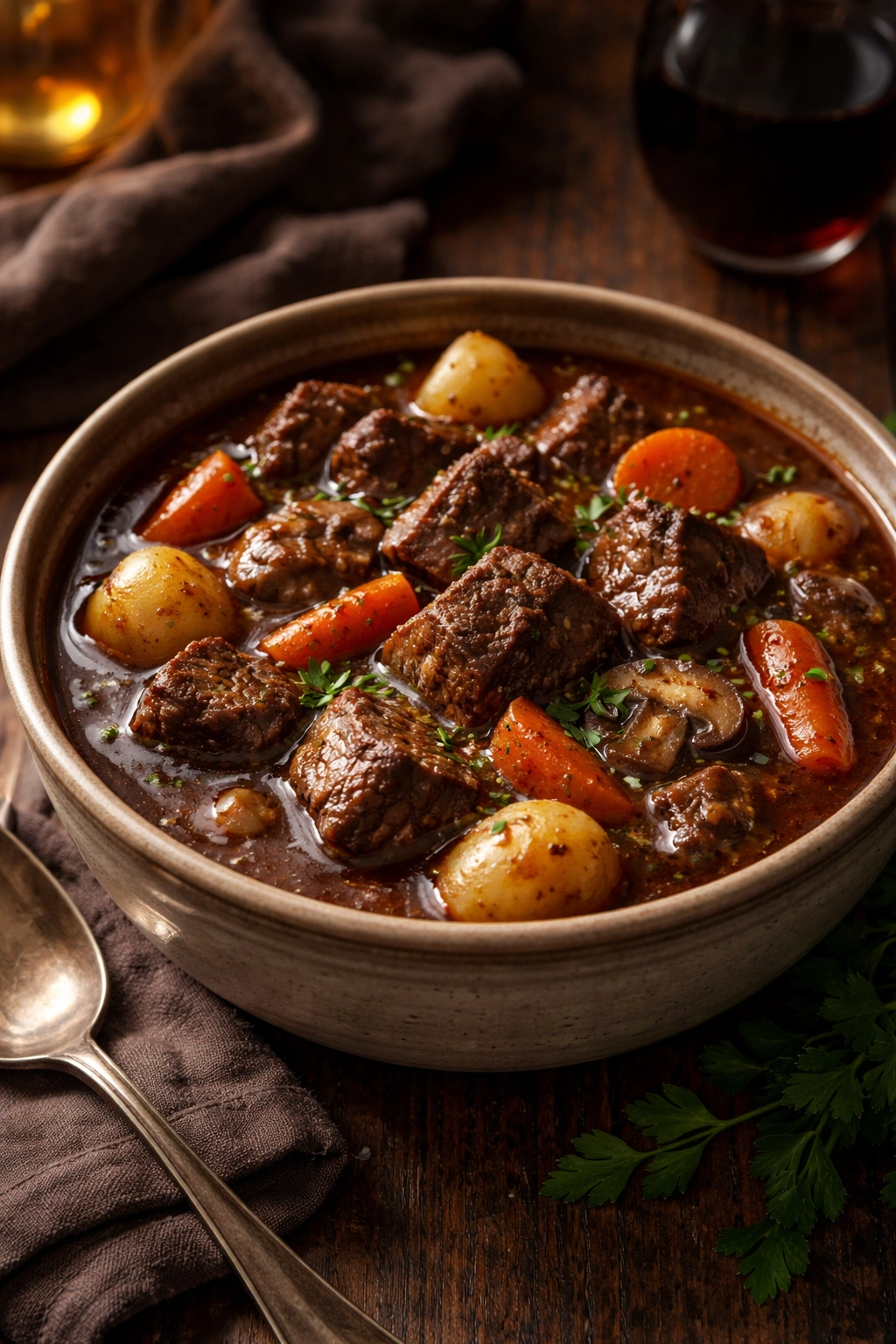
This is the stew that made people fall in love with braises and slow cooking. It’s dark, rich, deeply savory, and somehow comforting in a way that feels almost primal. The beef becomes fork-tender after hours of gentle cooking, the red wine adds complexity and subtle acidity, and the root vegetables soak up all that magnificent broth.
Why Wine Is Non-Negotiable
Red wine in beef stew isn’t fancy—it’s essential. The wine’s acidity cuts through the richness of the beef and broth, prevents the whole thing from feeling heavy, and adds flavor layers that you simply can’t achieve with broth alone. You don’t need expensive wine; a solid mid-range bottle (something you’d drink) works perfectly. The alcohol cooks off, leaving only the flavor.
Building Layers of Flavor
- Sear your beef chunks in batches in a hot pot until browned on multiple sides (don’t skip this—it creates essential caramelized flavors)
- Pull the beef out and cook your aromatics (onions, garlic, carrots, celery) in the fat until they develop color
- Dust everything with tomato paste and let it cook for a minute or two to deepen
- Pour in your red wine and scrape up all the browned bits stuck to the bottom of the pot (this is liquid gold)
- Add beef broth, bay leaves, thyme, and rosemary, then return the beef to the pot
- Either braise in a low oven at 325°F for 2.5 to 3 hours, or simmer very gently on the stovetop
- Add whole pearl onions and potato chunks in the last hour so they don’t fall apart
Real talk: Many people make beef stew and wonder why it’s still tough. The secret is low heat and patience. High heat will toughen the meat. Low, gentle heat for hours is what makes it tender enough to cut with a spoon. Also, an older, tougher cut of beef (chuck roast or short ribs) is actually better than premium steaks, which can dry out.
4. Thai Coconut Chicken Soup (Tom Kha Gai)

This soup hits a completely different note—it’s creamy from coconut milk but still light, it’s subtly spiced with heat that builds slowly, and it’s bright with fresh lime and cilantro. It’s the kind of soup that wakes up your palate even as it warms you up, making it perfect for nights when you want comfort but also want something interesting happening on your tongue.
The Aromatics Make the Magic
Tom kha gai depends on fragrant aromatics that most kitchens don’t stock regularly: lemongrass, galangal, and makrut (kaffir) lime leaves. These aren’t obscure anymore—most grocery stores carry them in the international section, and you can find them fresh at Asian markets. If you absolutely can’t find them, lemongrass is the one you should prioritize; you can substitute ginger for galangal and regular lime zest for makrut leaves, but lemongrass has a flavor profile you can’t really replace.
The Simple Build
- Toast your dried spices (if using them) in a pot to wake up their flavors
- Pound or bruise your fresh aromatics to release their oils
- Add them to the pot with coconut milk (use full-fat—it’s not the time to cut corners) and let everything infuse for 5-10 minutes without boiling
- Add chicken broth and chicken pieces, and gently simmer until the chicken is cooked through
- Add a squeeze of fresh lime juice, fish sauce for depth, and perhaps a touch of brown sugar to balance the heat
- Finish with fresh cilantro, more lime, and sliced Thai chiles if you like heat
Insider note: Make the broth component ahead of time without the chicken, then strain it and reheat with fresh chicken when you’re ready to serve. The flavor actually intensifies as it sits overnight.
5. Lentil and Sausage Soup

Lentil soup is often vegetarian and humble, but add smoked sausage and you’ve got something that feels substantial enough for dinner, earthy enough to satisfy, and complex enough to be interesting. The lentils create a naturally thick broth as they break down, and the sausage adds smokiness and umami that makes this soup stick with you.
Why This Soup Feels Complete
Lentils are a complete protein when paired with whole grains, and they’re packed with fiber, which means this soup keeps you satisfied for hours. The sausage adds fat and flavor, rounding out the nutritional profile and making every spoonful richer. Unlike beans which require soaking and long cooking, lentils go from dry to tender in about 30 minutes, making this one of the fastest soups you can make that doesn’t feel rushed.
The Straightforward Method
- Brown your sausage slices in a pot, then set them aside
- Cook your aromatics (onion, garlic, carrots, celery) in the rendered fat until soft
- Add tomato paste and let it caramelize for a minute
- Pour in broth and add your lentils (French lentils hold their shape better than brown or red lentils)
- Add the sausage back in along with herbs like thyme and bay leaf
- Simmer for 25-30 minutes until lentils are tender but not mushy
- Stir in fresh spinach at the very end—it wilts right down in the heat and adds nutrition
Quick fact: Red lentils break down into an almost creamy texture, making them great for puréed soups. French (green) lentils hold their shape and are better when you want some texture. Brown lentils fall somewhere in the middle.
6. French Onion Soup

This is proof that soup doesn’t need to be complicated to be sublime. French onion soup contains exactly five ingredients: onions, butter, broth, bread, and cheese. Everything depends on technique—slowly caramelizing the onions until they’re deep brown and sweet, building a rich stock, and achieving the perfect ratio of broth to bread to melted cheese.
Patience Is the Main Ingredient
The defining characteristic of real French onion soup is deeply caramelized onions, and there’s no shortcut for this. You need at least 45 minutes to an hour, cooking them low and slow, stirring regularly, scraping the bottom of the pot where they’re sticking and caramelizing. You’re looking for onions that have gone from white to pale gold to deep amber to almost mahogany. This process is what transforms simple onions into something sweet, complex, and almost wine-like.
The Classic Preparation
- Slice your onions thinly and cook them in plenty of butter
- Once they’re deeply caramelized, add a splash of cognac or brandy if you want (optional but nice)
- Pour in beef or chicken broth and add a bay leaf and thyme
- Simmer gently for 15-20 minutes
- Ladle into oven-safe bowls, top with a thick slice of crusty bread
- Cover generously with Gruyère or Swiss cheese (or a mixture)
- Broil under high heat until the cheese is bubbling and lightly browned
Worth knowing: The bread should be sturdy enough not to dissolve immediately into the broth, but it will soften as you eat. Some people toast the bread slices first to give them more structure.
7. Wild Rice and Mushroom Soup
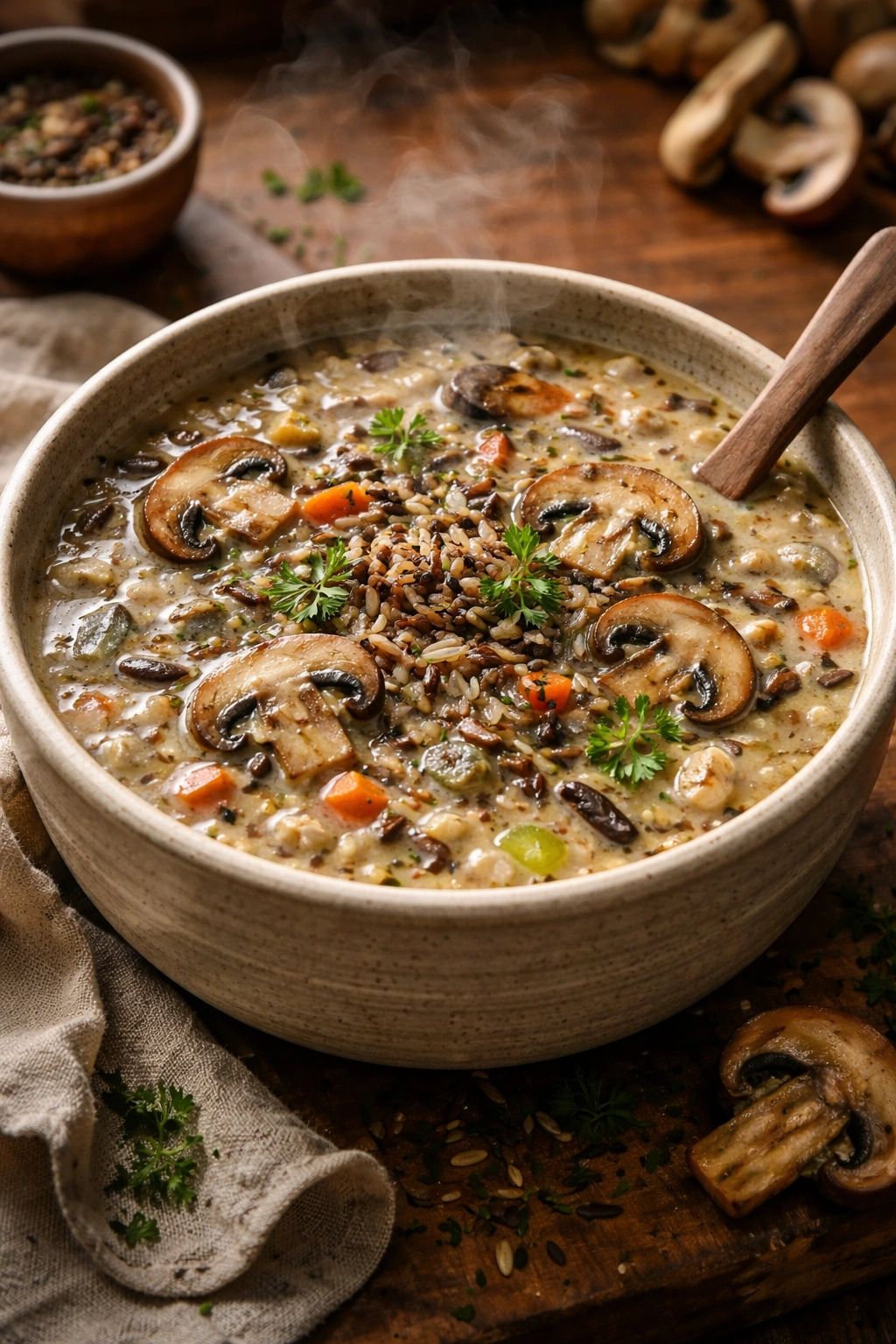
Wild rice is having a moment, and deservedly so—it’s nutty, chewy, and packed with fiber and protein. Combined with mushrooms (which add umami and an almost meaty quality), this soup feels hearty and luxurious without being heavy. It’s the kind of soup that makes mushroom lovers genuinely excited.
The Umami Power of Mushrooms
Mushrooms contain glutamates, the same compounds that make aged cheese, tomatoes, and broth taste savory and satisfying. When you cook mushrooms properly—sautéing them in a hot pan without crowding them so they release their moisture and caramelize—you’re concentrating these umami compounds. This is why mushroom soup tastes so much deeper than it should given its relatively simple ingredient list.
Building the Soup
- Slice mushrooms thickly and sauté them in batches in butter or oil until golden brown and any liquid has evaporated (this takes 8-10 minutes)
- Set them aside and cook your aromatics in the same pan
- Add the mushrooms back in with wild rice (which takes about 45 minutes to cook) and broth
- Simmer gently until the rice is tender and the broth has taken on a warm, mushroomy color
- Finish with a splash of cream (optional but delicious), fresh thyme, and a squeeze of lemon juice to brighten everything
- Season carefully with salt and white pepper
Pro tip: Don’t stir wild rice constantly like you would white rice. It needs gentler treatment. A stir every 10 minutes or so is fine, but constant stirring can break the grains apart.
8. Creamy Tomato Bisque
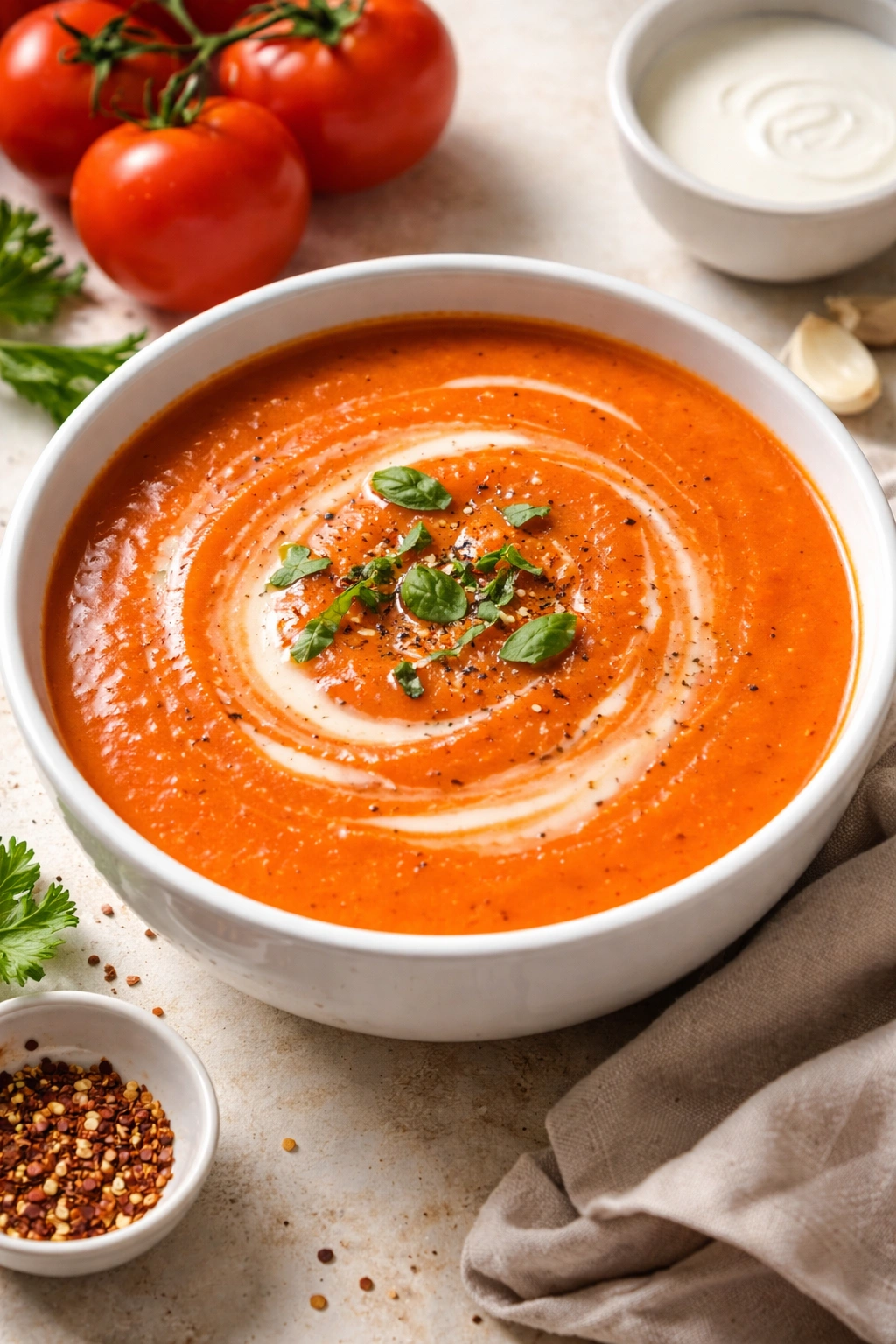
Tomato bisque sits at the intersection of soup and sauce—it’s thick, luxurious, and intensely flavored. The best versions use a combination of fresh tomatoes (or high-quality canned tomatoes) and tomato paste to build layers of tomato flavor, finished with cream and just enough acidity to keep things interesting.
The Science of Tomato Flavor
Tomatoes contain glutamates (umami again) and various acids, and the best bisques balance both. Too much acid and it’s one-note sharp; too little and it’s flat and cloying. A good tomato bisque has cream to round out flavors, but also enough brightness from lemon juice or white wine to keep it from being heavy. You’re not making tomato sauce here—you’re building a soup that’s thicker and richer than broth but still elegant.
The Proper Method
- Cook your aromatics (onion, garlic, celery) in butter until very soft
- Add tomato paste and cook it in the butter for a minute or two to deepen the flavor
- Pour in broth and add canned tomatoes (San Marzano if you can find them—they’re less acidic)
- Simmer for 20-30 minutes until the tomatoes have completely broken down
- Strain the soup through a fine sieve (this makes it silky) or blend it if you want a chunkier texture
- Finish with heavy cream, a squeeze of lemon, and fresh basil
- Season with salt, white pepper, and perhaps a pinch of sugar if the tomatoes were particularly acidic
Important note: Add cream after cooking rather than during, and do it slowly while stirring. If you add cold cream to boiling soup, it can curdle slightly. Temper it by adding a ladle of hot soup to the cream first, then stir the mixture back into the pot.
9. Spicy Chili with Beans

Chili exists in that gray area between soup and stew—it’s thicker than most soups but has enough liquid to be, well, soupy. A good chili is deeply flavored from spices, rich from beef (if you go that route), hearty from beans, and balanced by the sweetness of tomatoes and the heat of chiles. It’s the kind of dish that tastes better the next day.
The Spice Build Is Everything
Instead of dumping all your spices in at once, you’re building them in layers. Whole spices toasted in a dry pan before grinding release more flavor than pre-ground spices, and adding spices at different points in the cooking process means you get varying levels of flavor intensity. Some spices should bloom in fat early on; others should be added later so they stay bright.
The Right Approach
- Toast whole cumin seeds, coriander seeds, and dried chiles in a dry pan, then grind them
- Brown your beef in batches in a hot pot
- Cook your aromatics in the rendered fat, then add your freshly ground spice blend
- Let the spices bloom in the fat for a minute or two
- Add tomato paste and cook it out slightly
- Pour in broth and add your beans (canned is fine, just rinse them), diced tomatoes, and bay leaves
- Simmer for at least 45 minutes, though longer is better (this allows the flavors to meld and intensify)
- Add more spices 10 minutes before serving if you want more heat or spice intensity
- Finish with salt, perhaps a pinch of cinnamon or cocoa powder for depth, and a squeeze of lime
Real talk: Most home cooks undersalt their chili. Season aggressively—chili needs salt to bring all its flavors into focus. Add it gradually and taste as you go.
10. Minestrone with Pasta
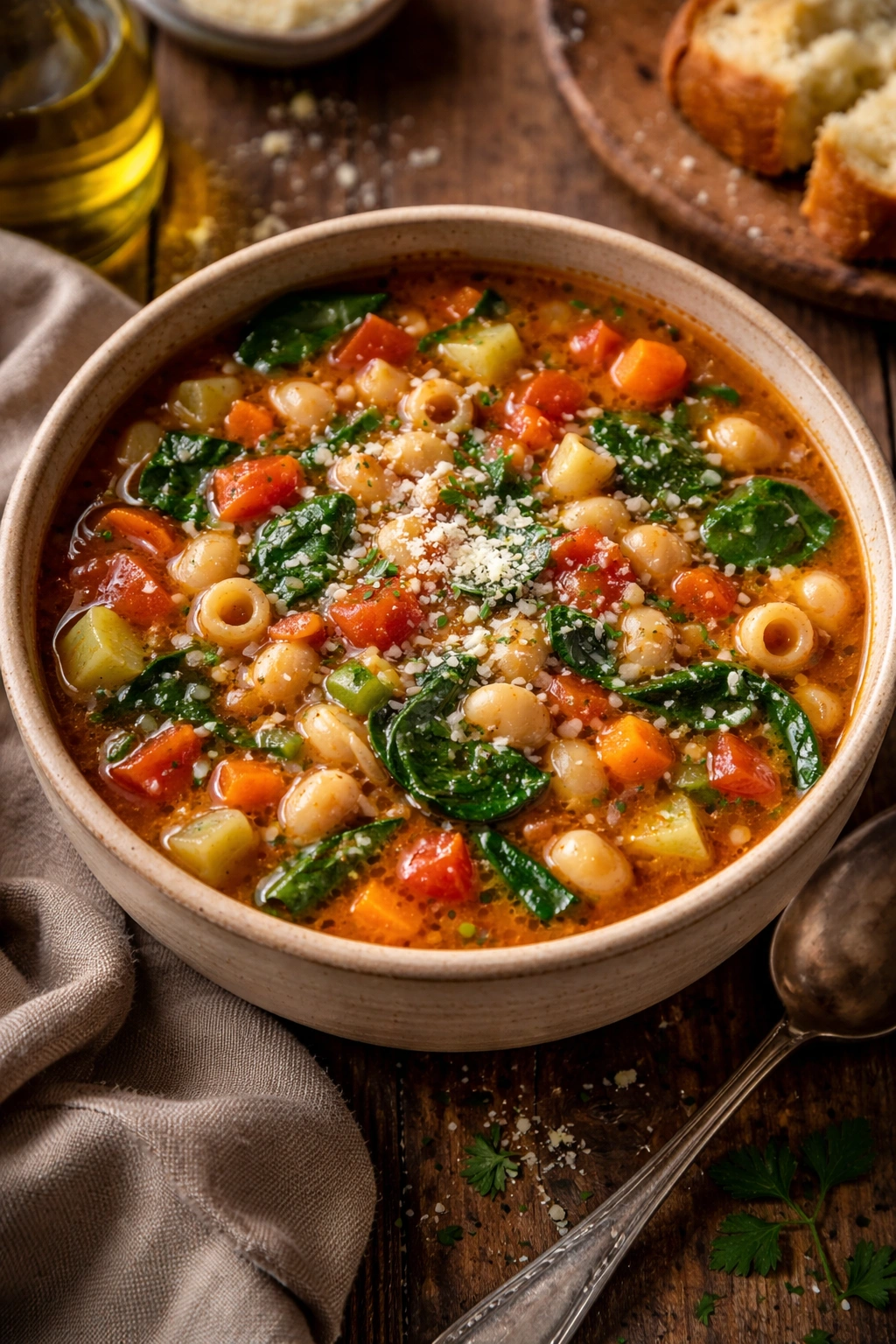
Minestrone is Italian vegetable soup with pasta, and the beauty of it is that it’s completely forgiving. You can use whatever vegetables you have on hand, adjust the pasta to your preference, and make it as light or as hearty as you want. It’s rustic, nutritious, and comes together in about 45 minutes.
Why This Soup Teaches Technique
Minestrone teaches you how to layer flavors and build complexity from simple ingredients. You’re sautéing aromatics, building a foundation with tomatoes, adding vegetables in order of their cooking time so everything finishes together, and introducing pasta at just the right moment. It’s a lesson in vegetable cookery and soup fundamentals in one bowl.
The Basic Framework
- Sauté onion, garlic, and celery in olive oil until soft
- Add diced tomatoes (canned is perfect) and tomato paste, let them cook for a few minutes
- Add broth and your longest-cooking vegetables (carrots, potatoes) with bay leaves and herbs
- Simmer for 15 minutes, then add medium-cooking vegetables (zucchini, green beans, bell peppers)
- After 5 more minutes, add the pasta and quicker-cooking items (spinach, peas, kale)
- The pasta finishes cooking in the broth, absorbing flavor as it goes
- Stir in white beans or cannellini beans for protein and creaminess
- Finish with good olive oil, fresh basil, and Parmigiano-Reggiano
Insider tip: Add the pasta to the broth slightly before it’s fully cooked (al dente is the goal), because it’ll continue absorbing liquid as the soup sits. If you cook it all the way and then let it rest, you’ll end up with mushy pasta.
Final Thoughts

The thing about these ten soups is that they represent different techniques, flavor profiles, and cooking styles—yet they all share one common thread. They’re designed to feed you, warm you, and make you feel genuinely taken care of. That’s what soup does at its best. It transforms humble ingredients into something that feels generous and nourishing, something you want to huddle over on nights when the world outside is cold.
More importantly, these aren’t precious recipes that demand perfection. They’re forgiving enough that you can adjust them based on what you have in your kitchen, your spice tolerance, and your mood on any given night. Make classic chicken and dumplings with store-bought dumplings if you’re short on time. Swap vegetables in minestrone based on the season. Use whatever sausage you prefer in the lentil soup. These soups work because they’re built on solid fundamentals, not because they require exact adherence to every detail.
The best investment you can make for soup-making is a heavy-bottomed pot (a Dutch oven is ideal), decent broth, and patience. Give your soups time to develop, let flavors meld and deepen, and taste constantly as you cook so you can adjust seasoning. A pot of soup simmering on the stove is one of life’s greatest comforts, both for the cook and for the people lucky enough to eat it.