



Kale salad has a reputation problem. For years, it’s been lumped into the same category as overboiled vegetables and unseasoned chicken breast — the kind of food you eat because it’s “good for you,” not because it actually tastes good. But here’s what most people don’t realize: the problem isn’t kale. The problem is how kale has traditionally been treated in salads.
When kale lands on a plate raw and unchewed, it’s tough, bitter, and unappealing. It tastes like you’re eating the bottom of a grocery bag. But when you understand what kale needs — a little massage to break down those fibrous leaves, a dressing with enough salt and acid to penetrate the texture, and real, flavorful additions that don’t play second fiddle to the greens — everything changes. You end up with a salad that’s tender, bright, deeply satisfying, and honestly delicious enough that even people who swear they hate kale will ask for seconds.
The version I’m sharing here has converted countless skeptics. It’s not fancy or complicated. There’s no exotic ingredients or fancy technique involved. It’s built on understanding exactly why people hate bad kale salads, and then systematically fixing every single thing that goes wrong. The result is a salad that balances texture, flavor, acidity, and substance in a way that makes people genuinely want to eat it, not force themselves through it for the sake of their health.
What Makes This Kale Salad Different
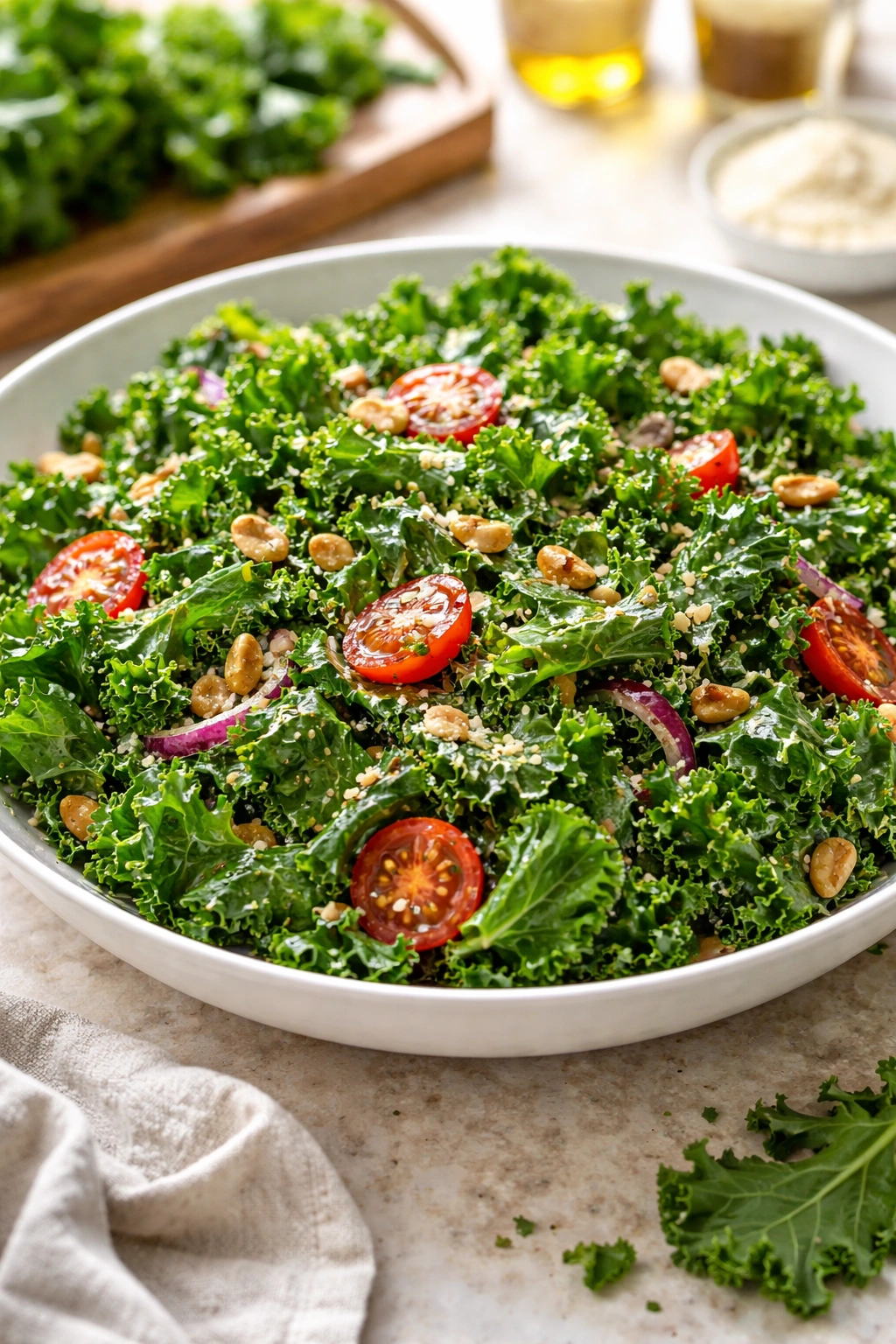
Most kale salads fail at the most fundamental level: they don’t account for kale’s texture. Unlike delicate lettuce that wilts with minimal handling, kale is sturdy enough to benefit from aggressive preparation. When you massage kale — actually rub it between your fingers with a bit of salt and lemon juice — the leaves break down slightly, become more tender, and develop a completely different mouthfeel.
This salad uses that principle as its foundation. Instead of just tossing raw kale onto a plate, you’re giving it a preliminary treatment that transforms it from something chewy and tough into something that’s actually pleasant to eat. The salt in the massage pulls water out of the leaves through osmosis, and the acid starts to soften the cellulose structure. By the time the dressing hits the salad, the kale is already primed to absorb flavor rather than resist it.
The second thing that sets this salad apart is the dressing ratio. Most vinaigrettes are way too light for kale. A standard 3-to-1 oil-to-acid ratio works beautifully on delicate greens, but it gets lost on something as robust as kale. This recipe uses a bolder, richer dressing with enough body that every leaf actually gets coated with something flavorful.
Third, this salad respects the principle of textural variety. You’re not eating salad — you’re eating multiple different things at once that happen to live on the same plate. There’s tender, massaged kale. There’s crunchy nuts or seeds. There’s something soft and slightly salty. There’s something sweet or tangy. Each component keeps the salad interesting from the first bite to the last.
Why Kale Haters Actually Love This Version
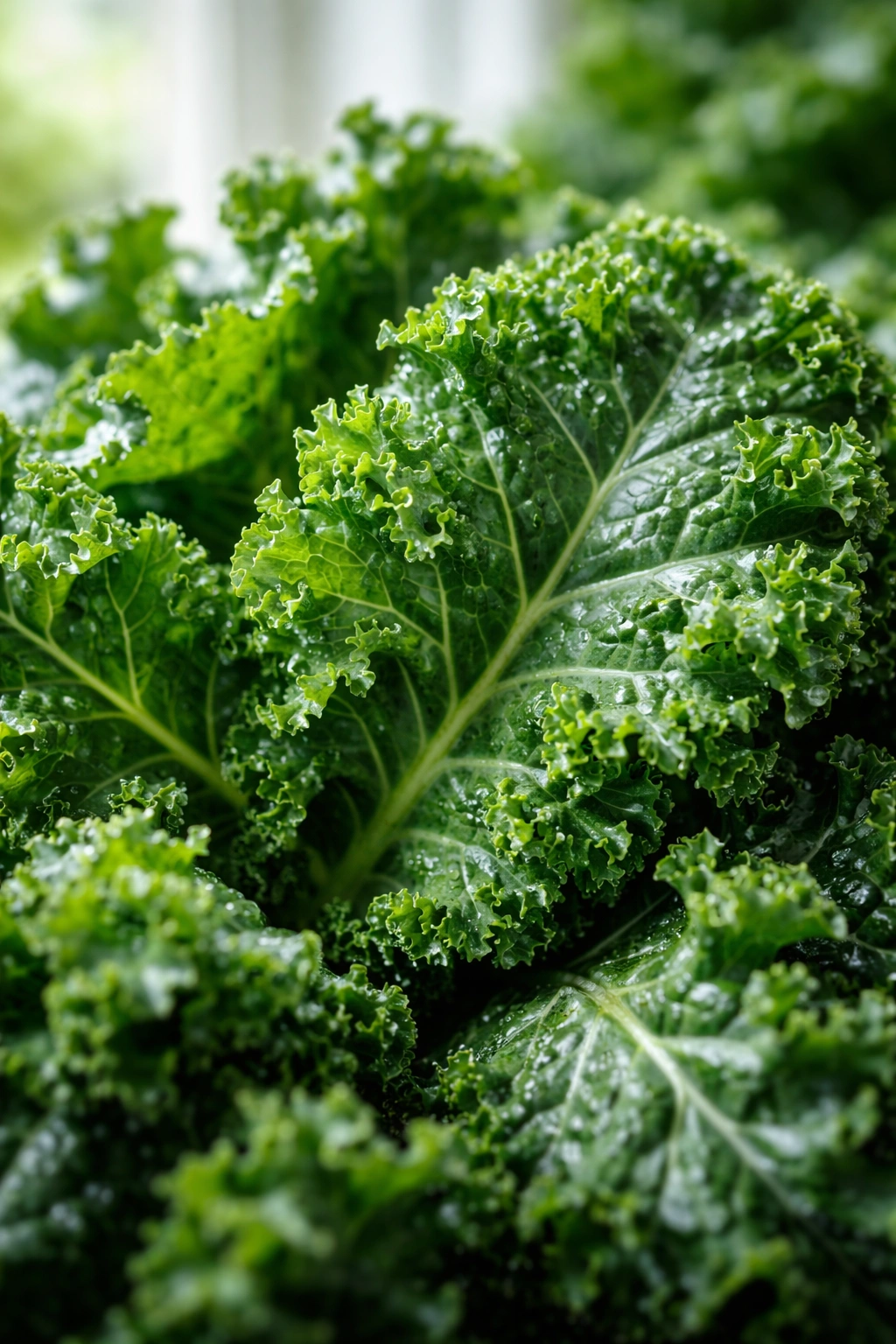
The people who say they hate kale salad usually fall into one of three camps: they hate the bitterness, they hate the texture, or they hate how boring standard kale salads taste. This recipe addresses all three complaints head-on.
The bitterness issue is real, but it’s completely solvable. Kale’s bitterness comes from compounds called glucosinolates that are more concentrated in raw kale. Massage, salt, and acid all reduce the perception of bitterness by either breaking down the compounds or simply overwhelming them with other flavor signals. When your palate is hit with rich, salty, tangy, and sweet sensations at the same time, bitter doesn’t stand out. It fades into the background.
The texture complaint is usually the biggest one, and it’s the easiest to fix. Raw kale, when it’s not massaged, has a mouth-coating quality that people find unpleasant. It feels like eating something you have to work your way through. But pre-massaged kale becomes tender enough that it doesn’t require that effort. It becomes pleasant to chew instead of a chore.
The boredom factor — that’s where the rest of the components come in. This salad isn’t just kale. It’s kale plus something crunchy, something soft, something salty, something sweet, something that adds depth. You’re building layers of interest and flavor complexity that make each bite different from the last. That’s what separates a salad someone tolerates from one they actually crave.
How to Choose and Prepare Your Kale
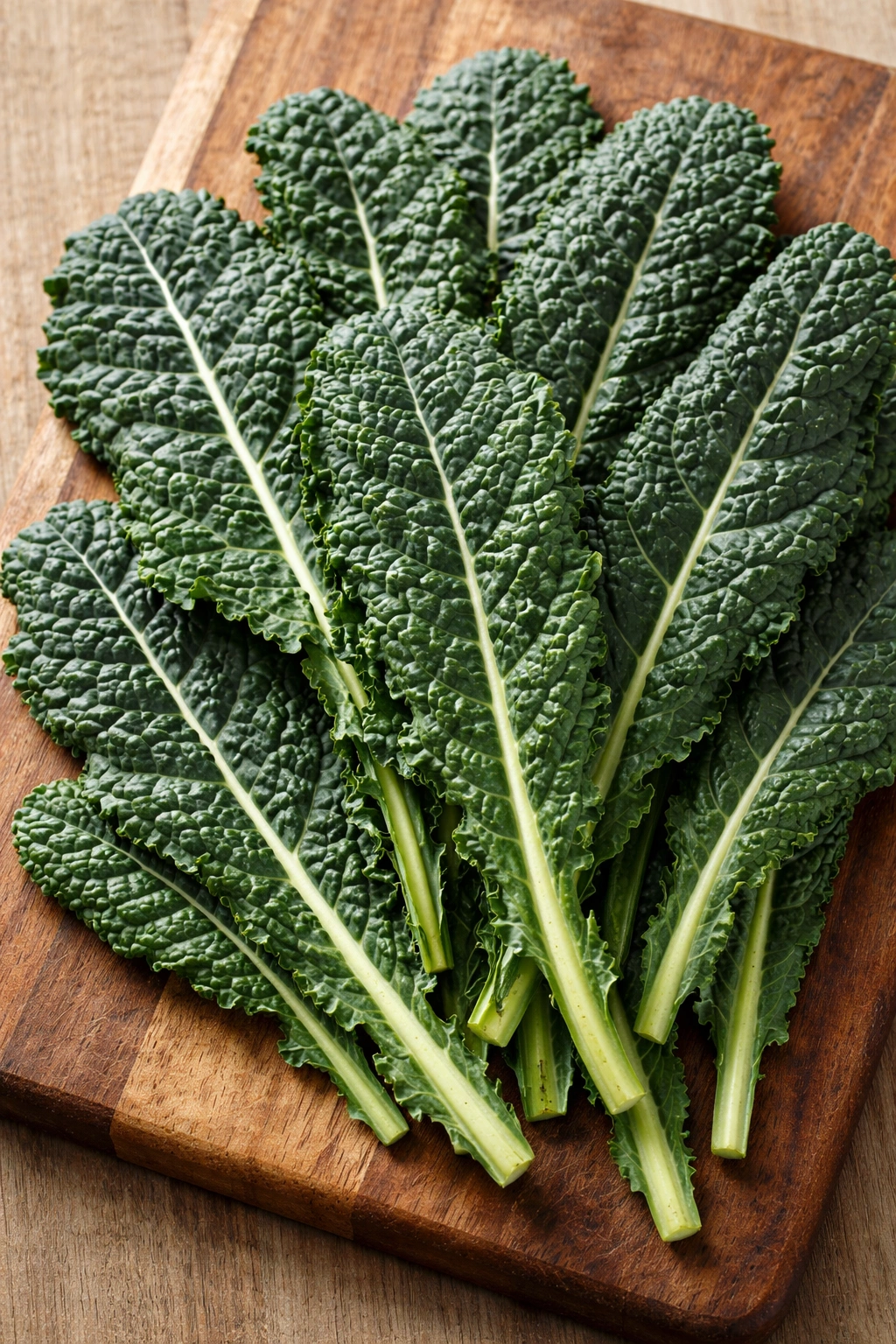
Not all kale is created equal. Lacinato kale (also called dinosaur kale) is your best choice for this salad. It’s more tender than curly kale, less bitter, and has a nicer texture when raw. It also has a gorgeous dark green color that photographs well and looks appealing on the plate. If you can’t find lacinato, regular curly kale works fine, but you may need to massage it a bit longer to get it tender enough.
When you’re at the grocery store, look for kale that has deep, vibrant color and no obvious wilting or brown spots. Avoid bunches with yellowing leaves or soft patches. The stems should look fresh and firm, not dried out. If the kale has been sitting under the lights for a while, the quality has already started declining — you want kale that was recently delivered to the store.
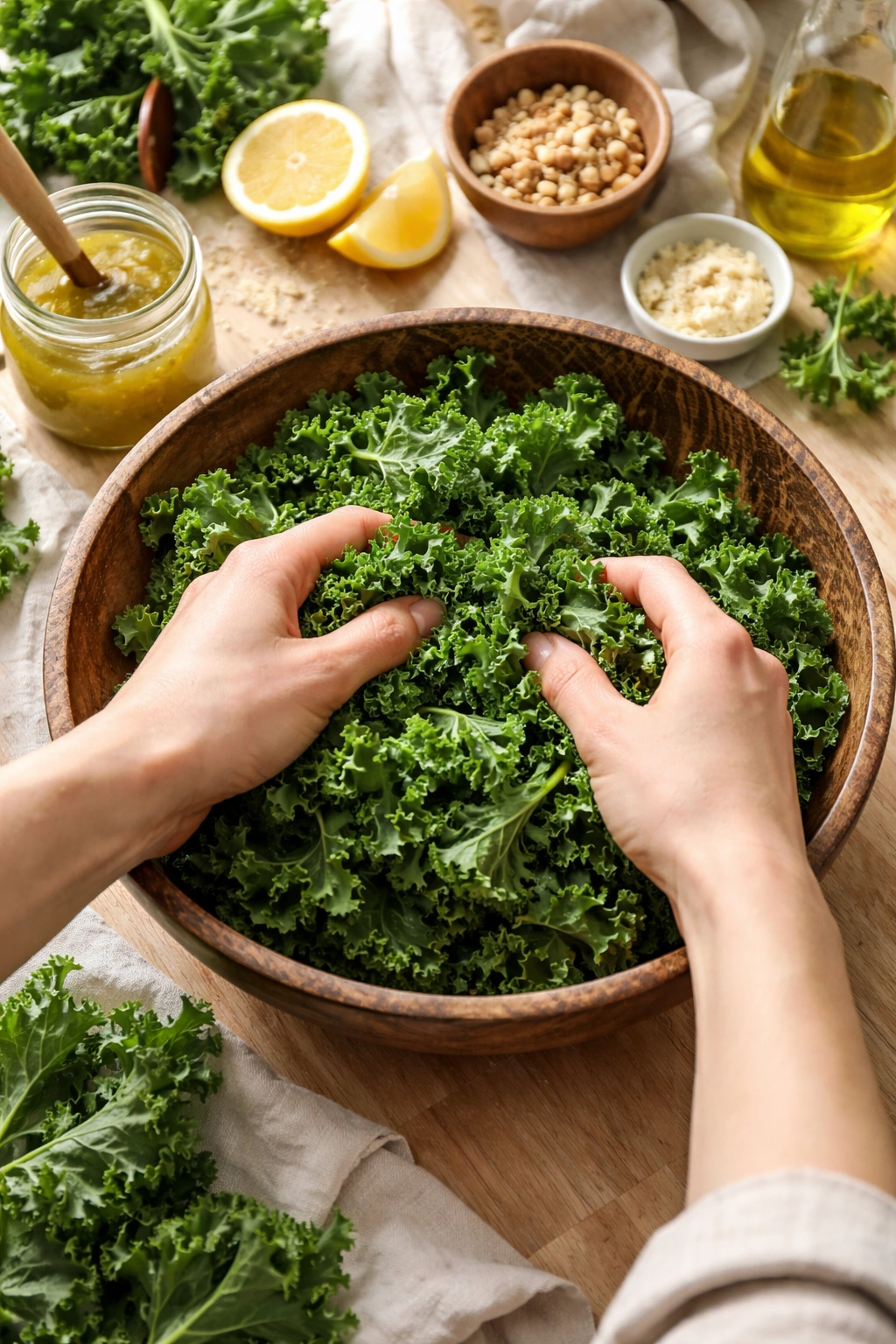
The massaging process is where the magic happens, and it’s simpler than it sounds. Strip the kale leaves off the thick center stem by holding the stem in one hand and sliding your other hand down from the top, pinching the leafy part away from the stem as you go. Tear the leaves into bite-sized pieces. You want them big enough to grab with a fork and small enough to fit comfortably in your mouth, which usually means pieces about the size of your palm.
Put the kale pieces in a large bowl. Sprinkle them with about a quarter teaspoon of fine sea salt. Then use your hands to rub and massage the kale for a full minute or two. You’re looking for the leaves to darken and compress down significantly. The leaves should go from a bright, crisp texture to something noticeably more tender and supple. You’ll see moisture collecting at the bottom of the bowl — that’s exactly what you want. That’s the kale beginning to break down.
Once the kale is massaged, you can dress it. The beauty of pre-massaging is that the salad actually improves as it sits. Unlike delicate lettuces that wilt and deteriorate when dressed too far in advance, massaged kale can sit in dressing for minutes or even hours without falling apart. It just gets more flavorful as the dressing continues to penetrate the leaves.
The Secret Dressing That Changes Everything
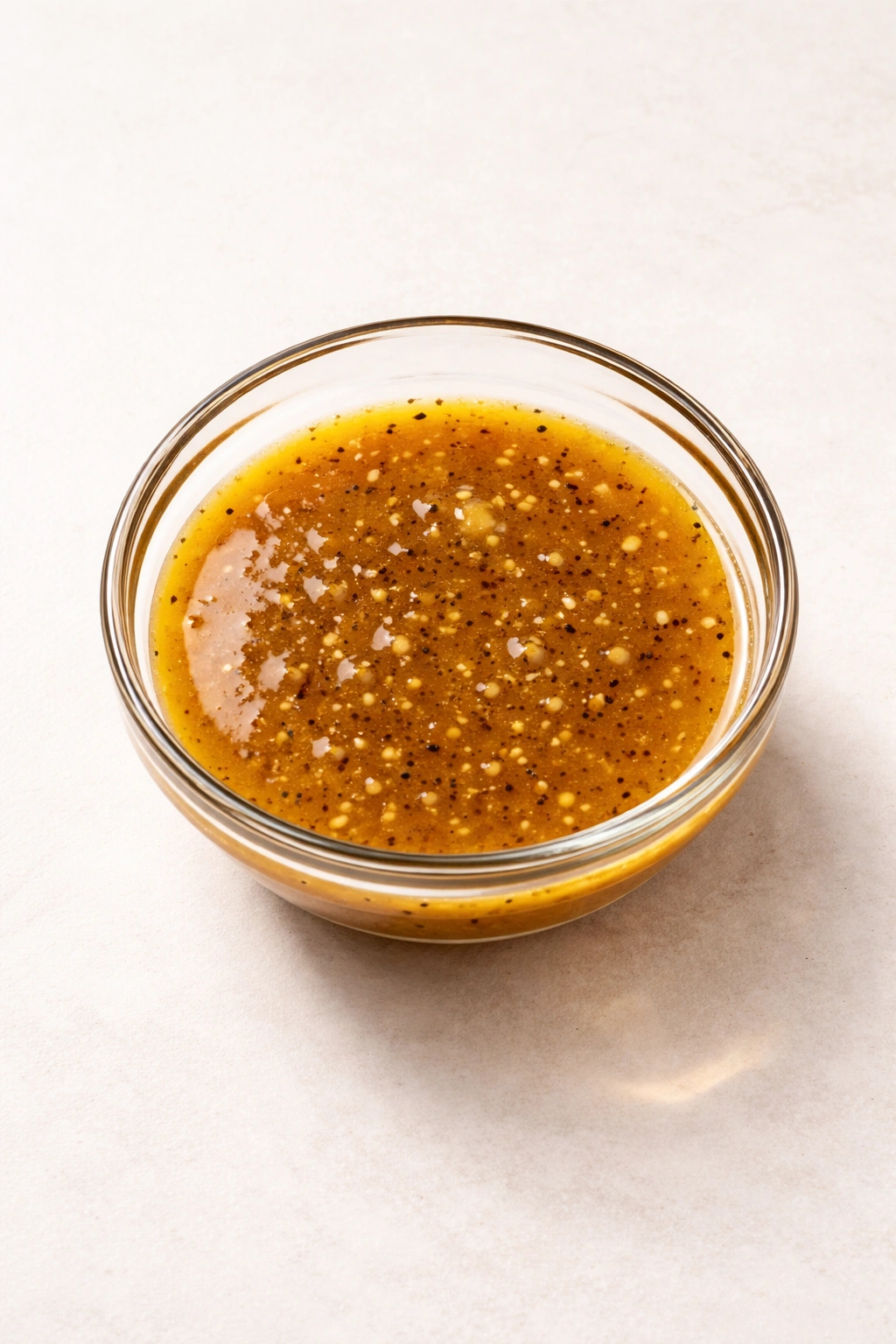
The dressing is what transforms this from a simple pile of vegetables into something genuinely delicious. It needs to be bold enough that every component of the salad tastes interesting, acidic enough to cut through the kale’s weight, and rich enough that it actually coats the leaves rather than just running to the bottom of the bowl.
This dressing uses a combination of lemon juice and a good balsamic vinegar for acidity. Lemon juice brings brightness and freshness, while balsamic adds depth and a subtle sweetness that rounds out the sharp edges. Together, they create complexity that a single-acid dressing can’t achieve. The acid is important because it doesn’t just add flavor — it actually works on the kale tissue, softening it further and making it more receptive to the oil and other flavoring ingredients.
The base of the dressing is good olive oil. This is one place where quality actually matters. A high-quality extra-virgin olive oil brings its own flavor profile to the party — it’s not invisible. That means you want something smooth and pleasant, not harsh or grassy. If you’re using a robust, peppery olive oil, go a little lighter on it, because the flavor will be intense. If you’re using a milder oil, you might need slightly more to balance the acid.
The remaining components are where the dressing gets its body and richness: a generous amount of Dijon mustard, minced garlic, a touch of honey or maple syrup, and a grind of black pepper. The mustard emulsifies the oil and vinegar together, which means it creates a dressing that actually stays mixed rather than separating into its component parts. The garlic adds savory depth. The sweetener balances the acid and the mustard’s slight bite. The pepper adds a finishing note of heat that makes the other flavors pop.
The formula is simple, but the execution matters. Make sure your mustard is Dijon and not something milder — you need that extra intensity for kale. Mince your garlic very fine so it distributes evenly and doesn’t create little chunks that catch between your teeth. Use fresh lemon juice, never the bottled stuff, which has a tinny, chemical flavor. Warm the dressing slightly — not hot, just warmed from sitting out at room temperature — before tossing it with the kale. Warm dressing penetrates better than cold.
Building the Perfect Texture Combination
A great kale salad is never just kale. You’re building a salad that keeps your mouth interested, that gives you something different to chew on with every bite, and that makes the experience of eating it genuinely enjoyable rather than obligatory.
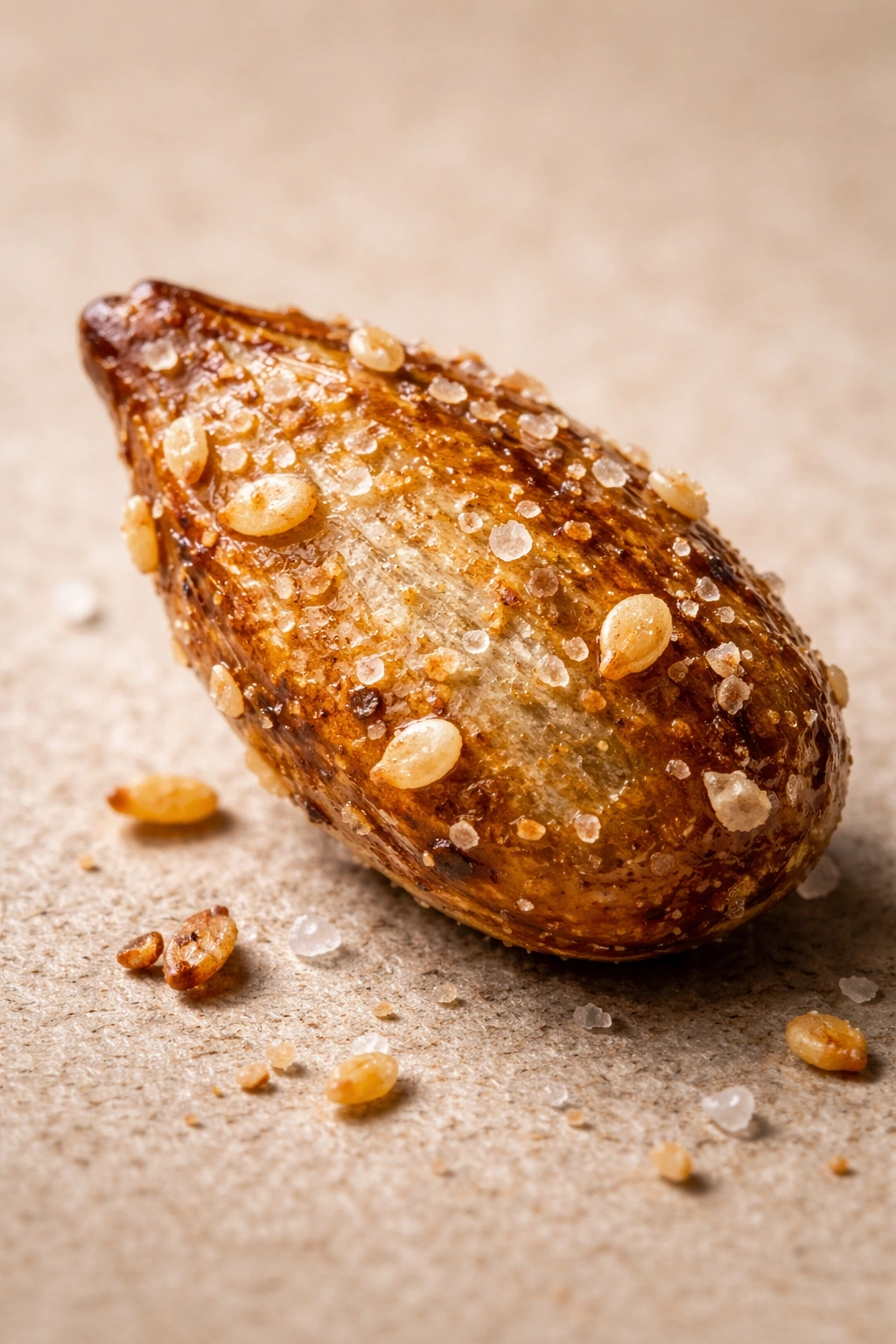
Start with something crunchy. This is essential. Toasted seeds or nuts give you a contrast to the soft, tender kale. Pumpkin seeds are excellent because they’re slightly salty, not too hard, and break apart easily in your mouth. Sunflower seeds work too, as do walnuts or pecans. If you use nuts, toast them in a dry skillet for just a few minutes to bring out their flavor and crunch before adding them to the salad. They’re worth the extra step — raw nuts are fine, but toasted ones are significantly better.
Next, you need something soft and filling. Most kale salads skip this, and that’s a mistake. Without something that adds substance, the salad feels more like a side dish than a meal. Roasted chickpeas are ideal because they’re protein-rich, they have a tender interior and a slightly crispy exterior, and they’re completely satisfying. You can roast them yourself or buy them pre-made. If chickpeas don’t appeal to you, roasted sweet potato cubes work beautifully, as do white beans, or even some creamy goat cheese or feta.
Then there’s the fresh element. You need at least one thing that’s bright and fresh-tasting — something that balances all the richness of the dressing and the substance of the protein component. Thin shavings of apple or pear work exceptionally well. Pomegranate seeds are wonderful. Even thin slices of crisp, cold radish can work, if you want something a little spicier. The fruit or fresh vegetable brings acidity, sweetness, and a clean flavor that keeps the salad feeling fresh rather than heavy.
Finally, add something salty and savory. Crispy bacon, if you eat meat. A handful of feta or aged cheddar. A sprinkle of crispy chickpea crumbles. Caramelized or crispy onions. This component is what makes people say “wow” when they taste it. It’s the unexpected element that seems small but completely elevates the entire dish.
The ratio matters. You want roughly two to three cups of massaged kale as your base, then about a cup of combined additions. That means each component gets represented without anyone item overwhelming the others. Every bite has all five textures and flavor profiles represented.
The Recipe
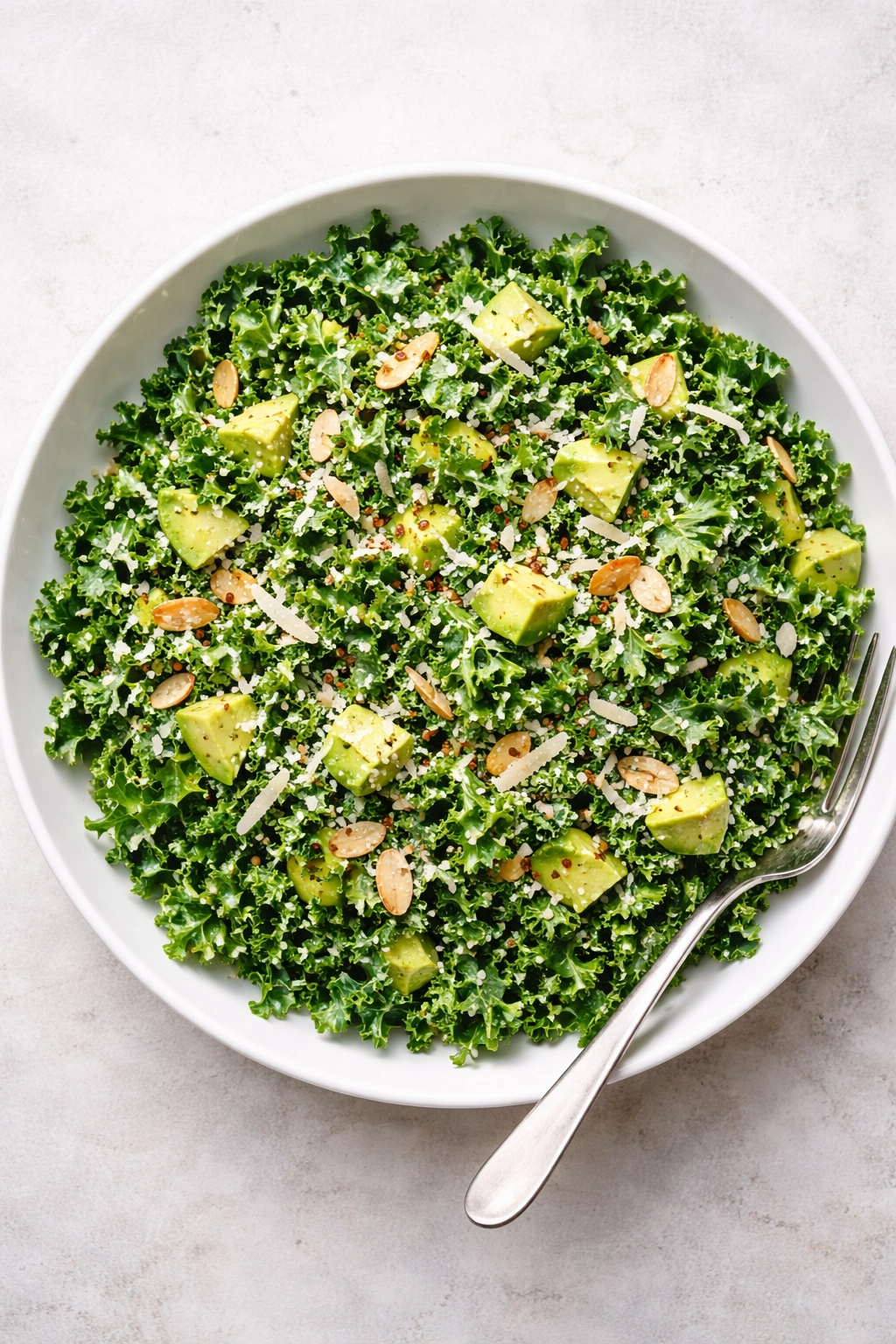
Yield: Serves 4 to 6 as a main course, or 6 to 8 as a side dish | Makes one large salad, easily doubled Prep Time: 20 minutes Cook Time: 15 minutes (mostly passive roasting time) Total Time: 35 minutes Difficulty: Beginner — the only “technique” is massaging kale, which is impossible to mess up. All components can be prepped ahead.
For the Salad:
- 1 large bunch lacinato kale (about 10 to 12 ounces), stems removed, leaves torn into bite-sized pieces
- ¼ teaspoon fine sea salt (for massaging)
- 1 cup cooked chickpeas (canned and drained, or roasted until crispy)
- 1 cup roasted sweet potato cubes (see instructions for roasting method)
- ¾ cup raw sunflower or pumpkin seeds, lightly toasted in a dry skillet for 3 to 4 minutes
- 1 crisp apple (Honeycrisp or Granny Smith work best), cored and thinly sliced or cut into matchstick-thin shards
- ½ cup crumbled feta or aged cheddar cheese
- ¼ cup dried cranberries or pomegranate seeds (if using pomegranate, add these just before serving to prevent them from bleeding color into the salad)
- 4 slices bacon, cooked until crispy and crumbled (optional, but highly recommended)
For the Dressing:
- ¼ cup fresh lemon juice (about 1½ large lemons, juiced)
- 2 tablespoons good-quality balsamic vinegar
- 2 tablespoons Dijon mustard
- 2 cloves garlic, minced very fine
- 1 tablespoon honey or pure maple syrup
- ¼ cup extra-virgin olive oil
- ⅛ teaspoon fine sea salt
- Freshly ground black pepper to taste
Instructions:
Prepare the Components:
-
Remove the kale stems by holding each leaf at the base and sliding your fingers down to separate the leafy part from the thick center rib. Discard the stems (or save them for vegetable stock). Tear the leaves into bite-sized pieces — roughly palm-sized — and place them in a large salad bowl.
Advertisements -
Sprinkle the kale with ¼ teaspoon of fine sea salt. Using both hands, massage and rub the kale vigorously for 1 to 2 minutes. You’re looking for the leaves to noticeably darken in color, compress down, and release moisture into the bottom of the bowl. This process is what makes tough, raw kale tender and palatable. Don’t skip this step — it’s the single most important technique in this entire recipe.
-
While the kale sits, prepare the sweet potatoes: Cut 1 medium sweet potato into ½-inch cubes (you should have about 1 cup). Toss them with a small drizzle of olive oil, salt, and pepper. Spread them in a single layer on a baking sheet and roast at 400°F (200°C) for 12 to 15 minutes, stirring halfway through, until the edges are caramelized and golden and the centers are tender. Set aside to cool slightly.
-
If using canned chickpeas, drain them, rinse them under cold water, and pat them completely dry with paper towels. Toss with a drizzle of olive oil, salt, and pepper, and roast them on a separate section of the same baking sheet for 10 to 12 minutes, until they’re crispy and golden at the edges. If you prefer to use store-bought roasted chickpeas to save time, that’s completely fine — just toss them with a touch of salt and pepper so they’re seasoned.
-
Toast the sunflower or pumpkin seeds in a dry skillet over medium heat for 3 to 4 minutes, shaking the pan occasionally, until they’re fragrant and lightly golden. This step is optional but highly recommended — toasting brings out their flavor and deepens their crunch. Set aside to cool.
-
If using bacon, cook it until it’s crispy — either in a skillet over medium heat or in a 400°F (200°C) oven for 12 to 15 minutes. Drain on paper towels and crumble into bite-sized pieces once it’s cool enough to handle.
Make the Dressing:
-
In a small bowl or Mason jar, combine the lemon juice, balsamic vinegar, Dijon mustard, minced garlic, honey, salt, and a generous grind of black pepper. Whisk together (or close the jar and shake vigorously) until the mixture is combined. The mustard is what emulsifies the dressing and keeps the oil and acid from separating — make sure to whisk this long enough that the mustard is fully incorporated.
-
Slowly drizzle in the olive oil while whisking constantly. The dressing should become creamy and thick — not thin and watery. This is what allows it to actually coat the kale leaves instead of running straight to the bottom of the bowl. Taste the dressing and adjust the seasoning. It should taste tangy and punchy, with a good balance of acid, mustard, and sweetness. Kale is assertive enough that a timid dressing will disappear into it.
Assemble the Salad:
-
Pour about three-quarters of the warm dressing over the massaged kale. Toss thoroughly, using your hands or salad tongs, so every piece of kale gets coated. Let the salad sit for 5 minutes. The kale will continue to soften, and the warm dressing will penetrate deeper into the leaves. If the salad seems dry, drizzle in the remaining dressing.
Advertisements -
Add the roasted sweet potatoes, crispy chickpeas, toasted seeds, apple shards, cheese, and bacon to the bowl. Toss gently to combine, being careful not to break up the sweet potatoes or smash the apples. If you’re using pomegranate seeds or fresh cranberries, add those now, just before serving, so their color doesn’t bleed into the dressing.
-
Taste a bite and adjust seasonings if needed. The salad should taste bright, a little tangy, salty, and rich — with multiple different flavors and textures coming through in every bite. Serve immediately, or let it sit at room temperature for up to 20 minutes, which is actually fine for this salad. It doesn’t wilt the way delicate greens do.
Tips for Making the Perfect Kale Salad
The massage step is genuinely non-negotiable. Some people try to shortcut this by using pre-massaged kale from the grocery store. It’s convenient, but the commercially pre-massaged kale loses quality quickly and often tastes slightly oxidized and dull. If you have a few extra minutes, massaging it yourself at home gives dramatically better results. It takes about two minutes and completely transforms the texture.
The dressing needs to be made fresh, but it can be made several hours ahead. Keep it at room temperature until you’re ready to use it. Warm or room-temperature dressing works much better on kale than cold dressing, because it penetrates more readily. If your dressing has been refrigerated, let it sit on the counter for ten minutes before using it.
Don’t dress the salad until just before you serve it — well, actually, this is one salad where this old rule doesn’t apply. Because the kale is sturdy enough to handle it, you can dress it up to thirty minutes before serving without it falling apart. This actually makes it a great make-ahead option for potlucks or meal prep. Just hold off on adding the apple slices or other delicate components until closer to serving time, since those will oxidize or get mushy if they sit in dressing too long.
Toast your own seeds and nuts rather than buying them pre-toasted, if you can. Pre-toasted seeds sitting in a bag gradually go stale and lose their crunch. Toasting them yourself takes three minutes and makes a significant difference in the final salad. If you’re short on time, it’s not a dealbreaker, but it’s worth the small effort.
The type of apple matters. You want something crisp, slightly tart, and firm enough not to get mushy when sliced. Honeycrisp and Granny Smith are the two best options. Avoid soft, mealy apples like Red Delicious, which turn mushy within minutes of being sliced. If you want to prevent the apple from oxidizing (turning brown), toss the slices with a squeeze of lemon juice right after you slice them.
Common Mistakes to Avoid
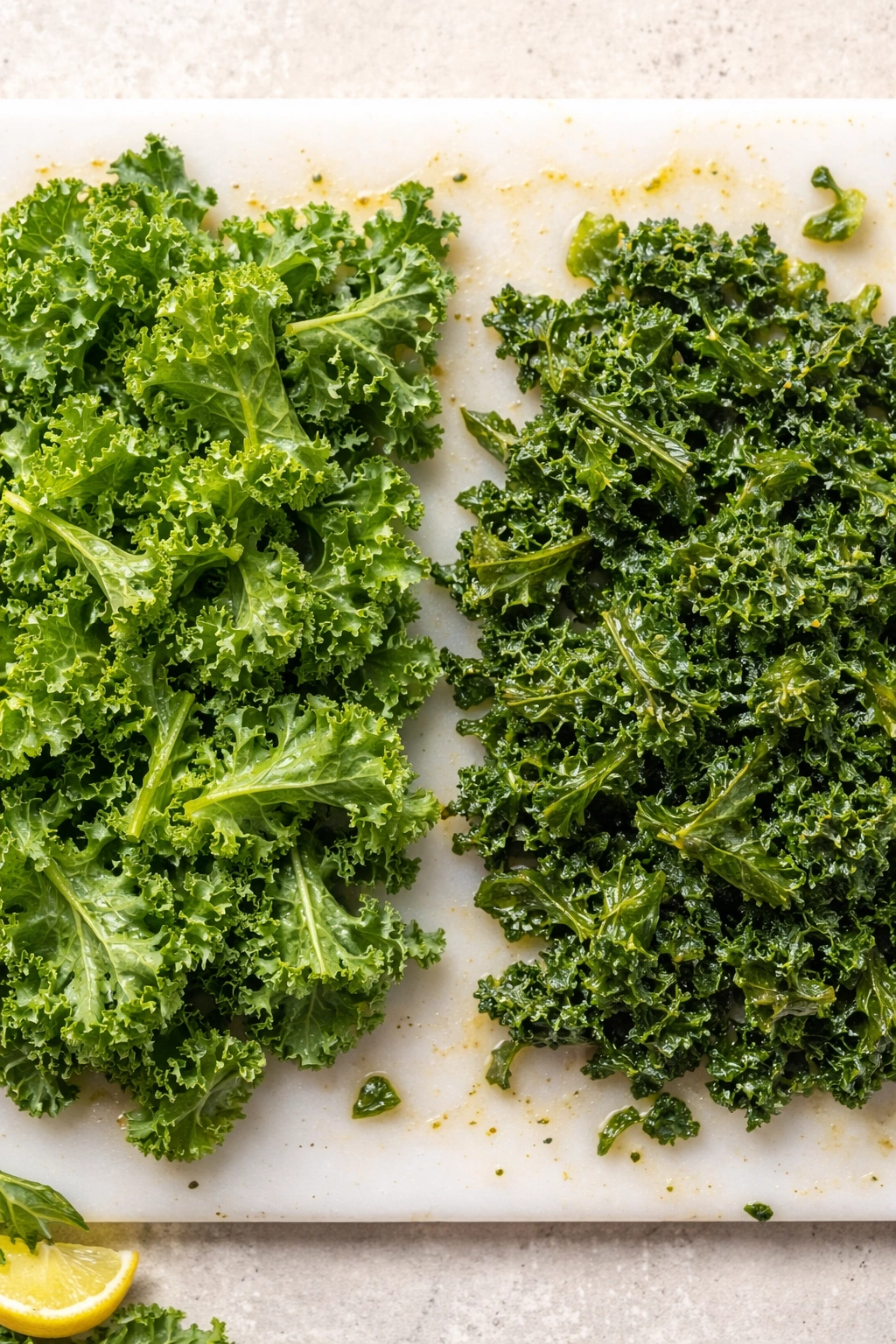
The biggest mistake is not massaging the kale long enough. People often do a quick 15 to 20 second rub and think they’re done. But you really do need a full minute, maybe two. The leaves should noticeably change texture and color. If they’re still bright and crisp, they need more massaging.
The second mistake is using kale that’s already been sitting in the salad with dressing for hours. People sometimes dress this salad and then let it sit in the refrigerator overnight, thinking it will get better. Unlike cooked salads that improve overnight, this one is best served within an hour of being dressed. The components start to get heavy and the fresh elements start to deteriorate. It’s still good the next day, but not as vibrant and interesting as it is when freshly assembled.
Another common mistake is skipping the dressing ingredients because they seem unnecessary. Someone will use vinegar without mustard, or they’ll skip the honey because they want it to be savory. But every component serves a purpose. The mustard emulsifies the dressing so it coats the kale instead of separating. The honey balances the acid and mustard’s sharpness. The garlic adds savory depth. If you leave something out, the dressing falls flat and the salad tastes boring or one-dimensional.
People also frequently underestimate how much dressing kale can handle. If you’re used to making salads with delicate lettuce, you probably underdress them because more dressing makes delicate greens wilt and turn mushy. But kale thrives with a generous amount of dressing. It actually becomes better as the dressing sits on it. Don’t be shy — the salad should look slightly glossy and dressed throughout, not like the dressing is just at the bottom of the bowl.
Finally, people skip the toasted seeds thinking they’re not essential. But the seeds do something no other ingredient does — they provide a sharp, crunchy contrast to everything else. Without them, the salad loses a dimension of texture and becomes flat. Even if you skip other components, don’t skip the toasted seeds.
Make-Ahead and Storage Instructions
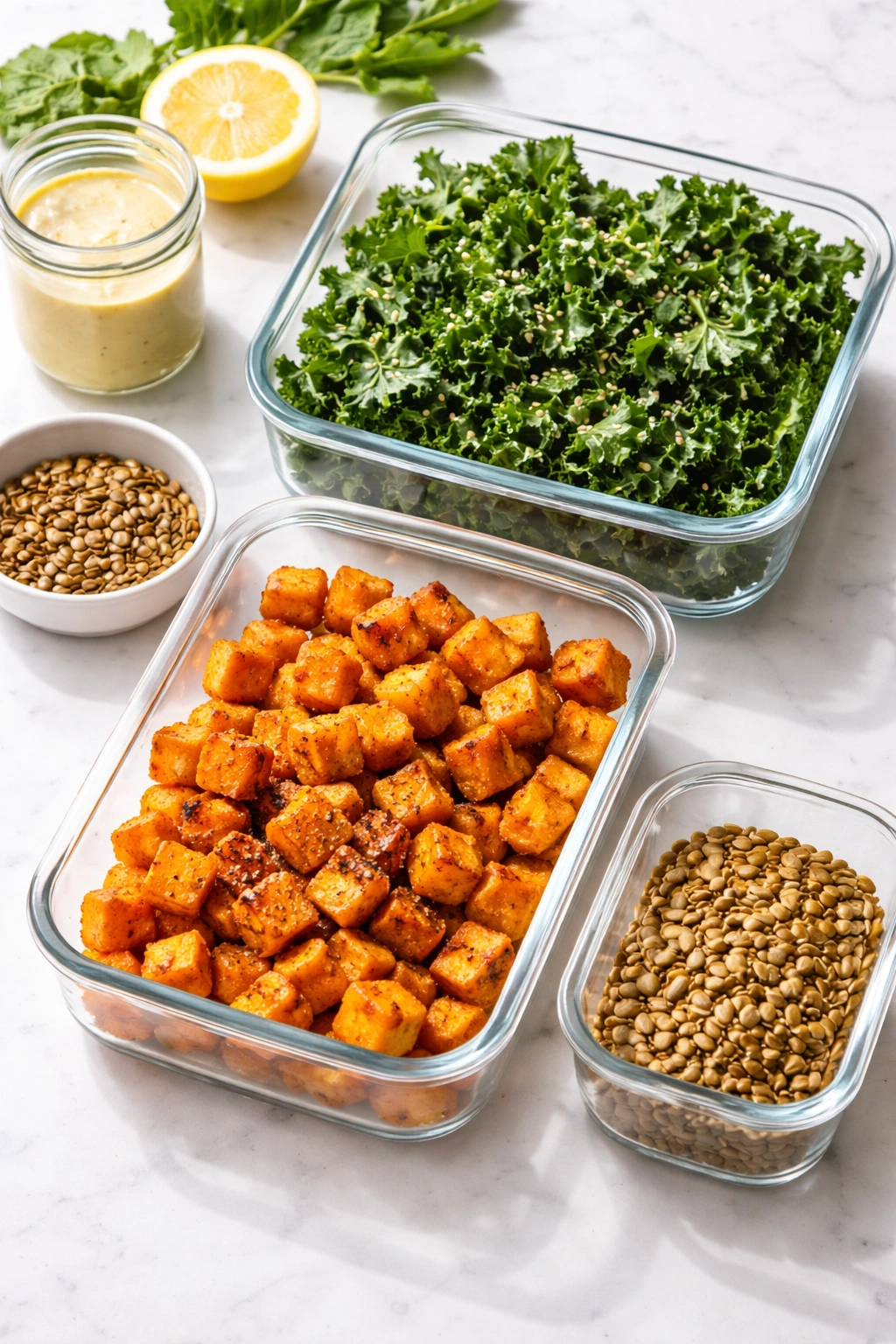
This salad is excellent for meal prep because the individual components can be prepared a day or two in advance. The massaged kale will keep in an airtight container in the refrigerator for up to three days before it starts to look tired and oxidized. The roasted sweet potatoes will keep for up to five days. The toasted seeds will stay crispy in an airtight container at room temperature for several days. The dressing will last for a week in the refrigerator.
If you’re assembling the salad in advance for a meal prep situation, keep all the components separate and assemble them just before eating. This way, everything stays crisp, fresh, and interesting. The apple slices and pomegranate seeds should be added right before serving, since they’ll oxidize or bleed color if they sit in the dressing for hours.
If you’ve already assembled the entire salad and need to store it, it will keep in the refrigerator for up to twenty-four hours in an airtight container, though the texture of the softer components (apple, sweet potato) will start to deteriorate slightly. The kale itself will actually improve overnight as the dressing continues to penetrate and soften it further. Eat it cold straight from the refrigerator, or let it sit on the counter for ten minutes to bring it closer to room temperature, which brings out the flavors more.
The dressing is the only component that shouldn’t be frozen. The oil will separate oddly when thawed, and the texture won’t be the same. Everything else freezes acceptably well, though again, the texture of the fresh components won’t be perfect after thawing. The kale and roasted vegetables will freeze for up to two months if you want to do a big batch meal prep session.
Variations You Should Try
The beauty of this formula is that it’s endlessly adaptable. You can swap components based on what you have on hand, what’s in season, or what appeals to you personally.
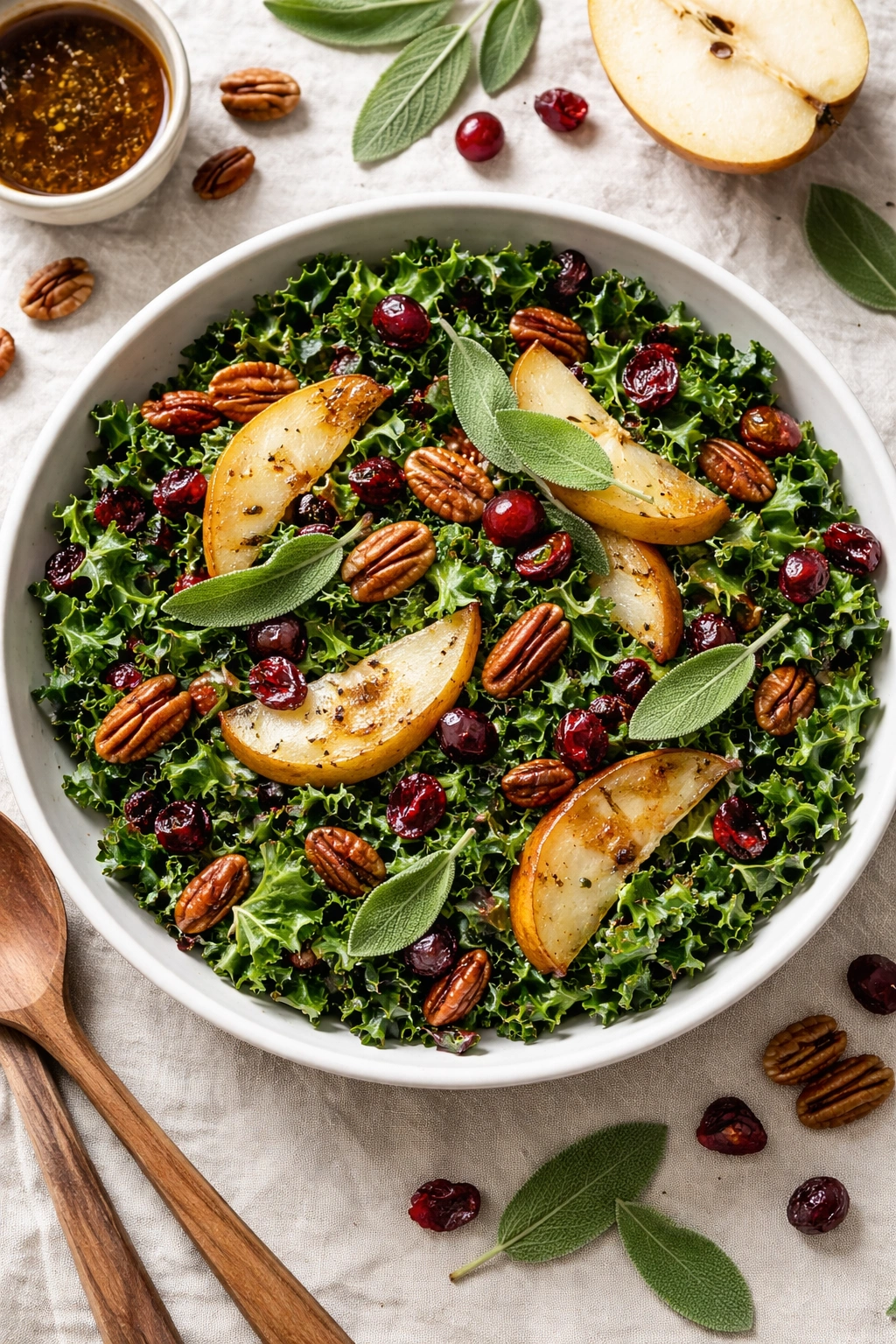
For a fall version, replace the apple with roasted pear slices, use pecans instead of sunflower seeds, and top with crispy sage leaves (tossed in oil and salt and roasted for a few minutes until fragrant and crispy). Swap the sweet potato for roasted butternut squash cubes and use dried cranberries instead of pomegranate seeds. This version is warming and perfect for cooler months.
For a spring version, use shaved raw zucchini instead of the apple, raw asparagus tips instead of some of the massaged kale, and fresh mint leaves torn over the top just before serving. Swap the sweet potato for roasted spring peas (or use raw snap peas for extra crunch) and use fresh lemon juice in the dressing with minimal balsamic. Add some thin shavings of raw Pecorino Romano instead of cheddar.
For a completely different direction, make it Mediterranean by swapping the chickpeas for white beans (canned is fine), using roasted red peppers instead of sweet potato, adding Kalamata olives, using fresh dill in the dressing instead of just garlic, and topping with crumbled feta and a sprinkle of dried oregano. Replace the apple with thin slices of cucumber.
If you want to make it heartier and more of a meal, add a simple protein: roasted chicken breast cubed, grilled fish, or hard-boiled eggs work beautifully. You can also add whole grains like cooked quinoa or farro to make it more filling and substantial.
For a spicy version, add a pinch of cayenne or red pepper flakes to the dressing, use jalapeño slices instead of apple, and swap the feta for cotija cheese. Top with crispy tortilla strips for crunch.
The dressing can also be adapted. If you don’t love balsamic, use red wine vinegar instead. If you want something creamier, whisk in a tablespoon of tahini or a small amount of Greek yogurt to the dressing. If you prefer something with Asian flavors, replace the lemon juice with rice vinegar, the olive oil with sesame oil, and the Dijon mustard with a bit of miso paste and ginger.
The key is that however you adapt it, the fundamental formula stays the same: massaged kale base, something crunchy, something soft and filling, something fresh, and something salty. Those five elements are what make the salad work. You can play around with what goes into each category, but keeping that structure intact means your variation will be delicious.
Best Serving Occasions and Pairings
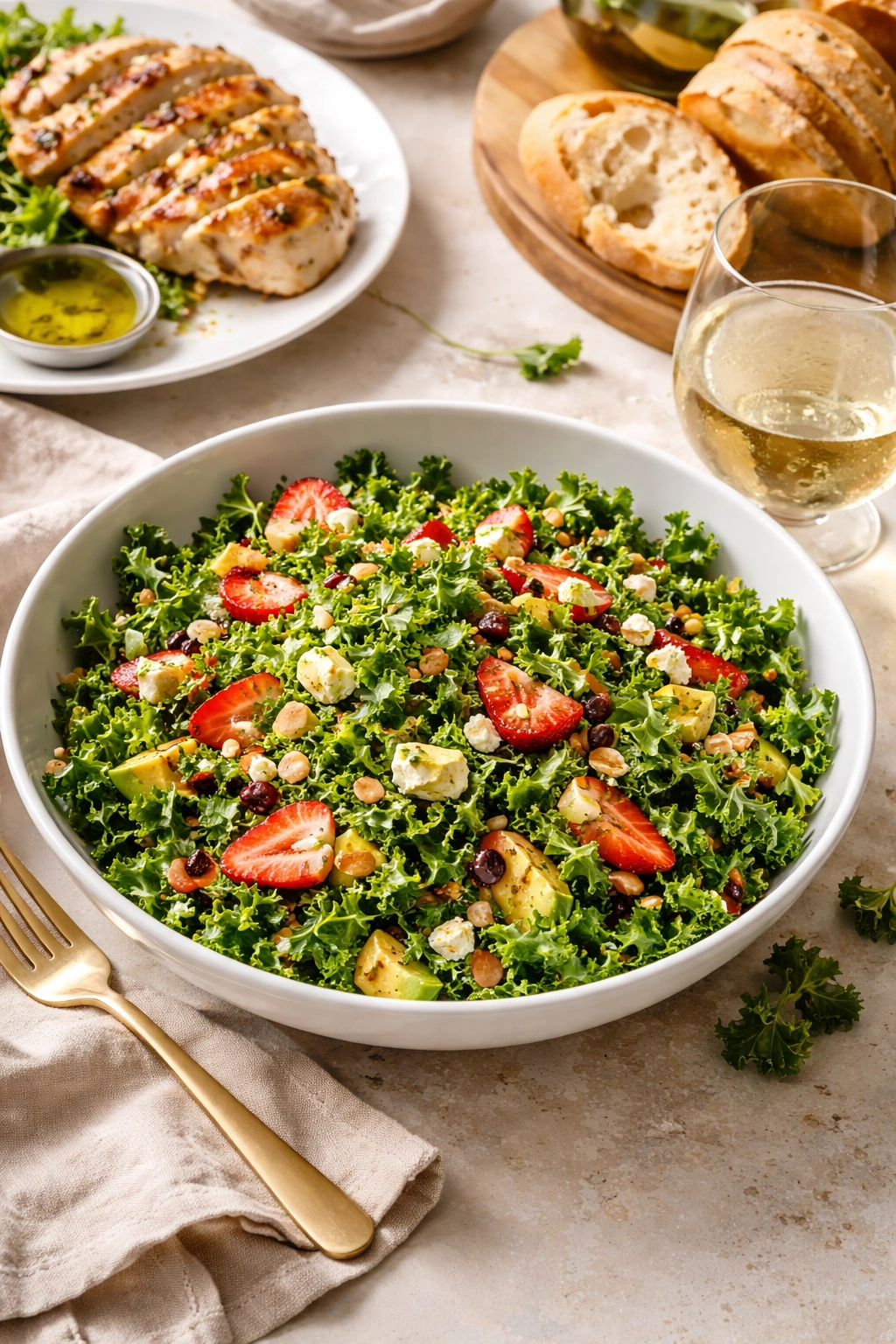
This salad works as a standalone lunch or as a side dish at dinner. It’s substantial enough to be a complete meal, especially if you add a grain or extra protein. It’s also elegant enough to serve at a dinner party without it feeling utilitarian or like you’re serving rabbit food.
For a summer meal, serve it at room temperature as part of a spread alongside grilled chicken or fish. The bright, fresh flavor of the kale and apple play beautifully against smoky, charred proteins. A crisp white wine like Sauvignon Blanc or Pinot Grigio is the perfect drink pairing.
In autumn, pair it with roasted chicken or turkey. The earthiness of the roasted sweet potato and the richness of the nuts makes it feel warm and satisfying alongside poultry. Pair it with a light red wine like Pinot Noir or a full-bodied white like Chardonnay.
For a lighter meal, serve it alongside some good bread, a cheese board, and maybe some roasted vegetables. It works beautifully as part of a Mediterranean-style spread where you’re not eating a traditional three-course meal but rather grazing on a collection of beautiful, flavorful things.
It’s also perfect for lunch. Make a double batch at the beginning of the week, keep the components separate in containers, and assemble individual portions each day. It stays interesting for several days and tastes better the next day as the dressing continues to penetrate the kale.
The salad pairs well with simple vinaigrettes on other vegetables, so if you’re serving it alongside roasted vegetables or a grain side dish, keep those dressings light so the bold flavors of the kale salad shine. Avoid pairing it with another heavily dressed, complex salad on the same plate.
For beverages, it pairs well with crisp whites, light reds, rosé, or even a sparkling wine like Prosecco. If you’re having a non-alcoholic meal, sparkling water with lemon or a fresh herbal tea would be lovely.
Final Thoughts
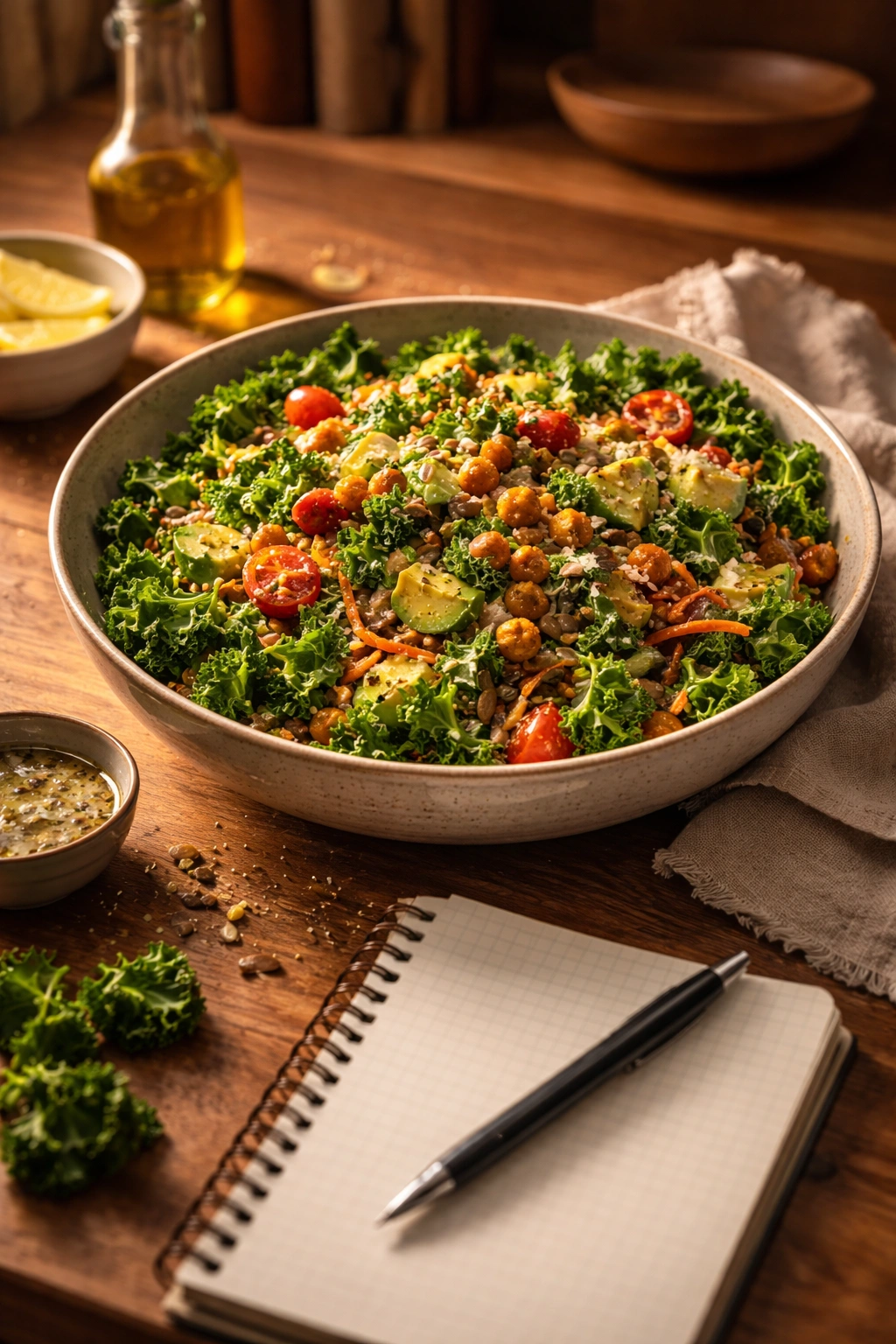
The thing about this salad is that it proves a point most people need to hear: there’s no such thing as a vegetable you hate. There’s just a vegetable that hasn’t been prepared in a way that works for you yet. Kale isn’t the problem. The way kale was being handled was the problem.
Once you understand that massage transforms texture, that bold dressing is essential, and that variety keeps things interesting, you can apply those principles to any salad. You can make greens you thought you didn’t like taste genuinely delicious. You can take something that feels like an obligation and turn it into something you’re actually excited to eat.
The best part is that this isn’t complicated. You’re not spending hours in the kitchen or dealing with obscure ingredients. You’re just applying a little knowledge to something simple and getting dramatically better results. That knowledge — that understanding of how kale behaves, what makes dressing work on sturdy greens, and how to build layers of texture and flavor — is something you can take with you to every other salad you ever make.
Make this salad once and pay attention to what happens at each step. Notice how the massage changes the kale. Taste the dressing before and after the oil goes in. See what a difference the toasted seeds make. Then take those observations and bring them to everything else you cook. That’s how you stop eating things because they’re healthy and start eating them because they’re genuinely good.
