



There’s something about the aroma of perfectly seasoned chicken, melted cheddar cheese, and warm flour tortillas that triggers an instant craving—and if you’re like most people, that craving leads straight to the Taco Bell drive-thru. But what if you could skip the line entirely and create something even better in your own kitchen? The truth is, making a homemade Taco Bell chicken burrito isn’t just possible; it’s genuinely transformative. You get control over every ingredient, the satisfaction of building it with your own hands, and the unmistakable quality that comes from fresh components prepared just for you.
This isn’t some complicated restaurant hack that requires obscure ingredients or advanced cooking techniques. It’s straightforward, forgiving, and absolutely delicious. Whether you’re craving that nostalgic fast-food vibe or you simply want to feed your family something that tastes like a special treat without the special-occasion price tag, this recipe delivers. We’re talking about tender shredded chicken coated in a savory tomato sauce, fluffy cilantro-lime rice, creamy avocado ranch dressing, melted cheddar cheese, all wrapped in a warm, soft flour tortilla. Every component has a purpose, and every flavor plays a role in creating something that’s genuinely crave-worthy.
The Story Behind Taco Bell’s Chicken Burrito
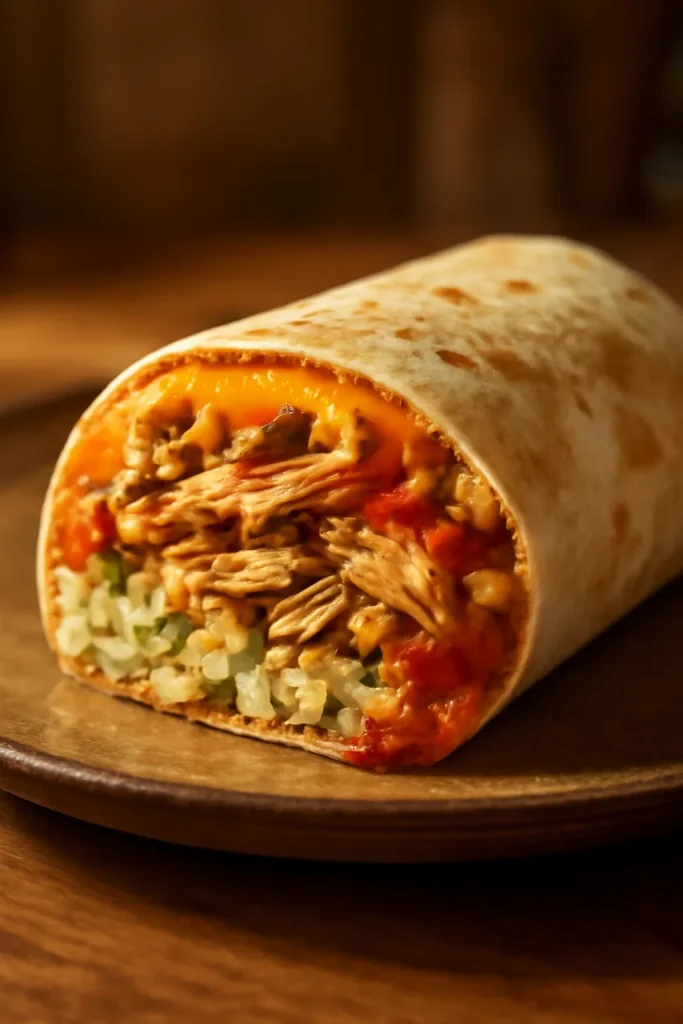
The Taco Bell chicken burrito occupies a peculiar place in American fast-food nostalgia. For decades, it was a reliable menu staple—affordable, satisfying, and more flavorful than most people expected from quick-service Mexican food. The burrito was never the flashiest item on the menu, but it had staying power. There was something fundamentally right about the combination: the way the tomato sauce clung to the shredded chicken, the contrast of warm rice and cool avocado ranch, and the melted cheese that held everything together in that soft tortilla.
What made this burrito memorable wasn’t complexity—it was balance. The richness of the cheese and ranch dressing was offset by the cilantro lime rice, which brought brightness and a fresh herbal note. The chicken in its tomato sauce was savory without being overwhelming, which meant you could eat an entire burrito without feeling like your palate had been assaulted. This careful equilibrium is exactly what we’re recreating today.
The beauty of this particular burrito is that Taco Bell never tried to overcomplicate it. There are no mystery sauces or ingredients you can’t pronounce. It’s built on fundamentals: quality chicken, proper seasoning, fresh vegetables, and the kind of homemade touches that make all the difference. When you make it yourself, you’re not just copying a fast-food item—you’re improving on the original concept by controlling ingredient quality, adjusting seasoning to your preference, and adding those small touches that transform “good” into “genuinely memorable.”
Why Making This at Home Beats Drive-Thru

Here’s the practical reality: making this burrito at home takes about an hour from start to finish, with most of that time being hands-off cooking. By the time you drive to Taco Bell, wait in line, order, and drive home, you’ve easily spent that same amount of time. The difference? You’re now eating something made with care, with ingredients you selected, and at a fraction of the cost.
The financial advantage alone is substantial. A single Taco Bell burrito typically costs $3 to $5, depending on location. The ingredients for this homemade version serve 4-6 people and cost roughly $10 to $12. That’s less than $3 per burrito, and you’re using real chicken breasts, actual avocado, fresh cilantro, and quality cheese—not the cost-optimized versions found at fast-food restaurants.
But beyond the money and time, there’s something genuinely different about food prepared in your own kitchen. You control the sodium level (Taco Bell burritos can pack over 1,200 milligrams per burrito). You decide exactly how much cheese melts into each one. You can use better-quality chicken, fresher ingredients, and skip anything you don’t like. If you want extra cilantro lime rice, you add it. If you’re not a fan of something, you remove it without making special requests to a drive-thru speaker.
There’s also the satisfaction factor that shouldn’t be underestimated. Wrapping and rolling burritos yourself, watching the cheese melt as you grill the finished product, plating it exactly how you want—these are the small pleasures that transform eating from consumption into experience. You’re not just feeding yourself; you’re creating something.
Gathering Your Ingredients
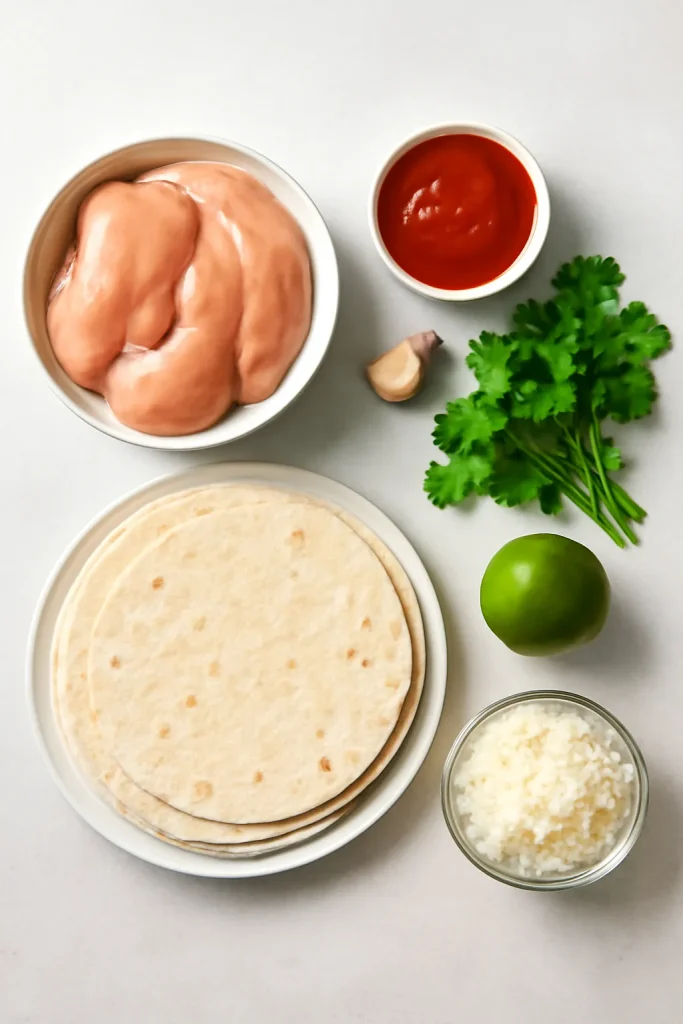
Before you start cooking, take a few minutes to assemble everything you’ll need. Organization makes the actual cooking process smooth and prevents that panicked feeling of realizing mid-roll that you forgot to prepare something essential.
For the chicken component, you’ll want boneless, skinless chicken breasts—about 1.5 pounds for a batch that serves 4-6 people. Fresh chicken works beautifully, though rotisserie chicken (shredded) is an excellent shortcut if you’re short on time. The chicken gets cooked in a tomato-based sauce that’s where the magic happens. This sauce is built on canned tomato sauce (two 8-ounce cans), white vinegar, minced garlic, chili powder, ground cumin, oregano, and a touch of sugar to balance the acidity. These are all pantry staples that most home cooks already have on hand.
The cilantro lime rice requires cooking rice separately in chicken broth rather than water, which automatically adds flavor. You’ll use long-grain white rice (1 cup uncooked), chicken broth (2 cups), fresh lime juice and zest, chopped cilantro, and a small amount of cumin. This is the component that brings brightness and herbaceous freshness to every bite.
For the avocado ranch dressing, you’re blending together half an avocado, ranch dressing, buttermilk, sour cream, and a pinch of salt. This creates a creamy, rich sauce that’s tangy and deeply satisfying. If you don’t have buttermilk, you can make your own by adding a splash of vinegar or lemon juice to regular milk and letting it sit for five minutes.
Finally, you’ll need large flour tortillas (10-inch burrito-size), shredded cheddar cheese (about 2 cups, preferably freshly shredded rather than pre-shredded for better melting), and olive oil for cooking. That’s genuinely all you need—no mystery ingredients, nothing you have to hunt down at specialty stores.
Understanding the Components
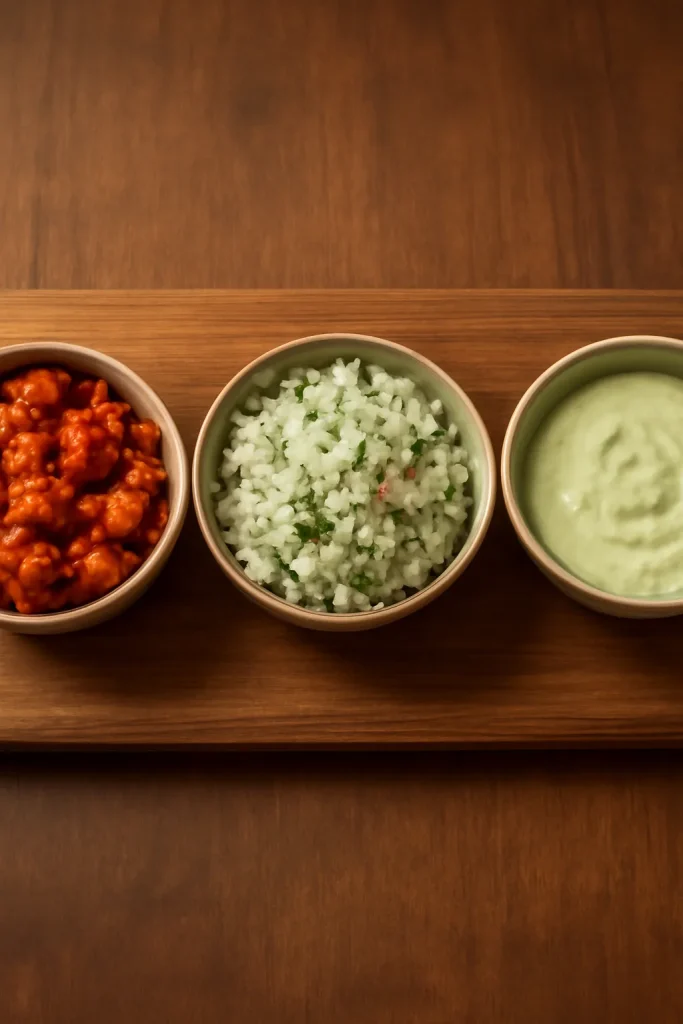
For the Chicken:
- 1.5 lbs boneless, skinless chicken breasts
- 1 tablespoon olive oil
- Two 8-oz cans tomato sauce
- 2 teaspoons white vinegar
- 3 garlic cloves, minced
- 4 teaspoons chili powder
- 1 teaspoon ground cumin
- 2 teaspoons dried oregano
- ½ teaspoon sugar
- Salt and pepper to taste
For the Cilantro Lime Rice:
- ½ tablespoon butter
- 1 cup long-grain white rice
- 2 cups chicken broth
- ¾ teaspoon salt
- ¼ teaspoon ground black pepper
- Juice and zest of 1 lime
- 2 tablespoons fresh chopped cilantro
- ¼ teaspoon cumin
For the Avocado Ranch Dressing:
- ½ avocado
- ⅛ cup buttermilk
- ⅛ cup ranch dressing
- 2 pinches of salt
- 2 tablespoons sour cream
For Assembly:
- 6 large flour tortillas (10-inch)
- 2 cups shredded cheddar cheese
Yield: Serves 4 to 6 | Makes 6 burritos
Prep Time: 20 minutes
Cook Time: 45 minutes
Total Time: 1 hour, 5 minutes
Difficulty: Beginner — The components cook simultaneously using basic stovetop techniques, and assembly is straightforward even for first-time burrito makers. No special equipment required beyond standard kitchen tools.
The Seasoned Chicken Layer—The Heart of the Burrito
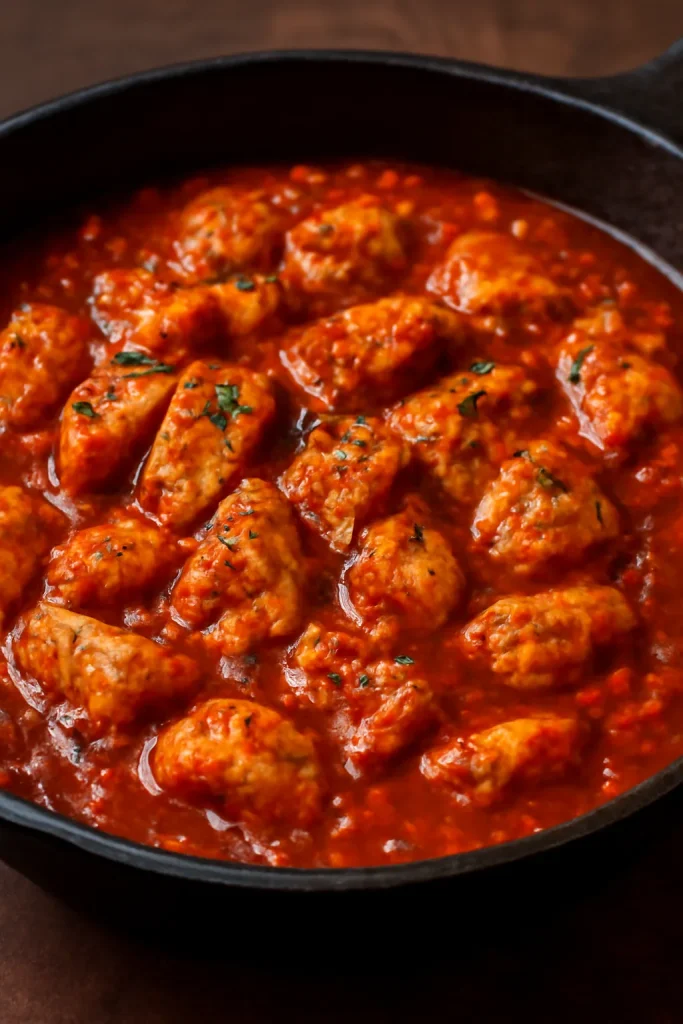
The chicken is where this burrito earns its reputation. It’s not plain shredded chicken tossed into a tortilla—it’s chicken that’s been treated with genuine care, cooked in a flavorful sauce that makes every bite satisfying. The magic comes from the combination of tomato sauce, vinegar, and spices that work together to create depth and complexity.
Start by mixing your tomato sauce with the vinegar, minced garlic, chili powder, cumin, oregano, sugar, and seasoning. This sauce looks simple, but it’s the foundation of everything. The vinegar adds brightness that cuts through the richness of the cheese and sour cream later on. The chili powder brings warmth and a subtle earthiness. The cumin and oregano are the classic Mexican spice foundation that makes everything taste intentional and authentic. The sugar is crucial—don’t skip it. Just a half teaspoon balances the acidity of the tomato sauce and prevents the burrito filling from tasting one-note.
Heat olive oil in a large pot over medium-high heat, then add your chicken breasts. Cook them for about 3 minutes on each side until they develop color. You’re not looking for complete doneness at this stage—just a golden exterior. Pour your prepared sauce over the chicken, bring to a boil, then reduce the heat and cover. Let everything simmer gently for about 20 minutes. The chicken will continue cooking in the sauce, absorbing those flavors with every minute.
When you check the chicken after 20 minutes, it should reach an internal temperature of 165°F (74°C). This is the safe temperature for poultry, and it ensures the chicken is cooked through without being dry. Once it reaches temperature, remove the breasts to a cutting board and let them rest for a minute. Using two forks—one to hold, one to shred—pull the chicken apart into bite-sized pieces. The meat should practically fall apart; if it’s tough or resistant, it needs a few more minutes of simmering.
Return the shredded chicken to the sauce and let it cook together for another 5 minutes. This is crucial. The shredded chicken has much more surface area than whole breasts, so it absorbs the sauce flavors rapidly. This final marriage of chicken and sauce is what transforms it from “cooked chicken in tomato sauce” into something genuinely flavorful and cohesive. The sauce should coat every piece, and when you spoon it into a tortilla, it should feel substantial and satisfying.
Pro tip: If your sauce seems too thin or watery, let it simmer uncovered for a few minutes to reduce and concentrate. You want it saucy but not soupy—it should coat a spoon, not pool at the bottom of the burrito.
Cilantro Lime Rice That Tastes Restaurant-Quality
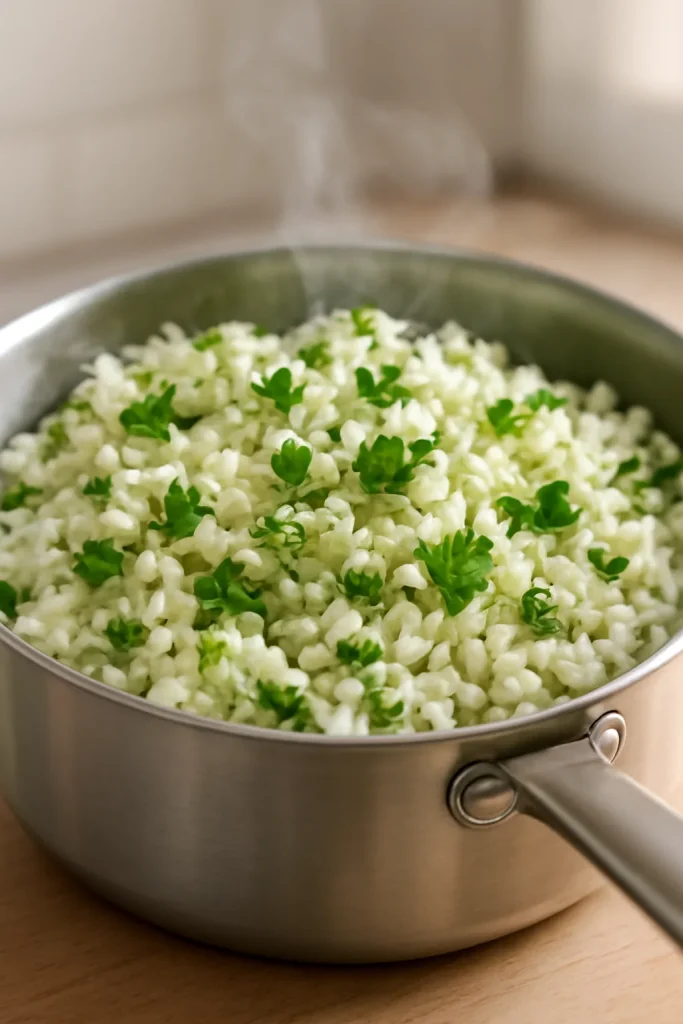
Most homemade burritos fall apart because the rice is boring—just plain white rice that serves as filler. In this recipe, the rice is a featured component, bringing brightness, freshness, and herbal complexity. The difference between mediocre rice and memorable rice comes down to one key technique: toasting the grains in butter before cooking.
Once your chicken is simmering, start your rice. Melt butter in a separate pot over medium heat, then add your uncooked rice and stir it in the butter for 1-2 minutes. You’ll hear the grains clicking against the pot, and you might notice a faint toasted aroma beginning to develop. This toasting step sounds minor, but it fundamentally changes the flavor profile. Toasted rice tastes nuttier, more complex, and less starchy. It’s a professional technique that home cooks often skip but absolutely shouldn’t.
Pour your chicken broth into the pot with the toasted rice. The broth should come to a boil fairly quickly—you’re looking for visible bubbling across the surface. At this point, reduce your heat to low, cover the pot with a lid, and let it cook undisturbed for 15 minutes. This is the beauty of rice: once you set it cooking correctly, it generally takes care of itself.
While the rice cooks, prepare the cilantro-lime element. Zest one lime directly into a small bowl (a microplane zester works perfectly), then juice it. Chop your fresh cilantro—about 2 tablespoons of loosely packed leaves. After your rice has cooked for 15 minutes, turn off the heat and let it sit, covered, for another 10 minutes. This resting period allows the rice to absorb any remaining moisture and separate into distinct grains.
When you remove the lid, the rice should be fluffy and fully cooked, with no liquid remaining at the bottom of the pot. Fluff it gently with a fork, then add the lime zest, lime juice, chopped cilantro, remaining salt, pepper, and cumin. Fold everything together gently—you want to distribute the flavors evenly without crushing the grains. The result should smell bright and fresh, with visible green specks of cilantro throughout.
Worth knowing: If your rice seems too dry or clumpy after the resting period, sprinkle a tablespoon or two of water over it, re-cover, and let it sit for a minute. The residual heat will gently rehydrate it.
Avocado Ranch Dressing—The Creamy Secret Weapon
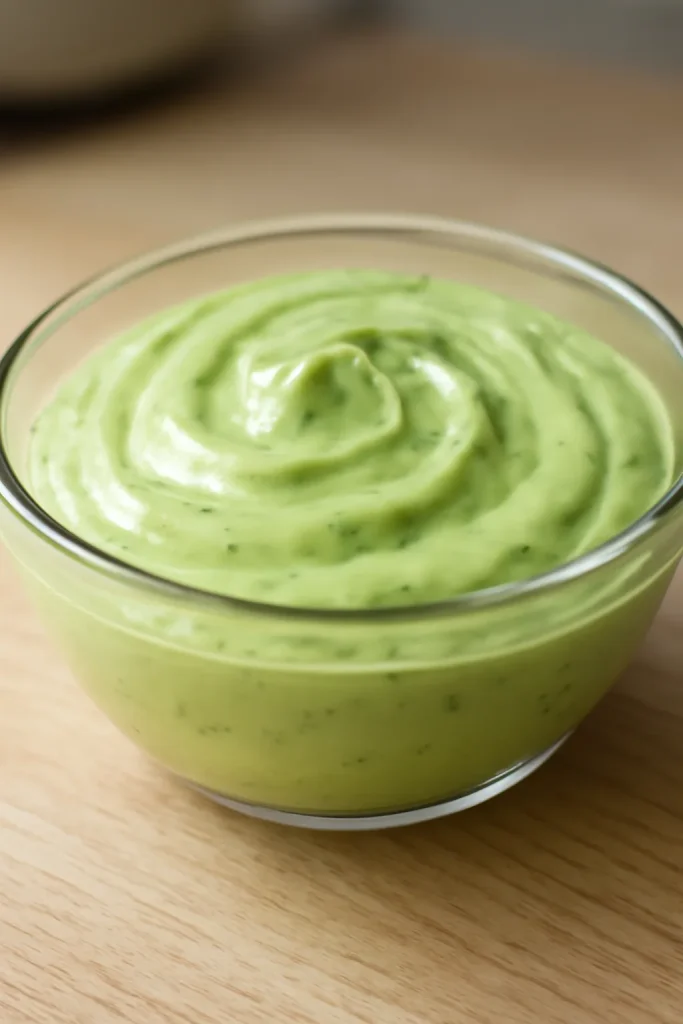
This dressing is what people remember about this burrito. It’s rich, creamy, tangy, and works as both a sauce and a condiment. The avocado adds nutritional value and creaminess without being heavy, while the ranch brings the familiar tangy comfort that makes everything taste like a treat.
Combine your avocado (half of one, peeled and roughly chopped), buttermilk, ranch dressing, sour cream, and salt in a blender. Blend on medium speed until completely smooth. You might need to stop and scrape down the sides once or twice to ensure everything is fully incorporated. The mixture should be thick enough to spread but pourable enough to drizzle. If it seems too thick, add a splash more buttermilk. If it’s too thin, a tablespoon more sour cream will thicken it right up.
Transfer to a bowl, cover, and refrigerate until you’re ready to assemble. This dressing actually tastes better when it’s had an hour or two to meld together, so making it ahead is genuinely beneficial. The flavors marry and become more cohesive.
Substitution note: If you don’t have buttermilk, make your own by stirring a tablespoon of white vinegar or fresh lemon juice into a cup of regular milk and letting it sit for 5 minutes. Use ⅛ cup of this homemade buttermilk in place of the store-bought version.
Step-by-Step Instructions for Perfect Assembly
Prepare the Pan and Preheat:
- Heat a large skillet or griddle over medium heat. You want it hot enough to toast the burritos to golden brown, but not so hot that the tortillas burn before the cheese melts inside. Medium heat is ideal—if you’re unsure, test by holding your hand 4 inches above the surface; you should feel heat but not be burned immediately.
Make the Chicken:
-
Heat 1 tablespoon olive oil in a large, deep pot over medium-high heat.
-
Place the chicken breasts in the hot oil and cook for 3 minutes on the first side, until they develop a golden exterior. Flip and cook for another 3 minutes on the second side.
-
In a separate bowl, combine the tomato sauce, white vinegar, minced garlic, chili powder, cumin, oregano, ½ teaspoon sugar, and salt and pepper to taste. Stir thoroughly to combine.
-
Pour the tomato sauce mixture over the chicken breasts, bringing the mixture to a boil. Once boiling, reduce the heat to low, cover the pot, and simmer for about 20 minutes or until the internal temperature of the chicken reaches 165°F (74°C). Do not skip the temperature check—this ensures the chicken is safely cooked through.
-
Transfer the cooked chicken breasts to a cutting board and let them rest for 1 minute. Using two forks, shred the chicken into bite-sized pieces.
-
Return the shredded chicken to the pot with the tomato sauce and cook over low heat for another 5 minutes, stirring occasionally. The chicken should be fully coated with sauce and have a saucy texture—not dry and not soupy.
Make the Rice:
-
While the chicken is simmering, melt ½ tablespoon butter in a separate pot over medium heat.
-
Add 1 cup uncooked rice to the melted butter and stir constantly for 1 to 2 minutes. You should hear the grains clicking against the pot and notice the rice taking on a slightly tan color—this toasting step builds flavor.
Advertisements -
Pour 2 cups chicken broth into the pot with the toasted rice. Bring to a boil, then immediately reduce the heat to low, cover with a tight-fitting lid, and cook undisturbed for 15 minutes.
-
After 15 minutes, turn off the heat and let the rice sit, covered, for another 10 minutes. Never lift the lid during cooking—even a brief escape of steam can affect the final texture.
-
Remove the lid and fluff the rice gently with a fork. Add the lime zest, lime juice, 2 tablespoons chopped cilantro, ¾ teaspoon salt, ¼ teaspoon black pepper, and ¼ teaspoon cumin. Fold gently until evenly distributed.
Make the Dressing:
- Combine ½ avocado, ⅛ cup buttermilk, ⅛ cup ranch dressing, 2 pinches salt, and 2 tablespoons sour cream in a blender. Blend until completely smooth. Transfer to a bowl and refrigerate until ready to use.
Assemble the Burritos:
-
Warm your flour tortillas in the microwave (wrapped in a damp towel for 30-40 seconds) or over a gas flame to make them pliable and warm. A warm tortilla is far less likely to tear when rolling, and the warmth helps the filling stay warm longer.
-
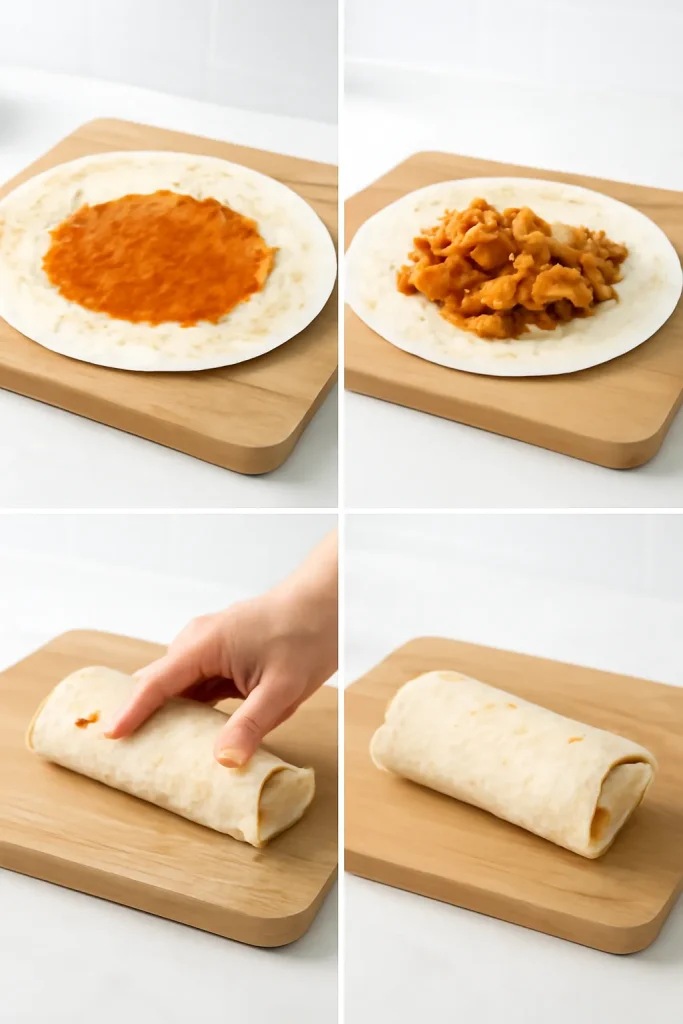
Lay a tortilla flat on a clean surface. Spread a thin layer (about 2 tablespoons) of the avocado ranch dressing down the center of the tortilla, leaving about 1 inch of space at each end. Don’t go all the way to the edges—you need room for folding.
-
Layer ingredients in this order over the dressing: about ½ cup shredded chicken in tomato sauce, followed by ¼ cup cilantro lime rice, then a generous handful (about ⅓ cup) of shredded cheddar cheese. Layering in this specific order ensures even distribution of flavors and proper structural integrity.
-
Fold the bottom of the tortilla up over the filling, pressing gently to tuck it under. Fold the left and right sides inward, then roll the burrito upward, keeping pressure consistent. The finished burrito should be rolled tightly, with the seam on the bottom.
Grill the Burritos:
-
Place the burrito seam-side down into the preheated skillet. Cook for about 2-3 minutes until the bottom is golden brown and crispy. You should see visible browning and possibly some light charring—this is exactly what you want.
-
Using tongs or a fish spatula, carefully flip the burrito and cook the other side for another 2-3 minutes until evenly browned. Handle carefully as you flip to avoid splitting open—use a gentle, confident motion rather than jabbing.
-
Remove the burritos from the skillet and plate immediately while hot.
Common Mistakes That Ruin Your Burrito
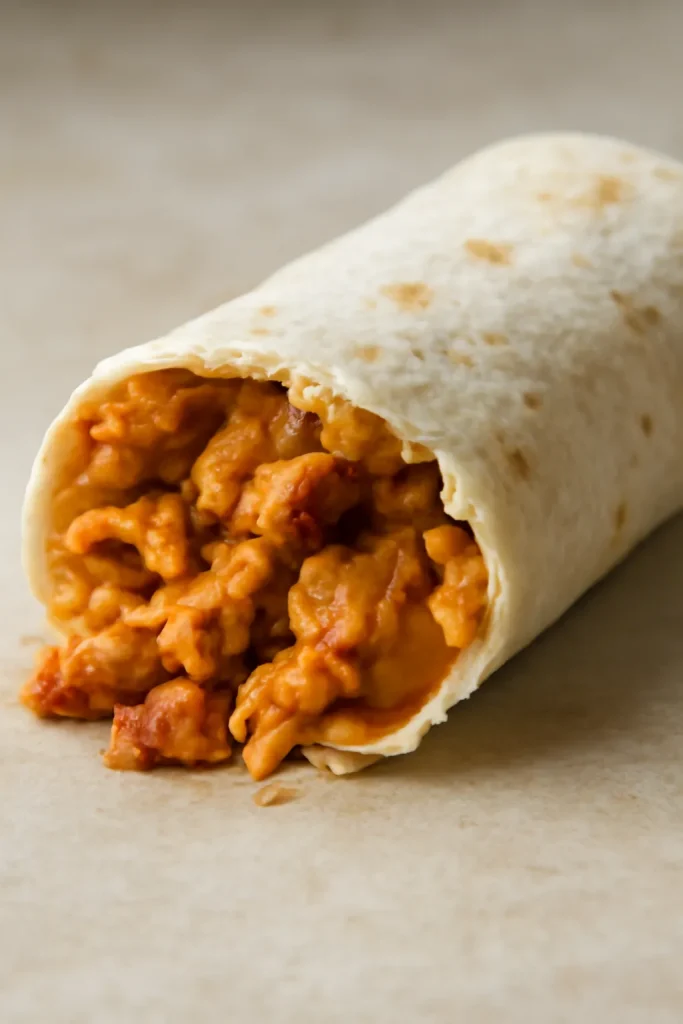
Understanding what can go wrong allows you to avoid these pitfalls entirely. Even small mistakes can transform a delicious burrito into a disappointing one.
Overstuffing is the most common error. When you pack too much filling into the tortilla, a few things happen simultaneously: the burrito becomes impossible to roll without tearing, the filling tends to spill out during grilling, and each bite becomes unbalanced with one ingredient dominating. Restrain yourself. A tightly rolled burrito with moderate filling is infinitely better than a bulging one that falls apart. You want to see and taste all the components in each bite, not just chicken or just rice.
Using cold tortillas creates another category of problems. A cold tortilla is stiff and resistant to rolling. It tears easily, and it doesn’t warm the filling effectively. Always warm your tortillas. This takes literally 30 seconds and makes a dramatic difference in the final product. You can warm them in the microwave wrapped in a damp paper towel, over a gas flame if you have one, or in a dry skillet.
Not draining the chicken properly results in a soggy, wet burrito. If your shredded chicken is swimming in sauce rather than coated by it, you’re going to have problems. The excess sauce migrates into the tortilla, making it soggy, and the structure compromises. Spoon the chicken into your tortilla with a slotted spoon so excess sauce drips back into the pot.
Skipping the rice toasting step means your rice tastes bland and starchy. This single 2-minute step makes an enormous difference in how your burrito tastes. Don’t skip it.
Pre-shredded cheese that won’t melt properly is another common culprit. Commercial pre-shredded cheese contains anti-caking agents that prevent it from melting smoothly and evenly. It ends up stringy and grainy rather than creamy and cohesive. Buy a block of cheddar and shred it yourself—it genuinely makes a noticeable difference.
Cooking the grilled burrito on heat that’s too high causes the outside to burn before the cheese inside has a chance to melt. Medium heat might seem slow, but it allows the burrito to develop a golden crust while the interior heats through properly.
Not pressing the rolled burrito firmly enough means the filling doesn’t stay contained and can spill out as you cook and eat it. When you fold and roll, use steady, even pressure. The burrito should feel compact and solid, not loose or flexible.
Variations to Make It Your Own
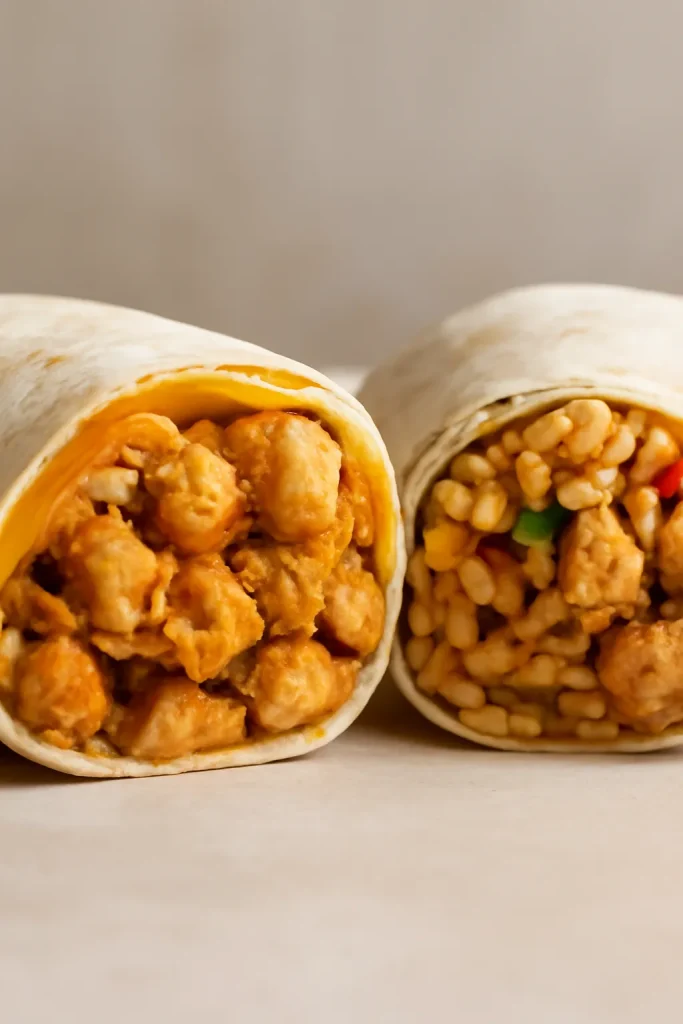
One of the genuine joys of making this burrito at home is the freedom to customize. Unlike ordering from a menu, you can adjust literally every component to match your preferences.
For the protein base, rotisserie chicken is an excellent substitute for making fresh chicken from scratch. Simply shred it and warm it gently in a skillet with the tomato sauce. You can also experiment with shredded turkey for a slightly leaner option, or even ground chicken seasoned with the same spices. Each variation creates a slightly different texture and eating experience while maintaining the essential burrito character.
The rice can be adapted based on what you have available. Brown rice works beautifully and adds extra fiber and nuttiness, though it requires about 5 extra minutes of cooking time. You could also use cilantro lime cauliflower rice for a lower-carb version, though the result is noticeably different in texture—more of a burrito bowl than a traditional wrapped burrito. Mexican rice mix (the boxed kind with tomato and spices) can replace the plain rice-and-broth version if you want to simplify.
The avocado ranch dressing can become a chipotle ranch by adding a minced chipotle pepper in adobo sauce and a bit of the adobo sauce itself. This creates a smokier, spicier dressing that’s genuinely fantastic. If avocado isn’t available or you want a lighter option, simply mixing sour cream with ranch dressing works as well, though you lose the nutritional benefits and distinctive creamy texture that avocado provides.
Cheese variations open up interesting possibilities. A Mexican blend (usually cheddar, Oaxaca, and mozzarella) melts beautifully and is more authentic to Mexican cuisine. Sharp cheddar brings more pronounced cheese flavor. Colby Jack creates a slightly milder, creamier result. Some people even add a thin layer of nacho cheese sauce for extra decadence.
Additional vegetables that work beautifully in this burrito include diced jalapeños for heat, fresh pico de gallo for brightness, black beans for protein and earthiness, or sautéed bell peppers and onions for additional texture. The key is not to overload—add one or two vegetables maximum to preserve balance.
For those following dietary restrictions, consider using whole wheat tortillas (which add nuttiness and nutrition), substituting black beans for part of the rice, using Greek yogurt instead of sour cream (adds tang without extra fat), or using plant-based cheese if you’re dairy-free. Each substitution creates a different eating experience but can absolutely result in a delicious burrito.
Storage, Make-Ahead, and Reheating Strategies
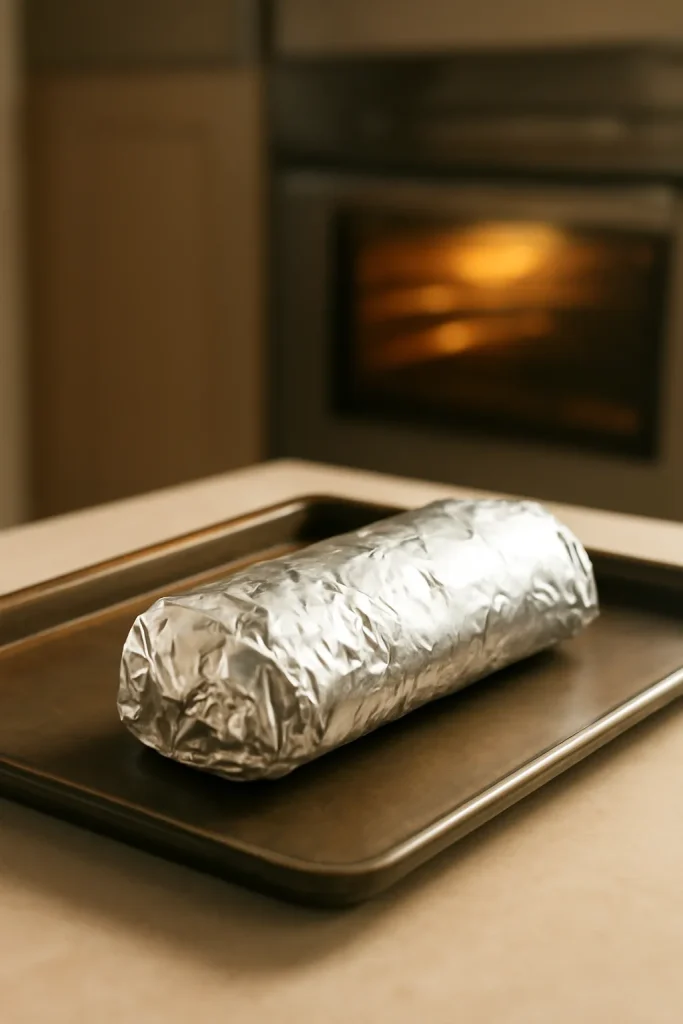
One of the genuine advantages of making burritos at home is the ability to prepare them in advance and reheat them successfully.
For assembled burritos that you plan to eat within a day, wrap them individually in foil or plastic wrap and store them in the refrigerator. They’ll keep for up to 3 days, though they taste best within 24 hours. The tortilla gradually absorbs moisture from the filling, and by day 3, the texture isn’t quite as appealing, though the flavor remains excellent.
If you want to freeze them, wrap each burrito tightly in foil, then place them in a freezer bag. They’ll keep for up to 3 months. When you want to eat a frozen burrito, remove the plastic bag but keep the foil, then reheat in a 350°F (175°C) oven for about 25-30 minutes until heated through. The foil prevents the tortilla from drying out during reheating.
For the best texture when reheating, avoid microwaving if possible, though it’s faster. Microwaving can make the tortilla rubbery and unevenly heats the filling. Instead, wrap the burrito in foil and warm it in a 350°F oven for 10-12 minutes. Alternatively, heat it in a skillet over medium heat for 2-3 minutes on each side—this actually re-crisps the exterior, which is lovely.
Make-ahead strategy: You can prepare the individual components (chicken in sauce, cilantro lime rice, avocado ranch dressing) up to 2 days in advance, storing each in separate airtight containers in the refrigerator. When you’re ready to eat, simply assemble and grill the burritos. This is genuinely convenient for busy weeks—you can assemble a batch on Sunday and have ready-to-grill burritos all week.
Pro tip: If you’re making a large batch for the family, assemble them all, then refrigerate them wrapped in foil before grilling. When dinner time arrives, you simply grill them to order—they only take 5 minutes per burrito from cold. Guests and family members love the customized timing.
What to Serve Alongside Your Burrito
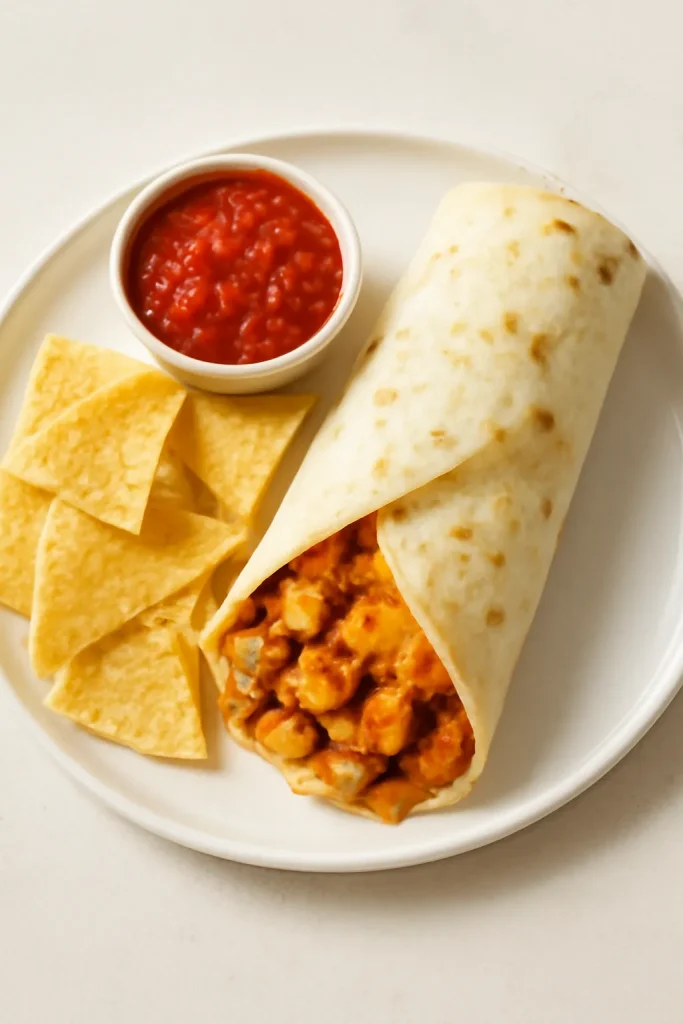
These burritos are genuinely satisfying on their own, but pairing them thoughtfully elevates the entire meal.
Crispy tortilla chips with salsa is the most obvious choice and remains excellent. The salty crunch of chips provides textural contrast to the soft burrito, while fresh salsa (whether purchased or homemade) brings brightness that complements the rich, cheesy filling. Use the chips to scoop up any dressing that drips from the burrito—nothing goes to waste.
Mexican rice or refried beans served on the side make the meal feel more substantial. Since your burrito already contains rice, choosing just one as a side is wise. If you go with refried beans, warm them gently in a small pot and serve with a drizzle of crema or sour cream if desired.
A simple green salad with lime vinaigrette cuts through the richness beautifully. Just toss shredded lettuce, diced tomato, minced red onion, and cilantro with lime juice, olive oil, and salt. This fresh, light side keeps the meal feeling balanced.
Fresh pico de gallo (diced tomatoes, onions, cilantro, jalapeños, and lime juice) works as both a condiment and a side. Spoon it onto your burrito, or eat spoonfuls between bites.
Elote (Mexican street corn) if you have access to fresh corn is genuinely festive. Grilled or boiled corn on the cob brushed with a mixture of mayo, crema, cotija cheese, chili powder, and lime juice is both delicious and adds visual appeal to the plate.
Cold beverages matter here. An ice-cold Mexican cerveza (Corona, Modelo, or Pacifico) is the traditional pairing. If you prefer non-alcoholic options, agua fresca (a blended drink made from fresh fruit, water, and a touch of sugar) is authentically Mexican and refreshingly light. Horchata (a creamy rice drink) is another excellent option if you want something richer.
Final Thoughts
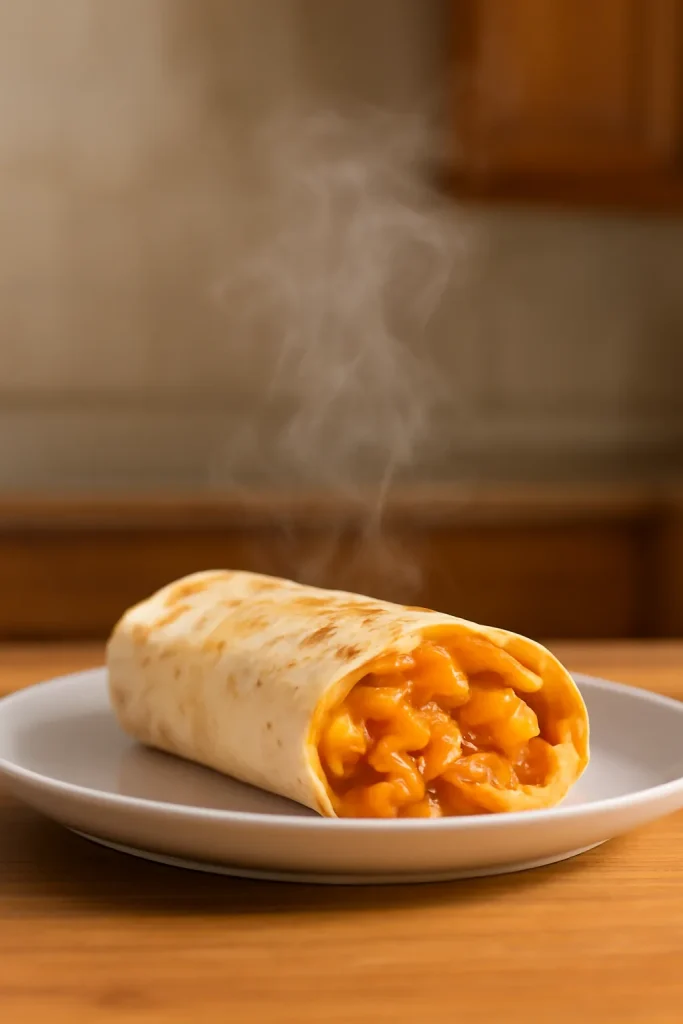
Making a Taco Bell chicken burrito at home transforms what could be a guilty pleasure into something genuinely satisfying and worth your time. You’re not compromising on quality or speed—this recipe comes together in about an hour, and the results surpass what you’d get from any fast-food restaurant. The individual components are forgiving and adaptable, which means even if you don’t have every ingredient exactly as written, you can improvise and still create something delicious.
The real magic happens when you realize that homemade food doesn’t have to be complicated to be special. This burrito proves that with just a few quality ingredients treated with care, you can create something that makes people close their eyes and smile after the first bite. That’s not just dinner—that’s an experience you created yourself.
Next time that fast-food craving hits, you know exactly what to do. Fire up your stove, assemble your ingredients, and spend an hour creating something that tastes like a treat but nourishes you like a home-cooked meal. Your kitchen will smell incredible, your family will gather around the table, and everyone walks away genuinely satisfied. That’s the promise of this recipe, and it absolutely delivers.
