



Getting dinner on the table on a weeknight doesn’t mean you need meat, complicated techniques, or hours in the kitchen. Some of the most satisfying, craveable meals come together quickly with plant-based proteins and fresh vegetables—and they’re so good that non-vegetarians will genuinely enjoy them too. The key is understanding which flavor combinations work, which cooking methods save time, and how to build a dinner that feels substantial and complete.
The dinners in this guide are specifically chosen because they come together in 30 minutes or less, they use ingredient lists you can reasonably keep on hand, and they actually taste like food you’d want to eat, not like you’re settling for a meatless option. Most of them rely on just one pan or pot, which means cleanup is quick and your evening isn’t spent standing over a sink. Whether you’re already vegetarian, trying to eat less meat, or just looking for something different to cook, these ideas work for any night of the week.
1. Sheet Pan Roasted Chickpea and Vegetable Bowls
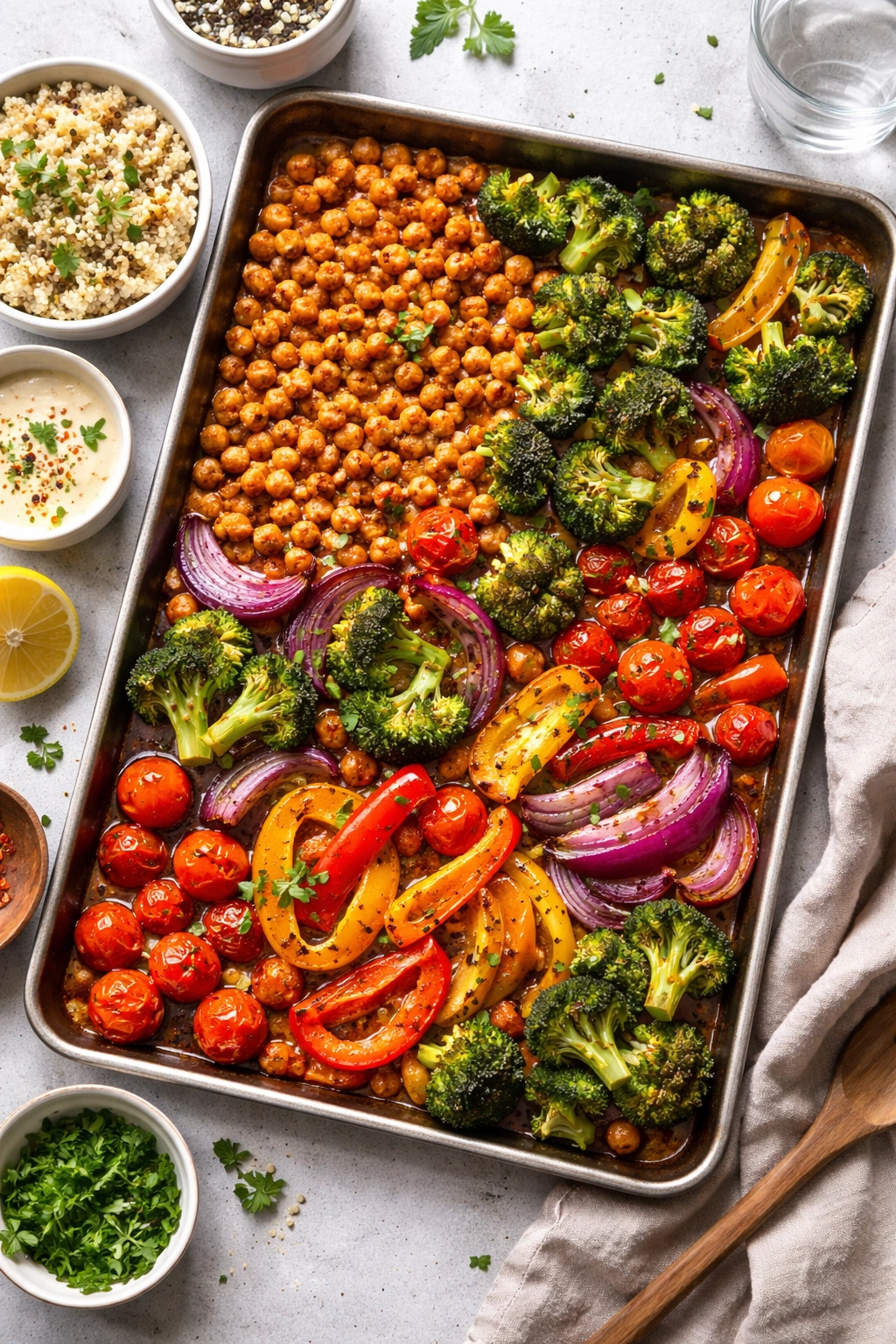
Roasting chickpeas with whatever vegetables you have transforms them into something crispy, flavorful, and genuinely craveable. Toss canned chickpeas (drained and dried on a paper towel) with olive oil, cumin, smoked paprika, garlic powder, and salt, then spread them on a sheet pan alongside chopped bell peppers, red onion, cherry tomatoes, and broccoli florets. Everything gets a drizzle of oil and roasted at 425°F for 25-30 minutes, shaken halfway through, until the chickpeas are crispy and the vegetables are caramelized.
Why It Works So Well
This dinner is essentially one-pan-everything—vegetables and protein roast together, so the oven does the work while you relax. The dry chickpeas get crispy edges that rival fried chickpeas, and the vegetables caramelize as they roast, developing real depth of flavor. You’re not simmering anything, boiling anything, or managing multiple burners, which makes this perfect for busy evenings.
How to Serve and Customize
- Serve over rice, quinoa, or with warm pita and hummus for scooping
- Add a squeeze of fresh lemon juice and crumbled feta when you plate
- Swap in whatever vegetables are in your fridge—zucchini, cauliflower, carrots, and mushrooms all work beautifully
- Make a tahini drizzle by whisking tahini with lemon juice, water, and garlic for a Middle Eastern flavor
Pro tip: If you’re short on time, pre-cut vegetables from the grocery store work perfectly here—the slight premium in cost saves you real time on a weeknight.
2. Creamy Tomato Pasta with White Beans and Spinach
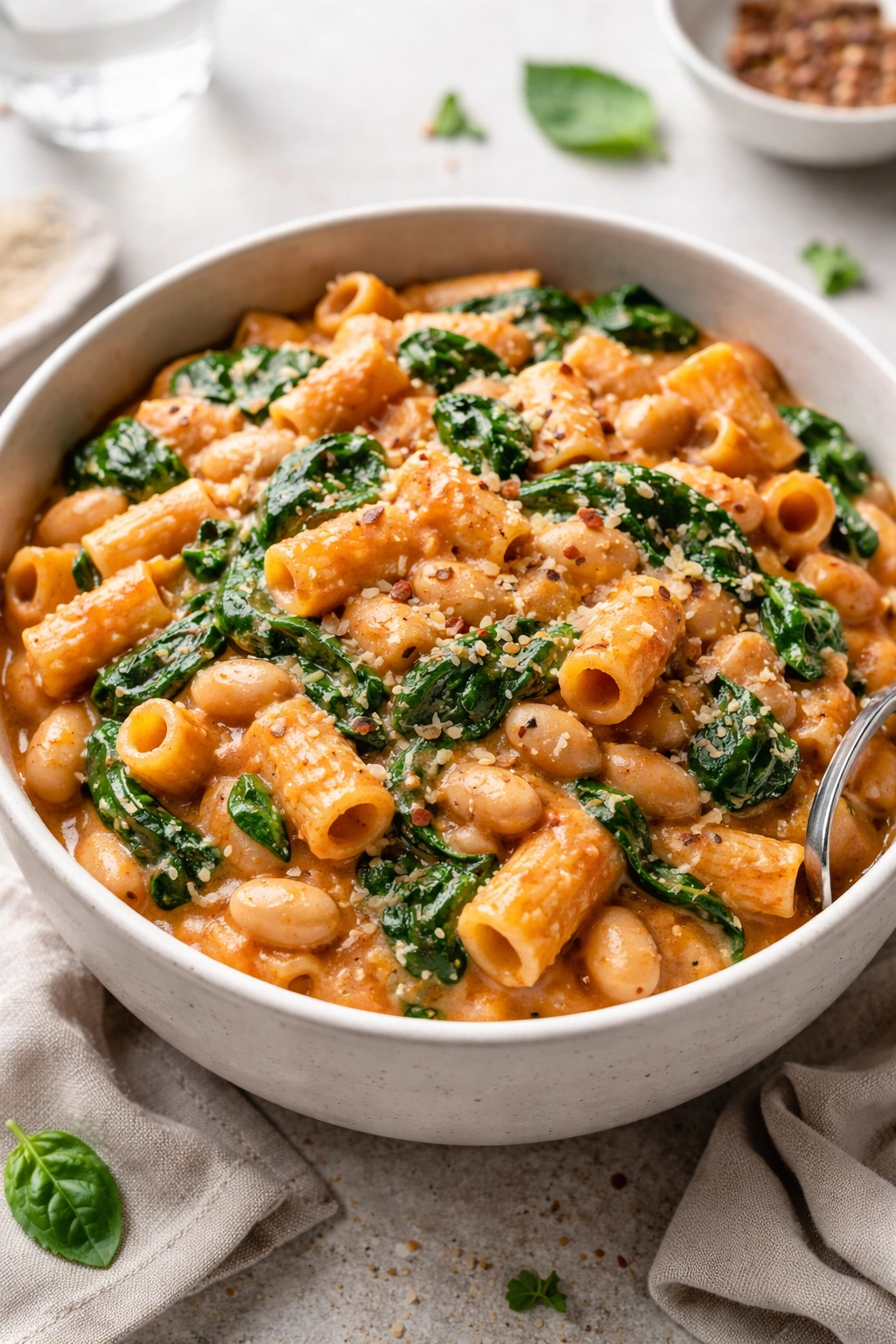
This pasta comes together in about 20 minutes and feels genuinely comforting while still being light and full of actual nutrition. In a large skillet, sauté minced garlic in olive oil, add a can of crushed tomatoes, a splash of heavy cream or cashew cream, and a can of white beans (cannellini work beautifully). Season with salt, pepper, Italian herbs, and a pinch of red pepper flakes. Once the sauce simmers for 5 minutes, fold in fresh spinach until it wilts, then toss everything with cooked pasta.
Why This Dinner Satisfies
The white beans add a creamy texture and protein that makes this feel like a proper meal, not a side dish. The cream tempers the tomato acidity and creates a silky sauce that clings to the pasta in all the right ways. Fresh spinach wilts right into the warm sauce, so you’re getting greens without effort—they disappear into the sauce and you barely notice them, which matters if you’re cooking for someone skeptical about vegetables.
The Building Blocks You Can Adjust
- Use any small pasta shape—penne, fusilli, or even broken spaghetti work equally well
- Swap white beans for chickpeas or lentils if that’s what you have
- Add sautéed mushrooms or sun-dried tomatoes for extra flavor and texture
- Finish with fresh basil, grated Parmesan, and a squeeze of lemon juice
- Use any sturdy green—kale, Swiss chard, or arugula will work
This dinner proves that vegetarian pasta can be just as rich and satisfying as the traditional versions.
3. Vegetable Stir-Fry with Tofu and Peanut Sauce
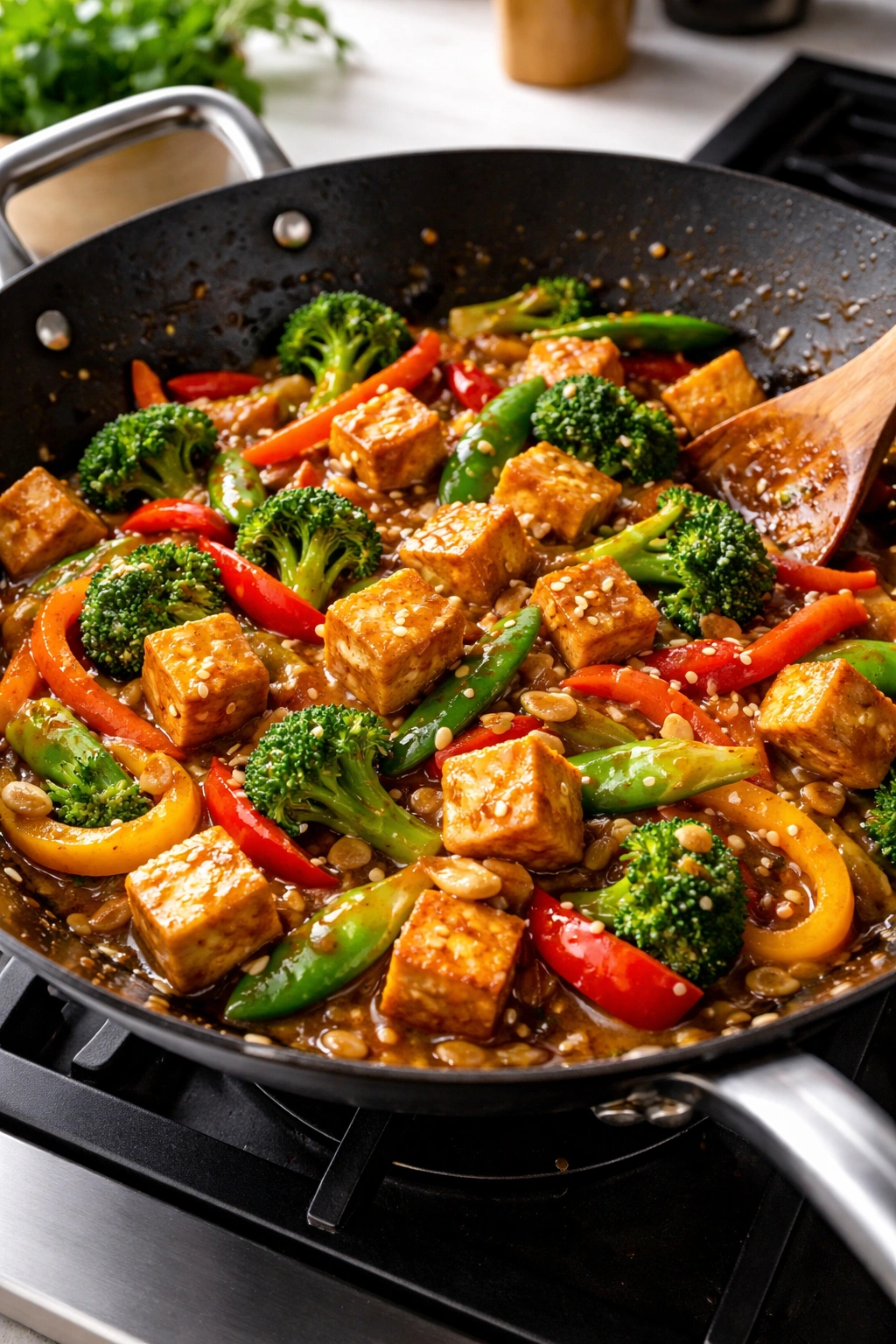
Stir-frying is the ultimate quick-dinner technique—everything happens in one hot pan in about 15 minutes total. Press firm tofu between paper towels to remove excess moisture, then cut it into cubes and pan-fry in a bit of oil until the edges are golden and crispy. Remove the tofu and set aside, then quickly stir-fry a mix of vegetables (broccoli, snap peas, bell peppers, carrots, mushrooms) until they’re tender-crisp. Make the sauce by whisking together peanut butter, soy sauce, lime juice, garlic, and a touch of maple syrup, then add it back to the pan along with the tofu and toss everything together.
Why the Technique Matters
High heat and constant motion are what make stir-fries work—you want vegetables that are cooked but still have a little snap to them, not mushy. The key is cutting everything into roughly the same size so it cooks evenly and quickly. Pressing the tofu beforehand isn’t optional; it’s what allows it to develop crispy, golden edges instead of steaming itself in the pan.
Make It Your Own
- Use almond butter or sunflower seed butter instead of peanut—the ratio and technique stay exactly the same
- Swap tofu for chickpeas, white beans, or cashews if you prefer a different texture
- Add fresh ginger and a pinch of sriracha to the sauce for more heat and complexity
- Serve over rice, noodles, or with rice cakes for a lower-carb option
- Top with sliced green onions, sesame seeds, and fresh cilantro when you plate
4. Lentil Taco Bowls with Crispy Chickpeas
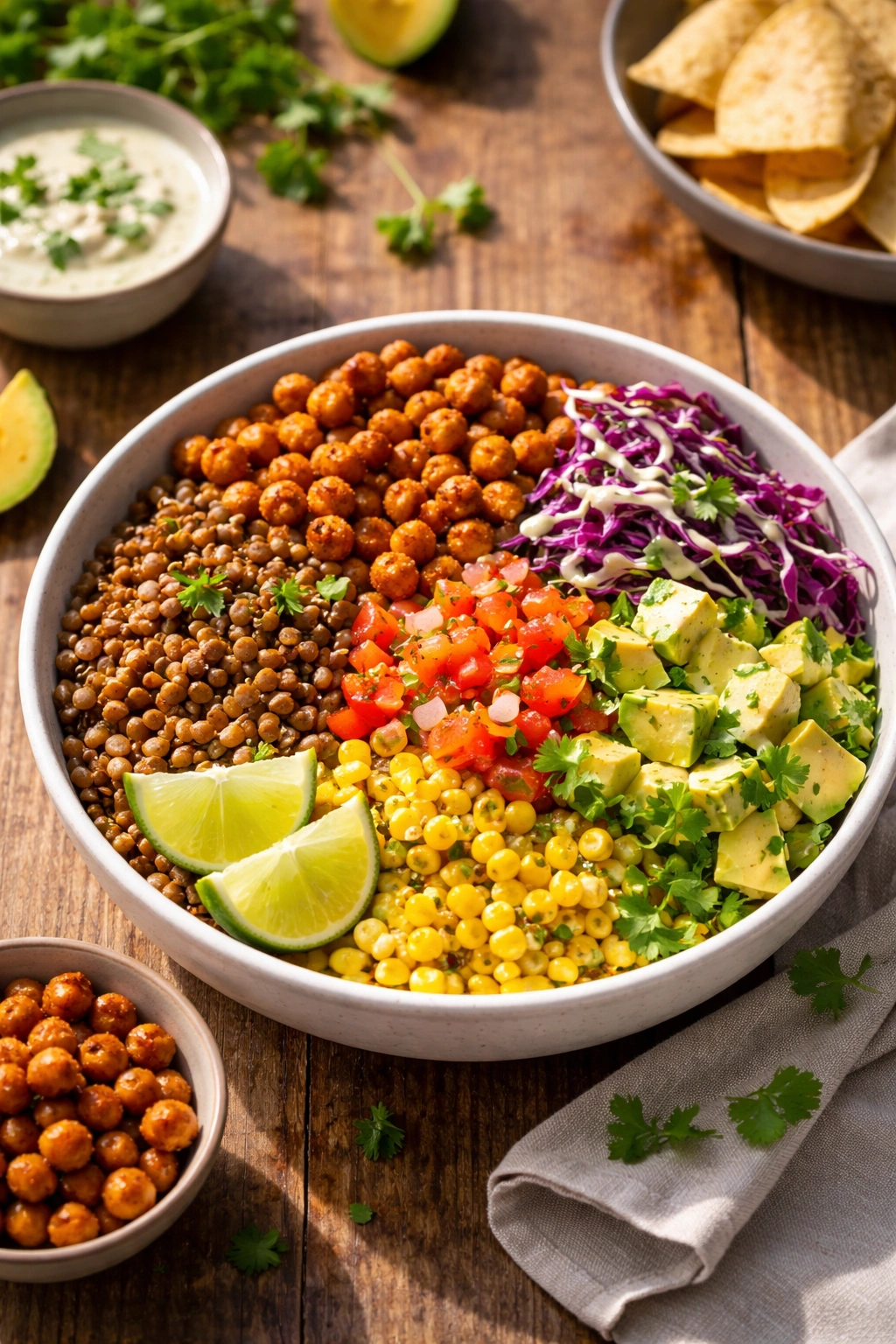
Seasoned lentils make an excellent taco filling that feels hearty and satisfying while cooking in about 20 minutes. In one pot, simmer brown or green lentils with vegetable broth until they’re tender but not mushy (about 15 minutes). While they cook, make crispy chickpeas by tossing canned chickpeas with chili powder, cumin, garlic powder, and a little oil, then roasting at 425°F for 12-15 minutes until they’re crispy. Drain the cooked lentils and toss them with cumin, chili powder, garlic, a splash of lime juice, and a bit of tomato sauce to create the “meat” texture and flavor.
The Bowl Assembly Approach
Building a bowl gives you total control over textures and toppings while keeping the base simple. Lentils stay fork-tender without turning to mush, and when seasoned properly, they’re genuinely crave-worthy—not just acceptable filler. The crispy chickpeas add crunch that mimics the texture of seasoned ground meat, and the combination tricks your brain into feeling like you’re eating something indulgent.
Topping Ideas That Actually Matter
- Shredded cabbage (adds crunch and freshness)
- Pico de gallo or fresh salsa (brightness and acidity)
- Sliced avocado or creamy guacamole
- Cotija or crumbled feta cheese
- Lime crema or sour cream drizzled on top
- Fresh cilantro, jalapeño slices, and red onion
Serve over rice, in taco shells, or as is in a bowl—the format doesn’t matter as much as the combination of flavors and textures.
5. Thai Green Curry with Vegetables and Tofu
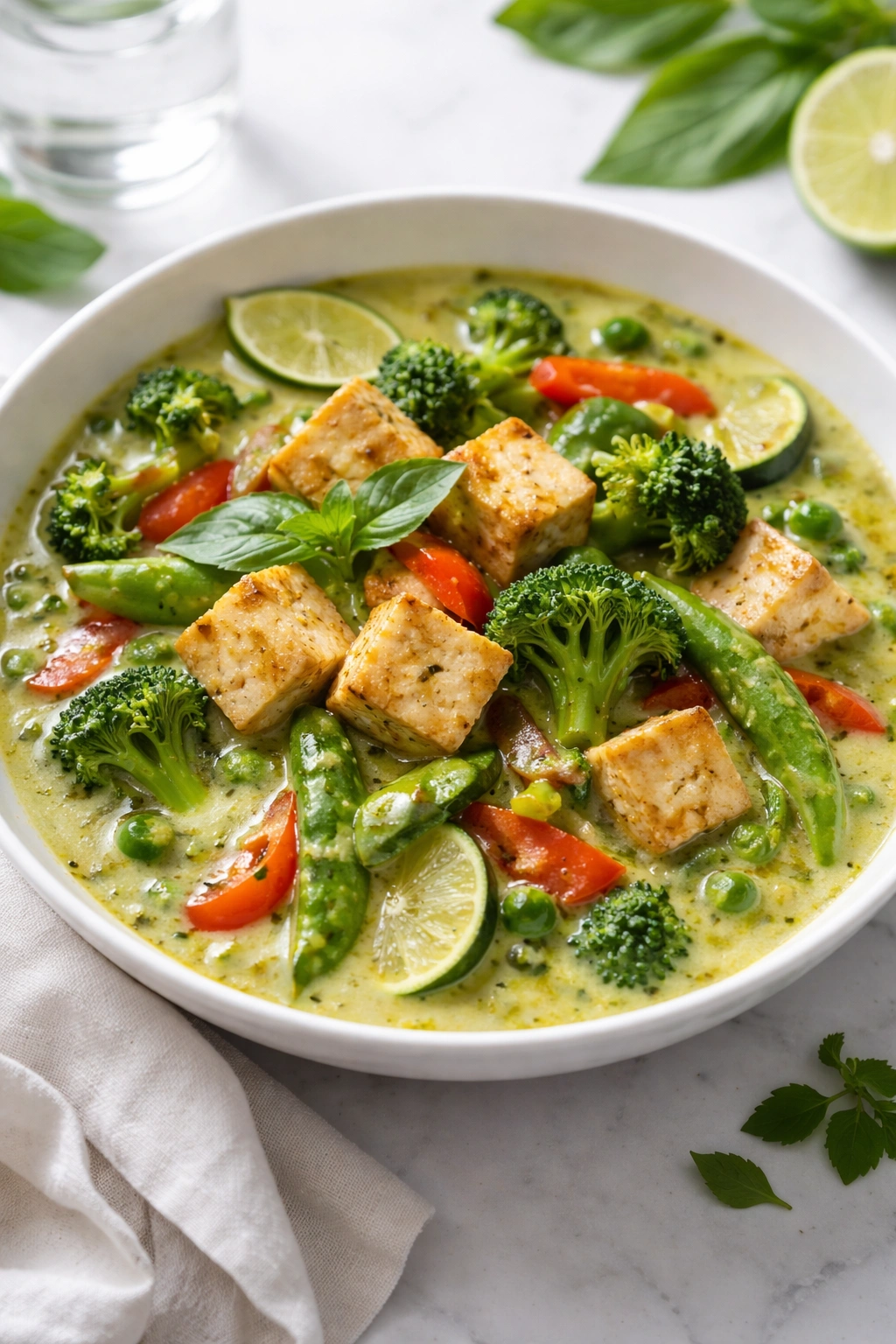
If you have a jar of Thai green curry paste in your pantry, this dinner practically cooks itself and tastes like you spent an hour on it. Heat coconut milk in a large pot, stir in 2-3 tablespoons of curry paste until it dissolves, then add chopped vegetables (bell peppers, snap peas, baby carrots, zucchini) and cubed tofu. Simmer everything for about 10 minutes until the vegetables are tender, then finish with fresh basil leaves, a squeeze of lime juice, and a touch of fish sauce or soy sauce for depth. Serve over jasmine rice.
Why This Works on Busy Evenings
Curry paste does all the flavor work for you—it contains garlic, ginger, lime, chiles, and spices already blended and balanced. Coconut milk creates a luscious sauce without any reduction or careful timing. Your job is literally just heating, stirring, and letting things simmer while you set the table. The whole process takes about 25 minutes from start to finish.
How to Adjust the Heat and Flavor
- Red curry paste is milder; yellow is mildest; green is hottest—pick based on your spice tolerance
- Add a teaspoon of sugar or maple syrup if the curry tastes too harsh
- Use mushrooms, snap peas, bamboo shoots, or whatever vegetables you have on hand
- Fresh Thai basil is ideal but regular basil works in a pinch
- Swap tofu for chickpeas, white beans, or cashews if you want a different texture
A squeeze of lime right at the end brightens everything and brings the flavors into focus.
6. Shakshuka with Beans and Crusty Bread
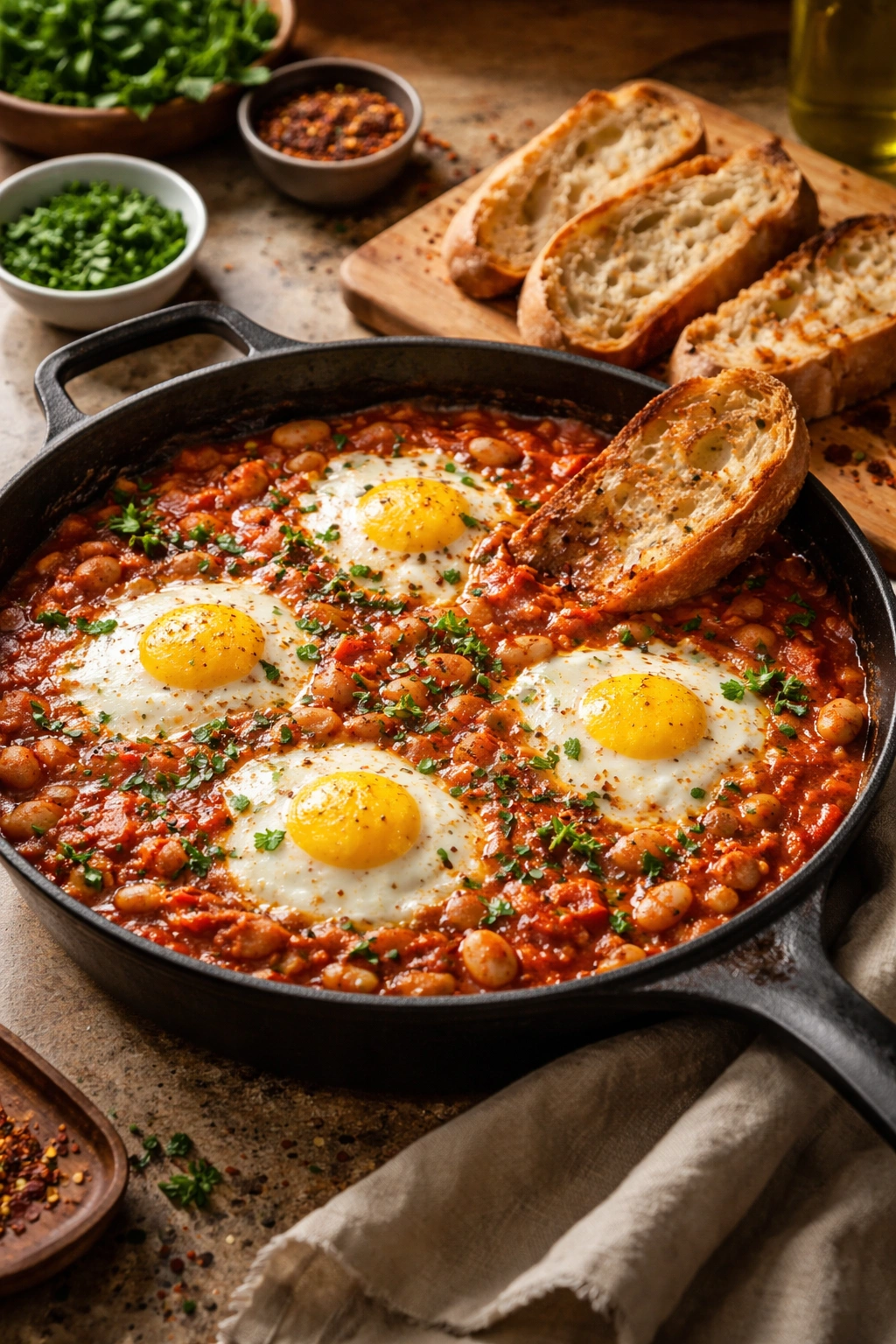
Shakshuka is a Middle Eastern egg and tomato dish that becomes heartier and more substantial when you add white beans, and it comes together in less than 30 minutes. Sauté onion and garlic in olive oil until soft, add crushed tomatoes seasoned with cumin, paprika, and cinnamon, let it simmer for 10 minutes, then stir in a can of white beans. Make wells in the sauce and crack eggs directly into them, cover the pan, and cook for 5-8 minutes until the egg whites set but the yolks stay runny. Finish with fresh cilantro or parsley, crumbled feta, and serve with warm bread for scooping.
Why the Spice Combination Works
The warm spices—cumin, paprika, a tiny pinch of cinnamon—create a flavor profile that’s distinctly different from Italian tomato sauce. These spices are traditional in Middle Eastern cooking and add complexity without heat. The combination tastes expensive and sophisticated while being incredibly simple to execute.
Making It Feel Complete
- Use whole grain or sourdough bread to soak up the sauce
- Add sautéed mushrooms or caramelized onions for more depth
- Include fresh herbs like cilantro, parsley, or mint on top
- A dollop of yogurt alongside works beautifully
- Shake red pepper flakes on top if you like heat
Each person can tear bread, dip it into the sauce, and break into their egg yolk—there’s something primal and satisfying about that.
7. Chickpea and Vegetable Curry with Coconut Milk
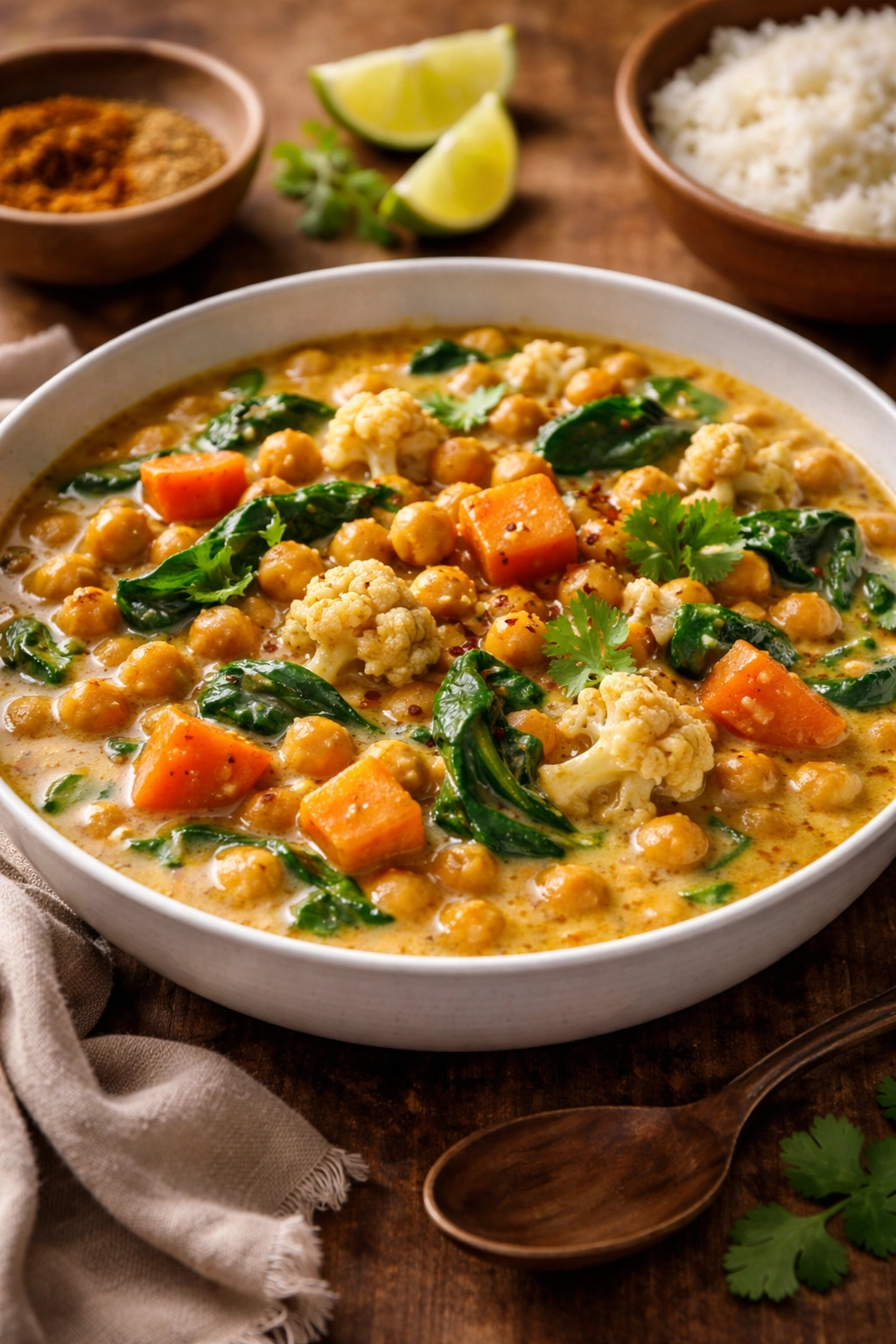
This is essentially a gentler, creamier version of curry than the Thai version, with a different spice profile that’s warming without being aggressive. Heat oil in a large pot, add diced onion and cook until soft, then add garlic, ginger, and a spice blend (turmeric, cumin, coriander, and garam masala all measured out). Toast the spices for a minute until fragrant, then add canned diced tomatoes, coconut milk, and canned chickpeas. Simmer everything for 15-20 minutes, add chopped vegetables (spinach, sweet potato, cauliflower) that cook quickly, and finish with a squeeze of lime juice and fresh cilantro.
The Spice-Toasting Technique
Toasting spices in hot oil before adding liquid is what creates depth and prevents them from tasting dusty or powdery. This is a small technique shift that completely changes how the finished curry tastes—the flavors become integrated and round instead of floating on top. It adds maybe two minutes to your cooking time but dramatically improves the result.
Adaptations That Work
- Make it less creamy by using vegetable broth instead of coconut milk (still delicious, lighter feeling)
- Add potatoes if you want something more filling
- Use any sturdy vegetables—green beans, carrots, zucchini, bell peppers
- Double the garlic and ginger if you like more intensity
- Serve over rice, quinoa, or with naan or roti for scooping
This curry actually tastes better the next day as the spices continue to develop and meld.
8. Caprese Pasta with Fresh Basil and Mozzarella
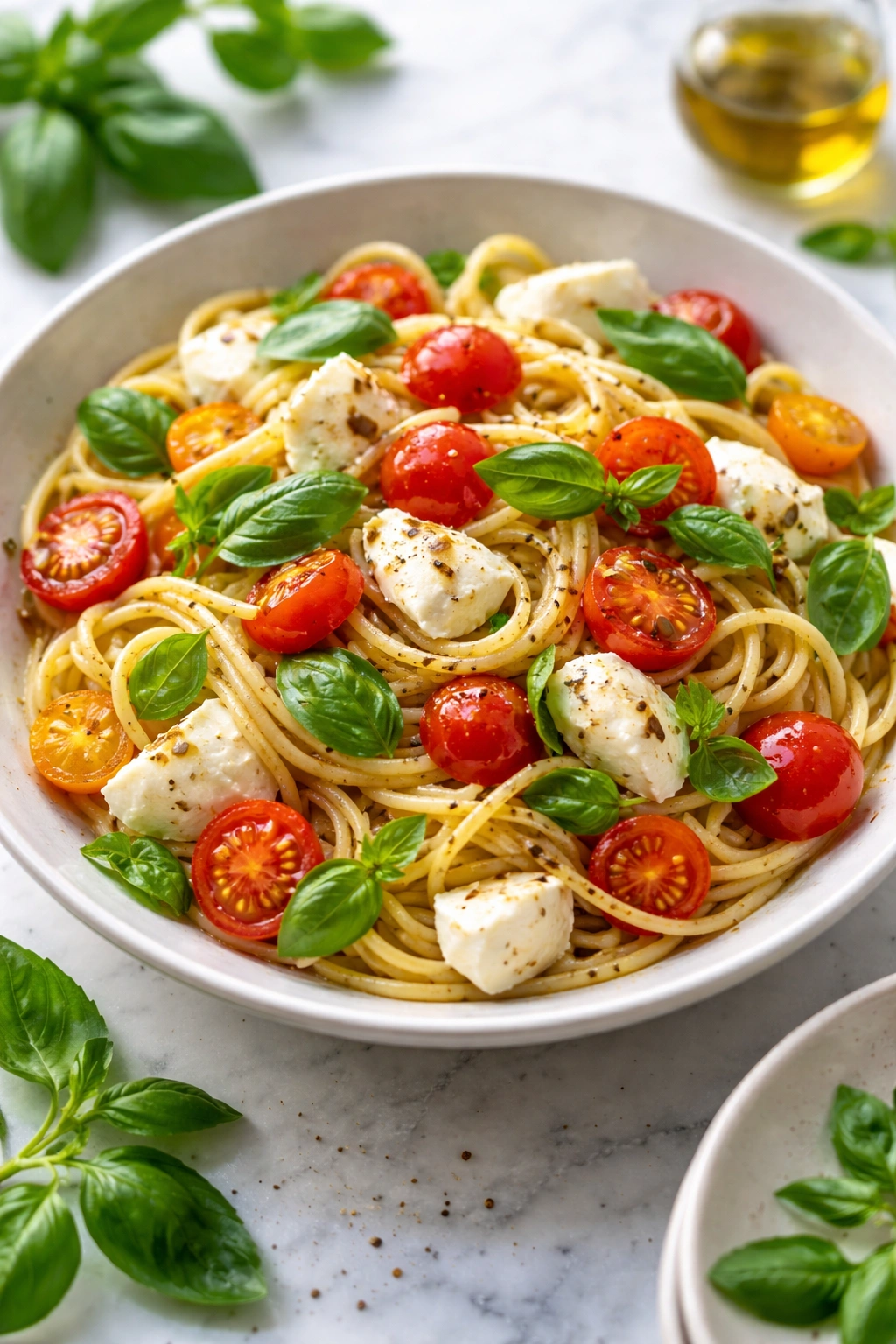
When tomatoes are good, this pasta is impossible to mess up—and it comes together in the time it takes to boil water. Cook pasta, then toss it with a generous amount of fresh basil, diced fresh mozzarella, halved cherry tomatoes, minced garlic, good olive oil, balsamic vinegar, salt, and pepper. The residual heat from the pasta warms everything just enough without melting the mozzarella completely, creating little pockets of creamy cheese throughout. Finish with fresh basil and a touch of sea salt.
Why Simplicity Works Here
When you’re working with just a few ingredients, each one needs to be good quality. This isn’t the time for those grainy hothouse tomatoes or pre-shredded mozzarella. Fresh mozzarella (the kind that comes in a ball, packed in water) makes an enormous difference, as does ripe tomatoes and real olive oil. The dish is so simple that mediocre ingredients become obvious.
Making It Your Own
- Add roasted pine nuts or toasted walnuts for crunch
- Throw in some fresh arugula right at the end
- Use burrata instead of mozzarella for extra creaminess
- Add a splash of balsamic reduction for deeper color and flavor
- Finish with fresh oregano instead of basil for variation
This works best during tomato season when they’re actually flavorful, but decent canned tomatoes work year-round if fresh ones aren’t available.
9. Black Bean and Sweet Potato Quesadillas
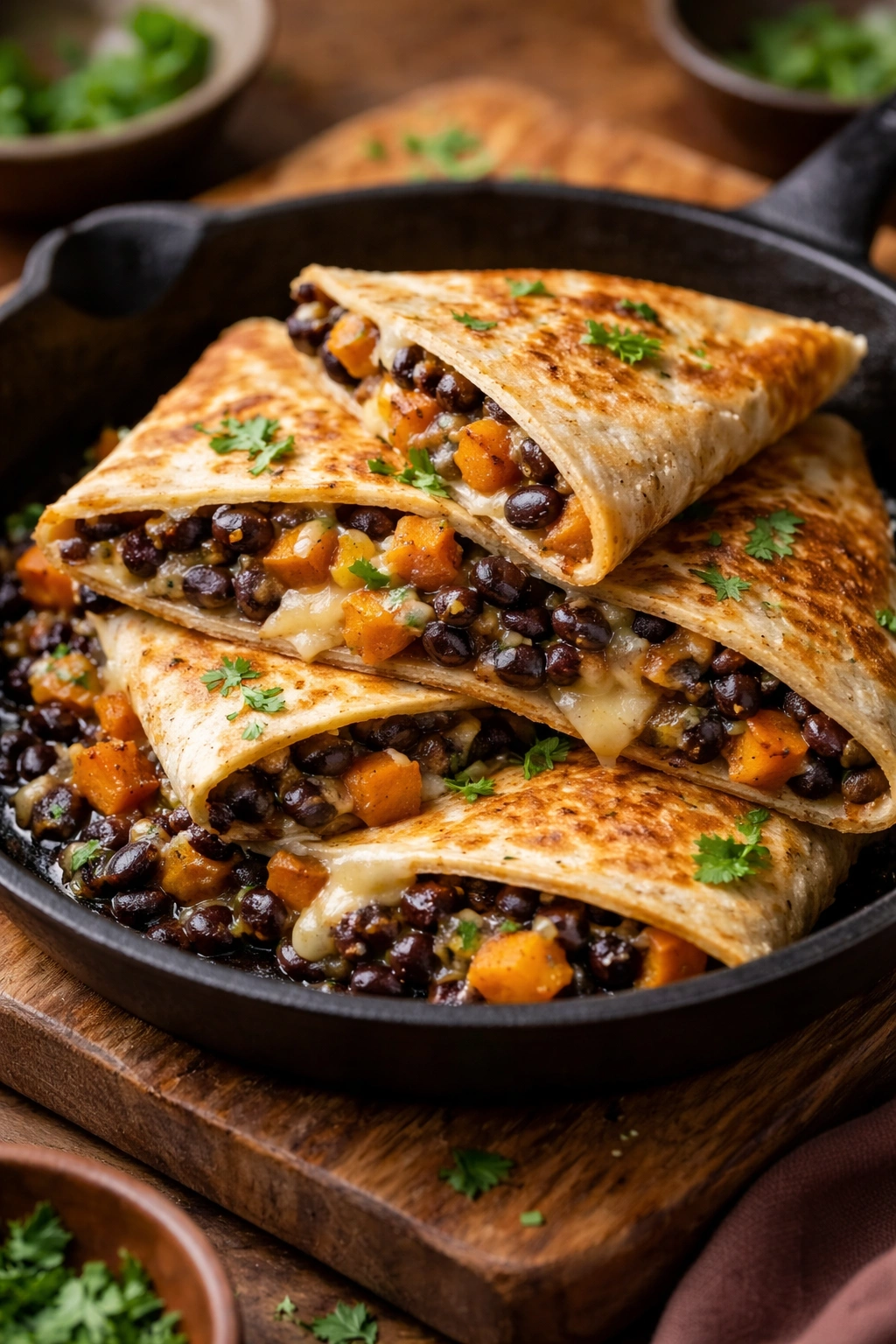
Quesadillas are underrated as a quick dinner option, and they feel way less healthy than they actually are. Mash canned black beans with cumin, chili powder, garlic powder, and a splash of lime juice. Layer tortillas with the bean mixture, diced roasted sweet potato, shredded cheese, and any other fillings you like (caramelized onions, jalapeños, cilantro). Cook them in a hot skillet until the outside is crispy and the cheese has melted, about 3-4 minutes per side. Slice into triangles and serve with avocado, salsa, and sour cream.
Why This Format Works for Busy Nights
Assembly is genuinely fast—you’re just spreading, layering, and cooking. Everything happens in one pan in about 15 minutes total. The contrast of crispy tortilla exterior, creamy beans, slightly sweet potato, and melted cheese creates multiple textures and tastes in every bite. It feels indulgent and fun while still being substantially vegetarian protein.
Build-Your-Own Bar Approach
- Pre-roast sweet potatoes ahead of time (they keep for days)
- Set out toppings and let people customize their own quesadillas
- Mashed avocado works better than guacamole because it stays put
- Caramelized onions add sophisticated flavor without extra effort
- Jalapeños give heat without overpowering the other flavors
Make extra because people will want seconds.
10. Vegetable Fried Rice with Eggs
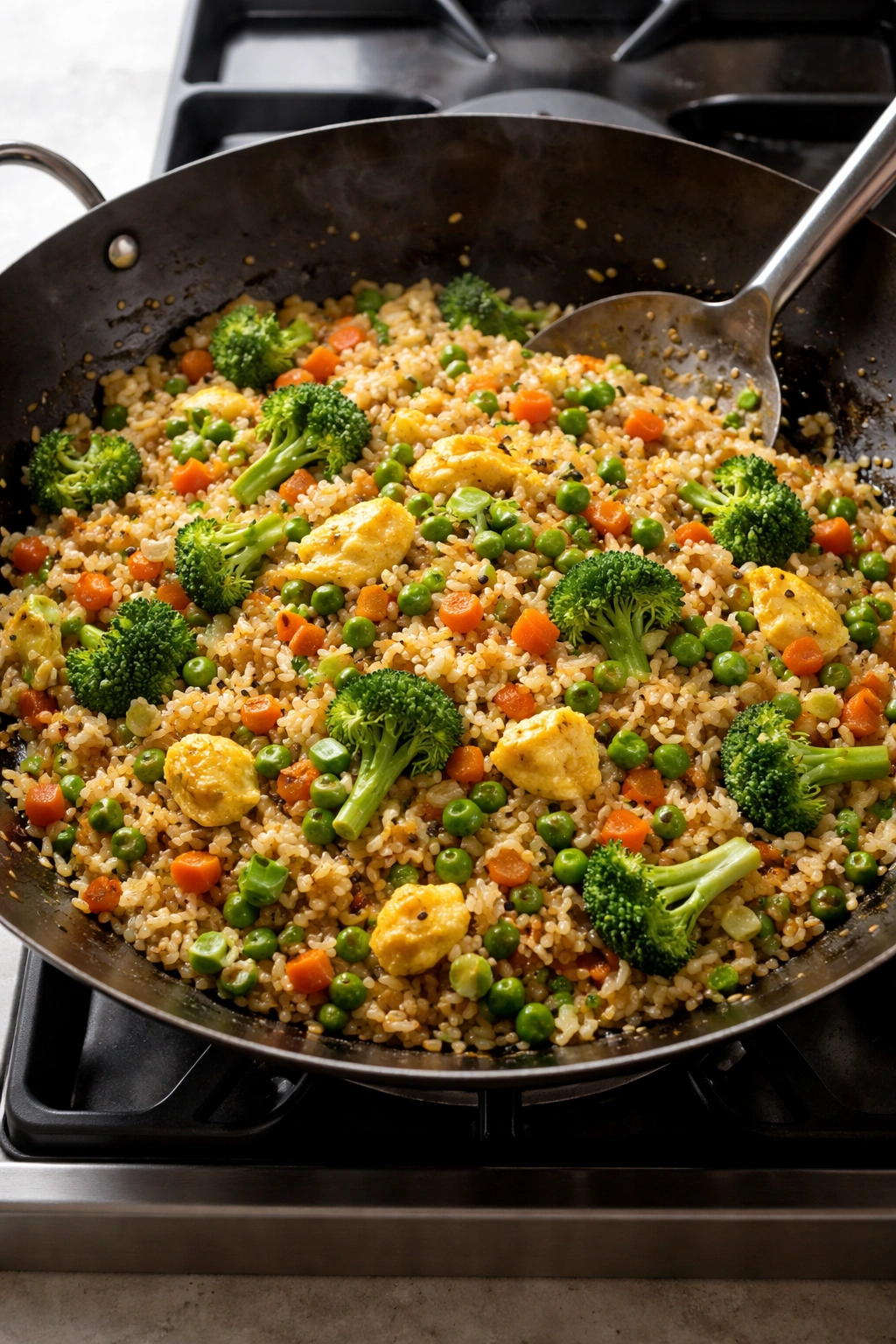
Fried rice is the ultimate flexible dinner—it’s a vehicle for whatever you have on hand and comes together in about 20 minutes. Heat oil in a large skillet or wok over high heat, add diced onion and cook until soft, then add minced garlic and ginger. Add any cooked vegetables (carrots, peas, broccoli, bell peppers) and day-old cooked rice, breaking up any clumps as you stir. Push everything to the side, add beaten eggs to the empty side of the pan, scramble them, then mix everything together. Finish with soy sauce, sesame oil, a squeeze of lime juice, and fresh green onions.
The Technique That Matters
Day-old rice is crucial because it’s drier than fresh-cooked rice—fresh rice tends to get mushy and stick together. If you don’t have day-old rice, cook rice ahead of time and spread it on a sheet to cool and dry slightly. High heat and constant motion prevent sticking and allow things to fry slightly rather than steam. The eggs scramble right in the pan, creating pockets of protein throughout the rice.
The Flexibility This Offers
- Use any leftover vegetables from previous meals
- Add cashews, peanuts, or tofu for extra protein and texture
- Swap soy sauce for tamari if you need gluten-free
- Include sesame seeds, cilantro, and sriracha on the side for customization
- Make it a complete meal by serving with a simple cucumber salad
This dinner is perfect for using up vegetables before they go bad, and it genuinely tastes better when you throw in several different textures and colors.
Final Thoughts
The difference between weeknight stress and weeknight ease often comes down to choosing dinners that don’t require precision timing, complicated techniques, or ingredients you don’t normally have. These 10 dinners work because they’re forgiving, they taste genuinely good, and they prove that vegetarian cooking doesn’t mean settling or spending hours in the kitchen.
Building a rotation of dinners you actually enjoy cooking removes so much friction from your week. When you know what you’re making before you start cooking, when the recipe doesn’t require you to keep constant watch over the stove, when you can prep components ahead of time—that’s when cooking starts to feel easier instead of like another obligation. Start with whichever of these sounds most appealing, get comfortable with it, then add another to your regular rotation. Within a few weeks, you’ll have enough options that you’re never stuck wondering what to cook.
The best vegetarian dinner is the one you’ll actually make on a Tuesday night after a long day. Pick the one that sounds easiest and most craveable, keep the basic ingredients on hand, and you’ll have weeknight dinners solved.
