


Getting a picky toddler to eat lunch can feel like a negotiation between a diplomat and a stubborn little person who has very strong opinions about everything touching their plate. You pack what you think is nutritious and appealing, only to find it untouched in the lunchbox at pickup, or worse — rejected entirely with the declaration that it “looks yucky.” The frustration is real, especially when you’re trying to balance nutrition with what your toddler will actually consume without a meltdown. The good news is that most picky eaters aren’t being difficult on purpose; they’re responding to sensory preferences, textures they find challenging, colors that confuse them, or foods that are just too unfamiliar to feel safe.
The trick to packing lunchboxes that actually get eaten isn’t about sneaking vegetables into every bite or forcing your toddler to like what you think they should eat. It’s about understanding what makes certain foods feel safe and appealing to a hesitant eater, and building your lunchbox strategy around those textures, temperatures, and familiar flavors. Once you crack the code for your specific toddler, packing lunch becomes easier, less wasteful, and genuinely satisfying when you see an empty lunchbox come home.
Understanding What Makes a Toddler Lunchbox Actually Work
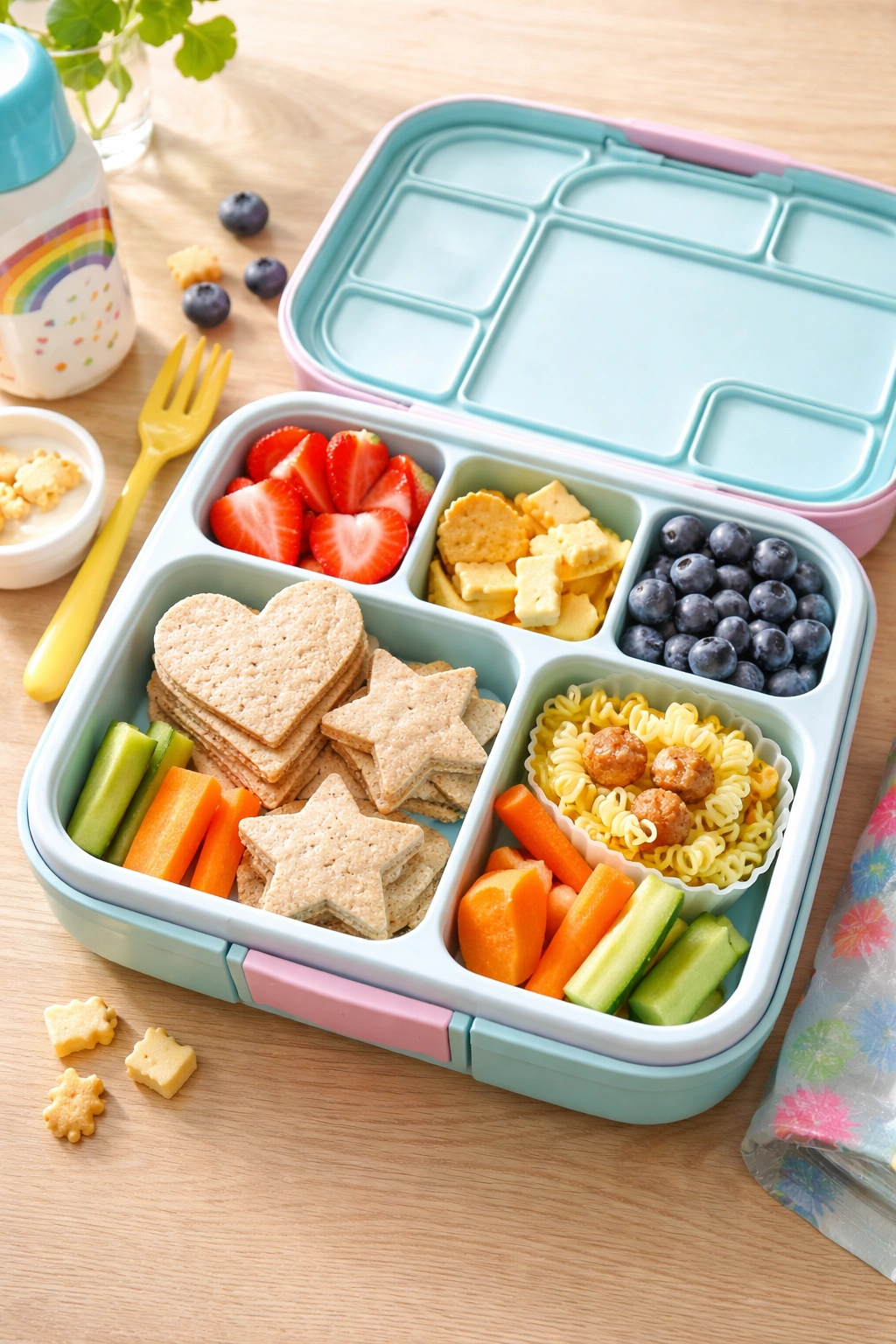
The difference between a lunchbox that gets devoured and one that comes home untouched usually has nothing to do with how nutritious the food is. Picky toddlers operate on a completely different calculus. They care about whether food feels safe, looks recognizable, has a texture they can trust, and comes in a portion they don’t find overwhelming. A tiny toddler staring at a full plate of food they’ve never seen before often feels anxious rather than excited — they’re not sure what’s expected, whether they’ll like it, or if eating it might be a mistake.
The most successful lunchbox strategy acknowledges these realities. It includes at least one — ideally two — foods you know with absolute certainty your toddler will eat. It respects their texture preferences rather than fighting them. It uses familiar flavors as a foundation and introduces anything new in the smallest, lowest-pressure way possible. It makes portions feel manageable, not daunting. And it understands that sometimes a toddler who ate something happily yesterday will refuse it today, and that’s not a failure or a sign they dislike it — it’s just toddler behavior, random and impossible to predict.
The Pasta-Based Lunchbox for Reliable Eaters
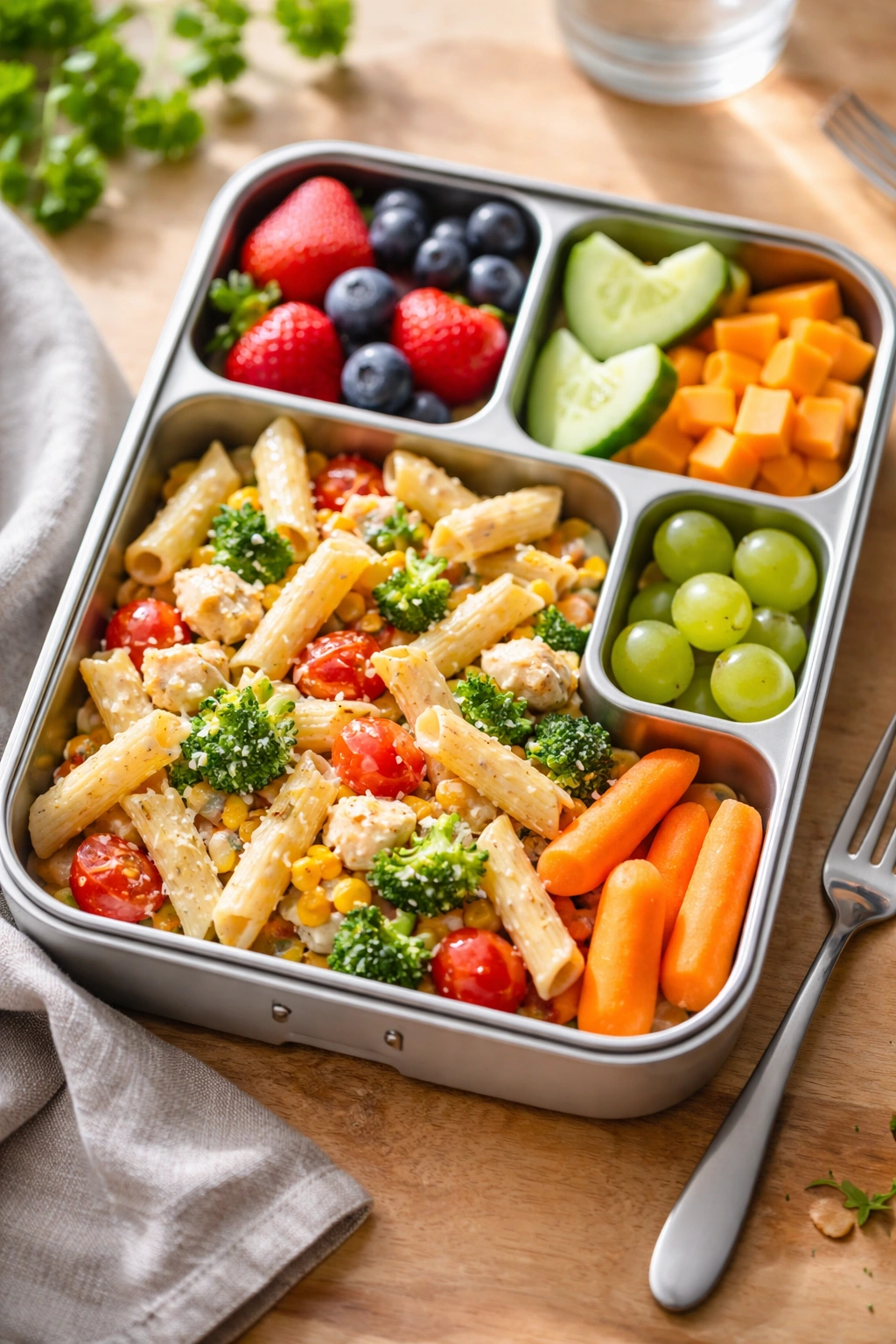
Pasta is basically the universal toddler language. Even the pickiest eaters often have at least one pasta shape or preparation they’ll consistently eat, and building a lunchbox around that foundation makes everything else possible. Cold pasta salads work especially well for lunchboxes because they don’t need reheating, travel well, and taste good at room temperature — a crucial advantage when you don’t know when your toddler will actually eat.
The key to a pasta lunchbox that doesn’t get boring is variety in the add-ins, not the pasta itself. If your toddler likes penne, keep the pasta consistent — that familiarity matters — but change what goes with it. One day it’s penne with just a little butter and parmesan cheese. The next day it’s the same pasta mixed with finely diced roasted vegetables and a light tomato sauce. Another day it’s cold pasta mixed with tiny pieces of cooked chicken and a mild cheese sauce. By keeping the base the same, you’re not asking your toddler to adjust to a new main component; you’re just varying the supporting flavors.
Pro tip: Mix pasta with a small amount of olive oil or butter immediately after cooking, while it’s still warm. This prevents clumping and makes it infinitely more pleasant to eat cold, which matters way more to a picky eater than you’d think. A clumpy, sticky pasta will be rejected even if the flavors are ones your toddler usually enjoys.
Include a small container of parmesan cheese on the side, even if you’ve already mixed some in. Toddlers love the control of adding their own toppings, and a little extra cheese often makes them feel more ownership over the lunch — which sometimes translates to actually eating it.
The Protein-and-Dip Strategy for Texture-Sensitive Kids
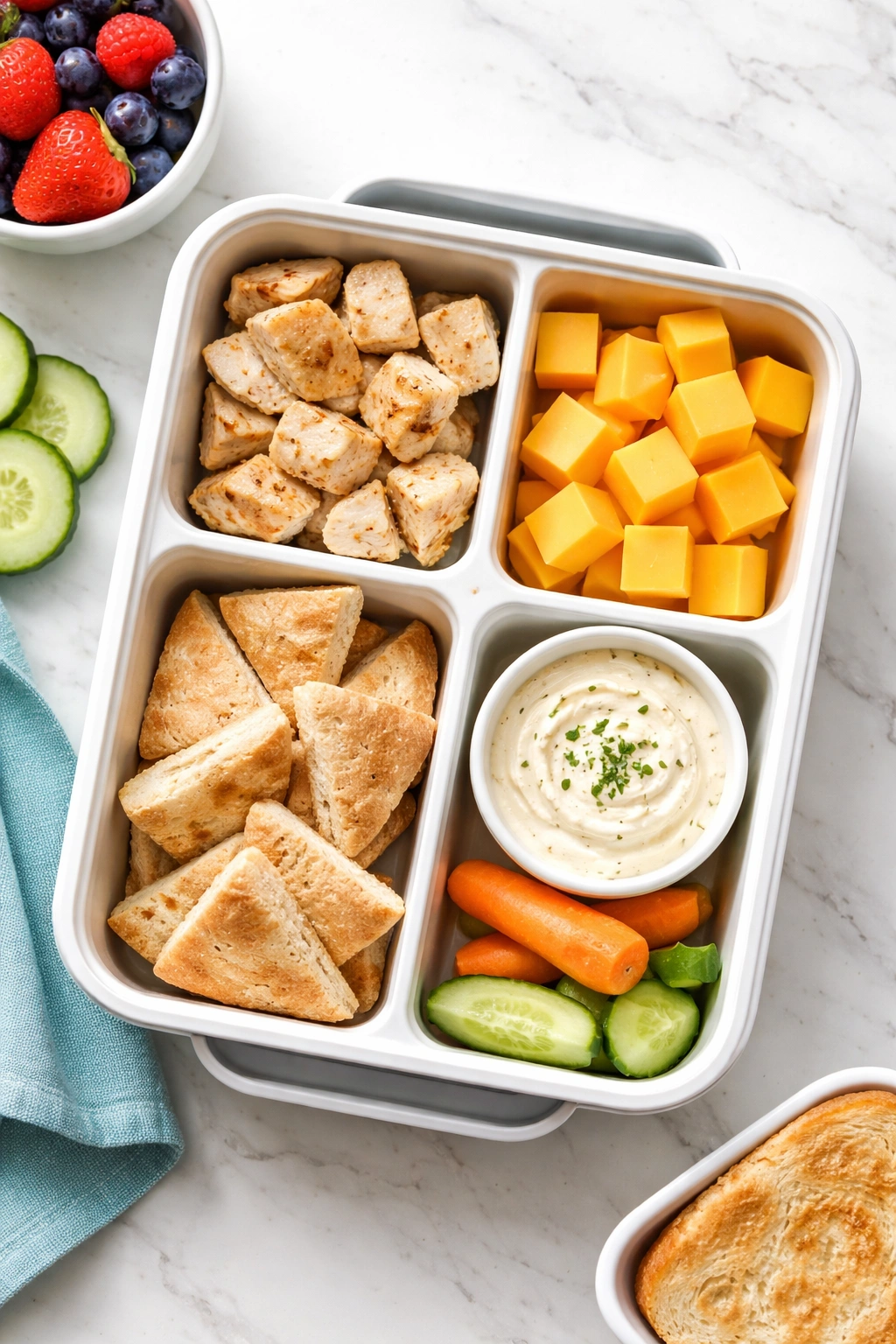
Many picky toddlers struggle with mixed textures or foods where they can’t clearly identify individual components. They’ll eat bread, they’ll eat chicken, they’ll eat cheese — but put those things together in a sandwich and suddenly it feels wrong and untrustworthy. This is a genuine sensory preference, not stubbornness, and respecting it dramatically increases the chances they’ll actually eat.
The protein-and-dip approach separates everything into distinct, identifiable components that your toddler can control. Pack small pieces of cooked chicken breast, turkey meatballs, or beef chunks in one container. Pack cubes of cheese in another. Pack bread pieces or crackers separately. Then include a dip — hummus, ranch made with Greek yogurt, a mild cheese sauce, or even just olive oil with a tiny sprinkle of salt — that your toddler can use to add moisture and flavor to whatever combination they feel like assembling.
This setup accomplishes several things at once. Your toddler gets to decide what goes together, which gives them a sense of control that often translates to willingness to eat. They can see exactly what’s in each component, which removes the anxiety that comes with mysterious mixed textures. And because the components are already cooked and separated, you’ve done the work while still giving them agency. Toddlers are far more likely to eat food they’ve had a hand in assembling, even if that hand is just choosing which piece to grab next.
Worth knowing: Choose dips strategically. Ranch is a gateway dip for many picky eaters — the creamy texture and mild flavor feel safe even to very hesitant eaters. But don’t assume it’s the only option. A smooth, mild cheese sauce (literally just cheese melted into a small amount of milk) or plain yogurt mixed with a bit of salt can work equally well and sometimes feel less “suspicious” to a toddler who’s wary of unfamiliar seasonings.
The Fruit-Forward Lunchbox for Kids Who Skip Vegetables
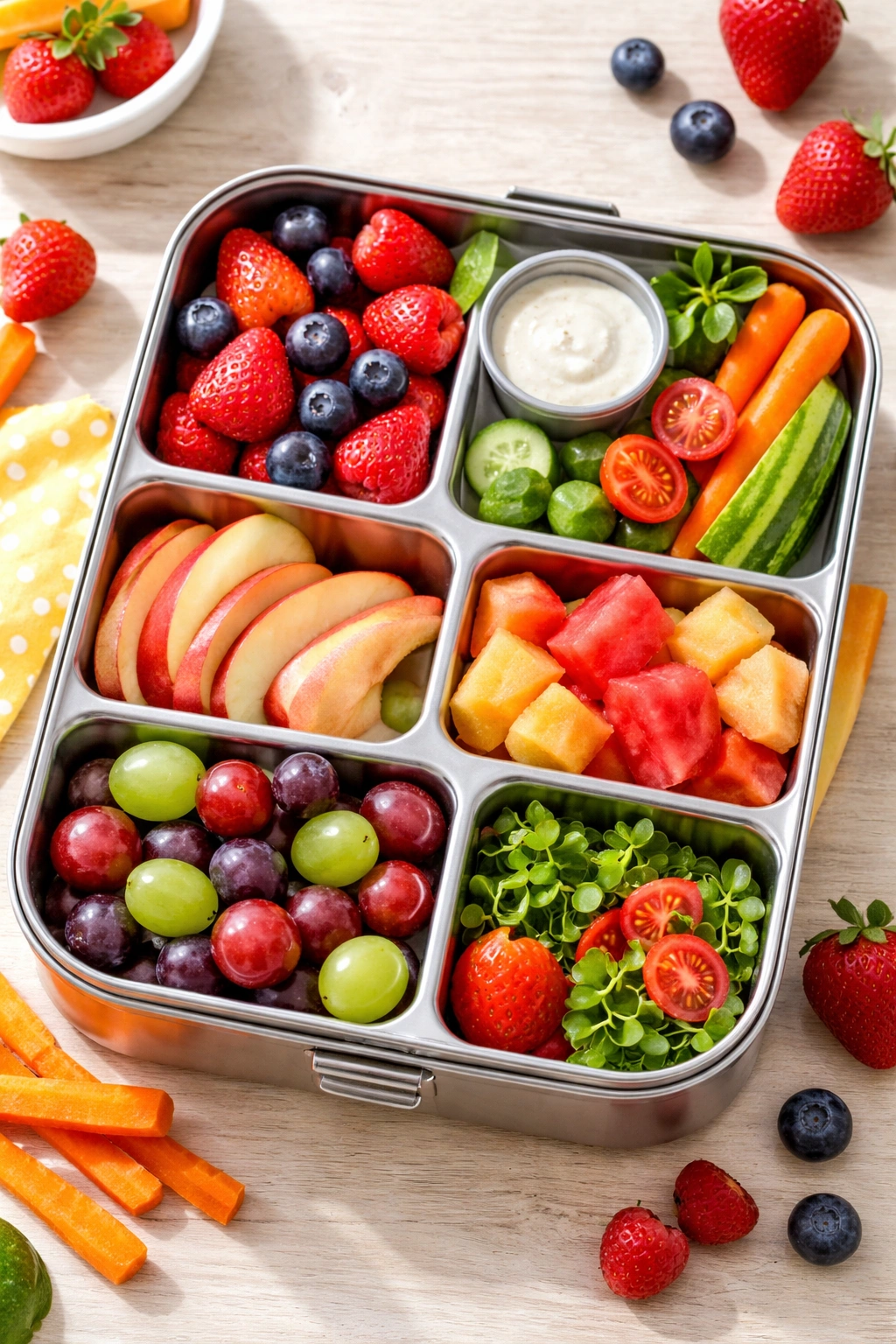
If your toddler will eat fruit but consistently rejects vegetables, the most honest strategy is to lean into the fruit while gently, repeatedly offering vegetables without pressure. Yes, fruit has more sugar than vegetables, but a lunch that actually gets eaten is better than a nutritionally perfect lunch that comes home untouched. You’re buying time and creating positive associations with eating.
Fill a good portion of the lunchbox with fruit your toddler actually enjoys. This might be berries, melon chunks, apple slices (tossed with a tiny bit of lemon juice to prevent browning), grapes cut lengthwise for safety, pineapple, or whatever your specific toddler reaches for without hesitation. Make the portions generous — fruit takes up space, has water content that keeps your toddler hydrated, and requires almost no preparation anxiety from them.
Alongside the fruit, pack a small container with one vegetable prepared in a way that removes barriers to eating. This might be roasted sweet potato cubes, steamed broccoli florets (which some toddlers find less intimidating than raw), carrot sticks with a small amount of hummus, cucumber slices, or even just cherry tomato halves. The vegetable doesn’t need to be large — a small, pressure-free portion of something they’ve rejected before sometimes gets tasted simply because it’s there and they’re in an exploratory mood that day.
Pack a protein and a starch as well, but know that the fruit is your reliable component. Over time, many toddlers who’ve built positive associations with mealtime through eating foods they enjoy become more willing to experiment with vegetables. It’s not the fastest path to a perfectly balanced diet, but it’s often the most sustainable path to actually eating something at lunch.
The Breakfast-for-Lunch Approach
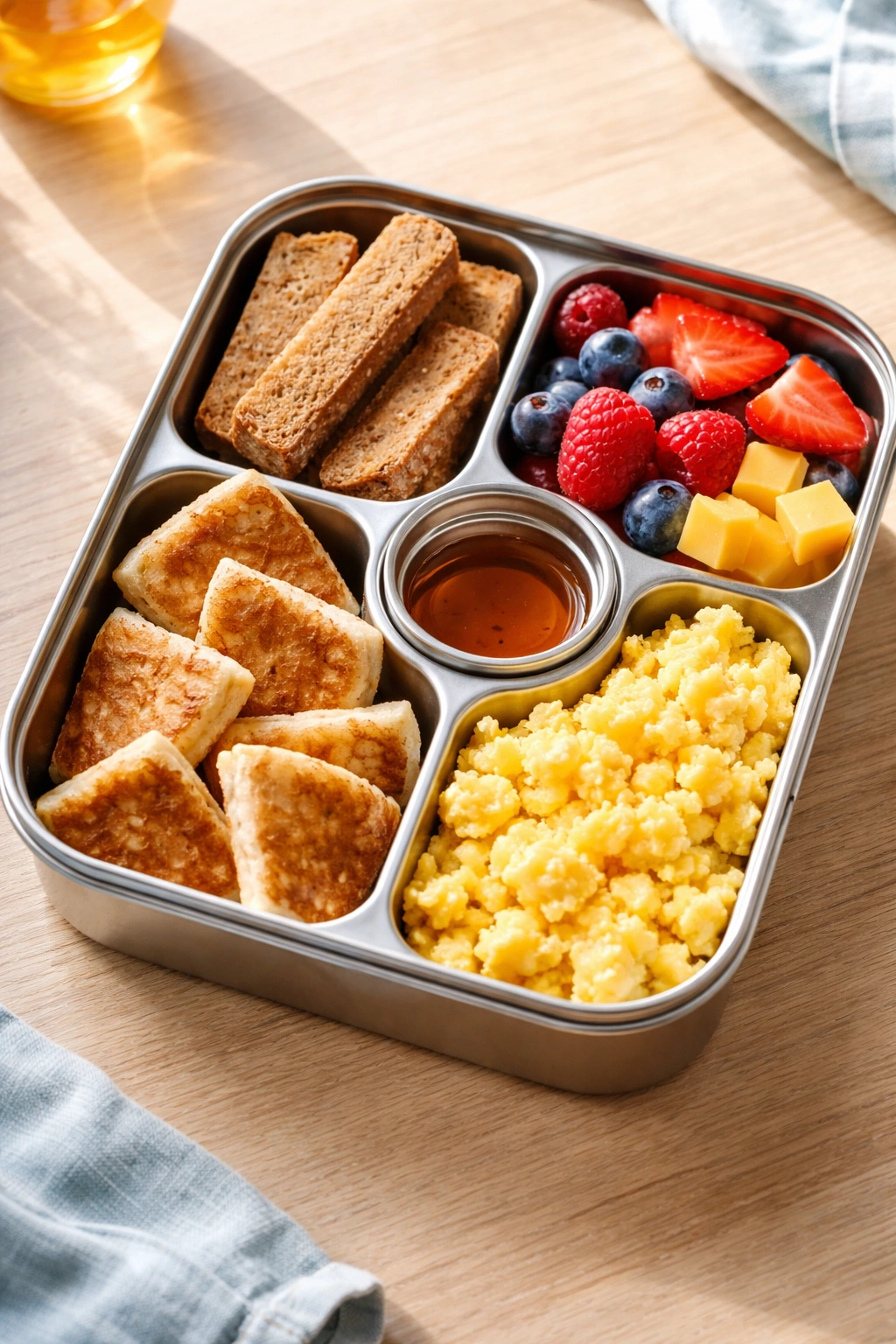
Sometimes the most reliable lunchbox is breakfast food, and there’s absolutely nothing wrong with that. If your toddler eats breakfast readily, you’ve already identified foods they trust, which is your biggest asset. Breakfast foods are also less intimidating than “real” lunch foods — a toddler doesn’t have the same weird anxiety about breakfast items.
Pack items like whole-grain toast cut into strips, pancakes cut into bite-sized pieces, a small container of peanut butter or almond butter for dipping, scrambled eggs (which many picky eaters find less threatening than eggs in other preparations), or even whole-grain waffles. Include a small container of honey, jam, or maple syrup for dipping if that’s what makes toast feel exciting to your toddler. Add a handful of berries and a cheese cube, and you’ve got a complete breakfast-for-lunch that your toddler has already demonstrated they’ll eat.
This strategy is particularly helpful on mornings when you’re exhausted and the thought of packing a “proper” lunch feels overwhelming. Breakfast foods require less mental energy to prepare, you already know your toddler will eat them, and they’re genuinely nutritious. Whole grains, protein, and fruit — breakfast delivers all of it, just in a different package than what you expected lunch to look like.
The “Same Food, Three Different Ways” Strategy for Expanding Acceptance
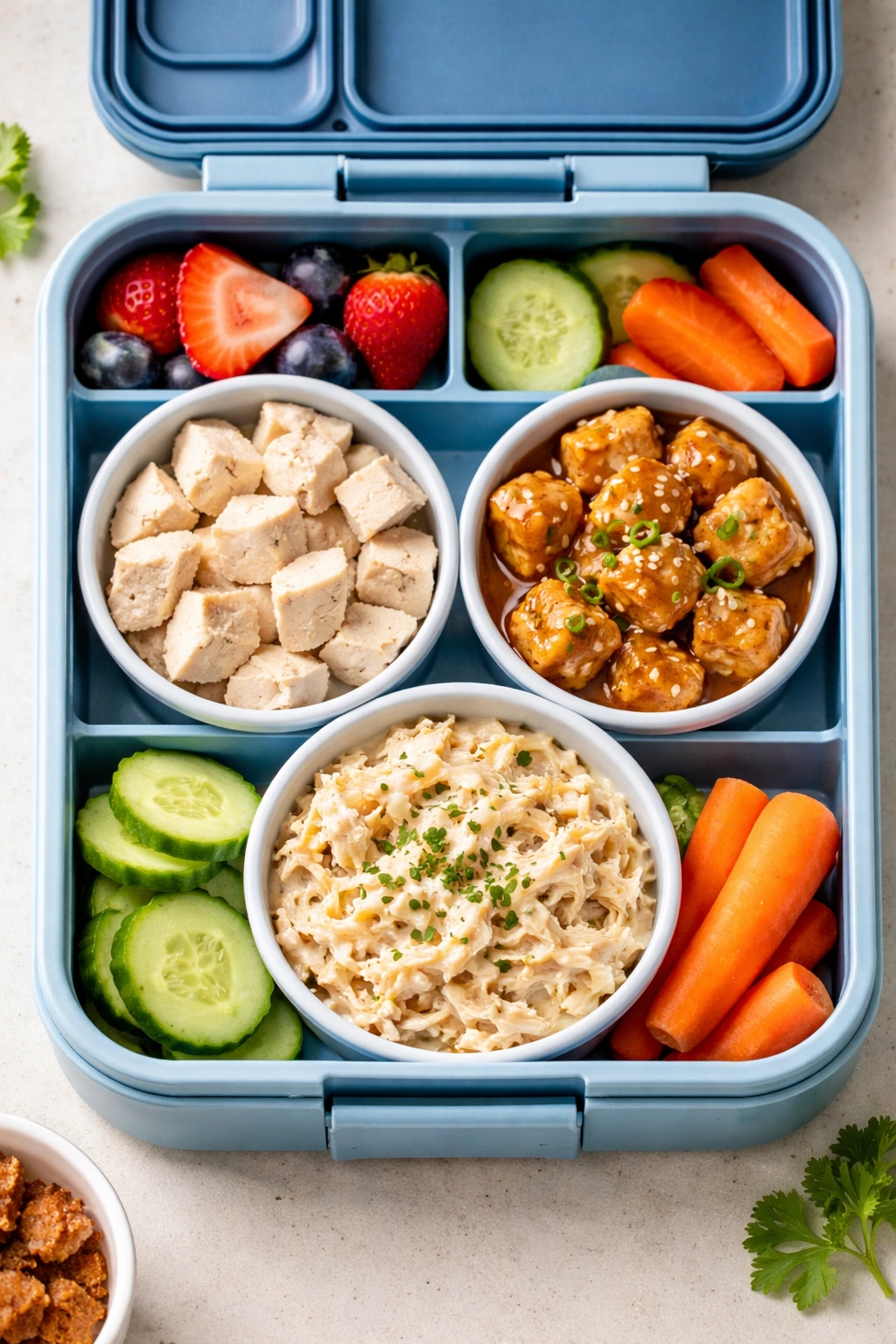
Toddlers are creatures of extreme habit. They like what they know, but boredom is also real — they can burn out on the exact same preparation of a food if it appears too often. The solution is to keep the core ingredient constant while changing how you prepare or present it, which feels novel enough to re-engage their interest without requiring them to accept something entirely unfamiliar.
Pick a protein your toddler reliably eats — chicken, beef, turkey, or tofu, depending on your diet and your toddler’s preferences. Then prepare it three different ways. Monday might be plain diced chicken with a tiny bit of salt. Wednesday might be the same chicken mixed with a mild pasta sauce. Friday might be shredded chicken mixed into a cream cheese sauce, served with crackers for dipping. The core ingredient hasn’t changed, so your toddler’s sense of safety hasn’t been compromised. But the textural and flavor variation prevents boredom and sometimes even opens the door to accepting slightly new flavors (if the pasta sauce works, maybe next week plain marinara will too).
The same approach works for grains and vegetables. Rice appears one day plain, another day mixed with a tiny bit of cheese sauce, another day mixed with mild tomato sauce. Carrots might be steamed and cut into sticks one week, roasted and slightly caramelized the next week, and mixed into a pasta dish the week after. By keeping the base constant and varying the context, you’re respecting the toddler’s need for familiarity while still introducing variety.
The “Build Your Own” Lunchbox for Toddlers Who Love Control
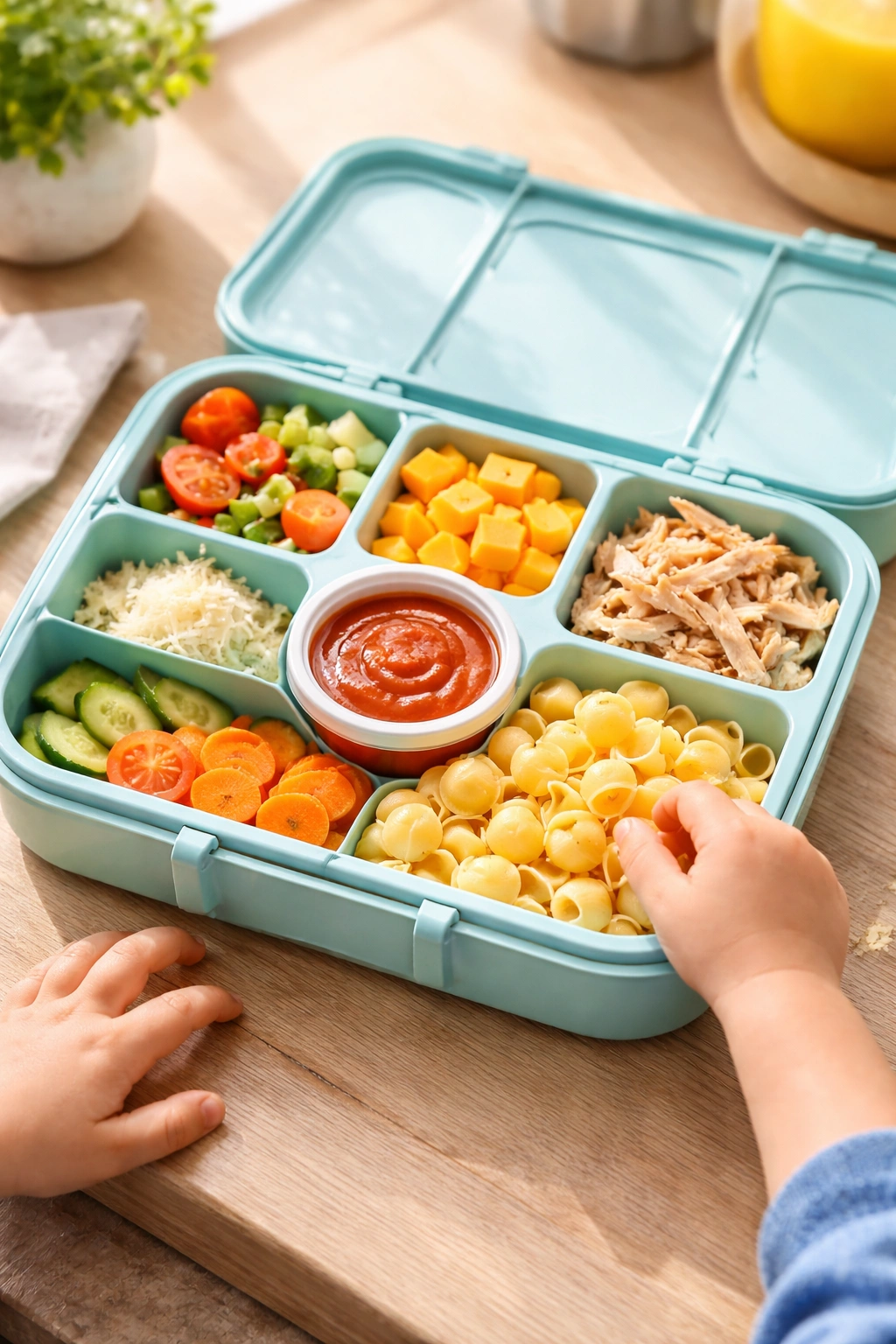
Some picky toddlers eat better when they have a sense of control over what goes on their plate. This is actually a sophisticated impulse — they’re not being difficult, they’re responding to the very human need for autonomy. Acknowledging that need often dramatically increases their willingness to eat.
Pack a lunchbox that’s essentially a build-your-own situation. Include several components in separate, small containers: cooked pasta or rice, shredded cooked chicken or ground beef, diced cheese, a small amount of mild sauce (cream-based or tomato-based), diced vegetables that your toddler has shown willingness to eat, and maybe a sprinkle of parmesan. Your toddler gets to decide what combination they want to assemble, which small portion of each component to use, and how much of the sauce to include.
This works particularly well for toddlers who are verbal enough to communicate that they want “less of this, more of that.” It also works for toddlers who reject pre-assembled meals but will eat the exact same components if they’ve had a hand in putting them together. The psychological shift is real — there’s something about having decided to include something that makes a toddler more willing to actually eat it, even if the decision was just “I’ll have the chicken today.”
Insider note: Use small, separate containers rather than dividing everything into one compartment. The visual separation and the ritual of choosing from each container matters. It’s not just about the food; it’s about the process feeling intentional and controlled.
The Familiar Favorite With One New Thing
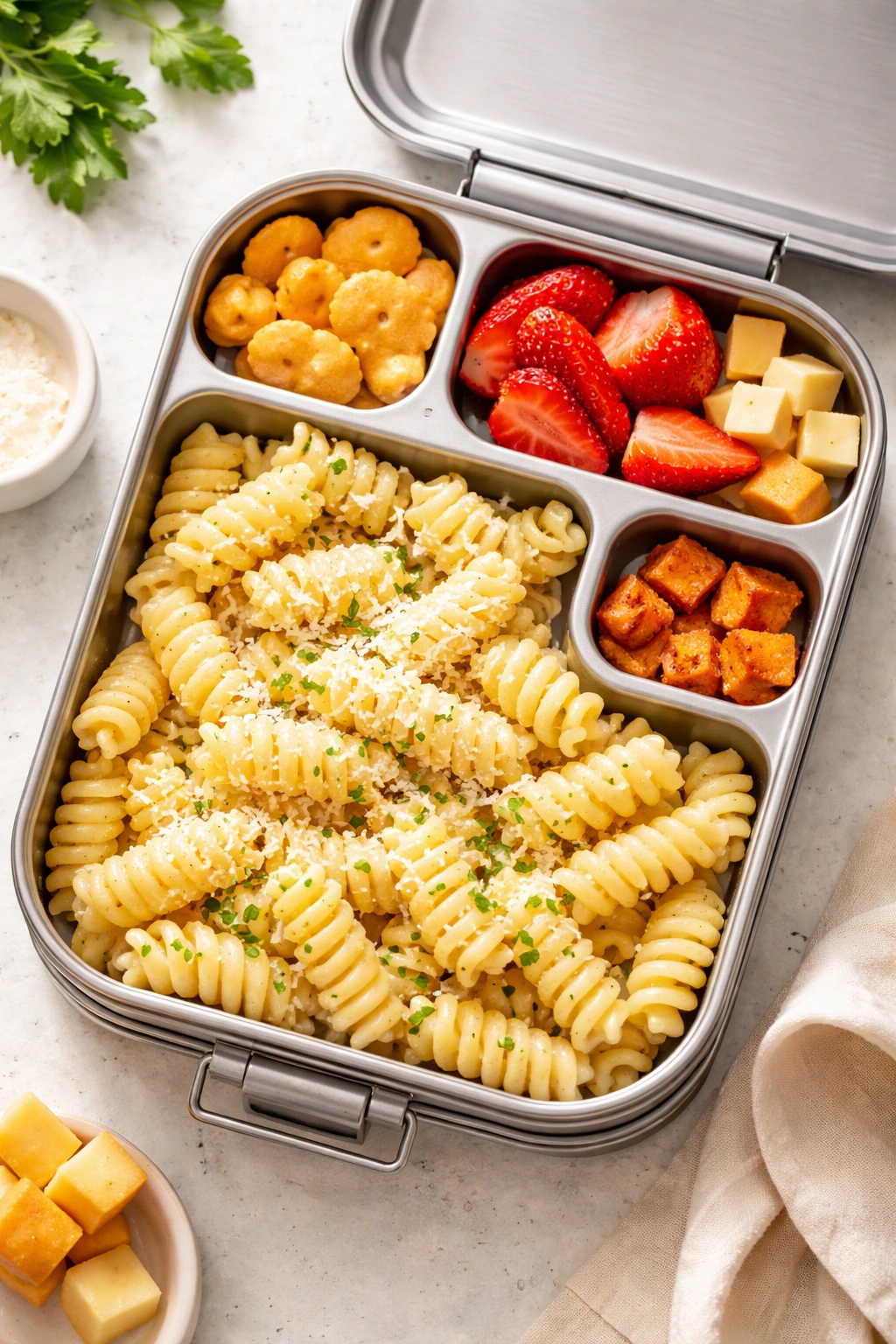
This is perhaps the most reliable strategy for actually expanding a picky eater’s palate: rest all the pressure on one completely familiar, universally accepted food, and quietly include one tiny component that’s new or borderline tolerated. The familiar food does the heavy lifting of ensuring your toddler eats something substantial. The new component sits there without pressure, available if your toddler gets curious, but not essential to making the lunch feel successful.
Pack a substantial portion of something you know your toddler will eat — maybe pasta with butter and cheese, or chicken nuggets, or a cheese and crackers spread. Then add one small component that represents something slightly more adventurous: three or four pieces of roasted sweet potato, a small handful of a grain or vegetable they’ve only had occasionally, or a new fruit they’ve shown mild interest in. Don’t make a big deal about the new component. Don’t cajole them to try it. Just include it quietly.
Over weeks and months, when you consistently pair one new food with familiar favorites, many toddlers gradually become more willing to try the new component. Not because you’ve convinced them, but because familiarity builds comfort, and they’ve seen the component multiple times without any pressure or negative consequences. The victory might be slow — maybe they just lick it the first few times, or touch it to their lips — but you’re building the neurological pathways that eventually lead to acceptance.
The Cold Lunchbox for Toddlers Who Dislike Hot Food
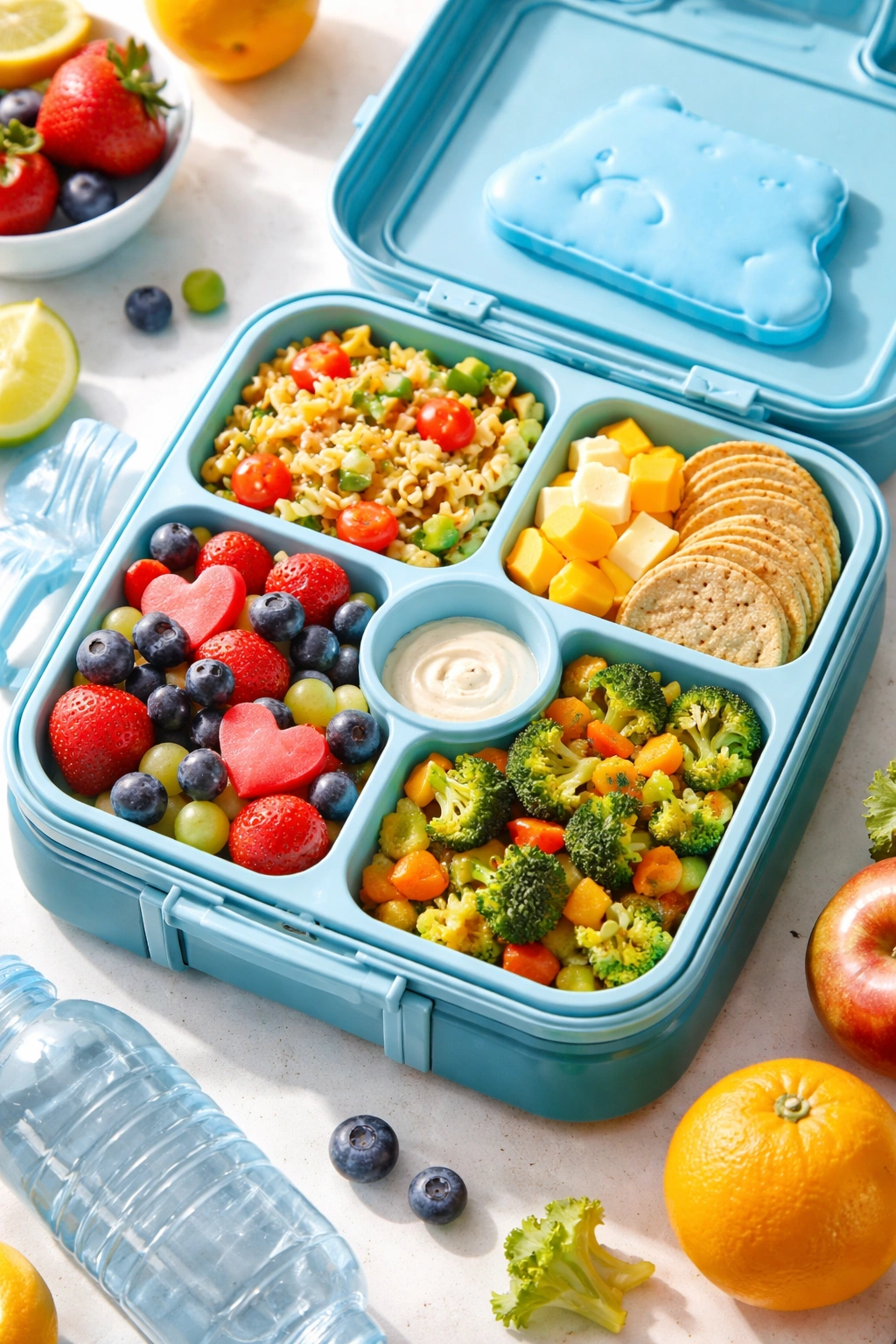
Some toddlers have genuine sensory aversions to hot foods. The temperature feels scary, the steam feels unpleasant, or they’ve had a negative experience with food that was too hot and now they’re avoiding the category entirely. Rather than fighting this preference, a thoughtfully constructed cold lunchbox often works better.
Fill the lunchbox with foods that taste excellent cold and require no reheating: cold pasta salads, meatballs served at room temperature, cheese cubes, bread or crackers, cold roasted vegetables, fruit, yogurt, and maybe a container of a dip they enjoy. Include a frozen water bottle or ice pack to keep everything at a safe temperature, but know that your toddler won’t need to reheat anything or feel anxious about temperature.
Cold lunchboxes often feel like a relief to toddlers who’ve been stressed about hot food. There’s no scalding risk, no confusing steam, nothing that feels unsafe. And because cold food travels well and requires no special equipment at school or daycare, there’s no logistical barrier to actually eating. This is a completely legitimate lunchbox strategy, not a compromise — it’s simply respecting your toddler’s actual sensory needs.
The Finger Foods Lunchbox for Independent Eaters
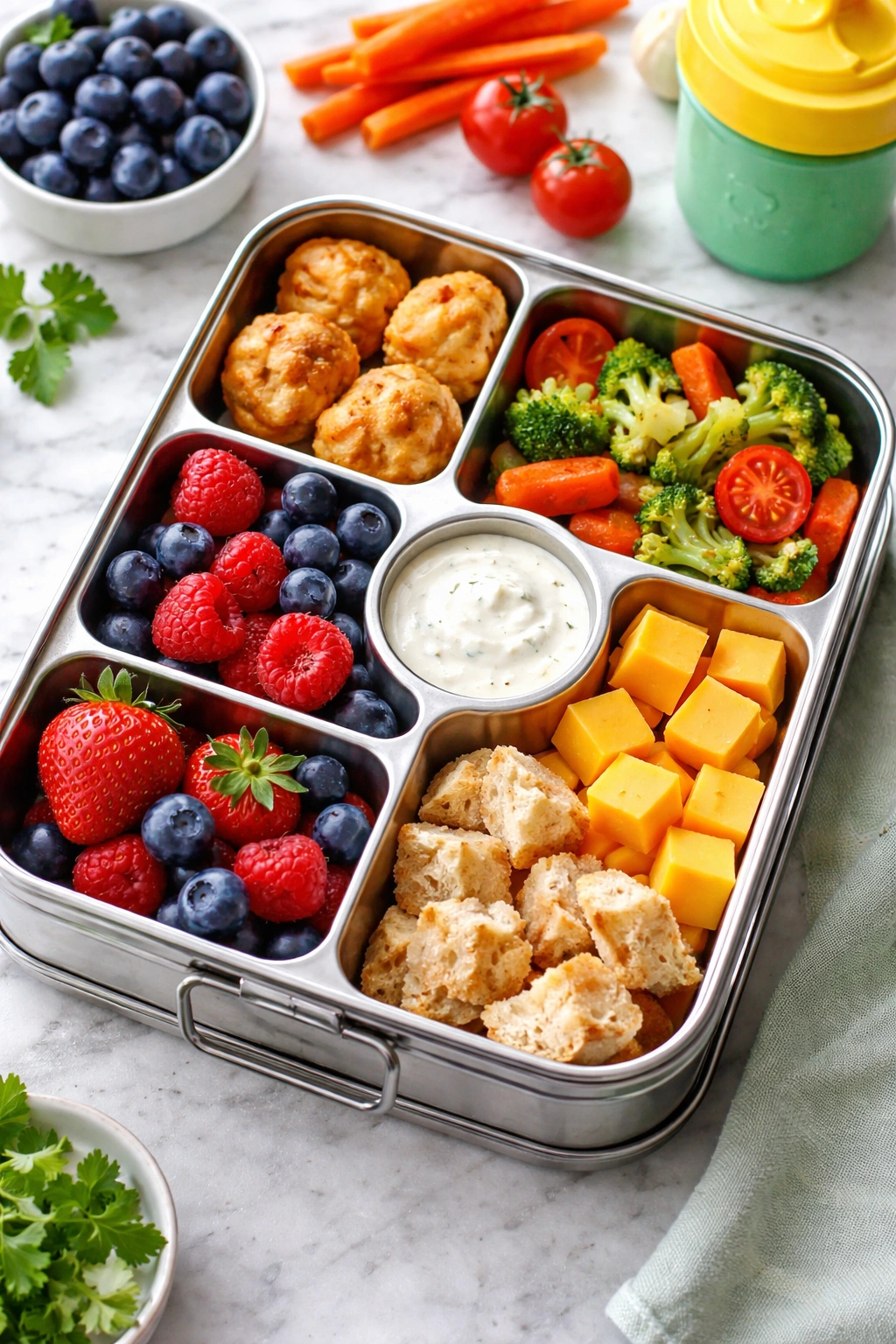
Toddlers who are confident chewers and enjoy the independence of eating with their hands often thrive with a lunchbox built entirely from finger foods. This approach requires minimal utensils, feels empowering to a toddler who wants to do things themselves, and creates fewer opportunities for mess if that’s a concern.
Pack items like meatballs, chicken nuggets, cheese cubes, pieces of cooked vegetable that are soft enough to chew (roasted sweet potato, steamed broccoli, sautéed zucchini), berries, bread torn into pieces, hummus or other dips served in a small container for dunking, and maybe a small amount of fruit leather or granola. Everything should be in a size that your toddler can pick up easily with fingers and chew confidently without choking risk.
Finger foods create an almost playful eating experience that many toddlers prefer to the formality of utensils. There’s also something about the autonomy of choosing what to eat and controlling the pace that makes picky eaters more willing to try. Just make sure everything is cut appropriately for your toddler’s age and chewing ability — the goal is independence plus safety.
The Sandwich Alternative for Texture-Sensitive Kids
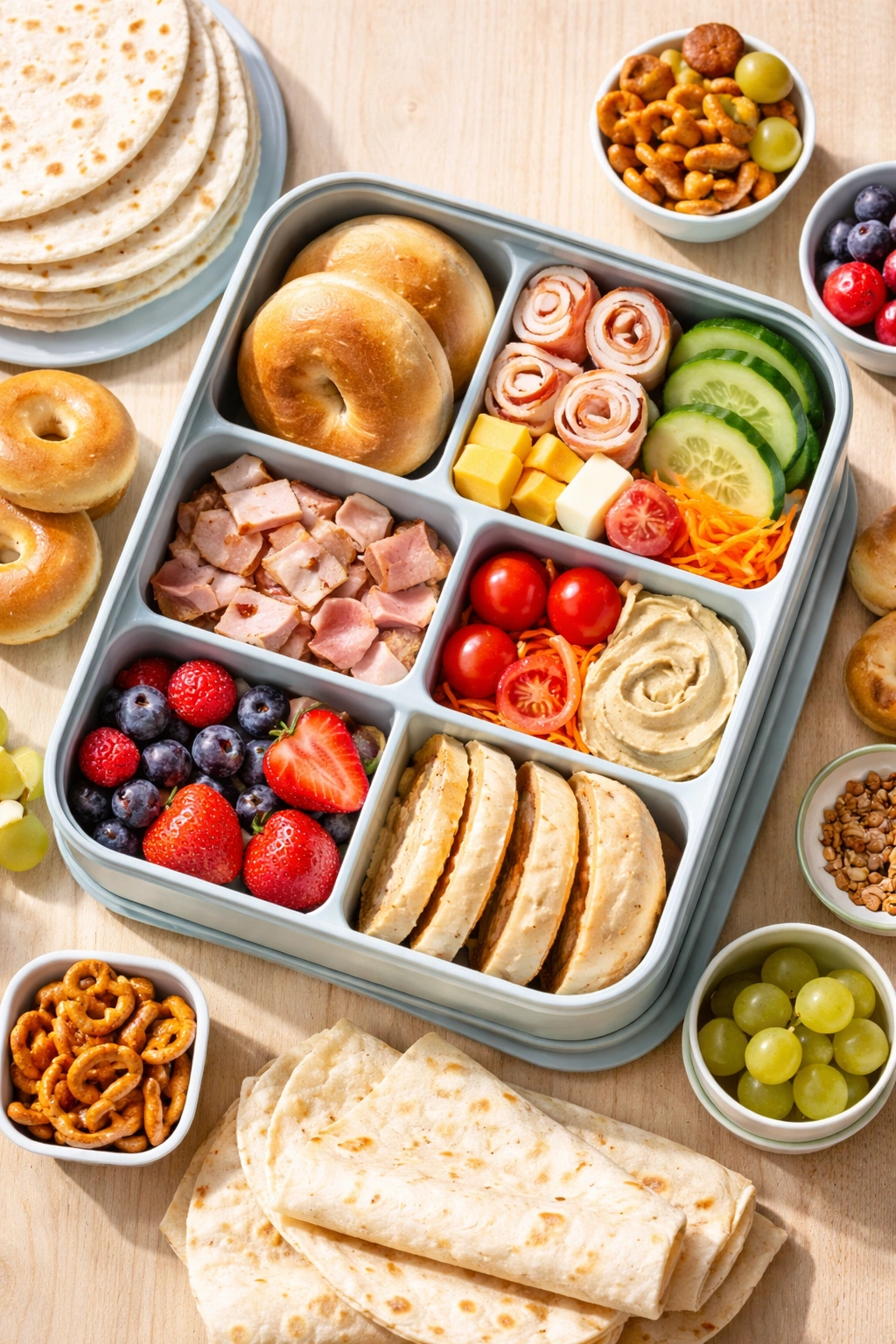
Sandwiches can be a minefield for picky eaters. The bread gets soggy, the components mix together in a way that feels wrong, the overall texture is confusing. Rather than forcing the sandwich issue, it’s worth finding alternatives that accomplish the same goal of protein and carbohydrate in one portable package.
Instead of a traditional sandwich, try a bread roll with filling on the side, so your toddler can assemble bites as they want them. Or pack bread and filling completely separately — sliced bread in one container, peanut butter or hummus in another, and deli meat in a third. Your toddler can layer them in whatever proportion feels right. Flatbread wraps sometimes feel more manageable than traditional sandwiches. Mini bagels with toppings feel less intimidating than full-sized sandwiches. Small biscuits with a filling on the side create the sensation of something handheld without the texture confusion of a traditional sandwich.
The point is this: the goal is to get protein and carbohydrate into your toddler’s body. A sandwich is just one way to accomplish that. If sandwiches aren’t working, your toddler isn’t broken — the delivery method just isn’t the right fit. Switch to a different delivery method and stop fighting a battle that doesn’t need to be fought.
The Seasonal Produce Lunchbox for Refreshing Variety
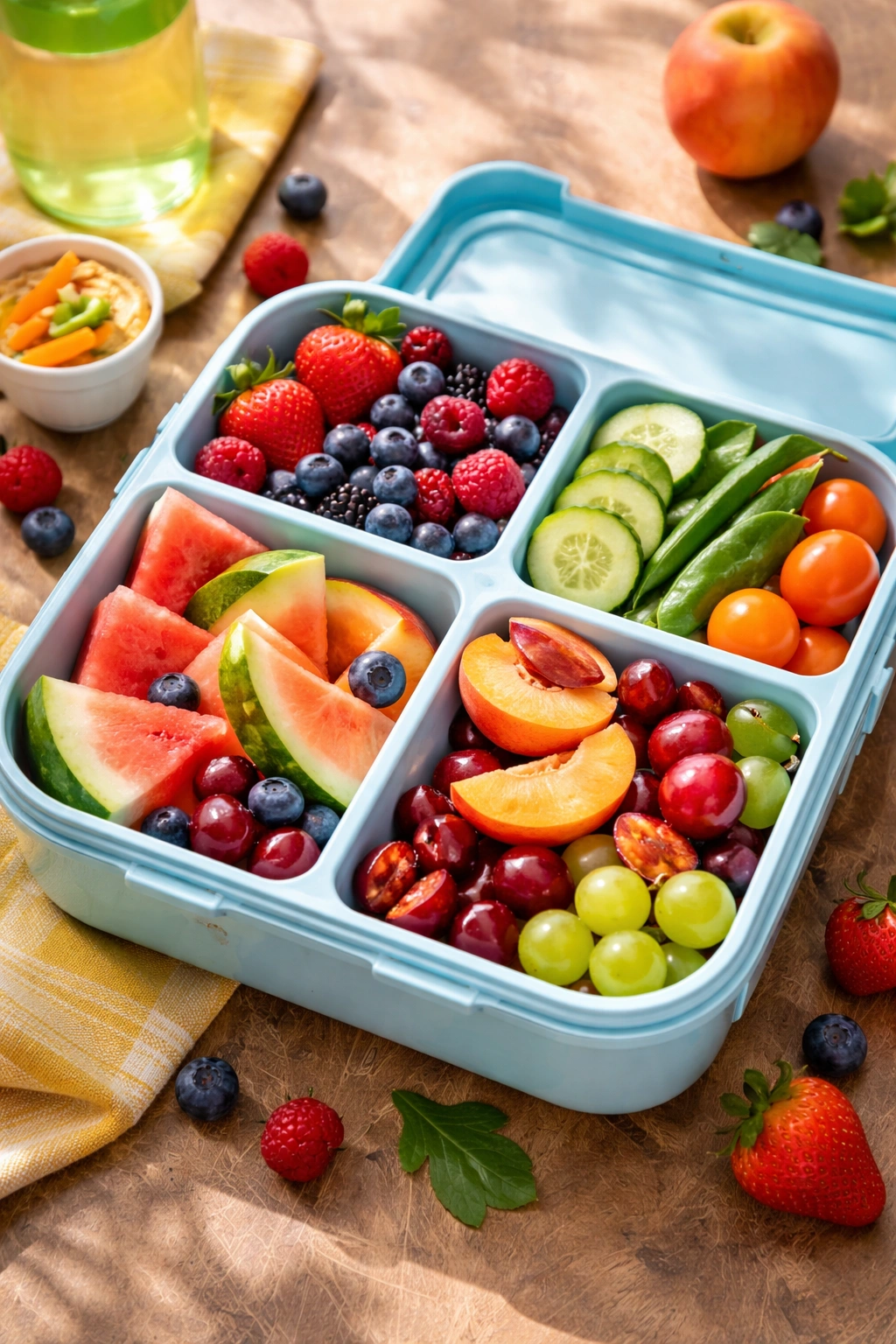
Picky eaters sometimes get less picky when foods feel seasonal and special rather than like a constant, exhausting routine. Building your lunchbox strategy around what’s in season also means you’re packing foods at peak flavor and ripeness, which matters to texture-sensitive eaters who have strong reactions to quality differences.
In spring and summer, lean into berries, melons, soft stone fruits, and fresh vegetables that taste delicious raw or lightly cooked. In fall, shift toward apples, pears, grapes, and roasted vegetables that become sweeter and more tender when cooked. In winter, focus on citrus, kiwis, persimmons, and heartier vegetables that can be roasted or steamed. This isn’t just about nutrition — it’s about creating a rhythm that feels fresh and natural rather than stuck in the same routine forever.
Seasonal eating also connects your toddler to the natural world in a subtle way. Noticing that berries are back in the lunchbox because it’s finally warm, or that apples are appearing because summer is ending, creates a sense of rhythm and anticipation that sometimes rekindles interest in eating.
The Allergy-Friendly Lunchbox for Complex Dietary Restrictions
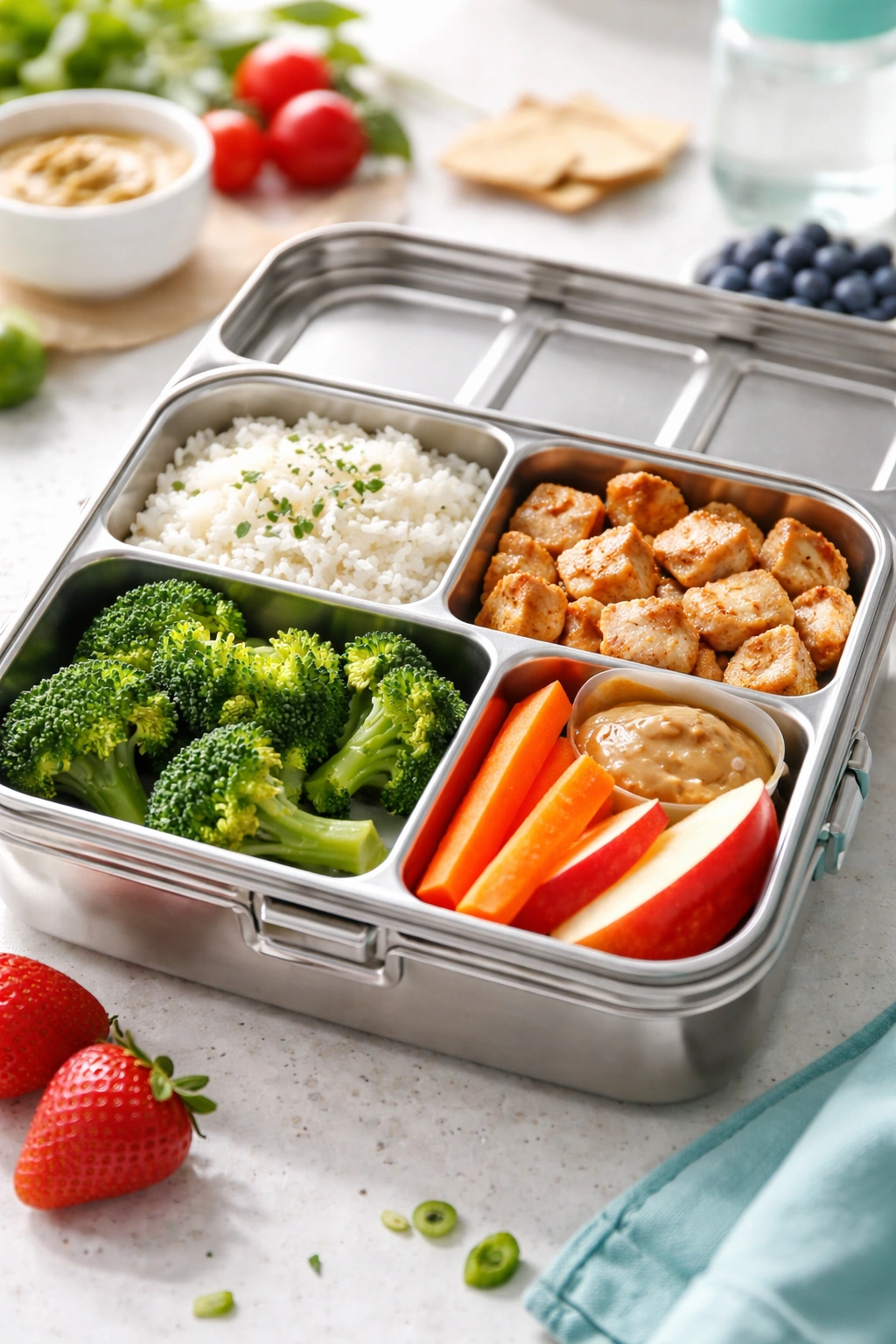
If your toddler has allergies or intolerances, packing a lunchbox that’s safe, appealing, and still varied requires intentional strategy. The goal is to never make your toddler feel like their lunchbox is restrictive or boring — it’s just different, and different is fine.
Focus on whole foods that are naturally free from your toddler’s allergens: fruits, vegetables, meats, rice, safe grains, and any other whole components that work for your family. Build meals around these foundations rather than trying to replicate commercially made products with ingredients your toddler can’t have. A lunchbox with rice, roasted chicken, a fruit, roasted vegetables, and some cheese is nutritious and delicious — it doesn’t need to include an allergen-free bread product to be complete.
Connect with other families managing similar restrictions, and ask for their favorite ideas and recipes. Seeing creative options that others have found successful often sparks ideas you wouldn’t have come up with alone. Involve your toddler in simple food prep when possible — letting them choose a vegetable to roast, or mix ingredients for a dip, creates investment in eating foods that their body needs them to eat.
Strategies for Packing That Prevent Waste and Drama
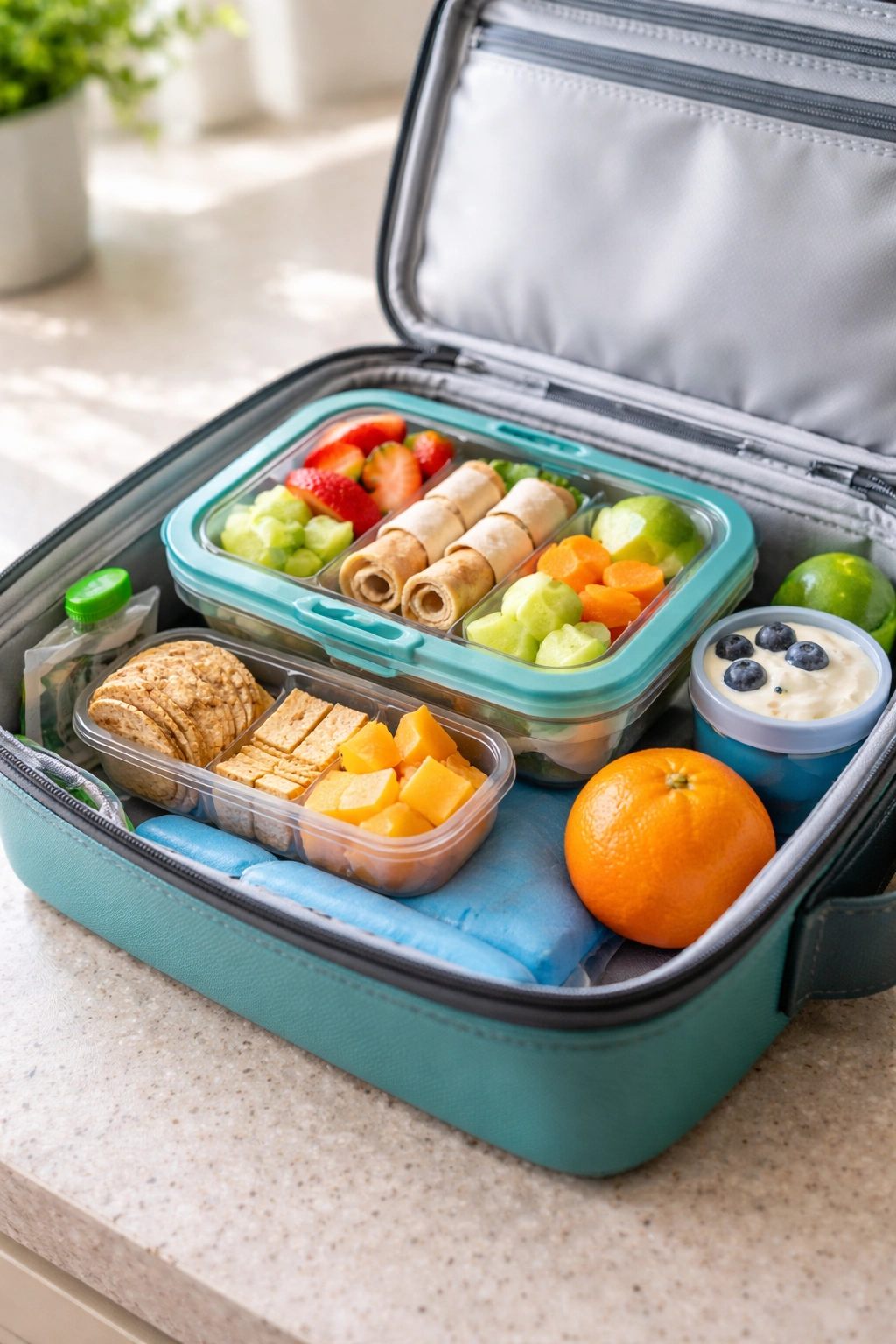
The most brilliant lunchbox fails if it gets crushed in a backpack, arrives at school warm and unappetizing, or features components that are so large or heavy that your toddler physically can’t eat them. Logistics matter as much as food choice.
Invest in quality containers that seal well and keep food at the right temperature. A good lunchbox with ice packs ensures that your toddler is eating food that tastes good and is safe. Pack heavier items on the bottom and fragile items on top so nothing gets squashed. Consider your toddler’s ability to open containers — if they can’t open a container, they won’t eat what’s inside, which defeats the entire purpose.
Cut foods into portions that feel manageable to your toddler. This doesn’t necessarily mean tiny — some kids eat better when portions feel generous. But it does mean nothing should feel overwhelmingly large or require heroic jaw strength. A piece of chicken the size of your child’s thumb is usually the right amount; a massive chicken breast is not.
Include at least one utensil if your toddler needs them, and consider a small fork or spoon even if they usually use their hands. Sometimes just having a utensil available gives a toddler permission to engage with the food differently than they do at home, which can spark willingness to eat.
Pack a napkin or small cloth even though it feels obvious. Picky eaters sometimes get more anxious about mess, and having a designated place to wipe hands or mouth reduces anxiety and improves the eating experience. A toddler who’s stressed about being dirty won’t eat well, no matter what food you’ve packed.
Making Peace With the Foods Your Toddler Actually Eats
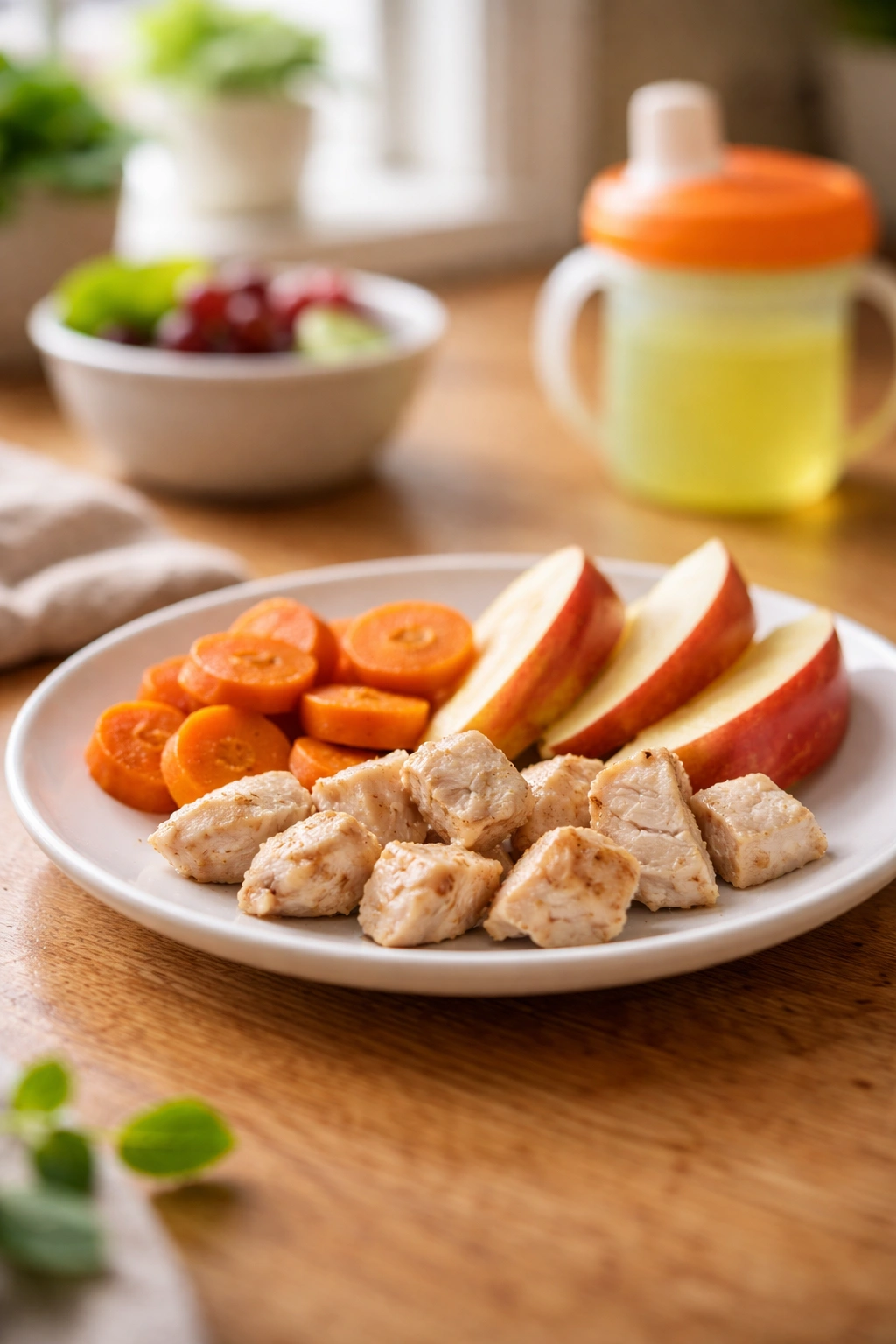
The hardest part of packing lunchboxes for a picky eater is often the mental piece — accepting that your toddler won’t eat as much vegetable variety as you’d ideally like, or that their lunch looks repetitive, or that you’re not hitting every food group at every meal. The cultural pressure around nutrition and “balanced” meals is relentless, and it’s exhausting to constantly feel like you’re failing because your toddler won’t eat what you think they should.
Here’s the truth that every parent of a picky eater eventually learns: a lunch that actually gets eaten is better than a nutritionally perfect lunch that comes home untouched. A toddler who eats consistently, even if the variety is narrow, is doing better than a toddler who’s so stressed about eating that they’re barely eating anything. Trust matters more than variety at this stage of development. Your job is to keep offering different foods without pressure, to respect your toddler’s texture and flavor preferences, and to create an eating environment that feels safe and positive.
Most picky eating phases are temporary. As kids get older, their palates expand, their sensory defensiveness decreases, and they become willing to try foods they once rejected. But the best predictor of long-term healthy eating is whether they grew up in a stress-free eating environment where food felt safe — not whether they ate every vegetable you offered.
Final Thoughts
Packing a lunchbox for a picky toddler isn’t about outsmarting them or secretly including vegetables they don’t want. It’s about meeting them where they actually are, respecting their genuine sensory and developmental needs, and building on the foods they trust while gently, persistently, pressure-free, offering small invitations to expand. Some days they’ll eat everything. Some days they’ll eat just one thing. Both days are okay, and both days count as a win if your toddler went to school or daycare fed and unstressed.
The strategies that work best are the ones that account for your specific toddler’s preferences, not the ones that work for some theoretical perfect child. Pay attention to which foods they reach for, which textures they tolerate, which temperatures they prefer, and which preparation methods make eating feel less anxious. Build your lunchbox strategy around those real preferences, and watch how much more likely your toddler is to actually eat.
Your goal isn’t a magazine-worthy lunchbox. Your goal is a lunchbox that gets eaten, that respects your toddler’s actual preferences, and that makes lunch easier on both of you. When you nail that combination, packing lunch stops feeling like a battle and starts feeling like something you’re getting genuinely good at.
