Table of Contents
- Why You Should Start Fruits To Grow In Garden Today
- The Growing Appeal of Home Fruit Gardening
- Health Benefits of Growing Your Own Fruits
- Nutritional Superiority of Homegrown Produce
- Physical and Mental Wellness Advantages
- Financial Advantages of Backyard Fruit Cultivation
- Long-Term Cost Savings
- Reducing Grocery Store Dependence
- Environmental Impact of Growing Fruits at Home
- Reducing Your Carbon Footprint
- Supporting Local Ecosystems and Pollinators
- Best Fruits to Grow in Your Garden for Beginners
- Easy-to-Grow Berry Varieties
- Fruit Trees That Thrive with Minimal Care
- Container-Friendly Fruit Options
- Essential Tips for Starting Your Fruit Garden Today
- Choosing the Right Location and Soil
- Understanding Climate and Growing Zones
- Planting and Care Best Practices
- Overcoming Common Challenges in Fruit Gardening
- Pest and Disease Management
- Seasonal Care and Maintenance
- The Joy of Harvesting Your Own Fruits
- Taste and Freshness Like Never Before
- Teaching Children and Building Family Traditions
- How to Get Started Right Now
- Simple First Steps for Today
- Essential Tools and Resources
- Final Thoughts: Your Fruit Garden Journey Awaits
Why You Should Start Fruits To Grow In Garden Today
Imagine stepping into your backyard on a warm summer morning, reaching up to pluck a perfectly ripe peach from your own tree, and biting into its sun-warmed sweetness. The juice drips down your chin, and you realize this single moment makes every bit of effort worthwhile. This isn’t just a dream reserved for farmers or those with sprawling estates—it’s an achievable reality for anyone willing to start growing fruits in their garden today.

The movement toward home fruit cultivation has gained remarkable momentum in recent years, and for excellent reasons. People everywhere are rediscovering the profound satisfaction that comes from nurturing plants from seedlings to harvest. Whether you have acres of land or just a small balcony with room for containers, growing your own fruits offers a transformative experience that touches every aspect of your life—from your health and finances to your environmental footprint and overall well-being.
Starting a fruit garden might seem intimidating at first, but the truth is that many fruit varieties are surprisingly forgiving and eager to thrive with basic care. The key lies in understanding your options, preparing properly, and taking that crucial first step. This comprehensive guide will walk you through everything you need to know about why fruit gardening deserves a place in your life and how you can begin this rewarding journey today.
The Growing Appeal of Home Fruit Gardening
Home fruit gardening has evolved from a nostalgic hobby into a practical lifestyle choice that millions embrace worldwide.
The resurgence of interest in growing fruits at home reflects a broader cultural shift toward self-sufficiency and conscious living. According to the National Gardening Association, food gardening participation has reached its highest levels in over a decade, with fruit cultivation leading much of this growth. People are increasingly questioning where their food comes from, how it’s grown, and what chemicals it might contain.
The pandemic effect played a significant role in accelerating this trend, as lockdowns forced people to reconsider their relationship with food sources. Many discovered that gardening provided not only fresh produce but also a meaningful way to spend time outdoors, reduce stress, and reconnect with nature. This newfound appreciation has persisted, with newcomers continuing to expand their gardens and experienced gardeners deepening their commitment to fruit cultivation.
Several factors make fruit gardening particularly appealing in today’s world:
- Control over food quality: You decide what goes into your soil and onto your plants
- Year-round engagement: Different fruits provide activities throughout every season
- Tangible rewards: Few hobbies offer such delicious and visible results
- Scalability: Start small and expand as your confidence grows
- Community building: Sharing harvests creates connections with neighbors and friends
The beauty of fruit gardening lies in its accessibility. Unlike vegetable gardens that require annual replanting, many fruit plants are perennials that continue producing for years or even decades. A single apple tree planted today could still be bearing fruit for your grandchildren, creating a living legacy that transcends generations.
Health Benefits of Growing Your Own Fruits
Beyond the obvious nutritional advantages, growing your own fruits delivers holistic health benefits that impact your body, mind, and spirit.
Nutritional Superiority of Homegrown Produce
When you grow fruits in your garden, you control the entire process from planting to picking, ensuring maximum nutritional value reaches your plate. Store-bought fruits are typically harvested before peak ripeness to survive transportation and extend shelf life. This premature picking means they never develop their full complement of vitamins, minerals, and beneficial compounds.
Vine-ripened fruits contain significantly higher levels of essential nutrients compared to their commercially harvested counterparts. Research published in the Journal of Agricultural and Food Chemistry demonstrates that fruits allowed to ripen naturally on the plant develop up to 30% more vitamin C and substantially higher concentrations of antioxidants. These compounds play crucial roles in fighting inflammation, supporting immune function, and protecting against chronic diseases.
The absence of post-harvest treatments further enhances the health benefits of homegrown fruits. Commercial operations often apply waxes, fungicides, and other preservatives to maintain appearance and prevent spoilage during the lengthy journey from farm to store. When you grow your own, you eliminate exposure to these substances entirely, enjoying produce in its purest, most natural state.
Physical and Mental Wellness Advantages
The act of gardening itself provides remarkable health benefits that extend far beyond nutrition. Tending a fruit garden constitutes moderate physical exercise that engages multiple muscle groups while remaining accessible to people of varying fitness levels. Regular gardening activities—digging, planting, pruning, and harvesting—burn calories, improve flexibility, and strengthen cardiovascular health.
Mental health benefits deserve equal attention in this discussion. Numerous studies have documented gardening’s powerful effects on psychological well-being:
-
Stress reduction: Gardening lowers cortisol levels, the hormone associated with stress. A study in the Journal of Health Psychology found that gardening outperformed reading as a stress-relief activity, producing measurably greater reductions in cortisol and improvements in mood. The combination of physical activity, fresh air, and focused attention creates a meditative state that calms the nervous system and promotes relaxation.
-
Depression and anxiety relief: Regular interaction with soil and plants has been linked to decreased symptoms of depression and anxiety. Soil contains beneficial bacteria called Mycobacterium vaccae that trigger serotonin release in the brain, naturally elevating mood. This biological mechanism helps explain why gardeners often report feeling happier and more centered after time spent among their plants.
-
Cognitive enhancement: Gardening challenges the brain through planning, problem-solving, and learning new skills. For older adults especially, this cognitive engagement helps maintain mental sharpness and may reduce dementia risk. The sensory stimulation provided by different textures, colors, and scents further activates brain regions associated with memory and emotional processing.
Financial Advantages of Backyard Fruit Cultivation
Growing fruits at home represents one of the smartest long-term investments you can make for your household budget.
Long-Term Cost Savings
The economics of fruit gardening become increasingly favorable over time, particularly when compared to the ever-rising prices of organic produce at grocery stores. While initial investments in plants, soil amendments, and basic tools require upfront spending, the return on investment over subsequent years proves substantial.
Consider the financial mathematics behind a single blueberry bush. A mature highbush blueberry plant produces between 5-10 pounds of berries annually for 20 years or more. With organic blueberries retailing at $5-8 per pint (approximately 12 ounces), that single bush could yield $50-100 worth of fruit each year. Against an initial investment of perhaps $15-25 for the plant plus minimal ongoing costs for fertilizer and mulch, the lifetime value easily exceeds $1,000.

Fruit trees magnify these savings dramatically. A well-maintained apple tree produces 200-400 pounds of fruit annually once mature, representing hundreds of dollars in grocery savings every year. When you factor in that many fruit trees remain productive for 30-50 years, the total lifetime value becomes remarkable.
Key financial benefits include:
- Elimination of premium organic pricing: Homegrown automatically means organic if you choose not to use synthetic chemicals
- Reduction in food waste: Harvest only what you need when you need it
- Preservation opportunities: Make jams, freeze excess fruit, or dry for long-term storage
- Potential income generation: Sell surplus at farmers’ markets or to neighbors
Reducing Grocery Store Dependence
Beyond direct cost savings, growing fruits reduces your vulnerability to supply chain disruptions and price volatility. Recent years have demonstrated how quickly grocery supplies can become unreliable during crises, whether from pandemics, natural disasters, or transportation breakdowns.
Food security takes on new meaning when you can walk into your backyard and harvest fresh fruit regardless of what’s happening in the broader world. This self-sufficiency provides peace of mind that no amount of money can buy. During seasons of abundance, proper preservation techniques allow you to extend this security throughout the year, maintaining access to nutritious fruits even when nothing grows outside.
The psychological benefit of reduced grocery dependence shouldn’t be underestimated either. There’s a profound satisfaction in knowing you’ve developed the skills and resources to feed yourself and your family. This confidence ripples into other areas of life, often inspiring further steps toward self-reliance and sustainable living.
Environmental Impact of Growing Fruits at Home
Your backyard fruit garden contributes to environmental health in ways that extend far beyond your property boundaries.
Reducing Your Carbon Footprint
Every piece of fruit you grow at home represents food that didn’t require long-distance transportation, refrigerated storage, or extensive packaging. The average grocery store fruit item travels approximately 1,500 miles from farm to shelf, consuming fossil fuels and generating carbon emissions at every step of the journey.
Local food production eliminates virtually all transportation-related environmental impact. Your homegrown strawberries travel mere feet from plant to plate, compared to the thousands of miles their store-bought equivalents might journey. This dramatic reduction in food miles translates directly to lower greenhouse gas emissions, making fruit gardening a meaningful climate action that individuals can take.
The environmental benefits compound when you consider avoided packaging waste. Commercial fruit distribution relies heavily on plastic containers, clamshells, bags, and other single-use materials that often end up in landfills or oceans. Home gardeners typically harvest into reusable baskets or bowls, eliminating this waste stream entirely.
Additional environmental advantages include:
- Reduced water usage: Efficient home irrigation uses water more effectively than large-scale agricultural operations
- Soil health improvement: Organic home gardening practices build rather than deplete soil quality
- Decreased chemical runoff: Eliminating synthetic pesticides and fertilizers protects waterways
- Carbon sequestration: Fruit trees actively remove CO2 from the atmosphere and store it in their wood and roots
Supporting Local Ecosystems and Pollinators
Your fruit garden becomes a vital habitat for beneficial insects, birds, and other wildlife that struggle to survive in increasingly urbanized landscapes. Flowering fruit plants provide essential nectar and pollen sources for bees, butterflies, and other pollinators whose populations have declined dramatically in recent decades.
Pollinator support carries significance beyond environmental idealism—it’s crucial for food security worldwide. Approximately 75% of global food crops depend on animal pollination to some degree. By creating pollinator-friendly spaces in your garden, you contribute to the broader ecosystem services that sustain agriculture everywhere.
Birds attracted to fruit gardens provide natural pest control, consuming enormous quantities of insects that might otherwise damage plants. This biological pest management reduces the need for interventions of any kind, creating a self-regulating system that mimics natural ecosystems. Many gardeners report that establishing fruit gardens increases the diversity and abundance of wildlife in their yards, transforming sterile lawns into vibrant miniature ecosystems.
Best Fruits to Grow in Your Garden for Beginners
Choosing the right fruits for your first garden dramatically increases your chances of success and enjoyment.
Easy-to-Grow Berry Varieties
Berries represent the ideal starting point for new fruit gardeners because they typically produce harvests within one to two years, require relatively little space, and forgive common beginner mistakes. Their compact size makes them manageable for learning pruning and care techniques without the intimidation of full-sized trees.
Strawberries top the list of beginner-friendly fruits for several compelling reasons. They grow quickly, produce fruit in their first year, and adapt to containers, raised beds, or traditional garden plots. A single strawberry plant can yield one to two pints of berries annually, and they spread naturally through runners, expanding your patch without additional investment.
Blueberries offer exceptional value for home gardeners willing to provide their specific soil requirements. These acid-loving shrubs thrive when given properly amended soil with a pH between 4.5-5.5. Once established, blueberry bushes require minimal maintenance and produce increasingly larger harvests for decades. Their ornamental qualities—beautiful spring flowers and stunning fall foliage—make them attractive landscape plants regardless of fruit production.
Raspberries and blackberries grow vigorously and produce abundant harvests with basic care. These bramble fruits spread through underground runners, naturally expanding your berry patch over time. Their upright growth habit makes harvesting easy, and with proper variety selection, you can extend the harvest season from early summer through fall.
Fruit Trees That Thrive with Minimal Care
For gardeners ready to invest in long-term fruit production, certain tree varieties offer reliability and ease of care that suit beginners while providing decades of abundant harvests.
Apple trees remain among the most forgiving fruit trees for home gardens, particularly disease-resistant varieties bred for home cultivation. Modern dwarf and semi-dwarf rootstocks keep trees manageable in size while accelerating fruit production—many bear within 2-4 years of planting. Cross-pollination requirements mean you’ll generally need two compatible varieties, but this setup doubles your harvest potential and extends the ripening season.
Fig trees deserve special mention for their remarkable adaptability and low maintenance requirements. They tolerate a wide range of soil conditions, resist most pests and diseases, and produce two crops annually in favorable climates. In colder regions, figs grow successfully in containers that can be moved to protected locations during winter, making them accessible to gardeners throughout much of the country.
Pear trees present another excellent option, often proving easier than apples for beginners. They typically experience fewer pest problems and adapt well to various soil types. Asian pear varieties in particular offer crisp, juicy fruits with minimal disease concerns, maturing on compact trees suitable for smaller properties.
Container-Friendly Fruit Options
Limited space shouldn’t prevent anyone from experiencing the joy of homegrown fruit. Numerous varieties have been specifically developed for container cultivation, bringing fruit gardening within reach of apartment dwellers and those with only patios or balconies.
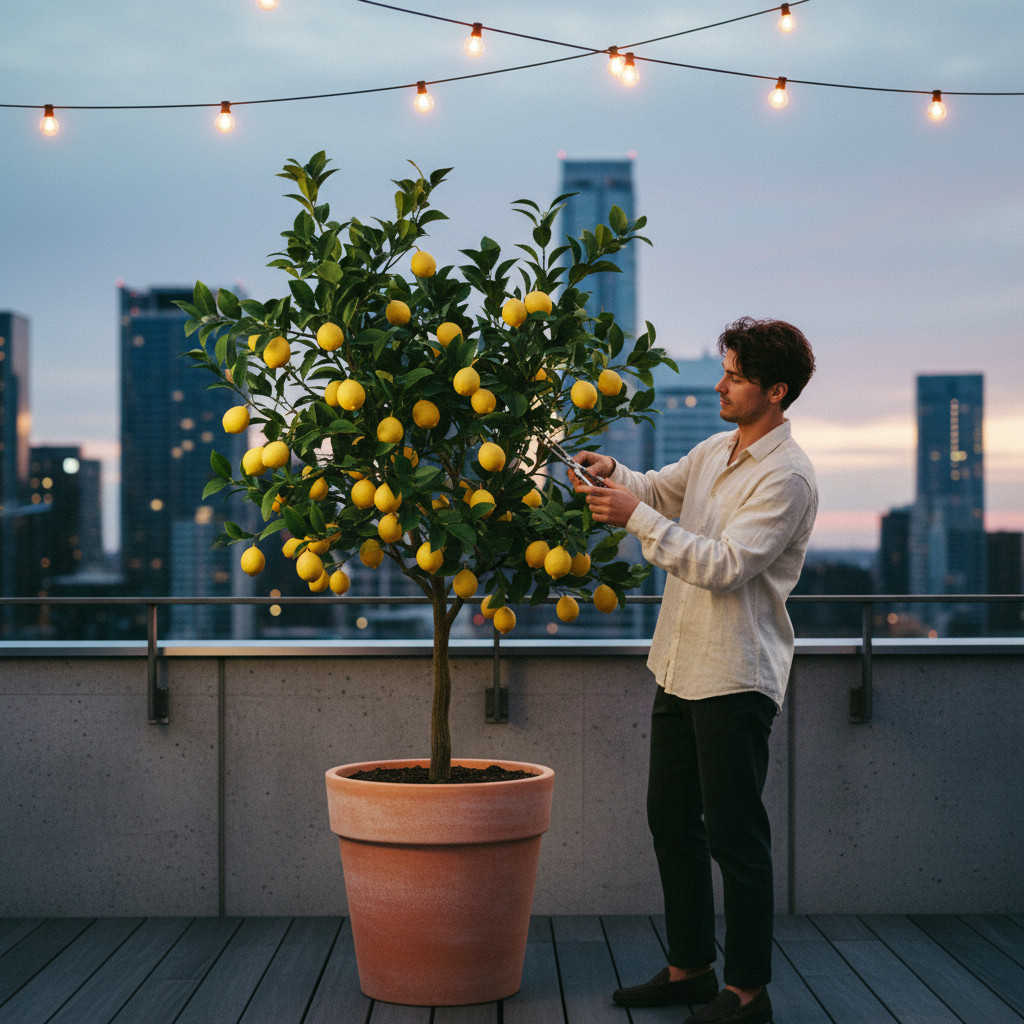
Dwarf citrus trees—including Meyer lemons, key limes, and kumquats—thrive in containers and produce fragrant flowers followed by beautiful, edible fruits. These evergreen plants provide year-round visual interest while delivering harvests that would cost substantial amounts at grocery stores. In colder climates, containers allow citrus to be moved indoors during winter, expanding their viable growing range significantly.
Container-suitable options also include:
- Columnar apple varieties: Narrow, upright growth fits in tight spaces
- Patio peaches and nectarines: Bred specifically for container culture
- Compact blueberry cultivars: Several varieties stay under 3 feet tall
- Hanging strawberry planters: Maximize vertical space on balconies
- Dwarf fig varieties: Remain productive at just 4-6 feet tall
Essential Tips for Starting Your Fruit Garden Today
Proper planning and preparation set the foundation for years of successful fruit harvests.
Choosing the Right Location and Soil
Site selection ranks among the most critical decisions in fruit gardening because most fruits require specific light and soil conditions to thrive. Taking time to evaluate your available spaces before purchasing plants prevents disappointment and wasted resources later.
Sunlight requirements vary somewhat among fruit varieties, but most need at least 6-8 hours of direct sun daily to produce quality harvests. Observe your potential planting sites throughout the day, noting when shadows from buildings, fences, or trees block sunlight. South-facing locations typically receive the most consistent sun in the Northern Hemisphere, making them ideal for fruit cultivation.
Soil quality directly impacts plant health and fruit production. Before planting, invest in a basic soil test through your local extension service or with a home testing kit. These tests reveal pH levels, nutrient content, and soil composition, allowing you to make targeted amendments rather than guessing. Most fruits prefer slightly acidic to neutral soil (pH 6.0-7.0), with notable exceptions like blueberries that require more acidic conditions.
Key soil considerations include:
-
Drainage: Fruit roots rot quickly in waterlogged soil. Test drainage by digging a hole, filling it with water, and observing how quickly it drains. If water remains after several hours, consider raised beds or alternative locations.
-
Organic matter content: Healthy soil contains abundant organic material that feeds beneficial microorganisms and improves structure. Compost, aged manure, and leaf mold all enrich soil when worked in before planting.
-
Compaction: Dense, compacted soil prevents root growth and water infiltration. Break up compacted areas with a broadfork or by incorporating coarse organic amendments.
Understanding Climate and Growing Zones
Matching fruit varieties to your climate ensures plants survive winters and experience appropriate conditions for fruit development. The USDA Plant Hardiness Zone Map provides essential guidance, dividing North America into zones based on average minimum winter temperatures.
Chill hour requirements represent another crucial consideration for many fruit trees. Apples, peaches, cherries, and other temperate fruits require specific amounts of cold winter weather to break dormancy and flower properly. Gardeners in mild climates must select low-chill varieties, while those in cold regions have broader options but must ensure plants can survive harsh winters.
Microclimates within your property can expand or limit your growing options. South-facing walls absorb and radiate heat, creating warmer pockets where marginally hardy plants might survive. Frost pockets—low areas where cold air settles—pose risks to early-flowering fruits. Understanding these microclimate variations allows strategic plant placement that maximizes success.
Planting and Care Best Practices
Proper planting technique gives fruit plants the strong start they need to establish healthy root systems and productive lives. While specific requirements vary by fruit type, certain principles apply broadly.
Timing matters significantly for planting success. Most fruit trees and bushes establish best when planted during dormancy—late fall through early spring in most climates. This timing allows roots to develop before the stress of summer heat and the demands of fruit production. Container-grown plants offer more flexibility but still benefit from avoiding the hottest months.
Follow these planting fundamentals:
-
Dig appropriately sized holes: Generally twice the width and equal to the depth of the root ball. Wider holes encourage lateral root growth into surrounding soil.
-
Position plants correctly: Most fruit trees should be planted with the graft union (a bulge near the base) several inches above soil level. Planting too deep can cause graft failure or crown rot.
-
Water thoroughly at planting: Settle soil around roots and eliminate air pockets by watering deeply immediately after planting.
-
Apply mulch: A 2-4 inch layer of organic mulch conserves moisture, suppresses weeds, and moderates soil temperature. Keep mulch several inches away from trunks to prevent rot.
-
Establish watering routines: Young plants need consistent moisture while establishing. Deep, infrequent watering encourages deep root growth better than frequent shallow irrigation.
Overcoming Common Challenges in Fruit Gardening
Anticipating potential problems and knowing how to address them transforms challenges into manageable aspects of the gardening journey.
Pest and Disease Management
Every fruit gardener eventually encounters pests or diseases, but these challenges need not derail your efforts. Integrated pest management (IPM) approaches emphasize prevention and least-toxic interventions, keeping problems manageable while preserving beneficial organisms.
Prevention forms the foundation of effective pest and disease management. Healthy plants resist problems more effectively than stressed ones, making proper watering, fertilization, and care your first line of defense. Good sanitation—removing fallen fruit, pruning diseased wood, and clearing debris—eliminates hiding places and breeding grounds for many problems.
When problems do arise, accurate identification guides appropriate responses:
- Monitor regularly: Inspect plants weekly during growing season, checking leaves (both sides), stems, and developing fruit
- Identify correctly: Many problems share similar symptoms. Use extension service resources or gardening apps to confirm what you’re dealing with
- Respond proportionally: Minor issues often resolve naturally or with minimal intervention. Reserve stronger measures for significant threats
- Time treatments appropriately: Many treatments work best at specific points in pest or disease life cycles
Biological controls offer effective, environmentally friendly options for many common problems. Encouraging beneficial insects—ladybugs, lacewings, parasitic wasps—provides ongoing pest suppression without any intervention on your part. Avoiding broad-spectrum pesticides preserves these natural allies, allowing biological balance to develop in your garden over time.
Seasonal Care and Maintenance
Fruit plants require different care throughout the year, and understanding these seasonal rhythms helps you provide what plants need when they need it.
Spring activities focus on preparing for the growing season ahead. Apply fertilizer as plants emerge from dormancy, following soil test recommendations or using balanced organic options. Complete any needed pruning before growth begins—fruit tree pruning particularly benefits from late winter timing when branch structure is visible and wounds heal quickly as growth resumes.
Summer demands center on watering, monitoring for problems, and supporting fruit development. Thin excessive fruit on trees to improve size and quality of remaining fruits while preventing branch breakage. Install netting if birds threaten your harvest, and maintain mulch layers to conserve moisture during hot weather.
Fall preparation sets plants up for successful winter dormancy. Reduce watering as growth slows, but ensure plants enter winter well-hydrated. Clean up fallen fruit and debris to reduce pest and disease pressure for the following year. Apply dormant season treatments for any recurring problems identified during the growing season.
Winter protection matters in cold climates, particularly for young plants and marginally hardy varieties. Wrapping trunks prevents sunscald damage, and mulching root zones provides insulation. In severe climates, physical barriers or temporary structures may be necessary for sensitive plants.
The Joy of Harvesting Your Own Fruits
Nothing compares to the satisfaction of eating fruit you’ve grown yourself, picked at the perfect moment of ripeness.
Taste and Freshness Like Never Before
The flavor difference between homegrown and store-bought fruit often astonishes first-time fruit gardeners. Commercial agriculture prioritizes varieties that ship well and store long over those with superior taste. Home gardeners face no such constraints, free to select varieties renowned for flavor rather than logistics.
Peak ripeness represents perhaps the greatest advantage of homegrown fruit. You alone decide when to harvest, waiting until sugars fully develop and flavors reach their peak. This patience rewards you with taste experiences simply unavailable through any other means—the concentrated sweetness of a sun-warmed raspberry, the complex aromatics of a tree-ripened peach, the perfect balance of tart and sweet in an apple picked at its prime.
The freshness factor compounds these flavor advantages. Fruits begin losing quality the moment they’re harvested, with vitamin content declining and textures deteriorating over time. When you grow your own, the time between picking and eating shrinks to minutes rather than the days or weeks typical of commercial produce. This freshness translates to better taste, higher nutrition, and superior texture in every bite.
Teaching Children and Building Family Traditions
Fruit gardening offers exceptional opportunities for teaching children valuable lessons while creating memories that last lifetimes. Children who participate in growing food develop healthier eating habits, greater respect for nature, and practical skills that serve them throughout life.
Educational benefits extend across multiple domains:
- Science learning: Observe pollination, plant growth cycles, and ecosystem interactions firsthand
- Responsibility development: Regular care requirements teach follow-through and commitment
- Patience cultivation: Waiting for fruit to ripen demonstrates delayed gratification
- Nutritional awareness: Children more willingly eat fruits they’ve grown themselves
Family traditions built around fruit gardens create lasting bonds across generations. Annual rituals—spring planting, summer care, harvest celebrations—mark time’s passage in meaningful ways. Recipes passed down using homegrown fruits carry deeper significance than those made with store-bought ingredients. Many adults treasure childhood memories of picking fruit with grandparents, and you can create similar memories for the children in your life.
How to Get Started Right Now
The best time to plant a fruit tree was twenty years ago. The second best time is today.
Simple First Steps for Today
Beginning your fruit garden doesn’t require elaborate preparation or significant investment. Taking action today, however small, starts momentum that builds over time.
Immediate actions you can take right now:
-
Assess your space: Walk your property with fresh eyes, identifying potential planting locations. Note sun exposure, existing plants, and available room for different fruit types.
-
Research your growing zone: Find your USDA hardiness zone using online tools or local extension resources. This information guides all future variety selections.
-
Choose your first fruit: Select one or two varieties well-suited to your climate, space, and experience level. Berries offer quick gratification; trees provide long-term rewards.
-
Locate suppliers: Identify local nurseries, mail-order sources, or garden centers that stock quality fruit plants. Placing orders now ensures availability for optimal planting windows.
-
Prepare your site: Begin improving soil in intended planting areas. Adding compost now gives amendments time to integrate before planting.
Essential Tools and Resources
Starting fruit gardening requires minimal specialized equipment, though certain tools make tasks easier and more effective.
Basic tool requirements include:
- Quality shovel and spade for planting and soil work
- Pruning shears for small cuts and harvest
- Loppers for branches up to 2 inches diameter
- Watering can or hose with adjustable nozzle
- Mulch and compost for soil improvement
Information resources support your learning throughout the journey:
- Local extension services: Free, region-specific guidance from trained experts
- Master Gardener programs: Volunteer specialists available for questions
- Gardening books and websites: General knowledge building
- Local gardening clubs: Community connections and shared experience
Final Thoughts: Your Fruit Garden Journey Awaits
The decision to start growing fruits in your garden today represents more than a hobby choice—it’s an investment in your health, your finances, your environment, and your quality of life. Every piece of fruit you harvest with your own hands carries satisfaction that no store purchase can match.
The benefits compound over time as your skills develop, your plants mature, and your garden evolves. What begins as a single blueberry bush or strawberry patch can grow into a diverse orchard that supplies your family with fresh fruit for decades. The learning never ends, and neither does the reward.
Take action today, however small the step might seem. Order seeds for strawberries. Research apple varieties for your climate. Test your soil. Walk your yard and imagine where fruit trees might grow. Each action moves you closer to that sun-warmed peach, that perfect raspberry, that apple picked at peak ripeness.
Your future self will thank you for starting now. The best harvests await those who plant today.