



When the thermometer climbs and your kitchen feels like a sauna, the last thing you want to do is turn on the stove, oven, or even the stovetop. Yet hunger doesn’t take a summer break, and you still need to eat well-balanced, satisfying meals that keep your energy up without leaving you exhausted from cooking. The good news? Some of the most refreshing, nourishing meals require nothing more than a cutting board, your refrigerator, and a few minutes of assembly. No-cook meals aren’t just a workaround for hot weather — they’re a genuinely delicious way to eat when you embrace fresh ingredients, bold flavors, and creative combinations that actually taste better cold or at room temperature.
The secret to making no-cook meals feel substantial and crave-worthy isn’t about skimping on nutrition or settling for sad desk lunches. It’s about treating cold meals with the same intentionality you’d give a cooked dish. That means building layers of flavor, mixing textures, choosing ingredients that taste vibrant when raw or chilled, and understanding which combinations create meals that are genuinely satisfying. These aren’t afterthoughts or backup plans — they’re legitimate dinners that happen to not require any heat. Whether you’re working from home in sweltering heat, facing a kitchen that’s too warm to use, or simply want to minimize your environmental footprint and energy consumption, the meals ahead will show you that no-cook doesn’t mean no-care.
The most important thing to know upfront is that fresh, high-quality ingredients are non-negotiable. When you’re not cooking anything down, building sauces, or using heat to develop flavors, every element you use shows. Ripe tomatoes taste exponentially better than watery ones. Fresh mozzarella beats the rubbery kind. Good bread matters. These meals reward you for shopping well and choosing ingredients at their peak. Once you understand this, you’ll find that no-cook eating becomes not just practical but genuinely exciting.
1. Mediterranean Chickpea Salad With Feta and Herbs
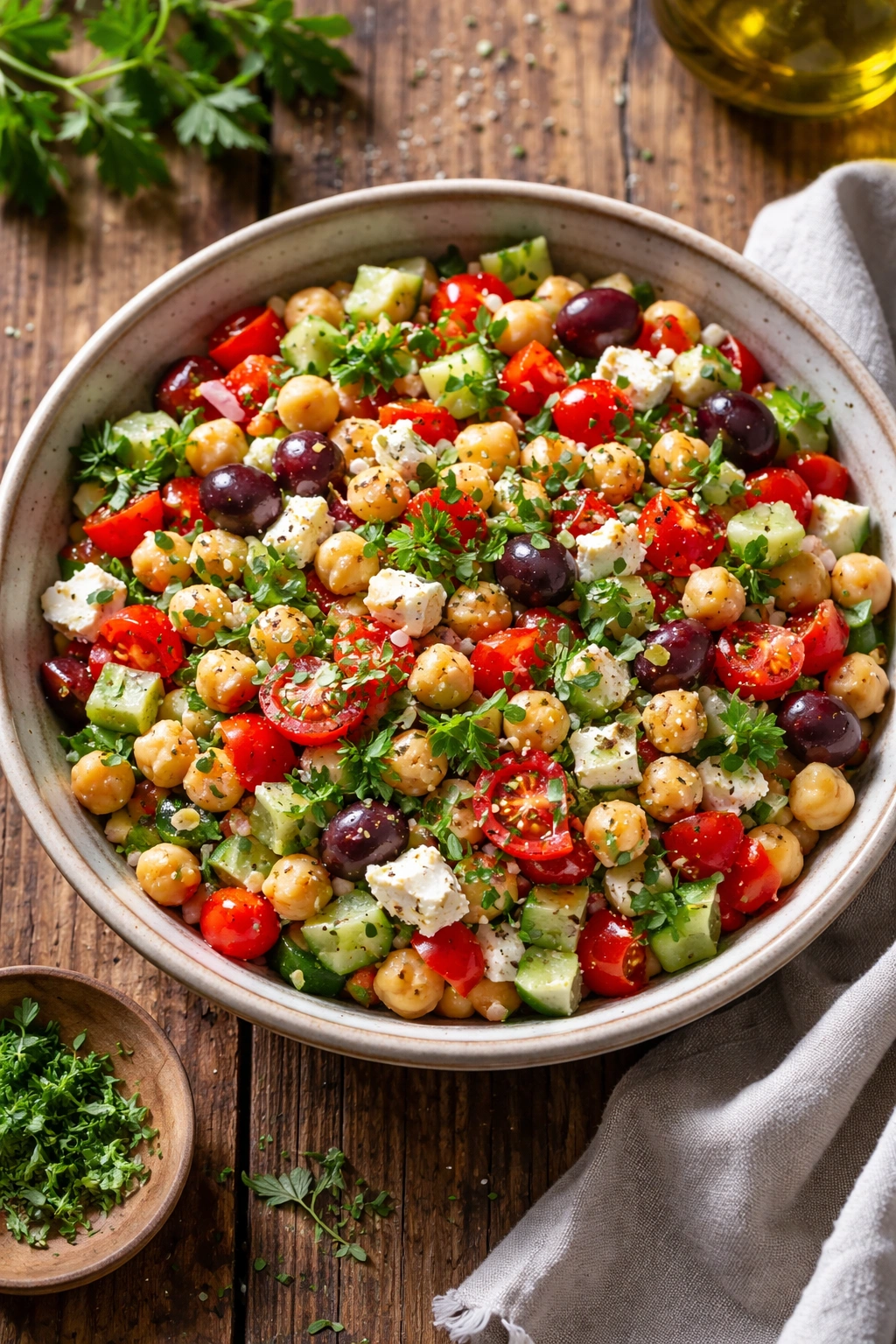
This salad is hearty enough to serve as a complete meal, with chickpeas providing the protein and fiber that make it actually filling rather than feel like a side dish masquerading as dinner. The magic lies in dressing it well ahead of time so the flavors have time to meld, and every component absorbs the bright olive oil and vinegar dressing instead of sitting separately on the plate.
Why It Works as a No-Cook Dinner
Chickpeas straight from the can (rinsed well) have a tender, creamy texture that works beautifully in cold salads, and they absorb dressing flavors remarkably fast. Unlike salads built around delicate greens that wilt within hours, this salad actually improves as it sits, making it perfect for meal prep or building several hours ahead. The combination of protein from the chickpeas, healthy fats from olives and feta, and fresh vegetables creates nutritional completeness without any cooking required — you’re genuinely nourished, not just snacking.
What to Combine Together
- Two 15-ounce cans chickpeas, drained and rinsed thoroughly
- 2 cups diced fresh tomatoes (Roma tomatoes work best for less juice)
- 1 cucumber, diced into small cubes
- 1 red bell pepper, finely diced
- ¾ cup Kalamata olives, pitted and halved
- ⅔ cup crumbled feta cheese
- ¼ cup fresh basil, torn by hand
- 2 tablespoons fresh dill, chopped
- 3 tablespoons extra-virgin olive oil
- 2 tablespoons red wine vinegar
- 1 teaspoon Dijon mustard
- Salt and pepper to taste
Combine all vegetables and chickpeas in a large bowl, then whisk together the oil, vinegar, mustard, salt, and pepper in a small bowl and pour over everything. Toss gently until coated, then let it sit at room temperature for at least 30 minutes (or refrigerate for up to 8 hours if making ahead) so the flavors marry and intensify.
Pro tip: Make this in the morning and pack it for lunch — it tastes better the longer it sits, and the dressing gets absorbed by the chickpeas instead of pooling at the bottom.
2. Deconstructed Sushi Bowl With Smoked Salmon and Avocado
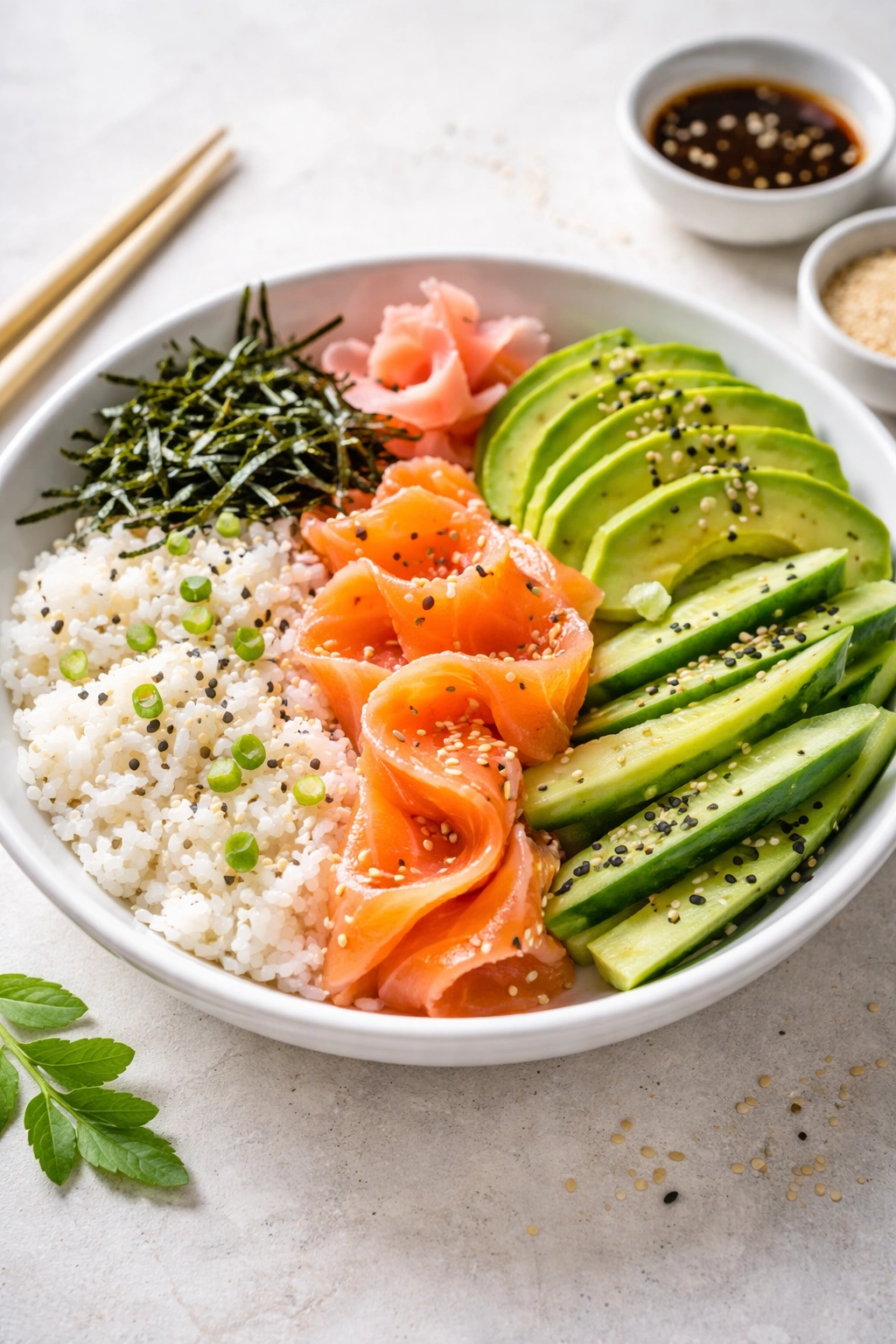
A sushi bowl gives you the appeal of sushi — that combination of fresh fish, creamy avocado, crisp vegetables, and umami-rich soy sauce — without any of the rolling, sealing, or knowledge required. This is especially excellent on days when you want something elegant but are too hot and tired to fuss. The rice acts as a cooling base that actually tastes better chilled, making this meal feel intentional rather than makeshift.
How to Layer It for Maximum Impact
Start with a base of cold sushi rice (make it the morning of and refrigerate, or buy prepared sushi rice from the grocery store). Top with thin slices of smoked salmon, creamy avocado slices, thinly sliced cucumber, shredded nori (seaweed), and crisp pickled ginger. The rice chills down your mouth in the best possible way, and the cold temperature makes each ingredient taste fresher and more distinct. Drizzle everything with a mixture of soy sauce, rice vinegar, and a tiny bit of sesame oil, then finish with sesame seeds and a sprinkle of wasabi if you like heat.
Components You’ll Need
- 2 cups cooked sushi rice, chilled
- 6 ounces smoked salmon, sliced thin
- 1 ripe avocado, sliced just before serving
- 1 cucumber, sliced into thin ribbons or small matchsticks
- ¼ cup pickled ginger
- 1 sheet nori (seaweed), cut into thin strips
- 3 tablespoons soy sauce mixed with 1 tablespoon rice vinegar and ½ teaspoon sesame oil
- 2 tablespoons sesame seeds
- Wasabi to taste (optional)
Arrange everything in a bowl over the cold rice, then dress at the last moment so nothing gets soggy. The entire bowl comes together in about five minutes, but tastes like you’ve put real effort in.
Worth knowing: If you can’t find smoked salmon, substitute with sashimi-grade tuna, cooked shrimp, or even canned tuna packed in water (drained well) for an equally delicious but more budget-friendly version.
3. Caprese Sandwich With Basil Aioli
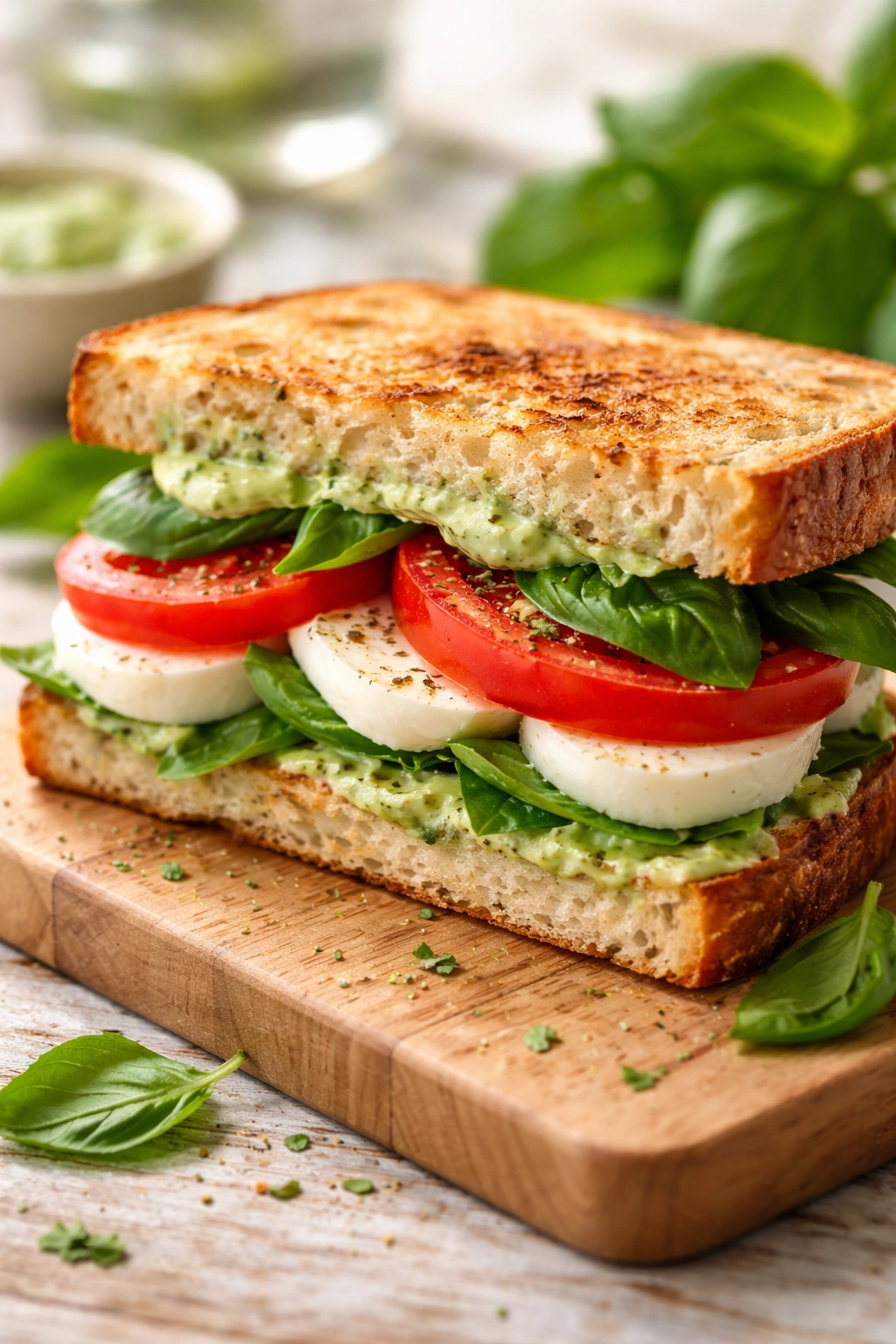
This is summer in sandwich form — ripe tomatoes, fresh mozzarella, and fragrant basil between good bread, with a creamy basil-infused aioli that ties everything together. It sounds simple because it is, but the quality of each ingredient becomes everything when there’s no cooking to hide behind. This works for lunch or dinner, and it’s one of those meals that tastes exponentially better when every component is at peak ripeness.
Building Layers of Flavor
Start by making a quick basil aioli: whisk together ½ cup good mayonnaise, 2 minced garlic cloves, a small handful of fresh basil (about 8-10 leaves) roughly torn, 1 tablespoon fresh lemon juice, and salt and pepper. Let this sit for 10 minutes so the basil flavor infuses into the mayo. Toast your bread lightly if it’s soft (this prevents sogginess without using heat), spread the basil aioli generously on both slices, then layer on thick slices of ripe tomato, fresh mozzarella, more fresh basil leaves, and a pinch of fleur de sel. A light drizzle of good olive oil on the tomatoes adds richness.
What Makes This Work
The bread is your only “cook” decision — you can use it untoasted, lightly toasted, or even grilled on the outside if you can handle a few seconds at the griddle. Focaccia, ciabatta, or thick-cut sourdough all work beautifully. The magic is that fresh basil becomes the actual star, not just a garnish. Two or three layers of basil leaves throughout the sandwich mean every bite carries herbal flavor that makes the whole thing transcendent. Tomatoes should be at room temperature, not cold from the fridge, so they taste bright and sweet rather than muted.
Pro tip: Slice your tomatoes at least 15 minutes before assembly and salt them generously — this draws out their liquid and concentrates their flavor, making them taste more tomatoey.
4. Thai Mango Salad With Shrimp and Cashews
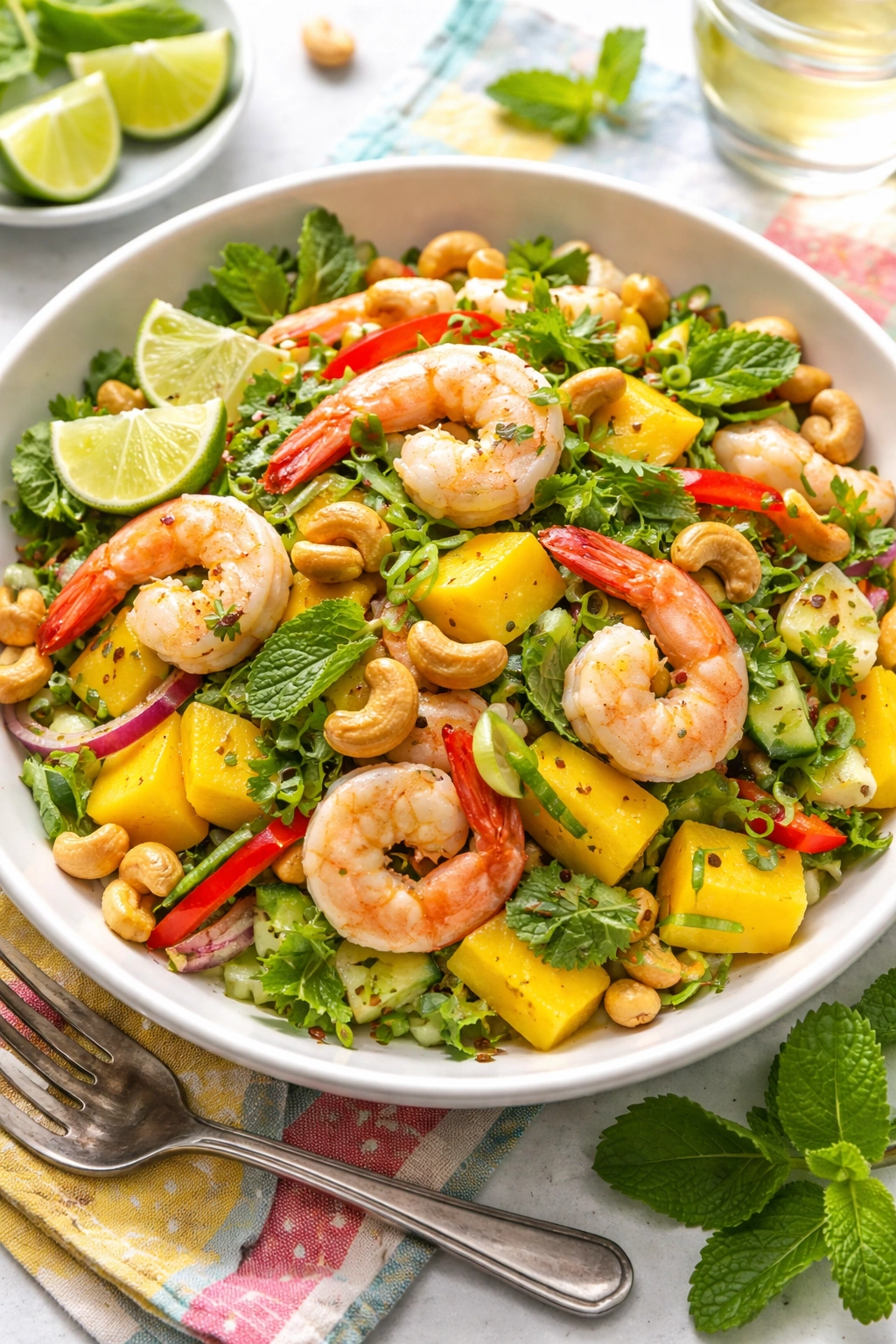
This salad walks the line between sweet, spicy, salty, and sour in a way that feels exciting and not at all like a summer compromise meal. The key is using truly ripe mangoes (not the hard green ones) so they bring natural sweetness and creamy texture that balances the heat from fresh chili and the sharpness of lime. Precooked shrimp from the grocery store seafood counter means you can have this ready in 15 minutes without ever turning on the stove.
How to Create the Balance
Combine 1 pound cooked, chilled shrimp with 2 cups fresh mango chunks, ¼ cup fresh mint leaves, ¼ cup fresh cilantro, 2 thinly sliced scallions, and ¾ cup roasted cashews. For the dressing, whisk together 3 tablespoons fresh lime juice, 2 tablespoons fish sauce, 1 tablespoon honey, 1 teaspoon minced fresh ginger, and ½ to 1 sliced fresh Thai chili (or red pepper flakes if you can’t find fresh). The dressing is aggressively flavorful — it needs to be, because the mild shrimp and sweet mango can absorb it. Pour the dressing over everything and toss gently so you don’t break apart the mango pieces.
Why This Tastes So Alive
Fresh mango brings a flavor that actually makes you taste more acutely — somehow the combination of mint, cilantro, lime, and mango heightens all the other flavors in the salad. Roasted cashews add textural contrast and a subtle richness that stops this from feeling like a light snack and makes it a legitimate dinner. The shrimp provides protein, but the real star is how all these fresh herbs and bright flavors work together to create something that tastes expensive and impressive even though it’s absurdly simple.
Pro tip: Make the dressing first and let it sit for 5 minutes so the ginger and chili flavor infuses, then combine with the salad components just before eating so the mint and cilantro stay vibrant and don’t turn dark from sitting in acid.
5. Gazpacho With Crusty Bread and Goat Cheese
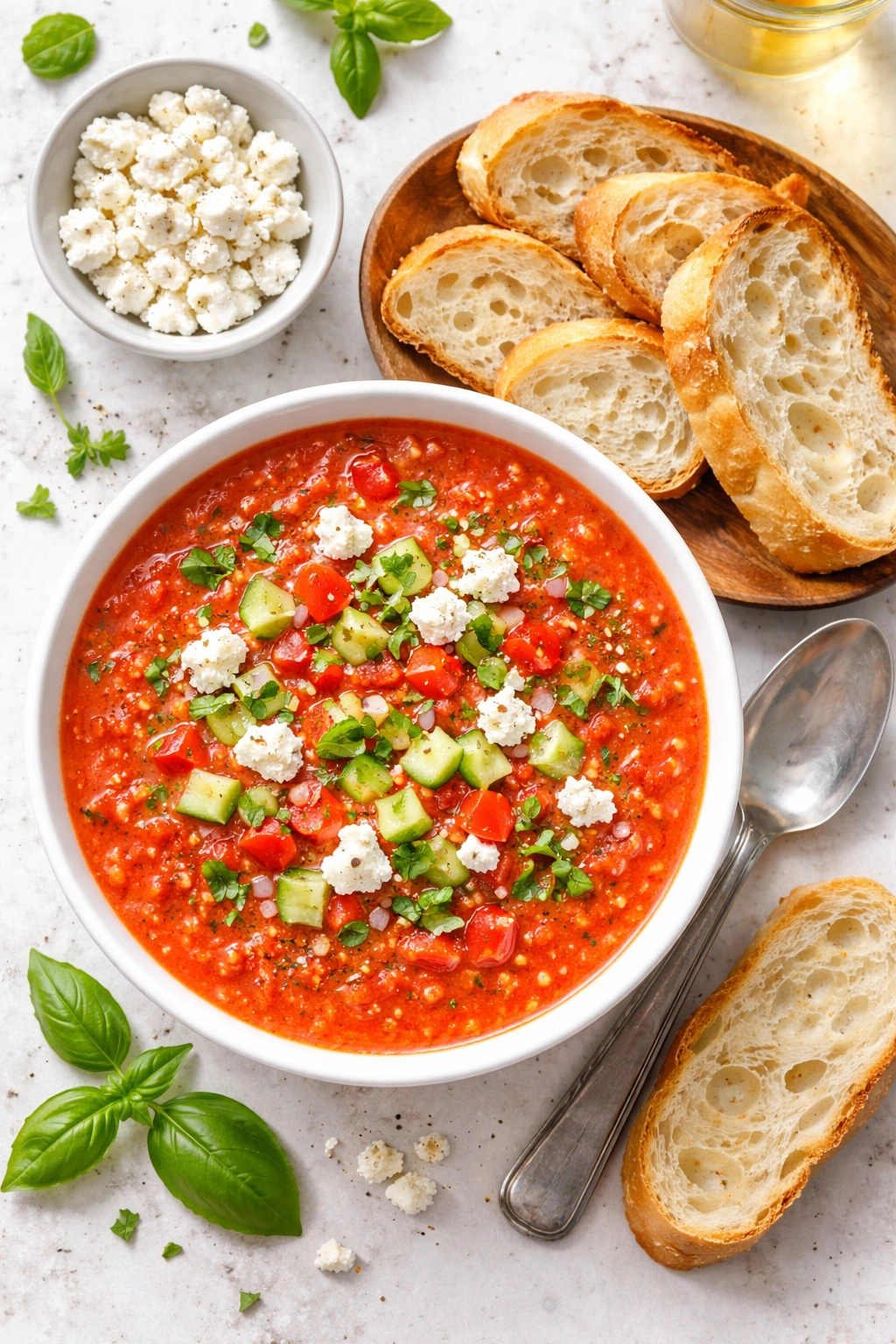
Gazpacho is essentially a cold soup that tastes like distilled summer — it’s built entirely from raw vegetables, olive oil, and vinegar, making it the ultimate no-cook option. The genius of gazpacho is that blending raw tomatoes, cucumbers, and peppers actually concentrates their flavors instead of cooking them away, creating something that tastes fresher and brighter than it has any right to. Serve it ice-cold with crusty bread and creamy goat cheese, and you have a meal that feels restaurant-worthy but took ten minutes to make.
Creating Real Gazpacho (Not Watered-Down Tomato Juice)
Start with 2 pounds of very ripe tomatoes (if you can’t find peak-season tomatoes, this dish won’t sing, so don’t fight it). Add 1 cucumber, 1 red bell pepper, ½ red onion (small), 1 slice of good bread (torn apart), 3 cloves garlic, 3 tablespoons red wine vinegar, 3 tablespoons extra-virgin olive oil, 1 tablespoon honey, salt, and pepper. Pulse everything in a food processor until you reach the texture you like — some people prefer completely smooth, others like a little chunkiness. Chill for at least 2 hours so the flavors marry and the soup gets properly cold. Serve in chilled bowls with a drizzle of olive oil on top, crusty bread on the side, and crumbled goat cheese stirred in or scattered over the top.
Why This Works as a Meal
The bread that goes into the gazpacho serves as a thickener and adds body so this feels like actual soup, not just blended vegetables. Goat cheese adds richness and slight tang that balances the acidity of the vinegar. The oil carries flavor and creates the mouthfeel of a proper soup. This is a complete, nourishing meal that happens to be cold, not a light appetizer. The tomatoes and vegetables provide vitamins and minerals, the olive oil provides healthy fats, and the bread provides carbohydrates and structure.
Worth knowing: Gazpacho tastes better the next day after the flavors have had time to fully integrate, so this is an excellent dish to make in the morning or the day before.
6. Niçoise Salad With Tuna and Hard-Boiled Eggs
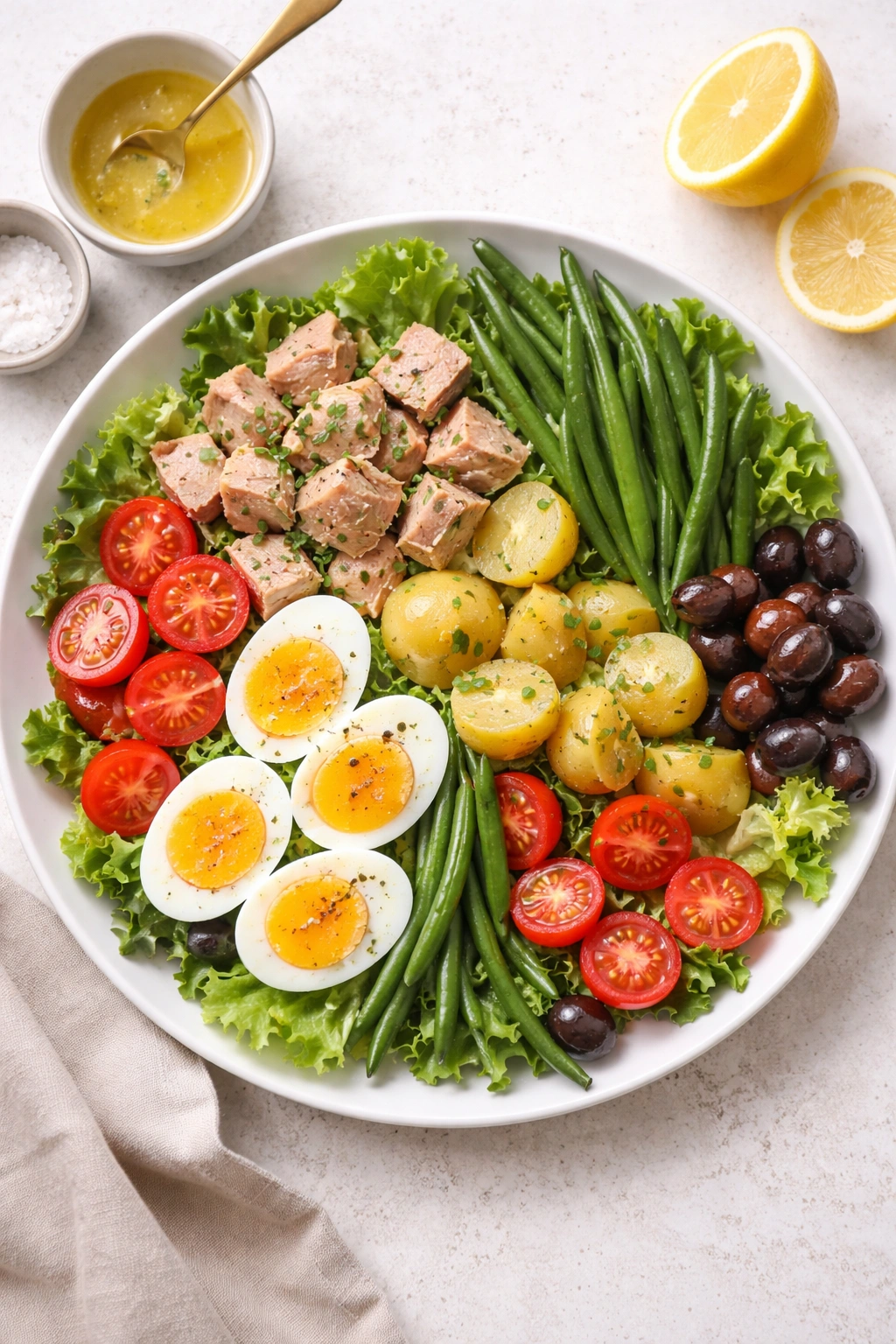
A proper Niçoise salad is a composed salad, meaning everything stays separate rather than getting tossed together — this isn’t just nice for presentation, it’s actually how you ensure every bite tastes balanced. The salad brings together tuna, potatoes, green beans, eggs, olives, and tomatoes, each element contributing its own flavor and texture. The best part? Most components can be prepped ahead, making this a meal that comes together beautifully without any last-minute cooking.
Assembling Your Salad Canvas
Start with a bed of crisp lettuce (butter lettuce or romaine works beautifully). Arrange in distinct sections: a small can of high-quality tuna (drained), halved hard-boiled eggs, blanched green beans (can be done the day before and chilled), cubed cooked potatoes, halved cherry tomatoes, and Niçoise olives. The key is that every element stays visible and distinct — you’re not making a jumbled mess, you’re creating a composed arrangement where someone can see and choose what they want in each bite. Dress lightly with a vinaigrette made from 3 tablespoons olive oil, 1 tablespoon red wine vinegar, 1 teaspoon Dijon mustard, and salt and pepper.
Why Composition Matters Here
When salad elements stay separate instead of being tossed, you taste each one distinctly. The tuna stays firm and flavorful rather than getting buried. The eggs keep their creamy texture rather than getting broken up. The potatoes hold their shape. This method also makes it possible to customize — if someone doesn’t like anchovies or olives, they can simply leave them out. The salad becomes interactive and personal rather than one-size-fits-all. This is a complete, balanced meal with protein from the tuna and eggs, carbohydrates from the potatoes, fresh vegetables, and healthy fats from the olives and dressing.
Pro tip: Hard-boil your eggs the day before and keep them in the fridge — they’re actually easier to peel after sitting overnight, and you can grab them whenever you’re ready to assemble lunch.
7. Vietnamese Banh Mi-Inspired Sandwich With Tofu
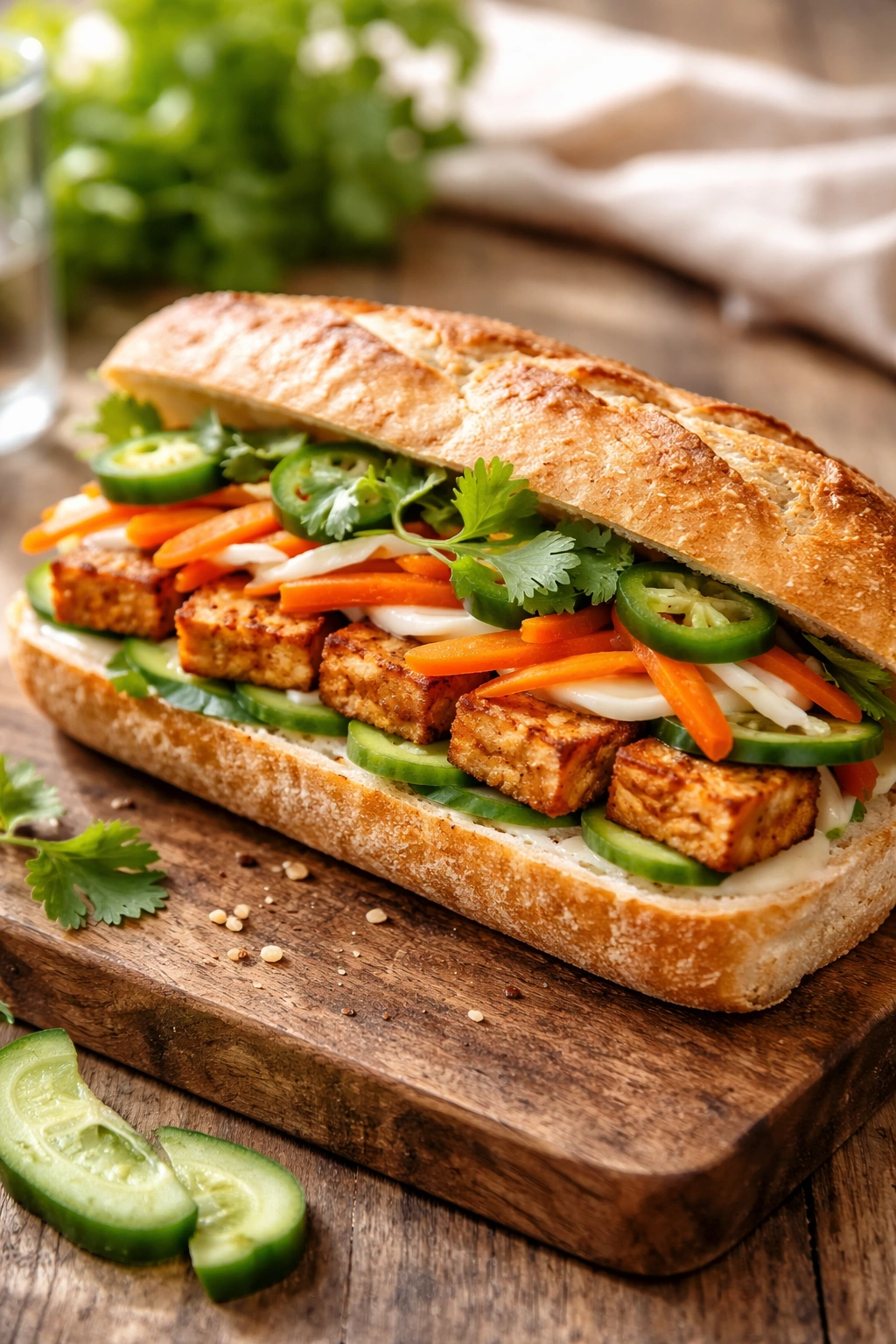
This isn’t an authentic banh mi (which traditionally uses pâté and other cooked components), but it captures the essential spirit of the Vietnamese sandwich — bright, bold flavors in every bite. Quick-pickled vegetables provide acidity and crunch, while crispy tofu (yes, crispy, not mushy) from the grocery store provides substance and a slightly nutty flavor. The whole thing comes together on crusty bread with mayo and a spicy mayo, tasting complex and crave-worthy.
Building Layers of Flavor and Crunch
Start by making quick pickles: combine 1 cup rice vinegar with 2 tablespoons sugar, 1 tablespoon salt, and let it cool. Slice thin julienne cuts of carrots, daikon radish (or additional carrots if you can’t find daikon), and cucumber, then pour the pickling liquid over and let sit for at least 30 minutes. Press extra-firm tofu between towels, then cut into thin slices and pan-fry briefly in a hot skillet with oil until the edges are golden and crispy — this should take about 3 minutes per side. Spread good mayo and a spicy mayo (mayo mixed with sriracha) on crusty bread, layer in the crispy tofu, quick-pickled vegetables, fresh cilantro, and jalapeño slices. The whole sandwich comes together in about 15 minutes if your vegetables are already pickled, and tastes like you’ve gone to actual effort.
Why This Works Without Cooking
The quick-pickled vegetables are essentially cooked through the pickling process — the acid essentially “cooks” them while keeping them crisp. The tofu is the only thing that requires any heat, and it’s genuinely quick. The sandwich relies entirely on bright acidity, crunchy vegetables, and bold flavors rather than slow-simmered depth, which makes it perfect for a hot day. Each element stays distinct and flavorful, and the whole sandwich tastes vibrant and fresh.
Worth knowing: Crispy tofu has a completely different texture and appeal than soft tofu — if you’ve had bad experiences with tofu, this version might change your mind. The crispy edges almost taste nutty and substantial.
8. Burrata Salad With Heirloom Tomatoes and Basil Oil
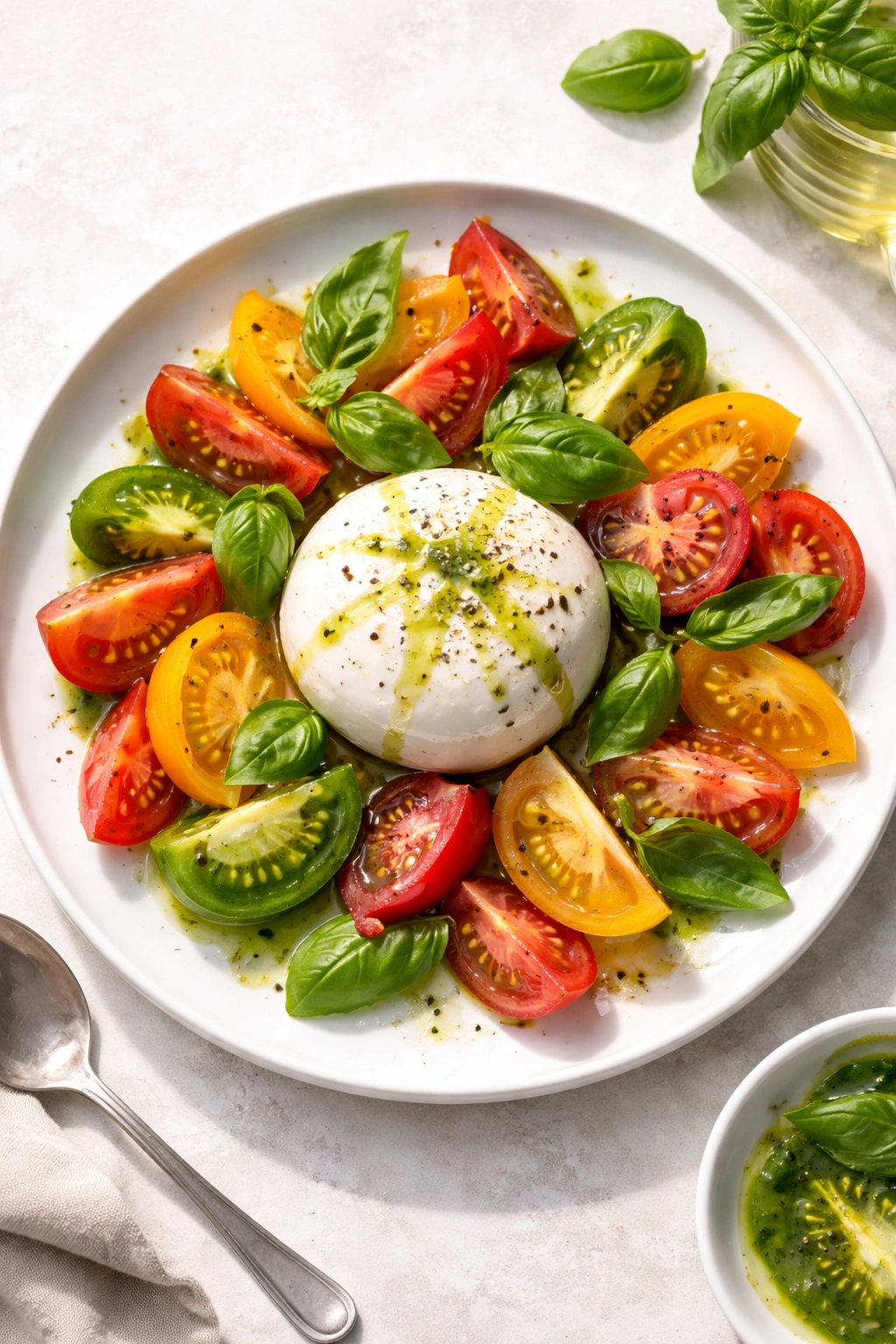
Burrata is basically fresh mozzarella’s fancy cousin — it’s soft on the outside, creamy and almost custardy on the inside, and it becomes the star of any salad it appears in. Paired with ripe heirloom tomatoes (the weird-looking ones actually taste exponentially better than perfect round ones), fresh basil, and a basil-infused oil, this salad is almost absurdly simple but tastes sophisticated enough to serve to guests.
Creating the Foundation
This salad thrives on high-quality, minimal ingredients — don’t overcomplicate it. Wash and halve or quarter heirloom tomatoes (cherry, striped, black, yellow varieties all work) and arrange on a serving plate. Top with whole or halved burrata, fresh basil leaves, and a light sprinkle of fleur de sel. For the basil oil, combine 1 cup extra-virgin olive oil with a large handful of fresh basil leaves (about 20-30 leaves) and let it infuse at room temperature for at least 1 hour — the basil flavor will gently infuse into the oil without the basil turning dark green or oxidizing. Strain out the basil before serving, then drizzle the basil oil over everything and finish with cracked black pepper.
Why Less Is More Here
Burrata is delicate and luxurious, so it doesn’t need much accompaniment. The acidity comes naturally from the tomatoes, which are slightly more acidic than sweet. The basil oil carries the herbal flavor and provides richness. Everything together creates a composed salad where you can taste each element distinctly, but together they create something greater than the sum of the parts. This is the kind of salad that makes you want to eat vegetables, not because they’re good for you, but because they genuinely taste amazing when they’re at peak ripeness and handled with care.
Pro tip: Buy burrata the day you’re planning to eat it — it’s at its best fresh, not after sitting in the fridge for several days. Room temperature burrata tastes creamier and more luxurious than cold burrata.
9. Loaded Hummus Plate With Vegetables, Olives, and Pita
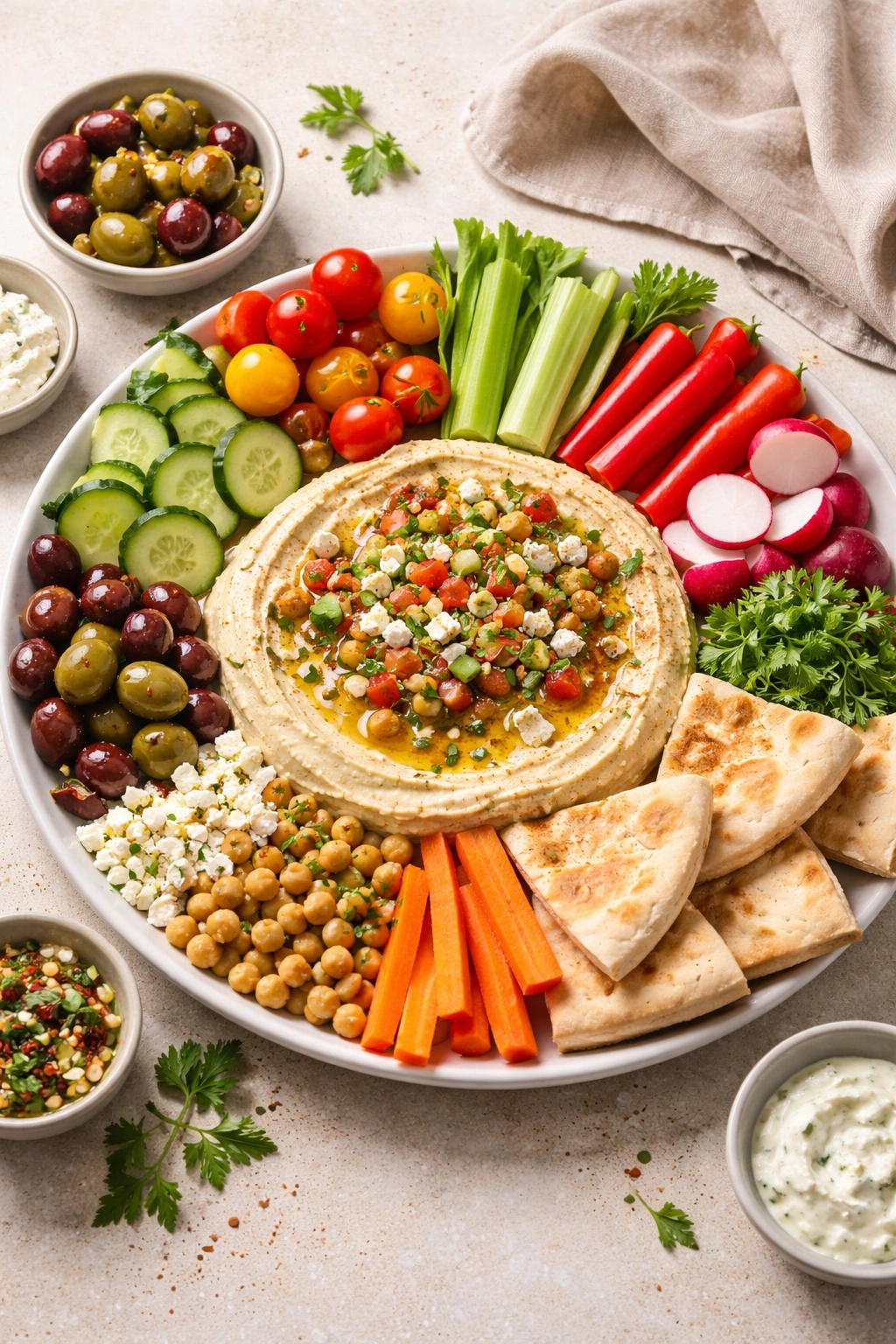
This might feel more like an appetizer than a dinner, but when you load it properly with high-quality hummus, plenty of vegetables, good olives, fresh bread, and maybe some feta or nuts, it becomes a complete, satisfying meal. The beauty is that every component can be made ahead or bought already made, and assembly takes literally five minutes. It’s the kind of meal that feels like you’re eating out without any of the heating-your-apartment-up part.
Components to Assemble
Buy or make really good hummus (store-bought is totally fine for this application — quality has improved dramatically). Spread it on a large platter, then drizzle generously with olive oil and sprinkle with paprika, fresh herbs, and crushed red pepper. Arrange around it: vegetables cut into dipping pieces (carrots, cucumbers, bell peppers, cherry tomatoes, radishes), good quality olives, crumbled feta cheese, roasted chickpeas for extra crunch, fresh herbs like mint and parsley, and warmed pita bread or crackers. The whole thing comes together in about 10 minutes and creates an impressive spread that tastes abundant and satisfying.
Why This Meal Works
Hummus provides protein and healthy fats from the chickpeas and tahini. Vegetables provide vitamins, minerals, and fiber. Olives and feta add richness and saltiness. Bread provides carbohydrates and structure. Together, these elements create a completely balanced meal that feels fun and abundant rather than like a diet food. The variety keeps it interesting — you’re not eating the same thing bite after bite, you’re creating different combinations with each dip into the hummus.
Pro tip: Make this in a wide, shallow bowl or on a platter rather than cramming everything into a small dish — the visual abundance makes it feel like a feast even though you’re eating simple things.
10. Capellini With Raw Tomato Sauce and Fresh Herbs
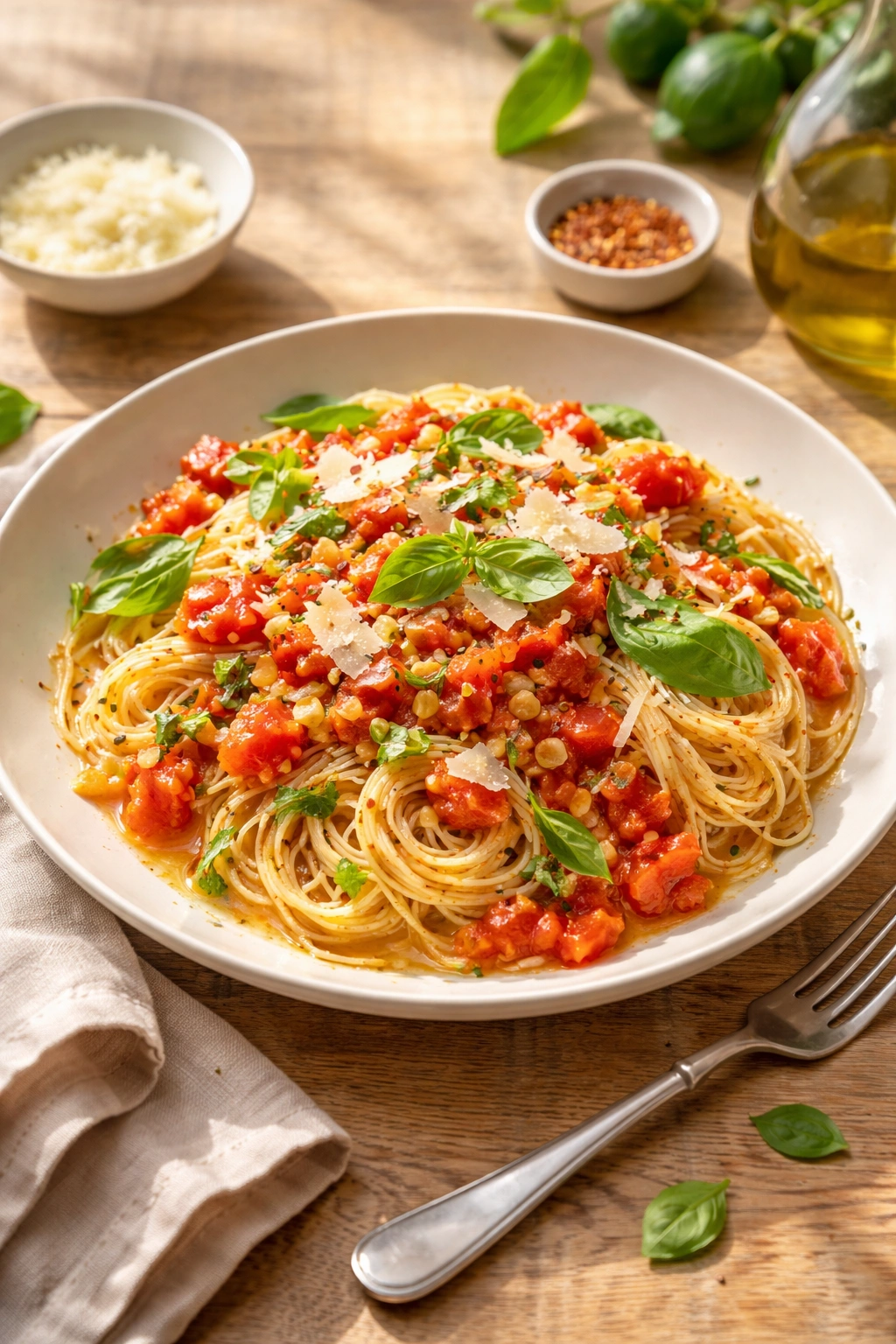
This is real pasta, but served at room temperature with a completely raw tomato sauce that tastes bright and summery. The secret is that the hot pasta cooks just barely enough to soften it, then you drain it and immediately dress it with cold tomato sauce, fresh herbs, and good olive oil. The pasta stays tender but maintains a little bite, and the sauce clings to each strand without becoming a heavy, cooked-down mess.
Making the Raw Tomato Sauce
Combine 2 pounds very ripe tomatoes (diced small), 4 cloves minced garlic, ½ cup fresh basil (torn by hand), ¼ cup fresh parsley, ½ cup good olive oil, 2 tablespoons red wine vinegar, salt, and pepper. Let this sit at room temperature for at least 30 minutes (or up to 2 hours) so the flavors marry and the tomatoes release their juices, creating a light sauce. Meanwhile, cook 1 pound capellini in boiling salted water for just 7-8 minutes (capellini is thin enough that it cooks very quickly). Drain immediately, then toss while still hot with the room-temperature tomato sauce. The hot pasta will warm the sauce very slightly without cooking it, and the olive oil will help it cling to each strand. Finish with torn fresh basil, shaved Parmesan cheese, and a drizzle of good olive oil.
Why This Works as a No-Cook Meal
This is technically a one-cook component (boiling the pasta), but the actual meal is built on raw ingredients prepared simply. The tomato sauce is better raw than cooked — it tastes brighter, fresher, and more vibrant because there’s no cooking to dull the fresh herb flavors. Capellini is thin enough that you don’t need to cook it long, keeping heat and energy use minimal. This tastes like summer on a plate — light, bright, fresh, and completely satisfying as a full dinner. It’s the kind of meal you want to eat on a hot evening, and it actually nourishes you properly.
Worth knowing: Don’t add the tomato sauce to hot pasta and let it sit for hours — the sauce will break down the pasta and it’ll become mushy. Dress it right before serving and eat immediately while the pasta is still warm and the herbs are still vibrant.
Planning a No-Cook Week Without Getting Bored
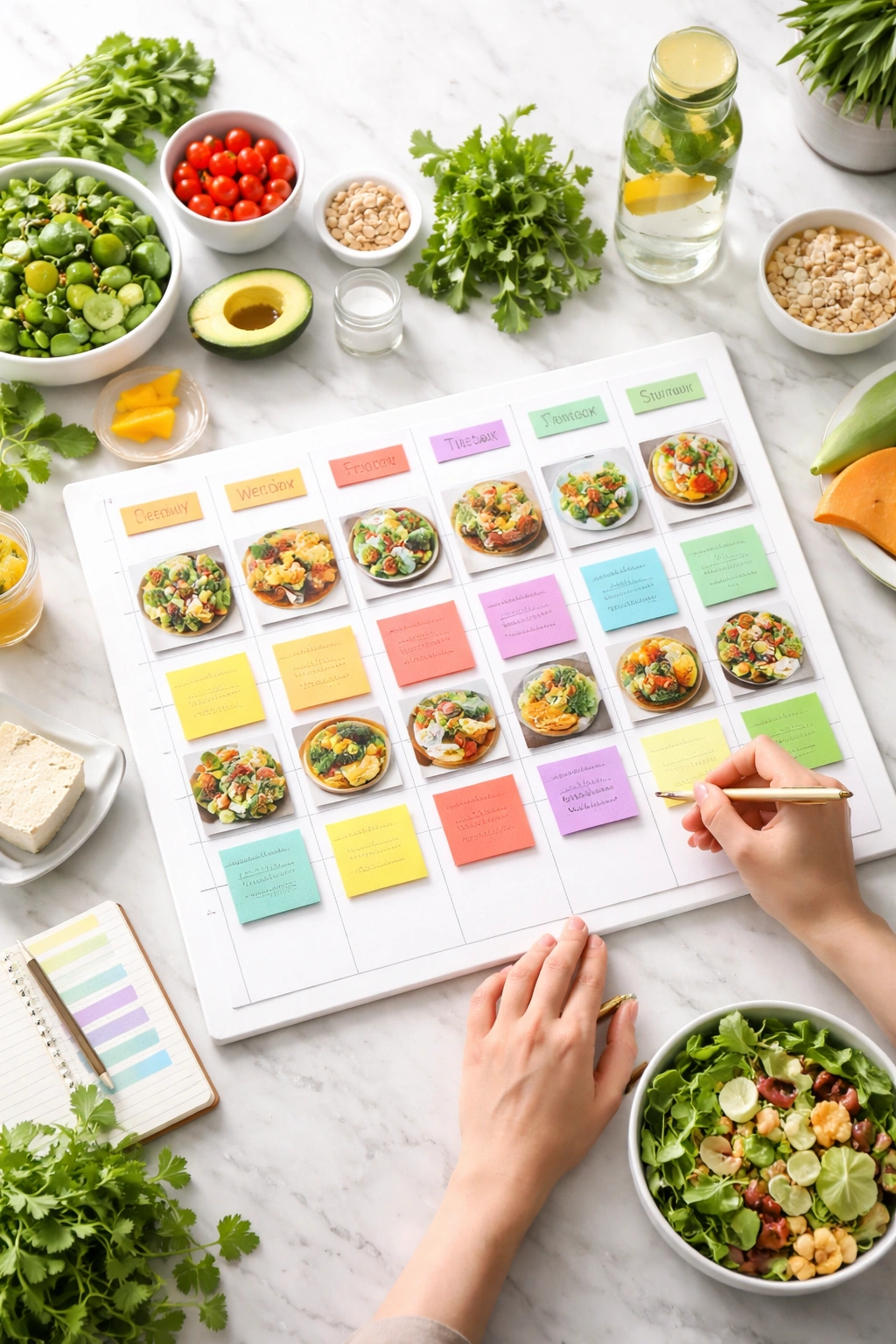
The real challenge with no-cook eating isn’t the cooking part — it’s avoiding meal repetition while keeping things simple enough that you’re not spending your cool evening hours prepping food. The solution is to think in terms of flavor profiles rather than specific meals. One night you eat Mediterranean flavors (olive oil, vinegar, herbs), the next night you eat Asian flavors (soy, ginger, sesame), the third night you explore Latin flavors (lime, cilantro, avocado). This framework means you can rotate through flavor families using similar pantry staples but creating meals that feel completely different.
Start your week by shopping intentionally for three or four distinct flavor profiles you want to explore, then buy ingredients that support multiple meals within each profile. Mediterranean week might mean buying good olive oil, vinegar, fresh herbs, chickpeas, feta, tomatoes, and cucumbers — ingredients that support multiple salads, sandwiches, and composed plates. Asian-inspired week means getting soy sauce, rice vinegar, fresh ginger, sesame oil, shrimp or tofu, and fresh herbs like cilantro and mint. This approach means your pantry does the heavy lifting, and you’re simply combining things differently each night.
Prep work matters enormously on hot days because you want to minimize time spent standing at the counter. Wash and chop vegetables first thing in the morning or the night before when your kitchen is cooler, then store them in containers in the fridge ready to combine. Make dressings and sauces the day before so flavors have time to develop. Cook any no-cook components (like hard-boiling eggs or crisping tofu) early in the day, then refrigerate. When evening comes and you’re actually hungry, you’re simply assembling already-prepared components, which takes minutes rather than half an hour.
Making No-Cook Meals Feel Like Real Dinners
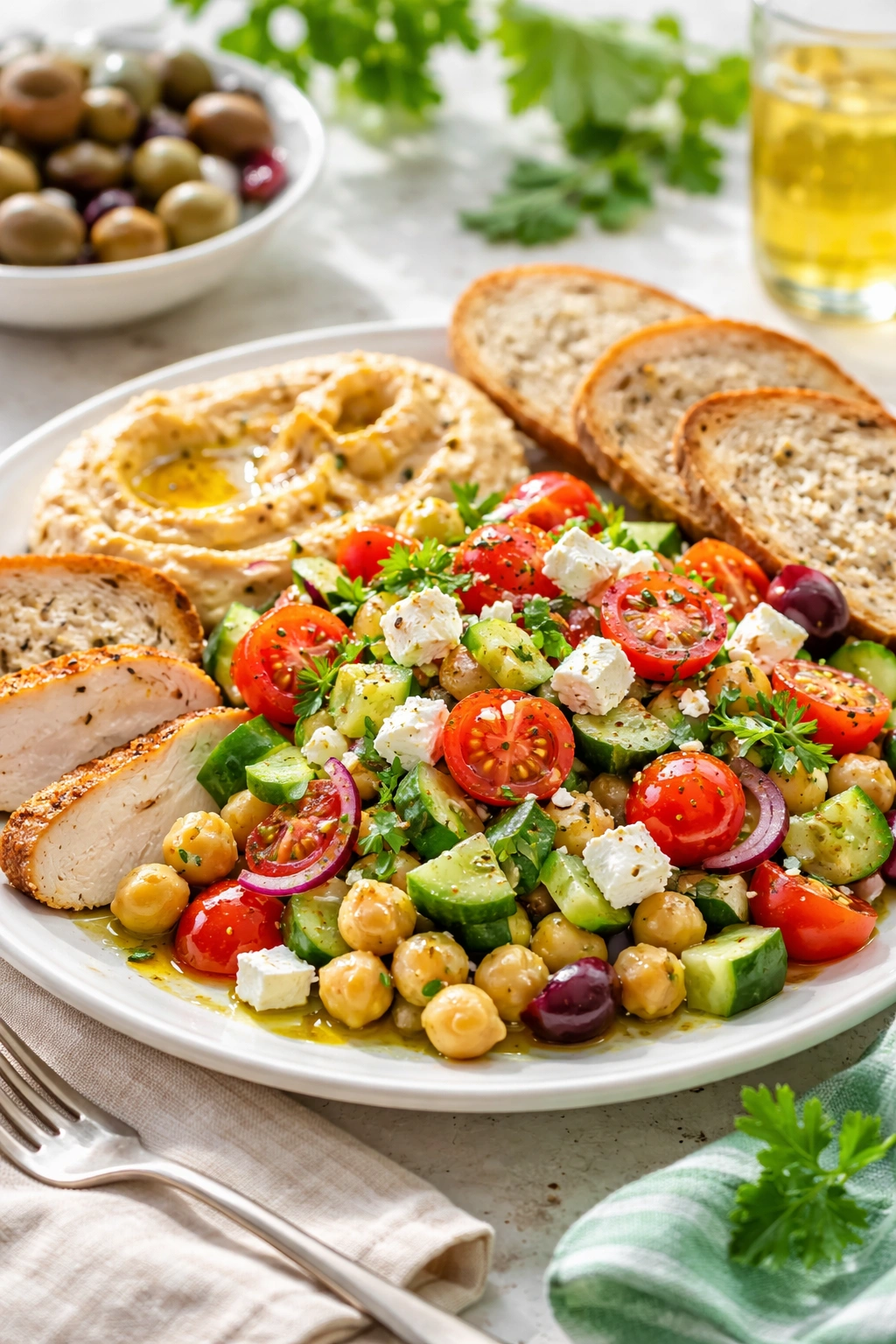
The biggest mental shift with no-cook eating is understanding that you’re not compromising or settling — you’re choosing a different approach to building meals. Quality ingredients become everything, which actually forces you to shop better and think more intentionally about what you’re putting in your body. You can’t hide mediocre tomatoes under a heavy sauce or mask low-quality olive oil with heat and cooking time. This is actually a feature, not a bug — it trains you to recognize what good food actually tastes like.
The second shift is understanding that cold or room-temperature meals are just as satisfying and complete as hot ones. A salad with chickpeas, feta, and good olive oil provides just as much satiation and nutrition as a cooked meal. Your stomach doesn’t care whether the food is hot — it cares whether you’ve eaten something with protein, healthy fats, and complex carbohydrates. All of these meals deliver that.
Finally, lean into the fact that no-cook meals are genuinely quick. Once you accept that you’re not cooking, you’re freed from the expectation that dinner should take 45 minutes. Most of these meals come together in 10-20 minutes of active work, which means you can have dinner on the table faster than you could actually preheat an oven. That speed, combined with the satisfaction of eating something fresh and flavorful, makes no-cook meals feel like a win on multiple levels — faster, cooler, fresher, and honestly, often more delicious than something that required standing in front of a stove.
Final Thoughts

No-cook meals aren’t a punishment for hot weather or a sign that you’re eating poorly. They’re an invitation to eat more freshly, more simply, and often more quickly than you would on a day when you had access to every cooking method. The meals above represent genuinely complete dinners — not snacks, not sides, not “salads for dinner” in the dismissive sense, but actual satisfying meals built on real food and bold flavors. Once you accept that some of your best meals will be assembled rather than cooked, you’ll find that hot weather becomes less of an obstacle and more of an opportunity to eat differently. Your kitchen stays cool, your electricity bill stays lower, and you get to eat food that tastes brighter and fresher than anything you could’ve built through cooking. That’s not a compromise — that’s strategy.
