



There’s a moment in cooking when you taste something just fine—technically good, nutritionally sound, but somehow missing something. That moment is exactly when a great sauce transforms everything from forgettable to unforgettable. A single tablespoon of the right sauce can rescue a plain piece of chicken, elevate simple roasted vegetables into something restaurant-worthy, or turn a basic bowl of grains into a meal you actually crave. The difference between home cooking that feels like an obligation and cooking that excites you often comes down to sauce strategy.
What makes a sauce truly transformative isn’t complexity—it’s intentionality. The best sauces work because they hit multiple flavor dimensions at once: bright acidity cutting through richness, umami depth making everything taste more like itself, heat that wakes up your palate, or fat that carries flavor and creates texture. Many home cooks skip sauces altogether, treating them as optional garnishes, but the truth is that sauce is the difference between average and actually good cooking. You can buy quality ingredients, cook them perfectly, and still end up with something unmemorable without the right finishing touch.
The sauces below aren’t obscure or difficult—most come together in minutes, many require no cooking at all, and each one works across dozens of different dishes. Once you understand how they work and where they shine, you’ll find yourself making them constantly. These are the sauces that live in your rotation, that you make on autopilot, that people actually notice and ask about.
1. Sriracha Mayo
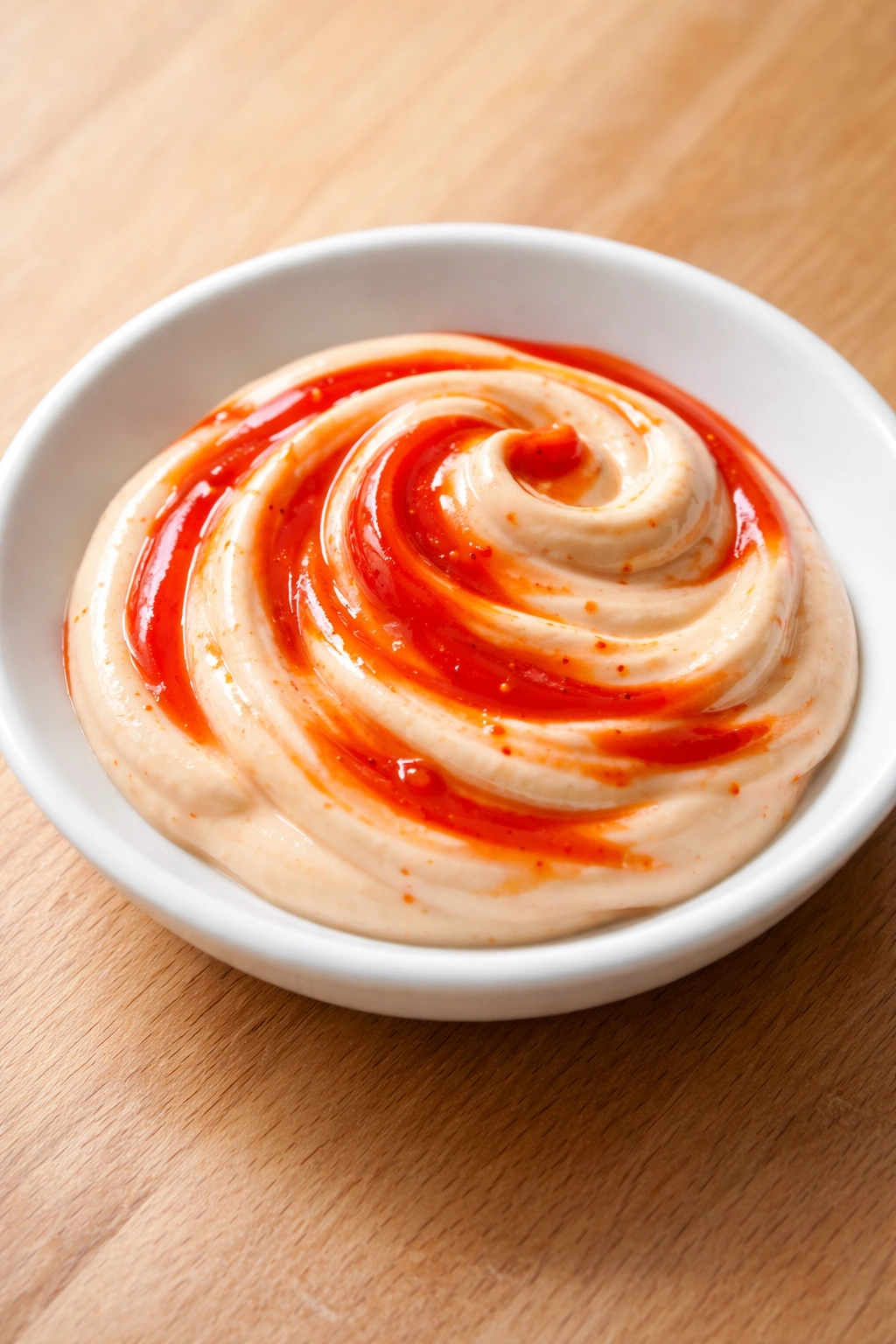
Sriracha mayo is the gateway sauce for people who think they don’t like sauces. It’s approachable enough that even conservative eaters will use it, but sophisticated enough that it belongs on restaurant-quality plates. The combination of creamy mayo and spicy, slightly sweet sriracha creates something with genuine balance—you get heat that doesn’t overpower, richness that doesn’t feel heavy, and a subtle garlic undertone that ties everything together.
Why It Works on Almost Everything
The reason sriracha mayo is so universally useful comes down to fat and acid balance. Mayo provides a cooling, emulsified richness that tempers sriracha’s heat while allowing the paste’s flavor to bloom rather than burn. The sriracha brings acidity, sweetness from the sugar and garlic, and enough spice to make your taste buds pay attention without clearing your sinuses. This combination works equally well on a casual sandwich, drizzled over grilled fish, dolloped on a bowl of white rice with roasted vegetables, or served alongside crispy fried foods where it cuts through the heaviness beautifully.
Building the Perfect Version
Start with a 2-to-1 ratio of mayo to sriracha—adjust upward or downward depending on how much heat you actually want. Add a tiny squeeze of lime juice, a small pinch of garlic powder (fresh garlic can make mayo break), and a touch of honey if your sriracha already has sweetness. The honey matters more than you’d think because it rounds out the heat and adds subtle caramel notes.
- Store it in the refrigerator for up to 2 weeks in an airtight container
- Make larger batches and keep them on hand—it transforms everyday proteins and vegetables instantly
- Use it as a base for other sauces by adding fresh herbs, more citrus, or a dash of fish sauce
- The ratio works with any heat level of sriracha, so adjust the amount based on your bottle’s intensity
Pro tip: Keep it slightly thicker than standard mayo so it clings to food better rather than sliding off. If it breaks while mixing, start with fresh mayo in a clean bowl and slowly whisk in the broken mixture.
2. Chimichurri
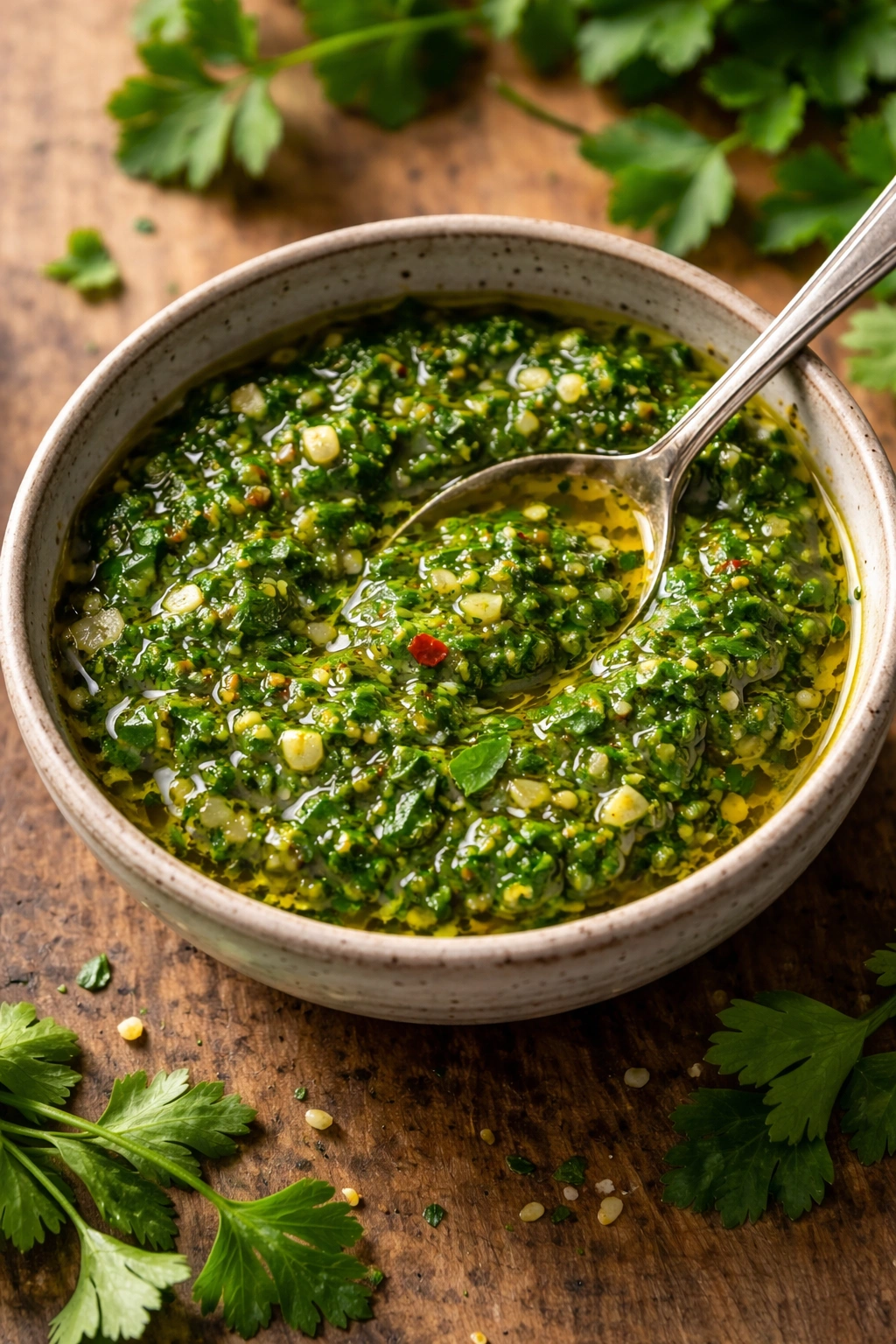
Chimichurri is what happens when you decide that herbs don’t need to be demure. This Argentinian sauce is almost entirely fresh parsley and cilantro with a backbone of garlic, vinegar, and olive oil—no cream, no richness, just aggressive herbaceousness. The magic is that this intensity doesn’t overwhelm; instead, it refreshes your palate and makes everything taste clearer, brighter, and more alive. A small spoonful on a steak or piece of fish creates contrast; a generous amount on grilled vegetables becomes the main flavor event.
The Herb-to-Oil Ratio That Actually Matters
Most people make chimichurri too oily. The sauce should be herby first, oily second. Roughly chop a large bunch of fresh parsley (flat-leaf is more authentic, but curly works), add a small handful of cilantro if you like it, several cloves of minced garlic, and about a quarter cup of red wine vinegar. Then add olive oil slowly—you want about one part oil to three parts herbs by volume, which sounds backward but tastes right. The finished sauce should be thick and textured, with visible herb pieces, not a smooth purée.
Where Chimichurri Shines
Use it on grilled meats, absolutely, but also on roasted potatoes (toss them while still warm so the sauce softens and penetrates), steamed or roasted fish, white beans, grilled bread, or even stirred into plain yogurt as a dip. It’s one of the rare sauces that’s equally good with beef, chicken, fish, and vegetables. The acidity cuts through richness without any heaviness, so it won’t overwhelm a delicate piece of fish or make a fatty steak feel heavier.
- Fresh herbs are non-negotiable here—dried parsley creates a completely different (and lesser) sauce
- Make it just before serving or a few hours ahead; longer than that and the herbs start to oxidize and turn dull
- Red wine vinegar is traditional but sherry vinegar or fresh lime juice work beautifully too
- Add a pinch of red pepper flakes if you want subtle heat, or leave it out entirely
Insider note: The best chimichurri doesn’t get chopped into oblivion—rough knife work, not a food processor, creates better texture and flavor. The herbs stay brighter when bruised rather than pulverized.
3. Beurre Blanc
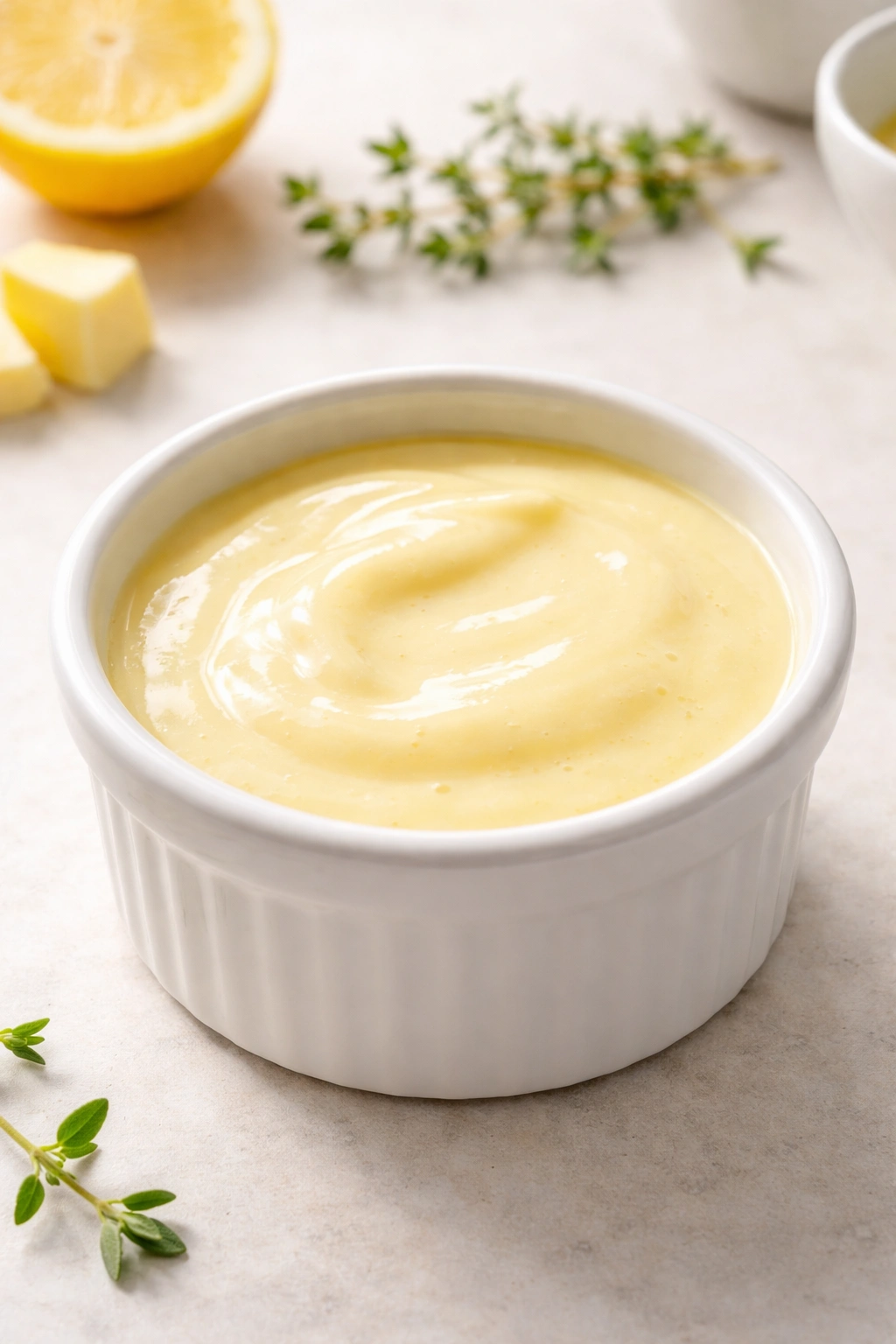
Beurre blanc feels fancy because it is fancy, but it’s actually one of the easiest sauces to master. It’s just shallots, white wine, a splash of vinegar, and butter whisked together into something silky and rich that tastes like sophistication in a spoon. The sauce doesn’t sit heavy because it’s mostly butter emulsified into an airy suspension—you get richness without density, luxury without excess.
The Science of Emulsion (Without the Stress)
Beurre blanc works because butter and acid can create a stable emulsion if you approach it correctly. Reduce shallots and white wine together with a splash of white wine vinegar or lemon juice until you have just a few tablespoons of intense liquid. Lower the heat to the absolute minimum, then whisk in cold butter piece by piece, keeping the mixture moving constantly. The cooler the butter and the more slowly you add it, the better the emulsion holds. When you finish, you have a sauce that’s pale, airy, and barely warm—absolutely nothing like melted butter.
What It Transforms
Beurre blanc is the classic partner for delicate white fish, but it’s equally stunning on poached eggs, roasted asparagus, seared scallops, or even steamed broccoli. It’s your foundation sauce if you want to learn classical French technique, and once you understand how it works, you can flavor it endlessly: add fresh tarragon for a classic bearnaise spirit, fold in fresh herbs, include capers or a touch of Dijon mustard, or add a pinch of saffron.
- The sauce must be kept warm but not hot (around 120°F if you have a thermometer, or just above room temperature if you don’t)
- If it breaks, start with a fresh spoon of vinegar in a clean bowl and slowly whisk in the broken sauce—it usually comes back together
- Make it just before serving; it doesn’t hold well for more than 15-20 minutes
- If you’re nervous about the technique, keep the pan slightly warmer than you think necessary—a truly cool pan is the most common cause of failure
Worth knowing: Add the butter the slowest in the first third of the process, then you can speed up slightly once you see the emulsion forming. The key is never allowing the mixture to get truly hot or cold—steady, moderate warmth is what makes it work.
4. Miso Butter
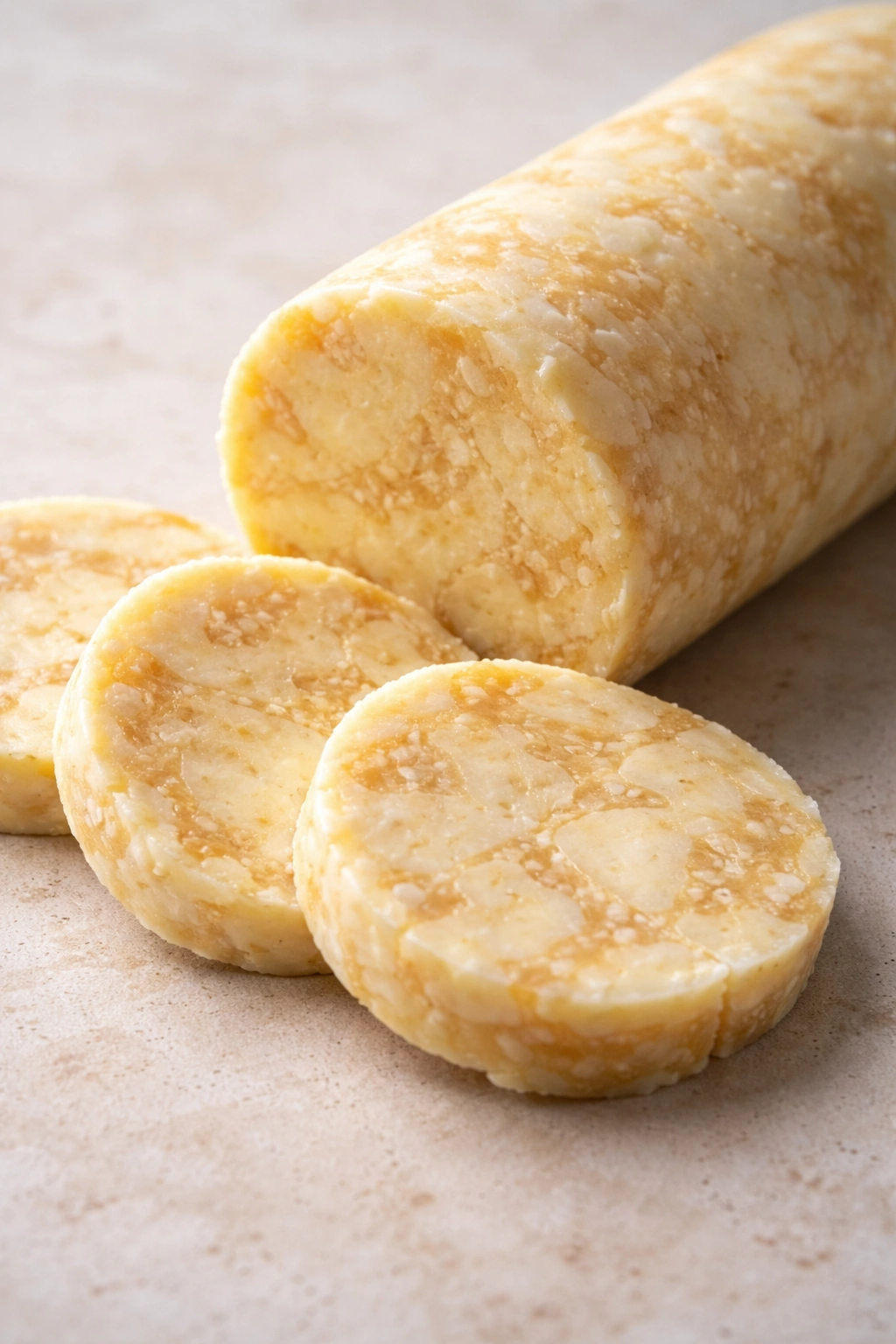
Miso butter is one of those sauces that makes people stop mid-bite and ask what you did to make something taste so good. It’s the marriage of umami bomb (miso) and richness (butter), and together they create something that tastes deep and complex despite being almost absurdly simple. A pat melting on a hot piece of fish, steak, or roasted vegetable creates a glossy, savory crust that tastes both modern and comforting.
Building Depth With Just Two Ingredients
White miso is your best bet because it’s milder and slightly sweet, creating better balance with the butter. For every four parts softened butter, add one part white miso, then whisk them together until completely smooth. Taste as you go—you might want to add a touch of honey or a small squeeze of lime, but honestly, miso and butter might be perfect as-is. The miso should be evenly distributed with no lumps or visible separation.
The Technique That Matters
Slice or roll the miso butter between two pieces of plastic wrap and refrigerate it in a log shape. You can slice off rounds and place them on hot food (where they melt and create a glossy sauce), or soften it and brush it on before cooking, or whisk it into warm liquids like stock or pasta water. The butter carries the miso’s flavor across whatever you put it on, and the miso adds a savory depth that makes the butter taste less one-note and more essential.
Where It Genuinely Shines
Miso butter belongs on seared fish (especially salmon), grilled steak, roasted mushrooms, steamed broccoli, or even spread on warm bread. It works particularly well on vegetables because the umami amplifies the vegetables’ natural flavors rather than masking them. You get more vegetable flavor, not less, with umami depth underneath.
- Make it in batches and freeze it wrapped in plastic—it keeps for months and you always have the foundation ready
- Red miso is stronger and earthier; save it for red meats or roasted root vegetables
- Add fresh herbs, minced garlic, or a touch of ginger if you want complexity, but resist the urge to add too much—simplicity is what makes this sauce sing
- A small piece goes a long way; one tablespoon can coat a piece of fish or a serving of vegetables
Pro tip: Roll it in parchment tubes and keep it in the freezer, then slice off exactly what you need for each meal. It melts perfectly on hot food and eliminates the need to measure anything.
5. Romesco Sauce
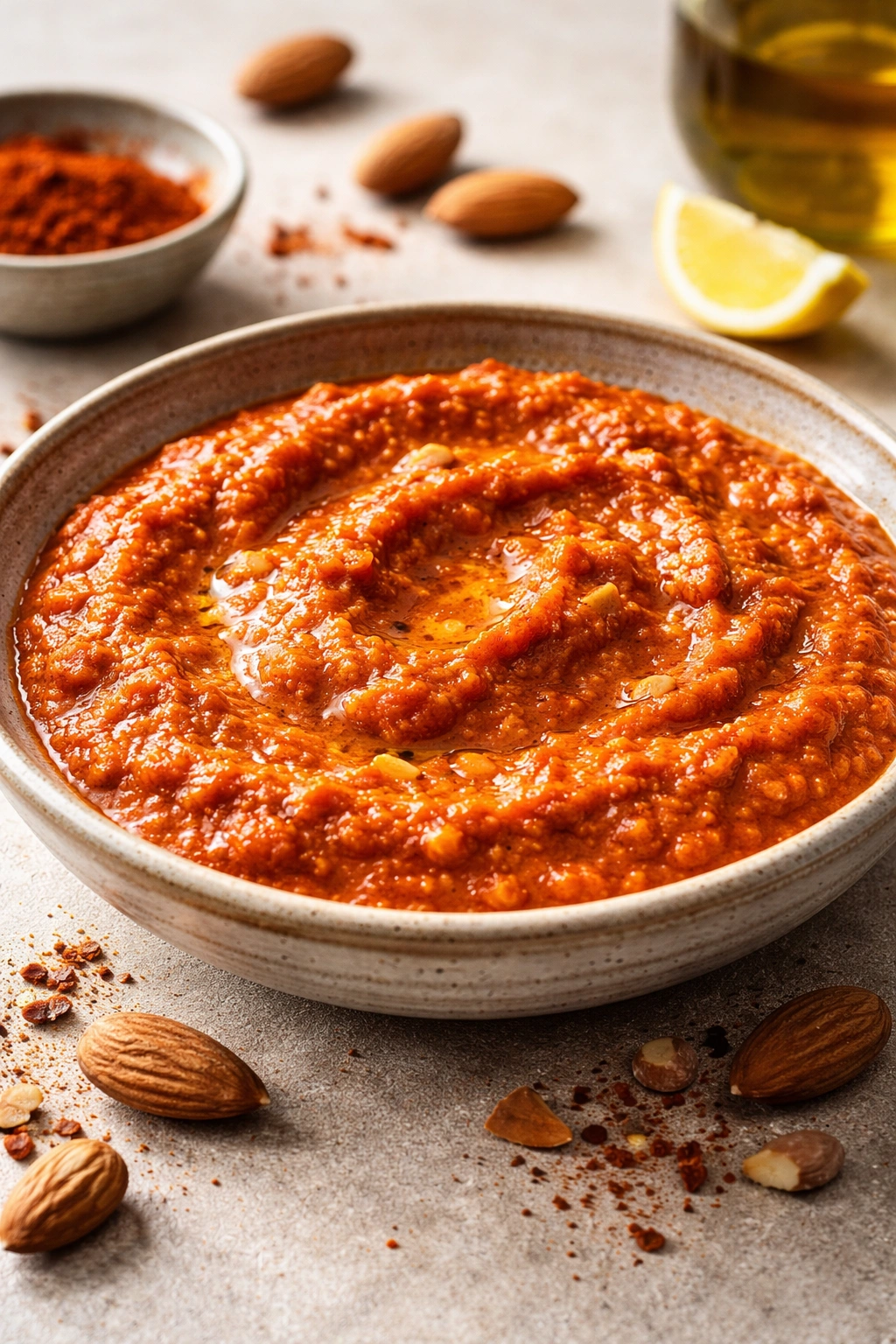
Romesco is a Spanish sauce that tastes like it took hours to make but actually comes together quickly with a food processor and basic pantry ingredients. It’s built on a foundation of roasted red peppers, garlic, smoked paprika, and almonds, creating something thick, rich, and deeply flavorful with subtle sweetness and a warming spice note. Unlike some sauces that need a specific protein, romesco is genuinely good on everything—it’s the rare vegetable-centric sauce that’s equally excellent with fish, chicken, or meat.
The Ingredient Lineup and How They Work Together
Start with a jar of roasted red peppers (or use fresh roasted ones), a handful of sliced almonds, a few garlic cloves, a tablespoon of smoked paprika, a pinch of cayenne, sherry vinegar or red wine vinegar, olive oil, and salt. The almonds provide body and slight sweetness; the smoked paprika brings warmth and depth; the peppers contribute sweetness and umami; the garlic adds bite; the vinegar provides acid. Blitz everything except the oil in a food processor, then stream in olive oil until you reach a thick, spoonable consistency—thicker than salsa, thinner than pesto.
Universal Usability
Romesco is the sauce for roasted or grilled vegetables, baked fish, boiled potatoes, crusty bread, grilled chicken, or even a simple bowl of chickpeas with some greens. It’s hearty enough to feel like it carries the meal but light enough that it doesn’t overwhelm. The slight sweetness makes it accessible even to people who don’t usually like assertive sauces, while the smoked paprika and cayenne give it enough character to impress people who know food.
- Use good smoked paprika; it’s the flavor backbone of the whole sauce, so mediocre paprika creates a mediocre sauce
- Toast the almonds lightly before blending if you want deeper, nuttier flavor
- Make it ahead and store it in the refrigerator for up to a week
- If it’s too thick when cold, thin it with a bit more olive oil or a splash of warm water before serving
- Add roasted garlic instead of raw garlic if you prefer less bite
Insider note: The best texture comes from a food processor rather than a blender—you want it thick and slightly textured, not smooth and runny.
6. Gochujang Glaze
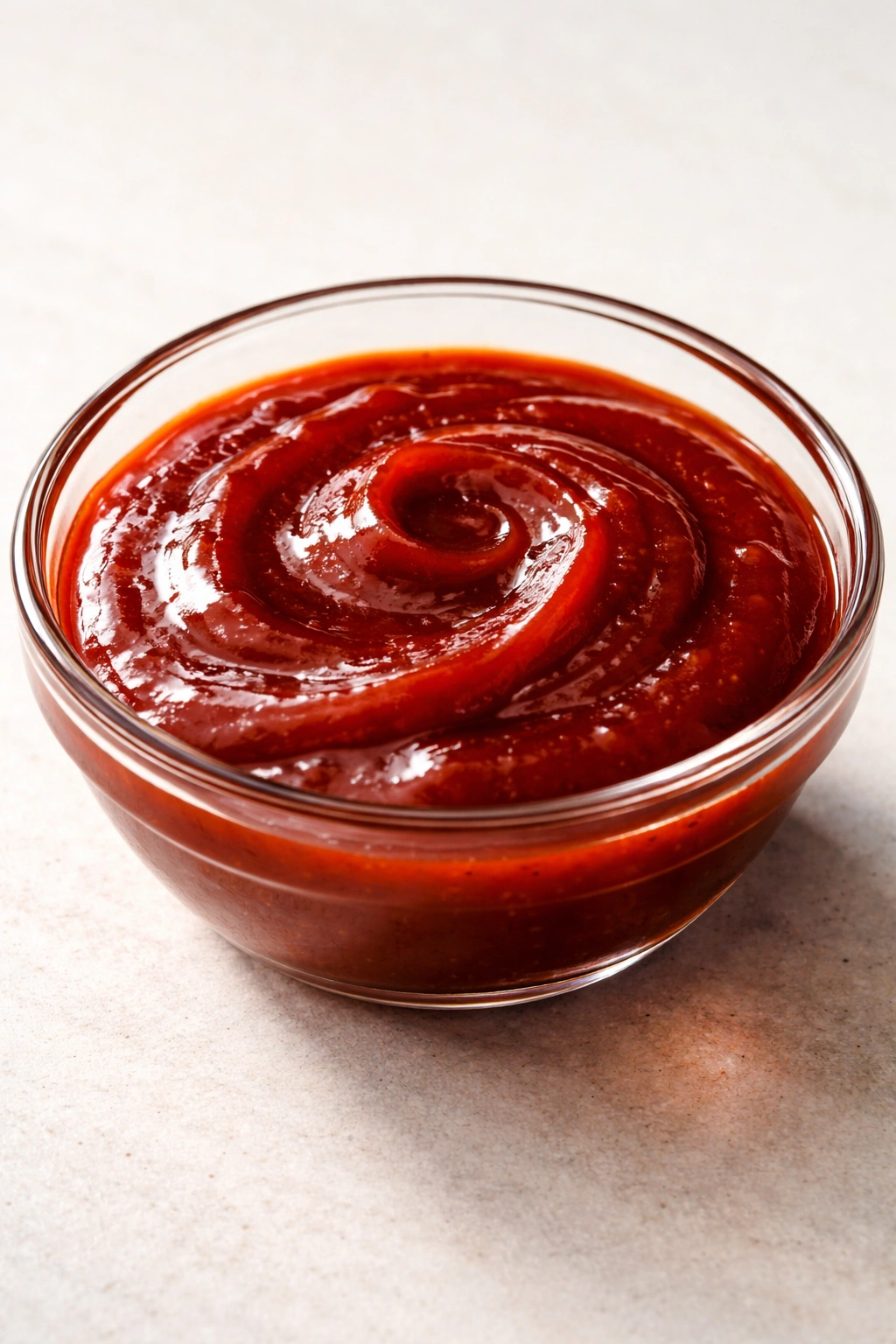
Gochujang, a Korean fermented chili paste, creates one of the most addictive sauces imaginable when combined with honey, soy sauce, and a touch of sesame. The resulting glaze is spicy but not hot, deeply savory but with undeniable sweetness, and complex in a way that makes people keep coming back for more. It works on grilled meats, roasted vegetables, crispy tofu, rice bowls, or even as a dipping sauce for fried items.
Balancing Heat, Sweetness, and Umami
Combine equal parts gochujang and honey (start with a quarter cup of each), add two tablespoons of soy sauce, a teaspoon of sesame oil, and a clove of minced garlic. The honey tempers the chili’s heat while adding body, the soy sauce brings umami and saltiness, and the sesame oil adds nutty complexity. Whisk everything together—no cooking required—and taste as you go. You’re looking for a balance where you notice the heat but it doesn’t dominate, where the sweetness is present but not cloying, and where the overall flavor feels complete rather than one-note.
Application and Storage
Use this glaze thick on grilled items (it caramelizes beautifully as things cook), thin it with a bit of water for drizzling over finished dishes, or brush it on things before roasting. It works equally well on beef, chicken, fish, or vegetables, making it one of the most versatile sauces in this collection. The fermented funk of gochujang adds complexity that tastes like depth rather than strangeness to Western palates.
- Make larger batches—this keeps in the refrigerator indefinitely and you’ll use it constantly
- If you like more heat, add extra gochujang or a pinch of cayenne
- If you want more umami depth, add a teaspoon of miso paste or fish sauce
- The glaze gets thicker as it cools, so thin it slightly if you’re serving it at room temperature
Worth knowing: Gochujang paste itself is one of the few universal pantry staples worth buying—once you have it, you can make this glaze, add it to soups, stir it into mayo, or use it as a marinade base endlessly.
7. Tahini Drizzle
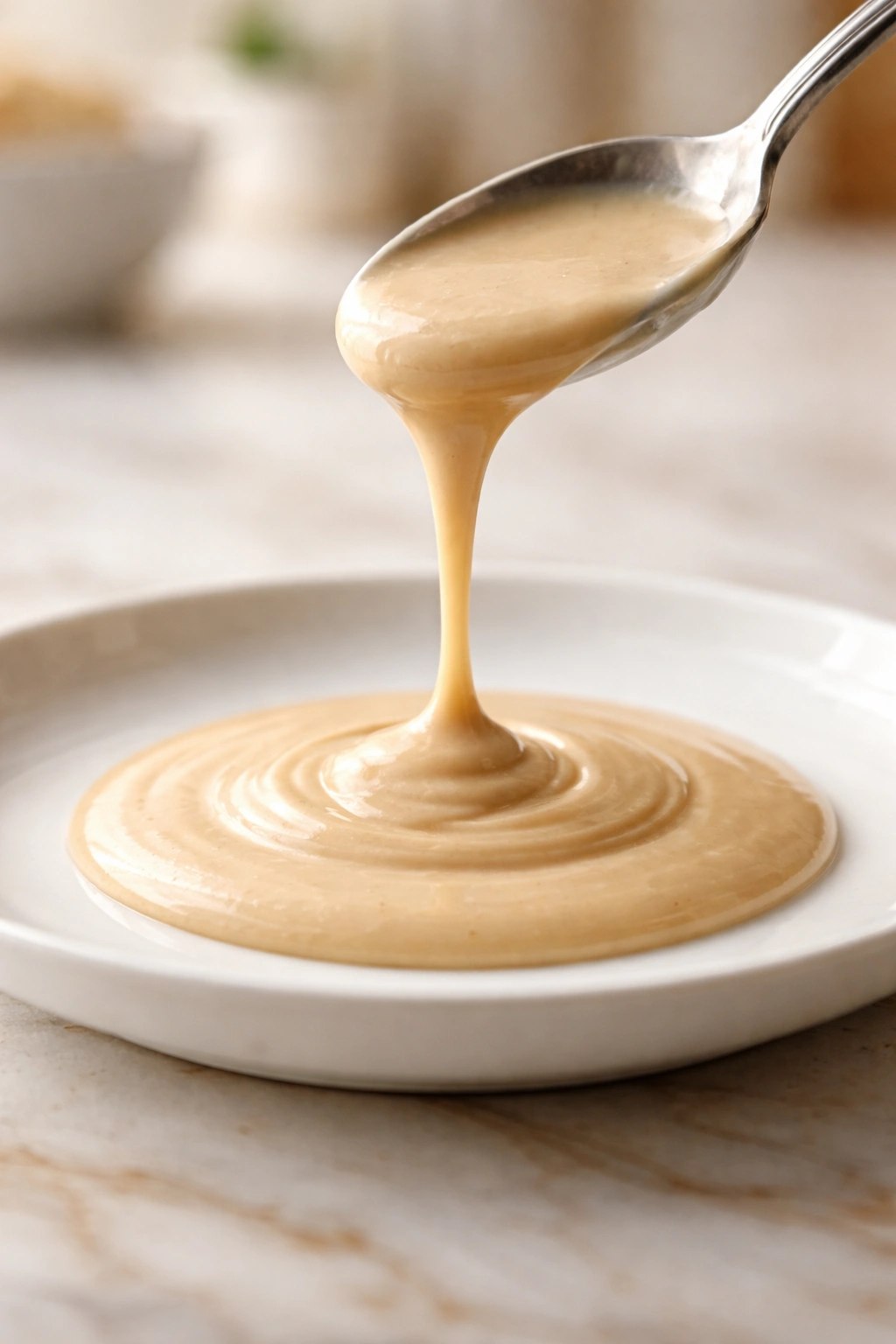
Tahini drizzle is what makes grain bowls actually exciting and turns simple roasted vegetables into something memorable. It’s just tahini, lemon juice, water, and garlic whisked into a pourable sauce that’s nutty, bright, creamy without any dairy, and absolutely essential for anyone who cooks vegetables regularly. The sauce is neutral enough not to overpower delicate flavors but assertive enough to carry humble ingredients.
Creating the Right Consistency
This is easier than beurre blanc and more forgiving than miso butter, but consistency matters. Start with a quarter cup of tahini and the juice of one large lemon (about three tablespoons), add a minced garlic clove and a big pinch of salt, then whisk in water a tablespoon at a time until you reach drizzle consistency—thinner than hummus, thicker than milk. The lemon juice is crucial because it prevents the sauce from tasting heavy and one-note; the acid brightens everything and cuts through the tahini’s richness.
Where It Belongs
Tahini drizzle is the finishing touch on any grain bowl, a must-have with roasted chickpeas, the best way to dress roasted vegetables, and excellent on grilled fish, boiled eggs, or even crusty bread. It’s particularly good on bitter greens where the nuttiness and creaminess balance the bitterness beautifully. The sauce also works cold or warm—make it at room temperature and it stays perfectly pourable, making it excellent for weeknight dinners where you want minimal fuss.
- Use good tahini; grocery store versions vary wildly in quality, so find a brand you like and stick with it
- Make it fresh just before serving, though you can prepare the components ahead and whisk together at the last minute
- Add herbs like fresh cilantro or parsley if you want more flavor complexity
- If the sauce breaks or gets too thick, add more water slowly while whisking constantly
- A small amount goes a long way; you don’t need to drown food in sauce
Insider note: The ratio of lemon to tahini is flexible depending on preference—some people like it more lemony and bright, others prefer more tahini richness. Start with equal parts and adjust.
8. Brown Butter and Sage
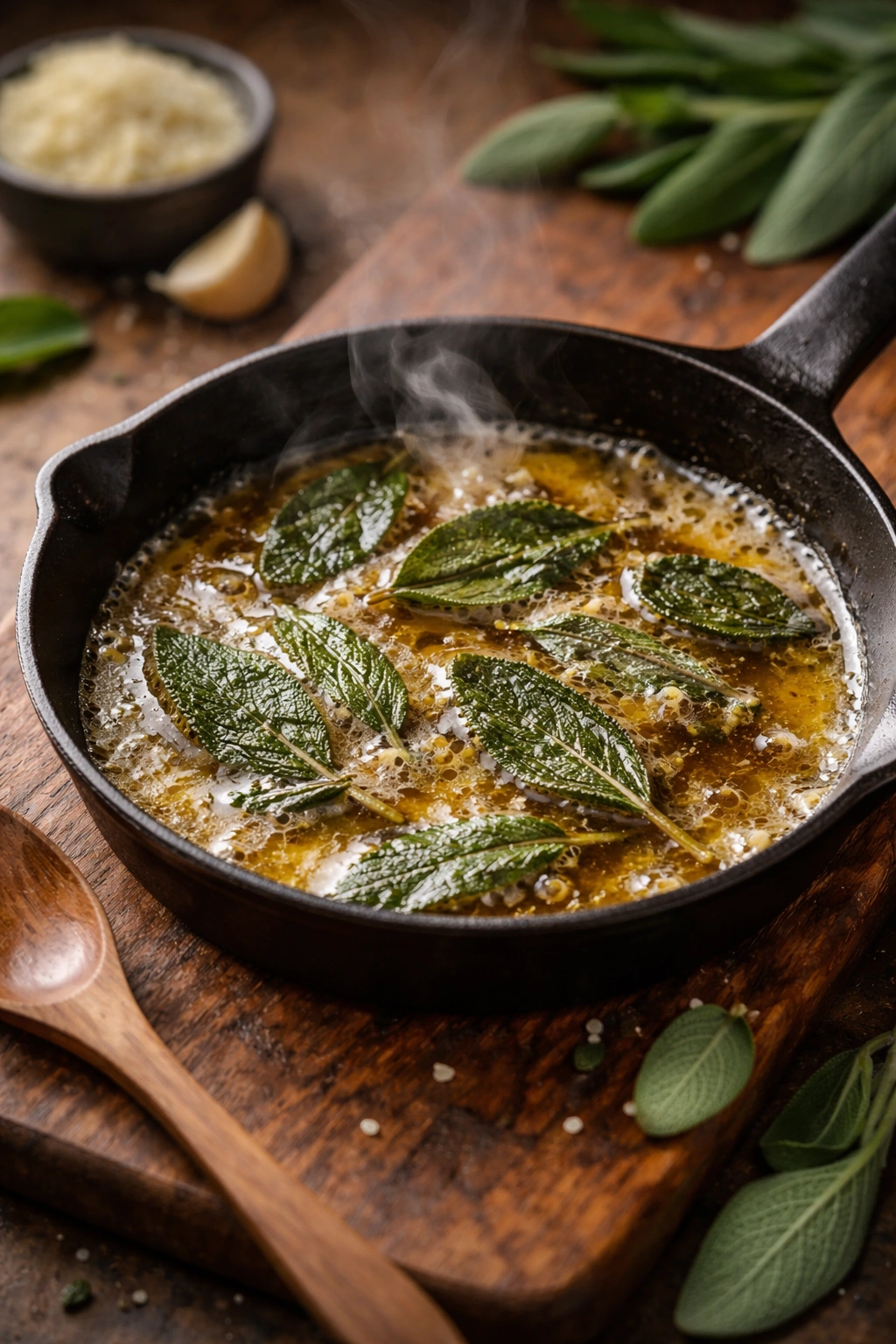
Brown butter and sage might be the most elegantly simple sauce on this list. There’s almost nothing to it—just butter heated until the milk solids brown, with fresh sage leaves toasted in that brown butter—yet it tastes deeply sophisticated. The nutty, caramelized depth of brown butter combined with sage’s peppery earthiness creates a sauce that feels like something from a fancy restaurant but takes maybe five minutes to make.
The Technique That Creates Magic
Melt butter over medium heat, then keep the heat steady and let it cook. You’ll notice foam form on the surface, then the milk solids at the bottom will start to toast, turning golden, then brown, releasing an incredible nutty aroma. The moment it smells like toasted nuts rather than burnt anything, add fresh sage leaves and let them crisp slightly in the butter. Once the sage is toasted and fragrant (maybe another 30 seconds), add a squeeze of fresh lemon juice and a pinch of salt, then pour the whole thing—butter, solids, and sage—onto whatever you’re serving.
Proteins and Vegetables It Transforms
This sauce is the classic pairing with pasta, particularly ravioli or pumpkin-filled shapes, but it’s equally stunning on seared fish, boiled eggs, steamed vegetables, or even roasted mushrooms. The nuttiness of the brown butter seems to amplify the food’s inherent flavors rather than masking them. Because there’s no acidity besides the lemon and no heaviness beyond the butter itself, it works on delicate foods that might be overwhelmed by other sauces.
- Brown butter can burn quickly, so watch carefully and pull it off heat the moment the color looks right—it continues to darken slightly from residual heat
- Make it just before serving; brown butter doesn’t hold well for extended periods
- Fresh sage is non-negotiable; dried sage doesn’t crisp properly and tastes musty
- Don’t skip the lemon juice—the acid is essential for balance even though it’s only a squeeze
Pro tip: If you’re making this for the first time, have a small dish of ice water nearby; dip the spoon in before tasting the hot butter so you don’t burn your mouth.
9. Harissa
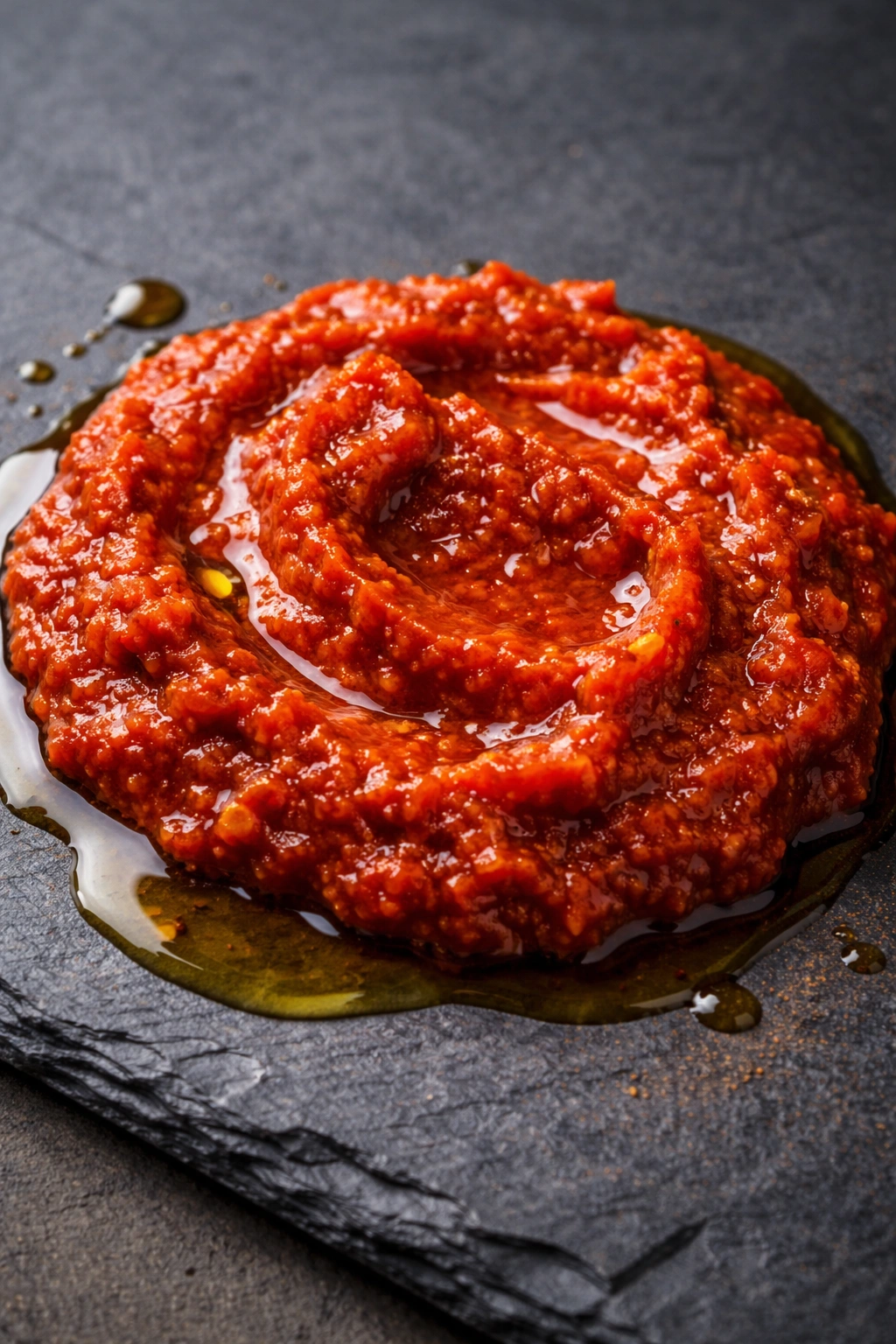
Harissa is a North African chili paste that tastes like it contains ten times more ingredients than it actually does. The version you make fresh combines dried chilis (usually Aleppo or similar), garlic, spices like cumin and coriander, vinegar, and olive oil into a thick paste that’s spicy, smoky, and complex. Unlike sriracha (which is bright and forward), harissa is deep and multidimensional—the heat builds and evolves as you taste it, and the flavor lingers pleasantly rather than flashing bright.
Building the Spice Profile
Soak dried chilis in hot water for ten minutes until softened, then blend them with garlic, caraway seeds (optional but excellent), ground coriander, cumin, salt, vinegar, and olive oil into a coarse paste. If you can’t find the exact chilis, use whatever dried chilis are available—the ratio and technique matter more than the exact variety. The finished paste should be thick enough to stick to the back of a spoon but spreadable. Some versions are almost smooth, others have visible chili texture; both are correct.
Applications That Showcase Depth
Harissa shines on grilled fish, stirred into yogurt as a dip, spread on roasted vegetables, mixed into couscous, or used as a marinade base. The spice is present but not aggressive, and the underlying complexity makes it addictive. Unlike simple hot sauces that are one-note spice, harissa tastes like time and care went into its creation. It’s excellent on eggs, particularly with some yogurt and fresh herbs, or mixed into hummus.
- Make it in batches and store it in the refrigerator for months
- The flavor actually improves slightly if you let it sit for a few days before using it
- If you don’t have dried chilis, you can use a combination of smoked paprika and cayenne pepper, though it won’t be identical
- Add a touch of honey if your harissa tastes too sharp
- The paste can be thinned with oil or yogurt to create different consistencies for different uses
Insider note: Some harissa recipes include caraway; others skip it. If you like assertive spice with subtle sweetness, include the caraway. If you prefer straightforward heat, leave it out.
10. Agrodolce
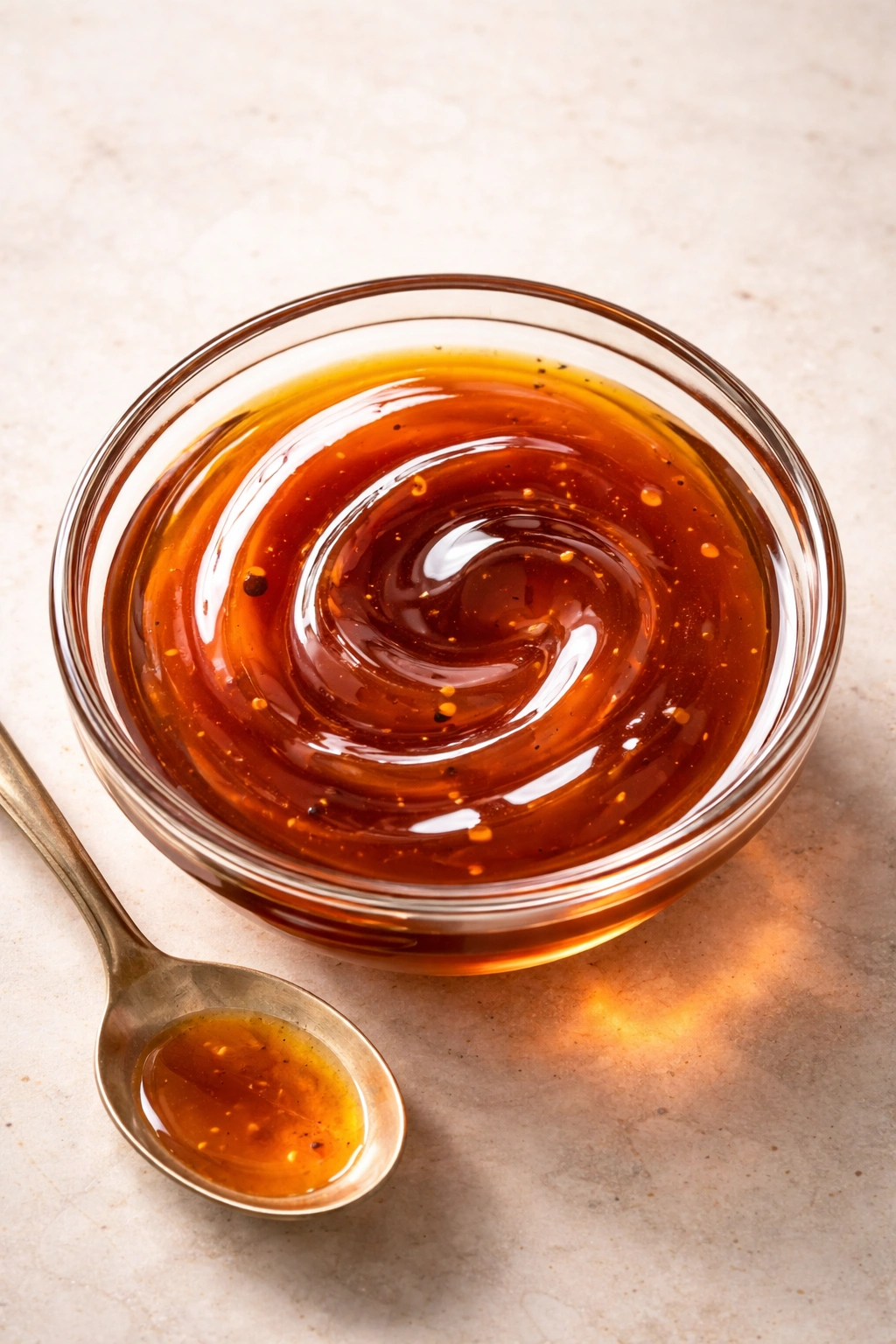
Agrodolce is an Italian sweet-and-sour sauce that tastes like a more sophisticated version of the sugar-and-vinegar condiments many people grew up with. It’s built on the contrast between sharp vinegar, sweet sugar or honey, and intense flavors like tomato paste or balsamic vinegar, creating a sauce that’s complex, balanced, and genuinely addictive. Unlike many sauces that work on specific categories of food, agrodolce is genuinely universal—it’s excellent on grilled meats, roasted vegetables, fresh mozzarella, or even a plate of simple bread.
Building the Sweet-Sour Balance
Combine two tablespoons of good balsamic vinegar, two tablespoons of honey, and a tablespoon of tomato paste in a small pan. Add a minced garlic clove, a pinch of red pepper flakes, and maybe a bay leaf. Heat gently until everything is combined and the honey is fully dissolved, then cool to room temperature. The finished sauce should taste like a perfect balance between sweet and sour, where you can’t pin down which one is dominant—that’s how you know it’s right. Add a touch more vinegar if it tastes too sweet, more honey if it tastes too sharp.
The Versatility That Makes It Essential
Agrodolce works on almost anything: grilled eggplant, roasted red peppers, fresh mozzarella, grilled fish, roasted chicken, or a simple plate of white beans and herbs. The sweet-sour combination wakes up your palate and makes simple foods taste intentional and delicious. It bridges the gap between savory and sweet in a way that feels natural rather than gimmicky.
- Make it in larger quantities and store it in the refrigerator indefinitely
- Balsamic vinegar is really the hero here; cheap balsamic creates a cheap-tasting sauce
- Adjust the honey-to-vinegar ratio based on what you’re serving it with—more honey for assertive vegetables, more vinegar for richer foods
- Add fresh herbs like basil or oregano if you want more complexity
- Serve it at room temperature rather than hot; cold agrodolce can taste too sharp
Worth knowing: This sauce actually improves slightly over a few days as the flavors meld together, so make it in advance when possible.
Final Thoughts
The difference between cooking that’s merely competent and cooking that’s genuinely good often comes down to five minutes and a jar of sauce. These ten sauces represent the core foundation that makes food exciting—they’re simple enough to make regularly, versatile enough to work across dozens of dishes, and impactful enough that people actively notice and appreciate them.
Start by mastering the sauce that speaks to you first. If you grill frequently, commit to chimichurri and miso butter. If you cook vegetables constantly, tahini drizzle and romesco become permanent fixtures. If you want maximum impact with minimum effort, sriracha mayo and agrodolce deliver immediately. Once you have even two or three of these sauces in your rotation, you’ll notice your cooking transforms—same proteins, same vegetables, exponentially better results because now you’re thinking about flavor layering instead of treating sauce as an afterthought.
The recipes, ratios, and techniques above are starting points, not commandments. Taste constantly as you make these sauces, adjust based on what’s happening in your particular kitchen with your particular ingredients, and feel free to make them your own. A sauce that tastes perfect at your house might need tweaking at someone else’s based on ingredient variables and personal taste. That flexibility is part of what makes sauce so valuable—it’s one of the few places in cooking where you can adjust and improve something as you go, creating something that’s perfectly calibrated to what you actually want to eat.
