



Fresh tomatoes, onion, cilantro, lime, and jalapeño — that’s genuinely all you need to make restaurant-quality salsa at home in less time than it takes to order takeout. The real magic isn’t some secret ingredient or technique; it’s understanding which tomatoes to reach for, how to cut them so they release their juice efficiently, and the exact moment to stop stirring and let the flavors settle. Most people overly complicate homemade salsa, pureeing it into oblivion or letting it sit for hours while the tomatoes break down into mush. The best fresh salsa is the one you make right before you’re about to eat it — bright, crisp, chunky enough to hold together on a chip, and so good you’ll wonder why you ever bought a jar.
This isn’t a slow-food project or a recipe that demands your attention. It’s the kind of salsa you make when friends are coming over and you want something that tastes homemade without the fuss. The ten-minute window is real, and it’s achievable, but it requires knowing your way around the basics and having a sharp knife that does the cutting work for you, not against you. The faster you can prep, the fresher your salsa stays, because raw tomatoes and onions oxidize once they’re cut — which is why pre-made salsa tastes flat no matter what the label claims.
What makes this approach different from other quick salsa recipes is the emphasis on texture and the understanding that salsa isn’t soup. You want distinct pieces of tomato and onion held together by their natural juices and lime juice, not a puree. You’re looking for that first-bite crunch, followed by the burst of tomato flavor, followed by the heat of jalapeño and the brightness of cilantro and lime. It’s a sequence of flavors, not a blend.
Why Fresh Salsa Beats Anything From a Jar
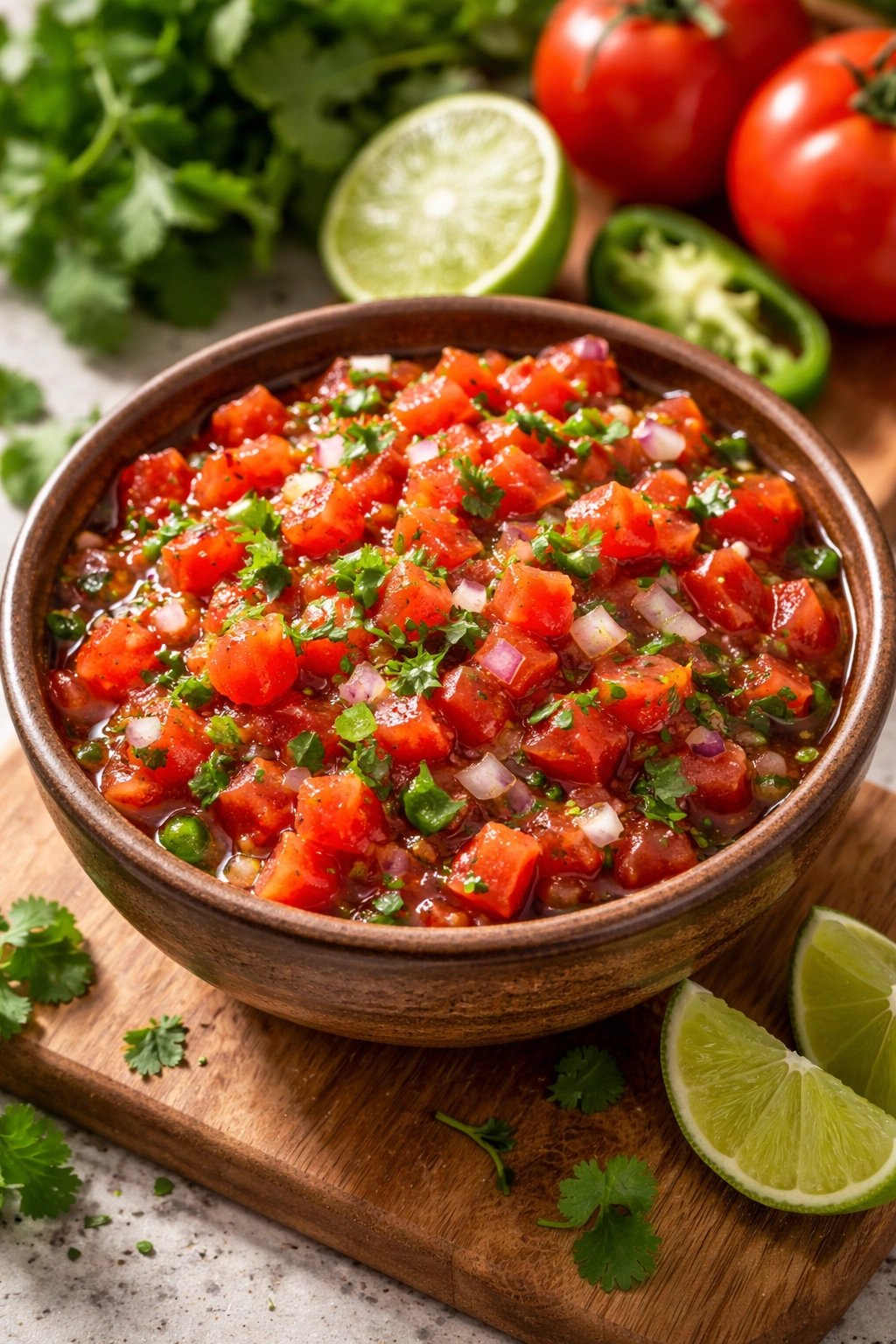
Jarred salsa sits in a shelf-stable environment for months, which means the manufacturer has to use tomatoes picked before they’re fully ripe (unripe tomatoes are firmer and travel better) and add preservatives to extend shelf life. By the time that jar reaches your table, those tomatoes have lost most of their flavor complexity. The acidity you taste isn’t from natural ripeness; it’s added citric acid or vinegar to compensate for the lost brightness.
Fresh salsa made at home uses tomatoes at or near their peak ripeness — the moment when their flavor is most concentrated and their juice content is highest. You’re not paying for packaging, shipping, or months of storage; you’re paying only for ingredients. The flavor difference is immediate and undeniable. One taste of fresh homemade salsa next to a jar, and the jarred version tastes like a shadow of the real thing.
Beyond flavor, there’s the textural element. Homemade salsa has body and bite. The tomato pieces hold their shape; the onion stays crisp. You’re not spooning out a uniform paste. This texture matters on a chip, in tacos, on eggs, anywhere salsa is used. It’s the difference between a side dish and a proper ingredient that elevates what it touches.
Fresh salsa also lets you control heat level and seasoning entirely. You can make it mild enough for kids, spicy enough for heat lovers, and everything in between — without buying five different jars. You choose which jalapeños go in (seeds and all for maximum heat, or seeds removed for mild) and exactly how much lime juice provides the right acidity. Store-bought salsa is a one-size-fits-most compromise.
Choosing the Perfect Tomatoes for Quick Salsa
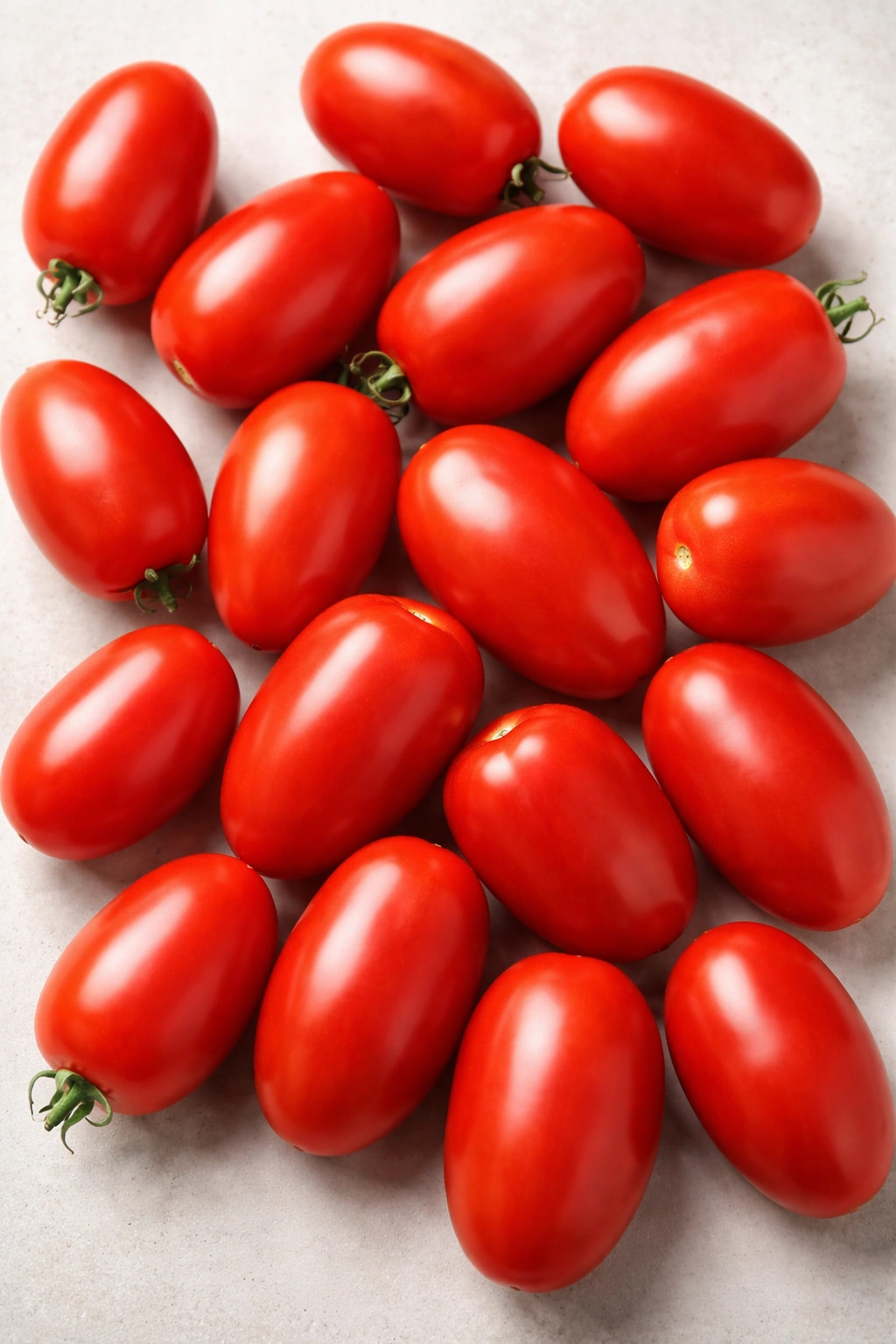
The tomato is everything in salsa, so this choice matters more than any other. You want ripe, flavorful tomatoes picked at their peak — the kind you’d eat on their own without hesitation. Look for tomatoes that yield slightly to gentle pressure but aren’t mushy. They should smell fragrant near the stem end. Color should be deep red, not pale pink; pale tomatoes are still ripening and will taste watery and bland.
For quick salsa, Roma or plum tomatoes are the traditional choice, and there’s good reason: they have fewer seeds and less water content than beefsteak varieties, so they’re less watery and require less draining. However, if you have access to ripe heirloom tomatoes or other flavorful varieties at their peak, use those instead. The best tomato is the one that tastes best when you taste a small slice.
Avoid tomatoes from the coldest part of the supermarket shelf if possible. Cold storage damages the cell structure of tomatoes and mutes their flavor. If you’re buying them and not using them immediately, keep them at room temperature. Refrigerating tomatoes is a common mistake that makes them mealy and flavorless.
The number of tomatoes depends on how much salsa you want. A good starting point for a medium-sized batch is four to five medium ripe tomatoes, which yields roughly two cups of finished salsa. Press them gently in your hand — you should feel a slight give, not resistance, but also not mushiness. If you’re shopping at a farmers market, ask the farmer which tomato they’d recommend for salsa. They’ll point you to something better than you’d find at a supermarket.
The Essential Ingredients That Make This Work
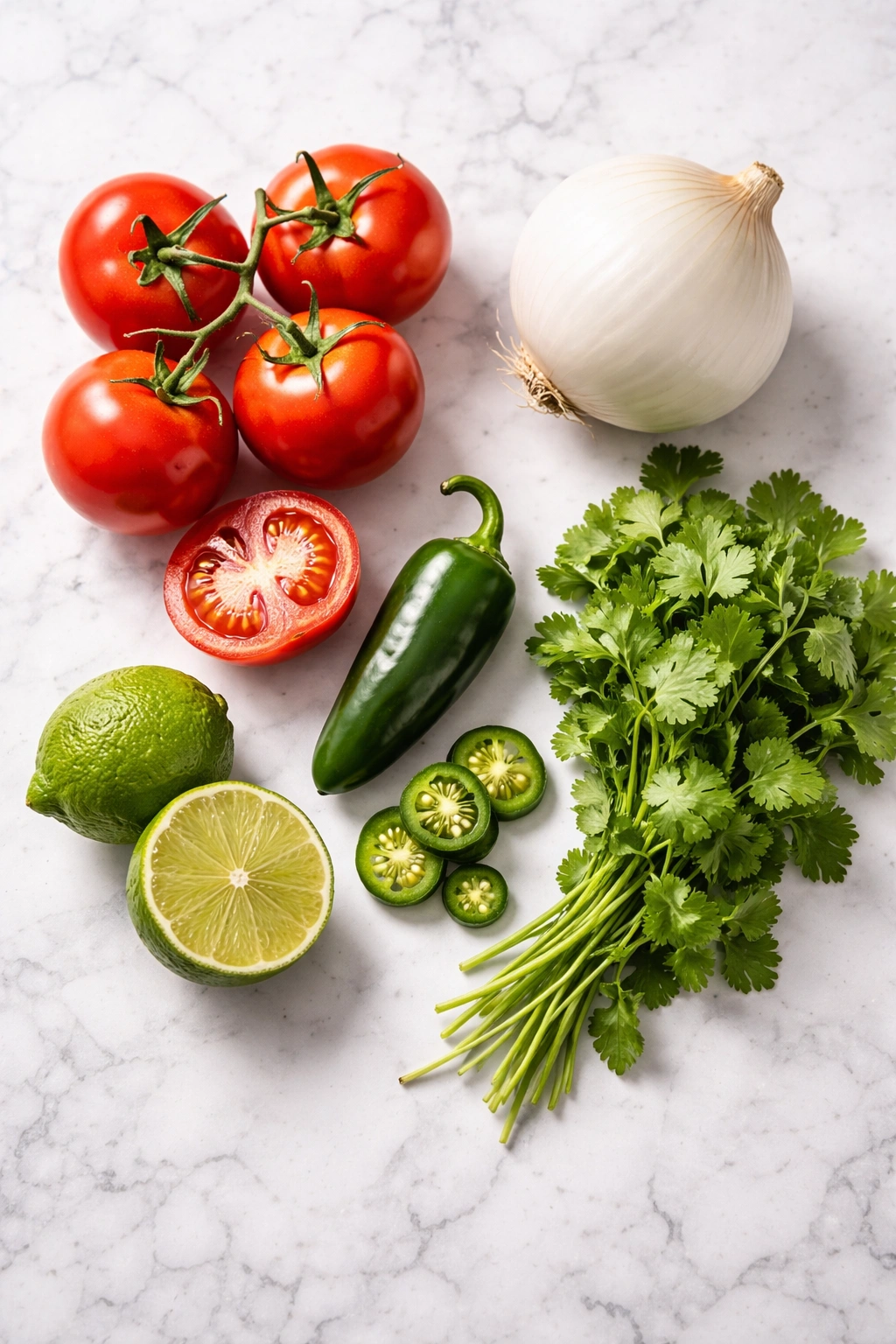
Yield: Makes approximately 2 cups | Serves 4 to 6 as a side Prep Time: 8 minutes Cook Time: 0 minutes (no cooking required) Total Time: 8 to 10 minutes Difficulty: Beginner — This recipe has only five core ingredients and requires nothing more than a sharp knife and a bowl. No special equipment, cooking skills, or advanced techniques needed.
Your ingredient list is intentionally short because each ingredient has a job, and adding more dilutes the flavors rather than improving them. This is a recipe where simplicity is sophistication.
For the Salsa:
- 4 to 5 medium ripe tomatoes (about 2 pounds), cored and roughly chopped
- 1 small white onion or half a large one, finely diced
- 1 to 2 jalapeños, finely minced (seeds removed for mild heat, seeds included for medium to hot heat)
- ¼ cup fresh cilantro leaves, roughly chopped (or packed fresh basil as a substitute)
- 2 tablespoons fresh lime juice (about 1 lime)
- Fine sea salt to taste (start with ½ teaspoon and adjust)
Optional but recommended additions if you want to expand the flavor profile slightly:
- ½ teaspoon ground cumin (adds warmth and earthiness, but omit if you prefer the pure brightness of tomato and cilantro)
- 1 clove garlic, minced very finely (use sparingly; garlic can overpower quickly)
- Pinch of red pepper flakes or cayenne if you want more heat than fresh jalapeños provide
- 2 tablespoons roughly chopped fresh epazote or parsley if cilantro isn’t available
How to Prep Your Ingredients in Minutes
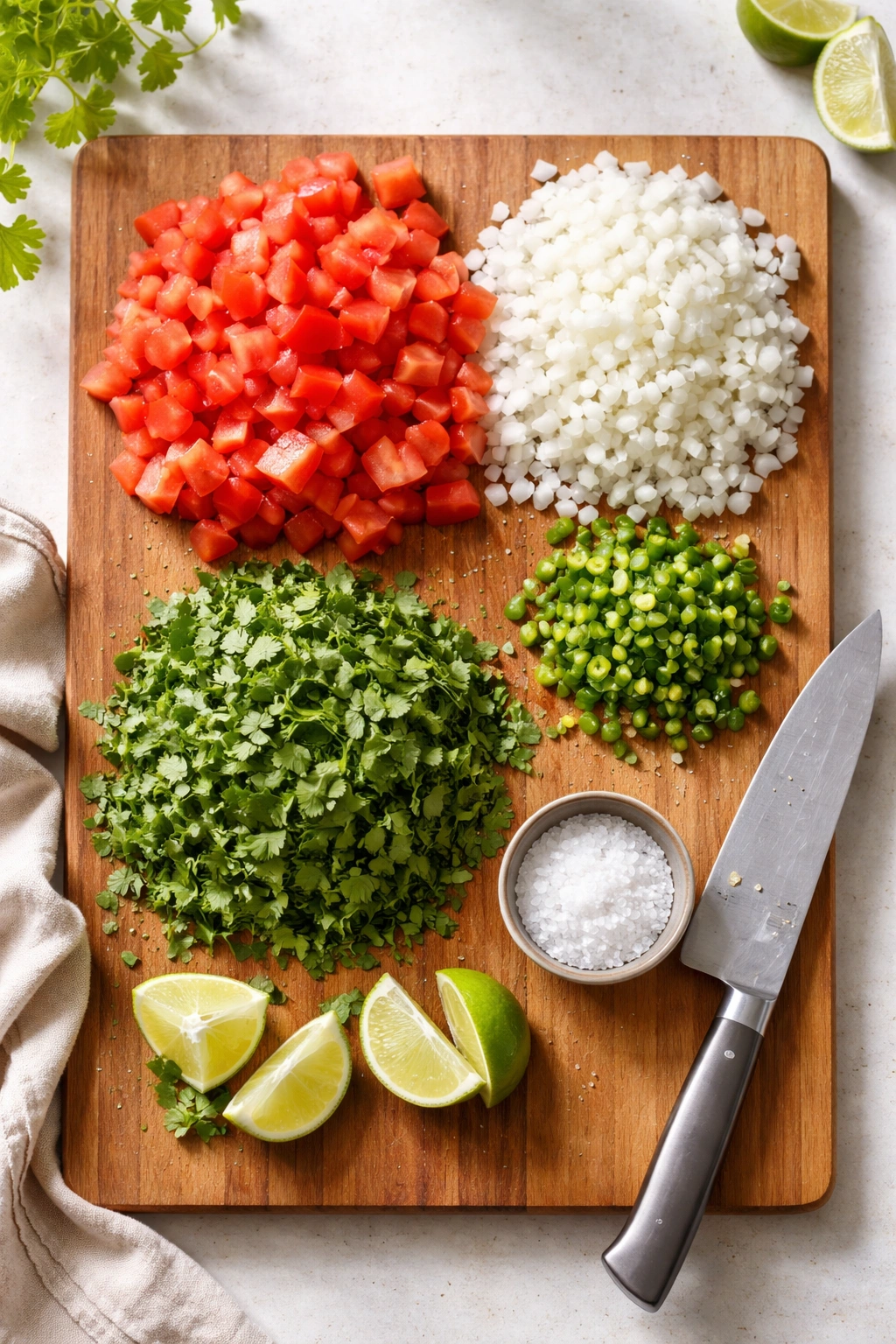
The speed of this recipe depends almost entirely on how efficiently you prep. Here’s the order that makes sense: tomatoes first, then onion, then jalapeño, then cilantro.
Tomatoes: Remove the core from the top of each tomato using a paring knife (the core is where the tomato connects to the plant and often tastes slightly bitter). Rough-chop the tomatoes into chunks about the size of a grape. You want pieces that will eventually break down slightly as they sit but aren’t so small that they turn into paste. Don’t worry about uniform size at this stage; the knife work happens as you chop, and small inconsistencies actually create better texture because the pieces break down at different rates.
As you chop the tomatoes, pay attention to the juice that comes out — this is liquid gold for your salsa. Don’t drain it away. Let the tomato pieces land in your bowl and release their juice naturally. This juice is where much of the flavor lives, and it’ll be your salsa’s natural base.
Onion: Peel the onion and slice it in half. Place the flat side down on your cutting board (this keeps it stable and safe). Slice it into very thin half-moons, then rotate and dice these strips into small cubes. Fine dice matters here because raw onion can be harsh if the pieces are too large; smaller pieces distribute the bite evenly throughout the salsa without any single piece being overwhelming. White onion is traditional and has a sharp bite; sweet onion like Vidalia works too if you prefer milder heat.
Jalapeño: Slice the jalapeño in half lengthwise. If you want mild salsa, use a small spoon to scrape out the seeds and the pale white membrane inside (this is where much of the heat lives). If you want more heat, leave the seeds in. Mince the jalapeño flesh very finely. The smaller the pieces, the more evenly distributed the heat, and the less likely you’ll get a surprising bite-your-face moment when you hit a chunk.
Cilantro: Pull the leaves from the stems (stems are tough and bitter; leaves are tender and bright). Roughly chop the leaves. Don’t chop cilantro until the last possible moment — it bruises and oxidizes quickly once cut, and you want that fresh green flavor.
The entire prep takes less than eight minutes if your knife is sharp and you work methodically without rushing.
The Simple Method: Step-by-Step
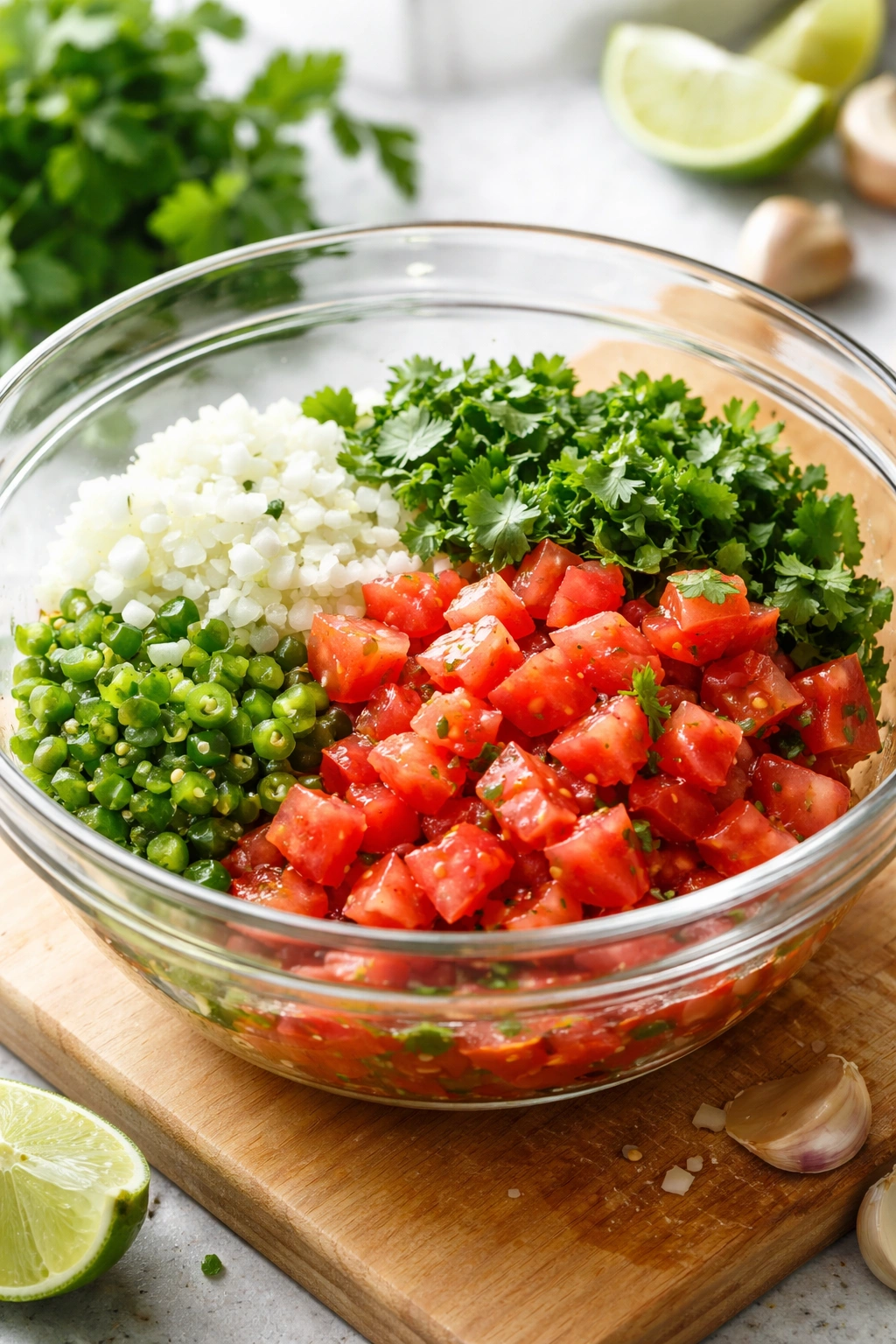
Combine and Let It Sit:
-
Add all the chopped tomatoes and their juices to a bowl. This juice is crucial — never pour it down the drain.
-
Stir in the diced onion, minced jalapeño, and chopped cilantro immediately after chopping (while cilantro is still bright). Mix gently but thoroughly, making sure the onion and jalapeño are distributed evenly throughout.
-
Squeeze in the lime juice. Start with the full 2 tablespoons, stir it in, and taste. Lime brings brightness and prevents oxidation (keeping the salsa fresh-tasting), but you can adjust to your preference. More lime makes it sharper; less lime makes it blander.
-
Add a pinch of fine sea salt — about ½ teaspoon — and stir to combine. Taste, and adjust salt as needed. Salt brings out the tomato flavor and balances all the bright, fresh elements. This is also when you’d add any optional ingredients like cumin or garlic if you’re using them.
-
Let the salsa sit for 5 to 10 minutes before serving. This resting period allows the flavors to meld and the tomato juice to become more concentrated. The onion softens slightly and loses some of its harsh rawness. The lime juice penetrates every piece.
That’s it. You’re done.
Getting the Texture Just Right
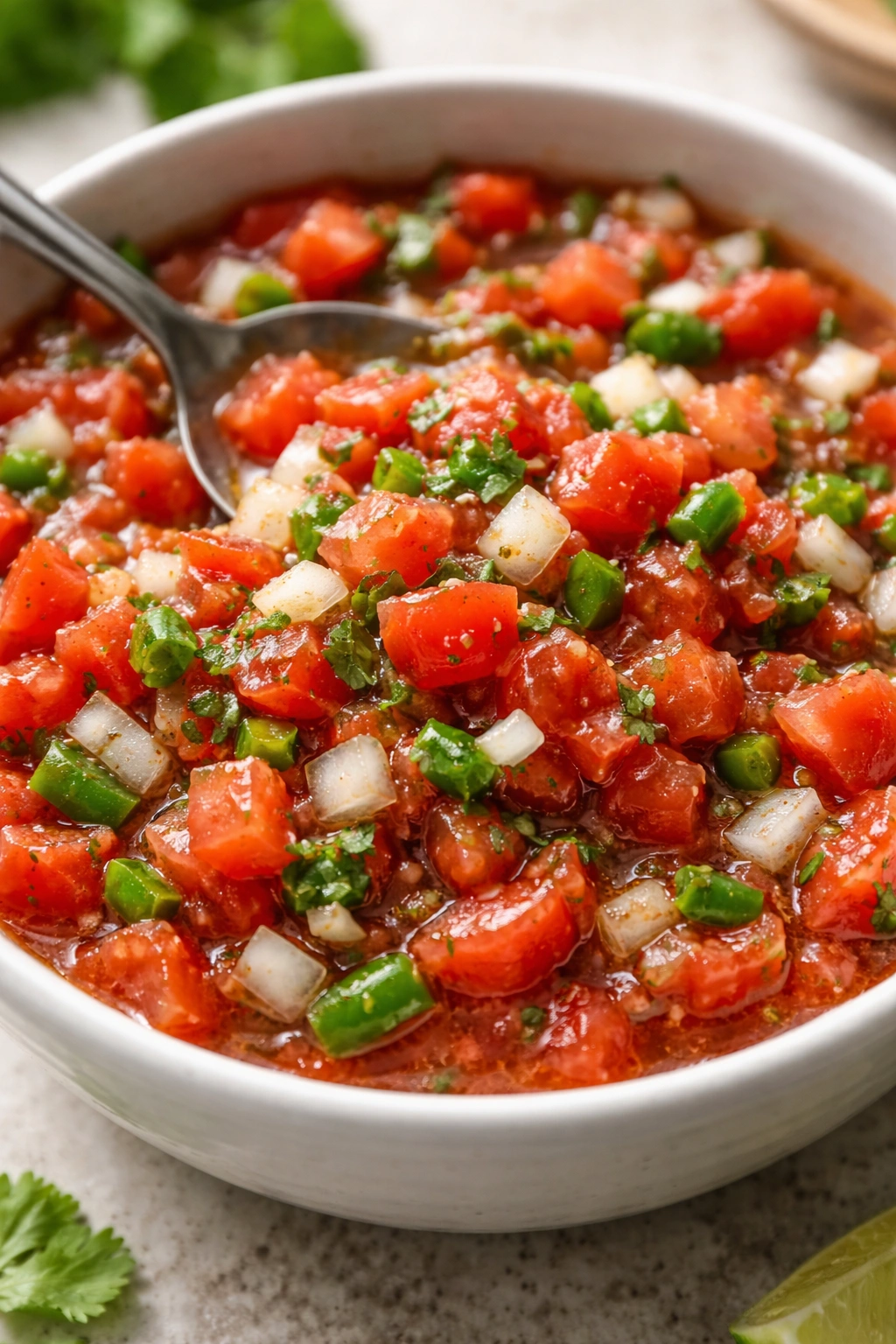
The texture of your salsa matters more than most recipes acknowledge. The ideal consistency is chunky but cohesive — pieces of tomato and onion held together by tomato juice and lime juice, not a puree and not diced so finely it resembles paste.
If your tomatoes are very juicy and watery, you might end up with more liquid than you’d like. To fix this without losing flavor, let the salsa sit in a fine-mesh sieve set over a bowl for ten minutes, gently pressing the vegetables to encourage drainage. This removes excess water without squeezing all the juice out. You can always add some of this juice back if the salsa feels too dry.
If your tomatoes are less juicy than expected (this happens with less ripe tomatoes), the salsa might feel a bit dry. Add another tablespoon of lime juice and a small pinch of salt; the acid and salt help draw out moisture from the remaining tomato pieces.
The size of your chop determines texture too. Larger chunks (tomato pieces about the size of a dime or larger) give you a chunky, rustic salsa that’s excellent with thick tortilla chips. Smaller dice (tomato pieces the size of a lentil) gives you something that holds together better on thinner chips and looks more refined. For ten-minute salsa, aim for medium — pieces about the size of a pea to a small grape. This is the sweet spot between holding shape and breaking down enough to integrate.
Don’t use a blender or food processor unless you specifically want a smooth salsa. The goal is salsa with personality, not baby food.
Adjusting Heat and Flavor to Your Taste
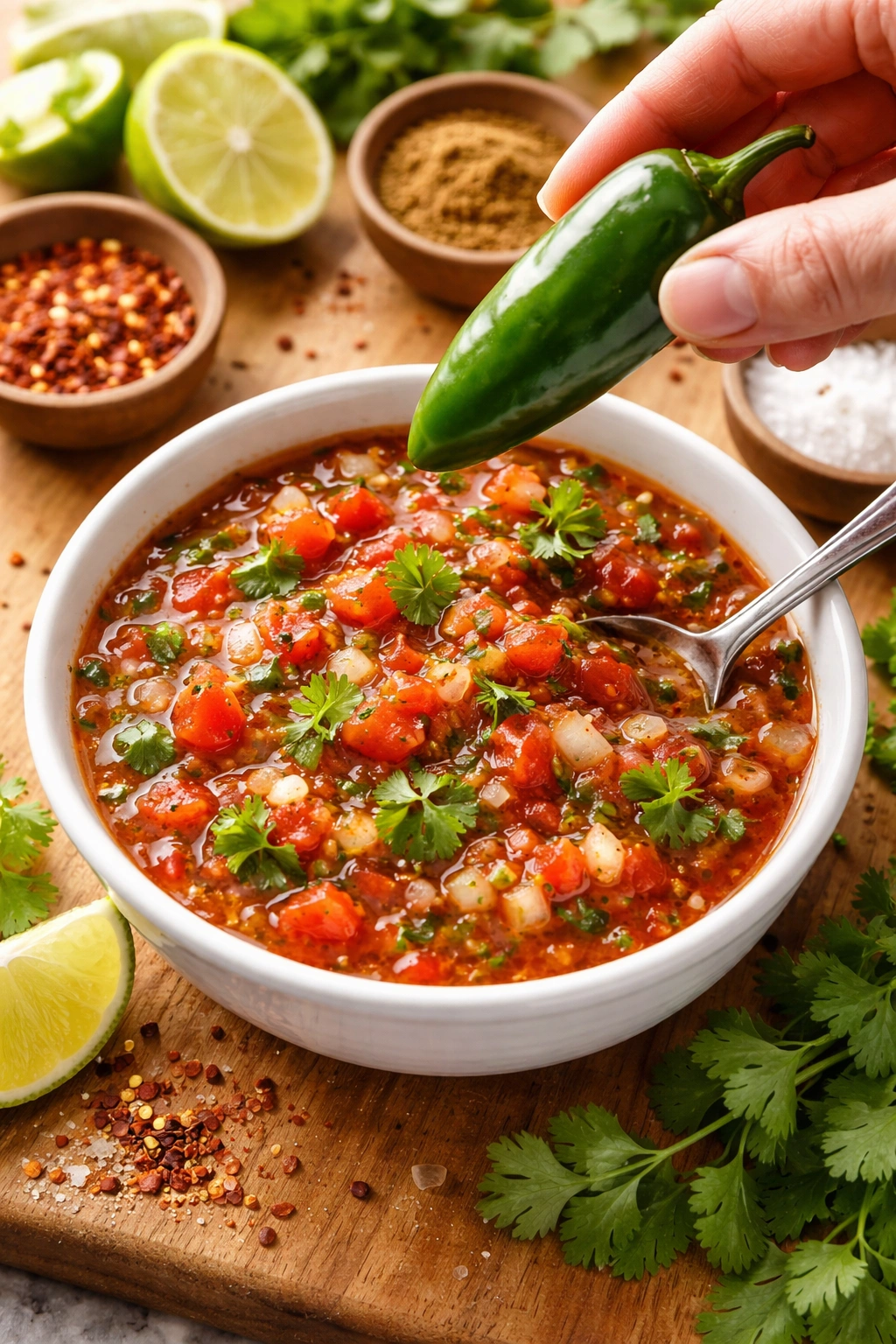
Heat level is entirely personal and easy to control. The jalapeño is your primary heat source, and you already know whether to remove the seeds or leave them in. But there are other ways to adjust.
If you want more heat than one jalapeño provides, add a second one, or add a pinch of cayenne pepper or red pepper flakes. Cayenne gives you pure heat without any flavor change; red pepper flakes add a subtle fruity heat. Start with a very small pinch (it goes a long way) and taste before adding more.
If you want less heat, remove the seeds and white membranes from the jalapeño entirely, or skip it altogether and use a mild poblano or sweet bell pepper instead for flavor and color without heat.
For flavor adjustment, lime juice is your first lever. A squeeze more lime makes everything brighter and makes the salsa taste fresher. If you’ve added cumin and want more warmth, add another small pinch. If you added garlic and it tastes harsh, add a touch more lime juice, which rounds out harsh garlic notes.
Salt is the flavor amplifier. A tiny bit makes everything taste more like itself; too much makes it taste like a salt lick. Taste after each adjustment, not just at the end.
Cilantro is polarizing (some people have a genetic variant that makes it taste like soap), so adjust the amount to your preference. Start with the ¼ cup and add more if you love cilantro, or use less if you’re serving to a mixed group.
Common Mistakes That Slow You Down
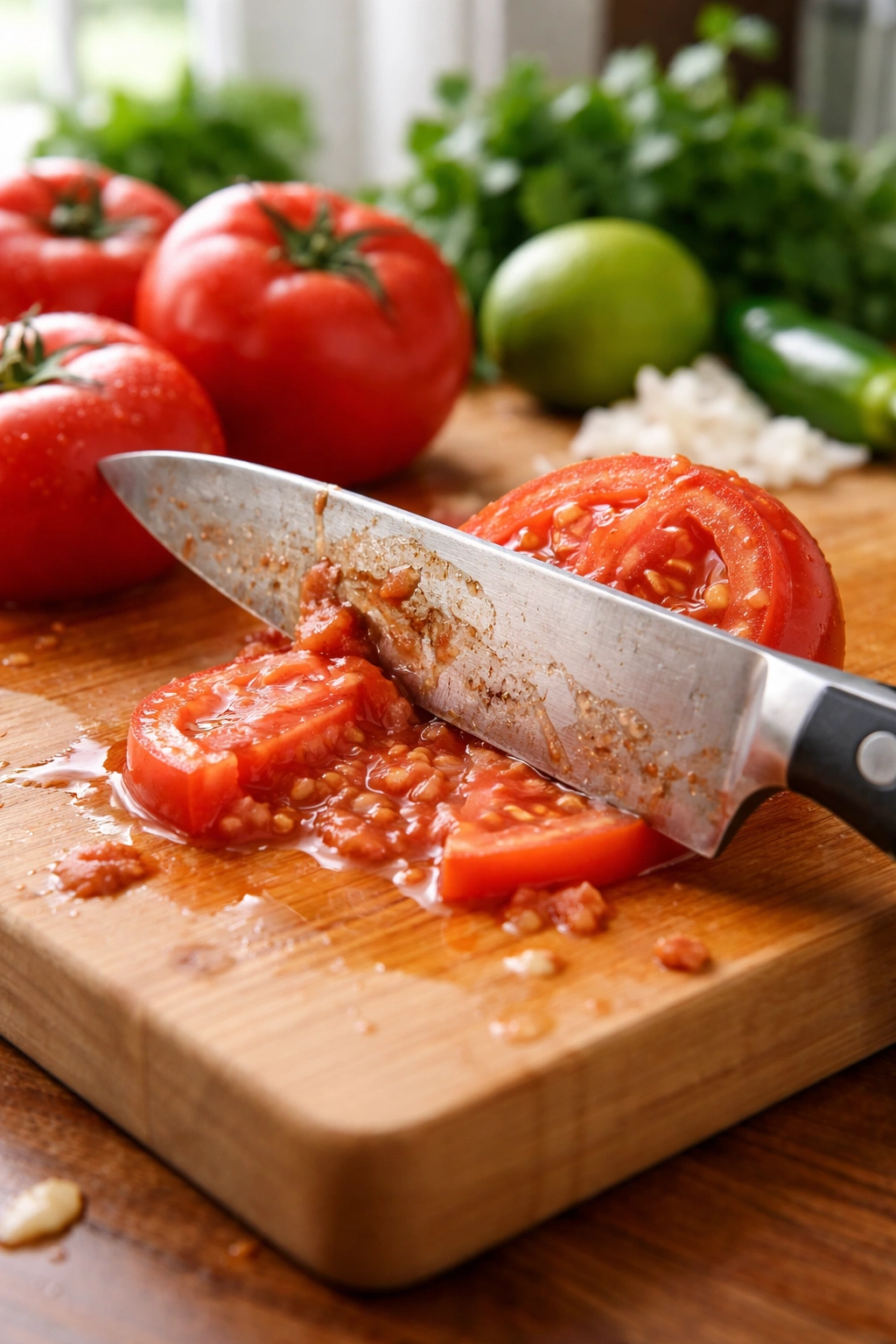
The biggest mistake is overripe tomatoes that are mushy and mealy inside. These break down immediately into mush rather than maintaining any structure. Pick tomatoes that are ripe but still firm enough to hold their shape when you cut them.
Another mistake is over-chopping. If you chop your tomatoes into tiny bits, they break down in the time it takes you to add the other ingredients, and you end up with soup instead of salsa. Rough chop. Generous pieces. Let them break down naturally.
Using a dull knife is a mistake disguised as a time-saver. A dull knife requires sawing and crushing to cut through the tomato, which bruises the flesh and releases juice prematurely while also making prep take twice as long. A sharp knife cuts cleanly, preserving the cell structure and making prep faster. Invest in one good knife and keep it sharp.
Pre-cutting your ingredients too far in advance is a mistake if you’re aiming for the brightest flavor. Cilantro, once cut, starts oxidizing and losing its brightness within minutes. Tomatoes, once cut, begin to break down and oxidize. Onion develops a harsh, sulfurous quality as it sits exposed. The ten-minute window assumes you’re cutting as you’re about to make the salsa, not an hour beforehand.
Not tasting as you go is a mistake that leads to under-seasoned or over-seasoned salsa. The only way to know if you have enough salt or lime is to taste. Adjust in small increments and taste again.
Variations You Can Make in the Same 10 Minutes
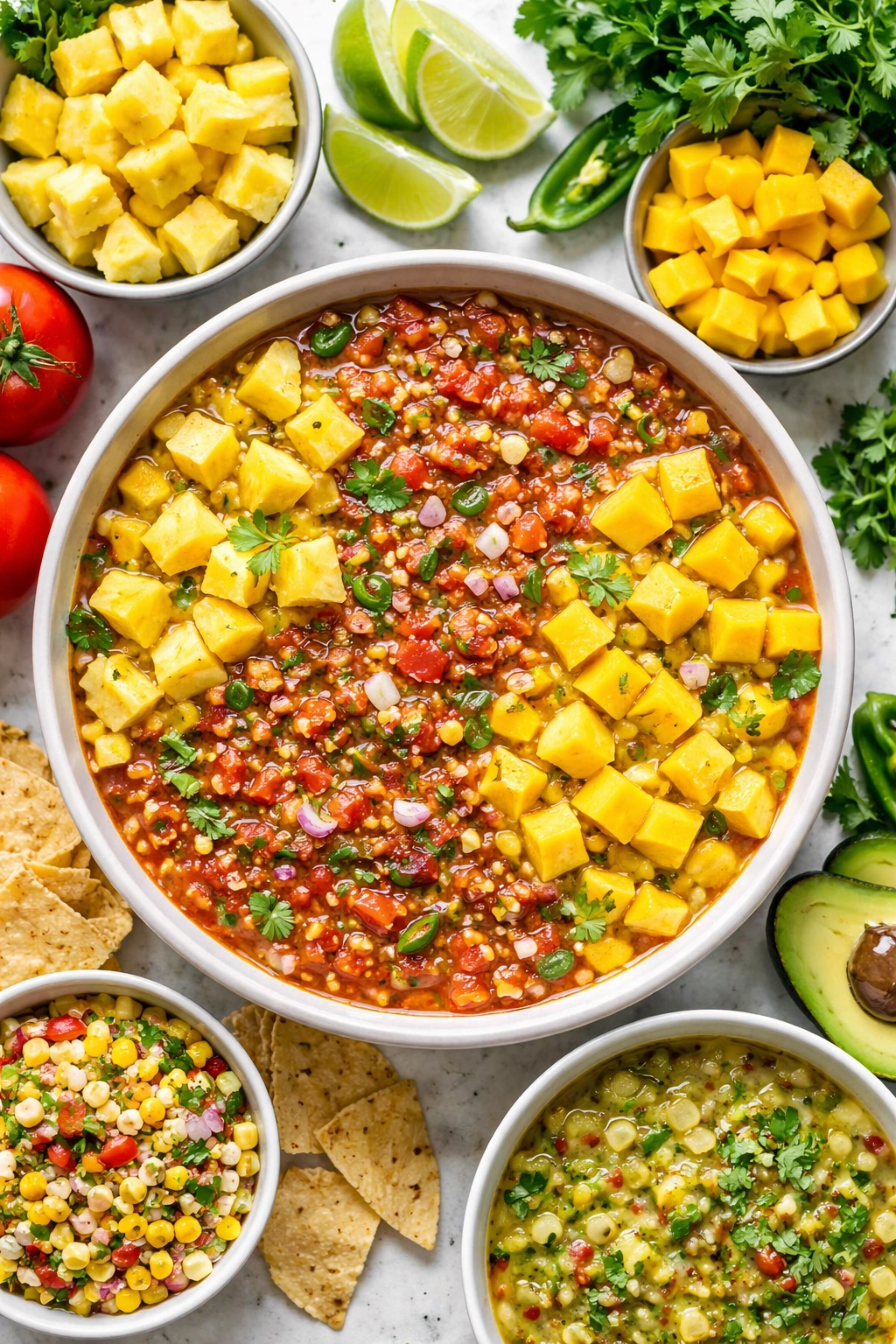
The base recipe is pure tomato-forward salsa, but you can shift the flavor profile while staying within the ten-minute window.
Pineapple salsa takes the same tomato base and adds ½ cup finely diced fresh pineapple and a pinch of habanero (which is hotter than jalapeño but brings fruity heat). The sweetness of pineapple plays beautifully against hot peppers and cilantro. Taste the pineapple to make sure it’s ripe and sweet; unripe pineapple will make the salsa taste bitter.
Corn salsa keeps the tomato, cilantro, and lime, but replaces half the tomato volume with fresh corn kernels (roughly ¾ cup if you can shuck a fresh ear in time, or frozen corn that’s been thawed). Add a tiny pinch of cumin and smoked paprika. This becomes more of a side salsa, excellent with grilled foods.
Mango salsa replaces some of the tomato with diced ripe mango (about 1 cup), keeps the cilantro and jalapeño, and uses lime juice liberally. This is sweeter and more tropical. Balance the sweetness with lime juice and a pinch of salt.
Tomatillo salsa uses tomatillos instead of tomatoes. Tomatillos are tart and grassy, and they require no cooking — just chop them raw. The flavor profile is entirely different: more sour, more herbaceous, less sweet. Add white onion, cilantro, and jalapeño, and you have salsa verde without any cooking.
Roasted red pepper salsa uses roasted red peppers from a jar (rinse them well to remove oil) instead of some tomato, plus tomato, onion, cilantro, and lime. Peppers add sweetness and body. This is slightly less fresh-tasting than raw salsa, but it’s still excellent and uses no fresh peppers that need roasting.
Black bean salsa is more of a hearty side dish but takes the same time: combine the tomato-based salsa with rinsed canned black beans (about 1 cup), add a pinch of cumin and oregano, and you have something that doubles as a dip or a side.
Each variation keeps the core ten-minute timeline because you’re not cooking anything — you’re just swapping out raw ingredients and combining them the same way.
Storage and Make-Ahead Tips
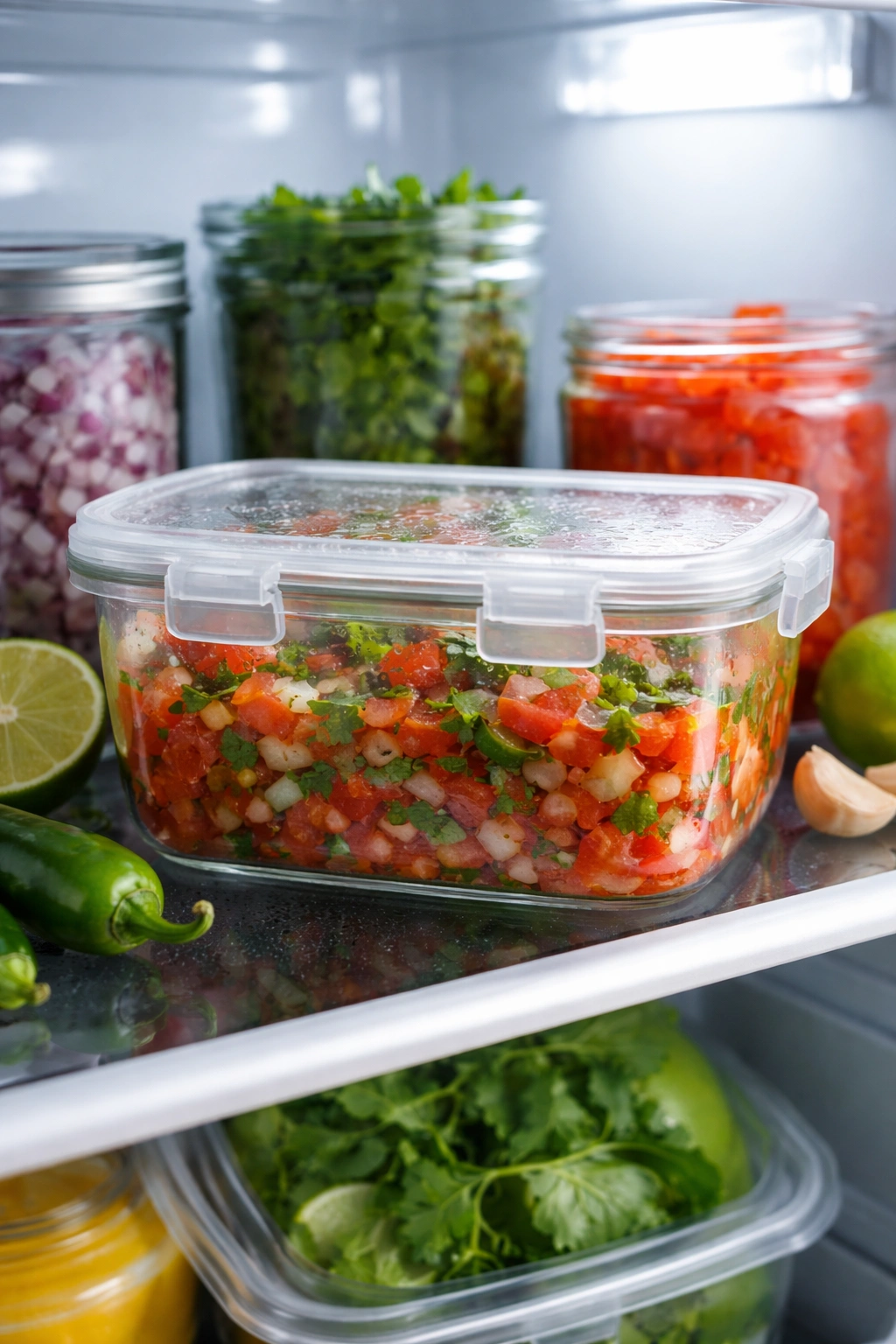
Fresh salsa tastes best within two to three hours of making it, while the tomatoes are still firm and the cilantro is still bright. After this window, the tomato pieces continue breaking down, the onion becomes softer and more assertive, and the cilantro loses its fresh edge. The salsa doesn’t go bad; it just tastes less like salsa and more like a thick tomato soup.
If you need to store it, use an airtight container in the refrigerator. Fresh salsa keeps for two to three days, though the quality declines each day. On day two, taste and refresh with a squeeze of lime juice and a scatter of fresh cilantro if you have it. This helps restore the brightness.
You can make the salsa ahead if you separate the components. Chop the tomatoes up to two hours ahead and store them in a fine-mesh sieve set over a bowl, allowing excess water to drain. Chop the onion and jalapeño up to four hours ahead and store them in separate containers. Keep the cilantro unwashed in the refrigerator wrapped in a paper towel; it stays fresh for several days. About ten minutes before serving, assemble everything and combine, then let it sit for five minutes before eating.
You can also freeze salsa, though the texture changes slightly — the tomatoes break down more and the salsa becomes slightly watery when thawed. This works fine if you’re planning to use the salsa in cooked dishes (like refried beans, soups, or scrambled eggs), but it’s not ideal for fresh eating. Freeze it in ice cube trays so you can thaw exactly the amount you need. Frozen salsa keeps for three months.
Canned salsa is often made by roasting the ingredients first, which makes it shelf-stable. If you want to make ahead without refrigeration concerns, lightly char your tomatoes, onions, and jalapeños in a dry cast iron skillet over medium-high heat (about five to seven minutes) before combining. This won’t give you the fresh-tasting result of raw salsa, but it does create a more stable product.
Serving Suggestions and Pairings
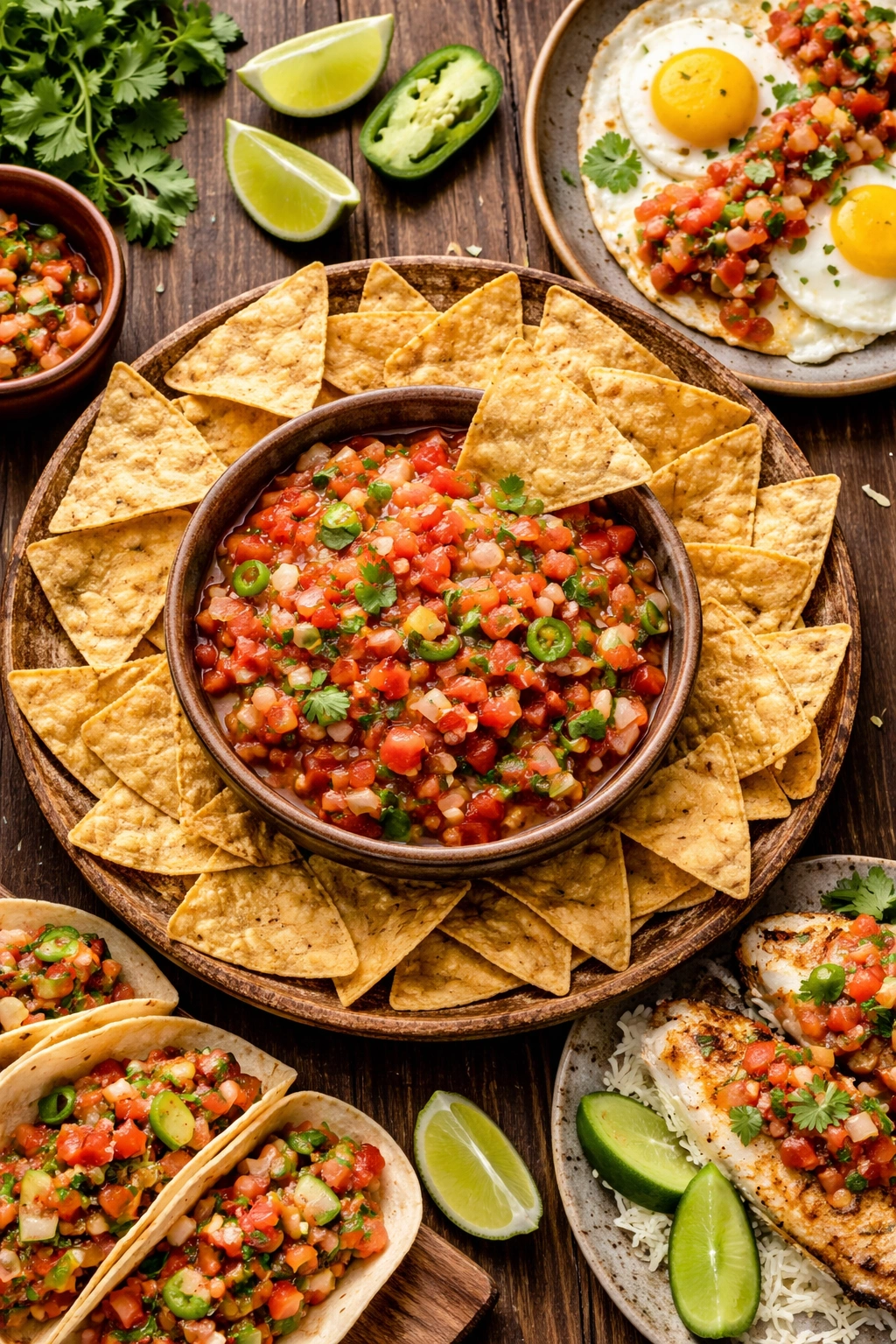
Fresh salsa is a condiment that improves almost everything it touches. Serve it with warm tortilla chips for immediate gratification — thicker, heartier chips hold up better than thin, fragile ones. Look for chips made with stone-ground corn and minimal oil; these taste better and carry the salsa flavor rather than competing with it.
Salsa is excellent on eggs: fried, scrambled, or as an accompaniment to omelets. It brings freshness and brightness to what can otherwise be a heavy breakfast. Spoon it generously on top and let the heat from the eggs warm it slightly, releasing more flavor.
Use salsa in tacos, whether they’re fish tacos, carnitas, or grilled chicken. The tomato acidity and cilantro brightness cut through rich meats and cheese, making the whole thing feel lighter and more balanced.
Salsa works as a topping for grilled fish or white meat poultry. The acidity complements the mild flavor of fish and helps cut any richness. A spoonful of salsa on top of salmon, mahi-mahi, or grilled chicken breast adds flavor without sauce.
Layer salsa into nachos, starting with chips, then beans, cheese, salsa, cilantro, and whatever other toppings you like. Make nachos just before eating so the chips don’t become soggy.
Use salsa as a side with grilled vegetables or as part of a grain bowl with rice, beans, and grilled proteins. It’s the bright flavor counterpoint that makes every bite interesting.
Salsa works as a dip for raw vegetables if you want something lighter than a cream-based dip. Bell pepper slices, cucumber rounds, and jicama sticks all pair beautifully with fresh salsa.
Mix a scoop of salsa into mayonnaise or sour cream to make an instant sauce for tacos or grilled fish.
Final Thoughts
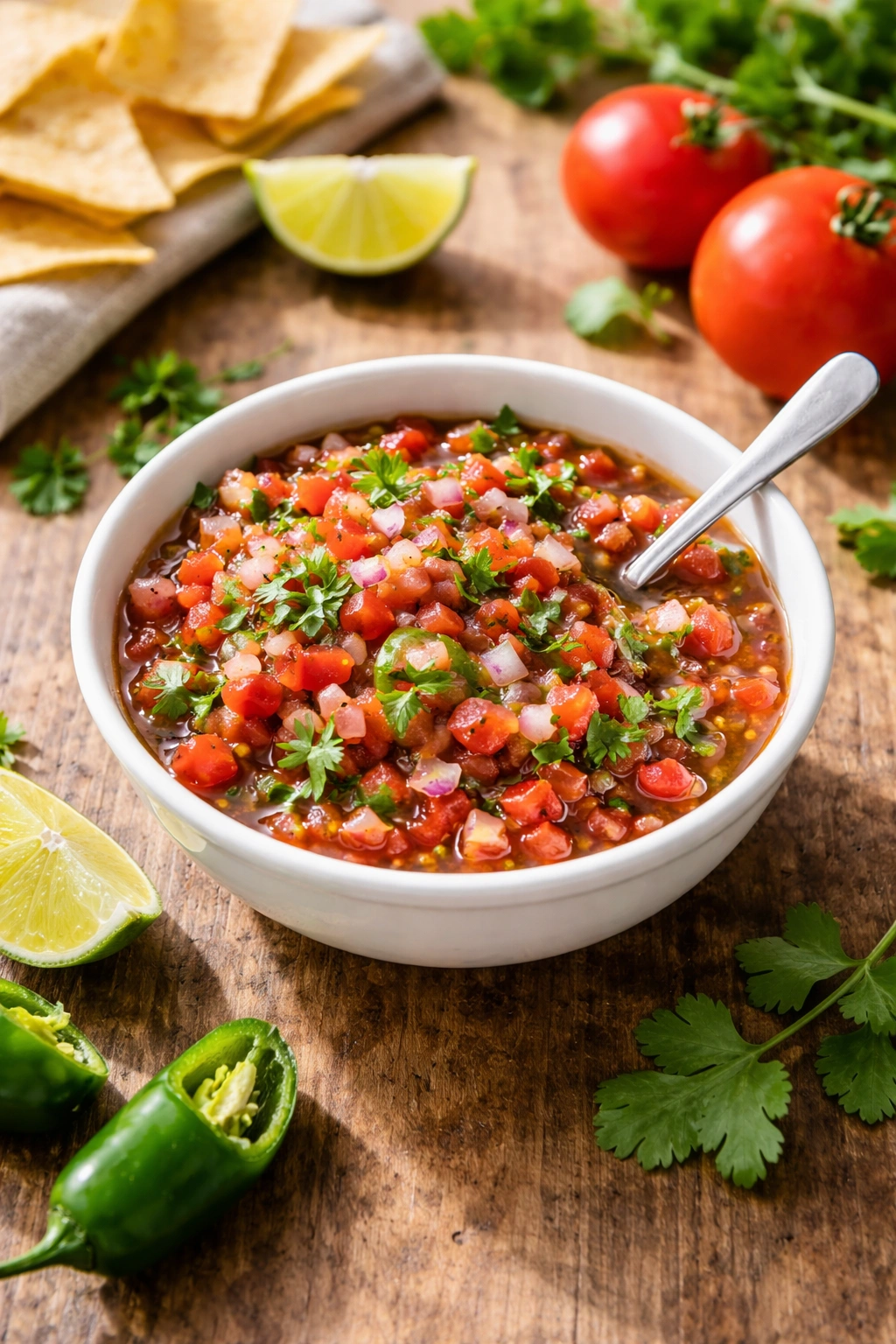
The best salsa is the one you make minutes before eating it, using the ripest tomatoes you can find and nothing else that complicates the flavor. Homemade salsa doesn’t have to be a project. It takes ten minutes, five ingredients, and a sharp knife — nothing more.
What you gain is color that looks more vibrant than anything bottled, flavor that’s brighter and more alive, and the satisfaction of serving something you made while it was still at its best. There’s genuine pleasure in that simplicity. You’re not proving anything or impressing anyone with complicated technique; you’re just using ripe tomatoes the way they were meant to be used.
The real secret is understanding that salsa is a collaboration between ingredients at their peak and your willingness to leave them mostly alone. Don’t overthink it, don’t overseasoning it, and don’t make it until the moment you’re ready to eat. Those three disciplines will give you salsa better than any recipe can.
