



There’s nothing quite like a perfectly cooked chicken breast or thigh, but the real magic happens when you pair it with the right side dish. A great side transforms a simple chicken dinner into something memorable—something that makes your family linger at the table a little longer, something that turns an ordinary weeknight into a proper meal. The challenge isn’t finding a side dish; it’s finding the one that complements your chicken in just the right way, adding texture, flavor, and nutritional balance without competing for attention on the plate.
The sides that work best with chicken are the ones that either echo its subtle flavors or provide a bold contrast that makes both elements shine brighter. Some lean into comfort—creamy, buttery, warm—while others bring freshness and brightness to cut through richer preparations. A few add textural contrast that keeps every bite interesting. Whether your chicken is roasted, grilled, baked, pan-seared, or braised, the right side is out there waiting to complete the picture.
What makes a side truly amazing isn’t luck or tradition alone. It’s understanding how flavors, textures, and nutritional profiles work together on a plate. A crispy exterior pairs beautifully with something creamy. Acidic brightness lifts the richness of herb-butter chicken. A hearty starch absorbs pan sauces and gravy in ways that make them feel indispensable. These ten sides have earned their place as chicken’s most reliable partners—not because they’re trendy, but because they work, again and again, at tables everywhere.
1. Roasted Vegetables
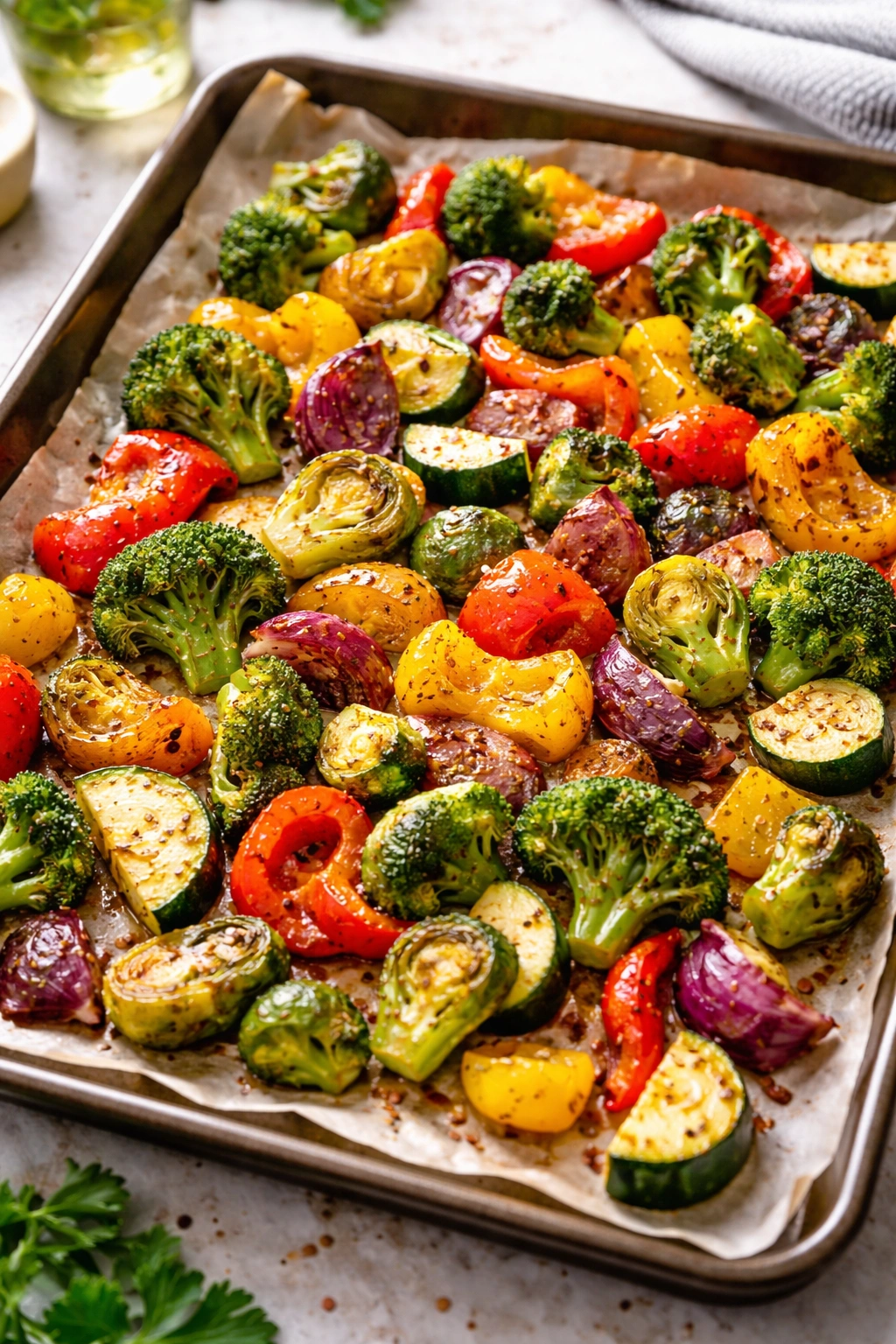
Roasted vegetables are the backbone of unfussy, elegant dinners with chicken. When vegetables hit a hot oven—whether it’s bell peppers, zucchini, eggplant, broccoli, or Brussels sprouts—they caramelize on the outside and turn tender inside, developing a depth of flavor that feels far more sophisticated than the sum of their parts. The natural sugars in the vegetables concentrate and brown, creating a savory-sweet complexity that feels intentional and chef-like, even when you’ve barely done anything beyond tossing them with olive oil and salt.
Why They Work So Well With Chicken
Roasted vegetables offer textural contrast without demanding attention. Their slight char and crispy edges play beautifully against tender chicken, and because they’re cooked the same way—roasted in an oven—you can prepare both components simultaneously. This side also brings color, nutrition, and visual appeal to your plate without any fussiness. Unlike sides that require constant attention or careful timing, roasted vegetables sit happily in the oven for 25-35 minutes and emerge perfect every time.
How to Make Them Shine
- Toss vegetables with extra-virgin olive oil (not cooking spray or light oil—the quality matters here)
- Season generously with kosher salt, cracked black pepper, and dried herbs like oregano or Italian seasoning
- Spread them in a single layer on a sheet pan; don’t crowd them or they’ll steam instead of roast
- Roast at 425°F for 25–35 minutes depending on your cut size, stirring halfway through
- Add a squeeze of fresh lemon juice or a sprinkle of aged balsamic vinegar just before serving
Pro tip: Cut vegetables to roughly the same size so they finish cooking at exactly the same moment. A small Brussels sprout shouldn’t be on the same pan as thick zucchini rounds unless you cut the zucchini into smaller pieces.
2. Creamy Mashed Potatoes
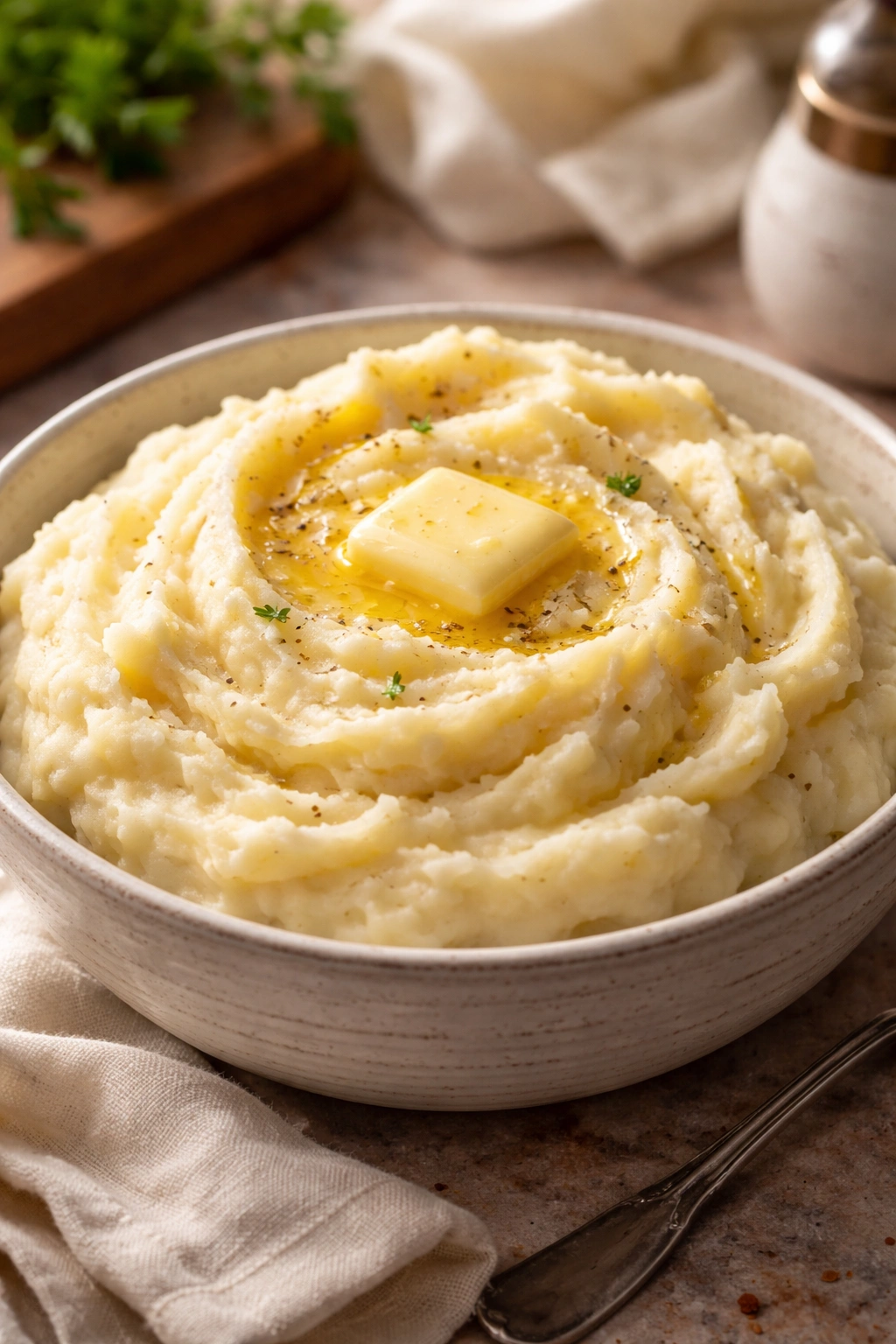
Mashed potatoes are the ultimate comfort partner for chicken—they’re warm, familiar, and deeply satisfying in a way that makes people feel cared for. The appeal goes beyond taste; there’s something about the soft, pillowy texture and subtle potato flavor that makes a meal feel complete. When mashed potatoes are done right, they become a vehicle for butter, cream, and garlic, transforming simple starch into something almost luxurious. They absorb pan sauces and gravy beautifully, soaking up every drop of flavor, and they provide the kind of comforting ballast that makes a plate of roasted chicken feel like home cooking at its best.
The Right Potato Makes All the Difference
Not all potatoes mash the same way. Russet potatoes are traditional and produce a fluffier, lighter mash because of their higher starch content. Yukon Gold potatoes have a naturally buttery flavor and create a silkier, creamier mash even without extra cream. Many home cooks swear by a blend of both—the fluffiness of russets with the richness of Yukon Golds. Avoid waxy potatoes like red potatoes or fingerlings; their lower starch content results in a gluey, gummy texture that no amount of butter will fix.
Essential Mashing Technique
- Peel potatoes if using russets; leave skin on Yukon Gold for a rustic finish (optional)
- Cut into even 2-inch chunks so they cook uniformly
- Boil in salted water (the water should taste like the sea) for 12–15 minutes until a fork pierces them with zero resistance
- Drain well; excess water is the enemy of fluffy mash
- Warm the butter and cream before adding them—cold dairy lowers the temperature of the hot potatoes and can make them dense
- Mash by hand with a potato ricer or hand masher, never a food processor (which breaks down the starch and creates gluiness)
Worth knowing: Season mashed potatoes generously—they need more salt and pepper than you might think. A dash of garlic powder or fresh roasted garlic adds depth without requiring extra effort.
3. Garlic Buttered Rice
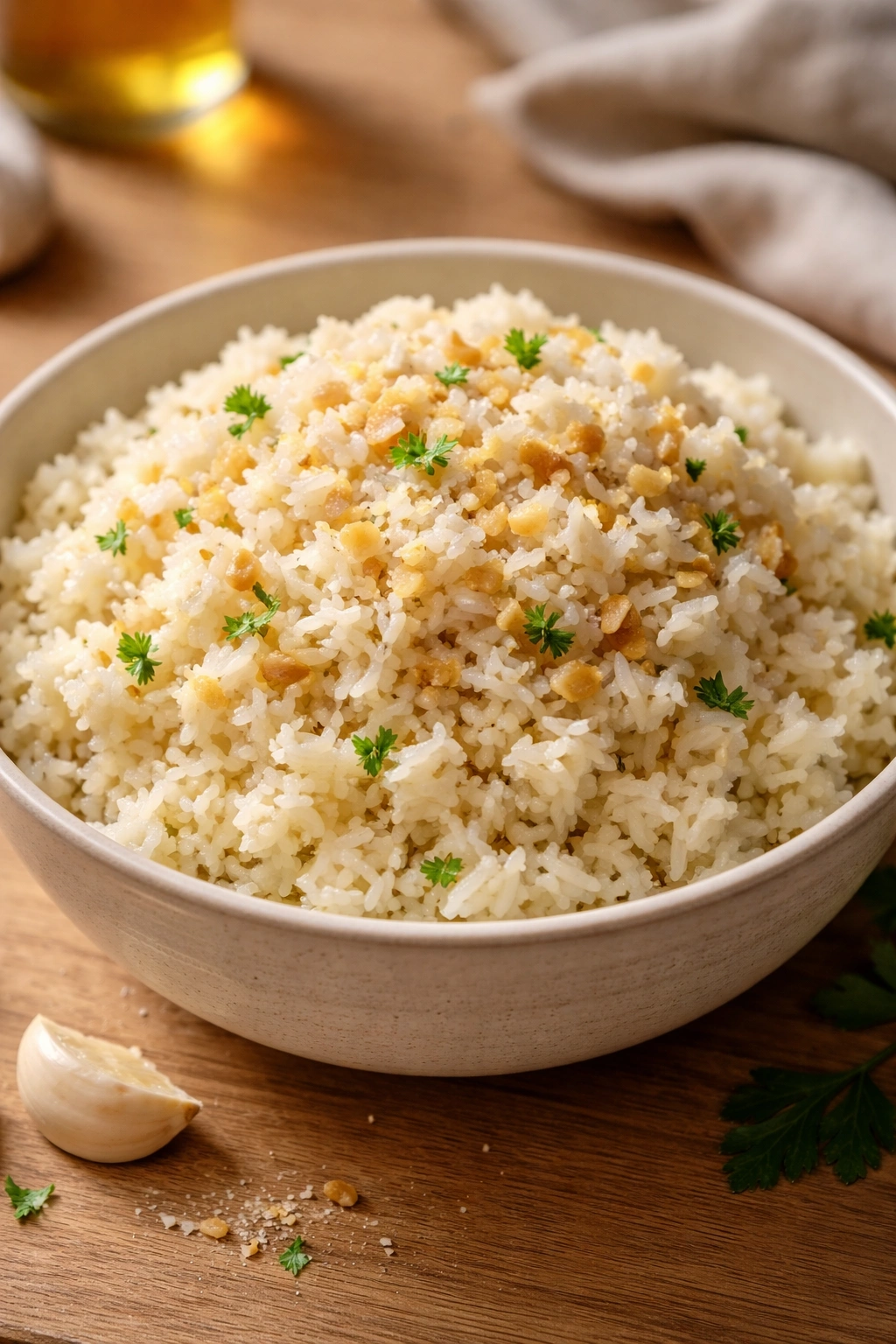
Rice is the quiet hero of the dinner table. When it’s prepared well—with real butter, fresh garlic, and perhaps a hint of broth—it becomes something you find yourself reaching for again and again, almost without thinking. Garlic-buttered rice absorbs the pan juices from roasted or pan-seared chicken, transforming those precious browned bits into something integrated and delicious. It’s neutral enough to never overshadow the chicken, yet flavorful enough that no one leaves it on their plate. The starch acts as a perfect foil for acidic pan sauces, vinegar-based glazes, or creamy preparations.
Why Rice Beats Other Starches for Many Dinners
Rice requires less advance preparation than potatoes and cooks in roughly the same time as chicken. Long-grain white rice is traditional, light, and fluffy. Basmati brings subtle aromatics. Brown rice adds nuttiness and more fiber, though it requires longer cooking. The beauty of rice is that it never steals the spotlight—it simply enhances everything around it while remaining elegant in its simplicity.
Simple Garlic Butter Rice Method
- Toast 1½ cups uncooked rice in a dry pot over medium heat for 2–3 minutes, stirring constantly, until fragrant and very lightly golden
- Add 3 tablespoons butter and 3–4 minced garlic cloves; stir for about 1 minute until the garlic releases its aroma
- Pour in 3 cups chicken broth (or water plus a chicken bouillon cube) and add a pinch of salt
- Bring to a boil, then reduce heat to low, cover tightly, and cook for 18 minutes
- Remove from heat, let it rest covered for 5 minutes, then fluff with a fork
- Finish with fresh cracked pepper and a squeeze of fresh lemon juice if desired
Insider secret: The toasting step isn’t decoration—it gives the rice a subtle, almost nutty flavor that transforms it from plain to intentional.
4. Crusty Bread or Dinner Rolls
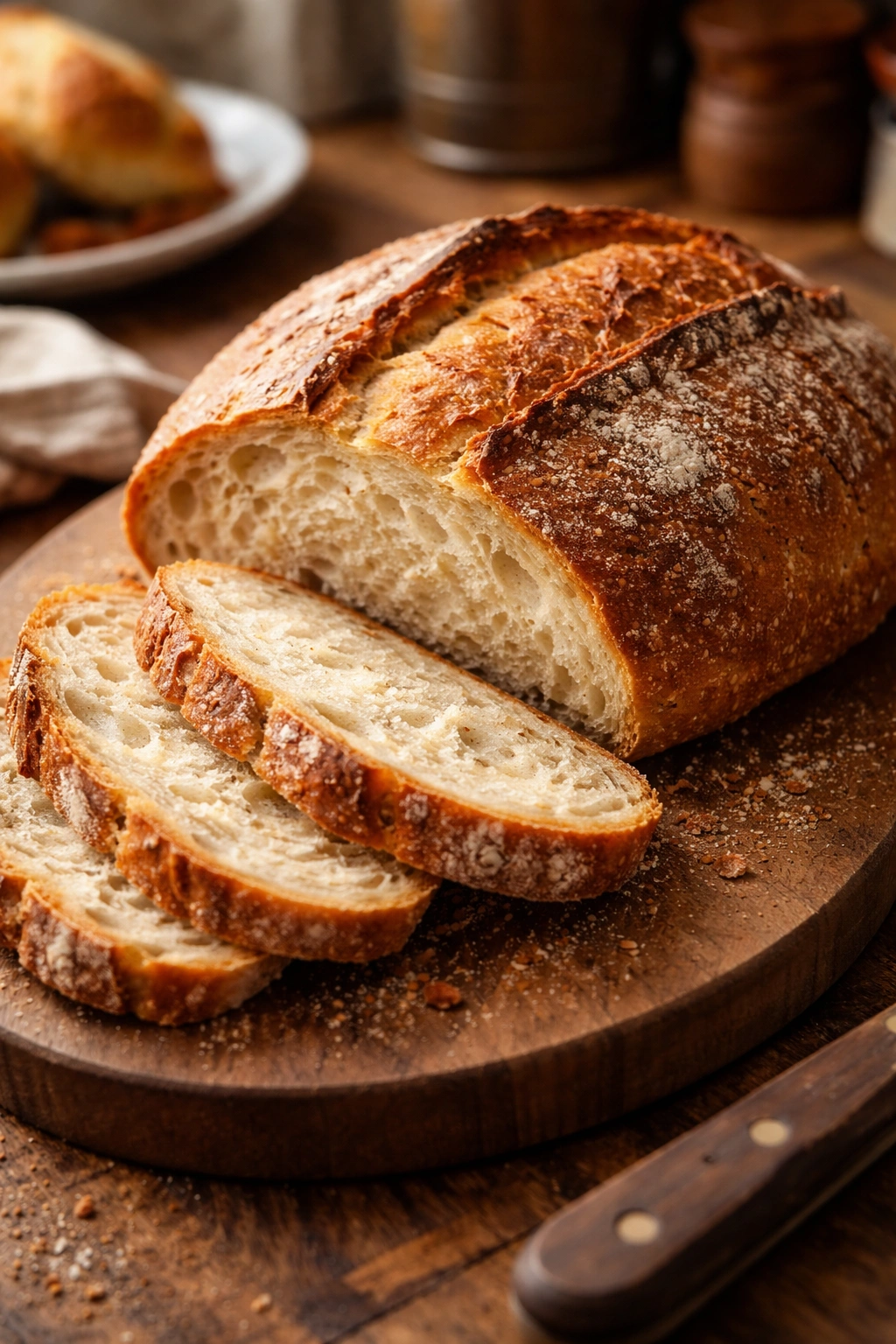
Bread might seem too simple to deserve a place on this list, but it’s often the most important component of a chicken dinner, and it absolutely deserves celebration. Crusty bread—whether it’s a bakery roll, a slice of sourdough, or a simple dinner roll—serves multiple purposes: it soaks up sauce, it provides textural contrast to the tender chicken, it gives people something to do with their hands at the table, and it stretches a meal to feed more people without requiring more cooking. There’s a reason bread appears on virtually every table in Europe and beyond—it’s not filler, it’s essential.
The Case for Quality Bread
Crusty artisan bread has complex flavor from long fermentation and brings a satisfying textural contrast. Buttered dinner rolls are rich, soft, and pair beautifully with roasted chicken and gravy. Sourdough adds tang and digestibility. The worst choice is supermarket sandwich bread, which dissolves into mush the moment it touches sauce. A good bakery-fresh roll or a slice of day-old artisan bread transforms a simple plate into something that feels intentional and special.
How to Serve Bread Well With Chicken
- Warm rolls or bread in a 350°F oven for 5–7 minutes if they’ve been sitting out
- Brush rolls lightly with melted butter and fresh cracked pepper just before serving
- If serving crusty bread, slice it just before the meal and arrange it in a basket lined with linen
- Set out compound butters (butter mixed with herbs, garlic, or honey) for people to spread on their bread
- Never skip the bread basket—it’s the smallest effort for the biggest impact on how a meal feels
Real talk: Homemade dinner rolls take time, but if you’re already roasting a chicken for 45 minutes, using your oven time to bake rolls alongside it (starting them about 20 minutes before the chicken finishes) creates the impression of real cooking without much added effort.
5. Grilled Asparagus With Lemon
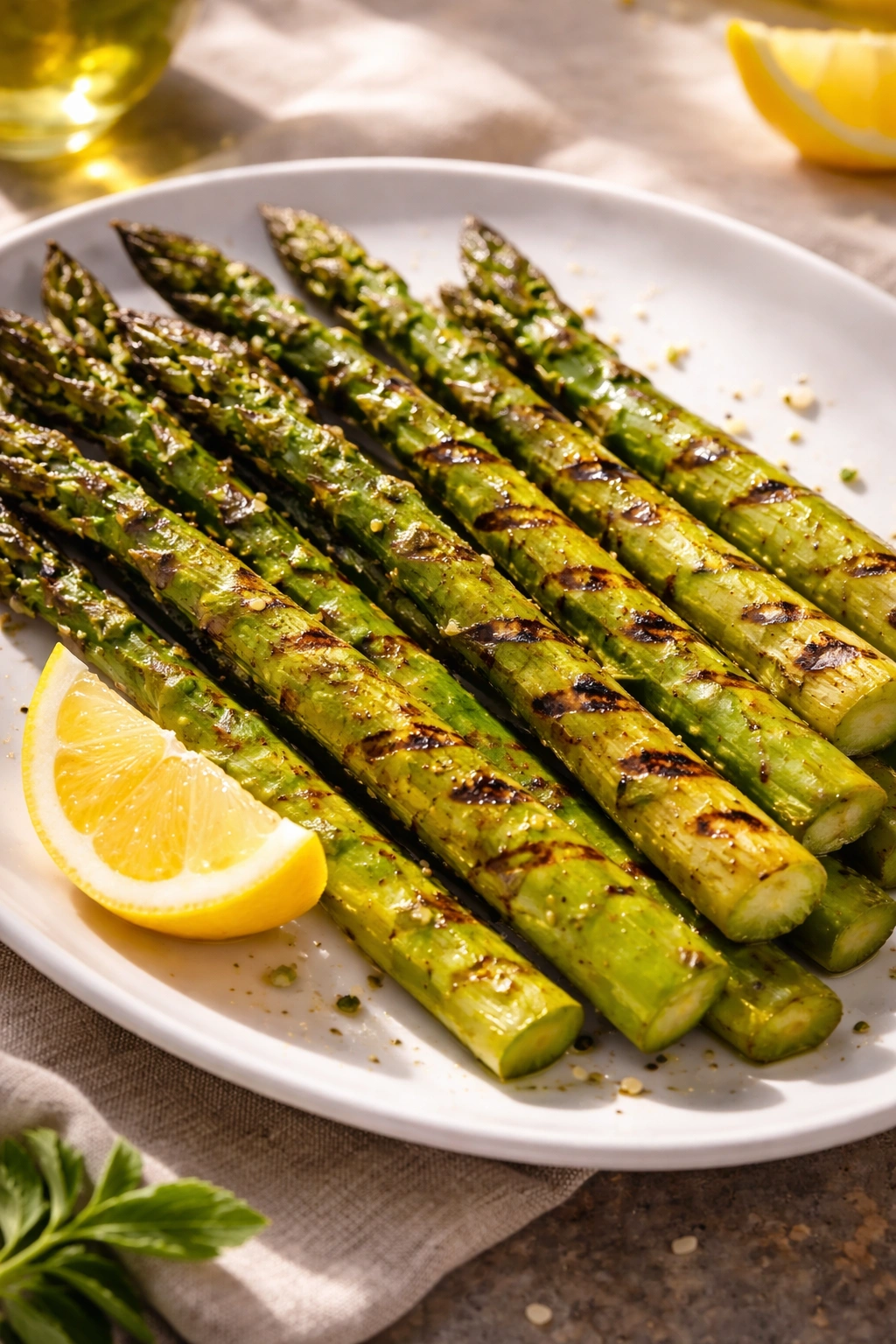
Asparagus on the grill becomes something almost entirely different from boiled asparagus—crispy and charred on the outside, tender and juicy inside, with a subtle bitterness that grows more complex when it’s kissed by heat. Grilled asparagus brings textural contrast (tender but with crispy char), nutritional depth (asparagus is packed with vitamins and minerals), and a bright, fresh element that prevents a chicken dinner from feeling heavy or one-note. The moment you plate tender chicken next to vibrant asparagus with golden char marks and a squeeze of fresh lemon, the meal looks intentional and restaurant-quality.
Why Asparagus Is Special When Grilled
Grilling concentrates the natural sugars in asparagus and creates a subtle caramelization that raw or boiled asparagus can’t achieve. The char adds depth and slight bitterness that balances rich chicken and creamy sides. Asparagus is also one of the few vegetables that actually benefits from the high, direct heat of a grill—it’s sturdy enough not to fall apart, but tender enough to cook through in just minutes.
Grilled Asparagus Technique
- Rinse asparagus and snap off the woody bottom ends (they’ll break naturally at the point where tender meets tough)
- Toss with olive oil, salt, and pepper; make sure each spear is lightly coated
- Heat a grill to medium-high or use grill marks on a cast-iron skillet over high heat
- Lay asparagus perpendicular to the grill grates (or in the skillet) and leave it undisturbed for 3–4 minutes
- Turn and cook another 2–3 minutes until deeply spotted with char and tender when pierced with a fork
- Transfer to a plate and finish immediately with fresh lemon juice and optional red pepper flakes
Pro tip: Thinner asparagus cooks faster than thick spears—try to select similar thickness for even cooking. If you must mix sizes, lay the thick ones on the grill first, then add the thin ones a minute or two later.
6. Honey-Glazed Carrots
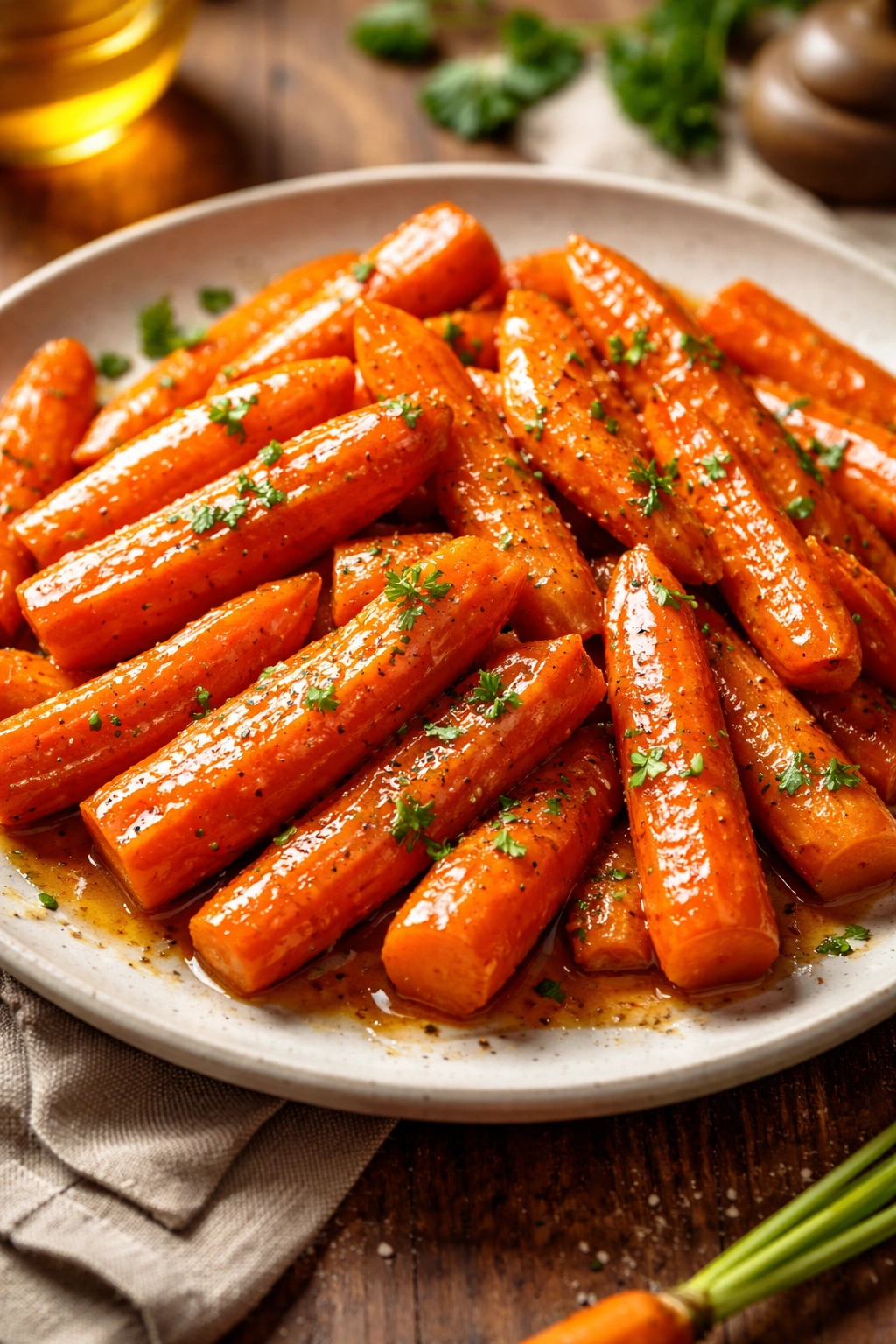
Glazed carrots represent the sweet-savory balance that makes a plate of chicken feel complete. The natural sweetness of carrots concentrates when they’re roasted or braised, and when you add honey, butter, and a hint of spice, they become something almost dessert-like in their appeal—except they’re vegetables, which makes the whole thing feel virtuous. Glazed carrots bring color to the plate, natural sweetness that complements savory chicken beautifully, and a tender-but-structured texture that makes them interesting to eat. They’re also deeply nourishing, packed with beta-carotene and fiber.
How the Glaze Works Its Magic
A glaze is simply a concentrated liquid that coats food and turns glossy and sticky as it reduces. Honey provides sweetness and helps create that glossy finish. Butter brings richness and helps the glaze cling to the carrots. A pinch of cayenne or Dijon mustard adds complexity so the sweetness doesn’t feel one-dimensional. The carryover cooking as the glaze reduces concentrates all the flavors into something more intense than the individual components.
Simple Honey-Glazed Carrots Method
- Peel and cut carrots into coins or sticks, about ¼-inch thick (uniform size matters)
- Melt 3 tablespoons butter in a large skillet over medium-high heat
- Add carrots, ⅓ cup honey, ⅓ cup broth or water, a pinch of salt, and a tiny pinch of cayenne
- Bring to a simmer, then reduce heat to medium and cook uncovered for 15–20 minutes, stirring occasionally
- The liquid will reduce and become more concentrated; cook until carrots are tender and the glaze coats them glossily
- Taste and adjust sweetness with more honey or brightness with a squeeze of lemon or a pinch of Dijon mustard
Worth knowing: The carrots continue to cook as the glaze reduces, so pull them off heat when they’re almost done—they’ll finish cooking as the pan cools.
7. Fresh Garden Salad
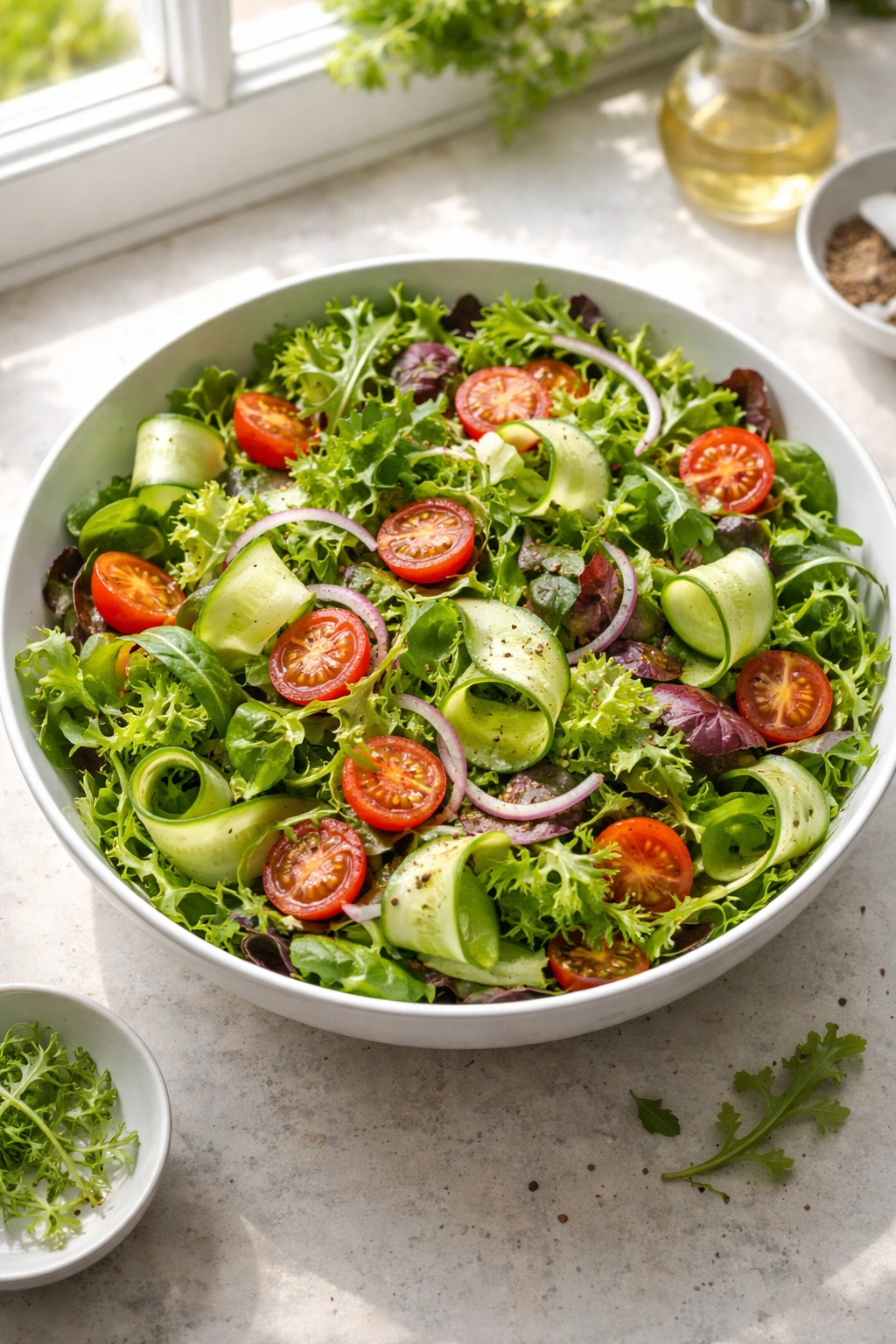
A fresh green salad serves a completely different purpose than the other sides on this list: it cleanses the palate, provides crisp texture against tender protein, and prevents the entire meal from tasting heavy or one-note. When you’ve served creamy mashed potatoes or rich butter-glazed vegetables, a simple salad with bright vinaigrette becomes essential for balance. The acidity in dressing cuts through richness beautifully, the crispness of greens offers textural relief, and the nutritional lightness of raw vegetables complements cooked protein. A great salad isn’t an afterthought—it’s the balance that makes the whole meal sing.
Why Salad Matters More Than People Realize
A salad transforms how your mouth perceives the entire meal. Without it, even a perfectly cooked chicken dinner can feel flat or heavy. With it, suddenly you have complexity, freshness, and balance. The salad doesn’t compete with chicken; it enhances everything around it by providing contrast. This is why restaurant meals feel more complete than what many people cook at home—the greens and acidity are doing essential work.
Essential Salad Building Blocks
- Base greens: Use a mix of tender lettuces and bitter greens—romaine, arugula, radicchio, chicory. (Iceberg is boring and watery; avoid it.)
- Add crunch: Cherry tomatoes halved, shaved radishes, sliced cucumber, or toasted nuts
- Dressing: A simple vinaigrette (3 parts olive oil to 1 part acid—vinegar or lemon juice—plus mustard, salt, pepper, and optional garlic) is all you need
- Protein optional: Hard-boiled eggs, crumbled feta, or chickpeas make a salad more substantial if it’s sharing plate space with lighter chicken preparations
- Dress just before serving: Greens absorb dressing and wilt quickly, so dress at the last possible moment
Insider note: The best salad dressing for chicken dinners leans slightly more acidic than you might think—when balancing rich chicken and butter-based sides, brightness is your friend.
8. Buttered Corn on the Cob
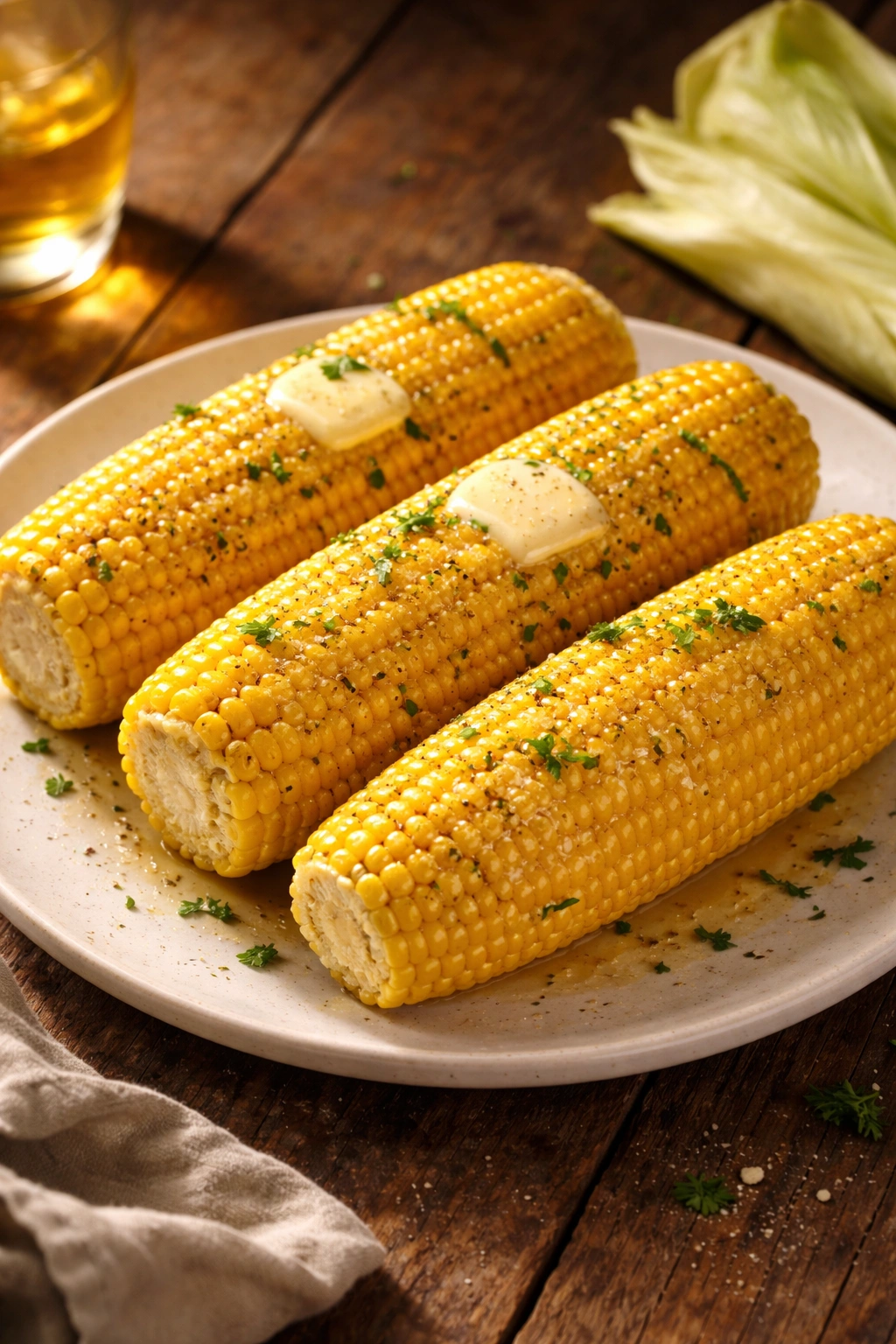
Corn is summer comfort in vegetable form, and when it’s fresh, sweet, and simply prepared with butter and salt, it becomes an almost meditative side dish—something people look forward to and savor slowly. Grilled or boiled corn on the cob brings sweetness and moisture to a plate, textural interest (the slight resistance of kernels between teeth is deeply satisfying), and a nostalgic joy that makes people smile. Corn is also incredibly versatile—it pairs equally well with spiced, herb-forward chicken as it does with plain roasted chicken, with citrus-glazed preparations, or with rich cream-based sauces.
Fresh Corn vs. Frozen: When It Matters
Fresh corn in season (peak flavor comes during summer months) has a delicate sweetness and tender kernels that can’t be replicated. Frozen corn, picked at peak ripeness and frozen immediately, is actually superior to mediocre fresh corn (the pale, mealy corn shipped long distances). Fresh corn is worth seeking out during its season; frozen is a genuinely good option otherwise. Canned corn tastes processed and mushy—avoid it.
How to Cook Corn to Perfection
- For boiling: Bring a large pot of salted water to a rolling boil, add shucked corn, bring water back to boil, then immediately turn off heat. Cover and let sit for 5 minutes. Overcooked corn is mealy.
- For grilling: Brush shucked corn with oil, season with salt and pepper, place directly on grill grates over medium-high heat, turn every 2–3 minutes for even charring. Total time: 8–12 minutes.
- For roasting: Brush corn with oil, season, wrap in foil, and roast at 400°F for 20 minutes.
- Finish always with butter, sea salt, and fresh cracked pepper—that’s all corn needs.
Pro tip: Corn is done when the kernels are tender but still have a slight resistance when you bite them. The moment it starts to feel mushy, it’s overdone. If using fresh corn, taste a kernel raw first—ultra-fresh corn from farmers’ markets is almost sweet enough to eat raw.
9. Sweet Potato Fries
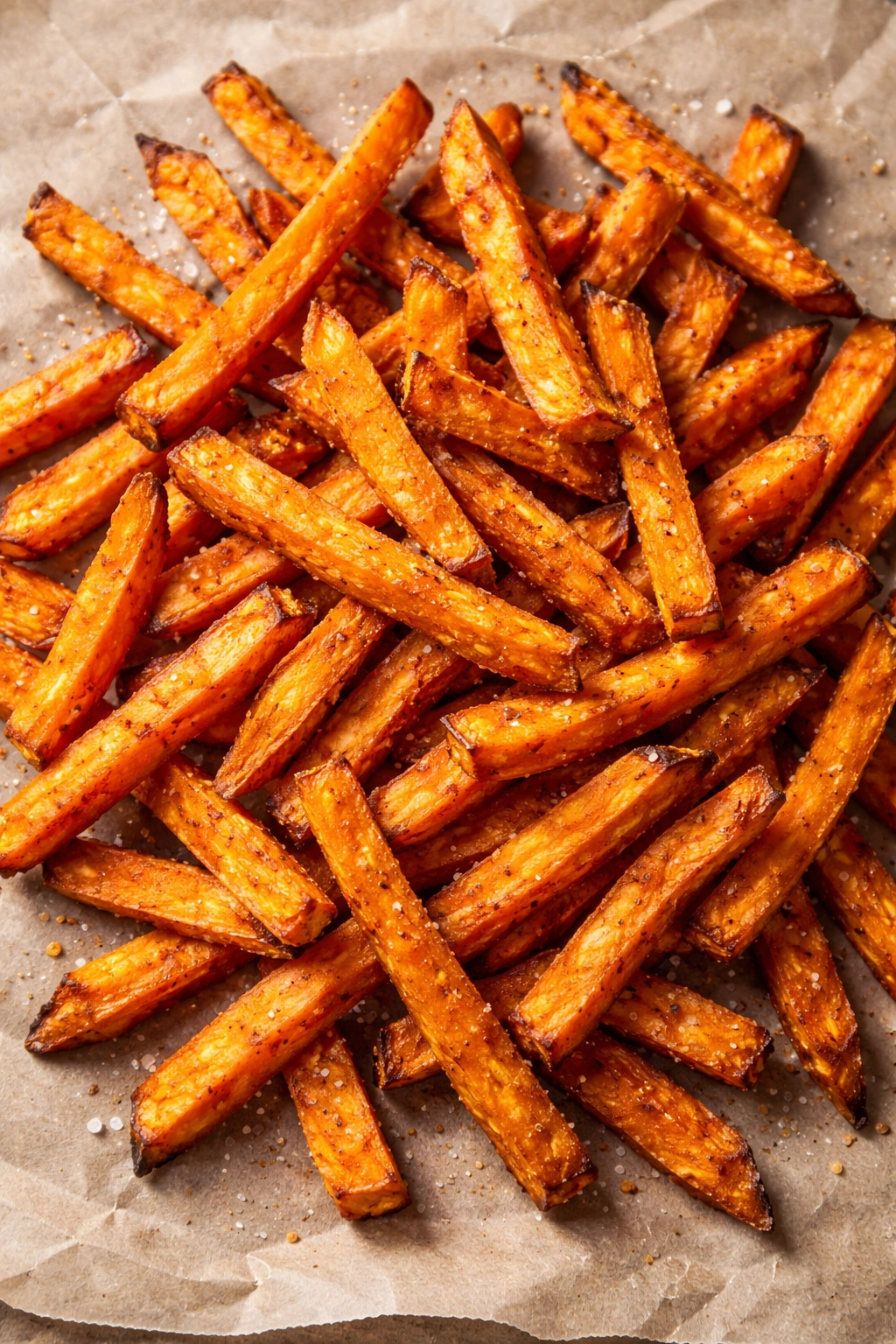
Sweet potato fries bring starch and substance to a plate while adding visual appeal (that deep golden-orange color is striking next to pale chicken) and natural sweetness that complements a wide range of chicken preparations. Unlike regular fries, which can feel heavy when served with protein, sweet potato fries feel intentional and almost healthy due to their color and the natural sugars in the potato. Crispy on the outside, soft and slightly creamy inside, they hit that textural pleasure center in the brain. They’re also substantial enough to balance lighter chicken preparations (like grilled chicken breast) while being interesting enough to enhance richer ones (like chicken thighs or crispy-skinned roasted chicken).
Why Sweet Potato Works Where Regular Potato Fries Fall Short
Sweet potatoes have a lower starch content and higher sugar content than regular potatoes, which means they caramelize beautifully and develop that slight sweetness that distinguishes them. When paired with chicken, that sweetness doesn’t feel out of place—it enhances the savory-sweet balance of the entire meal. They’re also more nutritionally dense than regular potatoes, packed with beta-carotene, potassium, and fiber.
Crispy Oven-Baked Sweet Potato Fries
- Peel sweet potatoes and cut into ¼-inch thick matchsticks (uniform thickness is critical)
- Pat dry thoroughly with paper towels—excess moisture prevents crisping
- Toss with olive oil (about 2 tablespoons per medium potato), salt, and pepper
- Spread in a single layer on parchment-lined baking sheets—don’t crowd
- Bake at 425°F for 20–25 minutes, stirring halfway through
- For extra crispiness, turn oven to broil for the last 2–3 minutes, watching carefully to prevent burning
- Serve immediately with optional dipping sauce (garlic aioli, sriracha mayo, or simple ketchup)
Real talk: Crispy homemade sweet potato fries require dry potatoes and hot oven; they won’t achieve the crispness of deep-fried fries, but they’re vastly healthier and still deeply satisfying.
10. Wild Rice Pilaf
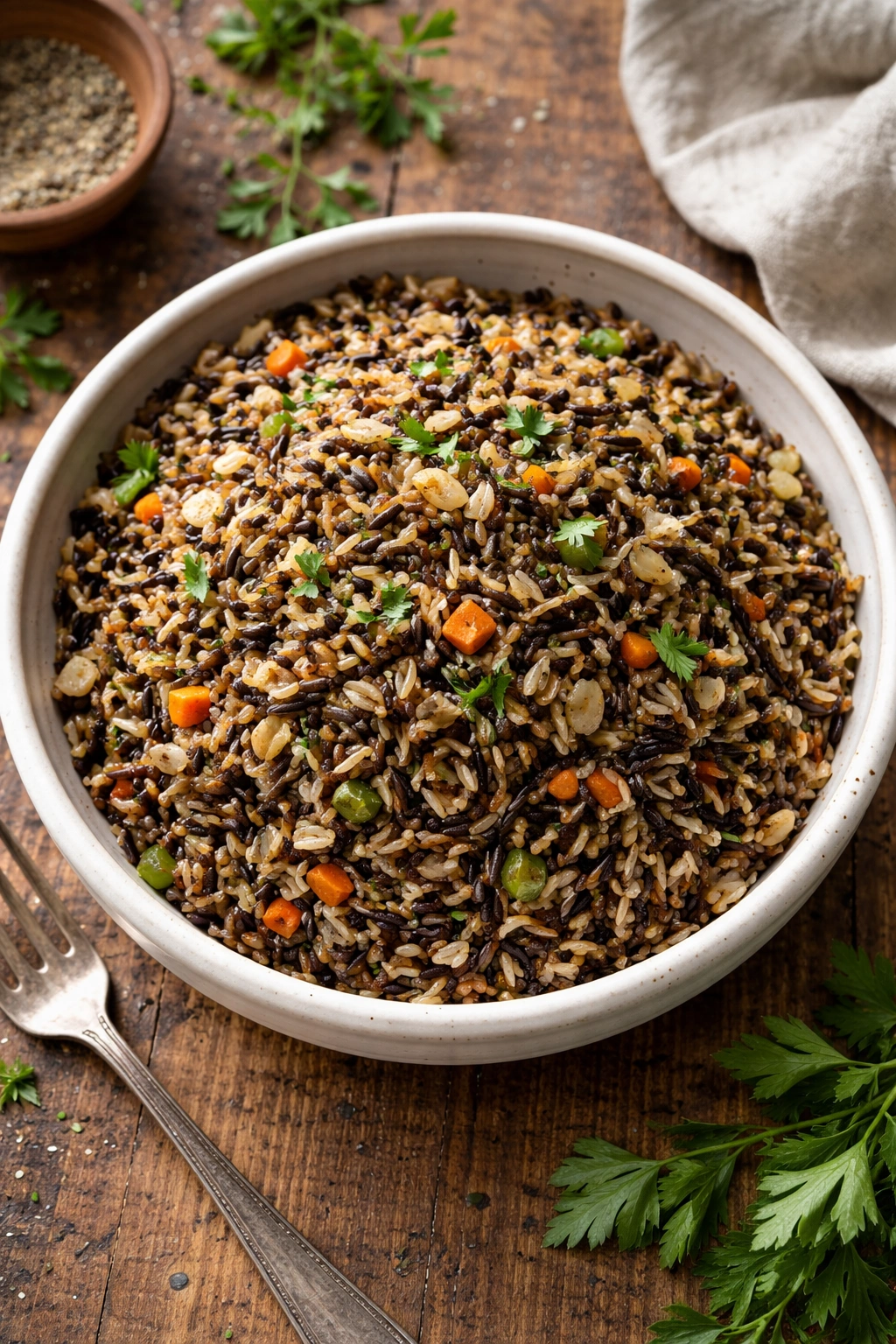
Wild rice pilaf is the refined cousin of plain rice—more textured, more flavorful, more interesting to eat. Wild rice has an almost nutty, earthy complexity that feels sophisticated without requiring any particular expertise to prepare. When cooked with broth, vegetables, and herbs, it becomes a complete side dish that stands up beautifully next to chicken without overwhelming it. The texture of wild rice—slightly firm and chewy, unlike the soft fluff of white rice—provides satisfying resistance when you bite into it. It’s also more nutritionally dense than white rice, with more protein and fiber, making the overall meal feel more substantial and nourishing.
The Texture and Flavor of Wild Rice
Wild rice is technically the seed of an aquatic grass, not true rice. This distinction accounts for its darker color, firmer texture, and more complex flavor profile. When cooked properly, it should have a slight chew but not be hard or crunchy. Undercooked wild rice tastes bitter and unpleasant; properly cooked wild rice is creamy inside with a firm outer layer that provides pleasant texture.
Wild Rice Pilaf Recipe
- Rinse 1 cup wild rice under cold water and drain
- Heat 2 tablespoons butter in a large pot over medium heat
- Sauté diced mushrooms (about 8 ounces), diced onion (1 medium), and minced garlic (2 cloves) for 5–7 minutes until softened
- Add the rinsed wild rice and stir for 1 minute
- Pour in 3 cups chicken broth, add ½ teaspoon dried thyme, a bay leaf, salt, and pepper
- Bring to a boil, then reduce to a simmer, cover, and cook for 40–50 minutes until the rice is tender and liquid is mostly absorbed
- Remove from heat, stir in fresh parsley, and adjust seasoning
- This pilaf is forgiving—it can sit on a warming shelf for 30 minutes without deteriorating
Worth knowing: The popping sound and slight firmness of wild rice as you cook it is completely normal—it means it’s cooking properly. If it’s completely soft throughout, it may be slightly overcooked, but it’s still delicious.
Final Thoughts
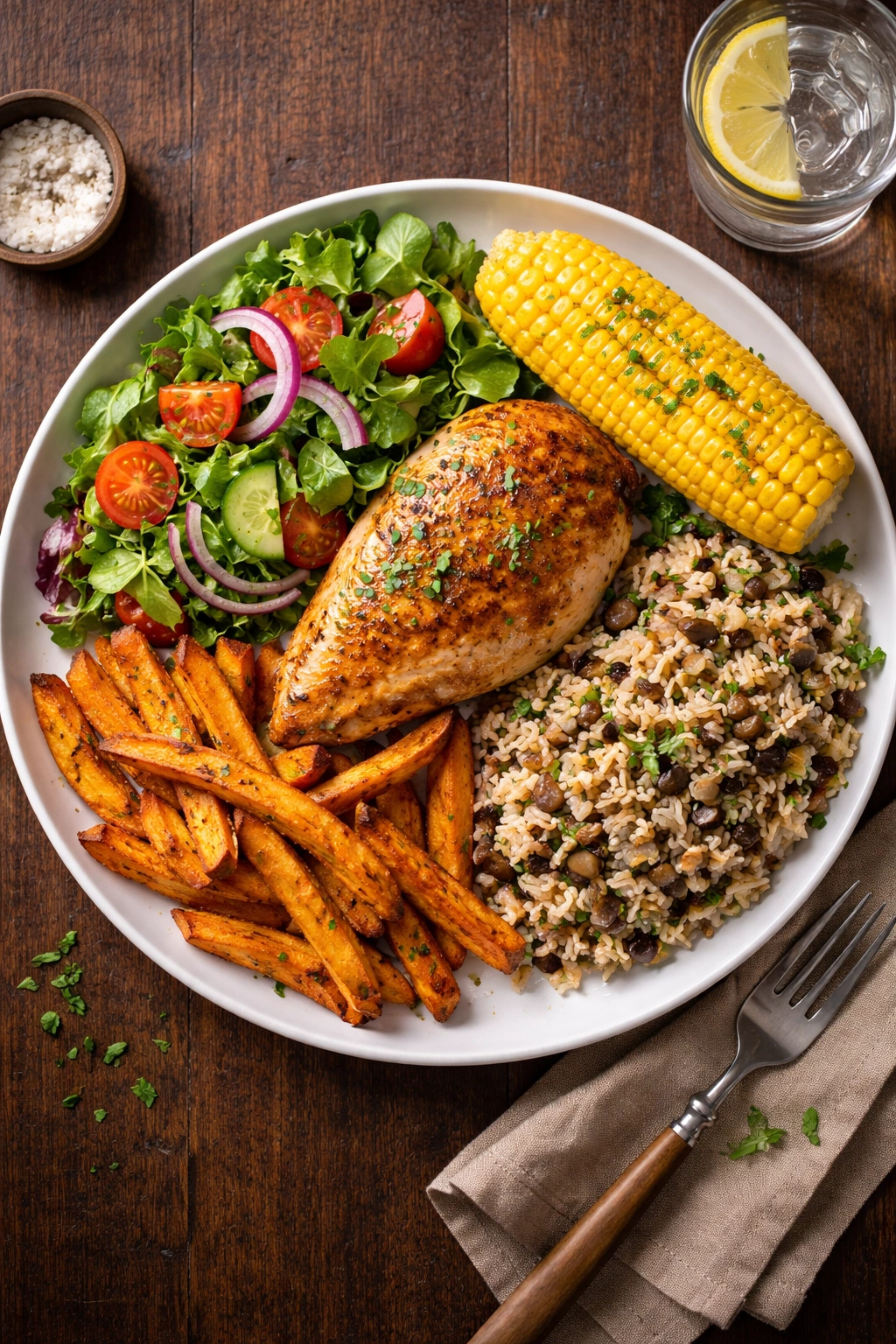
The right side dish isn’t an accident—it’s chosen deliberately to complement, balance, and enhance the chicken on the plate. Whether you’re building a simple weeknight dinner or planning something more intentional, these ten sides offer variety in flavor, texture, and preparation method. Some require advance planning, while others come together in minutes. Some are naturally heavy and rich, while others bring brightness and freshness. Some are traditionally comforting, while others feel slightly elegant or restaurant-like.
The magic of a great chicken dinner isn’t in the chicken alone. It’s in the thoughtful pairing of elements on the plate—the soft and the crispy, the rich and the bright, the warm and the fresh, the familiar and the slightly unexpected. A simple roasted chicken becomes something memorable the moment you plate it next to roasted vegetables with char marks, buttered corn that glistens in the light, and a crisp salad that makes you reach for another bite. These sides aren’t supporting players; they’re essential partners in creating a meal that satisfies completely.
Pick the sides that match what you’re actually craving, what’s in season, and what fits your available time and energy. Some evenings call for the comfort of creamy mashed potatoes and crusty bread. Others demand the brightness of fresh asparagus and a zippy salad. Still others benefit from the sophistication of wild rice pilaf or the sweet balance of honey-glazed carrots. The beauty is that you have options—and now you understand not just what works with chicken, but why, which means you can build dinners with confidence, knowing exactly what you’re doing and why it tastes so good.
