



There’s a particular despair that comes with opening your lunch container at noon to find the same limp romaine lettuce and sad cherry tomatoes you left on your desk yesterday. Not only has it wilted into a soggy mess, but you’re faced with another hour until you can escape and grab something that actually tastes like food.
The thing is, cold lunches don’t have to be boring. In fact, some of the most satisfying, crave-worthy meals you can eat are meant to be served chilled — they’re just designed with intention rather than thrown together thoughtlessly. The difference between a depressing desk salad and a lunch you’re genuinely excited to unwrap comes down to understanding how flavors develop when food sits, how to build texture and contrast, and which ingredient combinations actually taste better cold than they do hot.
I’ve spent enough time rebuilding lunch habits for myself and others to know exactly which approaches work and which ones guarantee you’ll be stress-eating vending machine snacks by 2 PM. A cold lunch needs contrast — crispy against creamy, warm spices against cool ingredients, something substantial and something bright. It needs proper seasoning because cold dulls flavor perception. And it needs to be assembled in a way that keeps the good textures intact through morning commutes and desk-side storage.
Let’s explore lunch options that actually deserve the real estate in your cooler.
Grain Bowls Built for Texture and Flavor
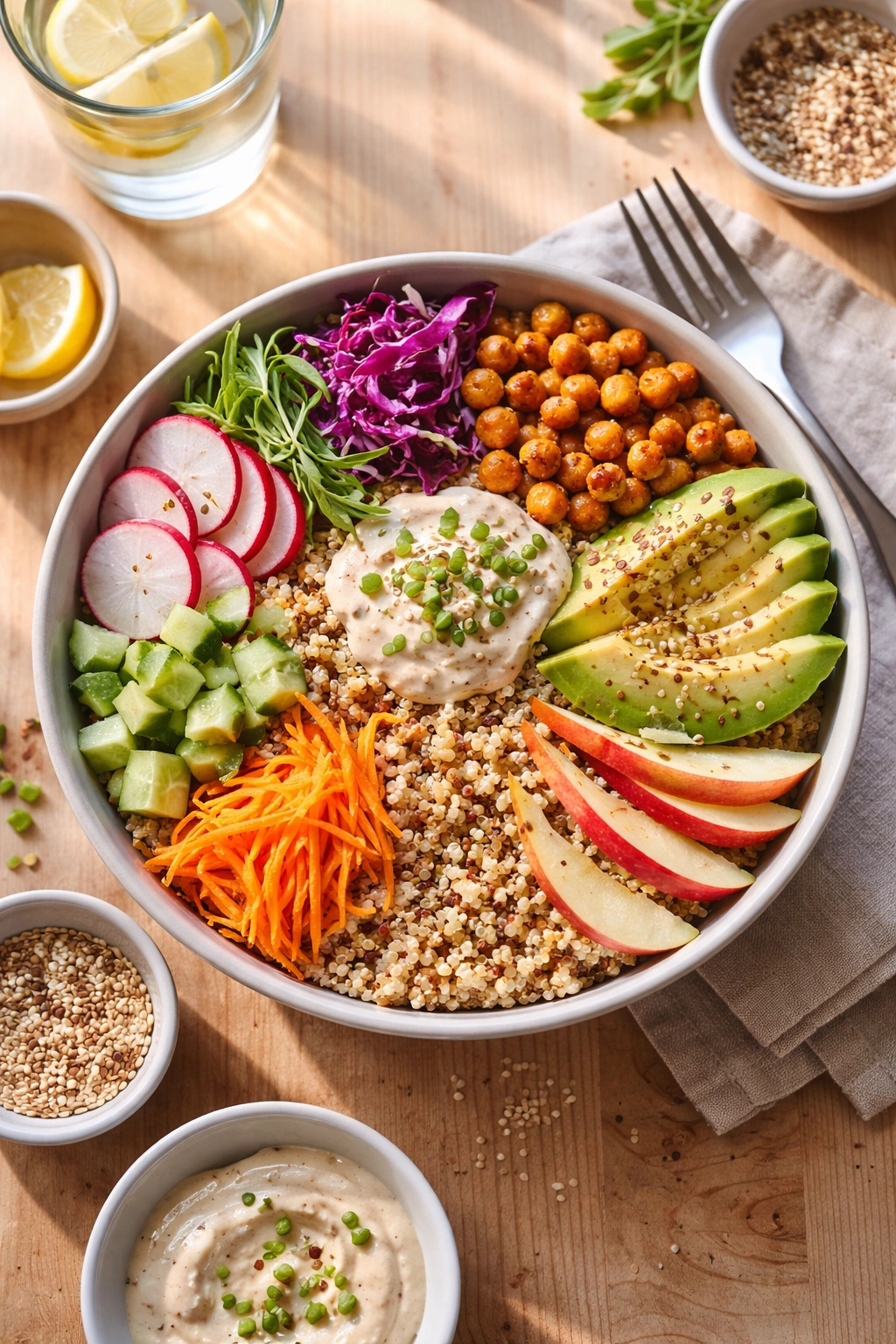
A grain bowl is the framework that lets you build almost infinite combinations of cold lunches without ever repeating the same meal. The key difference between a mediocre grain bowl and one you’ll genuinely crave is understanding how to layer components so textures don’t turn to mush and flavors balance rather than compete.
Start with a grain as your base — think quinoa, farro, brown rice, millet, or a combination. The grain should be cooked and cooled the night before, tossed lightly with a splash of olive oil and a tiny pinch of salt to keep the grains from clumping into a brick. Cold grains absorb dressing better than hot ones, so they’ll taste more seasoned throughout rather than just wet on the outside.
Your next layer matters enormously: raw vegetables for crunch. These go directly on the grain while it’s still slightly cool, and they’ll stay crisp until lunch because they’re not dressed yet. Think shredded carrots, thinly sliced radishes, diced cucumber, torn red cabbage, or crisp apple slices tossed with a squeeze of lemon to prevent browning. Keep the pieces small and uniform so they distribute evenly and you get texture in every bite.
Add a protein component next — roasted chickpeas, hard-boiled eggs, grilled chicken breast cut into chunks, feta cheese, or crispy tofu. This is what turns a side dish into an actual meal and keeps you satisfied through the afternoon. A cold grain bowl absolutely needs enough protein to function as lunch, not just a veggie vehicle.
Finally, add fresh herbs (cilantro, parsley, dill, mint) and your dressing right before you eat. This is critical because dressing applied hours ahead will make everything soggy by lunch. Use a dressing with enough acidity and fat to taste vibrant when cold — a lemon vinaigrette with good olive oil, a tahini-lemon dressing, or a lime-based dressing works far better than something creamy that gets thick and congealed when chilled.
Pack the dressing in a separate small container and shake it well before pouring over the bowl just before eating. This single step transforms a bowl from acceptable to genuinely delicious.
Pasta Salads That Taste Like Actual Food
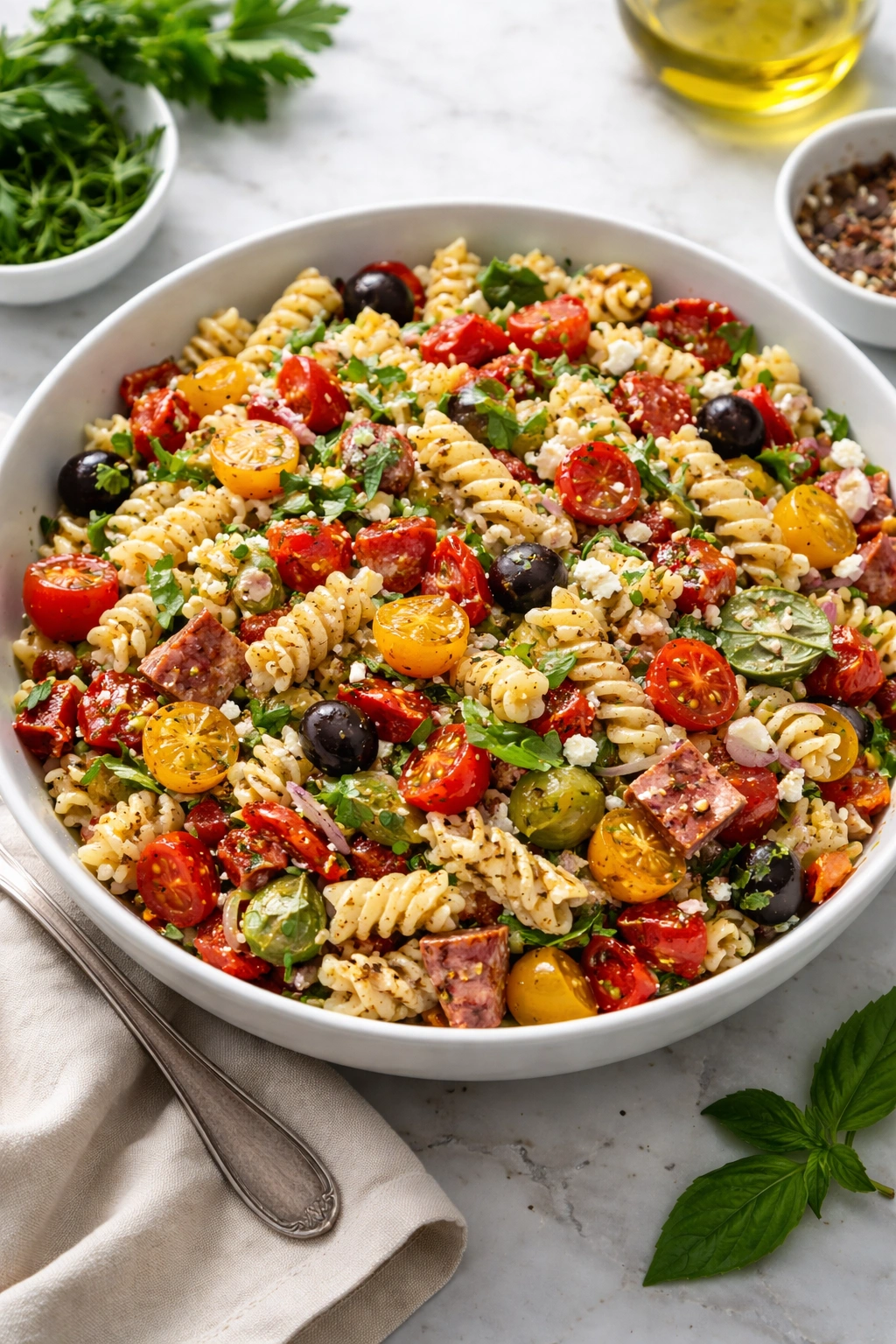
Traditional pasta salad gets a bad reputation, mostly because most versions are drowning in mayo-based dressing and loaded with iceberg lettuce and sad tomatoes. A good cold pasta salad plays with bolder flavors and actually seasonal, quality ingredients.
The foundation is properly seasoned, cooled pasta — typically a sturdy short-cut pasta that holds sauce, like fusilli, penne, or farfalle. Cook it one minute under your normal al dente target, then drain and toss immediately with a drizzle of good olive oil while it’s still hot. This prevents sticking and gives the pasta a slight sheen.
Build flavor by combining pasta with cured proteins (diced salami, shredded prosciutto), roasted vegetables (sun-dried tomatoes, roasted peppers, marinated artichoke hearts), fresh herbs, and cheese. A pasta salad needs bold, assertive flavors because cold temperatures mute them. Think smoked paprika, fresh garlic, red pepper flakes, strong aged cheeses like Pecorino Romano, and bright acid from lemon juice or red wine vinegar.
Fresh components like arugula, shredded basil, sliced scallions, or torn mozzarella go in just before eating so they don’t wilt into the pasta overnight. Your dressing should be a robust vinaigrette with enough salt and acid that it tastes almost too strong before you mix it with the pasta — when diluted through the whole salad, it’ll be perfectly seasoned.
Make your cold pasta salad the night before, but store the fresh components separately and assemble them the morning of, or add them right before eating. A pasta salad that’s sat with fresh herbs all night will taste like you’re eating wet grass. A pasta salad where the fresh herbs are crisp and aromatic is something you’ll actually want to eat.
Hearty Protein Wraps and Composed Sandwiches
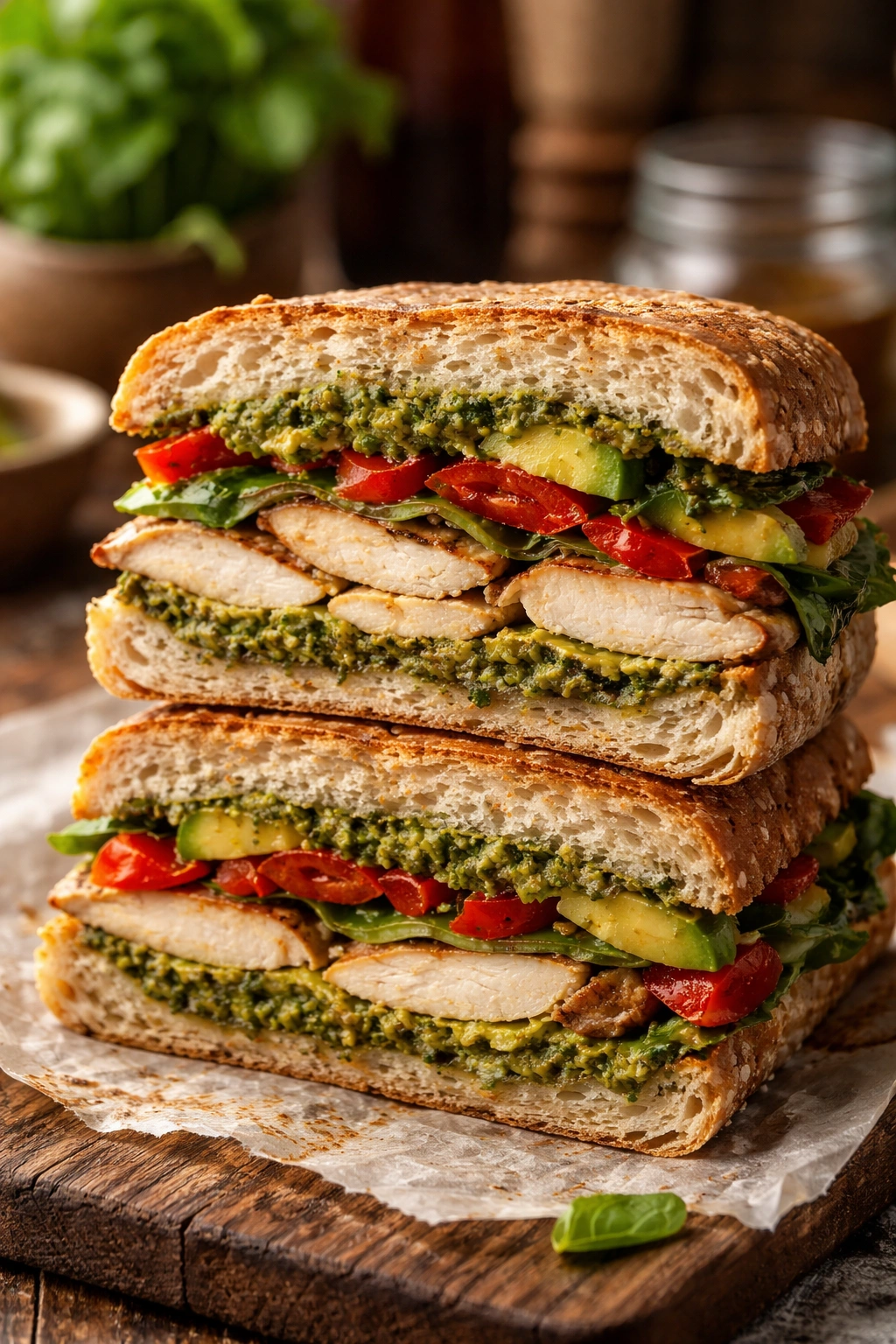
A wrap or sandwich is one of the few lunch formats that actually improves slightly as it sits — the bread absorbs flavors and everything melds together. The trick is choosing bread sturdy enough to hold substantial fillings without falling apart, and building in contrast and flavor rather than relying on mayo to carry the whole thing.
Choose flatbreads, wraps, or crusty sandwich bread that won’t turn to mush under the weight of fillings. Avoid soft white bread and thin, floppy tortillas unless you’re eating immediately. A sturdy whole grain wrap, a piece of focaccia, a good ciabatta roll, or a thick flatbread handles temperature changes and time much better.
Build flavor through smarter combinations: layer grilled chicken with pesto and roasted red peppers; combine thinly sliced steak with chimichurri, caramelized onions, and creamy avocado; mix shredded slow-roasted pork with pickled vegetables and cilantro; use canned tuna mixed with harissa and Greek yogurt instead of mayo. The key is using a sauce or spread with enough flavor that you don’t need mayo to make it taste good. If mayo is your only flavor component, the sandwich will taste flat by lunchtime.
Add vegetables strategically. Tender lettuces will wilt, but heartier greens like arugula, radicchio, or kale hold up well. Crisp vegetables like cucumber, bell peppers, or celery stay crunchy. Soft vegetables like tomatoes or roasted peppers are fine, but add them fresh in the morning so they don’t turn everything soggy overnight.
Keep wet components (like tomatoes or pickled vegetables) slightly separate from bread components if you’re making the wrap more than an hour before eating, or wrap the sandwich in parchment paper (not plastic wrap, which traps moisture) so the paper absorbs excess moisture before it soaks into bread.
Chilled Soups for Warm Days
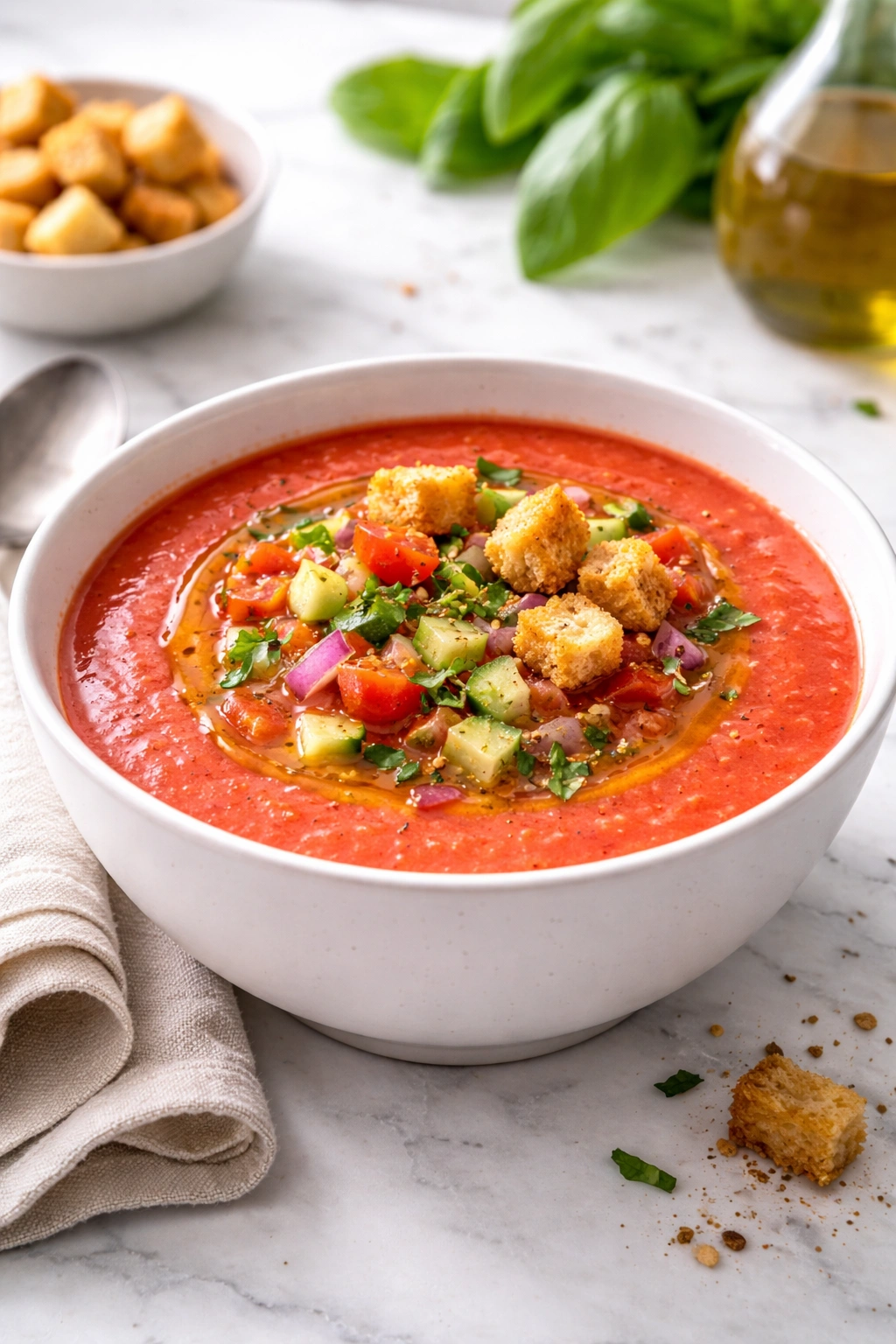
Cold soup seems counterintuitive as a lunch, but a properly made chilled soup is one of the most satisfying, elegant cold lunches you can bring. It’s not the sad gazpacho from a can at corporate catering — it’s a full meal that happens to be cold.
Gazpacho is the obvious choice, and it’s great when made properly: ripe tomatoes, cucumber, red pepper, red onion, garlic, high-quality olive oil, red wine vinegar, bread or breadcrumbs for body, and enough salt that it tastes almost too salty on its own. Chilled tomato soup blended with a splash of cream and garnished with crispy croutons and fresh basil works beautifully for lunch. A creamy cucumber and herb soup blended smooth with yogurt, dill, and a squeeze of lemon is cooling and surprisingly filling.
The secret with cold soup is that it needs bold seasoning and rich texture — a wimpy, thin soup served cold tastes like nothing. Add enough salt and acid that it tastes almost aggressively flavored when cold, then taste it before serving. Cold dulls perception of flavor, so what seems over-seasoned at room temperature is perfectly balanced when chilled.
Pack soup in a wide-mouth thermos or container with a tight lid. Pair it with something substantial on the side — crusty bread, a grain-based salad, or a sandwich — so it functions as an actual lunch rather than just a light starter. A bowl of cold soup plus a hunk of good bread and some cheese makes a completely satisfying meal.
Mason Jar Salads That Don’t Get Soggy
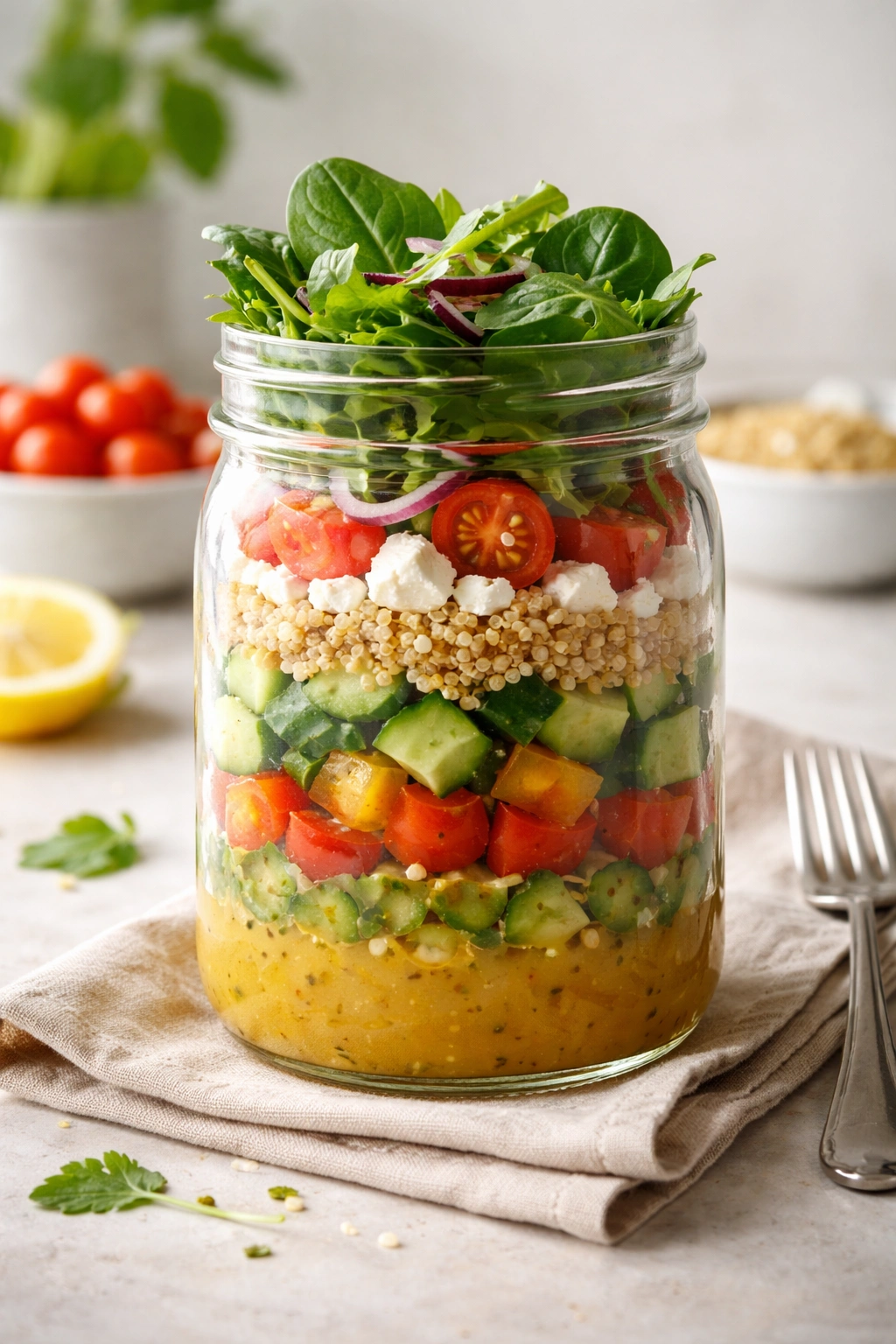
The mason jar salad trend became a thing because it actually works — when properly layered, a salad in a jar stays crisp and fresh through days of refrigeration and transports beautifully. The key is understanding the science of how ingredients interact and layering in the right sequence.
Start with a substantial layer of vinaigrette or dressing on the very bottom of the jar — about a quarter inch. This dressing layer sits directly on the jar’s bottom and doesn’t immediately contact any vegetables. Next, add the hardest, most durable vegetables that won’t break down when in contact with dressing: diced cucumber, bell peppers, shredded carrots, radishes, or broccoli florets. These can sit in the dressing without falling apart.
Add a barrier layer next — cooked grains, beans, nuts, or cheese. This layer creates a protective boundary that prevents dressing from seeping upward into the more delicate vegetables. Then layer in your more delicate ingredients: cherry tomatoes (whole, so they don’t leak), corn kernels, herbs, shredded cheese, or soft vegetables.
The very top layer should be your greens — sturdy greens like kale, spinach, or arugula, never tender lettuces. Fill the jar completely so greens are packed tightly and there’s minimal air space. When you’re ready to eat, flip the jar into a bowl or container and everything tumbles out in perfect order, with greens on the bottom and dressing already incorporated from the bottom up.
This method works for up to five days of storage. The vegetables stay crisp because they’re not sitting in dressing the whole time, and you get a properly dressed salad without it being a soggy mess by the time you eat it.
Cold Asian Noodle Dishes
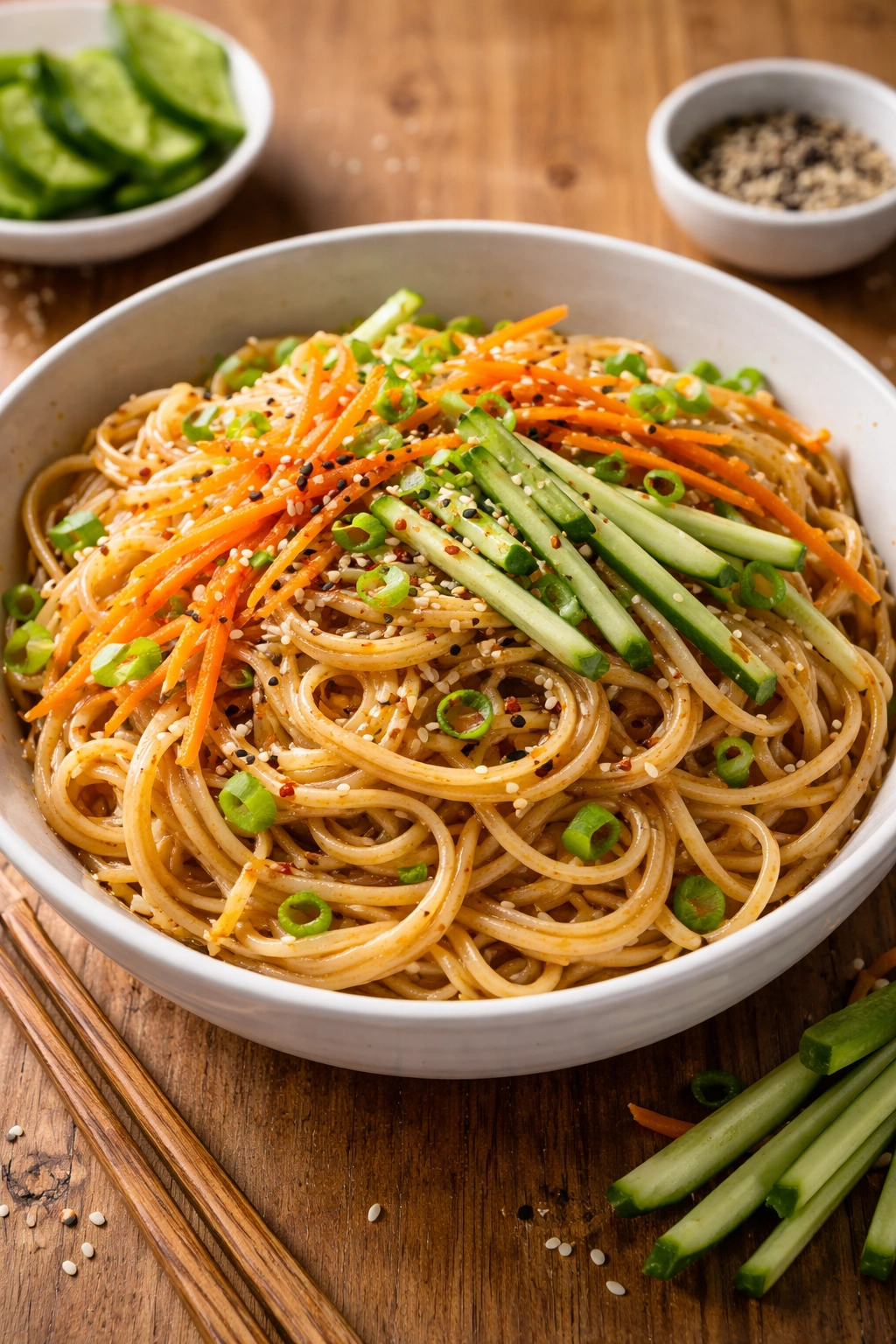
Cold noodle preparations are among the most satisfying, crave-worthy cold lunches you can make, whether you go with sesame noodles, peanut noodles, or a soy-lime-based preparation. These dishes taste better when the noodles have been cold and the flavors have time to develop and meld.
Cook your noodles — rice noodles, egg noodles, ramen, or buckwheat noodles all work — then drain and rinse them under cold water until they’re completely cool and loose. While they’re still slightly warm, toss them with a little neutral oil and let them cool completely. This prevents them from sticking into a clump.
Build your sauce separately: combine soy sauce, sesame oil, rice vinegar, lime juice, ginger, garlic, and a touch of honey. Add some chili oil or fresh hot peppers if you want heat. This mixture should be bold and assertive — you can always add water to dilute it, but you can’t add more flavor once everything’s mixed. Toss the cooled noodles with just enough sauce to coat them, then taste and adjust seasoning.
Layer your noodles in a container with toppings that add texture and nutrition: shredded cucumber, matchstick carrots, shredded cabbage (which stays crisp for days), roasted peanuts, sliced scallions, cilantro, and a protein like shredded rotisserie chicken, grilled shrimp, or pressed tofu. Pack any very fresh components like herbs and soft vegetables separately and add them in the morning, or add them right before eating so they stay bright and crisp.
This type of lunch actually improves as it sits because the noodles absorb the sauce flavors overnight, and everything melds into a cohesive, flavorful dish. It’s one of the rare cold lunches that tastes better the next day than it does fresh.
Mediterranean Mezze and Composed Boards
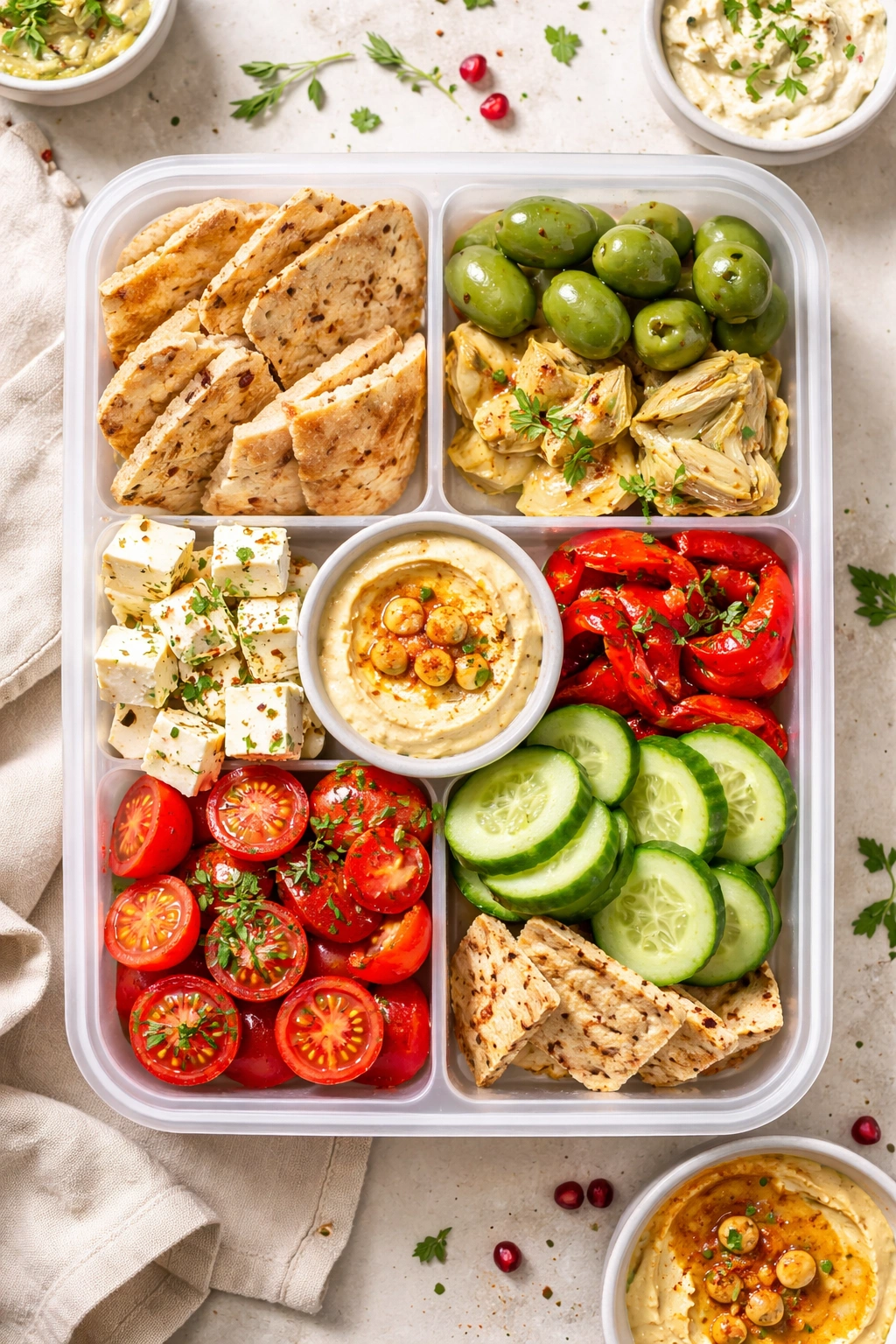
A Mediterranean mezze setup is essentially a composed lunch where you pack an assortment of small components that combine into a complete, satisfying meal. It’s less “salad” and more “curated collection of foods,” which is why it feels more interesting and luxurious than a standard lunch.
Include a protein anchor: good cheese (feta, halloumi, manchego), cured meats (salami, prosciutto, spicy pepperoni), or roasted chickpeas. Add vegetables with character: roasted red peppers, marinated artichoke hearts, Castelvetrano olives, sliced cucumber, or halved cherry tomatoes. Include something starchy: really good bread, pita, crackers, or rice cakes. Add fresh components: torn herbs like mint and parsley, sliced radish, or pomegranate seeds.
Build flavor through condiments and finishing touches: a small container of hummus, a drizzle of really good olive oil, a squeeze of lemon, a small jar of Dukkah spice mix, hot honey, or a garlicky tzatziki. These small flavor bombs elevate everything they’re paired with and mean your lunch tastes intentional and considered rather than thrown together.
Assemble everything in a container where components stay slightly separated — a compartmentalized lunch container works beautifully, or layer items strategically in a regular container so flavors don’t all meld together before you eat. This type of lunch is meant to be assembled as you eat, so you choose your flavor combinations bite by bite.
Transform Dinner Leftovers Into Lunch
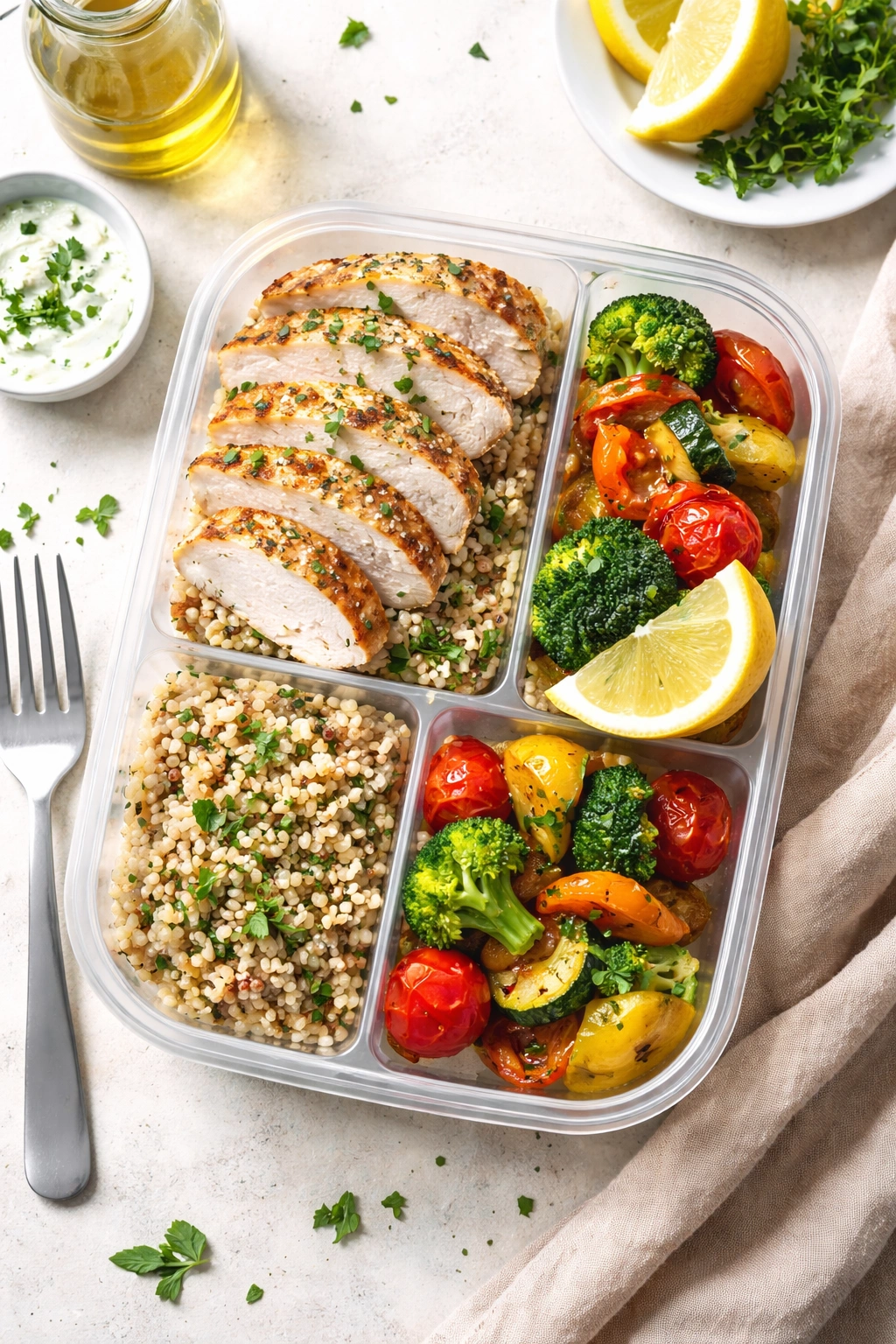
Some of the best cold lunches aren’t planned as lunches at all — they’re intentional leftovers designed to taste amazing the next day when served cold. Cook with this in mind: roasted vegetables, grilled proteins, and strong-flavored sauces that taste better cold than hot.
Roasted vegetables are almost universally better cold. Plan to cook extra chicken, steak, or fish specifically for cold lunches the next day, and keep in mind that some proteins improve significantly when chilled (sliced steak, for instance, tastes almost more flavorful cold). Make a bold, well-seasoned grain or grain-based dish that you can serve cold with fresh elements added in the morning.
Leftover grilled fish or shrimp served with a squeeze of lemon and fresh herbs becomes an elegant cold lunch. Cold roasted vegetables tossed with feta and a lemon vinaigrette are completely different from the hot version. Even leftover braised proteins that taste rich and heavy hot become refreshing when served cold with bright acidic additions.
The key is making your dinner with the assumption that it’ll taste great cold, which means seasoning boldly, including plenty of acid and fat, and avoiding sauces that congeal or become unpleasant when chilled. A dish meant to be served cold at lunch should be executed during dinner with that end goal in mind.
Strategic Meal Prep for Consistent Lunches
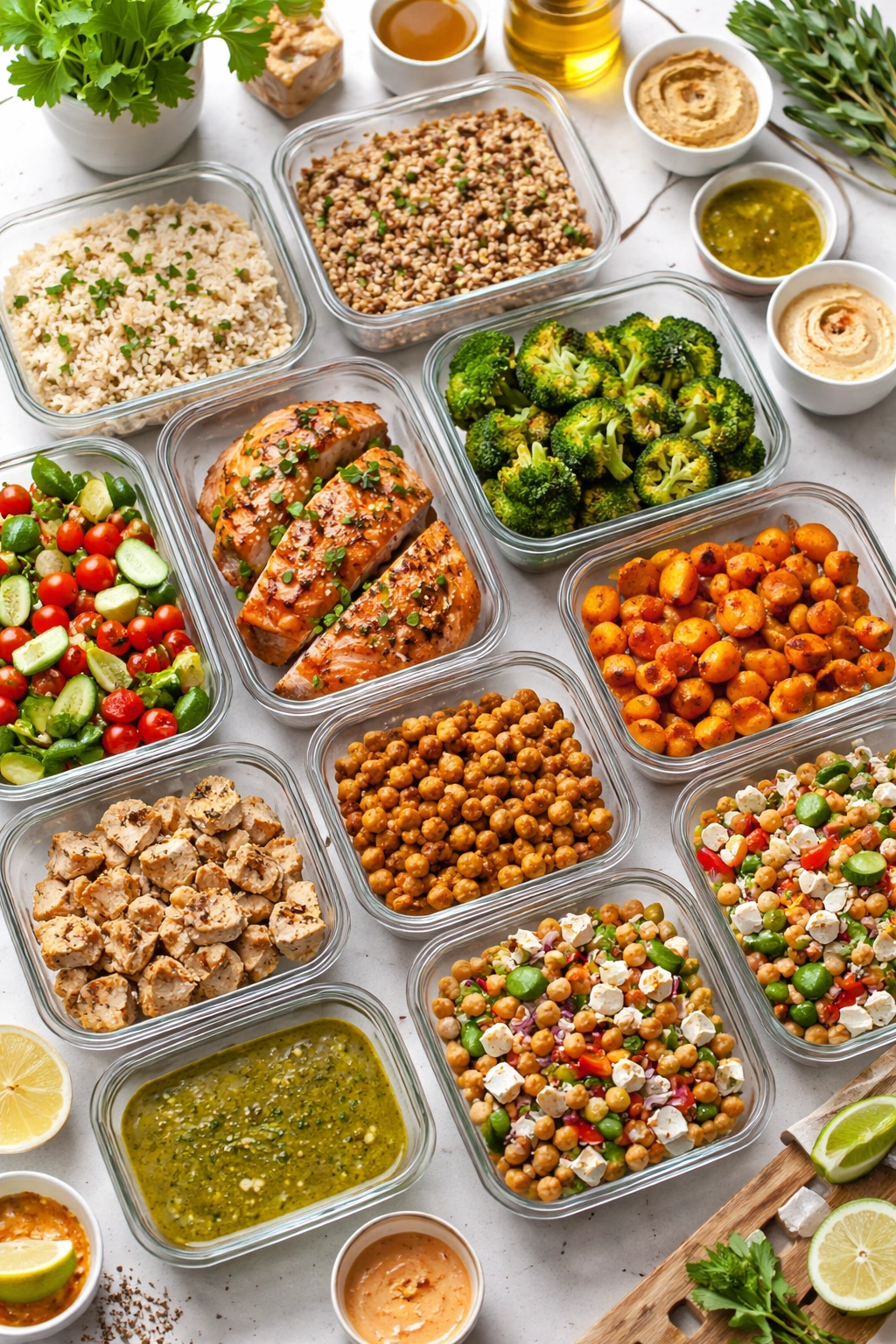
The difference between reliably having great cold lunches and relying on whatever you can throw together at 10 PM is a simple meal-prep routine that doesn’t require hours every weekend. The trick is prepping components rather than full meals — grains, proteins, roasted vegetables, dressings, and prepared components that you can mix and match throughout the week.
Sunday or whenever works best for you: cook a big batch of two grain options (like rice and farro) and store them separately. Roast two or three different vegetables. Cook proteins that are good cold — a couple of chicken breasts, some shrimp, hard-boil some eggs. Make two or three different dressings that’ll last all week. Chop vegetables that keep well (carrots, cucumber, red onion) and store them in the refrigerator in separate containers with paper towels to absorb excess moisture.
With these components prepped and stored, you can throw together a different lunch every single day without feeling like you’re eating the same thing. Mix and match grains, proteins, vegetables, and dressings in new combinations throughout the week. Monday’s lunch is a warm-spiced grain bowl, Tuesday’s is a Mediterranean mezze plate, Wednesday’s is a cold Asian noodle situation, Thursday you’re eating leftover cold steak with roasted vegetables.
The time investment is the same as making five individual lunches, but because you’re thinking in components rather than complete dishes, the prep work is faster and you have way more variety and flexibility. You’re also less likely to get bored and resort to bad lunch habits if you have good components ready to go.
Food Safety and Storage Best Practices
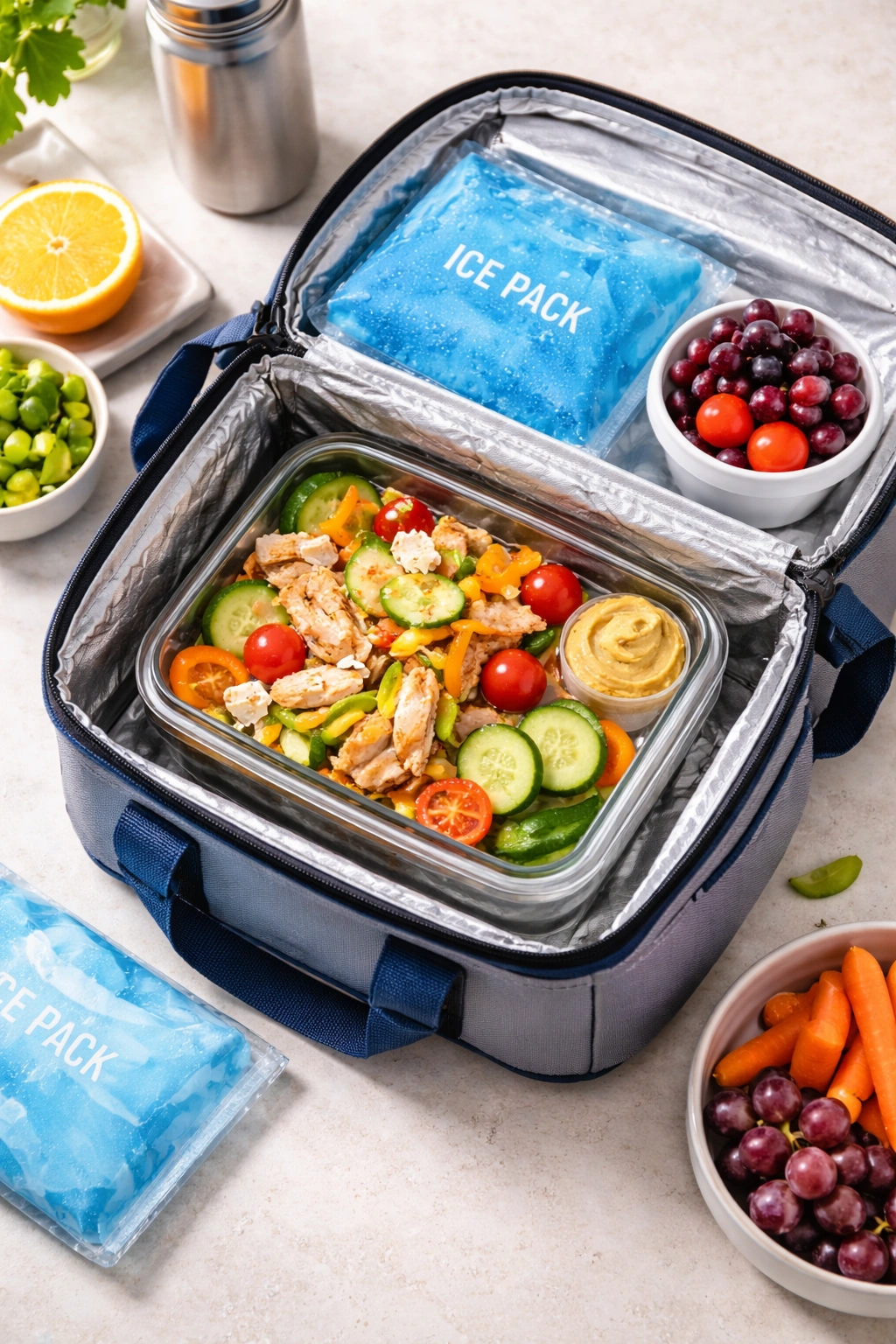
Cold lunches sit outside of temperature-controlled environments for hours, and they sit in refrigerators longer than most foods. Understanding storage keeps your lunch safe and prevents it from degrading in quality or taste.
Pack your lunch in an insulated container with a cold source — an ice pack, a frozen water bottle, or an ice pack designed for lunch boxes. Your lunch should stay below 40°F until you eat it, which typically means arriving at your desk cold and remaining safe for four to six hours without additional cooling. If you’re in a hot environment or it’ll be longer than four hours before eating, include a better cold source or store your lunch in a real refrigerator once you arrive at your destination.
Build your cold lunch on the morning of eating, or the evening before if you’re confident the components won’t break down. Most components keep well for one to two days, but some — fresh herbs, tender lettuces, soft cheeses, dressings — are better added closer to eating time. Keep these in a separate container and add them in the morning or right before eating.
Use airtight containers to prevent your lunch from drying out or absorbing fridge odors. Glass containers work well because they don’t stain or retain odors like plastic can. Keep wet and dry components separate if there’s any risk of sogginess — pack dressing in a small container to add at eating time, or wrap sandwiches in paper rather than plastic so excess moisture doesn’t soak into bread.
Most cold lunch components keep for three to four days in the refrigerator. Plan your meals accordingly so nothing sits longer than that. Proteins keep slightly shorter, so if you’re prepping five days of lunches, freeze the proteins for days four and five and thaw them overnight on day three.
Final Thoughts
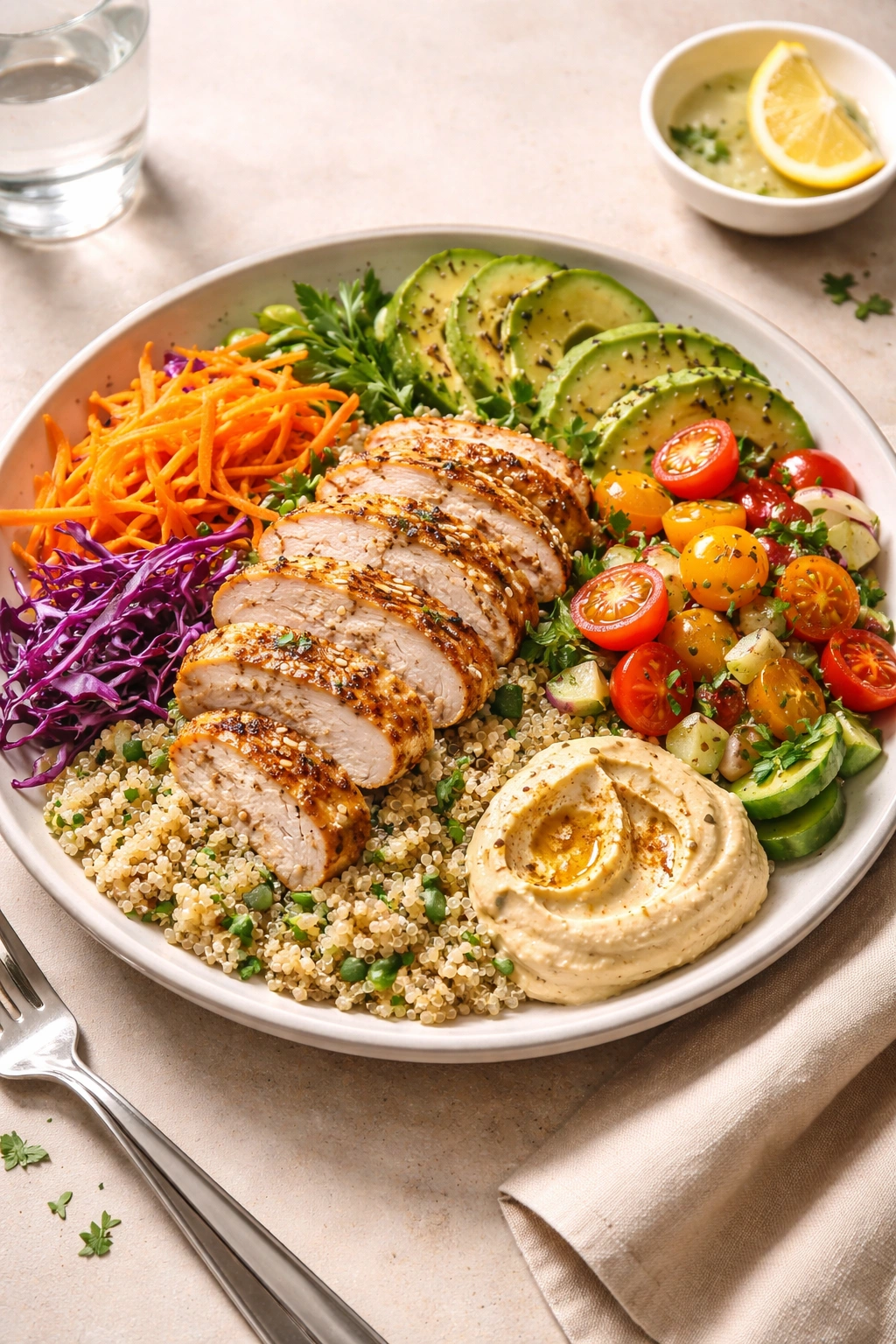
A genuinely good cold lunch isn’t something that happens by accident. It’s the result of understanding how cold temperatures affect flavor and texture, building in contrast and seasoning boldly, and taking enough time to assemble something you’re actually excited to eat. The difference between a lunch you’re dreading and one you can’t wait to open is often just a matter of swapping out one boring component for something with real flavor and intention.
The beauty of cold lunches beyond the standard salad is that they give you room to be creative without requiring complicated cooking skills. You’re mostly combining ingredients you already know how to cook or buy, just in new combinations and with better thinking about how they’ll taste and behave when cold. Once you build a small library of cold lunch approaches that work for you and fit your schedule, you’ll never be stuck opening a container of limp lettuce at noon again.
