



From the smoky depths of slow-cooked chilaquiles to the aromatic complexity of authentic mole, Mexican cuisine offers some of the world’s most flavor-rich, time-honored cooking traditions. These aren’t fusion dishes or Americanized shortcuts—they’re the real recipes that families have perfected over generations, where technique matters as much as ingredients and patience transforms simple components into something extraordinary.
Most people encounter Mexican food at restaurants or casual eateries, where dishes are often simplified or adapted for speed and mass appeal. But cooking authentic Mexican food at home opens an entirely different world. You’ll taste the difference immediately—the char of hand-pressed tortillas, the layered complexity of a properly made mole where dozens of ingredients create a sauce that’s simultaneously spicy, sweet, and savory, the tender perfection of carnitas that fall apart at the touch of a fork.
What makes these recipes authentically Mexican isn’t just using Mexican ingredients. It’s understanding the techniques—the way to properly toast and rehydrate dried chiles, the importance of charring aromatics directly over flame, the value of slow cooking that allows flavors to meld and deepen. Many of these dishes demand time and attention, but they reward you with flavors that no shortcut or pre-made sauce can replicate. This guide walks you through twelve essential Mexican recipes that every home cook should experience, complete with the techniques, ingredient ratios, and honest guidance you need to make them successfully.
1. Chiles Rellenos with Rajas Poblanas
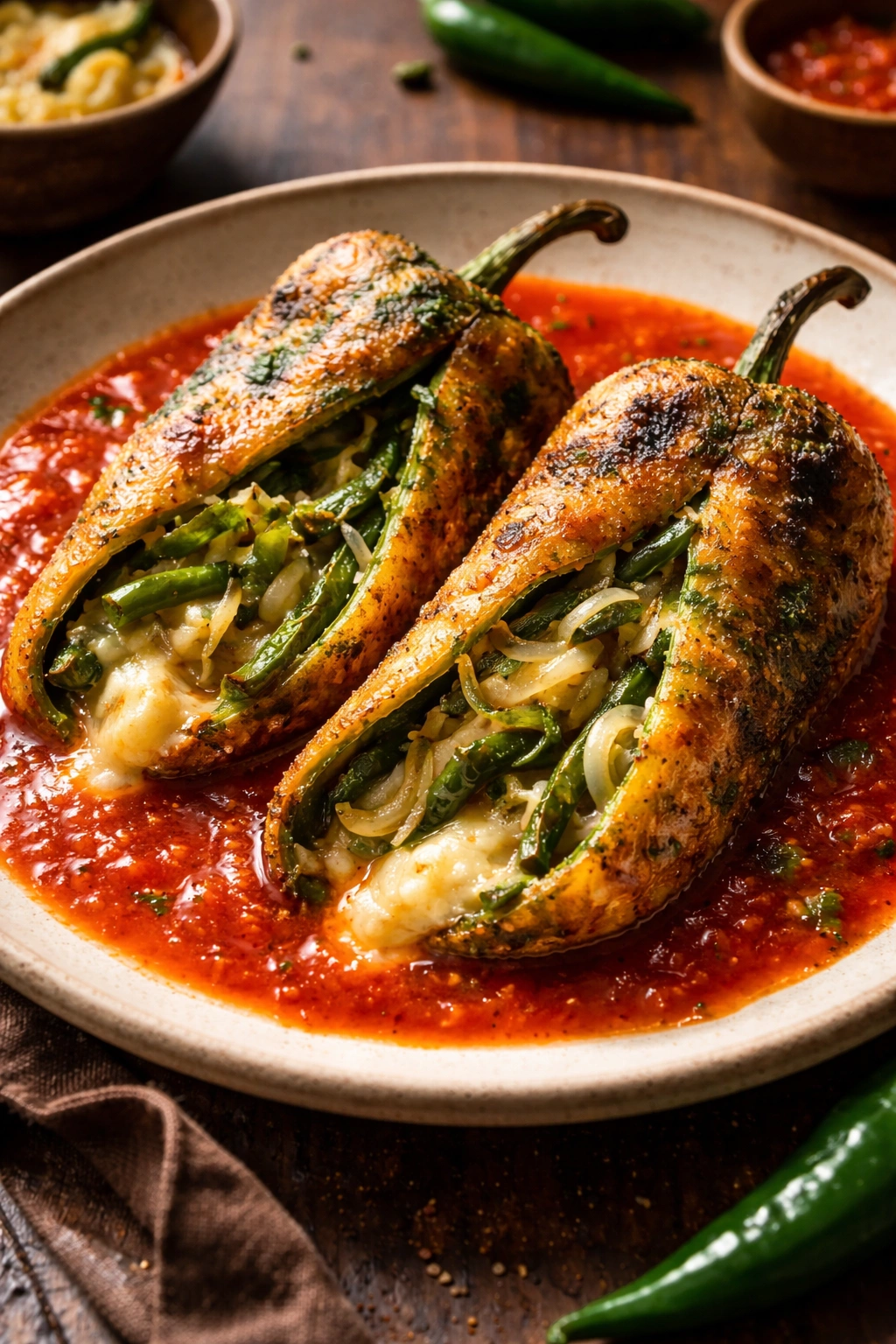
Chiles rellenos represent one of Mexico’s most elegant and beloved dishes—a roasted poblano pepper filled with cheese (traditionally Oaxaca or mozzarella), dipped in fluffy egg batter, and finished in a bright tomato sauce. The magic lies in the blistered, charred poblano skin that peels away to reveal tender, slightly sweet flesh underneath.
What Makes This Dish Authentically Mexican
The poblano pepper is central here. Unlike the watery green bell pepper, poblanos have a meatier texture and subtle fruity, almost smoky undertone that tastes entirely different when properly charred. The filling varies by region—some use just cheese, others add chorizo or rajas (strips of roasted poblano with cream and corn). The dish appears at celebrations and family dinners because it demands technique without requiring expensive ingredients, and it tastes impressive every single time when done right.
Key Techniques That Change Everything
Start by charring your poblanos directly over a gas flame (or under the broiler) until the skin blackens completely. This takes 3-4 minutes per side, and that char is non-negotiable—it’s what gives the pepper its distinctive flavor. Once charred, place them in a plastic bag for 5 minutes to steam, which makes the skin slip off effortlessly. Make a simple tomato sauce by blending roasted tomatoes with onion and garlic, then simmering until it thickens slightly. For the batter, separate your eggs and beat the whites until stiff peaks form, then fold in yolks just before dipping—this creates an impossibly light, cloud-like coating that puffs up in hot oil.
How to Build the Final Dish
Fill each peeled pepper with cheese or your filling, seal the opening carefully, then dip in the egg batter and shallow-fry until golden on both sides. Slide into the warm tomato sauce and let it sit for a minute so the flavors meld. Serve warm, never piping hot—the flavors are more balanced once the dish cools slightly. Garnish with fresh cilantro and crema if you have it.
Pro tip: Make the tomato sauce and prepare your peppers hours ahead of time. Fry and assemble only when you’re about to serve, so the batter stays crispy and the sauce maintains its brightness.
2. Chiles en Nogada
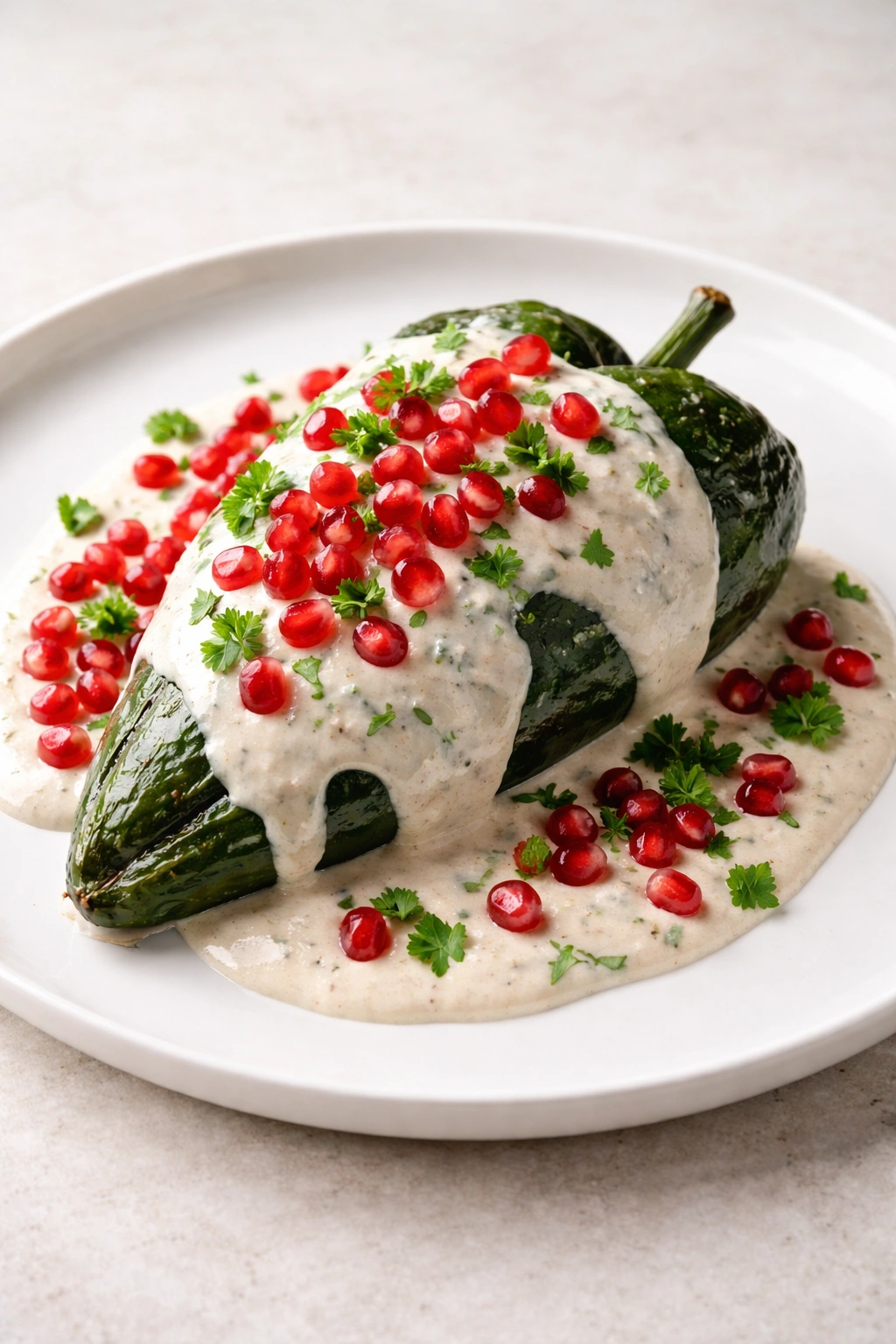
This is perhaps Mexico’s most visually stunning dish—a poblano pepper topped with a creamy walnut sauce, pomegranate seeds, and parsley, creating the exact colors of the Mexican flag: green, white, and red. The first time you encounter it is unforgettable, and making it at home transforms it from a restaurant-only special into something you can actually experience regularly.
Why This Recipe Demands Respect
Chiles en nogada appears at celebrations because every component requires attention to detail. The poblano is prepared the same way as chiles rellenos (charred, peeled, filled), but here the filling is typically a picadillo—seasoned ground beef with raisins, olives, and spices. The nogada (walnut sauce) cannot be rushed. Fresh walnuts are essential—not pre-packaged ones that have oxidized and turned bitter. You’ll soak them in milk or cream, blend them smooth, season with salt and a whisper of sugar, and create a sauce that’s rich but not heavy, nutty but not overwhelming.
Building the Complete Composition
The picadillo filling should be fragrant with cinnamon, cloves, and a touch of cumin—these spices are what distinguish it from American picadillo, which tends toward chili powder and cumin. Cook ground beef gently with diced onion and tomato, add the spices early so they toast slightly and release their essential oils, then fold in raisins and chopped olives at the end. Fill your roasted, peeled poblanos generously.
Arrange on a white plate, spoon the walnut sauce over the top so you see some of the green pepper peeking through, then scatter pomegranate seeds across the top and garnish with flat-leaf parsley. The contrast of flavors—the slight heat of the pepper, the earthiness of the walnut sauce, the bright pop of pomegranate seeds—is what makes this dish transcendent.
Worth knowing: This dish is best served at room temperature, which is unusual but crucial. Making it an hour ahead and letting it sit allows all the flavors to settle and develop. The nogada thickens as it cools, coating the pepper beautifully.
3. Authentic Mole Poblano
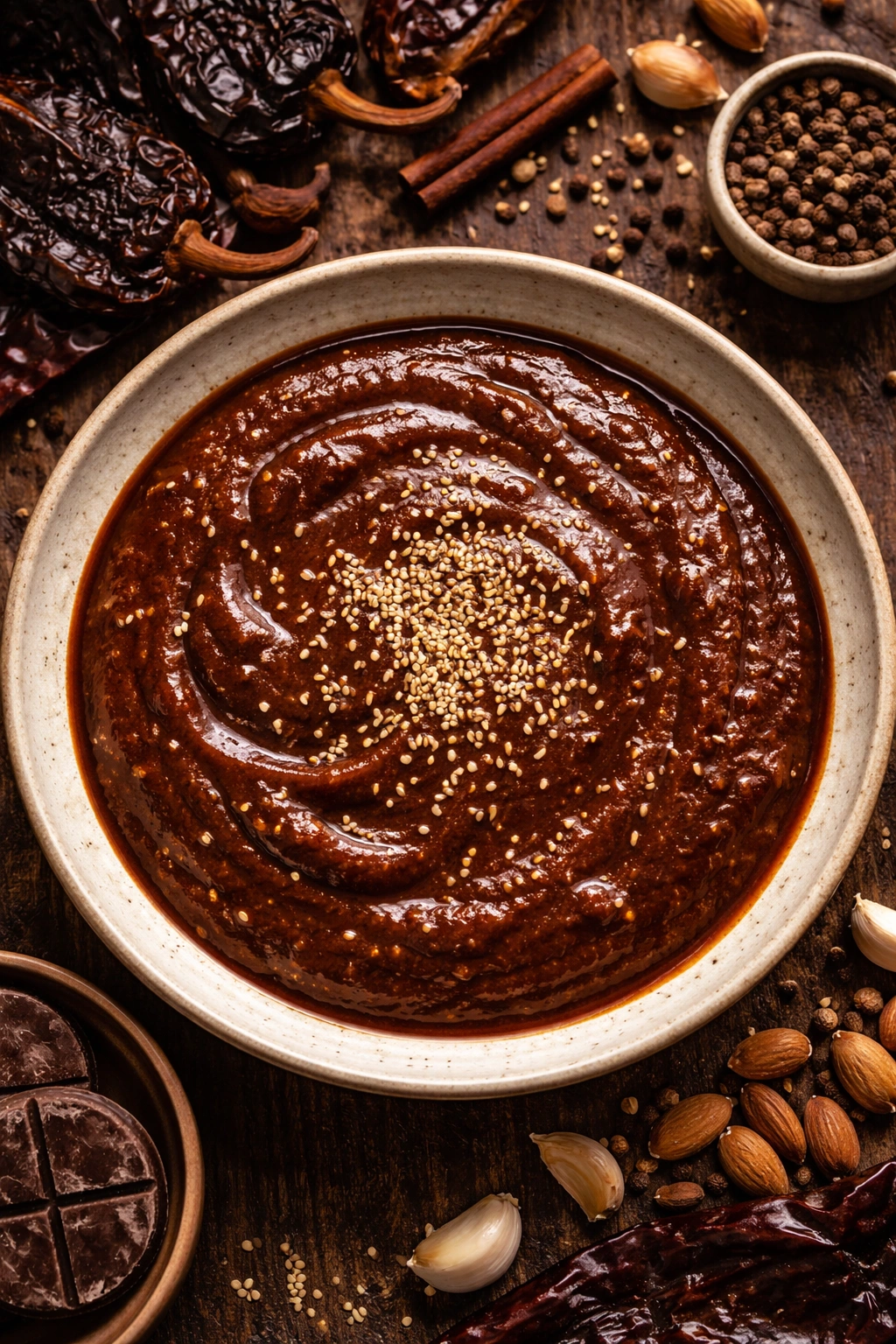
Mole poblano is the dish that separates casual home cooks from serious ones. This Oaxacan sauce contains twenty to thirty ingredients—chiles, spices, chocolate, nuts, dried fruit, and aromatics—that create a sauce that’s simultaneously spicy, sweet, nutty, and complex in ways that are genuinely difficult to describe.
Understanding the Architecture of Mole
Mole isn’t a single ingredient but a building process. You start by toasting dried chiles (typically mulato, pasilla, and ancho) directly in a dry skillet until fragrant—about a minute per side. This toasting deepens their flavor exponentially. Then you rehydrate them in hot water, blend them with other toasted elements (sesame seeds, almonds, peanuts, spices like cinnamon and cloves), and build layers of flavor one component at a time.
The chocolate isn’t for sweetness—it’s Mexican chocolate, which has sugar, cinnamon, and grinding stones built in. When added to the sauce, it adds depth and a subtle richness that balances the heat and intensity. Mole should taste complex and slightly mysterious, never sweet or one-dimensional.
The Practical Reality of Making Mole
Mole demands time but not constant attention. Gather your ingredients—both the dried chiles and the fresh/pantry items—and set them up assembly-line style. Toast your chiles, sesame seeds, spices, and nuts separately, each for just a minute or two until fragrant. This step alone makes the difference between good mole and transcendent mole. Blend everything in batches with a little of the rehydration water, creating a thick paste. Cook this paste in lard or oil for several minutes, then thin with chicken or vegetable broth, and simmer gently for 30-45 minutes, stirring occasionally, until the flavors marry and the sauce thickens slightly.
Serve mole over shredded chicken, enchiladas, or rice. A small amount goes a long way—a generous spoonful is a serving.
Insider note: Mole freezes beautifully and tastes even better the next day after flavors have had time to deepen. Make a double batch and freeze half for a future dinner.
4. Carnitas
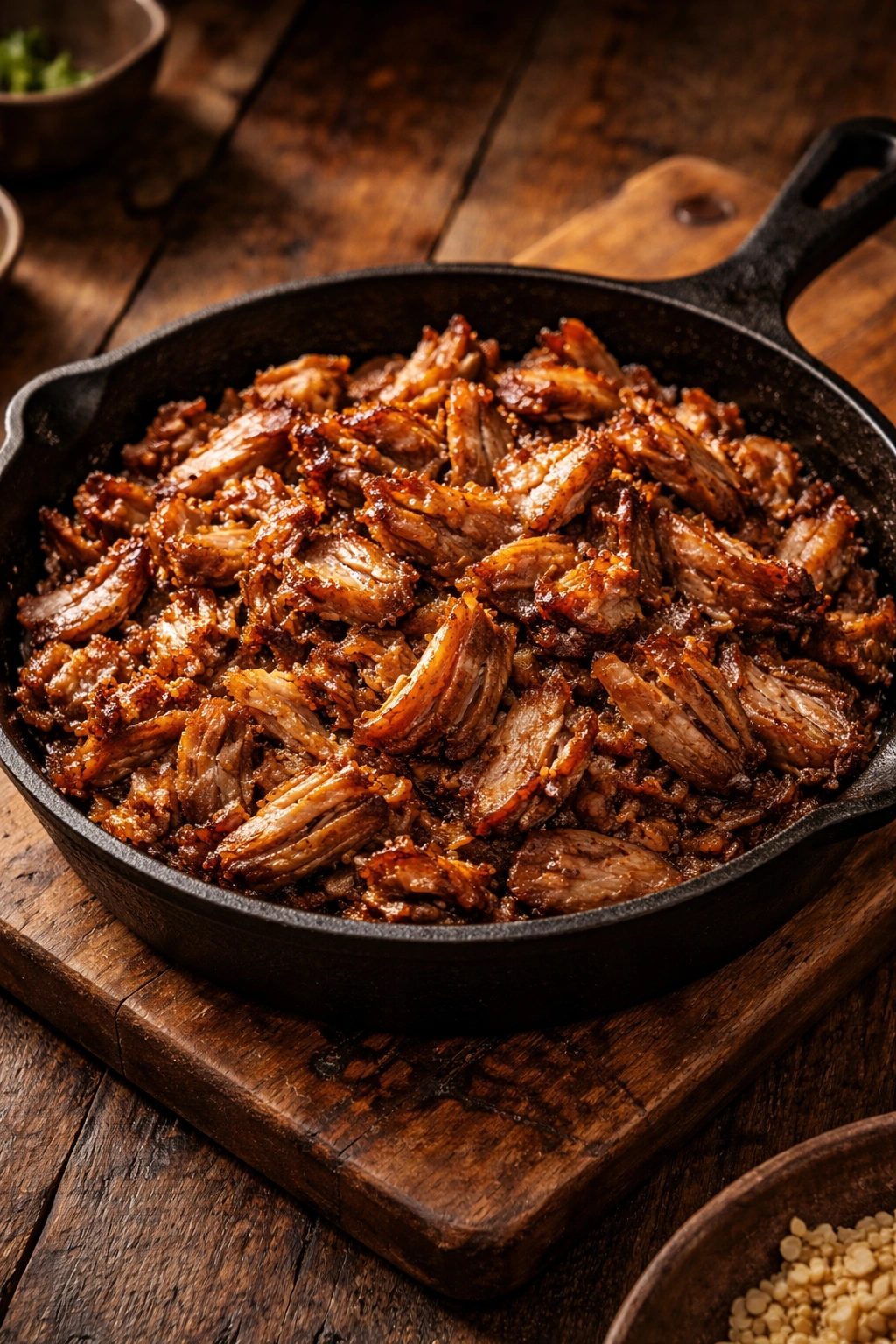
Carnitas—literally “little meats”—are pork shoulder slow-cooked in lard until the meat is so tender it shreds with barely any pressure. They’re the filling for tacos, tortas, and quesadillas, and they’re the dish that taught Mexican cooks centuries ago that low, slow cooking transforms tough, cheap cuts into something luxurious.
The Science of Carnitas
Pork shoulder contains a lot of connective tissue that needs time to break down into gelatin, which is what creates that silky, melting texture. Cooking at low temperature (around 200-225°F) in fat creates an environment where the meat gradually becomes tender without drying out or shrinking significantly. Traditional carnitas are cooked entirely in lard, which has a high smoke point and creates incredible flavor, though you can substitute part of the lard with oil if you prefer.
Making Carnitas That Work
Cut pork shoulder into 2-3 inch chunks, removing excess surface fat but leaving some marbling. Place in a heavy pot with just enough lard to barely cover. Add salt, cumin, dried oregano, and a cinnamon stick (yes, cinnamon—it’s traditional and adds subtle warmth). Cook low and slow in a 225°F oven for 3-4 hours, until the meat pulls apart effortlessly. The meat should be swimming in rendered fat, and when you pull out a piece and pierce it with a fork, it should shred instantly.
Remove the pork with a slotted spoon, reserve the cooking fat, and shred the meat carefully. If you want crispy edges, heat a large skillet until very hot, add some of the shredded carnitas, and crisp them for 3-4 minutes per side. This creates textural contrast—some pieces stay pillowy and tender, others develop crispy, caramelized edges.
Real talk: Yes, carnitas are cooked in a significant amount of fat. That’s what makes them taste incredible. You’re not eating carnitas every day, and when you do, you’re eating them intentionally. The richness is the point.
5. Pozole Rojo
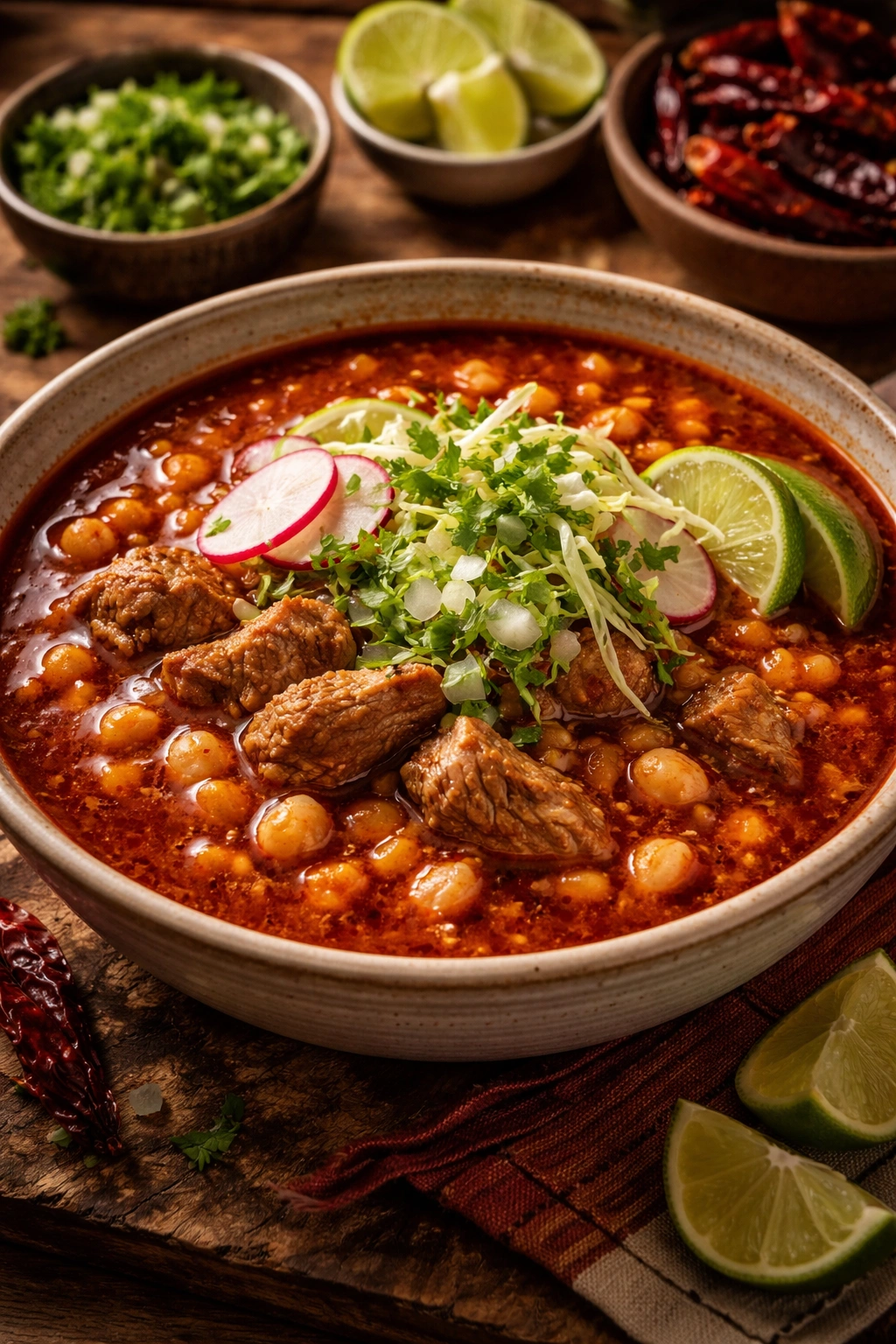
Pozole is a celebratory Mexican soup, often served at New Year’s or special gatherings. Hominy (corn kernels that have been treated with lime and cooked until they flower open) simmers in a chile-based broth with pork, creating a dish that’s both hearty and vibrantly colored, with layers of flavor that build as you eat.
Why Hominy Matters
Regular corn and hominy are not interchangeable. Hominy has been through a chemical process (nixtamalization) that changes its nutritional profile, texture, and flavor. It becomes tender, slightly sweet, and almost floral. Dried hominy needs to be soaked overnight and cooked until the kernels open fully and become creamy inside—a process that takes 1-2 hours of simmering. Canned hominy is convenient but can taste slightly metallic; if using canned, add it near the end of cooking.
Building the Broth
The foundation is pork—shoulder or butt—simmered with onion, garlic, and spices until fall-apart tender. While the pork cooks, prepare your chile base by toasting dried guajillo or ancho chiles, rehydrating them, and blending them smooth with a little of the pork cooking liquid. This chile paste gets stirred into the broth, which should simmer until flavors are deeply integrated and the color is a beautiful red.
Add your cooked or canned hominy to the broth, season with salt and a touch of oregano, and serve in wide bowls with lime, thinly sliced radishes, shredded cabbage, dried oregano, and crispy fried tortilla strips on the side. Each person seasons their own bowl to taste.
Pro tip: Pozole tastes noticeably better the next day after flavors have deepened and integrated. Make it a day ahead, store it in the refrigerator, and reheat gently before serving.
6. Enchiladas Verdes
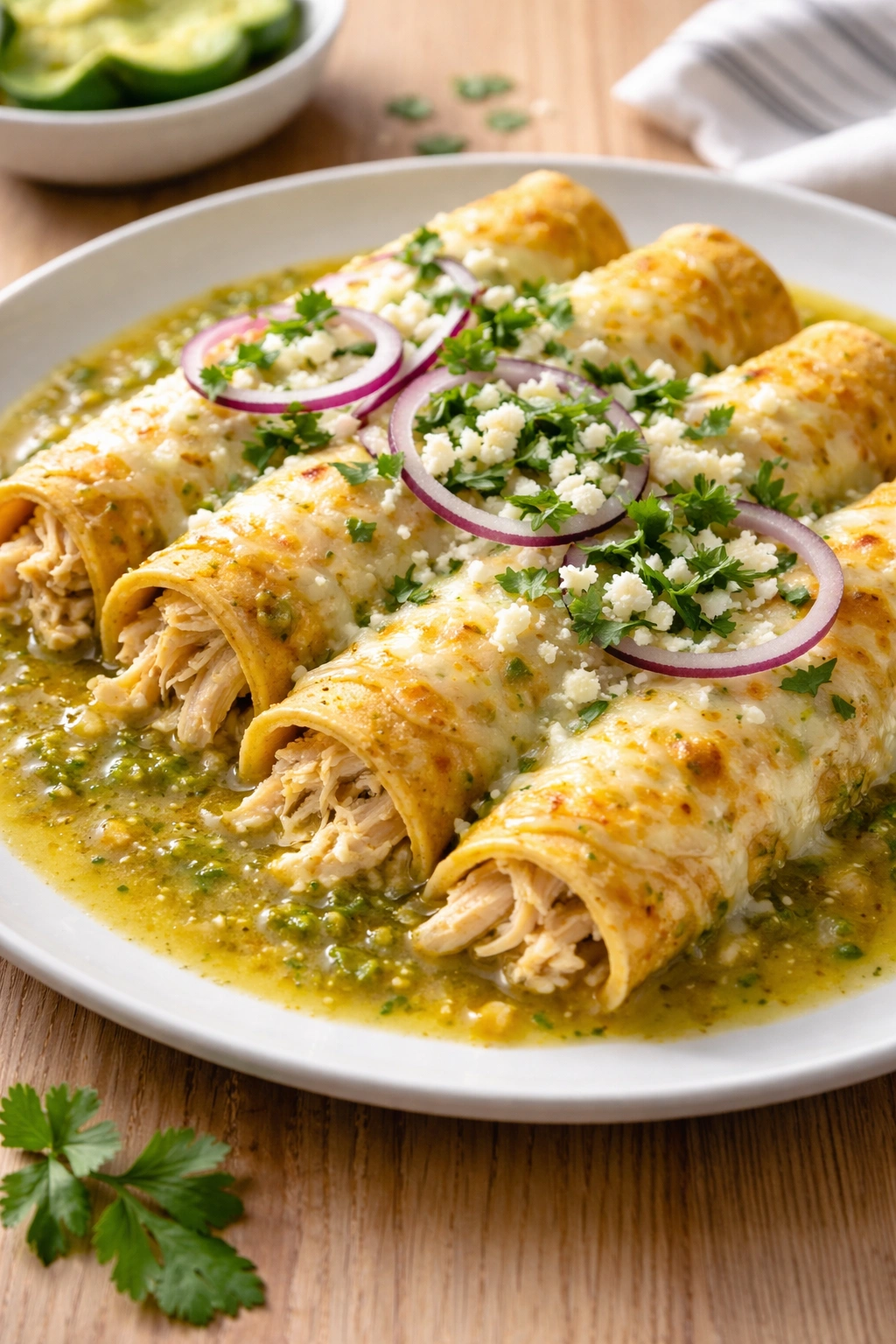
Enchiladas verdes feature a bright green sauce made from fresh tomatillos, cilantro, and green chiles. The tortillas are dipped in this sauce, filled with chicken and cheese, rolled tightly, and baked until the cheese is bubbly and the edges of the tortillas crisp slightly. It’s vibrant, fresh, and deeply satisfying.
The Green Sauce Foundation
Tomatillos are essential—not green tomatoes, but actual tomatillos with their papery husk removed. Roast them on a skillet or under the broiler until charred and soft, about 8-10 minutes. Blend with fresh cilantro, serrano or jalapeño chiles (seeds removed if you want less heat), garlic, and onion, then strain through a fine-mesh sieve for a smooth sauce. This raw-then-cooked approach creates a sauce that’s fresh and bright without being watery.
Assembly and Baking
The sauce should be pourable but not thin. Dip each corn tortilla in the warm sauce (this prevents them from cracking when rolled), fill with shredded chicken and cheese, roll tightly, and arrange seam-side down in a greased baking pan. Pour remaining sauce over the top, sprinkle with cheese, and bake uncovered at 350°F for 25-30 minutes until heated through and cheese is melted and beginning to brown.
Serve topped with fresh cilantro, sliced jalapeños, crema, and more cheese if desired. The acid from the green sauce cuts beautifully through the richness of the cheese.
Worth knowing: Use corn tortillas, never flour. Corn tortillas have a different texture and absorb the sauce differently, creating a better final dish. Fresh corn tortillas work best.
7. Chiles Guisados
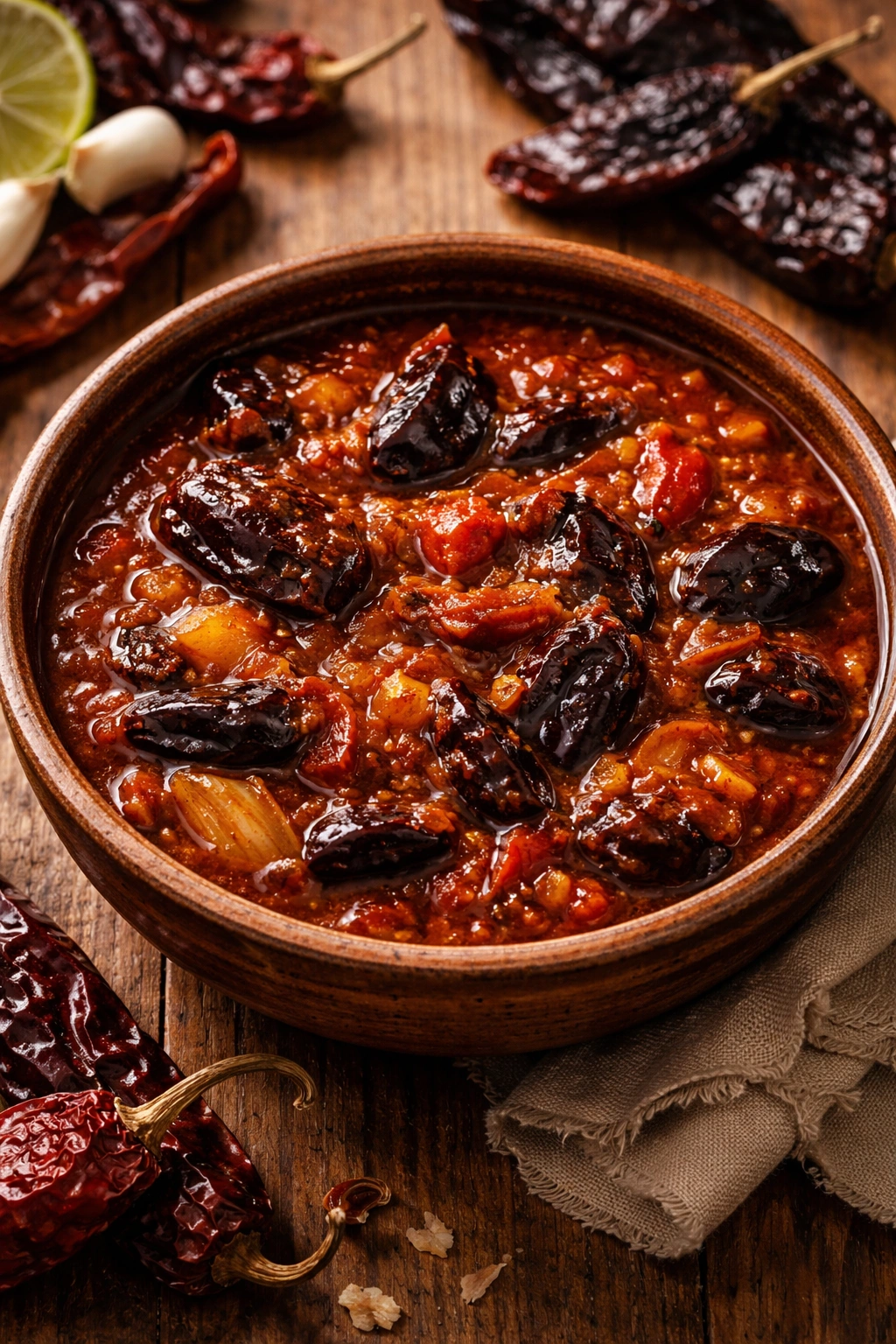
Chiles guisados (braised chiles) are a simple but deeply flavorful preparation where dried chiles are rehydrated, then simmered with onion, garlic, and tomato into a thick, rustic stew. This isn’t elegant or refined—it’s comfort food that tastes like home cooking.
Choosing Your Chiles
The beauty of chiles guisados is that you can use whatever chiles you have available. Guajillo chiles create a mild, sweet version. Ancho chiles make it slightly spicier and earthier. A mix of chiles creates complexity. Toast them lightly, then rehydrate in hot water, blend to a paste with a little of the soaking liquid, and cook down with caramelized onions and garlic until thick and concentrated.
Serving Possibilities
Chiles guisados are typically served with warm tortillas, often at breakfast with eggs. Pour the sauce over fried or scrambled eggs, or serve it as a side. It’s also excellent over rice or with refried beans on the side. The sauce should be thick enough to coat a spoon—not watery or thin.
Real talk: This is one of the most fundamental, unpretentious Mexican dishes, and it’s exactly where authentic home cooking begins. It tastes like generations of Mexican home cooks knew what they were doing.
8. Chile Relleno de Queso Simple
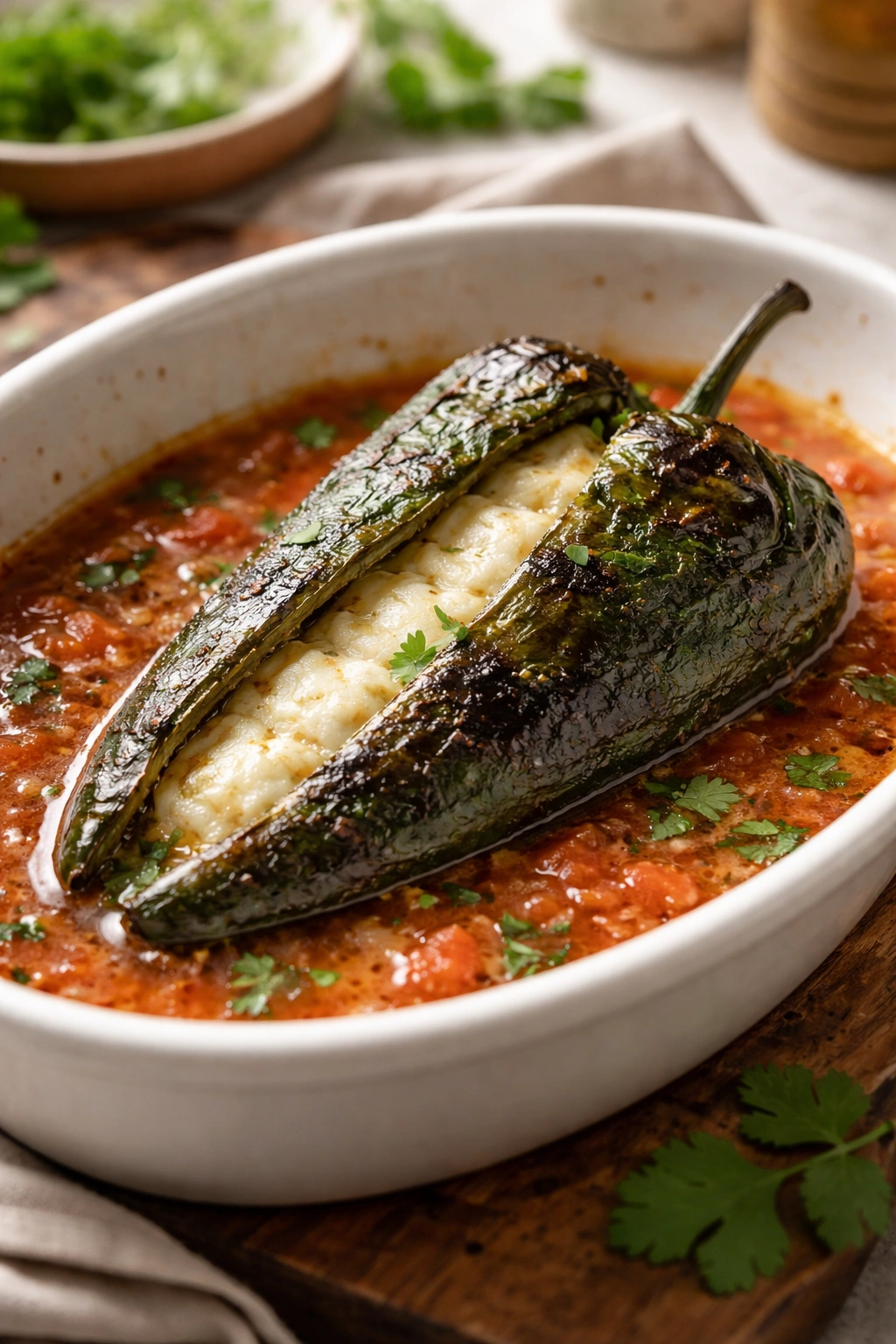
This is the stripped-down, purest version of chile relleno—just a poblano pepper, cheese, and a simple tomato sauce, with no elaborate egg batter coating. It’s faster and lighter than the battered version, and it lets the pepper and the cheese flavors shine completely.
Simplicity as the Point
Roast and peel your poblanos exactly as described earlier. Cut a slit down one side and carefully stuff with a piece of fresh oaxaca cheese (or fresh mozzarella). The filling should be minimal—just cheese, no other ingredients. Make a simple tomato sauce by blending roasted tomatoes with a touch of garlic and onion, season with salt, and simmer until it loses its raw edge.
Finishing the Dish
Place the stuffed pepper in a shallow baking dish, pour the tomato sauce around (not over) the pepper, and bake covered at 350°F for 15-20 minutes until the cheese is beginning to ooze out slightly. The pepper should be warmed through but still intact.
This version is perfect for a quick dinner because it requires far less preparation than the battered version, yet it’s still deeply satisfying. The hot tomato sauce melts into the cheese as you eat, creating creaminess without any added cream.
Worth knowing: The pepper holds together best if you use cheese that melts cleanly without running everywhere. Oaxaca cheese is traditional for exactly this reason—it stretches and melts beautifully without separating.
9. Tamales
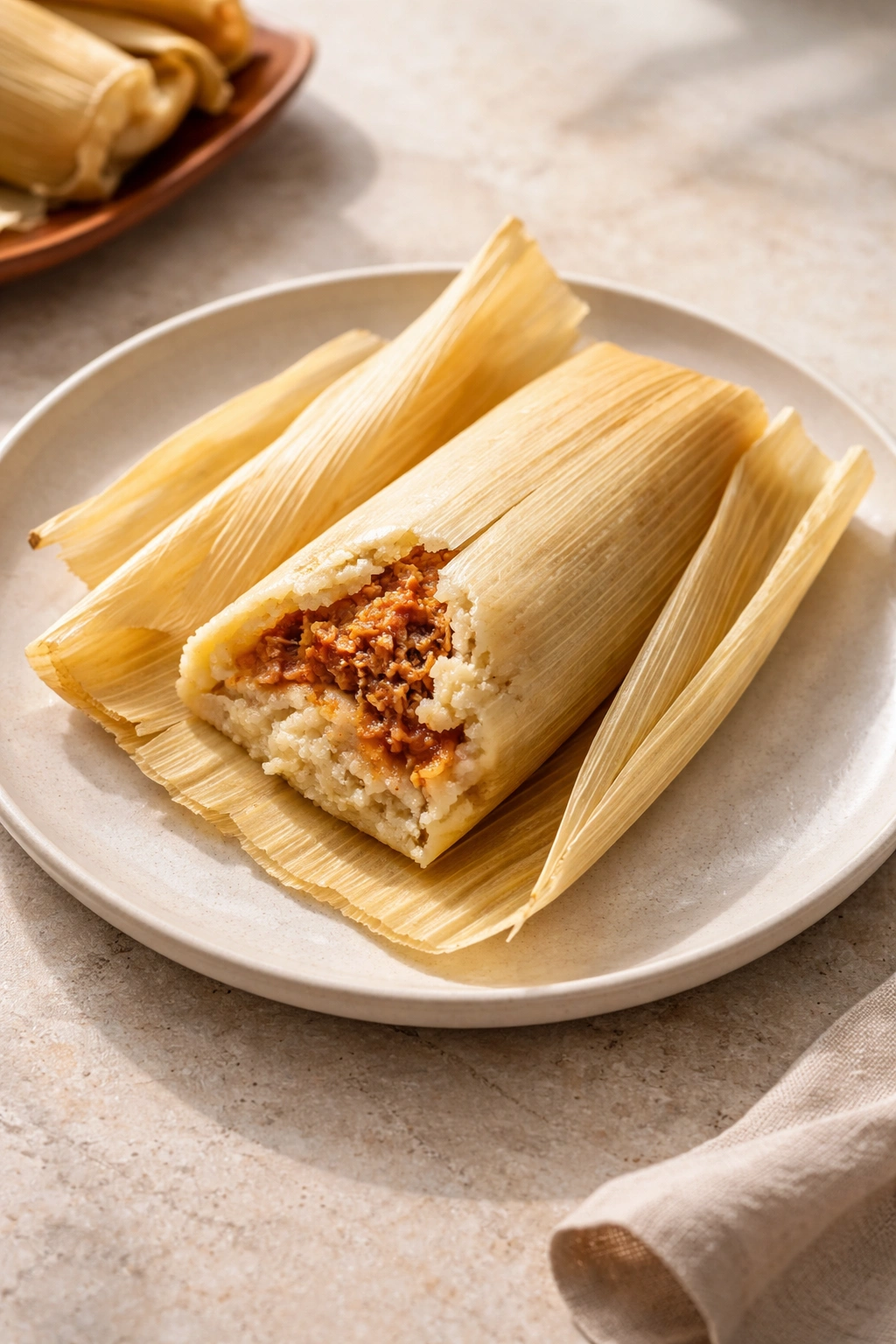
Tamales are one of the oldest prepared foods in Mexico—masa (corn dough) seasoned with lard and spices, spread on corn husks, filled with meat or cheese, then steamed. A single homemade tamal is a small work of art that tastes entirely different from mass-produced versions.
Making Masa That Works
Masa for tamales is distinct from masa for tortillas. For tamales, you need masa that’s light and fluffy, which requires a specific ratio of lard to corn flour and a technique that incorporates air. Beat lard until it’s light and pale (3-4 minutes with an electric mixer), then gradually add masa harina mixed with broth and seasoning. The final mixture should be light enough that a small ball of it floats in cold water—if it sinks, it needs more air beaten in.
Filling and Steaming
Spread a thin layer of masa on a soaked corn husk, add filling down the center, fold the husk around the masa, and steam standing up in a tall pot for about 45 minutes. The key is moisture—the steaming environment should be humid, and you should use a corn husk-lined steamer or a colander lined with husks to keep the tamales from drying out.
Fillings vary widely: shredded chicken with salsa, cheese and jalapeños, pork in mole, or even sweet fillings with chocolate. Each filling is wrapped and steamed the same way.
Real talk: Making tamales is genuinely labor-intensive. Most Mexican families make them together, treating it as a communal event. This is where you learn why restaurants serve tamales as a special item—the technique and the sheer work demand it.
10. Tinga de Pollo
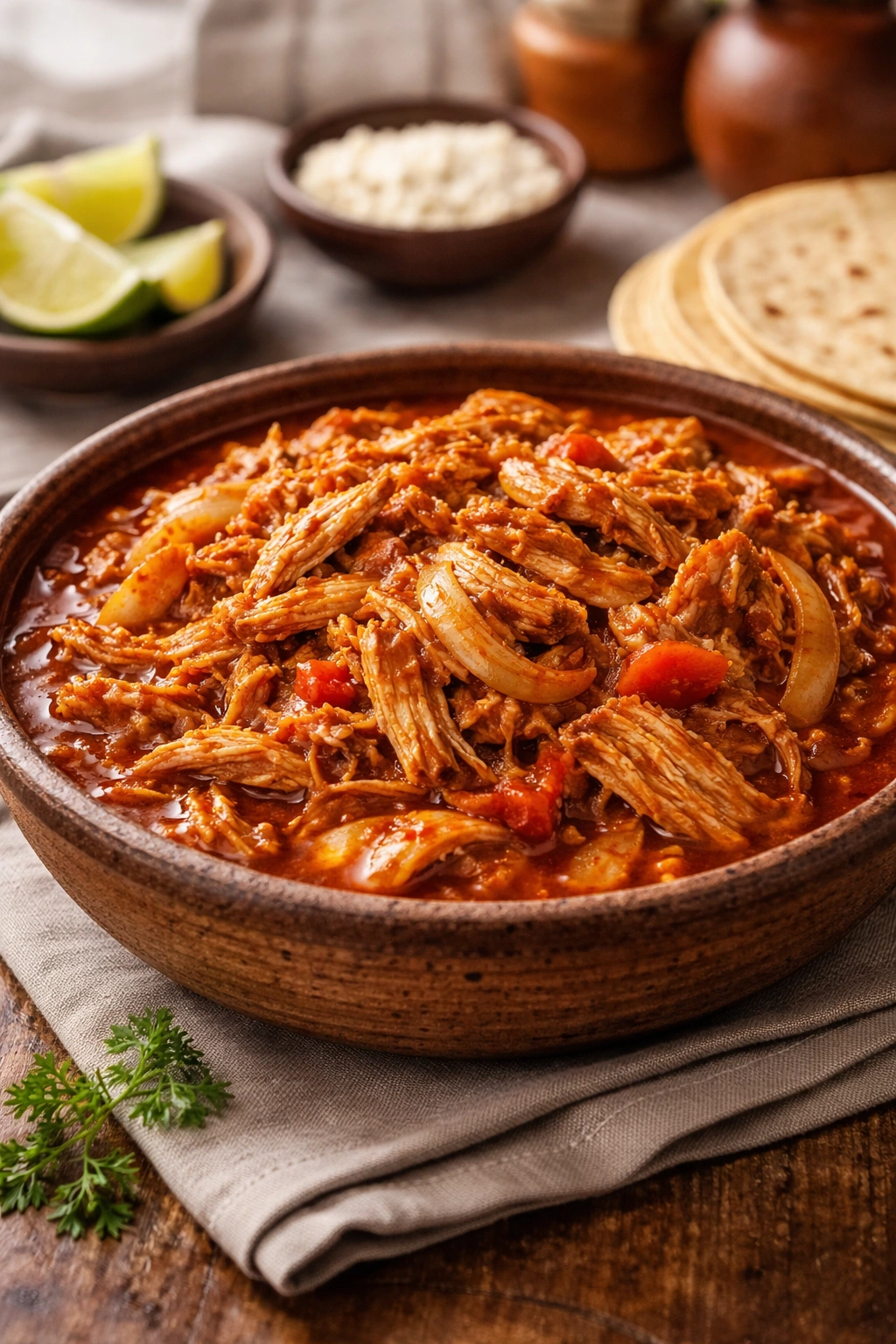
Tinga is a rustic, smoky dish where chicken is cooked with chipotle chiles in adobo sauce, along with onions, tomatoes, and sometimes potatoes or chorizo. It’s comfort food that improves over time and works for tacos, enchiladas, or served over rice.
The Flavor Profile
The smokiness comes from the chipotle chiles, which are jalapeños that have been smoked and preserved in adobo. You’ll find them in most grocery stores in small cans. Don’t drain the adobo—the sauce the chiles are packed in becomes part of your cooking liquid. Blend a few chipotles with their sauce, cook it with sautéed onions and tomatoes, then add shredded cooked chicken and simmer until the sauce thickens and the flavors deepen.
Making It Your Own
Tinga is flexible. Some versions add chorizo for more richness. Others add potatoes to make it more substantial. You can make it mild with just one chipotle or spicy with several—taste as you go. The key is simmering long enough that the flavors fully integrate, usually 20-30 minutes.
Use it for tacos, over rice, or in enchiladas. It also reheats beautifully and freezes well, making it ideal for meal prep.
Pro tip: Make tinga the day before you plan to serve it. The flavors deepen overnight, and the texture becomes even better.
11. Huevos Rancheros
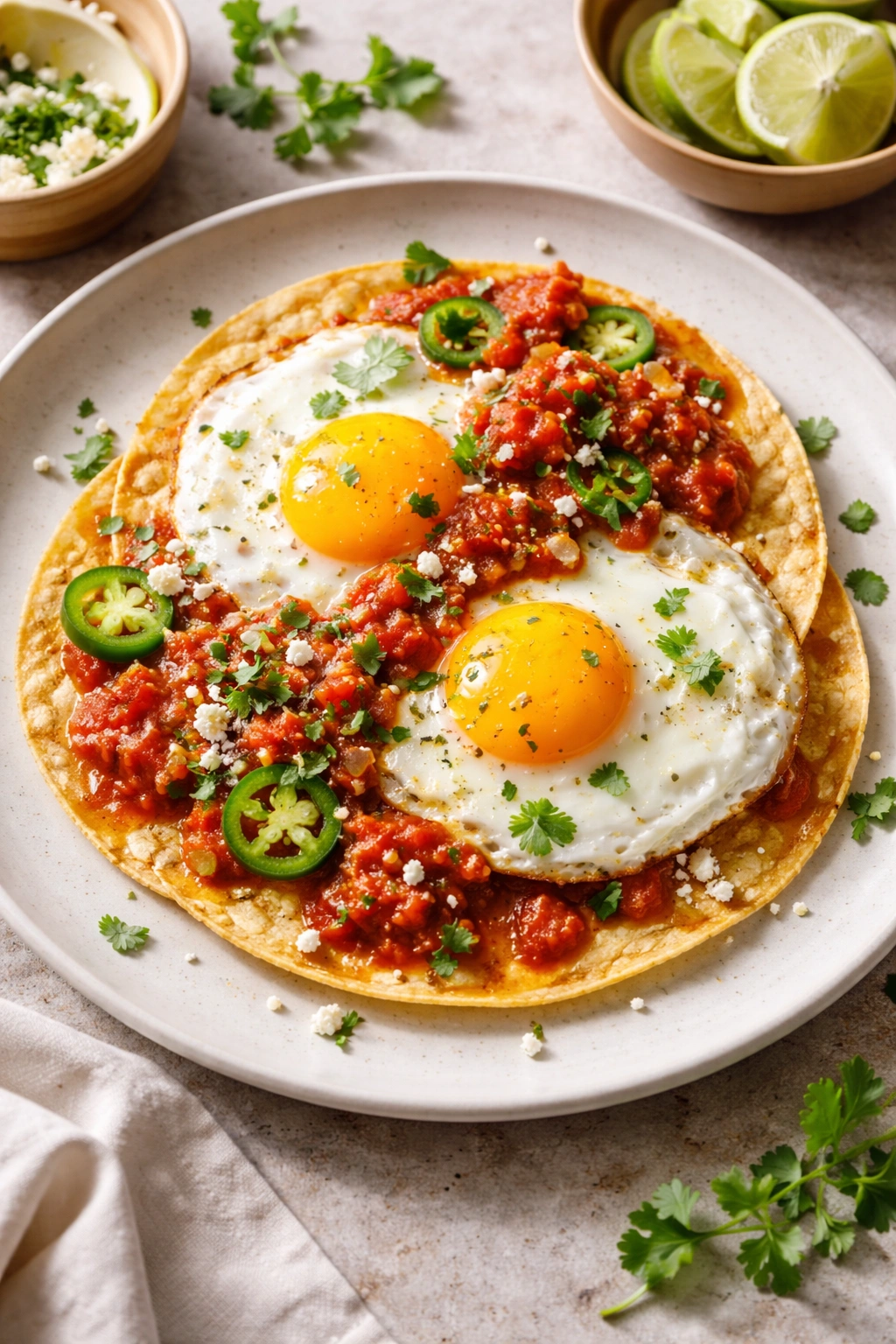
Huevos rancheros (rancher’s eggs) are eggs served on top of crispy fried tortillas and covered with salsa. They’re typically a breakfast dish in Mexico, though they work for any meal. The beauty is in the quality of each component—perfectly fried eggs, crispy tortillas, and vibrant, well-balanced salsa.
Components That Matter
The tortillas should be fried until they’re golden and crispy but still pliable enough to hold the eggs. The salsa can be red or green, but it should taste bright and fresh, never watery. A simple red salsa is blended roasted tomatoes, onion, garlic, and cilantro with lime juice. Warm it gently—it shouldn’t be piping hot or it will scramble the eggs.
The eggs are fried in a generous amount of oil until the whites are set but the yolks are still runny. This is non-negotiable—a runny yolk mixes with the salsa and tortilla, creating creaminess and richness.
Assembly and Serving
Place a warm fried tortilla on a plate, top with a fried egg (or two), pour salsa over the top, and serve immediately with warm tortillas on the side for scooping. Add black beans, refried beans, or sliced avocado on the side. A sprinkle of crumbled queso fresco or fresh cilantro finishes it beautifully.
Worth knowing: Everything can be prepped ahead. Fry your tortillas, make your salsa, and have black beans warm and ready. The only thing that happens at the last minute is frying the eggs and assembling the plate.
12. Arroz Rojo with Chile and Tomato
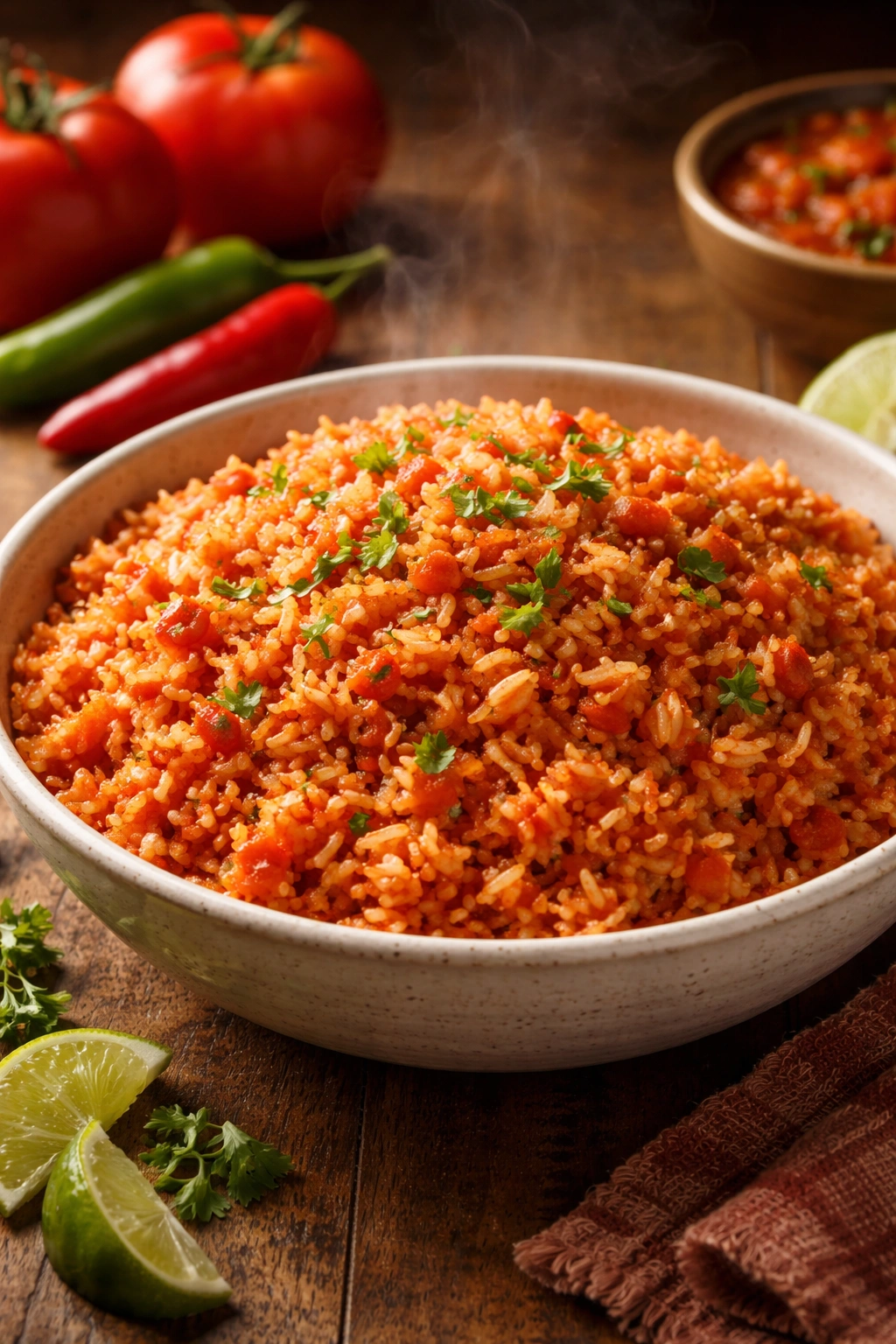
Arroz rojo (red rice) is the classic Mexican rice dish—long-grain white rice cooked in a tomato and chile-based broth until each grain is tender but still separate. It’s the side dish that appears at nearly every meal, and making it properly is a skill every cook should have.
The Technique That Changes Everything
The process starts by frying rice in oil with diced onion and minced garlic until the grains are coated and turn slightly translucent at the edges—about 3-4 minutes of constant stirring. This toasting develops flavor and helps the grains stay separate during cooking. Blend roasted tomatoes with onion, garlic, and a dried chile or two (guajillo works beautifully), then strain through a fine-mesh sieve. This chile-tomato liquid becomes your cooking medium.
Pour the strained tomato mixture into the toasted rice, bring to a boil, then reduce heat to the lowest setting, cover tightly, and cook for about 18-20 minutes without opening the lid. The trapped steam cooks the rice evenly. Remove from heat and let it sit covered for 5 minutes, then fluff with a fork.
Building Flavor Depth
Season the broth with salt before adding it to the rice so the seasoning cooks into the grains rather than being added after. A small amount of cumin or a bay leaf can be added to the cooking liquid for additional flavor, though authentic arroz rojo is often quite simple.
Serve as a side to virtually any Mexican entrée. It should be bright red, fragrant with tomato and chile, and never mushy or clumpy.
Pro tip: Leftover arroz rojo makes excellent arroz a la mexicana—reheat it in a skillet with diced tomato, peas, carrots, and corn for a complete side dish.
Final Thoughts
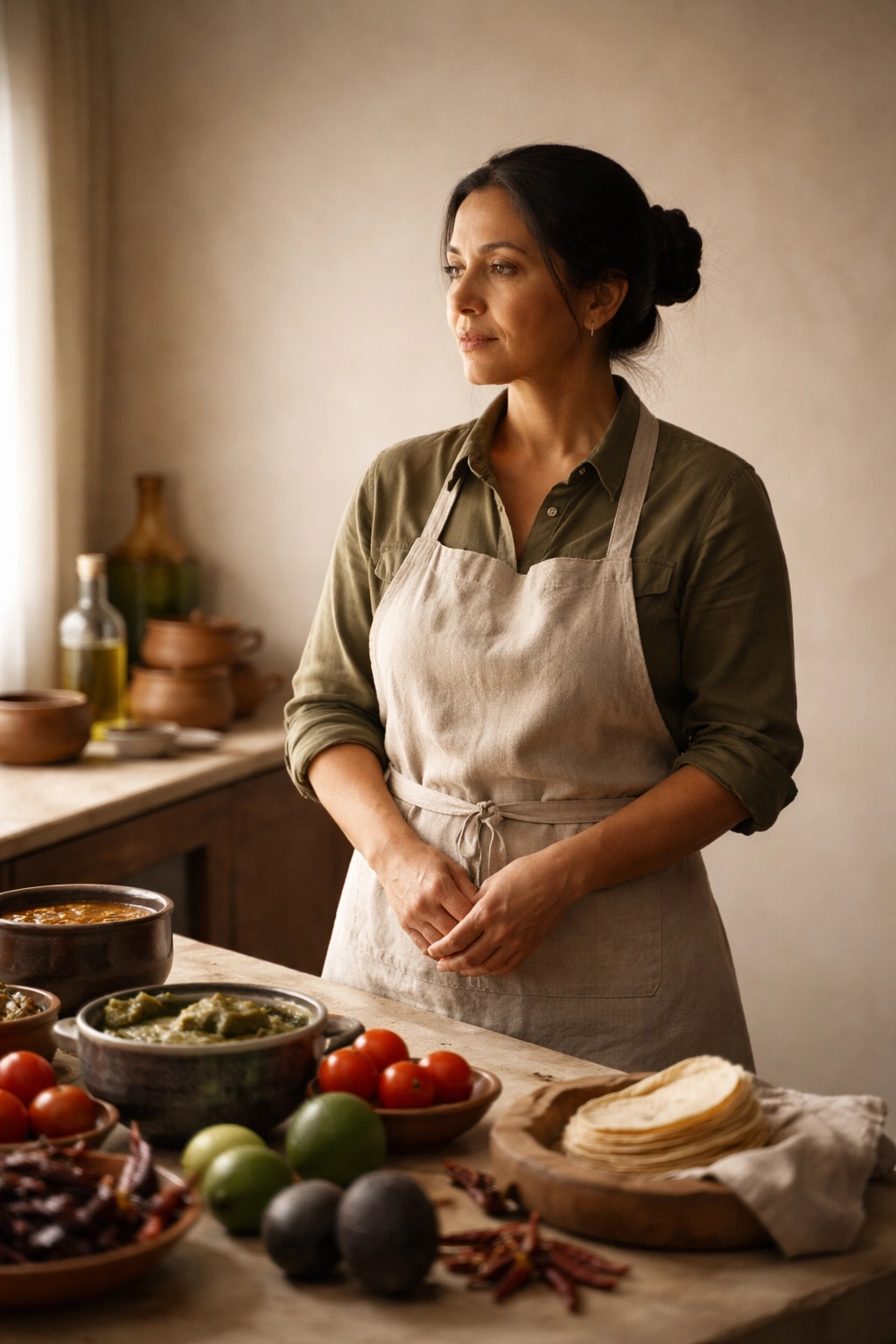
Cooking authentic Mexican food at home is as much about understanding technique and respecting tradition as it is about having the right ingredients. Each of these dishes represents generations of knowledge about how to coax maximum flavor from simple, quality components and how to transform time and attention into dishes that taste like home.
Start with whichever dish calls to you most strongly. Make it once, then make it again—the second time you’ll work faster and understand the recipe more intuitively. Pay attention to how flavors develop, taste as you cook, and adjust seasoning gradually. These recipes reward practice and careful attention more than almost any other cuisine.
The beauty of authentic Mexican cooking is that it’s fundamentally approachable. You don’t need exotic equipment or hard-to-find ingredients. What you need is patience, quality basics (good chiles, fresh cilantro, quality oil), and willingness to spend time on the cooking process. Make one of these dishes well, and you’ve not only created something delicious for your dinner table—you’ve connected with a culinary tradition that stretches back centuries.
